INTERNACIONAL
La últimas palabras que Ana Frank escribió en su diario íntimo el 1 de agosto de 1994: después fue secuestrada y asesinada por los nazis

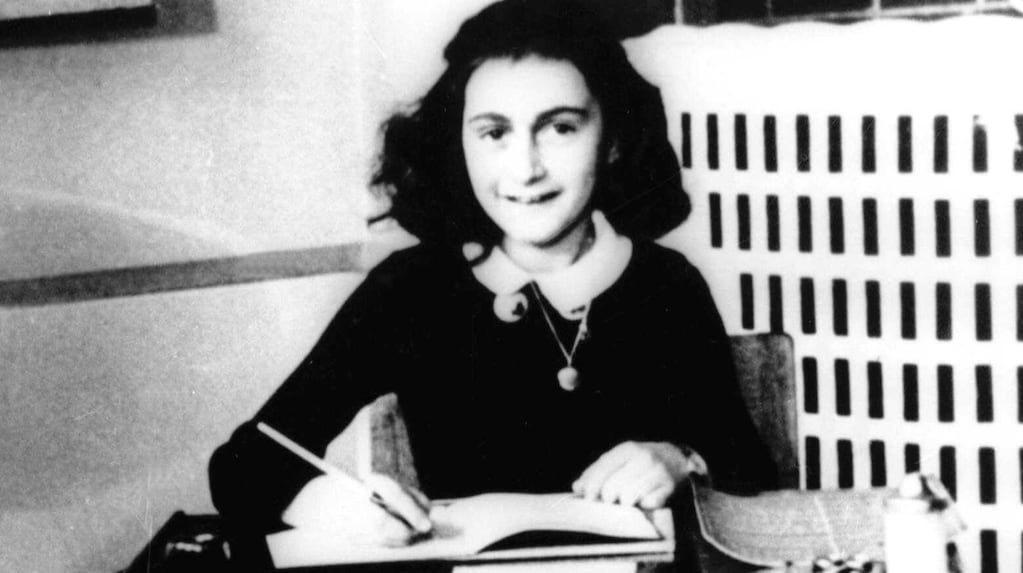
Sin saber que sería la última vez, la muchacha de 15 años abrió el cuaderno de tapas rojas y blancas, biseladas con beige y escribió la entrada de ese día, martes 1 de agosto de 1944, hace 82 años. Era un mensaje, confidencial, íntimo, entrañable dirigido a Kitty. Pero Kitty era nadie, era su amiga secreta, la de su imaginación, la que conocía su vida como ninguna otra persona, sólo que no era una persona física: era un refugio. Después, Anna Frank firmó el texto previo con un cariñoso: “Tuya”.
No podía saberlo, pero era su testamento: tres días después ella y su familia fueron capturados por los nazis que ocupaban Holanda, y enviados a aquella fábrica de muerte que era el campo de exterminio de Auschwitz. Sólo Otto Frank, el padre de Anna, sobrevivió, rescató el diario de su hija y lo dejó como legado de aquel horror. Anna murió de tifus en el campo de Bergen-Belsen, en una fecha no precisada, tal vez en marzo de 1945, cuando ya la Segunda Guerra llegaba a su fin.
“(…) ¿Verdad que nadie conoce el lado bonito de Ana, y que por eso a muchos no les caigo bien?”, quiere saber Anna y le pregunta, se pregunta, a su amiga invisible. Esa última entrada de su diario es un fiel reflejo de su personalidad, de sus ansias de vivir: llevaba ya dos años escondida junto a su familia y a otras personas, ocho en total, en un refugio construido en la parte trasera de la pequeña empresa de Otto Frank, en el 263 de Prinsengracht, en uno de los viejos barrios de Amsterdam.
Era un escondite conocido como “La casa de atrás”: tres plantas unidas al edificio principal, dos habitaciones y baño en la primera planta, cincuenta metros cuadrados, una habitación grande y otra más chica en el piso superior, y una buhardilla en lo alto, a la que se accedía por una escalera de mano. A esa “Casa de atrás” se entraba por una puerta disimulada detrás de una estantería llena de libros que se alzaba en las oficinas de la empresa.
Allí vivió Anna entre sus 13 y 15 años. Y allí anotó los hechos más importantes de su vida breve. Aún hoy, leer esas páginas revela su crecimiento, su aprendizaje sentimental, su adiós a la infancia, su entrada a la adolescencia, sus dudas y certezas, la fe en Dios, en la naturaleza humana, en la amistad, el amor, la esperanza y en el misterio de la muerte.
¿Quién fue esa muchacha que hoy rondaría los 97 años y, tal vez, hubiera cumplido su sueño de ser escritora? Annelies Marie Frank nació el 12 de junio de 1929 en Frankfurt am Main, Hesse, en una familia de judíos alemanes. Su padre, que había combatido como teniente en la Primera Guerra Mundial, era un pequeño comerciante, dueño de una empresa, Opekta, que elaboraba materia prima para dulces y mermeladas. Su mujer, Edith, cuidaba la educación de sus dos hijas: Margot, la mayor y Anna, tres años menor. Dos meses después de la llegada de Adolf Hitler al poder en enero de 1933, ya en plena vigencia las leyes raciales implantadas por los nazis, unas elecciones municipales en Frankfurt dieron una amplia victoria al nacionalsocialismo y desataron entonces las primeras grandes manifestaciones antisemitas en la región.
Otto Frank creyó entonces que era vital huir de Alemania: montó en Ámsterdam una filial de Opekta y la familia completa se trasladó a Holanda: según las flamantes leyes alemanas, esa emigración les hizo perder la ciudadanía. Anna tenía 10 años cuando estalló la Segunda Guerra, en septiembre de 1939. El nazismo había dejado de lado sus caretas y disfraces y se mostraba como lo que era: un régimen de terror que proclamaba la superioridad racial aria, impulsaba la expansión alemana hacia el Este y pretendía dominar Europa primero y el resto del mundo después. Ana Frank fue una nena judía víctima del holocausto. (Foto: AP)
El 10 de mayo de 1940, los nazis invadieron y ocuparon Holanda. La reina Guillermina huyó a Londres y los judíos holandeses supieron que estaban destinados al exterminio, sobre todo después de enero de 1942, cuando los nazis decidieron eliminar a la totalidad de judíos de Europa: 11 millones de personas. En poco tiempo, los judíos de Holanda perdieron sus derechos, fueron apartados de la vida social, de las instituciones públicas y de los cargos oficiales; luego los obligaron a andar por la calle y por la vida con una estrella de David prendida a sus ropas.
En junio, a punto de cumplir los 13 años, Anna pidió un regalo: un diario en el que pudiera anotar sus intenciones, sus fantasías, tal vez las ideas para sus cuentos de futura escritora. No era cualquier diario; había visto el de sus sueños en una librería de Ámsterdam y había quedado cautivada: tapas duras, a cuadros rojos y blancos con un toque oblicuo de beige, que se cerraba con una correa de cuero que terminaba en un broche metálico que calzaba justo en una cerradura atornillada a la tapa: una belleza.
Cuando Otto lo puso en sus manos, Anna supo que, en medio de la desazón y el desconcierto que le provocaba la guerra, esas páginas serían sus amarras para permanecer a flote, tal vez viva. Empezó a escribir el mismo día. Menos de un mes después de aquel cumpleaños dichoso, su hermana, Margot, recibió una citación de los nazis de la “Unidad central para la emigración judía en Ámsterdam”, que ordenaba la deportación de la muchacha de 16 años a un campo de trabajo. Entonces Otto tomó dos decisiones que, pensó, salvarían a su familia: cedió la dirección de su empresa a dos colaboradores arios y armó “La casa de atrás”. Si alguien preguntaba por ellos, los Frank habían dejado Ámsterdam. Cómo fue que a esa familia se unieron luego otras cuatro personas, es parte de otra historia. Pero en ese pequeño reducto pasaron dos años escondidos, sin salir a la calle, sin hacer ruidos que pudiesen ser detectados desde el exterior, sobre todo por las noches, cuando se suponía que la empresa estaba cerrada; los Frank no podían usar el depósito del baño a esas horas, ni vivir con las luces encendidas.

Foto del pasaporte de Ana Frank. (Foto: AFP)
En ocasiones, cuando Opekta cerraba sus puertas y el último de los empleados se marchaba a casa, los refugiados podían cenar en la casa principal con las dos personas que eran sus protectores y conocían el secreto de la “Casa de atrás”. Eran Miep Gies, una de las directoras administrativas de la empresa que conocía a Otto Frank desde 1943, Víctor Kugler, otro de los empleados de confianza de Frank y directivo de la empresa; y Johannes Kleiman, también directivo: los tres arriesgaron sus vidas durante dos años mientras proveían de ropa y comida a los “escondidos”.
En esas raras noches de relajación, escuchaban la BBC de Londres y sabían en parte cómo marchaba la guerra. Pero también sabían por voz de sus amigos de las deportaciones de judíos a los campos de concentración. Anna anotaba todo en su diario, incluido su disgusto por tener que compartir su habitación con un dentista refugiado, Fritz Pfeffer, a quien veía como un invasor de su intimidad.
Sumario, Ana Frank, Segunda Guerra Mundial, Auschwitz












INTERNACIONAL
Temporal en Chile: al menos dos muertos y más de 300 afectados por las fuertes lluvias y ráfagas de 100 km/h
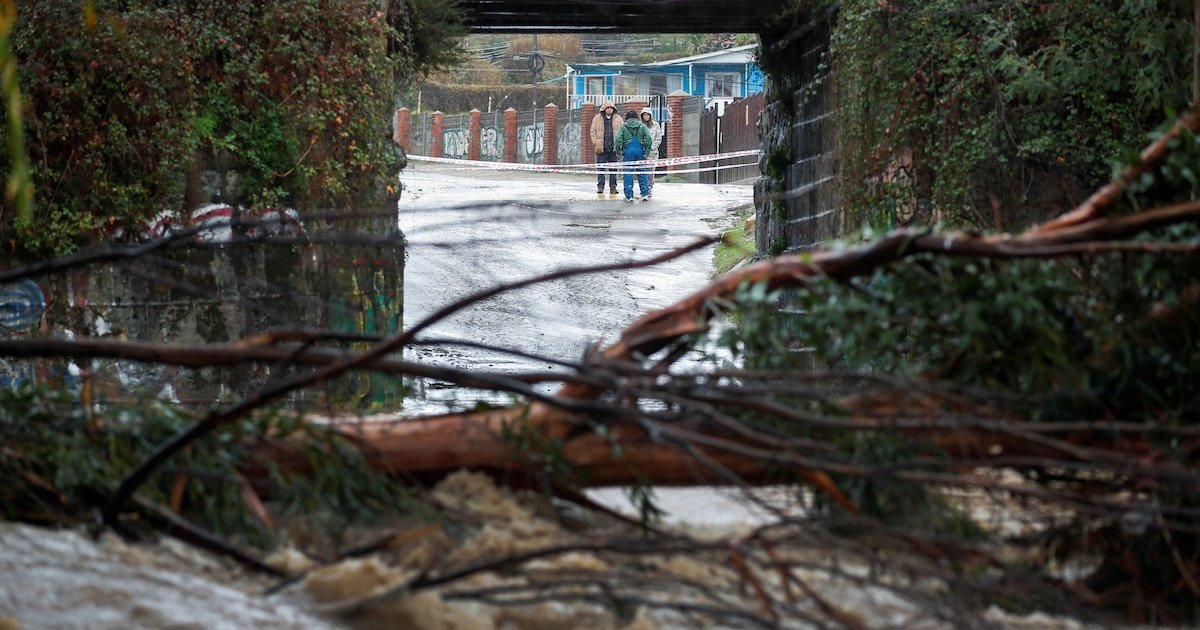
Al menos dos personas murieron y más de 300 resultaron afectadas debido al fuerte temporal que afecta al centro y sur de Chile, según informaron el sábado las autoridades. Las lluvias provocaron desbordes e inundaciones que mantienen en emergencia a varias comunas desde la región del Maule hasta Los Lagos.
El subsecretario del Interior, Máximo Pavez, confirmó el fallecimiento de dos personas en la región de Los Ríos. “Quisiéramos dar cuenta como gobierno del fallecimiento de dos personas en el contexto de este evento meteorológico en la Región de Los Ríos tras la caída de un árbol a su vehículo”, señaló el funcionario.
Las autoridades mantienen la alerta por las lluvias persistentes, los fuertes vientos y el aumento del caudal de los ríos. La dirección nacional del Servicio Nacional de Prevención y Respuesta ante Desastres (Senapred) reportó el sábado 347 personas damnificadas y 2.052 aisladas, principalmente por la interrupción de caminos tras el desborde de ríos. Además, la institución emitió 13 alertas de evacuación e informó sobre vientos con rachas superiores a 100 kilómetros por hora.
Además, se reportan 11 viviendas destruidas, 107 con daño mayor, 1.007 con daño menor y otras 572 en evaluación, según el levantamiento preliminar de los municipios.
El suministro eléctrico, aunque se mantiene para el 97,7% de los clientes a nivel nacional, presenta interrupciones en 155.891 hogares de las zonas afectadas. Tan solo en la Región del Biobío, más de 34.000 familias permanecen sin energía. En Alto Biobío, 180 personas quedaron aisladas y se reportan múltiples remociones en masa en localidades como Florida, Los Ángeles, Nacimiento, Mulchén y Santa Juana.

En cuanto al desarrollo de la emergencia, el fenómeno meteorológico provocó anegamientos, crecidas de ríos y remociones en masa en varios puntos. En Biobío, se declararon alertas rojas por desbordes en distintas comunas y en La Araucanía permanece vigente la alerta roja desde el viernes por condiciones similares. En total, permanecen activas ocho alertas rojas y once amarillas.
La directora nacional de Senapred, Alicia Cebrián, informó que las precipitaciones moderadas a fuertes continuarían durante la noche del sábado y solo comenzarán a disminuir hacia la madrugada y mañana del domingo. Añadió que sigue vigente el aviso meteorológico por tormentas eléctricas en sectores de La Araucanía y Los Ríos.
Las autoridades activaron en trece ocasiones el Sistema de Alerta de Emergencia (SAE) para las regiones de Biobío, La Araucanía y Los Lagos, principalmente con carácter preventivo para advertir sobre el aumento del caudal en diversos cursos de agua.

En La Araucanía, las comunas de Traiguén, Lumaco, Purén, Los Sauces, Angol, Renaico y Toltén concentran las principales afectaciones. Unas 22 personas permanecen albergadas y cerca de 38.000 clientes siguen sin energía eléctrica. En Los Ríos, continúan las alertas rojas para Valdivia, Los Lagos y La Unión debido a desbordes. Por su parte, en Los Lagos, están activas las alertas rojas para San Pablo —por el desborde del río Bueno— y para Osorno, a raíz de la crecida del río Rahue. En San Pablo, unas 300 personas se encuentran aisladas por el aumento del caudal.
Las autoridades insisten en la importancia de mantenerse informados a través de los canales oficiales, evitar acercarse a ríos y zonas inundadas, y respetar las instrucciones contenidas en los mensajes SAE. El subsecretario Pavez subrayó que, pese a las condiciones atmosféricas adversas, no se han registrado oficialmente tornados durante la jornada.
(Con información de AFP)
Disasters / Accidents,South America / Central America,Weather Markets / Weather

NEWYou can now listen to Fox News articles!
Twenty-eight children from across Israel who lost a parent killed while serving in the country’s security forces participated in a three-week delegation to North America as part of the IDF Widows & Orphans Organization’s annual Bar/Bat Mitzvah program.
The journey began earlier this month in Chicago, where the children spent a weekend with host families before traveling to Camp Chi in Wisconsin for nearly a week of activities with American kids. They then continued to New York City, where they visited Times Square and saw The Lion King on Broadway, before heading to New Jersey. For many, it was their first visit to the United States.
FREED HOSTAGE ROM BRASLAVSKI DETAILS ABUSE, STARVATION DURING 738 DAYS IN GAZA CAPTIVITY
The IDF Widows & Orphans Organization’s annual Bar/Bat Mitzvah program delegation in NYC at Times Square. (Yiftach Moran)
«Everything is planned very carefully. The Lion King, for instance, is more than a Broadway show for them. It’s the story of an orphan who is able to honor his father’s memory and move forward because of the support of his friends. Nothing about this trip is accidental. It is deliberately designed to give them as powerful and meaningful an experience as possible,» Daniel Elbaum, executive director of the IDF Widows & Orphans Organization, told Fox News Digital.
With the United States home to the world’s largest Jewish population outside Israel, the trip gave the children an opportunity to meet people from diverse backgrounds and levels of religious observance while, for many, experiencing international travel independently for the first time — which Elbaum said reflects their entry into the covenant with the Jewish people in a tangible and meaningful way.
Although the trip was not designed as an initiative to combat antisemitism, Elbaum said fostering a strong Jewish identity, pride in Israel and solidarity with its people are among the most important ways to help American Jews confront the world’s oldest hatred.
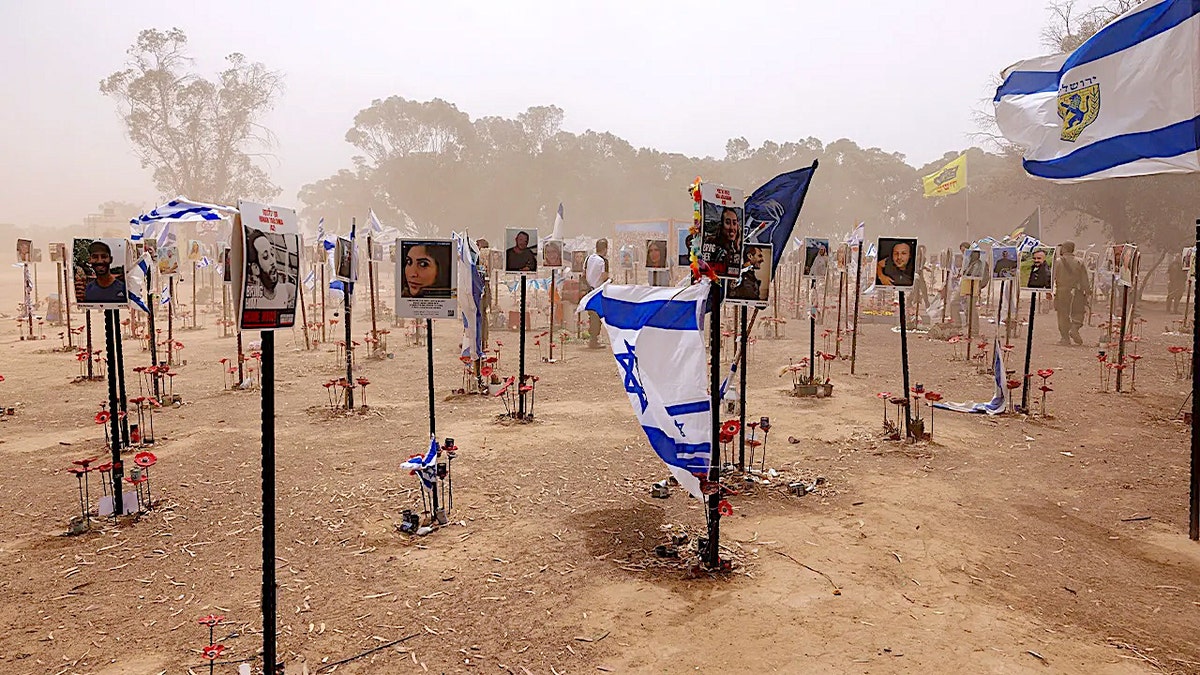
Memorials at the site of the Oct. 7 Hamas terror attack on the Supernova music festival near Kibbutz Re’im, Israel, on Monday, May 27, 2024. (Kobi Wolf/Bloomberg via Getty Images )
«As much as I think we are doing something important for these Israeli children, whose families have paid the highest price for Israel, what we are doing for the American children is almost as important in giving them a sense of pride and connection they might not otherwise experience,» he added.
INSIDE ISRAEL’S MISSION TO TRAIN CIVILIANS TO STOP THE NEXT OCT 7-LIKE TERROR ATTACK
Founded in 1991, the IDF Widows & Orphans Organization supports more than 18,000 widows, widowers and orphans through assistance programs, rehabilitation, advocacy and legislative efforts. Since the Hamas-led Oct. 7, 2023 massacre and the ensuing war, 359 widows and widowers — including 48 pregnant widows — and 910 new orphans have joined Israel’s circle of bereavement.
Among this year’s participants was 11½-year-old Tal Goldstein-Almog from Kibbutz Kfar Aza, who was taken hostage to Gaza with his mother and two siblings on Oct. 7 and held for 51 days. His father, Nadav, and sister Yam, an IDF soldier, were murdered during the attack.
Tal did not tell the other children he had been held captive until one evening, when he felt ready to share his experience.
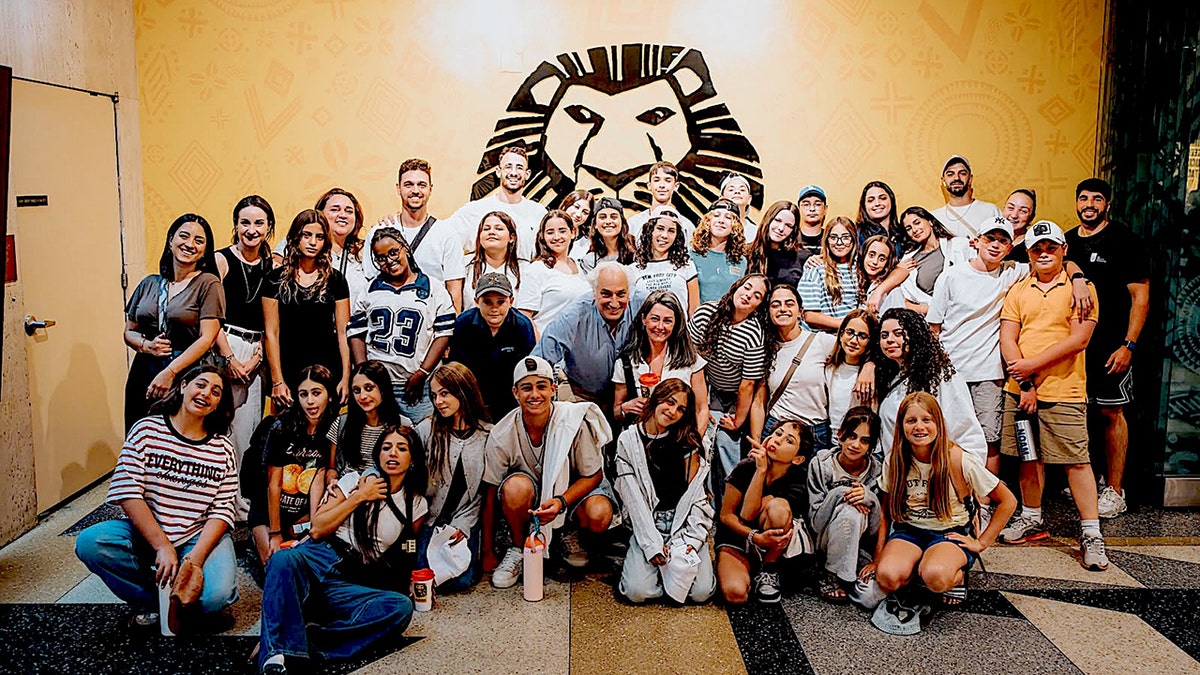
The IDF Widows & Orphans Organization’s annual Bar/Bat Mitzvah program delegation in NYC after seeing the Lion King on Broadway. (Yiftach Moran)
«It’s not hard to tell people, but it’s not easy either. Once you’ve said it, you don’t know how others will react or treat you. That night, it felt safe to open up, and nothing has changed in the way they treat me since,» he told Fox News Digital.
The trip was Tal’s first extended journey without his family. He learned about the program from a friend from the kibbutz who also participated.
ISRAEL’S NEW EXHIBIT EXPOSES YEARS OF HAMAS TERRORIST PLANNING BEFORE OCT 7 MASSACRE
«Now that I came, I think I will continue taking part in these things after meeting new kids, feeling comfortable around them and understanding that we experienced the same things,» he said.
Tal said that since Oct. 7, the connections in his life have helped him maintain a sense of normalcy.
«My motto is that life is always going to continue,» he added. «It feels refreshing to come to a new country and experience fun things here.»
Shadan Knefiss first participated in the program as an IDF orphan and has since returned as a counselor, supporting the next generation of bereaved children. A member of Israel’s Druze community, she also joined the delegation to help translate for participants whose first language is Arabic.
«I met a lot of people here who don’t know about the Druze. We serve the country, we love our country, and we even die for it. We pay the same price as everyone else. Most terrorists in Israel are Arab, but because we speak Arabic and serve our country, it’s a bit of a twist,» she told Fox News Digital.
SIGN UP FOR ANTISEMITISM EXPOSED NEWSLETTER

Shadan Khnefiss (left) enjoying New York pizza with other participants in the IDFWO delegation. (Yiftach Moran)
Shadan became an orphan at the age of three. Her father, a Border Police officer stationed in Jerusalem, transferred to northern Israel after her brother was born with a serious skin condition so he could be closer to the family. He was killed in a car accident during his first shift there.
«This program helped me in so many ways throughout my life. The people around me have not all lost their father, so sometimes I can’t relate to them. Sometimes I want to share how I feel, but they don’t understand. This program made me feel comfortable talking about things I can’t discuss with people in my everyday life,» she said.
Noor, 13, was one of three participants whom Shadan helped during the trip. His father, Yosef Saleh, served in the IDF before joining the Israel Police, where he was killed in the line of duty in 2013.
Noor told Fox News Digital that it was his first trip to the United States. «My message to other children like us is to go on trips, meet new kids and make new friends,» Noor said.
anti semitism, israel, judaism, terrorism
INTERNACIONAL
Inside the behemoth Smithsonian museum network drawing fire from the Trump administration
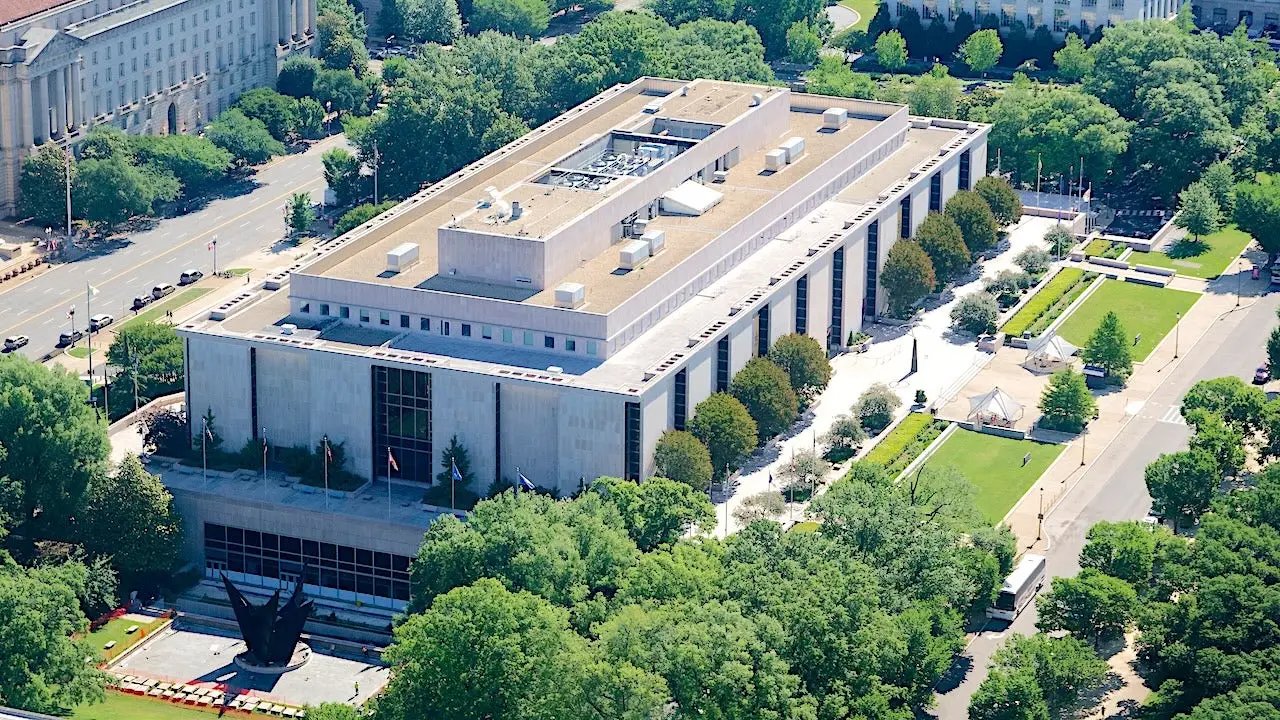
Trump orders warning signs outside Smithsonian over ‘woke’ exhibits
President Donald Trump orders warning signs outside the Smithsonian, alleging politicized exhibits that emphasize activism over history. The institution faces scrutiny for promoting racial reparations and for a 2020 infographic criticizing ‘white culture.’ A congressional hearing further ignited debate over the museum’s ‘woke’ displays and their historical accuracy, highlighting the growing tension.
NEWYou can now listen to Fox News articles!
The Smithsonian Institution, whose museums in Washington, D.C. have come under fire from conservatives and President Donald Trump over what they describe as increasingly left-wing messaging, is the world’s largest museum complex, comprising a sprawling network that spans the country and influences millions of people each year.
Founded in 1846 with funds from the will of British scientist James Smithson, who never visited the United States but left his fortune to establish an institution «for the increase and diffusion of knowledge,» the Smithsonian steadily grew from a single museum into the world’s largest museum, education and research complex.
Today, the Smithsonian owns or leases nearly 700 facilities across eight states, Washington, D.C., and Panama, encompassing roughly 13.6 million square feet of museums, laboratories, archives, warehouses, research stations and support facilities.
The organization now houses more than 157 million artifacts and specimens, operates 21 museums along with the National Zoo and 14 education and research centers, maintains 21 libraries, and partners with more than 200 affiliate museums and cultural institutions nationwide.
TRUMP ORDERS SIGNS OUTSIDE SMITHSONIAN MUSEUM AMID ROW OVER ITS DEPICTION OF AMERICAN HISTORY
The Smithsonian’s National Museum of American History is being called out for being ‘ideologically captured’ and presenting woke revisionist history on the weekend of America’s 250th birthday. (Kevin Carter)
Visitors see only a fraction of the Smithsonian’s overall collection. Roughly 99% of the Smithsonian’s more than 157 million artifacts and specimens are kept in storage facilities, laboratories and archives, where they are preserved and studied by researchers.
The Smithsonian as a whole welcomes over 30 million in-person visitors each year, while its educational resources and digital platforms reach millions more. The institution operates on an annual budget of more than $1 billion.
The Smithsonian isn’t just a museum operator, it’s effectively a national education and research institution that has a vast reach across school campuses nationwide as it helps shape the educational experience of the nation’s students.
GOP LAWMAKER DEMANDS ANSWERS AFTER SMITHSONIAN CHIEF URGED MOVING BEYOND ‘AMERICA FIRST MENTALITY’

President Donald Trump speaks during the re-scheduled White House Correspondents Dinner in the Presidential Ballroom at the Waldorf Astoria on July 24, 2026 in Washington, DC. (Eric Lee/Getty Images)
Through initiatives like the Smithsonian Learning Lab and Smithsonian Science Education Center, the institution provides millions of free lesson plans, classroom activities, virtual field trips and other educational resources used by teachers and students nationwide. It also offers professional development for educators and educational programming that extends well beyond its museums.
On college campuses, the Smithsonian is actively involved in partnering with schools across the country on internships, fellowships, research collaborations and joint academic programs which put the organization in touch with thousands of undergraduate, graduate and postdoctoral students each year.
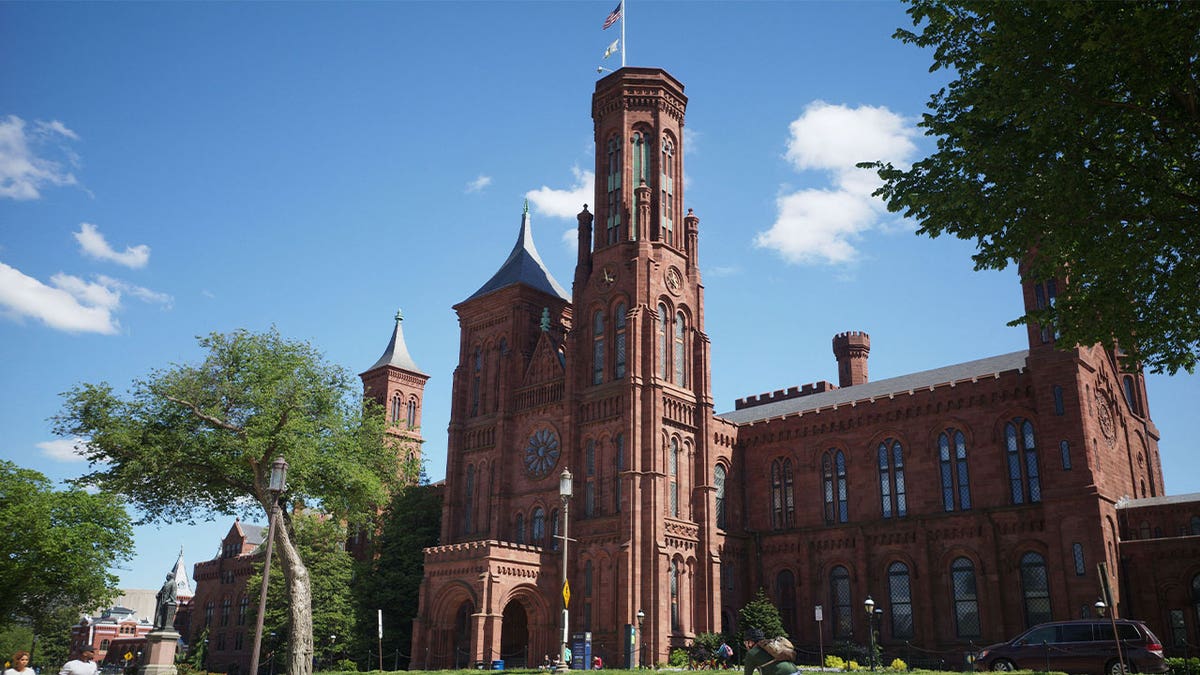
People walk on the National Mall near the Smithsonian Castle in Washington, D.C., on May 10, 2021. President Donald Trump has ordered signs installed outside the Smithsonian’s National Museum of American History directing visitors to a White House report criticizing the museum’s portrayal of American history. (MANDEL NGAN/AFP via Getty Images)
Earlier this month, the White House released a sweeping report warning about an alleged infiltration of leftist politics inside the Smithsonian, a report an expert told Fox News Digital is an example of the «long march through the institutions» that socialist and communist activists have been pushing in the United States for decades.
«That shift from history to activism is clearly documented in this report. Anthea Hartig, NMAH’s director since 2019, has explicitly stated that she sees history as a ‘prime tool of social justice’ and one of her roles as connecting ‘research and scholarship to activism and advocacy,’» the White House report stated.
Last week, President Trump ordered his administration to install signs outside the Smithsonian’s National Museum of American History directing visitors to what the White House describes as «accurate» information about the nation’s past, guaranteeing that the controversy over the Smithsonian’s cultural influence will remain a topic of conversation for months to come.
science education, museums exhibits, trending news, education, politics, smithsonian

Un jugador de la selección argentina reveló la charla que tuvo con su madre sobre las teorías conspirativas por la final del Mundial

$LIBRA: los millones que transfirió Hayden Davis antes del lanzamiento desembocaron en la financiera vinculada a Novelli

Gris pero sin lluvias en el AMBA y alertas por frío en el sur: el pronóstico del tiempo para la primera semana de agosto

Temporal en Chile: al menos dos muertos y más de 300 afectados por las fuertes lluvias y ráfagas de 100 km/h

Soledad Silveyra le reveló a Mirtha Legrand que no está bien de salud: “Me dicen ‘caminá aunque te duela’, pero no puedo”

Con dos dudas: La formación de Boca Juniors vs. Newell´s por la fecha 3 del Torneo Clausura

Trump admin invokes 30-year dormant terror court as it seeks to deport Afghan woman tied to Election Day plot

Creció la oferta de frutas importadas en las verdulerías: cuáles son las que más llegan y por qué

“Casta”, “parásito” y “sea democrático”: fuerte respuesta de Victoria Villarruel a Diego Santilli

Dem senator swipes credit for bill he opposed amid heated reelection bid: ‘Disturbing pattern’

 POLITICA1 día ago
“Casta”, “parásito” y “sea democrático”: fuerte respuesta de Victoria Villarruel a Diego Santilli
- INTERNACIONAL3 días ago
Dem senator swipes credit for bill he opposed amid heated reelection bid: ‘Disturbing pattern’
- INTERNACIONAL2 días ago
Trump promotes Freedom Haulers Initiative to fast-track military veterans into trucking jobs