
INTERNACIONAL
Paz anunció una reforma del gabinete, recortó ministerios y afirmó que comienza una etapa de transformaciones profundas en Bolivia

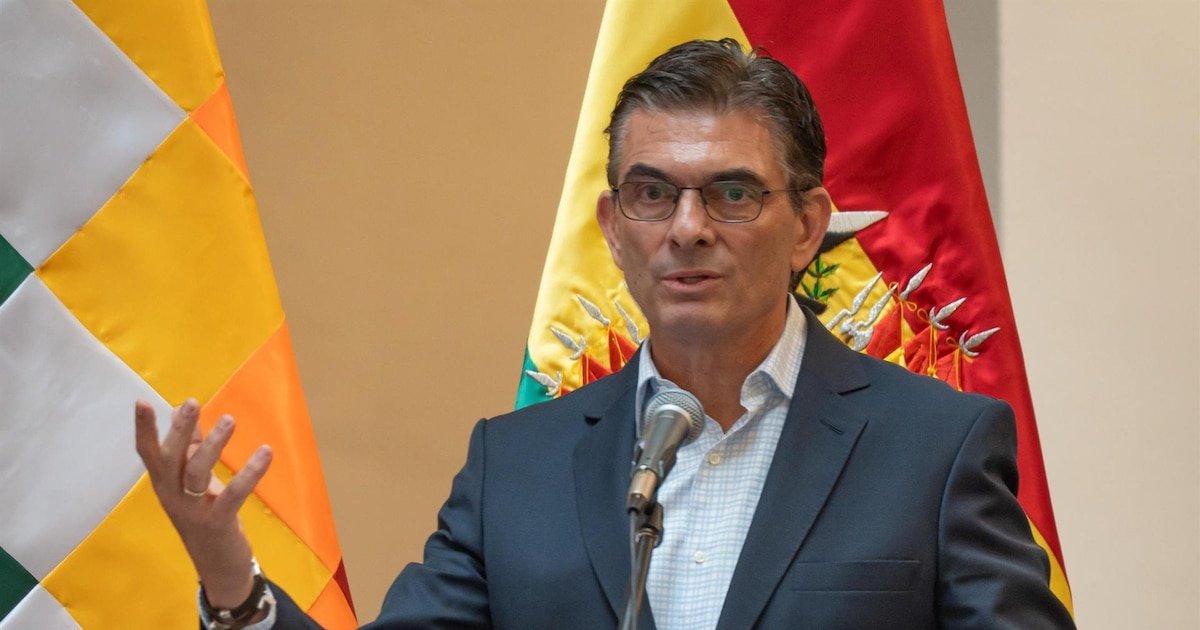
El presidente de Bolivia, Rodrigo Paz, anunció el lunes la reducción de la estructura del Gobierno central, que pasó de catorce a doce ministerios, tras eliminar las carteras de Planificación del Desarrollo y de Turismo Sostenible, Cultura, Folclore y Gastronomía, una medida que, según sostuvo, busca construir un Estado “eficiente” y reducir la “burocracia”. El anuncio ocurrió durante el acto de juramento de los nuevos ministros de Relaciones Exteriores, Héctor Huanca, y de la Presidencia, Fernando Aramayo.
Durante la ceremonia, el mandatario también informó que el hasta ahora ministro de la Presidencia, José Lupo, fue propuesto como nuevo embajador de Bolivia ante la Organización de los Estados Americanos (OEA).
Paz defendió la decisión de reducir la cantidad de ministerios y afirmó que forma parte de un proceso de reorganización del aparato estatal. “Recibimos un Gobierno que venía con 21 ministerios (…) Nosotros generamos otra instancia de catorce ministerios y hoy día, reduciendo la burocracia estamos pasando a doce ministerios. O sea que el Gobierno central está dando señales claras de buscar un Estado no ausente, sino presente, eficiente”, expresó.
El mandatario explicó que parte de las funciones del Ministerio de Turismo Sostenible, Cultura, Folclore y Gastronomía permanecerán dentro del Poder Ejecutivo, mientras que otra parte quedará bajo la órbita de una nueva agencia nacional.
Según indicó, ese organismo permitirá “darle agilidad” al vínculo entre “lo público y privado” y entre “lo nacional e internacional”, con el objetivo de generar un mayor impacto económico a partir de las actividades vinculadas al turismo, la cultura, el folclore y la gastronomía.

Respecto al Ministerio de Planificación del Desarrollo, Paz confirmó su eliminación y precisó que las funciones que consideró necesarias pasarán a otras instituciones del Estado. Además, informó que el actual titular de esa cartera, José Fernando Romero, continuará dentro del Gobierno con nuevas responsabilidades.
El presidente destacó la labor del funcionario durante esta etapa de reorganización administrativa. “Tuvo una labor extraordinaria para ir generando menos burocracia y mayor eficiencia en la capacidad de atención de los ciudadanos”, afirmó al referirse a Romero.
Paz también sostuvo que la modificación de la estructura ministerial marca una nueva etapa para su administración, que el próximo 8 de agosto cumplirá nueve meses desde su inicio.
Según señaló, las decisiones anunciadas representan el cierre de un “tiempo de transición” y el comienzo de las “transformaciones profundas” que prometió durante la campaña electoral.
El mandatario recordó que uno de sus principales compromisos antes de asumir el cargo consistía en “ordenar la casa” antes de avanzar en una agenda de reformas con organismos internacionales y socios externos.
En ese sentido, ratificó que ese proceso de “ordenamiento” constituye ahora “un punto de partida de las transformaciones” que pretende impulsar su administración.

La reforma ministerial se conoció casi una semana después del anuncio del acuerdo alcanzado entre Bolivia y el Fondo Monetario Internacional (FMI) para un programa técnico por 1.900 millones de dólares, destinado a respaldar las reformas económicas impulsadas por el Gobierno con el objetivo de estabilizar una economía que atraviesa una crisis.
Entre los compromisos contemplados en ese entendimiento figuran la continuidad de la “racionalización” del gasto público, la reducción gradual del déficit fiscal, la preservación del “financiamiento monetario cero” del déficit y la promoción de reformas orientadas a mejorar el clima de negocios y favorecer el crecimiento económico con protección social, según informó el organismo internacional.
Los anuncios del Ejecutivo también llegaron un día después de que el empresario y excandidato presidencial Samuel Doria Medina comunicara el retiro de su respaldo político al Gobierno.
Doria Medina argumentó que le “preocupa la corrupción” y cuestionó la ausencia de un cambio “integral” en distintas áreas del Estado, según expresó al anunciar el fin de su apoyo a la administración de Rodrigo Paz.
La reducción del gabinete constituye una de las principales modificaciones institucionales impulsadas por el Gobierno boliviano desde el inicio de la gestión y se produce en un contexto marcado por el programa de reformas económicas acordado con el FMI y por movimientos dentro del escenario político nacional.
(Con información de EFE)

INTERNACIONAL
WATCH: GOP senator unloads on ‘creature of Washington’ challenger in critical Senate showdown
NEWYou can now listen to Fox News articles!
MARYSVILLE, OH – The Ohio Senate race could very well decide the balance of power in the U.S. Senate in November and incumbent Republican Jon Husted is making the case that the reasons his Democratic opponent was voted out of office two years ago are still relevant today.
«He’s spent 32 years in Washington, and he’s got nothing to show for it, the voters over here in Ohio know it,» Husted told Fox News Digital at the annual Summer Farm Fest on Sunday when asked about his race against former Democratic Sen. Sherrod Brown.
«That’s why they sent him packing two years ago. He was defeated by Bernie Moreno by over 200,000 votes. This is all he’s done. He’s been in an elected office since 1974. He hasn’t done anything in the private sector. He’s just been a creature of Washington and I think the voters finally are tired of it. That’s why they sent him packing. I don’t think they’re gonna have any enthusiasm for rehiring him for a job that he failed at.»
After representing Ohio in the Senate for almost two decades after years of serving in the House of Representatives, Brown was defeated by Republican Bernie Moreno in 2024 in a blistering campaign that was one of the most expensive in U.S. history. Moreno consistently tied Brown to the unpopular positions of then-President Joe Biden, and Husted told Fox News Digital those concerns still exist, particularly on immigration.
FOX NEWS POLL: COOL YOUR SERVERS! VOTERS REJECT DATA CENTERS
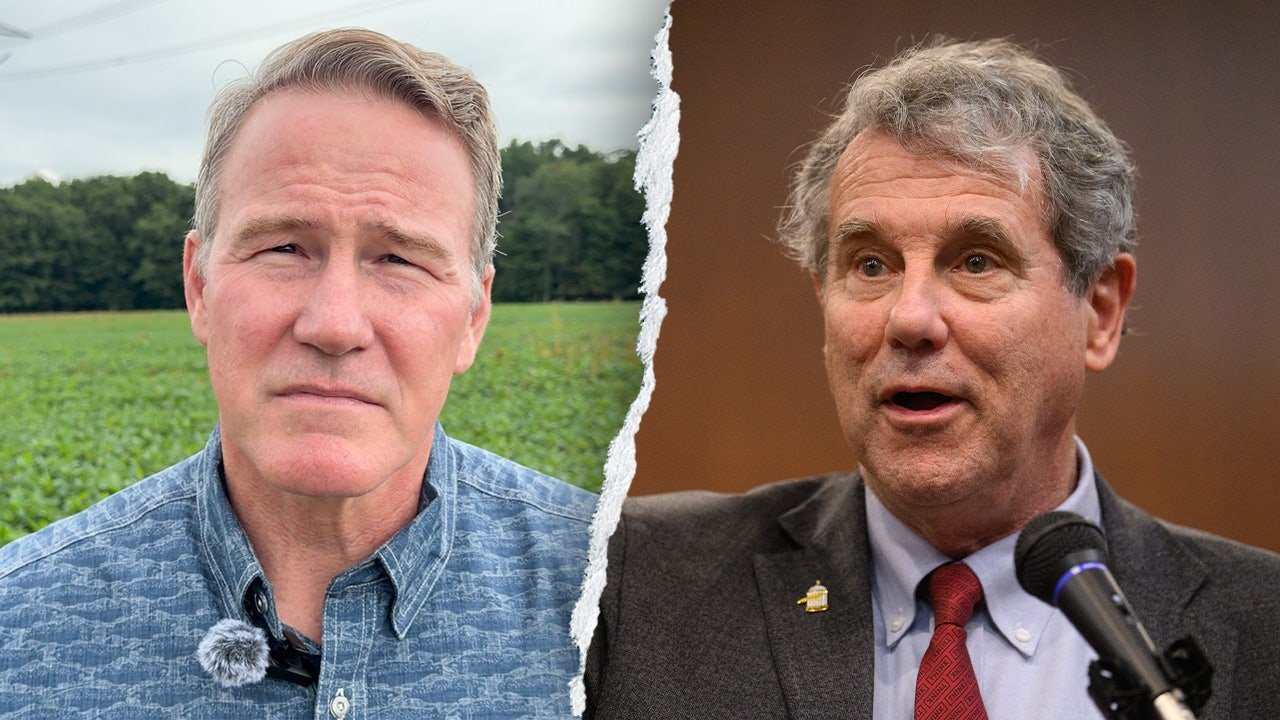
Fox News Digital spoke to Republican Sen. Jon Husted about his race against challenger Sherrod Brown in a closely watched Senate campaign. (Fox News Digital/Getty)
«We had basically an invasion of 11 million people,» Husted said. «He supported amnesty for them. He supported Social Security payments for illegals, healthcare for illegals, COVID checks for illegals. The sanctuary cities he supported led to crime, fentanyl, human trafficking in our state, and it’s been terrible, and the voters know this.»
«They know that he failed them. They know when he goes off to Washington with his comrades that he votes like a liberal, that he’s too liberal for Ohio, that he has a track record of voting with Bernie Sanders and Kamala Harris and Joe Biden, and that’s out of step with where Ohio is.»
Over the last few weeks, Brown has blanketed the airwaves with ads criticizing Husted on data centers, a hot-button issue in Ohio, arguing that Husted’s support of data centers over the years has resulted in higher energy prices for consumers.
Husted, who was appointed to the Senate in January 2025 after the departure of now-Vice President JD Vance, pushed back on that assertion when asked about the ads.
«He had 32 years in Congress, he did nothing about it, and I, in my, just briefly over a year there, have legislation to require data centers to build their own power, to pay their own way, and to give the benefits of their presence to the citizens of those local communities, rather than the way that Sherrod Brown has done it, where he’s failed,» Husted explained.
DEM SENATE CANDIDATE SHERROD BROWN CLAIMS HE SUPPORTS ‘CLOSING THE BORDER’; GOP SAYS RECORD PROVES OTHERWISE
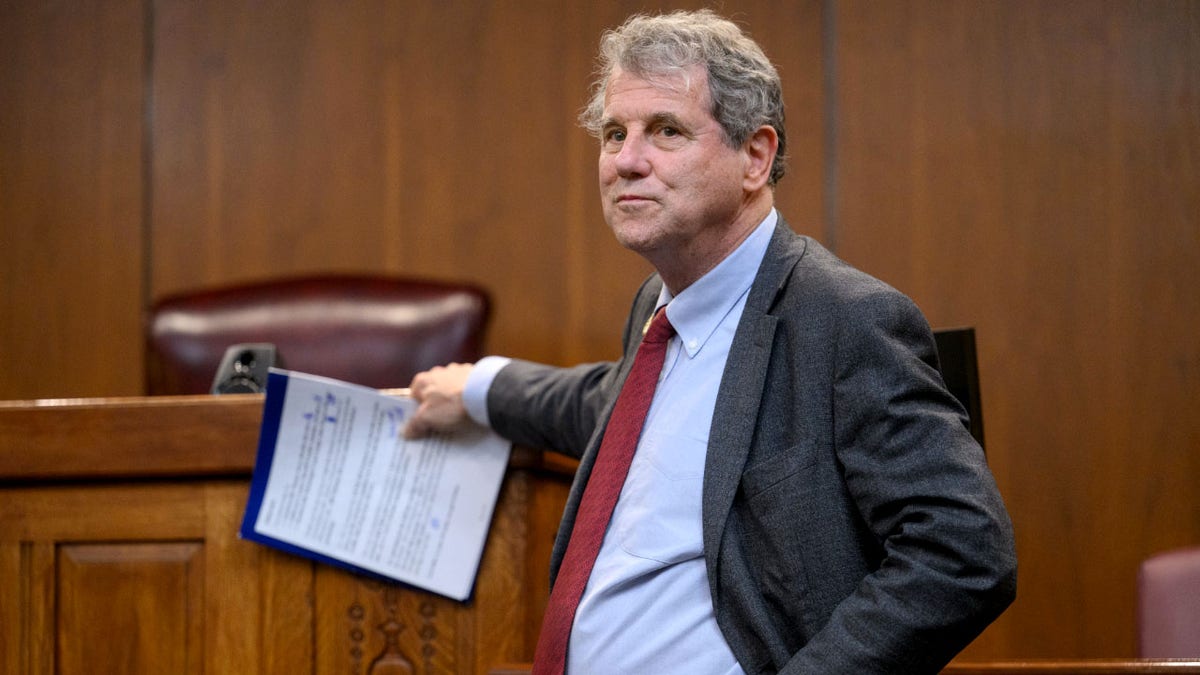
Senator Sherrod Brown, a Democrat from Ohio, during a campaign event at the Steubenville City Building in Steubenville, Ohio, on Friday, Oct. 11, 2024. (Justin Merriman/Bloomberg via Getty Images)
Husted continued, «This is the problem with the guy, is that he does nothing, and then a problem comes out, and he says, blame that person… He didn’t do anything about it. He never does anything about it. He just waits for problems to happen. And then he says, well, it’s the other person’s fault. It’s time to hold him accountable.»
Husted made the case that the policies Brown supported in Congress led to the high energy rates the country is seeing now.
«He spent 32 years in Washington and didn’t do anything except raise our electricity prices because he and the radical climate change agenda shut 23 power plants in Ohio,» Husted said. «If we had those 23 power plants today, we wouldn’t have high energy prices.»
Husted continued, «Him voting for Obamacare, which has doubled the price of health care insurance in the state of Ohio and around the country. He needs to be held to account for his failed policies.»
While Ohio has historically been known as a bellwether swing state, President Donald Trump won the state convincingly in 2016, 2020 and 2024, shifting the Buckeye State to a reliably red stronghold. However, recent polling, including a Fox News poll in June, shows Husted trailing Brown as Republicans battle the historical headwinds of the party in power struggling in midterm elections.
Brown, recruited back into politics in part by Senate Minority Leader Chuck Schumer, is looking to flip one of the four seats Democrats need to regain control of the Senate, with Ohio among the party’s top pickup opportunities alongside Alaska, Maine and North Carolina.
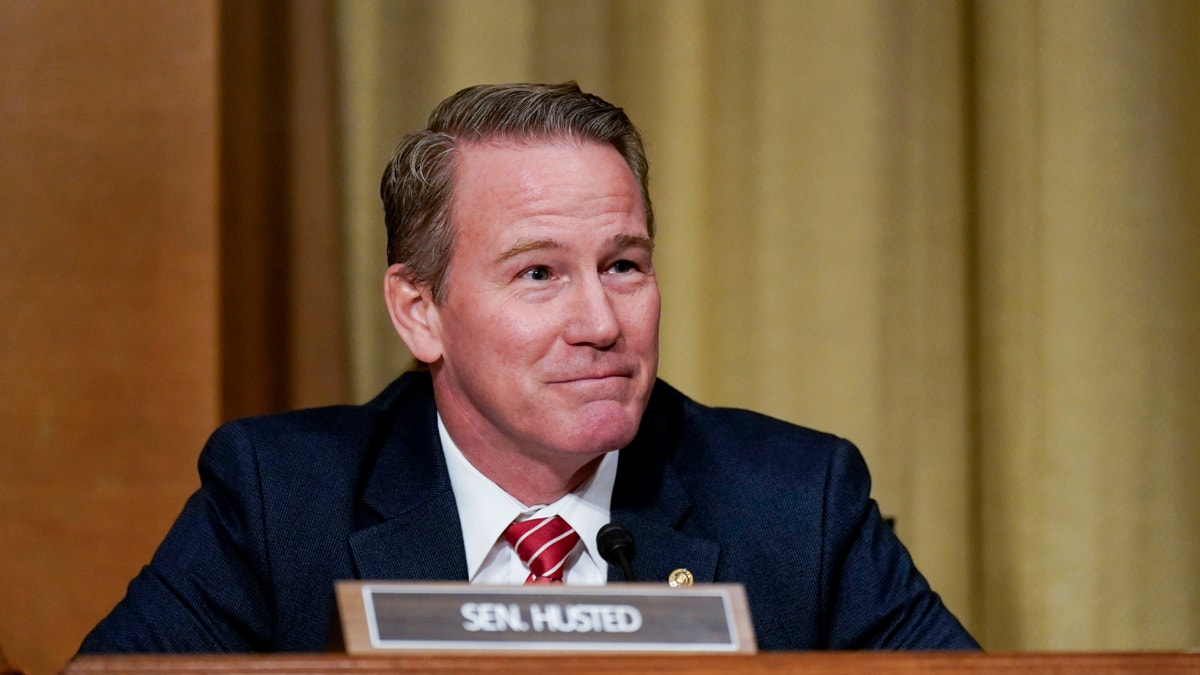
Senator Jon Husted, a Republican from Ohio, during a Senate Health, Education, Labor, and Pensions Committee confirmation hearing in Washington, D.C., on Thursday, Feb. 13, 2025. (Getty Images)
With less than 100 days to go until the midterms, Husted says that Brown’s record will be front and center.
«Just showing the contrast between 32 years of failure from Sherrod Brown and the fact that I’m an Ohio guy, I’ve fought for Ohioans, I’ve helped in state government to turn this state in the right direction,» Husted said. «We now have more jobs than we’ve ever had in our state’s history, the lowest unemployment rate, frankly, than we ever had in our states’ history. And we don’t need to send this guy back to Washington, Sherrod Brown, to continue the failed policies that have harmed the country and harmed our state. We need a guy like me who will fight for Ohio.»
Fox News Digital reached out to the Brown campaign for comment.
midterm elections, politics, ohio
INTERNACIONAL
Cuba sufrió el segundo apagón nacional en menos de 24 horas: el régimen culpó a “eventos meteorológicos”
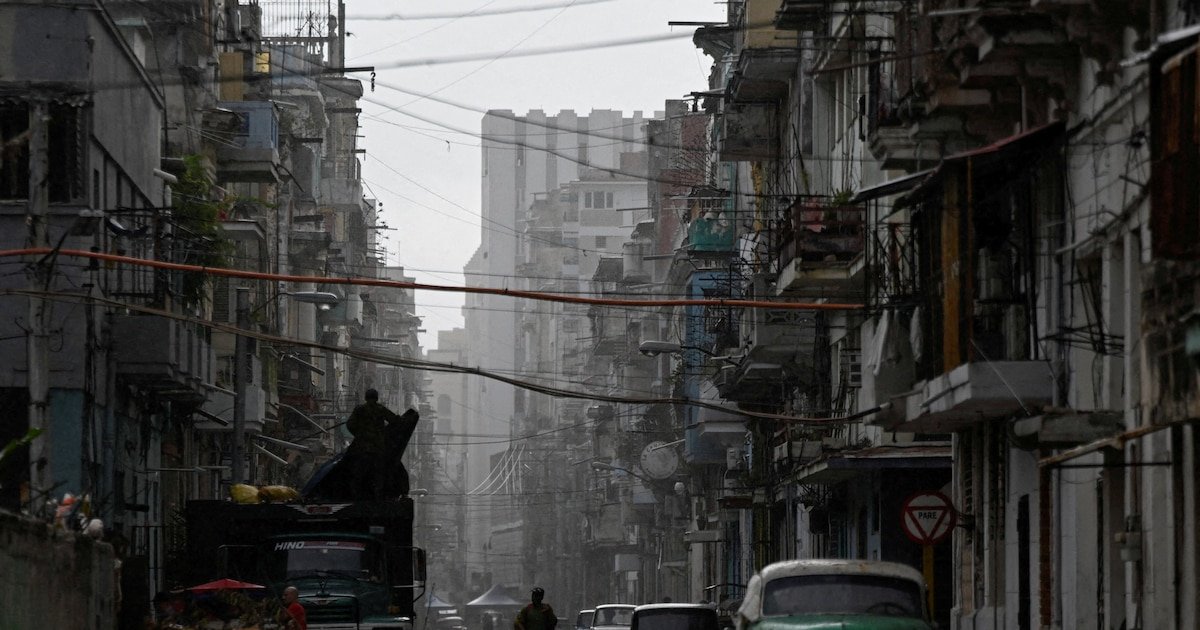
El Sistema Electroenergético Nacional (SEN) de Cuba experimentó este lunes un nuevo apagón a nivel nacional, el segundo en menos de 24 horas y el séptimo que afecta a la isla en lo que va de 2026, justo cuando había comenzado el proceso de recuperación del servicio.
La Unión Eléctrica (UNE), empresa estatal, comunicó en redes sociales que el nuevo incidente ocurrió durante el proceso de restablecimiento, debido a “eventos meteorológicos” que causaron daños a la red eléctrica y afectaron “directamente a las unidades generadoras que se encontraban en línea”, las cuales salieron de funcionamiento.
En su mensaje, la empresa, que depende del Ministerio de Energía y Minas (Minem), aseguró: “Continuamos trabajando intensamente para revertir esta situación y lograr el restablecimiento del sistema lo antes posible”.
La noche anterior, a las 22:43 hora local del domingo (2:43 GMT del lunes), se había producido una desconexión total del SEN, según informó la propia UNE, que señaló que ya se habían iniciado las labores de recuperación.
Al mediodía, la UNE reportó que en La Habana se restableció la electricidad en 29 circuitos de distribución, lo que benefició a 87.480 clientes, equivalente al 14,27% de la ciudad, y también a 19 hospitales y otros servicios fundamentales como el suministro de agua.

El director del despacho nacional de carga de la UNE, Félix Estrada, explicó en la televisión estatal que, en el momento de la última caída, varias centrales térmicas estaban a punto de sincronizarse con el SEN. Actualmente, se ha retomado el proceso gradual para restaurar el servicio.
Según experiencias previas, la recuperación del sistema suele ser un procedimiento lento, que puede superar las 24 horas, ya que implica iniciar la generación de energía con fuentes de arranque sencillo (solar, hidroeléctrica, motores), para abastecer pequeñas áreas que luego se interconectan.
El objetivo de este procedimiento es suministrar suficiente energía a las centrales termoeléctricas, que son la base de la generación eléctrica en Cuba, para que puedan volver a operar y cubrir la demanda.
El viernes pasado, se había registrado una caída parcial del SEN por una avería en las líneas de transmisión de 220 kilovatios desde la provincia de Pinar del Río hasta Matanzas y Cienfuegos, lo que dejó a casi la mitad de la isla sin electricidad y a unos 4,5 millones de cubanos sin suministro.
En marzo, la isla vivió dos apagones nacionales por una desconexión total del SEN en menos de una semana, y en julio se sumaron otros tres en solo ocho días.
Cada apagón nacional reciente ha dejado sin electricidad a la mayoría de los nueve millones de habitantes de la isla.

La crisis energética en Cuba responde a la limitada capacidad de producción eléctrica del país y a la presión de Estados Unidos, que impide la importación de crudo o derivados, mientras la isla necesita adquirir en el extranjero cerca de la mitad de su demanda energética.
El régimen cubano reconoce que la situación del Sistema Electroenergético Nacional (SEN) es “aguda”, “crítica” y “extremadamente tensa”, determinada tanto por el bloqueo petrolero estadounidense como por la obsolescencia del sistema energético.
Diversas fuentes estiman que Cuba requiere más de 100.000 barriles de petróleo diarios para cubrir sus necesidades energéticas, de los cuales solo obtiene unos 40.000 por producción nacional; el resto debe importarse.
El último petrolero que llegó a la isla con crudo extranjero fue el ruso Anatoli Kolodkin, un barco sancionado por Estados Unidos que entró en la bahía de Matanzas el 31 de marzo con unos 730.000 barriles, cantidad que solo cubrió la demanda durante dos semanas de abril.
La crisis energética ha provocado una paralización casi total de la economía estatal cubana, cuyo retroceso previsto para este año es de al menos un 6,5%, tras una caída acumulada superior al 15% en los últimos cinco años.
Corporate Events,South America / Central America,Government / Politics,Top Pictures
INTERNACIONAL
Holy Land battle: Solomon’s Pools become flashpoint in fight over Israel’s biblical heritage
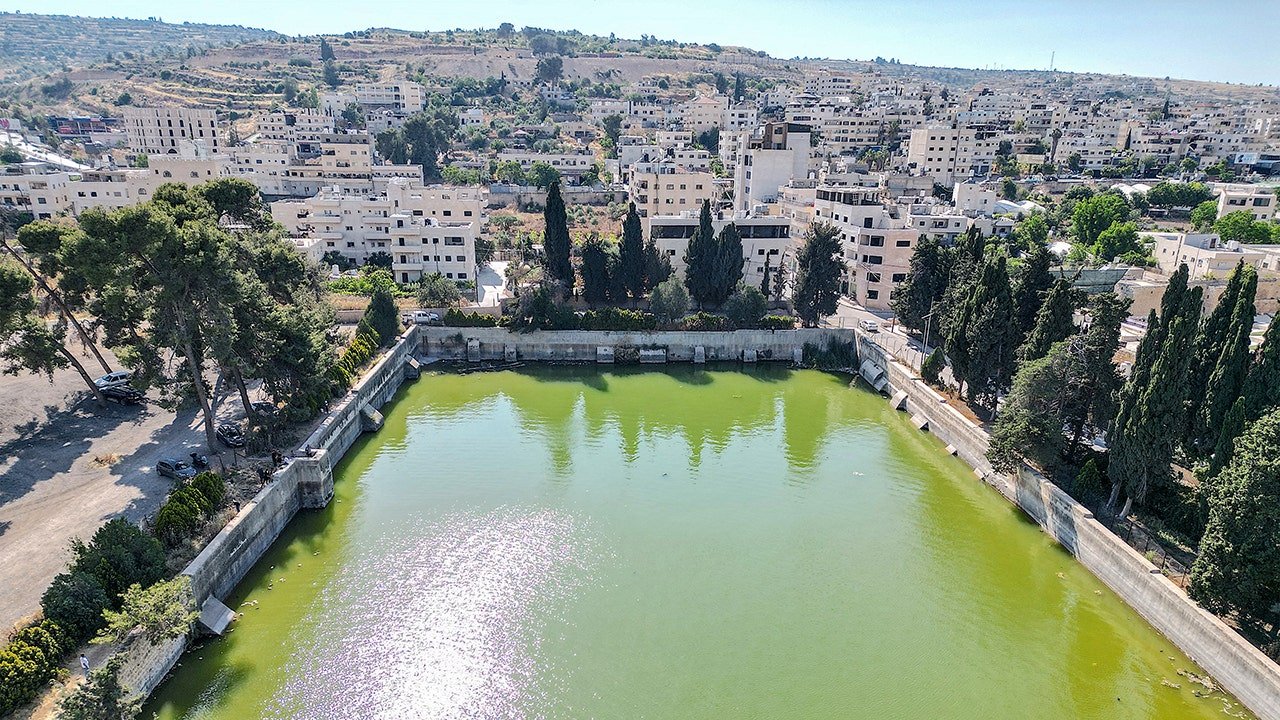
Drone footage showing Solomon’s pools
Aerial video captures the sprawling 2,000-year-old reservoirs that once supplied Jerusalem with water and are now at the center of a dispute over preservation, heritage and sovereignty. (Video by Yehoshua Sigala.)
NEWYou can now listen to Fox News articles!
Built more than 2,000 years ago to supply Jerusalem with water, Solomon’s Pools have become the center of a modern political dispute, with officials from the nearby Israeli town of Efrat accusing the Palestinian Authority of allowing the historic site to deteriorate after it was placed under Ramallah’s jurisdiction following the 1993 Oslo Accords.
Most archaeologists date the construction of Solomon’s Pools, three ancient reservoirs located between Efrat and Bethlehem, south of Israel’s capital, to the Hasmonean period in the second century B.C. The reservoirs were built to supply water to Jerusalem during the Second Temple period. Herod the Great (37–4 B.C.) later expanded the system to provide water to his palace-fortress at Herodium.
«Solomon’s Pools are not only the history of the Jewish people in the Land of Israel and the source of Jerusalem’s living water, but also the future of Efrat in our ability to exercise our sovereignty, preserve Efrat’s development space and sustain tourism for all religions in the area between Jerusalem and Hebron,» Dovi Shefler, mayor of Efrat, told Fox News Digital.
EXCLUSIVE: ISRAELI PRESIDENT HERZOG BLASTS MAMDANI, PRAISES TRUMP, SOUNDS ALARM ON IRAN
An aerial photograph shows a water reservoir at the historic site of Solomon’s Pools. (Hazem Bader/AFP Via Getty Images)
The three reservoirs collectively hold approximately 288,000 cubic meters of water, or more than 10 million cubic feet. They are fed by the Arrub and el-Biyar aqueducts, which, together with rainwater, historically supplied Jerusalem with water year-round. During the British Mandate, the pools underwent significant renovations and became known as «Jerusalem’s beach» until the Oslo Accords.
Under the agreements, the West Bank was divided into Areas A, B and C. Solomon’s Pools are located in Area A, which falls under Palestinian civil and security control.
Yonatan Marcus, chief of staff of the Efrat Municipality, told Fox News Digital that during the negotiations, then-Prime Minister Yitzhak Rabin maintained that the pools would remain under Israeli control, alongside other archaeological sites of major Judeo-Christian significance such as Rachel’s Tomb in Bethlehem.
However, during the mapping process, he said, the words «Solomon’s Pools» remained within Area C on zoomed-out maps, while the reservoirs themselves ultimately mistakenly fell inside Area A.
TRUMP’S MASSIVE GOP FAITH BLOC RAISES RED FLAG ON IRAN DEAL: TRUST HIM, NOT HIS TEAM
Marcus said under Palestinian Authority control, things changed for the worse. «When you visit today, you can see that the place is neglected. Much of it has been destroyed. There are signs everywhere in Arabic stating that swimming is not permitted because the pools are filled with sewage water,» he said.
He added that the sewage contamination was not natural, with wastewater deliberately diverted into the pools, replacing the fresh water that flowed there until the Oslo Accords. He said this occurred despite the PLO’s commitment under the agreement to protect historical sites in Area A.
«Our main goal is to protect these magnificent pools. It’s not just about Jewish history; it’s about Judeo-Christian history and whoever believes in the people of the Bible who walked here,» he said.
He described the reservoirs as the largest archaeological pools in Israel, saying they occupy a strategic location between the Western Wall and the Cave of the Patriarchs and Matriarchs along Route 60, known as the Biblical Highway.
Although the pools are located in Area A, Marcus said visits by Israelis take place only on coordinated tours secured by the IDF’s Judea and Samaria Division, as permitted under the Oslo Accords.
He noted that visits by Israeli officials, including Finance Minister Bezalel Smotrich, have prompted improvements, saying the Palestinian Authority removed about 200 bags of garbage from the site following years of neglect.
CHRISTIAN LEADERS HOLD EMERGENCY SUMMIT IN JERUSALEM TO CONFRONT GLOBAL RISE IN ANTISEMITISM
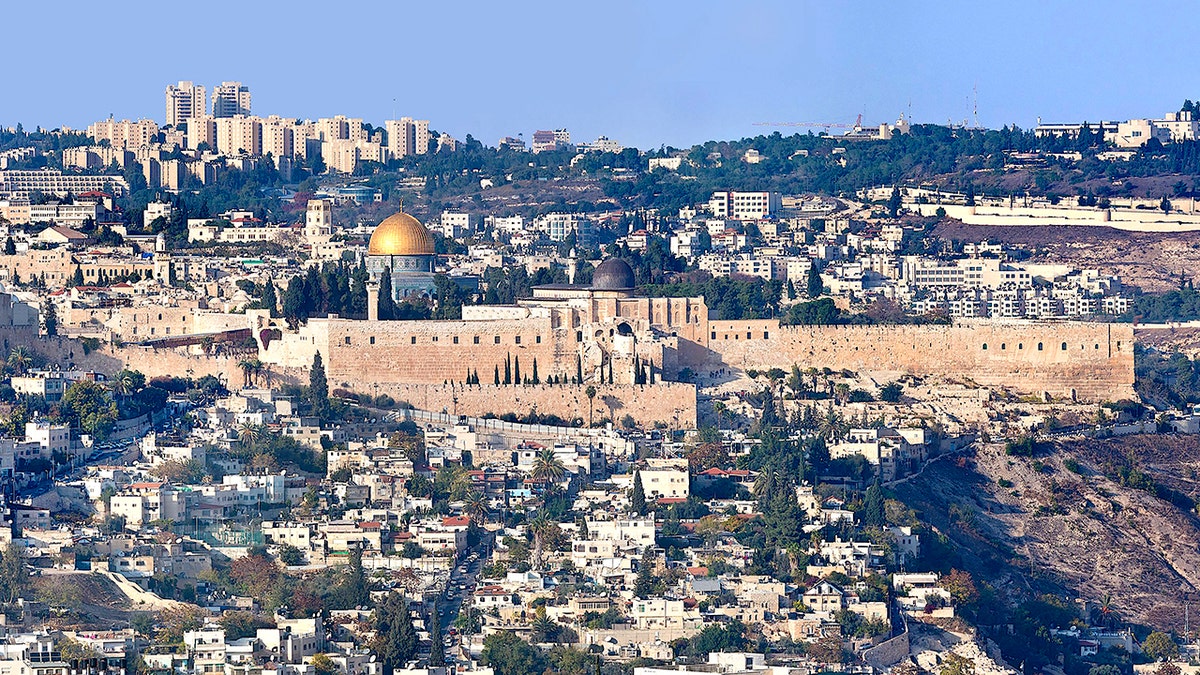
Panoramic view of the Old City of Jerusalem, Israel, viewed from Haas Avenue in late afternoon. (Planet One Images/UCG/Universal Images Group via Getty Images)
«If the pressure of our coming here is going to make them take care of the site, then wonderful. In the end, our goal is for it to be preserved,» he said.
Ahmad Fattouh, a spokesman for Palestinian Authority President Mahmoud Abbas’s Fatah faction, rejected the allegations.
«It’s absolutely audacious that the leadership of the colonial settlement of Efrat claims to be concerned about the condition of Burak Sulaymān’s pools when they are the very reason behind its declining water levels,» Fattouh told Fox News Digital. He said Israeli locals diverted the springs that feed the pools and argued that the Palestinian Authority has restored the site and developed it as a tourist destination.
Fattouh also accused Israeli officials of using the issue to justify taking control of the site, saying Smotrich’s visit showed that the pools were not completely dry, contrary to claims by Efrat officials.

Solomon’s Pools, a series of ancient reservoirs south of Jerusalem near Bethlehem, have supplied water to Jerusalem for centuries and are at the center of an ongoing dispute over heritage, sovereignty and preservation. (Yonatan Marcus/Efrat municipality )
Yishai Fleisher, international spokesman for Hebron, said the pools are akin to rediscovering a lost part of the Jewish Temple, as they supplied Jerusalem with water for some 2,000 years.
He said preserving the site begins with attracting visitors, producing educational videos, improving access along the new road from northern Efrat, hosting senior Israeli officials and establishing a permanent presence with cameras, patrols and farms.
«Since the story started breaking, the P.A. is trying to build a mosque there. The goal of the P.A. is to stop Israeli presence in Judea and Samaria and the Land of Israel. They are not about developing anything for its own sake,» Fleisher claimed to Fox News Digital.
Fleisher, who is an influential voice among the Israeli right, called for a radical change in policy. «What we really have to do is dismantle the P.A. and assert sovereignty over Judea and Samaria. In the meantime, the line should be redrawn so that Solomon’s Pools, which are essentially archaeological sites, are placed under Israeli control in Area C,» he said.
israel, middle east, historic sites, anti semitism

Un ministro de Kicillof viajó a Chubut para apuntalar el proyecto nacional del gobernador bonaerense: “La salida no es resignarse al ajuste”

Conmoción en el deporte por la muerte de una promesa del atletismo de 21 años

Fernández Sagasti no puede viajar al Congreso por su embarazo: hizo un pedido para votar la extranjerización de tierras

YPF realizará hoy un “split” de acciones: en qué consiste y cómo impactará en su precio

WATCH: GOP senator unloads on ‘creature of Washington’ challenger in critical Senate showdown

Demoraron a Facundo Moyano en medio de un confuso episodio con una joven en Belgrano

“Vamos a acelerar con todo”: el objetivo del Gobierno por las reformas y la agenda electoral de cara al 2027

Reelecciones indefinidas: el oficialismo bonaerense niega que busque ampliar la Legislatura como parte de una reforma política para beneficiar a los intendentes

¡Chau Luck Ra! La salida de soltera de La Joaqui, muy bien acompañada, a días de su separación

“Casta”, “parásito” y “sea democrático”: fuerte respuesta de Victoria Villarruel a Diego Santilli
-
 POLITICA2 días ago
“Vamos a acelerar con todo”: el objetivo del Gobierno por las reformas y la agenda electoral de cara al 2027
-
 POLITICA2 días ago
Reelecciones indefinidas: el oficialismo bonaerense niega que busque ampliar la Legislatura como parte de una reforma política para beneficiar a los intendentes
-
 CHIMENTOS2 días ago
¡Chau Luck Ra! La salida de soltera de La Joaqui, muy bien acompañada, a días de su separación