
INTERNACIONAL
Daniel Quintero hizo balance de la Supersalud y lanzó una dura advertencia sobre el futuro de las EPS

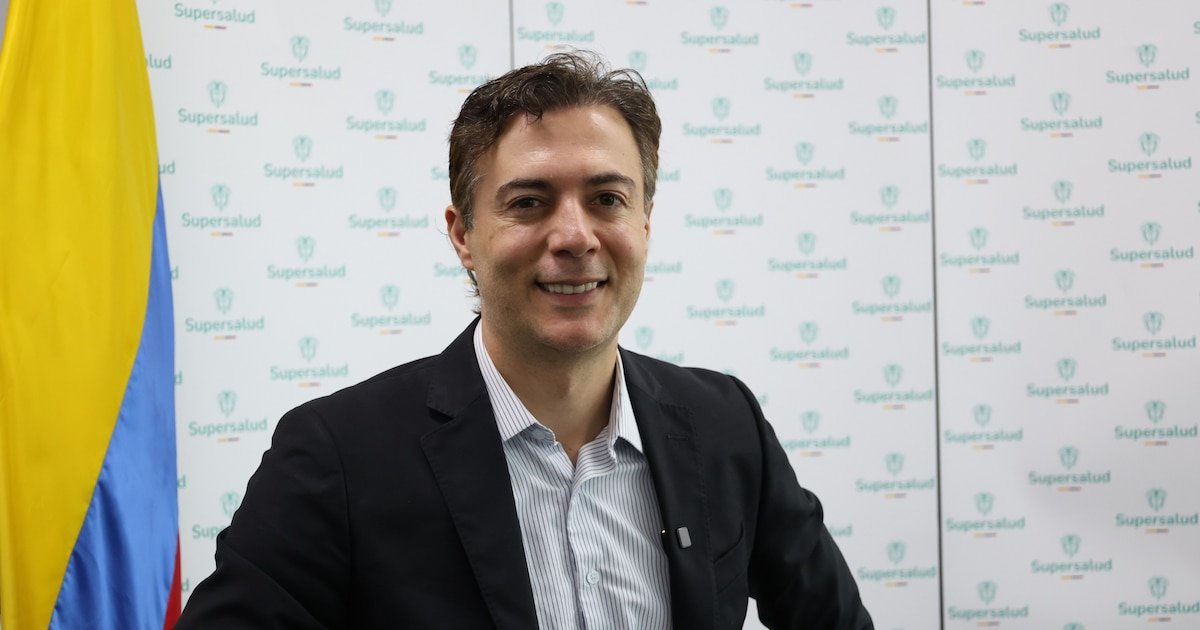
A pocas horas del cambio de mando presidencial, previsto para el 7 de agosto, la Superintendencia Nacional de Salud (Supersalud) presentó el balance de su gestión al cierre del gobierno de Gustavo Petro.
La rendición de cuentas llega en medio de un intenso debate sobre el futuro del sistema de salud, las intervenciones a las EPS, las dificultades de acceso a medicamentos y los cambios que tuvo la entidad en su dirección durante el último año.
En entrevista con Infobae Colombia, el superintendente nacional de Salud, Daniel Quintero, defendió la gestión de la entidad, aseguró que el principal cambio durante este periodo fue fortalecer la inspección y vigilancia del sistema y lanzó varias advertencias sobre los retos que enfrentará la próxima administración.
“La Superintendencia tiene que tener los dientes suficientes para garantizar que las EPS, los dispensarios y las IPS presten el servicio como debe ser”, afirmó.
El funcionario recordó que llegó a la entidad en medio de uno de los momentos más complejos para el sistema de salud. Sin embargo, sostuvo que, tras los primeros meses de gestión, encontró que buena parte de los problemas obedecían a fallas en la supervisión más que a la falta de recursos.
“Las medicinas sí estaban, pero no las entregaban. Lo que faltaba era que la Superintendencia ejerciera realmente vigilancia y control sobre los operadores del sistema”, aseguró.
Según el balance de la entidad, entre abril y julio de 2026 la Supersalud adelantó acciones de inspección y vigilancia sobre 170.645 reclamos en salud, culminó 9.504 auditorías, realizó 325 acciones regionales de control y mantuvo nueve EPS bajo medidas especiales, siete de ellas intervenidas y dos bajo vigilancia especial.

Entre los resultados que destacó Quintero figura una reducción del 35,4 % en las quejas relacionadas con la entrega de medicamentos frente al mismo periodo del año anterior. También aseguró que el tiempo de respuesta para la atención de niños con riesgo vital pasó de 48 horas a ocho horas.
“Creo que son de los logros importantes, aunque también dejan en evidencia que el sistema necesita cambios estructurales”, señaló.
Uno de los apartes más fuertes de la entrevista estuvo relacionado con las presuntas irregularidades detectadas durante su gestión. Quintero aseguró que el mismo día que asumió el cargo recibió una propuesta para ingresar a un esquema de corrupción.
“Una persona me hizo una propuesta para entrar en todo ese modelo de corrupción y de mafias del sistema, con un esquema de coimas para pagar facturas a un proveedor de forma particular”, afirmó, al indicar que el caso fue puesto en conocimiento de la Fiscalía.

El funcionario también aseguró que auditorías realizadas por la entidad detectaron presuntas irregularidades en el manejo de recursos del Fondo Nacional de Prestaciones Sociales del Magisterio (FOMAG) y anticipó nuevos hallazgos en algunos entes territoriales.
Respecto a las nueve EPS bajo medidas especiales, Quintero explicó que la decisión buscó proteger a los usuarios y a la red hospitalaria, e impedir procesos de liquidación que afectaran la continuidad de los servicios.
“Se interviene porque están muy mal. Lo que hace el Gobierno es quitarles el control a quienes llevaron esas entidades a esas condiciones para proteger a los pacientes y a los prestadores”, afirmó.
El superintendente denunció que detrás de las liquidaciones hay un patrón deliberado. Según describió, las EPS se endeudan con la red prestadora, desvían los recursos y luego quiebran de forma programada. Los pacientes pasan entonces a otra EPS, cuyos dueños comienzan a recibir los recursos per cápita del sistema.

“Nos están robando la plata de frente y están matando a los pacientes de frente con un modelo de quiebras programadas”, advirtió.
Quintero, cifró en 150 las EPS liquidadas en los últimos 20 años y destacó que durante el gobierno Petro no se liquidó ninguna. Lanzó una advertencia directa sobre lo que, a su juicio, viene con la nueva administración: “El nuevo gobierno ya anunció que va a volver al modelo de quiebras programadas, que termina quebrando a las IPS, a las clínicas, a los hospitales, muchas de ellas públicas”.
Durante la entrevista, Quintero reiteró sus críticas a la Ley 100 y sostuvo que los problemas del sistema obedecen a incentivos que, según él, favorecen la negación de servicios y la demora en la entrega de medicamentos.
“Cada vez que una persona compra sus propios medicamentos, hay una EPS ganando plata. Esa es la verdad”, afirmó.

Sobre el acceso a diagnósticos, advirtió que retrasar los exámenes médicos es tan grave como negar los medicamentos. “Cuando tú mandas el examen médico para el próximo año, lo que termina pasando es que ese paciente no se da cuenta de que necesita la medicina”, explicó.
Cerró su diagnóstico con una conclusión categórica: “Si no hay una reforma a la salud, este sistema seguirá robándose la plata de los colombianos y matando a los pacientes”.
Quintero indicó que uno de sus aportes al cierre de la gestión fue dejar proyectada una transformación tecnológica de la Supersalud. La entidad dejó reservados más de 150.000 millones de pesos para inversión tecnológica, con un plan que incluye el fortalecimiento de la gobernanza de datos, la implementación de inteligencia artificial para el trámite de aproximadamente 3.100 tutelas diarias y la modernización de plataformas digitales.
“Hay procesos que deberían demorar 20 días y están demorando un año, y eso no se va a resolver si no se usa tecnología de punta”, afirmó.

El funcionario reconoció que su paso por la entidad fue breve y que priorizó dejar la planificación lista antes que ejecutar los recursos directamente. “Más que ejecutarlo yo, lo que creo que puedo aportar es, con el conocimiento que tengo en temas de tecnología, decirles qué se necesita hacia adelante”, explicó.
Quintero, dejó un llamado expreso al próximo superintendente: que conozca del tema o se acompañe de personas con conocimiento tecnológico para ejecutar la transformación prevista.
Al referirse al relevo de mando, Quintero señaló que la próxima administración enfrentará tres retos principales: fortalecer la inspección y vigilancia del sistema, garantizar el flujo oportuno de recursos hacia clínicas y hospitales, y avanzar en una reforma que, a su juicio, corrija las fallas estructurales del modelo de salud.

El funcionario también envió un mensaje a los ciudadanos frente al cambio de gobierno: “Nos va a tocar resistir estos cuatro años. Espero que se les enternezca el corazón a quienes van a gobernar”.
Finalmente, hizo un llamado a mantener la vigilancia sobre las decisiones que adopte la próxima administración en materia de salud. “El reto más grande que vamos a tener los colombianos es ver qué están haciendo y cómo lo están haciendo, porque sin duda hay un riesgo muy grande en cómo se va a administrar la salud de los colombianos”, concluyó.
hepatitis,hospital,paciente,ictericia,enfermera











INTERNACIONAL
Trump ally ‘El Tigre’ sworn in as Colombia’s new president amid continent’s rightward shift

NEWYou can now listen to Fox News articles!
Colombia entered a new political chapter as conservative President Abelardo de la Espriella was sworn into office Friday, pledging to reverse much of former President Gustavo Petro’s left-wing agenda and restore a tougher approach to security, economic policy and relations with the United States.
Known by his nickname «El Tigre» (the tiger), his inauguration marks one of the most significant political shifts in Latin America in recent years. After four years of socialist President Gustavo Petro’s «Total Peace» strategy, expanding coca cultivation and increasingly strained relations with Washington, de la Espriella now faces the challenge of translating campaign promises into governing reality.
He was joined at the inauguration by several conservative presidents from across the region, including Argentina’s Javier Milei, Ecuador’s Daniel Noboa and Chile’s José Antonio Kast. Acting U.S. Attorney General Todd Blanche was there as part of the U.S. delegation. Spain’s King Felipe VI and FIFA President Gianni Infantino were also in attendance, The Associated Press reported.
TRUMP SAYS COLOMBIA’S ‘EL TIGRE’ WILL BE A ‘GREAT PRESIDENT’ AS SOCIALIST OPPONENT LAUNCHES LEGAL CHALLENGE
Abelardo de la Espriella is sworn in as president of Colombia during the presidential inauguration at Arena USC Aug. 7, 2026, in Cali, Colombia. (Gabriel Aponte/Getty Images)
«I have come to close a long chapter of national resignation and, together with the people, embark on the most profound transformation of our destiny,» De La Espriella said, according to Reuters while speaking at the Pichincha Battalion military base in Cali.
«I send a firm message to the Colombian people: The time has come to restore order, authority, and freedom.»
Reuters said one of his first acts as president was to join The Shield of the Americas, founded by President Donald Trump.
For the U.S., Colombia remains its closest security partner in South America, a key trading ally and one of the region’s largest recipients of U.S. security assistance. Hundreds of American companies operate in Colombia, while the country’s security conditions directly affect regional migration, organized crime and narcotics trafficking.
On foreign policy, the new president has committed to rebuilding strategic ties with the United States, restoring close cooperation with Israel and adopting a tougher stance toward the authoritarian governments of Venezuela, Cuba and Nicaragua.
Whether those commitments produce measurable improvements, however, will depend on resources that remain in short supply. Camilo Guzmán, executive director of Libertank, told Fox News Digital that the country’s financial situation will define what the administration can realistically accomplish.
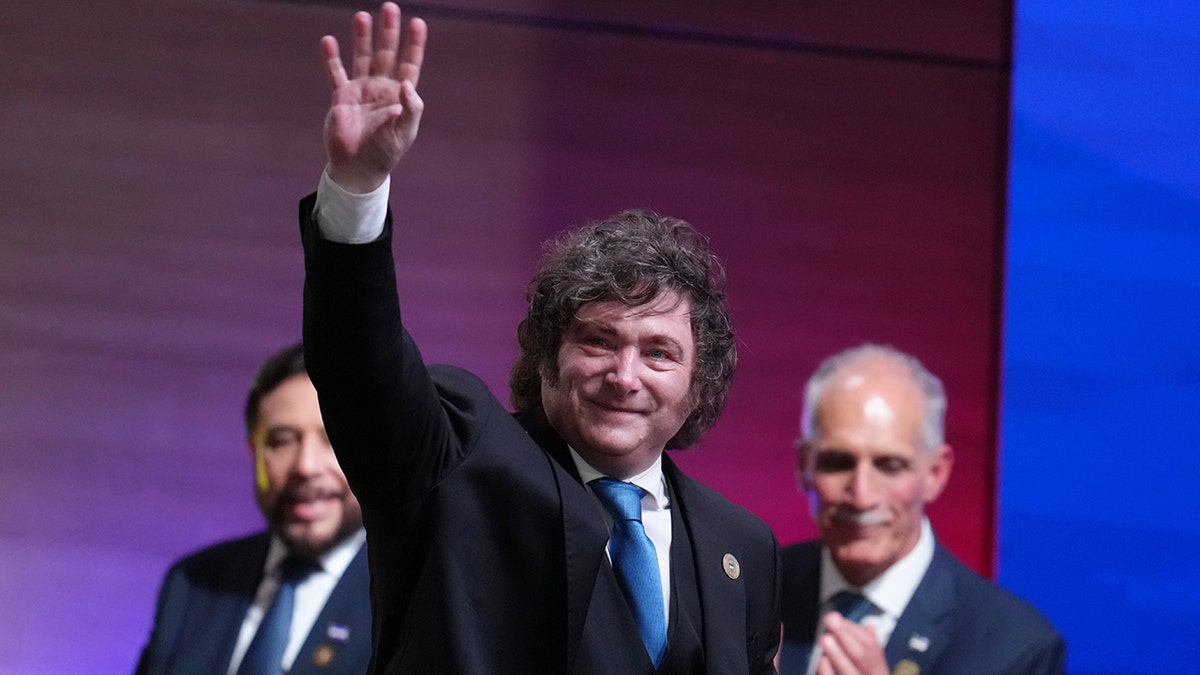
Argentinian President Javier Milei arrives for the inauguration of Colombia’s President Abelardo de la Espriella in Cali, Colombia, Friday, Aug. 7, 2026. (Matias Delacroix/AP Photo)
«President de la Espriella inherits a house with the roof leaking and the safe empty. The order matters because almost everything he promised requires money he does not have.» Guzmán pointed to Colombia’s deteriorating fiscal position as the administration’s most immediate challenge.
«Start with the fiscal picture. It is worse than his own team seems to expect. The 2026 deficit is tracking around 6.5-6.7% of GDP, the financing gap is close to $34 billion and the implicit medium-term adjustment being left on his desk is near five points of GDP. It is also a cash problem, not only an accounting one. Before he governs, he must make payroll.»
WALTZ WARNS OF CHINESE, RUSSIAN-FUELED ‘NATIONAL SECURITY THREAT’ LOOMING CLOSE TO US SHORES
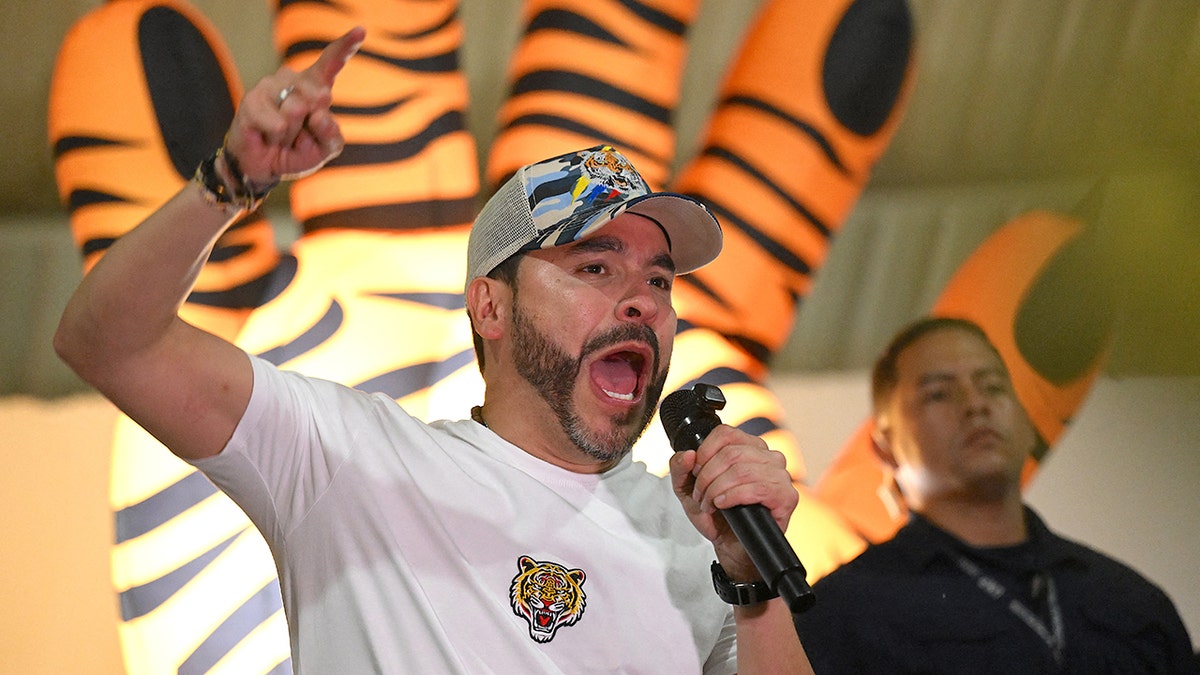
Colombia’s right-wing presidential candidate, Abelardo de la Espriella, from the Defensores de la Patria movement, delivers a speech to supporters during a campaign rally in Palmira, near Cali, Colombia, May 14, 2026. (Joaquin Sarmiento/AFP via Getty Images)
The International Monetary Fund projects Colombia’s economy will grow by only about 2.3% this year while inflation remains elevated, limiting the government’s room to finance new security initiatives or major economic reforms without additional spending cuts or new revenue measures.
Security presents an equally daunting challenge. Violence has intensified across several regions as criminal organizations and guerrilla groups have expanded their territorial influence over the past several years.
Guzmán said, «Security is the second fire. The first half of 2026 closed with the highest homicide count for any first semester in a decade, extortion still rising and armed groups that have grown sharply since 2022. Security is rebuilt in years, not in quarters. Expect operations, captures and hard rhetoric in the first 100 days, visible and real, but not yet structural.»
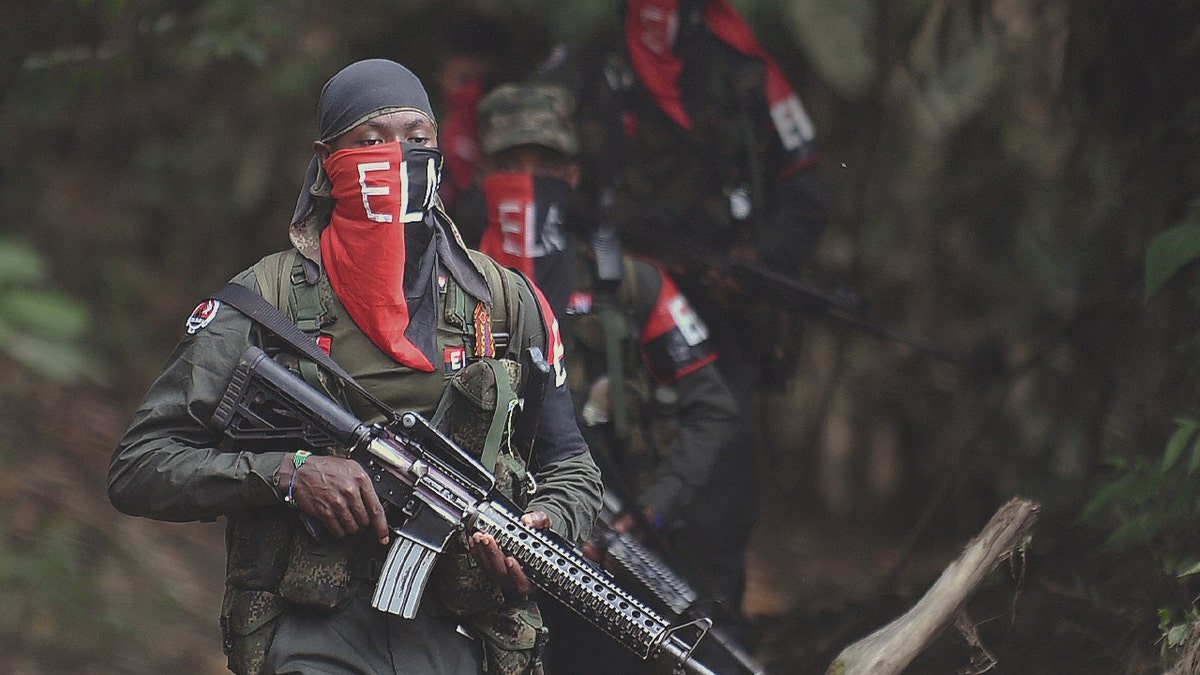
Colombia’s most wanted rebel leader appeals to ELN and other factions to form an insurgent bloc spanning Colombia and Venezuela. (Daniel Munoz/AFP via Getty Images)
Even if the administration moves quickly on executive actions, its legislative agenda will depend on building consensus in a fragmented Congress. Although De la Espriella won the presidency, his party controls only five seats in the Senate, while Petro’s Historic Pact remains the largest individual political bloc. Passing security reforms, fiscal legislation and broader economic initiatives will require negotiations with centrist and traditional parties on virtually every major proposal.
Guzmán believes those political realities may prove just as important as the security challenges. «He won the election; he did not win Congress. The July fight over the Senate presidency was the first warning. He has a coalition that is numerically large and poorly disciplined. His agenda will be negotiated bill by bill.»
REPUBLICAN REP MARÍA ELVIRA SALAZAR DECLARES, ‘AFTER CUBA, NICARAGUA IS NEXT’

Men work at a coca leaf field in Llorente, rural area of the port city of Tumaco, department of Narino, Colombia, Aug. 31, 2024. (Joaquin Sarmiento/AFP/Getty Images)
For that reason, analysts caution against measuring the administration’s success solely by immediate results. Instead, the first 100 days are likely to be judged by whether the new president establishes credibility, assembles an effective governing team and demonstrates that campaign promises can evolve into a coherent governing strategy.
Guzmán concluded, «The realistic expectation is this: the first 100 days will produce signals, not results. Appointments, decrees, an emergency spending cut, a tax bill, a security package. Meanwhile, expectations are enormous, and the distance between what people were promised and what is physically possible in 100 days is the main political risk he faces. He will spend those 100 days putting the house in order. He should say so out loud, and early. Credibility is the one asset he can build by day 100.»
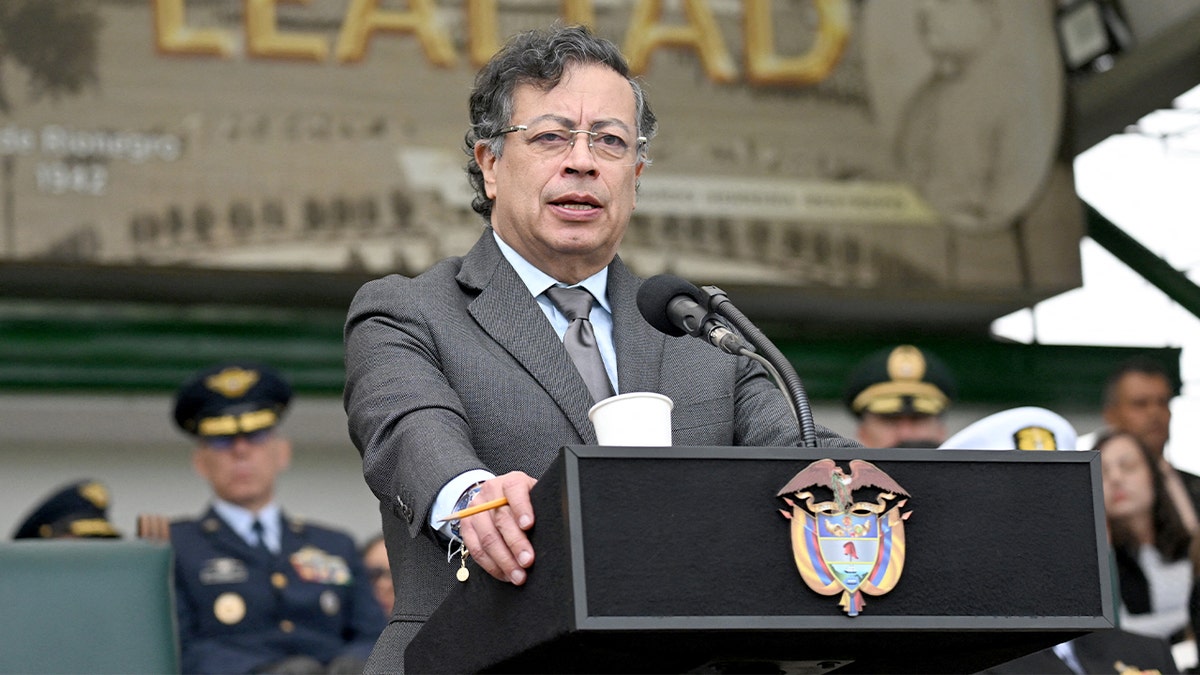
Colombian President Gustavo Petro delivers a speech during a troop recognition ceremony at the Jose Maria Cordova Military Cadet School in Bogota March 11, 2025. (Raul Arboleda/AFP via Getty Images)
The decisions investors and policymakers will watch most closely include whether De la Espriella formally abandons Petro’s negotiations with the ELN, resumes aerial coca fumigation, expands intelligence and security cooperation with Washington, restores full diplomatic engagement with Israel and introduces a credible fiscal adjustment plan.
Those early moves, analysts say, will offer the clearest indication of whether Colombia’s new president can begin delivering on his promise to reverse the Petro era, or whether the country’s fiscal, political and security realities will force him to scale back one of the most ambitious conservative agendas in modern Colombian politics.
Reuters and the Associated Press contributed to this report.
colombia, latin america, socialism, terrorism, national security, global economy
INTERNACIONAL
Quién es Abelardo De la Espriella, el libertario admirador de Javier Milei que asumió la presidencia de Colombia


INTERNACIONAL
Trump says White House ballroom ruling jeopardizes lives of future presidents, vows Supreme Court appeal
NEWYou can now listen to Fox News articles!
After a panel of federal judges ordered a halt to construction on the White House ballroom, President Donald Trump said he will immediately appeal to the U.S. Supreme Court.
In a Truth Social post Friday, Trump decried the 2-1 decision from the U.S. Court of Appeals for the District of Columbia Circuit as «horrendous, politically motivated, and unlawful.»
In a subsequent Truth Social post Friday, Trump also blasted the two-judge majority, noting one judge was appointed by former President Barack Obama and the other by former President Joe Biden. He took particular issue with the panel’s statement that «Each President is a temporary tenant…of the White House,» writing that presidents «are not tenants» but are elected by the American people and have the authority to «fix, renovate, secure, protect, and beautify the White House grounds.»
TRUMP WARNS JUDGE AGAINST SACRIFICING NATIONAL SECURITY BY BLOCKING WHITE HOUSE BALLROOM, DRONE BASE
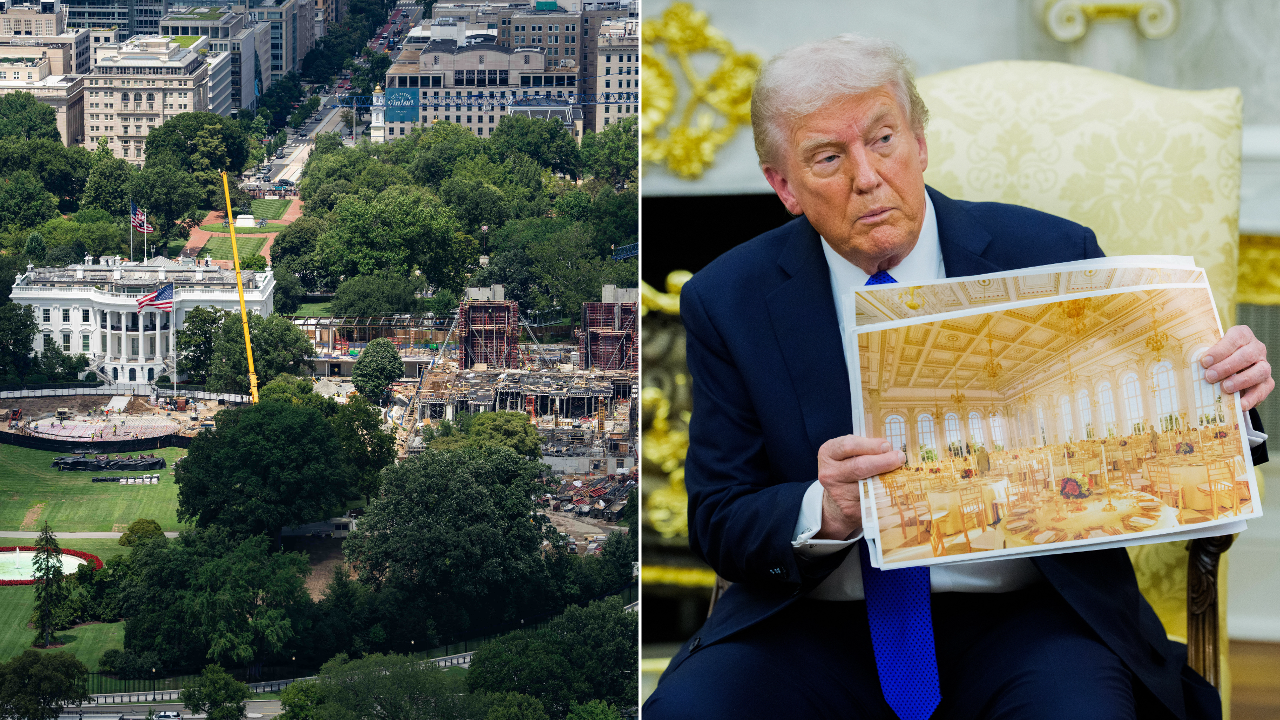
The White House helipad and new ballroom extension as seen this week while under construction in Washington, D.C. (Aaron Schwartz/Bloomberg via Getty Images)
In his initial response to the decision earlier on Friday, Trump wrote: «The Circuit Court’s decision, which is totally wrong on the vital subject of STANDING, of which the plaintiff has none, severely jeopardizes the lives and welfare of the people who work, and will be working, at the White House — including all future Presidents of the United States, and their families, as well as the lives of all those visiting, such as Heads of State and other Dignitaries, and all Americans who wish to visit the historic, beautiful Executive Mansion.»
He also accused the court of refusing to acknowledge that the ballroom, which he said is being built ahead of schedule and under budget, «is a Gift from President Trump and Great Patriots of the United States of America.»
«There will be no expense to the American Taxpayer. This unjust decision must be overturned by the Supreme Court in its entirety,» Trump wrote.
The appeals court on Friday upheld a lower-court decision that paused above-ground construction of the proposed 90,000-square-foot White House ballroom project, which replaced the demolished East Wing.
The earlier ruling allowed work to continue on underground national security facilities and certain safety and security measures, a decision the higher court also upheld.
REPUBLICANS EYE PICKING UP $400M TAB FOR TRUMP’S BALLROOM AS SOME DEMS OPEN TO ‘DISCUSS’ IDEA
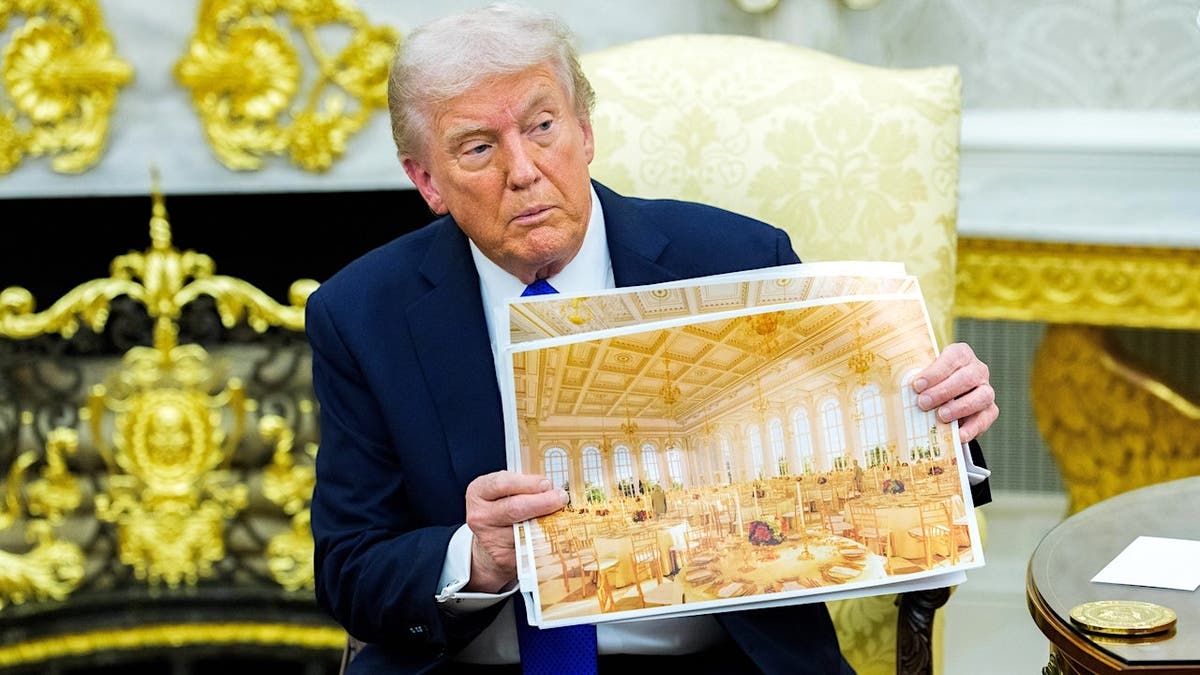
President Donald Trump holds a design rendering of a proposed $400 million presidential ballroom at the White House. (Aaron Schwartz/CNP/Bloomberg, File)
The appeals court said in its 136-page ruling that the decision to build a «massive ballroom» lies with Congress, not with the executive branch.
Trump argued the ruling itself «is a National Security Threat at the highest level» because much of the project has already been completed and paid for, calling the decision a «National Disgrace.»
Judges Patricia Millett and Brad Garcia wrote the majority opinion, remarking that there is no precedent for what Trump has done.
«We are aware of no instance in American history in which a President unilaterally and using privately collected funds demolished substantial portions of the White House that Congress authorized to be built and American taxpayers paid for. Until now,» they wrote.
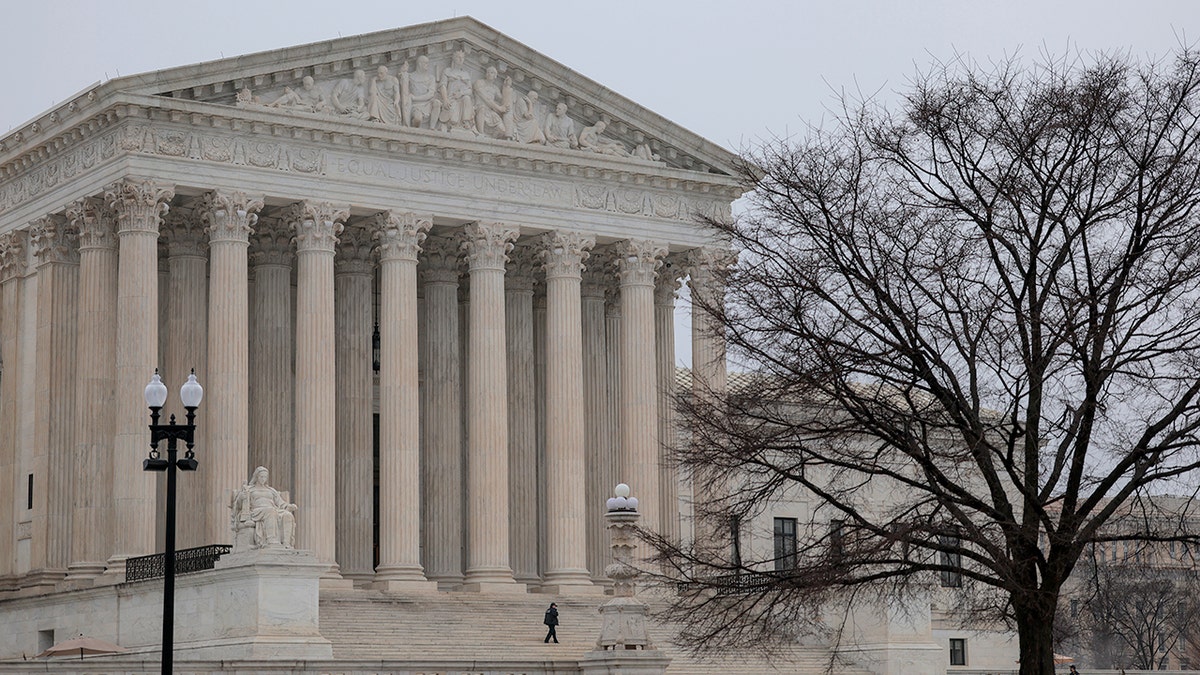
President Trump announced he is appealing Friday’s decision to the Supreme Court. (Heather Diehl/Getty Images, File)
The judges said their ruling does not prevent the president from building the ballroom if it is authorized by Congress in the future.
As Trump pointed out in his social media post, the ruling was stayed for 14 days to allow the defendants to seek a Supreme Court review.
It is not immediately clear if the Supreme Court will take up this case.
donald trump, white house, federal courts, judiciary, supreme court, politics

Uno por uno, los planes que lanzaron l os bancos y fintech para cancelar las deudas en mora

Rogelio Frigerio ya piensa en su reelección en Entre Ríos: alianza con La Libertad Avanza y eventual eliminación de las PASO

Independiente vs Platense: formaciones, hora y dónde ver por tv

La respuesta de Pablo Moyano sobre el escándalo que involucró a su hermano Facundo y a su novia

Los cuatro signos del horóscopo chino que podrían destrabar aquello que parecía imposible en agosto, según Ludovica Squirru

Restaurantes, hoteles y transporte lideraron la inflación de julio en la Ciudad

Dólar hoy en vivo: a cuánto se negocian todas las cotizaciones minuto a minuto este miércoles 5 de agosto

La oposición cuestionó a Benegas Lynch por su empresa para vender campos a extranjeros y el senador libertario se defendió

Brasil retira a su embajador en la Argentina: qué consecuencias tiene la medida diplomática

Las centrales obreras y los movimientos sociales anunciaron dos días de conflicto callejero
-
 ECONOMIA3 días ago
Dólar hoy en vivo: a cuánto se negocian todas las cotizaciones minuto a minuto este miércoles 5 de agosto
-
 POLITICA1 día ago
La oposición cuestionó a Benegas Lynch por su empresa para vender campos a extranjeros y el senador libertario se defendió
-
 POLITICA3 días ago
Brasil retira a su embajador en la Argentina: qué consecuencias tiene la medida diplomática