INTERNACIONAL
Boris Johnson acusó a Putin por el ataque de drones rusos: “El dictador se está volviendo cada vez más histérico”

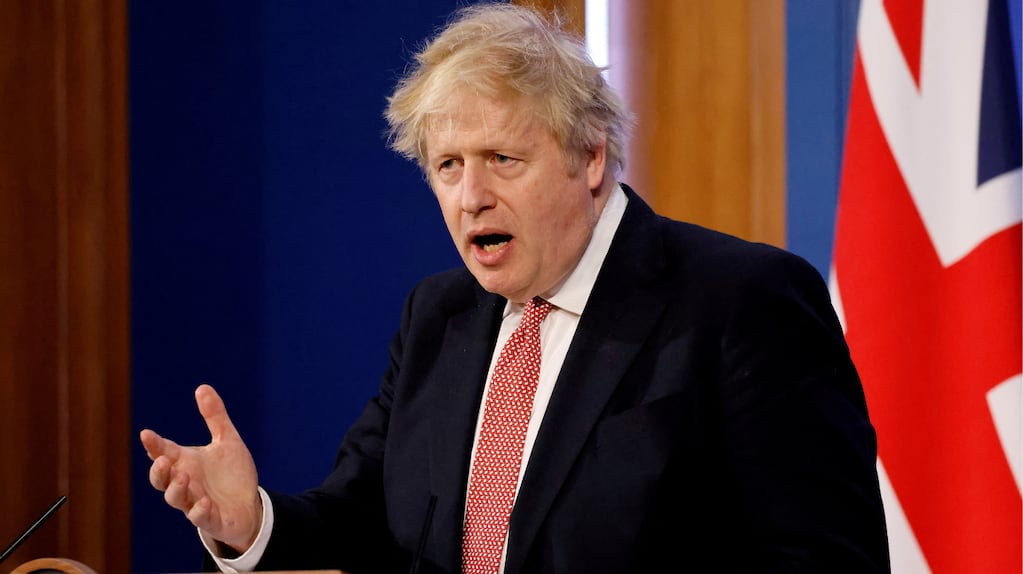
El ex primer ministro británico Boris Johnson quedó en medio de una situación de máxima tensión mientras viajaba en tren desde Ucrania hacia Polonia. Durante la madrugada de ayer, los guardias que lo acompañaban lo despertaron para advertirle que debía prepararse para una posible evacuación, luego de que un dron ruso atacara otro tren de pasajeros que circulaba detrás del suyo.
El ataque ocurrió en Volinia, a poco más de un kilómetro y medio de la frontera con Polonia. El episodio llevó a Johnson a cuestionar duramente la estrategia de Vladimir Putin y a acusar al líder ruso de recurrir a ataques de “estilo terrorista”.
En declaraciones a GB News, el exjefe de Gobierno británico sostuvo que, si el ataque buscaba enviar algún tipo de mensaje, no había conseguido su objetivo. Según planteó, el episodio forma parte de un comportamiento cada vez más desesperado por parte de Putin. “Estamos viendo un patrón de comportamiento por parte del dictador ruso que se está volviendo cada vez más histérico”, afirmó.
El ex primer ministro también apuntó contra los ataques a la infraestructura ucraniana y, particularmente, contra el sistema ferroviario. “Creo que el número de ataques contra los ferrocarriles ucranianos en los últimos seis meses ha sido mayor que en los últimos cuatro años; hay que ver lo que pasó el fin de semana en ese contexto”, señaló.
La advertencia que recibió Johnson durante el viaje
El episodio ocurrió alrededor de las 5 de la mañana de ayer. Johnson estaba durmiendo en el tren cuando los guardias lo despertaron y le indicaron que debía prepararse para una evacuación.
El motivo era el ataque contra otro tren de pasajeros que circulaba detrás del suyo. El dron ruso había alcanzado la formación en Volinia, cerca de la frontera con Polonia.
Durante la entrevista, Andrew Pierce le planteó a Johnson que la posibilidad de “eliminar” a un ex primer ministro británico representaría un importante golpe de efecto para Rusia, en momentos en que el país intensifica su ofensiva en Ucrania.
Johnson respondió que quienes viajaban en el tren no habían sido conscientes en ese momento de que podían representar un objetivo. Para el ex primer ministro, lo ocurrido debe ser interpretado dentro de una estrategia más amplia de Moscú para generar temor entre los ucranianos.
“Es un síntoma de su intento desquiciado de intimidar a la población ucraniana. Hay que contextualizar lo que haya sucedido con lo que haya intentado hacer en la frontera polaca dentro del marco de su trato absolutamente cruel e inhumano hacia los ciudadanos ucranianos”, sostuvo.
Johnson fue todavía más contundente al describir la situación: “Este tipo está completamente a la defensiva. Está perdiendo un número récord de hombres y está recurriendo a ataques terroristas contra el heroico personal de los ferrocarriles ucranianos; eso es lo que está sucediendo”, expresó.
Ucrania





INTERNACIONAL
Guatemala conmemora los 205 años de la independencia con sus siete símbolos patrios que reúnen historia, identidad y representación nacional
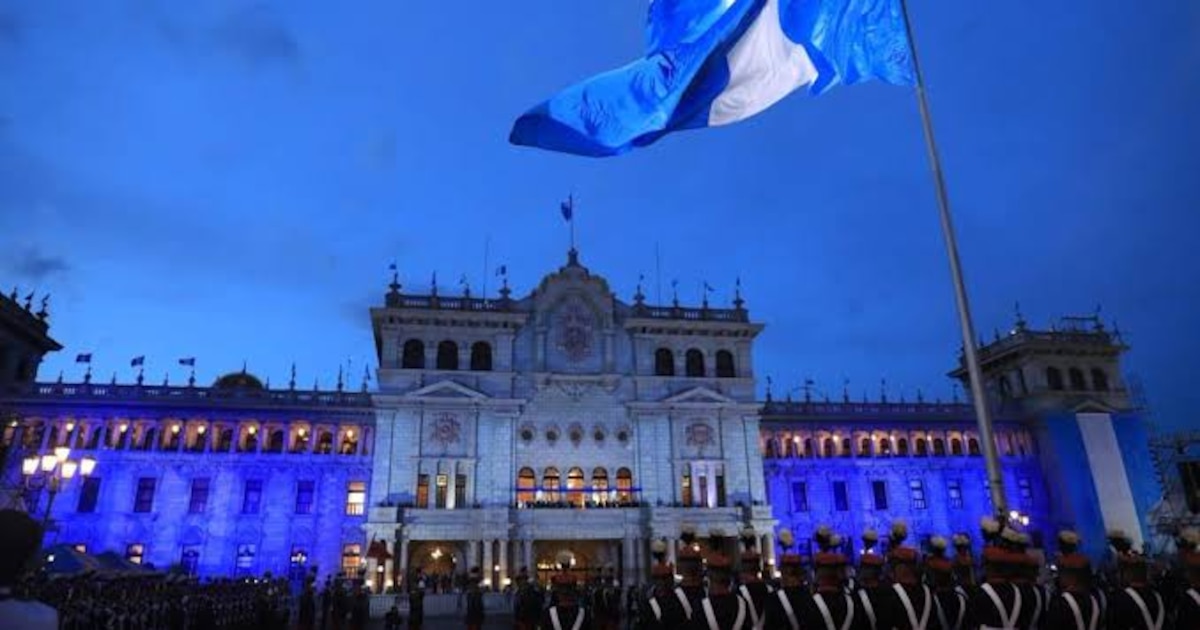
Guatemala llegará a los 205 años de su independencia con siete símbolos patrios oficiales que condensan su historia, su identidad y los valores cívicos que el país reconoce como propios: la bandera, el quetzal, la ceiba, el escudo, la monja blanca, la marimba y Tecún Umán.
La conmemoración de septiembre vuelve a poner en primer plano esos emblemas que acompañan la vida pública del país en calles, escuelas y plazas.
El repaso de cada uno permite entender cómo Guatemala fijó, a lo largo de distintas etapas, las imágenes, especies, sonidos y figuras que la representan ante el mundo.
La bandera, el escudo y el quetzal fueron definidos en 1871
La bandera es el símbolo patrio más antiguo. Su forma, tamaño, color y escudo cambiaron varias veces con el paso del tiempo, hasta que en 1871 el entonces presidente de la República de Guatemala, el general Miguel García Granados, decretó su creación y estableció los colores azul celeste y blanco.
El azul celeste representa el océano Pacífico, el mar Caribe y el océano Atlántico. También simboliza la fortaleza, la justicia y la lealtad. El blanco se asocia con la pureza, el respeto, la fe, la integridad y la paz de la nación.
Ese mismo año quedó definida la versión actual del escudo. Según información del Congreso de la República, cuando se usa separado de la bandera debe ir en campo celeste claro.
El escudo reúne cinco elementos. Los rifles aluden a la fuerza; las espadas, a la justicia y la soberanía; los laureles, a la victoria; el pergamino, a la fecha de independencia; y el quetzal, a la libertad.
El quetzal, reconocido como ave nacional, también es símbolo patrio desde 1871. Se le atribuye la representación de la libertad, la autonomía y la independencia de la nación.
Esta ave de plumaje característico habita en los bosques nubosos de Guatemala, entre ellos las Verapaces. Mide entre 30 y 38 centímetros, y el macho posee una cola larga que cumple un papel importante durante el cortejo.
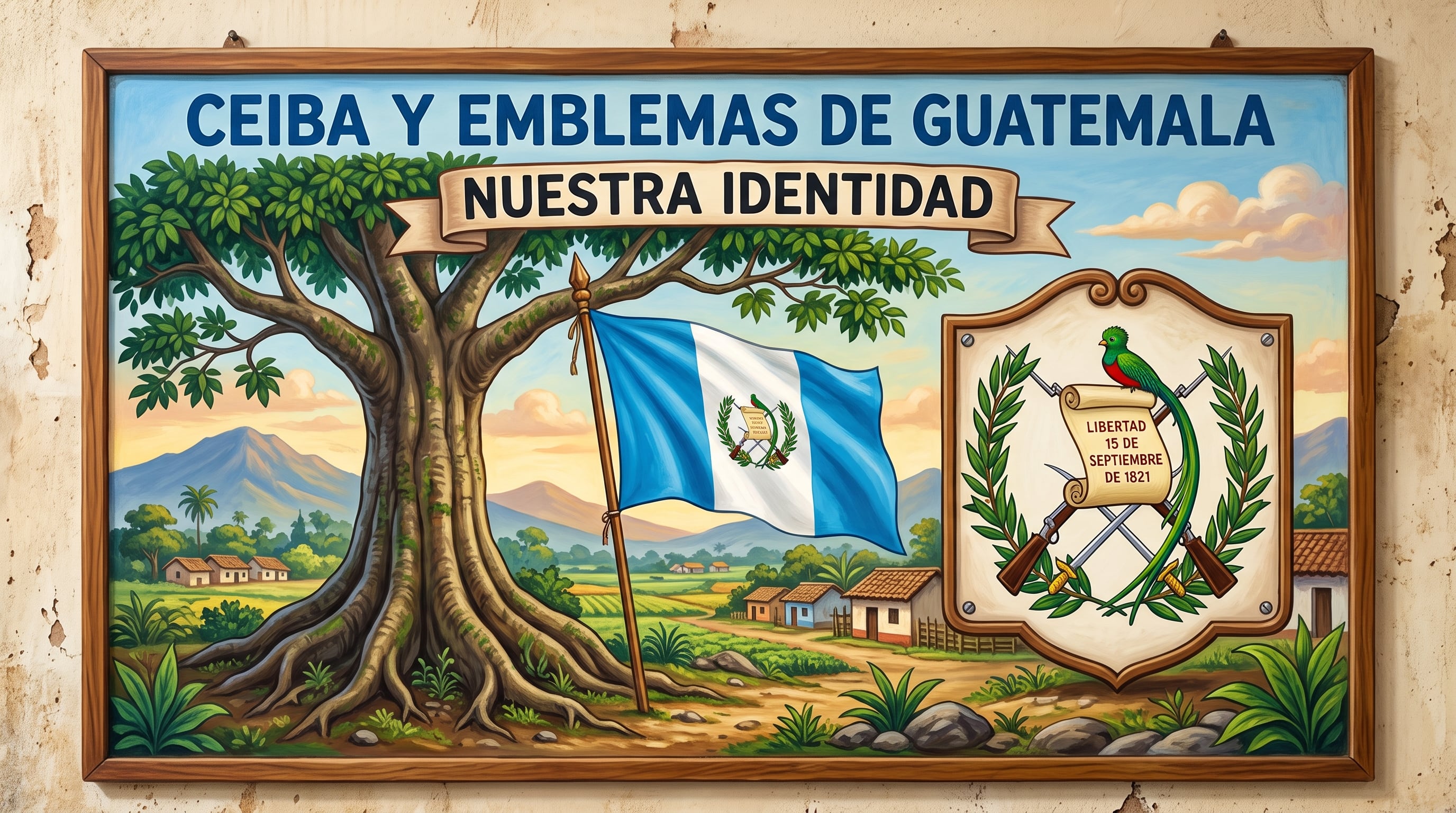
La ceiba y la monja blanca representan especies nativas del país
La ceiba fue reconocida como árbol nacional mediante un acuerdo gubernativo del 8 de marzo de 1955. Su nombre científico es Ceiba pentandra y está catalogada como un árbol nativo de América.
Puede superar los 50 metros de altura y su tronco rebasa los tres metros de diámetro. Esa escala la convirtió en uno de los emblemas naturales más visibles del país.
La monja blanca fue declarada flor nacional de Guatemala por decreto presidencial del general Jorge Ubico Castañeda el 11 de febrero de 1934. Su nombre responde a una particularidad de su forma: en el centro presenta un pequeño tallo que semeja a una monja rezando.
Crece sobre musgos o helechos en Alta Verapaz, los Cuchumatanes y montes de Izabal y Quiché. Florece entre octubre y febrero, y cada flor permanece entre cuatro y seis semanas.
La marimba y Tecún Umán completan el conjunto de emblemas nacionales
La marimba fue declarada símbolo patrio en 1955 y más tarde quedó establecida como instrumento nacional por el Decreto 66-78 del Congreso de la República. Su lugar dentro de la identidad guatemalteca fue ampliado el 12 de febrero de 2015, cuando la Organización de los Estados Americanos la declaró Patrimonio Cultural de las Américas en un acto solemne.
Cada 20 de febrero se conmemora el Día Nacional de la Marimba. La fecha coincide con otra efeméride cívica del país: el Día de Tecún Umán.
Tecún Umán fue declarado héroe nacional y símbolo de defensa de la nacionalidad guatemalteca el 22 de marzo de 1960, mediante el Decreto-1334 del Congreso de la República. Desde entonces, su figura forma parte del grupo de símbolos patrios reconocidos oficialmente por el Estado.
En conjunto, estos siete emblemas reúnen referencias naturales, históricas, musicales y políticas.
La bandera, el escudo y el quetzal remiten a la fundación simbólica de la nación en 1871; la monja blanca, la ceiba y la marimba incorporan expresiones propias del territorio y la cultura; y Tecún Umán encarna la defensa de la nacionalidad guatemalteca. Guatemala encuentra en ellos una memoria cívica que sigue presente más de dos siglos después de su independencia.
Guatemala,símbolos patrios,independencia,Tecún Umán,quetzal,marimba
INTERNACIONAL
El-Sayed’s liberal agenda clashes with Muslim voters who back him anyway: ‘Male version’ of Ilhan Omar
NEWYou can now listen to Fox News articles!
DETROIT, MICHIGAN — Abdul El-Sayed, the Democratic nominee for U.S. Senate in Michigan, faces a striking disconnect among some Muslim voters who oppose his positions on abortion and LGBTQ issues yet say they plan to vote for him anyway.
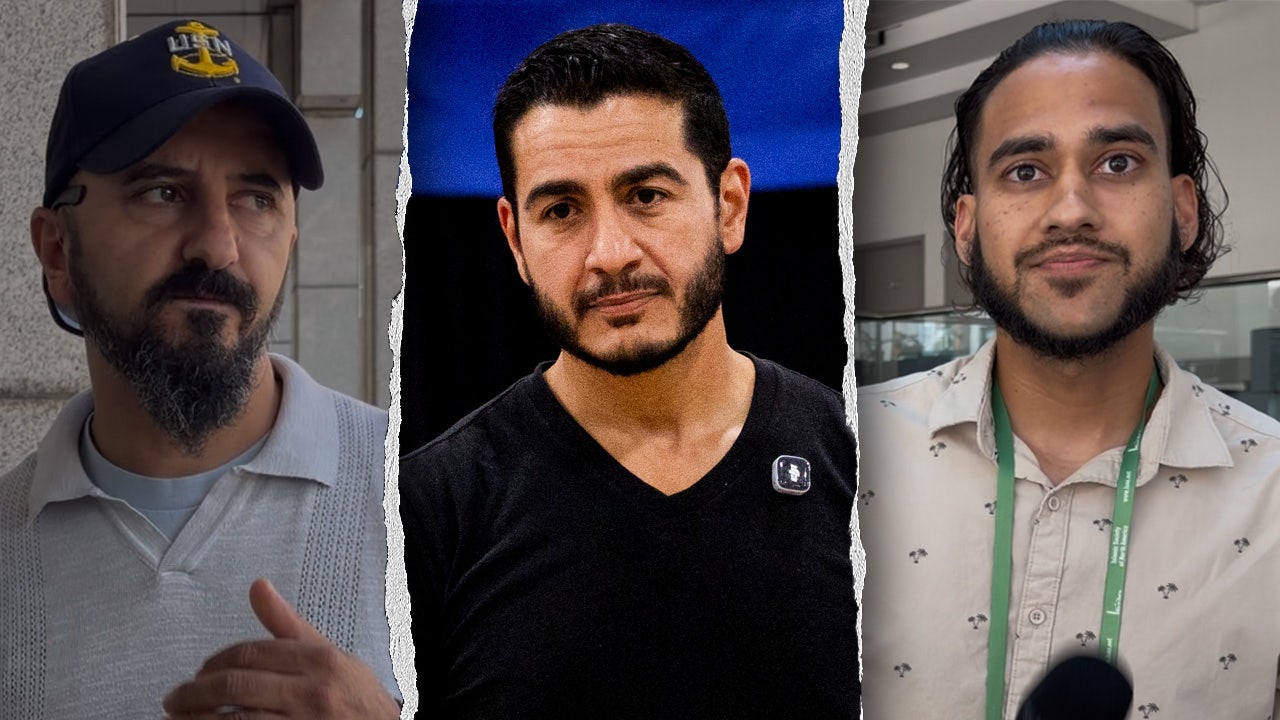
«He is a Democrat with a Muslim mask,» one attendee of the Islamic Society of North America (ISNA) Convention, who requested anonymity to avoid social reprisals, told Fox News Digital. «Basically he’s like Ilhan Omar, but like a male version.»
He went on to say that, while he takes objection to El-Sayed’s positions on abortion and LGBTQ rights, he «want[s] him to get elected» to improve his community’s «representation.»
Fox News Digital was on the ground at the Islamic Society of North America’s annual conference in Detroit over Labor Day weekend, where El-Sayed delivered the marquee speech amid controversy over past remarks by some conference speakers. The episode has added scrutiny to El-Sayed’s ties to the organization and the political coalition surrounding his campaign.
‘DESTROYING THE AMERICAN WAY OF LIFE’: EL-SAYED’S POLITICAL ORBIT COMPLICATES EFFORT TO MODERATE HIS IMAGE
Abdul El-Sayed’s campaign running a booth at the Islamic Society of North America’s annual conference. (Robert Schmad/Fox News Digital) ((Robert Schmad/Fox News Digital))
In total, Fox News Digital spoke to about 10 attendees at the conference, some of whom requested anonymity or declined to be recorded but agreed to speak on background. Several described a tension between their personal views on social issues and their support for El-Sayed, particularly on abortion and LGBTQ issues.
El-Sayed supports codifying Roe v. Wade into law, funding Planned Parenthood, establishing LGBTQ-inclusive sex education and allowing doctors to perform sex-change operations on children. Islamic theology generally takes a more restrictive view of abortion, gender and sexuality, though interpretations vary among Muslims.
Another attendee, a Navy veteran, told Fox News Digital that he strongly opposes El-Sayed’s positions on issues like abortion and LGBTQ sex education, but feels like the Republican Party has let him down following the 2024 election.
«I voted for Donald Trump. When it comes to values, I’m a Republican. But unfortunately they have betrayed us,» he said.
He pointed to the Trump administration’s involvement in foreign wars and cost-of-living concerns as the issues pushing him to support El-Sayed despite the Democrat’s liberal beliefs. Multiple attendees who spoke to Fox News Digital at the conference, including some who declined to be interviewed on the record, said they voted for Trump in 2024 but were planning on supporting El-Sayed in the midterms.
MICHIGAN SENATE RACE: EL-SAYED’S TIES TO EXTREMIST FUEL ANTISEMITISM CONCERNS AMONG JEWISH VOTERS
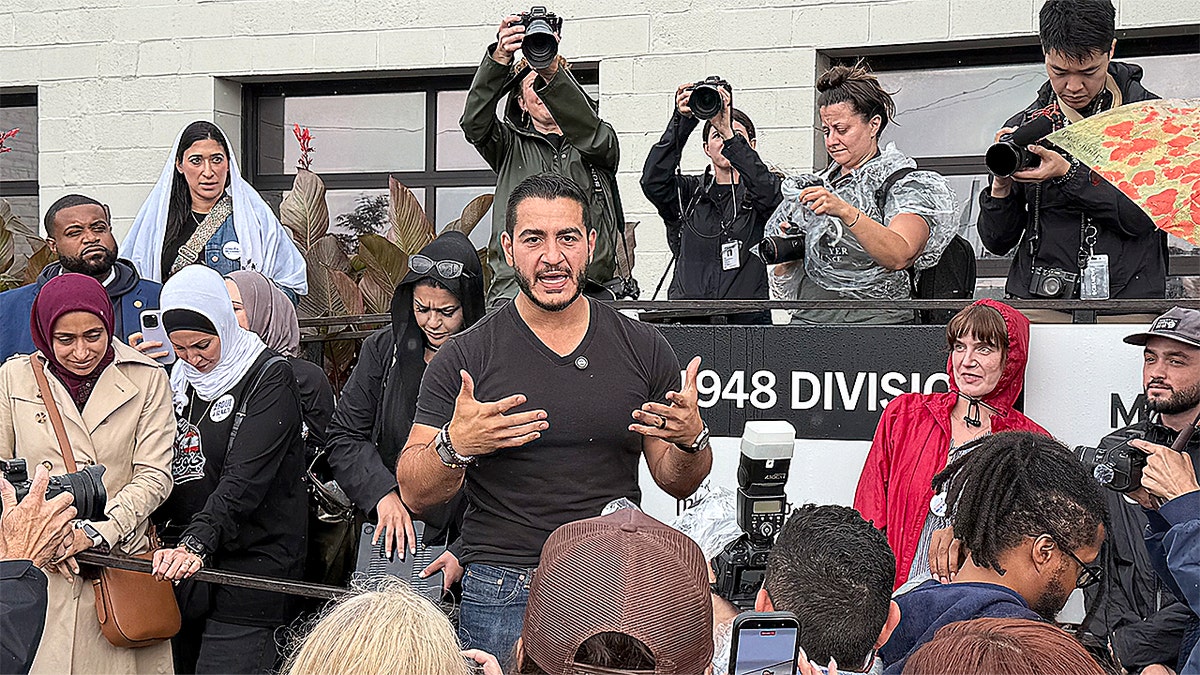
Abdul El-Sayed, a Democratic Senate candidate in Michigan, speaks to supporters at a campaign event, on August 2, 2026 in Detroit, Michigan (Paul Steinhauser/Fox News)
«We’re concerned about where our tax dollars are going to. A lot of these tax dollars are going to support foreign wars, support countries that aren’t the United States,» Zubin, a long-time El-Sayed supporter, told Fox News Digital. «So I think these are the main issues that resonate not just with the Muslim voters but the everyday voter in all of Michigan.»
President Donald Trump’s support for Israel and his military operations in Iran have become growing points of concern for some voters, with polls showing rising dissatisfaction over U.S. involvement in Middle Eastern conflicts.
Trump did uncharacteristically well for a Republican among Michigan Arab Americans in 2024. If support for the GOP slides heavily with that demographic in November, it could spell trouble for the party’s Senate prospects. Republicans, however, are seeking to pick off disaffected Jewish Democrats to gain an edge themselves.
Some attendees who spoke with Fox News Digital were shocked to learn about El-Sayed’s support for abortion and LGBTQ rights.
«Wait, he’s supporting LGBTQ?» one conference attendee, who requested to remain anonymous for social reasons, told Fox News Digital. «I don’t really think that’s good, especially because this is Islam and it prohibits LGBTQ and I do really think that people should abandon … abortion since they’re taking a life away.»
DETROIT VOTERS CALL ON DEMOCRATS TO UNITE AROUND EL-SAYED AFTER STUNNING VICTORY OF FAR-LEFT PROGRESSIVE

Abdul El-Sayed, a progressive candidate in the Democratic primary for U.S. Senate in Michigan, speaks during a primary election night event Wednesday, Aug. 5, 2026, at the Majestic Theatre in Detroit. (Julia Demaree Nikhinson/AP Photo)
The attendee said he believes if El-Sayed’s social views were more widely known in the Islamic community, his support might decline. Others said they believe the importance of social views among Muslims is dependent on generation.
«So yes, Abdul El-Sayed, maybe his views when it comes to these things, maybe more similar to mine as compared to our parents, our grandparents, yes, with those generations. There may be a little bit of friction, but this is natural,» Zubin said. «I do think, yes, these are probably going to be talking points within the Muslim community.»
Some individuals who spoke to Fox News Digital acknowledged that the Islamic community has some deeply held conservative beliefs, but argued that the community will be able to look past that come November.
«He’s gonna be great for education, and he’s gonna be great for medical,» Fauzi, who was attending the conference, told Fox News Digital. «5-10% of the issues, people may differ. But we have to look at the big picture [and] how he can be impactful for the state of Michigan, the country at large, and all of us here.»
JEWISH DEM DEFECTIONS THREATEN EL-SAYED IN MICHIGAN SENATE RACE DECIDED BY RAZOR-THIN MARGINS

A speech being delivered at the Islamic Society of North America’s annual conference. (Robert Schmad/Fox News Digital) ((Robert Schmad/Fox News Digital))
A handful of attendees who spoke with Fox News Digital said that their community would be excited if a Muslim Republican ran in their state, while others stressed that the party’s reputation could hamper its ability to appeal to Arab Americans.
«Yes, if you’re a good person, a good politician and running for the Republican party and you believe in your values and that you can do good, go ahead and run and I’m sure you can win a lot of support from this community as well,» Zubin said.
«I think it’s very difficult for a Muslim to run as a Republican because frankly a lot of Republican voters do tend to have a strong bias against us,» another attendee, who requested to remain anonymous, told Fox News Digital.
The El-Sayed campaign did not respond to a request for comment when reached by Fox News Digital on Tuesday.
faith values, islam, politics, democratic party, abdul el sayed
INTERNACIONAL
DSA-backed candidates are winning primaries and their vision for America is very different
New York City DSA co-chair defends socialism, says economy is ‘not working’
NYC-DSA co-chair Grace Mausser argues that capitalism is failing many Americans who cannot afford housing, childcare or education. She advocates for economic populism and draws lessons from successful policies in American history, such as the New Deal, as well as those implemented in other countries. Mausser stresses the need for policies like universal healthcare.
NEWYou can now listen to Fox News articles!
The Democratic Socialists of America is seeking to reshape some of the most basic features of the U.S. economy — from who owns major corporations to how long Americans work and whether families pay for healthcare, college and housing.
The agenda is drawing renewed scrutiny after DSA-backed candidates gained ground in the 2026 midterm primaries and progressive socialism became a central Republican target at the GOP’s first-ever midterm convention in Dallas.
Below are some of the biggest economic proposals in the platform.
Public ownership of major corporations and industries
The Democratic Socialists of America says major corporations and key industries should be publicly owned rather than privately controlled. (Spencer Platt/Getty Images)
DSA calls for public ownership of major corporations and essential industries, arguing public ownership would give Americans greater democratic control over the economy.
Adam Lehodey, a policy expert at the Manhattan Institute, said nationalizing major corporations would cost billions of dollars and shift accountability from customers to government officials.
‘WASTEFUL DISTRACTION’: EXPERTS SLAM MAMDANI’S TAXPAYER-FUNDED STORES
He argued nationalized industries have historically suffered from waste, corruption and lower productivity, adding that reducing regulations would be a better way to encourage competition.
A 32-hour workweek with full pay

The Democratic Socialists of America says full-time employees should work 32 hours a week without a reduction in pay or benefits. (iStock)
DSA also wants to establish a 32-hour workweek without reducing workers’ pay or benefits, effectively giving full-time employees an additional day away from work while preserving their compensation.
The proposal is paired with a living minimum wage, paid family leave and stronger protections for workers to form unions and strike.
TRUMP DANGLES $5,000 CHECKS AS DEBT SURGES — BUT ONLY IF GOP CAN CLEAR MAJOR MIDTERM HURDLE
The agenda does not explain how a shorter workweek would be implemented across industries or how businesses would be expected to absorb the additional labor costs.
Lehodey said a 32-hour workweek without higher productivity could increase labor costs and reduce economic output.
Universal healthcare, housing and education

The Democratic Socialists of America says healthcare should be provided at no cost to individuals under its platform. (iStock)
Among DSA’s biggest proposals are universal healthcare, publicly owned social housing, free public education through college and cancellation of all student debt.
Together, the proposals would shift a much larger share of healthcare, housing and education costs from individuals to the federal government.
A Cato Institute analysis estimated that a Medicare-for-All-style healthcare system alone could increase federal spending by between $40 trillion and $75 trillion over a decade, though the estimate is not specific to DSA’s proposal.
Higher taxes on wealthy Americans and corporations
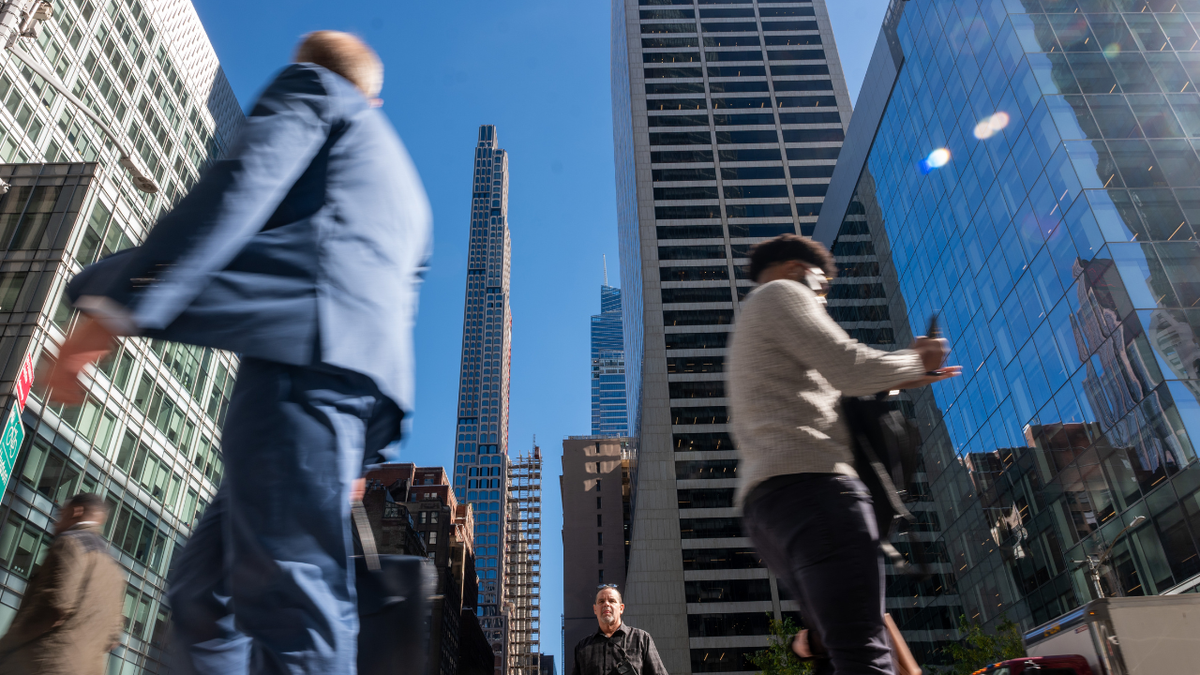
DSA’s platform calls for higher taxes on wealthy Americans and corporations to help fund its broader economic agenda. (Spencer Platt/Getty Images)
DSA says wealthy Americans and large corporations should shoulder more of the cost of its vision.
The platform calls for «aggressive wealth taxes» on the richest individuals and corporations, with the proceeds directed toward public goods and infrastructure.
Lehodey questioned whether wealthy taxpayers alone could finance the agenda, arguing broader taxpayers would likely bear some of the cost.
DSA’s platform does not estimate the total cost of its agenda or how much revenue its proposed tax increases would generate.
economic policy, politics, socialism, social policy, republicans, midterm elections

Dólar hoy en vivo: a cuánto operan todas las cotizaciones minuto a minuto este lunes 14 de septiembre

Axel Kicillof reclama una deuda de 19 billones de pesos a la Nación y espera una señal de la Corte Suprema

La Pampa fue a la Justicia para frenar el decreto de Milei que le dio a Mendoza el 100% de las regalías de una hidroeléctrica

Guatemala conmemora los 205 años de la independencia con sus siete símbolos patrios que reúnen historia, identidad y representación nacional

El horroroso secreto familiar que la mamá de Analía Franchín le reveló justo antes de morir: «Fue… fue tremendo»

Milei reunió al Gabinete antes del envío del Presupuesto y el proyecto de ley por Malvinas

El Gobierno suma una función a Cancillería: alinear la política exterior al reclamo por Malvinas

“¿Dónde está Kicillof?”: Patricia Bullrich cruzó al gobernador por la inseguridad en la Provincia

La cima de la Zona A del Torneo Clausura se pondrá en juego con dos compromisos: hora, TV y formaciones

Gremios que le ganaron a la inflación oficial de agosto en paritarias

 SOCIEDAD22 horas ago
Entre arroyos y countries: vecinos intentan salvar el último pulmón rural del conurbano antes de que cambie para siempre
- POLITICA1 día ago
Trump habló de una posible guerra por Malvinas y dijo que podría intervenir para resolverla
- ECONOMIA2 días ago
“Inteligencia distorsionada”: la crítica de un premio Nobel de Economía en medio de la polémica por la carrera de la IA