INTERNACIONAL
El-Sayed’s liberal agenda clashes with Muslim voters who back him anyway: ‘Male version’ of Ilhan Omar

NEWYou can now listen to Fox News articles!
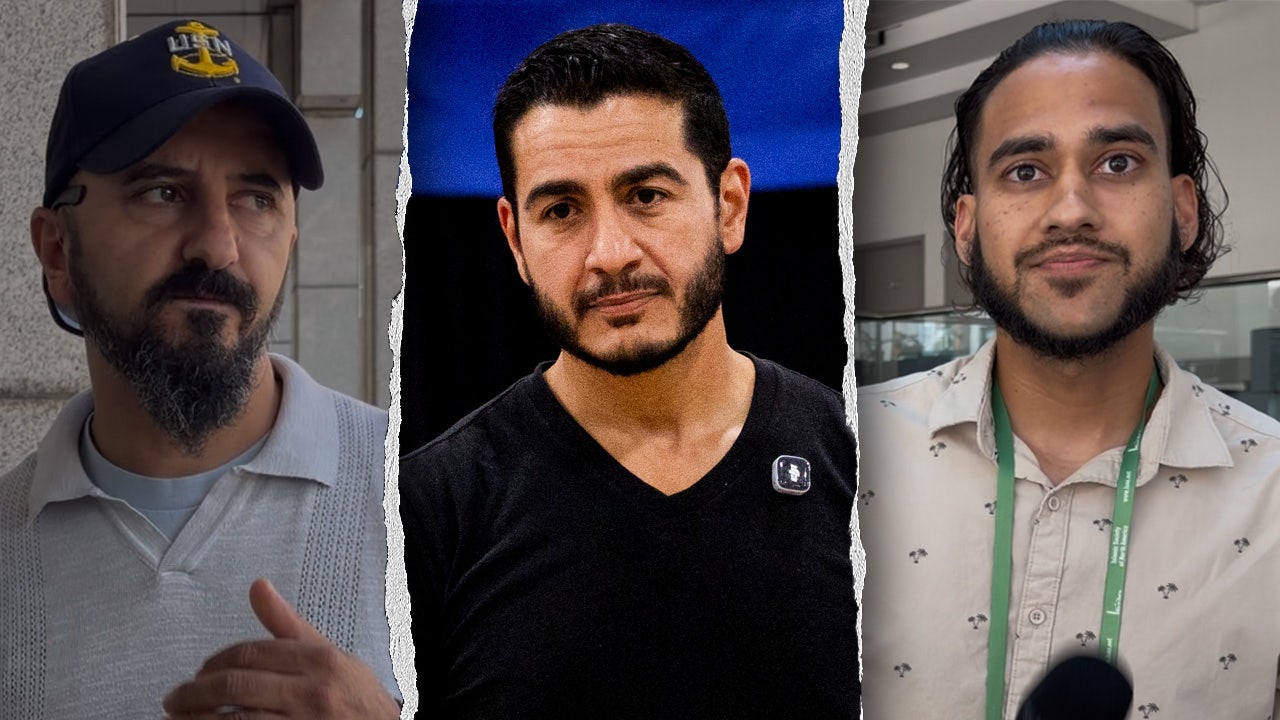
DETROIT, MICHIGAN — Abdul El-Sayed, the Democratic nominee for U.S. Senate in Michigan, faces a striking disconnect among some Muslim voters who oppose his positions on abortion and LGBTQ issues yet say they plan to vote for him anyway.
«He is a Democrat with a Muslim mask,» one attendee of the Islamic Society of North America (ISNA) Convention, who requested anonymity to avoid social reprisals, told Fox News Digital. «Basically he’s like Ilhan Omar, but like a male version.»
He went on to say that, while he takes objection to El-Sayed’s positions on abortion and LGBTQ rights, he «want[s] him to get elected» to improve his community’s «representation.»
Fox News Digital was on the ground at the Islamic Society of North America’s annual conference in Detroit over Labor Day weekend, where El-Sayed delivered the marquee speech amid controversy over past remarks by some conference speakers. The episode has added scrutiny to El-Sayed’s ties to the organization and the political coalition surrounding his campaign.
‘DESTROYING THE AMERICAN WAY OF LIFE’: EL-SAYED’S POLITICAL ORBIT COMPLICATES EFFORT TO MODERATE HIS IMAGE
Abdul El-Sayed’s campaign running a booth at the Islamic Society of North America’s annual conference. (Robert Schmad/Fox News Digital) ((Robert Schmad/Fox News Digital))
In total, Fox News Digital spoke to about 10 attendees at the conference, some of whom requested anonymity or declined to be recorded but agreed to speak on background. Several described a tension between their personal views on social issues and their support for El-Sayed, particularly on abortion and LGBTQ issues.
El-Sayed supports codifying Roe v. Wade into law, funding Planned Parenthood, establishing LGBTQ-inclusive sex education and allowing doctors to perform sex-change operations on children. Islamic theology generally takes a more restrictive view of abortion, gender and sexuality, though interpretations vary among Muslims.
Another attendee, a Navy veteran, told Fox News Digital that he strongly opposes El-Sayed’s positions on issues like abortion and LGBTQ sex education, but feels like the Republican Party has let him down following the 2024 election.
«I voted for Donald Trump. When it comes to values, I’m a Republican. But unfortunately they have betrayed us,» he said.
He pointed to the Trump administration’s involvement in foreign wars and cost-of-living concerns as the issues pushing him to support El-Sayed despite the Democrat’s liberal beliefs. Multiple attendees who spoke to Fox News Digital at the conference, including some who declined to be interviewed on the record, said they voted for Trump in 2024 but were planning on supporting El-Sayed in the midterms.
MICHIGAN SENATE RACE: EL-SAYED’S TIES TO EXTREMIST FUEL ANTISEMITISM CONCERNS AMONG JEWISH VOTERS
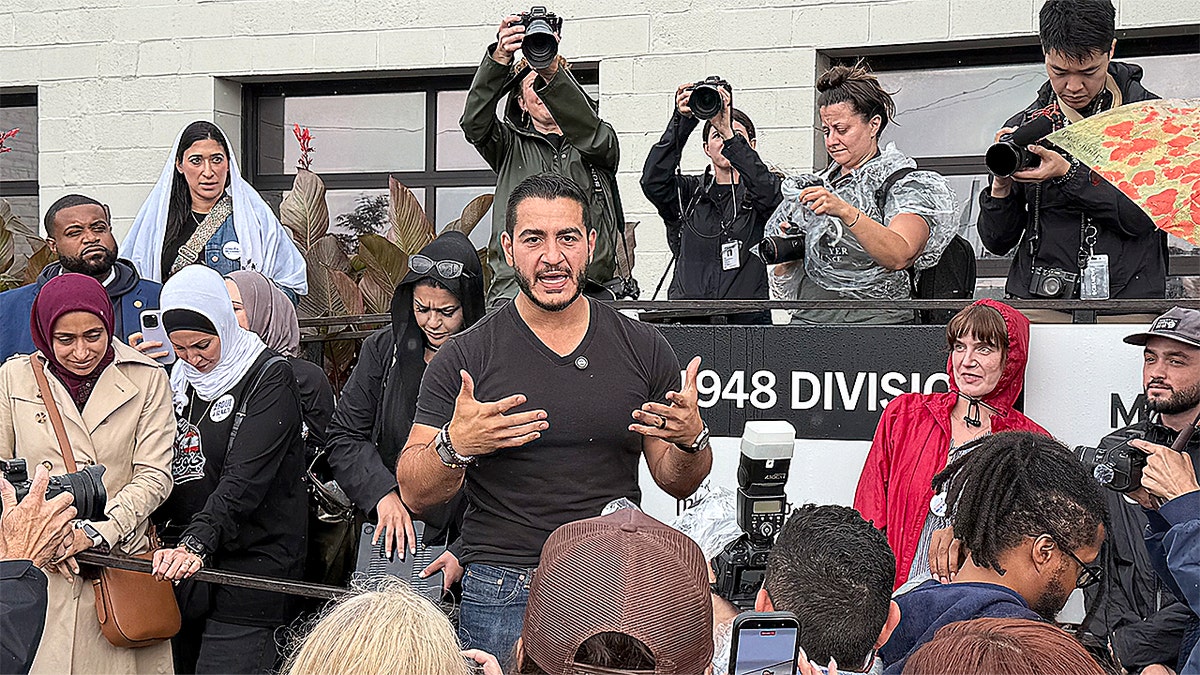
Abdul El-Sayed, a Democratic Senate candidate in Michigan, speaks to supporters at a campaign event, on August 2, 2026 in Detroit, Michigan (Paul Steinhauser/Fox News)
«We’re concerned about where our tax dollars are going to. A lot of these tax dollars are going to support foreign wars, support countries that aren’t the United States,» Zubin, a long-time El-Sayed supporter, told Fox News Digital. «So I think these are the main issues that resonate not just with the Muslim voters but the everyday voter in all of Michigan.»
President Donald Trump’s support for Israel and his military operations in Iran have become growing points of concern for some voters, with polls showing rising dissatisfaction over U.S. involvement in Middle Eastern conflicts.
Trump did uncharacteristically well for a Republican among Michigan Arab Americans in 2024. If support for the GOP slides heavily with that demographic in November, it could spell trouble for the party’s Senate prospects. Republicans, however, are seeking to pick off disaffected Jewish Democrats to gain an edge themselves.
Some attendees who spoke with Fox News Digital were shocked to learn about El-Sayed’s support for abortion and LGBTQ rights.
«Wait, he’s supporting LGBTQ?» one conference attendee, who requested to remain anonymous for social reasons, told Fox News Digital. «I don’t really think that’s good, especially because this is Islam and it prohibits LGBTQ and I do really think that people should abandon … abortion since they’re taking a life away.»
DETROIT VOTERS CALL ON DEMOCRATS TO UNITE AROUND EL-SAYED AFTER STUNNING VICTORY OF FAR-LEFT PROGRESSIVE

Abdul El-Sayed, a progressive candidate in the Democratic primary for U.S. Senate in Michigan, speaks during a primary election night event Wednesday, Aug. 5, 2026, at the Majestic Theatre in Detroit. (Julia Demaree Nikhinson/AP Photo)
The attendee said he believes if El-Sayed’s social views were more widely known in the Islamic community, his support might decline. Others said they believe the importance of social views among Muslims is dependent on generation.
«So yes, Abdul El-Sayed, maybe his views when it comes to these things, maybe more similar to mine as compared to our parents, our grandparents, yes, with those generations. There may be a little bit of friction, but this is natural,» Zubin said. «I do think, yes, these are probably going to be talking points within the Muslim community.»
Some individuals who spoke to Fox News Digital acknowledged that the Islamic community has some deeply held conservative beliefs, but argued that the community will be able to look past that come November.
«He’s gonna be great for education, and he’s gonna be great for medical,» Fauzi, who was attending the conference, told Fox News Digital. «5-10% of the issues, people may differ. But we have to look at the big picture [and] how he can be impactful for the state of Michigan, the country at large, and all of us here.»
JEWISH DEM DEFECTIONS THREATEN EL-SAYED IN MICHIGAN SENATE RACE DECIDED BY RAZOR-THIN MARGINS

A speech being delivered at the Islamic Society of North America’s annual conference. (Robert Schmad/Fox News Digital) ((Robert Schmad/Fox News Digital))
A handful of attendees who spoke with Fox News Digital said that their community would be excited if a Muslim Republican ran in their state, while others stressed that the party’s reputation could hamper its ability to appeal to Arab Americans.
«Yes, if you’re a good person, a good politician and running for the Republican party and you believe in your values and that you can do good, go ahead and run and I’m sure you can win a lot of support from this community as well,» Zubin said.
«I think it’s very difficult for a Muslim to run as a Republican because frankly a lot of Republican voters do tend to have a strong bias against us,» another attendee, who requested to remain anonymous, told Fox News Digital.
The El-Sayed campaign did not respond to a request for comment when reached by Fox News Digital on Tuesday.
faith values, islam, politics, democratic party, abdul el sayed












INTERNACIONAL
Quién es Flávio Bolsonaro, el heredero político de bajo perfil que venció a Lula y disputará el balotaje en Brasil
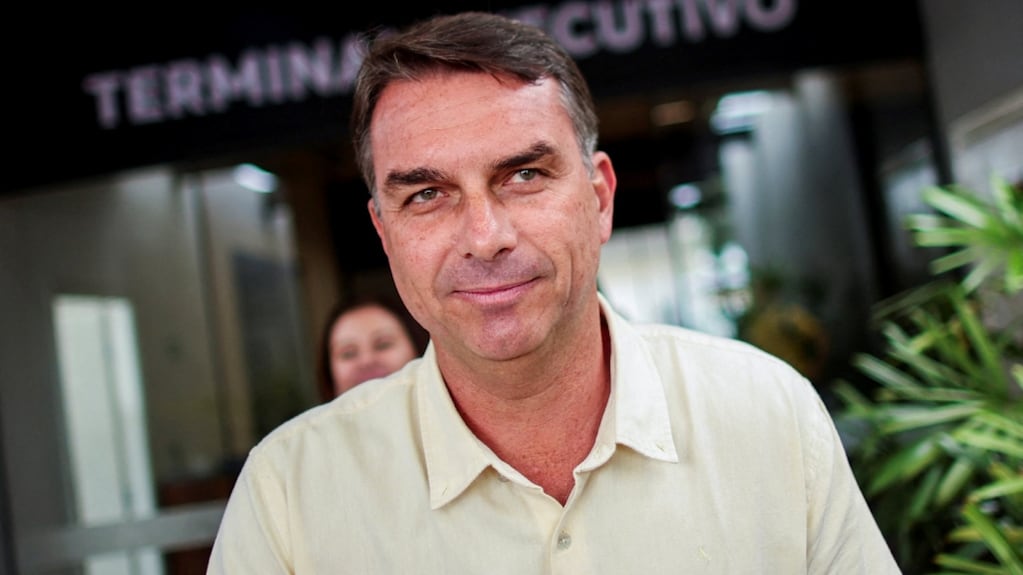
Admirador del salvadoreño Nayib Bukele y aliado ideológico de Javier Milei, el senador Flávio Bolsonaro ganó las elecciones de este domingo y enfrentará a Lula en segunda vuelta. El balotaje está fijado para el 25 de octubre.
Primogénito del exmandatario Jair Bolsonaro, condenado a 27 años de prisión por golpismo y a quien le aguarda un esperado indulto presidencial si su hijo gana el balotaje, derrotó al presidente saliente Luiz Lula da Silva por casi dos puntos.
Heredero del clan político más poderoso de Brasil, pero sin carisma ni capital propio, el senador era hasta hace muy poco un personaje periférico de la política local hasta que su padre lo señaló con el dedo para reemplazarlo en la candidatura de la extrema derecha vernácula.
El objetivo fue claro y exitoso: aprovechar el apellido para desbancar a Lula da Silva de la presidencia brasileña y volver al poder en el último gran reducto de la izquierda sudamericana con el fuerte respaldo de Donald Trump.
El hijo mayor del expresidente, de 45 años, contó con el respaldo total de Milei, que profundizó su enfrentamiento ideológico y personal con Lula con descalificaciones que causaron una grave crisis diplomática saldada con el retiro de ambos embajadores.
“El vínculo familiar explica el éxito que tuvo Flávio en su carrera política”, dijo a TN el analista Marco Teixeira, de la Fundación Getúlio Vargas de Río de Janeiro.
Quién es Flávio Bolsonaro
Flávio Bolsonaro tiene algo más a su favor que lo acercó a los seguidores de su padre: es de un enorme parecido físico con su progenitor. En viejas fotografías viralizadas durante la campaña en que se los ve juntos, solo la diferencia de edad marca la diferencia.
El mayor de los cinco hijos de Jair Bolsonaro es abogado y se dedicó a la política desde muy joven, impulsado por el mandato familiar. De hecho, se convirtió en legislador estadual de Río de Janeiro a los 21 años. A los 37 fue elegido senador.
Su carrera política estuvo pegada siempre a la de Jair Bolsonaro. De perfil bajo y sin públicas aspiraciones presidenciales, su figura no solo creció a la sombra de su padre. Su hermano Eduardo Bolsonaro, autoexiliado en Estados Unidos después de ser condenado a cuatro años de prisión por sus intentos de imponer sanciones de Estados Unidos contra Brasil, tuvo un mayor peso en los últimos años en la política nacional.
Incluso, su madrastra, Michelle Bolsonaro, electa este domingo como senadora, parecía mejor posicionada para reemplazar a su esposo en la candidatura presidencial por su gran popularidad en los sectores evangélicos del país, un sector clave a la hora de decidir las elecciones.
Pero Flávio fue el “elegido” en la interna familiar.
Así, de la noche a la mañana, pasó de ser un personaje secundario a protagonista de la derecha dura liderada por el Partido Liberal (PL).
Sumario
INTERNACIONAL
Russia may be using hidden ‘lunchbox-size’ drone devices to counter Ukraine defenses: expert
NEWYou can now listen to Fox News articles!
Russia may be concealing signal repeaters inside Ukrainian cities to help its long-range drones evade air defenses and strike with greater precision, a weapons expert told Fox News Digital.
The Kyiv Post first reported the possible use of the small ground devices, or repeaters, which Draganfly CEO and co-founder Cameron Chell said form part of an expanding «mesh» network that allows Russian drones to relay encrypted signals across multiple connections, making drones and drone swarms far harder for Ukraine to disrupt and bring down through standard electronic jamming.
Chell’s warning also came amid escalating diplomatic notices for the region, with Moscow urging foreign nationals and embassy staff to leave the capital Kyiv immediately on Oct. 3, highlighting «mortal danger» as Russian forces threatened further «massive retaliatory strikes.»
«Russia has come to the realization that innovation is going to have to win this war, to the point now where they are becoming the innovative leader in this war—not just in terms of tactics, strategy, and technology, but the entire mindset is shifting,» Chell said.
RUSSIA READIES NEW 500-MILE MISSILE AS WEAPON EXPERT WARNS OF ‘TERMINAL END GAME SURPRISES’
Fires burned in Kyiv after Russia launched a major aerial assault on Ukraine on May 25, 2025. (Gleb Garanich/Reuters)
Mesh networks, Chell explained, allow drones and strategically placed ground-based repeaters to relay encrypted signals across multiple connections, making many Russian drone flights harder to disrupt.
«The use of mesh networking is now making it increasingly hard for a defensive position to bring down Russian drones in an effective manner.»
«With real-time precision, Russia can also now take their drone device into a particular window,» Chell warned.
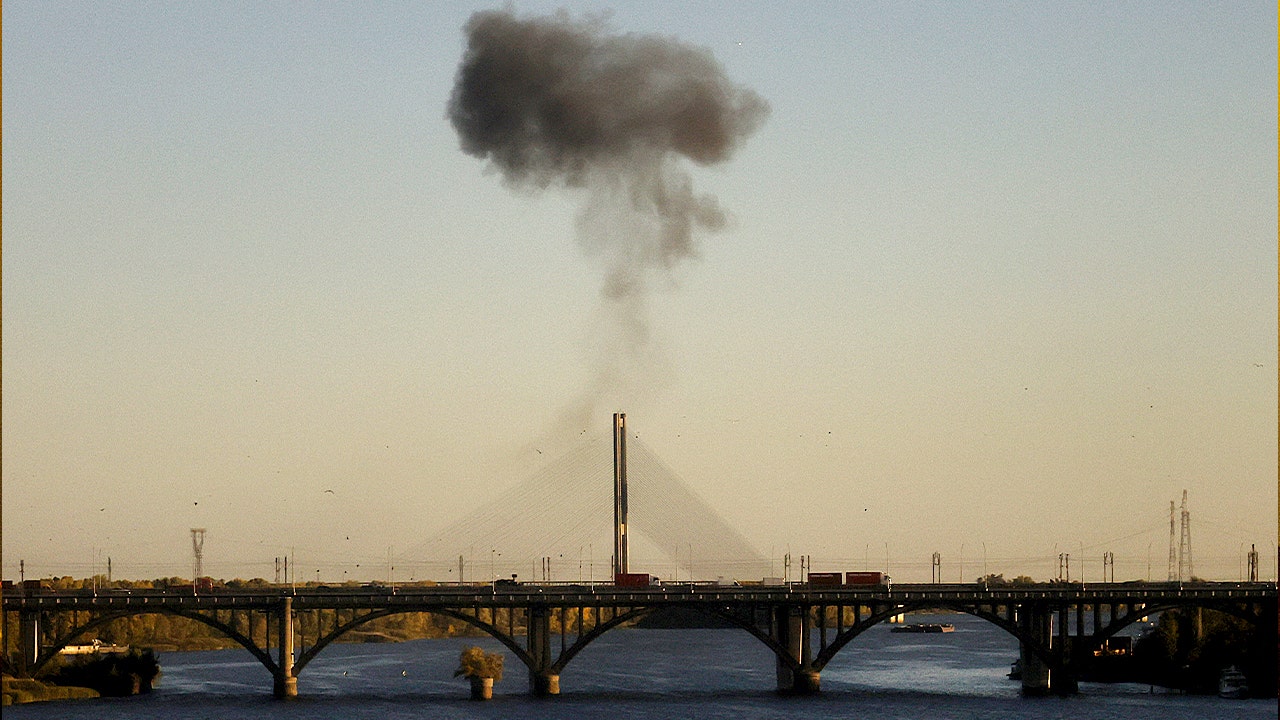
«You can take the device onto a particular portion of a bridge because you can make that real-time, last-minute decision live because you’ve got all these additional network connections that increase not just your bandwidth, but also your resilience in terms of being jammed,» he added.
RUSSIAN STRIKES CONTINUE FOLLOWING VISIT BY WITKOFF AND KUSHNER TO KYIV
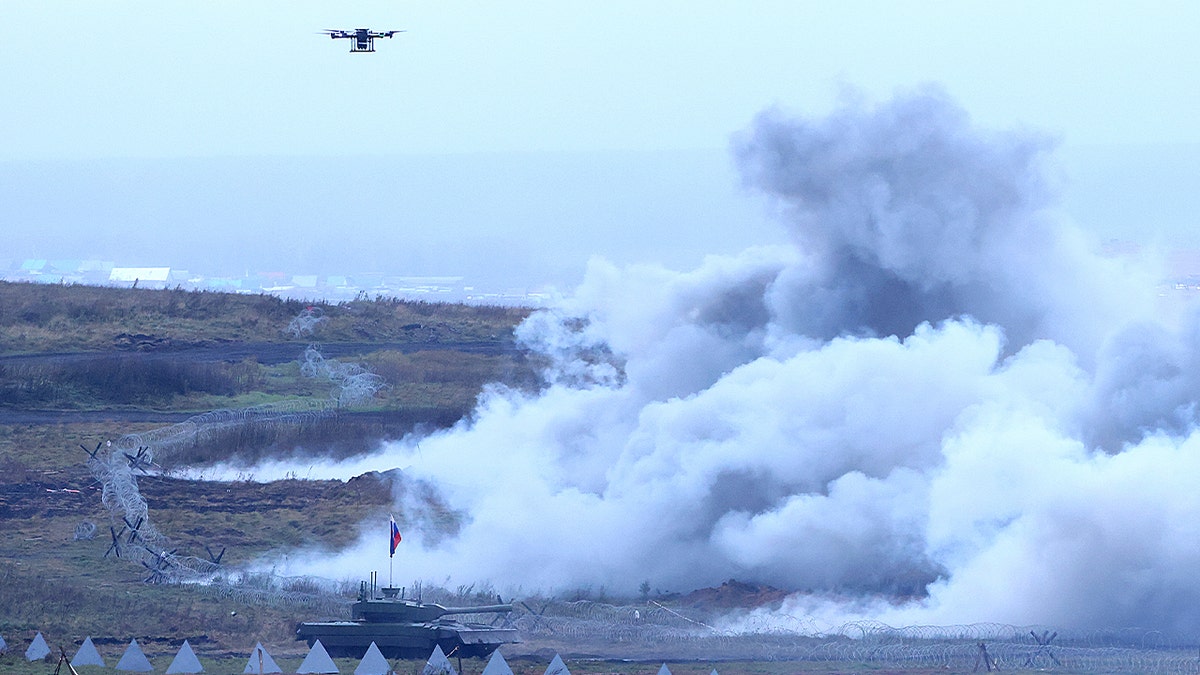
Ukrainian Air Force spokesperson Yurii Ihnat confirmed Sept. 29 that Russian forces are integrating mesh networking into their drone fleet while upgrading onboard optics. (Contributor/Getty Images)
Moscow’s rapid technological evolution on the battlefield comes alongside unusually precise strikes on critical infrastructure in Kyiv, including major river crossings.
Ukrainian Air Force spokesperson Yurii Ihnat confirmed Sept. 29 that Russian forces are integrating mesh networking into their drone fleet while upgrading onboard optics.
«The enemy is using high-quality materials in its UAVs and increasing camera resolution, allowing the enemy to view the situation on the ground in detail and use these UAVs for various targets. And the use of mesh networks is indeed present. Of course, this is quite dangerous,» Ihnat said, according to Ukrainska Pravda.
«They are using the principles of mesh networking to combat the counter-drone measures taken by Ukraine to ensure that drones can’t get through or that those Russian communication links are broken,» Chell said.
FBI WARNS BATTLEFIELD-STYLE DRONE ATTACKS COULD REACH US: ‘ONLY A MATTER OF TIME’
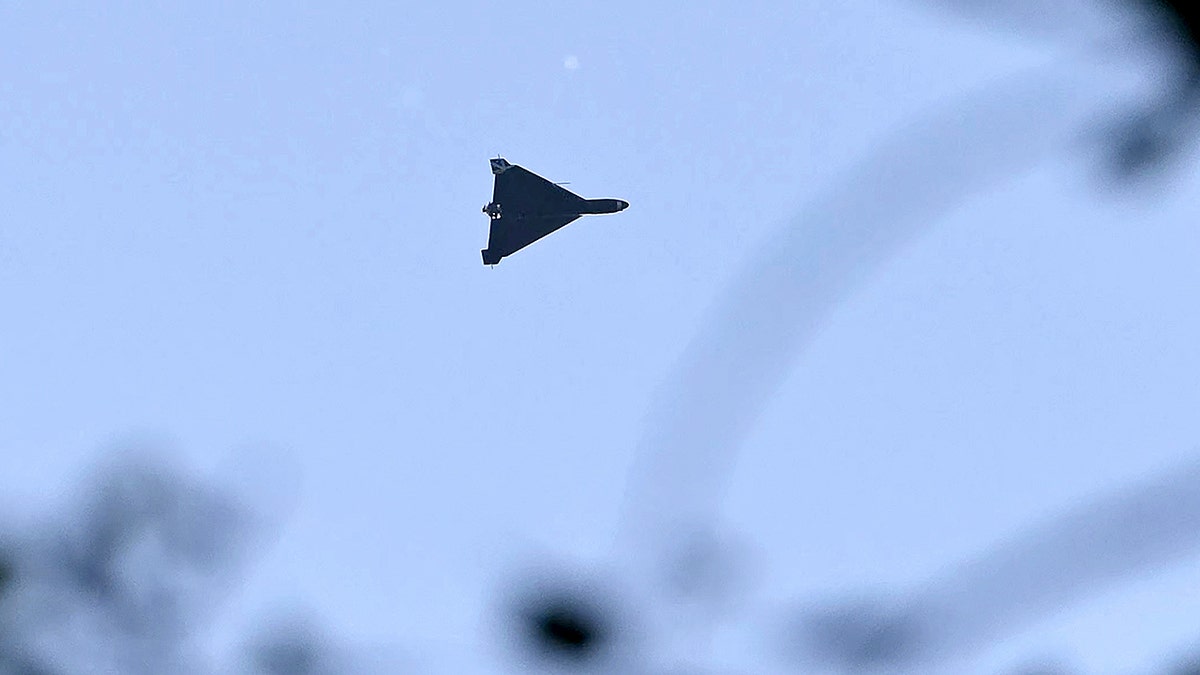
Small ground devices form part of an expanding «mesh» network that allows Russian drones and repeaters to relay encrypted signals across multiple connections, making drones far harder to disrupt, Chell said. (Genya Savilov/ AFP via Getty Images)
«If Russia had multiple nodes that could communicate with a device and could use the device to communicate with other devices swarming the area, Ukraine would be faced with multiple, maybe even hundreds of connections to have to break simultaneously in order to bring that drone down,» he said.
On Oct. 3, Serhii Beskrestnov, a defense technology adviser to the Ukrainian presidency, also warned that Russian forces may have hidden the small signal boosters, or these ground repeaters, inside Kyiv to extend drone control.
«Such repeaters are difficult to find, but we must search for them. As long as they exist, shielding the city with electronic warfare will not be effective,» Beskrestnov warned.
Specifically, the repeaters are small concealed radio relay devices that receive and retransmit signals, extending the range of drone operators while helping maintain control in areas where direct communications or GPS signals may be disrupted.
«The size of these repeaters is really about the size of a large lunchbox. They’re very easy to conceal, and they don’t have to be turned on all the time, so they’re hard to detect electronically,» Chell said.
«Moving one or two or even three of these into a city the size of Kyiv can be hugely effective.»
RUSSIA EXPOSES NATO WEAPONS GAP AS TOP COMMANDER WARNS ‘THE MATH IS NOT IN FAVOR OF THE WEST’
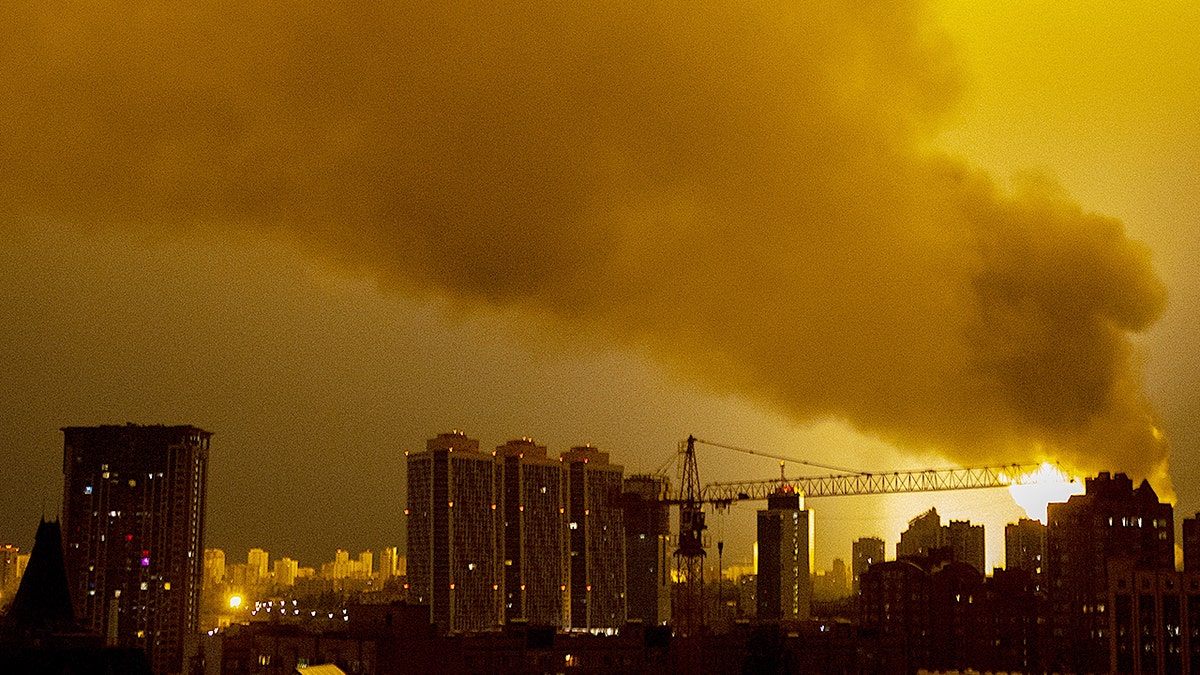
Russia strikes Kyiv in a large-scale drone and missile attack. (Chris McGrath/Getty Images)
Technical analysts also pointed to a Sept. 4 strike on the Security Service of Ukraine (SBU) headquarters on Volodymyrska Street in central Kyiv as early evidence of the tactic.
Tracking data reportedly showed no relay drones airborne during the strike, fueling concerns that hidden ground-based repeaters may have been used to maintain communications with the attacking drone.
«They will be doing everything they can to move as many of these things not just into Kyiv, but at any location in the country, even operational battlefields,» Chell said.
«The reality is every time you put another node on a mesh network, you exponentially increase the efficiency, resiliency, and capability of that network.»
Ukrainian President Volodymyr Zelenskyy said Sept. 28 that while Ukraine intercepts about 70% of conventional Russian drones during mass attacks, interception rates fall to 57% against newer, faster jet-powered UAVs.
UKRAINE’S BATTLEFIELD IS TRANSFORMING THE FUTURE OF NATO
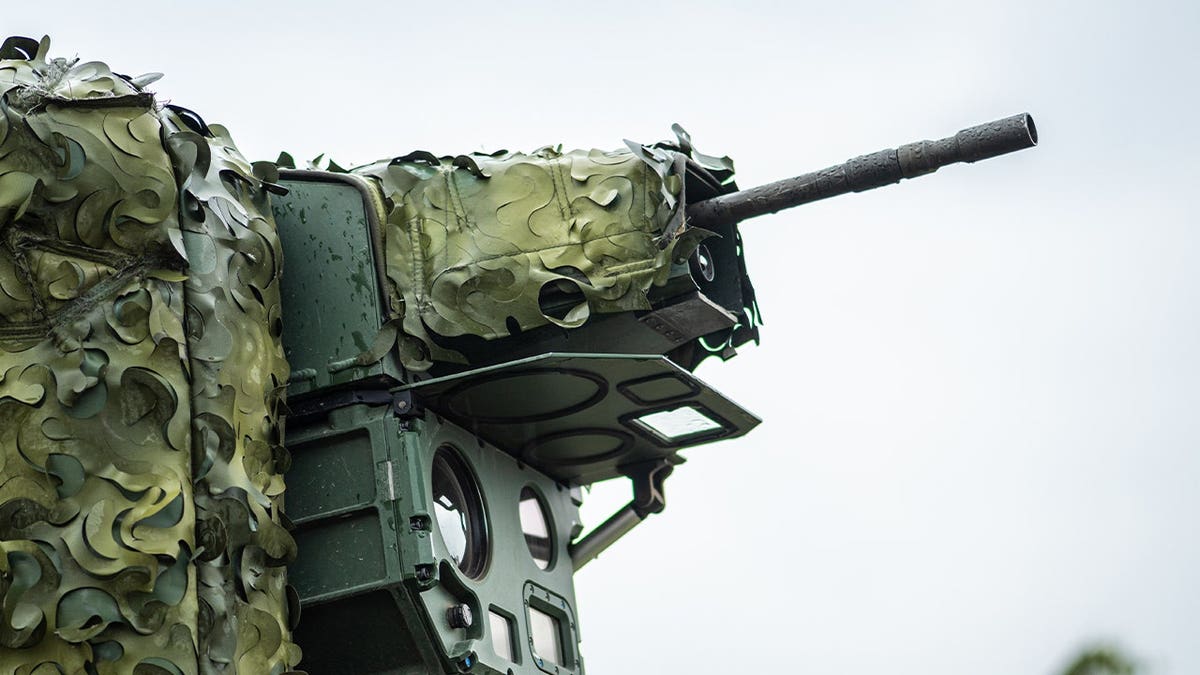
Anti-drone laser system trialed on a Stryker combat military vehicle with a machine gun aimed at the sky in Ukraine during a counteroffensive. (Michelle Ursi/Getty Images)
«It is obvious that the Russians are not preparing to stop the war – at least not at the moment,» Zelenskyy said.
«Next year Russia plans to spend US$12 billion just on producing jet-powered drones and loitering munitions. And that’s only one category of weapons. Of course, this doesn’t only relate to Ukraine,» he added, according to Ukrainska Pravda.
«Russia probably has the intention of, if needed, expanding this war,» Chell warned, arguing that drones themselves are becoming secondary to the communications architecture that guides them.
«The network is now the weapon, and the drone is what executes the desired result,» he said.
«This is an unbelievable moment in the tactics of what’s unfolding here with the future of warfare,» Chell concluded.
ukraine, world, military, technology, drones, national security, security, geopolitics
INTERNACIONAL
La Casa Blanca monitorea un posible brote de peste en Rusia tras la muerte de una trabajadora de un laboratorio
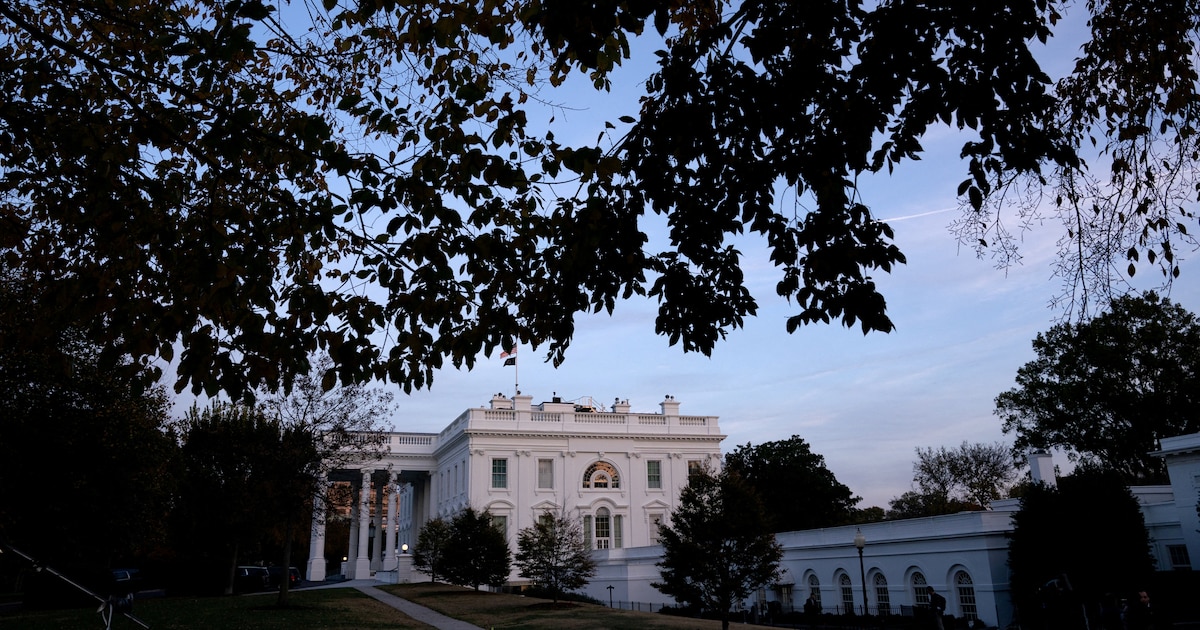
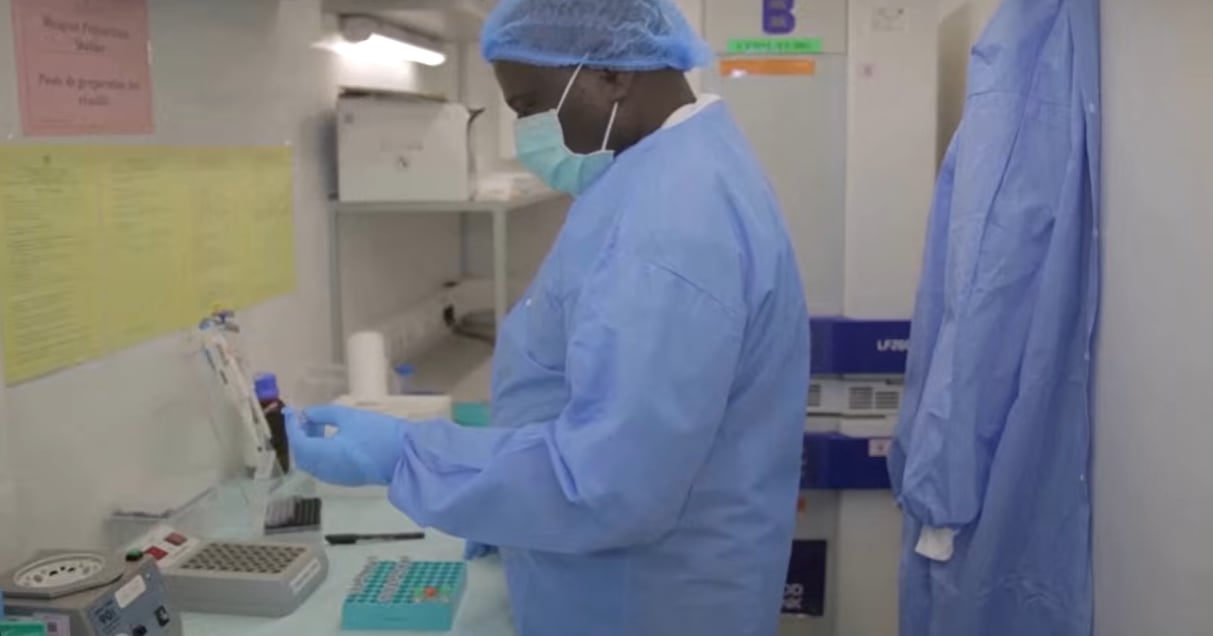
La Casa Blanca monitorea un posible brote de peste en Rusia después de la muerte de una técnica de un instituto antipeste en Siberia, aunque las autoridades sanitarias rusas no confirmaron que la enfermedad haya sido peste ni que exista transmisión entre personas.
Un funcionario de la administración del presidente Donald Trump dijo a Axios que Washington conoce el caso, sigue la situación y “evalúa opciones”.
La fallecida fue identificada como Daria Shipilova, de 28 años, empleada del Instituto de Investigación Antipeste de Irkutsk.
Murió tras ser hospitalizada en Shelekhov con un cuadro de neumonía de causa desconocida, según la versión difundida por el organismo sanitario ruso Rospotrebnadzor.
Las autoridades rusas vigilan a 197 contactos, sin casos confirmados
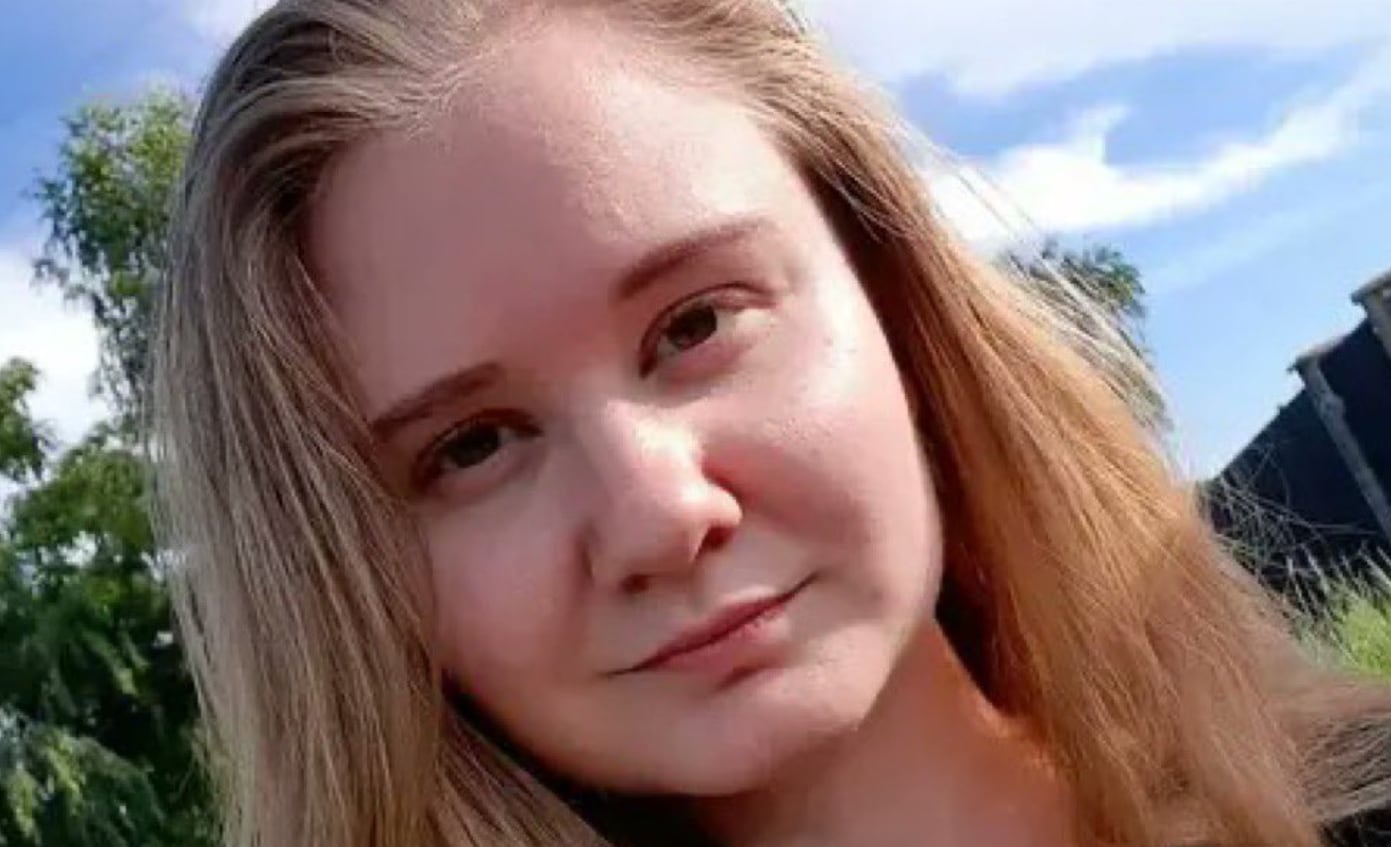
Las medidas preventivas alcanzaron a 197 posibles contactos de Shipilova, entre pacientes, personal médico y otras personas potencialmente expuestas. Más de 100 de ellas quedaron bajo observación en salas hospitalarias, según informó The Moscow Times.
Esa cifra no representa enfermos diagnosticados. El gobernador de la región de Irkutsk, Igor Kobzev, afirmó que las personas identificadas no presentaban síntomas y que sus pruebas de laboratorio habían resultado negativas.
Las autoridades impusieron restricciones sanitarias en el hospital de Shelekhov, donde fue atendida la técnica, y en otros establecimientos médicos de la región.
Hasta el domingo 4 de octubre, la información pública no indicaba un cierre de la ciudad ni un confinamiento general de su población.
Kobzev informó además que la comisión antiepidémica regional celebró una reunión extraordinaria con la participación de la máxima autoridad sanitaria estatal.
La convocatoria respondió a un “presunto caso de una infección particularmente peligrosa”, de acuerdo con declaraciones recogidas por CNN.
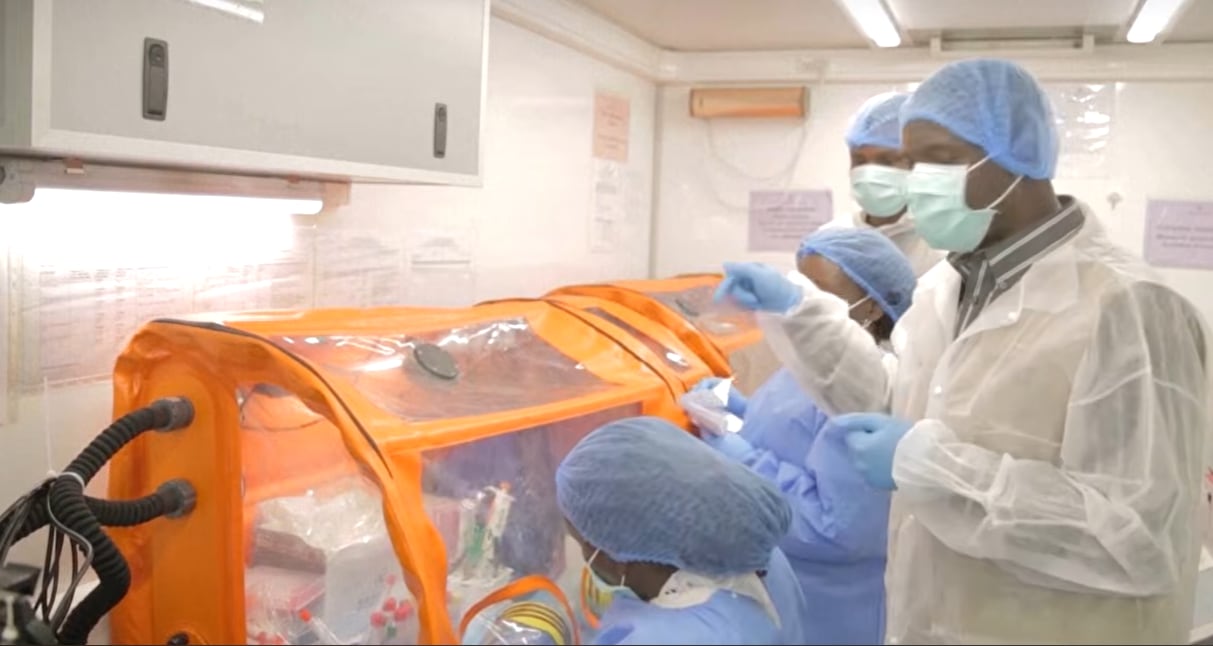
La versión sobre una muestra de peste neumónica no fue confirmada oficialmente
Los primeros reportes situaron el posible incidente el 25 de septiembre. Medios locales citados por Axios señalaron que Shipilova habría roto durante su trabajo un tubo de ensayo que contenía el agente causante de la peste neumónica. Esa versión no fue confirmada por Rospotrebnadzor.
La trabajadora ingresó al hospital el 29 de septiembre con síntomas de neumonía grave y murió durante la noche entre el 1 y el 2 de octubre. La causa de la enfermedad que provocó su fallecimiento continúa sin determinarse de forma pública.
La hipótesis despertó preocupación porque la peste neumónica afecta los pulmones y puede transmitirse entre personas mediante gotículas respiratorias.
La enfermedad es causada por la bacteria Yersinia pestis, responsable también de las formas bubónica y septicémica.
El jefe de la vecina república de Buriatia, Alexéi Tsydenov, dijo inicialmente que la mujer pudo haber muerto “posiblemente de peste”, según CNN. Posteriormente modificó esa formulación, en un contexto de resultados aún no concluyentes.
Una planta de aluminio próxima al instituto recomendó el uso de mascarillas a sus empleados como precaución.
Su director, Artem Fominikh, pidió evitar especulaciones: “Hay muchos rumores e informes contradictorios circulando”, declaró a la cadena estadounidense. Añadió que los contactos estrechos identificados permanecían bajo control médico y no mostraban signos de la enfermedad.

Rospotrebnadzor mantiene que la fallecida tuvo neumonía de origen desconocido
La posición de Rospotrebnadzor contradice los informes iniciales que atribuían la muerte a una exposición ocupacional a la peste.
El organismo describió el cuadro como una «neumonía de etiología desconocida» e indicó que los análisis posteriores no detectaron microorganismos vinculados con las tareas laborales de Shipilova, informó The Moscow Times.
La agencia federal también aseguró que no tenía constancia de accidentes con agentes patógenos en el Instituto Antipeste de Irkutsk y que la situación epidemiológica regional se mantenía estable.
Esas afirmaciones no establecen la causa de la muerte, pero impiden confirmar por ahora un diagnóstico de peste neumónica.
El exdirector de Rospotrebnadzor, Gennady Onishchenko, declaró a la agencia estatal TASS que la infección probablemente no era peste.
Añadió que, incluso si los análisis posteriores determinaran lo contrario, las bajas temperaturas limitarían una eventual propagación.
La Organización Mundial de la Salud advierte que la peste puede ser mortal sin tratamiento oportuno.
Los antibióticos resultan eficaces si se administran temprano; ante una posible forma neumónica, las medidas de control de infecciones son necesarias para reducir el riesgo de transmisión.
Estados Unidos sigue el caso, sin confirmar un brote ni contagios sostenidos
El seguimiento de Estados Unidos no implica que su Gobierno haya validado la hipótesis de un brote.
El funcionario de la administración de Donald Trump citado por Axios se limitó a señalar que la Casa Blanca está al tanto del episodio, lo monitorea y evalúa alternativas.
Los voceros presidenciales remitieron las consultas al Departamento de Estado, que no respondió a una petición de comentarios del medio.
Por ahora, la información disponible describe una investigación abierta sobre la muerte de una trabajadora de laboratorio, controles sobre sus contactos y una causa de fallecimiento que las autoridades rusas todavía no determinaron.
North America

La Argentina se sumó a un acuerdo liderado por EE.UU. para impulsar el uso de la inteligencia artificial en la ciencia

Los enviados del peronismo y las principales figuras del partido miraron con cautela el resultado en Brasil

Costa se disculpó por la polémica despedida a Evangelina Anderson y habló de los rumores de rivalidad: «Es doloroso pensar que mis palabras…»

“Espero que pronto podamos empezar a trabajar juntos”, Javier Milei felicitó a Flávio Bolsonaro por el triunfo parcial en Brasil

Milei brinda con caipirinha

Alarma entre los fans de Naruto: Se filtran polémicos cambios en el futuro live-action – Nintenderos

Milei volvió a dar un discurso en la Argentina Week de París y se emocionó en el cierre

Capcom ha admitido su destino con los remakes de Resident Evil y muchos jugadores se hacen la misma pregunta: ¿Qué pasa con Resident Evil 5 y 6?

Caso Mariaca: un ministro paraguayo acusó a funcionarios bolivianos de proteger al narco Sebastián Marset

Cruces, insultos y un final abrupto: la trastienda del plenario en Diputados sobre la Ley de Defensa de la Soberanía

 POLITICA2 días ago
Milei volvió a dar un discurso en la Argentina Week de París y se emocionó en el cierre
- INTERNACIONAL3 días ago
Poll: Turek, Hinson in close Iowa Senate race
- POLITICA3 días ago
Javier Milei y sus medidas, en vivo: el mandatario cargó contra la prensa y la calificó de “sicarios de la pluma”