INTERNACIONAL
Un camión con vegetales ocultaba 1.277 kilos de presunta metanfetamina valuados en más de USD 25 millones

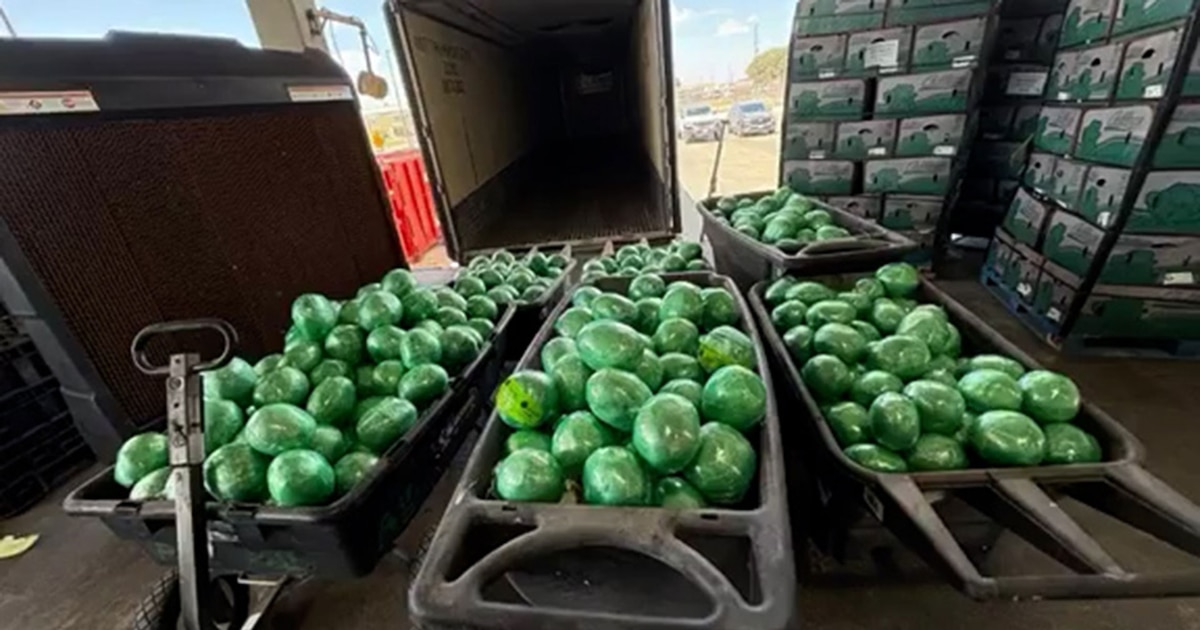
La Oficina de Aduanas y Protección Fronteriza de Estados Unidos (CBP, por sus siglas en inglés) informó que incautó 1.277 kilogramos de presunta metanfetamina, con un valor estimado de USD 25,167 millones, en la instalación de carga del Puente Internacional de Pharr, Texas. El hallazgo se produjo el 8 de septiembre, cuando un camión procedente de Reynosa, México, intentó ingresar a Estados Unidos con un cargamento declarado como repollo, tomatillo y cilantro, según el comunicado oficial de CBP difundido el 14 de septiembre de 2026.
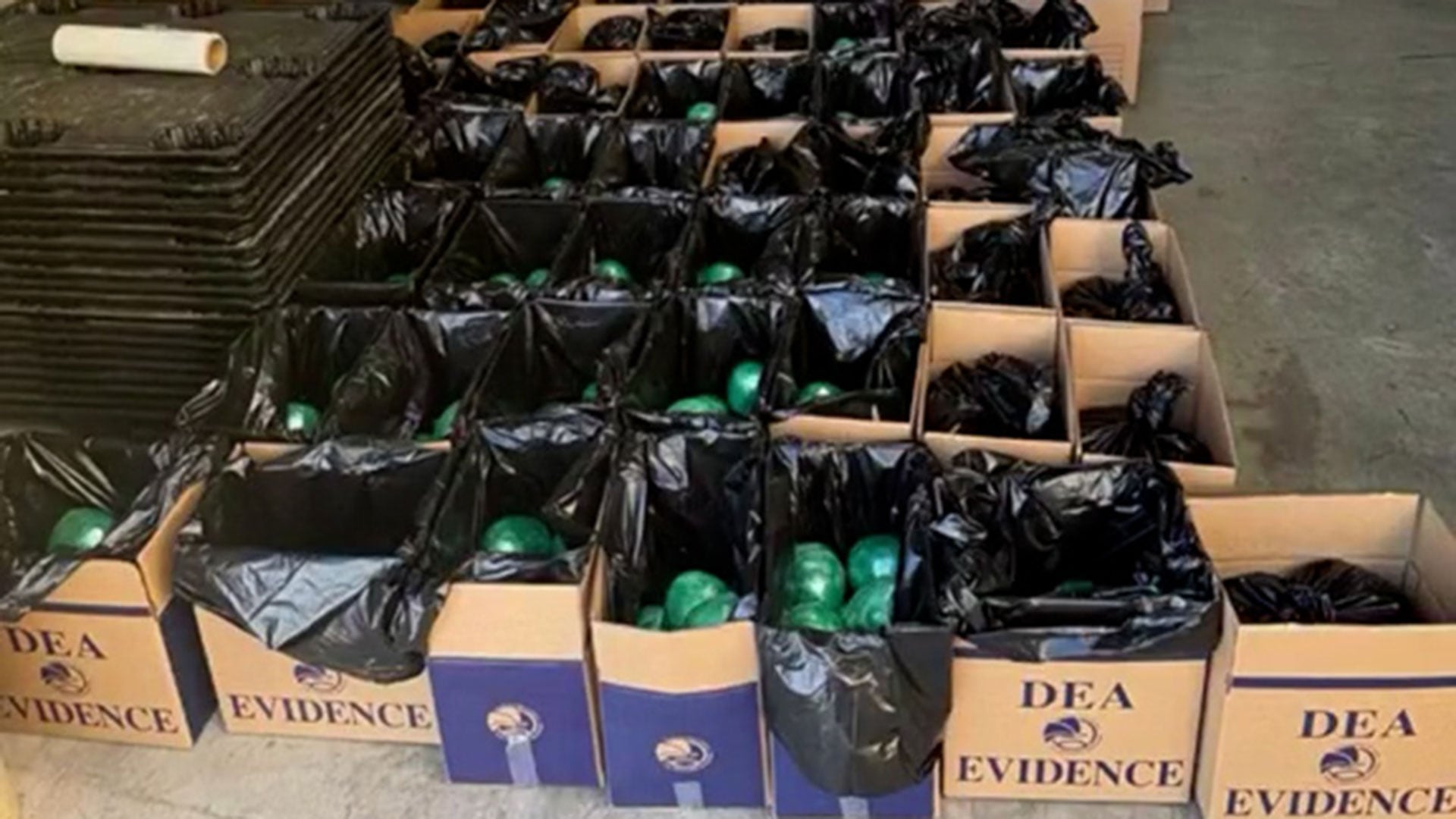
La revisión incluyó un escaneo no intrusivo, la intervención de una unidad canina y una inspección física del remolque. Los oficiales extrajeron 1.164 paquetes con una sustancia que la agencia identificó de forma preliminar como metanfetamina. La Oficina de Operaciones de Campo confiscó tanto los narcóticos como el vehículo, de acuerdo con la información difundida por CBP.
El caso pasó a manos de agentes especiales de Investigaciones de Seguridad Nacional (HSI, por sus siglas en inglés), que iniciaron una investigación penal. La autoridad no informó sobre personas detenidas, posibles imputaciones, empresas vinculadas al traslado ni el destino final de la carga, según el parte oficial de CBP.
¿Cuánta metanfetamina incautó CBP en el Puente Internacional de Pharr?
La agencia estadounidense reportó la incautación de 2.815,30 libras de presunta metanfetamina, equivalentes a 1.277 kilogramos. La droga estaba distribuida en 1.164 paquetes, ocultos dentro de un envío comercial que había sido manifestado ante las autoridades como una carga de hortalizas y vegetales frescos, de acuerdo con CBP.
La valuación oficial del cargamento fue de USD 25.167.000. Esa cifra corresponde a una estimación elaborada por la autoridad fronteriza y se incluyó en el comunicado difundido tras el decomiso. CBP no precisó qué método utilizó para calcular ese monto ni detalló si la valuación responde a precios mayoristas, minoristas o a otro criterio empleado por la agencia.
La sustancia fue presentada como “presunta metanfetamina”, una fórmula habitual en los comunicados de la autoridad estadounidense antes de que se conozcan eventuales peritajes de laboratorio o actuaciones judiciales. El informe de CBP no indicó si los paquetes ya fueron sometidos a análisis químicos ni si existieron pruebas complementarias sobre su composición.
La cantidad decomisada equivale a más de una tonelada de droga. El peso informado por CBP permite dimensionar el volumen del cargamento, que fue detectado dentro de un transporte comercial en uno de los pasos fronterizos habilitados para el movimiento de mercancías entre México y Estados Unidos.
¿Dónde y cuándo fue el decomiso de droga en Pharr, Texas?
El operativo ocurrió el 8 de septiembre en el área de carga del Puente Internacional de Pharr, una instalación fronteriza ubicada en Texas. El vehículo había partido de Reynosa, ciudad mexicana situada frente al sur de ese estado estadounidense, según la información proporcionada por CBP.
La agencia publicó el comunicado seis días después, el lunes 14 de septiembre de 2026. El parte identifica el lugar como la instalación de carga del puente internacional y señala que la intervención estuvo a cargo de oficiales de la Oficina de Operaciones de Campo, el área de CBP encargada de los controles en los puertos de entrada.
El reporte no informó la hora de llegada del camión, el tiempo que demandó la inspección ni el carril por el que ingresó el vehículo. Tampoco especificó si el transporte estaba registrado a nombre de una empresa mexicana, estadounidense o de otra jurisdicción, según la información pública de CBP.
La autoridad sí indicó que se trataba de un tractor con remolque. Esa descripción identifica a un vehículo de transporte de carga compuesto por una unidad motriz y un acoplado, aunque el comunicado no brindó datos sobre la marca, la matrícula ni las condiciones del compartimento donde se hallaron los paquetes.
¿Cómo detectaron la presunta metanfetamina oculta entre repollo, tomatillo y cilantro?
El camión fue enviado a una segunda revisión después de su llegada a la instalación de carga. Según CBP, los oficiales aplicaron una inspección con tecnología no intrusiva, un procedimiento que permite examinar la estructura y el contenido de un vehículo sin necesidad de descargarlo por completo en la primera instancia.
La revisión también incluyó la participación de un equipo canino. El comunicado no explicó si la señal de los perros detectores motivó la inspección física o si esa medida se adoptó a partir de los resultados del escaneo. La agencia tampoco divulgó cómo estaban distribuidos los paquetes dentro del envío declarado como productos agrícolas, de acuerdo con CBP.
La inspección física permitió retirar los 1.164 paquetes del remolque. La autoridad no describió el tipo de envoltorio, los mecanismos de ocultamiento ni si la droga estaba mezclada con las cajas de repollo, tomatillo y cilantro o situada en sectores separados de la carga, según el parte oficial.
La combinación de escaneo, controles caninos y revisión manual forma parte de la secuencia detallada por CBP para este caso. El comunicado no atribuye el hallazgo a un único método ni informa qué elemento resultó decisivo para identificar la presencia de la sustancia en el transporte.
¿Qué autoridades investigan la incautación de USD 25 millones en Pharr?
La Oficina de Operaciones de Campo de CBP confiscó la droga y el vehículo utilizado en el traslado. Después del decomiso, agentes especiales de HSI iniciaron una investigación penal, según el comunicado difundido por la autoridad fronteriza estadounidense.
El parte oficial no menciona el nombre del conductor, si fue detenido o si quedó a disposición de autoridades federales. Tampoco identifica a posibles acompañantes, propietarios del camión, exportadores, importadores o intermediarios que pudieran estar vinculados con la documentación comercial del envío, de acuerdo con CBP.
La investigación deberá establecer la procedencia de la sustancia, el destino previsto del cargamento y las responsabilidades penales que pudieran corresponder. Esos datos no fueron divulgados en el anuncio inicial y podrían depender de actuaciones posteriores de HSI y de las autoridades judiciales competentes, según CBP.
Carlos Rodríguez, director del puerto de entrada Hidalgo/Pharr/Anzalduas, dijo que la incautación fue resultado de la experiencia y los procedimientos aplicados por los oficiales durante la inspección del camión. “Las habilidades y la experiencia de nuestros oficiales de CBP continúan a la vista mientras desmantelan otro cargamento masivo de narcóticos ilícitos”, afirmó en el comunicado oficial.
¿Qué cambia para los transportistas que cruzan por el Puente Internacional de Pharr?
El comunicado no anuncia modificaciones en las reglas de ingreso de camiones comerciales ni nuevas medidas operativas para las empresas que utilizan el Puente Internacional de Pharr. Las normas, los controles documentales y los procedimientos de revisión continúan bajo la autoridad de CBP, según la información disponible en el parte oficial.
El caso confirma que los vehículos con cargas declaradas como productos agrícolas pueden ser derivados a inspecciones secundarias. La autoridad informó que el camión procedente de Reynosa fue sometido a escaneo, control canino y revisión física antes de que se concretara la incautación, de acuerdo con CBP.
Para los operadores de transporte y comercio exterior, el expediente todavía no incorpora datos sobre posibles incumplimientos documentales, irregularidades aduaneras específicas o responsabilidades empresariales. La agencia tampoco comunicó restricciones sobre mercancías agrícolas, rutas determinadas o compañías vinculadas con el vehículo inspeccionado.
La siguiente etapa dependerá de la investigación penal abierta por HSI. Por ahora, permanecen bajo custodia federal el camión y los 1.164 paquetes incautados, mientras las autoridades determinan si existen personas u organizaciones relacionadas con el traslado detectado el 8 de septiembre, según CBP.

INTERNACIONAL
Lawmakers say they are standing at the gates against ‘Trojan horses’ promoting malign foreign interests

WASHINGTON, D.C. — In a series of exclusive interviews with Digital, lawmakers on the House Foreign Affairs Committee sounded the alarm on a sprawling network of «Trojan horse» activists, nonprofits and social media influencers allegedly amplifying the hostile messages of foreign adversaries straight through the open gates of American democracy.
The warning came into sharp focus Tuesday when CodePink co-founder Medea Benjamin and two fellow activists walked into House Rayburn 2172 for a hearing on covert foreign influence operations, then strategically positioned themselves behind witnesses in T-shirts supporting the Islamic Republic of Iran and the Communist Party of Cuba.
About 30 minutes into the hearing, South and Central Asia Subcommittee Chairman Bill Huizenga, R-Mich., stopped the hearing and had Capitol Police escort them out.
LAWMAKERS THROW OUT ‘TROJAN HORSE’ ACTIVISTS THEY SAY ARE ENGAGED IN AMERICAN SUBVERSION
«They’re coming in, trying to look like one thing, but we know that once they’re inside the gates that those doors are going to spring open, and there’s a whole other motivation for what they’re trying to do,» Huizenga told Digital.
At the center of the controversy is communist tech tycoon Neville Roy Singham, who married CodePink co-founder Jodie Evans in a tropical wedding in Jamaica in 2017, soon after funneling $285 million to six pro-China, pro-communist, anti-American nonprofits in the U.S., including CodePink, according to a Digital investigation.
Lawmakers say the answer is transparency and following the money and exposing who finances the alleged «Trojan horse.»
In their series of interviews, Huizenga and other committee members explained how the modern «Trojan horse» isn’t made of wood but rather a network of activists, nonprofits, social media influencers and other ostensibly American voices that foreign governments and foreign-linked actors can allegedly fund, amplify or exploit to carry their messages through the open gates of American democracy.
«They’re coming in, trying to look like one thing, but we know that once they’re inside the gates that those doors are going to spring open and there’s a whole other motivation for what they’re trying to do,» Huizenga told Digital.
At the hearing, devoted to «Trojan Horses: Covert Foreign Malign Influence Operations in America,» lawmakers expressed concern about how the Communist Party of China, Russia, the Islamic Republic of Iran and the Communist Party of Cuba spread their propaganda and influence in the U.S.
The phrase «Trojan horse» comes from the ancient Greek story of soldiers concealed inside a wooden horse presented to the city of Troy. Once the horse was taken behind the city’s fortified walls, the soldiers emerged and opened the gates, destroying Troy.
Huizenga stressed that Americans can hold sincere beliefs while also having those messages funded or amplified by foreign actors without necessarily knowing it. He argued that the answer to foreign influence is exposing the origins of the messaging through transparency and robust debate.
Inside the hearing room, as Digital reported, Benjamin and her fellow CodePink activists offered a vivid illustration of the debate over how political messages are created and amplified.
They sat directly behind the witnesses, placing their T-shirts in the sight line of the official committee cameras.
Benjamin then turned toward a television monitor on the side of the hearing room displaying the official video feed. She pulled out her phone, zoomed in on the image of herself and a fellow activist appearing behind the witnesses and took photo after photo of the screen.
HOUSE PANEL PROBES FOREIGN ‘TROJAN HORSES’ AS SINGHAM SCRUTINY WIDENS
Huizenga said he viewed the episode as political theater designed for an audience beyond the committee room.
«This isn’t about discourse. This is about disruption,» Huizenga told Digital. «It’s all planned out. You see people in the crowd filming with their phones, getting ready. You knew something was going to happen because, all of a sudden, the phones would come out.
«It’s really about theatrics,» he added, arguing that confrontations can subsequently be circulated on social media to attract attention, donations and volunteers.
The episode captured the central tension running through the hearing: How does the United States expose genuine covert foreign influence without treating protected American political speech as foreign subversion?
«Transparency. Transparency is the watchword,» Huizenga told Digital. «We really need to make sure that people know not only the why, but the who is behind all this.»
Rep. Michael Baumgartner, R-Wash., told Digital that America’s open political system creates opportunities for foreign governments to try to influence legitimate domestic debates through social media, universities and other institutions.
«The American people need transparency and need to understand what is going on in these public policy discussions and whether it’s podcast hosts, certain actors on social media or things going on our college campuses,» Baumgartner said. «We need to know who’s behind it and what their motivations are.»
Baumgartner pointed to «clear transparency on this issue» as a solution, adding that if evidence showed organizations were acting on behalf of foreign governments without complying with applicable disclosure laws, the matter could potentially be referred to the Justice Department, which oversees the Foreign Agent Registration Act, or FARA. The law requires that people and organizations acting on behalf of foreign interests register with the Justice Department.
Other lawmakers said the modern Trojan horse doesn’t necessarily have to walk physically through the doors of Congress, but rather arrive via social media.
Rep. Randy Fine, R-Fla., described social media, influencers and protests as potential channels through which foreign governments influence American political debate. He said «it’s a real issue, whether it’s on social media, influencers, protests, these things are all designed to destabilize our country.»
Fine characterized what experts call «cognitive warfare» as «using our information platforms to try to poison people’s minds and to create division from within.»
Rep. Darrell Issa, R-Calif., focused on another battlefield: artificial intelligence.
«Trojan horses are things like the announcement that we should slow down on AI,» Issa told Digital, arguing that foreign adversaries can benefit when American political pressure slows U.S. technological development.
«We are in a war in which the other side uses all the clandestine tools,» Issa said. «They use their, quite frankly, their social media to our detriment.»
Huizenga similarly argued that Americans should view the organizations under examination not individually but as a network.
«It’s a network. It’s not independent organizations or even people,» he said. «You will see some of the same people at different organizations, rallies, or protests.»
At the center of much of the hearing were findings from a Digital investigation into Neville Roy Singham, an American-born communist tech tycoon who lives in Shanghai and has pumped $285 million into six nonprofits, including CodePink, the People’s Forum and other groups examined during the hearing.
Huizenga alleged in his official opening remarks that Singham uses his wealth and relationships in China to support organizations that promote communist ideology and destabilize American society. He explicitly described Singham, CodePink and a growing network of pro-communist, pro-China groups as «Trojan horses.»
‘TROJAN HORSES’ IN AMERICA: CONGRESS PROBES INFLUENCE NETWORKS TIED TO CHINA, IRAN AND CUBA
Singham and CodePink have denied taking direction from the Chinese government. Singham has said his activities reflect his own political beliefs, while Benjamin has said CodePink doesn’t receive money from the Chinese Communist Party.
As Digital reported in June, the Justice Department and the U.S. Attorney’s Office for the Southern District of New York have convened a grand jury investigation into alleged money laundering, bank fraud and wire fraud by Singham and the organizations he has funded.
No criminal charges have been filed against Singham or CodePink with respect to those allegations.
Huizenga argued that the funding relationships deserve scrutiny.
«Oftentimes, it’s frankly the origins aren’t organic, or if there is a part of it being organic, this is getting fed by outside organizations, oftentimes even outside countries,» Huizenga alleged.
Being escorted through the committee room doors didn’t end CodePink’s political theater.
Outside the hearing room, Benjamin positioned herself beside the House Foreign Affairs Committee placard and began recording another video, pulling out a comb first to straighten her hair.
When Rep. Fine emerged from the hearing, Benjamin followed him down the hallway firing questions as another member of her team recorded the encounter.
After Fine disappeared into an office, Benjamin returned to the committee entrance, straightened her hair with a comb and resumed recording.
HOUSE COMMITTEE PASSES FOREIGN FUNDING TRANSPARENCY ACT TO EXPOSE FOREIGN DONATIONS TO NONPROFITS
About two hours after Capitol Police escorted the activists from the hearing, CodePink posted a carefully edited video of the day’s confrontation on social media, where activists in the broader network began sharing it.
The physical protest was over, but the images it produced were just beginning to travel.
That sequence was precisely why lawmakers said Americans should look beyond the spectacle to who finances and amplifies political messaging.
«This is theater for many of these people,» Huizenga said. He said he wanted Americans, through «transparency and disclosure,» to understand «not just the what they are doing, but the who is financing them.»
The lawmakers gathered to investigate modern «Trojan horses» said the lesson of the ancient story wasn’t simply to keep the horse outside the gates but also to understand what — and who — might be inside.
«Transparency. Transparency is the watchword,» Huizenga said.
Lawmakers say ‘transparency and disclosure’ are the best defense against influence campaigns exploiting America’s democracy.
Digital’s Reagan Schroeder and Brooke Curto contributed to this report.
politics, foreign affairs, china, russia, iran, cuba
INTERNACIONAL
Cómo el humo de los incendios podría estar reescribiendo el equilibrio de los ecosistemas
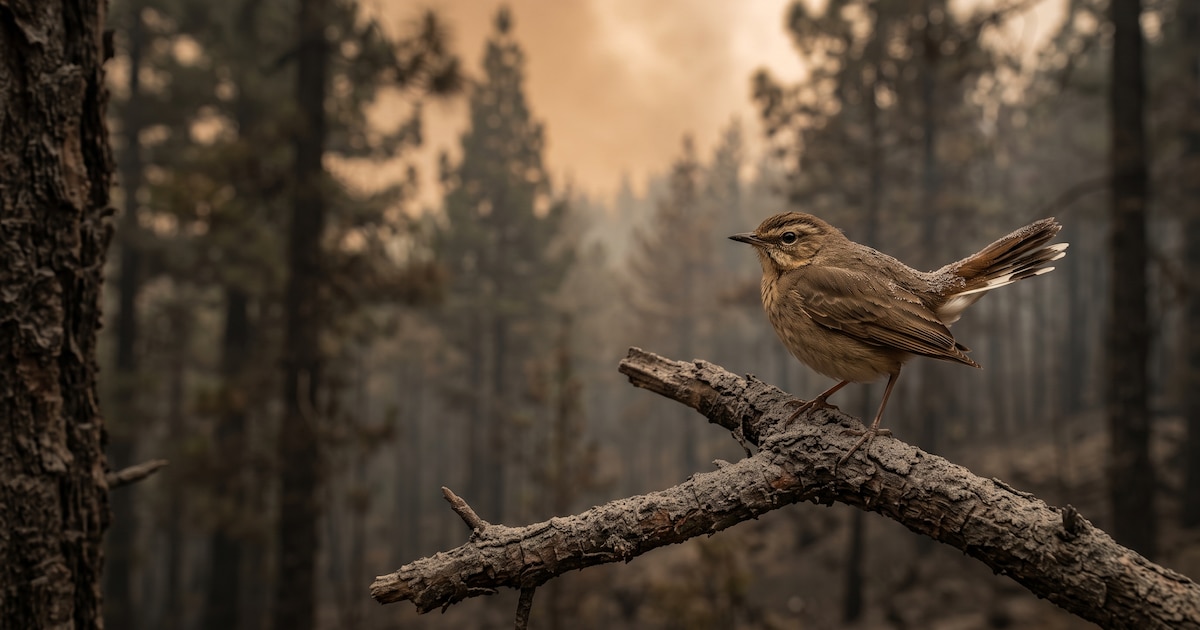
La exposición al humo de incendios forestales reduce la diversidad de aves en Estados Unidos durante la temporada de reproducción posterior, según un estudio de Sarah Meier, economista ambiental de la ETH Zúrich, y Eric Strobl, de la Universidad de Berna, publicado en la revista Journal of Environmental Economics and Management.
Los autores llegaron a esa conclusión al cruzar 15 años de censos de pájaros con registros de contaminación por partículas causada por incendios. La investigación analizó cerca de 2.800 rutas de monitoreo distribuidas en el país entre 2008 y 2022.
Según Phys.org, el trabajo examinó la cantidad de especies presentes, la distribución de estas y sus diferencias evolutivas, es decir, el grado de parentesco que existe entre ellas.
El aumento de la contaminación se asocia con menos especies
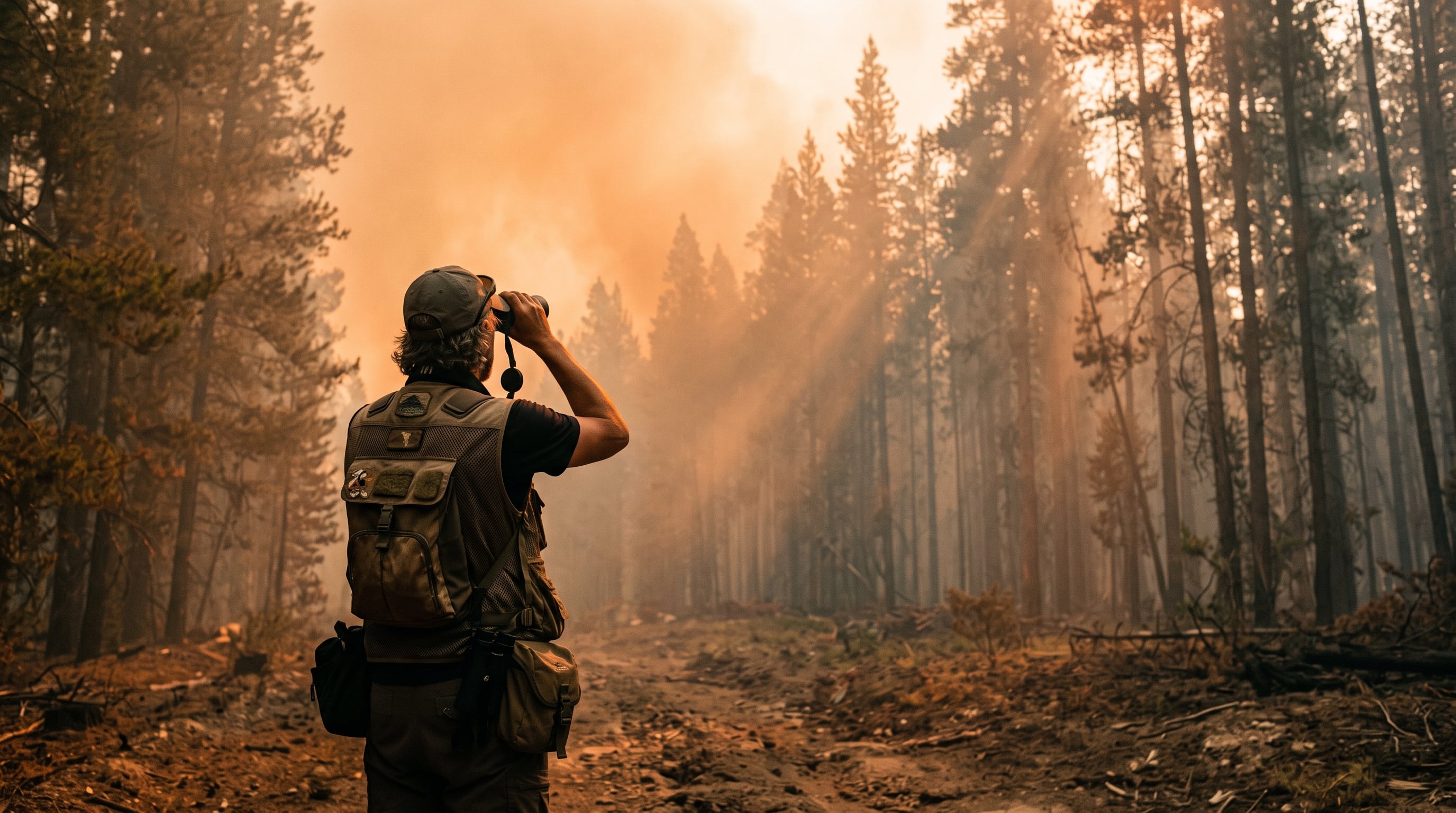
Los investigadores usaron información del Programa de Monitoreo de Aves Reproductoras de América del Norte, que sigue poblaciones de aves desde 1966. En ese esquema, voluntarios capacitados registran los ejemplares que ven u oyen en recorridos fijos de unos 40 kilómetros, con alrededor de 50 paradas por ruta.
Al combinar esos conteos con datos de alta resolución sobre la contaminación por partículas liberadas en incendios, Meier y Strobl detectaron que las zonas expuestas a una mayor concentración de humo durante un año registraban una menor diversidad de ejemplares en la siguiente época de cría.
El cálculo indica que, si la contaminación pasa de un nivel promedio a uno considerablemente más alto, el número de clases cae alrededor de un 3%. En una ruta media, donde se contabilizan 55 especies, esa variación representa la ausencia de 1 o 2 grupos. En los puntos con mayor exposición, la reducción fue más pronunciada.
El modelo separó humo, sequía y calor
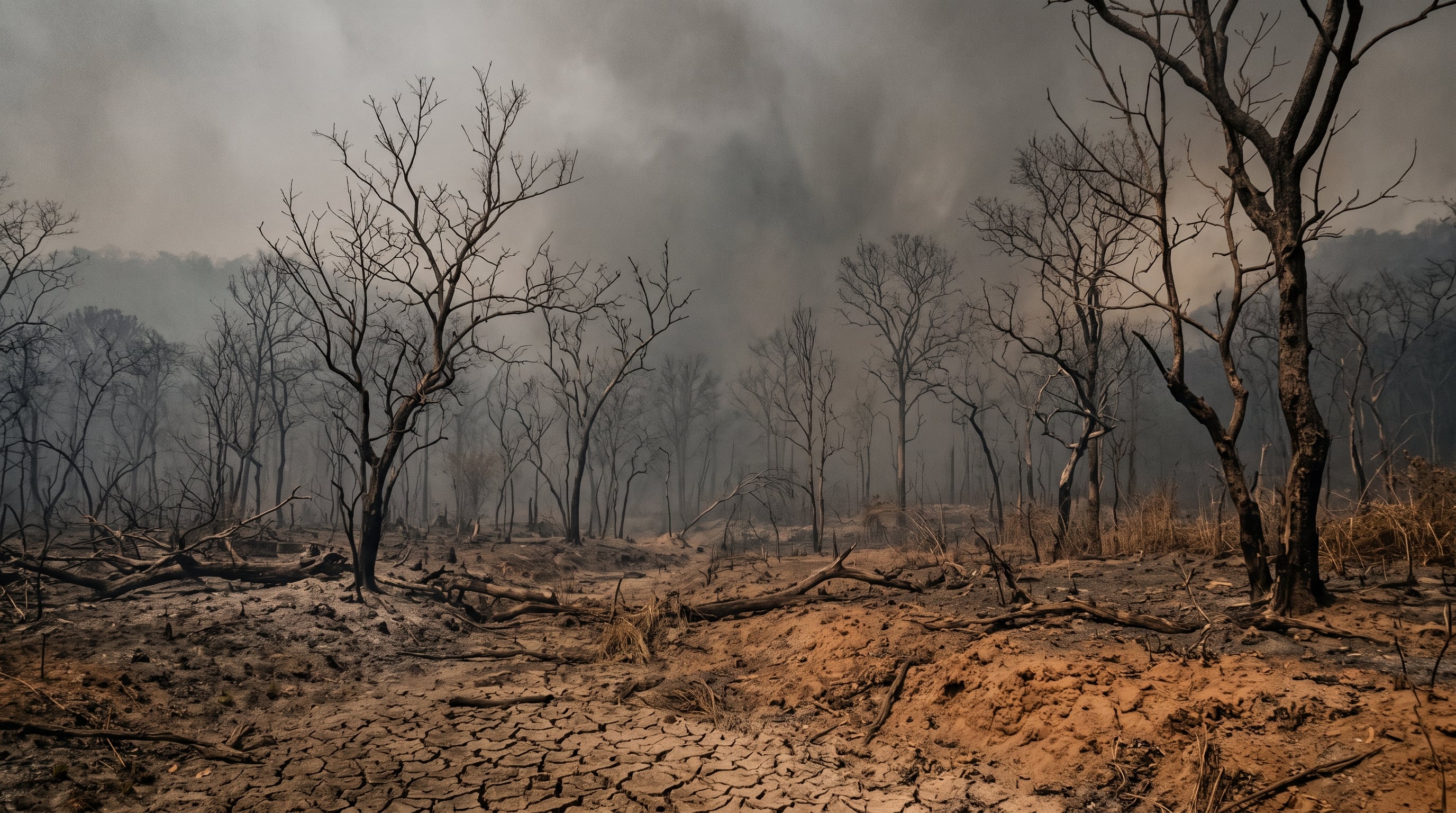
“No estaba segura de si veríamos algún efecto en una zona tan extensa y ecológicamente diversa”, afirmó Meier. El resultado, de acuerdo con la investigadora, adquiere relevancia porque no permite anticipar qué especies dejarán de aparecer ni cuáles son esenciales para el funcionamiento de cada ecosistema.
Los incendios suelen coincidir con altas temperaturas y sequías, y estas condiciones pueden afectar directamente a las aves. Para distinguir la influencia del humo, el equipo aplicó un método econométrico: una técnica estadística que permite comparar los cambios en las mismas áreas durante varios años y aislar el peso de distintos factores.
El modelo tuvo en cuenta el clima, el uso del suelo y las diferencias en la metodología de los censos. También evaluó si la pérdida de diversidad podía explicarse por la quema directa de los hábitats. Sin embargo, la reducción se mantuvo incluso en rutas donde no se habían registrado superficies incendiadas en un radio de 5 kilómetros.
El efecto persistió pese a los desplazamientos
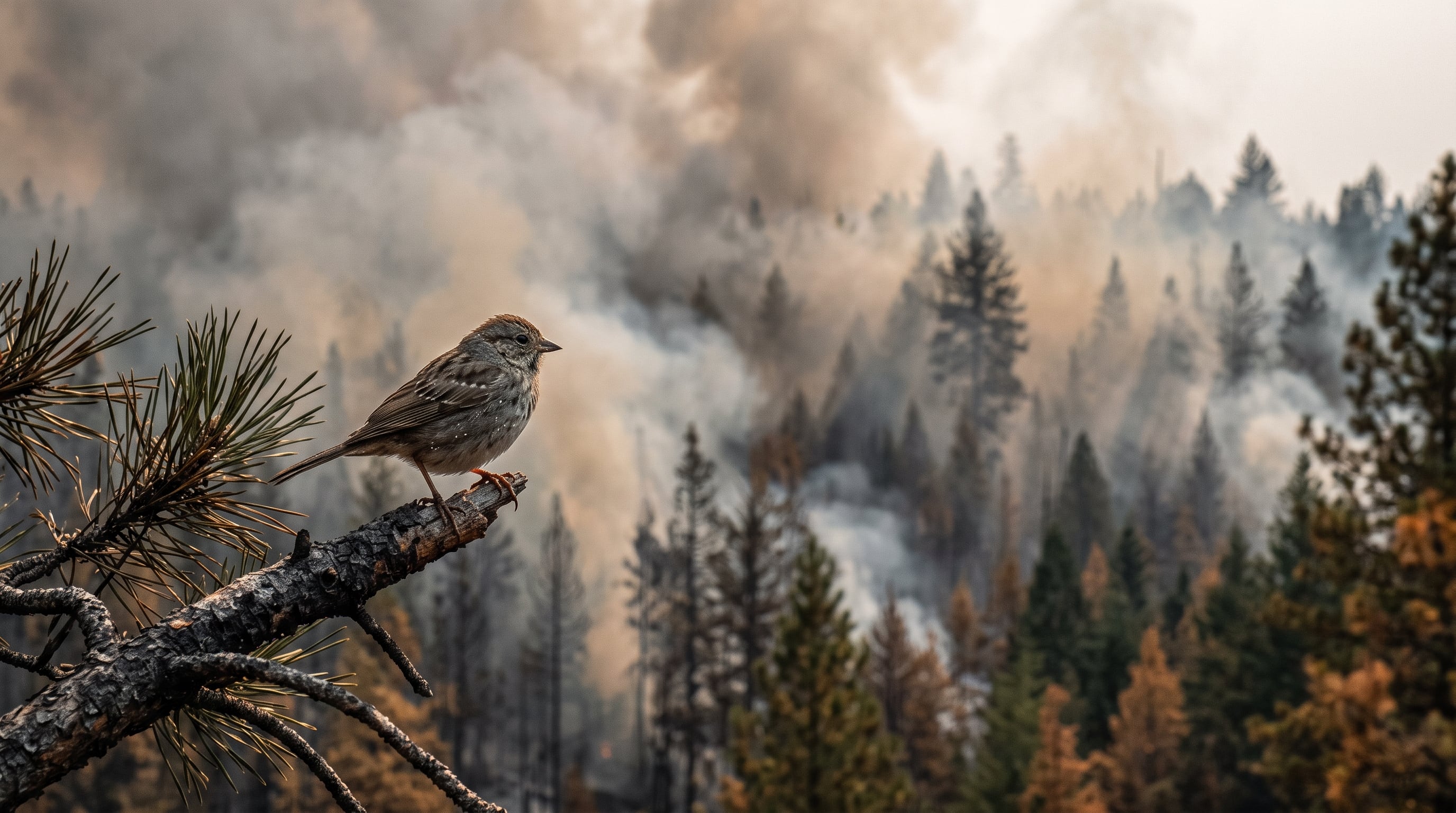
Otra posibilidad considerada fue que los pájaros se hubieran trasladado a sectores cercanos para evitar el aire contaminado. Los autores incorporaron esos cambios locales en el análisis, pero el descenso de la diversidad aviar continuó presente, lo que reforzó la asociación entre el humo y los resultados de los censos posteriores.
La investigación no determina con precisión qué ocurre con las poblaciones aviares expuestas. Estudios previos citados por los investigadores sugieren que el humo podría debilitarlas, causar pérdida de peso y daños respiratorios. Durante el período reproductivo, además, su conducta puede modificarse.
Meier advirtió que incluso una baja moderada puede alterar el equilibrio natural si desaparecen poblaciones con funciones específicas. Las aves dispersan semillas, polinizan plantas y ayudan a controlar plagas; por eso, un cambio en su diversidad puede repercutir en otras variedades de animales y vegetales.
El trabajo no calcula aún el costo económico
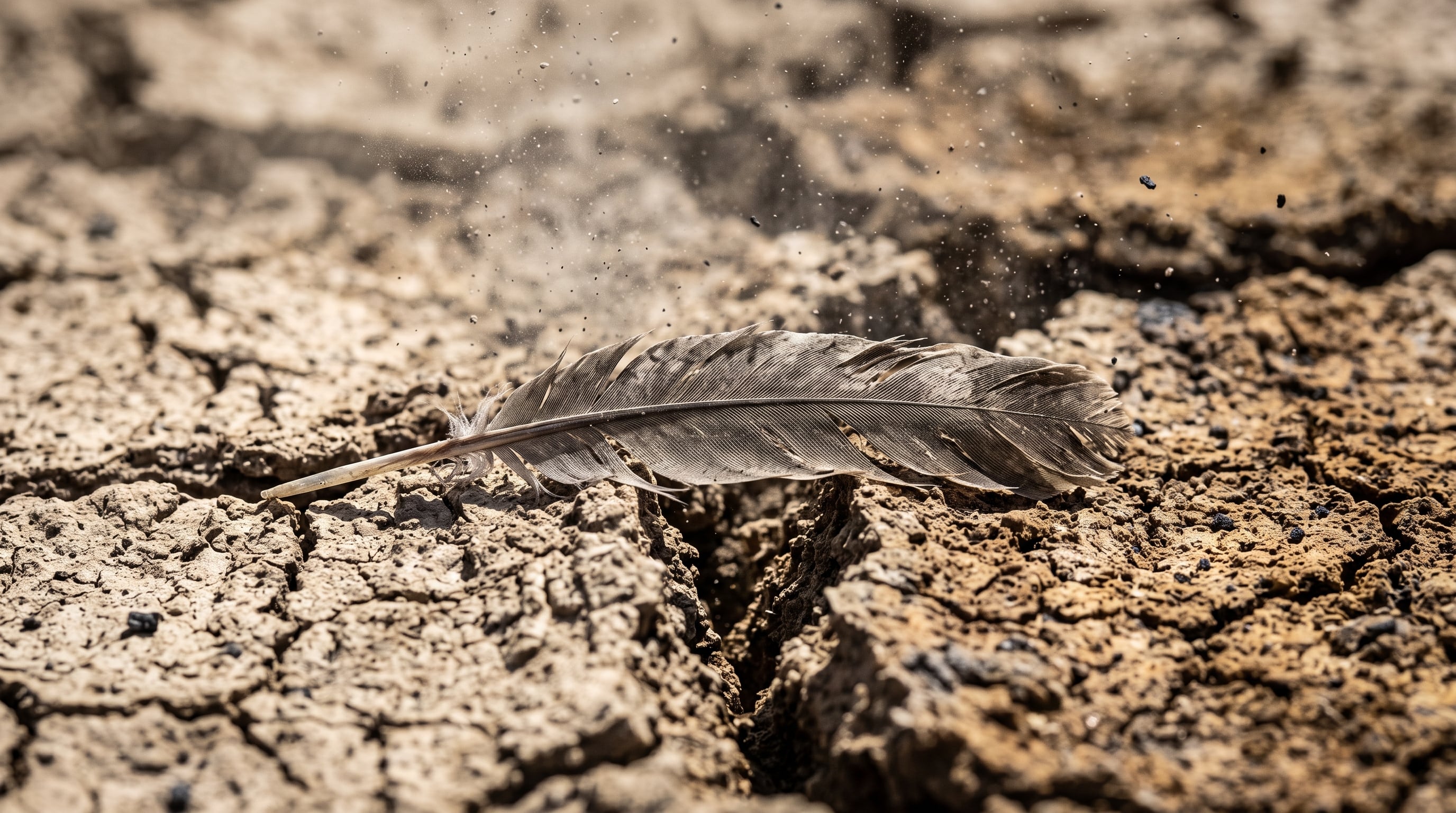
El estudio no estima el valor económico de la reducción de especies. La prioridad de los investigadores fue identificar con fiabilidad un impacto individual de los incendios forestales que suele quedar fuera de las evaluaciones tradicionales de daños.
“En el caso de edificios incendiados, podemos cuantificar con relativa facilidad el coste de los daños. Con la biodiversidad, la situación es mucho más compleja”, señaló Meier. Según la autora, los efectos sobre las aves pueden terminar afectando actividades como la agricultura y la silvicultura por las funciones que cumplen dentro de los ecosistemas.
“Existen otras consecuencias de los incendios forestales que apenas hemos tenido en cuenta hasta la fecha, a pesar de que tienen un impacto en la sociedad”, añadió la economista ambiental.
incendio forestal,pájaro cantor,ceniza,bosque de pinos,humo
NEWYou can now listen to Fox News articles!
NEW YORK — Israel and Morocco agreed Wednesday to upgrade their diplomatic missions to full embassies and exchange ambassadors nearly six years after Morocco joined the U.S.-brokered normalization drive that reshaped Israel’s relations with parts of the Arab world.
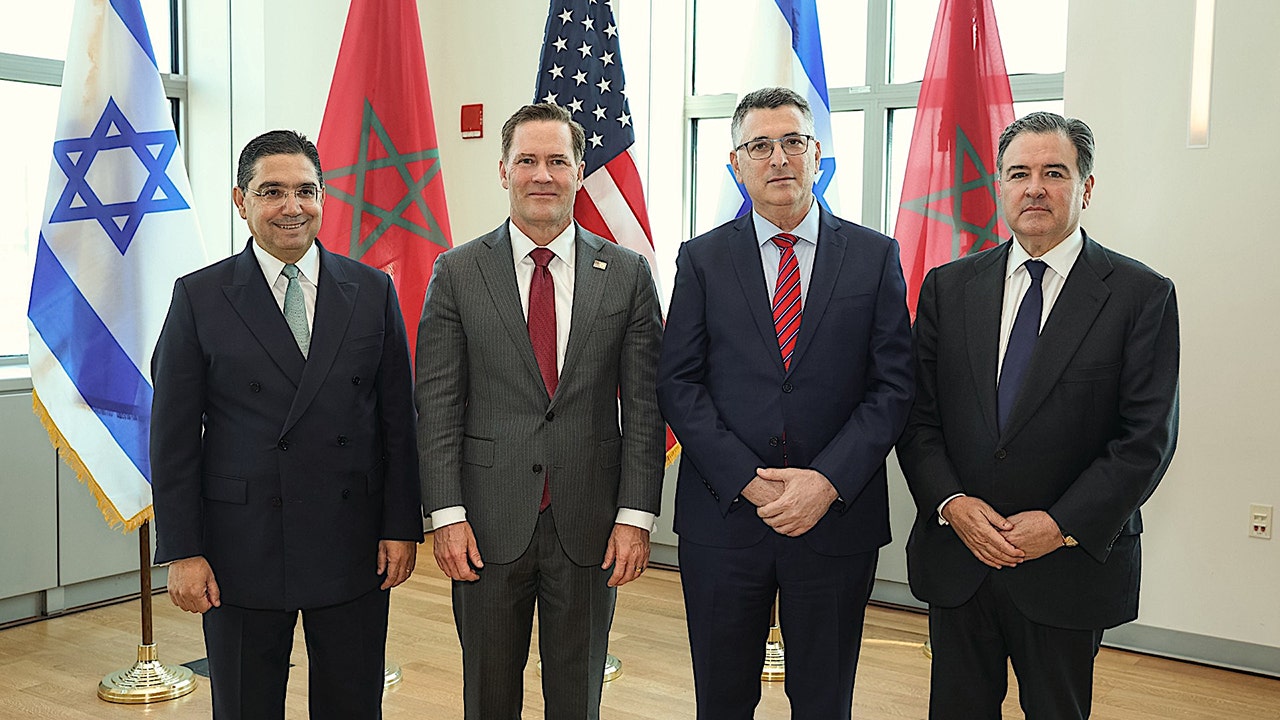
The agreement came during a trilateral meeting in New York between U.S. Ambassador to the United Nations Mike Waltz, Moroccan Foreign Minister Nasser Bourita and Israeli Foreign Minister Gideon Sa’ar, one day after officials marked the sixth anniversary of the Abraham Accords.
The original accords were signed by Israel, the United Arab Emirates and Bahrain on Sept. 15, 2020. Morocco followed through with a separate U.S.-Morocco-Israel Joint Declaration signed in Rabat on Dec. 22, 2020, restoring official contacts and committing the countries to move toward full diplomatic relations, direct flights and expanded economic cooperation.
IS ISRAEL REALLY ISOLATED? POLLS AND DIPLOMACY POINT IN OPPOSITE DIRECTIONS
U.S. Ambassador to the United Nations Mike Waltz, Moroccan Foreign Minister Nasser Bourita and Israeli Foreign Minister Gideon Sa’ar and their delegations meet at the U.S. Mission to the United Nations in New York on Sept. 16, 2026, for a summit focused on expanding Israel-Morocco relations. (Yuval Golan/ Israeli Foreign Ministry)
Wednesday’s agreement advances several of those commitments. Israel and Morocco agreed to establish full embassies and exchange ambassadors, reinstate direct flights by both Israeli and Moroccan airlines before the end of 2026 and finalize agreements on investment protection and avoidance of double taxation.
The countries also pledged to expand cooperation in trade, finance, technology, tourism, water, agriculture, food security, energy, telecommunications and regional security, according to a Sept. 16 joint statement.
The statement also reaffirmed U.S. and Israeli recognition of Moroccan sovereignty over Western Sahara and support for Morocco’s autonomy proposal as the basis for resolving the territorial dispute.
But the discussion quickly widened beyond Morocco to whether the normalization framework could eventually include Saudi Arabia.
Asked by Fox News Digital whether Saudi Arabia could be the next country to join the Abraham Accords — amid reports of growing Israeli-Saudi security cooperation against the Iran-backed Houthis — Waltz focused on the regional threat posed by the Houthis and their attacks on international shipping.
«The scourge of terrorism from them is unacceptable to the entire region,» Waltz said. «They continue to act as a proxy of the Iranian regime.
NEW RISK FOR US CONSUMERS AS IRAN-BACKED ATTACKS THREATEN A SECOND MAJOR OIL CHOKEPOINT
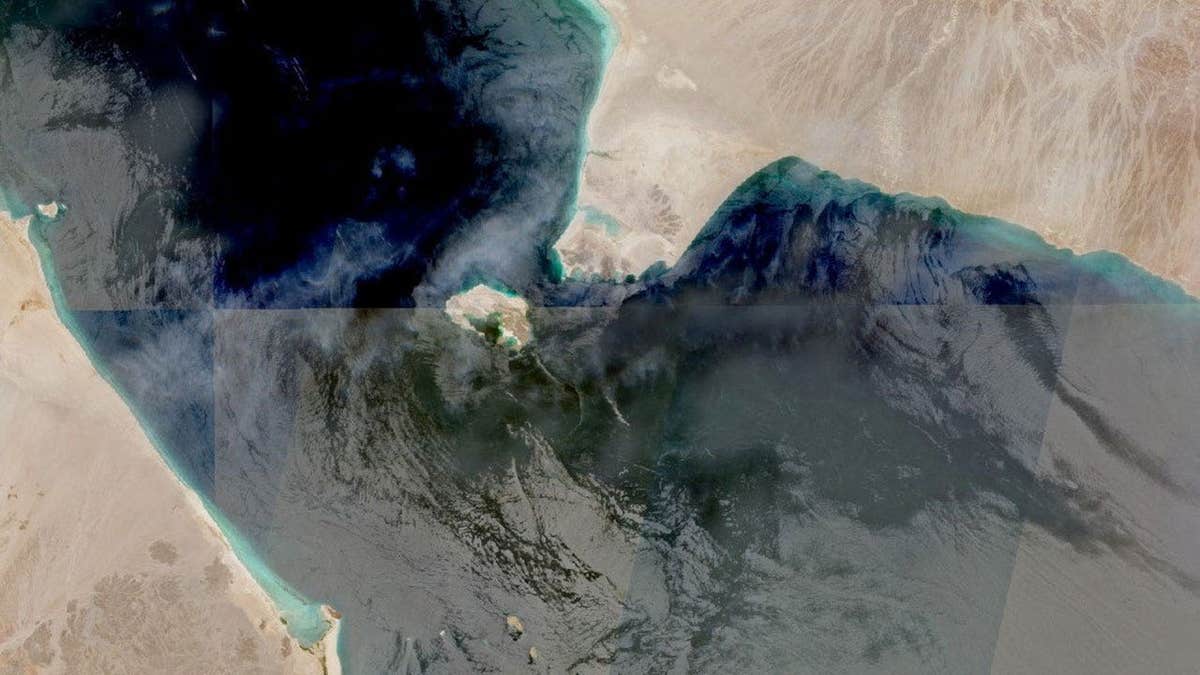
Satellite imagery shows Bab el-Mandeb Strait, a key shipping waterway and the gateway to the Red Sea, as Iran threatens using Yemen’s Houthi allies to shut the Bab el-Mandeb gateway to the Red Sea, in a handout picture dated July 12, 2026. (Nasa Worldview/Handout via Reuters)
«You cannot attempt to punish the rest of the world to achieve a political end,» he added. «The oceans, trade and international waterways must remain open.»
The comments come as the Houthis have made major gains along Yemen’s Red Sea coast near the Bab el-Mandeb Strait. Reuters reported Sept. 16 that the offensive has exposed new vulnerabilities for Saudi Arabia and strengthened Iran’s regional leverage.
The 18-mile-wide Bab el-Mandeb links the Red Sea to the Gulf of Aden and carries roughly 7% of global oil output. Houthi attacks beginning in 2023 forced major shipping companies to reroute vessels around Africa, increasing costs and transit times.
TRUMP SAYS SAUDI NUCLEAR AGREEMENT WON’T MOVE FORWARD WITHOUT ABRAHAM ACCORDS: ‘THEY HAVE TO BE A MEMBER’
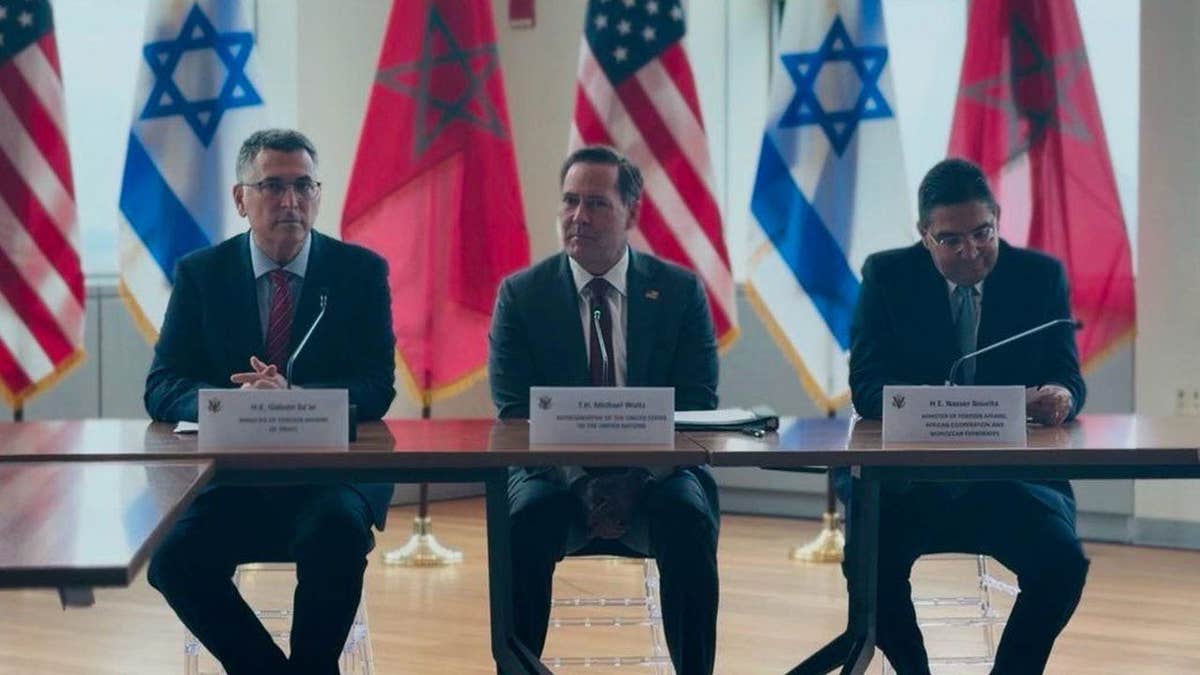
U.S. Ambassador to the United Nations Mike Waltz, Moroccan Foreign Minister Nasser Bourita and Israeli Foreign Minister Gideon Sa’ar meet at the U.S. Mission to the United Nations in New York Sept. 16, 2026, for a summit focused on expanding Israel-Morocco relations. (Efrat Lachter/ Fox News Digital)
Sa’ar said the threats at Bab el-Mandeb and the Strait of Hormuz demonstrated why countries with shared interests should cooperate.
«What’s happening in Bab al-Mandab, like what’s happened in Strait of Hormuz, demonstrates the significance of all nations that want to respect freedom of navigation, world trade and cooperate against this kind of modern piracy,» Sa’ar said.
He declined to elaborate on any operational cooperation involving Saudi Arabia but made clear Israel wants the normalization framework expanded.
«It is clear that we would like this camp to be widened,» Sa’ar told Fox News Digital.
TRUMP CALLS ON ARAB NATIONS TO SIGN ABRAHAM ACCORDS
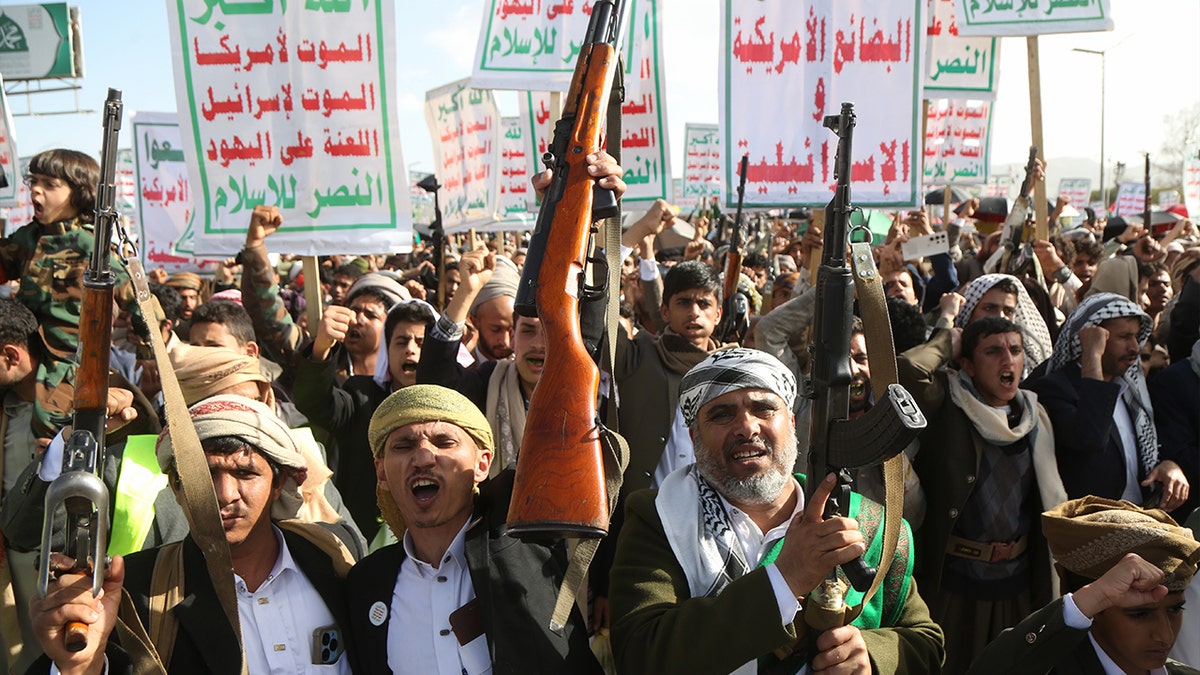
Yemen’s Iran-backed armed Houthi group has warned they will move to shutter the Bab Al-Mandeb Strait through missile-drone attacks if Gulf nations join the US-Israel war on Iran. (Mohammed Hamoud/Getty Images)
Bourita, meanwhile, said Morocco’s experience demonstrates that relations with Israel can also give Arab governments practical tools to help Palestinians.
«We can help the Palestinians, humanitarianly, because we have these relations with Israel,» Bourita said.
During the Gaza war, Morocco used its ties with Israel to secure a land route for 40 tons of humanitarian assistance into northern Gaza in March 2024.
«Is it better to continue in the rhetorics, political positions, while sitting in our cities, our capitals or take initiatives?» Bourita asked.
«We don’t agree with Israel 100%. Each one may have its policy,» he said, arguing that Morocco uses the «Abraham Accords spirit» to «promote peace» and «promote stability in the region.»
Bourita also pointed to Morocco’s participation in Gaza stabilization efforts.
«I think it needs courage to contribute to peace,» he said. «And it’s easier to keep on making statements and engaging in rhetorics.»
Waltz echoed that argument, praising Morocco’s humanitarian work and its role in postwar Gaza efforts.
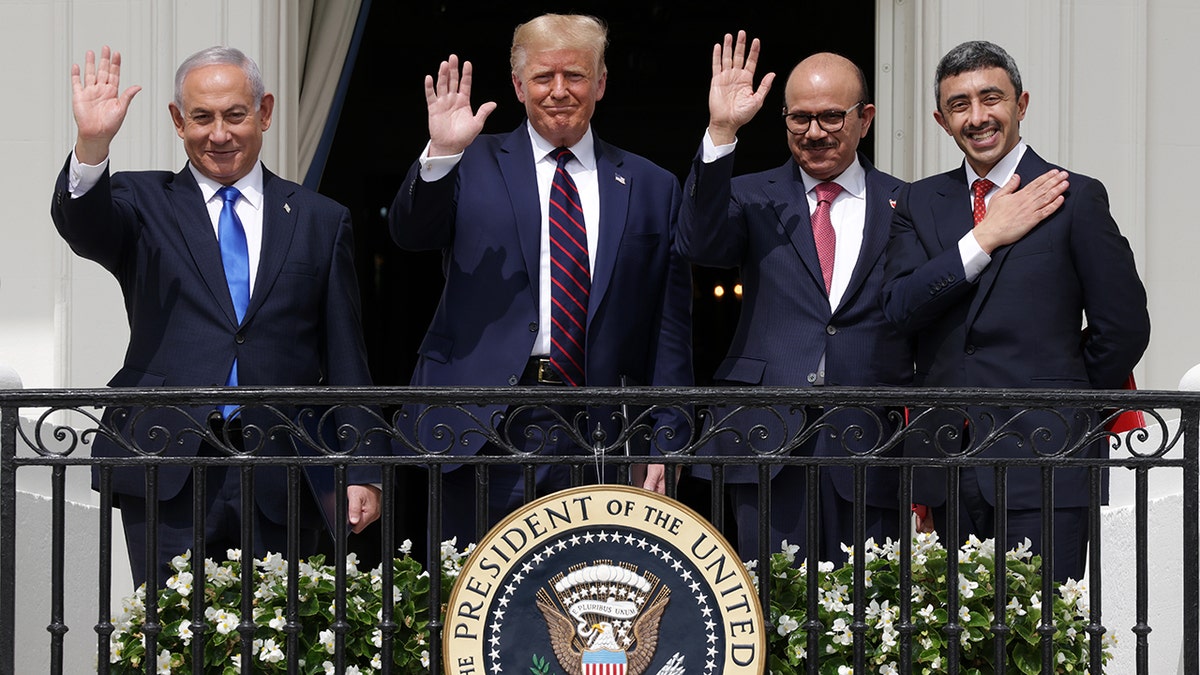
(L-R) Prime Minister of Israel Benjamin Netanyahu, U.S. President Donald Trump, Foreign Affairs Minister of Bahrain Abdullatif bin Rashid Al Zayani and Foreign Affairs Minister of the United Arab Emirates Abdullah bin Zayed bin Sultan Al Nahyan wave from the Truman Balcony of the White House after the signing ceremony of the Abraham Accords on the South Lawn of the White House on September 15, 2020, in Washington, D.C. (Photo by Alex Wong/Getty Images)
«It is far more than just signing agreements or coming to ceremonies,» Waltz said. «The Moroccan government, the Moroccan people are leaning in, in very meaningful ways for a more peaceful future.»
middle east, israel, world, iran, treaties

Gabriel Rolón, psicoanalista: “Es válido reconocer momentos felices del pasado, pero lo que fue ya está perdido”

Un abogado ambientalista anticipó embargos contra Sea Lion en Malvinas: “Sin financiamiento no hay proyecto”

Así fue la pelea con cuchillo entre un intendente neuquino y su antecesor

Lawmakers say they are standing at the gates against ‘Trojan horses’ promoting malign foreign interests

Cómo el humo de los incendios podría estar reescribiendo el equilibrio de los ecosistemas

Romina Gaetani recordó sus experiencias con hombres y mujeres y reveló qué género le atrae más: «Me calienta mucho el talento»

Entre arroyos y countries: vecinos intentan salvar el último pulmón rural del conurbano antes de que cambie para siempre

El polémico video de Tiago PZK con La Joaqui cuando ella aún estaba de novia con Luck Ra que desató un escándalo

Más allá de la música, el nuevo negocio de Pablito Lescano, el líder de Damas Gratis

Trump habló de una posible guerra por Malvinas y dijo que podría intervenir para resolverla

 POLITICA3 días ago
Javier Milei y sus medidas, en vivo: “Has sido engañado por un chanta”, dijo el Presidente al defender el nivel de consumo
- ECONOMIA3 días ago
Comienza una de las semanas más complicadas del año: debate entre empresarios de IA con Trump y casi segura suba de tasas en Estados Unidos
- INTERNACIONAL3 días ago
Federal judge rules Trump admin plan to cut FEMA workforce in half is unlawful