INTERNACIONAL
Kirk family has powerful evidence — but Utah law could derail wrongful death case: experts

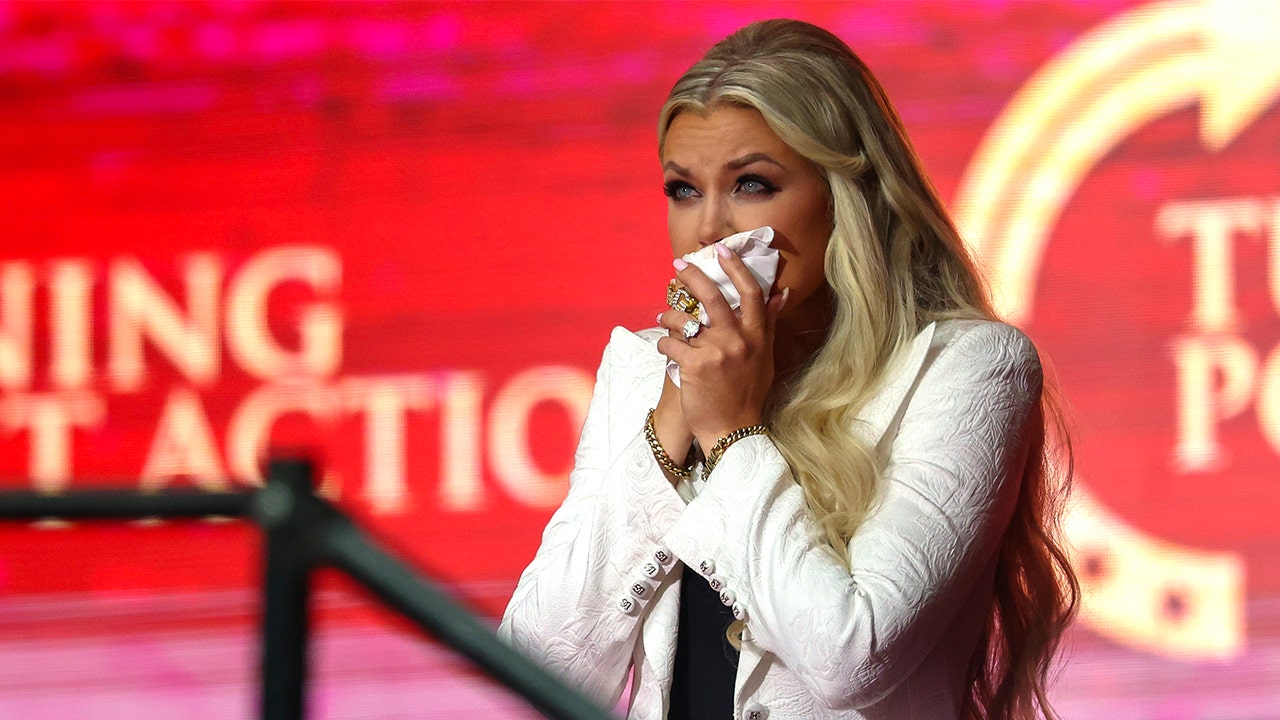
A Utah government immunity law could upend the Kirk family’s efforts to bring a wrongful death lawsuit against Utah Valley University over alleged security failures surrounding Charlie Kirk’s assassination.
Attorneys for Kirk’s family filed a notice of intent to sue on Sept. 9, one day before the anniversary of his death. The filing alleges a series of security failures by the university, including declining additional police officers, failing to adequately address concerns from Kirk’s security team and not having an adequate security plan in place for his visit.
But legal experts say the Kirks face an uphill legal battle because Utah law grants government entities — including their officers and employees — broad immunity from lawsuits arising from a lengthy list of circumstances, including the performance or failure to perform discretionary functions and claims involving assault, battery, false imprisonment, malicious prosecution and civil rights violations.
«Unfortunately, Charlie Kirk’s family is going to have a very difficult time prevailing in a wrongful death case in Utah,» Tenielle Brown, a University of Utah law professor, told Digital. «And that’s because Utah’s government immunity statute is phrased in such a way that says even if the state and UVU were reckless, they retain immunity in cases that arise out of a battery, and that would include gunshot wounds.»
JUDGE IN ACCUSED ASSASSIN TYLER ROBINSON’S CASE EXPLAINS WHY DEATH PENALTY REMAINS ON TABLE IN WRITTEN ORDER
Kirk, 31, co-founded Turning Point USA in 2012 and grew the conservative youth organization into a major force on high school and college campuses nationwide. He was shot and killed while speaking at Utah Valley University in Orem on Sept. 10, 2025.
Neama Rahmani, president of West Coast Trial Lawyers, told Digital that wrongful death claims against the government are already difficult for plaintiffs to win because government entities generally enjoy broad immunity from lawsuits stemming from assaults or batteries committed by third parties.
«I’ve handled lack of security cases, including lack of security cases against the government,» Rahmani told Digital. «They are tough because you are trying to hold the police or city, county or state responsible for someone else’s criminal actions.»
But Rahmani suggested the Kirk family’s strongest evidence could be a message from UVU Police Chief Jeffrey Long acknowledging concerns about rooftop access to the Sorenson Center, a building located «pretty close» to where Kirk was scheduled to speak. The Sorenson Center sits directly west of the Losee Center, where prosecutors say Tyler Robinson fired the shot that killed Kirk. In response to the security concerns, Long messaged Kirk’s team, «I got you covered.»
TYLER ROBINSON HEARING ENDS WITHOUT RULING AS EVIDENCE DISMANTLES CHARLIE KIRK CONSPIRACY CLAIMS
«That means they’re gonna argue that they assume the responsibility to make sure Charlie Kirk was safe, and they failed to do so,» Rahmani said of the Kirk family. «In cases where you have the government taking on a duty, that tends to be better than simply arguing that the government has a duty to protect everyone because we know that murders happen all the time, and you can’t sue the government just because someone is killed.»
But Brown said Utah law can shield government officials from lawsuits even when they fail to perform their job functions.
«There have been a number of cases where the plaintiffs and the family of the victims have sued for either wrongful death or battery,» Brown told Digital. «And in some cases, the government did behave recklessly, and they could show carelessness and recklessness and the plaintiffs were not able to prevail because it arose out of a battery. And that’s unusual. Most states don’t have that broad of a statute.»
Brown pointed to the case of Mika Scott, a 19-year-old Utah Valley University student who sued Utah County and the Utah County Sheriff’s Office after Shawn Leonard, a prisoner with a violent criminal record who had escaped from a work-release program, raped her in 2010.
«They were supposed to screen inmates to make sure that they weren’t violent,» Brown told Digital. «And then when they went out in the community on the job sites, they were supposed to make sure that they were policing the boundaries so that these inmates couldn’t escape and in a really terrible situation.»
«And she could have shown carelessness and maybe even recklessness, but because of the government immunity statute and because this claim arose out of a battery, she was not able to prevail against the state,» Brown continued.
CHARLIE KIRK SUPPORTERS RETURN TO SITE OF ASSASSINATION 1 YEAR LATER: ‘WE ARE STILL STANDING’
The Utah Supreme Court addressed the statute’s language in its 2005 decision in Wagner v. Utah, which held that civil battery does not require an intent to cause physical or psychological injury.
«The court said, it may not be prudent for the state to continue to retain immunity here,» Brown told Digital. » And they’re kind of signaling to the legislature that the legislature should probably change the statute to allow for suits in cases like Charlie Kirk’s.»
«But the state has not revised the statute and so it still says very clearly that you can’t sue the state if the claim arises out of a battery,» Brown continued.
Brown said state workers who are not elected cannot be held accountable at the ballot box for failing to do their jobs.
«The president of UVU, the campus police, those people are not elected, and so if you were to say sovereign immunity is all about letting people decide whether they’re state actors or careless at the ballot box, then you vote them out of office,» Brown said.
«That doesn’t work,» Brown continued. «That argument doesn’t for the UVU president because nobody can vote them of office, nobody is having any political check on the campus police.»
Astrid Tuminez, who served as the school’s president at the time of Kirk’s assassination, stepped down from her position in May 2026 after eight years. She and Long are named in the filing by Kirk’s family.
«We are aware of the notice of claim,» a Utah Valley University spokesperson said in a statement to Digital. «UVU addresses legal matters consistent with our established processes. Our focus remains on supporting our campus community.»
SIGN UP TO GET THE POLITICS NEWSLETTER
Kirk leaves behind his wife Erika Kirk and their two small children.
Digital reached out to the Kirk family’s lawyers for comment.
charlie kirk, precedents, controversies state and local, judiciary, erika kirk, utah, law








INTERNACIONAL
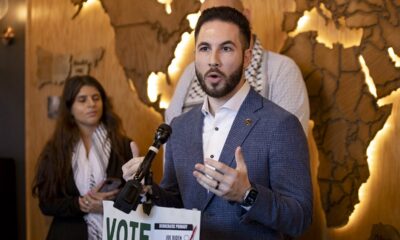
Congressman Tom Barrett: ‘Being a socialist should disqualify him for people’s consideration in my district’
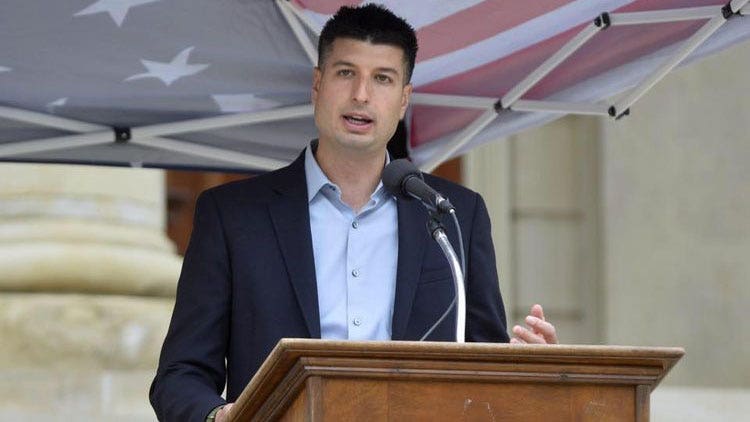
Control of Congress may very well run through Michigan’s seventh district. Anchored by Lansing, the state capital, it features a large blue city, surrounded by reddish suburbs, and deep red rural areas. It is consistently described as one of the closest swing districts in the country.
Freshman Congressman Tom Barrett narrowly won the district in 2024, and is now locked in a tight race with William Lawrence, an activist and founder of the climate change-focused Sunrise Movement.
Barrett is a 21-year Army veteran helicopter pilot, who served numerous deployments overseas, before returning to Michigan and spending nearly a decade in the state legislature.
7 REPUBLICANS REBEL AGAINST TRUMP, VOTE WITH DEMS TO REIN IN IRAN WAR POWERS
The race has recently been roiled by a series of controversial social media posts. In some of them, Lawrence called the nuclear family «an isolating, violent way of organizing society» and praised campaigns to abolish the police.
He now claims that his views have changed.
Barrett argues that the newfound shift is about political expediency, not genuine conviction:
«I think we got to take him at his word that this was his absolute true ideology and it wasn’t just this one statement that he made. He made repetitive statements against police, calling to not just defund but abolish the police altogether. He wanted to throw open the borders. He said if we’re a humane country, we’ve got to throw open the borders and redistribute all of the wealth.
«He called the nuclear family a violent way to organize society, as you said. Countless other statements that he’s made and other things that he has done that show a pattern of behavior that this is not an isolated incident.
«And obviously it’s clear to any neutral observer that he is doing this because he is running in a competitive district trying to get elected to Congress. He’s not running in Rashida Tlaib’s district or AOC’s district where they’re far more sympathetic to these DSA-aligned socialist candidates. He’s running in the district that I live in where I’m raising my own nuclear family.»
Barrett contends that the implementation of Lawrence’s border and immigration policies would pose a clear and present danger to the safety of Americans:
«Well, the foremost obvious risk of these open border policies of my opponent is just starting with the public safety threat. So take out all of the other economic factors: just the physical threats to our communities are substantial.
«There are criminal gang activities. We have cartels that were freely operating both ways across the border under the Biden administration. We had upwards of ten or even fifteen million illegal immigrants that came into our country completely unvetted.»
Barrett also argues that the fentanyl crisis is directly tied to border and immigration policies as well.
«The leading cause of death of Americans my age wasn’t cancer, wasn’t heart disease, it was fentanyl overdose deaths. People that I served with in the military that came home and survived combat and died of fentanyl overdose…because of drugs that were pouring across our border.
«For the first time in my life, we have seen a significant decline in fentanyl overdose deaths, really because of the efforts…to secure our border, and my opponent, William Lawrence, would entirely reverse that, throw the border open again, abolish the police at the same time.
«And we can only assume the outcome of that would be far more Americans dying of fentanyl deaths, as well as gang activity and other tragic circumstances that arise when you have an open border and no public safety to protect Americans.»
William Lawrence is also a longtime member of the DSA (Democratic Socialists of America), but recently claims that he let his membership lapse. Barrett argues that Lawrence remains a fervent believer in socialist ideology, but is merely trying to downplay his true beliefs to win a competitive race:
«Well, I think being a socialist should disqualify him for people’s consideration in my district. You look at the tenets of socialism and what they want to do and the endorsement of that.
MICHIGAN DEMOCRATIC CANDIDATE TRIES TO JUSTIFY DELETED POSTS THAT REVEAL FAR-LEFT BELIEFS
«My opponent…cleverly claims that he let his membership lapse, I don’t know, two weeks before the primary election on the eve of him winning…to face off against me in one of the most competitive congressional races in the country that will arguably decide control of the House of Representatives.
«So he doesn’t disavow the democratic socialists…He has embraced all of their positions, gathered all of their support, really benefited from the support of the democratic socialist movement.
«And then when the time comes to defend those positions, he wants to say, well I let my membership lapse so you can’t hold me accountable for all their positions. But I didn’t leave under any actual disagreement with them. I’m simply leaving for political reasons because he’s so focused on trying to win this election in a desperate attempt to not be accountable to his own record, but to distract away from the devastating effects of socialism and what that would mean for our country if he were to be elected.»
Perhaps the most controversial of Lawrence’s statements involved a post expressing frustration and outrage with politicians on climate policy. Lawrence, specifically targeting West Virginia Senator Joe Manchin, wrote: ‘Hurry up and die so that we can get started.»
Barrett believes that this type of rhetoric should put the voters of the seventh district on high alert:
«Obviously that’s entirely inappropriate, something that should really raise the attention of every single reasonable American to say that that’s not how we go about our rhetoric here in our country. Politics is a full contact sport…but I’ve never in my political life, in any campaign, called on political figures to ‘F you and hurry up and die.’
«And that shows the radicalization…He was a founding member of the Green New Deal Alliance in Michigan, calling to ban gasoline-powered vehicles that we build in my district that employ thousands of people in my district.»
Midterm elections generally hinge on economics and affordability issues are driving the political narrative today in tight races around the country. Barrett makes the case that congressional Republicans have delivered on everyday pocketbook issues:
«Well, we lowered costs on people’s taxes, certainly…and we expanded the child tax credit. We saved families taxes to the expanded standard deduction, streamlined filing for individuals. No taxes on tips, no taxes on overtime, no tax on Social Security. I wanna take that a step further and have no taxes health care. Give every American a tax-exempt health savings account and expand the things that they can use it for, for healthy groceries, gym memberships, fitness equipment.
«Obviously bring down the cost of gas as well with the conflict in Iran that I have again voted my conscience on as well and want to see gas prices come down and that will affect a lot of other parts of the economy as well around affordability. These are things that we can face.
«But if we hand our country over to radical socialists who are simply going to tax Americans to death and then pass on benefits to illegal immigrants and people who refuse to go to work and participate in the economy. We will be worse off for that.
«So this is a very, very important election. I stand on my own merits. I know what I’ve done here in Congress. It’s my job to go out and make the case to the voters in my district, and contrast that with the exact things that my opponent has said what he has stood for and what his pattern of behavior has shown in what he would do if he were elected to Congress.»
house of representatives politics, politics, michigan, midterm elections
INTERNACIONAL
Nicaragua: dictadura, revolución, transición, cuasi-democracia, des-transición, dictadura
La dictadura de Somoza fue nefasta para Nicaragua. La transición posterior Sandinista dejó en el debe muchos aspectos sociales y políticos que eran necesarios para la libertad del país. Todo ello parecía quedar atrás con la victoria electoral de Violeta Chamorro en 1990. Varios factores contribuyeron a ello, incluido el poderoso movimiento democratizador en Nicaragua y otros países. La inestabilidad positiva que sacudió la región en la década de 1980 y que llevo al fin de las dictaduras regionales dio una dimensión internacional a la democracia, a la justicia y a los derechos humanos. En esa época se afirmaron fenómenos como la pérdida de poder dictatorial ya sea interna o internacionalmente, lo que llevo que a través de elecciones y un creciente interés entre las masas —especialmente los jóvenes— por el cambio político la democracia ganara terreno rápidamente. Así como la década de 1970 estuvo marcada por la represión y la violencia, la década siguiente mostro a Latinoamérica inmersa en una verdadera revolución democratizadora. De todas maneras Nicaragua nunca terminó de democratizarse completamente dado algunas instituciones jamás fueron asimiladas por la democracia, por ejemplo, el ejército siguió siendo el ejército de un partido y no una institución de la democracia.
Los revolucionarios democratizadores de esa época eligieron a liderazgos moderados de políticos con profundas convicciones democráticas y demostraron al mundo que defendiendo las ideas en un marco de pluralidad se era capaz de implementarlas sin tener que jugar al todo o nada. Si bien la revolución democratizadora triunfó por completo durante esa década, los conceptos de responsabilidad y derechos humanos -memoria, verdad, justicia- tuvieron que esperar en las esferas social y política de varios países. La excepción a esto fue el juzgamiento de la junta dictatorial en Argentina. El impacto de esta fuerza democratizadora (me niego a llamarla “ola”) fue absoluta, tambien Ortega entregó el poder en el final de la guerra fría tras perder una elección, la propia guerra fría fue víctima de la fuerza democratizadora cuando la misma llegó a la URSS y a Europa del Este.
Un movimiento revolucionario democratizador como el de los 80s no surge únicamente de las acciones de uno o más líderes; más bien, los liderazgos simplemente dan forma clara a las ideas y aspiraciones de la gente que prevalecen en un momento dado. La generación que luchó contra las dictaduras no necesitó un líder designado que la guiara, ello ocurrió porque presenció y sufrió directamente la persecución, las desigualdades, las injusticias y las destructivas condiciones de vida cotidianas impuestas por los regímenes. Quedó demostrado tambien que, si incluso la democracia era derrotada por una represión militar, el riesgo de su resurgimiento persistía y era cada vez más fuerte, y terminaría imponiéndose en prácticamente cualquier contexto. Salvo que la represión misma y la profundidad de la crisis/fracaso económica y social terminaran aplastando la positividad del contexto como sucedió en Cuba. Es la fórmula que luego aplicaron Ortega y Maduro.
Pero tiempo después empezó la des-transición. En abril 2018 los nicaragüenses salieron a la calle para protestar por una reforma fiscal, pero fundamentalmente a protestar contra el Gobierno, sentían que necesitaban un cambio. En aquel entonces, los acontecimientos en Nicaragua se percibían como el colapso de la transición democrática, una predicción que el gobierno nicaragüense había respaldado con actuaciones de contenido autoritario durante mucho tiempo. Sin embargo, el gobierno no creía que esto conduciría al surgimiento de nuevas estructuras políticas o soluciones de compromiso, pero luego todo el proceso fue encaminándose hacia una lógica de todo o nada que como siempre ocurre terminó en mucha nada para todos. No hay forma de no sentirse decepcionado por el proceso y como el mismo fue patológicamente cayendo en el peor de los abismos, una dimensión tiránica de muy poco interés para la comunidad internacional a pesar de la ardua militancia opositora nicaragüense.
Si hay algo que es fácil es repartir culpas al respecto, porque hay culpabilidad de sobra, pero esto no lleva a ningún lado como quedó demostrado en el mismo 2018, 2019, 2020 hasta que el monologo de la dictadura oscureció completamente a Nicaragua. A mí me toco tambien, como era de izquierda y venia de un grupo político que había tenido mucha hermandad ideológica con el sandinismo, así fue como se creyó que en algún momento podía poner esa hermandad ideológica por encima de los principios de Democracia y Derechos Humanos, a pesar de que mi enfrentamiento con las otras dos dictaduras hemisféricas demostraba exactamente lo contrario. Los resultados que obtuvimos se fueron rápidamente por el drenaje: la instalación de dos mesas de diálogo y la liberación a comienzos de 2020 de 320 presos políticos (trabajo en el terreno de Luis Rosadilla) que no perdieron su nacionalidad, ni se tuvieron que ir del país. La represión y la confrontación se llevaron muy pronto todo eso. Y prácticamente allí terminó toda posibilidad institucional de trabajar por un proceso electoral libre, justo y transparente.
Se debe reconocer algo positivo, no hay nicaragüense opositor al régimen que haya abandonado la lucha. Todos siguieron luchando, aunque algunos más por el poder que por la democracia, quizás sintiendo que una cosa llevaba a la otra, pero esto nunca funciona así.
Aun así, un amplio sector de la clase política también quería pensar que el proceso tenía cierta continuidad electoral a pesar de que a esa altura no había ningún motivo para creer en esa posibilidad ya que los patrones autoritarios iban avanzando aceleradamente hacia la dictadura tiránica que terminó instalándose. Un grupo que compartía la visión de participación electoral viajo a Managua. Todos fueron presos. Y muchos más también.
Daniel Ortega, convencido de que estaba luchando por su vida, entendió que, para mantener su credibilidad interna, la de su base de poder, tenía que hacer purgas hacia adentro y hacia afuera y que estas ideas de represión necesitaban una ejecución exhaustiva. Se conoció entonces hasta donde estaba dispuesto a llegar Daniel como violador de Derechos Humanos en Nicaragua, prácticamente no había límites.
El Sandinismo no perduró, aunque el nombre se mantuvo prácticamente sin logica alguna en el Gobierno. Sus miembros habían o no abandonado la ideología antes o después del período de represión, pero lo que era seguro es que muchos habían abandonado a Ortega o al Gobierno o a ambos. La bandera Sandinista seguía como símbolo, pero, así como en los 70s y 80s era símbolo de lucha contra una dictadura se transformó en el símbolo de una dictadura.
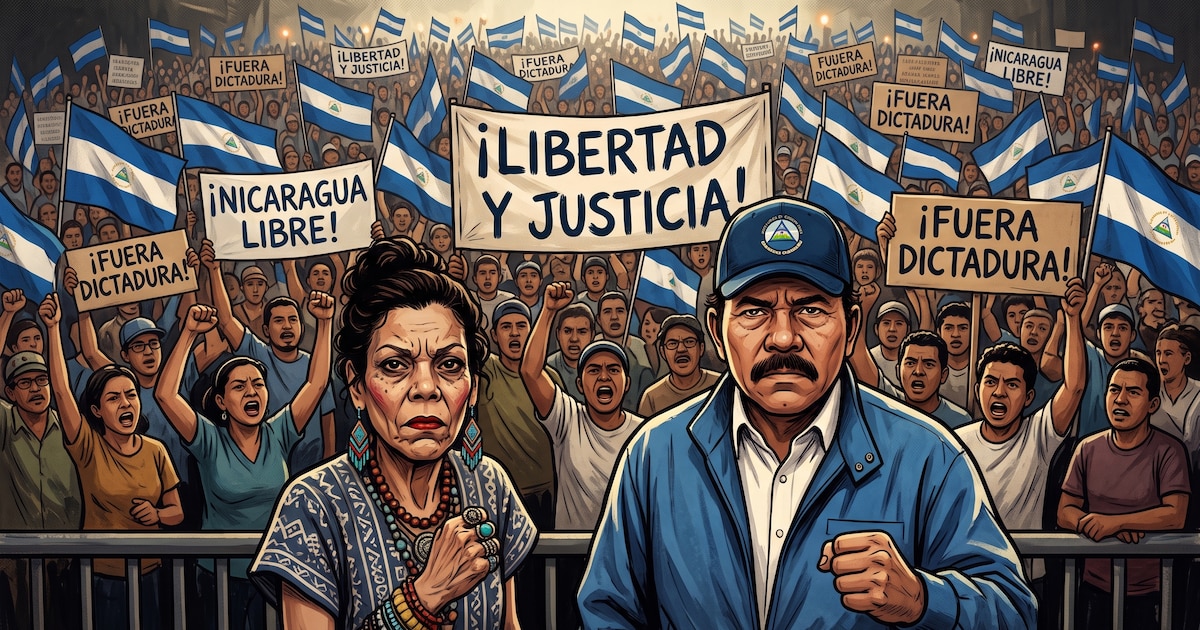
Una dictadura encarnada por Daniel Ortega, un hombre tan versado en represión como en frialdad para ejercerla, y a Rosario Murillo, una líder más extravagante que Ortega, pero más firme aun a la hora de la represión interna y externa. En última instancia, han sido ellos quienes traicionaron de peor manera los ideales y sustituyeron los descensos en popularidad con una mayor violencia a la hora de las violaciones sistemáticas de derechos humanos. Esta influencia de la cadena de mando represiva creció lenta pero constantemente, alcanzando picos demenciales en que prácticamente todo lo que existía socialmente se transformó en una amenaza para el régimen.
En 2026 especialmente luego del 3 de enero cuando Estados Unidos se lleva a Maduro, los nicaragüenses pensaron que lo mismo iba a pasar con Ortega-Murillo en forma inmediata. Posiblemente si esto hubiera ocurrido se hubiera fortalecido el caso de EUA como defensor de la democracia en el hemisferio. No obstante, la flota instalada en el Caribe se marchó para Irán sin ulteriores presiones ni en Cuba ni en Nicaragua.
Pero, así como en los 80s había una fuerza democratizadora expansiva, en la actualidad la democracia sufre por las dictaduras no resueltas y por la erosión que padece en los paises que aún no son dictaduras. En un clima como el actual de declive cívico, así como de erosión de la ética y de los valores observado en diversas democracias, surge un marcado deterioro que está llevando a paises y gobiernos en la dirección contraria; la situación es de opresión destructiva de la democracia y de futilidad sistémica deplorable. Todo ello simplemente refleja la desaprobación pública de políticas ineficaces, y/o refleja cómo las instituciones se transforman en opresoras y manipulan sus propias dinámicas de ineficiencia.
Pero ¿qué significa esto realmente para la democracia en Nicaragua? Simplemente quiere decir que el contexto general no es favorable, ni desde las dinámicas políticas internas ni internacionales ni las sociales. Así como en los 80s había enorme presión regional y subregional para forzar la democracia (Ortega tenia los puertos minados, los aviones pasándole arriba del país, un contexto subregional hostil, un movimiento guerrillero interno-es decir el libro completo de prácticas de la guerra fría-) al presente prácticamente no existe nada de esto.
Nunca podemos admitir que es imposible la democratización del país, aun cuando los análisis políticos a menudo tienen dificultades para ofrecer una perspectiva positiva, debemos siempre tener presente el “síndrome Maduro” y es que, de una u otra manera, toda situación puede cambiar en un momento debido a errores inducidos por el círculo cercano, así como errores propios no forzados, o necesidades de coyuntura nacional o internacional. No ocurre en automático y hay que trabajar mucho cada solución posible, pero a partir de allí se pueden lograr resultados positivos al respecto. Siempre sostuvimos que la justicia era la solución para la Venezuela de Maduro y la justicia tendrá que definitivamente jugar un papel en la solución para la Nicaragua de Ortega.
Luis Almagro/Instituto CASLA
Daniel Ortega,Rosario Murillo,Nicaragua,protestas
INTERNACIONAL
Más de 3 mil guatemaltecos han retornado en septiembre: el acumulado anual llegó a 45 mil 615
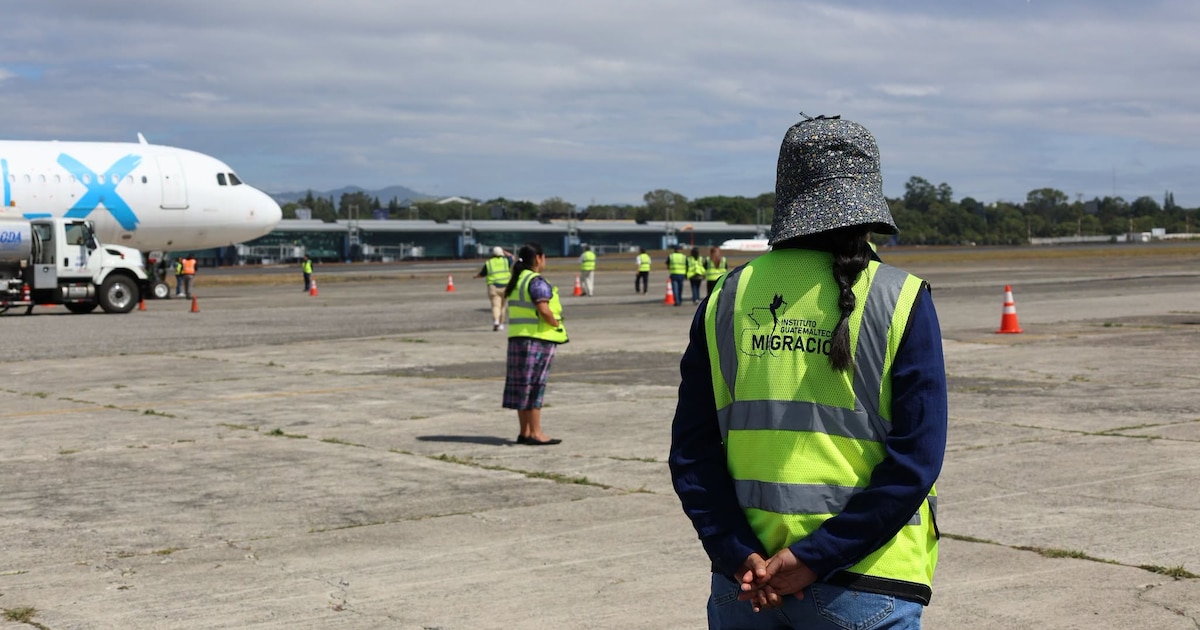
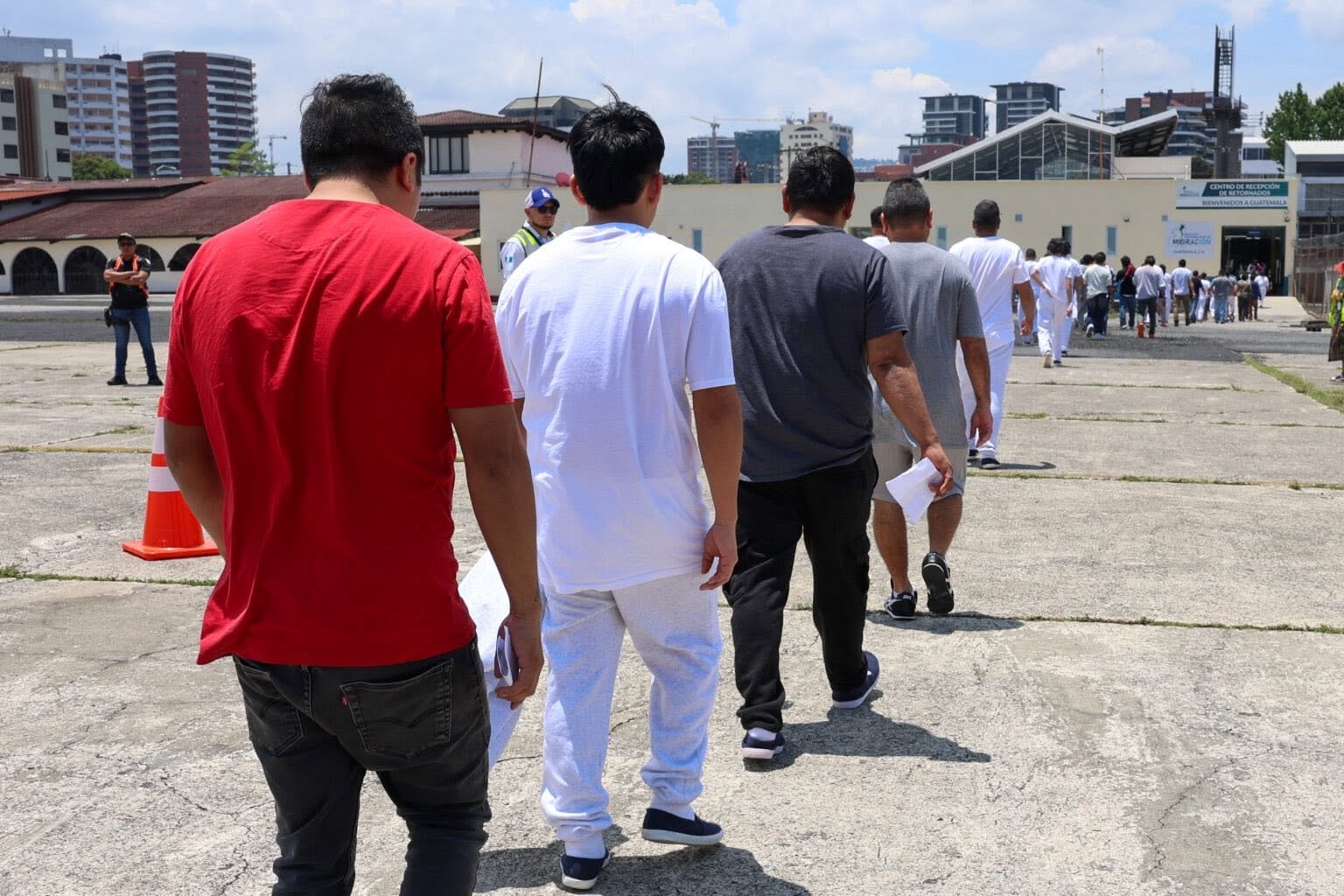
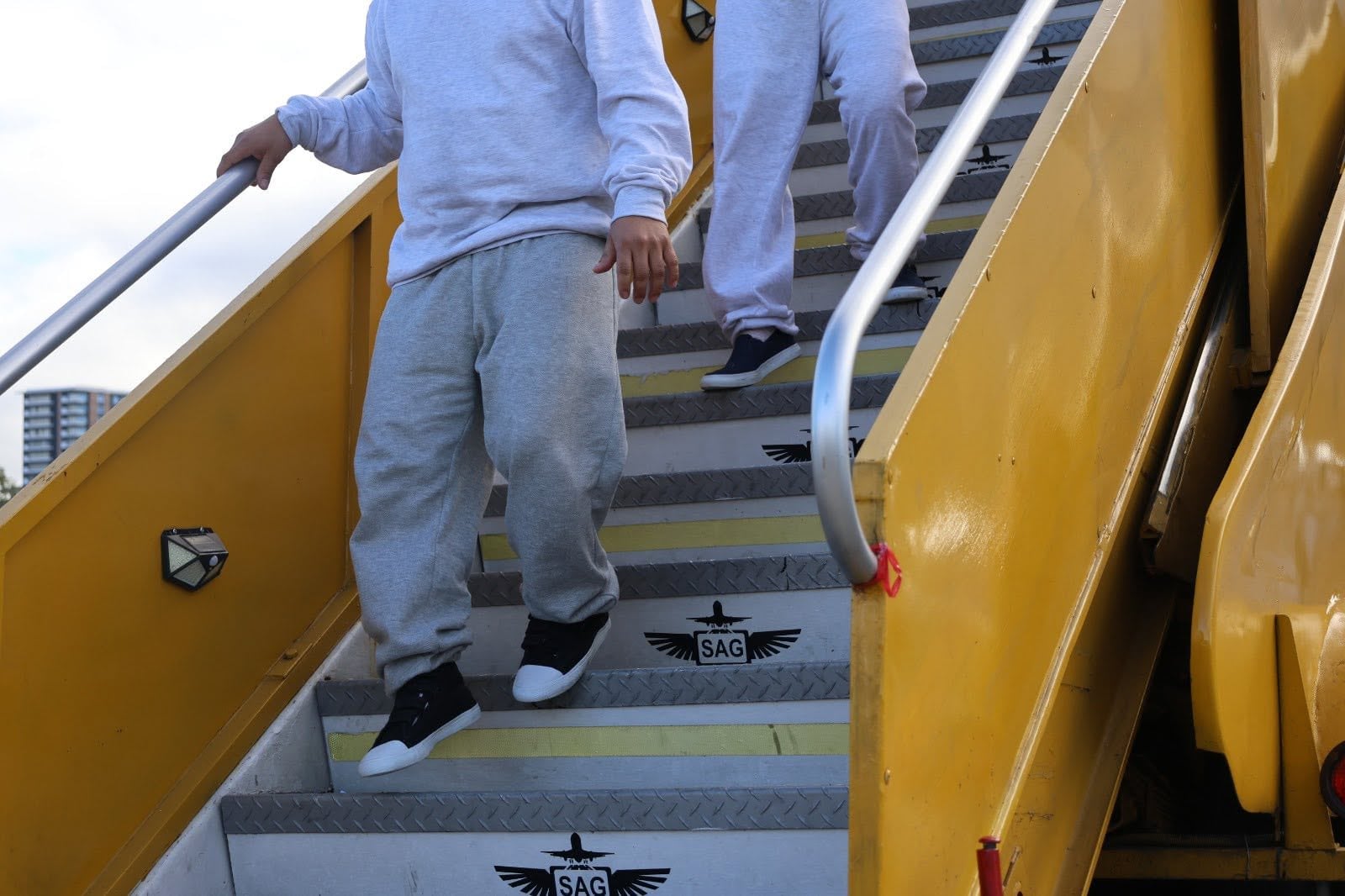
El Instituto Guatemalteco de Migración registró 3,394 guatemaltecos retornados desde Estados Unidos durante los primeros 18 días de septiembre de 2026, con lo que el acumulado entre enero y ese mes ascendió a 45,615 personas. El flujo mantuvo niveles elevados tras los máximos alcanzados en julio y agosto, mientras Huehuetenango concentró más de cuatro de cada 10 retornados, según una publicación del Diario LaHora.
Julio fue el mes con más llegadas del año, con 7,035 personas, seguido por agosto, con 6,379. Ambos períodos reunieron casi el 30% de los retornos desde Estados Unidos contabilizados en los primeros nueve meses de 2026.
La cifra de septiembre es parcial porque el reporte fue divulgado el 18 de ese mes y puede modificarse con las actualizaciones posteriores. Antes del aumento del tercer trimestre, mayo había registrado 5,058 casos; febrero, 4,914; marzo, 4,871; abril, 4,767; enero, 4,749; y junio, 4,448.
Las estadísticas que incluyen retornos tanto desde Estados Unidos como desde México muestran otro universo de medición. Entre el 1 de enero y el 31 de agosto, esos dos países devolvieron a Guatemala 46,194 ciudadanos, frente a los 31,309 registrados en el mismo período de 2025: un aumento de 47.5%.
Adultos, menores y familias dentro del flujo de retornos
Los adultos sumaron 41,001 de las 45,615 personas retornadas desde Estados Unidos, cerca de nueve de cada 10 casos. Los restantes 4,614 correspondieron a niños, niñas y adolescentes.
Durante los primeros 18 días de septiembre regresaron 3,063 hombres adultos y 250 mujeres adultas. El registro incluyó además a 31 menores hombres y 31 menores mujeres que viajaban acompañados por familiares o responsables adultos.
Otros 19 menores retornaron sin acompañamiento: 16 hombres y tres mujeres. Su recepción requiere verificar la existencia de redes familiares, las condiciones de cuidado y los posibles riesgos que pueden enfrentar tras llegar al país.
El Instituto Guatemalteco de Migración identificó 426 unidades familiares integradas por 1,168 personas. Ese grupo estaba compuesto por 141 hombres adultos, 324 mujeres adultas, 388 niños y 315 niñas.
La información oficial incorporó además la pertenencia a comunidades lingüísticas de las personas retornadas. La comunidad K’iche’ concentró 5.585 casos, seguida por Q’eqchi’, con 2,876; Q’anjob’al, con 1,380; Kaqchikel, con 1,030; e Ixil, con 833.
El registro incluyó personas pertenecientes a las comunidades Achi’, Chuj, Akateko, Awakateko, Poqomam, Ch’orti’, Tz’utujil, Chalchiteko, Sipakapense, Sakapulteko, Tektiteko, Uspanteko, Mopán, Itza’, Garífuna y Xinca.
Huehuetenango reúne más de 19 mil retornados
El departamento de Huehuetenango encabezó la distribución territorial con 19.030 personas retornadas desde Estados Unidos. San Marcos ocupó el segundo lugar, con 6,051, y Quiché quedó tercero, con 5,049.
Quetzaltenango registró 3,191 retornados; Petén, 2,503; Guatemala, 2,491; y Alta Verapaz, 2,373. Las cifras de Huehuetenango, San Marcos y Quiché coinciden con los departamentos que ya figuraban entre los de mayor número de casos en las estadísticas de retornos desde Estados Unidos y México entre enero y agosto.
Otros departamentos superaron los mil casos: Chimaltenango, con 1,484; Suchitepéquez, con 1,449; Chiquimula, con 1,398; Jutiapa, con 1,299; Totonicapán, con 1,285; Baja Verapaz, con 1,223; Jalapa, con 1,137; Escuintla, con 1,130; y Sololá, con 1,024.
El Gobierno de Guatemala mantiene el Plan Retorno al Hogar, que articula servicios de empleo, capacitación, documentación, salud y educación para quienes regresan al país. La Agencia Guatemalteca de Noticias informó que el Centro de Atención y Registro atendió a 23.388 migrantes retornados entre enero y el 31 de agosto.
De esas personas, 1,785 ingresaron al mercado laboral, 1,296 recibieron capacitación y 155 obtuvieron certificaciones de competencias. Las instituciones participantes entregaron alimentos a 29,210 personas, incorporaron a 219 al sistema educativo y distribuyeron 20,769 tarjetas SIM con tiempo de aire.
Guatemala,deportación,migración,América Central

Congressman Tom Barrett: ‘Being a socialist should disqualify him for people’s consideration in my district’

Reapareció Roberto Lavagna con críticas a la política industrial del Gobierno y una definición clave sobre la macroeconomía

Cómo pasó la noche Mirtha Legrand luego de ser internada por una recaída en su cuadro bronquial

El Banco Central compró apenas USD 200 millones en lo que va de septiembre: por qué redujo el ritmo en las últimas semanas

“La guerra y la tregua son unilaterales, no participamos de ninguna”, afirmó Carlos Bianco sobre la interna peronista

Este reloj de Lucky Luke y otros 7 juegos se han confirmado en las últimas horas para Nintendo Switch / Nintendo Switch 2 – Nintenderos

La Justicia confirmó las fechas de los juicios contra Cristina y Máximo Kirchner por las causas Los Sauces y Hotesur

Autos eléctricos e híbridos: cuánto cuesta cargarlos en casa, cuánto demora y qué se necesita para instalar el equipo

"Atendiendo a los kukas mentirosos": el presidente Javier Milei opinó sobre las reservas en el oro del Banco Central

EXCLUSIVE: Inside Vance’s intimate Capitol Hill huddle as Republicans confront tough midterm terrain

 POLITICA1 día ago
La Justicia confirmó las fechas de los juicios contra Cristina y Máximo Kirchner por las causas Los Sauces y Hotesur
- ECONOMIA1 día ago
"Atendiendo a los kukas mentirosos": el presidente Javier Milei opinó sobre las reservas en el oro del Banco Central
- POLITICA3 días ago
Cortocircuito y quiebre entre la Casa Rosada y sus diputados por la ley de discapacidad