INTERNACIONAL
Inserción laboral en Panamá marca una brecha entre profesionales hombres y mujeres

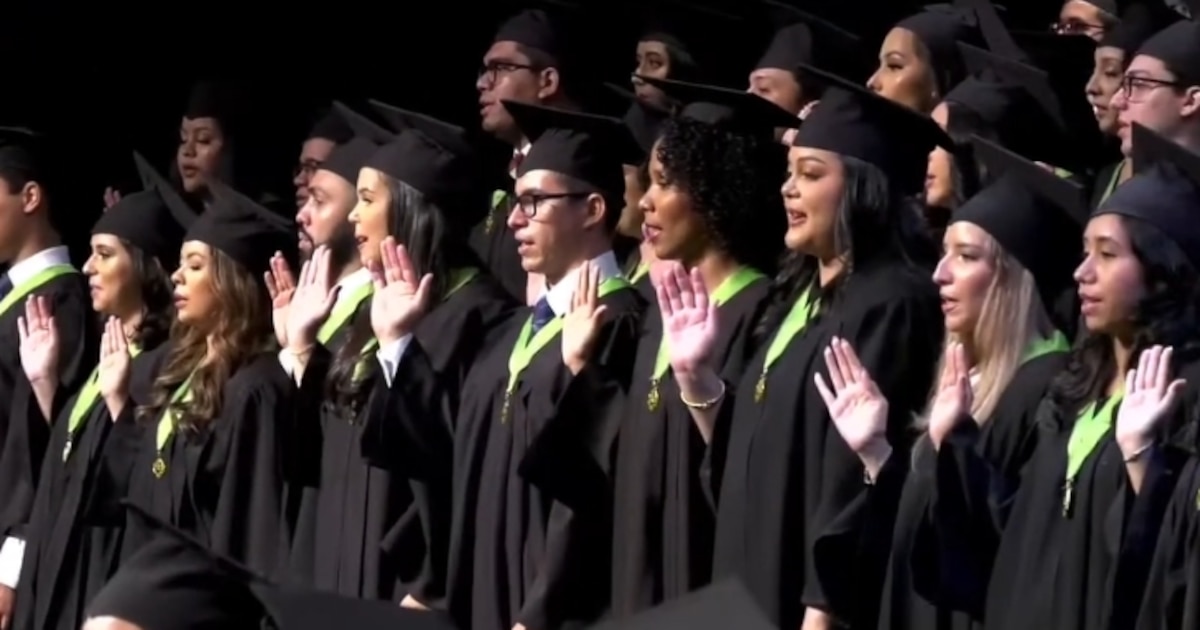
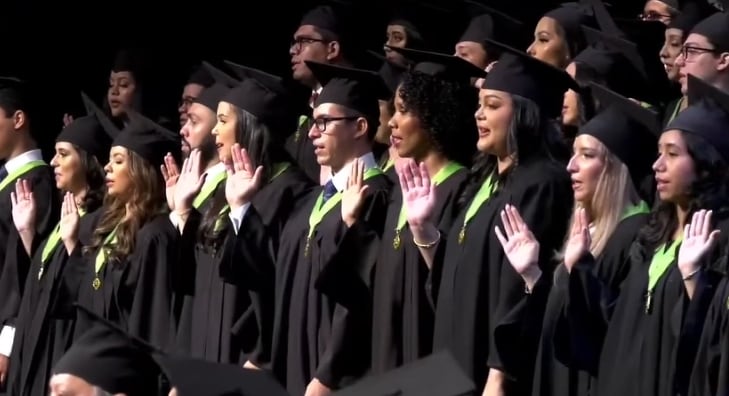
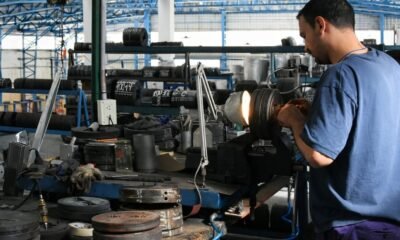
La brecha laboral entre hombres y mujeres marcó los resultados de inserción de los graduados de la Universidad de Panamá en 2025.
La tasa entre los hombres llegó a 75,9%, mientras que entre las mujeres fue de 58,0%.
El informe del Observatorio Ocupacional, dependiente de la Dirección General de Planificación y Evaluación Universitaria, examinó la incorporación al mercado laboral panameño de los profesionales formados por la institución entre 2017 y 2025.
La Universidad de Panamá registró una tasa promedio de inserción laboral de 62,6% entre sus graduados en 2025.
El estudio muestra que la vinculación con el empleo varía según el género, el nivel de formación, el lugar de estudio y el área académica de procedencia.
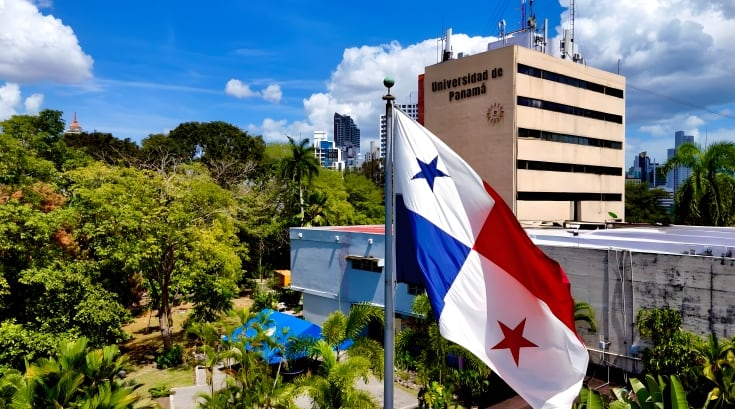
La evolución del indicador tuvo cambios durante el período analizado.
En 2017, la tasa alcanzó 83,7%, el nivel más elevado de toda la serie, porcentaje descendió a 67,2% en 2020, en un escenario atravesado por las consecuencias económicas y laborales de la pandemia.
La recuperación posterior llevó el indicador a 80,3% en2022, y posteriormente la tasa volvió a bajar hasta el resultado informado para 2025.
El análisis indicó que la diferencia por género se mantuvo de forma sostenida a lo largo de los años considerados.
El registro más reciente volvió a reflejar una mayor proporción de inserción entre los graduados hombres.
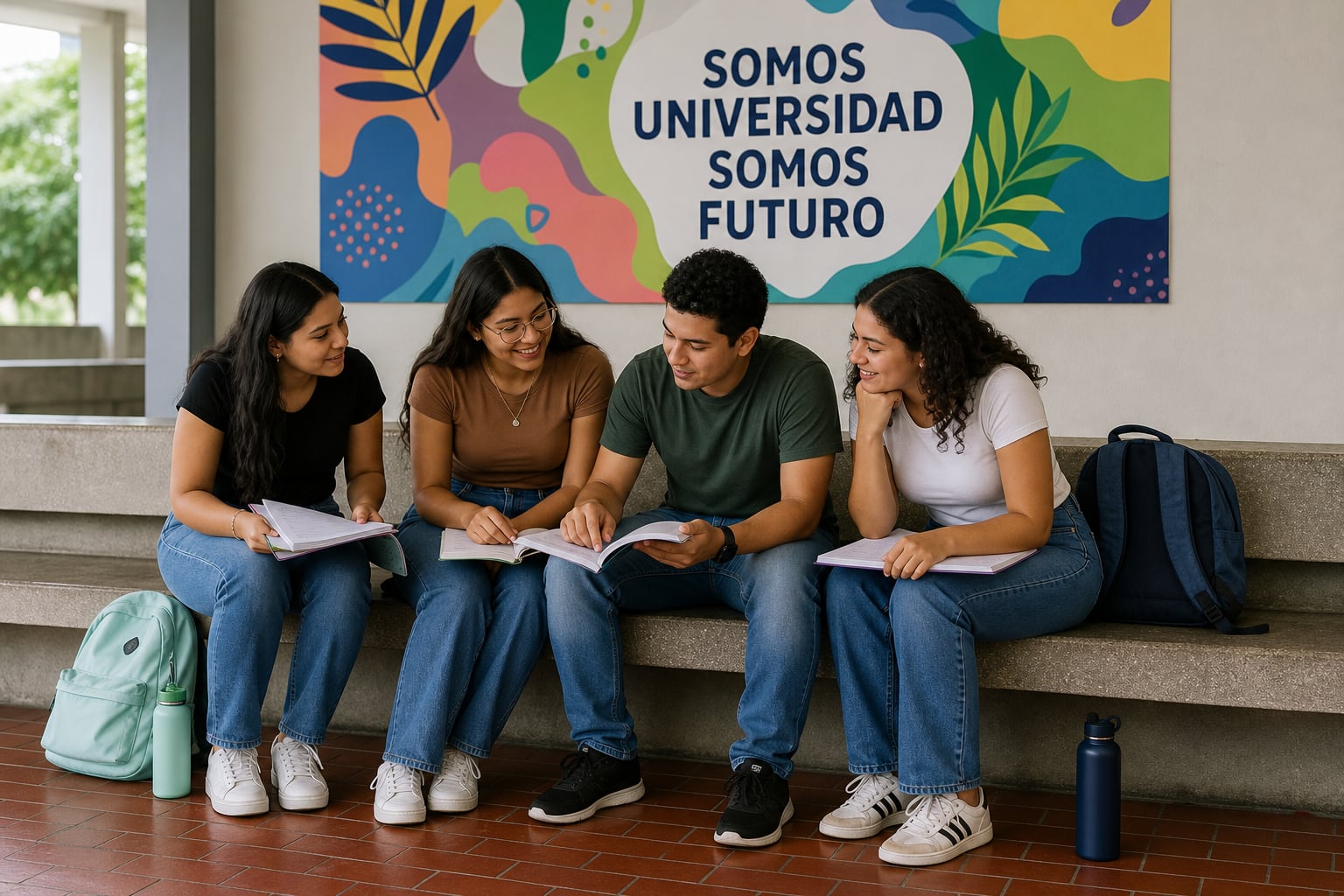
Los egresados de programas de licenciatura tuvieron una inserción laboral de 63,5%, y la cifra quedó por encima del 52,5% observado entre quienes completaron carreras técnicas.
También surgieron diferencias según la sede universitaria, los graduados del campus central alcanzaron una tasa de 72,1%.
En los Centros Regionales Universitarios y otras sedes, el indicador fue de 51,8%.
La distancia entre ambos grupos, de acuerdo con el informe, expone comportamientos distintos en la transición de los egresados hacia el empleo.
El área de Ciencias de la Salud presentó el mejor resultado entre las disciplinas evaluadas, con una tasa de 69,2%.
De acuerdo con el análisis universitario, las Ciencias Administrativas y Económicas quedaron en segundo lugar, con 63,8%. Se indica que ambas áreas superaron el promedio general de inserción registrado ese año.
Por su parte, las Ciencias Humanísticas y Sociales alcanzaron 60,2%, mientras que Ciencias Naturales y Tecnología obtuvo 59,3%.
Los datos, siempre según el análisis de la Universidad de Panamá, permiten observar que las posibilidades de incorporación laboral no son uniformes entre las distintas áreas de formación. El estudio plantea que estos resultados pueden servir para revisar la correspondencia entre la oferta académica y las necesidades del país.
Entre los factores identificados para fortalecer la empleabilidad figuran la actualización permanente de los planes de estudio y una mayor relación con las empresas y otros sectores productivos. El documento también menciona la ampliación de los programas de prácticas, el desarrollo de competencias digitales y habilidades blandas, y el impulso de servicios de orientación laboral para los egresados.
La investigación y la innovación con impacto social aparecen como otros componentes vinculados a una mayor preparación de los graduados frente a las demandas laborales.
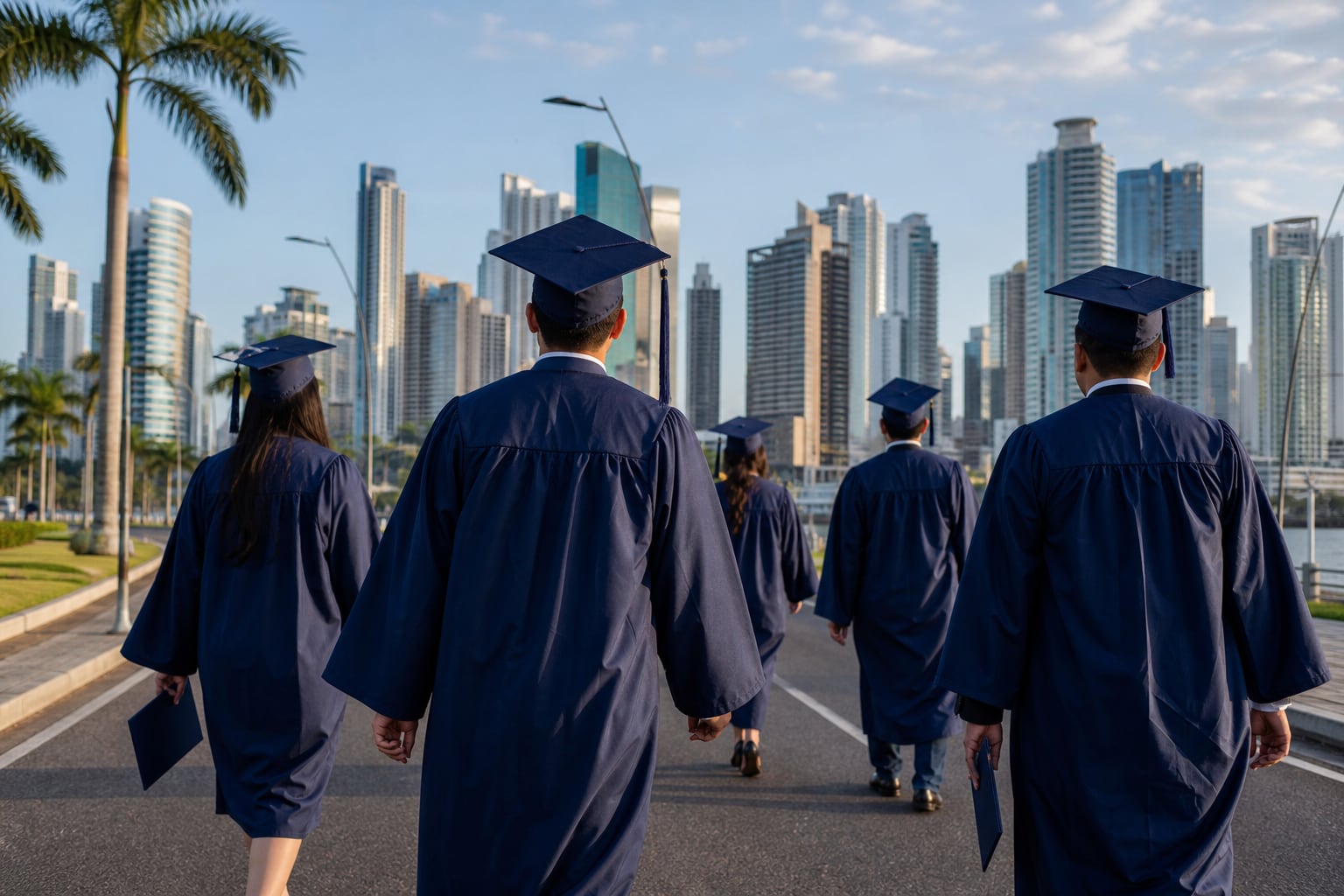
Los resultados del Observatorio Ocupacional ofrecen a la Universidad de Panamá una base para evaluar sus programas académicos, ampliar sus estrategias de acompañamiento y fortalecer los vínculos que faciliten la incorporación de sus profesionales al mercado de trabajo.
Los niveles más altos de inserción se registraron en 2017 (83.7%) y en 2022 (80.3%), tras la recuperación pospandemia.
La tendencia reciente refleja una desaceleración acorde con el comportamiento económico del país.
Al cierre del primer semestre de 2026 la Universidad de Panamá, también conocida como “la Universidad del pueblo”, informó que registró una matrícula de 84 mil estudiantes, cifra que de acuerdo con sus directivos se mantiene estable respecto al año anterior.
graduados,birrete,oficina,empleo










INTERNACIONAL
Transformación de hábitats y disponibilidad de alimentos favorecen concentración de cocodrilos en Panamá
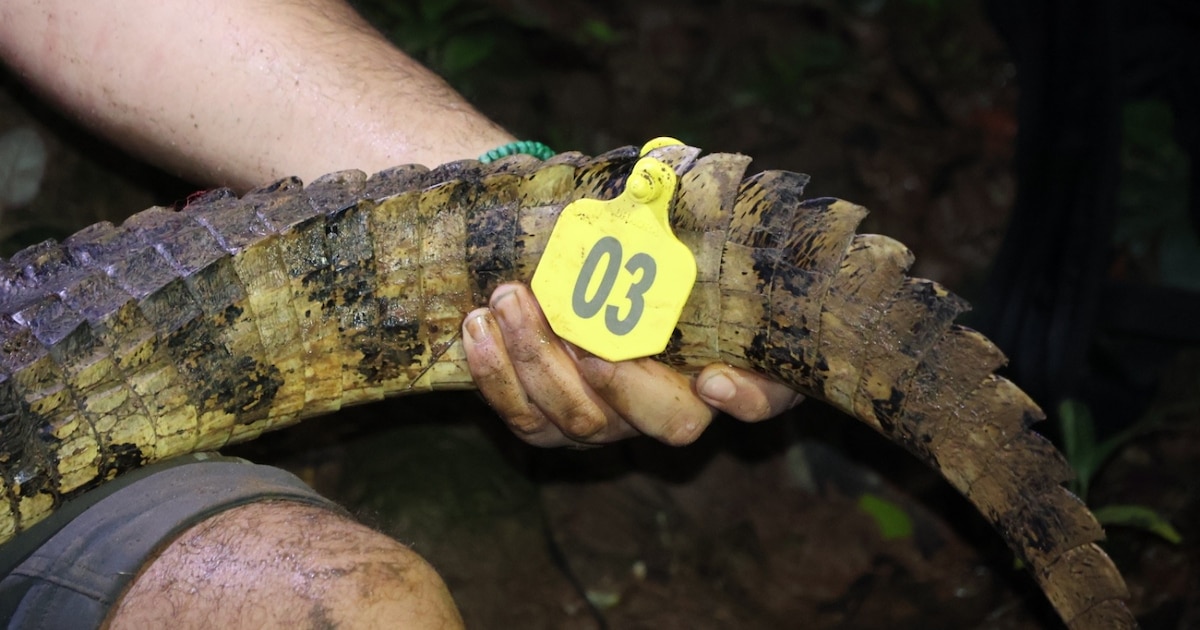
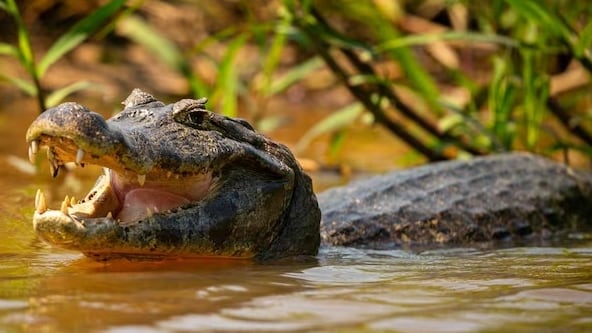
La presencia de cocodrilos en ríos panameños no responde a una sola causa ni puede explicarse únicamente por los avistamientos recientes.
La investigadora Miriam Venegas Anaya sostiene que las poblaciones fueron reducidas durante décadas por la cacería y que las medidas de protección modificaron ese escenario.
La especialista del Centro de Investigaciones Hidráulicas y Técnicas de la Universidad Tecnológica de Panamá indicó que la transformación de los hábitats y la oferta de alimento también contribuyen a que los reptiles se agrupen en sectores determinados.
La concentración de cocodrilos en áreas puntuales de Panamá está relacionada con la recuperación de sus poblaciones, la disponibilidad de comida y las condiciones creadas por la actividad humana.
La prevención requiere evitar que reciban alimento de manera directa o indirecta, controlar los residuos y reconocer las conductas que incrementan el riesgo de encuentros con estos animales.
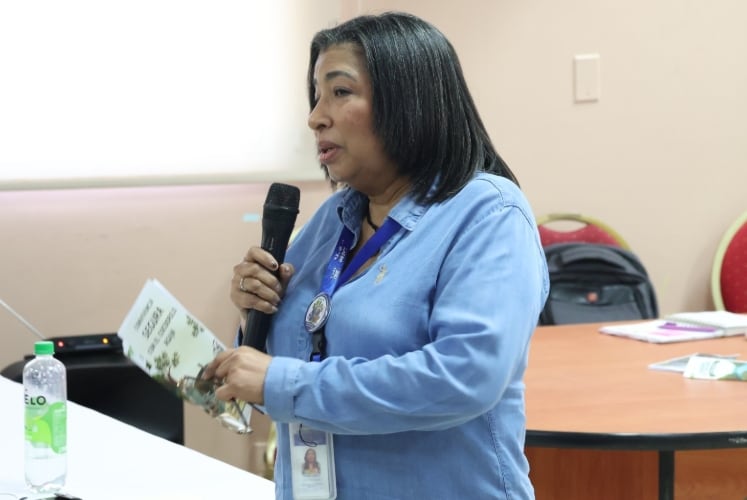
Venegas Anaya, conocida como la “doctora cocodrilo”, pidió a la población que no alimente a los ejemplares y que tampoco arroje al agua restos de pescado ni otros desperdicios orgánicos.
“Lo primero que hay que hacer es no alimentar a los cocodrilos. No limpiar los peces ni tirar los desechos al río”, explicó la investigadora.
La experta recomendó habilitar espacios apropiados para depositar los residuos y evitar la limpieza de peces cerca de los puertos.
Esas prácticas pueden convertir determinados puntos de los ríos en sitios donde los animales encuentran comida con facilidad.
La acumulación de materia orgánica también puede deteriorar las condiciones del agua y perjudicar a otras especies acuáticas.

Venegas Anaya advirtió que el problema no se limita a la presencia de reptiles en zonas de actividad humana.
“Si la gente sigue botando los desechos al río, va a contaminarse con materia orgánica y eso produciría la mortandad de peces, de larvas de peces y de camarones”, comentó.
El caso del puerto de Coquira puso el tema en discusión, luego de que un cocodrilo hiriera en una pierna a un pescador. Para la investigadora, la respuesta ante este tipo de episodios debe contemplar tanto al animal como las condiciones que favorecen su permanencia.
La especialista consideró que retirar ejemplares de un lugar no garantiza una solución si persisten los factores que los atraen. “Retirar a los animales sin resolver esas causas podría no solucionar el problema”, señaló.
El Protocolo de Contingencia para el Manejo de las Interacciones Negativas entre Cocodrilos y Seres Humanos prevé tareas de vigilancia, evaluación y seguimiento de los ejemplares que generan conflictos.
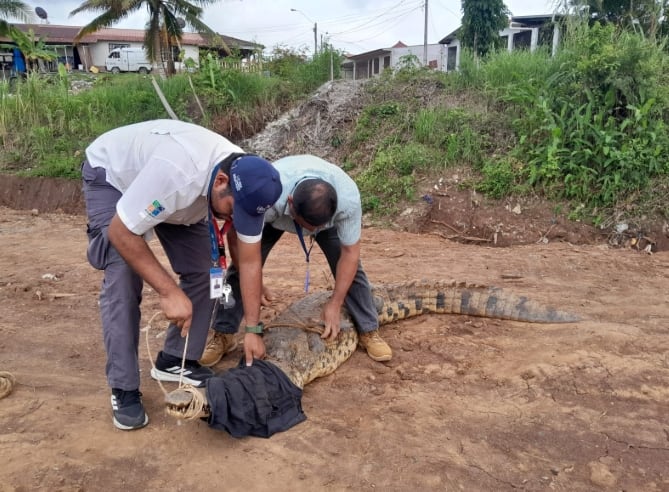
El documento también incorpora el control de las fuentes de alimentación que mantienen a los animales en ciertos sectores.
Los investigadores de la Universidad Tecnológica de Panamá realizan monitoreos en ríos de las principales cuencas del Pacífico panameño junto con el Ministerio de Ambiente de Panamá (MiAmbiente). El proyecto cuenta además con el apoyo de la Secretaría Nacional de Ciencia, Tecnología e Innovación (Senacyt).
Los resultados de ese trabajo están próximos a publicarse, según informó Venegas Anaya. Las observaciones muestran mayores concentraciones en ríos que cuentan con puertos pesqueros y en zonas próximas a instalaciones camaroneras.
El río Grande de Coclé figura entre los ejemplos relevados por el equipo científico. Allí identificaron 36 cocodrilos en un kilómetro de recorrido en el área de la desembocadura.
La disponibilidad de alimento en ese sector aparece vinculada con la cantidad de animales detectados. El registro permite dimensionar por qué el manejo de desperdicios se convirtió en uno de los ejes de las recomendaciones dirigidas a las comunidades.
Para MiAmbiente, los espacios de conversación con la población permiten explicar cómo se comporta la especie, reconocer situaciones que pueden derivar en incidentes y promover hábitos que reduzcan los conflictos con la fauna silvestre.
Un encuentro reciente reunió a estudiantes universitarios y a alumnos graduandos del Bachiller en Ciencias y Agropecuario del Instituto Profesional y Técnico México-Panamá. La actividad abordó medidas de prevención ante los incidentes ocurridos en la región de Chepo.
Durante la jornada se trataron las conductas que pueden aumentar el peligro, el destino correcto de los desechos derivados de la pesca y las medidas de mitigación que debe adoptar la población cuando hay reptiles en el entorno.
La directora regional de MiAmbiente en Panamá Este, Aida Magaña, remarcó la necesidad de trasladar la información científica a las comunidades y a los centros educativos. La funcionaria aludió a los contenidos que circulan en redes sociales y que pueden alimentar interpretaciones equivocadas sobre estos animales.
La directora nacional de Cultura Ambiental de la entidad, Zorayda Jiménez, planteó que la educación ambiental es una herramienta de prevención. “Conocer el comportamiento de la especie es clave para prevenir incidentes”, afirmó.
fauna silvestre,cocodrilo americano,aligátor americano
WARREN, Mich. — Neighbors remember the sound of church bells ringing on Sundays.
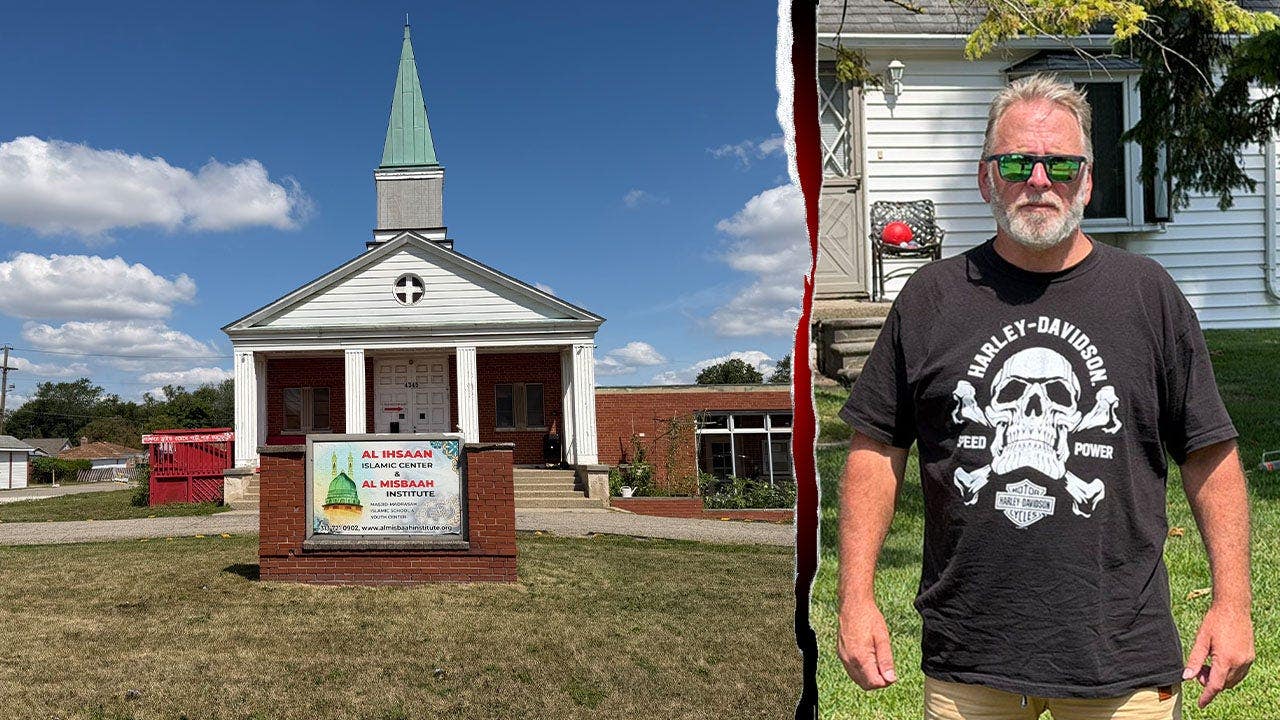
A brick building with two sharply sloped roofs and a steeple — a Lutheran church for more than 80 years — still stands, but the cross that once stood atop the steeple is gone. About six years ago, the property was sold and turned into the Al Ihsaan Islamic Center.
«They’ll turn anything into a mosque,» Justin Tye, 57, told Digital during a guided tour of his hometown, where the foreign-born Muslim population has grown significantly over the past decade.
TRUMP INAUGURATION PASTOR SAYS DEARBORN CHRISTIANS ‘AFRAID’ TO SPEAK OUT IN MUSLIM-MAJORITY CITY
Tye remembers the church as the centerpiece of his American suburb where local children would gather on the lawn to play pickup sports.
Lebanese, Iraqi and Syrian immigrants, mostly Chaldean Christians, began moving to the Detroit area in the early 20th century, after Henry Ford’s combustion engine drove demand for laborers in the newly-minted auto industry.
Warren, now the third-largest city in Michigan after Detroit and Grand Rapids, exploded almost overnight with the post-World War II auto manufacturing boom, as war veterans moved to the area to work for Ford and General Motors. The blue-collar, white-picket-fence community incorporated as a town in 1957.
After leaving Warren in his adulthood, Tye returned 13 years ago and purchased his childhood home. At that time, he says, it hadn’t changed dramatically.
Now, it’s much different.
TRUMP INAUGURATION PASTOR SAYS DEARBORN CHRISTIANS ‘AFRAID’ TO SPEAK OUT IN MUSLIM-MAJORITY CITY
Shortly after his return, foreign-born Muslims began flocking to the area.
Wars in the 1990s and 2000s led to a boom of Middle Eastern migrations, as America took in a growing Muslim refugee and immigrant population. Long-standing chain migration policies allowed family members to follow their relatives to the United States, and foreign immigrant visas have exploded in recent years.
This, Tye said, has been the story of Warren. But his town’s plight is overshadowed in the media by nearby Dearborn, a now Muslim-majority city that has garnered national and international attention.
Within a seven-mile radius of his neighborhood, there are now five mosques. Digital toured the area while Tye pointed them out.
An old industrial machinery business is now a mosque, as is a former Baptist church.
Tye pointed out a residential home that local Muslims sought to turn into a mosque before a bitter zoning battle, where the Warren City Council eventually decided against the change.
PASTOR UNLEASHES ON DEARBORN AS RELIGIOUS TENSIONS ERUPT AT CITY COUNCIL MEETING: ‘ENOUGH IS ENOUGH’
Tye and several neighbors interviewed by Digital feel like they’re being pushed out of their own hometown.
«It all started when they bought the mosque, roughly six years ago,» said Tye, standing on the street corner in front of Al Ihsaan alongside his longtime neighbor, Wendy Schneider.
«After Ramadan, they would have their [Eid al-Fitr] prayer service. It was unannounced. We didn’t know anything,» he continued. «All of a sudden, we were just woken up to 100-plus people behind the mosque, with an imam on a podium with big amplifier speakers, belting out his prayer service. So it woke up the whole neighborhood.»
Since that day, Tye says the neighborhood has turned to «chaos,» especially during Muslim holidays and weekly Friday afternoon prayers.
Schneider, noting that she requires frequent doctor appointments but doesn’t make plans to leave her home on Friday afternoons, when worshipers flood the neighborhood for Jummah prayers.
Both neighbors claim the roads have become more dangerous, accusing the town’s immigrant residents of driving erratically and claiming those who don’t speak English don’t fully understand the rules of the road.
«One thing that I’ve found is that the driving conditions around here are very dangerous, and especially on their Friday, I make no appointments,» Schneider said. «Because it’s too dangerous to try to leave my house.»
For the same reason, Tye didn’t renew his motorcycle license plates this year.
Michigan motor vehicle accident data shows that in 2010, the city had 3,607 crashes. In 2024, the last year for which the data was available, Warren had 4,086, a 13.3% increase. Nationwide trends show about an 11% increase in crashes during the same time period.
MICHIGAN SENATE RACE: EL-SAYED’S TIES TO EXTREMIST FUEL ANTISEMITISM CONCERNS AMONG JEWISH VOTERS
A third neighbor, who has lived in Warren since 1971 and who declined to be named, echoed to Digital that the influx has disrupted their way of life.
WATCH: EL-SAYED PRAISED ‘BEAUTIFUL’ SENSE OF COMMUNITY ABROAD WHILE TRASHING US AS ‘WHITE SUPREMACY’
«Seems like every restaurant that closes up — American restaurant — there’s a Muslim restaurant that opens up. I’ve seen four or five of them so far,» he said.
A fourth neighbor, who also asked not to be named, was born and raised in Warren in a home his family has owned since 1966. Like Tye, he left Warren but later returned. It’s been a decade since he came back.
«I’m normally laid back. Things don’t bother me,» he said. «But it’s like, this is my neighborhood and they’re just taking it over, and that’s what bothers me. And they don’t care.»
Tye said: «This whole neighborhood has been flipped in a decade — less than a decade — to Muslim. Sure enough, they’re nice, they wave and everything. But I go by their actions, and their actions aren’t nice.»
«Disrespecting the neighborhood, disrespecting the people who live here, parking in our driveways, blocking our driveways, parking on our lawns,» he continued, rattling off examples of how life has changed.
A local outlet ran a story in 2021 accusing residents of harassment of the Muslim worshipers during Eid-al-Fitr celebrations. «It’s like Christmas for us and to have people attack you on a holy day, it does hurt a little bit more,» worshiper Mubarak Mozeb told WDIV at the time. Others added that they didn’t feel welcome in the neighborhood.
Tye told Digital he’s never woken up his entire neighborhood with loudspeakers on Christmas.
Neighbors feel unsupported by local officials, including the Warren Police Department.
While some officers have expressed sympathy for their plight, the community members speculate that their hands are tied by city officials who value political correctness.
Tye said that Warren’s mayor, Lori Stone, refuses to speak with them.
«You never get to talk to Mayor Stone. You get to talk to her secretary, who’s a Muslim, who informed myself and my neighbors that we need to respect them because they’re Muslims,» he said.
«They will do absolutely nothing but gaslight you,» he said of the police and the city’s elected officials.
City hall and the Warren Police Department disputed these claims when reached by Digital.
In a statement, Stone claimed she wasn’t aware of any of the issues neighbors brought up in their interviews and insisted her administration «takes resident concerns seriously and works diligently to support the community by addressing issues and assisting with problem-solving.»
Stone also said the claims, relayed to her office by Digital, were «broad and lack sufficient information for the City to verify or investigate the alleged incidents.»
«To date, my office has not received the complaints or concerns outlined in your email, nor has the Warren Police Department provided any updates indicating problems related to the matters you describe,» the response notes.
The Warren Police Department addressed several incidents relayed to them, claiming it «takes all quality-of-life concerns, including parking and noise complaints, seriously, regardless of where they originate.» It said the last incident they responded to was in March.
«In previous years when officers responded to calls in the area, they consistently found that while vehicle volume can be high, all vehicles were legally parked,» the statement continued. «In the past, noise complaints associated with the area were primarily reported during the daytime, which fall outside the restrictions of the city’s general noise ordinances.»
The department added that it has not received any directives from city hall to exempt any areas of the city from law enforcement.
Stone’s office did not return a follow-up comment request. The Al Ihsaan Islamic Center did not return Digital’s request for comment.
politics, michigan, islam, immigration, culture opinion
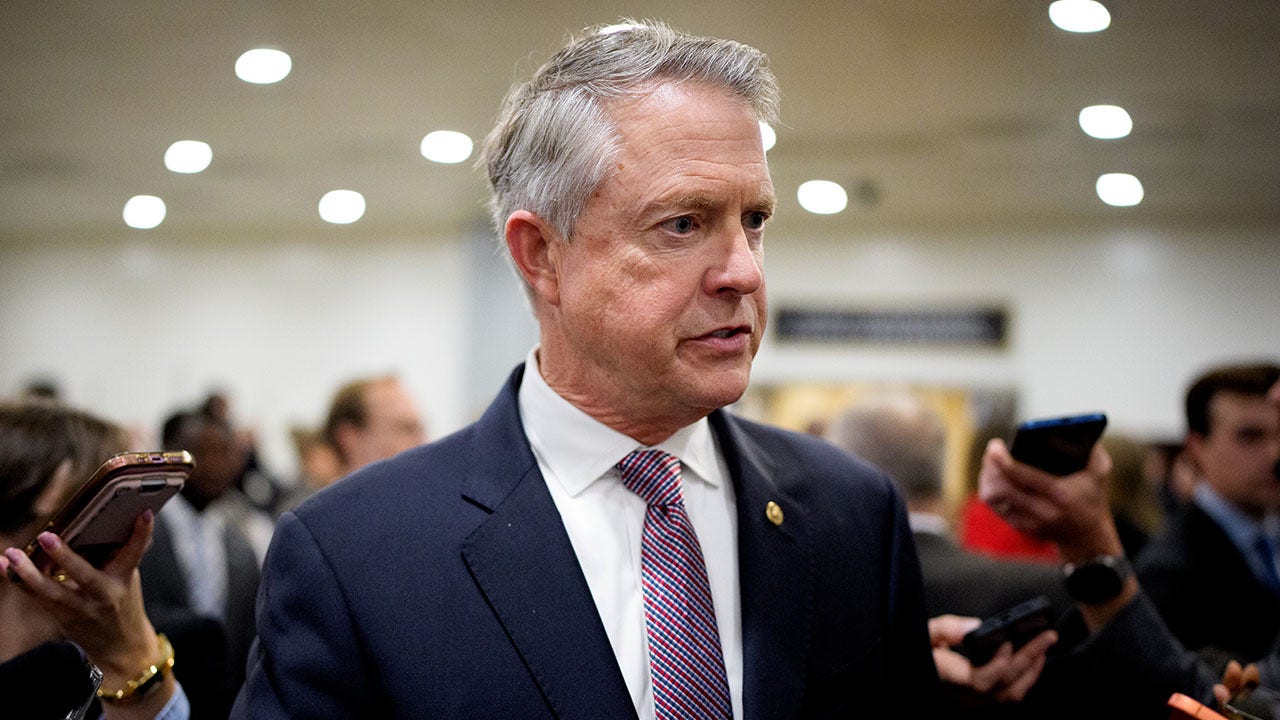
A Republican senator running in a tightening race in ruby-red Kansas argued that an explosive report detailing allegations of hundreds of lawsuits against his former patients was a political «hit job» planted by top Democrats.
Sen. Roger Marshall, R-Kan., told Digital that a report from The New York Times that detailed hundreds of lawsuits against patients of his former OB-GYN practice over missed medical bills, some of which ended in arrests, was a political attack planted by Senate Minority Leader Chuck Schumer, D-N.Y.
«I think that Kansans look at a story like this and realize it’s from something like the National Enquirer, that this is totally a hit job by left media, an article paid for by Chuck Schumer,» Marshall said during an interview at the Republican National Committee midterm convention in Dallas.
BIG MONEY PROPELS DEM MEGACHURCH PASTOR TO VICTORY IN LONGSHOT KANSAS SENATE BID
Marshall was one of the founding partners of the Great Bend Regional Hospital and had his own OB-GYN practice called the Heartland Regional OB-GYN before winning his first bid for Congress in 2016.
During that time, and even after he was in office, the report alleged that Marshall and his lawyers filed lawsuits against more than 700 patients with outstanding medical bills and charged patients an 18% annual interest rate.
Of those, 81 patients were arrested for missing court dates, The New York Times reported, and the outlet interviewed some of those who were arrested.
«I would never want anyone to be arrested because of money that they owe myself or the hospital,» Marshall said. «But we had standard policies. Once they went to collections, I was never asked another — had nothing else to do with the process. These were professional companies that did the collection processes.»
Marshall noted that as one of the few doctors who accepted Medicaid in the area, many of his patients would travel from other cities to see him.
He said that typically it would be nine months to a year before a collection agency was considered, and when that became an option, they would turn to the «same collection agency that most every other doctor and hospital in the region did as well. They were all standard practices.»
‘WHY WOULD HE DO THIS TO US?’: ONE CRUCIAL TRUMP DECISION IS HURTING HIS BASE, REPUBLICANS WARN
«My golden rule with my office manager is, look, if a person’s making a payment of $5 a month, that’s fine,» Marshall said. «As long as you’re communicating, make an effort, if they miss one, just communicate with us.»
«So only a very small, small, small fraction of the unpaid bills even went to collections,» he continued. «But once it left our office’s hand, we had nothing to do with any further decisions.»
The report comes as Marshall is running for a second term in the Senate. He’s facing Adam Hamilton, the Democratic nominee and a megachurch pastor who led the largest United Methodist congregation in the country.
Tyson Brody, a spokesperson for Hamilton’s campaign, told Digital, «Roger Marshall’s own lawyer said Roger Marshall specifically requested an 18% interest rate, 50% higher than the statutory rate in Kansas.»
«Roger Marshall’s own lawyer said Roger Marshall allowed him to seek warrants, arrests, and garnishments of new and expecting mothers,» Brody said. «One woman said she requested a payment plan but was pressed to pay in full and another reported she was arrested while struggling with payments.»
GOP SENATOR ACCUSES NYT OF SITTING ON BOMBSHELL ALLEGATION TO PROTECT SCHUMER, DEMS
«Senator Marshall should explain why he sued a woman who claimed he was charging her for his own mistakes, and why he had patients jailed for as little as $115,» he continued.
Though Kansas is favored to stay in the GOP’s control, Vice President JD Vance, one of the Trump administration’s most valuable surrogates on the campaign trail this cycle, stumped for Marshall last week. While Vance lauded Marshall as a valued ally to President Donald Trump and instrumental in implementing his agenda, he was interrupted by a protester who referred to The New York Times’ report.
«Now, this guy, this guy, I’m telling you, ladies and gentlemen, here’s what happened is he decided to come in and lie about my very dear friend Doc Marshall, because the reality is that Doc Marshall has stood up for everyday Americans every single day he’s been in the United States Senate,» Vance said.
But back in Dallas before the Vance event, Marshall maintained that his office’s practices were above board, and questioned The New York Times’ characterization of what happened.
«Look, I’m not even gonna give The New York Times the honor of me reading their article. But I just think that I trust our judges a lot more than what they’re describing there,» Marshall said. «Our judges wouldn’t do what they’re describing in that article. There had to be something else going on.»
«So it’s just amazing to me. Here, I’m the only OB-GYN in the middle of 60,000 people on call every night,» he continued. «I didn’t get a night off for 30 years darn near. And take so many people we gave pre-care to and there’s so many bills that we just wrote off as well. So I just think this is very much a mischaracterization of the whole process.»
politics, midterm elections, kansas, chuck schumer, health

El proyecto kicillofista para la reelección de intendentes permanece sin avance en una comisión del Senado provincial

Diputados: el oficialismo busca bajar la tensión por Discapacidad mientras avanzan los dictámenes

La China Suárez celebró un momento especial de Amancio junto a Mauro Icardi y Benjamín Vicuña tuvo una inesperada reacción

Una de las sagas más bizarras y gamberras regresa por todo lo alto: nuevo juego, anime y película en live-action

Transformación de hábitats y disponibilidad de alimentos favorecen concentración de cocodrilos en Panamá

Valentina Bassi advirtió por el impacto de los cambios en discapacidad: “Cada obra social va a poder fijar qué terapias aceptar”

La Justicia confirmó las fechas de los juicios contra Cristina y Máximo Kirchner por las causas Los Sauces y Hotesur

"Atendiendo a los kukas mentirosos": el presidente Javier Milei opinó sobre las reservas en el oro del Banco Central

Tras los cruces por Discapacidad, Javier Milei y Patricia Bullrich se reencuentran en la reunión de Gabinete para delinear la agenda legislativa

Provocativo gesto de Patricia Bullrich: publicó un video con una canción de Lali Espósito tras sus críticas al interior del Gobierno

 POLITICA2 días ago
La Justicia confirmó las fechas de los juicios contra Cristina y Máximo Kirchner por las causas Los Sauces y Hotesur
- ECONOMIA3 días ago
"Atendiendo a los kukas mentirosos": el presidente Javier Milei opinó sobre las reservas en el oro del Banco Central
- POLITICA1 día ago
Tras los cruces por Discapacidad, Javier Milei y Patricia Bullrich se reencuentran en la reunión de Gabinete para delinear la agenda legislativa