INTERNACIONAL
Cruz says winning AI race against China is ‘single most important economic question’ for America

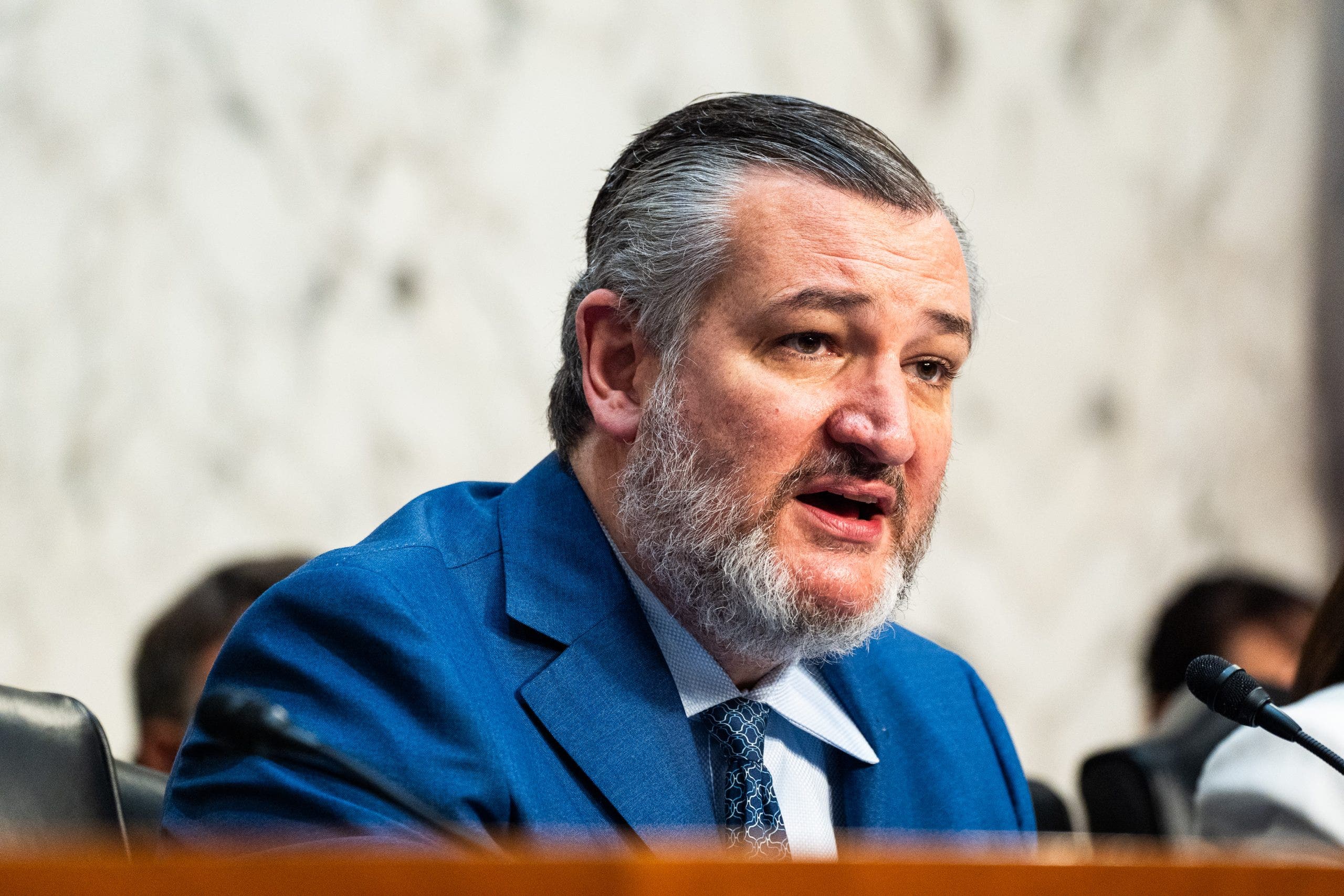
America’s AI race against China, which has become a major point of debate as midterms approach, is a race filled with «coordinated» propaganda, warned Sen. Ted Cruz, R-Texas.
In recent months, data centers and AI policy have been debated in Congress and at the kitchen tables of American families. But Cruz, who chairs the Senate Commerce Committee, told Digital that much of the new opposition to data centers is being manipulated by a well-funded and coordinated campaign.
«It’s the same reason we saw Middle Eastern countries paying for anti-fracking movements,» Cruz said. «Because if they can convince America, ‘Don’t develop your oil and gas, just buy it from us,’ well, that’s great for them and terrible for us. The same is true on data centers. If they can convince Americans, ‘You don’t want data centers here, you want to just rely on the Chinese for AI,’ that’s great for China, and it’s terrible for America.»
CHINA EXPERT WARNS BEIJING WANTS AMERICANS — NOT THE CCP — TO SPREAD ITS MESSAGE
Direct funding from the Chinese government into the U.S. on data center policies has not been revealed. However, in June, OpenAI announced it had banned ChatGPT accounts believed to have originated in China, and said that the accounts were generating social media comments and images alleging that data centers are raising electricity costs for Americans.
OpenAI said in a statement that it shut down «two clusters of ChatGPT accounts likely originating from China that [OpenAI] banned after they used our models in support of apparent covert influence operations that promoted narratives in an attempt to manipulate a legitimate debate about American AI and wider tech policies.»
Cruz called the effort to craft policy to ensure the U.S. wins the AI race is «the single most important economic question facing America today.»
INSIDE THE FAR-LEFT’S ANTI-DATA CENTER PUSH AND WHAT EXPERTS SAY IS DRIVING IT: ‘PLAYBOOK WE’VE SEEN BEFORE’
«If China wins, AI will be focused on espionage and propaganda and control and surveillance, because that’s the Chinese Communist Party,» Cruz said. «It will be their values. They will use AI to try to control you. If America wins, I want American values to be reflected in AI. I want free speech and individualism and free enterprise and privacy to be reflected in AI, not control and power.»
Cruz called opposition to AI advancement and data centers the «dominant position on the Democratic side.» The third-term Republican said the Democrats’ position is aligned with that of big industry players including Anthropic that he said want exemption from antitrust laws and to «get in bed with government» to control AI development.
THE HIDDEN LEFT-WING NETWORK POWERING A ‘CONSERVATIVE’ REBELLION AGAINST A MAJOR TRUMP PRIORITY
Cruz associated this position with leftist ideology and the emerging tech philosophy known as «effective altruism.»
«These folks from effective altruism are all hardcore leftists, and they want to use AI to push their leftist ideology,» Cruz said. «Part of what we’re seeing is a money grab, where there’s an old concept in economics called rent seeking, which is big companies typically go to government and say, ‘Give me a benefit, entrench me.’ We’re seeing the giant AI companies going to government saying, ‘Hey, why don’t you put us in charge of government and let’s set the rules so no one could compete with us.’»
Parker Thayer, an investigative researcher at Capital Research Center in Washington, D.C., told Digital last week that effective altruism is associated with what he called the «AI doomerism movement.»
Facebook co-founder and billionaire Democratic mega-donor Dustin Moskovitz and his wife Cari Tuna have been leading financial backers of organizations associated with the effective altruism movement. Moskovitz left Facebook in 2008.
The couple founded Coefficient Giving, formerly known as Open Philanthropy, and remains its «main funders,» according to the organization. Tuna serves as its president.
Coefficient Giving says its artificial intelligence work has expanded rapidly, with $168 million committed to AI safety, security and field-building in 2024 and $351 million in 2025. The organization says it is on track to commit more than $1 billion to AI policy advocacy in 2026.
In a 2021 grant application description, the organization said it seeks «to fund programs and events in a variety of areas of interest to Coefficient Giving — including effective altruism, global catastrophic risks, biosecurity, AI for epistemics, forecasting, and other areas.»
In 2015, Coefficient Giving launched «Project Tailwind,» an initiative where the Moskovitz-funded organization issued a «call for founders to launch ambitious AI safety initiatives.»
politics, ted cruz, technology, artificial intelligence, big tech backlash, congress










INTERNACIONAL
She grew up under Soviet rule; now the EU’s top diplomat, she warns Europe against giving Russia what it wants
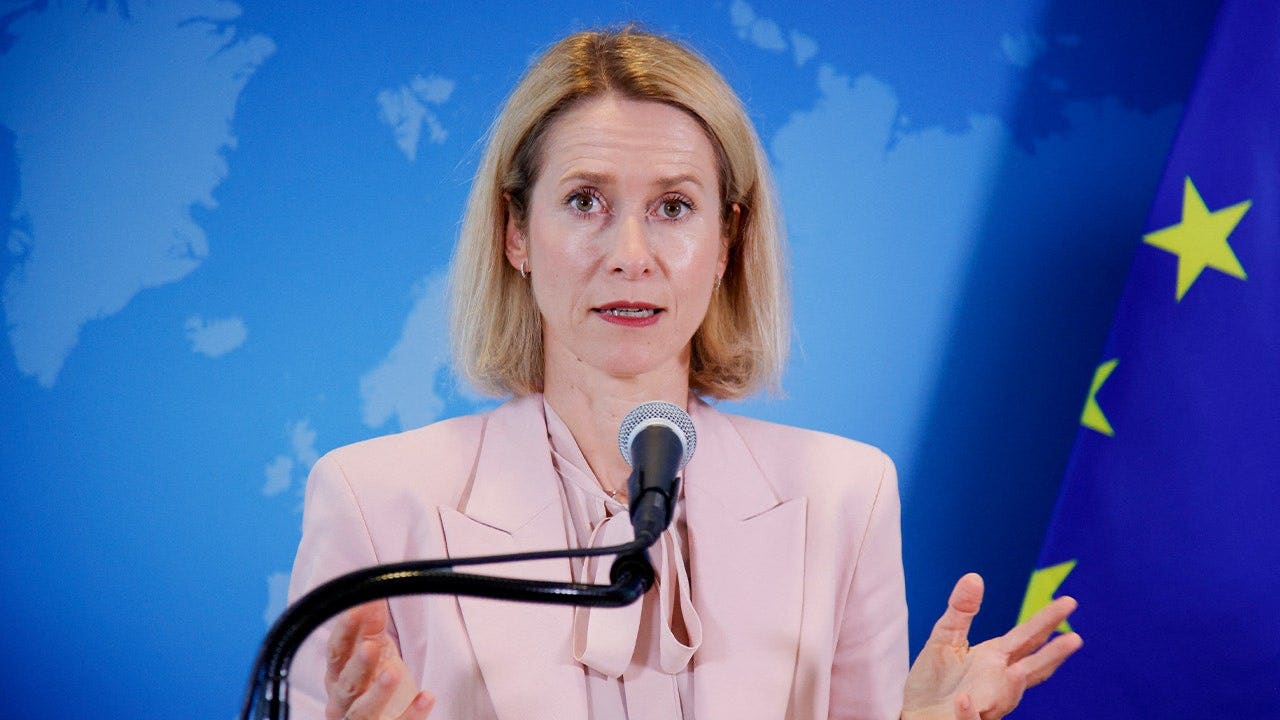
NEW YORK — Russia is trying to scare Europe into backing off its defense in the region, European Union’s top diplomat, Kaja Kallas, claims, warning it will only lead to Moscow becoming more aggressive if it succeeds.
«Their goal is to intimidate us from not supporting Ukraine, from refraining to support them and pressuring Russia,» Kallas told Digital in an interview on the sidelines of the U.N. General Assembly.
«What is important for us is that we are not afraid,» she continued. «Because, otherwise, this kind of intimidation actually pays off, and then we will see more of it across the world.»
For Kallas, Russia’s attempts to intimidate its European neighbors carry a history that reaches well beyond the war in Ukraine.
FRONTLINE NATO ALLY SHARES SHOCKING TAKE ON RUSSIAN INVASION THREAT
Her mother, Kristi, was just six months old in 1949 when Soviet authorities deported her — along with her mother and her grandmother — to Siberia during Stalin’s mass deportations from the Baltic States. Kallas’ maternal grandfather was separately sent to a Siberian prison camp.
Kallas has recounted how her mother was transported east in a cattle car with fellow deportees drying the infant’s diapers against their own bodies during the freezing journey. The family spent roughly a decade in Siberia before being allowed to return to Soviet-occupied Estonia in 1959.
Kallas was born in Tallinn in 1977 and spent the first 14 years of her life under Soviet rule. Estonia restored its independence in 1991 as the Soviet Union collapsed.
Her family would go on to become deeply entwined with the new democratic Estonia. Her father, Siim Kallas, became the first president of the Bank of Estonia after gaining its independence, later serving as foreign minister and prime minister before moving to Brussels as a European commissioner.
Kaja Kallas followed her own path from lawyer to member of Estonia’s parliament and then the European Parliament.
In 2021, she became Estonia’s first female prime minister and three years later was chosen as the European Union’s high representative for foreign affairs and security policy. It was a historic moment putting a politician who grew up under Soviet occupation at the center of Europe’s response to Russian aggression on the continent.
That history has made Kallas one of Europe’s most prominent voices on Moscow even as officials in her native Estonia and elsewhere along NATO’s eastern flank now caution against interpreting Russia’s recent provocations as preparations for a conventional invasion.
Russia invaded Ukraine more than 4½ years ago and shows no signs of backing off despite repeated promises that negotiations for an end to the war are ongoing.
Asked whether she agreed with Estonian and other Baltic officials who say they do not see Russia preparing for such an attack, Kallas instead pointed to Moscow’s growing use of sabotage and the importance of deterrence.
«We see that Russia is actually increasing their sabotage acts in Europe,» Kallas said. «But, of course, how far they will go depends very much on us and whether we are investing enough in defense so that it acts as a deterrent.»
The debate comes as NATO countries confront a string of Russian aircraft and drone incursions, along with suspected sabotage and other hybrid activity across Europe. The incidents have fueled warnings in some European capitals that Moscow is probing the alliance for weaknesses, while officials closer to Russia have cautioned against equating those provocations with preparations for an invasion.
US ALLIES NEED TO SHOOT DOWN RUSSIAN AIRCRAFT TESTING NATO BOUNDARIES, CZECH PRESIDENT WARNS
Estonian Foreign Minister Margus Tsahkna told Digital in a separate interview this week that his country’s intelligence services see no indication Russia is preparing for a full-scale attack on NATO.
«We have more and more this kind of panic in Europe that Russia will invade and will be full-scale aggressive against NATO and Europe and the Baltic States, Poland, but we don’t see it,» Tsahkna said. «Our intelligence, we see very, very deep into Russia. We don’t see any change.»
Kallas, however, argued that Moscow’s actions are designed to weaken Western support for Ukraine rather than simply test NATO’s defenses.
«Their goal is to intimidate us from not supporting Ukraine, from refraining to support them and pressuring Russia,» she said.
The pressure campaign comes as Washington continues its push for a negotiated end to the war. Kallas said Moscow has yet to demonstrate that it is serious about reaching one.
«They should start with stopping bombing the civilians,» she said, pointing to recent Russian attacks on Kyiv. «If they are serious about this, they should agree to a ceasefire, sit down at the negotiation table and talk to the Ukrainians.»
Kallas said Ukraine has already agreed to an unconditional ceasefire while «Russia is just playing games,» arguing that coordinated pressure from Washington and its European allies could change Moscow’s calculations.
«If America, Europe, U.K. (and) other strong players are all acting together in the same way to put in the sanctions, then actually we could have the effect that Russia understands that this is serious, and they will sit down and negotiate,» she said.
europe, russia, ukraine, foreign affairs, nato, politics
INTERNACIONAL
El secretario de Defensa británico dijo que el Reino Unido está preparado para defender militarmente las Malvinas
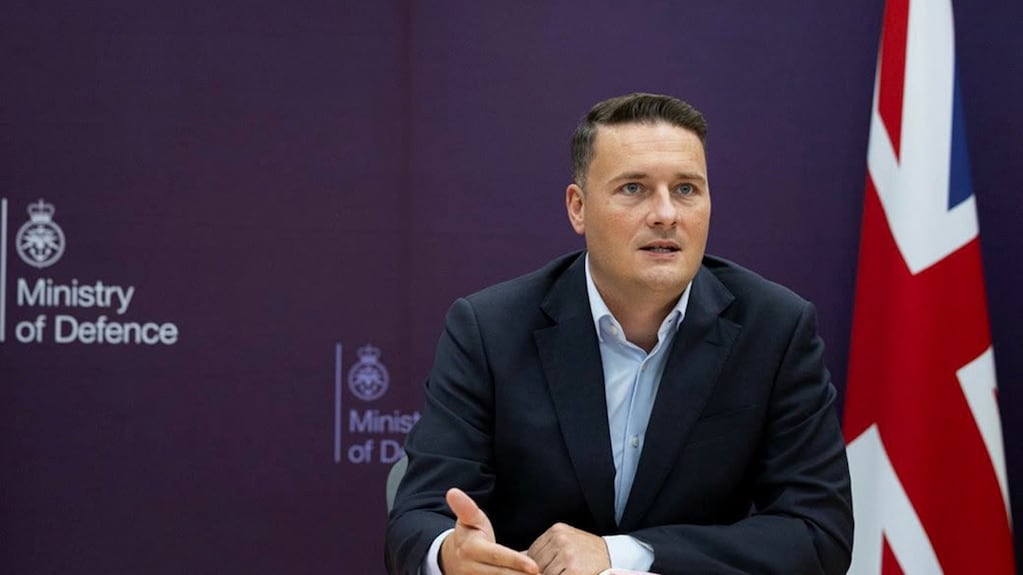
El secretario de Defensa del Reino Unido, Wes Streeting, afirmó que su país está preparado para defender militarmente las Islas Malvinas en caso de un ataque y sostuvo que la Argentina no cuenta con la capacidad necesaria para tomar el archipiélago.
En una entrevista con el diario británico The Sun, Streeting fue consultado específicamente sobre la posibilidad de que el Reino Unido tuviera que enviar tropas para defender las Malvinas ante un eventual ataque argentino. El funcionario respondió de manera afirmativa.
“Esto no es 1982. Los argentinos no tienen la capacidad de tomar las Islas Malvinas. Nosotros tenemos la capacidad de defender las Islas Malvinas”, dijo.
Consultado directamente sobre si el Reino Unido podría proteger militarmente las islas en caso de que la Argentina enviara buques de guerra, Streeting respondió: “Sí”.
El funcionario también cuestionó al presidente Javier Milei por sus reclamos de soberanía sobre el archipiélago y acusó al mandatario de repetir una “misma propaganda falsa”.
“Lo que hemos visto del presidente de la Argentina es lo mismo que escuchamos de los argentinos año tras año: quejarse por las Malvinas, decir que son suyas”, afirmó.
Streeting sostuvo además que la disputa quedó resuelta tras la guerra de 1982 y defendió la posición británica sobre los habitantes de las islas.
“Esta cuestión se resolvió en 1982 y sigue siendo la voluntad de los habitantes de las Malvinas, la abrumadora mayoría de los cuales, como saben, elige ser británica”, afirmó. Y agregó: “Nosotros apoyamos a las Malvinas”.
La Argentina, en cambio, sostiene que las Islas Malvinas, Georgias del Sur y Sandwich del Sur y los espacios marítimos circundantes forman parte de su territorio y reclama al Reino Unido la reanudación de las negociaciones para resolver la disputa de soberanía.
Buenos Aires también considera que la guerra de 1982 no modificó la naturaleza de la disputa y mantiene su reclamo por la soberanía de las islas. En las últimas semanas, además, ambos países volvieron a cruzarse por las actividades vinculadas con la explotación de recursos naturales en las aguas circundantes.
malvinas
INTERNACIONAL
Tres dominicanos quedan en detención provisional por presunta trata de panameños con destino a Rusia

Tres ciudadanos dominicanos, dos hombres y una mujer, quedaron bajo detención provisional en Panamá por su presunta vinculación con una red que captaba personas para viajar a Rusia.
La investigación examina posibles delitos de trata de personas y asociación ilícita relacionados con trabajos forzados con fines militares.
La medida fue ordenada por el juez de garantías Luis Ceballos, tras una audiencia en la que se legalizaron las aprehensiones y se formularon cargos. La Fiscalía Superior Especializada contra la Delincuencia Organizada solicitó mantener a los tres imputados detenidos mientras avanzan las investigaciones.
Según el Ministerio Público, el expediente guarda relación con hechos en perjuicio de dos ciudadanos panameños, quienes habrían sido reclutados mediante redes sociales.
El comunicado oficial sitúa el inicio de estas pesquisas en septiembre de 2026 y señala como destino de la presunta explotación a la Federación Rusa.
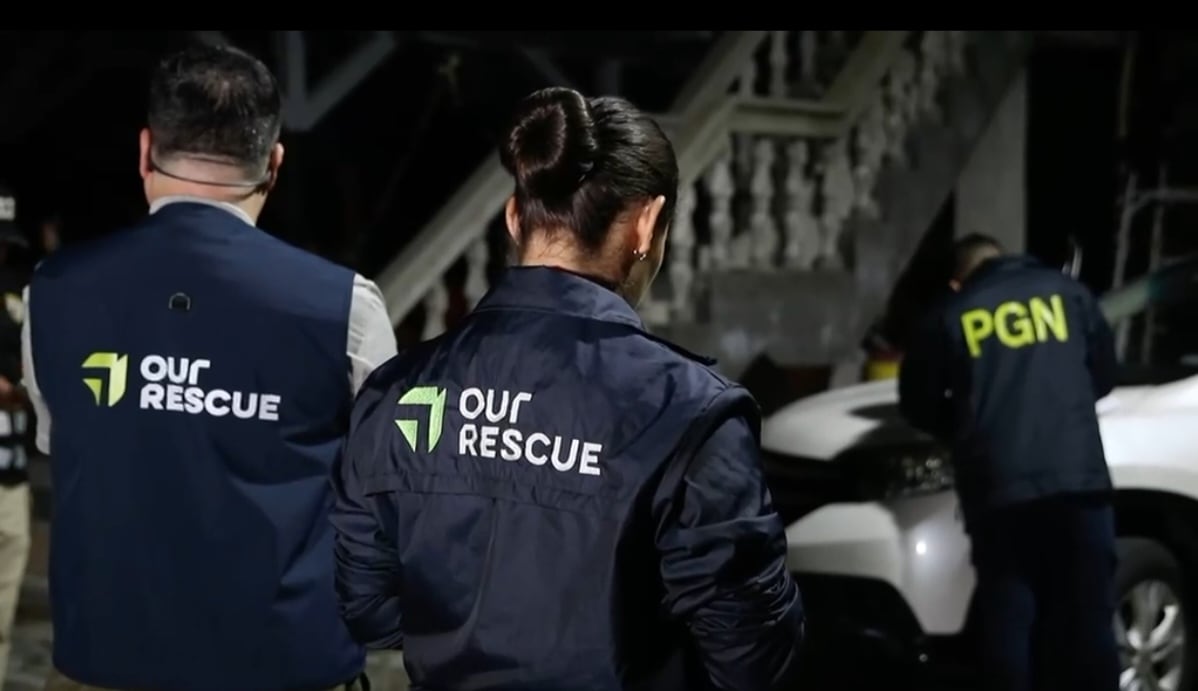
Los sospechosos fueron aprehendidos el 24 de septiembre durante diligencias de registro y allanamiento en el corregimiento de la 24 de Diciembre, en Panamá Este. Las actuaciones permitieron incorporar elementos a una investigación que busca establecer cómo operaba la presunta estructura y qué funciones desempeñaban las personas señaladas.
Durante la audiencia, la Fiscalía expuso que los investigados estarían relacionados con transferencias superiores a $800 mil utilizadas para facilitar el reclutamiento. Entre los movimientos mencionados figuran envíos desde Colombia, cuyo origen y destino forman parte de las pesquisas sobre el financiamiento de los viajes y otros gastos asociados.
La hipótesis fiscal describe un mecanismo de captación mediante ofertas difundidas en TikTok, dirigidas a personas interesadas en obtener ingresos.
Los reclutadores presuntamente ofrecían apoyo para gestionar pasaportes y boletos aéreos, además de organizar el traslado hacia la capital de ciudadanos procedentes de Bocas del Toro, según las versiones periodísticas.
Como parte de ese procedimiento, algunas personas habrían permanecido en un establecimiento de hospedaje mientras se completaban los trámites.

La Fiscalía sostuvo que desde ese lugar se coordinaban pagos y desplazamientos necesarios para preparar la salida del país, bajo la promesa de conseguir trabajo remunerado en el territorio ruso.
Dos de los afectados abandonaron el alojamiento y contactaron a la Policía, después de sospechar que podrían ser víctimas de explotación, según lo expuesto en la audiencia. Sus relatos contribuyeron a reconstruir la forma de captación y las gestiones realizadas antes de concretar el viaje al extranjero.
Otro testimonio citado corresponde a un panameño que sí viajó a Rusia y aseguró no haber recibido los $2,000 prometidos. De acuerdo con la información presentada, solicitó apoyo a la Cancillería para regresar.
Su experiencia fue incorporada para examinar las condiciones reales que enfrentaban las personas reclutadas.
Los investigadores también realizaron inspecciones en entidades bancarias los días 16 y 18 de septiembre para recabar información financiera. Durante las aprehensiones se encontraron tarjetas y un teléfono celular, elementos que podrían ayudar a esclarecer los pagos y los contactos vinculados con la operación investigada.
La defensa cuestionó la detención provisional y sostuvo que la investigación todavía se encontraba en una etapa incipiente.
También alegó que la Fiscalía no había demostrado la existencia de una red criminal dedicada a la explotación laboral y consideró excesiva la medida solicitada contra sus tres representados.
El juez acogió la petición fiscal y consideró la privación provisional de libertad idónea, proporcional y necesaria, según el comunicado oficial. Con estas decisiones, los reportes sobre el caso sitúan en seis el número de personas imputadas y detenidas por investigaciones relacionadas con el presunto reclutamiento.
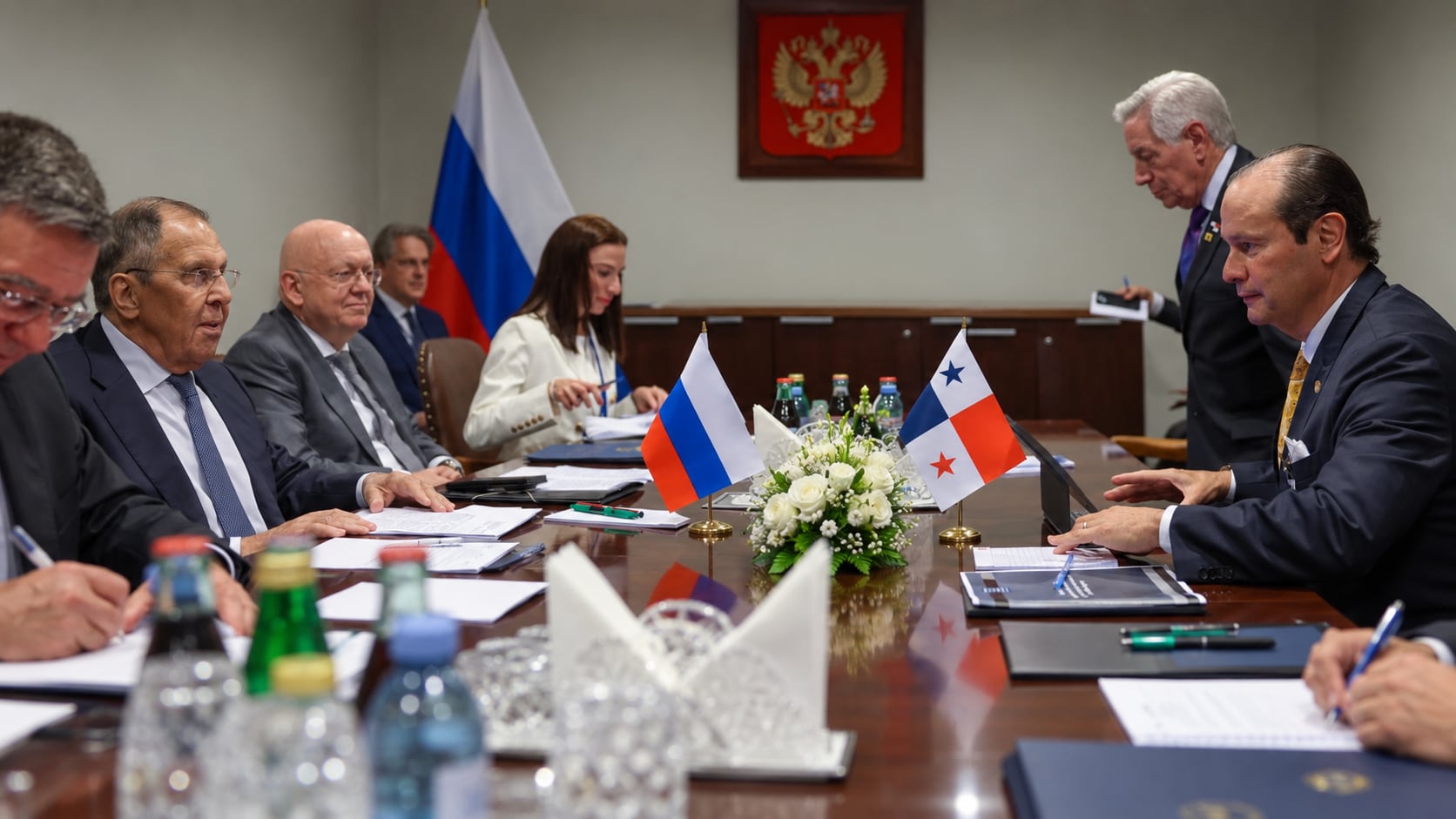
El avance judicial coincide con las gestiones diplomáticas de Panamá para facilitar el regreso de nacionales vinculados a la guerra. En Nueva York, el canciller Javier Martínez-Acha planteó el asunto a su homólogo ruso, Serguéi Lavrov, quien indicó que las solicitudes serían examinadas caso por caso.
Ambos gobiernos acordaron mantener abiertos los canales diplomáticos para dar seguimiento a las solicitudes de retorno mientras en Panamá la Fiscalía continúa reuniendo elementos para determinar las responsabilidades individuales de los investigados.
Las autoridades identificaron 30 panameños potencialmente vinculados a la guerra en Rusia y Ucrania, mientras reportes no confirmados elevan a 60 la posible cifra, sin verificación oficial.
Con estas tres detenciones, asciende a seis el número de personas detenidas en Panamá por su presunta vinculación con el reclutamiento de ciudadanos para participar en la guerra entre Rusia y Ucrania. Las investigaciones del Ministerio Público buscan determinar cómo operaban las redes de captación y establecer las responsabilidades de los implicados.
prisión,detención,presos,barrotes

She grew up under Soviet rule; now the EU’s top diplomat, she warns Europe against giving Russia what it wants

El universo de Code Geass se expande con una nueva historia. Star Chaser Aspal presenta su primer tráiler y apunta a 2027

Rematan departamentos sin herederos y oficinas en CABA: dónde están, cómo son y cuál es el precio inicial

Mica Viciconte recordó el insólito momento que vivió con Fabián Cubero la primera vez que tuvieron intimidad: “¿Te elongo?”

El secretario de Defensa británico dijo que el Reino Unido está preparado para defender militarmente las Malvinas

El conflicto por discapacidad lesionó el vínculo del Gobierno con el PRO y se dilatan los planes electorales

La pobreza subió al 32,3% en el primer semestre del año y afectó a 15,5 millones de personas

Ex-Democrat shares abortion pill experience that left her ‘hemorrhaging in the bath’

Fue un polémico participante de Gran Hermano, tuvo varios escándalos con una ex y se separó de su nueva novia a 2 años en medio de rumores de infidelidad

Luck Ra apuntó contra Tiago PZK por su romance con La Joaqui: “Fuimos muy amigos y obviamente duele”

 ECONOMIA2 días ago
La pobreza subió al 32,3% en el primer semestre del año y afectó a 15,5 millones de personas
- CHIMENTOS2 días ago
El gesto de Moria Casán con el embajador de Noruega tras viralizarse el video con sus icónicas frases
- POLITICA2 días ago
Gira por New York: Milei se reunirá con Netanyahu y disertará en el Club Económico antes de regresar a Buenos Aires