INTERNACIONAL
El Niño aumenta la presión sobre las redes eléctricas de Centroamérica

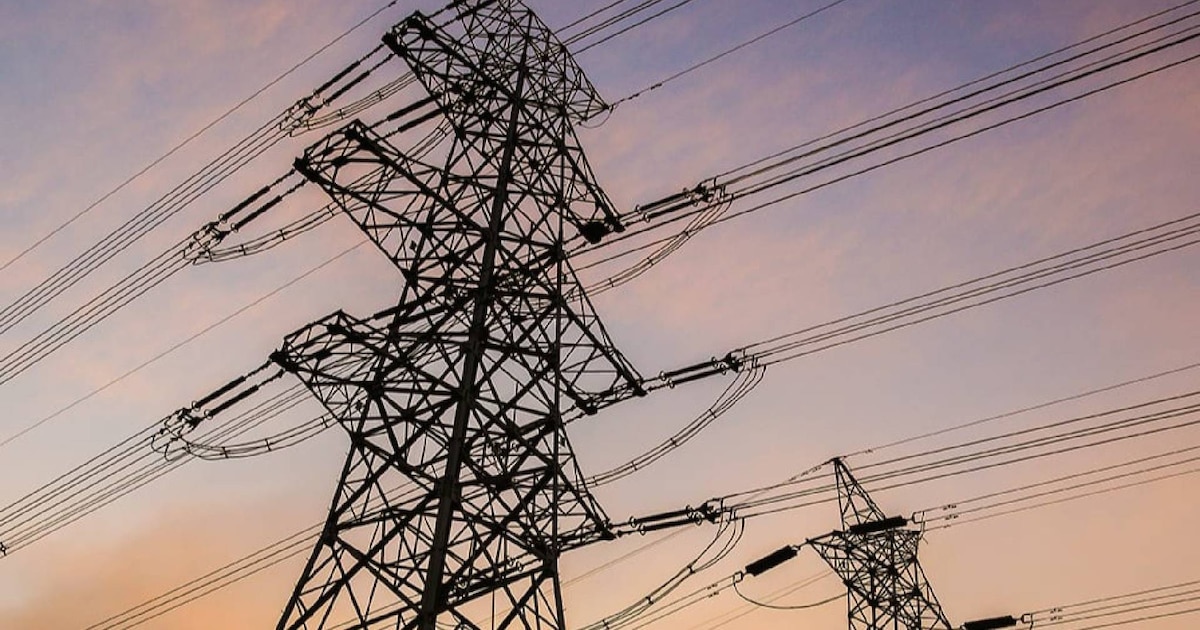
La falta de sistemas eléctricos alternativos en Centroamérica y el Caribe, junto con la dependencia de las importaciones de energía en varios países, puede aumentar los efectos del fenómeno El Niño.
Una falla que afecte una parte pequeña de la infraestructura eléctrica puede interrumpir el servicio en zonas más amplias y dificultar la continuidad del suministro según un informe de la Comisión Económica para América Latina y el Caribe (CEPAL).
El fenómeno El Niño/Oscilación del Sur afecta al sector energético mediante la disminución de las precipitaciones, el aumento de las temperaturas, el riesgo de incendios forestales y las modificaciones en los patrones de viento y radiación solar.
Los sistemas eléctricos de América Latina y el Caribe también presentan vulnerabilidades estructurales. En varios países, la generación hidroeléctrica supera el 70% de la matriz eléctrica. Además, el consumo eléctrico regional aumentó un 75% entre 2004 y 2024. Más de la mitad de la capacidad hidroeléctrica instalada tiene más de 30 años y presenta brechas de mantenimiento.
Una parte importante de la infraestructura crítica, como centrales, líneas de transmisión y subestaciones, se concentra en cuencas y corredores expuestos a sequías, inundaciones e incendios.

Déficit hídrico, calor y daños en la infraestructura
El Corredor Seco Centroamericano enfrenta condiciones persistentes de déficit hídrico, con probabilidades de entre 89% y 92%. La disminución de las precipitaciones reduce los caudales y, con varios meses de retraso, limita la generación hidroeléctrica.
Para el trimestre octubre-noviembre-diciembre de 2026, el riesgo de sequía para la generación hidroeléctrica alcanza su mayor nivel a escala regional. La probabilidad de déficit de precipitaciones se sitúa en un 60%. A escala de América Latina y el Caribe, el 31,1% del territorio se encuentra en condición de alerta elevada, con una probabilidad de déficit igual o superior al 80%.
El riesgo no se distribuye de la misma manera en todos los territorios. En sectores de la costa de Colombia y Ecuador, las precipitaciones tienden a intensificarse, mientras que amplias zonas del interior andino-amazónico presentan déficits crecientes. Por esta razón, el informe recomienda realizar el monitoreo y la gestión del riesgo a escala de cuenca, con información sobre caudales, niveles de embalse y proyecciones de precipitación.
En Ecuador, las condiciones de sequía y los bajos niveles de los embalses durante 2023 y 2024 redujeron la disponibilidad de generación hidroeléctrica y provocaron cortes recurrentes de electricidad que llegaron hasta 12 horas diarias en 2024.
En Colombia, la reducción de las precipitaciones asociada con El Niño disminuyó la disponibilidad de generación hidroeléctrica y ejerció presión al alza sobre los precios de la electricidad durante 2023 y 2024.

El aumento de las temperaturas incrementa la demanda de electricidad para climatización, especialmente durante las olas de calor y en las grandes ciudades. Esta presión puede coincidir con una menor disponibilidad de recursos hídricos para la generación hidroeléctrica.
Las altas temperaturas también pueden reducir la eficiencia de las centrales eléctricas, los paneles solares y las redes de transmisión y distribución.
Los incendios forestales pueden afectar directamente las líneas de transmisión y las subestaciones, ya sea por daños físicos o por desconexiones preventivas asociadas con el humo.
En las regiones más húmedas, la evaluación de la resiliencia de la infraestructura debe incluir amenazas adicionales, como inundaciones y deslizamientos.
Riesgos para las fuentes renovables y efectos económicos
El fenómeno El Niño modifica los patrones de viento y las condiciones de nubosidad y radiación solar. Estos cambios generan variaciones en la disponibilidad de generación eólica y fotovoltaica según la subregión y el periodo analizado.
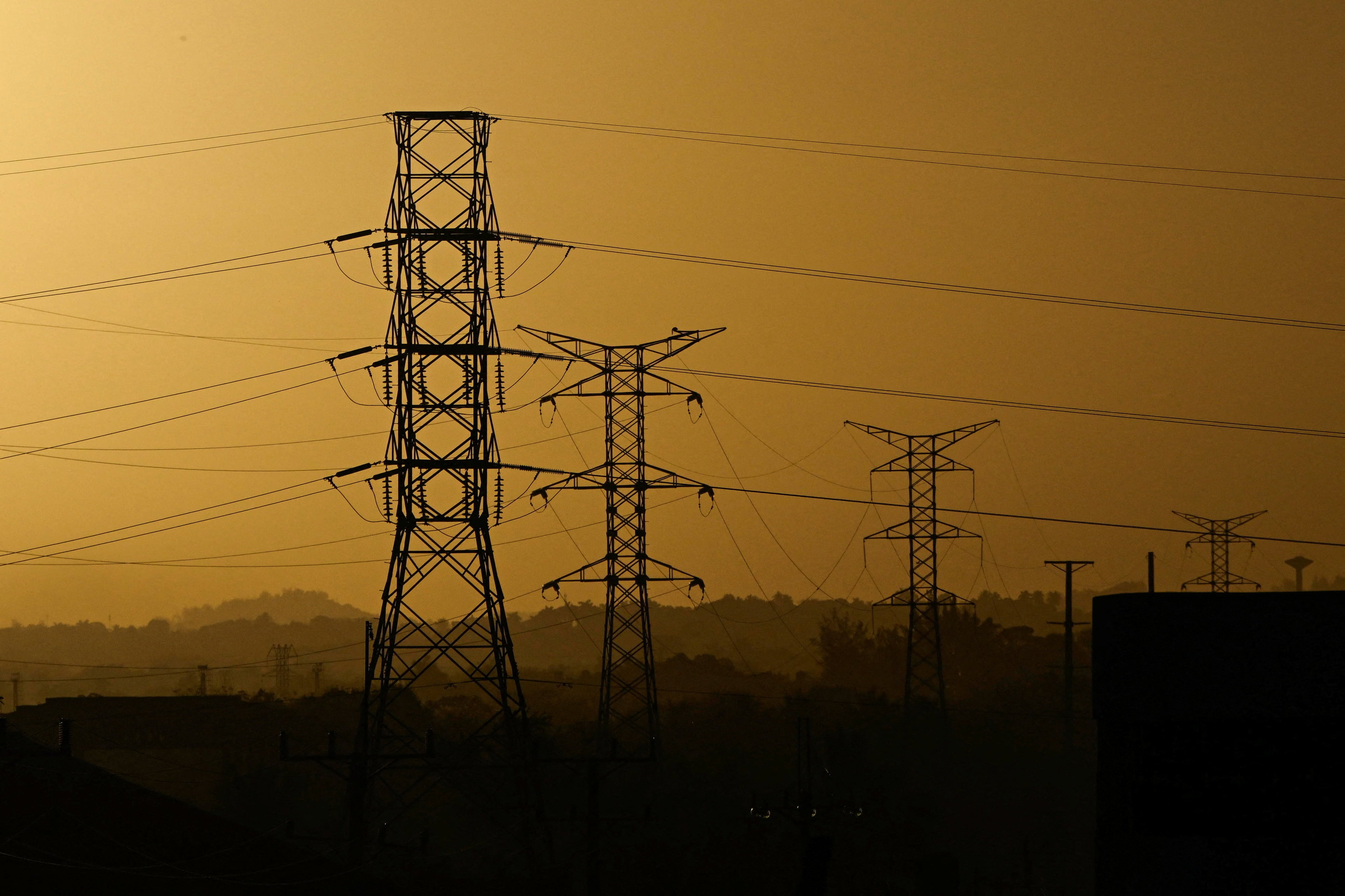
La complementariedad entre tecnologías renovables puede contribuir a la seguridad energética cuando las anomalías climáticas que afectan cada recurso no están altamente correlacionadas y existen capacidades suficientes de almacenamiento, transmisión y gestión de la demanda.
Los riesgos identificados pueden afectar de manera simultánea la disponibilidad de energía, los costos del suministro, la resiliencia de la infraestructura y la sostenibilidad de la transición energética.
El aumento de los costos de generación puede trasladarse a los consumidores mediante tarifas más elevadas, aumentar la necesidad de subsidios públicos o deteriorar la situación financiera de las empresas eléctricas. El traslado de esos costos puede afectar de manera desproporcionada a los hogares de menores ingresos, a menos que las tarifas se diferencien según el nivel de ingreso.
La coincidencia de varias amenazas en el tiempo y el territorio puede intensificar los efectos. Una menor generación hidroeléctrica puede coincidir con un aumento de la demanda por las altas temperaturas o con daños en las redes de transmisión.
Medidas de adaptación y planificación regional
En el corto plazo, la prioridad consiste en asegurar la continuidad del suministro eléctrico y evitar que la combinación de una menor generación hidroeléctrica, daños en la infraestructura crítica y aumentos de la demanda provoque racionamientos o incrementos abruptos de los costos.

El informe de la CEPAL recomienda verificar la disponibilidad efectiva de generación de respaldo, asegurar el abastecimiento de combustibles estratégicos y realizar labores de mantenimiento en centrales, líneas y subestaciones críticas. También plantea reforzar la protección física de los activos más expuestos, actualizar los protocolos de respuesta y reposición ante fallas e implementar programas temporales de eficiencia energética y gestión de la demanda durante periodos de calor extremo, especialmente en las horas punta.
Para México y el norte de Centroamérica, se propone fortalecer el monitoreo subnacional de las precipitaciones y la demanda. A largo plazo, las medidas incluyen diversificar las tecnologías y las ubicaciones de generación, ampliar el almacenamiento y fortalecer las reservas operativas.
En el Caribe, Centroamérica y la costa norte de América del Sur, se recomienda identificar los activos críticos con baja redundancia, asegurar combustibles y generación de respaldo, promover microredes, generación distribuida, diversificación de proveedores y reservas estratégicas regionales.
El informe plantea que la política energética debe incorporar el riesgo climático en tres horizontes temporales: medidas inmediatas para preservar la continuidad del suministro, acciones de mediano plazo para reducir las vulnerabilidades estructurales y transformaciones de largo plazo que incorporen ese riesgo de manera permanente en la planificación energética.
Para Centroamérica y el Caribe, las prioridades incluyen fortalecer la generación de respaldo, diversificar las fuentes de suministro, ampliar el almacenamiento, proteger la infraestructura crítica frente a incendios, inundaciones y deslizamientos, mejorar los sistemas de alerta temprana y reforzar la coordinación entre operadores eléctricos, autoridades energéticas y organismos de protección civil.
torre de transmisión,línea eléctrica,transmisión de energía,electricidad,infraestructura









NEWYou can now listen to Fox News articles!
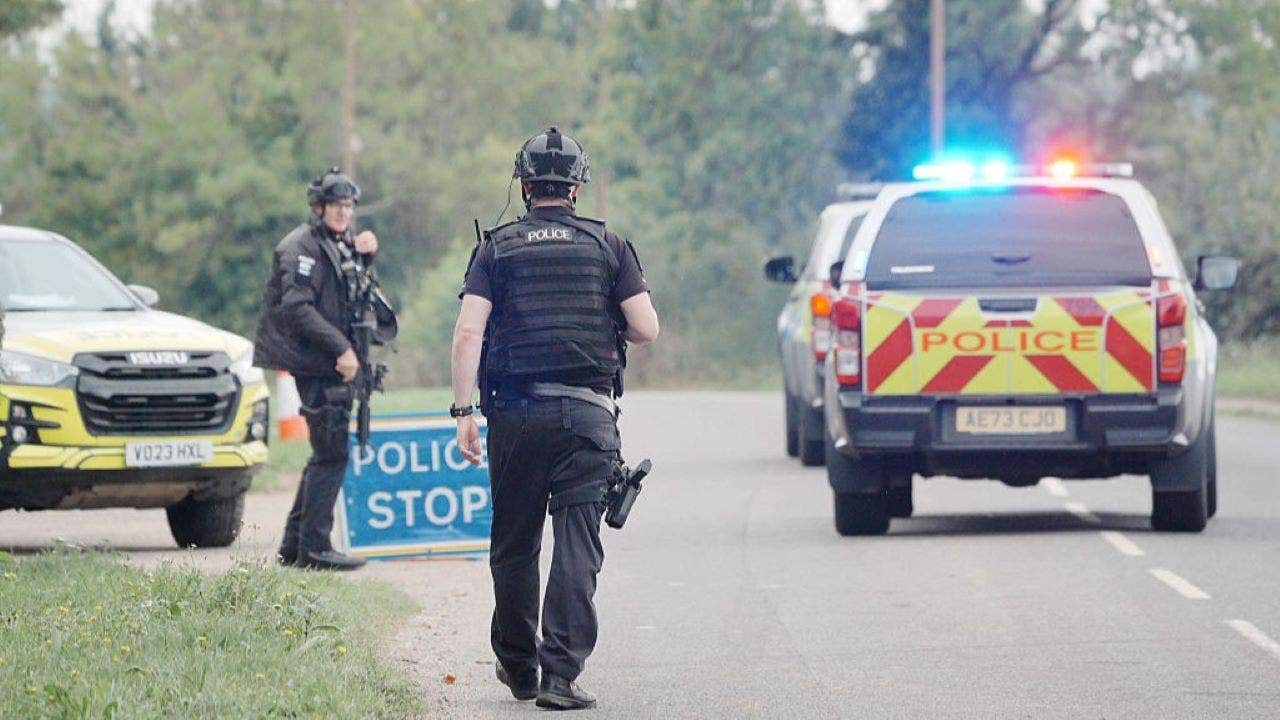
U.K. police say they arrested multiple suspects for offenses under the «Explosives Act» near a U.S. airbase in southwest England on Sunday.
Gloucestershire Police say the arrests took place just two miles from RAF Fairford, which hosts U.S. Air Force assets. The U.S. has recently used the base in operations relating to the war in IRan.
«A number of properties are currently being evacuated in the Whelford area following the declaration of a major incident,» Gloucestershire Police said in a statement. «It follows the arrest of several men on suspicion of offenses under the explosives act.»
ANDY BURNHAM TAKES OVER AS UK PRIME MINISTER, CALLS FOR ‘NEW POLITICAL MODEL’
Police at a road block on the road to RAF Fairford after a major incident has been declared, with armed police manning a cordon near the village of Whelford in Gloucestershire, near RAF Fairford which is used by the United States Air Force (USAF). Picture date: Sunday, September 27, 2026. (Photo by Ben Birchall/PA Images via Getty Images)
«The Army’s specialist explosive ordnance disposal team are currently examining a number of vehicles,» police added.
Authorities did not name the suspects or detail exactly how many were arrested.
British Defense Secretary Wes Streeting wrote on X that the situation is «being dealt with.»
UK PINS STRING OF ANTISEMITIC ATTACKS ON IRAN-LINKED GROUP, BANS IRGC

A B1 Bomber at RAF Fairford on July 25, 2026, in Fairford, England. Iran’s Islamic Revolutionary Guard Corps (IRGC) has declared RAF Fairford in Gloucestershire a «legitimate target» after U.S. Air Force B-1B Lancer bombers used the British base to launch defensive bombing missions against Iranian military targets. (Photo by Matthew Horwood/Getty Images)
«The Prime Minister is being kept updated on the incident in Gloucestershire,» The UK Defense Ministry said in another statement.
«We are grateful to the emergency services, who have acted quickly to detain several suspects and put measures in place to keep the community safe,» the statement continued.
«It would be inappropriate to comment further whilst investigations are ongoing,» it added.
WATER CYBERATTACK HITS AT LEAST 7 STATES
The incident comes roughly a month after Iran-linked hackers were suspected of forcing a small British power generator offline for several days this summer.
The British shutdown came weeks after hackers struck more than 30 community water systems in Minnesota, accessing technology used to remotely monitor and control pumps and other equipment. Minnesota officials have not publicly attributed the attacks. Several news outlets, citing U.S. officials and a leaked industry threat-sharing memo, reported that Iran was the likely culprit.
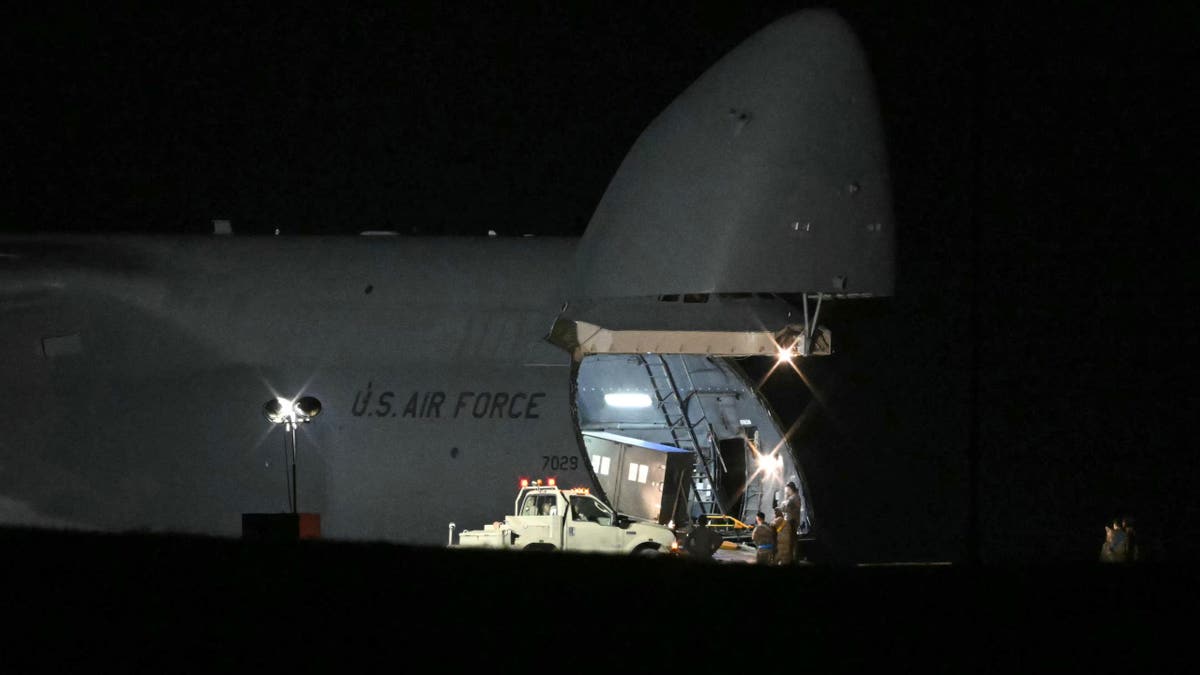
Members of the US military offload equipment from a US Air Force C-5 Galaxy at RAF Fairford in Southwest England on March 6, 2026. Britain’s Prime Minister Keir Starmer has given approval for Washington to use the bases of Diego Garcia in the Indian Ocean and RAF Fairford in Southwest England to bomb Iranian missile sites, after several Gulf countries were targeted by Iranian retaliations. (Justin Tallis/AFP via Getty Images)
Federal agencies have also warned that Iranian-affiliated actors have targeted similar industrial devices across water, energy and government sectors, seeking access to the software used to control them. That activity has already caused operational disruptions and financial losses.
counter terrorism, united kingdom, us air force, iran, world
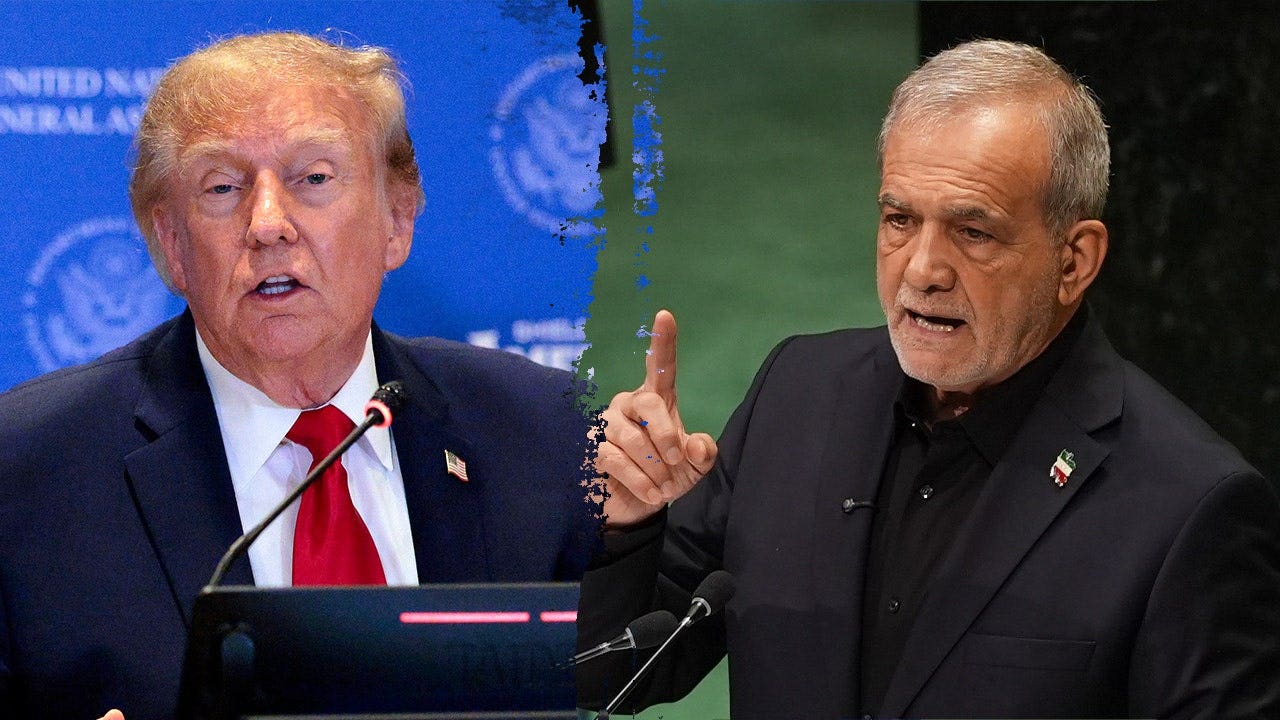
NEW YORK — Trump officials say Iran is miscalculating if it believes rising prices and the midterm elections will weaken President Donald Trump’s hand in negotiations to end the nearly seven-month conflict.
The administration is projecting confidence that mounting economic pressure will push Tehran toward a deal, even after three hours of talks this week ended without an announced breakthrough.
«The president holds all of the cards here,» State Department principal deputy spokesperson Tommy Pigott told Digital in an on-camera interview on the sidelines of the U.N. General Assembly.
Americans, meanwhile, are facing a mounting cost at home. The national average for regular gasoline reached $4.49 per gallon Friday, according to AAA, up from $3.16 a year ago. AAA said volatility in the Strait of Hormuz and high crude oil prices have driven the national average to its highest level ever recorded for this time of year.
Secretary of State Marco Rubio acknowledged those costs Wednesday while arguing that allowing Iran to eventually obtain a nuclear weapon would carry a far greater price.
THE TOP MOMENTS FROM IRAN PRESIDENT’S TENSE VISIT TO US SOIL AS WAR RAGES
«It comes at a price and at a cost, there’s no doubt about it,» Rubio told reporters. «But the cost of not doing something about it is substantially higher, especially for future generations.»
Trump himself laid out the stakes in stark terms during his address to the U.N. General Assembly Tuesday, presenting Tehran with a choice between reaching a deal that would allow Iran to rebuild or facing potentially devastating further U.S. action.
«Or do I annihilate the Islamic Republic and do it quickly, never giving them a chance to kill and destroy people and countries again?» Trump said. «Do I drive them into hell with no chance of survival and no hope of future greatness or generations?»
But Trump predicted Tehran would ultimately choose a deal, arguing that Iranian leaders are waiting to see whether the November midterm elections weaken his position.
«They’re waiting to see how I do in the midterm election,» Trump said. «What they don’t realize is that I’m not running.»
«I gave absolutely no credence and will not give credence to the election when it comes to Iran,» Trump added. «It doesn’t even enter my mind.»
A U.S. official told Digital Friday that discussions through mediators remained «positive and constructive,» but said the administration was in no hurry to reach an agreement.
«The United States is in a very strong position with control of the Strait of Hormuz, so we are not in a rush,» the official said, adding that nearly 40 million barrels of oil had transited the strait over the previous 48 hours. The official predicted oil and gas prices would fall back to pre-conflict levels as the U.S. continues to maintain control of the strait.
Trump said U.S. officials held a «very good» three-hour meeting with Iranian officials Tuesday as part of a renewed diplomatic push to end the conflict. But Rubio cautioned Wednesday against characterizing the talks as a «major breakthrough,» saying they were largely a continuation of previous conversations.
«I think it was significant that at least there was a conversation,» Rubio said.
Rubio also said the administration would make public any «good outcomes or things to announce jointly» stemming from its diplomatic engagements. No such announcement immediately followed the Iran meeting.
Iran has since put forward a proposal of its own. Iranian Foreign Minister Abbas Araghchi said Tehran presented U.S. mediators with a seven-day plan this week that would restore passage through the Strait of Hormuz at the end of the seven days if certain conditions are met, followed by renewed negotiations toward a broader agreement.
The proposal draws from the memorandum of understanding Trump and Iran reached in June. A mediator told CBS News the latest discussions were positive but remained in their early stages.
The stakes in Hormuz remain high. Commercial traffic through the critical oil chokepoint has been sharply disrupted during the conflict, although U.S. officials say the amount of oil moving through the strait is increasing.
TRUMP BETS ECONOMIC PRESSURE CAN SQUEEZE IRAN AS REGIME’S OWN FAILURES DEEPEN THE PAIN
«The diplomatic door is always open. The president is a deal maker,» Pigott said. «But he’s going to see the fundamental principle that they cannot have a nuclear weapon accomplished one way or another.»
Pigott pointed to growing oil flows through the Strait of Hormuz and the economic pressure Washington has imposed on Tehran as evidence that the balance remains in Trump’s favor.
«We are seeing oil move [through] the Strait of Hormuz, increasing every single day,» Pigott said. «We’re seeing the devastating effects on the Iranian regime from economic [actions]. Hundreds of millions of dollars are being denied to the regime through this blockade that we’re seeing.»
Rubio offered a similar assessment Wednesday when asked about Trump’s assertion that Iran may be waiting for the outcome of the midterm elections before making a deal.
«I think the Iranians misread our system,» Rubio said. «I think the Iranians are under this illusion that Democrats are going to win in November, and the president will no longer be able to do things against them.»
Rubio said Congress remains an important branch of government but argued Tehran misunderstands the limits of congressional power over sanctions and military action.
«The president has extraordinary powers. Every president does,» Rubio said. «He’s the commander in chief, both constitutional and otherwise, to be able to carry out those functions.»
«So I think that the Iranians are fundamentally misreading our political system,» Rubio continued.
The administration is also confronting threats to energy infrastructure elsewhere in the region. Iran-backed Houthi rebels have targeted Saudi Arabia as the conflict has expanded, adding another source of uncertainty for global energy markets.
Rubio said Wednesday that the restart of a Saudi pipeline following attacks was «critical for their economy» and «critical for the global economy.» He said energy infrastructure had been targeted by the Houthis as well as Shiite militias in Iraq that the U.S. says are backed by Iran.
«Every time you guys ask me a question about the Middle East, it goes back to someone who’s supported by Iran,» Rubio said.
Rubio said the U.S. would continue honoring its defense commitments to Saudi Arabia while declining to discuss what additional military options Trump could consider.
«They are a strategic defense partner,» Rubio said. «The U.S. made commitments to them. We will live up to those commitments. We are living up to those commitments now.»
war with iran, donald trump, middle east, national security, iran, politics
INTERNACIONAL
Finland’s Stubb credits Trump for pushing Ukraine peace talks while dismissing Russian invasion fears
NEWYou can now listen to Fox News articles!
UNITED NATIONS — As Ukrainian President Volodymyr Zelenskyy warns that Russia could take its war beyond Ukraine, Finnish President Alexander Stubb is striking a markedly calmer tone — saying Finland is prepared for Moscow and crediting President Donald Trump with pushing harder for a negotiated end to the war.
«I think we’re certainly in a better place than we were before President Trump started,» Stubb told Fox News Digital in an on-camera interview on the sidelines of the U.N. General Assembly in New York. «He’s doubled down in the past year and a half to try to find a solution for peace with negotiators such as Steve Witkoff, Jared Kushner and many others.»
Stubb, who has been closely involved in the diplomatic effort, said he and Norway’s prime minister have worked largely «in the back office,» relaying information among Ukraine, the United States and European governments.
KUSHNER, WITKOFF SET FOR KYIV TALKS AFTER PUTIN MEETING IN US PUSH FOR PEACE
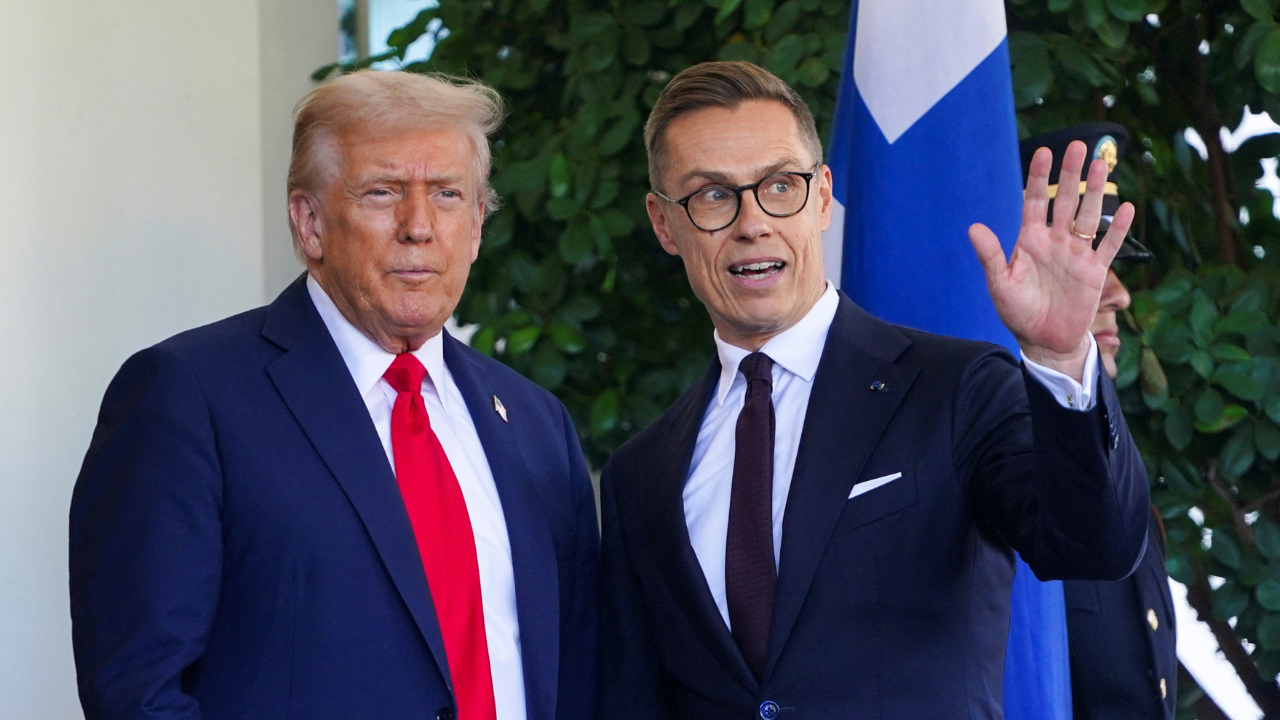
US President Donald Trump meets with Finnish President Alexander Stubb in the Oval Office of the White House in Washington, DC, on October 9, 2025. (Photo by Jim WATSON / AFP) (Photo by JIM WATSON/AFP via Getty Images) (Jim Watson/AFP via Getty Images)
«I think he’s really working hard and hopefully we’ll get a solution,» Stubb said.
The interview came during an intense diplomatic week in New York focused heavily on the wars in Ukraine and the Middle East.
Trump and Ukrainian President Volodymyr Zelenskyy met in New York during UNGA week as Washington continued its effort to revive negotiations with Moscow. Zelenskyy said peace remained Ukraine’s priority and thanked Trump for sending the two envoys to Kyiv after they had also held talks in Moscow.
Zelenskyy was asked by Fox News Digital after the meeting about the possibility that Russia could invade or attack another European country in the near future.
BATTLE-TESTED ZELENSKYY SOUNDS CHILLING ALARM ON WHERE PUTIN’S WAR COULD HEAD NEXT
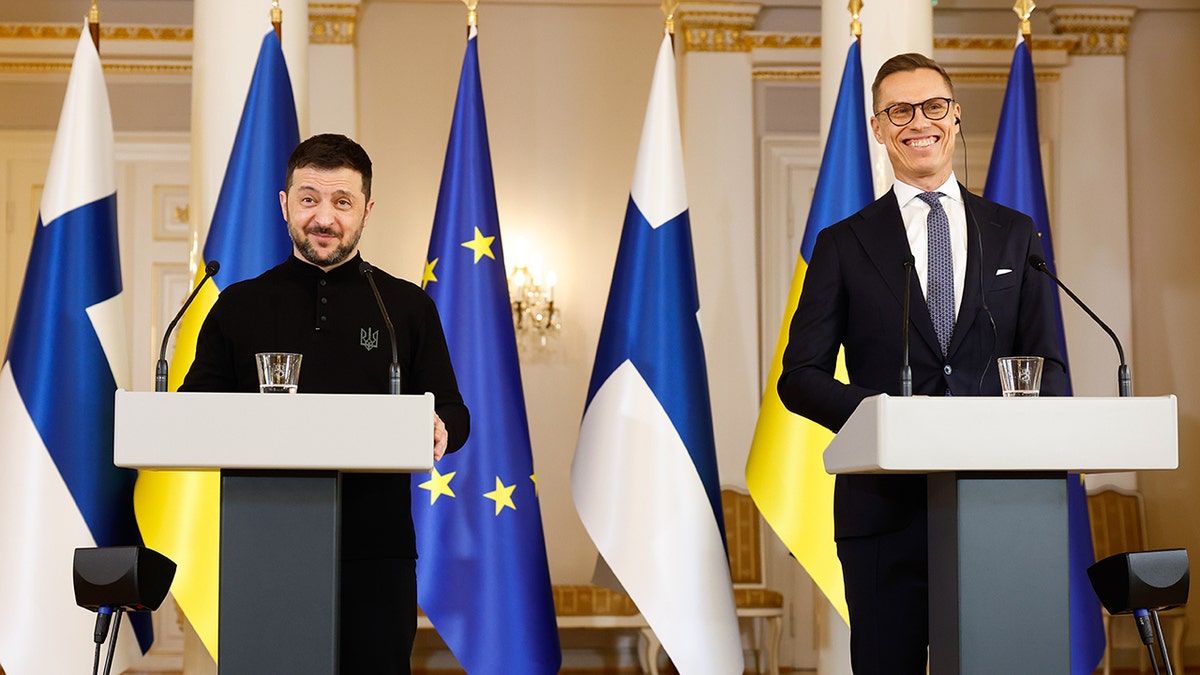
Volodymyr Zelenskyy, Ukraine’s president, left, and Alexander Stubb, Finland’s president, right, during a news conference in Helsinki, Finland, on Wednesday, March 19, 2025. (Roni Rekomaa/Bloomberg via Getty Images)
«That’s why the risk of offensive by drones, missiles or land operation is very high against other countries who are bordering Russia or Belarus,» Zelenskyy said.
The Ukrainian leader argued that Russian President Vladimir Putin, unable to achieve his military objectives in Ukraine, could seek to create instability elsewhere in Europe to pressure Western governments into reducing their support for Kyiv. He pointed to drone incursions and disruptions affecting several European countries, arguing that Moscow is already attempting to intimidate European societies and test their response.
Asked by Fox News Digital what European countries should do in response to the growing threat, Zelenskyy offered a direct answer.
«Respond. Always respond. It’s not about the war. If you don’t respond, Russians, they will go further,» he said.
But Stubb struck a notably calmer tone when asked about Zelenskyy’s warnings that Russia could eventually attack other European countries, including Finland, which shares the longest border with Russia.
«As commander-in-chief in Finland, I sit on all the relevant information and I just don’t see a factual basis for it,» Stubb said.
RUSSIA’S SHADOW WAR IS PUTTING EUROPE ON EDGE AS GERMANY CONFRONTS A GROWING THREAT
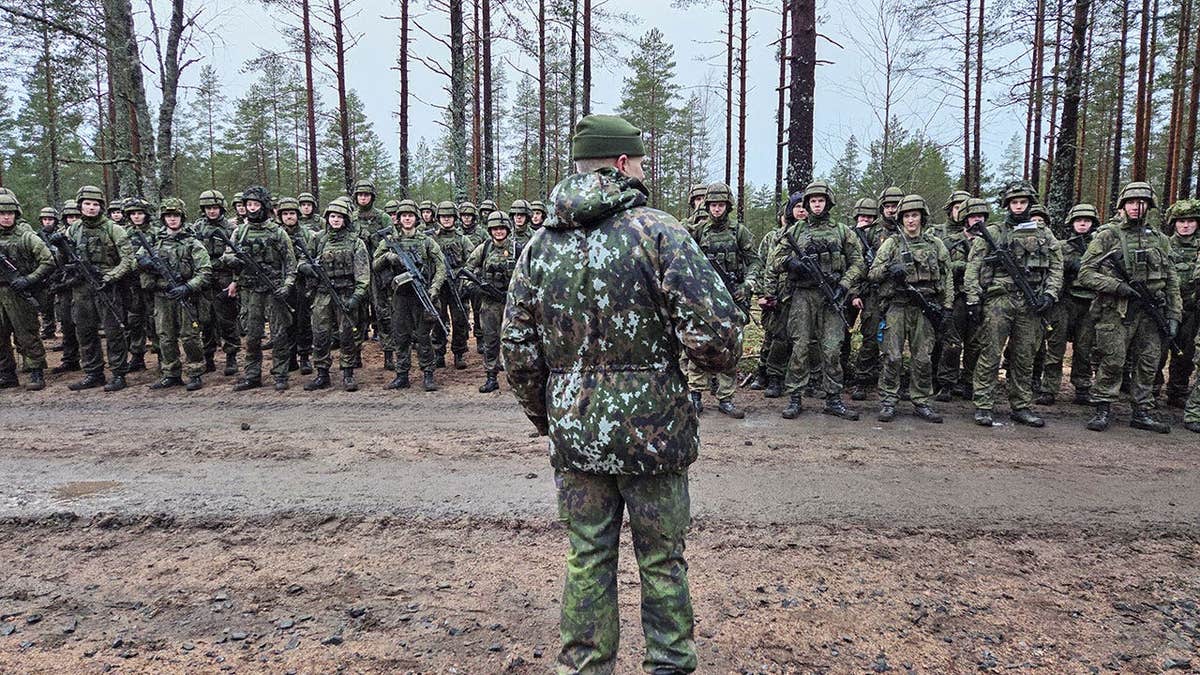
Commander of the Finnish Army Lieutenant General Pasi Valimaki addresses Finnish conscript soldiers after a military exercise at Pori Brigade in Niinisalo, Finland, Dec. 9, 2025. (Anne Kauranen/Reuters)
That does not mean, he stressed, that Moscow has stopped targeting Europe.
Stubb distinguished between the «kinetic» war Russia is fighting in Ukraine and what he described as a broader «hybrid» campaign in Europe, pointing to cyberattacks, sabotage and damage to undersea cables in the Baltic Sea.
«We have to see this as a campaign,» he said. «Russia tries to intimidate Europe, scare us and get into our heads.»
His prescription was characteristically Finnish: «cool, calm and collected, take a sauna and a nice bath and deal with it.»
Stubb said Finland, a country with a population of 5.6 million, can afford that attitude precisely because it has spent decades preparing for a potential threat from its eastern neighbor.
«We are calm because we are prepared,» he said.
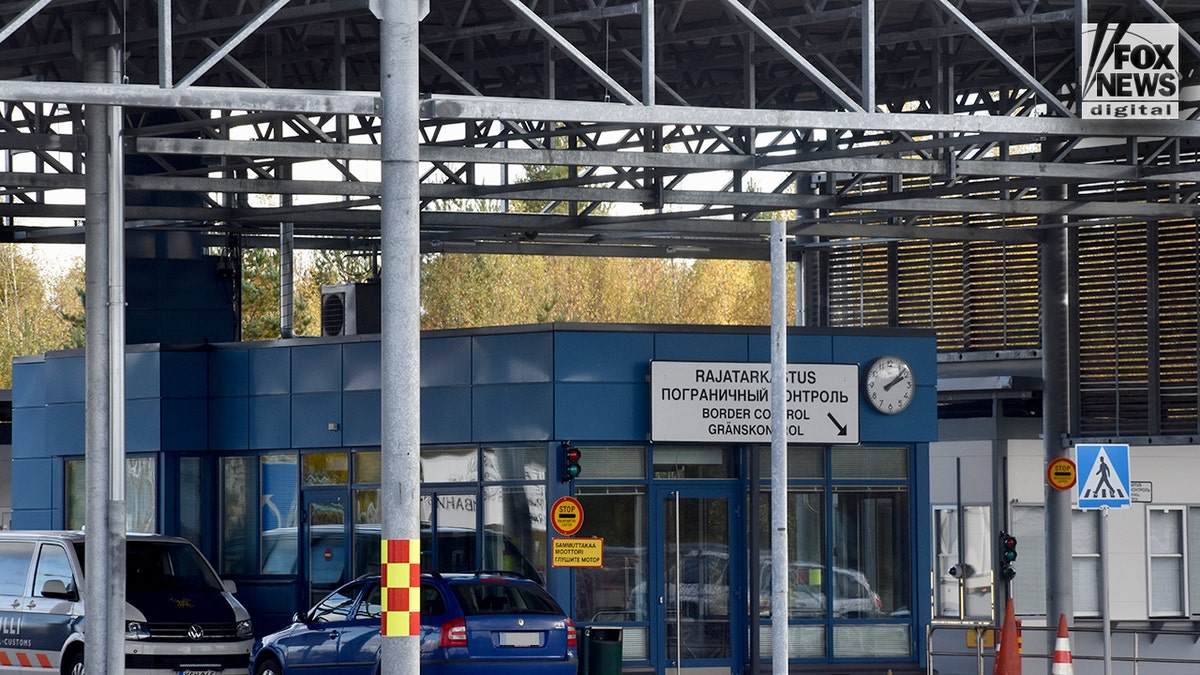
The Niirala border crossing point is seen along Finland’s eastern border with Russia in Oct. 2022 after the Finnish government announced tightening of several border crossings amid concerns over migrant crossings. (Brooke Curto/Fox News Digital) (Brooke Curto/Fox News Digital)
He pointed to Finland’s mandatory military service, reserve force, artillery, long-range capabilities and extensive network of civilian shelters. The Finnish Defence Forces puts Finland’s wartime military strength at 280,000 personnel, with additional reservists available if needed.
That deterrent received another boost just days before Stubb traveled to New York. Finland is acquiring 64 F-35A fighter jets to replace its F/A-18 Hornet fleet under a procurement decision announced by the Finnish government.
The first two F-35s intended for operations inside Finland arrived at the Lapland Air Wing in Rovaniemi on Sept. 18, according to a Finnish Defence Forces press release.
«We have obligatory military service. I did mine, my son did his. We have women who do it voluntarily. We have over 60 F-18s. We just bought 64 F-35s, the two first of which arrived. We have long-range missiles, air, land and sea. We have the capability to mobilize 280,000 troops within days in a conflictual situation. On top of that, we have land mines. And we have the biggest artillery in Europe together with Poland… On top of that, we have civilian shelters for over 4.4 million people out of 5.6.»
FINLAND’S PARLIAMENT VOTES TO LIFT DECADES-OLD BAN ON NUCLEAR WEAPONS IN HISTORIC NATO DEFENSE SHIFT
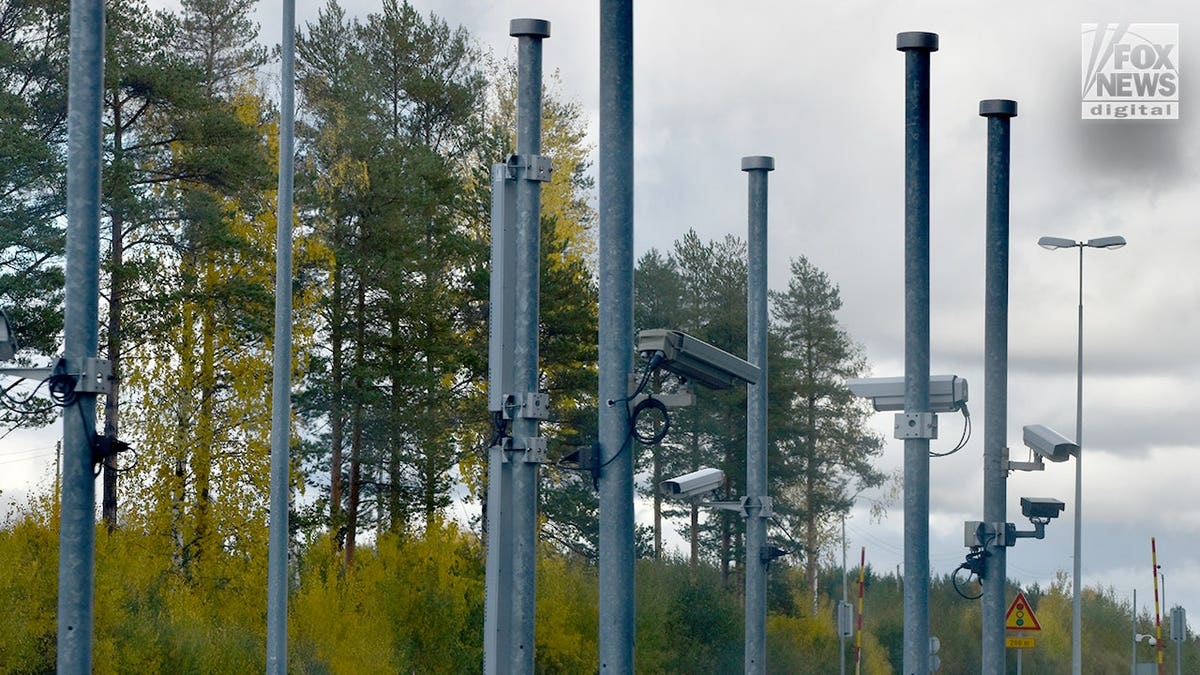
Security cameras overlook the Niirala Border Crossing Station along Finland’s eastern border with Russia in Nov. 2023 after Finland closed the checkpoint amid heightened border security concerns. (Brooke Curto/Fox News Digital)
«We don’t have them because we’re worried about Sweden,» Stubb joked of Finland’s military capabilities. «We have them because we see a security threat coming from Russia.»
He said that level of preparedness, combined with Finland’s NATO membership, makes a direct Russian attack unlikely. Finland became NATO’s 31st member on April 4, 2023, after abandoning its longstanding military non-alignment following Russia’s full-scale invasion of Ukraine.
«We feel that we’re very prepared, and that gives us a strong enough … deterrent that we don’t believe that Russia is going to test a country like Finland,» Stubb said. «And of course the icing on the cake is that we are now security providers in the Alliance NATO.»
Stubb also used his Sept. 22 address to the U.N. General Assembly to advocate for continued support for Kyiv, calling the «Coalition of the Willing» supporting Ukraine «particularly close to my heart.» He said the coalition was working toward a «just and lasting peace in Ukraine in accordance with the U.N. Charter.»
Stubb made additional news on Ukraine during UNGA week, when he urged SpaceX owner Elon Musk to extend Starlink coverage so Ukrainian forces could use the satellite network in areas containing Russian ballistic missile launchers, including inside Russia. He argued that doing so could help Ukraine target launchers firing missiles at Ukrainian cities.
Yet Ukraine was only one piece of what Stubb described as an increasingly interconnected global security crisis.
WORLD LEADERS DESCEND ON NEW YORK FOR UNGA — BUT WHO REALLY HAS AMERICA’S EAR?
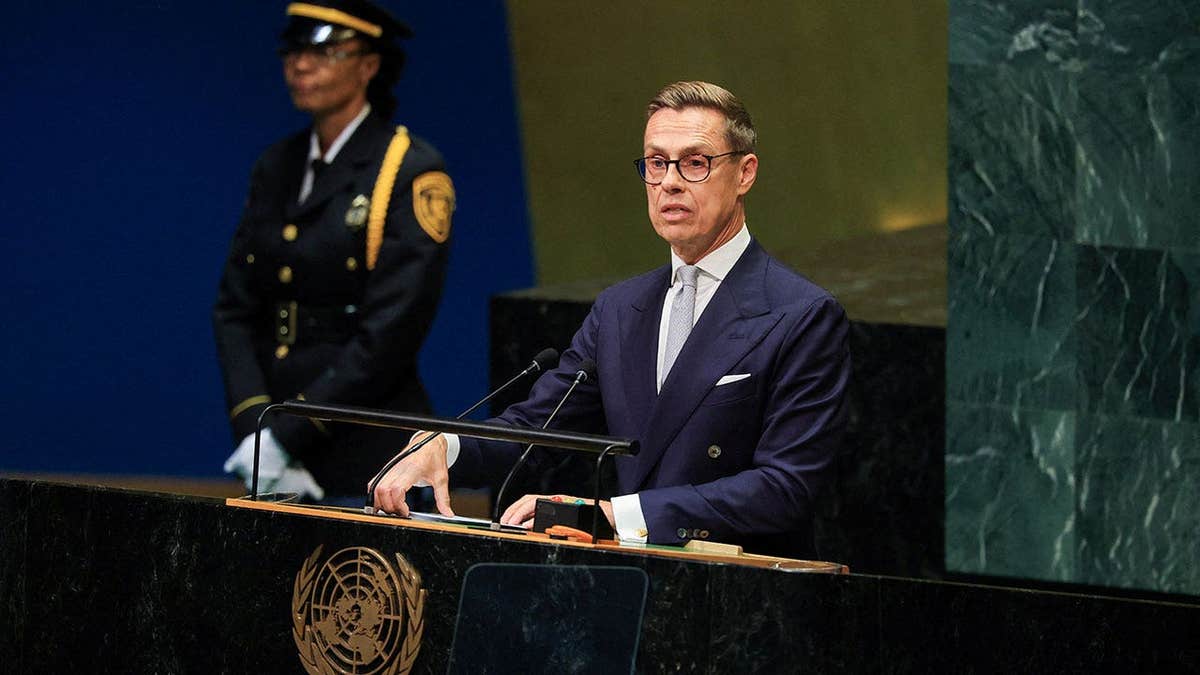
Finland’s President Alexander Stubb addresses the 81st United Nations General Assembly at UN headquarters in New York City, US, September 22, 2026. (Brendan McDermid/Reuters)
Asked about Trump’s call at the U.N. for countries to support efforts to prevent Iran from obtaining a nuclear weapon, Stubb was unequivocal.
«I agree, Iran should not obtain nuclear weapons,» he told Fox News Digital, adding that Tehran should not use proxies or be able to produce missiles.
Stubb also argued that the conflicts involving Russia and Iran can no longer be viewed in isolation, alleging that Moscow is providing intelligence to Tehran that Iran has used against U.S. military bases in the Gulf, while Iranian weapons have been supplied to Russia for use against Ukraine.
«We’re going in this merry-go-round where every bit of the conflict is linked to another,» Stubb said. «The sooner we can end both, the better.»
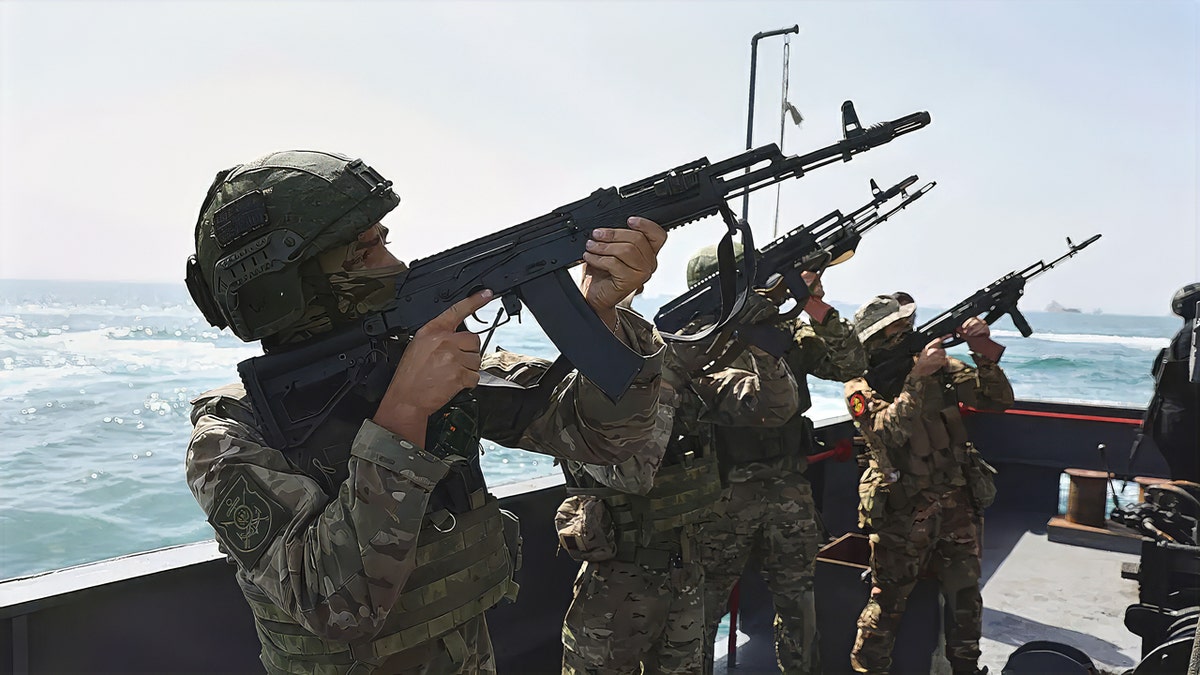
Iran conducts joint military exercises with Russia in the Strait of Hormuz after the U.S. deployed surveillance drones. (Iranian Army/Handout/Anadolu via Getty Images)
Trump used his Sept. 22 U.N. General Assembly address to call for Iran’s economic isolation and reiterate that Tehran should not obtain a nuclear weapon, while warning of further US military action if a peace agreement is not reached, according to Reuters.
For Stubb, the proliferation of conflicts — from Ukraine and Iran to Gaza, Yemen and Sudan — is testing a diplomatic system already struggling to keep pace.
«It’s not a zero-sum game,» he said. «We have to deal with a multiplicity of conflicts right now, unfortunately.»
And for Trump, he added, that means «working around the clock.»
nato, russia, ukraine, donald trump, world, united nations

“Salieron de la selva”: Alberto Fernández compartió un spot de Lula para reivindicar su teoría sobre el origen de los brasileños

Le ocultó a su pareja que tenía VIH, se lo transmitió y ella se enteró cuando quedó embarazada de mellizos: “Entré en una nebulosa”

UK police arrest ‘explosive’ suspects near US airbase, key to Iran war

Murió a los 28 años en los brazos de su novia: la inesperada tragedia que vinculó para siempre a Liz Solari y Walter Samuel

Iran ‘miscalculating’ by betting on midterms after 3-hour talks, Trump officials warn

El obispo de San Justo alertó que la asistencia alimentaria volvió a niveles de pandemia

La pobreza subió al 32,3% en el primer semestre del año y afectó a 15,5 millones de personas

El gesto de Moria Casán con el embajador de Noruega tras viralizarse el video con sus icónicas frases

Gira por New York: Milei se reunirá con Netanyahu y disertará en el Club Económico antes de regresar a Buenos Aires

En fotos: así fue la recepción de Xi Jinping en la Casa Blanca

 ECONOMIA3 días ago
La pobreza subió al 32,3% en el primer semestre del año y afectó a 15,5 millones de personas
- CHIMENTOS3 días ago
El gesto de Moria Casán con el embajador de Noruega tras viralizarse el video con sus icónicas frases
- INTERNACIONAL3 días ago
En fotos: así fue la recepción de Xi Jinping en la Casa Blanca