INTERNACIONAL
Drug cartel kingpin among targets in sweeping Trump crackdown on alleged Mexican corruption network

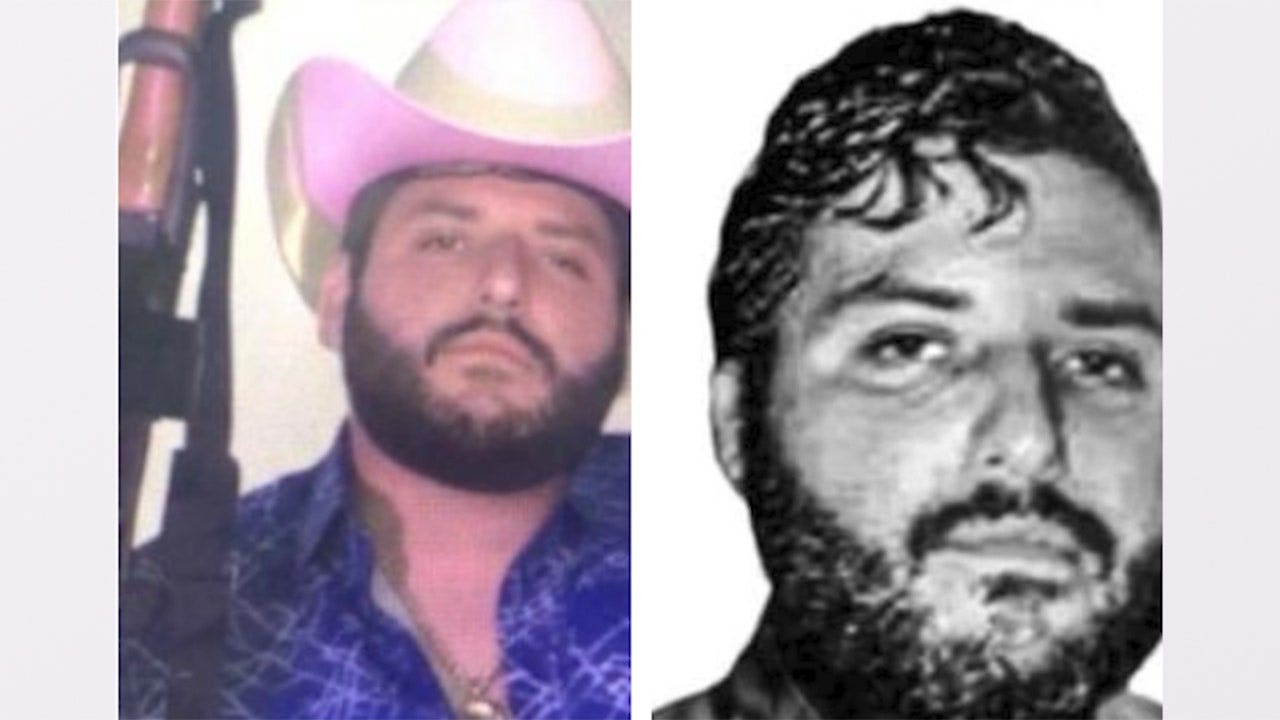
FIRST ON FOX: The Trump administration is seeking to disrupt with a sweeping set of sanctions a sprawling Sinaloa cartel network accused of corrupting Mexican officials just across the U.S. border.
Los Mayos, a powerful faction of the Sinaloa cartel, and its U.S.-born leader are accused of funneling fentanyl and drug money through California and hiring hitmen to kill rivals on American soil.
The Treasury Department, according to material exclusively obtained by Digital ahead of their public release on Tuesday, will sanction 21 individuals and 25 entities in a crackdown against Los Mayos and their alleged illegal activity within U.S. borders.
The targets of the sanctions include Ismael Zambada Sicairos, known as «Mayito Flaco,» a dual U.S.-Mexican citizen born in Anaheim, California, whom Treasury describes as the «undisputed head» of Los Mayos.
MEXICAN GOVERNOR FACING US DRUG CHARGES SEEKS LEAVE JUST ONE DAY AFTER RETURNING TO OFFICE
The action lays out how one of Mexico’s most powerful cartel factions allegedly maintains its grip on two critical trafficking corridors along the U.S. border — through political and police corruption, money laundering and violence that Treasury says has extended into Southern California.
It also exposes what Treasury describes as deep cartel penetration of government and law enforcement in Baja California, the Mexican state bordering California.
The Treasury says Sinaloa-linked «narco-corruption has reached the highest levels» of the state government, alleging that the ex-husband of Gov. Marina del Pilar Ávila Olmeda used his political influence to protect cartel operations and that a former Mexicali public security chief accepted bribes to allow the cartel to exert control over municipal police.
The allegations shed new light on a controversy that erupted last year when the U.S. revoked the visas of both Ávila and her then-husband, Carlos Torres Torres.
Treasury now says the State Department revoked Torres’ visa in May 2025 because of his «cartel affiliation and work on behalf of the Sinaloa cartel.» U.S. officials had not publicly disclosed why Ávila’s visa was revoked.
The State Department revoked Torres’ U.S. visa in May 2025 over what Treasury now describes as his «cartel affiliation and work on behalf of the Sinaloa cartel.» Olmeda’s U.S. visa was also revoked around the same time, though U.S. officials did not publicly disclose a reason for the action against her.
POTENTIAL SECURITY THREAT PROMPTS US TRAVEL SUSPENSION FOR BORDER CITY ON ALERT
Treasury also alleges the cartel’s reach extended directly into California.
Lorenzo Castillo Maldonado, an associate in Mayito Flaco’s network, allegedly hired hitmen on the cartel leader’s orders to kill rival cartel members in Southern California. Another part of the network allegedly worked with complicit Southern California money exchanges to collect bulk cash from U.S. drug sales and move the proceeds back to Mexico.
The sanctions are aimed in part at disrupting Los Mayos’ grip on the Tijuana and Mexicali «plazas,» strategic corridors Treasury says the cartel uses to move fentanyl and other narcotics into the U.S.
«Today’s action underscores that no cartel kingpin, corrupt Mexican government official, or financial facilitator is beyond the reach of Treasury’s authorities,» Treasury Secretary Scott Bessent said. «Our message is clear: the Trump administration will identify and disrupt any cartel actor who threatens our security or the integrity of our financial system.»
The designations effectively cut the targets off from the U.S. financial system, blocking property and assets under U.S. jurisdiction and generally barring Americans from doing business with them. Foreign financial institutions that knowingly facilitate significant transactions for sanctioned individuals could also face U.S. sanctions.
At the center of Tuesday’s action is Mayito Flaco, who Treasury says has emerged as the undisputed leader of Los Mayos following the July 2024 arrest of his father, longtime Sinaloa cartel kingpin Ismael «El Mayo» Zambada Garcia.
SINALOA CARTEL BOSS ‘EL MAYO’ SENTENCED TO LIFE, ORDERED TO PAY $15B IN DRUG TRAFFICKING PROFITS
El Mayo’s arrest set off a violent struggle between Los Mayos and Los Chapitos, the Sinaloa faction led by sons of Joaquin «El Chapo» Guzman. Treasury says the two factions remain locked in a costly internal war that has forced both sides to rebuild their leadership and alliances.
Mayito Flaco, 44, was born in Anaheim in 1982 and later filed a U.S. name change to Fernando Sicairos Aispuro, according to Treasury. He was federally indicted in California in 2014 on drug trafficking and money laundering charges and remains a fugitive in Mexico.
The Treasury says he now commands Los Mayos’ drug trafficking, murder, extortion, corruption and kidnapping operations.
The sanctions also target Torres’ brother, Luis Alfonso Torres Torres, whom Treasury accuses of collecting bribes and laundering illicit funds through companies and political campaigns.
Former Mexicali Public Security Director Pedro Ariel Mendivil Garcia is also being sanctioned. The Treasury alleges Mendivil accepted bribes from Los Rusos leader Juan Jose Ponce Felix, known as «El Ruso,» in exchange for allowing the cartel to exert control over municipal police, facilitate drug trafficking and carry out enforcement operations.
mexican cartel violence, corruption, sanctions, mexico, organized crime, corruption crime, politics








INTERNACIONAL
Bombshell report exposes healthcare fraud schemes as taxpayers lose up to $521 billion annually
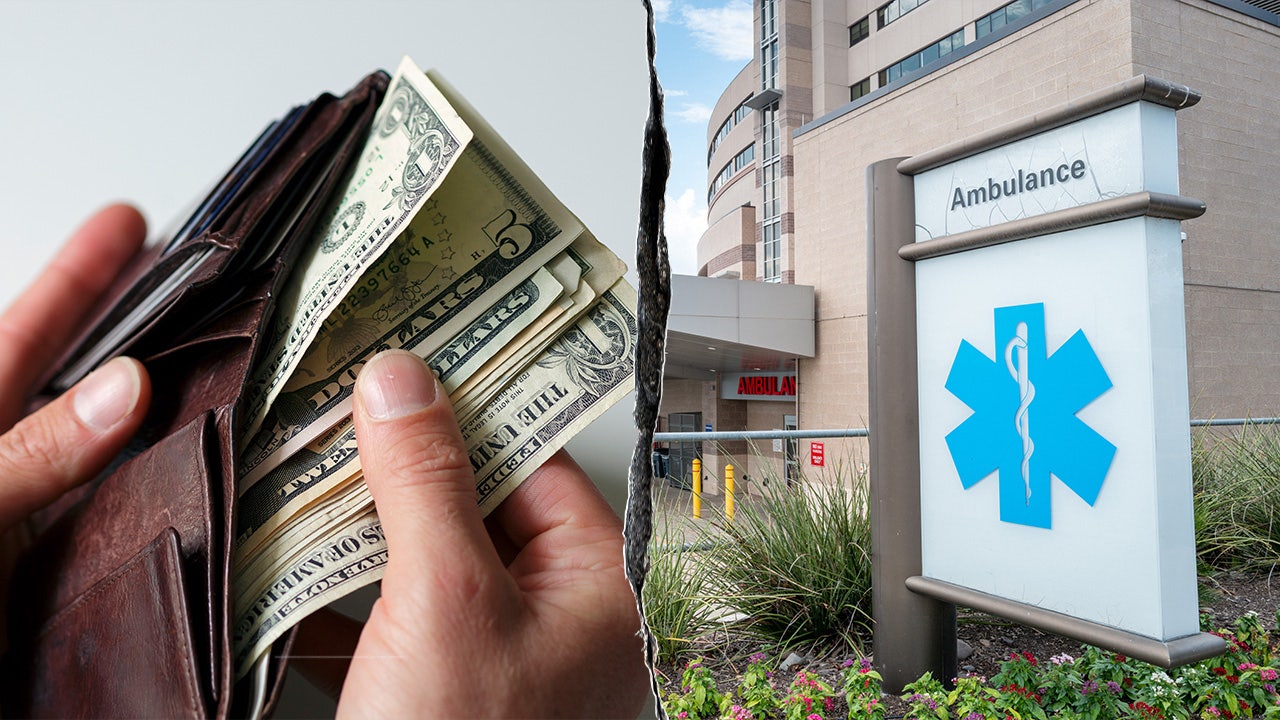
FIRST ON FOX: House GOP lawmakers are rolling out a slew of new bills after a bombshell report found that hundreds of billions of taxpayer dollars are potentially being targeted by fraudsters every year.
As people across the U.S. are battling high costs that make it hard to make ends meet, a report released Tuesday by the House Energy & Commerce Committee warns that federally subsidized healthcare programs are rife with fraud and abuse — «impacting every single American, in one way or another.»
While no estimate for Medicare and Medicaid fraud exists specifically, the report noted, a 2024 estimate by the Government Accountability Office said $233 billion to $521 billion taxpayer dollars going to federal programs are lost to fraud every year. Federal healthcare programs accounted for 24% of federal spending in 2024, according to the Center on Budget Policy and Priorities.
Medicaid specifically is rife with vulnerabilities making it susceptible to fraud, the report said, which is why House Republicans are rolling out 14 bills aimed at closing loopholes in the system, shrinking bureaucracy, and making it easier for states to recoup lost dollars while also incentivizing them to go after potential fraudsters.
«Taxpayers that fund benefit programs with federal and state taxpayer dollars are cheated by fraud, inflating healthcare costs that are passed along to everyone,» the committee’s report states. «Every dollar stolen from federal health care programs is a dollar that is not spent on high quality healthcare for those that need it most.»
WHITE HOUSE PUSHES ‘WATERSHED’ FRAUD-FIGHTING REFORM IN CONGRESS AS VANCE CONVENES TASK FORCE
«The amount of fraud that the Biden-Harris Administration allowed to go unchecked in government health programs is unacceptable. Every dollar stolen by fraudsters or wasted on improper payments is a dollar that cannot be used to support families in need who rely on these programs,» House Energy & Commerce Committee Chairman Brett Guthrie, R-Ky., told Digital.
REPUBLICANS DECLARE WAR ON ‘ORGANIZED THEFT’ WITH GOVERNMENT FRAUD CRACKDOWN
Republicans’ new bills can be lumped into three categories: legislation aimed at improving identification of fraud in state and federal health programs, legislation aimed at enforcing anti-fraud rules, and legislation to hold states that allow fraud to run rampant accountable.
One bill led by Republican Study Committee Chairman August Pfluger, R-Texas, for example, would force states to designate a single role for internal financial controls of state Medicaid programs.
READ: DR. OZ PUTS ALL 50 GOVERNORS ON NOTICE OVER BILLIONS LOST TO MEDICAID FRAUD
A bill by Rep. Mike Rulli, R-Ohio, would force each state to annually report to the federal government on any potential Medicaid fraud vulnerabilities and their plan to fix it.
And legislation by Rep. Nick Langworthy, R-N.Y., would require states to check whether someone enrolling for Medicaid was removed from another taxpayer-funded healthcare program.
The report released on Tuesday said that Medicaid spending accounts for an average 30.7% of states’ budgets, and that those outlays have increased exponentially in recent years.
States like New York and California are also projected to see costs spike, the report said.
TOP FEDERAL PROSECUTOR CALLS CALIFORNIA A ‘FRAUDSTER’S PARADISE,’ WARNS STATE OFFICIALS COULD FACE CHARGES
The Golden State is expected to see annual Medi-Cal spending, its state healthcare program, rise from $83 billion per year in 2014 to $219.7 billion by 2027, the report said, adding, «New York is projected to spend 11% more on Medicaid from all funding sources in 2027 — a total of $124 billion.»
The report noted that federal healthcare is ripe for fraud given its size and complexity, as well as the traditional enforcement model of «pay and chase,» which relies on law enforcement to investigate fraud suspicions after a false claim has already been settled.
Provider fraud is also a common area of losing tax dollars, with healthcare providers being known to submit multiple claims for a single service or bill services and equipment for patients that they have never seen at all, the report said.
Transnational criminal groups have also profited from U.S. healthcare fraud, the report said, alleging that hardworking Americans are seeing their tax dollars not only lost to fraud at home but overseas as well.
TRUMP ADMIN’S FRAUD CRACKDOWN TARGETS FOREIGNERS ACCUSED OF INFILTRATING US FEDERAL PROGRAMS
The Department of Justice’s (DOJ) «Operation Gold Rush» uncovered that Russian organized crime actors billed over $10 million in false claims made via 30 medical supply companies they purchased in a years-long scheme, the report said.
It highlighted further foreign healthcare schemes that saw malign actors in Hong Kong, Georgia, Estonia, Pakistan and elsewhere attempt to steal billions more in U.S. taxpayer dollars.
The fraud reports come at a time when millions of Americans across the country are struggling with high living costs that have made it a challenge to make ends meet.
Guthrie said the House GOP legislative package amounted to «commonsense steps» to ensure states can recoup lost fraud dollars and incentivize them to close loopholes in the future.
It comes as the Trump administration is also prioritizing healthcare fraud crackdowns. Vice President JD Vance announced last week that 760,000 enrollees under the Affordable Care Act, also known as ObamaCare, would be removed over fraud claims.
politics, bills, health care, health care healthy living, republicans elections, taxes, house of representatives politics
INTERNACIONAL
Levantan suspensión en la construcción del Cuarto Puente sobre el Canal de Panamá: estas son las obras que vienen

El Cuarto Puente sobre el Canal de Panamá retomó sus trabajos en todos los frentes que habían sido suspendidos temporalmente por las autoridades laborales, después de que las inspecciones determinaran que fueron corregidos los hallazgos relacionados con seguridad. La reanudación permite continuar una obra que registra un avance físico de 41% y cuya entrega contractual está prevista para diciembre de 2028.
El Ministerio de Obras Públicas (MOP) informó que volvieron a operar los frentes M4, M6, Cerro Sosa y las fundaciones W14 y W15, además de Balboa y la planta de concreto del Este. Las actividades fueron autorizadas luego de verificarse el cumplimiento de las adecuaciones exigidas en materia de seguridad laboral, por lo que actualmente el proyecto continúa sin suspensiones.
La paralización había sido ordenada el viernes 25 de septiembre por el Ministerio de Trabajo y Desarrollo Laboral (Mitradel), después de un accidente ocurrido la noche anterior en el área de prefabricados de Figali. Un trabajador cayó desde una plataforma de aproximadamente dos metros de altura, recibió primeros auxilios y posteriormente fue trasladado a un centro médico.
El Consorcio Panamá Cuarto Puente informó entonces que el trabajador utilizaba equipo de protección personal y se encontraba estable, sin lesiones consideradas graves. Sin embargo, la ministra de Trabajo, Jackeline Muñoz, sostuvo que el proyecto había registrado otros incidentes de seguridad, incluidos tres accidentes fatales, y condicionó la reapertura de los frentes a la corrección de las deficiencias detectadas.

La suspensión alcanzó inicialmente diferentes áreas de construcción, mientras inspectores laborales verificaban las condiciones existentes en los frentes afectados. Muñoz había advertido que ninguna zona sería reabierta hasta comprobar las medidas correctivas y mencionó, entre otras situaciones, trabajadores dentro de excavaciones y denuncias relacionadas con condiciones laborales en determinadas áreas.
Tres días después, el MOP comunicó que los hallazgos fueron subsanados y las inspecciones concluyeron satisfactoriamente. La institución indicó que continuará dando seguimiento al cumplimiento de las disposiciones establecidas por las autoridades competentes, mientras supervisa la continuidad de las actividades previstas dentro del cronograma de construcción.
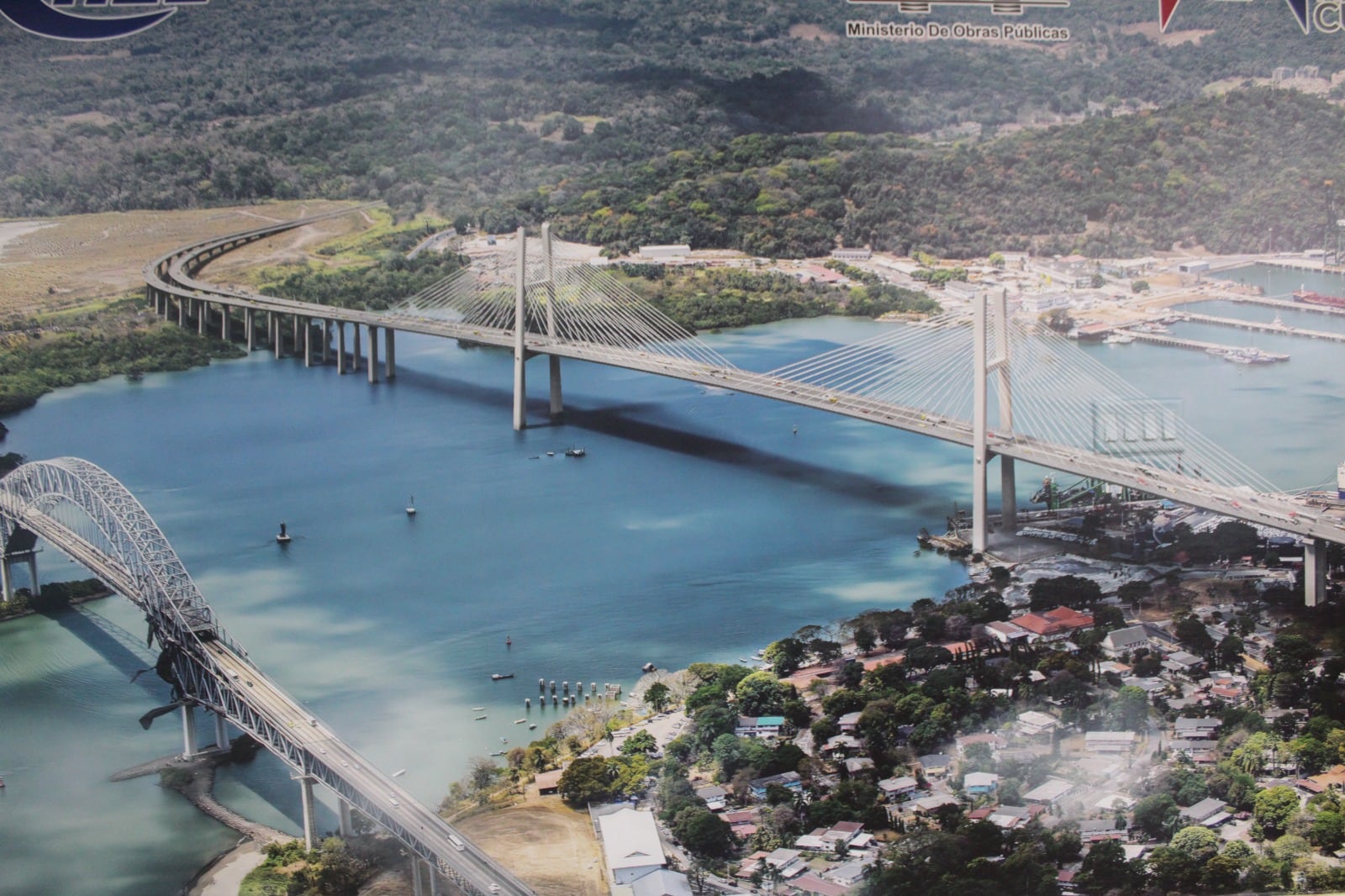
El reinicio devuelve a plena actividad uno de los proyectos de infraestructura más grandes actualmente en ejecución en Panamá. La obra contempla un puente atirantado de seis carriles, viaductos e intercambiadores que crearán una nueva conexión entre la capital y Panamá Oeste, al norte del Puente de las Américas.
La inversión estimada alcanza $2.387 millones, incluida una adenda cercana a $295 millones para el rediseño del Intercambiador Este. El contrato original había sido adjudicado por aproximadamente $1.370 millones y el MOP mantiene diciembre de 2028 como fecha contractual para completar el proyecto.

Los trabajos que vienen en el Cuarto Puente
Antes de la suspensión, Ernesto Zúñiga, director de inspección del proyecto por parte del MOP, explicó en una entrevista con Infoeconomía de Radio Panamá que la construcción había alcanzado 41%. Uno de los mayores avances se concentra entre Cerro Sosa y el puente principal, donde varias columnas ya alcanzaron alturas importantes.
En el lado este, las primeras torres principales llegaron prácticamente al nivel donde estará la superficie de rodadura. Allí deberá construirse la viga transversal que une las estructuras principales y sobre la cual se desarrollará parte del tablero. La rodadura estará aproximadamente diez metros por encima del Puente de las Américas, explicó Zúñiga.
En el oeste, las columnas de la torre M4 comenzaron a emerger desde fundaciones construidas aproximadamente diez metros bajo el agua. Paralelamente avanzan las fundaciones y columnas del viaducto que conducirá hacia Farfán y posteriormente al intercambiador que permitirá la conexión con Panamá Pacífico y la carretera Panamericana.
Otra fase relevante será el montaje mediante vigas lanzadoras, estructuras metálicas fabricadas en China que permitirán colocar las dovelas prefabricadas entre las columnas. Cada tramo requiere aproximadamente entre 15 y 16 dovelas, que serán elevadas, alineadas con precisión y posteriormente tensadas para formar progresivamente la superficie de circulación.
Zúñiga indicó que ya se habían producido aproximadamente 235 dovelas entre los sectores este y oeste. Las piezas serán trasladadas hacia los puntos de montaje conforme avancen las columnas y entren en funcionamiento las vigas lanzadoras, una tecnología que no había sido utilizada anteriormente en una obra vial de esta magnitud en Panamá.
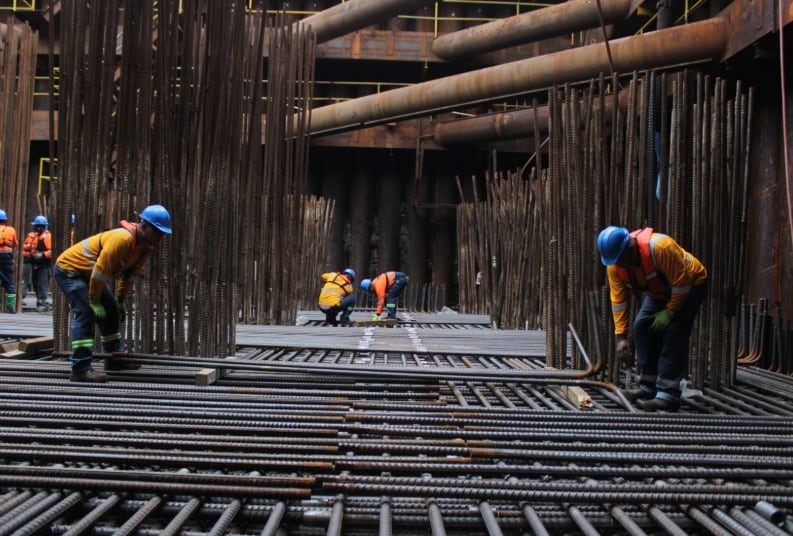
En Cerro Sosa, mientras tanto, la excavación se realiza sin utilizar explosivos, pese a contar con permisos para hacerlo. El terreno está compuesto por basalto de alta dureza y se emplea una técnica denominada splitting, mediante perforaciones y elementos que fracturan la roca. La previsión es completar esa excavación hacia finales de 2026.
Para los últimos meses del año, el cronograma contempla levantar la viga lanzadora del sector este y construir la viga transversal de las torres principales. También comenzarán trabajos del Intercambiador Este de Albrook, incluyendo reubicación de servicios públicos, movimiento de tierra y preparativos para un paso a desnivel frente al aeropuerto de Albrook.
En el sector oeste continuarán el crecimiento de las torres principales y nuevas fundaciones del viaducto, junto con los preparativos de otra viga lanzadora. También avanzará el desvío necesario para intervenir la Panamericana y se ejecutarán anclajes y trabajos de estabilización en Cerro Howard, en un área próxima a la Línea 3 del Metro.
Parte de la complejidad ha estado bajo tierra. Durante las excavaciones se encontraron antiguos oleoductos, tuberías de asbesto y otras instalaciones que no aparecían en los planos, además de sectores con presencia de combustible y terrenos formados por antiguos depósitos de excavaciones del Canal. Estas condiciones obligaron a diseñar fundaciones especiales y ejecutar sustituciones de suelo y tuberías.
Un 2027 de máxima actividad
El proyecto se aproxima ahora a su período de mayor intensidad constructiva, que comenzará hacia finales de 2026 y se mantendrá durante todo 2027. Zúñiga anticipó que el próximo año será uno de los más productivos de la construcción, cuando buena parte de las estructuras comenzará a hacerse mucho más visible.
Ese aumento también se reflejará en la mano de obra. Actualmente participan más de 2,200 trabajadores, pero durante la fase de máxima construcción se prevé superar los 3,000 empleos directos. Zúñiga señaló que la cifra podría aproximarse a 4,000 trabajadores directos, además del empleo indirecto generado alrededor del proyecto.
Las torres principales alcanzarán una altura comparable con un edificio de aproximadamente 62 pisos, mientras el vano principal tendrá cerca de 480 metros. El puente contará con un gálibo de 75 metros, diseñado para permitir el tránsito de buques de gran tamaño por el Canal sin las restricciones de altura existentes en el Puente de las Américas.
Cuando entre en operación tendrá tres carriles en cada sentido y capacidad para tránsito de carga pesada. El diseño contempla además conexiones directas desde vías como el Corredor Norte, Omar Torrijos y avenida de la Amistad, mientras en Panamá Oeste ofrecerá ramales hacia Panamá Pacífico, Veracruz y la carretera Panamericana.
El sistema completo de conexiones comprende más de 25 kilómetros de vías distribuidas entre diferentes ramales, según explicó Zúñiga. Los estudios de tráfico proyectan que la configuración podrá atender la demanda hasta 2048, siempre que el Puente de las Américas y el Centenario continúen formando parte de la red vial.
Con la suspensión superada, el desafío vuelve a concentrarse en cumplir los hitos constructivos previstos para el cierre de 2026 y entrar en 2027 con los principales frentes trabajando simultáneamente. El calendario contractual mantiene diciembre de 2028 como objetivo para terminar una conexión llamada a modificar la movilidad entre Panamá y Panamá Oeste.
corresponsal:Desde Panamá
NEWYou can now listen to Fox News articles!
Iranian security forces have stepped up their presence in Tehran and other cities, with motorcycle patrols, checkpoints and forces positioned across major urban areas as authorities brace for possible unrest, multiple sources inside Iran told Fox News Digital.
The security buildup comes as university students have returned to the streets in Tehran, protesting compulsory hijab rules, rising education costs and political repression, videos published on Iran International show.
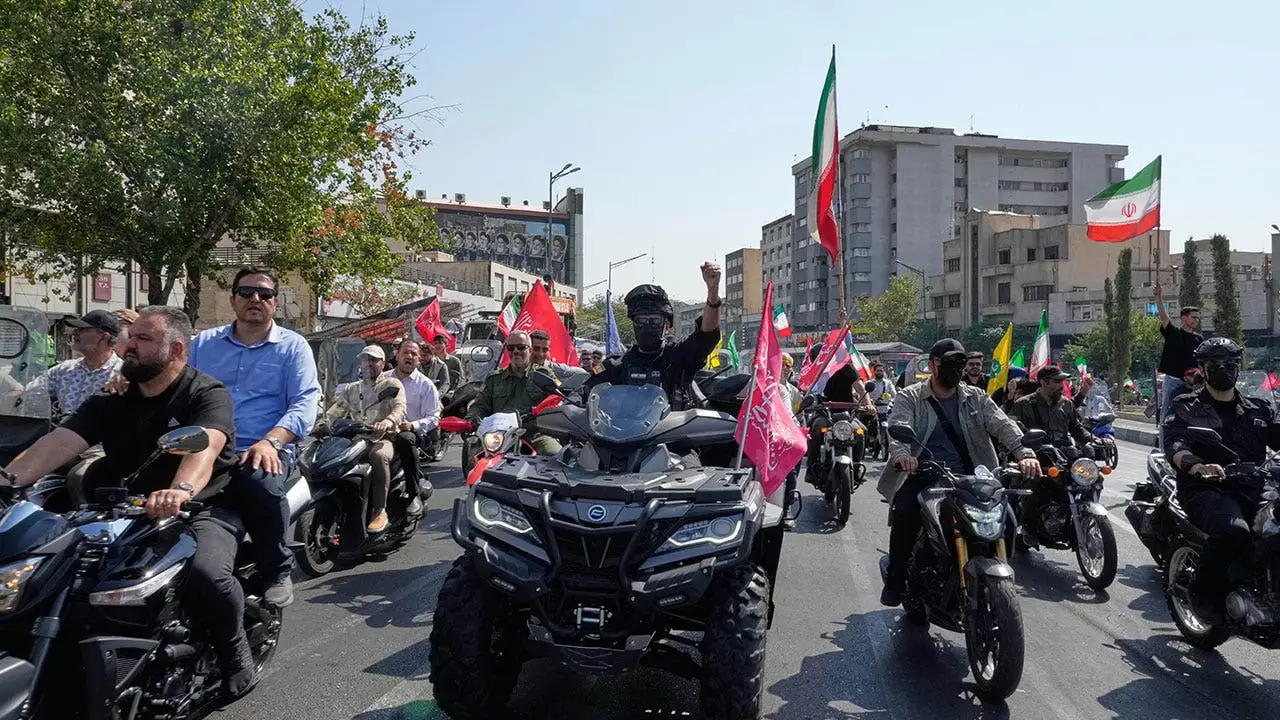
Sources inside Iran confirmed to Fox News Digital that motorcycle units have been operating across Tehran and other cities during events surrounding Iran’s annual «Sacred Defense Week,» while members of the Islamic Revolutionary Guard Corps, Basij and law enforcement have been positioned at major squares and other locations.
IRAN INSTALLS NEW WAR CHIEFS AS TEHRAN SIGNALS ‘PROLONGED CONFRONTATION,’ EXPERT WARNS
Motorcyclists ride during a state-organized motorcycle parade called «Janfada,» meaning «Sacrifice for Iran,» in Tehran, Iran, Friday, Sept. 25, 2026. (Vahid Salemi/AP Photo)
The sources also said security personnel have stopped pedestrians, searched some individuals and examined mobile phones, including material authorities consider «anti-regime.»
One source in Tehran told Fox News Digital that the heightened security presence extends beyond what is visible on the streets.
«Motorcyclists taking photos of shops, and prisoners being threatened and forced to tell their families not to physically participate in any protests that might arise,» the source said.
INSIDE TEHRAN: IRANIANS DESCRIBE IRGC’S BRUTAL RULE, POVERTY — ASK TRUMP TO ‘STAY THE COURSE’
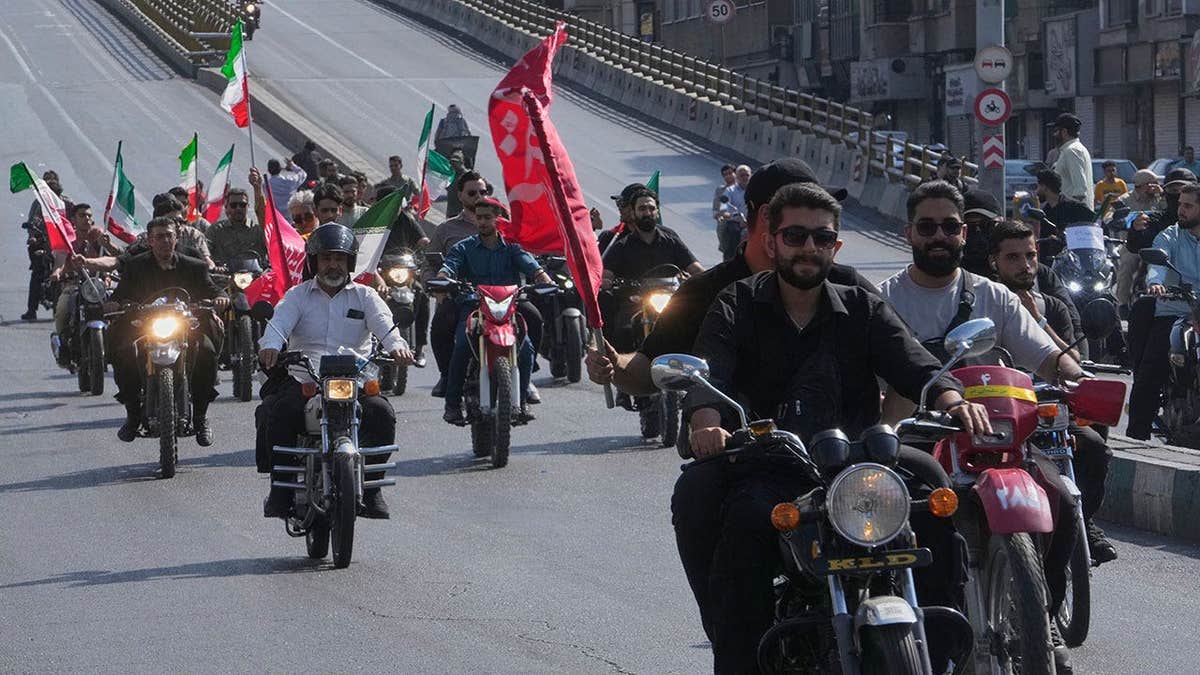
Motorcyclists ride during a state-organized motorcycle parade called «Janfada,» meaning «Sacrifice for Iran,»in Tehran, Iran, Friday, Sept. 25, 2026. (Vahid Salemi/AP)
The source said Basij members who previously received military training have been placed on alert and are being housed or assembled at educational facilities and large properties on the outskirts of Tehran.
The measures were not limited to the capital. «This situation exists in all cities, but the nature of the presence and the way things are organized differ,» the source told Fox News Digital, citing information received from Borujen, Isfahan and other cities.
«In those places, plainclothes agents are more prevalent and try to remain out of public view; however, in Tehran, they appear openly on the streets in military uniforms and gear specifically to instill fear and terror,» the source said, adding that leave had also been canceled in smaller cities and claimed shops, telephone communications and everyday activities were under increased surveillance.
IRAN ACCELERATES EXECUTION CAMPAIGN AGAINST ANTI-REGIME ACTIVISTS AMID INTERNET CENSORSHIP
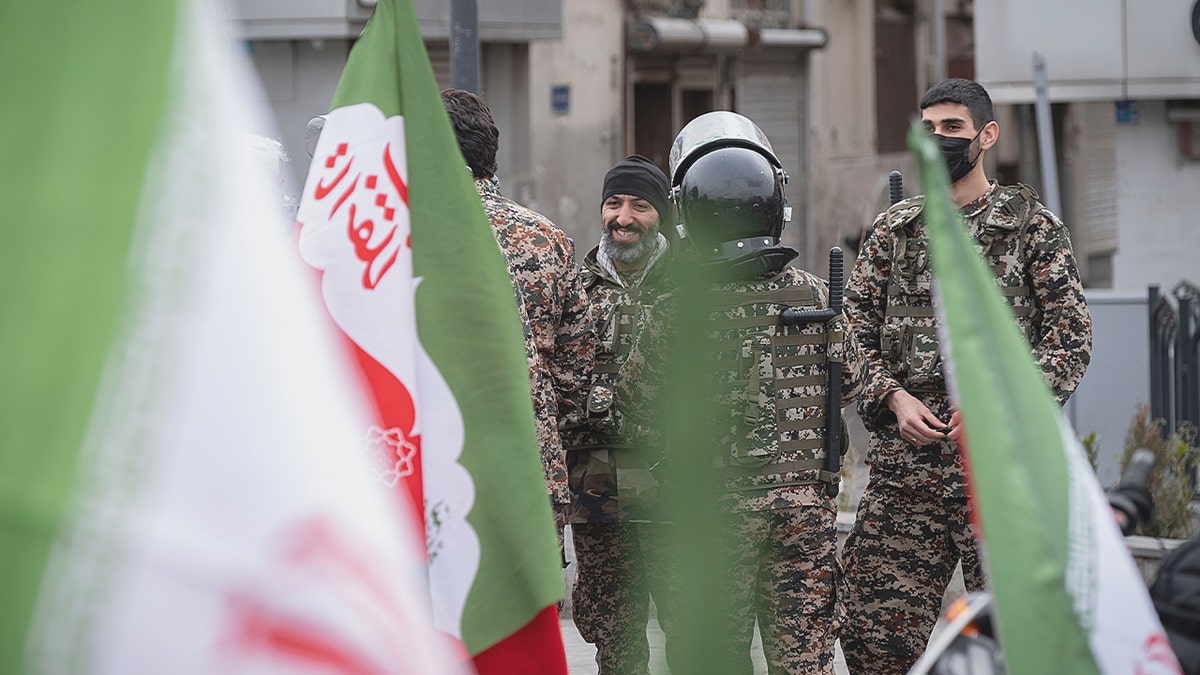
Military members of the Islamic Revolutionary Guard Corps (IRGC) in western Tehran, Iran. (Morteza Nikoubazl/NurPhoto via Getty Images)
Iranian journalist Mehdi Ghadimi, who lives outside Iran after years of opposition activity, separately told Fox News Digital that he had received similar accounts.
«I’ve received reports of new checkpoints being set up in Tehran, and there have also been reports of military forces being put on alert, as well as civilians who had previously been trained by the regime for urban repression being called up,» Ghadimi added that people are being detained on espionage charges simply because they communicate with people outside of Iran.
Ghadimi also said he had received reports that individuals with serious criminal records had been released from prison in exchange for reporting to local Basij bases and participating in the suppression of demonstrations.
IRAN INMATES SEW LIPS SHUT IN MASS HUNGER STRIKE AT NOTORIOUS US-SANCTIONED JAIL: REPORT
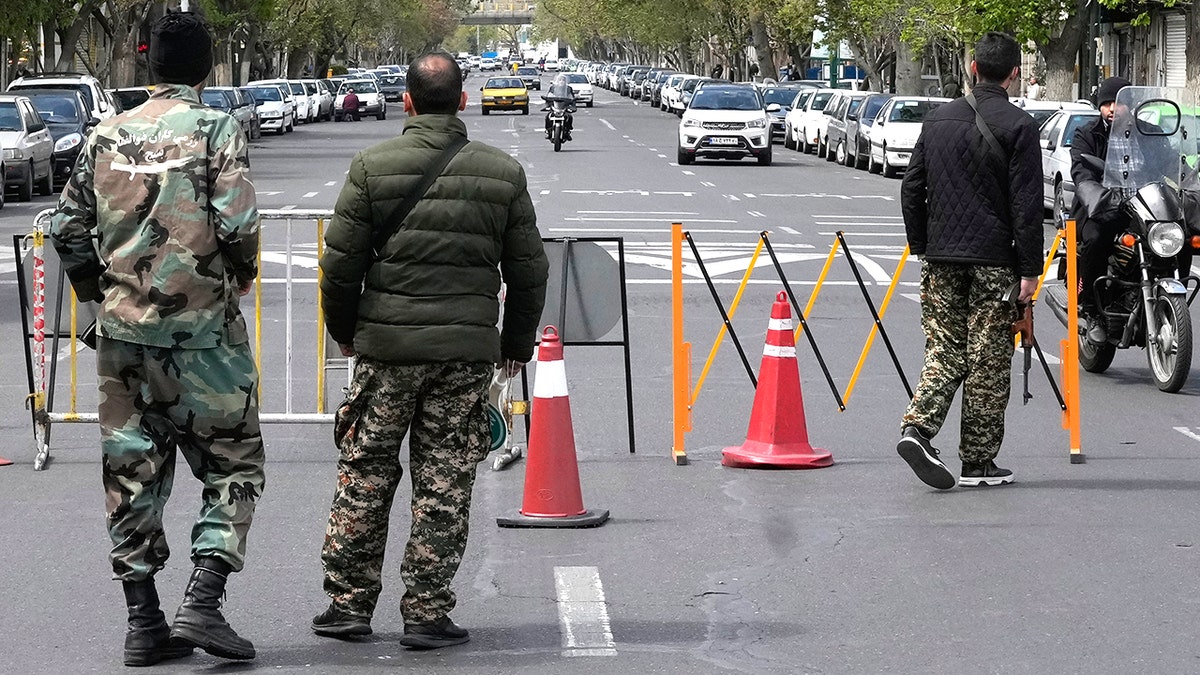
Members of the Basij paramilitary force stand at a checkpoint in Tehran, Iran, Sunday, March 29, 2026. (Vahid Salemi/AP Photo)
The accounts follow a report from the National Council of Resistance of Iran’s (NCRI’s) Committee on Security and Counterterrorism alleging that Iranian authorities ordered a «100%» state of readiness for the Army, IRGC, Basij and law enforcement and canceled leave through Sept. 27. The NCRI also claimed 51,000 personnel had been deployed across Greater Tehran, including 30,000 IRGC and Basij members and 21,000 law enforcement personnel. The reported preparations are taking place as signs of public unrest have begun resurfacing on university campuses. Fox News Digital has not independently confirmed those claims.
Students at Allameh Tabataba’i University in Tehran held a protest Monday against compulsory hijab, rising tuition and university living conditions, according to videos reported by Iran International on Sept. 28 and 29. Students were recorded chanting against the morality police and political repression.
Iran International reported that the protest began over tuition, dormitory and food costs before expanding into broader political chants. The outlet, citing the student publication Amirkabir, reported that Basij members attempted to disrupt the gathering and threatened students.
IRAN’S REGIME CAME FOR TEENAGE TWINS. THEIR FATE OFFERS A GLIMPSE OF TEHRAN’S WIDENING DEATH CAMPAIGN
The protests also come amid renewed pressure over compulsory hijab rules on university campuses. On Sept. 8, Iran International reported that a senior official in the office representing Iran’s supreme leader at universities said a new compulsory-hijab directive for universities had been drafted and was expected to be issued by the ministries overseeing higher education.
Separately, the IRGC escalated its rhetoric toward Washington on Tuesday, with spokesman Hossein Mohebbi calling on Americans to pressure President Donald Trump’s administration. «This lying administration must be changed,» Mohebbi said at a Tehran press conference, according to Reuters video distributed Sept. 29.
His remarks came as U.S. and Iranian officials continued indirect contacts through mediators in an effort to end the seven-month conflict, Reuters reported.
The combination of visible security preparations and renewed demonstrations is fueling speculation among Iranians about whether the country could face another broader wave of unrest.
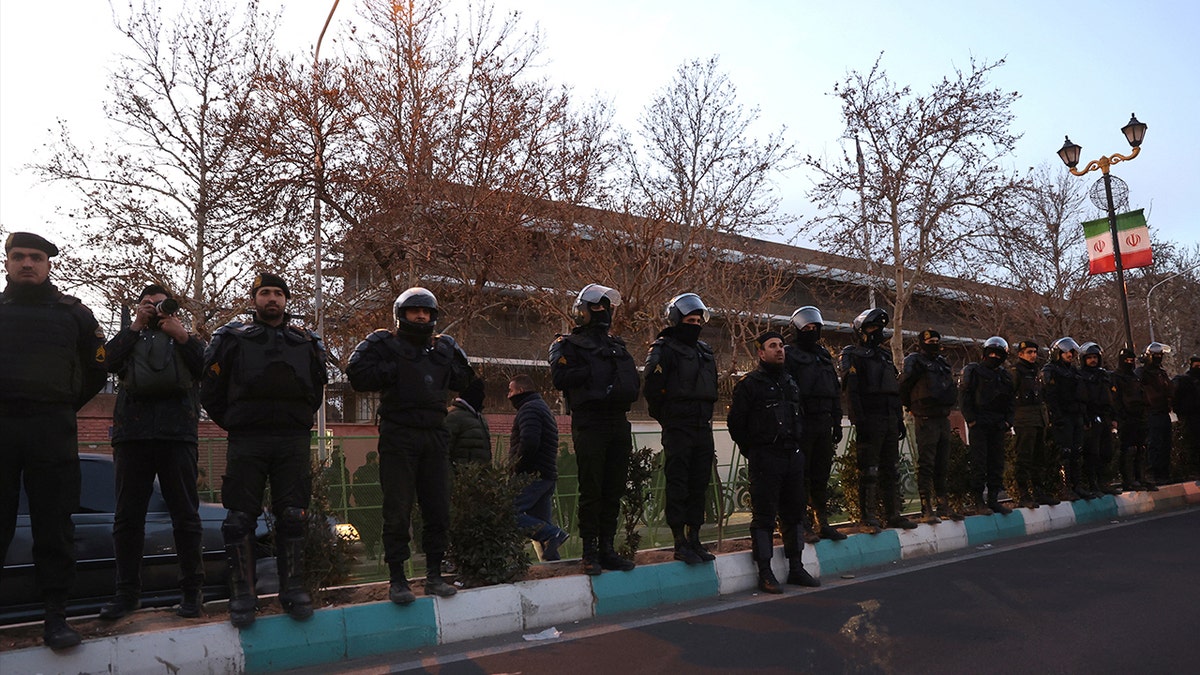
Members of the Iranian police stand guard at a protest in front of the British embassy following anti-government protests in Tehran, Iran, January 14, 2026. (Majid Asgaripour/WANA (West Asia News Agency) via)
«The reality is that nobody knows what’s going to happen,» Ghadimi told Fox News Digital. «Everyone I talk to says that this situation cannot continue and that, somehow, it has to come to an end.»
war with iran, national security, world, iran, world protests

Bombshell report exposes healthcare fraud schemes as taxpayers lose up to $521 billion annually

LLA consiguió el dictamen sobre morosidad pero la oposición presiona para avanzar con créditos blandos del Estado

Among Us recibe la actualización 19.0.0 – Nintenderos

La UCR pedirá información sobre los supuestos terroristas mencionados por Milei

Pity Álvarez habló luego de su crisis nerviosa: “Me va a explotar la cabeza”

Un intendente peronista del conurbano eximirá de tasas y les perdonará deudas a los mayores de 75 años

El secretario de Defensa británico dijo que el Reino Unido está preparado para defender militarmente las Malvinas

El gobierno porteño y el colectivo LGBTIQ+ llegaron a un acuerdo y confirmaron la fecha de la Marcha del Orgullo

El viento de frente internacional no pone freno al apetito por riesgo argentino

Trump’s Greenland deal shadows Xi visit after years of Beijing eyeing Arctic influence

 INTERNACIONAL3 días ago
El secretario de Defensa británico dijo que el Reino Unido está preparado para defender militarmente las Malvinas
- POLITICA3 días ago
El conflicto por discapacidad lesionó el vínculo del Gobierno con el PRO y se dilatan los planes electorales
- SOCIEDAD3 días ago
El universo de Code Geass se expande con una nueva historia. Star Chaser Aspal presenta su primer tráiler y apunta a 2027