INTERNACIONAL
Office of Personnel Management uncovers $500M in fraud and waste in federal health benefits programs

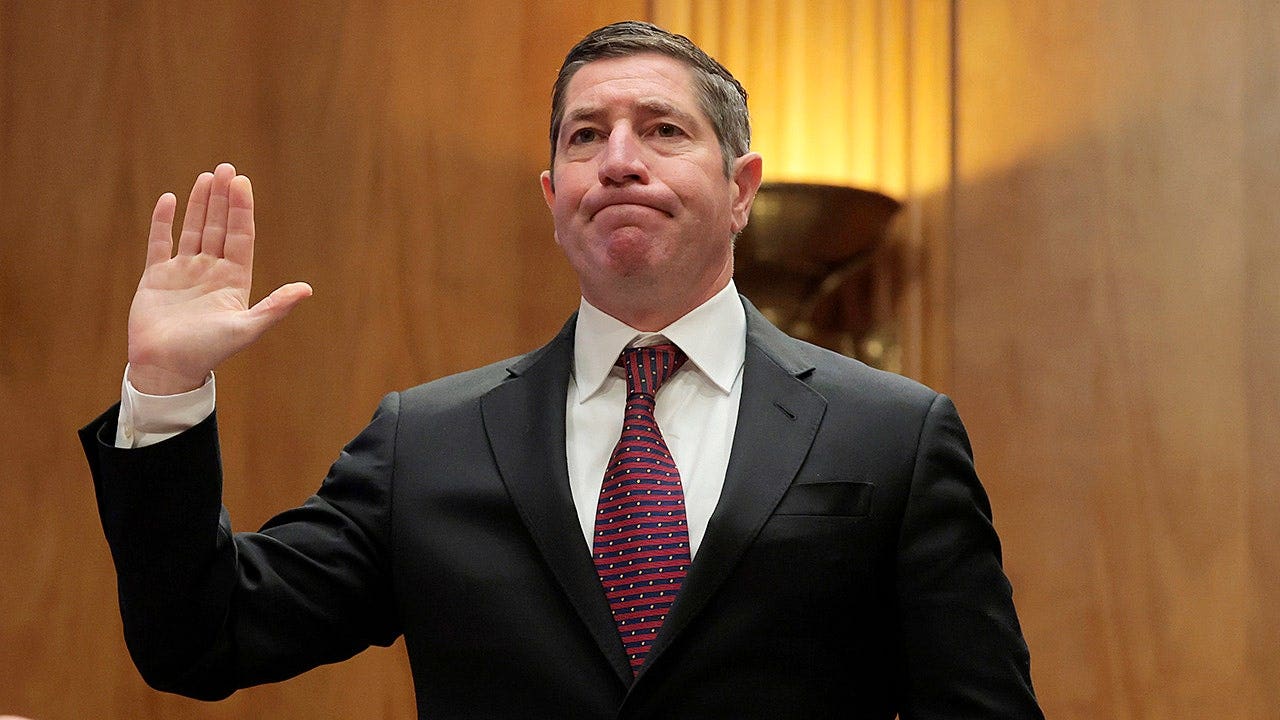
FIRST ON FOX: The Trump administration announced $500 million in waste and fraud findings at the Office of Personnel Management – revealing a recovery of potentially fraudulent funds for federal health benefits programs.
Health insurance carriers in the Federal Employees Health Benefits and Postal Service Health Benefits programs reported preventing nearly $510 million in losses before or during payment and recovering an additional $21.9 million after claims were paid, according to the Office of Personnel Management.
«OPM runs health insurance for about 8.9 million retirees and federal employees, and we spend about $80 billion a year,» Office of Personnel Management Director Scott Kupor told Digital. «The $500 million, a little more than half percent, is a good number, but certainly we have a long way to go here to root out more fraud, waste and abuse.»
FIRST ON FOX: TRUMP ADMIN OPENS NEW FRONT IN FRAUD CRACKDOWN TARGETING HEALTH INSURERS, DRUG MIDDLEMEN
The White House anti-fraud task force led by Vice President JD Vance has reported $260.7 billion in fraud uncovered since Trump took office, and $72 billion in fraud stopped on an annualized basis.
Kupor said his agency is conducting its own review of health insurance claims data for the first time, allowing the agency to analyze billing patterns across providers and health plans to identify unusual prescribing habits, surgery rates and other anomalies that could signal overuse, misuse or potential fraud.
TRUMP ADMIN BLOCKS MORE THAN $1.6B IN POTENTIALLY IMPROPER MEDICARE LAB PAYMENTS, AGENCY SAYS
He said the agency will use those findings to remove providers from federal health programs when warranted and will refer cases involving suspected criminal conduct to the agency’s Office of Inspector General and the Justice Department for further investigation.
Kupor leads the agency responsible for overseeing the federal workforce while managing key employment and benefits programs for millions of current and former federal employees. One of the most prominent examples of his work stems from Elon Musk and the Department of Government Efficiency’s (DOGE) targeting of a mine in Pennsylvania.
EXCLUSIVE: INSIDE THE SECRETIVE MINE DOGE HELPED DRAG OUT OF A DECADES-OLD BUREAUCRATIC BLACK HOLE
Last April, Digital first reported that the United States government applied the use of artificial intelligence for federal employee recordkeeping – the first time the federal government implemented AI at scale.
The movement was led by Kupor and Musk, and Musk didn’t hide his shock that federal records were being stored and managed solely on paper at the time.
TRUMP UNLOADS ON TECH TITANS PUSHING FOR SLOWDOWN ON EMERGING INDUSTRY: ‘WHOEVER WINS AI, WINS!’
«The speed at which the mine shaft elevator can move determines how many people can retire… And the elevator breaks down and then nobody can retire,» Musk said last February. «Doesn’t that sound crazy?»
When asked for an update on progress made on modernizing the mine, Kupor said it is now fully operational on an electronic system.
«This past year, we did 180,000 electronic online applications for retirement, which is just unprecedented,» he said. «That’s almost double the production that we’ve had in any prior year. Electronic applications can get solved in less than half the time today that a paper one does.»
«We will take something that has been a six-month, nine-month, 12-month horrendous process for retirees, and I think we will be able to do it in as little as 15 days with the continued development of technology.»
WHITE HOUSE PUSHES ‘WATERSHED’ FRAUD-FIGHTING REFORM IN CONGRESS AS VANCE CONVENES TASK FORCE
Kupor’s previous experience working with artificial intelligence has led to his name being floated to serve as the AI czar in the Trump administration – a role cast into the spotlight as data center development and artificial intelligence have become midterm election talking points.
After working as an investment banker at Credit Suisse, Kupor worked at Loudcloud, which was co-founded by Marc Andreessen and Ben Horowitz, in 1999. He was then hired as the first employee by Andreessen and Horowitz at the duo’s venture capital firm. Kupor also served as the chair of the National Venture Capital Association from May 2017 to May 2018.
TRUMP SAYS ANTI-FRAUD EFFORTS ARE UNCOVERING BILLIONS IN WASTE, CLAIMS SAVINGS COULD BALANCE BUDGET
When asked about whether he has had any conversations with the White House about the role, Kupor said he had seen the reports he was being floated, and discussed President Donald Trump’s views on artificial intelligence broadly.
«I’ve read all the same reports you’ve read and don’t have anything to add there,» he said. «What the president has said is exactly 100% right, which is that AI is the most important piece of technology that will determine economic growth for us, national security, sovereignty for our country.»
TRUMP ADMINISTRATION UNCOVERS $1.2B IN SUSPECTED COVID CONTRACT FRAUD TIED TO BIDEN-ERA SPENDING
«One of the things that I know, again, having spent all my life in the venture world, is there is no limit to the intellect and inventiveness of entrepreneurs in this country. And we just need to make sure that the conditions around, you know, regulatory controls and others continue to allow the U.S. to flourish in the way that it’s always done.»
Kupor did not rule out accepting the role if Trump should offer it to him, saying that while he is focused on his job as director of the agency, he serves «at the will of the president.»
Reports had suggested that Treasury Secretary Scott Bessent was being considered for the AI czar position, but last week Trump said he would not be selecting him for the role.
politics, donald trump, doge, executive, health care












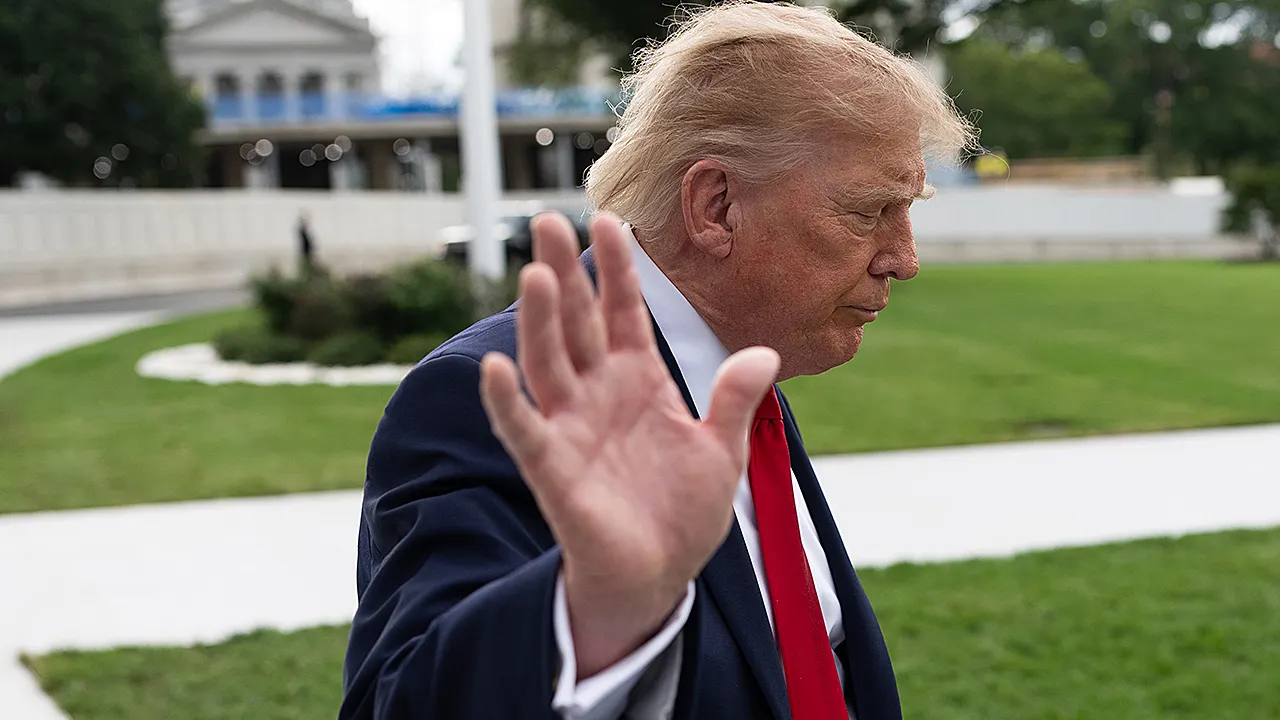
Reported guidance directing some ICE offices to pull back on arrests of illegal immigrants without criminal histories triggered backlash from policy hawks, raising questions whether the Trump administration is sending conflicting signals on enforcement.
The guidance was rescinded within hours, and Trump told there had been no change in an enforcement posture that prioritizes — but is not limited to — the «worst first.» The verbal guidance had been relayed to ICE field offices around the country, according to multiple sources familiar with the matter, though it remains unclear who initially issued the instruction.
Administration officials later characterized it as a misunderstanding rather than a formal policy change, and new guidance reaffirming there had been no change in enforcement policy was sent within hours. The episode nevertheless reinforced concerns among some immigration hawks who say recent public messaging from administration officials has suggested a narrower approach to interior enforcement than Trump campaigned on.
Mike Howell, a leader of the Mass Deportation Coalition and president of The Oversight Project, argued public criticism helped force the reversal but said the episode also fit what he views as a broader pattern of mixed messaging from DHS on interior immigration enforcement.
«[The guidance] was walked back, allegedly, which is great, and I think it was in large part walked back because people spoke out very, very loudly,» Howell said, while adding there is a troubling undercurrent to some of DHS’ messaging on the greater matter:
WHITE HOUSE BRINGS RECEIPTS AFTER MEDIA CLAIMS NONCRIMINAL ICE ARRESTS ‘SOARING’: ‘FALSE NARRATIVES’
As an example, Howell pointed to a tweet from DHS Secretary Markwayne Mullin posted one day before the ICE guidance news broke, in which the secretary said the department was «not conducting worksite operations in Kansas» but was targeting criminal illegal immigrants and those facing removal.
The post followed ICE operations in Kansas that prompted complaints from Sen. Roger Marshall, R-Kan., who said DHS had failed to coordinate with local authorities during operations in cities including Liberal.
«I’ve never seen a secretary put anything like that in writing,» Howell said. «[If it were] an Obama or Clinton or Biden DHS secretary, we would have called for impeachment if they said that.»
‘GONE TOO FAR:’ GOP CANDIDATE RUNS TO TRUMP’S LEFT ON SIGNATURE ISSUE IN DEEP RED DISTRICT
Asked to put a finer point on it, Howell stated outright: «If Mayorkas tweeted that, I would have immediately called for his impeachment: for flagrant admission that they are not enforcing the laws and faithfully executing them — It was amnesty by another means.»
Howell emphasized that he was not calling for Mullin’s impeachment, but using the comparison to underscore how seriously he views any pullback from broad immigration enforcement.
He further argued that shifting signals are unfair to rank-and-file ICE agents who served during the Biden administration.
It remained unclear who originated the guidance, but was told it was a «misunderstanding» and that the person responsible would likely face reprimand.
A source told Digital on Sunday evening that the order «definitely went out» and that some immigrant-heavy Republican districts have seen anger over family members being caught up in worksite-enforcement removals. The source pointed to Kansas as an illustration.
«This type of ping-pong is deeply unfair to ICE, the men and women there tasked with actually deporting these people,» he said. «They watch the news, they read X, they see these mixed signals and it’s affected operations.»
EXCLUSIVE: DHS SECRETARY MULLIN SLAMS SANCTUARY POLITICIANS AS ATTACKS ON ICE OFFICERS SKYROCKET
White House spokeswoman Lauren Bis pushed back, saying Trump has been clear that «no one is off the table.»
«DHS continues to deliver results for the American people including the most secure border in history and three straight months of a record number of ICE arrests,» she said, citing more than 3 million deportations thus far.
An ICE report also put arrests-per-month at a record high of 51,000 in August, while a source familiar confirmed that ICE guidance that went out was a «miscommunication» and not from the top.
Mark Krikorian, executive director of the Center for Immigration Studies, which advocates for tighter immigration controls, said the situation is uniquely instructive because it comes at a time when factions of the Republican Party are at odds, whether silently or not, over the immigration enforcement issue.
«All of this comes on the backdrop of conflicting goals and messages within the administration on immigration,» he said.
Krikorian said the administration may have contributed to that confusion by repeatedly emphasizing its focus on the «worst of the worst,» even as officials including border czar Tom Homan have said immigrants without criminal records are not exempt from enforcement.
«The administration does need to get its story straight internally so that they can then present a consistent message externally,» Krikorian said.
He argued the larger unresolved issue is worksite enforcement, which he said is critical to encouraging self-deportation but creates political tension between business interests seeking labor and working-class Republicans demanding tighter enforcement.
Republican donors who favor the «loose labor market» that low-wage migrants bring clash with the working-class Republican bloc demanding tighter labor markets and stricter enforcement, Krikorian said.
Krikorian said he had hoped Trump or Mullin would clarify after the Kansas controversy that the administration was not «randomly» cracking down on employers, but conducting worksite enforcement based on intelligence about businesses employing illegal immigrants.
Several Republicans, including Marshall and Rep. Maria Elvira Salazar, R-Fla., have criticized aspects of the administration’s immigration push ahead of the midterms. Krikorian argued that conflicting signals could also carry political consequences with Trump voters focused on enforcement – citing competing pressures between big-business and the base.
«You don’t tweet out that you’re not doing what voters want you to do,» he said.
Krikorian praised the administration’s border policies but argued interior and worksite enforcement create more complicated political tradeoffs for the Trump coalition.
After the Wire report broke, DHS responded in part «this is false. No one is off the table.»
SIGN UP TO GET THE POLITICS NEWSLETTER
Digital reached out to Salazar and DHS for further comment.
Fox News’ Bill Melugin contributed to this report.
illegal immigrants, deportation, homeland security, immigration, politics, tom homan
INTERNACIONAL
El BID advirtió sobre una brecha de USD 630.000 millones en inversión de transporte en Latinoamérica
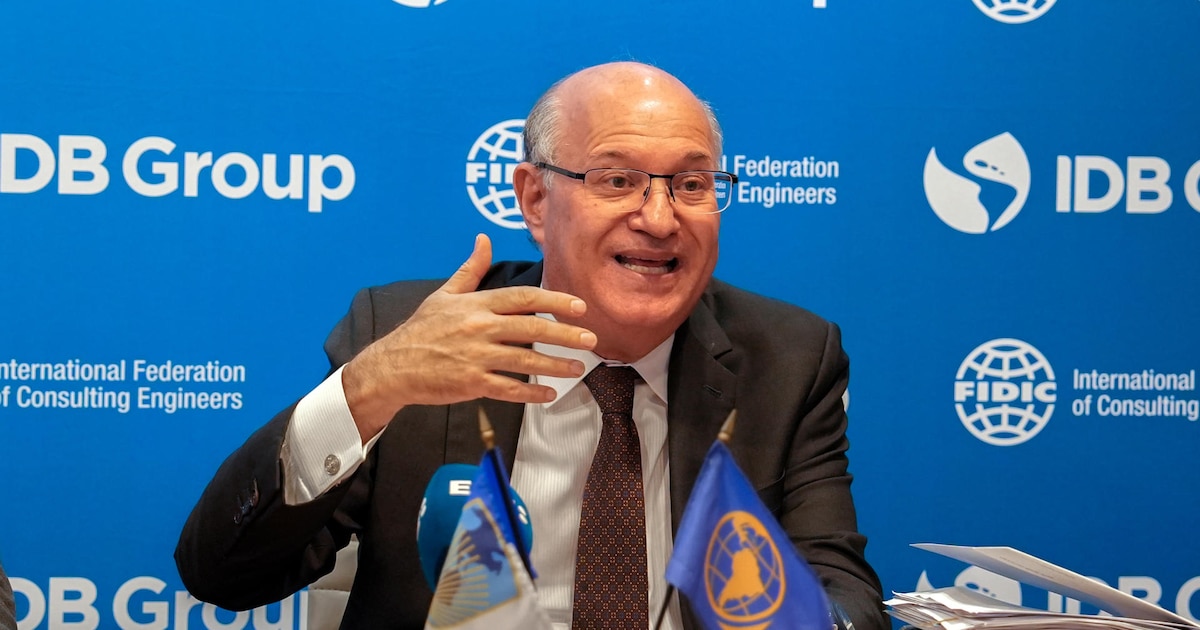
El presidente del Banco Interamericano de Desarrollo (BID), Ilan Goldfajn, afirmó este martes en Miami que América Latina enfrenta una brecha de USD 630.000 millones en inversiones de transporte y requiere destinar cada año el equivalente al 1,3% de su producto interno bruto regional para reducir ese déficit.
La advertencia surgió durante la apertura del LAC Transport Forum 2026, un encuentro que reunió a representantes de 17 países latinoamericanos y del sector privado. En el foro se presentaron más de 110 proyectos de transporte, por un valor superior a USD 65.000 millones, con perspectivas de licitación en los próximos 18 meses.
“Buscando proyectos más sostenibles, más eficientes y más competitivos, estimamos que podemos aumentar hasta el 35% los resultados de la inversión, el impacto de la inversión en la gente, sin aumentar el costo, que es fundamental dada la restricción fiscal que todos los países de la región tienen”, explicó Goldfajn.
Argentina, Bolivia, Brasil, Chile, Colombia, Costa Rica, Ecuador, El Salvador, Guatemala, Guyana, Haití, Honduras, Panamá, Paraguay, Perú, República Dominicana y Surinam participaron de la ronda de reuniones con empresas e inversores.
El gerente del sector de Infraestructura y Energía del BID, Tomás Serebrisky, detalló que la cartera incluye carreteras, puertos y aeropuertos, además de sistemas de movilidad urbana. También contempla obras de mayor escala, como líneas de metro, trenes suburbanos y servicios ferroviarios de pasajeros.
Goldfajn señaló que el sector privado plantea dudas sobre los permisos y los procesos de contratación pública. “A veces les lleva mucho tiempo conseguir los permisos, las licitaciones llevan mucho tiempo”, indicó. En ese sentido, mencionó inquietudes empresariales porque “a veces no sienten que hay competición” o “a veces piensan que hay conflicto de interés”.

Frente a esos reclamos, el Grupo BID presentó la plataforma regional Transport Delivers, que busca “mejorar la calidad, la transparencia y la competitividad de los procesos de inversión”. La iniciativa aplicará reformas del programa Procure+ en proyectos de infraestructura.
El presidente del banco sostuvo que los gobiernos deben ofrecer “todas las condiciones para invertir”, con “reglas claras y buenas y procesos licitatorios transparentes”. Por otra parte, añadió que el organismo propone priorizar proyectos sostenibles y con mayor valor en “el medio y largo plazo”.
El BID organizó el foro junto con la Federación Internacional de Ingenieros Consultores (FIDIC) y aprovechó el encuentro para presentar a Marc Lopes como responsable de la nueva oficina de la entidad en Miami. Lopes ya fue director ejecutivo de Estados Unidos ante el BID. “Lo hacemos acá en Miami porque pensamos que Miami es un centro que nos facilita el papel de puente entre la región y los inversionistas y por eso inauguramos nuestra oficina acá”, argumentó Goldfajn.
BID inyecta recursos para financiar bionegocios en Ecuador
El banco participará en una línea de crédito de USD 21,3 millones para ampliar el financiamiento de actividades de bioeconomía en la Amazonía ecuatoriana, informó este lunes la Corporación Nacional de Finanzas Populares y Solidarias (Conafips).

Del total, USD 16 millones se destinarán a créditos para bionegocios. El BID aportará USD 8 millones y el Fondo Verde para el Clima (FVC) contribuirá con otros USD 8 millones, según precisó una fuente de Conafips. Los USD 5,3 millones restantes financiarán mecanismos de cobertura de riesgos y asistencia técnica. De esa cifra, USD 2,25 millones serán para el fondo de cobertura y USD 3,05 millones para cooperación técnica.
El esquema abrirá una vía de financiamiento para pequeños productores, emprendedores y organizaciones de la Amazonía y Panamazonía que desarrollen actividades generadoras de ingresos a partir del uso sostenible de los recursos naturales de la región.
Conafips actuará como nexo entre los fondos internacionales y los beneficiarios finales. El BID y el FVC proveerán los recursos; la entidad pública los canalizará como banca de segundo piso; y las cooperativas de ahorro y crédito entregarán los préstamos a productores, microempresas, asociaciones y otros integrantes de la economía popular y solidaria.
(Con información de EFE)
INTERNACIONAL
“Bienvenidos los escritores que debaten”: comienza FILBA, el gran festival porteño de literatura

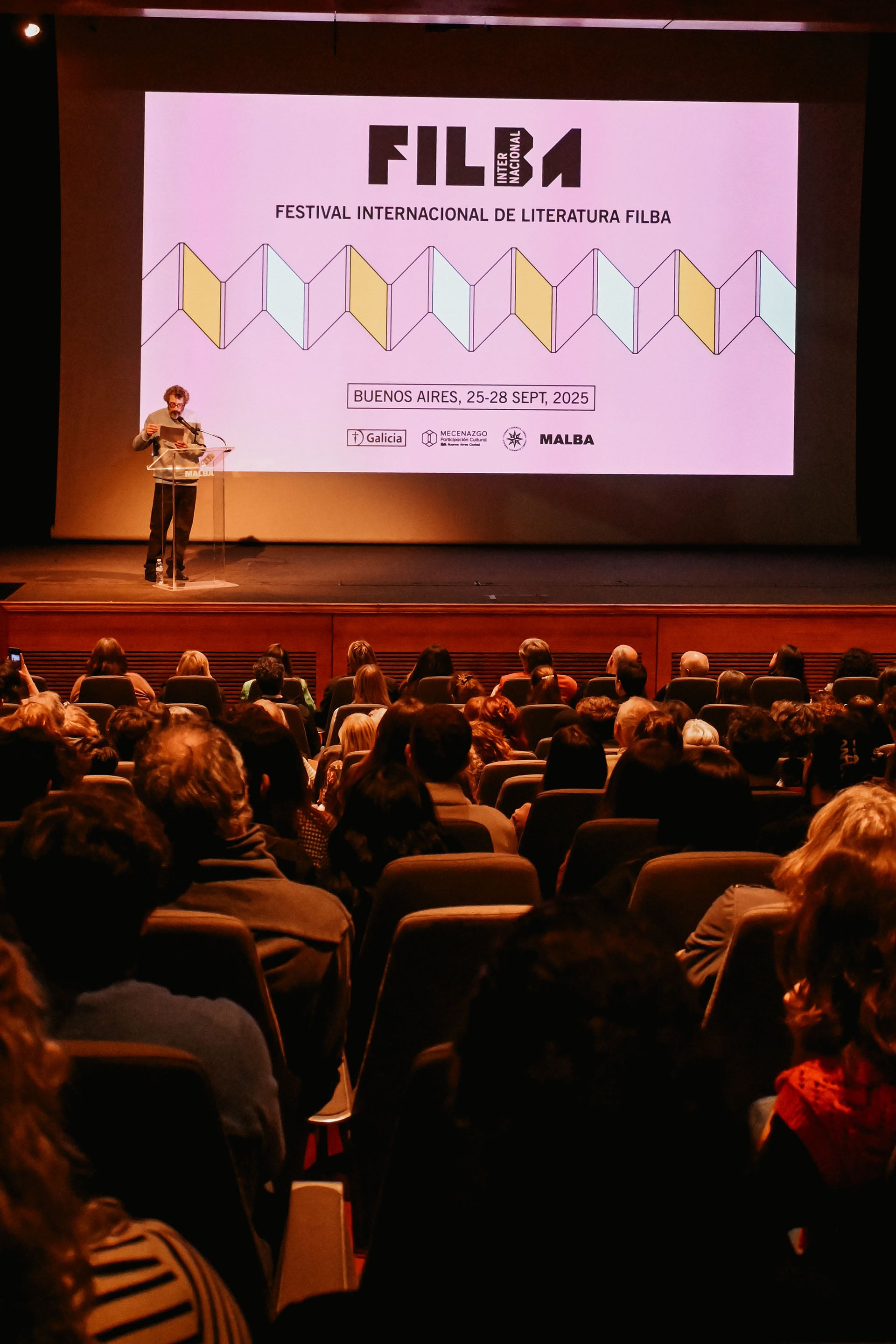
Este miércoles al atardecer, cuando el último sol de septiembre desaparezca, comienza el Festival Internacional de Literatura de Buenos Aires. En el Auditorio del Malba, una performance coral a cargo de María Eugenia Pérez Tomas abrirá el telón de la edición número dieciocho del encuentro que se desarrolla hasta el domingo 4 de octubre. “Estos días nos la pasamos corriendo”, dice Amalia Sanz, directora de la Fundación Filba, la institución detrás del festival, y la encargada de diagramar sus contenidos, junto a Victoria Rodríguez Lacrouts, María Luján Picabea y Pablo Braun, el presidente.
Puntillosos, disciplinados, la mitad de la semana hacen home office, la otra trabajan en Eterna Cadencia, la librería de Palermo, propiedad de Braun. Arriba, en las oficinas de la terraza, sacan cuentas, tachan nombres, redondean títulos. Ya está todo hecho. Durante esta conversación, Amalia está en su casa —estaba: fue el lunes—, en el barrio de Villa Ortúzar, a punto de salir a una reunión en el centro con instituciones francesas. Eso dice su agenda. Mira por la ventana, dubitativa, impaciente: tendrá que llevar paraguas.
“Termina el festival, te tomás una semana para cerrar lo que pasó, devoluciones, pagos, administración, un montón de cosas, y a los pocos días ya empezás a trabajar para el siguiente”, cuenta. Lo primero, dice, son los invitados internacionales. Muchos no pueden para el que viene, pero sí para el otro, entonces los “apalabran”. “Es un trabajo de todo el año, porque nosotras no hacemos solo el Filba Internacional, hacemos otras cuestiones durante todo el año. La fundación tiene muchos otros proyectos”.
“En el verano ya estamos hablando con las sedes, embajadas, posibles subsidios internacionales, porque muchos cierran en noviembre o diciembre, entonces en octubre también ya estás pidiendo subsidios de movilidad o de lo que fuera para el año siguiente. El embudo se forma en los últimos tres meses. Siempre termina por amontonarse todo en los últimos tres meses”, cuenta. Mayo es el mes donde la maquinaria está plenamente aceitada. Ahí arranca la intensidad. “Es realmente todo el año”, asegura.
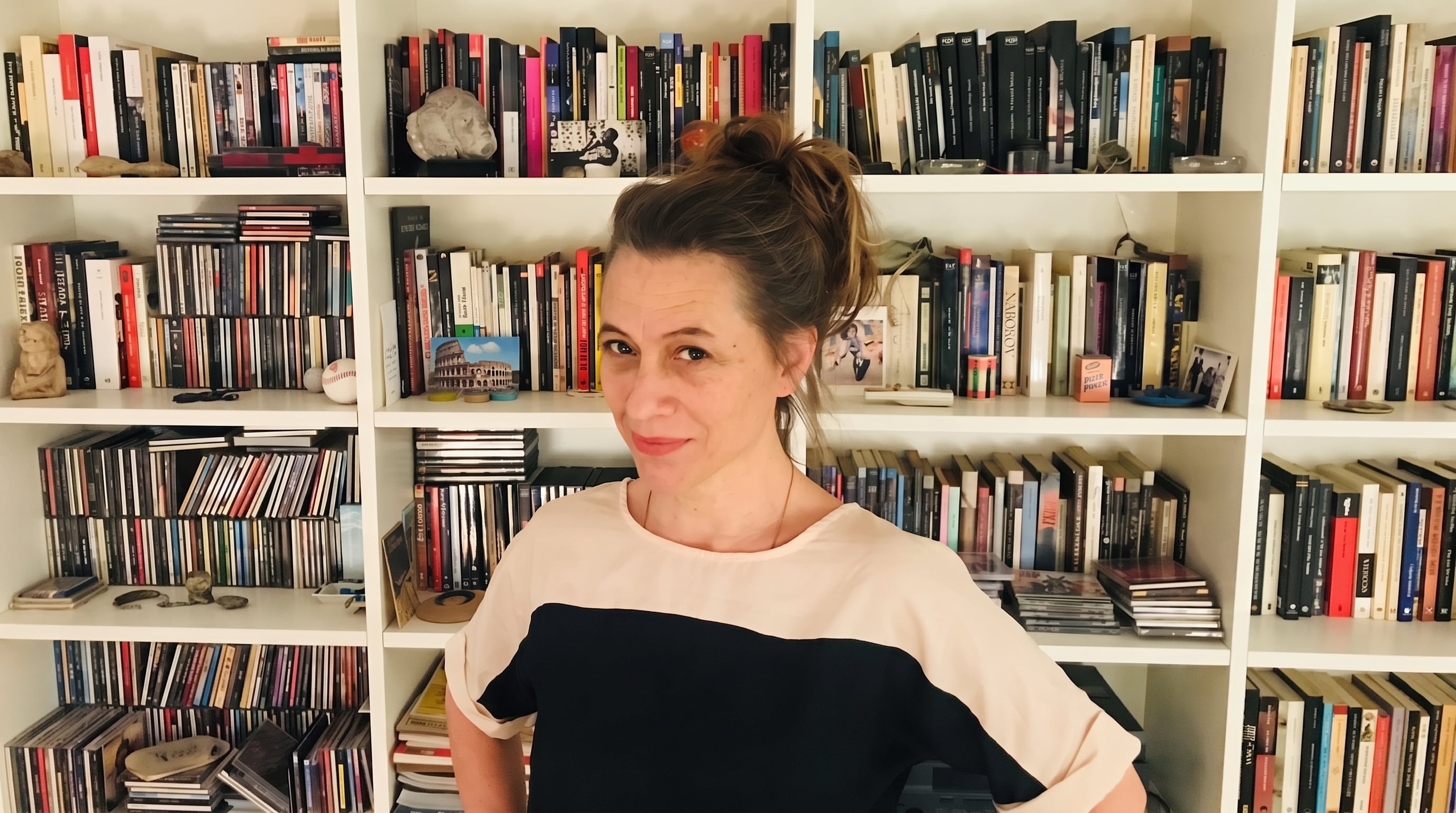
Este año, la figura central es Emmanuel Carrère. El escritor francés de 68 años, autor de libros muy celebrados como El adversario, Limonov y Yoga, brindará una clase magistral en la Facultad de Derecho de la UBA este viernes, y el sábado participará de un panel de debate sobre “La verdad en la literatura” en el Malba. “Hay un momento del año que es un rompecabezas muy complejo de armar, porque no sabés cuántos autores internacionales vas a tener, no sabés si seguir invitando, si frenar”, cuenta Sanz.
“Hay momentos que si todos nos dicen que sí, tenemos más autores de los que podemos alojar. Y si todos se nos caen, se nos cae el festival. Es un paso a paso, pero también hay una cuota de azar que a veces nos ayuda. Este año tenemos menos autores internacionales que otros años. Pero hay dos figuras de mucho peso”, explica. La segunda figura es la irlandesa Claire Keegan, autora de Cosas pequeñas como esas y Antártida. El viernes tiene actividad en Malba y el sábado en la Facultad de Derecho.
“Ha habido años que realmente no tenés una gran figura y lo cierto es que el festival sobrevivió con la misma intensidad de público, con la misma respuesta, con el mismo ruido en la prensa”, dice la directora, porque “hay algo de Filba que, por suerte, se sostiene más allá de tener figuras o no”, aunque “está buenísimo tener grandes rockstars, una figura como Carrère, porque te tracciona a otro tipo de público: hay gente que no sabía ni qué era Filba y se enteró este año porque es lectora de él”.
Durante cinco días y bajo el lema “Hábitat”, se reunirán casi cien autores, entre los que podemos nombrar a Emmanuel Carrère, Claire Keegan, Uxue Alberdi, Lalo Barrubia, Isa Calderón, Mayte Gómez Molina, Lucía Lijtmaer, Sebastiano Mauri, Mafe Moscoso, Joca Reiners Terron, Verónica Stigger, Marie Vingtras, Camila Sosa Villada, Claudia Piñeiro, Guillermo Martínez, Leila Guerriero, Cecilia Pavón, Tamara Tenenbaum, Martín Rejtman, Vivi Tellas y Lucrecia Martel.

Corrió mucha agua bajo el puente entre aquel primer Filba, nacido dentro del área de Literatura del Malba, y esta edición número dieciocho, con una programación distribuida en ocho sedes. El punto de quiebre Sanz lo pone en la parálisis del Covid: “Hubo un cambio entre pre y pospandemia. Debe haber muchas causas, pero la presencialidad nos subió muchísimo después de la pandemia, quizás por la consolidación cada vez más fuerte del festival, pero también por una búsqueda de encuentro, de volver a verse”.
“Los festivales pospandemia —continúa— fueron los más sorprendentes en cuanto a la respuesta del público. Lo mismo en los últimos años, en un contexto complejo de precarización de la cultura, donde todo se volvió más hostil, más difícil, también surgió una necesidad quizás un poco más fuerte de resistir a eso y de encontrarse más. Sobre todo teniendo en cuenta que es un evento gratuito, y en general las ofertas gratuitas se van reduciendo, y además el bolsillo está cada vez más flaco”.
Si hablamos de grandes encuentros literarios argentinos, nombramos a la Feria del Libro de Buenos Aires y a la Feria de Editores. Eventos que marcan agenda. Pero el Filba es otra cosa. Es festival, no feria, es decir: lo central es la programación de actividades, no la venta de libros. “Si bien hay una pequeña mesita con libros de todos los autores, no es el eje. Acá no hay un fin comercial en sí mismo. Entonces sabés que podés ir sin un peso y que la vas a pasar bien igual porque va a haber un montón de propuestas”, explica.
Lo que subraya Amalia Sanz es la posibilidad de “conversar”. “Hay conversaciones. Se despierta el encuentro. Los lectores se terminan encontrando entre sí, se arman diálogos. Hay algo que sucede: la calidez. Es un festival que sigue siendo cálido, pequeño. Es enorme para nosotras, sí, pero si lo comparás con la Feria del Libro se generan esas situaciones de encuentro”, dice y, ante la pregunta de cómo miden el éxito de una edición, vuelve sobre sus pasos: qué dicen los que asistieron.

“En un momento donde está tan presente lo cuantitativo, el número, el dato… Tenemos unas métricas muy difíciles de mover. ¿Cómo se mide el éxito de, no solo el festival, sino de otras cuestiones también que hacemos: el fomento al lector?, ¿cómo se mide el éxito de una lectura de poesía?, ¿cuánta gente que fue se emocionó? No todo se puede cuantificar en una torta de datos que después te sirva para presentar a un subsidio. Todo el mundo pide medición de datos. En la literatura es complejo», explica.
“Tenemos el dato muy preciso de la asistencia del público, y siempre está creciendo. Es un buen índice de saber si el festival salió bien. También hacemos una encuesta posfestival a todos los participantes: todo el mundo la pasa muy bien”, dice y recuerda que Laurie Anderson tardó en responderles la invitación. Finalmente les dijo que sí. “Nos sorprendió su entusiasmo”, recuerda. Fue la poeta Anne Carson, su amiga, quien una tarde en Nueva York le dijo: “Andá. Si te están invitando, andá. Yo la pasé genial”.
“Es una anécdota nomás. Pero es una medición de éxito, ¿no?“, dice Sanz y se ríe. ”También nos interesa cuando un autor que no circulaba empieza a circular después de Filba. Alguien que tenía un solo libro traducido y le traducen otro, o que estaba descatalogado y de repente la editorial decidió reimprimir o la distribuidora traer su libro de España. Como que siempre decimos: que los libros circulen más. Eso sí lo podemos medir, eso sí vemos que pasa festival tras festival», asegura, orgullosa.
Hacer un festival es también navegar mares difíciles. Lo saben las autoridades del Cultur-ALH de Granada, quienes cancelaron la participación de Ariana Harwicz argumentando que no podían garantizar su seguridad debido a fuertes presiones de agrupaciones estudiantiles pro-Palestina. La escritora argentina niega que exista un genocidio en la Franja de Gaza y eso desató un gran debate cruzado entre autores que hablan de censura y otros que exigen al “negacionismo fuera de los espacios literarios”.
“Filba es un micrófono abierto”, responde Sanz, de inmediato. “Jamás tuvimos ni lista negra, ni pensar qué autor puede decir qué cosa, ni qué autor puede decir otra. Invitamos autores a los que conocemos su literatura principalmente, pero en general también sus opiniones. Más en época de redes sociales, donde hay plataformas multiplicadas y los artistas se expresan. Siempre uno sabe a quién está invitando. Nunca dejamos de invitar a nadie por ninguna razón de este tipo”, explica.
“Alguna vez, y prefiero no entrar en detalles, se han bajado algunos subsidios estatales de otros países porque no podían apoyar a tal autor. Y Filba decidió continuar con la invitación de ese autor, aunque se bajara el apoyo estatal. Pero nunca desinvitamos a un escritor”, dice Amalia Sanz y continúa: “Nos damos cuenta que hay ciertos apoyos que uno no consigue por invitar a tales autores. Pero vuelvo a lo mismo: nunca dejamos de invitar a alguien porque no pensara de determinada manera”.
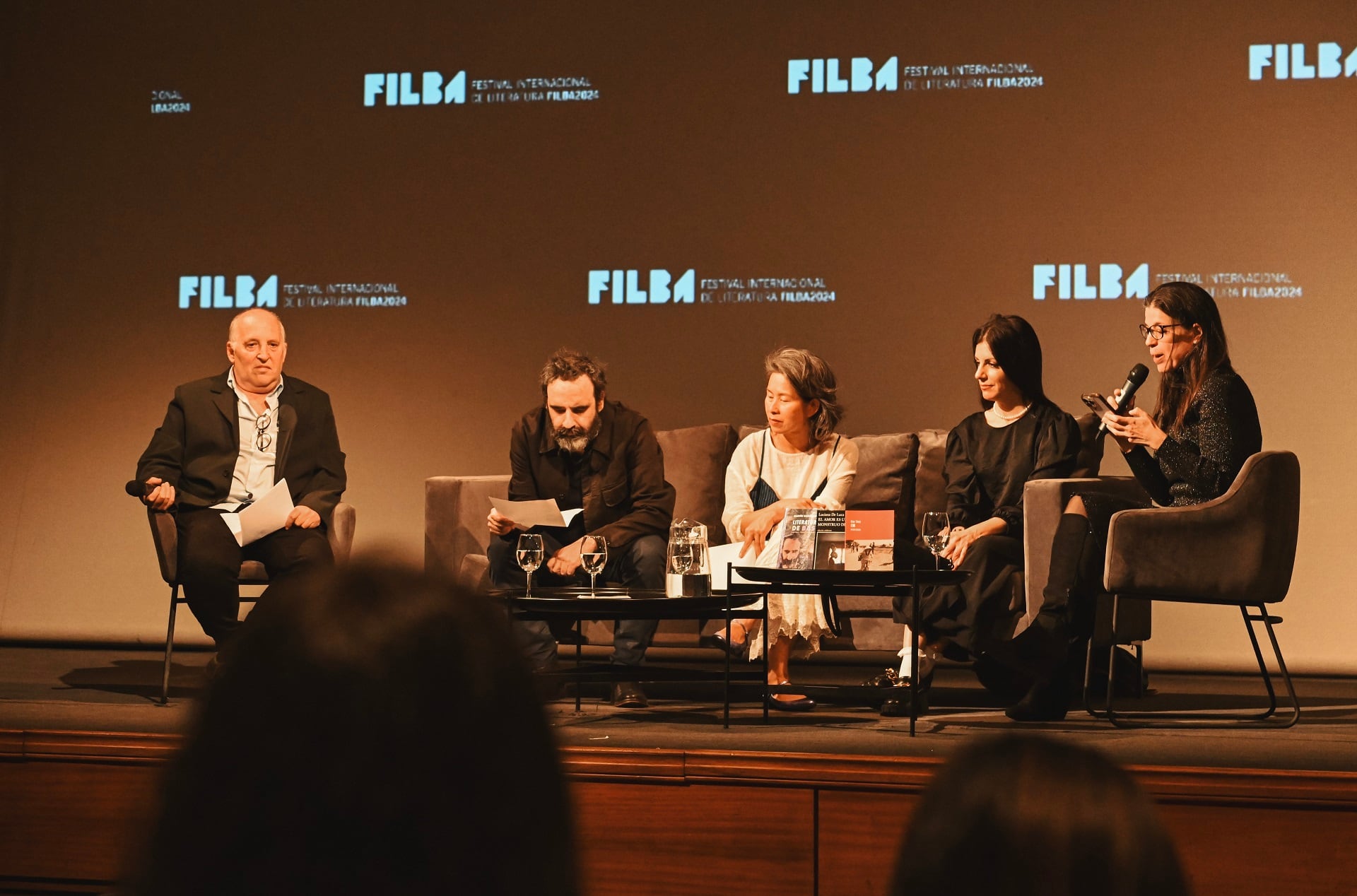
“Bienvenido que los escritores tengan algún tipo de voz en los debates y en las conversaciones contemporáneas. Siempre está bueno escucharlos, sobre todo en un momento de tanta frivolidad y violencia mediática, y en redes donde gente que uno cree humildemente que no está muy calificada para hablar de casi nada, son los que toman el debate en general. Siempre voy a preferir escuchar a debatir a Lina Meruane y a Ariana Harwicz, si es que existiera esa posibilidad de debate: es más interesante”, sostiene.
El problema, dice es que “la literatura pareciera que solo puede estar en primera plana cuando hay algún escándalo, cuando hay sangre, cuando hay pelea”. Filba siempre trató de correrse de ese lugar, el de “buscar el clic”: “A veces te cruzás con una lectura que te parece interesante, novedosa, con la posibilidad de que ese autor pueda venir, y con el subsidio que pueda estar: es un rompecabezas de muchas piezas. Pero siempre es la literatura que estamos leyendo, que nos sorprende, que puede aportar algo nuevo”.
Hoy, entrando en el segundo cuarto del siglo XXI, con las pantallas estorbando la lectura y con la inteligencia artificial acechando la escritura, se vuelve a abrir el telón de un festival de literatura. “Uno necesita la distancia histórica para entender los cambios, pero los números dicen que la gente sigue leyendo libros. Está la adicción al celular, la distracción absoluta, una cuestión económica innegable, y sin embargo hay algo que resiste. El interés por los relatos, porque te cuenten un buen cuento, sigue vigente”.
* Toda la información del festival, invitados, sedes y actividades, en filba.org.ar
filba

ICE confusion ignites MAGA backlash: ‘I would have called for impeachment’

Milei llega a París para la Argentina Week: se reunirá con Macron y gobernadores y hablará ante inversores

Repuntaron los bonos y cayó el riesgo país pero el mercado limita el horizonte a octubre de 2027

Juli Poggio se accidentó en su debut en MasterChef Celebrity y debió ser asistida: «¡Me quema, me lastima!»

El BID advirtió sobre una brecha de USD 630.000 millones en inversión de transporte en Latinoamérica

Las hipótesis del Gobierno sobre la evolución de la economía para los meses que serán definitorios

El secretario de Defensa británico dijo que el Reino Unido está preparado para defender militarmente las Malvinas

El conflicto por discapacidad lesionó el vínculo del Gobierno con el PRO y se dilatan los planes electorales

El universo de Code Geass se expande con una nueva historia. Star Chaser Aspal presenta su primer tráiler y apunta a 2027

La Federación Argentina de Municipios criticó el fin del régimen de Zona Fría: “Es un golpe directo al bolsillo”

 POLITICA3 días ago
El obispo de San Justo alertó que la asistencia alimentaria volvió a niveles de pandemia
- INTERNACIONAL3 días ago
Iran ‘miscalculating’ by betting on midterms after 3-hour talks, Trump officials warn
- INTERNACIONAL3 días ago
UK police arrest ‘explosive’ suspects near US airbase, key to Iran war