INTERNACIONAL
Bolivia: detuvieron al fiscal general que investigaba a Fernando Cerimedo y que fue acusado por EE.UU. de tener vínculos con narcos

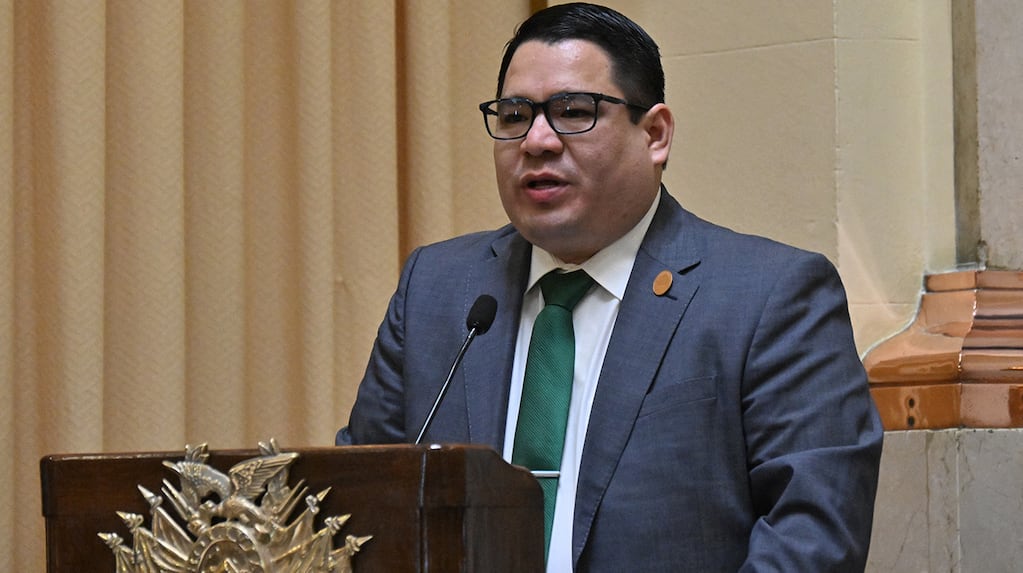
La policía detuvo este miércoles al fiscal general de Bolivia, Roger Mariaca, que investiga al consultor argentino Fernando Cerimedo por intento de femicidio y enriquecimiento ilícito, dos días después de que Estados Unidos le canceló su visa por supuestos vínculos con el narcotráfico.
“Está confirmada la detención del fiscal” Mariaca, dijo una fuente del Ministerio de Gobierno (Interior). Junto a él fue arrestado Alberto Zeballos, fiscal de Santa Cruz, también sancionado por Washington, según la prensa local.
Ambos fueron incluidos esta semana en una lista del Departamento de Estado de Estados Unidos entre más de una veintena de funcionarios y empresarios de Bolivia, Colombia y Ecuador a los que acusa de corrupción, vínculos con el narcotráfico o de conspirar contra sus respectivos gobiernos.
Mariaca rechazó las acusaciones y vinculó la decisión de Washinton con las “implicaciones” que tuvieron dentro y fuera de Bolivia algunas investigaciones que lleva la Fiscalía, incluidos los casos penales contra Cerimedo, exasesor de Javier Milei y el presidente boliviano, Rodrigo Paz.
En su cuenta de X, el expresidente Evo Morales denunció un plan para liberar al consultor argentino.
“Trump usa la suspensión de visas como instrumento para presionar políticamente. Quiere cuidarse y proteger a (el presidente Rodrigo) Paz liberando a Cerimedo, que está acusado por atentar contra la vida de su pareja y su hijo, sicariato, corrupción, narcotráfico, enriquecimiento ilícito, entre otros delitos”, escribió.
En otro tramo de su mensaje, afirmó: “Sino, ¿por qué el gobierno de Estados Unidos refugia a alguien con sentencia por corrupción como Mauricio Urquidi, suegro de Rodrigo Paz, padre de su esposa, Maria Elena Urquidi? Lo que corresponde por dignidad de la patria, es que si alguien tiene denuncias o está implicado en narcotráfico o corrupción debe ser procesado en Bolivia, por soberanía jurídica».
Qué dijo la Fiscalía
Tras la detención de Mariaca, la Fiscalía General señaló en un comunicado que asumirá el cargo de forma interina Luis Montaño Morales, “el fiscal superior con mayor antigüedad” dentro de la institución. Mariaca fue designado fiscal por el Congreso en octubre de 2024 y es este poder del Estado el que debe votar por una nueva autoridad.
Las autoridades bolivianas no informaron los motivos de la detención ni sobre qué orden de captura actuaron. Mariaca y Zeballos fueron detenidos en el aeropuerto de Viru Viru, en la ciudad de Santa Cruz, reportaron medios locales.
Según dijo el gobierno estadounidense, Mariaca recibió “sobornos para facilitar el narcotráfico y ayudar a delincuentes violentos a evadir la justicia”.
Durante la gestión de Mariaca, la policía de Bolivia capturó en marzo al narcotraficante uruguayo Sebastián Marset, que posteriormente fue expulsado con apoyo de la DEA a Estados Unidos.
EFE)
Bolivia











Panamá busca ampliar su cooperación internacional en áreas que van desde el uso de tecnología satelital hasta la persecución de delitos transnacionales, mediante cuatro proyectos de ley presentados ante la Asamblea Nacional.
Las iniciativas incluyen el ingreso a una agencia espacial regional, protección del patrimonio cultural y dos nuevos instrumentos de cooperación judicial con Argentina.
Las propuestas fueron entregadas al pleno por el ministro encargado de Relaciones Exteriores, Carlos Arturo Hoyos, y ahora deberán avanzar por el proceso legislativo. Una de las iniciativas permitiría que Panamá se incorpore a la Agencia Latinoamericana y Caribeña del Espacio (ALCE), creada mediante un convenio suscrito en Ciudad de México el 18 de septiembre de 2021.
Aunque hablar de una agencia espacial puede hacer pensar en cohetes o misiones tripuladas, el objetivo para Panamá es mucho más cercano a necesidades cotidianas. La cooperación contempla mejorar las comunicaciones satelitales y utilizar información obtenida desde el espacio para observar cultivos, vigilar fenómenos naturales y fortalecer sistemas de alerta temprana ante eventos relacionados con el cambio climático.

El país también podría participar en proyectos conjuntos para desarrollar tecnología satelital y compartir infraestructura, conocimientos y capacidades científicas con otros Estados de América Latina y el Caribe.
La iniciativa busca que países que individualmente tendrían dificultades para desarrollar estas herramientas puedan coordinar recursos y reducir su dependencia tecnológica en un sector cada vez más importante.
Las aplicaciones también alcanzan la gestión ambiental. Las imágenes y datos obtenidos mediante sistemas de observación terrestre permiten seguir cambios en bosques, costas, cultivos y fuentes de agua, además de evaluar daños después de inundaciones u otros desastres.
Para Panamá, la incorporación significaría tener acceso a una plataforma regional de cooperación, no la creación inmediata de una agencia espacial propia.
Otro de los proyectos tiene un objetivo completamente diferente: incorporar al país al Centro Internacional de Estudios para la Conservación y la Restauración de los Bienes Culturales (ICCROM).
El organismo intergubernamental trabaja desde hace décadas en la conservación de edificios históricos, colecciones, sitios arqueológicos y otros bienes culturales, combinando investigación, capacitación y asistencia técnica.
La adhesión abriría la posibilidad de que profesionales e instituciones panameñas accedan a programas especializados, redes internacionales de expertos y asesoramiento técnico.
También permitiría fortalecer la preparación frente a amenazas que pueden deteriorar el patrimonio, entre ellas desastres naturales, efectos del cambio climático y urbanización no planificada, además del deterioro asociado al paso del tiempo.
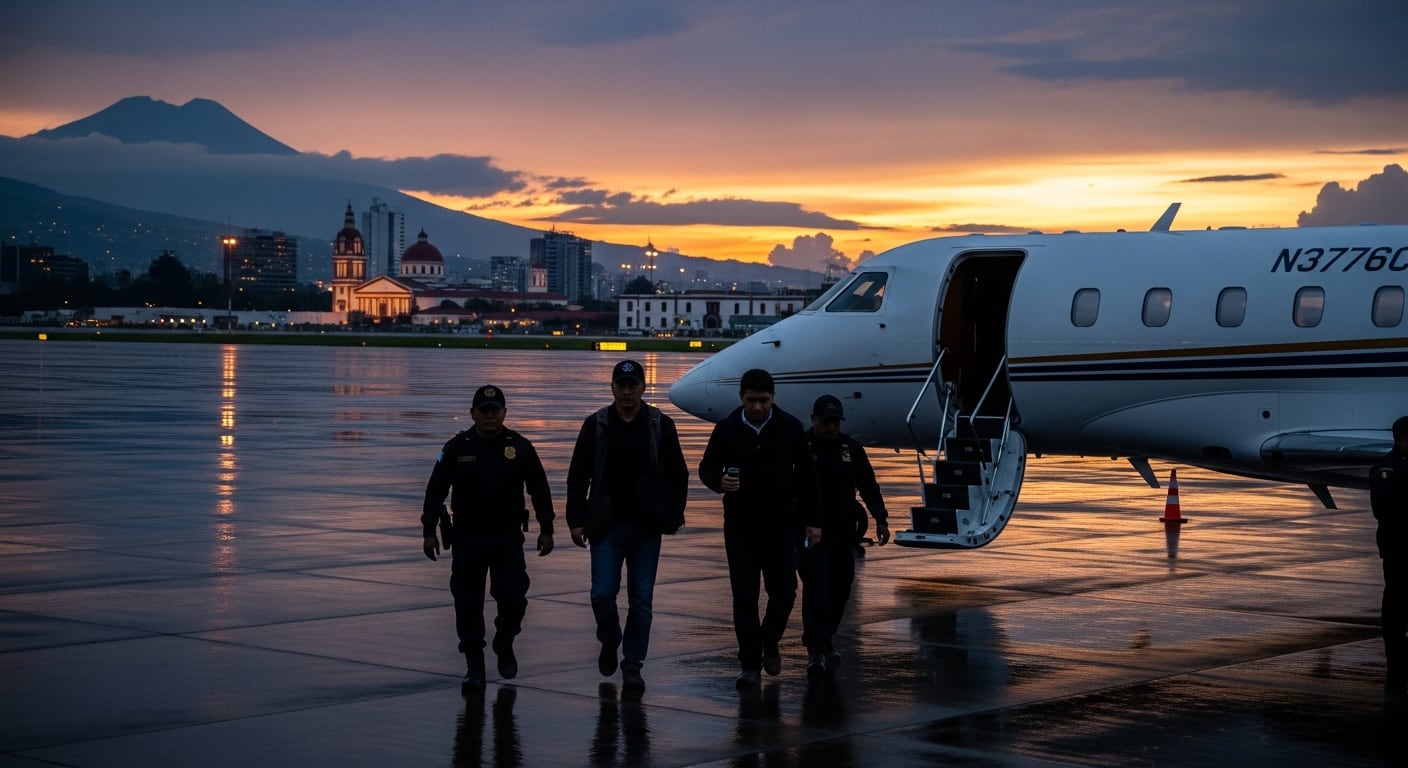
Los dos proyectos restantes tienen a Argentina como contraparte y buscan hacer más rápida y efectiva la cooperación entre las autoridades judiciales de ambos países.
Panamá y Argentina firmaron el 22 de junio de 2026 un Tratado de Extradición y otro de Asistencia Jurídica Mutua en Materia Penal, que requieren completar los procedimientos internos de aprobación antes de entrar en vigor.
El primero establece las condiciones bajo las cuales una persona requerida por la justicia podrá ser entregada de un país al otro para enfrentar un proceso penal, ser juzgada o cumplir una condena.
El instrumento incluye límites: la extradición no procederá por delitos políticos ni cuando exista riesgo de tortura o de tratos crueles, inhumanos o degradantes.
El segundo acuerdo permitirá una cooperación más amplia durante las investigaciones. Panamá y Argentina podrán brindarse asistencia en casos relacionados con delitos tributarios, aduaneros, financieros y ciberdelitos, además de otras conductas contempladas por el tratado.

El propósito es facilitar actuaciones judiciales cuando las pruebas o elementos necesarios para una investigación estén en el otro país.
Este tipo de cooperación adquiere especial importancia cuando una investigación atraviesa fronteras y las autoridades necesitan documentación, evidencias u otras diligencias realizadas en otra jurisdicción.
Los instrumentos buscan reducir obstáculos para que fiscales y autoridades competentes puedan avanzar en investigaciones vinculadas con criminalidad transnacional, respetando las garantías establecidas por las legislaciones de ambos Estados.
Los cuatro proyectos muestran así ámbitos muy distintos de la política exterior panameña. Mientras uno abre la puerta a tecnologías espaciales aplicadas a problemas ambientales y productivos, otro fortalece las capacidades para conservar el patrimonio.
Los acuerdos con Argentina, por su parte, apuntan a cerrar espacios a delitos que operan entre diferentes jurisdicciones y requieren respuestas coordinadas.
satélite,incendios forestales,órbita terrestre,humo,observación espacial

Iran-backed Houthis make gains in Red Sea
Fox News correspondent Steve Harrigan reports on Iran-backed Houthi rebel gains in the strategic Red Sea region. Hudson Institute senior fellow Rebeccah Heinrichs joins to discuss President Trump urging Ukrainian President Volodymyr Zelenskyy to halt strikes on Russian oil refineries.
NEWYou can now listen to Fox News articles!
A U.S. Department of Energy worker from Richland, Washington, was arrested Thursday and charged with attempting to provide «material support» to the Iran-backed Houthis, according to the Department of Justice (DOJ).
Ashton Hamed Ellaboudy, 51, is accused of attempting to use his electrical engineering knowledge and background to support the terrorist group in improving its mobile communications infrastructure, secure components for drones as well as chemicals for homemade explosives.
«As alleged, a U.S. government employee traveled overseas and used his specialized expertise in an attempt to aid the Houthis, a designated Foreign Terrorist Organization backed by Iran,» Assistant Attorney General for National Security John A. Eisenberg said in a statement.
«Additionally, Ellaboudy acquired materials for the construction of explosive material and drones capable of delivering these explosives. These allegations are so deeply disturbing that they almost defy imagination.»
IRAN’S PROXY WAR HAS CROSSED OCEANS AND IS NOW KNOCKING ON AMERICA’S DOOR
A Houthi follower during a pro-Iran demonstration in Sanaa, Yemen, April 6, 2026. (Khaled Abdullah/Reuters)
Federal authorities took Ellaboudy into custody after an investigation by the FBI’s Inland Northwest Joint Terrorism Task Force.
According to court records, Ellaboudy first attracted the FBI’s attention after he allegedly bought precursor chemicals, or starting ingredients, and components often used in homemade explosives, as well as parts to make drones.
The DOJ said that, in 2024, Ellaboudy took sick leave from his Department of Energy job and said he had been exposed to highly concentrated nitric acid, a key chemical compound used in explosive manufacturing.
FBI OFFERS $200K REWARD FOR FORMER AIR FORCE INTELLIGENCE AGENT ACCUSED OF SPYING FOR IRAN

Houthi supporters demonstrate in solidarity with Iran during a two-week ceasefire between the U.S. and Iran in Sanaa, Yemen, April 10, 2026. (Khaled Abdullah/Reuters)
In 2025, prosecutors allege, Ellaboudy used an official passport from his previous role with the U.S. Army Corps of Engineers to travel from Washington state to Oman.
He then crossed into Yemen. After returning to the U.S., Ellaboudy allegedly told border officers his trip was authorized government business.
Investigators also said Ellaboudy advised an undercover FBI confidential human source posing as a representative of a Houthi colonel.
For the Houthis, Ellaboudy allegedly tested solar generators, modified power systems, created circuit schematics and provided support to the group’s communications, the statement said.
NAVY VETERAN AMONG TRIO WHO ALLEGEDLY WANTED TO BEHEAD SOLDIER AND FUND ISIS DRONE ATTACKS ON AMERICANS
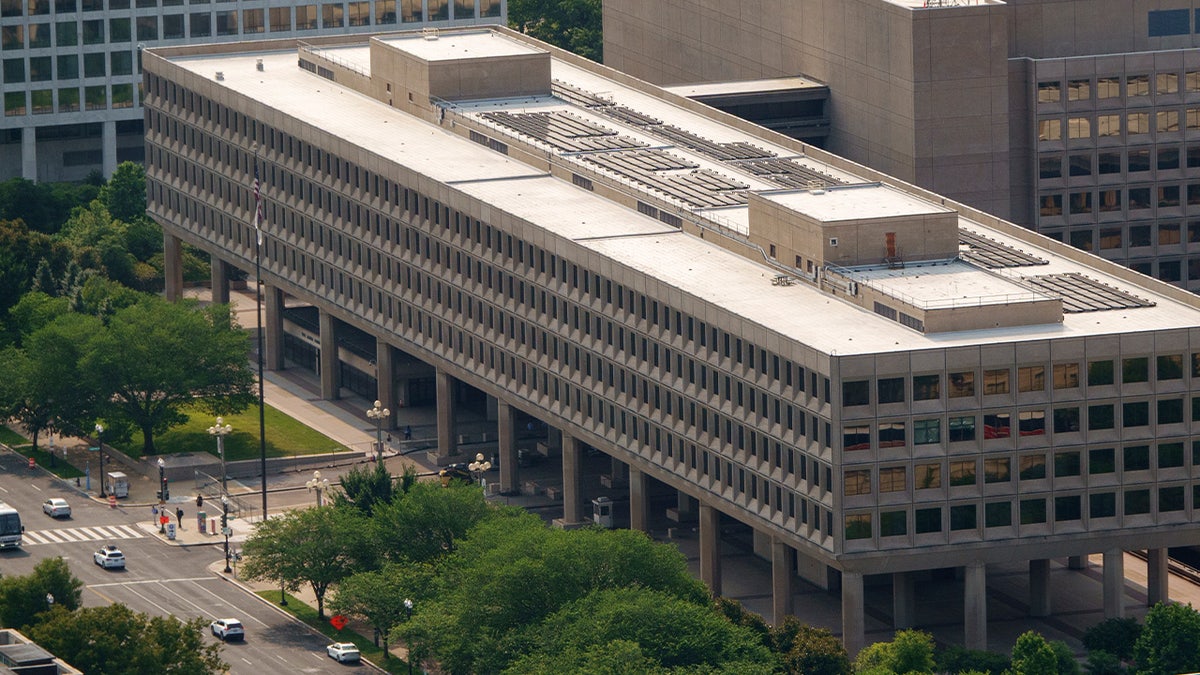
The U.S. Department of Energy headquarters June 3, 2025, in Washington, D.C. (Kevin Carter/Getty Images)
«This individual allegedly betrayed the U.S. and attempted to aid the Houthis, a designated foreign terrorist organization, but thanks to the work of the men and women of the FBI, his actions were detected, and he is now in custody,» Assistant Director Jarod Brown of the FBI’s Counterterrorism Division said.
Officials also confirmed Ellaboudy’s alleged activities did not target local nuclear sites.
«This matter did not involve an attempt to harm the Hanford Site or its workforce, and at no time was there a threat to the safety or security of the site,» said Ray Geimer, office manager of the Department of Energy Hanford Field Office.
Ellaboudy faces a maximum penalty of 20 years in prison if convicted.
He is scheduled to make his initial court appearance before a federal magistrate judge at 11 a.m. Oct. 2 in Richland, according to the Justice Department.
world, fbi, national security, terrorism, iran, middle east
INTERNACIONAL
EXCLUSIVE: Supreme Court prayer grotto case could impact ‘every single zoning law’ in America, attorney says
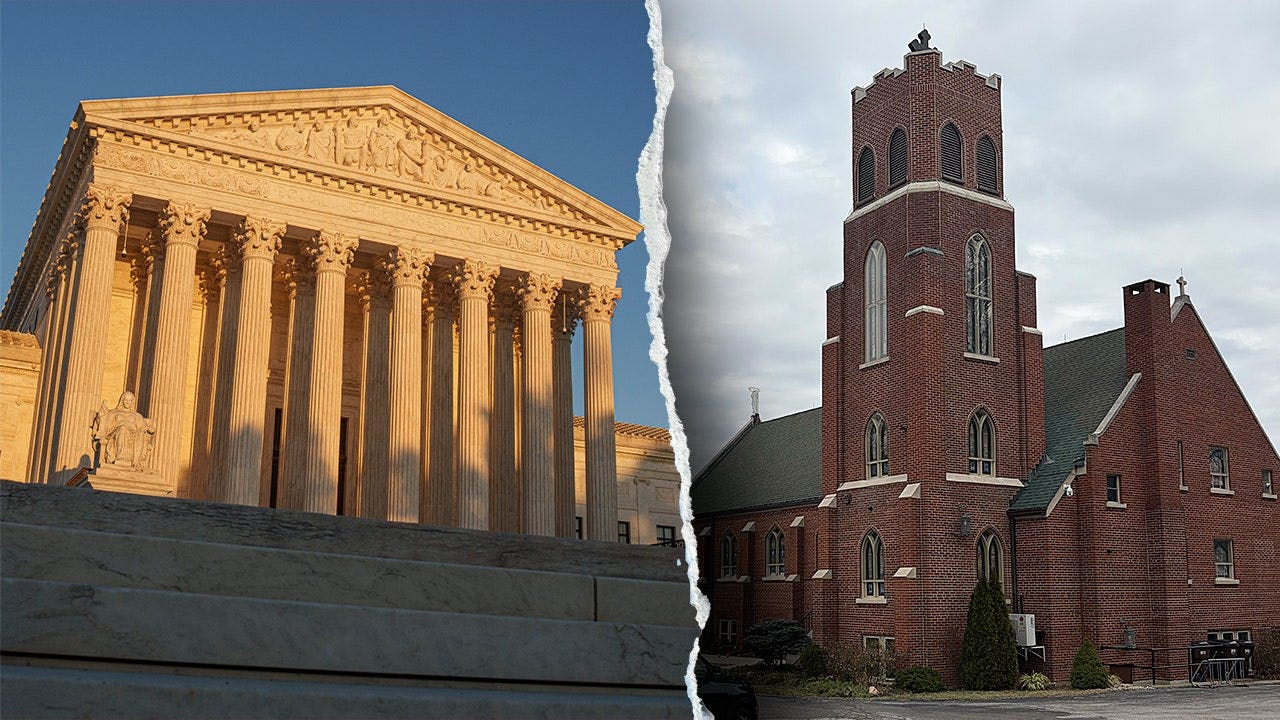
FIRST ON — The Supreme Court agreed Thursday to hear a Kentucky church’s fight to build a prayer grotto on its property, taking up a dispute over what constitutes a «substantial burden» on religious exercise under federal land-use law.
Ryan Gardner, senior counsel at First Liberty Institute, which represents the Missionaries of St. John the Baptist, told Digital the implications stretch far beyond the proposed Catholic shrine in Park Hills, Kentucky.
«This is a massive case for religious liberty because it has the potential to impact every single zoning law in this country,» Gardner told Digital.
ORTHODOX JEW FIGHTS BACK, SAYS CALIFORNIA CITY FINED HIM FOR HOME PRAYER MEETINGS
At the center of the case is a proposed 16-by-39-foot grotto that court records say would include a shrine to the Virgin Mary, a plaza, walking path and retaining wall. Gardner compared its roughly 600-square-foot footprint to the size of a swimming pool.
The church applied in March 2021 for a conditional-use permit and variance to build the grotto behind its building in honor of the Virgin Mary’s apparition to Saint Bernadette in Lourdes, France. The church building itself has stood on the property for nearly a century, predating Park Hills’ zoning ordinance adopted in 1974.
The property history is a bit more complicated than the case’s shorthand description may suggest. The proposed grotto involved an adjacent parcel that was initially subject to a perpetual lease that would be transferred to the religious organization as a condition of the project’s approval. But unlike many religious land-use disputes, Gardner said, the church’s initial fight in this case was not with the local government.
The Park Hills Board of Adjustment approved the church’s permit in April 2021. Two neighboring property owners, however, Joel and Elizabeth Frederic, objected and challenged the board’s decision in Kentucky state court.
AMISH FACE NEW YORK VACCINE MANDATE IN SUPREME COURT FIGHT, MIGHT HAVE TO ‘PACK THEIR WAGONS’
A trial court ruled in the church’s favor, but the Kentucky Court of Appeals reversed, concluding the board exceeded its authority in approving the project and finding no violation of federal religious land-use law. The Kentucky Supreme Court affirmed the RLUIPA ruling in December 2025, prompting the church to seek Supreme Court review.
The case centers on the Religious Land Use and Institutionalized Persons Act, known as RLUIPA, a federal law enacted to protect religious institutions from certain burdens on the use of their property.
«RLUIPA is at the intersection of two very critical rights in this country: the rights of religious liberty and property rights,» Gardner told Digital.
The church asked the justices to review two questions under RLUIPA, but the Supreme Court agreed to hear only one about whether prohibiting a religious institution from building a religious structure on its own property constitutes a «substantial burden» on religious exercise under the law.
SUPREME COURT SHOWDOWN LOOMS OVER ST MICHAEL STATUE BLOCKED FROM PUBLIC SAFETY BUILDING
Gardner said lower courts have developed different approaches to the law since Congress enacted it in 2000, leaving religious organizations with different levels of protection depending on where a dispute arises. He argues the Supreme Court now has an opportunity to establish a clearer standard nationwide.
The missionaries similarly argued in their Supreme Court petition that federal and state courts are divided over how to determine whether a land-use restriction creates a «substantial burden» under RLUIPA. The Frederics disputed that characterization in their opposition brief, arguing appellate courts generally consider similar factors and that differing outcomes can reflect differing facts. The Frederics also argued that the Missionaries failed to show that alternative locations for the grotto were unavailable.
An attorney for the Frederics did not immediately respond to Digital’s request for comment.
The case also puts two constitutionally significant areas of law alongside one another — religious exercise and the authority of local governments to regulate property use.
While Gardner acknowledged that zoning serves a legitimate role in how local governments organize, he argued those same regulations remain subject to federal-level protections for religious exercise. That question, he said, reaches well beyond one prayer grotto in Kentucky.
The SCOTUS ruling could affect disputes involving churches, synagogues, ministries and other religious organizations seeking to use their properties for worship or religious activities, according to Gardner. He warned that an overly narrow interpretation of the federal law could have «dire consequences» for religious land use around the country.
For the Missionaries of St. John the Baptist, however, the case that could shape religious land-use law across the country began with something much smaller, a roughly 600-square-foot place of prayer.
first amendment religion us, faith personal freedoms, federal courts, politics, faith, law, religion us

Peter Lamelas afirmó que “Estados Unidos está comprometido y apuesta con fuerza al futuro de Argentina y al gobierno de Milei”

Panamá mira al espacio y refuerza su cooperación judicial con Argentina

La soja trae alivio al Gobierno: liquidó USD 3.200 millones en septiembre y aportará otros USD 11.000 millones hasta el verano

Marcela Kloosterboer recordó el día que casi hace una escena hot con Pedro Alfonso: la reacción de Paula Chaves

DOE employee charged with trying to aid Iran-backed Houthis, feds say

Milei refuerza su vínculo con los gobernadores en París y prepara una nueva pulseada en el Congreso

El riesgo país vuelve a subir y llega a su nivel máximo en lo que va del año

Cayó la confianza en el Gobierno e igualó la peor medición de la era Milei

Nuevo parte médico por la salud de Mirtha Legrand: “Finalizó el tratamiento antibiótico”

Vuelve a caer fuerte el Índice de Confianza en el Gobierno hasta el nivel más bajo de la gestión Milei

 POLITICA2 días ago
Antes de viajar a París, Milei les envió un mensaje a inversores franceses: “Son bienvenidos para venir a llenarse los bolsillos”
- INTERNACIONAL2 días ago
Bombshell report exposes healthcare fraud schemes as taxpayers lose up to $521 billion annually
- POLITICA1 día ago
Ley de Tierras: la CGT repudió el fallo de la Corte Suprema y le exigió a Diputados que rechace el DNU de Milei