INTERNACIONAL
Jordan emerges as potential next GOP leader if Dems seize House

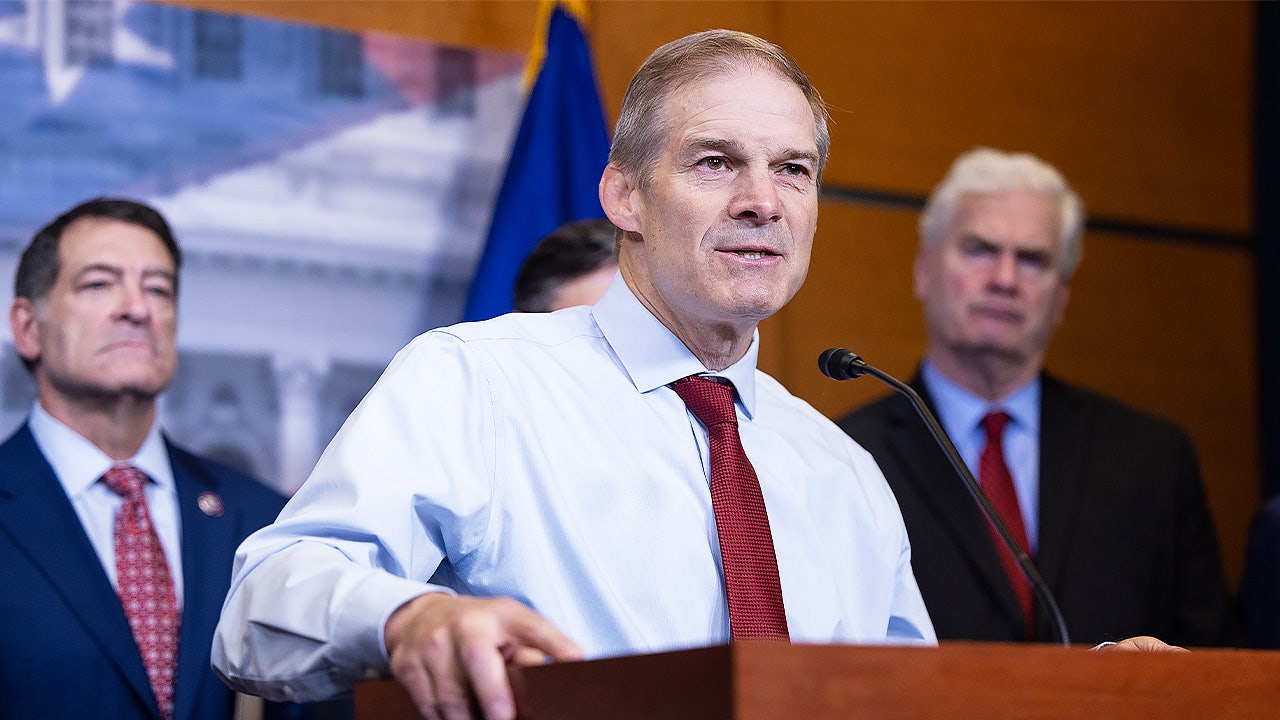
One of President Donald Trump’s most prominent allies in Congress could soon become his highest-ranking defender against a barrage of Democrat-led investigations and impeachment threats.
Several House Republicans told Digital they expect the chamber will slide out of their control come November — and with it, a major shake-up in their top leadership ranks.
«I don’t see a scenario where everyone gets to keep their job,» one House GOP lawmaker bluntly told Digital. «I think [Speaker Mike Johnson, R-La.] would be first out, and then [House Majority Leader Steve Scalise, R-La.] has got to decide if he’s going to run for leader and, can he beat [House Judiciary Chairman Jim Jordan, R-Ohio]?»
Jordan and Scalise’s names came up often, in discussions with various House Republicans, all of whom spoke under the condition of anonymity to discuss internal conference matters.
HOUSE DEMS PLOT TRUMP INVESTIGATION BLITZ IF THEY SEIZE MAJORITY
A second House Republican said Jordan is the «number one name» in talks of a GOP minority leader.
HOUSE CONSERVATIVES UNLEASH MULTIMILLION-DOLLAR MIDTERM BLITZ AGAINST DEM ‘SOCIALIST’ INSURGENCY
The Ohio Republican already enjoys high name recognition among the party base. As the first lawmaker put it, «His celebrity status is very helpful … when Jim Jordan comes to town for you, you put 300 butts in seats.»
That status has been on full display so far this election cycle. Jordan has spent much of August and October traveling across the country campaigning for fellow House Republicans along the political spectrum, from vulnerable moderates to conservative MAGA acolytes.
TOP REPUBLICAN UNLOADS ON RISE OF ‘ANTI-AMERICAN’ CANDIDATES HEADING INTO MIDTERMS: ‘YOU GOT TO BE KIDDING’
It’s a far cry from the Jordan who ran for speaker in October 2023, when former Speaker Kevin McCarthy’s ouster sparked a historic scramble to replace him. Jordan’s bid at the time was marked by fervent conservative support and fierce opposition from moderates, several of whom said they felt threatened by Jordan’s allies for their opposition.
The first House Republican described his current persona as «Jim Jordan 2.0.»
«He’s taken steps to, I think, build out way beyond the Freedom Caucus in terms of people that support him,» that person said. «Like, he’s just a great citizen of the conference.»
But Jordan himself has not publicly pushed any leadership ambitions since the 2023 battle, when Johnson ended up speaker after several weeks of political chaos. The second House Republican said they’ve seen Jordan actively dismiss any such conversations.
He told Punchbowl News earlier this week that he was «focused on winning» the House majority.
The first person said, «I think [Jordan] quietly, without campaigning for it, has built up some infrastructure like that. But also, he could be throwing darts at leadership, and he’s not. He’s just trying to help us win.»
A third House Republican pointed out that, if Democrats win the House in another blue wave, many of Jordan’s most vocal opponents from 2023 will have lost their seats. And unlike a speaker race, where a majority of the full House is needed, a minority leader would only need to win a majority of the GOP conference.
«If we lose 20 or 30 of those guys and all you’re left are guys like me, I think Jim Jordan’s chances are much higher. Because the only people left in the conference are going to be conservative,» the third GOP lawmaker said, adding they would «1,000%» back Jordan.
POWER RANKINGS: FOR THE DEMOCRATS, WHERE COULD IT POSSIBLY GO WRONG?
But a potential minority leader Jordan would not come without a fight. Most House Republicans are privately expecting Scalise, Johnson’s No. 2 and a member of House GOP leadership since 2014, to run for the job.
«It’s very obvious they’re both jockeying for it,» a fourth House Republican told Digital. «Jordan’s a pretty big draw for a lot of folks. I think he might have a play there. But there’s a lot of people who are loyal to Steve, especially those that have been around a while.»
Like other members of House GOP leadership, Scalise has also spent recess traveling the country campaigning for Republican candidates. He is also known as a prolific fundraiser for the party.
A fifth GOP lawmaker said, «I would guess, at this point, that Scalise would be in the lead with Jordan running a close second.»
«And I think it would just depend on, you know, who would people see as a better fighter against the Democrats?» the fifth person posed.
A sixth House Republican said a fight between the Louisiana Republican and Jordan seemed on the horizon if Republicans lost, and argued Scalise is best positioned to continue leading if that majority comes back.
«In some respects, Jim Jordan, I think, would make a pretty good minority leader because he’s a bulldog … [but] I’ve never believed that Jim Jordan would be an effective speaker,» that sixth person said. «I think Steve Scalise probably is the best candidate that we have out there that has experience in dealing with the administration, that understands the must-pass portion of our agenda … and is our best negotiator.»
It would likely be a bruising battle, given there’s no love lost between the two men after their competing bids for speaker after McCarthy’s ouster. Scalise had won a majority of Republicans in a head-to-head against Jordan behind closed doors but ultimately did not see a House floor vote. Jordan’s 2023 bid collapsed after he failed to clinch a majority on the House floor.
JOHNSON DELIVERS BIG FOR TRUMP, BUT FRUSTRATION GROWS ACROSS RAZOR-THIN GOP MAJORITY
But it’s not clear if it may even come to that.
«I think that if Johnson runs for minority leader, he would still get the votes,» the fifth person said. «He’s done everything you could ask of a leader. He’s raised the money, he’s been on the road. He’s cobbled together very difficult votes over the last two years that no one thought possible.»
There is also a world where Republicans defy expectations to keep the House. And in that world, Johnson is all but guaranteed to remain in charge.
«Speaker Mike Johnson is an example of the American Dream. As Speaker, he’s continued to defy the odds with a slim House majority and pass America First-bills,» Trump’s campaign posted on X. «After Republicans win in November, they should re-elect Mike as Speaker quickly!»
If the polls prove correct, however, most people are expecting Johnson to willingly step aside.
«I don’t think he’s going to want to be minority leader after being the Speaker of the House, like, that doesn’t make any sense to me,» the fourth House Republican said.
The third GOP lawmaker was more blunt: «Johnson’s done.»
Johnson himself dismissed any talk of leadership races in an interview with Digital last month.
«I really haven’t given it a moment’s thought because we’re laser focused,» he said when asked if he would seek to be minority leader. «This is a midterm unlike any other, and I’m convinced we are going to defy history and keep and grow this majority.»
If Johnson’s prediction does not pan out, one member of leadership is expected to have a good shot at staying in his place: House Majority Whip Tom Emmer, R-Minn.
Emmer has been privately telling House Republicans that he intends to run for the whip job again no matter what, multiple people told Digital, avoiding a possible collision course with Jordan and Scalise.
«I think it was a brilliant move, saying, ‘You know what? I’m not going to do anything but try to keep my own spot,’» the first House GOP lawmaker said. «I think Tom’s got pretty wide respect, and most of the hand-wringing from people was, ‘I don’t want to have to pick between Tom and Jim.’»
The fifth person said, «It’s my understanding that Emmer is, if there is a race, going to be happy being the No. 2.»
But nothing is a sure thing in an environment where multiple House Republicans have said they are expecting a «bloodbath» in the midterms.
Three GOP lawmakers told Digital they expect Democrats to win between 20 and 25 seats — with Republicans’ redistricting efforts sparing them from an even more devastating loss.
A solid defeat, several House Republicans warned, could have people clamoring for a full leadership shake-up.
The second House Republican said the entire leadership team could be «wiped out» in that situation.
«It strikes me that there wouldn’t be a high likelihood of everybody just being OK with the status quo,» the first person said.
In that case, there is another name people see waiting in the wings for a potential leadership bid: Republican Study Committee Chairman August Pfluger, R-Texas.
«I keep hearing rumors but have not heard that directly,» a seventh House Republican said. «My guess is that he is preparing to make a run in case the opportunity presents itself, but he’s being tactically quiet.»
The second House Republican said they heard his name second only to Jordan in terms of frequency.
«When I was a candidate, I had no idea who he was, but he called me and gave money to my campaign,» the first lawmaker said. «He’s very ambitious, but I don’t know what he’s aiming those ambitions towards.»
Several people speculated that he could run for the No. 2 job as whip if Emmer opted to step aside or was forced to.
The fourth House Republican said they could see a world where Pfluger runs to be chairman of the House GOP campaign arm, the National Republican Congressional Committee (NRCC).
«I think that he’s positioned himself very well to be able to be in some sort of leadership position. I think it just depends on what that looks like,» that person said.
But there is one thing Republican lawmakers seem to largely agree on: November is not looking good.
«Everyone that I have talked to across the country is seeing the same numbers that I’m seeing. So if you’re in anything less than an R+6, I think you’re at risk,» the third House Republican said.
The first person said, «There seems to be a lot of panic buttons being pushed.»
politics, jim jordan, steve scalise, mike johnson, house of representatives politics











INTERNACIONAL
Peste neumónica en Rusia: el hermetismo sobre un posible caso revive las prácticas de la era soviética

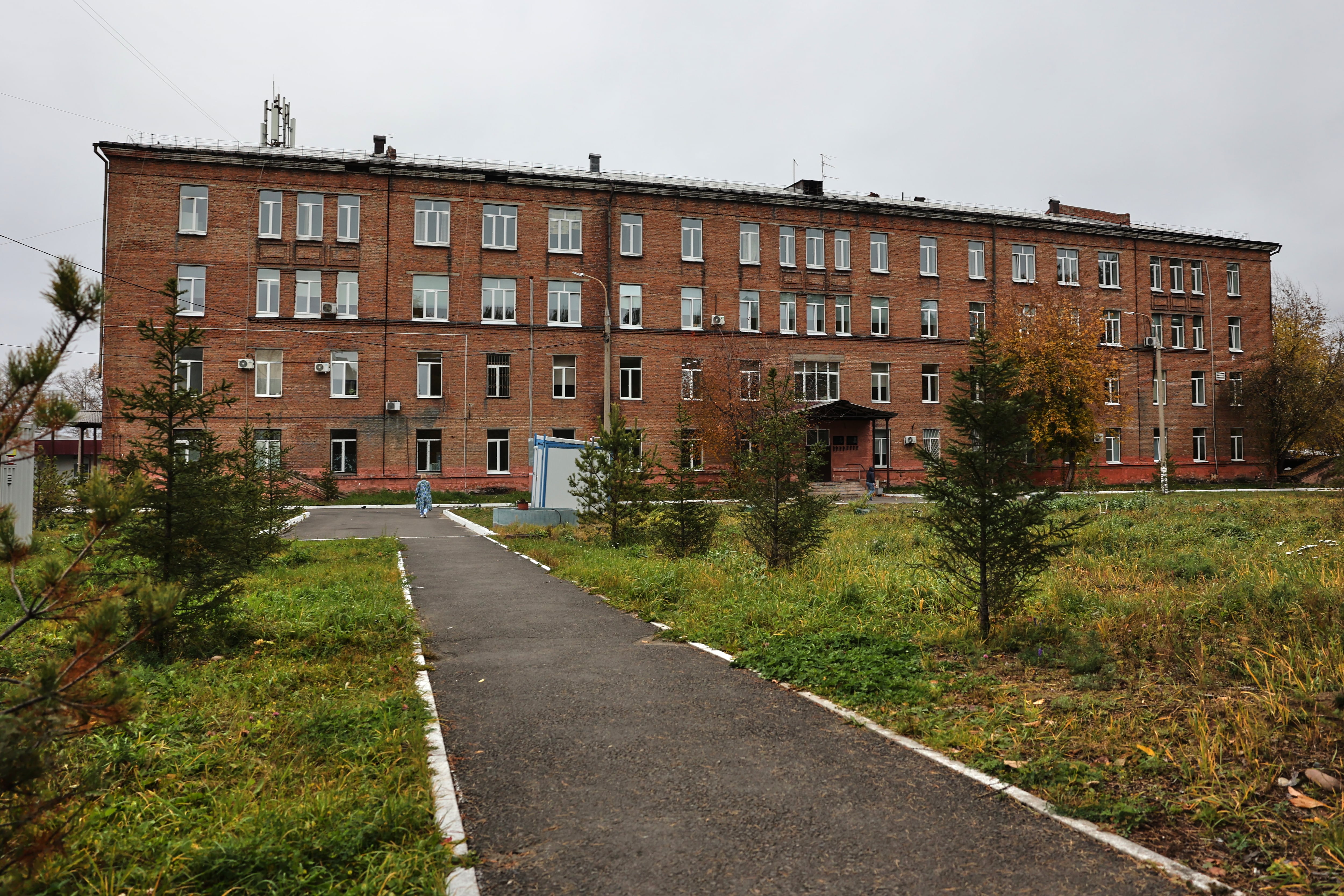
La opacidad del Kremlin ante emergencias volvió a quedar bajo escrutinio tras la muerte de una trabajadora de un laboratorio de investigación en Irkutsk, Siberia. El caso despertó preocupación por una posible exposición a peste neumónica, aunque las autoridades rusas descartaron casos de peste en la región.
El Servicio Federal de Supervisión de la Protección y el Bienestar del Consumidor de Rusia (Rospotrebnadzor) informó a la Organización Mundial de la Salud (OMS) que la mujer padeció una neumonía de origen “desconocido” y sostuvo que los análisis no detectaron relación entre su enfermedad y los patógenos investigados en el Instituto de Investigación Antipeste para Siberia y el Lejano Oriente.
La OMS pidió a Rusia que entregue más datos sobre la causa de la neumonía grave, el agente que llevó a adoptar medidas sanitarias y las versiones sobre otra empleada con un cuadro respiratorio de origen indeterminado. La falta de precisiones reavivó las críticas a una práctica estatal que, durante décadas, restringió información sobre epidemias, accidentes industriales y catástrofes.
La viruela fue contenida en Moscú, pero el brote quedó oculto
A fines de diciembre de 1959, el artista gráfico soviético Alexei Kokorekin murió poco después de regresar de India. Los médicos identificaron con dificultad que había contraído viruela, una enfermedad que se consideraba erradicada en la Unión Soviética desde hacía décadas. La KGB localizó a sus contactos y miles de personas quedaron aisladas. Un avión de Aeroflot que llevaba a uno de ellos rumbo a París recibió la orden de regresar a Moscú antes de aterrizar.
El gobierno suspendió los viajes hacia y desde la capital y desplegó miles de equipos de vacunación para inmunizar a millones de habitantes de Moscú y de sus alrededores. La prensa extranjera informó sobre la campaña, pero los medios estatales soviéticos guardaron silencio.

El brote dejó 46 casos confirmados y tres muertes antes de ser controlado en 44 días. Los detalles solo salieron a la luz durante los últimos años de la Unión Soviética, pese a que más tarde inspiraron una novela y una película.
En agosto de 1971, una embarcación científica navegó demasiado cerca de una nube de microbios liberada durante una prueba de armas biológicas en la isla Vozrozhdeniya, en el mar de Aral. Una bióloga marina contrajo viruela y contagió a otras personas en Aralsk, localidad situada hoy en Kazajistán. Las autoridades impusieron una cuarentena y vacunaron a más de 40.000 personas en pocos días. El episodio causó 10 contagios y tres muertes, pero el público no conoció el origen del brote hasta 2002, cuando investigadores estadounidenses divulgaron documentos soviéticos.
El secreto también cubrió la fuga de ántrax y Chernóbil
El 2 de abril de 1979, un laboratorio clandestino de armas biológicas liberó accidentalmente esporas de ántrax en Sverdlovsk, ciudad de los Urales que hoy se llama Ekaterimburgo. Un trabajador no había sustituido un filtro de ventilación defectuoso y la fuga causó al menos 68 muertes.
Las autoridades soviéticas atribuyeron los fallecimientos al consumo de carne contaminada de un mercado callejero y la KGB confiscó historiales médicos para impedir que se conocieran las circunstancias reales. La verdad se difundió después de la disolución de la Unión Soviética, durante el gobierno de Boris Yeltsin, quien había sido jefe local del Partido Comunista en Sverdlovsk.
El encubrimiento también marcó la explosión del reactor número cuatro de Chernóbil, ocurrida el 26 de abril de 1986 en la entonces república soviética de Ucrania. La nube radiactiva se extendió por Europa mientras Moscú demoraba sus advertencias a la población.

Suecia detectó radiación antes de que las autoridades soviéticas admitieran el accidente. Pripiat fue evacuada 36 horas después y, cinco días más tarde, decenas de miles de personas participaron en el desfile del Primero de Mayo en Kiev bajo lluvia radiactiva. Treinta trabajadores de la planta y bomberos murieron poco después por síndrome de irradiación aguda. Las autoridades mantuvieron bajo censura los datos médicos y las cifras de víctimas, mientras miles de personas fallecieron posteriormente por enfermedades vinculadas a la radiación.
Las cifras vinculadas al coronavirus volvieron a poner en duda el relato oficial
Durante la pandemia, medios independientes rusos y publicaciones internacionales señalaron que la mortalidad real por COVID-19 podía superar ampliamente las cifras oficiales. El argumento se apoyaba en el aumento de la mortalidad total registrado en el país. El gobierno rechazó esas informaciones y las calificó como parte de una campaña occidental de desinformación. Las autoridades defendieron sus resultados con restricciones tempranas, controles a viajeros procedentes de China y una amplia política de pruebas.
Además, negaron una escasez extendida de equipos de protección y cuestionamientos a los protocolos hospitalarios. Algunos trabajadores sanitarios afirmaron que afrontaron amenazas de despido o procesos judiciales si denunciaban las condiciones de trabajo.
Rusia tipificó en 2020 como delito la difusión de “información falsa” sobre amenazas a la seguridad pública. Ese mismo año, las autoridades reconocieron de hecho que el número de muertes era varias veces mayor que el comunicado inicialmente. A comienzos de 2022, el país notificó más de 13,5 millones de contagios confirmados y 338.091 muertes. Rosstat, la agencia estatal de estadísticas que aplica un criterio más amplio, registró 681.100 fallecimientos vinculados al virus entre abril de 2020 y diciembre de 2021.
La profesora de ciencias políticas Judy Twigg, de la Universidad de la Mancomunidad de Virginia, resumió el problema: “El sistema puede silenciar, pero no es lo suficientemente competente para coordinar”. Según escribió, esa limitación termina por generar contradicciones en vez de una versión oficial uniforme.
(Con información de Associated Press)
Health,Oddly Enough,Europe
INTERNACIONAL
Top conservative group unveils full-court press in key battleground state to expose ‘shocking’ Dem platform

FIRST ON FOX – CEDAR RAPIDS, IA : One of the largest pro-life organizations in the country is pouring time and resources into the high-stakes battleground of Iowa, making the case that voters of all backgrounds will be «shocked» to know where the Democratic Party stands on abortion.
Susan B. Anthony Pro-Life America’s ground game has knocked on over 172,000 doors in Iowa promoting the Republican ticket in the Hawkeye State. Additionally, the group has a planned digital spend of $650,000 to go along with a $1.35 million spend from the Women Speak Out PAC, SBA’s super PAC, to contact voters in the Iowa universe.
«The scale of SBA Pro-Life America’s voter contact program is among the largest in the nation and certainly the largest in the pro-life movement,» SBA President Marjorie Dannenfelser told Digital.
Digital was on the ground in Iowa with SBA canvassers in Cedar Rapids on Tuesday, when the team passed out flyers and spoke to voters in support of Iowa Republican Rep. Ashley Hinson and hammered the abortion positions of Democratic gubernatorial candidate Rob Sand.
TRUMP-ENDORSED HINSON SECURES IOWA SENATE NOMINATION AS DEMOCRATS EYE GOP SEAT
«Our goal really is just to inform voters,» SBA field rep Amy Elizabeth told Digital. «Most people we’re finding are pro-life, regardless of the way that they vote and we want to make sure that they’re aware of the candidate’s views on abortion and pro-life and we wanna make sure they’re making knowledgeable and informed decisions when they go to the polls.»
Literature passed out by the canvassers calls Sand «wrong for Iowa families» while arguing that he will «do everything in his power to overturn Governor Kim Reynolds’ pro-life legacy» and «even supports painful late-term abortions.» The literature also promotes Hinson as the «pro-life champion» that Iowans «need in D.C.»
Elizabeth told Digital that the conversations with voters on the ground have been effective.
«Some of my favorite conversations have come from people who normally wouldn’t vote the same way that I would vote,» Elizabeth explained. «They’re not typically conservative voters. They are a little bit more liberal-leaning. But when we really are open to having conversations together, and I can share with them some information about the candidates that they typically would vote for, they are very surprised, and they’re very shocked to hear how those candidates feel on some issues that are important to them.»
NEW MIDTERM BATTLEGROUND TAKES SHAPE AS PARTIES BUILD ELECTION ARMIES
Susan B. Anthony Pro-Life America and Women Speak Out PAC announced in August that their Iowa voter-contact program had surpassed 100,000 visits to voters’ homes in the Des Moines, Davenport and Cedar Rapids areas. The groups said the effort is targeting persuadable and low-turnout voters ahead of November’s elections, with the goal of defeating Democrats they describe as «pro-abortion» and electing candidates who support abortion restrictions.
Nationwide, Dannenfelser says SBA will ultimately reach 10.5 million voters during this election cycle, including 4 million at their front doors in person.
«Our hardworking field team has been on the ground in key battleground states, educating voters about the Democrats’ radical agenda of all-trimester abortion — anytime, for any reason, paid for by taxpayers — even when babies can feel pain,» Dannenfelser said.
«Polling shows the vast majority of Americans reject this, and our team at the doors is finding it true visit after visit. One conversation at a time, we are changing hearts, minds, and votes. We focus on Republicans, Democrats and Independents that can be persuaded and low-propensity, pro-life voters. All these groups are shocked by Democrats’ extremism on abortion.»
A third of Republicans would be less likely to vote in the midterms if they believe that the GOP has abandoned the abortion issue, according to polling released earlier this year, suggesting that driving pro-life Republicans to vote will play an important role in the party’s hopes to retain control of Congress in November.
politics, campaigning, iowa, abortion, midterm elections
INTERNACIONAL
República Dominicana destinará RD$ 2,000 millones (USD 3,3187.98) recuperados de corrupción a 40 instalaciones deportivas en 15 provincias

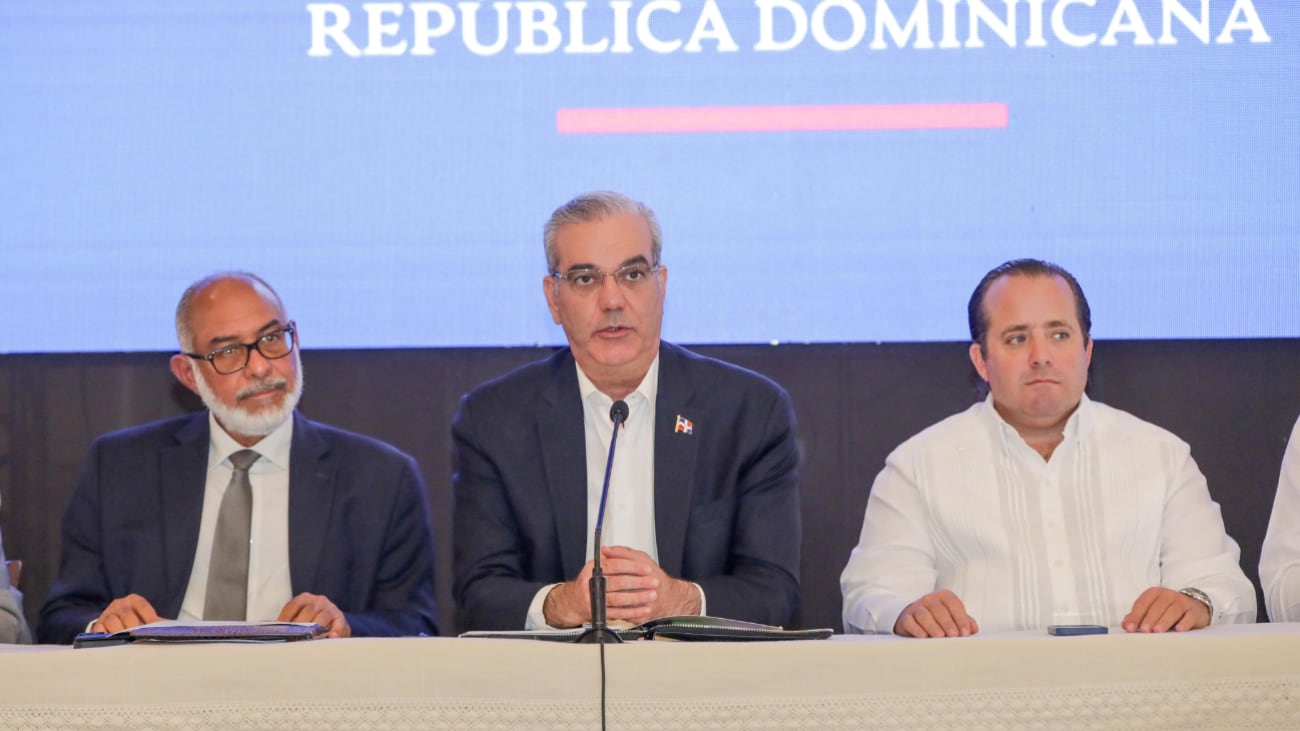
El gobierno de República Dominicana anunció que destinará RD$ 2.000 millones (USD 33,3 millones), fondos recuperados de casos de corrupción de administraciones anteriores, a la construcción e intervención de 40 instalaciones deportivas en 15 provincias del país.
El presidente Luis Abinader informó que las obras incluirán espacios accesibles para personas con discapacidad y adultos mayores. El mandatario sostuvo que la publicación de los montos y las localidades busca reforzar la transparencia sobre el uso de recursos públicos.
“Queremos rendir cuentas en términos de transparencia, y más con unos recursos que son recuperados de la corrupción que se están utilizando en infraestructura deportiva”, afirmó Abinader. También señaló que el desvío de dinero estatal impide la ejecución de proyectos para la población.
El jefe de Estado indicó que las instalaciones previstas funcionarán como espacios de encuentro comunitario y de práctica deportiva para jóvenes.
El programa deportivo suma RD$ 2.232 millones
El ministro de Deportes, Kelvin Cruz, precisó que el conjunto de las obras alcanza RD$ 2.232 millones (USD 37,1 millones). De ese total, RD$ 2.000 millones (USD 33,3 millones) provienen de fondos recuperados y la diferencia, de RD$ 232 millones (USD 3,9 millones), será gestionada desde la Presidencia.
Cruz afirmó que 26 de los 158 municipios dominicanos no contaban con instalaciones deportivas. Mencionó, entre los espacios que requieren intervenciones, el estadio de béisbol de San Juan de la Maguana y los complejos deportivos de San Pedro de Macorís y La Vega.
Los recursos estarán bajo supervisión de una Comisión de Veeduría, encabezada por Persio Maldonado. Según informó el organismo, el proceso de licitación permitió un ahorro de RD$ 125 millones (USD 2,1 millones) frente al presupuesto inicial proyectado.
La comisión también está integrada por monseñor Héctor Rafael Rodríguez Rodríguez, el magistrado Milton Ray Guevara, José Joaquín Puello y Luis Mejía Oviedo, conocido como Luisín Mejía.
Las obras alcanzarán provincias del norte, el sur y el este
En La Romana, el Gobierno construirá el techado multiuso de Villa Hermosa, con una inversión cercana a RD$ 32 millones (USD 532 mil). En Santo Domingo, la cancha multiuso de Guanuma contará con más de RD$ 21 millones (USD 349 mil), dentro de un plan que incluye otros 32 techados en esa demarcación.
En Dajabón, el techado multiuso de El Pino recibirá más de RD$ 28 millones (USD 466 mil). La provincia de Espaillat concentrará dos proyectos: el techado de Veragua, por RD$ 31 millones (USD 516 mil), y el multiuso de San Víctor, con más de RD$ 30 millones (USD 499 mil).
En Santiago, las intervenciones incluyen la cancha de Sabana Iglesia, con más de RD$ 30 millones (USD 499 mil), y la de Puñal, con más de RD$ 28 millones (USD 466 mil). En la provincia Duarte, el techado multiuso Eugenio María de Hostos, en el municipio de Hostos, tendrá una asignación de RD$ 31 millones (USD 516 mil).
El sur reunirá 14 proyectos por más de RD$ 713 millones
La región Sur concentrará 14 estructuras deportivas, con un presupuesto superior a RD$ 713 millones (USD 11,9 millones). En Matanzas, provincia Peravia, se construirá un techado por más de RD$ 28 millones (USD 466 mil).
En Los Cacaos, San Cristóbal, se levantará otro espacio deportivo estimado en casi RD$ 25 millones (USD 416 mil). La provincia Independencia contará con el multiuso de La Descubierta, por más de RD$ 32 millones (USD 532 mil), y el de Cristóbal, con RD$ 31 millones (USD 516 mil).
En Elías Piña se prevén obras en Pedro Santana, por casi RD$ 20 millones (USD 333 mil), y en Juan Santiago, por más de RD$ 26 millones (USD 432 mil). San Juan recibirá RD$ 76 millones (USD 1,3 millones) para reparar el estadio de béisbol Hermanos Suárez.
En Barahona se construirán techados multiusos en Fundación, con más de RD$ 31 millones (USD 516 mil); Jaquimeyes, por casi RD$ 30 millones (USD 499 mil); y El Peñón, con unos RD$ 30 millones (USD 499 mil).
Azua sumará intervenciones en Padre Las Casas, con más de RD$ 30 millones (USD 499 mil); Guayabal, más de RD$ 31 millones (USD 516 mil); Las Yayas, unos RD$ 32 millones (USD 532 mil); Tábara Arriba, más de RD$ 31 millones (USD 516 mil); y Pueblo Viejo, con más de RD$ 30 millones (USD 499 mil).

Petróleo en alza y bonos bajo presión: las señales externas que vuelven a inquietar a la Argentina

Nadie sabe prácticamente nada del exclusivo de Kojima para XBOX, y hay un buen motivo detrás para que siga siendo así

Peste neumónica en Rusia: el hermetismo sobre un posible caso revive las prácticas de la era soviética

Top conservative group unveils full-court press in key battleground state to expose ‘shocking’ Dem platform

El Programa de Ciudadanía por Inversión es contrario a la Constitución

El duro pase de factura de Nicolás Repetto a Mario Pergolini tras sus reclamos al aire: “No se puede ser tan manguero”

¡Precios de Manhattan con sueldos de Argentina! Cómo los créditos hipotecarios inflaron las propiedades y congelaron el sueño de la casa propia

Escándalo total en la AFA: reventa millonaria, un homenaje paupérrimo a Messi y el pedido urgente de renuncia a Chiqui Tapia

El gobernador de la provincia que más ATN recibió de la Casa Rosada no integró la comitiva de Milei en París

Israeli medical workers who treated Oct 7 wounded relive day terror hit home

 DEPORTE1 día ago
Escándalo total en la AFA: reventa millonaria, un homenaje paupérrimo a Messi y el pedido urgente de renuncia a Chiqui Tapia
- INTERNACIONAL2 días ago
Después de su prohibición, las plataformas de apuestas deportivas y los casinos en línea ya están fuera de servicio en Brasil
- POLITICA2 días ago
Marcha contra la Corte: sectores del PJ, la izquierda, gremios y piqueteros protestan por el fallo que libera la venta de tierras para extranjeros