INTERNACIONAL
‘Thrill killer’ and desert executioner — meet the dozens of criminals Dem AG backed for parole: ‘No brainer’

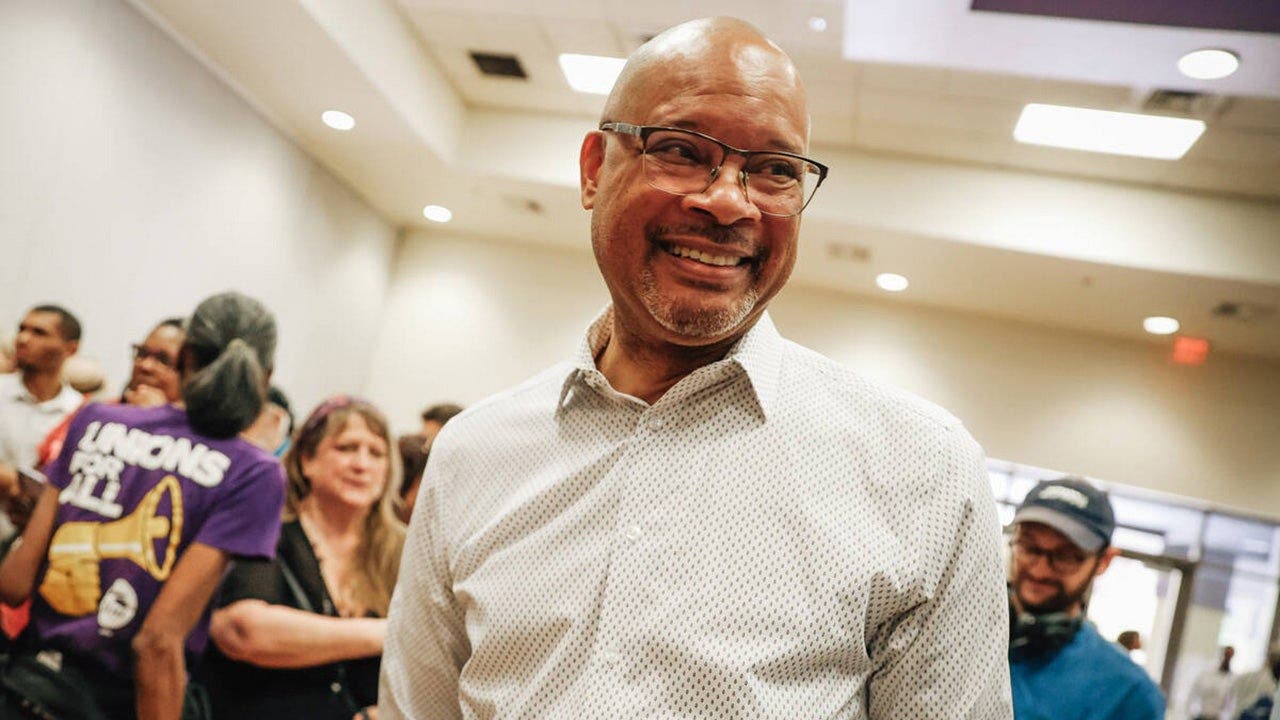
Nevada Attorney General Aaron Ford voted to support clemency for several convicted murderers, including men responsible for the kidnapping and execution-style killing of a teenager, the «thrill killing» of a Pizza Hut worker and the beating death of another victim with a cinder block.
Ford is currently facing backlash over his clemency bid for a convicted killer who took the life of a pregnant woman while out on bail for a series of armed robbery attacks on Vegas tourists. Now, a Digital review of state pardon hearings that took place during Ford’s nearly eight years as attorney general show him supporting clemency for dozens of other violent offenders, with some convicted killers receiving reduced sentences, pardons or earlier parole eligibility while others had their requests denied.
Ford is running to be Nevada’s next governor, seeking to oust incumbent Republican Gov. Joe Lombardo. His race is shaping up to be one of the most competitive gubernatorial elections of the cycle.
Unlike governors in most states, Nevada’s governor cannot unilaterally grant pardons or commute prison sentences, with those decisions instead resting with the state’s Board of Pardons Commissioners, made up of the governor, attorney general and Nevada Supreme Court justices.
JOE LOMBARDO CRUISES PAST SIX GOP CHALLENGERS TO SECURE NEVADA REPUBLICAN GUBERNATORIAL NOMINATION
Since becoming the state’s attorney general, Ford has voted to pardon or significantly reduce the sentences of 30 people convicted of murder, Digital found.
Ford, for example, supported a convicted kidnapper and murderer eligible for parole when Lombardo voted against him.
Michael Cu, the convict in question, kidnapped a 16-year-old in 1996, forced him to drive out to the desert, then killed him execution-style — all to steal the rims off his car. The victim was shot seven times with a rifle, with the fatal shot being fired at nearly point-blank range into his head.
«Mr. Judge I would like to tell you these people, I don’t want them to be free,» the deceased’s mother pleaded with the judge at Cu’s sentencing in March 2000. «There’s a lot of people outside, a lot of mothers outside … I’m afraid because I have more children.»
Cu could eventually make it back onto the streets after the board commuted his sentence, making him eligible for parole in 2035 — though his release would still require approval from the state’s parole board.
Ford has made his experience as Nevada’s top law enforcement official a focal point of his gubernatorial campaign.
ABBOTT SPOTLIGHTS NO-SHOW TALARICO, LAUNCHING TEXAS-SIZED CRIME CRACKDOWN
«As Attorney General, Ford has worked with federal and local law enforcement to prosecute criminals and protect our communities,» his campaign website reads. «He’s gone after corporate landlords who are illegally jacking up prices, taken on big drug companies, prioritized putting child predators in jail, battled fentanyl being trafficked across our borders, and fought to keep dangerous untraceable ghost guns off of our streets. He ended a decades-long rape kit back log and has prosecuted human traffickers who threaten the safety of our communities.»
Republicans may seize on some of Ford’s pardon votes to challenge the image he’s cultivated of a crusader for public safety.
While Ford offered no substantive remarks in most of the pardon hearings, he occasionally had something to add.
«I gleefully vote yes for this motion,» he said, explaining his June 2022 support to make a man who killed someone in an armed robbery when he was 15 eligible for parole. Ford talked to the man, Shaquille Hazelwood, on the importance of the moment and advised him to live up to the faith the state was placing in him.
He called his decision to grant parole eligibility to an individual who stabbed a 17-year-old to death a «no-brainer» in September 2025. Ford sponsored the hearing where witnesses spoke to the character of the murderer, Bobby Thomas.
Ford also supported a commutation for Anthony Amati, whom police and prosecutors described as a «thrill killer,» in a June 2025 decision that allowed the convicted murderer to become immediately eligible for parole.
Amati was convicted of ambushing a 22-year-old Pizza Hut worker as he walked a co-worker home. The co-worker, who was at the trial, testified that Amati and his friends «cackled … laughed like it was a big joke» and jumped around while firing multiple bullets into the victim.
Deputy District Attorney Christopher Lalli argued at the time that Amati should never be eligible to walk free because his crime was a «thrill killing … for the mere pleasure of it.»
Amati became immediately eligible for parole following the board’s decision, although his release was not guaranteed.
HOUSE DEMOCRAT BLASTED AFTER EARLY RELEASE LAW FREED INMATES LATER CHARGED WITH MURDER
Ford also supported clemency for Arlander Givens, who beat his victim to death with a cinder block and was sentenced to two consecutive life terms, but the board ultimately denied his application, Digital found.
Other convicted killers Ford voted to grant clemency included a murderer involved in a carjacking, a man who stabbed a 17-year-old to death over a basketball game and another who lured his victim into his home with the promise of a drug deal before shooting him dead, Digital found.
GUBERNATORIAL CANDIDATE VOWS TO PARDON COP CONVICTED OF MANSLAUGHTER IN DEATH OF FLEEING SUSPECT
Lombardo’s predecessor and Ford did vote together for leniency in some cases. For instance, the duo both voted to pardon a man found guilty of masterminding a contract killing after he was exonerated by DNA evidence.
Ford’s office and his gubernatorial campaign did not respond to a request for comment when reached by Digital on Wednesday.
politics, fox news investigates, crime world, attorney general, gubernatorial, nevada










INTERNACIONAL
Democrats are changing their transgender message. Republicans say they’re just flip-flopping
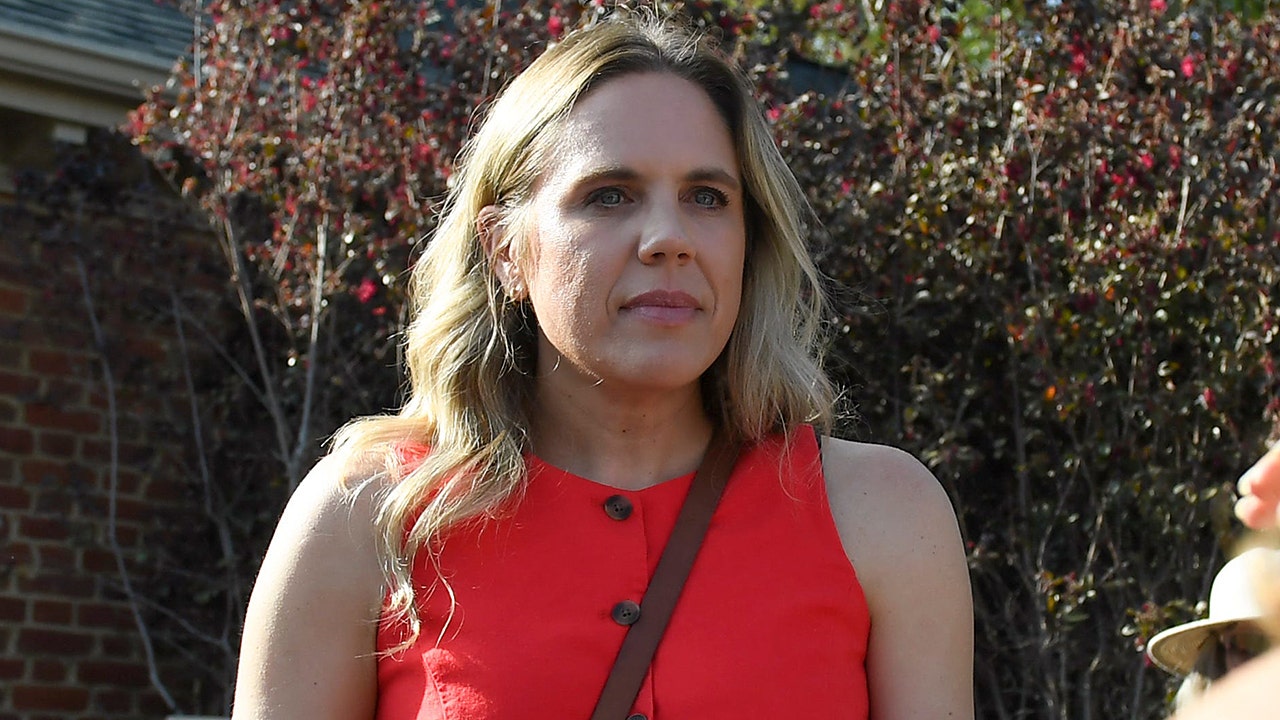
South Carolina Democratic Senate nominee Dr. Annie Andrews appears to be distancing herself from her past opposition to restricting transgender athletes in girls’ sports, telling Digital she opposes biological males competing in women’s sports and gender transition surgeries for minors.
As Democrats fight to regain control of the House and Senate in the midterm elections, Andrews is among a group of candidates in competitive races in red and swing states who seem to be shifting positions on transgender issues. Meanwhile, Republicans are aiming to use the highly-charged issue as a cudgel to bash Democrats for a second straight cycle.
«I don’t support biological men playing in women’s sports, and I don’t support gender surgery on minors,» Andrews told Digital.
Andrews, who’s locked in an increasingly competitive midterm election showdown with Republican Sen. Darline Graham in reliably red state South Carolina, delivers the same message in a new campaign commercial, adding, «I want you to hear me loud and clear.»
DEMOCRATS THINK A BLUE WAVE IS FORMER – HERE ARE THREE FACTORS THAT COULD STOP IT
But Graham, who was appointed to the Senate following the sudden death this summer of her older brother, longtime Sen. Lindsey Graham, is accusing Andrews of trying to conceal her previous position on transgender athletes.
Andrews «has spent years supporting biological males competing in girls’ sports. Now that she’s running for Senate, she’s trying to hide from that radical record,» Graham recently charged.
Graham and Republicans point to Andrews’ opposition to a 2022 South Carolina law barring transgender athletes from competing on girls’ and women’s public school sports teams.
«This is shameful legislation that does nothing to protect or support women or children in SC. In fact, it is actively harmful. I will always support trans youth,» Andrews wrote in a social media post at the time.
Republicans are seeking to once again make the issue a campaign liability.
The GOP effectively blasted Democrats in the 2024 election, with President Donald Trump’s campaign targeting Democratic nominee Vice President Kamala Harris with ads declaring «Kamala is for they/them. President Trump is for you.»
WHO’S UP AND WHO’S DOWN IN THE LATEST MIDTERM POWER RANKINGS
Republicans spent more than $200 million to run ads targeting Democrats on the transgender issue in the 2024 campaign, arguably helping the GOP to sweeping victories.
The latest national polls indicate that most Americans oppose transgender athletes playing on sports teams that don’t match their birth sex.
More than three-quarters (76%) of those questioned in a national poll conducted last month backed banning biological men from competing in women’s sports, with one in five opposed. The survey indicated bipartisan support, with 90% of Republicans, 77% of independents and 61% of Democrats backing the ban.
Facing a rough political climate amid an unpopular war in Iran and soaring gas and diesel prices as they try to hold their fragile congressional majorities, Trump and the GOP are increasingly looking to replay their transgender political playbook.
Trump, at last month’s GOP midterm convention, described anti-trans messaging as one of the party’s most effective campaign tools to drive voter turnout and target Democrats in the final stretch leading up to Election Day.
«It’s one of our great sound bites of all time,» the president said at the two-day confab in Dallas.
DEMOCRACY ’26: STAY UP TO DATE WITH THE ELECTION HUB
And some of the other top speakers at the convention, including Vice President JD Vance, Speaker Mike Johnson, House Majority Leader Steve Scalise, and Senate and House GOP re-election chairs Sen. Tim Scott and Rep. Richard Hudson highlighted the issue in their addresses.
Meanwhile, Republican ads on the issue are running for a second straight cycle.
But Democrats are recalibrating, and learning to fight back.
One of the first to pivot following the 2024 election setbacks was California Gov. Gavin Newsom, a potential 2028 Democratic presidential candidate. In early 2025, he suggested that biological males playing in women’s sports was «deeply unfair.»
Also making headlines and sparking a debate among Democrats was Rep. Seth Moulton of Massachusetts, who said soon after the 2024 elections that he opposed transgender athletes competing in girls’ sports and that Democrats spent too much time trying not to offend people.
Veteran Democratic strategist Maria Cardona told that «Democrats are being smart on this issue in terms of defining where they are on it so their opponents can’t define them and then pivoting back to the issues that they know that voters actually care about.»
«I have two little girls, I don’t want them getting run over on a playing field by a male or formerly male athlete, but as a Democrat I’m supposed to be afraid to say that,» Moulton told The New York Times.
Fast-forward to present day, and while most Democratic politicians remain steadfast supporters of transgender rights, there are an increasing number who have changed course.
Texas state Rep. James Talarico, the Democratic Senate nominee trying to flip a GOP-held seat in red-leaning Texas, has been targeted by Republicans over his past support for allowing transgender athletes in girls’ sports. But he told last month, «I oppose trans athletes playing in girls’ sports if it endangers safety or fairness.»
SIGN UP TO GET THE POLITICS NEWSLETTER
In Republican-dominated Iowa, where Democrats are aiming to capture another open-GOP held Senate seat, Democratic nominee state Rep. Josh Turek has expressed opposition to biological males competing in women’s sports and gender transition surgeries for minors after facing Republican criticism.
Longtime Democratic Rep. Marcy Kaptur of Ohio, who is facing a tough re-election bid, is running ads saying «boys should not play in girls’ sports» and that she is focused on «making your life more affordable.»
In her campaign mailers she touts that she «voted to ban schools from touting gender ideology in classrooms,» and, «Unlike the far left, I believe boys shouldn’t play girls’ sports.»
But the National Republican Congressional Committee pointed out that Kaptur voted against the GOP-led Protection of Women and Girls in Sports Act in April 2023 and January 2025.
LONGTIME DEMOCRAT GETS HIT FROM THE RIGHT AND THE LEFT OVER THIS ISSUE
«Lies from desperate Democrat Marcy Kaptur can’t erase her radical record. Kaptur is in damage control, and she must remove herself as a co-sponsor of the Equality Act and disavow her previous votes or remove her lies from the airwaves,» NRCC spokesman Zach Bannon told Digital.
Rep. Don Davis of North Carolina, another vulnerable Democrat seeking re-election, was one of only three House Democrats who voted last year for a GOP bill that could lead to prison for health care workers providing gender-affirming care for minors.
Davis, who played football at the Air Force Academy, appears alongside a football field in a re-election advertisement, saying, «I believe states should decide what’s right for protecting women and girls, and North Carolina has decided.»
But both Kaptur and Davis have faced pushback from Democrats over their messaging on the transgender issue.
And in deep blue Massachusetts, Moulton, who apologized for his past transgender comments, was still trounced in last month’s Democratic Senate primary by progressive Sen. Ed Markey, who accused his challenger of throwing transgender children «under the bus.»
CHECK OUT THE LATEST POLLS IN THE MIDTERM ELECTIONS
Republican strategist Colin Reed, pointing to Democrats who’ve shifted their positions, told Digital that «voters should be very skeptical in the authenticity of any shifting policy positions that occur weeks before an election, especially in red parts of America where these types of issues have proven to be so politically toxic in the past.»
But Cardona, a veteran of the Bill Clinton administration, the Hillary Clinton and Barack Obama campaigns and the Democratic National Committee who currently serves as a DNC committee member, said Democrats are «defining where they are on the issue so their opponents can’t define them and then pivoting back to the issues that they know that voters actually care about.»
She argued that «Republicans won’t be able to weaponize this issue this cycle the way they were able to in 2024 for two reasons. Democrats are fighting about and actually talking about it and defining themselves. But more importantly, when people can’t make ends meet, they’re not going to be drawn into culture issues which don’t make a difference when you go to gas pumps and can’t fill up your car to go to work.»
Fox News’ Elizabeth Elkind contributed to this report
politics, midterm elections, democratic party, south carolina, republican convention, donald trump, elections
INTERNACIONAL
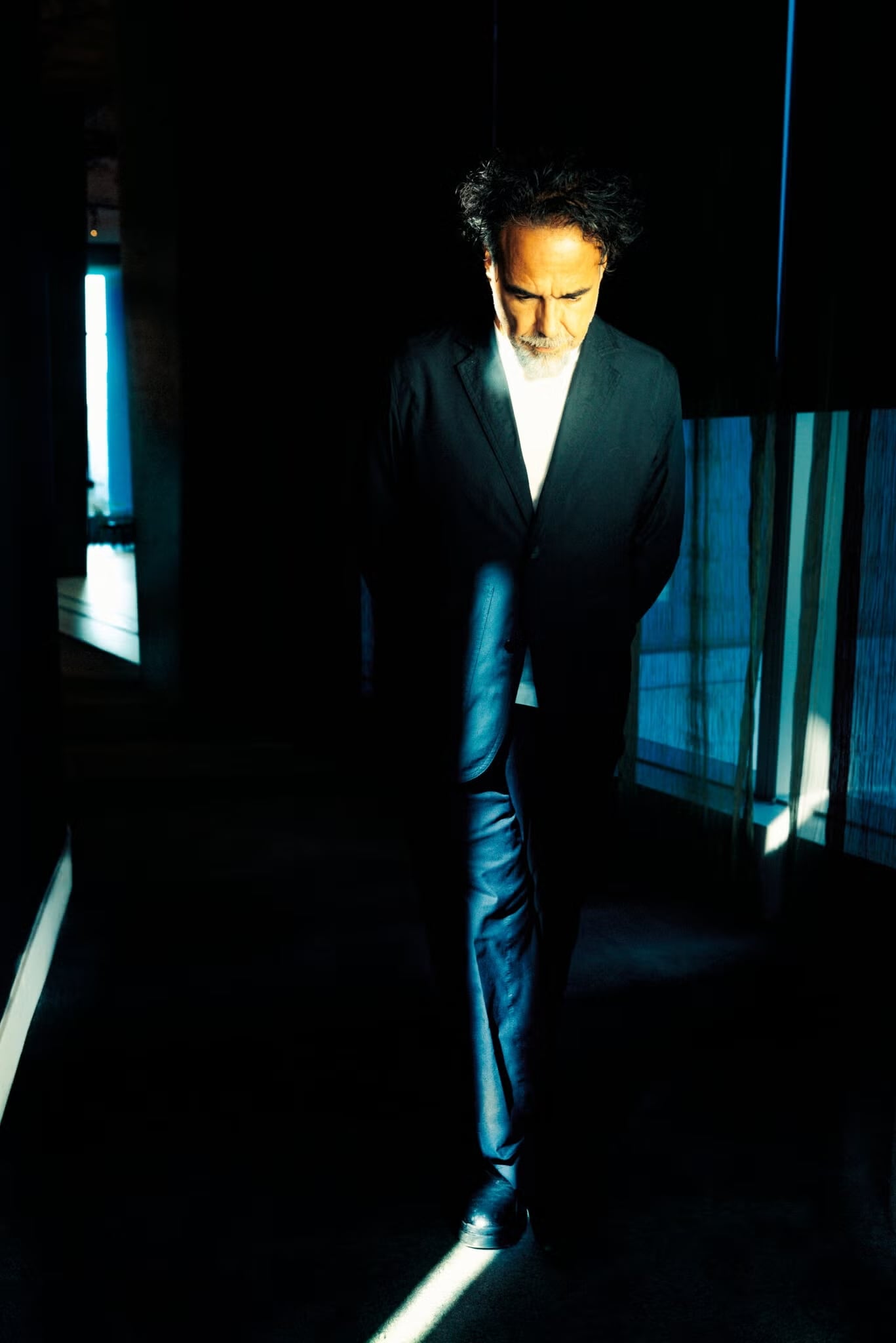
Alejandro González Iñárritu hizo la película más controvertida del año, pero ese era el objetivo: “Lo prefiero a una recepción tibia”
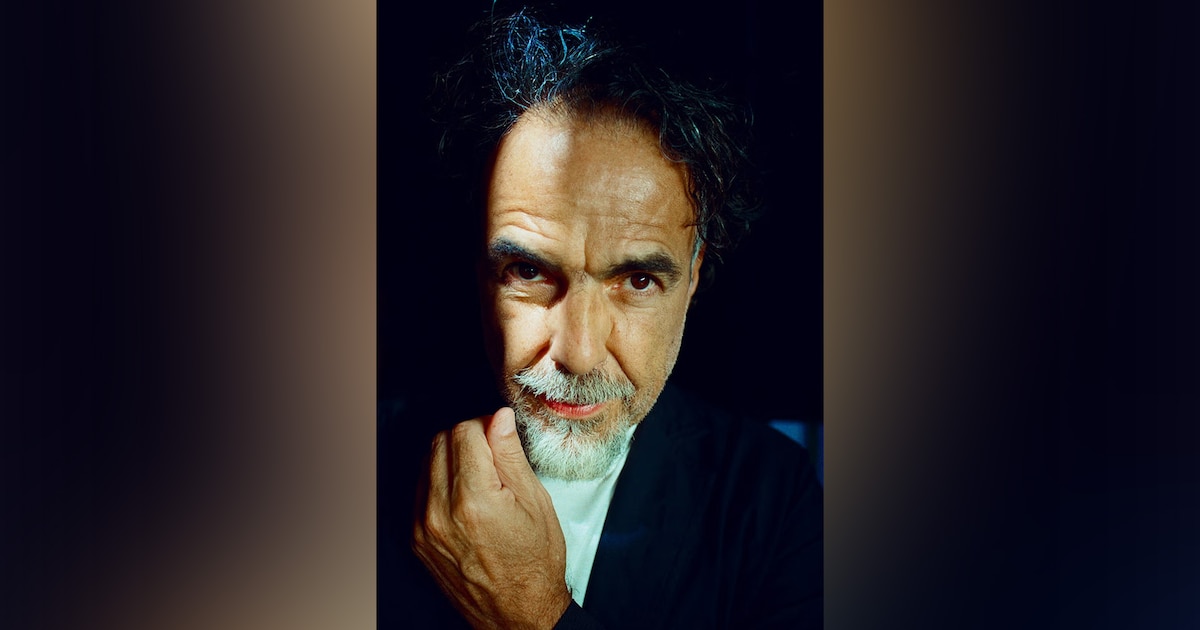
“Hemos confundido, desde mi punto de vista, la realidad con la verdad”, dijo el cineasta Alejandro G. Iñárritu la semana pasada, unos días antes del estreno de su nueva película, Digger.
Una sátira turbulenta sobre el cambio climático, los mandamases corporativos y la propaganda, protagonizada por Tom Cruise como un magnate petrolero impenitente y desmesurado, Digger no ofrece una claridad fácil. Conceptual y estilísticamente, la película es una gran apuesta, especialmente con un giro que sitúa deliberadamente la acción en algún punto entre la verdad y la realidad.
La actuación es estridente. “Todo es para llamar la atención, conseguir ‘me gusta’, incomodar, molestar: la cultura en la que vivimos”, dijo Iñárritu.
Las críticas han sido mayormente negativas (y la taquilla de estreno fue desastrosa), pero Iñárritu dijo sentirse cómodo con que la película polarice. «Prefiero eso a una recepción tibia», dijo en una reciente entrevista por video.
El guionista y director nacido en México, de 63 años, tuvo la idea de Digger después de filmar su drama invernal ganador del Oscar, El renacido, en 2015, y Digger ha estado gestándose desde 2017, con cuatro coguionistas a través de diversos altibajos de la industria y la producción. “Tres veces la película se vino abajo; perdí tres años de mi vida”, dijo Iñárritu.
Siguió regresando a ella, dijo, porque refleja algo urgente sobre el mundo tal como es ahora. “La película no es perfecta”, reconoció. Pero “me gusta correr riesgos”.
También habló, en un inglés con un ligero acento, sobre explorar locaciones en el Ártico, por qué eligió una metanarrativa para captar la historia y qué aportó Cruise —quien hizo que Iñárritu le leyera el guion en voz alta antes de comprometerse con el proyecto—.
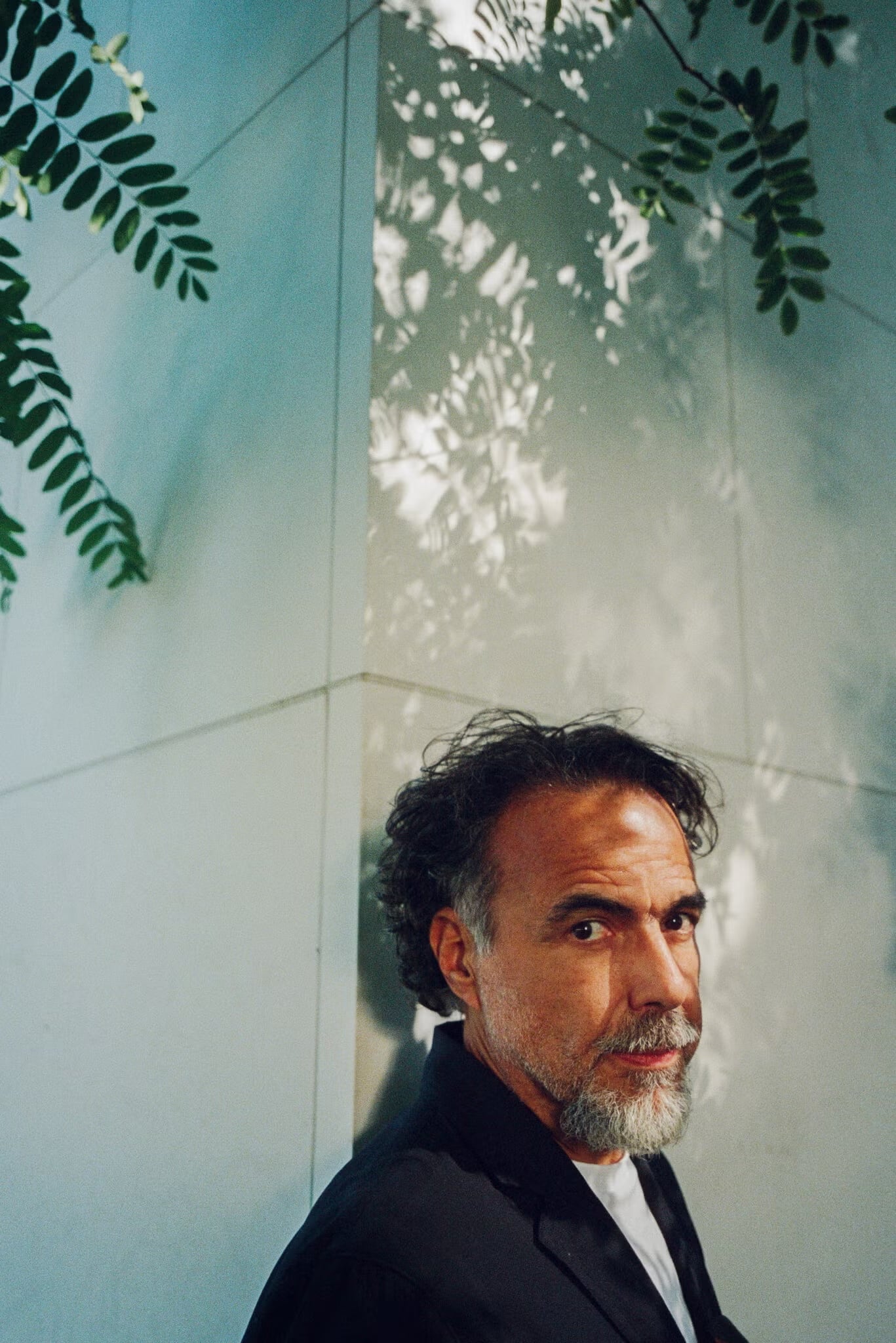
“Me dejó atónito la presencia que tenía”, dijo Iñárritu sobre Cruise. Es “un artesano de las palabras”, algo especialmente evidente en una larga escena de monólogo. “Había 300 extras, y todos quedaron completamente absorbidos por su interpretación”.
Estos son extractos editados de la conversación.
—¿Cuál fue la chispa para esta película?
—Al final de El renacido, estábamos buscando desesperadamente algunas locaciones que se suponía que tenían condiciones [nevadas]. Terminamos en Ushuaia [en Argentina, la ciudad más austral del mundo] en verano, persiguiendo hielo. Porque perdimos el hielo en esas locaciones, algo que nunca había sucedido en la historia de la región. Así que ese fue el punto de partida: esta idea de los cambios que estaban ocurriendo, y de que lo que nos dicen al respecto no necesariamente proyecta la realidad. Incluso cuando nuestros cuerpos lo están sintiendo, se siembra la confusión. Entonces se trata de manipulación. Así es más o menos como han operado los gobiernos totalitarios desde el principio de los tiempos: no creas lo que ven tus propios ojos. Se trata de la codicia y el poder y la irresponsabilidad y la responsabilidad, y de cómo quienquiera que controlara la narrativa [dictaba] cuál debía ser la realidad, no cuál es. Originalmente, este guion se llamaba Bla, bla, bla. Conceptualmente, la película trataba sobre el arma más peligrosa que tenemos los seres humanos: este pequeño órgano llamado lengua. El lenguaje puede ser un puente hacia la realidad, pero también puede ser un arma para destruirla. Pensamos que un personaje que abrazara eso deliberadamente podría ser interesante: muy humano, muy absurdo, al mismo tiempo aterrador y, ojalá, divertido.
—¿Cómo evolucionó la sátira?
—Los primeros borradores eran muy diferentes. Abordaba las escenas de desastre en escenarios reales, locaciones reales. Era muy, muy caro: fui [a explorar locaciones] al Ártico dos veces con científicos. Y el guion no estaba listo. Estábamos estirando nuestra imaginación para lograr la sátira y el comentario. Pero mientras explorábamos, la ficción básicamente era perseguida por la realidad, y la realidad a veces incluso la superaba. Porque las cosas que imaginamos hace nueve años comenzaron a ocurrir. En ese momento, no había plataformas de hielo desprendiéndose. Y de repente sucedió. Groenlandia no estaba en la conversación; el metano no formaba parte del lenguaje habitual de los medios. Ahora, el metano es uno de los mayores monstruos de todos los tiempos. Llegó la pandemia. Cuando estábamos filmando, con los incendios en Los Ángeles, casi pierdo mi casa. Todos estábamos lidiando con varios acontecimientos; ha sido muy aterrador. Así que pensamos: un momento, ya no hay más margen para estirar. Ya no había espacio para la sátira. Así que el tono no es una sátira. La sensación era casi como escribir un documental sobre el futuro.
—¿Tuvo pesadillas sobre adónde lo llevaría esta película?
—Sí. [El cambio climático y el estado del mundo] es algo tan grande y tan complejo. Es incómodo; nos paraliza. Para bien o para mal, mi única manera de ver esto era ponerlo en el centro [de la película], y que estas personas [los personajes] cuestionaran cómo abordar esto. En el teatro, podemos entendernos a nosotros mismos, hacer el espejo. Esa es una tradición en América Latina, desde Quijote hasta [Ernesto] Sabato. También es teatro brechtiano, cuestionar y provocar preguntas. Que tenga éxito o no depende de lo que la gente vea o perciba, pero ese fue al menos mi intento de abrir el proceso. Porque todos estamos juntos en esta obra.
—¿Le preocupa que la gente no la entienda?
—Creo que definitivamente es una película poco común. Es una película provocadora. Ese es el papel de una película para mí: empecemos la conversación. Mi gusto personal son las películas que intentan decirme algo de una manera diferente. Hay personas que quieren más certeza en la narración, y eso también está bien. Esto no es como un helado. Así que sí, esperábamos eso, para ser sinceros.
—Tom ha dicho que ha sido admirador de su trabajo durante mucho tiempo. ¿Cómo se conocieron por primera vez?
—Fue muy generoso cuando hice mi primera película, Amores Perros [2001]. La estaba proyectando y la gente decía: Tom Cruise está promocionando tu película. Yo dije: guau. Pero nunca nos conocimos hasta 2011. Fue súper amable, y conocía cada corte y ángulo de cada toma de mis películas, más que yo. En Birdman, jugó con la historia de Michael Keaton como Batman: lo persigue una figura enmascarada y alada. Al elegir a Tom para este papel, ¿está pensando en lo que el público podría aportar a su comprensión de él? Necesitaba a alguien a quien no puedas dejar de mirar. Y creo que él tiene ese poder. Es el antihéroe. Lo llamo una catástrofe adorable porque, incluso cuando hace cosas despreciables, es difícil dejar de mirarlo. Representa un arquetipo de la humanidad. Representa que el poder es algo a lo que te vuelves adicto, y tiene tanto miedo de perder el poder que el [afán de] lucro será el problema de todos nosotros. Así es como creo que está funcionando el mundo ahora.
—La película recuerda a otras historias distópicas como «Brazil» y «Dr. Strangelove». ¿Cuáles fueron sus referencias?
—Estábamos tratando de encontrar el tono, lo cual fue muy difícil. En los ensayos, muestro His Girl Friday, con Cary Grant hablando como loco. Me fascinaba cómo realmente manejaba el diálogo a ritmo acelerado, que es muy musical. Así que, para que [el elenco] entendiera que la velocidad no significa que tengas que perder el subtexto o el poder de la palabra. Pero es algo que necesitas practicar. Visualmente, hay un pintor [danés], Vilhelm Hammershoi: todas las paletas que usaba están tan desaturadas, solo esos poquísimos elementos de color que realmente crean una especie de cosa onírica.
—Esta película tiene una visión del mundo bastante oscura. ¿Representa su propia perspectiva? ¿Es optimista?
—Esta película es una película de desastres, pero el desastre somos nosotros. El mundo es tan hermoso y tan increíble. Hay tantos recursos, y el equilibrio del ecosistema es sencillamente increíblemente hermoso. Si podemos reunirnos en la misma habitación, en la misma realidad, y entender dónde estamos en la narrativa, creo que hay esperanza.
Fuente: The New York Times
[Fotos: Sinna Nasseri / The New York Times]
Alejandro González Iñárritu,cineasta,cine mexicano,retrato

En la temporada televisiva de 2026, Furious —la serie de Hulu y Disney+ creada por Elizabeth Meriwether— irrumpe en el panorama del thriller psicológico con una propuesta que desafía las convenciones del género: revela la identidad de la asesina en el primer episodio y apostar, en cambio, por diseccionar las ruinas que el abuso seual a menores deja como huella psicológica. Basada de manera libre en la película Black Widow (1987) de Bob Rafelson, trasciende rápidamente su punto de partida para convertirse en algo más difícil de clasificar y más difícil aún de olvidar.
Al descartar el suspenso procedimental del “quién lo hizo”, Meriwether libera al relato de su obligación más cómoda. La atención se desplaza hacia el “por qué” y, sobre todo, hacia las fisuras institucionales que permiten que hombres acomodados operen con impunidad durante décadas. Catherine (Lola Petticrew), la asesina, y Alice Black (Emmy Rossum), la agente del FBI que la persigue, comparten un origen común: ambas fueron víctimas de abusos severos durante su infancia. Sus vidas adultas son, cada una a su manera, la continuación de esa violencia por otros medios.
La serie postula algo incómodo con una claridad perturbadora: exigir a las sobrevivientes que sean simpáticas, compasivas e inofensivas constituye una extensión del abuso institucional. Catherine dirige su furia hacia afuera, asesinando metódicamente a los hombres que integraron la red que la victimizó. Alice la dirige hacia adentro, castigándose por un pasado del que no es culpable. La diferencia entre la representante de la ley y la asesina serial no radica en su constitución ética, sino en la dirección de su rabia acumulada.
El trauma sin espectáculo
Una de las decisiones creativas más resonantes de la producción es su negativa absoluta a mostrar los abusos del pasado. No hay un solo flashback de las violencias sexuales que moldean a los personajes. Meriwether y Rossum han explicado en varias entrevistas que nada en la serie es gratuito: el horror se narra a través de sus consecuencias, no de su espectáculo.
El peso recae en la actuación y en una puesta en escena que traduce el trauma a lenguaje visual. Alice abraza su propio cuerpo en la soledad de su departamento, pierde el hilo de sus palabras en momentos inesperados, rechaza con pánico un objeto tan mundano como una pera que su hermana le ofrece. Son señales de un sistema nervioso que sigue respondiendo a una amenaza que ya no está presente pero que el cuerpo aún no ha podido archivar. La serie conecta con el principio psiquiátrico de que el trauma no es un evento pasado sino una entidad que reside en el cuerpo y emerge de maneras impredecibles.
Esa misma filosofía organiza la gramática visual del relato. La directora de fotografía utiliza barreras arquitectónicas —marcos de puertas, pilares, divisiones— para representar los muros psicológicos que los personajes construyen. Los planos se amplían cuando la violencia ocurre en defensa propia, generando una distancia que impide el voyeurismo. Los espejos fracturados y los encuadres opresivos traducen visualmente los ataques de pánico y la percepción distorsionada de la protagonista.
La serie no elude las conexiones con el clima cultural de la última década. Las redes de explotación infantil, los millonarios intocables y el silencio cómplice de las instituciones articulan una denuncia que la crítica ha leído en clave del universo que reveló el caso Jeffrey Epstein, aunque la producción evita cualquier referencia explícita a figuras reales.
Furious consiguió renovación para una segunda temporada apenas cuatro días antes de emitir su final, respaldada por un incremento del 40% en visualizaciones semana a semana y un índice de aprobación del 98% en Rotten Tomatoes. El episodio de cierre, Hart Island, deja a Alice en posesión de una lista encriptada de usuarios del material de abuso y habiendo cometido ella misma un asesinato premeditado. La cacería ha terminado; la metamorfosis, apenas comienza.
Lo que la serie deja instalado no es una respuesta sino una incomodidad productiva: la sociedad destina todos sus recursos punitivos a la mujer que responde con violencia a su trauma, mientras los arquitectos originales del abuso continúan operando bajo la protección de los procedimientos que ellos mismos diseñaron.

Democrats are changing their transgender message. Republicans say they’re just flip-flopping

Mario Alonso Puig, médico especialista en emociones: “Aguantarse, enferma; reír y llorar, cura”

Llega la hora de Ansu Fati: ‘Necesita minutos’

Una semana en la que la política de Brasil impactó el mercado local: subieron los bonos y el riesgo país cayó 10 por ciento

Anita Martínez adelantó cómo será su rol junto a Marcelo Tinelli en Dale Match: “Jugar en el vivo, sin red, sin miedo”

Javier Milei cruzó a la oposición por el debate de jubilados, discapacidad y universidades: “Defienden cajas”

Escándalo total en la AFA: reventa millonaria, un homenaje paupérrimo a Messi y el pedido urgente de renuncia a Chiqui Tapia

Después de su prohibición, las plataformas de apuestas deportivas y los casinos en línea ya están fuera de servicio en Brasil

Marcha contra la Corte: sectores del PJ, la izquierda, gremios y piqueteros protestan por el fallo que libera la venta de tierras para extranjeros

El discurso completo de Leo Messi en su despedida con Argentina: ‘Hoy me toca quizás el día más triste de mi carrera’

 DEPORTE2 días ago
Escándalo total en la AFA: reventa millonaria, un homenaje paupérrimo a Messi y el pedido urgente de renuncia a Chiqui Tapia
- SOCIEDAD2 días ago
Tobey Maguire se quedaba ciego con el traje de Spider-Man y casi se desmaya durante una prueba: fabricar su disfraz fue una pesadilla
- INTERNACIONAL2 días ago
100-shot Somali gang gun battle rocks Minnesota as sheriff warns ‘we’re in trouble’