INTERNACIONAL
Supreme Court climate case could bankrupt oil companies, send gas prices soaring, experts warn

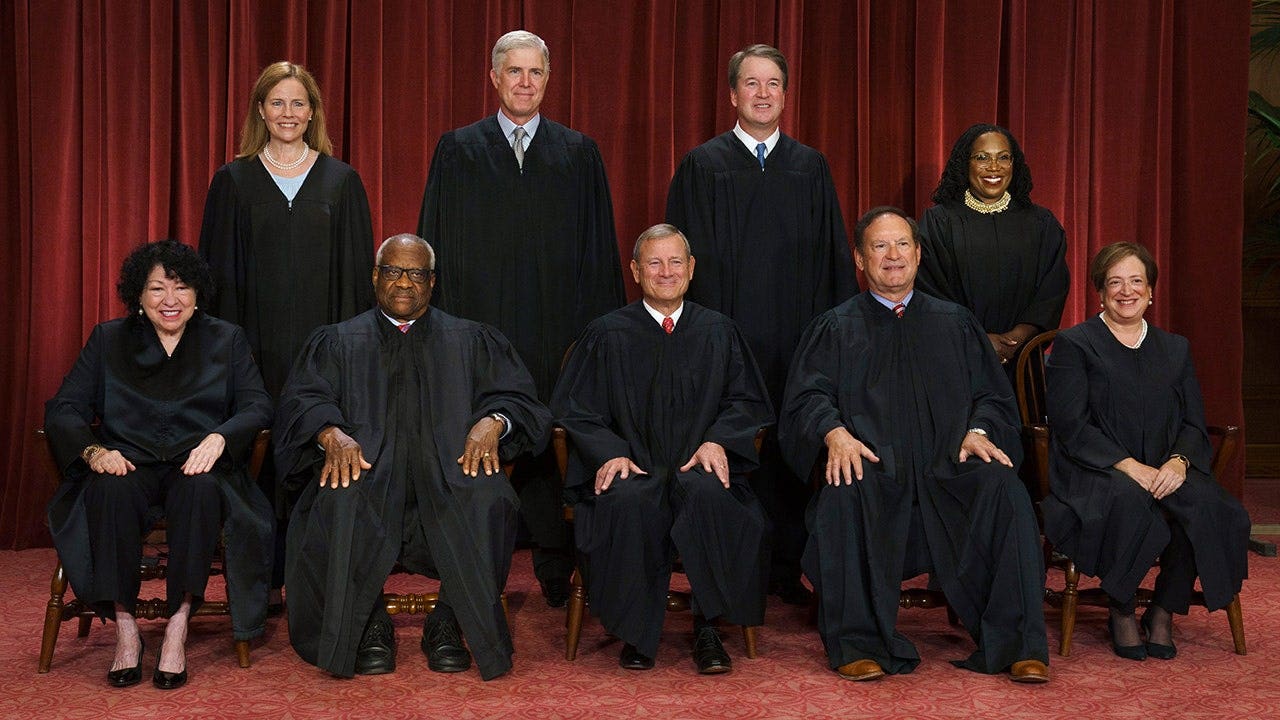
A Supreme Court showdown over climate change lawsuits could leave oil companies bankrupt, gas stations facing financial ruin and Americans paying more at the pump if the justices allow cities and states to pursue billions in damages against the fossil fuel industry, energy policy experts warn.
«You would see mass exodus and that would create more scarcity with fuel, more so than we’re seeing already today, higher prices,» Jason Isaac, CEO of American Energy Institute, told Digital. «And that’s really what this is about. It’s about controlling these companies and stopping the use of hydrocarbons.»
The Supreme Court heard arguments Monday in Suncor v. Boulder, a dispute over whether federal law prevents cities and states from suing oil companies under state law for alleged climate damage linked to emissions that cross state borders.
During oral arguments, Justice Clarence Thomas pressed Boulder’s attorney, Kevin Russell, on whether the legal theory could expose businesses beyond oil producers to similar lawsuits, including large retailers.
WAVE OF OVERLOOKED ‘LEFT-WING’ LAWSUITS COULD COME WITH AN UNEXPECTED PRICE TAG FOR AMERICANS
«Nothing in our theory prevents that,» Russell acknowledged, although he noted that state tort law could impose additional limitations.
Justice Brett Kavanaugh separately raised concerns about the potential financial consequences of widespread litigation, warning that enough lawsuits could «bankrupt» defendants and questioning whether virtually any manufacturer or business could face similar claims.
The city and county of Boulder, Colo., sued oil giants ExxonMobil and Suncor Energy in 2018, accusing the companies of knowingly contributing to climate change while misleading the public about the alleged dangers of fossil fuels. The municipalities are seeking damages to help cover the mounting costs of climate-related harms. There are roughly 30 similar lawsuits pending in jurisdictions across the country, including cases in Portland and Baltimore.
Boulder’s lawsuit alleged ExxonMobil and Suncor knew for decades about the climate risks associated with fossil fuels but misled the public about those risks. The complaint pointed to a 1977 internal memo from ExxonMobil that circulated among the company’s highest-level managers. The memo reported that «current scientific opinion overwhelmingly favors» that fossil fuels contribute to the rise in CO2 emissions.
David Bookbinder, who previously served as counsel of record for Boulder but is no longer involved in the case, described the lawsuit as a way to implement an «indirect carbon tax» during a Federalist Society forum last year.
But Boulder has maintained that the case is not an attempt to regulate national climate policy, arguing instead that Colorado has the authority to hold companies accountable under state law for alleged harms suffered within its borders.
«Since the founding, states have had the power to provide tort remedies for injuries occurring within their borders even when the conduct causing those injuries occurred elsewhere,» Russell told the justices.
CATHOLIC SCHOOLS, BANNED RIFLES AND ‘CLIMATE LAWFARE’: BLOCKBUSTER FIGHTS AWAIT SUPREME COURT
O.H. Skinner, executive director of the Alliance for Consumers, argued that the lawsuits are an attempt to accomplish through the courts what climate advocates have been unable to achieve through Congress.
«When you really boil it down, and you separate it from all the legal arguments, the advocates who push these cases are very clear,» Skinner told Digital. «That it’s an effort to get a backdoor carbon tax, because carbon taxes have never passed in Congress, or to bankrupt the energy industry.»
Justice Samuel Alito has recused himself from the case without providing an explanation.
Isaac warned that a Supreme Court ruling in Boulder’s favor could open «Pandora’s box,» allowing thousands of jurisdictions to pursue similar lawsuits. He said a 4-4 split could have a similar practical effect by leaving the lower court’s ruling in place, although a tie would not establish nationwide precedent.
«There are over 90,000 levels of government — government entities just in the United States alone — that could also begin lawsuits against energy companies,» Isaac told Digital. «Driving up cost to consumers because the cost to defend those would be astronomical.»
LAWSUITS COST EVERY AMERICAN HOUSEHOLD THOUSANDS OF DOLLARS. SUPREME COURT CAN HELP
Skinner argued that who could be sued could extend beyond oil producers to businesses across the energy supply chain, including gas stations, automakers and utilities that sell or use fossil fuels.
«From Boulder’s perspective, anybody who’s contributed to climate change would reliable, any sort of company, big or small, and the problem here is that to the left, climate change is everything and everything is climate change,» Skinner told Digital. «So it’s very hard to find a line for who isn’t contributing to climate change.»
But Isaac said the case is different from lawsuits against tobacco or opioid companies because greenhouse gas emissions come from countless sources around the world and cross state and national borders, making it difficult to isolate responsibility for climate-related damage.
«Emissions are a global phenomenon,» Isaac told Digital.
CONSERVATIVE GROUPS SAY JUSTICE KAGAN CANNOT BE IMPARTIAL IN UPCOMING SUPREME COURT CLIMATE LITIGATION
ExxonMobil and Suncor argue that because greenhouse gas emissions travel globally, Colorado cannot use state law to hold companies liable for emissions originating outside its borders. The companies contend that such disputes should instead be governed by federal law.
Meanwhile, other states such as Utah have barred these types of state tort lawsuits from being pursued.
«If the energy companies were to lose and Colorado were to win, this would in effect drive up the prices of gas all across the country,» Utah Attorney General Derek Brown told Digital. «And so those kind of decisions ultimately, it’s the province of Congress.»
law, federal courts, supreme court oral arguments, climate change environment, energy, states rights, controversies environment, state and local








INTERNACIONAL
President talks ‘Trump Ocean,’ trades jokes with Tennessee crowd as Kid Rock kicks off sprawling rally
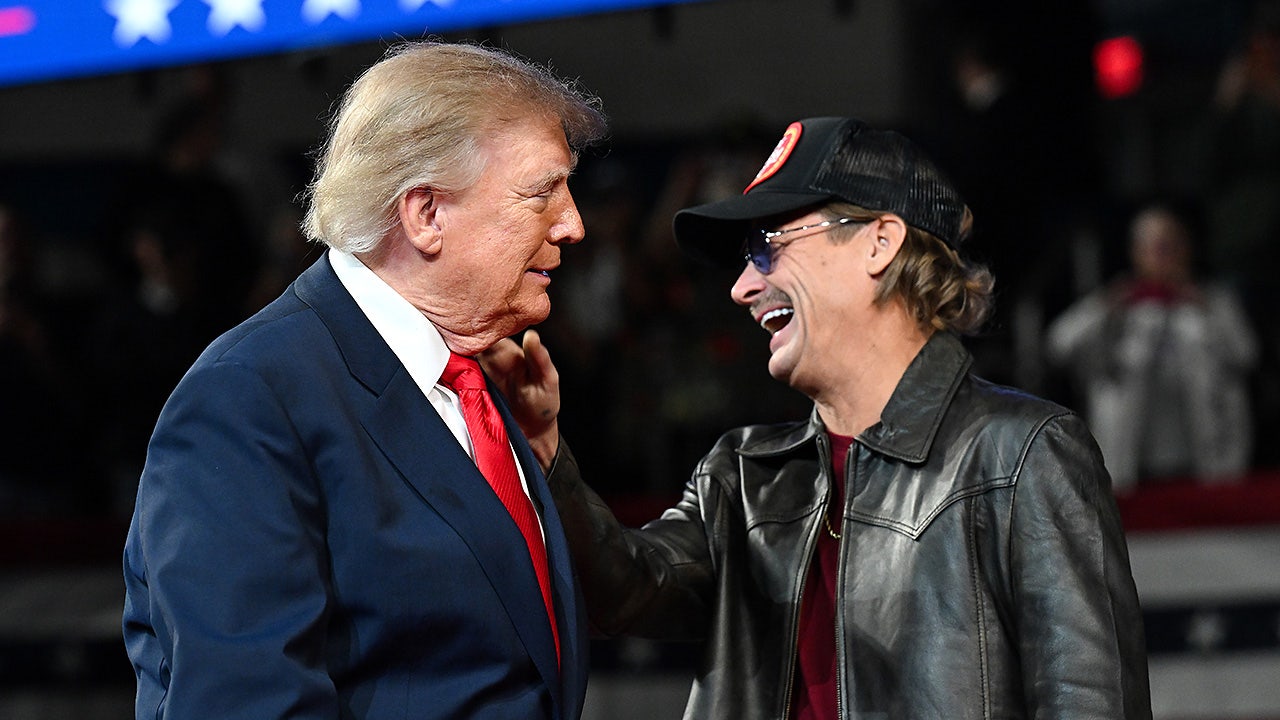
President Donald Trump touted billions of dollars in manufacturing investments and his administration’s efforts to combat crime in Tennessee on Saturday, while calling Iranian leaders «crazy» and floating the idea of a «Trump Ocean» during a wide-ranging rally featuring musician Kid Rock.
The president appeared in Clarksville ahead of the Nov. 3 midterm elections, campaigning for Republican Sen. Bill Hagerty and gubernatorial candidate Marsha Blackburn while mixing economic talking points, foreign policy and off-script humor.
Kid Rock opened the event with a religious-themed introduction, praising Trump’s leadership while taking aim at the news media.
TRUMP TOUTS ‘GOLDEN AGE’ AT OHIO RALLY, URGES VOTERS TO DELIVER GOP MIDTERM WINS
«Literally, President Trump could walk across the Cumberland River, and tomorrow the headline would say President Trump refuses to swim,» the musician joked.
The rocker also condemned Islamist extremism and defended religious freedom, arguing that Americans should not be forced to live under religious laws that override the Constitution.
«We are not, and we will never be, one nation under Mohammed, because we are, and we always will be, one nation under God,» Kid Rock told the crowd.
Trump later thanked his longtime supporter and friend by his given name, Bob, before turning to an array of domestic and international issues.
The president addressed tensions with Iran, calling the country’s leaders «crazy» while claiming that Tehran’s rhetoric had softened following U.S. military operations.
AFTER ‘LAKE AMERICA,’ TRUMP SUGGESTS A NEW NAME FOR THE STATE OF NEW MEXICO
«They don’t talk that way anymore, by the way,» Trump said after recounting previous threats from Iranian leaders.
Trump described what he characterized as extensive damage to Iran’s military capabilities, claiming 159 ships had been sunk and its air force and air-defense systems destroyed.
«They have no Navy. They have no Air force, they have no anti-aircraft equipment,» Trump said.
The president then pivoted from the Strait of Hormuz to an unexpected geography lesson, suggesting it could one day be called the «Trump Strait.»
He also revisited his decision to rename the Gulf of Mexico the Gulf of America before floating additional changes to the map.
«We need a river. We need an ocean,» Trump said, suggesting the Atlantic or Pacific could become the «Trump Ocean» or «Ocean of the Americas.»
TRUMP RALLIES NEW YORK CROWD FOR REPUBLICAN BRUCE BLAKEMAN’S BID TO REPLACE GOV KATHY HOCHUL
«Before I get out, I think we should have an ocean,» he added, without yet announcing any formal renaming plans.
On the economy, Trump promoted Korea Zinc’s planned investment of more than $6 billion in Tennessee, a project expected to create 740 jobs across Montgomery and Smith counties.
Tennessee officials announced the $6.6 billion project in December, describing it as the largest single private corporate investment in state history. The plans include a new critical-minerals smelter in Clarksville and the reopening of a former mine in Gordonsville.
«And your state will soon be home to the first new mineral smelter in the United States, first one built since 1979,» Trump said.
The project is intended to strengthen domestic supplies of minerals used in semiconductors, defense technology and advanced manufacturing.
TRUMP NAMES LEAVITT SUCCESSOR AFTER WEEKS OF SPECULATION — AND SHE’S NO STRANGER TO MAGA
Trump also cited General Motors’ previously announced $275 million investment in its Spring Hill manufacturing facility to support production of next-generation turbocharged Cadillac engines.
The president credited his tariff policies with encouraging domestic investment, arguing that companies were expanding American manufacturing to avoid import duties.
In a Tennessee-focused fact sheet released as the rally began, the White House asserted that Republican-backed tax policies had preserved $23 billion in economic activity in the state. The administration also cited an average $3,674 tax refund for Tennesseans in 2026.
Public safety was another focal point of his address, with Trump praising federal law-enforcement operations in Memphis and claiming approximately 12,000 dangerous criminals had been removed.
The White House separately asserted that murders and overall crime in Memphis had declined approximately 36%, crediting the Memphis Safe Task Force.
The president also shared some lighter moments about first lady Melania Trump, describing her objections to his theatrical impersonations of athletes during discussions about transgender participation in women’s sports.
«She said it’s not presidential,» Trump recalled, before joking about her film career. «There is only room for one star in a family, so I don’t need this movie stuff. I don’t need it.»
Trump, who carried Tennessee in all three of his presidential campaigns, said the visit was also an opportunity to thank supporters in a state where he had enjoyed strong electoral backing.
«Sometimes it’s nice to go to a place where you don’t have to be, but you’re there to say thank you to the great people that elected you three separate times in record time,» Trump said.
Trump repeatedly returned to the November elections, urging supporters to back Republican candidates even though his name will not appear on the ballot.
«In this election, I’m asking you to do me a favor. Pretend. Just pretend that I’m running,» Trump said.
donald trump, midterm elections, tennessee, republicans elections, iran, white house, politics
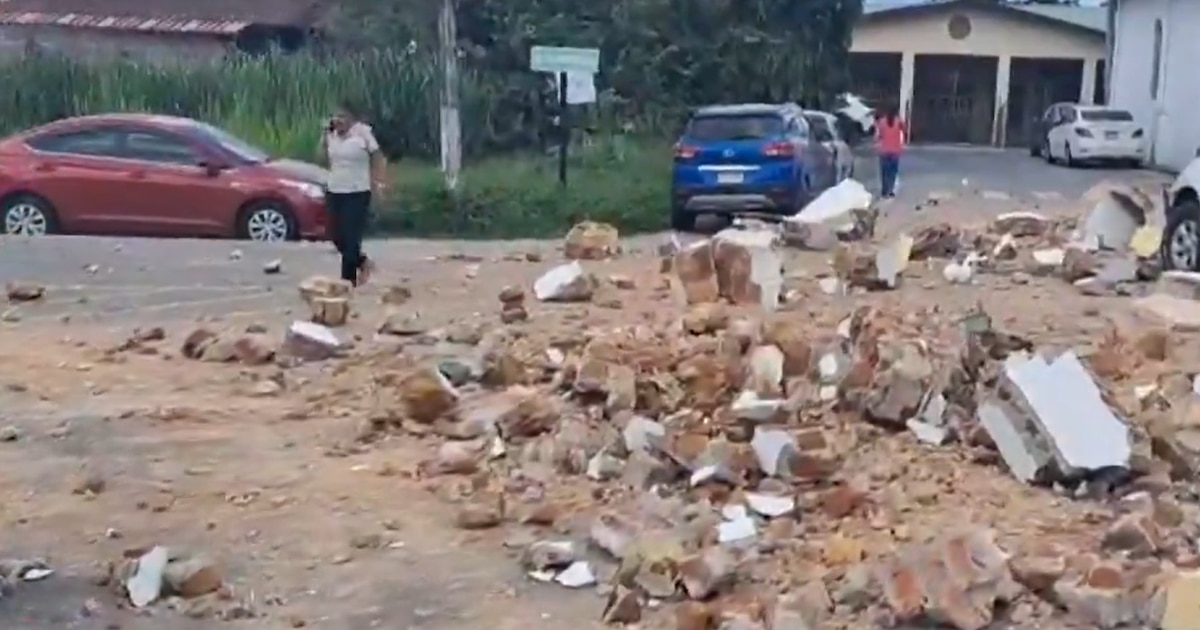
Honduras mantiene bajo vigilancia sus costas del Pacífico tras el aviso de tsunami emitido luego de un fuerte sismo registrado en Panamá, aunque las proyecciones disponibles indican que las olas que podrían llegar al territorio hondureño serían inferiores a los 30 centímetros.
La Secretaría de Gestión de Riesgos y Contingencias Nacionales (Copeco) informó que sus equipos técnicos dan seguimiento permanente al comportamiento del mar y a la actividad sísmica en la región, con el propósito de identificar cualquier cambio que pueda representar un riesgo para las comunidades costeras.
“La Secretaría de Estado en los Despachos de Gestión de Riesgos y Contingencias Nacionales (COPECO), a través de sus equipos técnicos, mantiene el monitoreo permanente de las condiciones del mar y de la actividad sísmica, tras el registro de un sismo de magnitud 7.6 en Panamá, con una profundidad preliminar de 10 kilómetros”, indicó la institución en un comunicado.
El movimiento telúrico motivó la emisión de un aviso por tsunami por parte del Centro de Alertamiento de Tsunamis del Pacífico (PTWC), ante la posibilidad de que generara olas peligrosas, principalmente para las costas panameñas.
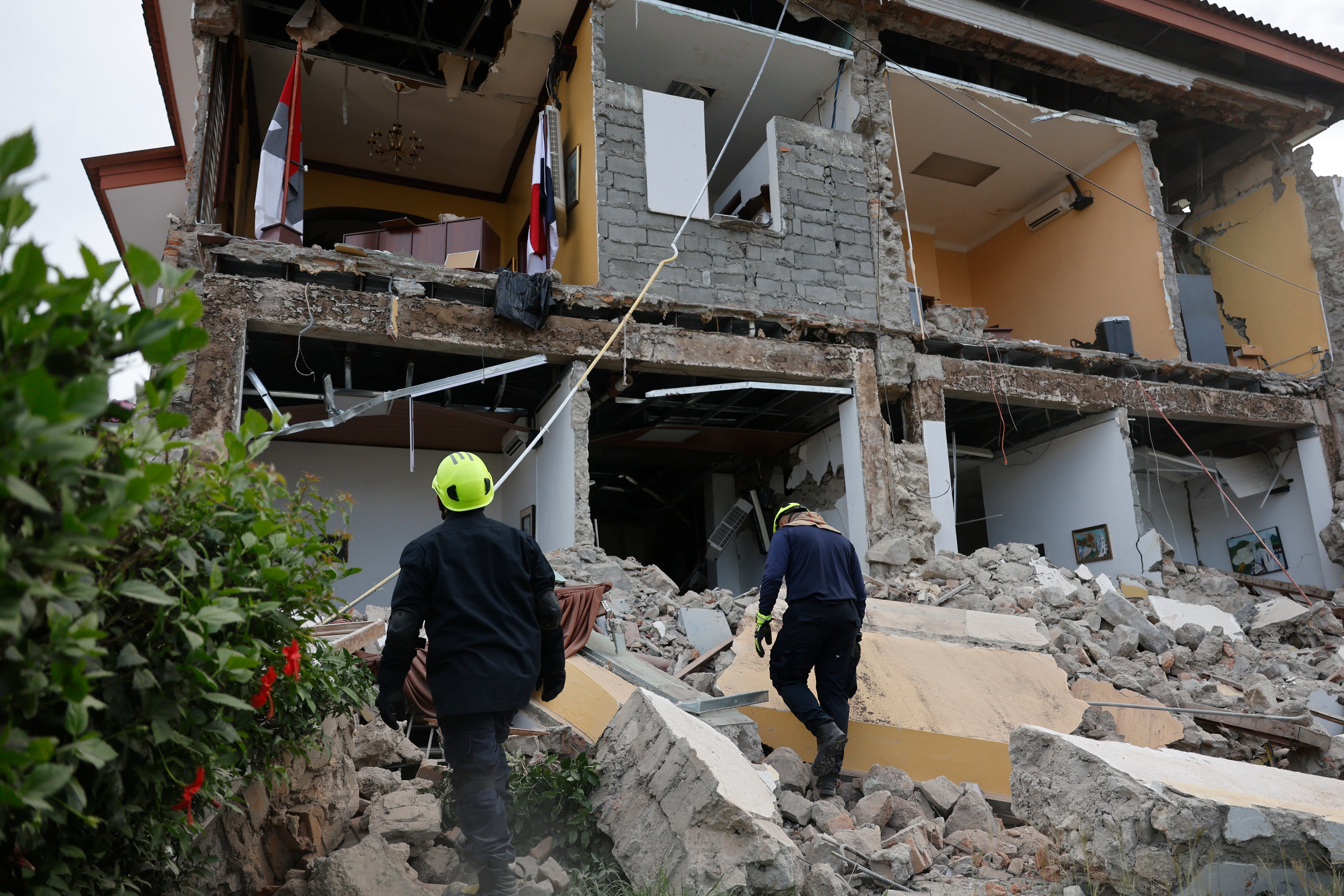
¿Qué tan grandes serían las olas en Honduras?
De acuerdo con las estimaciones difundidas por Copeco, las olas que podrían arribar a Nicaragua, Honduras y El Salvador tendrían una altura inferior a los 30 centímetros, por lo que serían poco perceptibles en comparación con el oleaje habitual.
“Según esta información, no se prevé una amenaza mayor para las costas hondureñas; sin embargo, se mantiene la vigilancia ante cualquier actualización de los organismos especializados”, subrayó la institución.
Las autoridades mantienen el seguimiento de los reportes técnicos para determinar si se producen variaciones en el nivel del mar que requieran nuevas valoraciones. Aunque las proyecciones iniciales apuntan a un impacto limitado en Honduras, la institución continúa pendiente de las actualizaciones emitidas por los organismos especializados.
Copeco también señaló que se considera la posible ocurrencia de réplicas sísmicas, debido a que nuevos movimientos podrían motivar una reevaluación de las condiciones de riesgo en la región.
Por el momento, la información proporcionada por la institución se centra en el monitoreo preventivo y en las estimaciones de altura de las olas, sin que el comunicado citado establezca una amenaza mayor para las costas hondureñas.
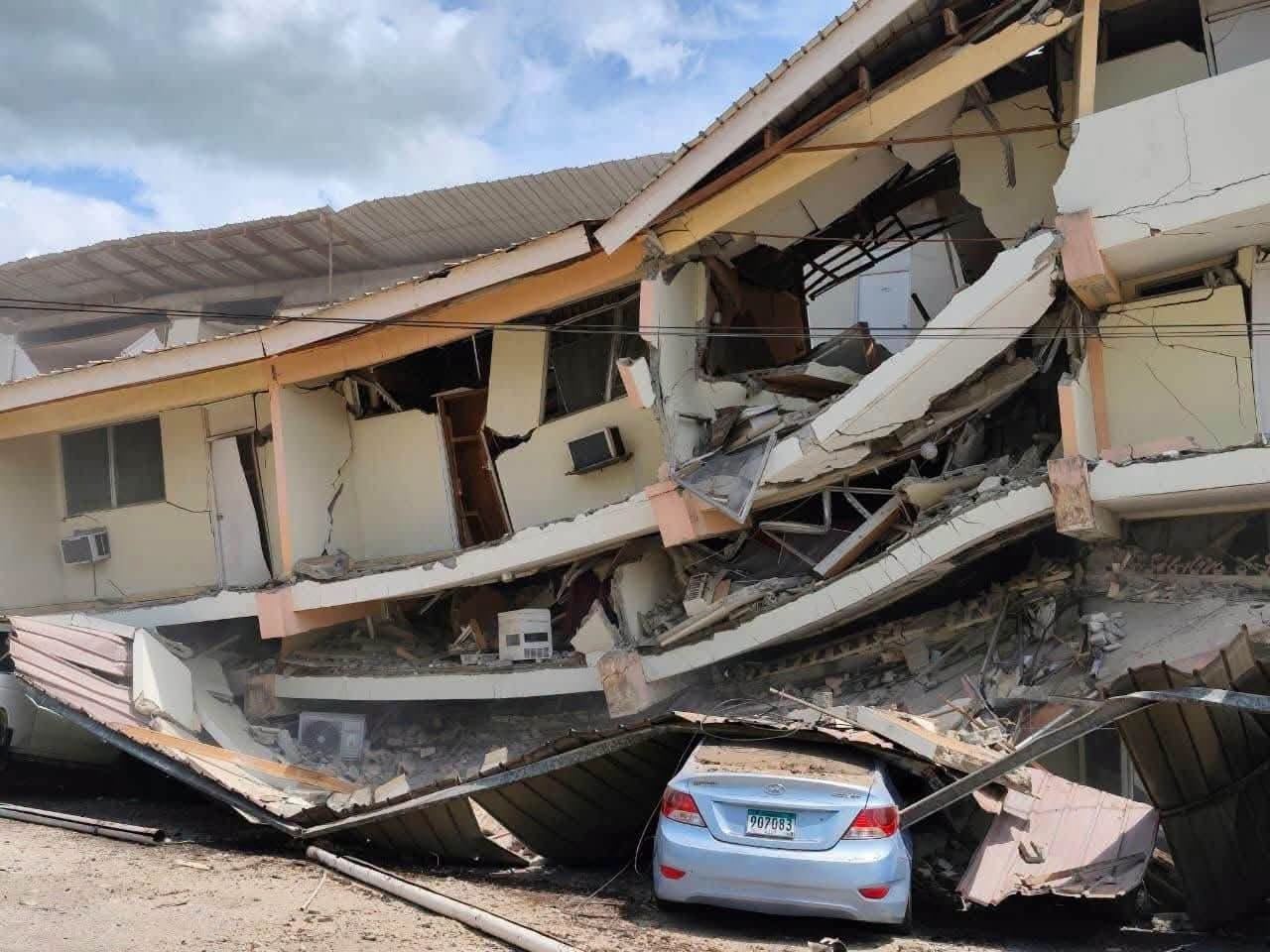
El aviso se produjo después de que un terremoto de gran magnitud sacudiera el sureste de Panamá durante este viernes. Según el Servicio Geológico de Estados Unidos (USGS), el movimiento telúrico alcanzó una magnitud de 7.7 y tuvo una profundidad de aproximadamente 10 kilómetros.
El epicentro se localizó a unos 12 kilómetros de Tonosí, una localidad situada en el suroeste panameño, y a aproximadamente 239 kilómetros de Ciudad de Panamá, la capital del país.
La profundidad relativamente superficial y la magnitud del evento motivaron la activación del aviso de tsunami en el Pacífico, debido a la posibilidad de que el desplazamiento del fondo marino generara olas con capacidad de afectar zonas costeras.
La magnitud reportada por el USGS fue de 7.7, mientras que el comunicado inicial de Copeco hizo referencia a un sismo de 7.6. Esta diferencia puede responder a actualizaciones o variaciones entre los reportes preliminares de los organismos que monitorean la actividad sísmica.
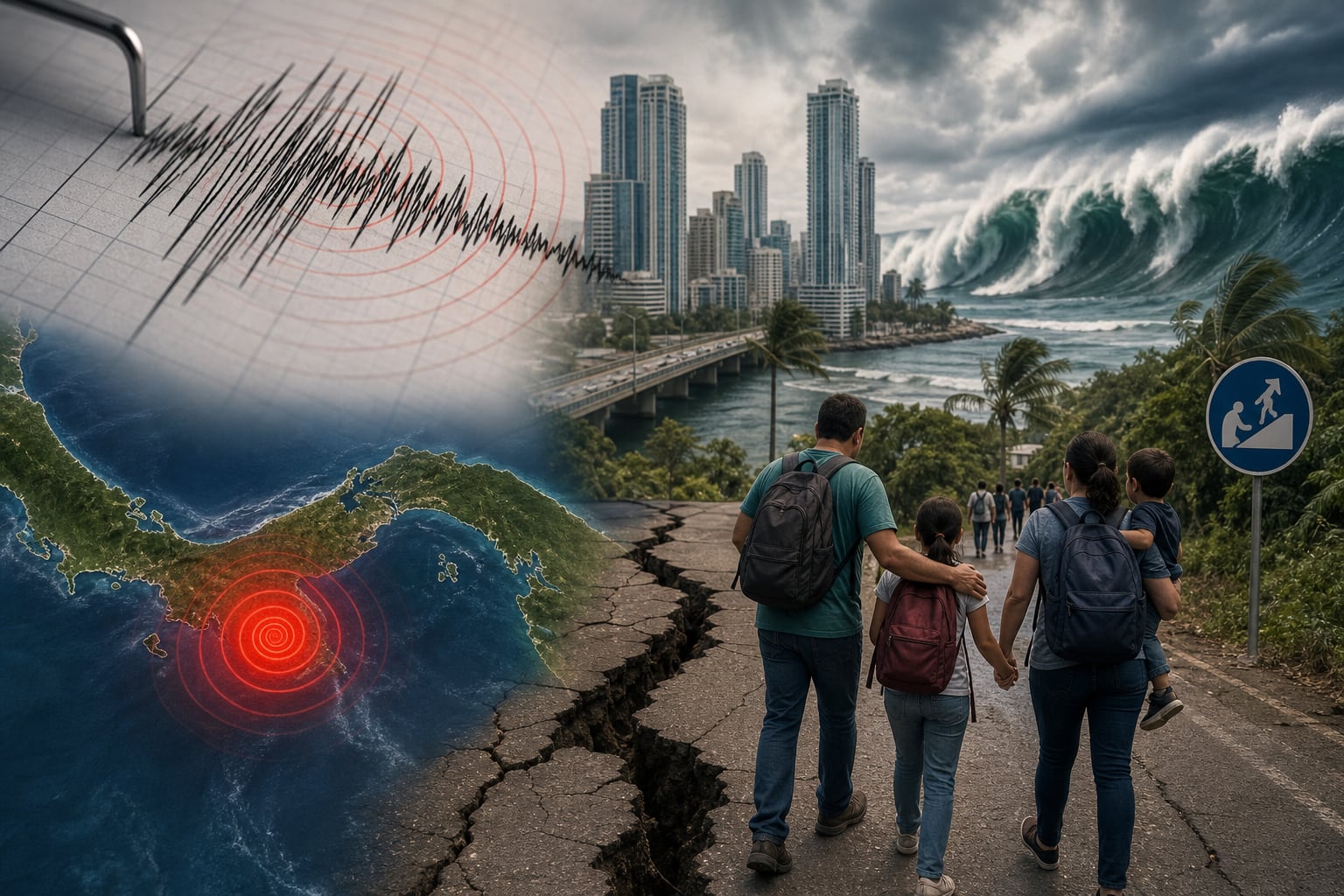
La institución hondureña continuará dando seguimiento a la actividad sísmica y a los cambios en el nivel del mar, a la espera de nuevas evaluaciones de los centros especializados en alertamiento de tsunamis.
El monitoreo busca identificar oportunamente cualquier variación que modifique las estimaciones iniciales sobre el posible impacto del fenómeno en Honduras.
Mientras tanto, las proyecciones divulgadas por Copeco apuntan a que las olas que podrían alcanzar las costas hondureñas serían de menos de 30 centímetros, una altura considerablemente inferior a la que representaría una amenaza mayor.
terremoto,tsunami,Panamá,evacuación,sismograma
INTERNACIONAL
Trump cuestionó a Zelenski por los ataques a refinerías rusas: “Es hora de que Ucrania tenga un nuevo presidente”
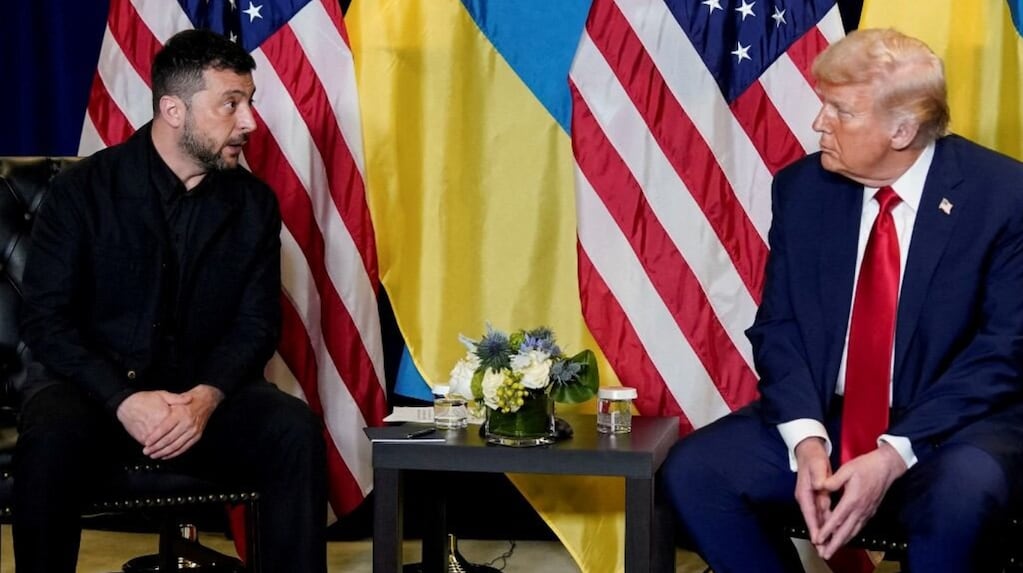
El presidente de Estados Unidos, Donald Trump, volvió a confrontar con su par ucraniano, Volodimir Zelenski, en medio de las tensiones por la estrategia para poner fin a la guerra con Rusia. El mandatario republicano cuestionó los ataques de Kiev contra instalaciones petroleras rusas y llegó a reclamar que Ucrania elija un nuevo jefe de Estado capaz de alcanzar un acuerdo de paz.
El cruce se produjo después de que Trump anunciara que mantuvo una conversación telefónica con el presidente ruso, Vladimir Putin, y que acordó flexibilizar las restricciones que limitaban las exportaciones rusas de diésel. La decisión despertó preocupación en Ucrania y en varios gobiernos europeos, que advirtieron que Moscú podría beneficiarse económicamente mientras continúa la ofensiva militar.
“Más le vale detenerse”, dijo Trump sobre Zelenski, a quien acusó de no respetar sus instrucciones de evitar ataques contra refinerías rusas. El presidente estadounidense sostuvo que esas operaciones podrían agravar la escasez internacional de combustibles, en un contexto de tensión por la guerra entre Estados Unidos, Israel e Irán.
Y añadió: “Es hora de que Ucrania tenga un nuevo presidente. Les sugiero que elijan a un nuevo líder capaz de alcanzar un acuerdo, porque podría haber cerrado muchos acuerdos y, por alguna razón, nunca lo hace”.
Rusia

President talks ‘Trump Ocean,’ trades jokes with Tennessee crowd as Kid Rock kicks off sprawling rally

Honduras mantiene vigilancia ante aviso de tsunami por sismo en Panamá

Vinicius les pidió perdón a los hinchas por el tirón de pelo y Mourinho suspendió la conferencia de prensa

La auditora por el oficialismo habló del informe sobre el oro del Banco Central y defendió la gestión de Bausili

Javier Frana contó una anécdota con Maradona tras ganar el bronce en los Juegos Olímpicos de Barcelona 92: “Entrenamos en los Lagos de Palermo”

Ricardo Darín contó cómo se siente cada vez que está con su nieto: “Estoy enloquecido, te derrite»

Escándalo total en la AFA: reventa millonaria, un homenaje paupérrimo a Messi y el pedido urgente de renuncia a Chiqui Tapia

El discurso completo de Leo Messi en su despedida con Argentina: ‘Hoy me toca quizás el día más triste de mi carrera’

El presidente de Burkina Faso, duro tras el amistoso con la Selección: «Nuestro fútbol está enfermo» :: Olé

Tobey Maguire se quedaba ciego con el traje de Spider-Man y casi se desmaya durante una prueba: fabricar su disfraz fue una pesadilla

 DEPORTE3 días ago
Escándalo total en la AFA: reventa millonaria, un homenaje paupérrimo a Messi y el pedido urgente de renuncia a Chiqui Tapia
- DEPORTE3 días ago
El presidente de Burkina Faso, duro tras el amistoso con la Selección: «Nuestro fútbol está enfermo» :: Olé
- SOCIEDAD3 días ago
Tobey Maguire se quedaba ciego con el traje de Spider-Man y casi se desmaya durante una prueba: fabricar su disfraz fue una pesadilla