INTERNACIONAL
El aumento del precio de la energía impulsó la inflación en Estados Unidos: subió un 3,7% en los últimos 12 meses

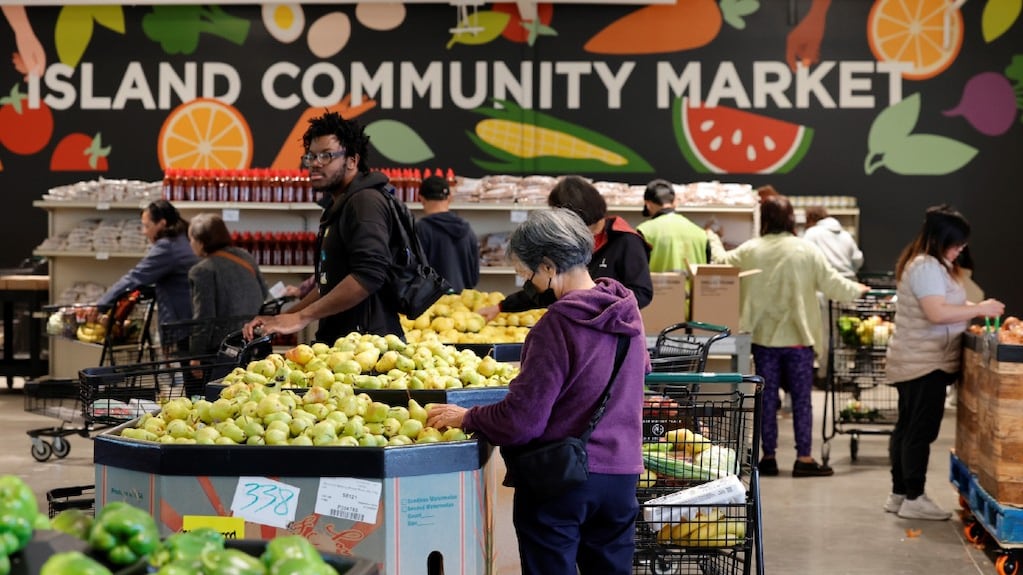
La inflación continúa afectando a los hogares estadounidenses, con la energía impulsando el índice de precios al consumidor, con una subida del 3,7% interanual, a menos de tres semanas de las elecciones de medio término del 3 de noviembre.
En la comparación mensual, el índice de precios al consumo (IPC) mostró la misma trayectoria, con un aumento del 0,6%, frente al 0,4% del mes anterior, aunque en línea con las expectativas de los analistas, según el consenso publicado por MarketWatch.
El costo de vida es uno de los puntos centrales de la campaña electoral estadounidense, en unas elecciones cruciales para el presidente Donald Trump. Los sondeos vaticinan una dura derrota de los republicanos en ambas cámaras del Congreso.
La guerra en Irán, con el bloqueo del estratégico estrecho de Ormuz, provocó un aumento en el precio del petróleo y un consiguiente incremento de la gasolina y productos derivados.
Las consecuencias de la inflación
En agosto la inflación se había situado en el 3,4% interanual. Los analistas esperaban un IPC más alto, pero en el orden de 3,6% año sobre año.
Como consecuencia directa de estas cifras que decepcionaron al mercado, los rendimientos de la deuda pública estadounidense se dispararon el miércoles: el bono a diez años, la referencia principal, alcanzó 5,32% frente al 5,21% al cierre del martes, antes de retroceder.
Los prestamistas exigen lógicamente más intereses para compensar la inflación, que recorta sus márgenes.
No obstante, este aumento no debería necesariamente incitar a la Reserva Federal (Fed) a acelerar su calendario de posibles subidas, después de haber aumentado sus tasas de interés de referencia en su última reunión.
Varios miembros de su Comité de Política Monetaria (FOMC) señalaron que no contemplan una nueva subida en el próximo encuentro del 27 y 28 de octubre.
Inflación












INTERNACIONAL
7,000 pasajeros estaban en el principal aeropuerto de Panamá cuando ocurrió el terremoto de 7.5
Alrededor de 7.000 pasajeros se encontraban en el Aeropuerto Internacional de Tocumen cuando el terremoto del viernes 9 de octubre sacudió Panamá y obligó a evacuar las terminales.
El movimiento sísmico y las réplicas posteriores provocaron 323 vuelos cancelados y 676 demorados durante tres días, una situación que afectó a 59.460 viajeros y alteró las conexiones aéreas nacionales e internacionales.
Las interrupciones generaron malestar entre pasajeros que enfrentaron largas esperas, pérdida de conexiones y cancelaciones de vuelos. Muchos viajeros tuvieron que modificar sus itinerarios mientras las aerolíneas reorganizaban sus operaciones.
La situación se complicó porque cada nueva réplica podía obligar a detener temporalmente la actividad aérea, incluso después de que las terminales habían sido reabiertas.
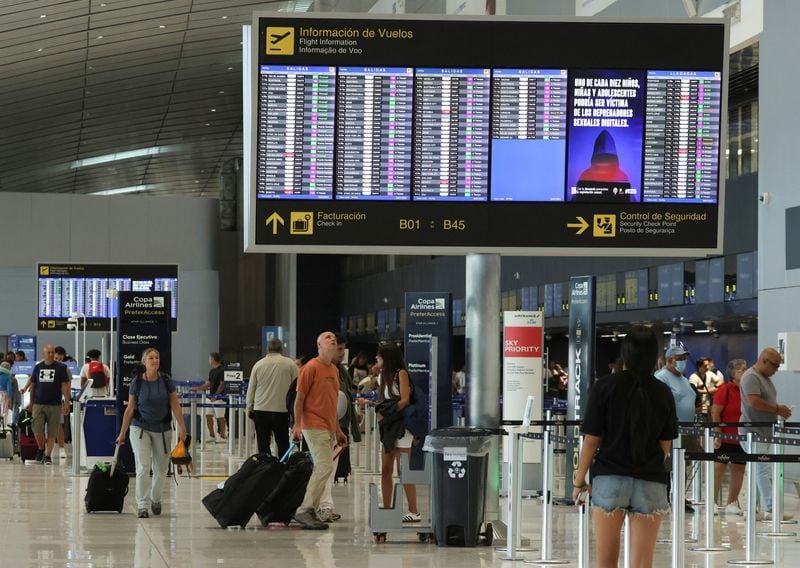
Tocumen explicó que las suspensiones respondieron a protocolos de seguridad que exigen verificar las condiciones de la infraestructura aeroportuaria después de los movimientos sísmicos.
Las revisiones se concentraron especialmente en las pistas y calles de rodaje, donde cualquier deterioro del pavimento, objeto extraño o afectación de las ayudas visuales podría comprometer las maniobras de despegue y aterrizaje.
Entre el viernes 9 y el domingo 11 de octubre, los equipos técnicos realizaron 38 inspecciones de pistas y 12 revisiones de calles de rodaje. Las evaluaciones no encontraron daños estructurales en los pavimentos, residuos peligrosos para las aeronaves ni afectaciones atribuibles al terremoto en las ayudas visuales.
Sin embargo, las operaciones debían reanudarse únicamente después de completar las verificaciones correspondientes.
Las inspecciones adquieren especial relevancia porque las pistas del principal aeropuerto panameño atraviesan un proceso de rehabilitación, respaldado por un contrato cercano a los $57 millones.
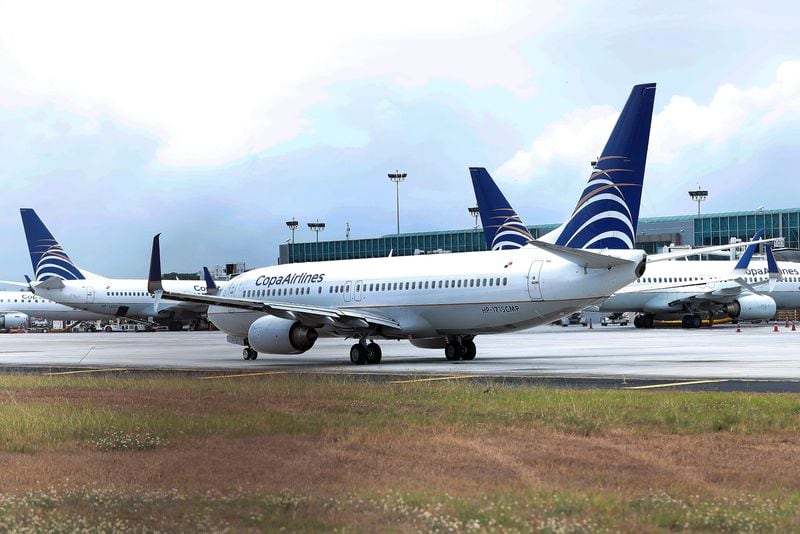
Estos trabajos forman parte de las inversiones destinadas a mantener la infraestructura utilizada diariamente por cientos de aeronaves. Las revisiones posteriores al sismo buscaron comprobar que las superficies operativas conservaran condiciones seguras, independientemente de las obras en ejecución.
El impacto fue particularmente fuerte durante las primeras 48 horas. El viernes se contabilizaron 150 vuelos cancelados y el sábado otros 148, mientras que el domingo la cifra disminuyó a 25.
Tocumen registra normalmente alrededor de 450 operaciones diarias, por lo que las suspensiones alteraron una parte importante de su programación habitual y de las conexiones entre distintos países.
La administración aeroportuaria informó que el viernes se realizaron tres evacuaciones preventivas de las terminales, con participación de pasajeros y trabajadores.
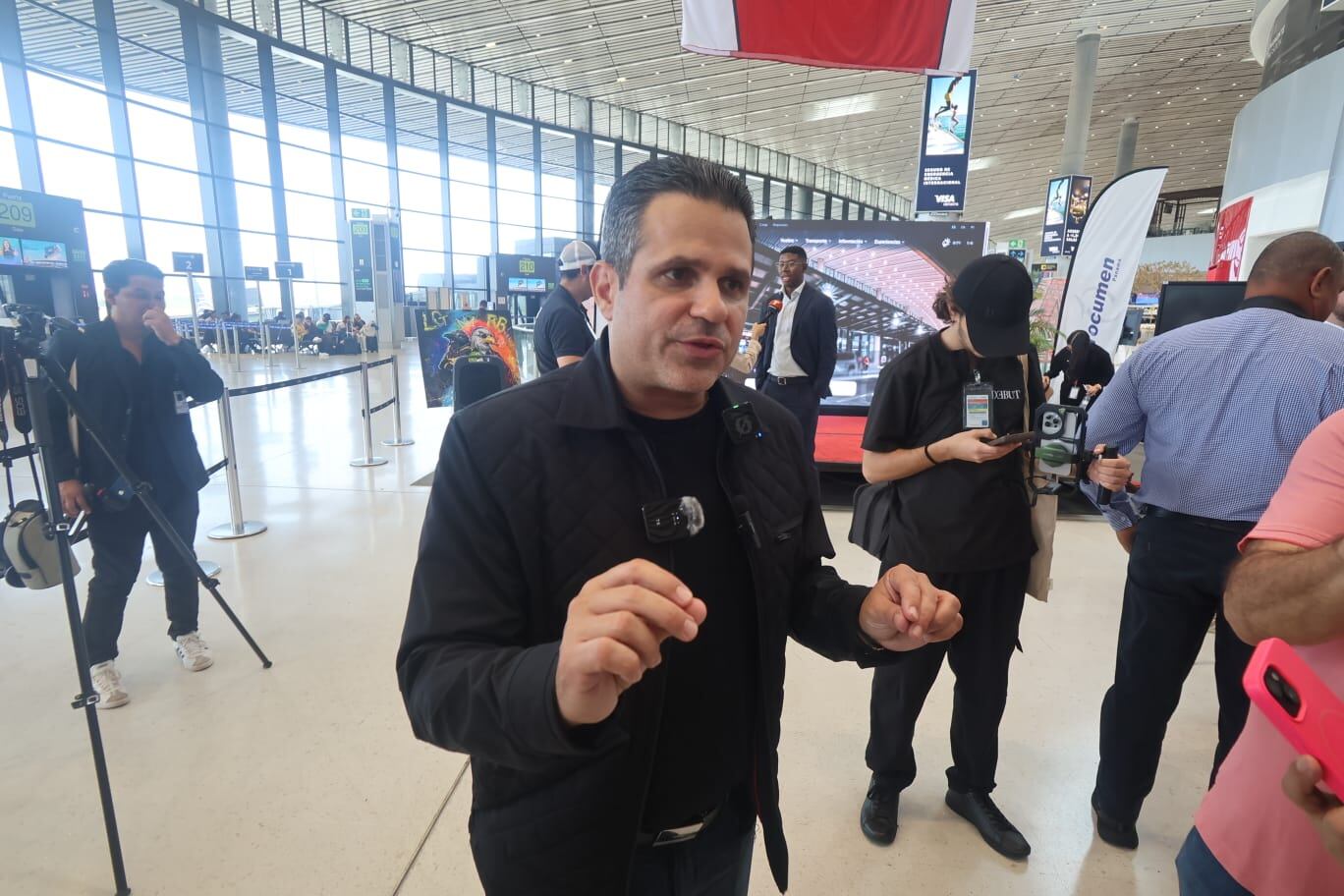
Los equipos de seguridad acompañaron los desplazamientos hacia las áreas establecidas y posteriormente autorizaron el reingreso, una vez completadas las verificaciones. La recuperación de las operaciones fue gradual debido a las réplicas registradas durante el fin de semana.
El gerente general de Tocumen, José Ruiz Blanco, destacó la coordinación entre los trabajadores del aeropuerto, las aerolíneas y las instituciones públicas para responder a la emergencia.
En las labores participaron equipos de operaciones, mantenimiento, seguridad y salvamento, junto con autoridades de migración, aduanas, salud y aeronáutica civil. La prioridad fue proteger a los viajeros antes de restablecer los vuelos.
Para la tarde del lunes 12 de octubre, la operación del aeropuerto ya se había regularizado, después de un fin de semana marcado por interrupciones y ajustes de itinerarios. La recuperación permitió restablecer las conexiones de Tocumen, cuya actividad resulta fundamental para los viajes entre América del Norte, Centroamérica, Sudamérica y el Caribe.

El impacto adquiere mayor dimensión por el volumen de pasajeros que utiliza esta terminal como centro de conexiones regional. Entre enero y agosto de 2026, Tocumen movilizó 15.855.759 viajeros, un crecimiento del 15% frente al mismo periodo del año anterior.
En agosto mantenía enlaces con 93 destinos internacionales y uno doméstico, una red cuya continuidad depende de la seguridad de sus instalaciones.
Copa Airlines, principal operadora de Tocumen, reconoció las demoras prolongadas y cancelaciones ocasionadas por los sucesivos cierres preventivos. La compañía dio prioridad al regreso de aeronaves desviadas hacia aeropuertos alternos y amplió sus medidas de flexibilidad para pasajeros con viajes programados entre el 9 y el 14 de octubre.
La aerolínea permitió cambios de fecha sin penalización ni diferencia tarifaria, así como créditos y solicitudes de reembolso para los boletos afectados.
El terremoto ha dejado 11.527 personas afectadas y unas 3.390 viviendas con daños, según el balance del Sistema Nacional de Protección Civil al 13 de octubre. Las autoridades reportaron 727 residencias con pérdida total en Herrera y Los Santos, mientras 619 centros educativos oficiales permanecían bajo evaluación, de los cuales 35 habían colapsado.
La emergencia también obligó a habilitar más de 33 albergues temporales, donde recibían atención más de 2.841 personas.
INTERNACIONAL
WATCH: Georgia Senate debate erupts over white supremacy allegations, Epstein ties in fiery exchange
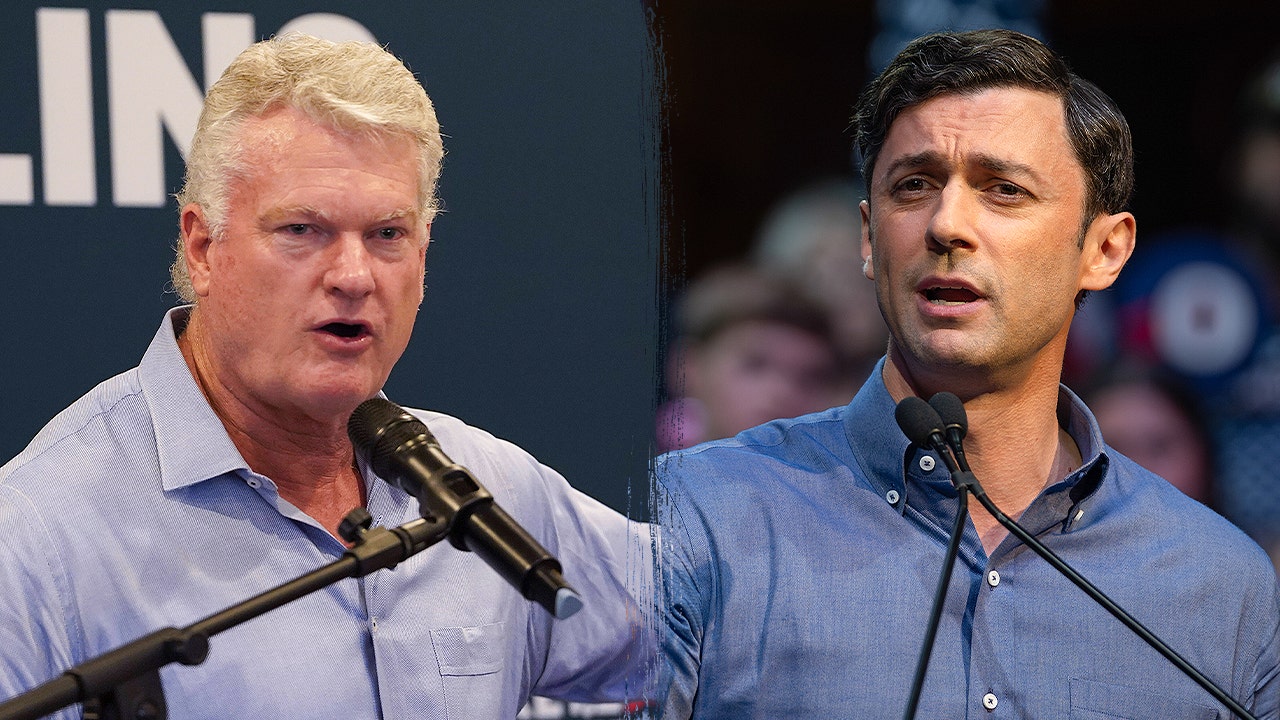
Georgia’s contentious U.S. Senate race erupted into a heated confrontation Tuesday night as Sen. Jon Ossoff, D-Ga., accused GOP challenger Rep. Mike Collins, R-Ga., of allowing the dissemination of «neo-Nazi propaganda» inside his own home, prompting Collins to fire back over Ossoff’s financial support from a billionaire with ties to convicted sex offender Jeffrey Epstein.
The exchange unfolded during the candidates’ second and final debate ahead of the Nov. 3 general election, which was hosted by the Atlanta Press Club and broadcast by Georgia Public Broadcasting network.
During the debate, Ossoff sought to tie his GOP opponent to White nationalism and repeatedly demanded that Collins commit to stopping the dissemination of hateful rhetoric involving his campaign staff, in particular Collins’ son-in-law, which Ossoff alleged has continued despite blowback. Meanwhile, Collins accused his Democrat opponent of fueling threats against his family, refusing to return campaign support connected to LinkedIn co-founder Reid Hoffman and questioned Ossoff over his support for candidates linked to controversial streamer Hasan Piker.
DEM ‘EPSTEIN CLASS’ ATTACK BACKFIRES AS TOP CANDIDATES FUNDED BY EPSTEIN-TIED BILLIONAIRE
«How weak a person do you have to be to be unable to stop someone under your own roof from disseminating neo-Nazi propaganda while you run for the Senate?» Ossoff asked, referencing reporting about his opponent’s son-in-law, David Alan Scheer II, who was the subject of a CNN investigation about sharing Nazi propaganda imagery, promoting antisemitic conspiracy theories and polling his online followers about whether he should produce a video titled «Why Gen-Z Doesn’t Hate Hitler.»
«How about this, Mike? We can shake hands on it,» Ossoff continued to press. «Will you commit tonight that for the remainder of this campaign, it’s just three weeks, Mike, you won’t allow any more neo-Nazi propaganda to be produced from your house? Can you make that commitment?»
Collins responded by accusing Ossoff of inflaming hostility toward his family, pointing to threats he said he and his son-in-law had received.
«I’m a little tired of this, Jon,» Collins said. «There’s a crazy person in jail right now because of your rhetoric,» he alleged, before saying he had received another threat just the previous day.
JON OSSOFF SILENT ON SPLC INDICTMENT AFTER TAKING MORE THAN $700K FROM AFFILIATE OF INDICTED GROUP
«You have not denounced, you’ve not condemned Reid Hoffman, one of your largest donors out there, one that’s been supporting you with over $1 million,» Collins shot back. «Why don’t you denounce that? Why don’t you return that money?»
Collins was referring to Reid Hoffman, the billionaire LinkedIn co-founder and major Democratic donor whose past relationship with Epstein has drawn scrutiny. Hoffman has acknowledged meeting with Epstein after the financier’s 2008 conviction for sex offenses and visiting his private island. Hoffman also contributed $7,000 directly to Ossoff’s campaign and $1 million to a political action committee supporting the Georgia Democrat, according to previously reported campaign finance records.
Earlier in the debate, Collins went further, accusing Hoffman of sending Epstein ice cream with a message referencing girls, while again pressing Ossoff to reject his financial support.
«Jon Ossoff, his number one donor, one of his largest donors, is Reid Hoffman, the same guy that’s in the same files, the same guy that sent ice cream, ice cream to Jeffrey Epstein on his birthday and said, ‘This is for the girls,’» Collins said during an earlier exchange in the debate.
THUNE-ALIGNED GROUPS UNLEASH HISTORIC WAR CHEST TO DEFEND SENATE MAJORITY: ‘WINNING MESSAGE’
The Wall Street Journal previously reported that Hoffman sent Epstein ice cream in 2014 with a message indicating it was intended for him or «for the girls.» Hoffman has apologized for his association with Epstein, which he said stemmed from fundraising activities involving the Massachusetts Institute of Technology, and has not been accused of wrongdoing in connection with Epstein’s crimes.
Ossoff rejected the Hoffman comparison, however, arguing that the allegations against Collins involved someone living in the congressman’s home rather than a political donor.
«Mike, if any of these folks were based in my house, then I’d understand you to ask me to take responsibility for them,» Ossoff said. «What I asked you, Mike, was, can you commit for just three weeks to stop the production of neo-Nazi propaganda from your home?»
Earlier in the debate, Collins was directly questioned about concerns from Black Georgians over allegations of White-nationalist ties involving members of his political operation.
«I condemn any sort of hate speech, antisemitism, hate of any kind. It’s abhorrent,» Collins responded, adding that he had fired staffers when controversies arose.
Collins also sought to turn the accusations back on Ossoff by criticizing his support for Michigan Democratic Senate nominee Abdul El-Sayed and invoking left-wing streamer Hasan Piker, who Collins blasted for saying the U.S. deserved 9/11, and promoting anti-Semitism.
SIGN UP TO GET THE POLITICS NEWSLETTER
«He hangs his hat on this Abdul El-Sayed, you know, the guy that hates Israel — best friends with Hasan Piker, who said that America deserves 9/11,» Collins said Tuesday night.
Ossoff has previously condemned Piker’s rhetoric, telling The Atlanta Journal-Constitution through a spokesperson that he «unreservedly rejects reckless and dangerous rhetoric» suggesting political advocacy justifies violence against Jewish Americans or any other community.
georgia, elections, politics, jeffrey epstein, senate
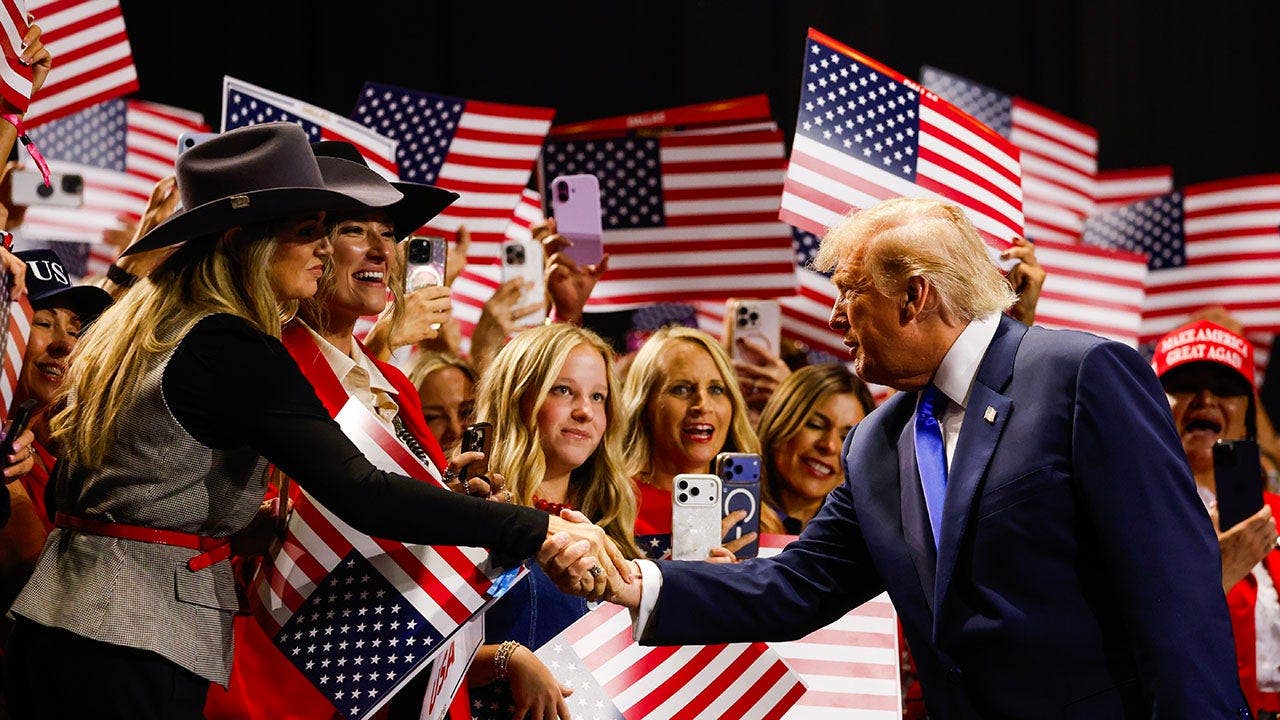
When voters rate the economy and the president negatively just weeks before Election Day, the incumbent party is vulnerable, and that’s certainly the case in the latest survey.
The economic landscape is stark. Six in 10 voters say the cost of living is their top economic worry, overshadowing government spending (15%), jobs and income inequality (7% each), tariffs (6%) and taxes (5%).
Majorities rate the economy negatively (74%) and expect it to worsen next year (53%), while two-thirds are dissatisfied with how things are going in the country (66%). Few, 18%, say their family is better off compared to two years ago. Independents say they’re worse off (52%) and think the economy will get worse (70%).
POLL: IT’S A LONE STAR SENATE SHOWDOWN BETWEEN TALARICO AND PAXTON
A majority of voters, 55%, say inflation is «not at all» under control. That’s up from a low of 45% earlier this year, and includes 30% of Republicans.
President Donald Trump’s lowest job rating is on inflation: 22% approve, a new low. Last summer, 36% approved. Four years ago, before the 2022 midterms, 29% approved of former President Joe Biden’s performance on inflation.
Disapproval of the job Trump is doing has reached 77% on inflation, 70% on the economy, 69% on tariffs and 64% on foreign policy. A smaller share, but still a majority, disapprove of his handling of immigration (56% disapprove), while border security is the only issue that is close to positive (50% approve, 50% disapprove).
Trump’s overall job approval is 36%, his lowest ever in a survey for either term. It had been holding steady at 39% since May. The decline is mainly driven by decreases among voters under age 45, those with annual household income below $50,000, non-White voters, and those without a college degree.
POLL: MICHIGAN VOTERS SPLIT BETWEEN EL-SAYED AND ROGERS
Approval stands at a low of 76% among Republicans. That’s down 3 points since last month, 12 points since September 2025, and 16 points since early in his second term (March 2025).
As in most midterms, voters are prone to punish the party in power: 7 in 10 say they will vote to send a message to Trump, with nearly twice as many expressing opposition (47%) as support (25%).
If the election were today, 54% of voters say they would back the Democratic candidate in their House district and 45% would support the Republican. That is outside the margin of error and is a wider lead than last month when Democrats were ahead by 51%-44%. The race narrows among those saying they are certain to vote, with the Democratic candidate ahead by 52%-46%.
The survey finds about the same number self-identify as Democrats (43%) and Republicans (41%), and both parties feel equally certain about voting (62% and 64% respectively), while more Democrats (61%) than Republicans (52%) say they are extremely interested in the election.
Party loyalty is solid: 98% of Democrats support their party’s candidate, and 94% of Republicans back theirs. Independents favor the Democrats by 26 points.
The Democratic candidate is the choice among Whites with a degree, those under age 45, women, union households and Hispanics. The Republican is ahead among Whites without a college degree (White men without a degree in particular), those 65 and over, voters who attend religious services regularly, military veterans and White evangelical Christians.
While 43% of Hispanic voters supported Trump in the 2024 election, just 31% prefer the Republican candidate this year.
«When the country is this closely divided in terms of partisanship, slight differences in defection and turnout rates can make all the difference,» said Republican pollster Daron Shaw, who helps conduct the Poll with Democrat Chris Anderson. «Republicans have time to close these apparent gaps, but it’s getting late.»
Meanwhile, Democrats lead on 10 out of 13 issue concerns.
The top five voter concerns are government corruption (60% extremely concerned), inflation (58%), gas prices (50%), government leadership (49%), and healthcare (48%). And double digits more trust the Democrats than the Republicans to handle each of those.
Republicans retain the advantage on crime (by 10 points) and border security (R+8), while views are closely divided on immigration (R+3). The Democrats are seen as better on healthcare (D+22), inflation (D+16), gas prices (D+12), voting rights (D+12), election integrity (D+12), government leadership (D+11), what’s taught in public schools (D+11), artificial intelligence (D+10), government corruption (D+10) and foreign policy (D+9).
Republicans have lost ground on key issues compared to four years ago, when more voters trusted them by 21 points on border security, 13 points on inflation and 9 points on foreign policy.
Other issues that voters are extremely concerned about are the Iran war (42%), immigration (35%), crime (34%), voter suppression (32%), AI technology (32%), what’s taught in public schools (29%), voter fraud (28%) and border security (25%).
While corruption in government and inflation are the top two worries about both parties, far more Democrats (72% and 70%) than Republicans (47% and 49%) are extremely concerned.
The issue that helps explain the Democrats’ advantage isn’t an issue at all. By a 14-point margin, more voters think the Democrats will do a better job «fighting for people like you.» Majorities of White voters with a college degree (53%), men (52%), women (60%) and non-White voters (77%) think Democrats will fight for them. Whites without a college degree are split 49-49%.
Despite their issue advantage, just 35% say Democrats have a clear plan for dealing with the country’s problems, and 33% say the same about the Republicans. That reverses the Republican advantage from July 2025, when 43% said the Republicans had a clear plan compared with 33% for the Democrats.
There’s deep dissatisfaction with lawmakers: 15% approve of Congress, while 84% disapprove. Remarkably, that’s above the low of 9% approval in October 2013.
Both parties are viewed negatively. The Democratic Party is underwater by 16 points (42% favorable, 58% unfavorable), while ratings of the GOP are net negative by 23 points (38% favorable, 61% unfavorable).
Yet, favorable ratings fail to translate directly into vote choice. One third of those backing the Democratic candidate (31%) dislike the party, while 23% of those supporting the Republican dislike the GOP. Among the 26% who dislike both parties (double haters), Democrats lead 62%-36%.
Here’s how polarized the parties are: Just 16% of Republicans say that Democrats love America and want what’s best for the U.S., and even fewer Democrats, 6%, think Republicans do.
Compared to four years ago, the number of voters saying Democrats want what’s best for the country is up four points, while fewer say Republicans love the country now by 6 points.
Fifty-one percent of voters have a favorable view of capitalism compared with 32% for socialism. Compared to a year ago, positive ratings of capitalism are down 2 points while they are up 5 points for socialism. Eight in ten of those with a positive view of socialism support the Democratic candidate, while 6 in 10 of those viewing capitalism favorably back the Republican.
Voters who plan to cast their ballots early favor the Democratic candidate (by 19 points) as do mail voters (D+33), while the candidate choice splits among those voting in person (early or on Election Day).
Six in 10 oppose U.S. military action against Iran, and they back the Democrats by 56 points.
CLICK HERE FOR CROSSTABS AND TOPLINE
A new high of 46% think the U.S. is too supportive of Israel, and those voters favor the Democratic candidate by 42 points, while the 4 in 10 who think U.S. support of Israel is about right pick the Republican by 27 points.
Nearly 6 in 10 have a negative view of artificial intelligence technology, and they back the Democratic candidate by 27 points.
Conducted Oct. 9-12, 2026, under the direction of Beacon Research (D) and Shaw & Company Research (R), this survey includes interviews with a sample of 1,202 registered voters randomly selected from a national voter file. Respondents spoke with live interviewers on landlines (114) and cellphones (786) or completed the survey online after receiving a text (302). Results based on the full sample have a margin of sampling error of ±2.5 percentage points. Sampling error for results among subgroups is higher. In addition to sampling errors, question wording and order can influence results. Weights are generally applied to age, race, education and area variables to ensure the demographics are representative of the registered voter population. Sources for developing weight targets include the most recent American Community Survey, Voter Analysis and voter file data.
Fox News’ Victoria Balara contributed to this report.
fox news poll, politics, midterm elections, donald trump, republicans, democratic party, war with iran

Absolvieron a un jefe camionero acusado de bloquear una empresa y exigir dinero a los dueños

Murió Norberto Di Próspero, histórico dirigente del gremio de trabajadores del Congreso

La inflación en EEUU impactó en los mercados: cayeron las acciones y el riesgo país superó los 600 puntos

7,000 pasajeros estaban en el principal aeropuerto de Panamá cuando ocurrió el terremoto de 7.5

Julieta Prandi habló por primera vez tras contar su escandalosa separación de Emanuel Ortega y confirmó las infidelidades: “Me desilusionó”

Santiago Caputo dijo que la Argentina debe recuperar las Malvinas porque el Reino Unido está “siendo colonizado por el Islam”

Corinthians presentó a un técnico europeo para salvarse del descenso

Andrea Rincón recordó el quiebre de su amistad con Julieta Ortega: «No se remontó»

Anticipan más crédito y mayor flujo en acciones con reforma del mercado de capitales

La controversia por la ley de Tierras avivó las diferencias internas en la Corte Suprema

 POLITICA3 días ago
Milei viajará a EE.UU. para reunirse con empresarios y con el hermano de Flávio Bolsonaro antes del balotaje en Brasil
- DEPORTE3 días ago
All Boys vs Godoy Cruz: formaciones, hora y dónde ver por tv
- INTERNACIONAL1 día ago
Más de 2.000 islas sin hospitales: así funciona la red de clínicas flotantes de India