INTERNACIONAL
Canadian mother and daughter dead after suspected grizzly bear attack on hiking trail


NEWYou can now listen to Fox News articles!
A Canadian woman and her daughter were killed in a suspected grizzly bear attack over the weekend while hiking on a trail near their home, according to authorities.
Jennifer Balcarras, 48, an art therapist, and her daughter, Selah Reed, 20, went missing Saturday after going for a walk on the Snooka West Trail, just minutes from their home in Bella Coola, British Columbia.
Loved ones grew concerned when Balcarras failed to show up for a scheduled online meet-up on Saturday, her brother, Matt Balcarras, told The Vancouver Sun.
Jennifer Balcarras, 48, and her 20-year-old daughter, Selah Reed, were killed in a suspected grizzly bear attack. (Facebook/Josh Kara Balcarras)
A PRACTICAL GUIDE TO NOT GETTING MAULED BY A BEAR WHILE HIKING OR CAMPING THIS SUMMER
After failing to reach the pair, relatives asked the Royal Canadian Mounted Police (RCMP) for a welfare check on Sunday morning.
Authorities discovered Balcarras’ vehicle parked at the trailhead. Her body was recovered Monday, and search teams found Reed’s body on Tuesday.

A Grizzly bear in Jasper National Park, Canada. A Canadian woman and her daughter were killed in a suspected bear attack in British Columbia over the weekend, conservation officials said. (Getty Images/iStockphoto)
GRIZZLY BEAR MAULS HIKER, DRAGS HIM DOZENS OF FEET ON GLACIER NATIONAL PARK TRAIL
«There was evidence to suggest a bear may have been involved,» Jeff Tyre, an inspector with the British Columbia Conservation Officer Service, said in a video update posted to social media.
Tyre noted that officers were actively working to «locate and capture any bears involved» and said it was not immediately clear if more than one animal was responsible.
HIDDEN DANGER AT POPULAR US NATIONAL PARK FORCES TRAIL CLOSURES AS BEAR SIGHTINGS CLIMB
«Any captured bear will be assessed,» conservation officials added in a statement. «If it is determined to have been involved in the attack, it will be dispatched in accordance with provincial human-wildlife conflict response guidelines to protect public safety.»
Matt Balcarras expressed shock over the location of the attack, emphasizing that his sister and niece were experienced in the region.
«They were not naive city folks,» he said. «They were strong women living the life.»
The tragic encounter came less than a year after a grizzly bear injured 11 people, including fourth- and fifth-grade students, during a school field trip near Bella Coola.
canada, wild nature, world












INTERNACIONAL
Florida congressman diagnoses GOP’s blue tsunami losses: ‘We failed to make them think we cared about them’
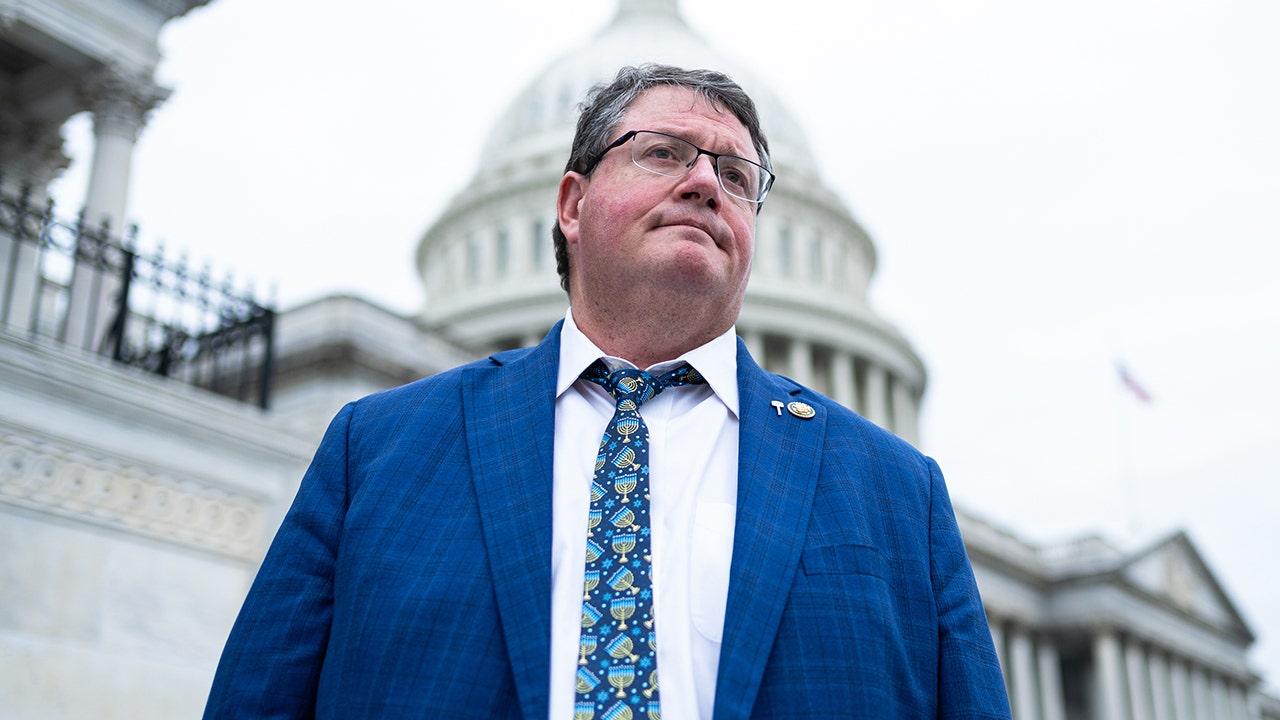
As Republicans sift through the wreckage of a devastating election night that handed Democrats control of both chambers of Congress by large margins, one Florida Republican who bucked the national trend says the GOP fundamentally misread the electorate.
In an exclusive interview with Digital, Congressman Randy Fine — who expanded his own winning margin by five points despite the national backlash — offered a candid assessment of his party’s shortcomings and warned that Republicans must now prepare for an «ugly two years» battling Democrats over immigration and other contentious issues.
While Republicans held their ground in Florida, winning the governor’s mansion, the Senate race, and maintaining their 20-8 edge in the US House, nationally the GOP got crushed under the weight of a blue tsunami.
ILHAN OMAR HIT WITH EXPULSION THREAT AS GOP LAWMAKER VOWS TO BOOT HER FROM CONGRESS OVER DOJ PROBE
Congressman Fine presents no easy answer to the GOP’s divergence in fortunes between Florida and the rest of the country:
«You know, I think that’s a hard question to answer. What I would say, I can speak to my race, and I’m actually one of the few Republicans in the country whose margin increased from my last election. I won my special election after having $14 million spent against me. I won it by 14 points. I won last night by 19 points. And so what I can tell you is what worked for me.
«My constituents want a fighter, someone who says what they believe. They know it’s not driven by polls or anything else and fights for them, whether it’s fighting for their constituent service issue or fighting on illegal immigration or fighting to bring money to the district. And that’s why I went up so much. I took my race seriously because I knew the winds were against us.
«And so, Florida, I think just people know how good we have it and they don’t want to screw up the state. I think that’s why we won all 20 of these races.»
Fine refuses to single out anyone in GOP leadership for the electoral outcome, and believes the Republicans must approach each election cycle as a unified team:
«Well, look, I’m not a finger pointer, but what I would say is this. We’re a team and the team lost. And so then the whole team bears responsibility and that includes me. I mean, while I did well, my team lost, and I’m not going to be here pointing the fingers at anybody.
FROM CAMPUS RADICALS TO BEIJING’S AI SABOTAGE: REP RANDY FINE SAYS ‘US FIGHTING TO SAVE WESTERN CIVILIZATION’
«I think that what we did is we failed to understand what the American people wanted. I think we failed to make them think we cared about them. Now, I didn’t fail in my district, but I think nationally people came to believe that we weren’t interested in them and that’s wrong.
«We were, but we failed to communicate it, and maybe that’s part of my special sauce is I know how to communicate better than many of these people.»
With Democrats firmly in control of both chambers of Congress, Fine anticipates two years of playing defense, and a continuous fight to explain why Democrats’ policies will be harmful to the country:
«I don’t know that we’re going to push the agenda. I think what we’re going to be is we’re going to be on defense. We’re going to have to fight back. And you know, as my father told me this morning, he goes, ‘Randy, you’ve been a fighter your whole life. You were built for the fight.’
«So we’re going to be having to fight against stupid policies that they will be pushing. And it’s going to be an ugly two years, but we’re gonna have to explain why all of the things that they said they would do during the campaign are so bad. We obviously didn’t succeed in doing that. But as they put those policies forward, we’re going to have to make the argument for why they would damage America.»
Immigration is the single issue that Fine identifies as having the greatest potential to harm the country:
«I think they will seek to reopen the border and allow illegals to flood in. I think they will seek mass amnesty, rewarding all of the illegals that are here. And I think they will stop any requirement for people who come to this country to assimilate. They believe in the ‘third worldification’ of America. And that’s going to be the number one thing we have to fight back against.»
Florida and Texas painted a particularly stark contrast in electoral outcomes. Fine suggests the Sunshine state GOP was better prepared to face headwinds:
«Well, I think maybe our candidates at the top of the ticket were better. You know, Byron Donalds is an incredible spokesman for the conservative movement. Ashley Moody is a multiple-time winner statewide. And I think Texas allowed itself to slide on a lot of these things.
«They had a big influx of illegal immigrants. And they also really didn’t fight back against the Islamification of their state in a way that we have in Florida. Demographics are destiny. And I think, to some degree, Texas was overtaken by that yesterday.»
Fine has long been an outspoken critic of Michigan Senator-elect Abdul El-Sayed, and believes he represents a danger to the country:
«Of all the races last night, that one breaks my heart the most. I mean, someone who literally supports Muslim terror, someone whose family is embedded in so many aspects of Muslim terror. Someone who’s really a danger to this country being elected to the United States Senate. It’s an unspeakably horrible thing, a historically bad thing. Someone who doesn’t support the United States. Someone who supports the Muslim Brotherhood.
«It breaks my heart. I’m not from Michigan, I don’t know what they were thinking, but it’s a terrible, terrible, terrible day. Look today for me has been a hard day. You know I won my election last night, I was super excited. My margin went up. It’s unheard of in this cycle and so I’m super excited, then I watched the bottom fall out of the election results and realized so many good people lost today.
«So it’s a challenging day for me, the high of winning so decisively with the low of realizing the battle that we have ahead of us, but God puts us where he wants us to be and I’m a fighter and I am ready for the fight.»
Finally, as it appears that either Jim Jordan or Steve Scalise is likely to be the next House Minority Leader, Fine declined to weigh in:
«No, I mean, these are discussions. I’ve not spoken with either Scalise or Jordan at this point. They’ve got a lot of phone calls to make, and we’ll get to that when we get to that. But it won’t be Mike Johnson. He’s taken himself out of consideration.»
midterm elections, congress, house of representatives politics, house of representatives, florida
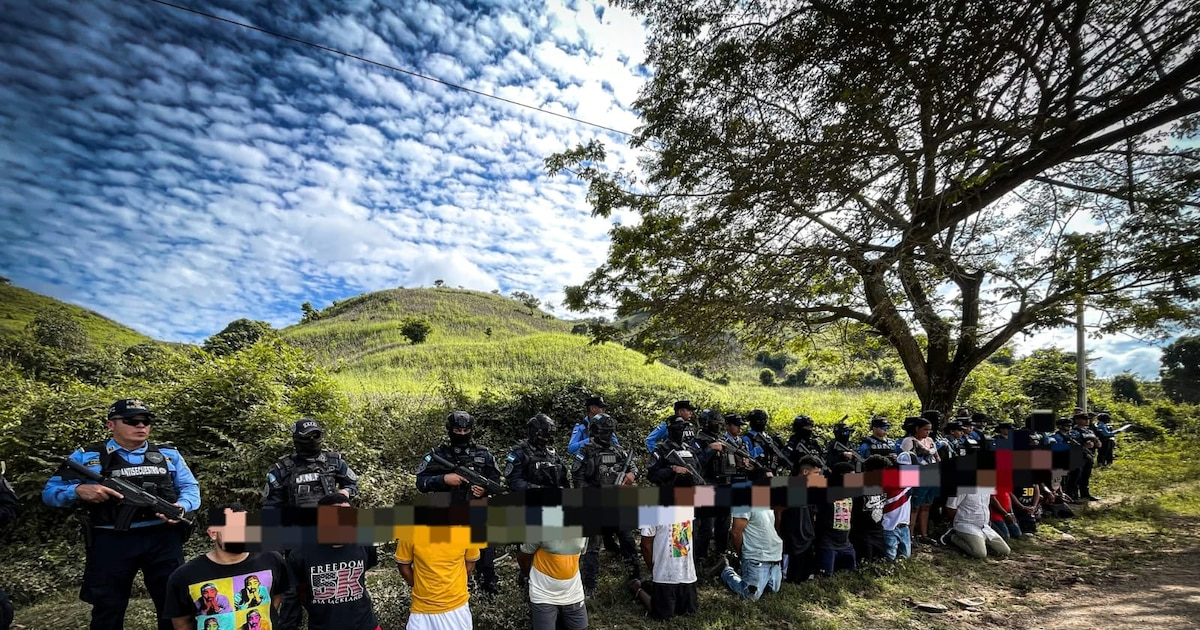
Las fuerzas de seguridad de Honduras intensificaron las operaciones contra el denominado Cártel del Diablo en el departamento de Yoro, donde anunciaron la captura de 18 presuntos integrantes de esa estructura criminal durante una serie de intervenciones policiales en el municipio de Sulaco.
El viceministro de Seguridad, Rommel Martínez, confirmó las detenciones y señaló que durante los operativos también se decomisaron medios de transporte y otros elementos que, según las autoridades, los sospechosos usaban para cometer delitos.
Las acciones forman parte de una nueva fase del Plan Escudo Nacional, dirigida a desarticular organizaciones criminales que operan en diferentes regiones del país.
Las intervenciones incluyeron 31 allanamientos en los municipios de Sulaco, Victoria y Yorito, todos ubicados en Yoro. Los detenidos son señalados por su presunta participación en asesinato, homicidio, trata de personas, tráfico de drogas y asociación terrorista.
El despliegue se produce mientras el ministro de Seguridad, Gerzón Velásquez, informó que las autoridades mantienen operaciones contra los principales integrantes del Cártel del Diablo y esperan obtener nuevos resultados en las próximas horas.
Más de 30 capturados
Velásquez explicó que durante los últimos meses las operaciones policiales permitieron detener a más de 30 presuntos miembros de esta organización, quienes fueron puestos a disposición de los órganos competentes por diferentes delitos.
Entre los señalamientos contra los integrantes figuran asesinatos y asociación terrorista, figura penal que las autoridades aplican para perseguir a quienes presuntamente forman parte de organizaciones declaradas terroristas.
Sin embargo, el funcionario reconoció que todavía quedan pendientes varias capturas de integrantes considerados cabecillas de la estructura criminal.
Entre ellos se encuentra el supuesto líder conocido con el alias de “El Diablo”, cuya localización continúa siendo uno de los objetivos de las operaciones desplegadas en Yoro.
Velásquez sostuvo que las nuevas disposiciones legales permiten ampliar la persecución penal más allá de quienes ejecutan directamente los delitos, para alcanzar también a personas que presuntamente colaboran con las organizaciones criminales. La responsabilidad penal de cada detenido deberá determinarse mediante los procedimientos judiciales correspondientes.
84 detenidos por asociación terrorista
En el balance nacional de seguridad, Velásquez informó que el Plan Escudo Nacional contabiliza 84 personas detenidas por el delito de asociación terrorista, trasladadas a centros penitenciarios de máxima seguridad.

La cifra representa un aumento frente a los 60 detenidos por asociación terrorista que la Policía Nacional había informado el 26 de octubre, cuando presentó resultados de las operaciones iniciadas el 21 de septiembre.
En aquel reporte, las autoridades detallaron que los arrestos correspondían a presuntos integrantes de la Mara Salvatrucha (MS-13), la Pandilla 18 y el Cártel del Diablo.
El nuevo balance refleja la continuidad de las operaciones y la ampliación de las acciones policiales contra las organizaciones declaradas asociaciones terroristas por el Consejo Nacional de Defensa y Seguridad. Las autoridades indicaron que el despliegue incluye labores de investigación, localización de sospechosos y ejecución de órdenes judiciales en diferentes departamentos.

Desalojos de tierras
El ministro también abordó los procedimientos para recuperar propiedades ocupadas ilegalmente y reconoció que los desalojos enfrentan dificultades legales y operativas.
Velásquez explicó que no basta con una decisión administrativa para recuperar un terreno: se requiere una orden judicial y la disposición de los propietarios para recibir nuevamente sus propiedades.
El funcionario también manifestó preocupación por una presunta infiltración de organizaciones criminales en algunas asociaciones campesinas, donde, según su versión, podrían confluir intereses sociales, políticos y delictivos. La eventual vinculación de personas u organizaciones con actividades criminales deberá establecerse mediante investigaciones y resoluciones judiciales.
Velásquez aseguró que se ejecutaron desalojos en diferentes puntos del territorio nacional y que existen otros procedimientos pendientes de resolución.
Corresponsal:Desde Tegucigalpa, Honduras
INTERNACIONAL
Entre mover las orejas y estirar la trompa: qué revelan los 41 gestos que usan los elefantes para comunicarse
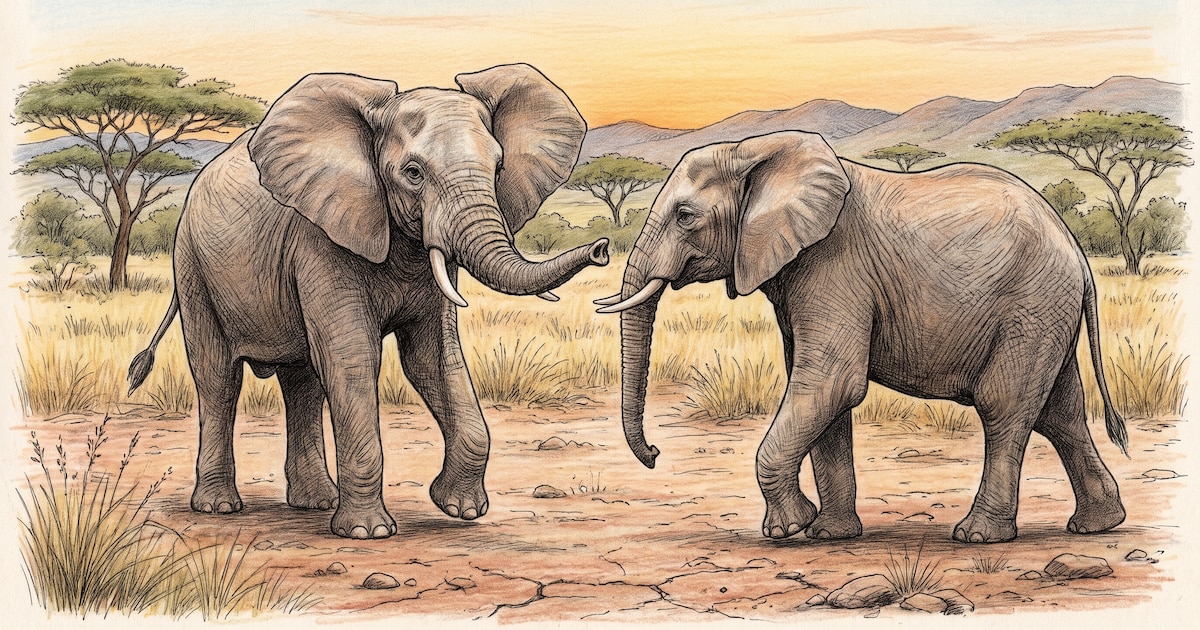
En medio de una disputa, un elefante puede abrir las orejas, lanzar la trompa o cambiar su postura frente a otro individuo.
Esos movimientos no son necesariamente una reacción espontánea: un equipo de investigación documentó que los elefantes africanos de sabana emplean 41 tipos de gestos para influir en la conducta de otros elefantes.
El registro también incluye contactos físicos y señala que esas acciones buscan que el receptor se aleje o deje de hacer una actividad. La pregunta no era si los elefantes hacían movimientos visibles durante una disputa, sino si los usaban como mensajes deliberados.
Para distinguir entre una reacción corporal ante la tensión y una señal dirigida a un rival, fue necesario observar qué hacía el elefante antes del gesto, cómo respondía el receptor y qué ocurría cuando esa respuesta no lograba el efecto buscado.
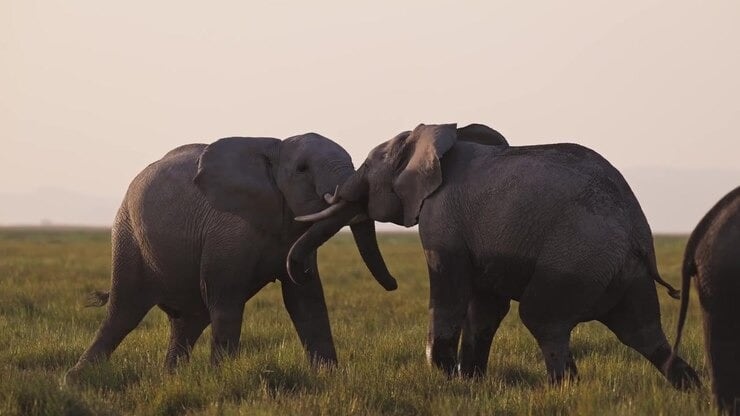
Un estudio publicado en la revista Animal Cognition examinó esa cuestión en elefantes salvajes de Sudáfrica. El trabajo constituye la primera investigación sistemática sobre la comunicación gestual intencional de los elefantes africanos de sabana durante interacciones competitivas.
El estudio examinó si las señales buscaban cambiar la conducta de otro elefante
El equipo observó a los animales durante más de 90 horas en el Parque Nacional de Elefantes de Addo y el Parque Nacional Marakele.
Allí registró cerca de 840 episodios de gesticulación en encuentros agonísticos, es decir, situaciones de conflicto, amenaza, competencia o desplazamiento entre individuos.
La investigación identificó 32 acciones corporales que dieron lugar a 41 tipos de gestos, según la forma en que se ejecutaban.
La trompa, las orejas, la cabeza y el cuerpo formaron parte de ese conjunto, junto con algunas señales de contacto. La clasificación permitió analizar si cada gesto se dirigía a un animal concreto y si buscaba una reacción determinada.
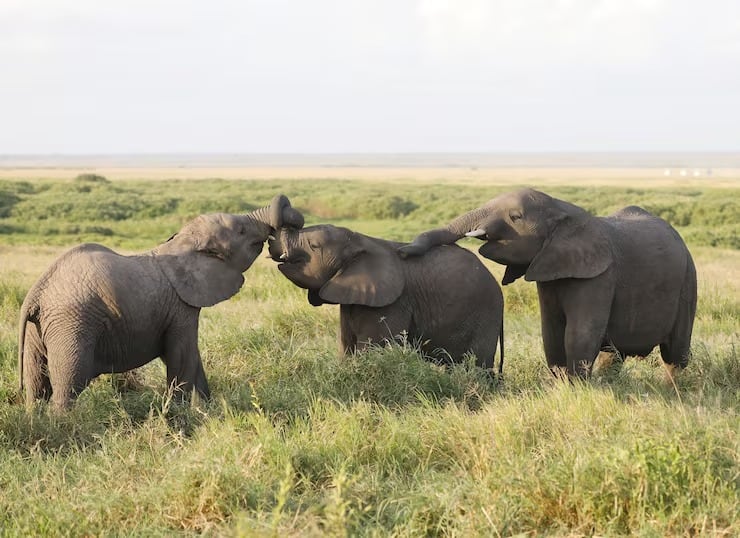
Vesta Eleuteri, investigadora de la Universidad de Viena y autora principal del estudio, explicó que algunos movimientos resultan reconocibles al observar elefantes salvajes.
“Pueden estirar la trompa o abrir las orejas, y uno entiende intuitivamente que van en serio”, afirmó, según el comunicado de prensa de la Universidad de Portsmouth. El desafío científico consistía en ir más allá de esa impresión. Para considerar intencional un gesto, no bastaba con registrar un movimiento aislado.
El equipo examinó una secuencia de conductas: si el elefante comprobaba si el receptor le prestaba atención, elegía una señal que ese animal pudiera percibir, esperaba una respuesta e insistía cuando no obtenía el resultado esperado.

Mirar al receptor y repetir la señal fueron los principales indicios
Los elefantes observados verificaban si el otro individuo estaba atento antes de hacer un gesto y mientras lo realizaban. También ajustaban la forma de la señal a esa atención. Un movimiento que debe verse puede servir cuando el receptor mira, mientras que el contacto puede ser más útil si no lo hace.
Después de la señal, los animales aguardaban una reacción. Si el destinatario no actuaba de un modo acorde con el objetivo aparente, el emisor producía nuevos gestos.
Según se detalla en el estudio, esa insistencia, sumada a la espera de una respuesta y a la atención al receptor, respalda la interpretación de que se trataba de mensajes dirigidos a un individuo concreto y no de reacciones corporales aisladas.
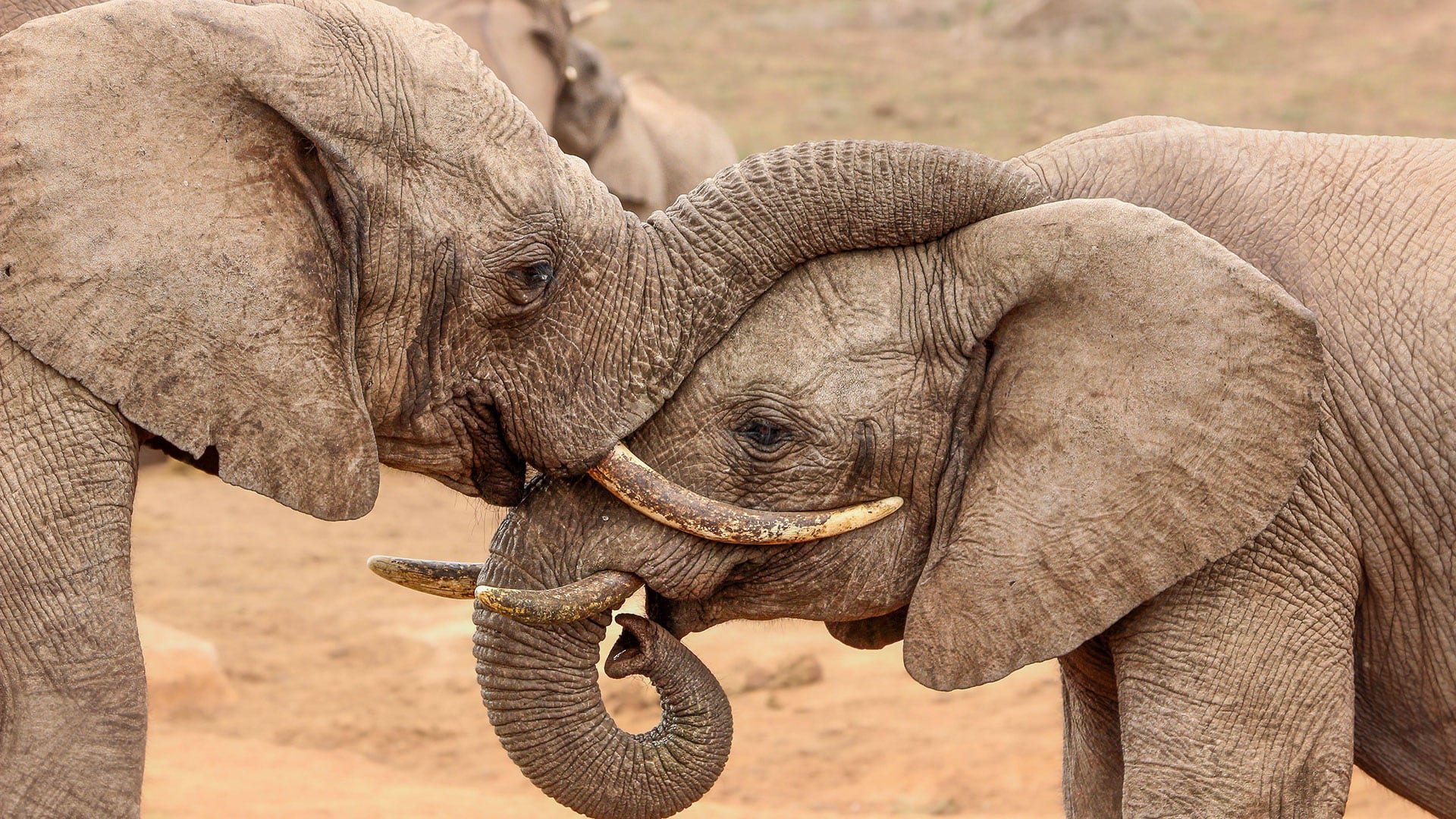
En las 168 comunicaciones en las que el receptor respondió de acuerdo con el objetivo del elefante que hizo el gesto —134 casos, el 80%—, 134 acabaron con el receptor alejándose. En los 34 restantes, el destinatario dejó de realizar la acción que llevaba a cabo.
Esos fueron los dos objetivos principales que identificó el equipo: pedir distancia o pedir que una conducta se detuviera.
El resultado también muestra que los gestos no tenían un significado único e invariable. De los 33 tipos que aparecieron al menos tres veces en comunicaciones exitosas, 21 se emplearon para ambos objetivos.
Por eso, el contexto y la reacción buscada fueron necesarios para interpretar una misma acción corporal.
Lucy Bates, profesora asociada de Psicología Comparada en la Universidad de Portsmouth y coautora de la investigación, destacó la variedad de señales halladas.
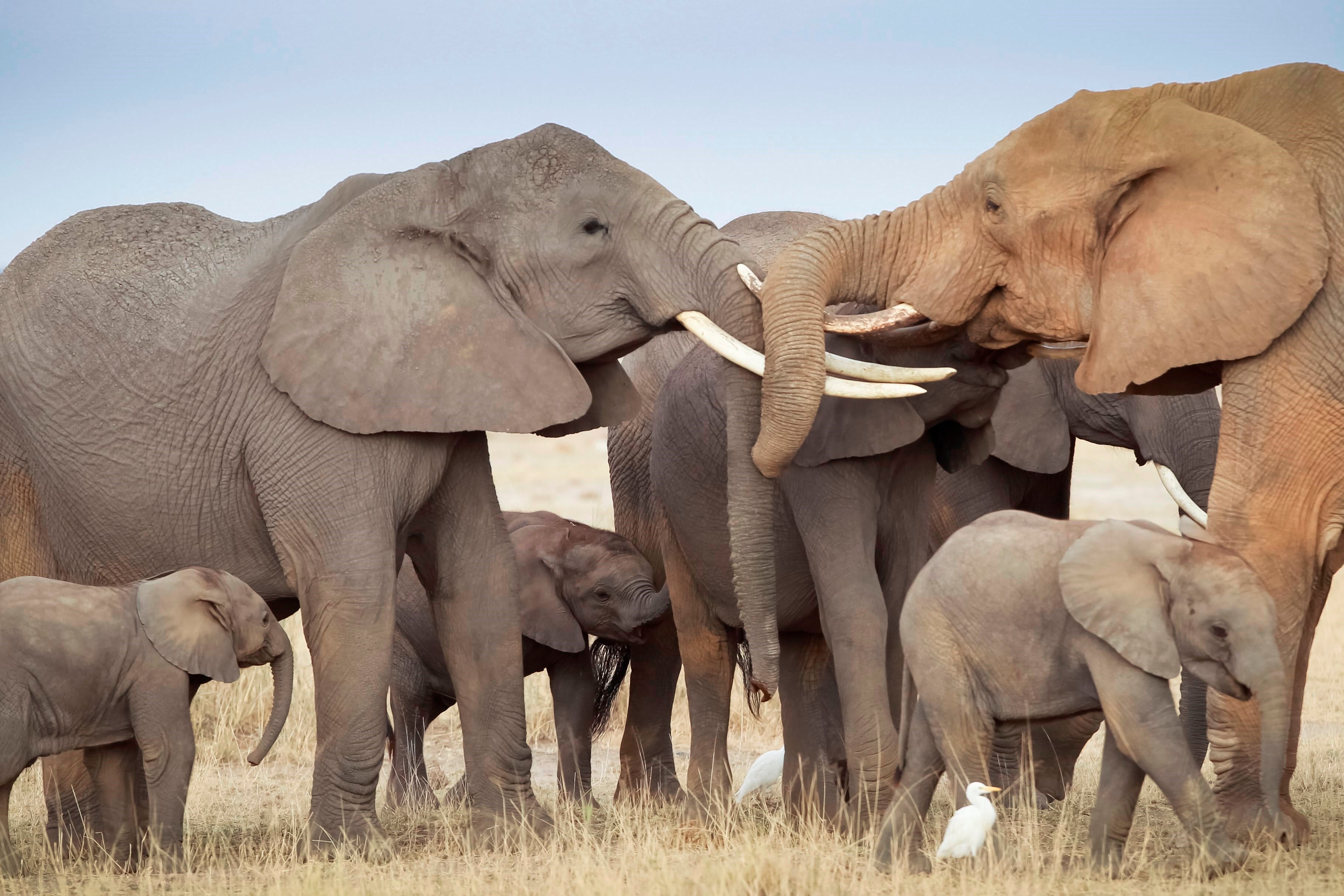
“Haber identificado tantos tipos de gestos como formas de comunicar mensajes claros de ‘aléjate’ o ‘deja de hacer lo que estás haciendo’ es realmente emocionante”, afirmó, según el comunicado institucional.
Dos poblaciones compartieron más del 60% de los gestos registrados
El estudio comparó las observaciones de Addo y Marakele, dos poblaciones que competían por recursos distintos. En Addo, los conflictos se relacionaron con el agua.
En Marakele, con los juncos. A pesar de esa diferencia, ambas poblaciones compartieron más del 60% de los tipos de gestos documentados en las interacciones competitivas.
La investigación también contrastó sus resultados con la base de datos ElephantVoices, que reúne observaciones de elefantes de Kenia y Mozambique.
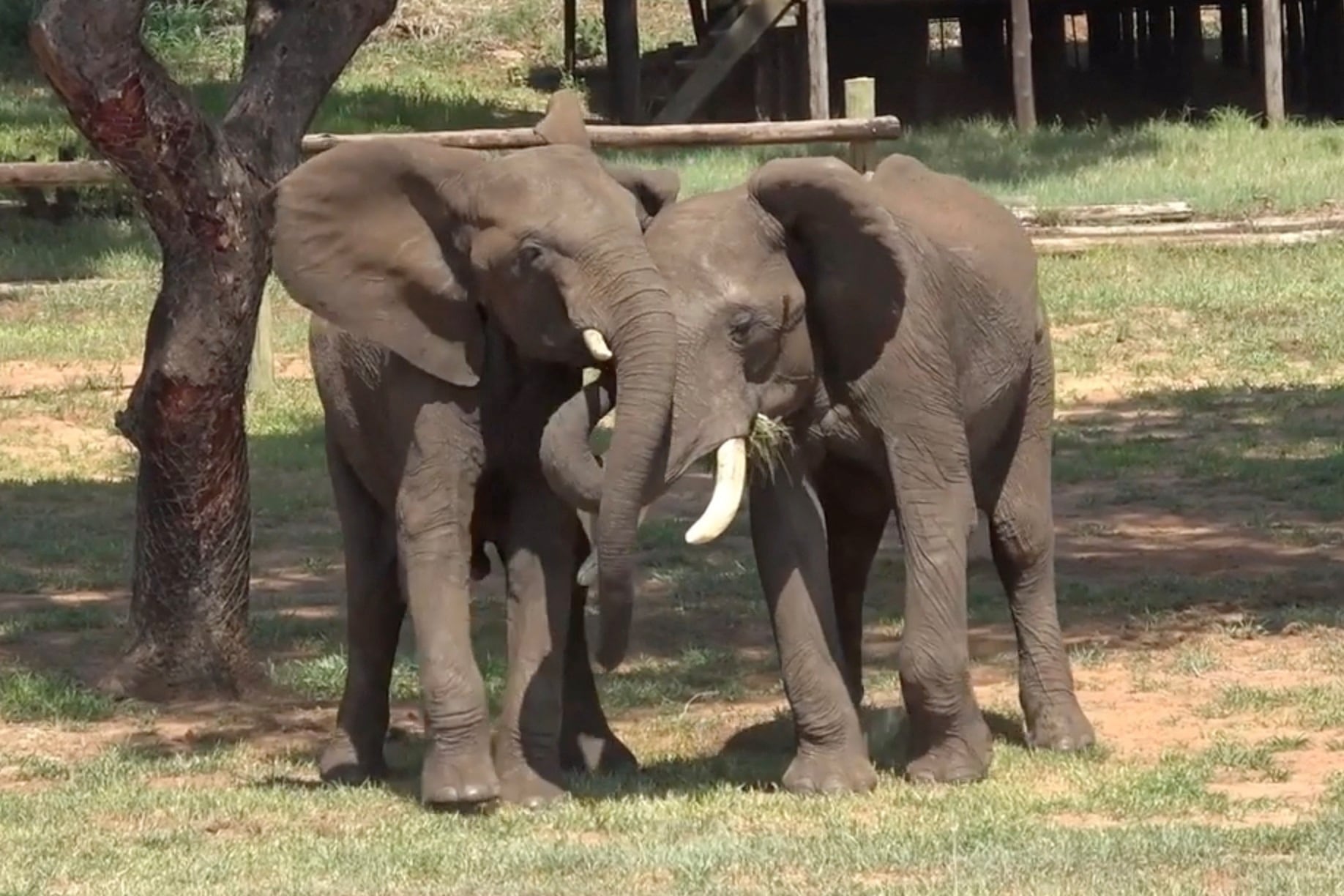
Para los autores, la coincidencia entre las poblaciones sudafricanas permite plantear que comparten un conjunto de gestos en este tipo de situaciones, aunque las señales más frecuentes variaron de un lugar a otro.
Angela Stoeger, profesora de Cognición Comparada en la Universidad de Viena y coautora del trabajo, señaló que los resultados refuerzan la necesidad de estudiar la comunicación animal por distintas vías.
Además de las vocalizaciones, los elefantes intercambian información mediante movimientos corporales y contacto, recursos que los elefantes pueden combinar según el contexto.
El análisis se concentró en conflictos y competencia. Los autores señalan que será necesario estudiar cómo emplean los elefantes estos gestos en otros momentos de su vida social.
elefante africano,comunicación animal,sabana,ilustración

La efusiva arenga de Franco Armani antes de un partido clave con Atlético Nacional que se volvió viral

Kicillof pidió que Cristina Kirchner “recupere sus derechos políticos” y ratificó a Máximo en el PJ Bonaerense

Va a haber polémica: Tolkien nunca tuvo claro si los orcos eran malvados por naturaleza, y ahora Los Anillos de Poder reabre el debate con un nuevo personaje

¡Desquiciado total! Mauro Icardi causó preocupación extrema por su salud mental por un alarmante mensaje: “Voy a enterrar a los…”

El Papamóvil argentino ya está listo para León XIV: los detalles de un vehículo especialmente diseñado para el Papa

Aldosivi vs. River Plate: formaciones, hora y dónde ver por tv

Qué pasó con el Refugio de Eli y por qué hizo enfurecer a Santi Maratea: «Fue un desastre, él nunca más le contestó y le prohibió…»

La oposición cuestionó la suspensión de embargos a las pymes y criticó el plan económico: “Llegaron tarde”

Milei parte nuevamente a España y en el gobierno dicen que no bajará el tono de sus críticas a Pedro Sánchez

Agustín Caulo: “El Gobierno sigue trabajando para que no se politice la visita de León XIV a la Argentina”

 CHIMENTOS3 días ago
Qué pasó con el Refugio de Eli y por qué hizo enfurecer a Santi Maratea: «Fue un desastre, él nunca más le contestó y le prohibió…»
- POLITICA18 horas ago
La oposición cuestionó la suspensión de embargos a las pymes y criticó el plan económico: “Llegaron tarde”
- POLITICA1 día ago
Milei parte nuevamente a España y en el gobierno dicen que no bajará el tono de sus críticas a Pedro Sánchez