INTERNACIONAL
A look inside program giving future Nat Sec experts 5-year head start amid evolving threats: ‘Ready day one’


As the United States confronts increasingly complex threats from China, foreign influence, artificial intelligence and geopolitical flashpoints around the world, one Seton Hall University program is giving graduate students hands-on experience tackling real national security challenges before they enter the workforce at a rate its founder says proves the program’s importance.
The National Security Graduate Fellowship at Seton Hall’s School of Diplomacy and International Relations pairs students with government agencies seeking research and analysis on pressing foreign policy and national security issues and has an 80% placement rate, with graduates going on to work at the NSA, CIA, Secret Service, military and defense contracting companies, according to founder Mohamad Mirghahari.
«My goal for my students is they’re ready day one if they get hired,» Mirghahari told Digital.
Mirghahari, a Seton Hall graduate and national security expert who spent 14 years in key Department of Defense leadership roles supporting counterterrorism initiatives around the globe, later served as a presidential appointee and senior advisor to the Transportation Security Administration’s chief of staff and remains a special advisor to the Defense Department.
US COUNTERINTELLIGENCE ‘WAY BEHIND,’ POST-9/11 RECORD ‘EXTRAORDINARILY NEGLIGENT’, FMR TRUMP WH OFFICIAL WARNS
«Our program is unlike any other in the nation because our graduate students are actually tackling real-world national security challenges and issues from government agencies,» Mirghahari explained. «As we know, most government agencies have a lot of things going on and they don’t have enough resources, but what our graduate students are able to do is support those government agencies, answering and doing research for real-world requirements in the national security field.»
Mirghahari says the program is also unique due to the practitioners from «across the United States government» that serve as guest lecturers and professors giving students a necessary insight into experiences in the field, particularly given the changing landscape and variety of threats facing the nation compared to 10 or 20 years ago.
INTEL CHIEF WARNS OF ‘EVOLVING’ THREATS AS TERROR GROUPS NOW ‘RECRUIT THEIR AGENTS ONLINE’
«Part of what makes our program so unique is that we address the real-world issues of today,» Mirghahari said. «History is very important, and you learn from history, but we also want to be the classes that can support the government in real time. We have done projects on China, India and Pakistan, as well as the South China Sea.»
The fellowship’s work has included projects for the State Department on how the U.S. could re-engage with the Taliban if the group returned to power in Afghanistan. Mirghahari said the research remained relevant for years, with the papers later recirculated within the government.
«That’s part of what we do, provide that real-time research,» he said.
The program also focuses on emerging national security challenges involving artificial intelligence, data and foreign influence. Mirghahari said younger students often bring valuable technological expertise and perspectives that government agencies may not have previously considered.
«Artificial intelligence, data and all these different things impacting our national security play a major role in our work,» he said.
On the artificial intelligence front, which has changed how the United States deals with cyber threats along with how it conducts cyber operations, Mirghahari says it has become a «force multiplier» for his students.
«We examine foreign influence, including how data is mined and distributed, and we use tools such as artificial intelligence, graph theory and other analytical methods to examine large datasets,» he said. «We’re giving students an awareness of these technologies and how they can be used across the government.
Mirghahari added, «Our students can sift through large amounts of information and extract what is relevant to support their research. That process is extremely time-consuming, so we’re helping government clients bring the information together in one place and examine it more thoroughly.»
Mirghahari told Digital he believes students would need to work for five years in a national security position to be able to learn the on the job skills they learn at the Seton Hall program and explained that now, perhaps more than ever, hitting the ground running is critically important.
«Some of the feedback we’ve received from agencies is, ‘Your students are well-equipped. They’re better than some of the people who have been here for five to 10 years,’» Mirghahari said.
national security, politics, education, china, artificial intelligence












INTERNACIONAL
Alexandra Kohan: “Hoy se arrasa con la infancia poniendo a los niños a interesarse por el dinero”
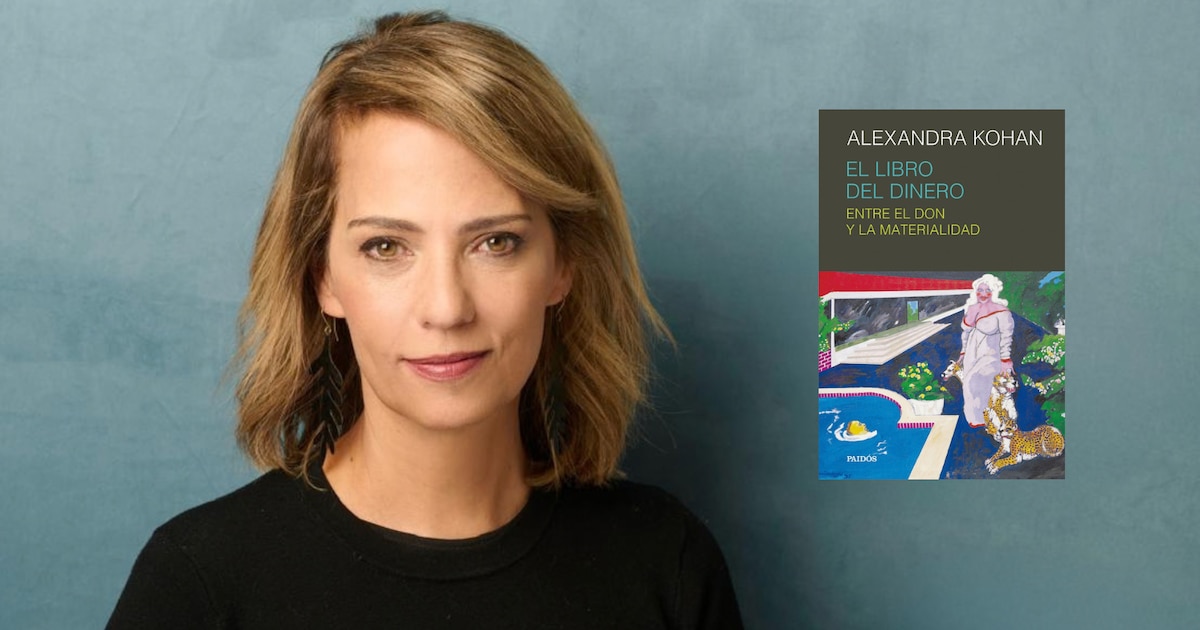
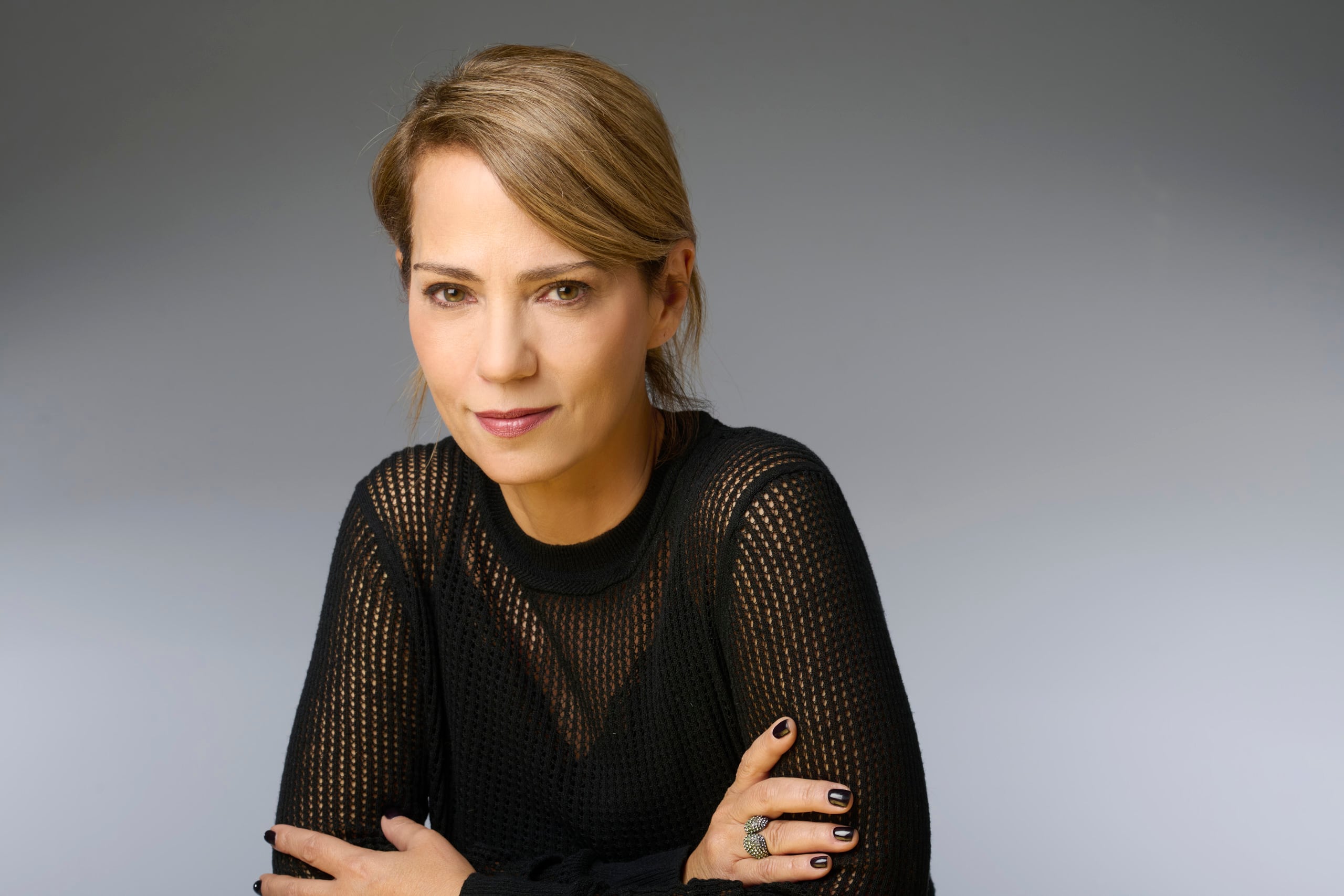
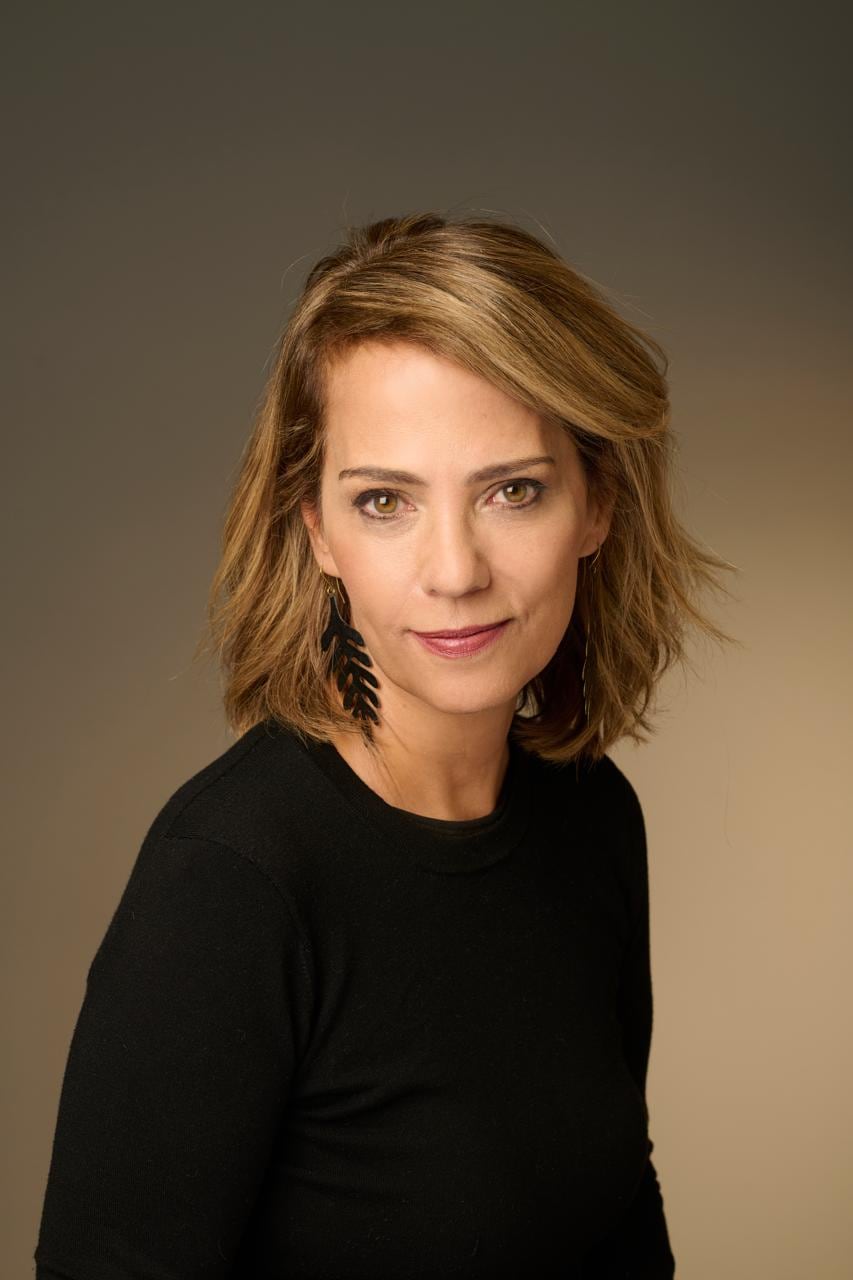
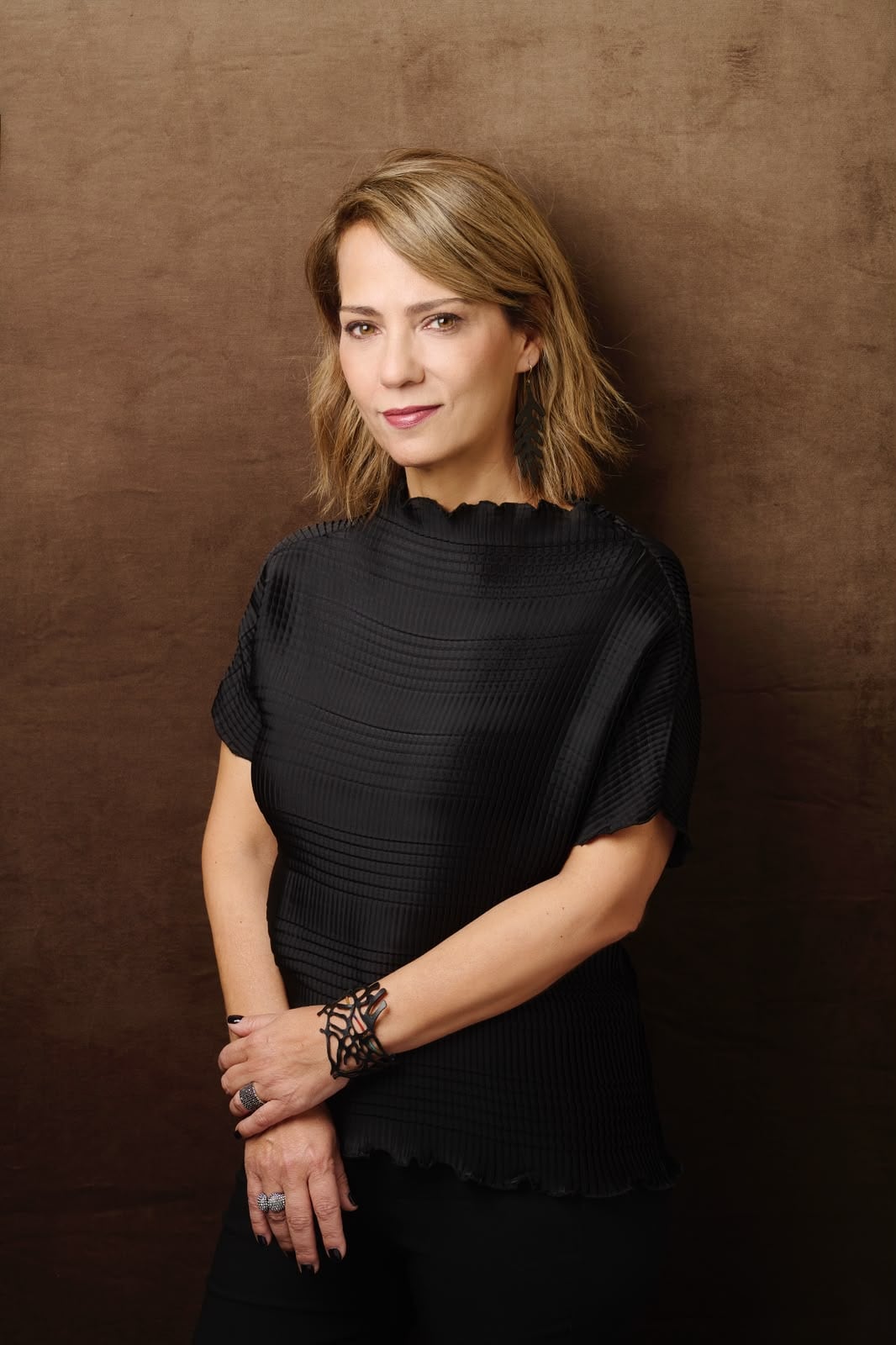
“Esperá que me pongo los auriculares”, dice Alexandra Kohan y se acomoda en el sillón. Está en su casa, en la Ciudad de Buenos Aires, frente a un ventanal donde los edificios se troquelan en el cielo inmenso. Son las diez y media de la mañana y la lluvia todavía no se decide a caer. Esta psicoanalista, ensayista, intelectual, se hizo un espacio en la agenda diaria y vamos a aprovecharlo. Será casi una hora de ideas, vacilaciones, argumentos y cavilaciones en torno a una palabra inmensa: dinero.
Acaba de salir El libro del dinero: entre el don y la materialidad, editado por Paidós. Hagamos el recorrido. Primero fue el psicoanálisis (Psicoanálisis: por una erótica contra natura, 2019, publicado por la editorial digital IndieLibros), después el amor (Y sin embargo, el amor: elogio de lo incierto, 2020), siguió con el cuerpo (Un cuerpo al fin, 2022), más tarde el humor (El sentido del humor, 2024), y ahora el dinero. ¿Por qué un libro sobre el dinero? Alexandra Kohan se ríe. Esa pregunta se la hizo su analista. “Y quedé balbuceando”, confiesa.
“Uno escribe situado en una época y me parece que es un momento en el que el dinero tiene un lugar. En cada momento tendrá su lugar particular, sí, pero me parece que ahora cobró una presencia diferente”, asegura del otro lado del teléfono. “Escribo para saber qué pienso y qué no, porque no lo sé todo antes. Y para investigar, en este caso, las formas mercantiles y consumistas con las que nos relacionamos con los otros. Es como si fuera una excusa para ponerme a pensar. En general, son ocurrencias”.

—Lo primero que subrayo es: “El dinero nunca es solamente dinero”. Y si bien nada es solamente lo que es, acá pasa algo muy singular. Su presencia es tan grande, tan evidente, y a la vez muy fantasmagórica, muy opaca.
—Me interesa esa dimensión. Yo creo que ahí tenemos una respuesta de por qué un libro sobre el dinero: porque es una cosa que es opaca, densa, a la que no se puede acceder plenamente. Y a mí esas cosas siempre me interesan: ver de qué está hecho eso. muchos autores lo dicen y yo cito: el dinero no es nada y a la vez puede ser todo. Esa doble dimensión, que es un significante vacío, puede efectivamente llenarse con distintos sentidos y metaforizarse de distintas maneras. Ese doblez permanente a mí me interesa muchísimo: el dinero está entre la opacidad y la obscenidad, entre la represión y la mostración permanente. Es nada y es todo. Lo dice Aira sobre el lenguaje, que es nada y lo puede ser todo. Cuando uno empieza a adentrarse en la relación que tenemos con el dinero la desnaturaliza, porque no tiene nada de natural, pero como está tan presente en la vida cotidiana uno se olvida de que establece ciertas relaciones con el dinero. Y cuando digo con el dinero me refiero a cómo paga o no paga, cómo se olvida de pagar, cómo cuenta los billetes, cómo los guarda, cómo cobra. Cobrar tampoco va de suyo: no es un acto que a todo el mundo le resulte sencillo. Todas esas cosas me las permite indagar el psicoanálisis.
—Hablás de “economía libidinal” y decís, con Freud, que “el interés por el dinero no es racional, sino libidinal”. ¿Por qué existe una relación tan estrecha entre dinero y deseo?
—No sé si hay una respuesta de por qué, porque no para todos es igual la relación con el dinero. Pero podríamos decir: a nadie le es indiferente esa relación, porque también la relación con el tener no es igual para todo el mundo. Para decirlo rápidamente: no todo el mundo quiere ser millonario. A eso me refiero con el tener. Y agrego, porque sería una estupidez no decir, que todos queremos dormir tranquilos y pagar las cuentas y comer y vivir lo mejor posible. Eso es una obviedad. Pero lo que dice Freud es que en la relación con el dinero participan factores sexuales, factores libidinales, factores pulsionales. Ese entramado que vos decís opaco, o como dice Saer, que yo cito en el libro, ese amasijo entre la mierda y el dinero, esa cosa que está apelmazada, lo que hace la civilización es despejarla. La civilización se encarga de decir: acá va la mierda, acá va el dinero. Efectivamente, en la constitución subjetiva, el dinero va a parar a lo que es una ecuación que hace serie con otros objetos. Hay un texto hermoso de (el psicoanalista húngaro) Sándor Ferenczi sobre el interés de los niños por la caca y cómo muta eso al interés por el dinero, cómo en el origen del interés por el dinero está el interés por la caca. Porque la caca es algo preciado para los niños y es el primer regalo, dice el psicoanálisis, que el niño entrega al otro: es ese primer desprendimiento de su cuerpo. Y si vos ves la relación que tienen los niños con la caca, no es la misma que tenemos los adultos. La civilización y la maduración, que es parte de la civilización, hace que nos alejemos cada vez de la materia fecal. Empieza a venir el asco. O como dice Bataille: “La civilización es la cloaca”. Podríamos decir: la cifra de la civilización es dónde metemos la mierda. Bueno, eso pasalo al dinero y vas a ver que funciona. Hay una relación entre una cosa y la otra, por supuesto que está metaforizado, que está reprimido. Y lo que sí dice Freud, retomando tu pregunta, es que el interés por el dinero, el deseo por el dinero, no es un deseo de la infancia. Y eso me parece hermoso también para pensar esta época: cómo hoy en día se arrasa con la infancia, de muchas maneras, pero también de esa manera: poniendo a los niños a interesarse por el dinero.
—Vos planteás, a partir de un texto de Natalia Ginzburg, alejar a los chicos del pensamiento constante del dinero y todo esto de la educación financiera.
—Exacto. Deberían estar jugando.
—Cuando falta plata en casa uno inevitablemente se lo traslada a los chicos, pero vos hablás de otra cosa. Decís: “El dinero nunca tiene que ser un premio”.
—Al que le falta dinero no hay mucho para decir. Al que no tiene plata para comer ni para pagar las cuentas, ¿qué le voy a decir? Una obviedad. Hay un epígrafe muy interesante que es: “Cuando hay dinero de por medio, está metido el diablo. Cuando no hay dinero de por medio, está metido dos veces el diablo”. Ese es el asunto. También hay formas de transmitirles a los niños el lugar del dinero en la familia. Lo que dice Natalia Ginzburg, en ese ensayo que es hermoso, es que hay que criar a los niños en la indiferencia con el dinero. Y ella dice: “Si es una familia que no tiene dinero, va a ser difícil eso”. Es verdad. Pero si tiene mucho dinero, también va a ser difícil. Pero ella dice: si vos los crías en la indiferencia con el dinero, eso después va a decantar en que alguien, no que lo derroche, sino que lo tome en cuenta como hay que tenerlo en cuenta, pero que no se apegue al dinero de manera brutal. Efectivamente, apegarse al dinero arruina muchas relaciones. Todos los padres les compramos una alcancía a los hijos, dice, pero después el niño rompe la alcancía. Es una forma de arengarlo a la retención. Hay que darles dinero, dice, pero también alentarlos a que lo gasten. Aunque le des cien pesos, no importa. No estamos hablando de cantidades de dinero. Que usen ese dinero y se compren lo que quieran.
—El tema es la función de la retención.
—Sí. Ahí es donde ella dice: cuando rompen la alcancía se sienten mal porque el dinero se fue y se genera un apego con el dinero que es complicado. Eso no quiere decir que tenés que criar niños por fuera de eso. Una cosa es que los niños aprendan, como aprendimos todos en algún momento, cómo funciona el mundo, con el dinero y el trabajo, que aprendimos con juegos, por ejemplo el Monopoly, el Estanciero, que emulan las transacciones comerciales del mundo, una ficción, un juego, y otra es que poner a un pibito con la especulación financiera. A mí me parece tremendo. Porque eso no es un juego, es algo del mundo adulto. Cualquier cosa que sea precipitar a los niños al mundo adulto, a mí me parece muy miserable para con los niños. Y cuando vos ves a esos pibitos, los padres en general están orgullosos. “Ay, qué bien, mi pibe sabe de la bolsa”. ¿Por qué querrías que sepa eso? Es ideológica mi posición, por supuesto. Un montón de padres te dicen: “Yo quiero que mis hijos tengan educación financiera en el colegio, porque después tienen que salir al mercado”. Está bien, son posiciones ideológicas.
—Me quedé con la alcancía. Hoy está desapareciendo por algo muy simple: se paga todo con aplicaciones, dinero líquido. No solo no hay monedas, porque no valen nada, sino que el billete no es tan preponderante. Es el avance del lenguaje de las finanzas, como trabajás en el libro.
—Ese dinero digital se fue volviendo silencioso y sigiloso. No es la sigilosidad de la moderación y de la discreción, de que alguien es sigiloso para no hacer ruido, sino que es la sigilosidad del que no quiere que lo descubran. El modo en que circula el capital financiero tiene esa sigilosidad, esa casi invisibilidad, la abstracción de la abstracción de la abstracción. El billete ya es una abstracción, la tarjeta de crédito es otra, y ahora lo digital. Entonces, sí, hay consecuencias. Y así uno no entra en contacto con la materialidad del dinero.
—Claro, esa digitalización es también virtualidad. De juntarse a tomar unos mates a hablar por mensajes de audio, por ejemplo.
—Es un repliegue del cuerpo, ya sea en el espacio público o privado, en el encuentro con otros. A mí me parece que efectivamente puede ser muy cómodo pagar con el teléfono, de hecho me parece comodísimo, pero claramente no es lo mismo. En todo caso habría que indagar de qué modo esas nuevas formas en las que uno se relaciona con la materialidad del dinero cambian también en otros sentidos. No es casual que esa digitalización del dinero conviva con la virtualidad de los cuerpos. No estamos valorando más el dinero en efectivo que la tarjeta de débito o el Mercado Pago, estamos diciendo que hay una diferencia entre pagarle a alguien en la mano y pagarle a alguien por transferencia. Lo que hay que hacer es intentar leer los efectos de esa diferencia. Diría que estamos naturalizando la lengua del capital. Me parece bárbaro que todo el mundo que quiera, acceda a invertir. Ahora, desde tu home banking, si te sobran cinco mil pesos, los podés poner en un fondo de inversión, no necesitás grandes cantidades. Me parece fantástica esa ampliación de acceso, porque efectivamente antes la especulación financiera era solo para algunos. Si eso se amplía, me parece bárbaro. Pero también me parece complicado que eso se naturalice: hacer dinero con dinero. Entiendo que en este país a todos nos pasa que nos descapitalizamos y que es horrible trabajar tanto y que después se escurra. Pero también me parece horrible que todos tengamos que ser financistas, que tengamos que ver qué hacemos con nuestras pequeñas sobras de cada mes para que eso no se descapitalice, si es que te sobra algo. Es una vida muy mustia tener que terminar tu día de trabajo, abrir la computadora y decir: “Me sobran diez mil pesos, ¿dónde los pongo?» Es como un nuevo trabajo. A la gente que le gusta, perfecto. No me interesa aprender eso. No quiero aprender la lengua del capital. Pero evidentemente ya permeó, fuimos conquistados por esa lengua.

—El libro me devolvió a viejas conversaciones adolescentes: cuando aparecía la idea de vocación. Decís: no todo el mundo quiere ser millonario. Justamente, hay una pregunta previa al dinero, que muchas veces se borra, y es: cómo querés ganar tu dinero.
—Me importa mucho eso: la diferencia entre querer pegarla o querer ser alguien. Todos queremos que nos vaya bien con lo que nos gusta hacer. Y es efectivamente una fortuna enorme que te vaya bien con lo que elegiste hacer. Una cosa es decir: “Yo quiero hacer esto y voy a ver cómo hago para vivir de esto”, lo cual es una apuesta. Y otra cosa es decir: “Quiero pegarla”. Porque, ¿qué es pegarla: ser conocido en las redes? No necesariamente es respecto del dinero, pero muchas veces sí. Me interesa mucho la vocación: yo diría deseo, más que vocación, que es eso que vos sabés que no podés dejar de hacer y lo vas a hacer igual y vas a apostar a eso. Yo eso lo aprendí siendo paciente: cuando uno hace una apuesta y está el deseo tan metido es muy difícil que te vaya mal. ¿En qué sentido que te vaya mal? Que te mueras de hambre. Millonario no vas a ser: ni vos siendo periodista, ni yo siendo psicoanalista, o un escritor, un músico, un profesor de filosofía. Pero nosotros no queremos ser millonarios. Nosotros queremos vivir de lo que nos gusta y vivir bien: irnos a dormir, como decíamos hace un rato, con todas las cuentas pagas. La gente te dice: “Vos tuviste suerte porque siempre supiste lo que querías”. No sé si eso es suerte. Saber lo que uno quiere y no poder renunciar a eso es tortuoso. Además, para que te vaya bien primero te tiene que ir mal. El camino de la vocación es muy difícil.
—Hablás del don, “dar sin cálculos”. Y hace unos días vi en las redes unas discusiones larguísimas en torno a la división de gastos en la pareja. Las habrás visto.
—Es un gran tema ese. El famoso “cada pareja es un mundo” o “cada familia es un mundo”. Es muy difícil, pero hay que encontrar una manera para que eso no sea un tema en la pareja. Porque efectivamente es un tema. Tiene que ver con la generosidad, la miserabilidad, la conveniencia, la comodidad. Cuando no hay un arreglo, puede pasar que empieza una ventaja de un lado, una ventaja del otro. Pero tampoco transformar la relación en una gestión administrativa. Cuando digo que la generosidad está hecha de un dar sin cálculos, no estoy diciendo que vos pongas todo y yo no pongo nada, lo que hay que subrayar de esa frase es el “sin cálculos”. No solo en parejas, también en grupos de amigos. Si alguien no tiene para pagar, se juntan los otros y le pagan al que no tiene, no sé, hay distintas maneras de la generosidad. No tiene que ver con tener o no tener plata, sino con la manera en la que nos relacionamos con el dinero. Eso también es ideológico. A mí me parece muy bien tener conciencia de clase. Yo tengo conciencia de clase, sé en qué lugar estoy y eso me parece mucho más honesto que andar con la culpa de clase. La culpa de clase no te permite pensar nada, la conciencia de clase sí. Eso te permite percibir al que está con vos trabajando. Hay mucha gente con culpa de clase que después no reconoce el trabajo de otros. La culpa de clase te sirve para tener culpa y nada más. Un libro sobre el dinero te permite pensar la conciencia de clase. Porque si no, nos llenamos la boca con la palabra “privilegio” y tampoco decimos nada. Decís “yo soy una privilegiada” y después maltratás o no le pagás los aportes a la persona que trabaja con vos. Es el doble discurso.
—Totalmente. Es mirar al mundo con vergüenza.
—Exacto. Además, durante muchos años, con los gobiernos más progresistas, el dinero era como caca. “No hablemos de dinero”. “El mercado es malo”. La cosa no es mercado sí o mercado no, sino pensar de qué manera estás en el mercado, de qué manera te vas a relacionar con eso. ¿Te vas a volver una persona mercantilista y tratar al otro como si fuera una mercancía? El mercado será una caca, pero todos estamos adentro, todos queremos trabajar, todos queremos vivir más o menos bien. Ahí es donde me parece un error pensar que no tenemos que hablar del dinero. ¿Cómo que no vas a hablar de dinero? El ámbito cultural y en el ámbito de la educación no se habla de dinero. Y en nombre de que no se hable de dinero se explota bastante al trabajador de la cultura. La cantidad de veces que te piden trabajos y no te hablan de dinero porque les parece vergonzoso. ¿Vergüenza no te tendría que dar pedirme un trabajo y no hablarme de dinero? Eso que llaman honor es trabajo no pago.
—No hay un afuera del mercado. No hay un afuera del capitalismo. ¿Y del dinero? Escribís: “Quedan en nuestro día a día pocas cosas que no estén atravesadas por el dinero”. Subrayo ese pocas cosas. ¿Todavía hay un afuera?
—Yo diría que, ante la omnipresencia del dinero, hay formas de estar ahí adentro sin que todo se transforme en esa forma mercantil. Los lugares que uno inventa para que eso no esté todo el tiempo asediando es un trabajo que tenemos que hacer. Es un trabajo en comunidad: estar un poco más atentos a cómo te relacionás con el otro. Para que no todo sea relacionarse para sacar algo: esa cosa extractivista del modo de producción que también se da en las relaciones. No estar todo el tiempo midiéndole al otro lo que te dio y lo que vos le das.
—El costo-beneficio.
—Claro. Me refiero a suspender esa especulación constante. Porque hay una forma de la época que es la especulación en las relaciones. “Me suma”, “no me suma”. Entonces no hay una apuesta con algo de riesgo. El deseo es eso: riesgo. Es una apuesta que se gana perdiendo. ¿Viste que el dicho es “el que no arriesga no gana”? En realidad, el que no arriesga no pierde. Para poder vivir hay que poder perder, para que haya algo vital hay que poder perder, porque el deseo tiene que ver con eso, no con tener, con acumular, sino con perder. Y no estoy hablando de dinero. No estoy haciendo un elogio al derroche, aunque en el libro hago un pequeño elogio al derroche, pero que es una hipérbole, que es contra el ahorro, contra la retención. Y ahora, otra vez, no hablo de dinero, sino contra lo retentivo. Qué es lo retentivo en las relaciones: la especulación, el nunca querer perder, el querer estar en todos lados. Se habla de FOMO: fear of missing out. Nadie está dispuesto a perderse nada. ¿Y qué clase de relaciones establecés si no estás dispuesto a perder nada? A eso me refiero: a poder perder, a poder sustraerse, a hacerle un poco de tope a ese desborde de lo mercantil que invade todo. Marx habla de la máxima alienación. ¿Cómo hacer para no vivir alienados, no solo como trabajadores, también en las relaciones? ¿Cómo concebís al otro? ¿Cómo te concebís vos? Anne Carson dice: “La forma mercantil no es un simple estado de ánimo. Fragmenta y deshumaniza al ser humano”. Me parece que ese es el mal de esta época: todo el tiempo la forma mercantil.
—Una forma de deshumanización también.
—Estamos efectivamente en un momento de mucha deshumanización. Por algo es posible un Presidente como el que tenemos y una forma deshumanizante como la que nos gobierna. No es que este Presidente sea la causa, es el efecto. Tiene lugar porque ese lugar ya estaba de antes. Anne Carson lo relaciona con la forma mercantil. Y no me parece menor esa relación: el trato al otro como una mercancía todo el tiempo. O cuando Walter Benjamin dice: “El dinero está presente como tema todo el tiempo”. Y en nombre de que se está hablando de dinero ya no hay otra conversación. Ya no le preguntás al otro cómo está, qué tal tu vida, no; hablás de dinero, de costos, de cuentas. Eso tiene consecuencias en las relaciones.
(Fotos: Alejandra López)
Alexandra Kohan,Cultura

Marshall Billingslea was a Senate Foreign Relations Committee staffer in the 1990s when he sat down with one of the highest-ranking defectors from the Soviet biological weapons program and began learning the extent of what Moscow had secretly built.
And what he found out from Ken Alibek, the former No. 2 official in the Soviet biological weapons apparatus, is raising red flags for Billingslea over the Oct. 2, 2026, death linked to an anti-plague institute in Russia.
«I think one of the most important things that Ken shed light on was the sheer scale of the Soviet program, which then Russia inherited,» Billingslea told Digital. «Just mammoth.»
Three decades later, the mysterious death of a researcher at the Irkutsk Research Anti-Plague Institute of Siberia and the Far East has put new attention on what became of that program, and Billingslea argues the world should be demanding answers from Moscow.
MYSTERY DEATH AT RUSSIAN PLAGUE LAB TRIGGERS SWEEPING PRECAUTIONS AS US WATCHES CLOSELY
«It’s not acceptable in this day and age for the Russians to have a biological warfare program,» said Billingslea, who previously served as President Donald Trump’s special presidential envoy for arms control.
«They need to cut it out, and they need to tell us. They need to come clean about what they’re doing at this lab and whether this lab is still involved in their warfare program.»
The U.S. government says Russia’s offensive biological weapons program did not disappear with the Soviet Union.
«Russia maintains an offensive biological weapons program and is in violation of its obligations under the BWC,» a State Department official told Digital this week.
BWC, or Biological Weapons Convention, is an international treaty that prohibits the development, production and stockpiling of biological weapons.
State’s 2025 arms control compliance report assessed that the Soviet-era program was «absorbed, not dismantled» by Russia after the collapse and has «continued and evolved» since then.
There is no evidence linking the Irkutsk researcher’s death to Russia’s biological weapons program, and Billingslea told Digital he has seen no evidence that the institute remains involved in the program today.
But the unexplained death has revived scrutiny of the Soviet program’s work and the network of ostensibly civilian laboratories that Billingslea said Alibek identified as also performing classified work.
Alibek’s disclosures included Soviet efforts to alter pathogens to make them more lethal, transmissible or difficult to treat, Billingslea said, adding that some of the most troubling revelations involved plague.
BIOWEAPON THREAT EXPOSED AS ANTHROPIC SOUNDS ALARM ON FOREIGN ACTORS PLOTTING VIRUS EXPERIMENTS
«The goal was to render the plague bacteria far more resistant to antibiotics,» he said.
Billingslea said Soviet researchers also experimented with combining plague with toxin-producing pathogens, with the aim of making infections even harder to treat.
«They took the plague bacteria, and they merged it with a non-dangerous bacteria,» Billingslea said.
«The goal was to render the plague bacteria far more resistant to antibiotics.»
According to Alibek’s account, researchers also worked on combining plague with toxin-producing pathogens so that treating an infected person with antibiotics could trigger the release of toxins.
Billingslea said U.S. officials were not relying solely on Alibek for their understanding of the program and that there were «multiple other sources of information» that made him «very confident in the basics» regarding the disclosures regarding Soviet-era research.
«So, this doesn’t all derive from Ken Alibek,» he insisted when speaking with Digital.
By the time Billingslea was interviewing Alibek in the mid-1990s, he said, Washington had already confronted Moscow over its biological weapons work. «
We knew about the plague programs, we knew what they were up to and we knew where the sites were,» he said.
Among the sites Alibek identified were at least six Soviet Ministry of Health laboratories that had legitimate civilian public health missions while also performing classified work connected to the biological weapons program, according to Billingslea.
The Irkutsk institute was among the facilities Alibek identified, but Billingslea cautioned he does not recall the Soviet defector saying that antibiotic-resistant plague or plague chimeras were specifically developed there.
That distinction has become particularly important after the unexplained death of a 28-year-old researcher at the Irkutsk Anti-Plague Research Institute.
Russian authorities have said they found no microorganism linked to the woman’s professional activities, while the World Health Organization has sought additional information from Moscow about what caused her fatal pneumonia.
Billingslea said the pressure for answers — and for Russia to end its offensive biological weapons program — should not come from Washington alone.
«It’s very, very important that this is not viewed as a U.S.-versus-Russia discussion,» he said. «This is a topic of grave concern to the entire international community.»
He also said that Russia needs to release the genetic sequence of the pathogen that killed the researcher, along with information about contact testing, the timeline of her illness and the institute’s biosafety procedures.
The genetic sequence could allow outside experts to determine «what it was and whether it was modified,» he said.
Billingslea called on countries outside the traditional U.S. alliance system, including Brazil and Mexico, to press Moscow for greater transparency and pointed to a December meeting of parties to the Biological Weapons Convention as an opportunity for countries to confront Russia over the program.
«At the December meeting, Russia is going to get grilled,» he said. «And they should.»
russia, politics, foreign affairs, state department, national security, foreign policy
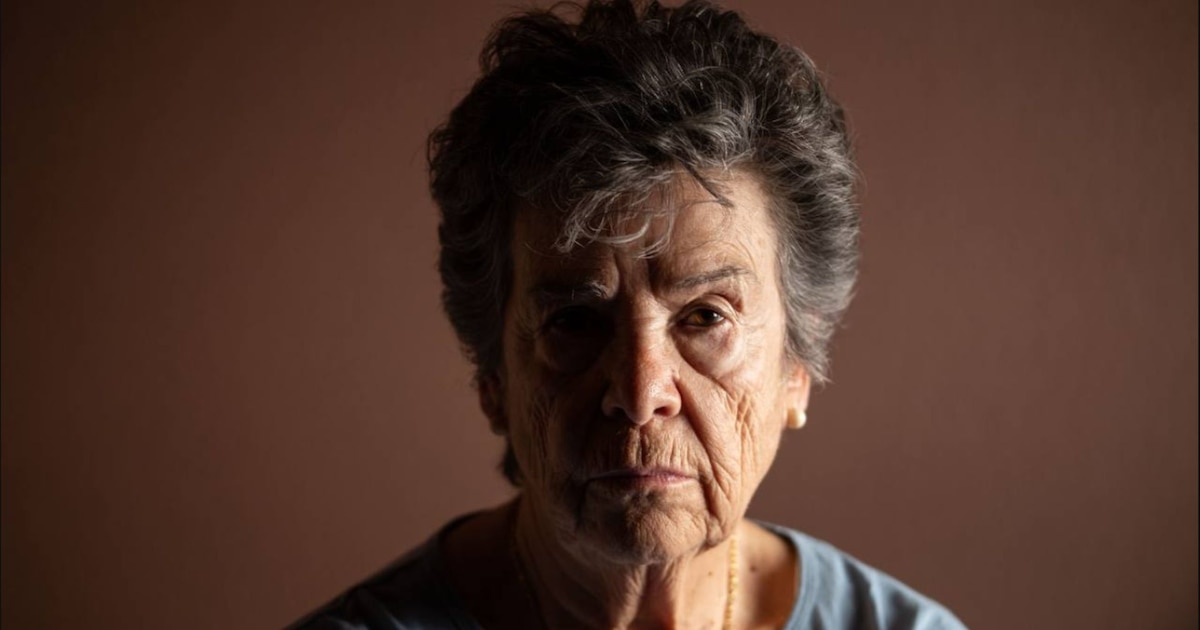
Maricarmen Abascal tenía 87 años, una discapacidad del 50% y siete décadas de vida en el mismo piso del barrio de Retiro, en Madrid. Setenta años en un hogar que no era solo un espacio físico, sino el soporte de su autonomía, su identidad y su continuidad vital. En septiembre de 2026, ese hogar dejó de ser suyo. Los nuevos propietarios le triplicaron el alquiler a un monto imposible de afrontar con su pensión. El 23 de septiembre fue desalojada. Quince días después murió en el hospital.
Su historia revela una vulnerabilidad que no nace sólo de la edad, sino de la interacción entre mercado inmobiliario, burocracias digitalizadas y políticas públicas que no alcanzan a quienes más las necesitan. Y muestra un fenómeno que excede a España: en la Argentina también se producen desalojos de personas mayores que quedan en la calle sin acompañamiento institucional, sin redes de apoyo y sin una evaluación real de su situación vital. No existen estadísticas oficiales que permitan dimensionar cuántas personas mayores pierden su vivienda cada año; esa ausencia de datos es, en sí misma, una forma de invisibilización institucional. Lo que sí se registra, a través de defensorías y organizaciones sociales, son casos reiterados de adultos mayores desalojados o en riesgo habitacional, lo que confirma que el fenómeno existe, pero no está medido. La falta de información pública impide diseñar políticas de prevención y construir estándares de tutela reforzada que respondan a las necesidades reales de quienes envejecen en contextos de precariedad.

La reacción política en España llegó tarde. Tras el cumplimiento de la medida judicial, el Gobierno emitió dos decretos-ley que buscaban frenar desalojos, limitar aumentos de alquiler y estabilizar contratos. Pero el Congreso los rechazó pocos días después. Quedaron derogados. Y el país entró en un clima de tensión que terminó en elecciones anticipadas.
Maricarmen quedó atrapada en ese vacío normativo: un espacio donde la protección depende de mayorías parlamentarias coyunturales y no de estándares estables. Su vida se volvió rehén de una disputa política. Y perdió.
Pero algo inesperado ocurrió entonces: los jóvenes ocuparon la Puerta del Sol. Lo hicieron para acompañarla, para denunciar su situación y, al mismo tiempo, para visibilizar las propias. Muchos viven en habitaciones compartidas, en alquileres temporarios, en contratos precarios que se renuevan por pocos meses. La plaza se transformó en un espacio de solidaridad intergeneracional donde la vejez y la juventud se encontraron en una misma demanda: el derecho a un hogar digno.

Ese gesto iluminó algo esencial: la vulnerabilidad habitacional no distingue edades. Y mostró que la protección constitucional no puede pensarse solo desde la lógica sectorial, sino desde un lazo siempre necesario entre generaciones. Cuando los jóvenes defienden a una mujer mayor desalojada, no solo la protegen a ella: protegen su propio futuro.
El caso de Maricarmen obliga a mirar de frente una tensión constitucional que suele quedar oculta detrás de tecnicismos: ¿cómo armonizar el derecho de propiedad con el derecho a una vivienda digna cuando la persona afectada es mayor y vulnerable?

La Constitución española protege la propiedad, pero la somete a su función social. Reconoce también el derecho a la vivienda y la suficiencia económica de la tercera edad. La Carta de Derechos Fundamentales de la Unión Europea hace lo mismo: propiedad, vida digna e independiente de las personas mayores, ayuda a la vivienda. Y el Tribunal Europeo de Derechos Humanos exige proporcionalidad entre propiedad y domicilio.
No se trata de sacrificar un derecho en nombre del otro. Se trata de evitar que la aplicación rígida del derecho de propiedad produzca daños irreparables en quienes ya enfrentan vulnerabilidades acumuladas. La vejez, en este sentido, no es un déficit: es una etapa del curso de vida donde las fragilidades pueden intensificarse según las condiciones materiales, las barreras del entorno y la calidad de las prácticas institucionales.
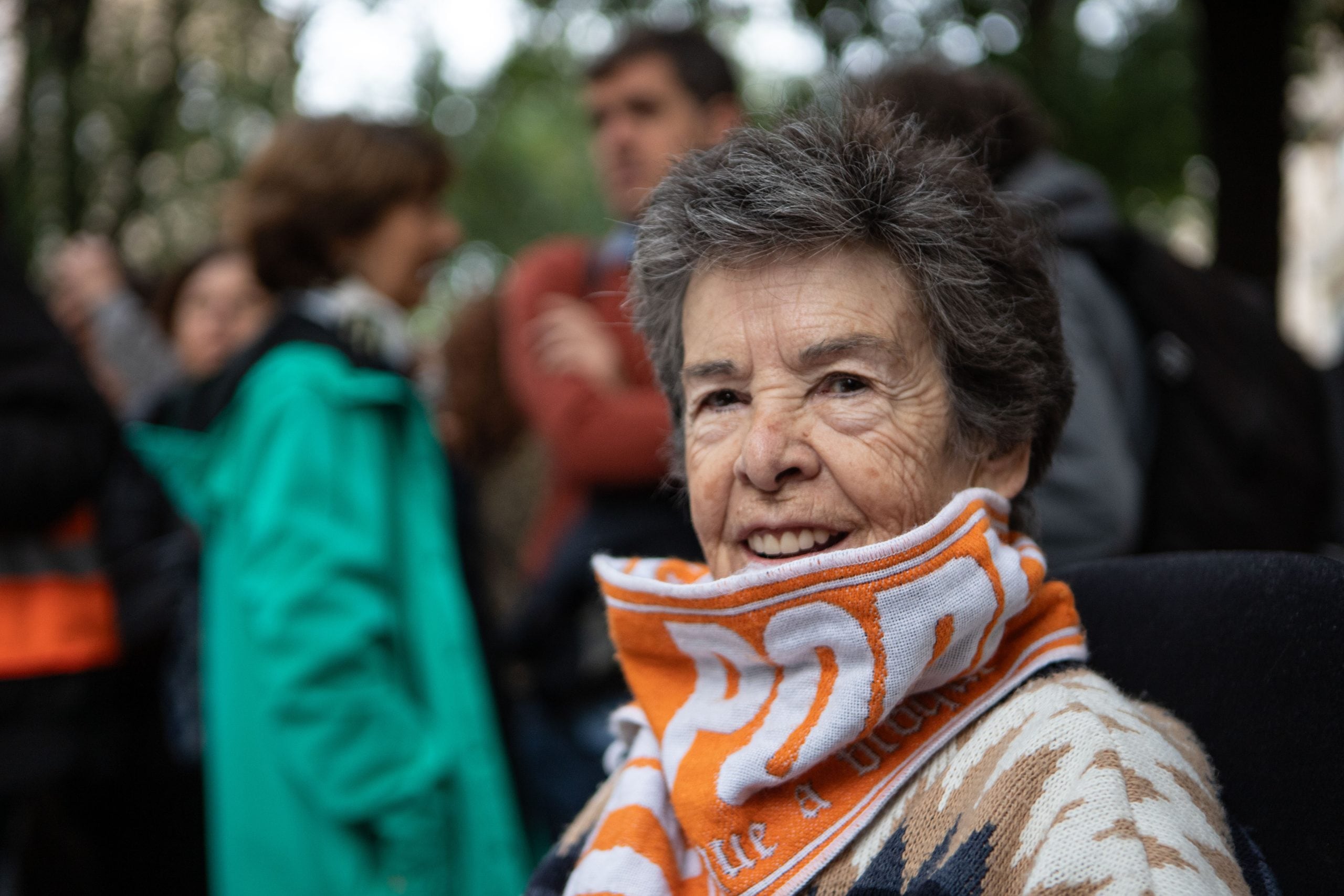
El hogar, para quienes envejecen, es mucho más que un techo. Es el lugar donde se sostiene la autonomía, donde se preserva la identidad, donde se anclan los vínculos y las rutinas que dan sentido a la vida cotidiana. Desarraigar a una persona mayor del espacio donde vivió toda su vida es un daño que excede lo económico: es un quiebre existencial. Por eso el derecho internacional habla de envejecer en el propio entorno. Y por esa razón la tutela constitucional debe ser reforzada cuando la persona enfrenta vulnerabilidades múltiples -por edad, género, discapacidad o pobreza- o precariedad habitacional.
Maricarmen quedó expuesta en el peor momento: sin vivienda, sin redes de apoyo, sin capacidad de gestionar trámites, sin un Estado que actuara a tiempo. Su vulnerabilidad se transformó en daño irreversible. Y ese daño, lejos de ser excepcional, se repite en distintos países, incluida la Argentina, donde la falta de políticas habitacionales sensibles al curso de vida deja a muchas personas mayores en situaciones límite.

Armonizar propiedad y vivienda no significa anular la propiedad. Significa ponderar caso por caso, con herramientas que ya existen: prórrogas obligatorias, realojo asistido, compensación justa al propietario, evaluación de vulnerabilidad por edad y discapacidad, acompañamiento institucional efectivo y accesibilidad digital real. La clave es incorporar una perspectiva de vejez y discapacidad en cada decisión judicial y administrativa. No es ideología: es constitucionalismo contemporáneo.
La propiedad es un derecho legítimo. Pero también tiene una función social. Cuando el sistema falla frente a quien es doblemente vulnerable -por edad y por discapacidad- el costo es irreparable. Maricarmen no debería ser un símbolo. Debería haber sido protegida.
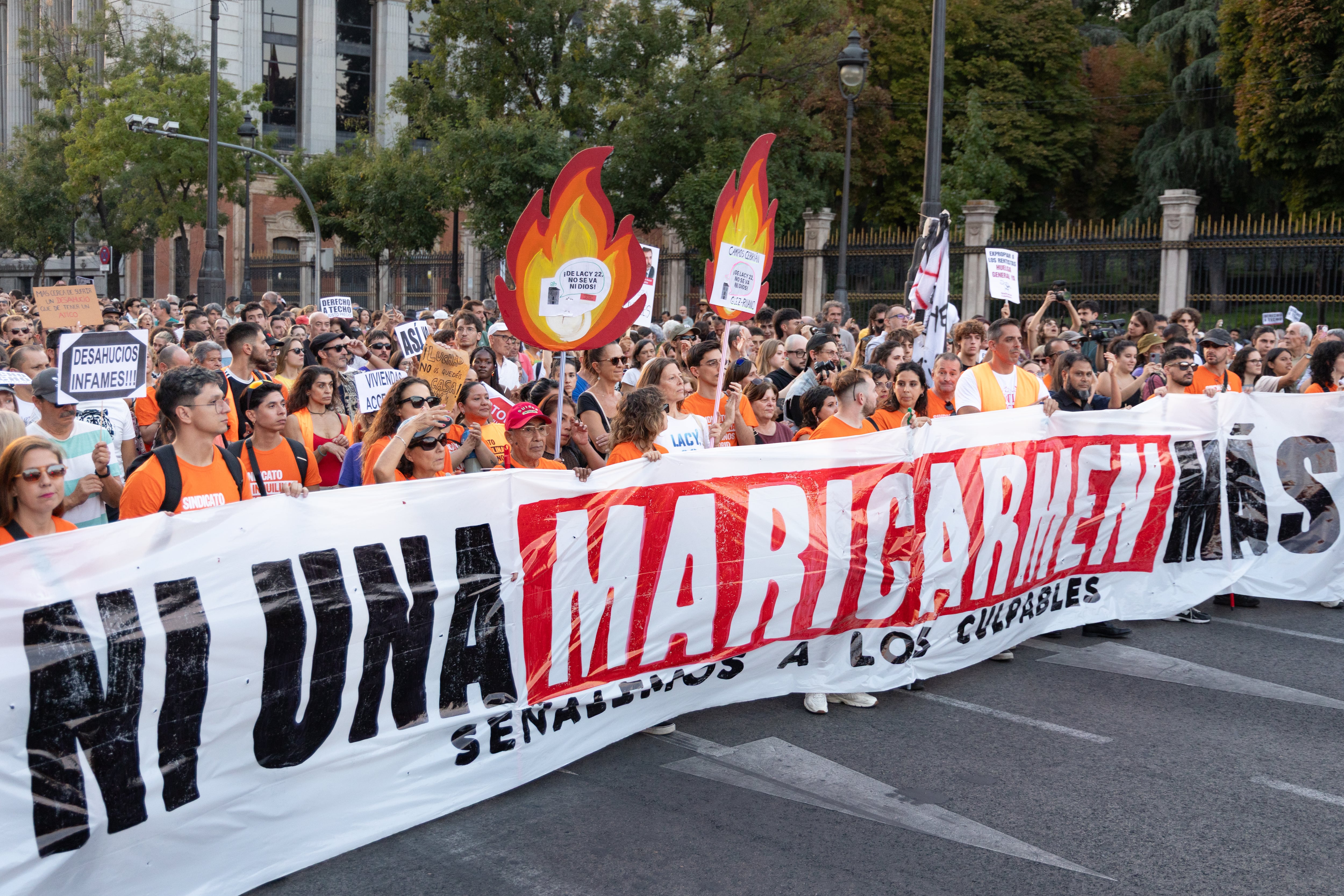
Su muerte obliga a revisar cómo España, Europa y América Latina están respondiendo a los desalojos de personas mayores en contextos de mercados tensionados, digitalización acelerada y políticas habitacionales insuficientes. La pregunta es simple y urgente: ¿cuántas Maricarmen más vamos a permitir?
Civil Conflict,Demonstrations,Riots,Top Picture,Europe,Civil Unrest

Con la goleada frente al DC United y a seis fechas para el final de la temporada regular, así quedó el Inter Miami en la MLS

Ingresos Brutos: la industria pone la mira en las provincias y busca impulsar un nuevo pacto fiscal en el año de elecciones

Milei viaja a Washington para profundizar su alianza estratégica con Trump y ratificar su condena al antisemitismo

Alexandra Kohan: “Hoy se arrasa con la infancia poniendo a los niños a interesarse por el dinero”

Homero Pettinato confesó que sigue enamorado de Sofi Gonet con una llamativa declaración: «Somos una especie de freak show y…”

Clima de Negocios: el “efecto Peter Thiel” y cómo Argentina se volvió atractiva para una polémica élite de magnates libertarios

Escándalo total en la AFA: reventa millonaria, un homenaje paupérrimo a Messi y el pedido urgente de renuncia a Chiqui Tapia

El presidente de Burkina Faso, duro tras el amistoso con la Selección: «Nuestro fútbol está enfermo» :: Olé

100-shot Somali gang gun battle rocks Minnesota as sheriff warns ‘we’re in trouble’

Tobey Maguire se quedaba ciego con el traje de Spider-Man y casi se desmaya durante una prueba: fabricar su disfraz fue una pesadilla

 DEPORTE3 días ago
El presidente de Burkina Faso, duro tras el amistoso con la Selección: «Nuestro fútbol está enfermo» :: Olé
- INTERNACIONAL3 días ago
GOP accuses Walz allies of burying $52M Medicaid fraud report before election
- CHIMENTOS3 días ago
Ángel de Brito reveló detalles desconocidos de la renuncia de Robertito Funes a Telefe y confirmó su reemplazante