INTERNACIONAL
Communist and socialist groups call for ‘revolution’ and seizure of property at Minneapolis May Day rally

NEWYou can now listen to Fox News articles!
MINNEAPOLIS, Minn. – Communist and socialist groups called for a «revolution» at a May Day rally in Minneapolis Friday, highlighting the growing influence of far-left organizations at an event traditionally centered on workers’ rights.
Some of those demonstrators denounced capitalism and pushed for the seizure of private property and the means of production, marking a shift in tone from past May Day rallies that primarily focused on labor issues.
Protesters on the ground outlined a range of demands, including rent caps tied to income, a reduced work week and the redistribution of wealth from billionaires. The rally, which drew well over 1,000 people, was organized as an immigrant rights demonstration but brought together a broad mix of labor unions, activist organizations and far-left political groups marching side by side.
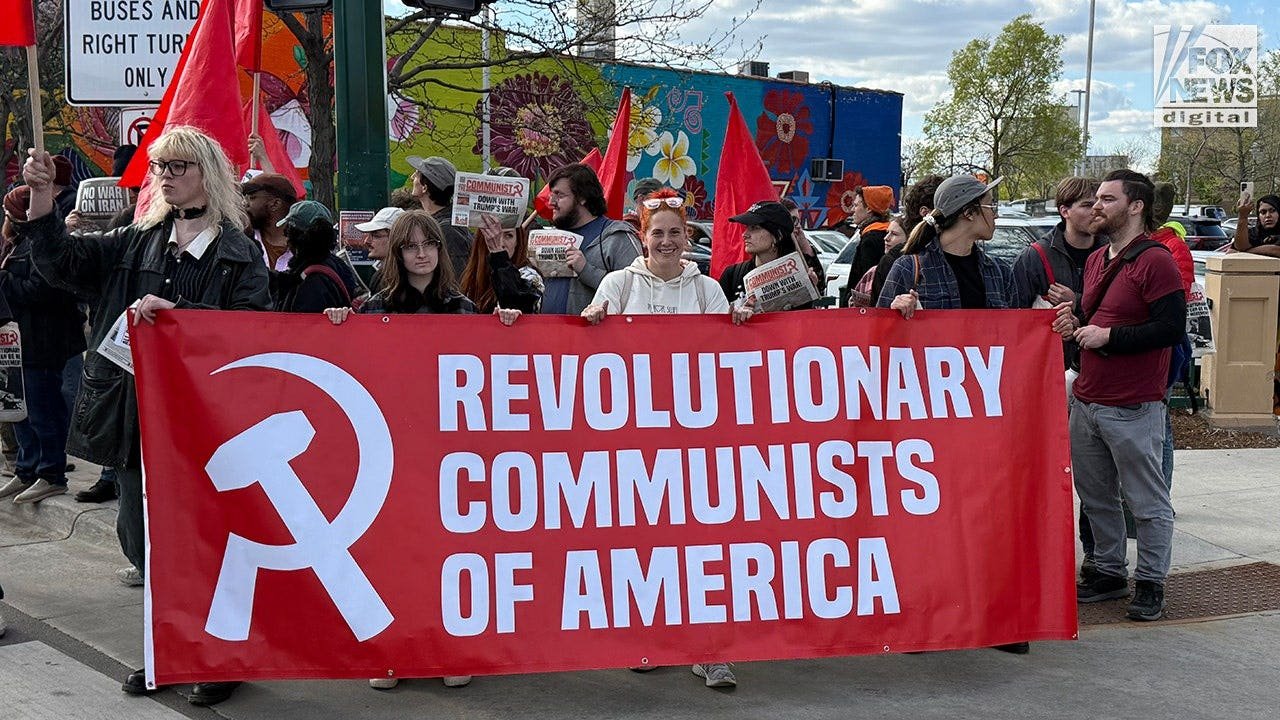
Among the groups present were the Communist Party USA, the Freedom Road Socialist Organization (FRSO), the Revolutionary Communists of America (RCA), the Party for Socialism and Liberation (PSL), and members of the Democratic Socialists of America (DSA), with numerous participants carrying flags and signage featuring socialist imagery like the hammer and sickle.
MAY DAY PROTESTS TO TAKE PLACE FRIDAY AS AGITATORS ACROSS THE US PUSH ‘WORKERS OVER BILLIONAIRES’ MOTTO
Protesters affiliated with the Revolutionary Communists of America hold a banner during a May Day march in Minneapolis, Minn. (Derek Shook/Fox News Digital)
Members of the Communist Party USA were seen handing out newspapers and leaflets, including a publication titled The Communist with the headline «Down with Trump’s War!»
Demonstrators carried signs reading «F–k ICE,» «Abolish ICE,» «Fight Trump’s Agenda,» «No Kings» and «Stop the War,» while others waved red flags associated with the Communist Party USA and held banners featuring the hammer and sickle, including signage from the Revolutionary Communists of America.
A Fox News Digital investigation previously identified U.S.-born tech entrepreneur Neville Roy Singham, who lives in China, as a key figure in a network tied to some far-left groups involved in protests, part of a broader mobilization involving roughly 600 organizations nationwide.
REVOLUTIONARY TOURISM:: INSIDE THE $600M MARRIAGE OF DARK MONEY AND FAR-LEFT AGITPROP
But demonstrators interviewed in Minneapolis said they were largely unaware of him or dismissed concerns about funding.
Andy Koch, a member of the Freedom Road Socialist Organization, told Fox News Digital the U.S. is «run by billionaires» and should instead be run by working people. He said support from a a wealthy donor would be acceptable if it advanced the cause.
«If one billionaire… wants to donate to progressive pro-worker causes, that’s great,» Koch said.
When asked for examples of successful socialist systems, Koch pointed to China, saying «China’s doing pretty good right now,» and praised the former Soviet Union for having «done a lot for its people.
Members of the Revolutionary Communists of America were also present, with one protester saying he was «radicalized» in 2020 following the death of George Floyd.
«We’re calling for down with Trump and down with the Democrats,» the protester said.

Protesters affiliated with the Revolutionary Communists of America hold a banner during a May Day march in Minneapolis, Minn. (Derek Shook/Fox News Digital)
Demonstrations in Minneapolis come months after large-scale anti-ICE protests with Friday’s May Day events reflecting similar themes tied to immigration enforcement and broader economic concerns.
The march was organized as an immigrant rights demonstration, promoted under the slogan «Immigrants Rise! Workers Unite!» and led by groups including the Minnesota Immigrant Rights Action Committee (MIRAC).
A speaker with MIRAC led chants of «No one is illegal» and «All power to the people,» with large sections of the crowd repeating the slogans.
The event began with organizers and speakers affiliated with the Minnesota Immigrant Rights Action Committee (MIRAC) leading chants and addressing the crowd from a makeshift stage, while dancers in indigenous regalia were also present. Socialist and communist groups initially gathered toward the back of the crowd but later joined the march, falling in line behind the immigrant rights organizers as demonstrators moved through the city.
A significant contingent of socialist and communist groups marched alongside the organizers, underscoring the ideological overlap at the event.
WATCH: Protesters march through South Minneapolis, carry political signs
Flags throughout the march reflected a wide mix of causes and affiliations, including Palestinian flags, LGBTQ pride imagery and banners associated with socialist and communist groups.
High-visibility marshals affiliated with protest groups directed the march and blocked side streets, with little to no visible police presence along much of the route.
Another protester who identified as a communist said the current system is a «dead end» and argued that «the workers create all the value in society and we get to own none of it under capitalism.» She said the group supports policies including rent caps tied to income and limiting rent to 10% of wages.
When asked about rent-control policies in cities like New York and California, where such measures have faced criticism, one woman said those efforts failed because they were not «under workers’ control.»
SOCIALIST NYC MAYORAL CANDIDATE MAMDANI ONCE CALLED TO ‘SEIZE’ LUXURY HOMES TO HOUSE HOMELESS DURING COVID
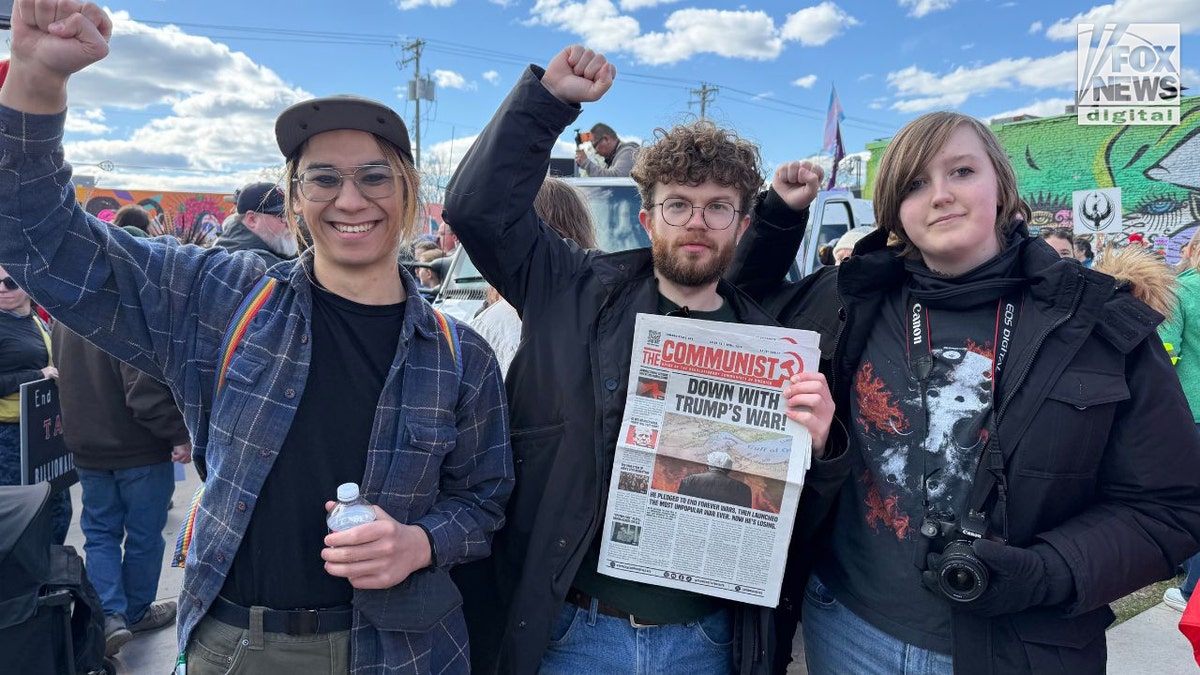
Protesters pose with a copy of The Communist newspaper during a May Day rally in Minneapolis, Minn. (Derek Shook/Fox News Digital)
«Under capitalism, it won’t work. We need a society under control of the workers,» she said.
Owen Phernetton, a member of the Revolutionary Communists of America, said the group is «building a party of class fighters» and argued that «we need a revolution… on a socialist basis.»
He said the organization supports seizing property, including factories, mines and office spaces and placing them under the ownership of the working class.
«We argue for decreasing the workday to only 20 hours a week without any loss in pay,» he said.
He added that billionaire wealth should be «expropriated and put in use for the working class,» pointing to the Soviet Union as an example.
Several Minneapolis City Council members, most affiliated with the Democratic-Farmer-Labor Party (DFL), attended the rally and read out a non-binding resolution recognizing May 1 as International Workers Day. During the remarks, one speaker told the crowd «we must abolish ICE,» linking labor issues with immigration policy.
WATCH: Communist Party presence noted at Minneapolis May Day demonstration
Jason Chavez read parts of the resolution alongside fellow council members Elliott Payne, Aurin Chowdhury, Soren Stevenson and Jamal Osman. Council member Robin Wonsley was also present.
Not all observers supported the messaging.
Sedonia Meyers, who said she was watching from the sidewalk, described herself as «a very centrist individual» and said immigration should follow a legal process.
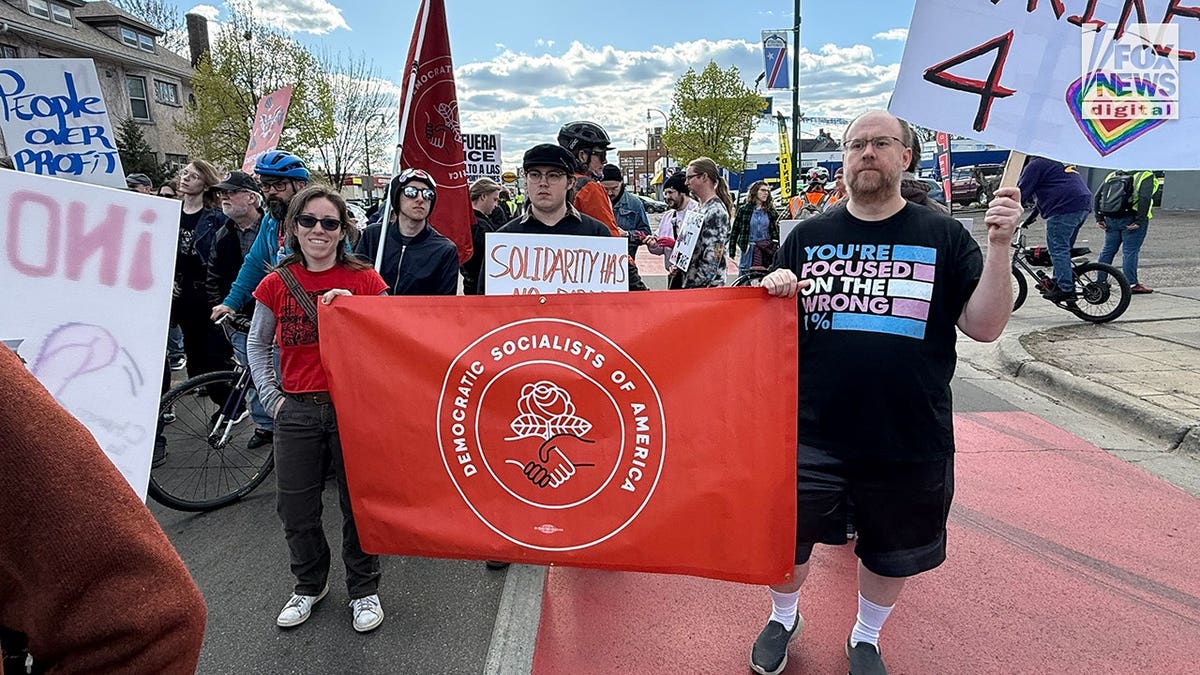
Protesters hold Democratic Socialists of America signs during a May Day rally in Minneapolis. (Derek Shook/Fox News Digital)
«If you want to be a citizen… you should work hard… and do the proper steps,» she said, adding that the U.S. must «vet the people that come into this country» to ensure public safety.
Two other elderly women observing nearby welcomed the presence of communist and socialist groups, describing the rally as a «big tent,» and inisting that there was «room for everyone,» though they did not support calls to abolish ICE.
CLICK HERE TO DOWNLOAD THE FOX NEWS APP
The protest concluded without major disruption, with demonstrators marching through the city in largely good spirits. A marching band played upbeat music as participants moved along the route, though speakers delivered more forceful rhetoric as they outlined their demands.
Earlier in the day, smaller gatherings drew limited turnout, including a union-led rally at Government Plaza that a union leader described a union gathering with «no connection to broader protests.»
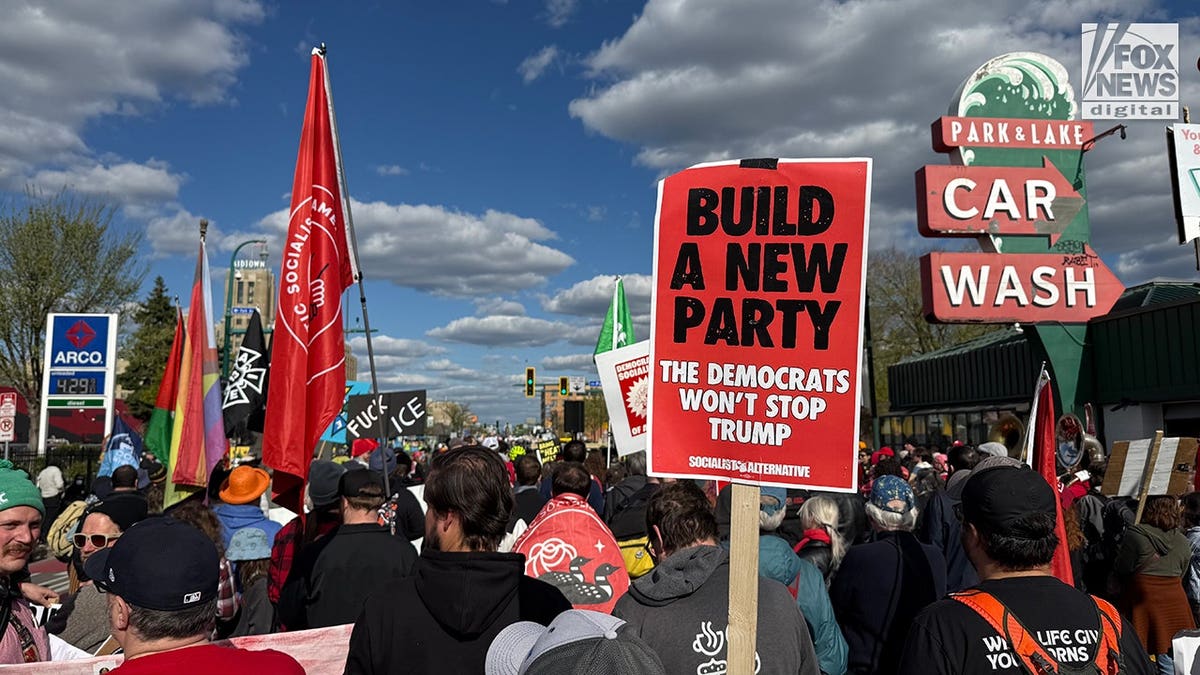
Hundreds of protesters march through Minneapolis during a May Day rally calling for workers’ rights and immigration reform. (Derek Shook/Fox News Digital)
us protests, immigrant rights, minneapolis st paul, labor unions, socialism









INTERNACIONAL
Murió el montañista Nirmal Purja en una avalancha en Pakistán: había escalado los 14 picos más altos del mundo en tiempo récord
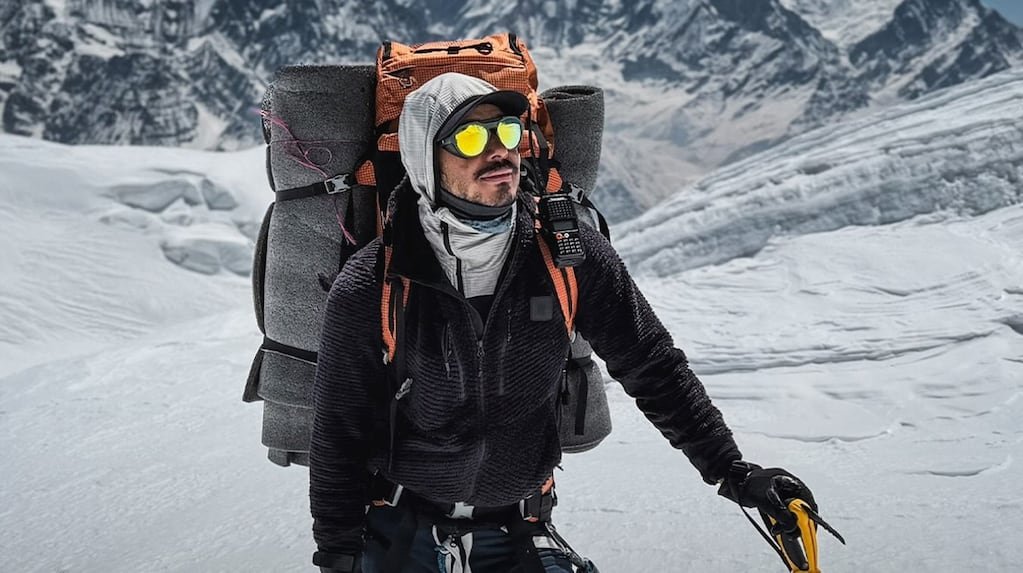
El reconocido alpinista Nirmal Purja, famoso por su hazaña de escalar los 14 picos de más de 8.000 metros en tiempo récord, murió junto a varios integrantes de su equipo tras una avalancha en el Broad Peak, al norte de Pakistán.
La noticia fue confirmada este sábado por Elite Exped, la compañía que fundó. “Hoy, con una profunda tristeza y un inmenso dolor, confirmamos que Nirmal ‘Nimsdai’ Purja perdió trágicamente la vida a raíz de la avalancha ocurrida en el Broad Peak. También hemos recibido la confirmación de que otros integrantes de la expedición, lamentablemente, no sobrevivieron”, indicaron en un posteo de Instagram.
“Lloramos no solo la pérdida de Nims, sino la de todas las personas que fallecieron en esta tragedia, entre ellas sus compañeros de escalada y guías de confianza, Pur Bahadur Gurung (Yukta) y Nima Sherpa. Nuestros más profundos pensamientos, oraciones y sinceras condolencias están con sus familias, amigos y seres queridos», agregaron.
Recuperaron
Las autoridades confirmaron que tres cuerpos fueron encontrados cerca del lugar del accidente, mientras que el resto de los escaladores sigue sin ser localizado.
La expedición, compuesta por diez personas, partió bajo el liderazgo de Purja, conocido como “Nims”. Entre los desaparecidos hay cinco nepalíes, un pakistaní, una omaní, un chino, una estadounidense, según detalló la policía regional de Gilgit Baltistan. Días atrás, Nirmal Purja conquistó su 57° cumbre. (Foto: Instagram/@nimsdai)
El operativo de rescate y la incertidumbre sobre los desaparecidos
La avalancha se produjo el jueves mientras los montañistas intentaban alcanzar la cima del Broad Peak (8.047 metros), cuando el equipo ascendía a una altitud de unos 6.600 metros y cortó el contacto con la expedición internacional de diez miembros.
El accidente ocurrió en la zona del Broad Peak, una de las montañas más exigentes del mundo, ubicada en la cordillera del Karakórum. Nirmal Purja saltó a la fama por un documental de Netflix. (Foto: AFP/Aamir Qureshi).
“Los datos de sus dispositivos de seguimiento indican que fueron arrastrados cientos de metros montaña abajo”, declaró Naila Kiani, del Club Alpino de Pakistán, al diario Le Monde.
Tras la avalancha, equipos de rescate equipados con dispositivos de geolocalización y helicópteros militares se desplegaron en la región para intentar dar con los alpinistas.
Por ahora lograron recuperaron tres cuerpos, el de una mujer estadounidense, una mujer omaní -Nathira Al Harthy- y un sherpa nepalí -Pur Bahadur- , indicó el gobierno regional en un comunicado difundido el viernes en la noche. Nirmal Purja se convirtió en una figura destacada dle montañismo mundial. (Foto: Instagram/@nimsdai).
Las tareas de búsqueda se suspendieron este viernes por las difíciles condiciones meteorológicas y se retomaron el sábado.
“El equipo de rescate informó que avistó algunos cadáveres de los escaladores mediante imágenes de dron”, señalaron.
“La operación de rescate se está llevando a cabo en condiciones de terreno extremadamente exigentes y de clima de gran altitud por parte del ejército pakistaní, en coordinación con escaladores locales de gran altitud y equipos de rescate”, indicó la policía de la montañosa región norte de Gilgit-Baltistán.
Quién es Nirmal Purja, el líder de la expedición
Nirmal Purja, de 43 años, es una figura central del montañismo. Su historia se popularizó a través del documental de Netflix “14 Cumbres: Nada es imposible”, que narra su récord al escalar los 14 “ochomiles” en solo seis meses y seis días en 2019.
Criado en el sur de Nepal en una familia humilde, Purja sirvió en la Brigada de Gurkhas del ejército británico y luego en el Escuadrón Especial de Barcos de los Marines Reales. “Lo que me enseñaron os gurkhas y las fuerzas especiales no tiene precio: la disciplina, la mentalidad, esa voluntad de no rendirse nunca, entender el panorama general y ser siempre fiel a uno mismo», dijo en un posteo de Instagram sobre los 16 años de su vida militar.

Purja sirvió durante 16 años en la Brigada de Gurkhas del ejército británico y luego en el Escuadrón Especial de los Marines Reales. (Foto: Instagram/@nimsdai).
Desde que se dedicó de lleno al montañismo, batió múltiples récords y en 2021 lideró la primera ascensión invernal al K2 junto a otros nueve escaladores nepalíes.
En los días previos a la tragedia, Purja había compartido en redes sociales su objetivo de convertirse en la primera persona en escalar dos veces los 14 “superpicos” sin oxígeno.
“Broad Peak, no pido nada más que un camino seguro hacia la cima y de vuelta”, publicó el alpinista días atrás.
“No doy por sentada ni una sola montaña. Ni una. En el momento en que mis pies abandonan el campamento base, voy al 100%. Siempre ha sido así. Siempre será así”, agregó. «No doy por sentada ninguna montaña», afirmaba Nirmal Purja hace poco en un posteo en redes. (Foto: Instagram/@nimsdai).
Hace una semana, había sumado una nueva hazaña al conquistar su 57° cumbre, el Gasherbrum II. “Cada montaña me planteó nuevos retos y me enseñó nuevas lecciones. Cada cima es el resultado de la perseverancia, la preparación y el respeto por la montaña”, afirmó entonces.
«El mundo perdió a uno de los más grandes alpinistas de la historia; un líder que inspiró a millones de personas con su valentía, su humildad y su firme convicción de que el potencial humano es mucho mayor de lo que solemos imaginar. Más allá de sus extraordinarios logros, quería demostrarle al mundo todo lo que era posible cuando uno se anima a soñar en grande, cree en sí mismo y se niega a aceptar los límites. Con sus acciones, inspiró a millones de personas a creer que ellas también podían alcanzar mucho más de lo que jamás pensaron posible», lo despidieron desde Elite Exped.
El Broad Peak y la reacción internacional
El Broad Peak, con 8.047 metros, es la duodécima montaña más alta del planeta y una de las más técnicas y peligrosas.
Fue conquistada por primera vez en 1957 por un equipo austríaco y desde entonces es un desafío para los mejores alpinistas del mundo.
Montañismo, Pakistan
NEWYou can now listen to Fox News articles!
ŠKOFJA LOKA, Slovenia: The Republic of Slovenia, the central European nation known for being the birthplace of First Lady Melania Trump and LA Lakers star Luka Dončić, is undergoing a radical shift in politics as the country comes to terms with its new larger-than-life prime minister.
Prime Minister Janez Janša recently scraped together a coalition that did away with the country’s leftist leader, Robert Golob.
In what is his fourth term, Janša has begun what many see as Trump-like policy corrections. He has reversed Golob’s anti-Israel policies by announcing his intent to move the Slovenian embassy to Jerusalem, freezing Slovenia’s recognition of a Palestinian state and revoking a 2025 ban on military trade with Israel.
EUROPE’S ‘GREEN IDEOLOGY’ CLIMATE AGENDA RISKS CRUSHING ITS INDUSTRY, ENVIRONMENT MINISTER WARNS
Right-wing Slovenian Democratic Party (SDS) leader Janez Jansa addresses the media after his investiture vote as Slovenia’s Prime Minister at the National Assembly in Ljubljana on May 22, 2026. (Jure Makovec / AFP via Getty Images)
Janša also believes in strong U.S. relations. During an America 250 event hosted by the U.S. Embassy in Ljubljana, and with the First Lady’s father, Viktor Knavs, in attendance, Janša described how America was the beacon for Slovenian independence. «We imagined America, the United States of America, as the ideal embodiment of that free world… That Slovenia, too, would become the home of the brave in a land of the free.»
Domestically, he says his new government will reverse what he called the Golob government’s «inefficiency» and turn Slovenia into «a country of opportunity, prosperity and justice, where each responsible citizen will feel safe and accepted.»
He has announced plans to reverse many anti-business policies, cut government red tape, support private education and healthcare, reform the pension system, decrease the size of government and invest in infrastructure projects, including a plan to build a second reactor at Slovenia’s Krško nuclear power plant.
Despite some policy disagreements, Janša was a close ally of former Hungarian Prime Minister Viktor Orbán. He has expressed support for Ukraine, traveling to Kyiv during his last term as prime minister in March 2022 with the then-Polish and Czech Prime Ministers in an early showing of EU solidarity against the Russian invasion and he recently returned to Kyiv to mark Ukraine Statehood Day as part of the Ukraine–Southeast Europe Summit.
WHITE HOUSE BLASTS SPANISH GOVERNMENT AS THOUSANDS OF MIGRANTS SURGE FROM MOROCCO, EMERGENCY REQUEST DENIED
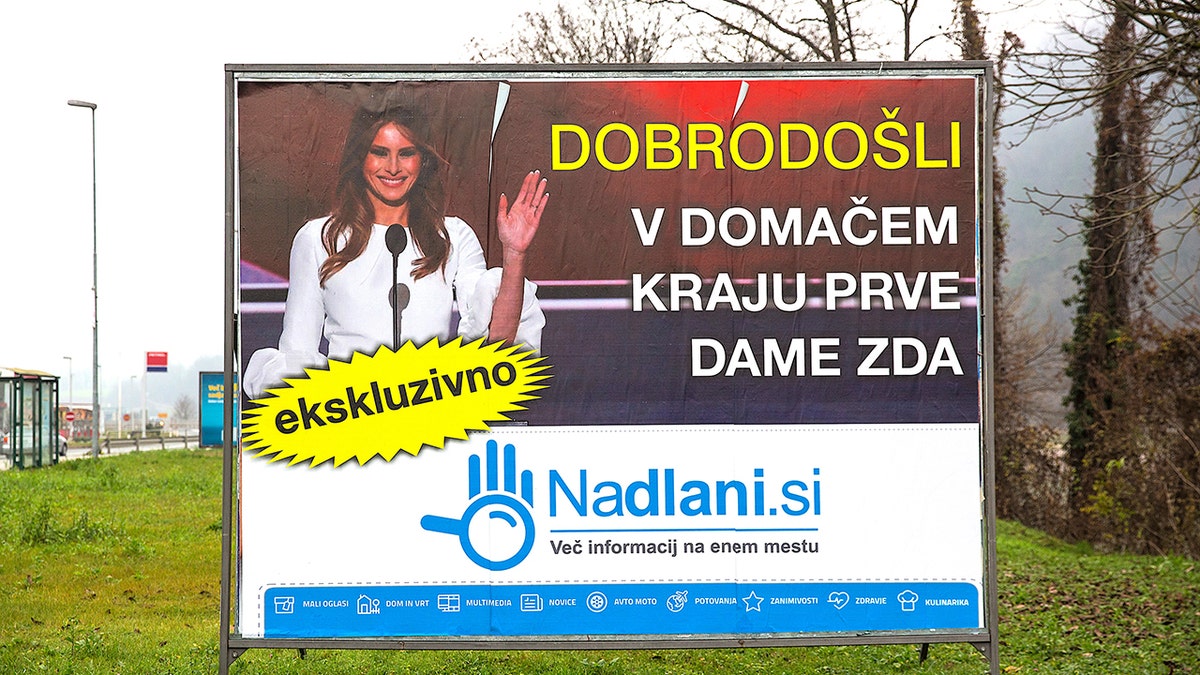
File: A sign which reads ‘Welcome to the Hometown of the First Lady’ in Slovenian, is pictured on November 27, 2016 in Sevnica, Slovenia. Born in Slovenia, Melania Trump was raised in the town of Sevnica, by her father, a car salesman, and her mother, a pattern maker at a textile factory. The former model will become the second foreign-born First Lady of the United States when her husband Donald Trump is sworn in as President during a ceremony in Washington DC on January 20, 2017. ( Jack Taylor/Getty Images)
He supports increased military aid to the country and increased sanctions against Russia. And like Orbán, Janša was staunchly anti-immigrant during the huge Europe migration wave in 2015, when «Balkan Route» migrants practically marched through Slovenia on their way to other parts of Europe.
Janša often praises many of President Trump’s immigration policies. Although no reforms have yet made it through the Slovenian parliament, shortly after taking office, Janša joined 18 other EU leaders in signing a letter calling for «a fundamental change in immigration policy» and practice.
They called for reducing irregular migration, combatting human smuggling more effectively, increasing deportations, and strengthening cooperation with third countries. Janša said Slovenia is «finally joining» other countries calling for these reforms, writing, «The end is approaching for social tourism, overlooked people smuggling and the importation of voters for the European left.»
‘YOU’RE DESTROYING YOUR COUNTRIES’: IS EUROPE FINALLY HEEDING TRUMP’S WARNING ON ILLEGAL IMMIGRATION?
And, like Trump, Janša has his critics. He has been called «the greatest threat to Slovenia’s sovereignty and democracy.»
An aggressive user of X, where he comments on politics and criticizes his opponents in late night posting sprees, Janša has had battles with the country’s media, with many accusing him of undermining its independence.
Janša has also served time in jail, having been convicted and imprisoned in a case he called politically motivated.
Now serving a fourth non-consecutive term as prime minister— or predsednik vlade—he strangely lost the election that eventually put him back in office in June.
On two occasions, Janša and his party lost an election, yet he still became the prime minister. Think of it as losing the popular vote yet winning the Electoral College.
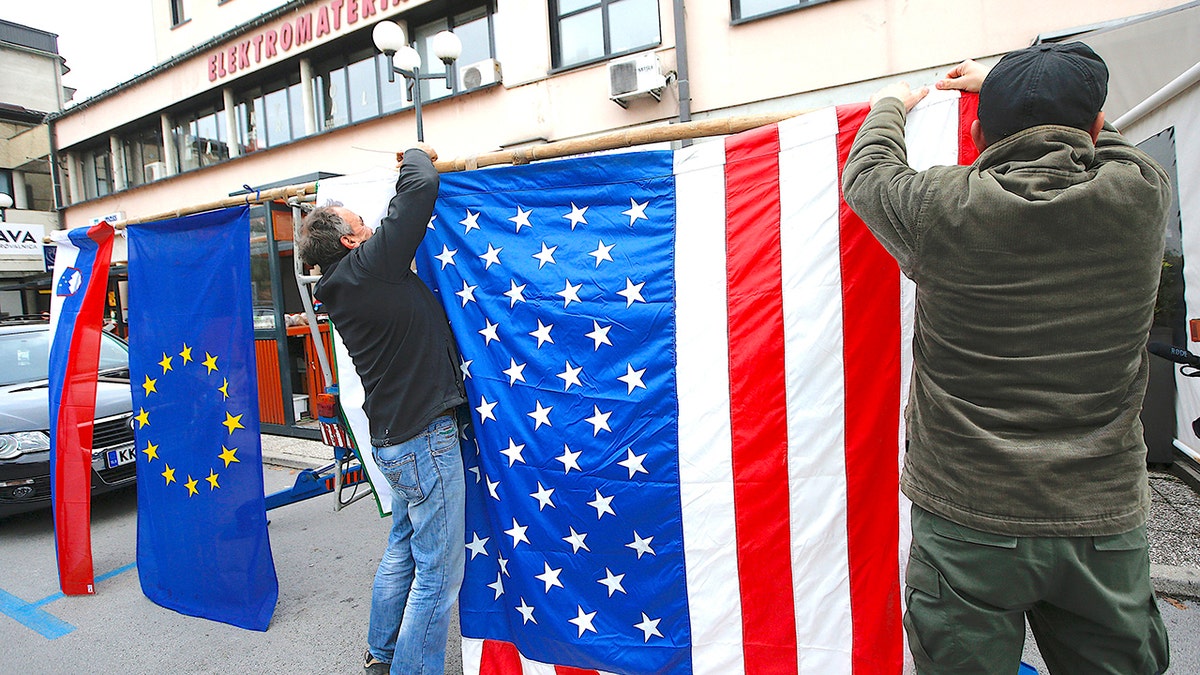
FILE: Residents of Sevnica, hometown of Melania Trump, wife of Republican presidential elect Donald Trump, hang a US flag as they celebrate the victory of Donald Trump in the race for the White House in Sevnica, Slovenia on November 9, 2016. Republican Donald Trump has won the US presidency with at least 290 electoral votes, securing more than the 270 he needed to succeed Barack Obama. (Jure Makovec/AFP Via Getty Images)
Slovenes went to the polls on March 22 after a tumultuous four-year term for then-Prime Minister Robert Golob and his far-left coalition partners. Polls that had initially forecast a landslide victory for Janša tightened quickly in the run-up to election day. Golob’s Gibanje Svoboda, or Freedom Movement, party would «win» by taking 29 seats of the 90-seat legislature with 28.7% of the vote. That was a net loss of 12 seats from the 41 seats and 34.5% of the vote the party won in 2022.
Janša’s Slovenska demokratska stranka, or Slovenian Democratic Party, the party he has led since 1993, took 28 seats with 27.9% of the vote. The same 29-28 outcome as in 2008, when Janša also «lost» yet was able to form a governing coalition.
MELANIA TRUMP HELPS REUNITE FIFTH GROUP OF UKRAINIAN, RUSSIAN CHILDREN WITH FAMILIES
After a month of trying, Golob was unable to form a new ruling coalition. Slovenian President Nataša Pirc Musar said she would not nominate anyone for prime minister as no one was able to get the 46 votes needed in Parliament.
Enter Janša, who many analysts call a master coalition builder. After two weeks of discussions, his future government would end up receiving 51 votes in a secret ballot of the National Assembly: 48 from his coalition and their partners, two from the representatives of the Italian and Hungarian minorities in Slovenia… and, surprisingly, one from an anonymous member of the opposition.
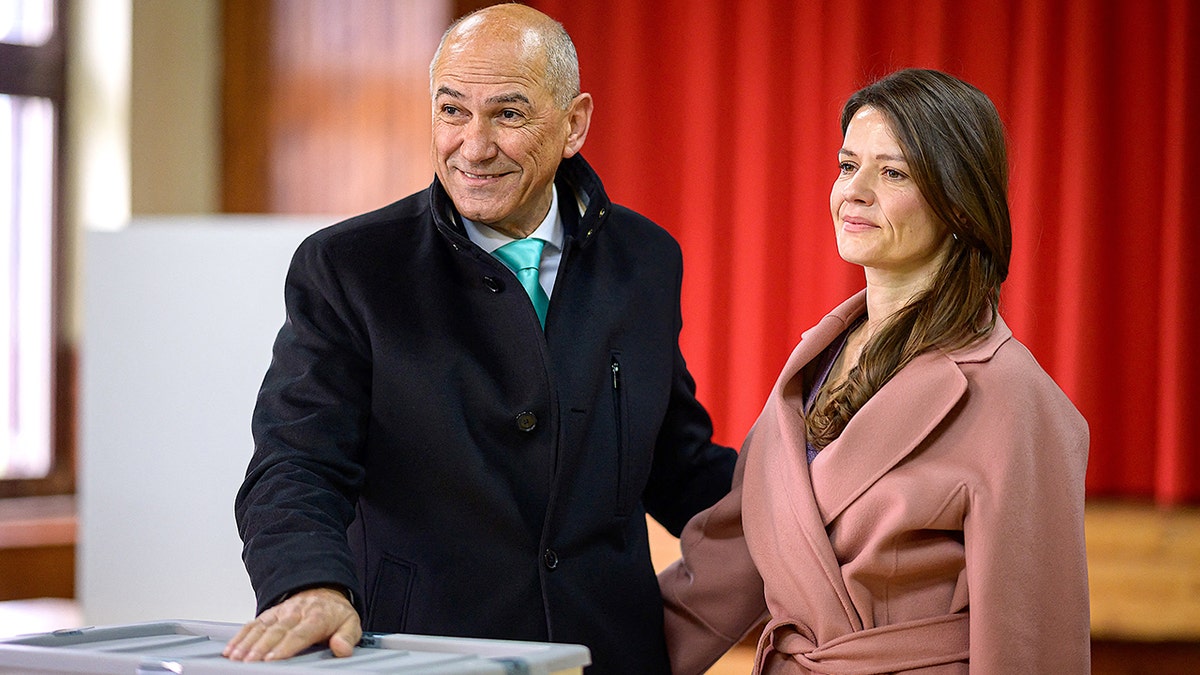
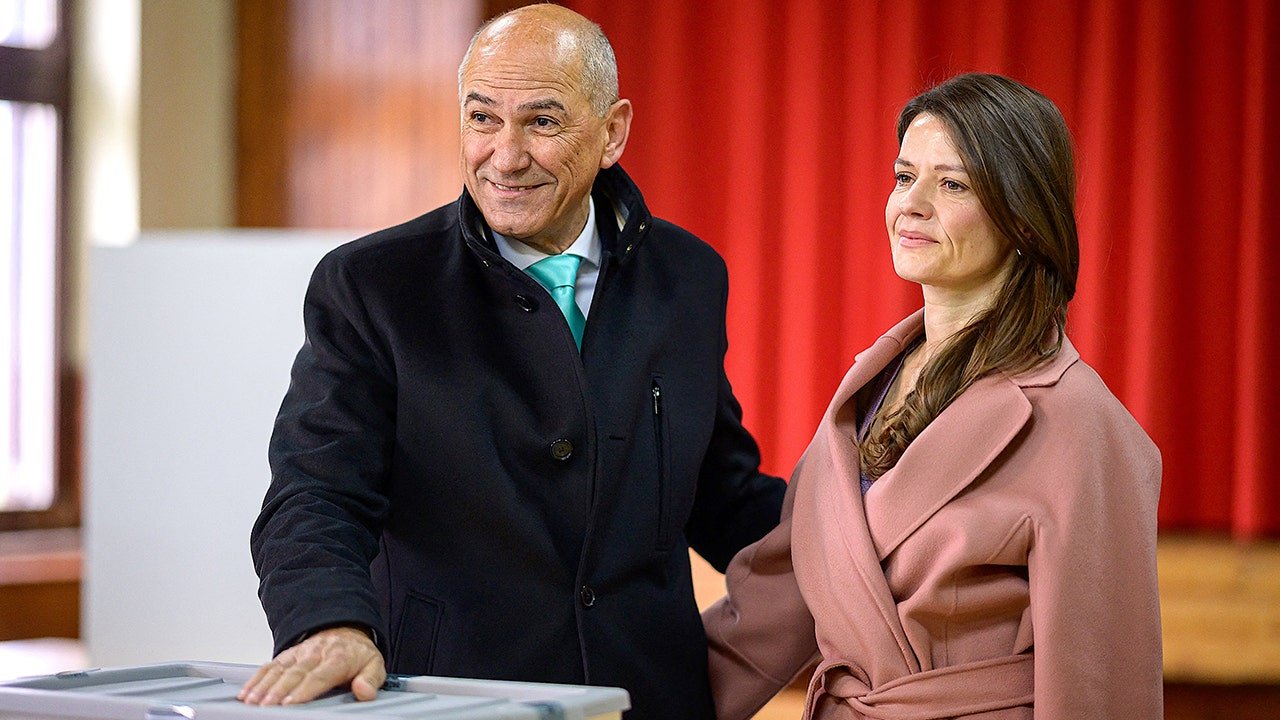
Then Slovenia’s opposition leader and nationalist former Prime Minister Janez Jansa and his wife Urska cast their ballots at a polling station during the general election in Arnace on March 22, 2026. ( Jure Makovec / AFP via Getty Images)
Janša has been involved in Slovenian politics since before there was an independent Slovenia. In 1988, he was arrested, tried «in camera» in a military court, and imprisoned by the Yugoslav People’s Army in what became known as the «JBTZ affair». He was alleged to have shared military documents with journalists. After public outcry at the time, Janša was released after serving six months of an 18-month sentence.
In 1989, Janša helped form the Slovenian Democratic Union, one of the first opposition parties in the then-Socialist Republic of Slovenia. After Slovenia’s first free elections in May 1990, Janša was named minister of defense, helping lead Slovenia’s 10-day war of independence against Yugoslavia in the summer of 1991.
In June 2013, the Ljubljana District Court ruled Janša and two others had sought about €2million (about $2.3 million) from a Finnish firm, Patria, to help it win a 2006 military supply contract. Janša was sentenced to 2 years in the same prison in which he began his 1988 imprisonment. He called the case politically motivated and, again, he was released after serving 6 months. The conviction was unanimously overturned by the Constitutional Court in April 2015.
Janša is expected to come to the U.S. to address the United Nations General Assembly in September. It is not known if he will meet with President Trump and the First Lady.
europe, israel, immigration, donald trump, ukraine, the balkans
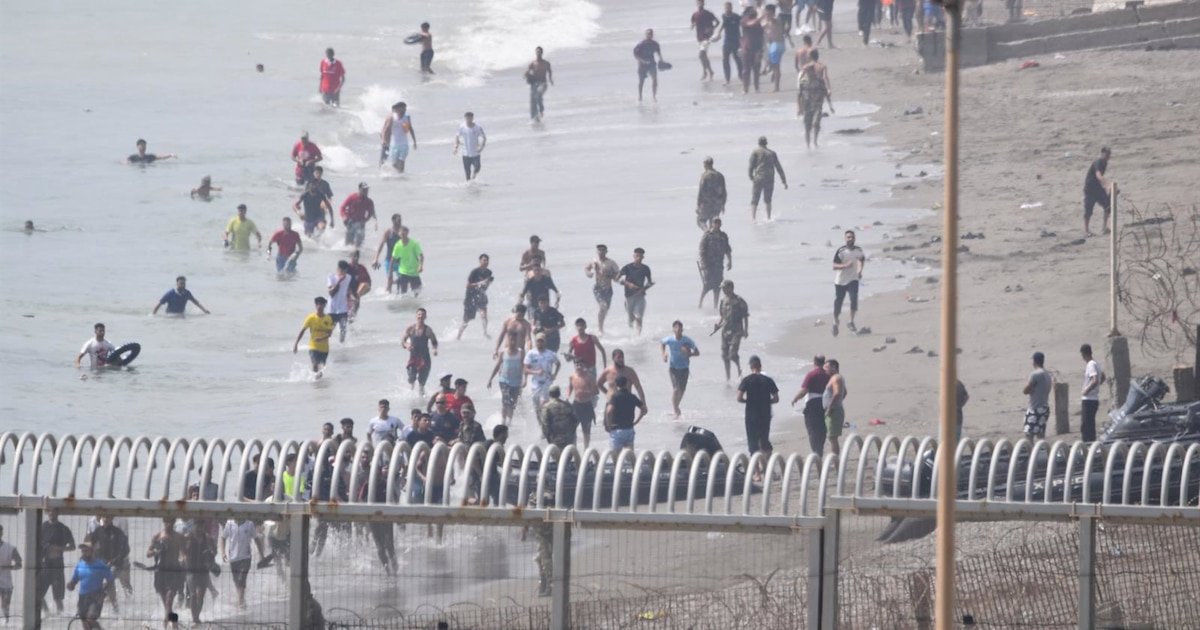
¿Y si lo que acabamos de vivir en Ceuta es, sobre todo, un fenómeno de redes sociales?
Conviene empezar por explicar qué es Ceuta, porque buena parte de la confusión de estos días nace de imaginarla como un puesto fronterizo cualquiera. Ceuta es una ciudad española situada en la costa norte de África, frente a Gibraltar, separada de la Península por los catorce kilómetros del Estrecho. Es española desde 1580, más de dos siglos antes de que existieran los Estados Unidos. Tiene 18,5 kilómetros cuadrados, unos 84.000 habitantes y estatuto de ciudad autónoma. Junto con Melilla constituye la única frontera terrestre entre la Unión Europea y el continente africano, y esa condición la convierte en el punto exacto donde la presión migratoria de todo un continente se concentra en unos pocos kilómetros de valla y una playa, la del Tarajal, con su espigón que se adentra en el mar marcando la línea entre Marruecos y España.
Esa frontera tiene historia trágica. En febrero de 2014 murieron ahogadas 14 personas a pocos metros de la playa del Tarajal, en parte por el pánico de la multitud en el agua. En mayo de 2021, en plena crisis diplomática con Rabat por la acogida en España del líder del Frente Polisario, Marruecos relajó los controles y más de 8.000 personas entraron en Ceuta en dos días, obligando a desplegar al Ejército. En junio de 2022, el asalto a la valla de Melilla dejó al menos 23 muertos. La frontera sur funciona desde hace décadas como válvula de presión, y cada episodio ha alimentado la sospecha de manos que mueven los hilos.
Lo de esta semana supera todo lo anterior en un orden de magnitud. Entre el jueves 30 y el viernes 31 de julio entraron en Ceuta entre 50.000 y 60.000 personas en menos de 24 horas, el equivalente al 70% de la población de la ciudad. Trasladado a escala peninsular, sería como si 34 millones de personas entraran en España en un día. El balance es de al menos 57 muertos, con las tareas de búsqueda todavía en curso. La mayoría se ahogó intentando bordear a nado el espigón del Tarajal, de noche, vestidos, atrapados entre las olas y las rocas de la escollera mientras miles de personas entraban al agua a la vez. Otros murieron aplastados en los intentos masivos de cruzar las vallas. El Gobierno desplegó al Ejército, Pedro Sánchez viajó a Ceuta, calificó lo ocurrido de ataque a la integridad territorial de España y anunció un sistema de boyas junto al espigón para impedir nuevos cruces a nado.
La pregunta obligada es qué fuerza consigue que decenas de miles de personas asuman ese riesgo a la vez. Y aquí es donde la explicación más sólida resulta ser la menos conspirativa.
El 8 de julio el Tribunal Supremo dictaminó que las devoluciones en caliente no se aplican a quienes llegan por mar, que deben pasar por un procedimiento formal de devolución. En redes, ese matiz jurídico se transformó en otra cosa: España ha abierto la frontera y si entras a nado no te pueden devolver. El bulo corrió por WhatsApp, TikTok, Instagram y Telegram. Circularon mapas con la ruta a nado desde Castillejos, en Facebook llegaron a venderse trajes de neopreno para el cruce y los primeros vídeos de jóvenes celebrando en la playa hicieron el resto. Adolescentes de 16 y 17 años contaron después que se habían enterado por las redes y que habían pasado cinco horas nadando.

El patrón es conocido. En 2019, más de dos millones de personas se apuntaron en Facebook a asaltar el Área 51 y varios miles se presentaron de verdad en el desierto de Nevada. En 2012, una invitación de cumpleaños mal configurada en Facebook arrastró a miles de jóvenes al pueblo holandés de Haren, que acabó arrasado. En 2021, un foro de Reddit coordinó a millones de pequeños inversores para disparar la acción de GameStop y poner contra las cuerdas a varios fondos de Wall Street. Ese mismo año, 25.000 jóvenes se juntaron en un macrobotellón en Madrid convocados por redes. Ninguno de estos episodios tuvo un organizador central. Todos siguieron la misma secuencia: un mensaje simple, una promesa creíble, vídeos de los primeros que lo consiguen y una avalancha. La diferencia es que en Ceuta la promesa exigía meterse al mar.
La noche del jueves lo vi en directo. En Horizonte, el programa de Iker Jiménez en el que colaboro, las cámaras mostraban cómo centenares de personas llegaban a Ceuta y al poco rato emprendían el camino de vuelta. Entraban, comprobaban que la promesa era falsa, que allí les esperaba frío, hambre y un ejército desplegado en lugar de un pasaje a la Península, y regresaban. La ola completa, subida y bajada, se veía en tiempo real. Una operación orquestada para desestabilizar habría intentado que la gente se quedara. El regreso lo aceleraron el despliegue militar y el acuerdo con Marruecos para las repatriaciones, y queda pendiente el problema serio de los menores no acompañados que sí permanecen. Pero el motor del retorno fue el mismo que el de la ida: los canales que crearon el efecto llamada empezaron a difundir el efecto regreso, con mensajes de quienes ya volvían advirtiendo a los suyos de que ni lo intentaran.
Hay además un detalle que desmonta la tesis de una marcha nacionalista para reclamar Ceuta: en las imágenes faltan banderas marroquíes y camisetas de la selección. Se ven jóvenes saltando la valla con la camiseta de Messi. Quien va a reconquistar un territorio lleva su bandera. Quien busca un futuro lleva la camiseta de su ídolo.
Esta explicación tiene una virtud: se sostiene sola. El socialismo español sobra como organizador, sobra el rey de Marruecos, sobran Estados Unidos e Israel. La pólvora es real. Es el paro juvenil y la falta de horizontes en Marruecos, y es también lo que cada joven marroquí ve a diario en su teléfono: los marroquíes son la mayor comunidad extranjera de España, con cerca de 900.000 residentes legales, y muchos de sus compatriotas cobran el Ingreso Mínimo Vital y el paro viviendo mejor que ellos, o trabajan y ganan en un mes lo que en casa cuesta meses ganar. Esto fue una búsqueda personal de un futuro mejor. El socialismo español sobra como conspirador y aparece como imán: el efecto llamada del Estado del bienestar, viralizado. La chispa fue una sentencia mal entendida, millones de teléfonos y la promesa de una vida mejor a cinco horas nadando.
Marruecos merece escrutinio de todas formas. Un país que intercepta a cinco nadadores con neopreno un día cualquiera y deja pasar a 60.000 otro día ejerce política también por omisión. En 2021 relajó los controles en plena crisis diplomática y esta vez su gendarmería tardó en reaccionar. España respalda además con cerca de 340 millones de euros públicos la desaladora de Casablanca y mantiene otras líneas de cooperación, de modo que condicionar ese apoyo financiero a resultados verificables en frontera sigue siendo razonable aunque el fenómeno haya sido viral. Pero hay una diferencia entre tolerar y organizar, y a día de hoy no existen pruebas públicas de organización estatal.
La conclusión es incómoda porque un fenómeno viral es en cierto sentido más grave que una maniobra de Estado. Con un Estado se negocia, se firman acuerdos, se condicionan fondos. Contra un rumor capaz de meter a 60.000 personas al mar en una noche solo funcionan dos cosas: capacidad real de respuesta en la frontera y desmentidos oficiales tan virales como los bulos. Un bulo llenó el agua de gente y el agua devolvió 57 cuerpos. La próxima avalancha no la decidirá Rabat. La decidirá un vídeo de TikTok.
Immigration,Europe,Asylum / Immigration / Refugees

Hasta cuándo podés acceder a la moratoria previsional de ANSES y qué cambia

La decisión que Franco Mastantuono le habría comunicado a José Mourinho tras quedar relegado del amistoso de Real Madrid

Murió el montañista Nirmal Purja en una avalancha en Pakistán: había escalado los 14 picos más altos del mundo en tiempo récord

Alerta en el mercado de pases de River Plate

La Matanza: en medio de la tormenta, un policía se defendió a los tiros de un robo y mató a un ladrón

Hernán Lacunza: “En la economía argentina hay un motor que está a full y otro que está apagado”

La pelea con Lula y el verdadero desafío que enfrenta Milei

El BCRA cortó la racha de compra y en el mercado vuelan rumores de maniobras para frenar al dólar

World-famous Catholic shrine torched, ‘Devil in a skirt’ scrawled on Virgin Mary statue

La aprobación del Gobierno cayó en julio según distintas encuestas, en sintonía con el índice de la universidad Di Tella

 INTERNACIONAL2 días ago
Trump admin invokes 30-year dormant terror court as it seeks to deport Afghan woman tied to Election Day plot
- ECONOMIA3 días ago
Le pedimos a ChatGPT, Gemini y Claude que dijeran en qué acciones argentinas invertir y así nos fue
- CHIMENTOS3 días ago
Las claves del conflicto entre Wanda Nara y Mauro Icardi: cuándo el futbolista podría salir del país y qué pasará con Francesca e Isabella