INTERNACIONAL
Cuatro de cada diez cubanos que recibe remesas no cubre las necesidades básicas, según una encuesta del Instituto Republicano Internacional

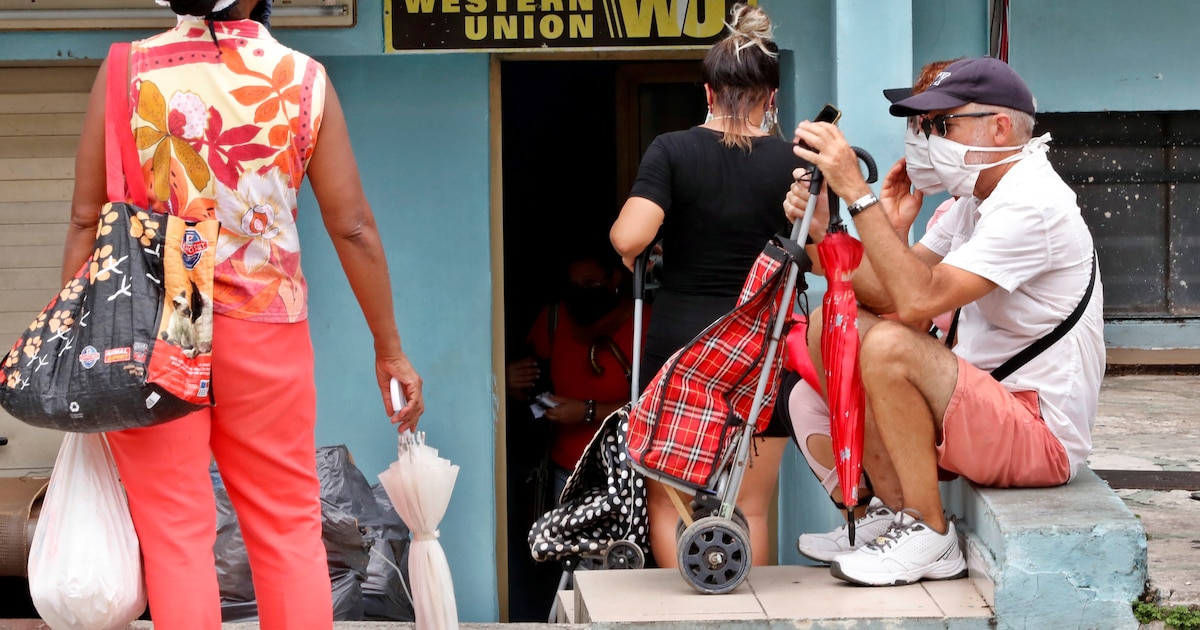
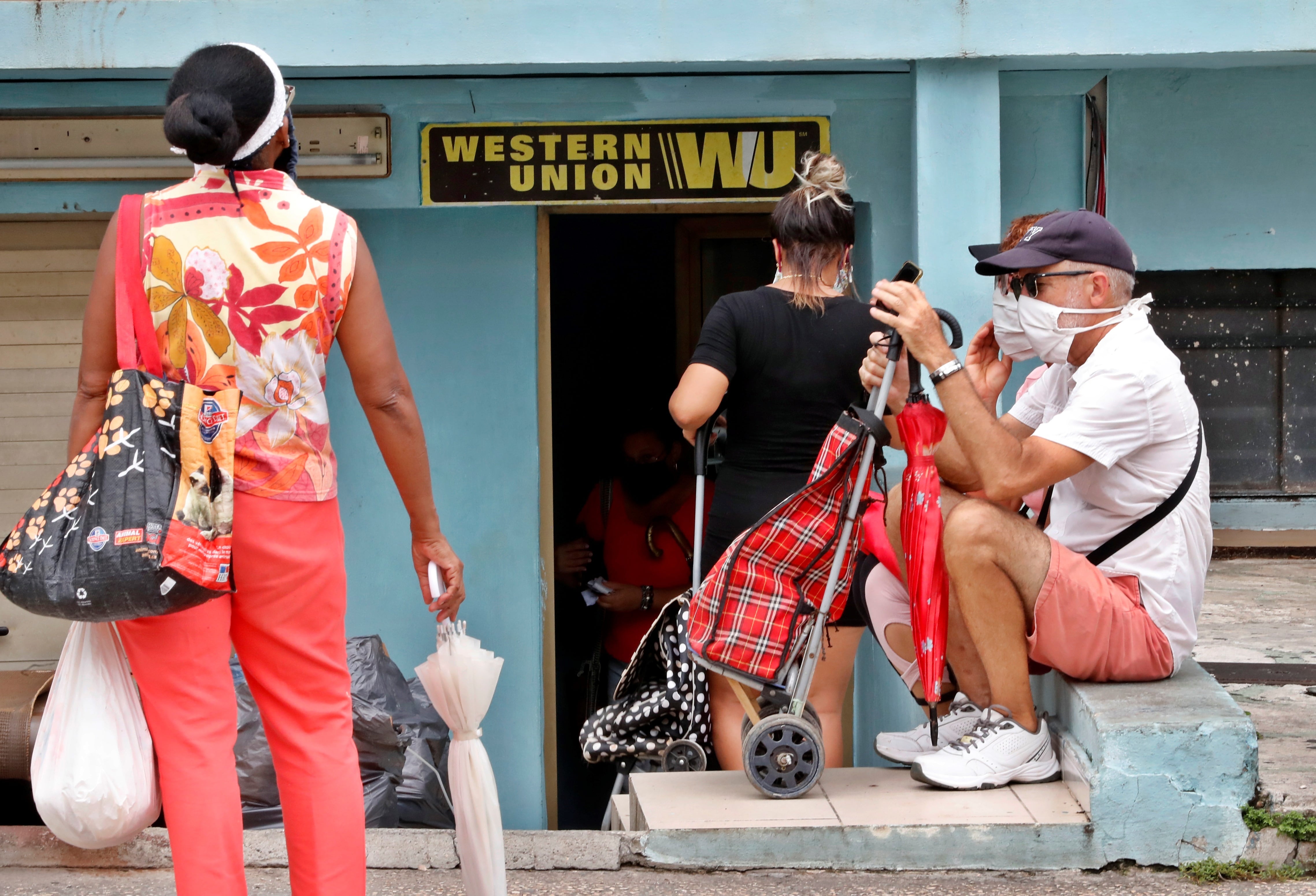
El 38% de los cubanos que reciben remesas no logra cubrir ni la alimentación ni los gastos más elementales de su hogar, según una encuesta nacional del Instituto Republicano Internacional (IRI), organización estadounidense dedicada a estudios de opinión y gobernanza.
El dato, difundido el miércoles, desmonta la idea de que la ayuda familiar desde el extranjero funciona todavía como un colchón suficiente frente al deterioro económico de la isla.
Comer, el gasto que más golpea a los hogares cubanos
El sondeo, elaborado por NORC, centro de investigación de la Universidad de Chicago, mediante entrevistas presenciales a 1,199 adultos entre julio y septiembre, identificó la comida como el principal problema económico. El 65% de los participantes la señaló como el gasto mensual más difícil de cubrir, proporción que trepa al 73% en las provincias orientales y baja al 49% en La Habana.
Quienes no reciben remesas están en peor situación: el 48% de ese grupo admite no poder cubrir sus necesidades básicas, diez puntos por encima de los que sí reciben ayuda del exterior.
La diferencia confirma que el dinero enviado desde fuera todavía amortigua parte del golpe, aunque sus límites quedan expuestos frente al alza sostenida de precios.
Un dato resulta especialmente revelador: el 55% de quienes reciben remesas califica de “muy mala” la situación económica de su hogar, un porcentaje más alto incluso que el 51% registrado entre quienes no cuentan con esa ayuda.
La métrica no mide lo mismo que la insuficiencia de ingresos, pero sugiere que tener acceso a divisas extranjeras no basta para transformar la percepción sobre las condiciones de vida.
Los precios diarios explican la insuficiencia de las remesas
Los números de la encuesta del IRI cobran otra dimensión al cruzarlos con los costos que enfrentan las familias cubanas en el mercado real. A principios de noviembre, CiberCuba, sitio de noticias sobre Cuba con sede en Miami, documentó una compra de alimentos en Baracoa que superó los 8,000 pesos cubanos ( unos 330 USD)y solo permitió adquirir arroz, frijoles, viandas y algunos condimentos, sin carne ni otros productos proteicos de origen animal.
Ese gasto ya superaba el salario estatal medio mensual de agosto, de 7,354 pesos. La devaluación del peso frente al dólar agravó el panorama en las semanas siguientes: según el propio sitio, la divisa estadounidense cerró el 18 de noviembre en 935 pesos en el mercado informal, con el euro estable en 990.
Incluso las remesas que antes representaban un respiro considerable pierden poder de compra con rapidez. En agosto, una médica cubana mostró cómo gastó 36.000 de los 65.000 pesos que obtuvo al cambiar 100 dólares en una compra de alimentos que, según explicó, no le alcanzaría para todo el mes.
¿Por qué no alcanzan las remesas en Cuba? Porque la inflación y la devaluación del peso superan el ritmo al que llega el dinero desde el exterior: mientras los precios de los alimentos se disparan semana a semana, el valor real de los dólares convertidos a pesos se erosiona antes de que las familias completen sus compras mensuales.
Una red familiar transnacional que no alcanza a compensar la crisis
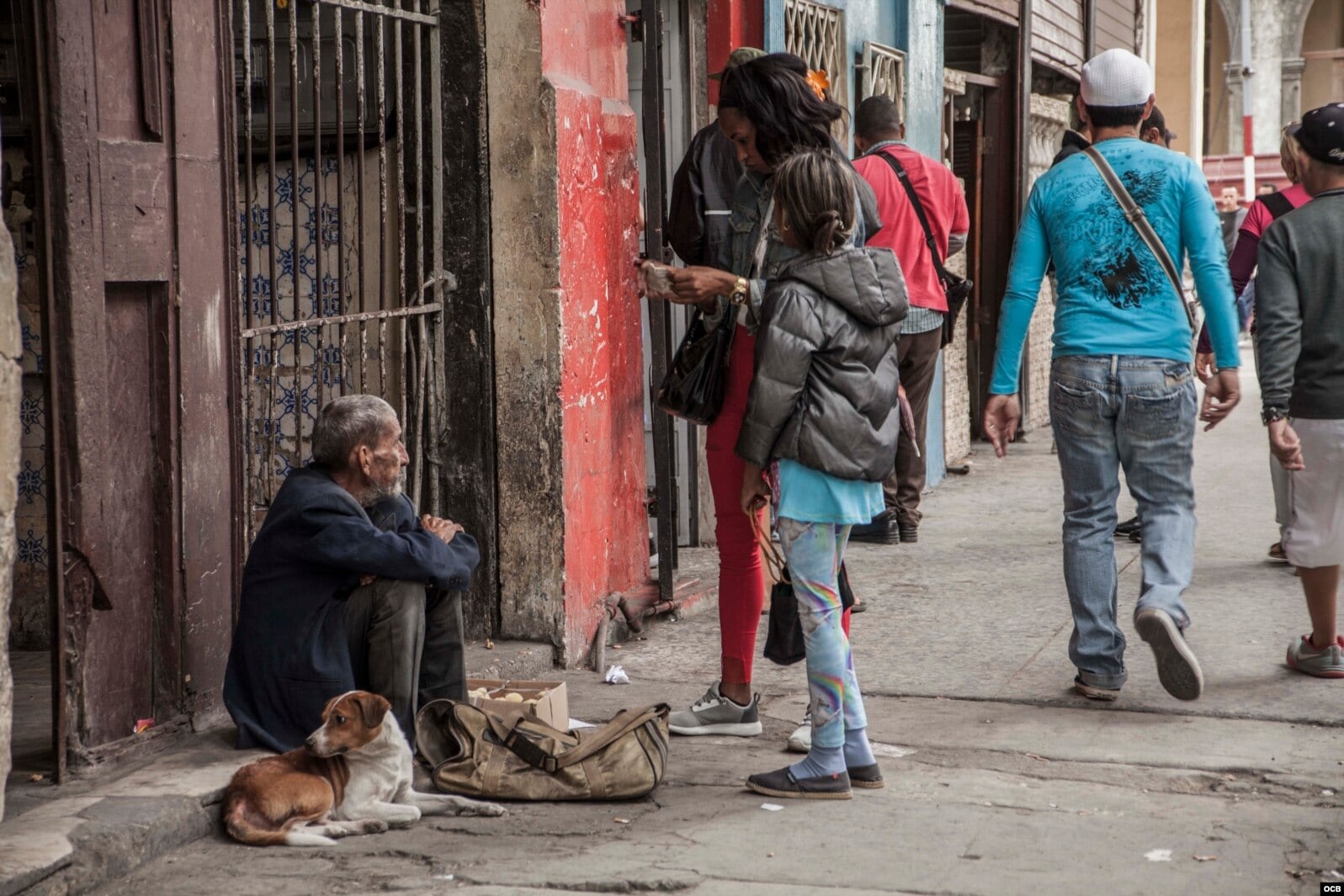
La encuesta del IRI también dimensionó la extensión de los vínculos entre Cuba y el exterior: el 61% de los participantes tiene familiares o amigos viviendo fuera del país, y entre ellos Estados Unidos es el destino más mencionado, con el 76%.
Esa red, sin embargo, introduce una desigualdad adicional entre los hogares cubanos. El acceso a ayuda económica ya no depende solo de los ingresos que una familia pueda generar dentro de la isla, sino de si cuenta con parientes en el extranjero y de la capacidad de estos para enviar dinero.
El economista Pedro Monreal cuestionó recientemente la insuficiencia del sistema cubano de asistencia social. En un análisis recogido por CiberCuba, señaló las limitaciones de las prestaciones estatales para proteger a los sectores vulnerables en un escenario donde las remesas y la ayuda humanitaria desempeñan un papel central.
El contexto reciente agrava el diagnóstico
El propio Gobierno cubano reconoció en julio que el salario mínimo de 3,210 pesos mensuales no alcanza para cubrir la canasta básica de bienes y servicios, según admitieron funcionarios del Ministerio de Trabajo y Seguridad Social.
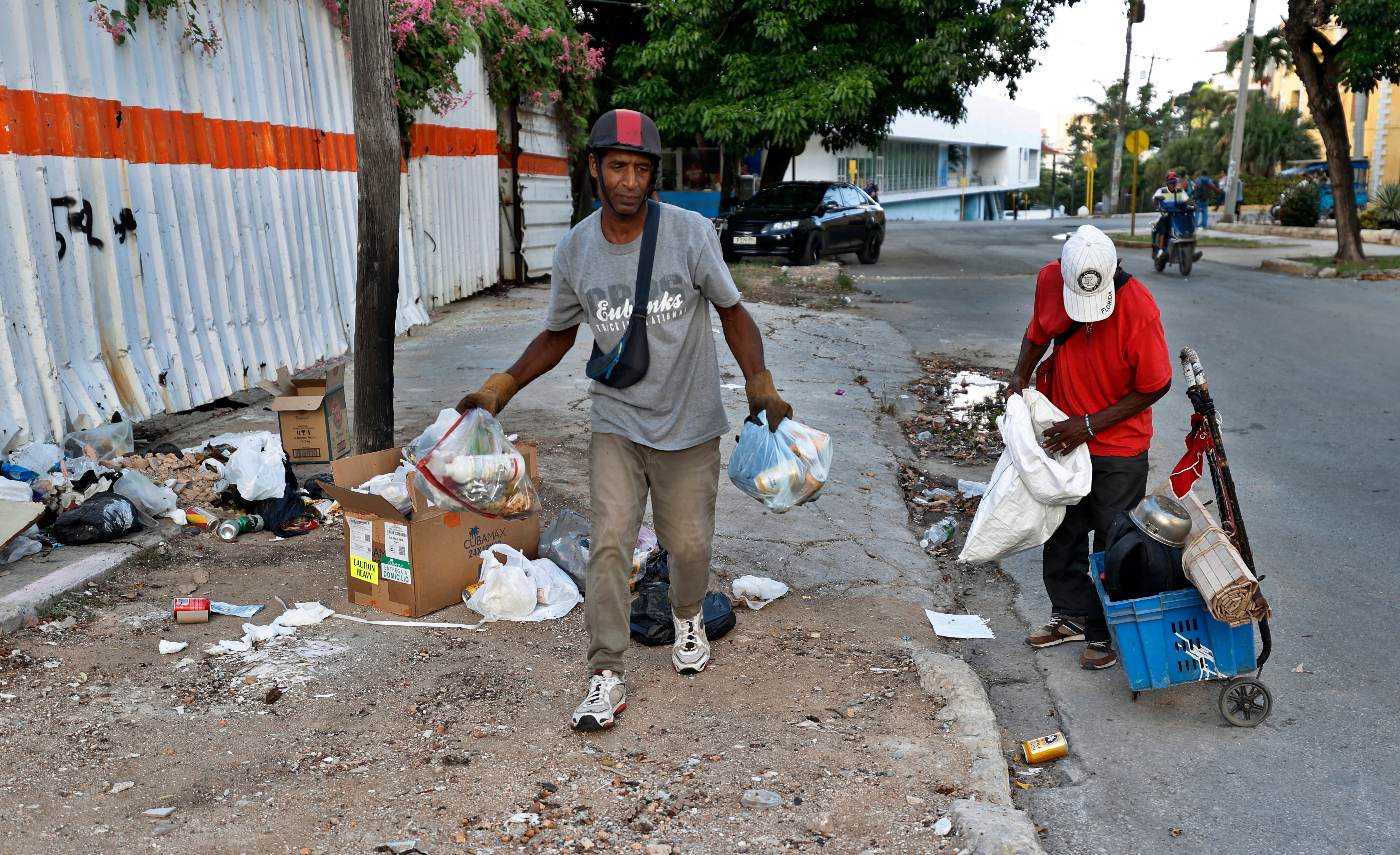
Una estimación del economista José Luis Pérez Capdevila situó en junio el costo real de esa canasta en unos 96,000 pesos mensuales, muy por encima del salario medio nacional.
Este mes, el Gobierno promulgó una reforma de su sistema de seguridad social que introduce un mecanismo anual para ajustar las pensiones a la inflación, según informó la agencia EFE. La medida llega en momentos en que la pensión mínima apenas supera los tres dólares al cambio informal.
La precariedad alimentaria aparece documentada también en otras investigaciones recientes. El IX Informe sobre el Estado de los Derechos Sociales en Cuba, publicado en agosto por el Observatorio Cubano de Derechos Humanos, encontró que ocho de cada diez entrevistados habían tenido que saltarse alguna comida en los seis meses anteriores por falta de dinero o alimentos.
El mismo estudio estimó que el 94% de los cubanos vivía en condiciones de pobreza extrema.
Los resultados del IRI añaden una pieza más a ese panorama: la crisis económica cubana ya no distingue entre quienes dependen de salarios y pensiones en pesos y quienes reciben ayuda desde el exterior. La encuesta declara un margen de error máximo de ±4,2 puntos porcentuales, con un nivel de confianza del 95%.
coronavirus covid- 19,enfermedades,envío dinero,grupo,medidas preventivas,pandemia global,países cuba,western union




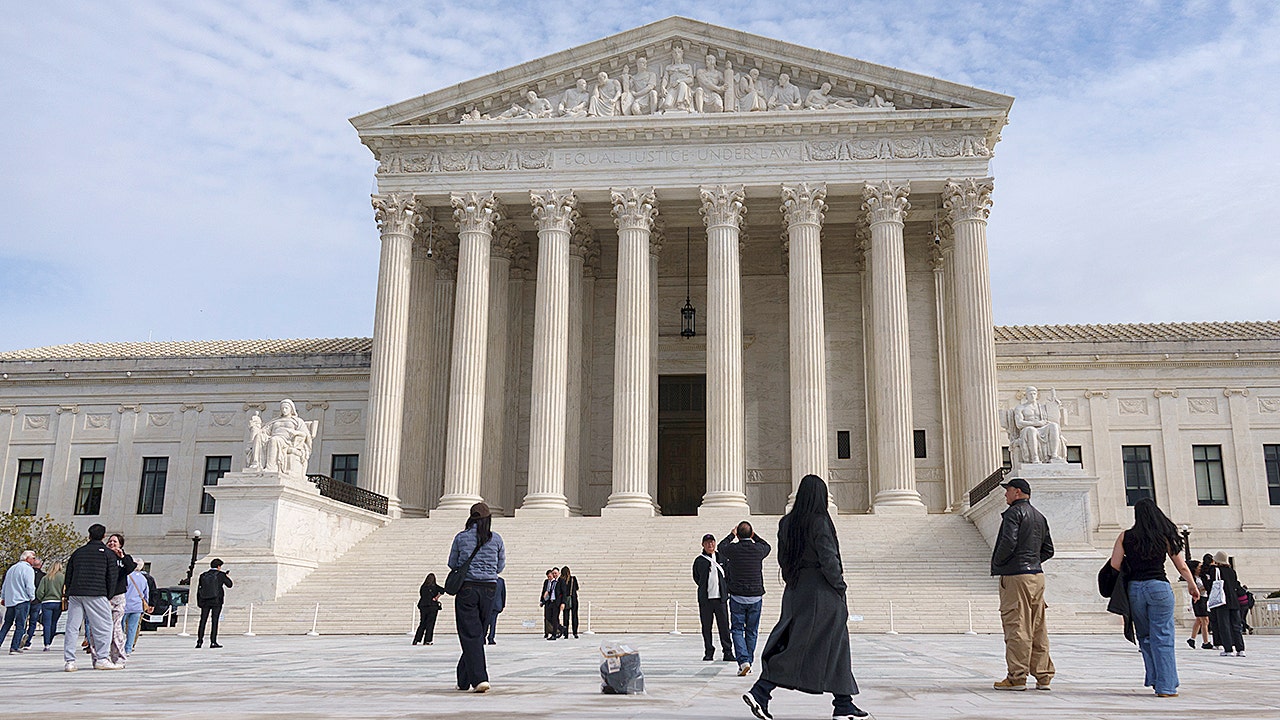
A Trump administration official who served four months in federal prison for defying a congressional subpoena is asking the Supreme Court to overturn his convictions in a case that could raise the bar for criminally prosecuting others who refuse to comply with Congress’s demands.
Peter Navarro, who was a senior trade advisor to President Donald Trump during his first administration, filed a petition with the Supreme Court last month. Navarro currently serves in the Trump administration as senior counselor for trade and manufacturing. He was convicted in 2023 on two counts of contempt of Congress stemming from his refusal to provide testimony and documents to the Democratic-led House Jan. 6 committee on the grounds that he believed he was barred by executive privilege.
If the justices take the case, they could make it harder to convict someone for defying a congressional subpoena by requiring proof that the person knew they were breaking the law.
JUDGE TOSSES CASE AGAINST EX-FBI OFFICIALS ACCUSED OF LYING TO CONGRESS ABOUT HUNTER BIDEN INVESTIGATION
Before Navarro’s trial, U. S. District Judge Amit Mehta ruled in August 2023 that he had failed to establish that Trump invoked executive privilege for the subpoena, barring him from relying on that claim as a defense. After serving his sentence, Navarro appealed his conviction to the U. S. Court of Appeals for the D. C. Circuit, which ruled that a person violates federal law by refusing to comply with a subpoena «even if he subjectively and mistakenly believed his default was lawful. «
The three-judge panel ruled that only the president can invoke executive privilege under Article II, and Trump never granted Navarro protection.
«Dr. Navarro claimed executive privilege before even seeing the subpoena and refused to turn over documents, appear for his deposition, or engage with the Select Committee’s efforts to accommodate his privilege claim,» the court wrote.
«A court, in other words, cannot simply take a defendant at his word that the President invoked privilege because doing so would impermissibly tangle separation-of-powers lines.»
But Abhishek Kambli, counsel for Navarro, argued the D.C. Circuit misinterpreted the statute, pointing to United States v. Murdock. In that 1933 ruling, the Supreme Court held that the presence of the word «willfully» in one part of a statute, but not another, required them to be interpreted differently — allowing a taxpayer’s sincere, mistaken belief about his Constitutional rights to serve as a valid defense against acting «willfully.»
«We absolutely believe that we are correct on the law on this, because Congress chose to use the word willful when it put this statute together, and there’s no reason to believe that willful applies any differently in this context than it has in just about every other one, but it would have the added effect of toning down lawfare and weaponization if we were to succeed,» Kambli told Digital.
The House voted to hold Navarro in contempt for failing to comply with a subpoena, but Kambli argued the Jan. 6 committee bypassed the negotiations traditionally used to resolve disputes involving executive branch officials.
WHITE HOUSE LAWYER’S HARDBALL WARNING TO DEMS HAS LEGAL EXPERTS ON BOTH SIDES QUESTIONING ONE KEY THREAT
«When it comes to executive branch officials, there was an accommodation process where they would negotiate terms of the appearance of the witness that’s an executive branch official, and then determined whether executive privilege applies or not,» Kambli told Digital. «What happened with the J-6 committee is that they short-circuited a lot of that and sent people straight to getting prosecuted and indicted.»
Kambli said a Supreme Court ruling in Navarro’s favor could help «tone down the weaponization that could potentially occur» once Democrats take control of both chambers of Congress.
«What would happen is that if we were to win and the correct mental state is required to prove someone violated this law and get convicted and sent to jail, you would have fewer prosecutions for contempt of Congress because they’re going to be much harder to prove,» Kambli told Digital. «And what will happen is that there’s less of an opportunity to wield a congressional subpoena in a weaponized manner rather than just through a legitimate legislative purpose, which Congress is limited to traditionally.»
Navarro’s lawyers filed the petition a week before Sen. Elissa Slotkin, D-Mich., called for an investigation of alleged Trump administration corruption, saying cases targeting those who «enabled» the president could send a «deterrence message» to young people considering administration jobs.
Following Democrats’ wins in the 2026 midterm elections, lawmakers took to social media to vow investigations into Trump officials, with House Oversight Committee ranking member Rep. Robert Garcia, D-Calif., posting on X, «LAWYER UP.» However, Republicans still control both chambers of Congress until Democrats take control in January 2027.
«We can’t keep this up where people are utilizing lawfare and other weaponization tactics to harm their political opponents, so we think that this petition would protect everyone in the long term and allow our politics to be better, because we’re not constantly trying to utilize congressional subpoenas as a way to indict people,» Kambli told Digital.
SIGN UP TO GET THE POLITICS NEWSLETTER
Mike Davis, a conservative lawyer and founder and president of the Article III Project, which filed an amicus brief supporting the petition, said the Supreme Court must take this case up to end «lawfare.»
«Democrats weaponized Congress to throw Peter Navarro in prison for standing up for President Trump’s executive privilege in good faith,» Davis said. «The D.C. Circuit then ruled that good faith is no defense to contempt of Congress, and that turns every congressional subpoena into a criminal trap. It tears up more than two centuries of negotiation between the co-equal branches.»
The petition from Navarro comes after the Supreme Court vacated the ruling against Steve Bannon. The former Trump White House strategist served four months in federal prison in 2024 after being convicted of two counts of contempt of Congress for defying a subpoena from the House Jan. 6 committee. In April 2026, the Supreme Court vacated the D.C. Circuit’s decision in his case and sent it back for further proceedings following the Justice Department’s motion to dismiss his indictment.
congress, judiciary, federal courts, supreme court oral arguments, politics, democrats
INTERNACIONAL
Protesters call for regime change in Iran following deadly crash that killed 13 oil and gas workers
NEWYou can now listen to Fox News articles!
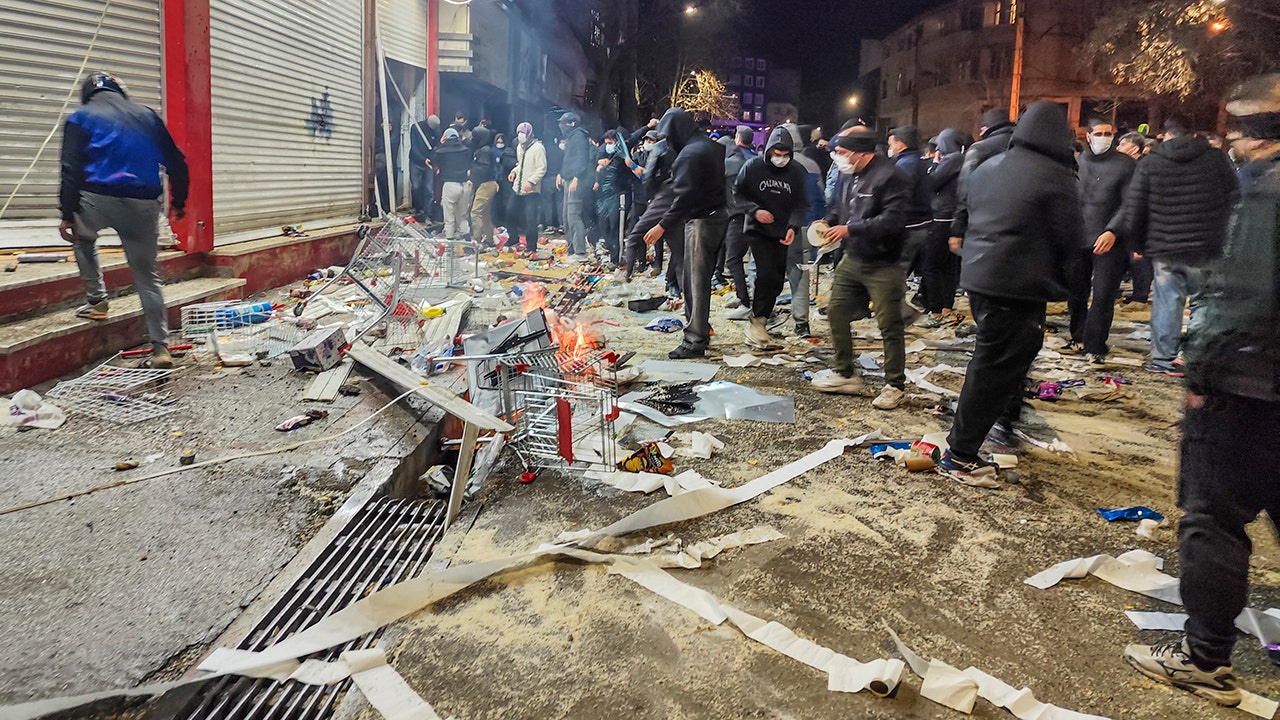
Hundreds of protesters poured into the streets of western Iran on Tuesday following a deadly bus crash that killed 13 oil and gas workers, with demonstrations quickly escalating into anti-government chants with some protesters calling for the return of the Pahlavi monarchy.
The unrest erupted in Abdanan, a city in Iran’s Ilam province near the Iraqi border, where residents initially gathered to demand accountability for Saturday’s fatal accident before turning their anger toward the Islamic Republic’s leadership.
Videos obtained by Fox News Digital showed large crowds marching through the streets, chanting «Death to the dictator!»
IRANIAN PROTESTER HANGED HOURS AFTER MARRYING HIS IMPRISONED FIANCÉE OVER JAIL PHONE LINE
In this photo obtained by The Associated Press, protesters chant slogans during an anti-government protest in Tehran, Iran, Thursday, Jan. 8, 2026. (UGC via AP)
Iranian-American journalist and foreign policy analyst Lisa Daftari said the demonstrations underscore the deeper political tensions facing Tehran. «Abdanan is a reminder that the Islamic Republic sits on top of a dormant volcano,» Daftari told Fox News Digital. «These uprisings start with different catalysts, and in this case it was a local grievance, but they always arrive at the same conclusion.»
«The slogans we hear are ‘Death to the Dictator’ and ‘Javid Shah,’ not complaints about a policy. They are an indictment of the entire system, top to bottom,» she said.
New reports Wednesday indicated that Iranian security forces arrested at least seven people, including a 15-year-old boy, during the unrest in Abdanan.
The Hengaw Organization for Human Rights said two detainees had been released, but the whereabouts of five others remained unknown. The Kurdistan Human Rights Network separately reported that security forces fired tear gas at demonstrators and that internet access was disrupted during the crackdown.
Iran’s Revolutionary Guard-affiliated Fars news agency acknowledged the demonstrations, reporting that approximately 200 to 300 people initially gathered in Abdanan’s Vali-e Asr Square before the crowd grew to roughly 1,000.
Fars reported that the slogans initially focused on the deadly accident but subsequently took on a political character. Police were deployed as protesters moved into surrounding streets, according to AFP’s Nov. 17 report.
ONE GLARING ISSUE GOES UNADDRESSED IN UN CHIEF’S HIGH-STAKES TALKS WITH IRAN’S PRESIDENT
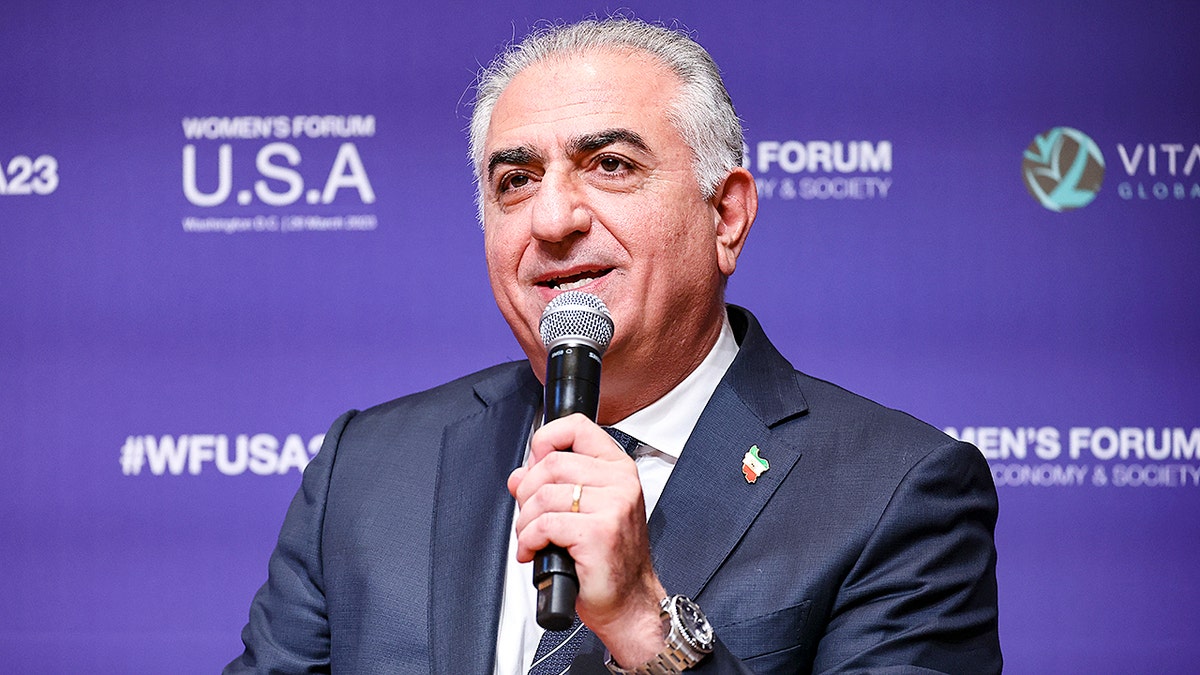
Reza Pahlavi, the exiled crown prince of Iran, said the Islamic Republic is «crumbling» and called for a democratic transition following recent U.S. and Israeli military strikes. (Paul Morigi/Getty Images)
The protests followed Saturday’s overturning of a bus transporting workers from the Dehloran gas processing project. Thirteen people were killed and more than a dozen injured, according to Iranian media reports.
Euronews Persian reported on Nov. 17 that provincial traffic police identified driver negligence, irregularities involving the company’s bus contract and inadequate road barriers as factors contributing to the accident. Prosecutors have announced legal proceedings against the company and provincial transportation officials, although responsibility has not been established in court.
Authorities warned against allowing the demonstrations to escalate.
«Individuals who seek to exploit this incident to disrupt public order or incite public sentiment will be dealt with firmly,» Abdanan prosecutor Amrollah Misaie said, according to Iran’s judiciary-affiliated Mizan news agency, as quoted by AFP on Nov. 17.
Daftari, The Foreign Desk editor-in-chief, argued that the Iranian government’s greatest challenge may ultimately come from within, regardless of its confrontation with Washington and Jerusalem. «Whatever happens in the military standoff with the United States and Israel, Tehran will still face its most serious adversary at home,» she said.
She also pointed to the protesters’ willingness to return to the streets following the deadly crackdown earlier this year, saying that «despite thousands being killed by the regime for protesting in January, we still see bravery on the part of the Iranian people to tell the world of their grievances and to stand up to their murderers.»
At the United Nations’ daily briefing on Tuesday, Fox News Digital asked the U.N. spokesperson whether the organization was monitoring the situation, particularly the actions of Iranian security forces on the ground. «Well, we’re keeping an eye on the situation and we want to make sure that all peaceful protests are allowed to proceed without obstruction and without harassment of protesters,» the spokesperson said and added, «Certainly our human rights colleagues will continue to monitor the situation as we’ve done in the past.»
IRAN TURNS CITIZENS INTO INFORMANTS AS CHILLING CRACKDOWN SPREADS BEYOND ITS BORDERS
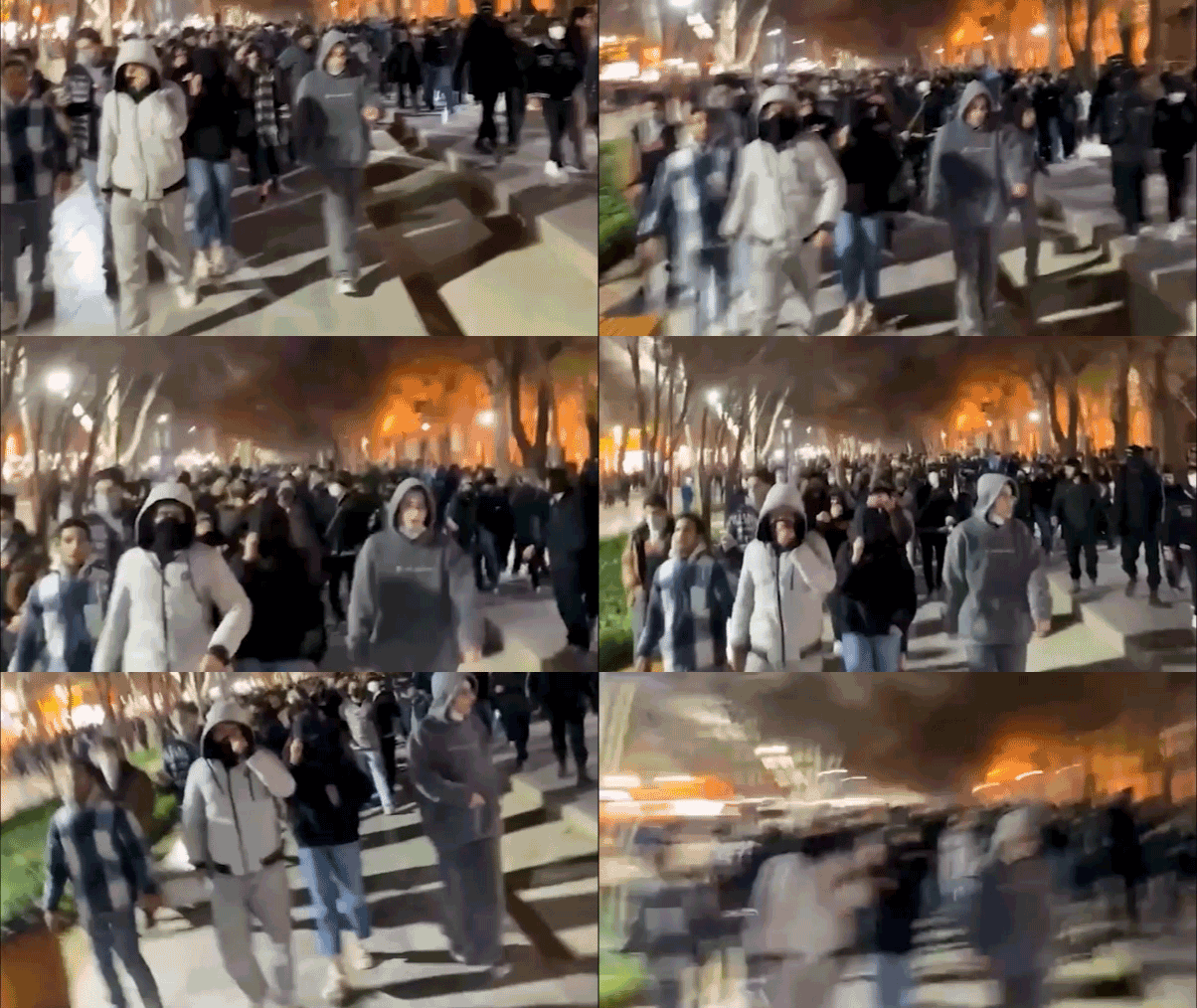
Hundreds of protesters swarm the streets as they march against the Iranian regime. (Simay Azadi)
The demonstrations carry particular significance because Abdanan was previously a flashpoint during Iran’s nationwide anti-government protests earlier this year.
Reuters reported on Jan. 9 that it had verified footage showing demonstrators marching through the city during the broader uprising against the Islamic Republic.
The city also witnessed renewed tensions during mourning ceremonies for protesters killed in the January unrest. Reuters reported on Feb. 18 that witnesses and activists said security forces opened fire on hundreds of mourners gathered at a cemetery in Abdanan.

Iranian security forces are seen near a crowd during demonstrations amid ongoing unrest, according to images released by the Iranian opposition group National Council of Resistance of Iran (NCRI). (NCRI)
Tuesday’s demonstrations mark another outbreak of public anger in a city with a recent history of confrontations with Iranian authorities.
world protests, iran, war with iran, world
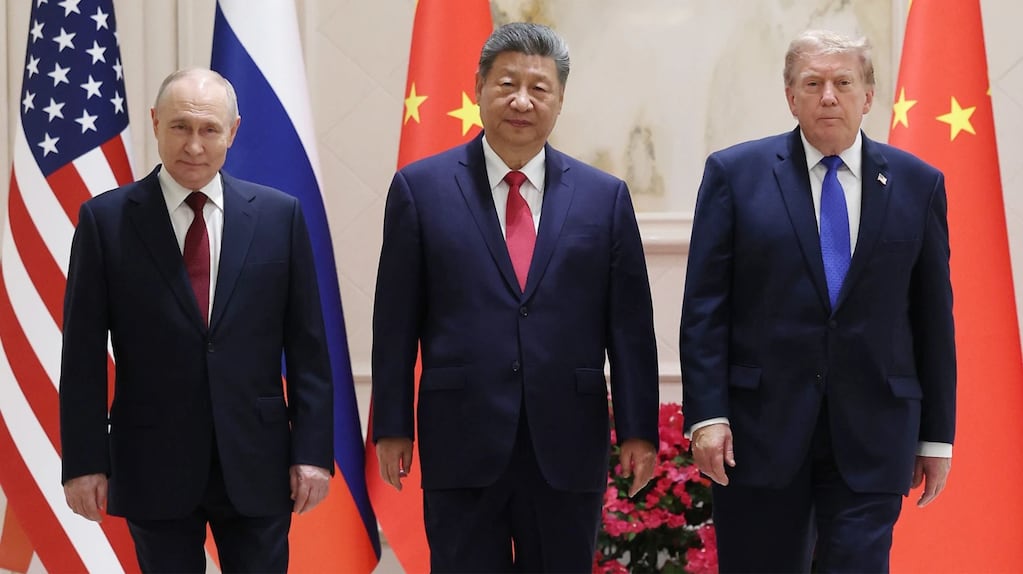
China, Estados Unidos y Rusia adoptaron este jueves una declaración conjunta de paz durante una cumbre sin precedentes entre sus tres presidentes, en un escenario internacional atravesado por la guerra en Ucrania, el conflicto de Washington e Israel con Irán y la disputa por la influencia geopolítica. El encuentro se realizó en la ciudad china de Shenzhen y reunió a Xi Jinping, Donald Trump y Vladimir Putin.
El documento, difundido después de la reunión, establece compromisos para reformar las Naciones Unidas, proteger la inmunidad diplomática y garantizar el suministro de energía. También cuestiona el alcance de la jurisdicción de la Corte Penal Internacional (CPI) y propone abrir un diálogo sobre la reducción de los riesgos nucleares.
“Los tres jefes de Estado mantuvieron un intercambio profundo de opiniones sobre la situación internacional actual y se comprometieron a defender la estabilidad estratégica y la seguridad internacional”, señalan medios estatales chinos.
La negociación a puertas cerradas duró una hora y 20 minutos y se desarrolló al margen de la cumbre de la Cooperación Económica Asia-Pacífico (APEC). Trump aseguró que los tres mandatarios habían hecho “historia”, mientras que Putin habló de una “nueva página en la historia de la diplomacia”. Xi, por su parte, sostuvo que los países comparten una perspectiva común sobre la preservación de la paz mundial.
Uno de los puntos más sensibles de la declaración fue el referido a la Corte Penal Internacional. Los tres gobiernos coincidieron en que ese organismo y otras instituciones similares no deben abusar de su jurisdicción. La postura tiene una implicancia directa para Putin, sobre quien pesa una orden de arresto internacional por la invasión rusa a Ucrania.
Además, los mandatarios se comprometieron a impulsar una reforma de la ONU para mejorar su capacidad de respuesta ante los desafíos globales y fortalecer su función de preservar la paz. En materia energética, plantearon aumentar la producción y el suministro de productos petrolíferos refinados para garantizar un flujo estable de recursos en medio de las alteraciones provocadas por los conflictos armados.
La cumbre también generó preocupación por la posibilidad de que las tres potencias busquen establecer nuevas esferas de influencia y adopten decisiones sobre conflictos internacionales sin consultar a los países directamente involucrados, como Ucrania, ni a sus aliados europeos.
En el plano militar, la declaración incluyó el compromiso de iniciar conversaciones sobre desarme y no proliferación nuclear. El tema cobró relevancia después de la expiración, en febrero, del tratado bilateral entre Washington y Moscú sobre armas atómicas. China sostiene que ambas potencias deben reducir primero sus arsenales, considerablemente superiores al suyo.
ONU

Cómo influyen las experiencias y las circunstancias en nuestra forma de ser, según la psicología

Mundial Sub 17 de Qatar: resultados, posiciones, formato y el fixture de Argentina

Cuatro de cada diez cubanos que recibe remesas no cubre las necesidades básicas, según una encuesta del Instituto Republicano Internacional

Tiene 44 años, brilla como actriz y acaba de convertirse en mamá: su fortuna es 80 millones de dólares y el papá de su hijo es…

La Libertad Avanza presiona para suspender las PASO en la Capital y tensiona el vínculo con Jorge Macri

Por la inflación, Bancarios actualizaron súper bono: cuándo cobran la diferencia

La inflación de octubre: el dato que sorprendió a casi todos y la distancia que persiste con los parámetros internacionales

Milei dijo que el riesgo país sube por el miedo a "Orcolandia" y afirmó: "Los argentinos no van a votar hacia el pasado"

Se agudiza la suba de tasas y se complica la economía mundial

Encontraron muerto a un trabajador en el Observatorio de La Plata

 POLITICA3 días ago
Milei dijo que el riesgo país sube por el miedo a "Orcolandia" y afirmó: "Los argentinos no van a votar hacia el pasado"
- SOCIEDAD3 días ago
Encontraron muerto a un trabajador en el Observatorio de La Plata
- CHIMENTOS3 días ago
¡Bomba! Sofía Jujuy Jiménez confirmó su primer embarazo a los 35 años: tras pasar una escandalosa infidelidad, conoció a su nuevo novio y será mamá