INTERNACIONAL
Docs show migrant accused of killing Loyola student was flagged as flight risk before release

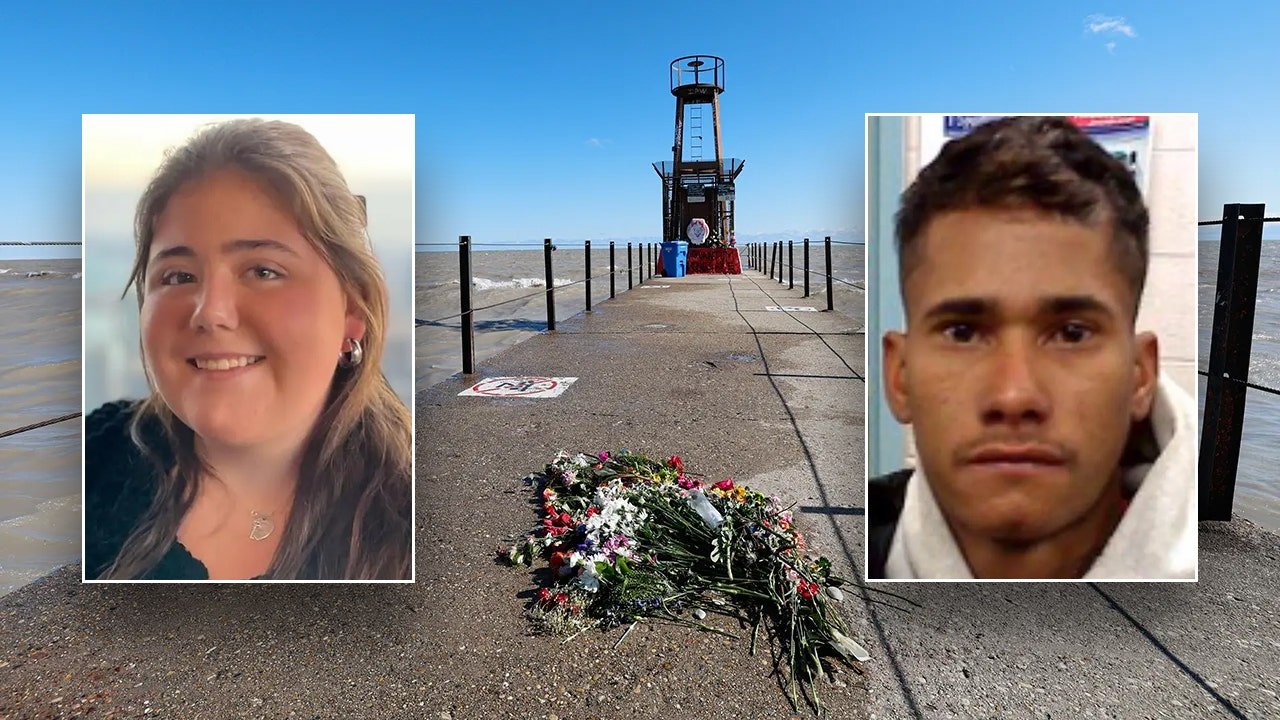
Illegal migrant arrested for murder of Loyola student sparks sanctuary city debate
New York Assemblyman Matt Slater condemns sanctuary city policies following the murder of 18-year-old Loyola University student Sheridan Gorman by an illegal Venezuelan migrant, Jose Medina-Medina. Slater highlights the family’s statement blaming policy failures and criticizes Chicago Alderwoman Maria Hadden for suggesting Gorman was in the «wrong place, wrong time.» He argues the broken immigration system endangers innocent U.S. citizens.
NEWYou can now listen to Fox News articles!
The House Judiciary Committee released internal Border Patrol documents on Tuesday, showing that a Venezuelan migrant now charged in the killing of Loyola University student Sheridan Gorman was flagged as a flight risk and had no valid asylum claim before being released into the U.S. in 2023.
Jose Medina-Medina, 25, is accused of fatally shooting 18-year-old Gorman in Chicago in March.
Fox News Digital previously reported that Medina-Medina, an illegal immigrant from Venezuela, was apprehended at the southern border in 2023 and later released into the country under the Biden administration.
In a post on X, House Judiciary Republicans said the documents show officials released a migrant they described as dangerous despite warning signs.
SHERIDAN GORMAN’S UNIVERSITY NEWSPAPER TOUTS ICE TRACKER AFTER FRESHMAN ALLEGEDLY MURDERED BY ILLEGAL ALIEN
Sheridan Gorman was allegedly killed by Jose Medina on a pier in Chicago. (Kamil Krzacynski for Fox News Digital)
«The subject is a native and citizen of Venezuela by virtue of birth,» the document reads. «The subject is a migrant illegally present in the United States, have no immigration documents in their possession nor have or anyone else filed a petition on their behalf. Subject has close family ties or roots in this country yet are likely to abscond.»
Additional records state the subject had no valid U.S. address or identification and was unable to provide a verifiable point of contact.
The documents also detail the circumstances of Medina-Medina’s apprehension at the border.
FACIAL RECOGNITION HELPED CRACK ALLEGED STUDENT MURDER BY ILLEGAL MIGRANT – NEW BILL COULD BAN IT: RET. COP

The mother of slain college student Sheridan Gorman is speaking out, vowing her family will «fight for justice» after the 18-year-old was allegedly murdered by an illegal immigrant earlier this month in Chicago. (Fox News)
«A Border Patrol Agent encountered subject in the El Paso Border Patrol Sector area of responsibility,» the document read. «A Border Patrol Agent determined this subject had unlawfully entered the United States from Mexico, at a time and place other than as designated by the Secretary of the Department of Homeland Security of the United States.
«After determining that the subject was an undocumented migrant who illegally entered the United States, the subject was arrested and transported to the Central Processing Center (CPC) in El Paso, Texas for further processing using the [redacted] Systems,» the document continued. «The subject was asked and responded that they do not fear harm or persecution should they be returned to their native country.»
Despite those findings, the documents show he was processed for a Notice to Appear and released on recognizance «due to lack of space,» under the Immigration and Nationality Act.
SLAIN DC INTERN’S MOM URGES SHERIDAN GORMAN’S FAMILY TO ‘FIGHT BACK’ AFTER OBITUARY OLIVE BRANCH
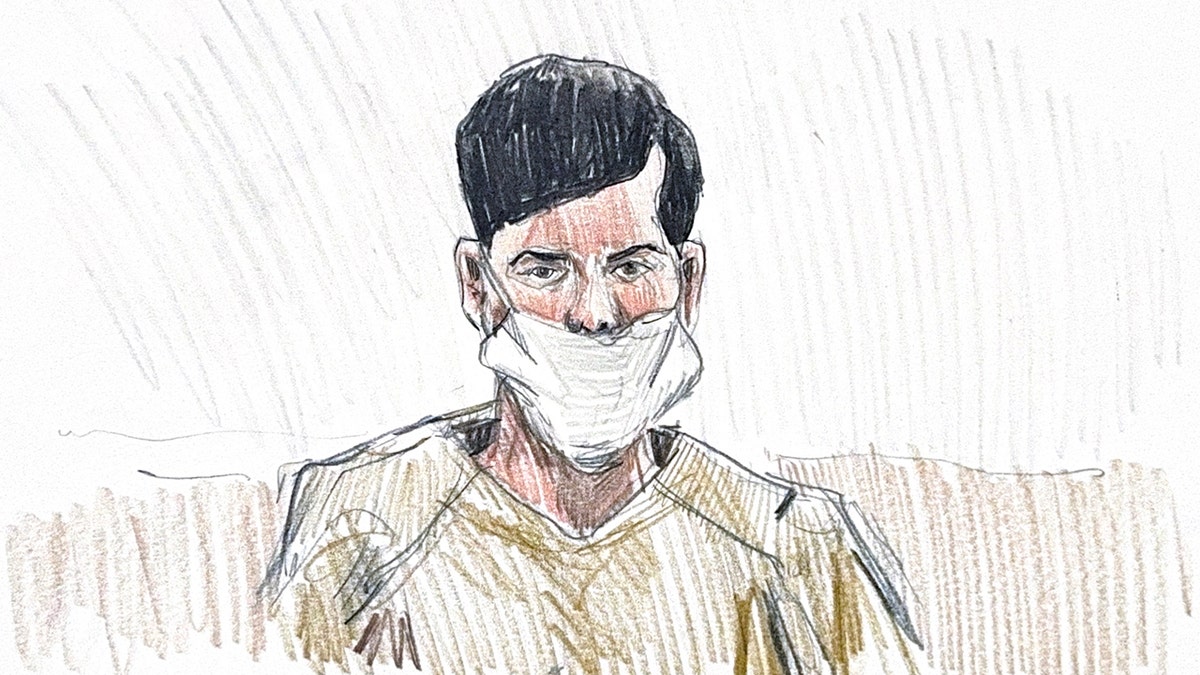
Sketch of Jose Medina-Medina in court in Chicago, Friday, March 27, 2026. Medina-Medina, who is in the country illegally, allegedly shot and killed Sheridan Gorman while she was at a pier in the Rogers Park area. (L.D. Chukman)
Federal prosecutors on April 2 charged Medina-Medina with illegally possessing a firearm, which carries a maximum sentence of 10 years in prison. In addition to the federal charge, he faces state-level charges including murder, attempted murder, aggravated assault and illegal possession of a weapon.
Prosecutors said Gorman was with friends at a Rogers Park pier in the early morning hours of March 19 when she spotted Medina-Medina near a lighthouse and warned others. Authorities said Medina-Medina then chased the group and shot Gorman in the upper back as they fled.
CLICK HERE TO DOWNLOAD THE FOX NEWS APP
In a statement after charges were filed, the Gorman family said, «Sheridan was a real person—she had a future, a family, and a life full of promise.»
Fox News Digital’s Adam Sabes contributed to this report.
immigration, migrant crime, mexico, illegal immigrants, border security










INTERNACIONAL
La ola de calor en Europa dejó casi 20.000 muertos sólo en junio, en uno de los veranos más mortíferos de las últimas décadas
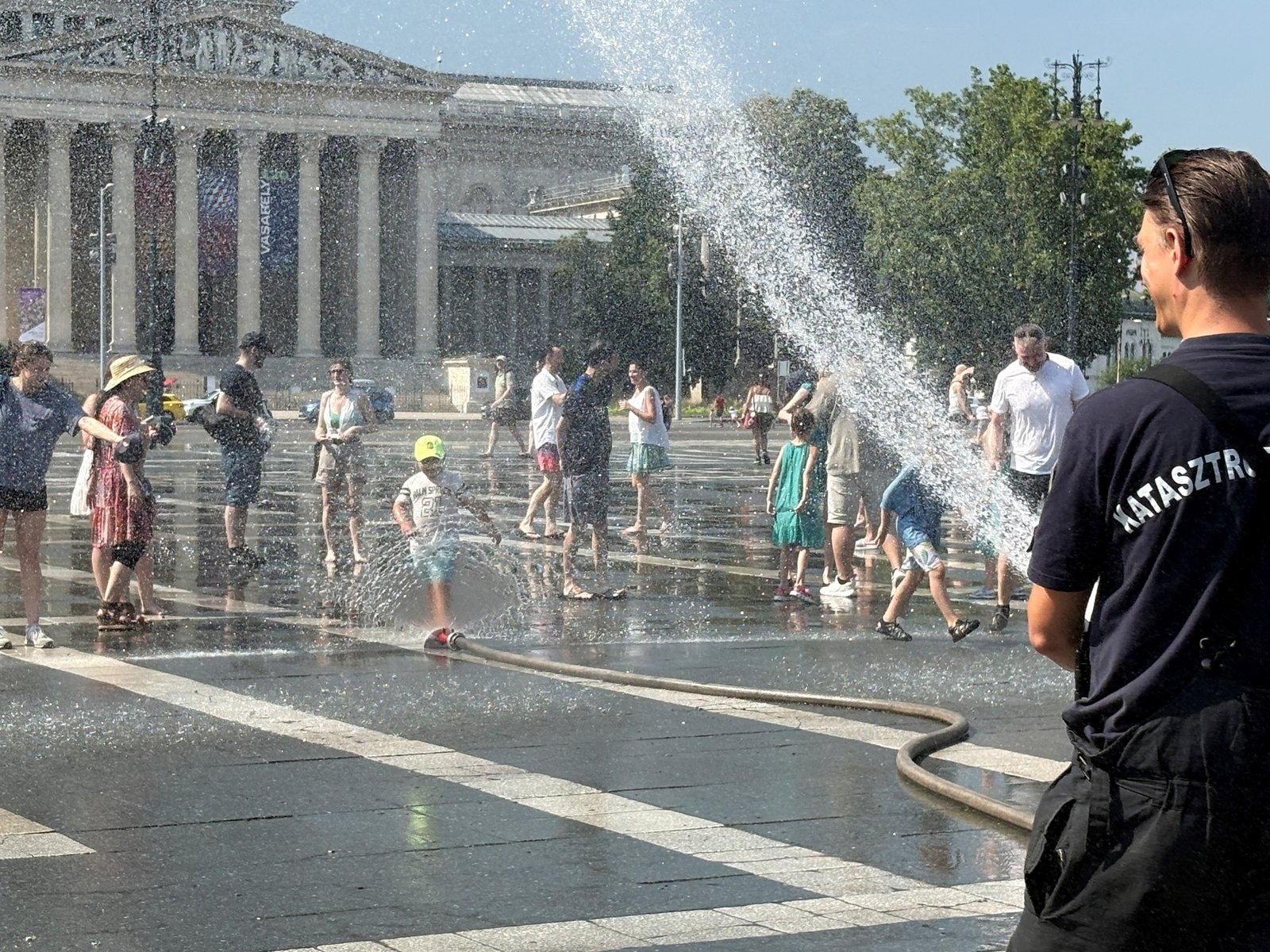
Europa vivió a finales de junio algunos de los días más mortíferos de lo que va del siglo. La ola de calor que se sufrió en buena parte del occidente europeo entre el 22 y el 28 de junio había provocado, dijeron poco después las autoridades, unos 3.000 muertos. Aquellos datos eran preliminares. Ahora han vuelto a actualizarse (y todavía no son definitivos, porque los sistemas de vigilancia epidemiológica revisan sus estimaciones a medida que incorporan certificados de defunción retrasados) y multiplican prácticamente por seis aquella cifra.
EuroMOMO, la red que centraliza los datos de las autoridades sanitarias nacionales, estima que en realidad pudieron ser casi 20.000 los fallecidos por la ola de calor de aquellos días. Eso convertiría aquella semana en la más mortífera en Europa desde la histórica ola de calor de 2003, por encima de cualquier semana de la pandemia del covid-19. Los datos se extraen de calcular el exceso de muertes con respecto a períodos iguales de años anteriores sin olas de calor.
El Instituto Robert Koch alemán revisó esta semana al alza su primera estimación y ahora calcula que la ola de calor se llevó a 5.120 personas. La mayoría, 4.270 víctimas mortales, tenía más de 75 años. En Alemania la ola de calor provocó un duro debate político. Los ecologistas criticaron con dureza al primer ministro Friedrich Merz, que desde que llegó al poder ha reducido la financiación destinada a políticas de protección frente al cambio climático justo cuando esos episodios extremos aumentan de intensidad y de frecuencia.
Alemania, desde la llegada de Merz, es uno de los países que más presiona en Bruselas para diluir los compromisos europeos de lucha contra la crisis climática y permitir que las empresas puedan seguir contaminando durante más tiempo y pagando menos por ello. Los eurodiputados del partido de Merz también están entre los que más critican todo el Pacto Verde Europeo porque consideran que daña la competitividad de la industria europea.
Francia fue el país en el que la revisión de datos ha sido más espectacular. Durante el primer balance, publicado poco después de la ola de calor, las autoridades sanitarias francesas estimaron en unos 2.000 el exceso de fallecidos achacables al intenso calor. Pero esta semana aumentaron aquella primera estimación hasta 5.764 fallecidos contando desde el 17 hasta el 2 de julio. Es un 36,2% de muertes más de lo esperado en esas fechas. Un tercio del exceso de muertes se produce en la región de París, que no concentra ni el 20% de la población francesa.
Bélgica, con una población de 11,6 millones de habitantes (17% de la población francesa o 14% de la alemana) sufrió entre el 18 y el 29 de junio un exceso de mortalidad de casi 2.000 decesos.
Las autoridades sanitarias aseguran que el país sufrió en esos días la mayor mortalidad diaria de su historia reciente. El 27 de junio murieron al menos 640 belgas debido a la ola de calor, un dato al que no se llegó ni en lo peor de la pandemia de covid. Para los belgas fue la peor ola de calor de su historia en términos de víctimas mortales.
España, que multiplica casi por cinco la población belga, sufrió relativamente menos víctimas. En parte porque la Península Ibérica está acostumbrada a olas de calor y por lo tanto mejor preparada. Más allá del uso masivo de climatización para refrescar viviendas, lugares de trabajo, escuelas, transportes públicos y hospitales, en buena parte del país las viviendas se construyen para que se calienten lo menos posible. En el norte de Europa es al revés, se construyen para que se calienten todo lo posible con el sol.
El dato español roza los 1.000 muertos debidos a la ola de calor, a falta de una estimación definitiva en las próximas semanas. Los españoles vivieron el segundo mes de junio más caluroso de su historia con una temperatura media 3,2 grados superior a la media de ese mes.
Las autoridades británicas no quieren todavía cerrar cifras, pero hablan de varios miles de muertes adicionales, sobre todo en el sur de Inglaterra y Gales. Lo que sí se sabe ya es que el Servicio de Ambulancias de Londres registró durante la última semana de junio el mayor número de llamadas por emergencias potencialmente mortales de toda su historia y que los hospitales de la capital tuvieron que activar planes extraordinarios para atender una avalancha de pacientes muy superior lo normal.
Italia es el único país de Europa occidental que todavía no publicó cifras, pero las autoridades regionales sí dijeron ya que habían tenido aumentos de hospitalizaciones y de fallecimientos.
La Organización Mundial de la Salud y la Comisión Europea llevan años avisando de que estas olas de calor en Europa serán cada vez más frecuentes, más intensas y durarán más tiempo. El viejo continente es la región del mundo que más rápidamente se caliente, el doble que la media mundial. A partir del lunes empieza la siguiente ola de calor, con temperaturas rozando de nuevo los 40 grados en todo el sur del continente y hasta la mitad de Francia o Alemania. Bruselas espera 34 grados el próximo jueves.
NEWYou can now listen to Fox News articles!
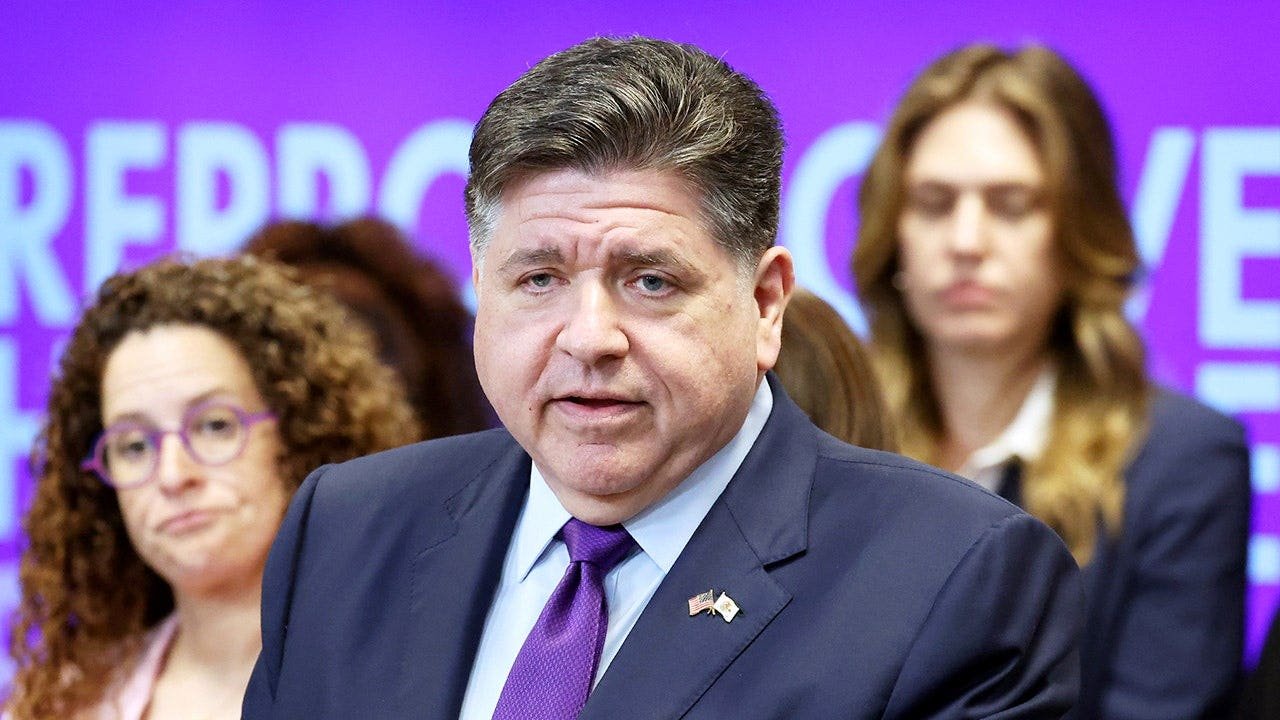
Illinois Gov. JB Pritzker was dealt a major legal blow Friday after a federal judge gutted key state laws providing in-state tuition, financial aid and scholarships to illegal immigrants, marking another win for the Trump administration’s nationwide immigration agenda.
U.S. District Judge Stephen McGlynn, a Trump appointee serving in the Southern District of Illinois, sided with the Justice Department, ruling that Illinois’ in-state tuition policies, the RISE Act and the Illinois DREAM Act are «unconstitutional and invalid» as applied to illegal immigrants.
The ruling permanently prevents Illinois from enforcing the laws, although McGlynn delayed the order from taking effect for 14 days to allow the state to ask an appeals court to intervene.
JUSTICE DEPARTMENT SUES COLORADO OVER IN-STATE TUITION AND FINANCIAL AID FOR ILLEGAL IMMIGRANTS
Illinois Gov. JB Pritzker holds a news conference in Chicago, Wednesday, June 24, 2026, to sign the Reproductive Health Records Privacy Act (HB 5295) into law. (Terrence Antonio James/Chicago Tribune/Tribune News Service via Getty Images)
U.S. Attorney Steven Weinhoeft celebrated the ruling.
«Illinois sought to incentivize illegal immigration on the taxpayer’s dime by treating illegal aliens better than U.S. citizens living in other states, in clear violation of federal law,» Weinhoeft said in a statement. «This ruling enforces the statute Congress wrote and stops the State from putting illegal aliens ahead of American citizens.»
The decision is the latest victory for the Trump administration’s effort to dismantle state laws extending higher education benefits to illegal immigrants and comes one day after the Justice Department filed a similar lawsuit against Colorado.
NEBRASKA ENDS IN-STATE TUITION BENEFITS FOR ILLEGAL IMMIGRANTS UNDER DOJ DEAL
The Justice Department filed the lawsuit against Illinois and a handful of colleges in September 2025, arguing that Illinois violated federal law by offering in-state tuition and financial aid to illegal immigrants without making those same benefits available to all U.S. citizens regardless of where they live.
McGlynn granted the federal government’s motion for summary judgment and denied Illinois’ motion to dismiss.
The ruling invalidates Illinois’ in-state tuition rules, the RISE Act, which provides access to state financial aid for certain students ineligible for federal aid, and the Illinois DREAM Act, which established scholarship opportunities for eligible students.
DOJ ESCALATES BLUE-STATE ICE STANDOFF AFTER STATES REFUSE KEY FEDERAL REQUEST
Rep. Mary Miller, R-Ill. praised the decision on X.
«This is a win for Illinois taxpayers and American students who were shut out while Pritzker prioritized foreigners in our country illegally,» Miller wrote.
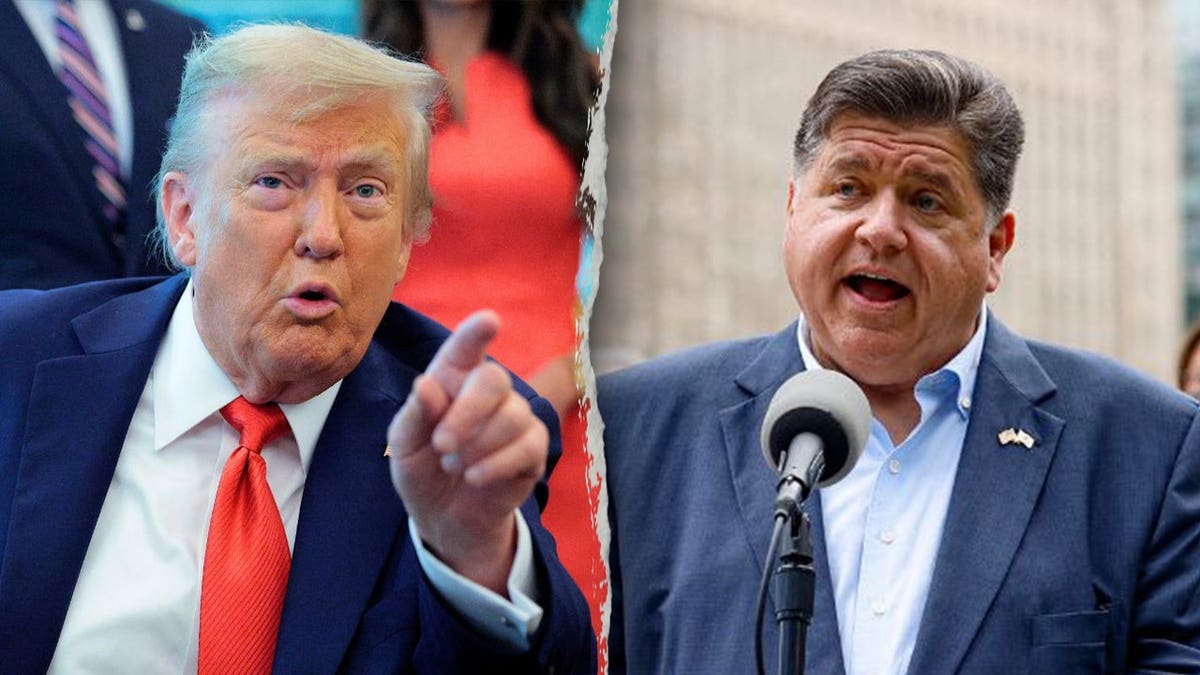
President Donald Trump and Illinois Gov. J.B. Pritzker side by side. (Chip Somodevilla/Getty Images; Kamil Krzaczynski/AFP via Getty Images)
The Justice Department has won or reached settlements in similar cases involving Texas, Kentucky, Oklahoma and Nebraska, with Nebraska agreeing to end in-state tuition benefits for illegal immigrants as part of a settlement. Lawsuits remain pending against Minnesota, Virginia, California, New Jersey, Kansas, Massachusetts, Rhode Island, Maryland and now Colorado.
In its lawsuit filed Thursday against Colorado, the Justice Department argued the state’s ASSET Act and related policies unlawfully provide lower tuition rates and state financial aid to illegal immigrants while denying those same benefits to out-of-state U.S. citizens.
«For three decades, Congress has made clear that Colorado cannot give education benefits to illegal aliens that it does not give to all American citizens,» Associate Attorney General Stanley Woodward said. «By granting illegal aliens in-state tuition, Colorado is not only violating federal law but subsidizing education for illegal aliens at taxpayers’ expense.»
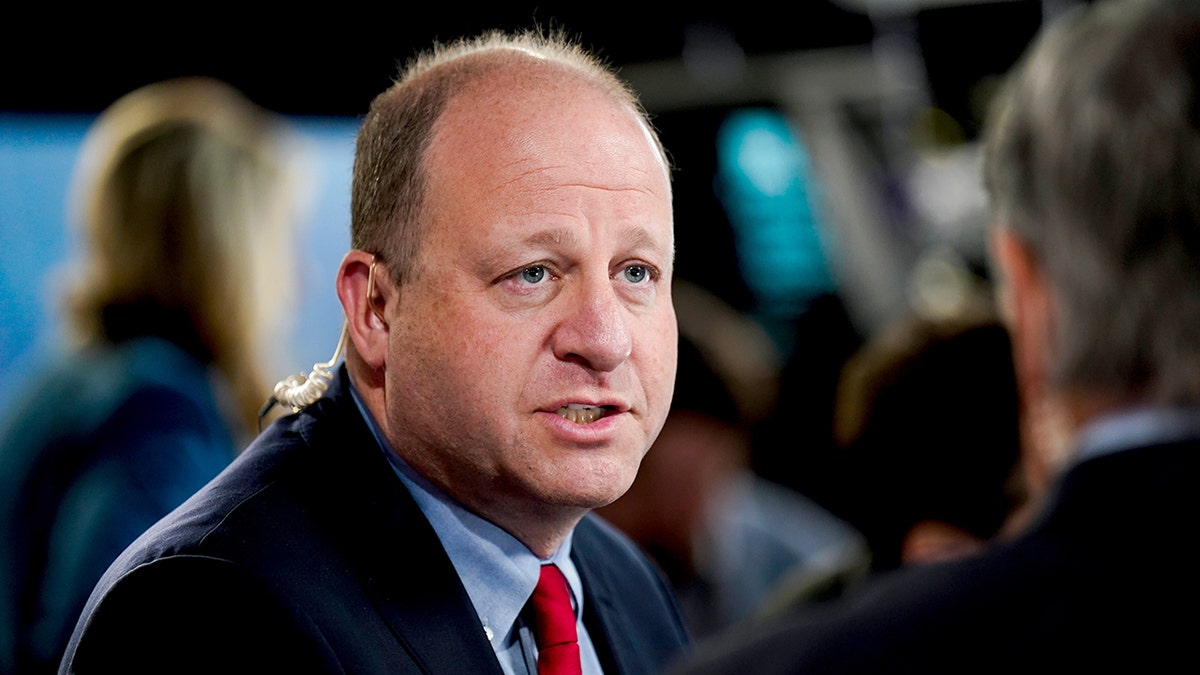
Jared Polis, governor of Colorado, speaks to members of the media in the spin room following the first vice presidential debate at the CBS Broadcast Center in New York, US, on Tuesday, Oct. 1, 2024 (Al Drago/Bloomberg via Getty Images)
«Our litigation efforts will not cease until we have fulfilled President Trump’s promise that illegal aliens will not obtain preferential treatment over our nation’s own citizens,» he added.
Colorado Gov. Jared Polis’ office defended the state’s policies.
CLICK HERE TO DOWNLOAD THE FOX NEWS APP
«The federal government seizing control of determining in-state tuition across the country is absurd,» a Polis spokesperson previously told Fox News Digital. «In Colorado, we are expanding access to education to provide students with the skills to get good-paying jobs and doubling down on strategies to save students money.»
Fox News Digital reached out to Pritzker’s office for comment.
illinois, illegal immigrants, immigration, education, federal courts, jb pritzker
INTERNACIONAL
“Atrapados en el infierno”: el drama de la población iraní en medio de la nueva escalada con Estados Unidos
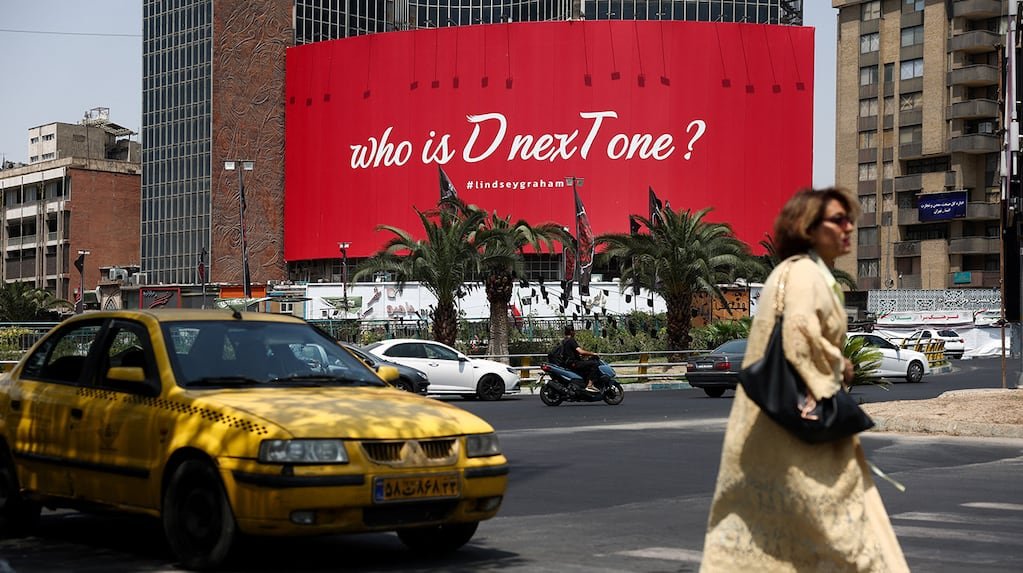
Un ritmo de guerra terriblemente familiar ha regresado para los iraníes: autopistas bombardeadas y una moneda en caída libre, publicaciones amenazantes del presidente Donald Trump en las redes sociales y una retórica incendiaria por parte de los gobernantes clericales de Irán.
Sin embargo, cuando Behnam, un músico desempleado en Teherán, llama a su familia o amigos para ver cómo están, nunca comienza hablando de la guerra. “La primera pregunta que nos hacemos unos a otros es: ¿Ya comiste?”.
Al igual que todos los iraníes entrevistados para este artículo, Behnam, de 38 años, pidió que no se usara su apellido por temor a represalias del gobierno de Irán. “Sinceramente, ha llegado a un punto en el que solo pensamos en sobrevivir”, dijo.
Atrás quedaron las charlas motivacionales de los familiares sobre encontrar trabajo, dijo, a medida que el desempleo se sigue disparando. Muchos iraníes han archivado sus planes de reparar edificios o reconstruir vidas devastadas por la guerra. Planear para el futuro parece un lujo absurdo cuando los amigos empobrecidos solo pueden permitirse comprar arroz por tazas y cuando Estados Unidos e Irán intercambian ataques contra sitios militares, puertos y plantas desalinizadoras de agua en toda la región.
Durante más de un año, los iraníes han estado atrapados en un ciclo constante de ataques aéreos, represiones de seguridad interna y devastación económica. Un breve alto al fuego alcanzado el mes pasado con Estados Unidos trajo un leve respiro ante la caída de las bombas, aunque no frente al desplome de la economía.
El desmoronamiento del acuerdo en las últimas semanas volvió a sumir al país en la guerra. Muchos iraníes se han quedado con la sensación de que sus vidas están en pausa o ya no les pertenecen.
“Ya no tengo control sobre mi vida”, dijo Behnam. “Nuestro destino está en manos de quienes no piensan en la gente común”.
Leé también: Medio Oriente entra en una nueva etapa marcada por el avance de los nacionalismos
Este ciclo de crisis ha plagado a los iraníes desde la guerra de 12 días de Estados Unidos e Israel que golpeó al país en junio del año pasado. A raíz de ello, el gobierno impuso un apagón de internet nacional que duró meses, citando preocupaciones de seguridad nacional. Eso hizo que la tambaleante economía cayera en picada.
Luego, una crisis monetaria en diciembre desató protestas antigubernamentales que se convirtieron en un movimiento en todo el país. Estas fueron aplastadas en enero durante una represión más feroz que cualquier otra que Irán hubiera experimentado en décadas, que dejó miles de muertos y al país amargamente dividido.
Semanas después, Trump y el primer ministro de Israel, Benjamin Netanyahu, anunciaron su guerra contra Irán y la describieron como una oportunidad única histórica para derrocar a los gobernantes autoritarios del país. Aviones de combate estadounidenses e israelíes bombardearon Irán, destruyeron infraestructura y mataron al líder supremo y a miles de civiles. Pero el régimen teocrático del país se mantuvo intacto, envalentonado por su supervivencia.
Asal, una comerciante de 20 años en una ciudad cercana a Teherán, estuvo entre los miles que participaron en las protestas de enero. Al romper a llorar mientras describía el arresto y la tortura que, según dijo, ella y sus amigos experimentaron, Asal dijo que alguna vez tuvo la esperanza de que la intervención de Estados Unidos e Israel ayudara a derrocar al régimen.
“Trump nos dijo que quería salvarnos, pero no era cierto”, dijo. “Lo que sea que pase en el futuro ya no me importa”. El humo se eleva tras una explosión en un lugar desconocido, durante lo que, según el Mando Central de EE.UU. (CENTCOM), son ataques contra objetivos militares iraníes, en esta captura de pantalla tomada de un video difundido el 23 de julio de 2026. (Foto: REUTERS)
Según algunos iraníes, a su malestar se sumaba el hecho de presenciar cómo sus seres queridos intentaban superar las adversidades económicas solo para ver sus pequeñas victorias aplastadas por la siguiente crisis.
Farzad, un diseñador web en Teherán, dijo que, en la recesión tras la guerra de 12 días, una amiga de la familia había empezado a vender encurtidos y mermelada casera a través de Instagram para complementar su pensión, que ya no era suficiente. Su otrora próspero negocio colapsó durante el apagón de internet, el cual el gobierno impuso durante la represión de enero y los primeros meses de la guerra.
Algunos iraníes dijeron en entrevistas que los precios se habían vuelto tan altos que estaban prescindiendo de la atención médica, o comprando vitaminas para reemplazar las frutas y verduras en su dieta porque eran más baratas.
“Deja de lado las estadísticas”, dijo Farzad. Cuando se trata de medir la crisis económica, dijo: “la conocemos con nuestros propios cuerpos, con nuestra experiencia vivida”.
Incluso cuando los bombardeos disminuyeron esta primavera, los iraníes se enfrentaron a nuevas humillaciones. Su gobierno continuó con la represión contra la oposición, lo que incluyó una ola de ejecuciones de los manifestantes de enero e incautaciones de propiedades de los disidentes. El mes pasado, unos ciberataques cerraron tres de los principales bancos de Irán, según las autoridades. Millones de iraníes perdieron repentinamente el acceso al poco dinero que tenían.
Para cuando se había resuelto el caos bancario, el país estaba de nuevo en guerra.
Los partidarios del gobierno de Irán argumentan que el país no tiene más remedio que seguir la lucha.
“Todo tiene un precio”, dijo Hossein, quien dirige un negocio en línea desde la ciudad portuaria de Bandar Abbas, la cual ha experimentado un intenso bombardeo estadounidense en la última semana. “Enfrentarnos a Estados Unidos y preservar nuestra independencia es mucho más valioso que convertirse en otro país de la región que simplemente dice que sí a todo lo que Estados Unidos quiere”.
Gran parte de los nuevos enfrentamientos se han concentrado en el sur de Irán. Farideh, de 51 años, ha quedado consternada por los bombardeos estadounidenses que han destrozado vías férreas y derribado puentes en su región, lo que ha dejado a algunos residentes varados durante días.
En la provincia sureña de Hormozgán, los ataques aéreos dejaron fuera de servicio redes eléctricas y una planta desalinizadora de agua, según Hamid Saed Panah, director de la compañía local de distribución de electricidad, y Ahmad Nafisi, vicegobernador de la provincia. Estados Unidos no ha comentado sobre estas afirmaciones.
Algunos residentes del sur dijeron que se habían quedado sin agua corriente y sufrían cortes de electricidad de horas de duración mientras tenían que soportar temperaturas que frecuentemente superan los 48 grados Celsius.
“Ha sido una experiencia extremadamente amarga y estresante, llena de desesperanza sobre el futuro”, dijo Farideh. Le costaba imaginar qué sería de la educación de sus hijos y con qué perspectivas profesionales se quedarían. “Desafortunadamente, nosotros, el pueblo, pagamos el precio de los errores y la terquedad de los gobiernos”.
Los leales a la república islámica acampan todas las noches en las calles de la mayoría de las ciudades, exigiendo que el gobierno continúe con la guerra en lugar de la paz y destrozando los nervios de aquellos iraníes desesperados por que la crisis termine.
“Las cosas se han puesto tan mal que todo el mundo ha perdido la cabeza por completo”, dijo Mohsen, dueño de un negocio en la ciudad central de Isfahán. “Estamos atrapados en el infierno y no hay salvación para nosotros”.
*Por Erika Solomon es la jefa del buró del Times para Irán e Irak. Sanam Mahoozi y Shirin Hakim colaboraron con reportería.
The New York Times, Irán, Estados Unidos

Crece la expectativa por el anuncio sobre el futuro de Franco Colapinto en la Fórmula 1 en medio de señales de respaldo de Alpine

“Inadmisible”: la respuesta del entorno de Lula a la diatriba de Milei contra el presidente de Brasil

Logros, límites, desafío y oportunidad del gobierno de Javier Milei, según un ex economista jefe del FMI

Las repercusiones en Brasil del discurso de Milei durante el acto de Flávio Bolsonaro: “Es inadmisible”

La ola de calor en Europa dejó casi 20.000 muertos sólo en junio, en uno de los veranos más mortíferos de las últimas décadas

Apareció un nuevo video de la pelea de los jugadores argentinos con los españoles: la tremenda cachetada que recibió el Cuti Romero

Escándalo Mundial: Las presiones secretas, la amenaza de la FIFA por Malvinas y la verdad detrás del partido contra España

Jorge Berredo, general retirado de las FFAA, asumió como Secretario de Seguridad en San Isidro

Sin la anestesia mundialista, aflora la crisis del conurbano y Milei necesita reconectar con lo popular
Marc Stanley destacó el potencial de Vaca Muerta para “estabilizar la economía” y evitó hablar de política interna

 POLITICA3 días ago
Jorge Berredo, general retirado de las FFAA, asumió como Secretario de Seguridad en San Isidro
- POLITICA2 días ago
Sin la anestesia mundialista, aflora la crisis del conurbano y Milei necesita reconectar con lo popular
- POLITICA2 días ago
Marc Stanley destacó el potencial de Vaca Muerta para “estabilizar la economía” y evitó hablar de política interna