INTERNACIONAL
El argentino Rafael Grossi fue elegido por la revista Time como una de las 100 personas más influyentes del año

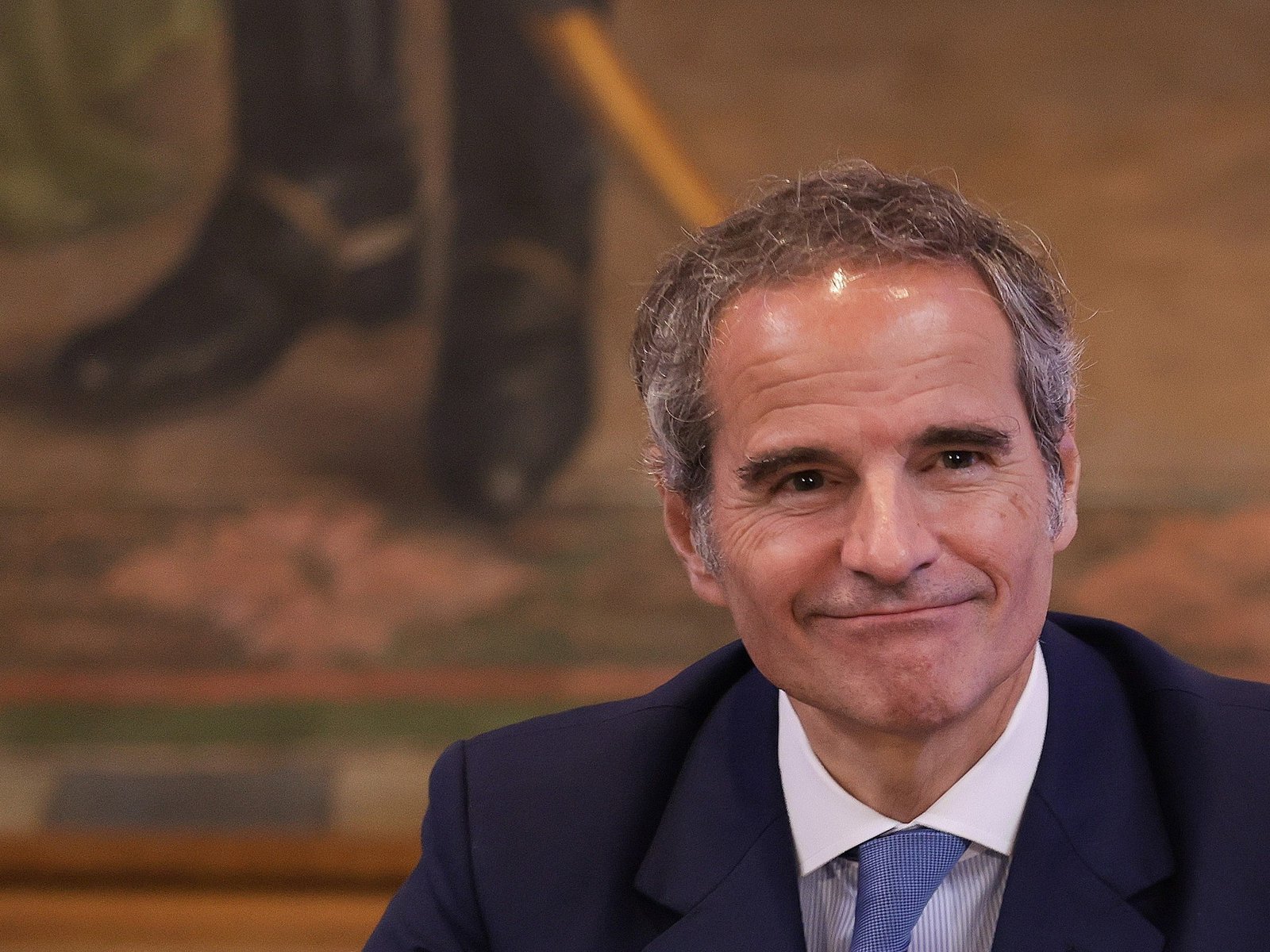
El argentino Rafael Mariano Grossi, director del Organismo Internacional de Energía Atómica (OIEA), fue elegido en las últimas horas como una de las 100 personalidades más influyentes en el mundo en 2026, listado que todos los años realiza la prestigiosa revista estadounidense Time.
«Una forma de medir la eficacia de un diplomático es si, incluso cuando la gobernanza mundial pierde popularidad, los Estados siguen abriéndole las puertas«, justificó la publicación.
Grossi es el único argentino del listado de este año, y comparte lugar en la sección «líderes» con Benjamin Netanyahu, Xi Jinping, Donald Trump y el Papa León XIV, entre otros.
Sobre su elección, la editorial destacó que “después de que las tropas rusas tomaran la planta atómica de Zaporiyia en Ucrania», ambas bandos «allanaron el camino para que un equipo de inspección encabezado por Rafael Mariano Grossi» evaluara los daños y ayudara a mantener el núcleo refrigerado.
«Irán estaba a punto de mostrar a los inspectores del OIEA una nueva instalación en junio de 2025 cuando Israel atacó, un día después de que la junta del organismo declarara que Teherán violaba el Tratado de No Proliferación Nuclear», agregó.
Grossi es uno de los principales candidatos a ser Secretario General de las Naciones Unidas, organismo que, según el propio argentino, estuvo ausente en los conflictos resonantes de Ucrania y Medio Oriente. “Si miras Gaza, Sudán del Sur, el Cáucaso, India y Pakistán, Camboya, el denominador común es la ausencia de las Naciones Unidas. Esto no puede continuar”, había manifestado Grossi en diálogo con Time.
Tras conocerse el galardón, Grossi agradeció en sus redes sociales, dijo estar «honrado de ser incluido en la lista de Time de las 100 personas más influyentes del mundo este año» y reconoció que «este reconocimiento refleja el trabajo» que realiza todos los días en la OIEA «en materia de seguridad y protección nuclear, no proliferación, y los usos pacíficos de la ciencia y la tecnología nuclear para mejorar vidas en todo el mundo».
«Seguiremos construyendo sobre este importante trabajo y sobre ayudar a garantizar que el multilateralismo siga siendo apto para su propósito en el abordaje de los desafíos globales», cerró.
Honoured to be included in @TIME’s list of this year’s 100 most influential people in the world.
This recognition reflects the work we do every day at the @IAEAorg on nuclear safety and security, non-proliferation, and the peaceful uses of nuclear science and technology to… pic.twitter.com/5YHIrwtfSJ
— Rafael Mariano Grossi (@rafaelmgrossi) April 15, 2026
Graduado en Ciencias Políticas en la Universidad Católica Argentina y dueño de una maestría en Relaciones Internacionales obtenida en el Instituto de Altos Estudios Internacionales de Ginebra, Grossi es un diplomático con una extensa trayectoria en asuntos mundiales y desarme nuclear.
Nació en 1961 en Buenos Aires y su labor diplomática comenzó en 1983. Desde entonces ocupó diversos cargos en la Cancillería y en el exterior, fue embajador de Argentina en Austria y representante permanente ante la ONU así como también en organismos internacionales en Viena, donde comenzó su relación con el Organismo Internacional de Energía Atómica (OIEA), la Organización para la Prohibición de Ensayos Nucleares y otras entidades vinculadas a la energía y la seguridad nuclear.
Entre 2010 y 2013 fue director general adjunto de la OIEA. Además, presidió la Conferencia de Examen del Tratado de No Proliferación Nuclear (TNP) en 2020, aunque la pandemia del coronavirus obligó a posponer la reunión formal.
Se convirtió en director general de la OIEA en diciembre de 2019, siendo, de esta manera, el primer latinoamericano en liderar el organismo. Durante su gestión, el Organismo tuvo que enfrentar la supervisión del programa nuclear de Irán, la seguridad de instalaciones nucleares en zonas de conflicto y la promoción de la tecnología nuclear para usos pacíficos, incluyendo la salud y el medio ambiente.
También intervino como mediador para evitar el colapso de una planta de energía nuclear que quedó atrapada en el fuego cruzado de la guerra en Ucrania y se vio involucrado en un conflicto entre Irán e Israel y Estados Unidos por el otro.
En su última aparición pública, en Seúl, Corea del Sur, Grossi se refirió al conflicto actual en Medio Oriente y advirtió que sin un control estricto al plan nuclear de Irán, cualquier acuerdo de paz será sólo “una ilusión”.
“Irán tiene un programa nuclear muy ambicioso y amplio, así que todo eso requerirá la presencia de inspectores del OIEA”, dijo Grossi a los periodistas en Seúl. “De lo contrario, no habrá un acuerdo. Habrá una ilusión de acuerdo”, agregó.
Durante la conferencia de prensa de este miércoles, Grossi también dijo que su agencia confirmó “un rápido aumento” de la actividad en instalaciones nucleares en Corea del Norte. Sus comentarios se hicieron eco de una opinión de muchos observadores extranjeros de que su líder Kim Jong-un tomó medidas para ampliar su principal complejo nuclear de Yongbyon y construir recintos adicionales de enriquecimiento de uranio desde que su diplomacia con Estados Unidos colapsó en 2019.

INTERNACIONAL
Investigators believe Iranian hackers are likely behind cyberattack on Minnesota water systems: report
NEWYou can now listen to Fox News articles!
U.S. investigators believe a cyberattack that targeted dozens of water systems in Minnesota this week likely was orchestrated by Iranian hackers, a report said.
Minnesota IT Services (MNIT) said the «coordinated cyberattack targeted operational technology at more than 30 Minnesota community water systems» on Sunday and Monday, but the Minnesota Department of Health is «not aware of any active requests from Minnesota cities to have their residents modify their drinking water usage.»
U.S. and state officials and others familiar with the incident told The New York Times that Iranian hackers were likely behind the cyberattack.
The newspaper reported that three state officials briefed on an investigation into the cyberattack said the tradecraft used and the absence of a ransom demand led analysts to initially determine Iran was involved. Officials also cautioned that the assessment could change as more data is collected by investigators, according to the newspaper.
«The FBI is aware of recent public reporting around Water and Wastewater sectors. The FBI and our interagency partners are fully engaged to protect critical infrastructure and we remain well-equipped to protect against cyber threats of all varieties,» the FBI said in a statement to Fox News Digital on Friday.
IRAN-LINKED HACKERS TARGET US MEDICAL TECH COMPANY
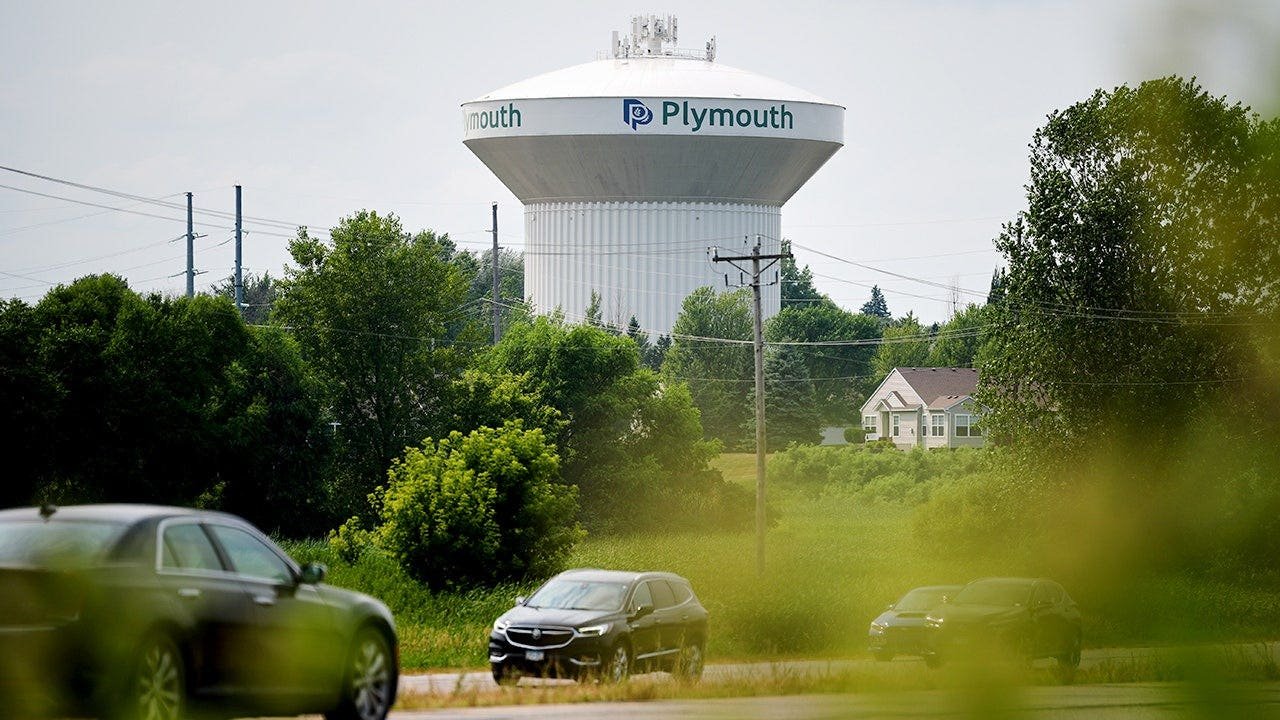
A water tower is seen Thursday, July 30, 2026, in Plymouth, Minn. A cyberattack targeted operating technology at more than 30 water systems in Minnesota, including Plymouth’s, earlier this week, state officials said. (Ellen Schmidt/AP)
The newspaper reported that the hackers targeted infrastructure used to manage and monitor water towers operated by municipal governments.
The mayor of the city of Braham, Nate George, said on Monday, a «plant operator found that the water tower was calling for water, but the well was not operating.»
«After learning that similar problems were occurring in at least four other Minnesota communities, Braham staff determined that the plant’s computerized control system had been compromised,» he continued.
«Public works isolated the affected system, restored a backup, and restarted the plant within approximately 90 minutes. While the plant was offline, residents continued receiving water from the city’s water tower. City administration temporarily requested that residents conserve water to prevent the tower’s limited supply from being exhausted,» George added.
In a statement shared with Fox News Digital, MNIT noted that «the investigation remains active, and Minnesota has not attributed the activity to a specific actor.»
MNIT said it «continues to collaborate with federal, state, local, Tribal, and private-sector partners to investigate the attack, support affected communities, and strengthen the security of Minnesota’s critical infrastructure.»
«Cyberattacks against critical infrastructure require a coordinated, whole-of-government response,» John Israel, MNIT Assistant Commissioner and Minnesota Chief Information Security Officer, said in a statement. «MNIT is working side by side with our partners to share intelligence, support affected communities, and help utilities restore operations safely while strengthening defenses against future attacks.»
LIVE UPDATES ON IRAN WAR: TRUMP ANNOUNCES HAMAS DISARMAMENT DEAL WHILE SAUDI ARABIA LAUNCHES RED SEA DEFENSE COALITION
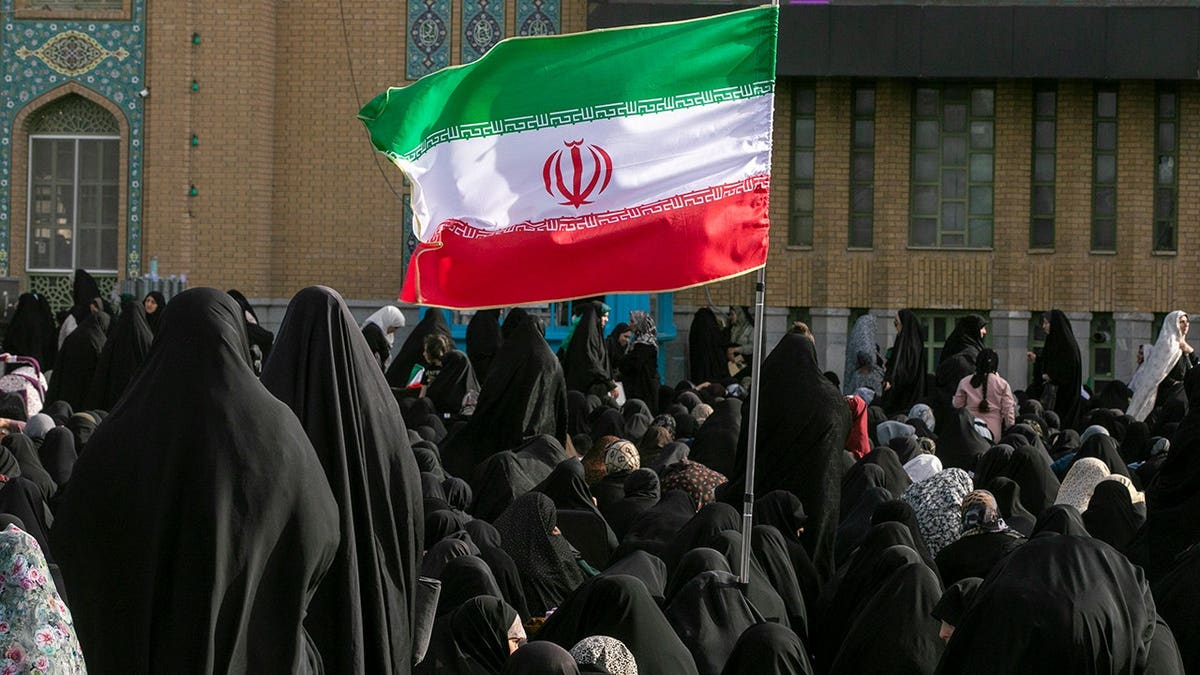
A woman is seen holding an Iranian flag during a religious ceremony during Eid al-Adha on May 26, 2026, in Qom, Iran. Iran is believed to be behind recent cyberattacks in Minnesota, a report said. (Majid Saeedi/Getty Images)
Israel told the Times that the breach was first detected Sunday and that hackers targeted 36 municipal water systems.
«Minnesota was one of the early detectors of this, but we’re seeing that this same threat activity has likely been occurring in other states throughout the nation,» he was quoted as saying.
Nick Andersen, the Cybersecurity and Infrastructure Security Agency’s (CISA) acting director, told the newspaper that the agency was aware of «multiple potential incidents affecting local water utilities.»
In the days leading up to the incident, CISA issued an advisory warning U.S. organizations of «ongoing Iranian-affiliated cyber activity targeting internet-connected operational technology (OT) devices.»
«Iranian cyber actors continue to target U.S. critical infrastructure, and the FBI is committed to identifying, disrupting, and imposing costs on those responsible,» Assistant Director Brett Leatherman of the FBI’s Cyber Division said in the advisory.
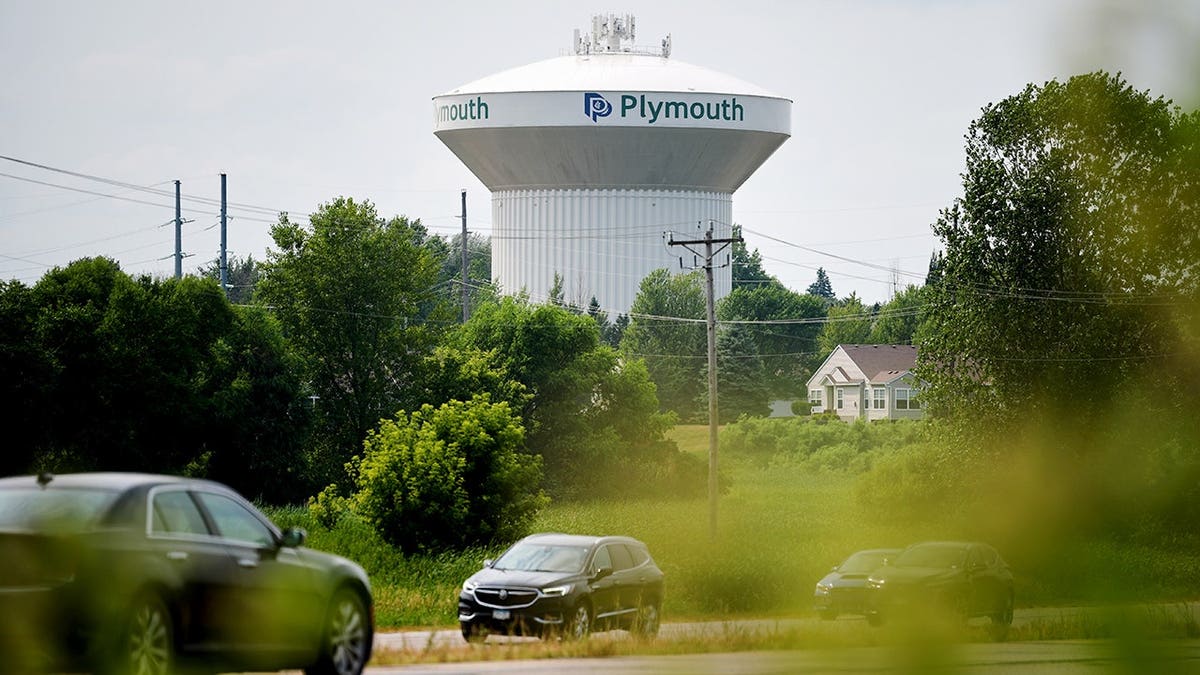
A water tower in Plymouth, Minn. (Ellen Schmidt/AP)
It stated that a «group of Iranian-affiliated actors» has «targeted devices spanning multiple U.S. critical infrastructure sectors, including Water and Wastewater Systems, Energy and Government Services and Facilities, to include local municipalities.»
minnesota, cybercrime, hackers, iran, midwest, us
INTERNACIONAL
Lídia Jorge: “Cuanto más sofisticadas son nuestras sociedades, más fácilmente aceptan ser conducidas como rebaños”
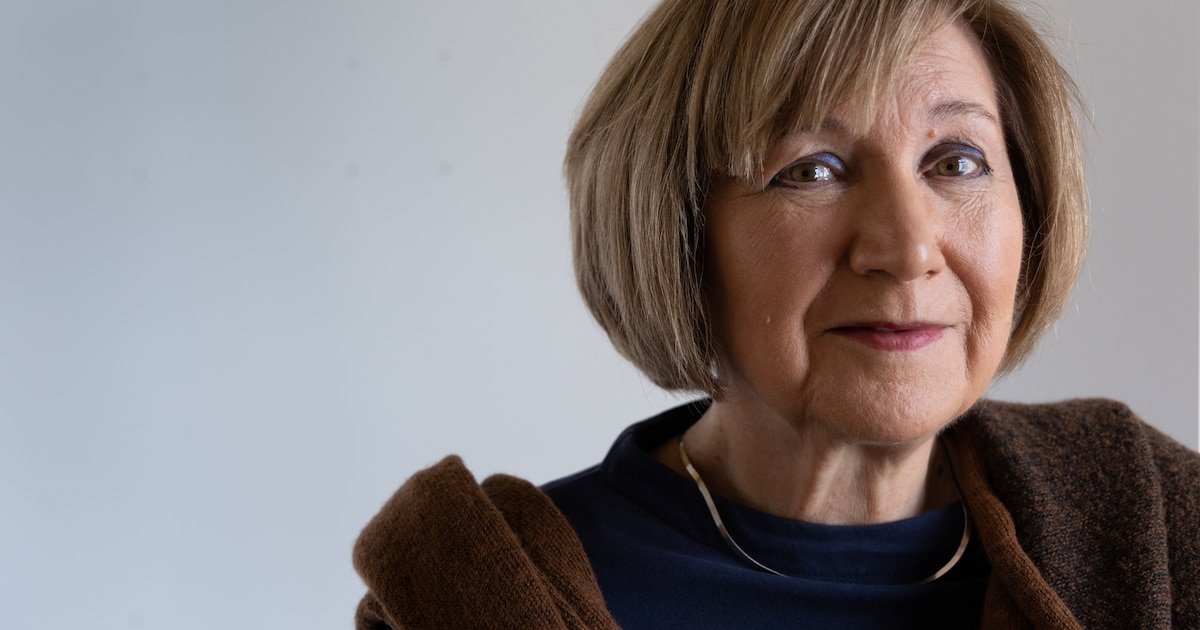
La escritora portuguesa Lídia Jorge, galardonada con el Premio Camões 2026 —el máximo reconocimiento de las letras en lengua portuguesa— y el Premio Estatal Austriaco de Literatura Europea, afirmó que “la literatura no anuncia la destrucción del mundo, intenta impedirla”. La autora de Misericordia y La costa de los murmullos hizo estas declaraciones en una entrevista concedida al diario El Mundo durante el Festival literario BABELL, celebrado en Oporto.
El Premio Camões, instituido en 1988 por los gobiernos de Portugal y Brasil con una dotación de 100 mil euros, le fue otorgado por unanimidad del jurado, que destacó “el diversificado conjunto de su obra y la gran contribución para el enriquecimiento del patrimonio literario y cívico-cultural de la lengua portuguesa”. El Premio Estatal Austriaco, entregado el lunes 28 de julio en el marco del Festival de Salzburgo, se suma a una trayectoria que incluye el Premio Médicis al mejor libro extranjero publicado en Francia en 2023, el Premio FIL de Literatura en Lenguas Románicas de Guadalajara en 2020 y el Premio Pessoa en 2025.
A sus 80 años, la escritora portuguesa se mantiene ajena a la solemnidad que suelen imponer los premios. “Los premios no se conceden a mi esencia. Se conceden a mi sombra”, afirmó. Y añadió: “Ningún premio puede alterar la humildad con la que uno se enfrenta al lenguaje”. Nacida en Boliqueime, en el Algarve, en 1946, Lídia Jorge debutó en la ficción con El día de los prodigios en 1980, obra que marcó un punto de ruptura con el realismo documental dominante en la literatura portuguesa de la época.
En la entrevista publicada por El Mundo, Jorge reflexionó sobre la paradoja que define a las sociedades contemporáneas: el avance material convive con un retroceso moral. “He visto dos movimientos simultáneos: una mejora extraordinaria de las condiciones materiales de la existencia —la medicina, la comunicación, la ciencia, la exploración espacial— y, al mismo tiempo, un proceso inquietante por el que volvemos a comportarnos como una manada”, señaló. “Cuanto más sofisticadas son nuestras sociedades, más fácilmente aceptan ser conducidas como rebaños”.
Esa tensión ha ocupado buena parte de su obra. Desde La costa de los murmullos —novela que reconstruye la guerra colonial en Mozambique desde la perspectiva de una mujer— hasta Los memorables, sobre los protagonistas de la “Revolución de los Claveles” de 1974, Lídia Jorge ha construido una cartografía de las grandes fracturas de Portugal y de Europa. “Me siento testigo de una época y prefiero pensar que mis libros son testimoniales antes que históricos”, declaró.

La autora también abordó el estado de las democracias occidentales con una mirada que rechaza tanto el catastrofismo como la complacencia. “Lo que me preocupa es que algunos hayan llegado a la conclusión de que hay que abolir la democracia cuando lo que necesitamos es lo contrario: reforzarla, devolverle credibilidad”, dijo. Para ella, el problema no radica en el sistema democrático en sí, sino en su relación con un modelo económico que “ha dejado de servir a una distribución justa de la riqueza y que cada crisis fortalece a quienes ya concentran el poder”.
Europa, tema recurrente en sus ensayos y artículos, aparece en su pensamiento no como una institución política sino como una conciencia moral compartida. Citó a Ortega y Gasset, que retomaba a San Agustín cuando le preguntaban qué era Europa. “No necesitamos definir Europa, la sentimos”, sostuvo. “Sabemos por qué no queremos volver a la guerra, por qué desconfiamos de ciertos modelos de poder como el ruso o el estadounidense y por qué seguimos buscando una forma de convivencia que vaya más allá del nacionalismo”.
Entre 2021 y 2026, Jorge formó parte del Consejo de Estado portugués, donde sucedió al filósofo Eduardo Lourenço. Fue, según explicó, un servicio que aceptó “con gusto porque exigía pensar constantemente en el presente del país y en los grandes asuntos internacionales”. El Consejo reúne en Portugal no solo a políticos, sino también a científicos, músicos, juristas y escritores, una práctica que la autora consideró natural para cualquier ciudadano.
Su última novela, Misericordia (2022), supuso para ella una aproximación inédita a la materia autobiográfica. En la entrevista con El Mundo, Jorge la describió como “un intervalo, no un final”, y la conectó con una idea del crítico literario Frank Kermode: “Las narraciones sobre el apocalipsis no hablan del deseo del fin del mundo, sino del intento de impedirlo”. La protagonista del libro llega a preguntarse si la pandemia será el fin de todo y descubre, precisamente entonces, un deseo intenso de seguir viviendo.
Esa voluntad de seguir escribiendo, de seguir buscando, es quizás la constante más firme en su trayectoria. “Yo escribo porque no entiendo las cosas”, confesó. “Multiplico los personajes porque, hablando entre ellos, saben más que yo sola. Y, aun así, nunca alcanzo del todo aquello que busco”. A los 80 años, con el Premio Camões recién recibido, la escritora mantiene intacta esa insatisfacción productiva: “Sigo creyendo que el próximo libro estará más cerca de ese libro que llevo toda la vida intentando escribir”.
[Fotos: cortesía João Barata]

Faustino Oro realizará su primera gira en Argentina tras convertirse en Gran Maestro de ajedrez: dónde jugará y cómo ir a verlo

Tensión política en Mar del Plata: Montenegro amaga con regresar a la intendencia y se activa la pelea por su sucesión

¿Qué puede ser? Flor Vigna confesó que extraña «algo» de Luciano Castro aunque la hizo sufrir un montonazo: «A veces me dan ganas de…»

Cuba a Trump: Estamos abiertos a los negocios

Reforma del Banco Central: el oficialismo confía en tener los votos para aprobar el proyecto en Diputados

Investigators believe Iranian hackers are likely behind cyberattack on Minnesota water systems: report

La pelea con Lula y el verdadero desafío que enfrenta Milei

Cómo manejar en el hielo y la nieve: técnicas y precauciones para usar el auto en la montaña en vacaciones de invierno

El BCRA cortó la racha de compra y en el mercado vuelan rumores de maniobras para frenar al dólar

World-famous Catholic shrine torched, ‘Devil in a skirt’ scrawled on Virgin Mary statue

 ECONOMIA3 días ago
El BCRA cortó la racha de compra y en el mercado vuelan rumores de maniobras para frenar al dólar
- INTERNACIONAL2 días ago
World-famous Catholic shrine torched, ‘Devil in a skirt’ scrawled on Virgin Mary statue
- ECONOMIA3 días ago
SUTEP cerró paritaria y ya se sabe cuánto ganará un empleado de parque de diversiones durante 2026