INTERNACIONAL
El dominio de GAESA en Cuba: economía militarizada, crisis social y señales de fractura en el régimen

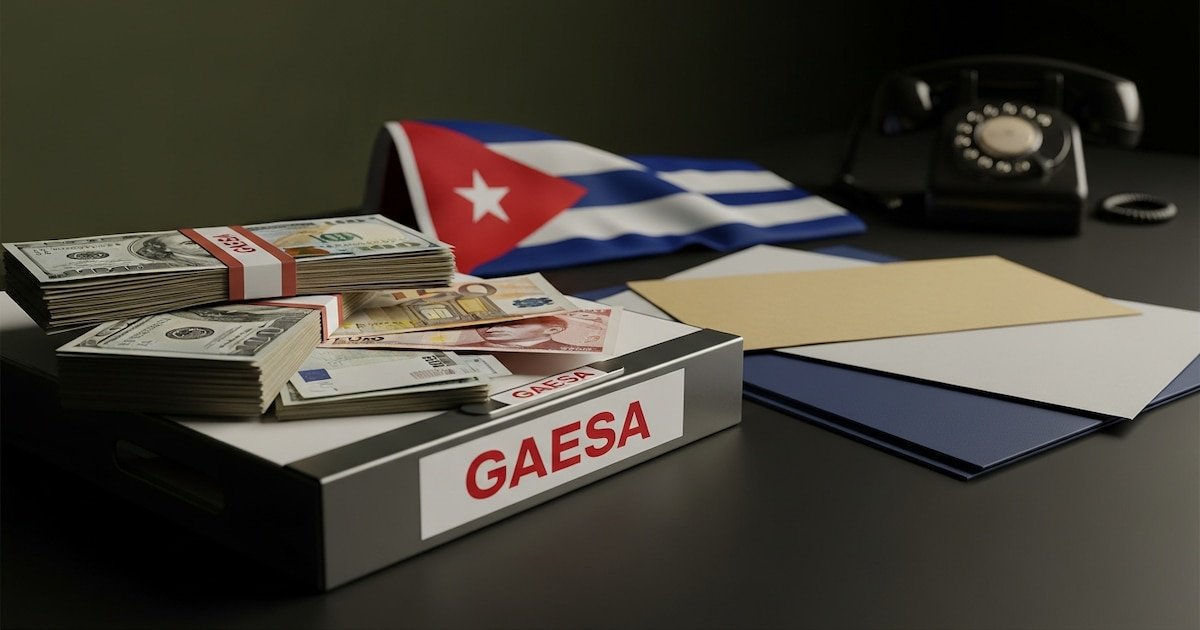
La economía de Cuba se encuentra bajo el control total de GAESA, el conglomerado militar que, según detalló en diálogo con Infobae Emilio Morales, presidente y CEO de Havana Consulting Group, desplazó a las instituciones civiles y convirtió al Estado en una estructura opaca y sin contrapesos.
Morales, consultor de empresas internacionales y experto en la economía cubana, describió el proceso de concentración de poder económico y político que ha protagonizado el grupo militar desde la enfermedad de Fidel Castro y la llegada de su hermano Raúl al poder en 2008. “GAESA se ha apoderado de todos los sectores lucrativos, sin rendir cuentas ni estar sujeto a auditorías o controles estatales tradicionales”, afirmó.
Este grupo militar tomó el control de corporaciones clave como CIMEX (el mayor conglomerado empresarial del país) y ETECSA (el único proveedor legal de telefonía y telecomunicaciones), acaparando el mercado dolarizado, el turismo, las remesas, el sector inmobiliario y muchas otras áreas estratégicas.

Además, describió cómo GAESA se apropió de recursos estatales, desviando fondos que deberían invertirse en servicios públicos básicos, y transformando el Estado en lo que el entrevistado llamó un “Estado mafioso”.
También abordó el deterioro social y económico en Cuba, la crisis energética y los apagones prolongados, así como la resistencia interna y la pérdida de confianza en el régimen. Morales destacó que la mayoría de la población y el exilio cubano desean una intervención internacional para terminar con la crisis, y que el llamamiento del general Rafael del Pino a los militares para que no repriman las protestas indica un inminente cambio político.
Finalmente, habló del ofrecimiento de ayuda humanitaria de Estados Unidos y la cercanía del fin del régimen cubano, que podría ocurrir en menos de tres meses. “Estamos viendo el declive total del sistema, nadie cree en ellos. Este es el fin. La familia Castro tiene que tomar la decisión de irse y creo que en eso es en lo que están, buscando para dónde irse. Y así van a ser los días finales. Pienso que esto no pasa de más de 60 o 90 días. No creo que llegue a eso”, indicó.

En la entrevista con Infobae, Morales expuso que el conglomerado militar pasó de ser una empresa menor en el sector turístico a controlar las principales fuentes de divisas del país. “En 2006, cuando Fidel Castro cayó enfermo, GAESA era una empresa pequeña. Lo más importante que tenía en ese momento era Gaviota, y competía de igual a igual con otras compañías del Ministerio de Turismo”, recordó.
El punto de quiebre llegó cuando Raúl Castro asumió la Presidencia en 2008 y desplazó a los cuadros civiles designados por Fidel. A partir de ese momento, GAESA inició una expansión sistemática que incluyó la toma de CIMEX en 2010, la corporación más grande de la isla en manos de Fidel; y la posterior adquisición de ETECSA tras la compra de las acciones de Telecom Italia, asegurando el control total de las telecomunicaciones y el mercado dolarizado.
“La orden de apoderarse de CIMEX la da Raúl Castro a Luis Alberto López-Calleja, su ex yerno y entonces general de brigada y CEO de GAESA”, relató Morales, quien remarcó que ese movimiento permitió controlar el flujo de remesas, el comercio minorista en dólares y el negocio inmobiliario.
La operación se ejecutó sin transparencia y sin que mediara ninguna transacción comercial ordinaria. “No hubo compras, no hubo acuerdos entre empresas. Fue simplemente una orden: ‘Ahora esto es mío’, y punto”, describió.

El proceso continuó con la absorción de ETECSA, que consolidó el dominio sobre el negocio de la telefonía móvil y las telecomunicaciones. Morales subrayó que la expansión de GAESA involucró también la apropiación de Habaguanex, el conglomerado turístico que había administrado el historiador de la ciudad, Eusebio Leal, y que incluía decenas de hoteles y tiendas dolarizadas.
“En medio del deshielo con Estados Unidos, GAESA se apoderó del BFI, el Banco Financiero Internacional, que controla más del 95% de las transacciones comerciales entre empresas cubanas y extranjeras”, explicó Morales; al tiempo que subrayó: “Todo el dinero quedó a merced de GAESA. No hay auditoría, no hay control, ni siquiera la Asamblea Nacional, ni el Ministerio de Economía, ni la Contraloría General de la República pueden acceder a ese banco”.
Morales puntualizó que la red de empresas bajo el paraguas de GAESA incluye estructuras creadas en paraísos fiscales, como CIMEX Panamá y Fincimex, que administran flujos internacionales, remesas y el procesamiento de tarjetas de crédito para turistas.
“CIMEX Panamá fue fundada en 1978 por órdenes de Fidel Castro para evadir el embargo, y se usaba para el tráfico de armas y drogas. Más tarde, el negocio se reconvirtió para administrar el mercado cubano dolarizado”, sostuvo el consultor. “Todo se hacía fuera del control del Banco Central”, detalló.

El entrevistado afirmó que el conglomerado ha vaciado de recursos a los ministerios y empresas estatales, dejando a la administración civil sin capacidad de inversión ni manejo de fondos. “El Estado se quedó sin recursos. Al pasar el BFI a manos de GAESA, las riquezas nacionales quedaron fuera del alcance de cualquier control estatal”, sentenció Morales.
La situación se agravó por la falta de inversión en sectores críticos. Preguntado al respecto, citó el caso de la exportación de servicios médicos, que llegó a generar más de 10.000 millones de dólares al año y empleó a más de 50.000 personas.
Según estudios realizados por su consultora, en 15 años la exportación de servicios médicos produjo 108.000 millones de dólares, de los cuales solo el 1,6% se invirtió en salud; mientras que 24.000 millones se destinaron a hoteles y 70.000 millones no tienen destino identificado.
“La inversión en energía fue nula. La matriz energética del país está colapsada y las plantas eléctricas, con más de 40 años de uso, se rompen a diario”, advirtió Morales, quien agregó que los recursos que deberían destinarse a salud, energía y servicios públicos quedan bloqueados en circuitos financieros controlados por GAESA.
El control de los fondos estatales también afecta la vida cotidiana: “El país vive apagones de más de 20 horas, no hay combustible, la infraestructura está destruida y los hospitales no reciben los recursos que generan. Todo depende de las decisiones de GAESA, que maneja el dinero sin control ni auditoría”, insistió.

Morales describió la existencia de circuitos de negocios ilegales, como la venta de petróleo venezolano recibido por Cuba en virtud de acuerdos bilaterales. “El contrato con Venezuela era por 125.000 barriles diarios, pero Cuba solo necesitaba unos 50.000 para generar energía. El resto se vendía en el mercado internacional usando empresas creadas en paraísos fiscales y tanqueros propios”, explicó.
Este mecanismo permitió el desvío de fondos y la acumulación de capital fuera del alcance de las autoridades nacionales. “La operación se mantuvo hasta que la administración de Donald Trump cortó esa vía de financiamiento”, subrayó.
También señaló que la apropiación de empresas y recursos por parte de GAESA representa una etapa distinta respecto a los primeros tiempos de la revolución. “En los primeros años, Fidel confiscó empresas extranjeras y cubanas. Ahora, 60 años después, lo que hace este grupo es robarle al Estado, apoderándose de empresas y recursos sin ninguna supervisión”.

La crisis cubana se ha profundizado en los últimos meses. Morales calificó la situación como un colapso institucional, con una economía paralizada y un malestar social creciente.
“El país está sometido a apagones de más de 20 horas, la gente protesta en las calles y hay cacerolazos durante el día y la noche. El desfile tradicional del 1 de Mayo fue un simulacro, con apenas unos miles, cuando antes desfilaban más de un millón de personas”, relató Morales a Infobae.
El gobierno de Estados Unidos ofreció 100 millones de dólares en ayuda humanitaria pero el régimen cubano, en un primer momento, condicionó la aceptación. Luego, el propio Miguel Díaz-Canel aseguró que no pondrá obstáculos a la asistencia. Morales interpretó la estrategia de Washington como un modo de dejar en evidencia a la dictadura de La Habana.
“Es una forma de demostrar que el obstáculo es el gobierno cubano. Ellos no quieren aceptar ayuda canalizada a través de la Iglesia Católica porque sería reconocer su incapacidad para satisfacer las necesidades básicas”, puntualizó; al tiempo que añadió que las donaciones que llegan al país suelen venderse, en lugar de entregarse gratuitamente.
Las recientes sanciones internacionales han acelerado el éxodo de inversionistas y el cierre de hoteles en manos de cadenas extranjeras. “El más grande ya se fue, y Meliá cerró el 50% de los hoteles que administra. Es cuestión de tiempo para que cierren todos”, afirmó Morales. “Esto es como un paciente intubado, solo falta desconectar el ventilador”, agregó.

El entrevistado valoró el llamado del general Rafael del Pino a los militares para que no repriman las protestas. “El mensaje es claro: la mayoría de los oficiales no están manchados de sangre y tienen un futuro en una nueva Cuba. Las fuerzas armadas jugarán un papel muy importante en la transición”, analizó; al tiempo que describió: “Nadie quiere una anarquía. Se necesita tranquilidad y paz para reconstruir el país, y los militares deben unirse al pueblo en esta hora final”.
Morales sostuvo que el descontento es mayoritario y que tanto la población como el exilio apoyan la intervención internacional. “Por primera vez en 70 años, más del 60% de la población y del exilio están llamando a una intervención externa. Las condiciones están dadas para que el régimen caiga en menos de 90 días”, afirmó.
Morales evocó antecedentes históricos, como la carta del general Máximo Gómez al presidente estadounidense Grover Cleveland durante la guerra hispano-cubana, y anticipó la publicación de un estudio sobre la intervención estadounidense de 1898.
Según el entrevistado, la actual situación reproduce elementos de aquel contexto y podría derivar en una intervención internacional sin intención anexionista, motivada por razones humanitarias.
Por último, indicó que la isla atraviesa un punto de inflexión, con un Estado despojado de recursos, servicios públicos colapsados, malestar popular extendido y una elite militar que concentra el poder económico y político. “Ya no es un país, es una mafia que gobierna un país”, concluyó.
GAESA,Cuba,divisas,dólares,euros,pesos cubanos,finanzas,economía,control,comercio










INTERNACIONAL
La policía busca al sospechoso del ataque mortal en el desfile del Orgullo en Berlín: sería un joven islamista de 21 años



NEWYou can now listen to Fox News articles!
One key Republican’s extended absence and unclear timetable for return is slowing down several legislative priorities, and could impact President Donald Trump’s Safeguard American Voter Eligibility (SAVE) America Act in an unexpected way.
And while sparse statements from him and his office say he’s on the mend, there has yet to be a hard date for when he’ll come back to Congress.
It comes as Republicans are twisting and contorting Trump’s top election priority into something that could pass the Senate. Though McConnell has voted against the bill before, he would be a key player in crafting what it would look like in the upper chamber.
TRUMP’S VOTER ID BILL CATCHES UNLIKELY BREAK AS MCCONNELL REMAINS SIDELINED
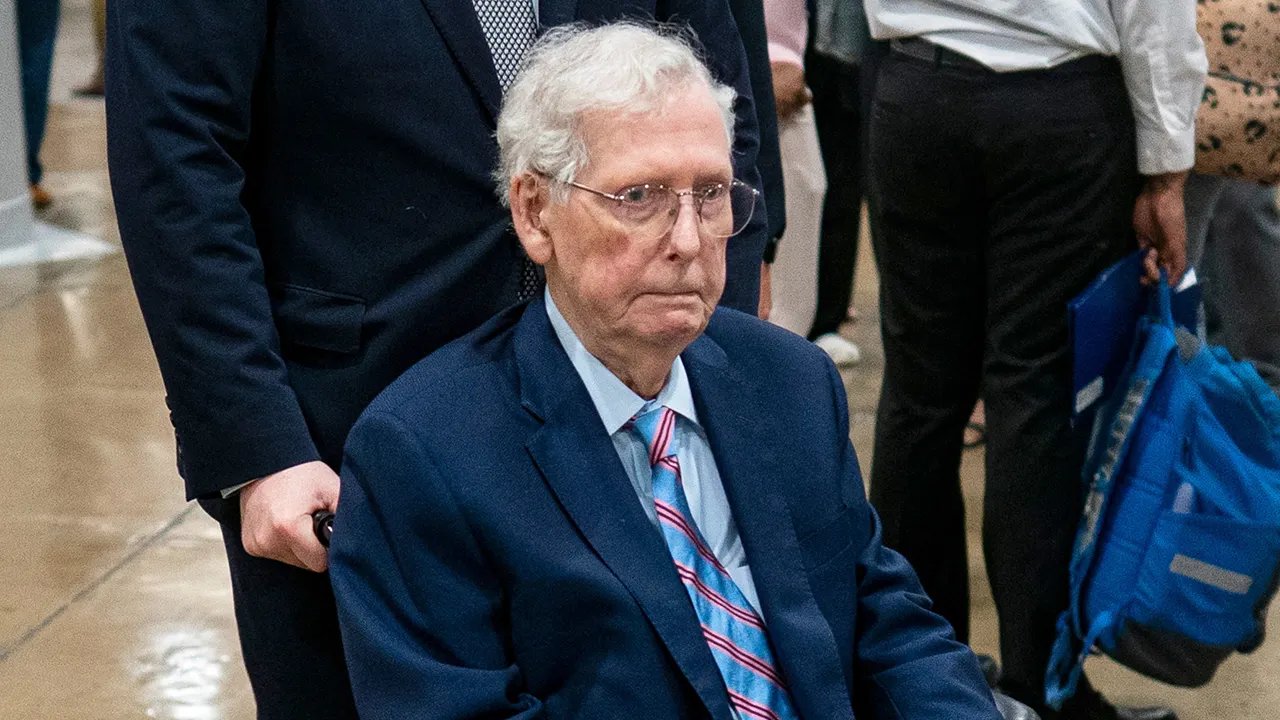
Sen. Mitch McConnell, R-Ky., has been away from the Senate for more than a month after a medical emergency. (Al Drago/Bloomberg via Getty Images)
«That could be an issue,» Sen. Ron Johnson, R-Wis., told Fox News Digital. «I think there are a lot of issues.»
That’s because McConnell is chair of the Senate Rules Committee, which will likely be responsible for drafting the version of the SAVE America Act that could pass muster in budget reconciliation, the process that Trump is pushing the GOP to use to pass the bill.
The uncertainty around McConnell, coupled with the late Sen. Lindsey Graham’s recent death, throws a wrench into the process. Graham was chair of the Senate Budget Committee, and acted as quarterback through two dances with reconciliation over the past year.
SENATE RETURNS TO PACKED AGENDA AFTER GRAHAM’S DEATH SHRINKS GOP MARGIN
But Graham’s replacement on the panel, Johnson, could step in and draft language for SAVE America as chair of the Budget Committee — Graham leapfrogged Homeland Security and Governmental Affairs Chair Rand Paul, R-Ky., in 2025 to draft his portion of the «big, beautiful bill.»
«That’s my understanding — it actually falls to budget,» Johnson said. «So, again … this is still really early in the process, so I don’t have all the answers by a long stretch. Plus, we’ve got to find out what the conference wants to do, and what Leader John Thune wants to do.»
Thune is focusing on preventing a government shutdown, and is encouraging ongoing bipartisan negotiations on a funding deal to continue. And he has threatened to press pause on reconciliation by holding the House’s own budget framework until that objective is accomplished.
GOP RIFT GROWS AS THUNE HITS BRAKES ON TRUMP’S ELECTION BILL TO AVERT SHUTDOWN
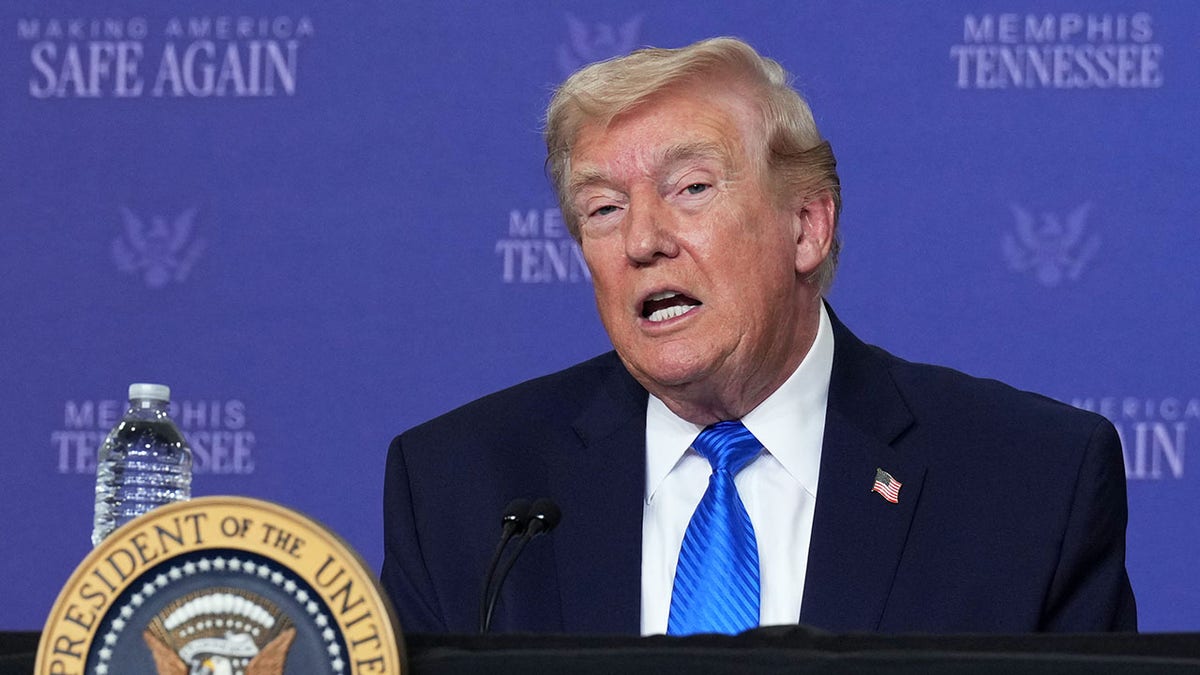
One key Republican’s extended absence and unclear timetable for return is slowing down several legislative priorities, and could impact President Donald Trump’s Safeguard American Voter Eligibility (SAVE) America Act in an unexpected way. (Mark Schiefelbein/The Associated Press )
He reiterated to Fox News Digital that Republicans don’t have the votes to pass the SAVE America Act, and may not have the votes to pass a budget resolution in the upper chamber.
And he noted that the SAVE America Act would have to comply with the Senate’s strict rules for reconciliation that unlock the 50-vote threshold, which the current version of the bill does not.
Getting the legislation to a point where it wouldn’t slam into those guardrails has remained an open and difficult question for Republicans — Thune suggested that it could work if it’s «very carefully structured based upon incentive, mostly grant money,» for states.
«So, you know, we’re gonna do everything we can to move that forward,» Thune said. «But as I told you before, the math on that hasn’t changed yet. It’s still likely to be a 60-vote exercise, even if it’s done with a budget resolution.»
Trump demanded Republicans ram through their own budget resolution before they leave Washington, D.C., until after Labor Day on Truth Social Friday to fund defense, agriculture, and pass «as much of the SAVE AMERICA ACT as possible.»
CLICK HERE TO DOWNLOAD THE FOX NEWS APP
«Our voters will be extremely happy — And even impressed,» Trump said.
Meanwhile, Thune has received criticism from Republicans for his plan to hold up the reconciliation process in favor of averting a shutdown.
Sen. John Kennedy, R-La., told Fox News Digital the only option to pass SAVE America was through reconciliation, and he’s been working on his own plan in the background, and believes it could survive the Senate’s «Byrd» test.
«I can’t guarantee it, but it’s a — I consider it to be a credible argument,» Kennedy said. «And I will try to do that, and I will try to, at the right time, bring my colleagues, and, more importantly, the parliamentarian, along. But if we don’t do it through reconciliation, through the House reconciliation, we won’t get it done.»
«And I’m not sure it will work, but I think it might,» he continued. «It’s at least a 50/50 shot.»
politics, senate elections, government shutdown, mitch mcconnell, john thune
NEWYou can now listen to Fox News articles!
JOHANNESBURG: Over 160,000 illegal immigrants have fled South Africa after thousands of citizens took to the streets demanding foreigners leave, as hundreds of thousands of South Africans have followed many in the West in turning against the government for poor border controls, and perceived inaction.
One South African organization claims there are up to 30 million illegal immigrants in a country whose documented citizens number around 63 million. These immigrants, mostly undocumented, are blamed for rampant crime, taking jobs and overrunning hospital wards and places in government schools.
In some cases, groups have gone house-to-house in areas such as Soweto, near Johannesburg, giving deadlines for immigrants to go home. Earlier this month, Reuters reported that 900 people were arrested during a day of nationwide protests. While the protests were largely peaceful, police were called to disperse violent protesters in some areas of the country. One death was reported in the Johannesburg area.
NEW GERMANY SEX-CRIME FIGURES REIGNITE MIGRATION FIGHT AS EXPLOITATION PROBE EXPANDS
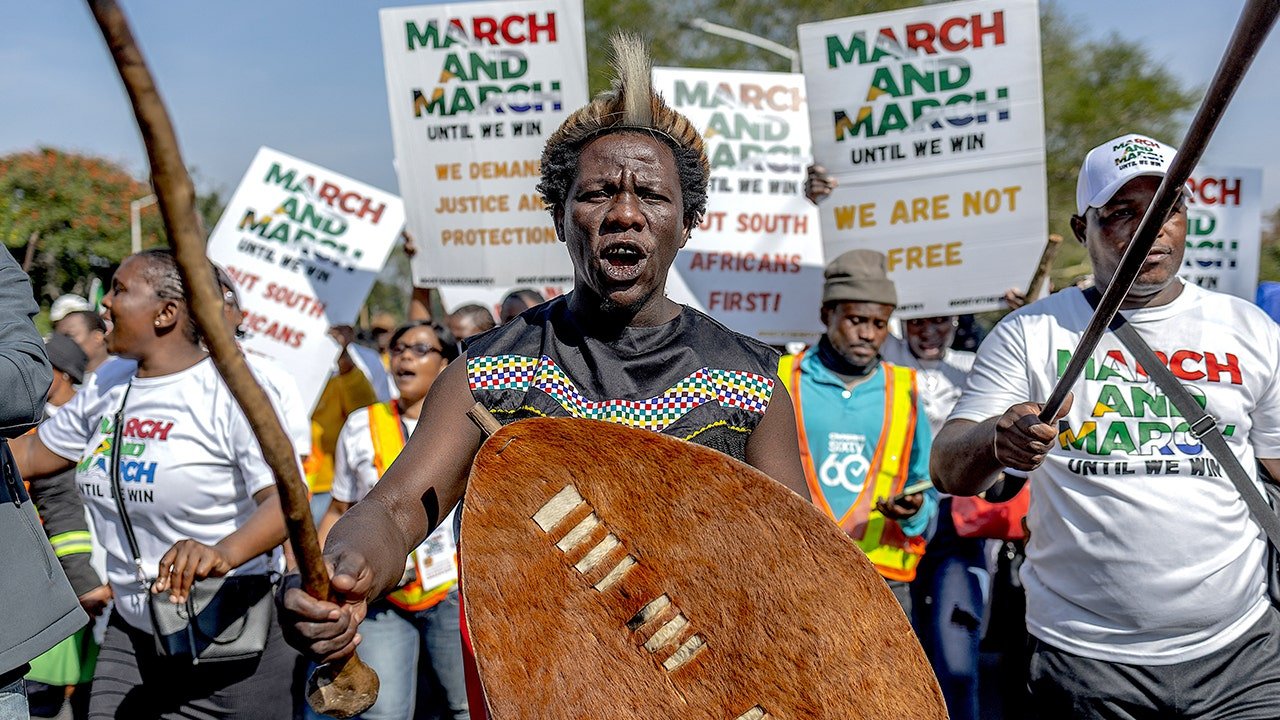
Protesters from the March and March Movement hold banners and chant slogans during a demonstration in Pinetown, south of Durban, on July 16, 2026. (Rajesh Jantilal/AFP via Getty Images)
Some illegal immigrants have taken buses and left, or been repatriated on flights provided by their home countries across Africa. On one such flight to Ghana in June, the South African border authority said 321 of the 332 Ghanaians who tried to leave Johannesburg’s OR Tambo International Airport were found to be in the country illegally.
Up to five immigrants have been killed by protesters so far this year, but the most prominent anti-immigrant civic group in South Africa, the March and March movement, claims that it is against violence. It is their followers who march the country’s streets, often with large traditional sticks called knobkerries, ‘encouraging’ foreigners to leave.
Their founder and leader, Jacinta Ngobese-Zuma, told Fox News Digital «We’ve had enough,» claiming the number of illegal immigrants living in South Africa is «between 15 and 30 million, and that’s an arguable number because everyone is always debating what the actual number is.»
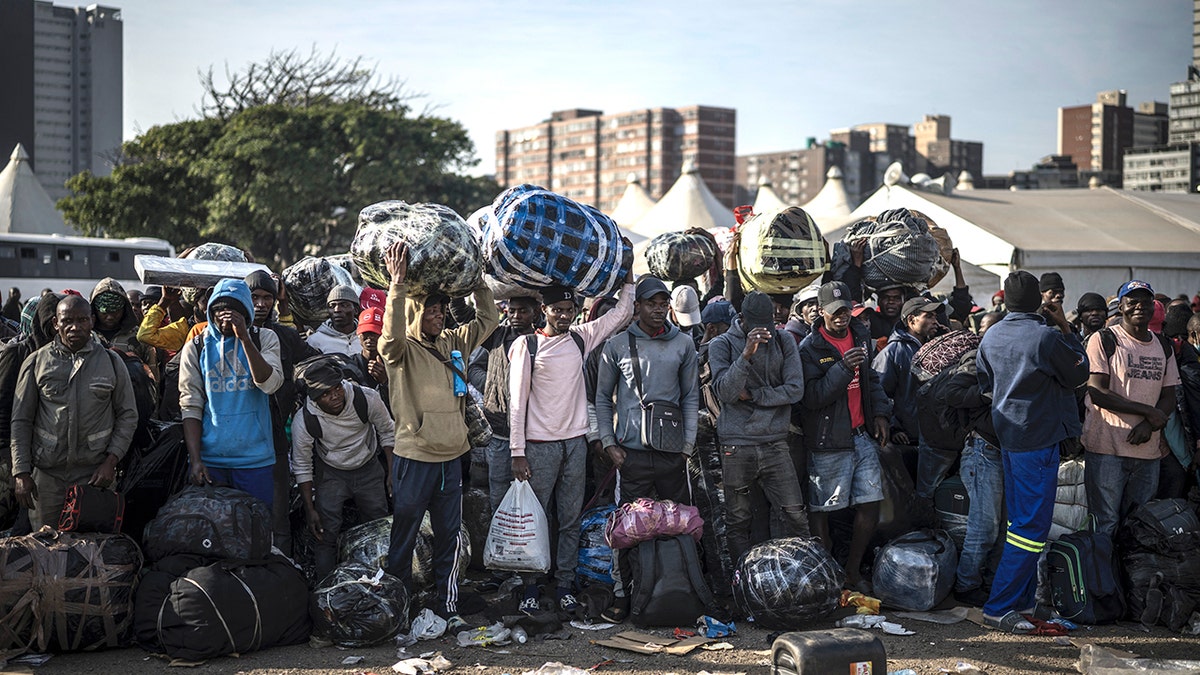
Undocumented migrants line up near a bus at the Durban Drive In in Durban, on June 29, 2026 preparing to leave before the camp will shut down and the operation will be transferred to the border with Zimbabwe. South Africans President Cyril Ramaphosa vowed on June 25 to crush any attempts to destabilize the nation during planned anti-immigrant marches next week, amid a wave of xenophobia. (Marco Longari/AFP via Getty images)
The number 30 million is contentious. The only official published figures are from a census taken in 2022 by Statistics SA, queried by some critics because the organization is controlled by the ANC government, under attack for reportedly causing the illegal immigration crisis and therefore seen to be benefiting from low statistics. The body claims there are up to three million immigrants in the country, but Ngobese-Zuma points out this figure includes people who have documents «they’re just using the numbers from those who were admitted to being in the country legally.»
Immigrants have frequently been seen running away when requested by officials, including Stats SA officials, to show their documents. The head of Statistics SA, Risenga Maluleke, even admitted to the local Eyewitness News that his officials don’t check information on the occasions that they can find immigrants, saying «when people say I was born outside South Africa, we take what they say because we have not had a way of proving it other than relying on what they say.
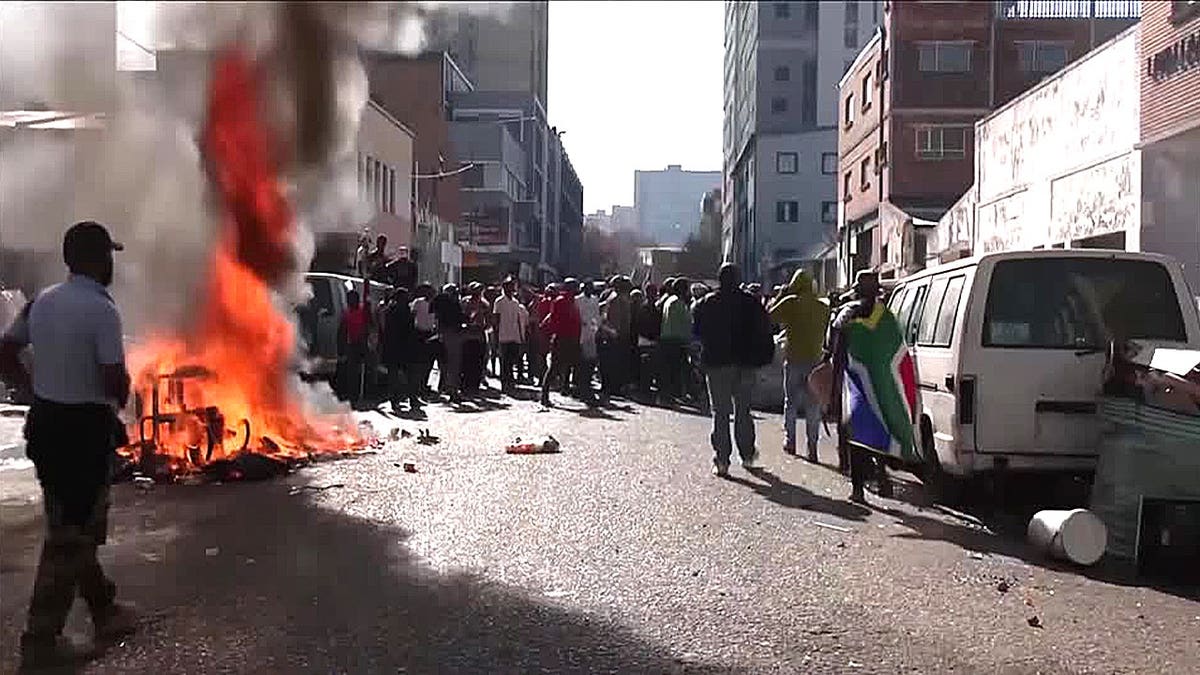
Protesters start a fire in the streets of Johannesburg, South Africa, on June 30, 2026. (Reuters)
Ngobese-Zuma added, «The country is being invaded, and we decided to do something about it. There’s too much crime going on at the hands of foreign nationals. The actual truth is that a lot of them go unfound because nobody knows who they are. They’re not on record. Their fingerprints are not on the system. So there [are] a lot of cases actually that are outstanding when it comes to the issue of illegal immigrants.»
Statistics South Africa recently reported that the official unemployment rate for the country is 32.7%. Yet almost all illegal immigrants have found work here, with the country’s president, Cyril Ramaphosa, admitting to the nation in a televised address last month, «Some employers hire undocumented immigrants because they pay them wages that are well below the minimum wage and make them work longer hours without due compensation.»
DHS ISSUES $84B IN FINES TO ILLEGAL IMMIGRANTS UNDER TRUMP ADMINISTRATION
This led March and March’s Ngobese-Zuma to say, «The issue of jobs is also very important. In our community, where there’s the highest unemployment in the world, it only makes sense that South Africans are out there demanding that they be prioritized when it comes to employment.»
Several reports claim that in a local Johannesburg government hospital, built to offer practically free care to South Africa’s citizens, patients, even in the ER, have to wait up to 36 hours to be seen, because so many foreigners come to the hospital and use the facilities. At least one patient has died waiting to be seen at the Helen Joseph hospital, near to the center of the city.
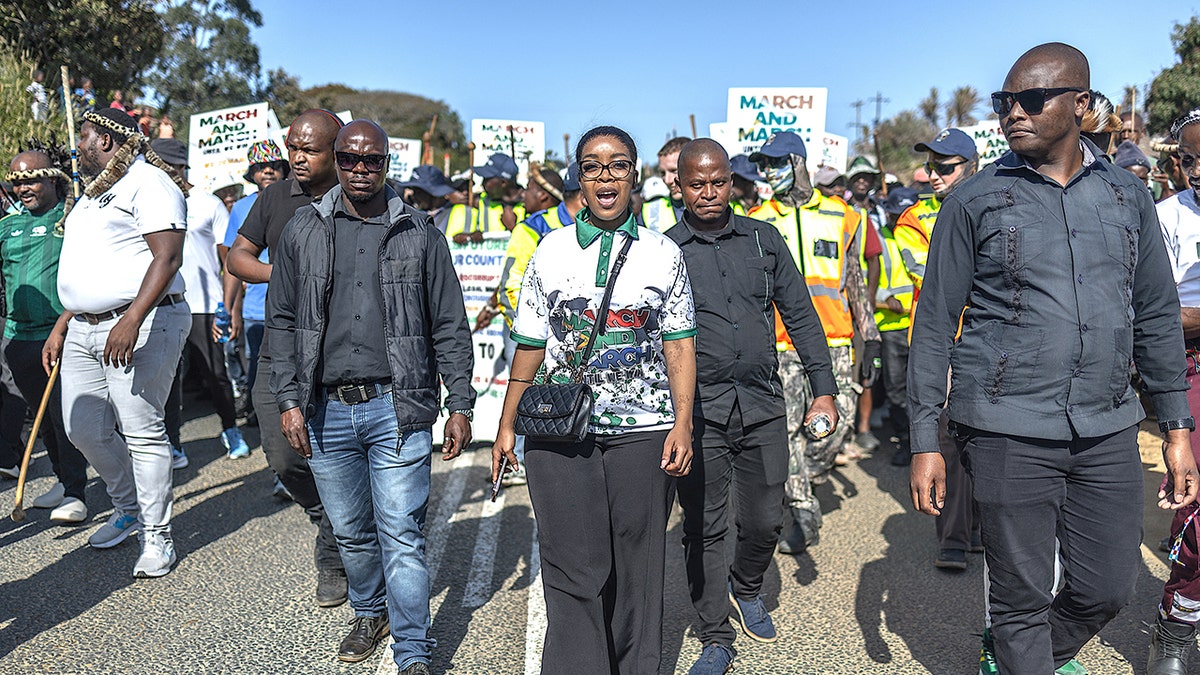
March and March leader Jacinta Ngobese-Zuma leads a demonstration by the «March and March» movement in Mtwalume, south of Durban, on July 9, 2026. The group previously held nationwide marches on June 30, 2026, and has called on its supporters to continue demonstrating every Thursday. The movement is calling on the government to enforce tougher measures against illegal immigration and to deport undocumented foreign nationals. The protests comes amid broader national discussions on border security, law enforcement, economic pressures, and South Africa’s approach to immigration. (Rajesh Jantilal/AFP via Getty Iamges)
Ngobese-Zuma pointed out, «We have a welfare (health and education) system in the country, and currently people are flocking in from all over the African continent and the world to come and take advantage of these free things that they think are free when it’s actually taxpayers that are paying for it.»
Border controls are so lax that it’s said hundreds of thousands have simply waded across low rivers in some cases to enter South Africa, with crocodiles a bigger problem than police or immigration officials. Bribery and corruption at border posts is endemic. But following the public outcry, and perhaps significantly with local elections coming up, President Ramaphosa has now vowed to ‘crack down’ on immigration issues. As of July 11, the government claims a total of 53,449 foreign nationals have been processed for deportation and repatriation.
This represents less than 0.2% of the illegal immigrants said to be in the country by March and March. Public pressure groups, and politicians such as Herman Mashaba, are calling on the government to do much, much more. Mashaba is president of Action SA, a small but campaigning party in South Africa’s parliament, who’s been battling illegal immigration for 10 years.
Mashaba told Fox News Digital, «Action SA is deeply frustrated by the government’s weak and reactionary response to South Africa’s immigration crisis, which is ultimately the consequence of three decades of ANC (the ruling party) failure to secure our borders,»
MISSOURI SENATOR WARNS DEM IMMIGRATION POLICIES THREATEN WESTERN CIVILIZATION AFTER SCORING ICE FUNDING WIN
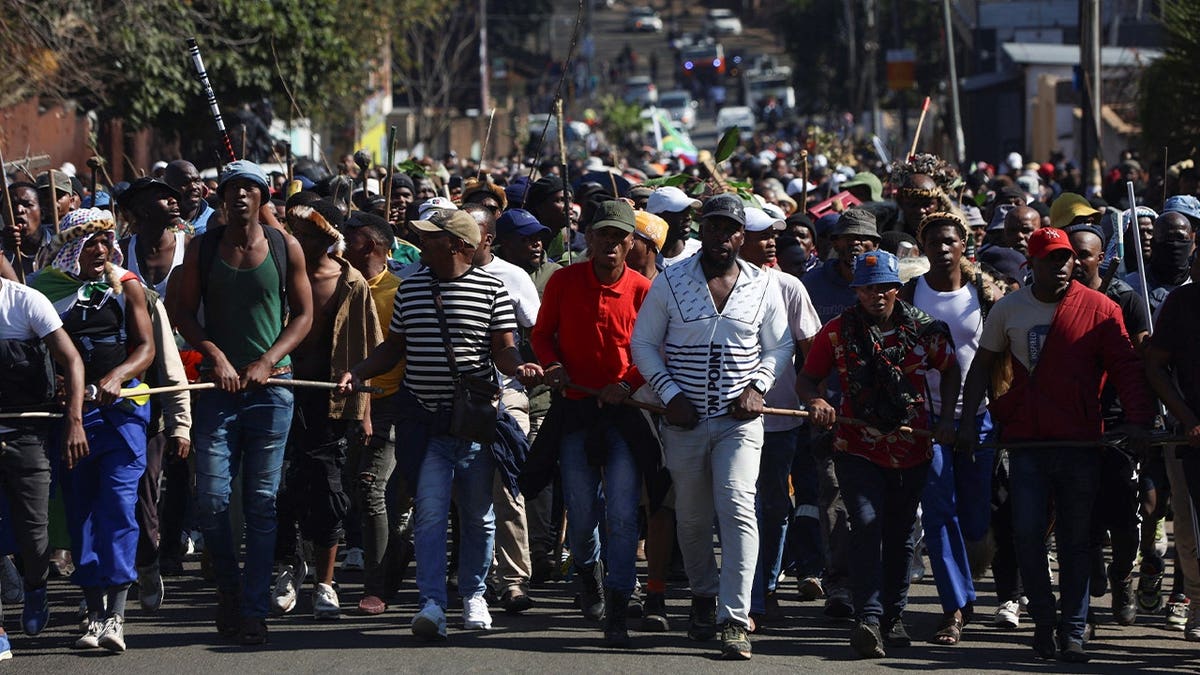
Anti-immigrant marchers walk through the streets of Johannesburg on the day of an unofficial deadline set by anti-immigrant groups for all undocumented migrants to leave, in Johannesburg, South Africa, June 30, 2026. (REUTERS/Oupa Nkosi)
«Rather than presenting a meaningful shift in approach, which we believe must center on mass deportations and the urgent strengthening of immigration enforcement capacity, the government appears determined to simply repackage the same failed and outdated policies that have done nothing to address the consequences of weak border controls and chronic underinvestment in enforcing our immigration laws.»
«As in Europe, South Africans have turned against their government on immigration policy», analyst Frans Cronje told Fox News Digital. Cronje, president of the Washington-based Yorktown Foundation for Freedom, added, «Polls conducted earlier this year ranked immigration as the second most pressing concern from South Africans behind unemployment. Overall, 23.0% of South Africans cited unemployment as the most pressing issue for the government to address, followed by 11.7% who cited immigration, 10.1% for cited corruption and 9.8% who cited crime.»
Cronje continued, «black South Africans (82% of the population) were three times as likely as their white counterparts to see immigration as a problem for the government to address. Hostility towards immigrants runs very high with regular protest marches and threats and intimidation directed at immigrant communities who are accused of taking jobs and businesses from South Africans, and driving high levels of crime».
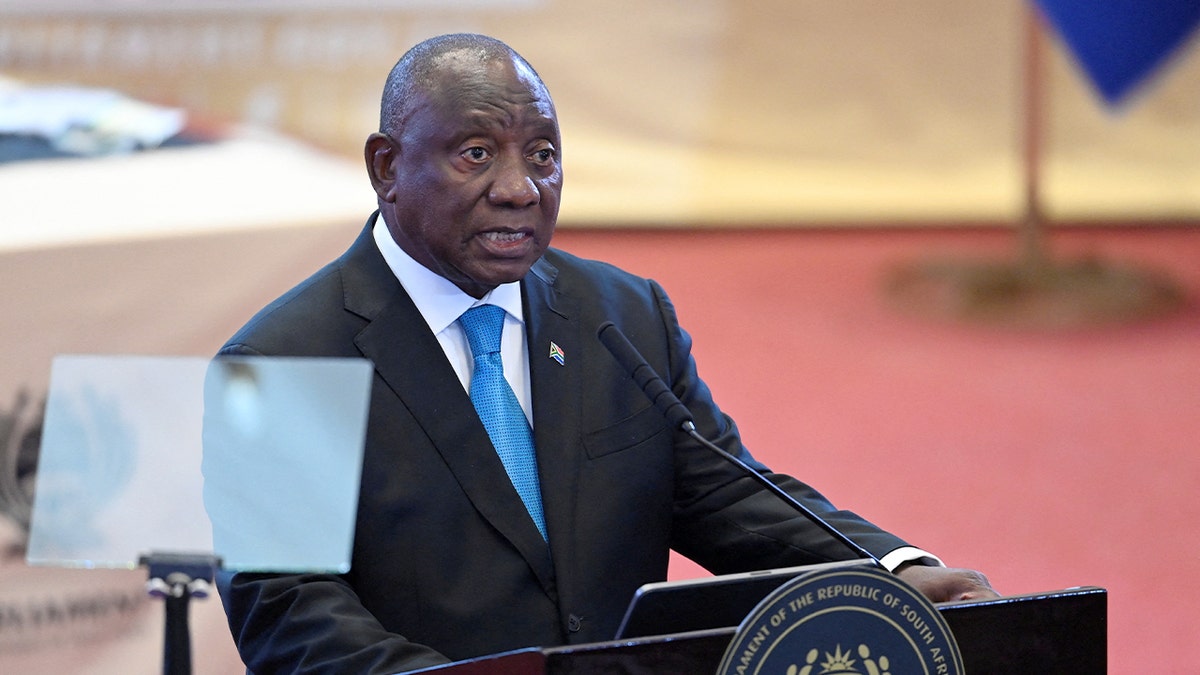
South African President Cyril Ramaphosa delivers the State of the Nation address in Cape Town, South Africa, on Feb. 12, 2026. (Rodger Bosch/Pool via Reuters)
Responding when asked why activists such as March and March are taking action, Ngobese-Zuma said «it’s the government that should be the one that’s making sure that when people say that they don’t want certain people in their communities, they remove them before the communities remove them themselves. I think the government is complacent about not only the issue of immigration, our government is just complacent about a lot of things, especially that have to do with crime.»
Protests against immigrants have turned nasty in previous years. Sixty-two were killed in riots in 2008, and at least five in 2015.
CLICK HERE TO DOWNLOAD THE FOX NEWS APP
Ngobese-Zuma agrees March and March members are gatvol – Afrikaans slang, politely put to mean completely fed up, telling Fox News Digital «We don’t care which country comes forward and tells us that we are xenophobic. We’ve had enough, and nobody can tell us that we must now accept people staying in our country illegally.»
Fox News Digital reached out to the South African government, but did not receive a response.
africa, illegal immigrants, south africa, deportation

La policía busca al sospechoso del ataque mortal en el desfile del Orgullo en Berlín: sería un joven islamista de 21 años

Trump’s SAVE America Act stalls as McConnell’s absence complicates Senate path
iProfesional | Últimas noticias para profesionales y empresas

“Un desafío grande”: el dato que mira el Gobierno para las próximas elecciones y que podría capitalizar el peronismo

La Fórmula 1 confirmó la nueva sede del GP de Baréin que se había cancelado por la guerra en Medio Oriente: cuándo se correrá

Wanda Nara tomó una drástica decisión por sus hijas en medio del conflicto con Mauro Icardi por los pasaportes: “Psiquiátrico, estamos de rehenes”

Jorge Berredo, general retirado de las FFAA, asumió como Secretario de Seguridad en San Isidro

Sin la anestesia mundialista, aflora la crisis del conurbano y Milei necesita reconectar con lo popular

Senado: Bullrich y Sturzenegger cierran filas para tratar de avanzar con la extranjerización de tierras
Marc Stanley destacó el potencial de Vaca Muerta para “estabilizar la economía” y evitó hablar de política interna

 POLITICA3 días ago
Senado: Bullrich y Sturzenegger cierran filas para tratar de avanzar con la extranjerización de tierras
- POLITICA3 días ago
Marc Stanley destacó el potencial de Vaca Muerta para “estabilizar la economía” y evitó hablar de política interna
- INTERNACIONAL3 días ago
Recuperaron ADN de un tenedor plástico y acusaron a una mujer de haber apuñalado 100 veces a su mejor amiga hace 14 años