
INTERNACIONAL
El proyecto del «Arco del Triunfo» de Trump no agrada a nadie, ni a quien se lo propuso






NEWYou can now listen to Fox News articles!
President Ronald Reagan met with Soviet leader Mikhail Gorbachev five times in the late 1980s. The first such meeting was in Geneva, Switzerland in November 1985 when the two leaders began to form a relationship. It was the second meeting in Reykjavik, Iceland, where Reagan and Gorbachev began to find trust.
«The reason I wanted to do it really, truly, was because I think these days we’ve gotten so good at yelling at one another that we are not talking anymore,» said «The Brink of War» director Michael Gunn. «What blew me away about the story when Secretary Schultz told me about it was that these were two guys who had every reason to hate each other, had every reason to be enemies, and they sat down in a room together and tried to make a better world.»
US RAMPS NUCLEAR WEAPONS PRODUCTION TO COLD WAR LEVELS AS CHINA PURSUES ‘UNPRECEDENTED’ BUILDUP
Jeff Daniels stars as President Ronald Reagan in «The Brink of War,» a film centered on the 1986 Reykjavik summit with Soviet leader Mikhail Gorbachev. («The Brink of War» / Angel Studios)
Jeff Daniels stars as Reagan in «The Brink of War,» which follows the Reykjavik summit with Gorbachev, played by Jared Harris. Reagan’s Secretary of State George Schultz, played by J.K. Simmons, was instrumental in giving Gunn behind-the-scenes details for his film.
«We spent hours and hours together. I interviewed him. He gave me the declassified transcripts that informed the script. He’s a hero of mine. The movie is dedicated to him, for him, for his public service,» Gunn said.
NEW FOX NATION DOCUMENTARY CHRONICLES 20-YEAR JOURNEY BEHIND ‘REAGAN’ FILM
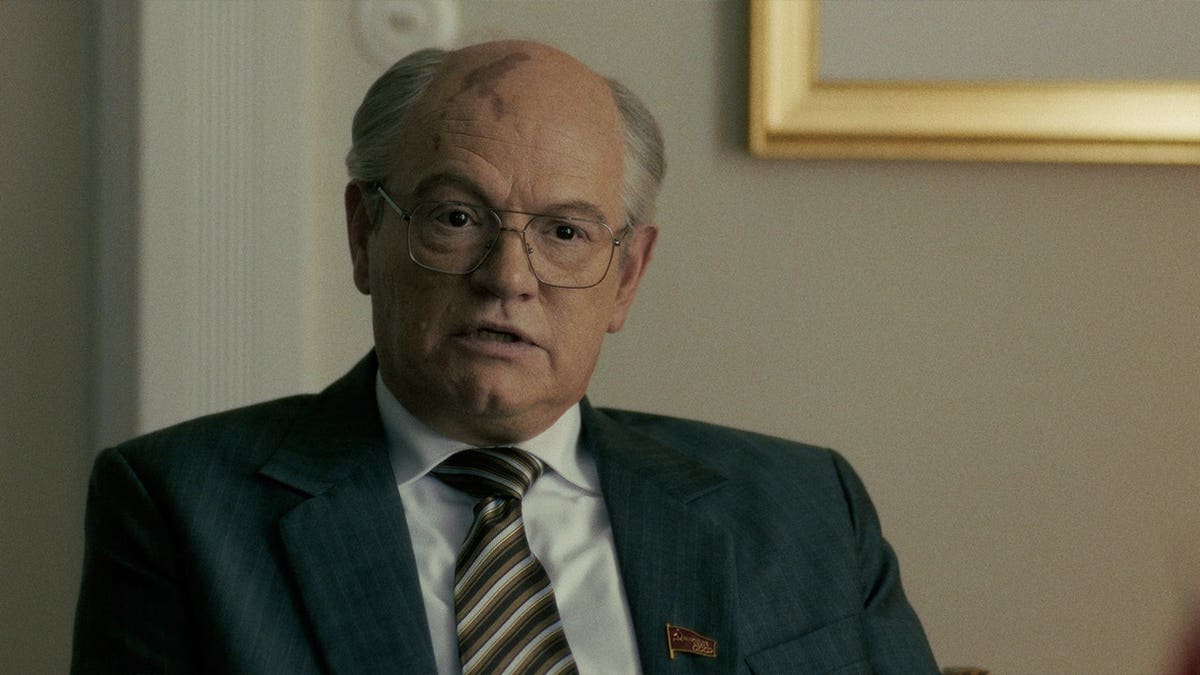
«The Brink of War» explores how Reagan and Mikhail Gorbachev built trust during nuclear arms negotiations in Iceland. («The Brink of War» / Angel Studios)
«The Brink of War» not only highlights the Reagan administration’s ambitions for peace but also their disappointments. One scene shows Reagan’s doubt over trusting Gorbachev amid the negotiations as Schultz assures him it was not the end of talks to find common ground between the two global powers.
«This moment where they figured out just the two of them in a room that they could trust one another, I think led to all that. The first arms reduction agreement in human history,» Gunn said.
While no final agreement was reached in Iceland, the summit paved the way for several more meetings between Reagan and Gorbachev. It also led to several peace treaties — like the Intermediate-Range Nuclear Forces Treaty (INF), which required both sides to liquidate a class of nuclear weapons.
PRESIDENT TRUMP’S NEGOTIATING TEAM PRAISED BY NUCLEAR EXPERTS FOR WALKING AWAY FROM PAKISTAN TALKS
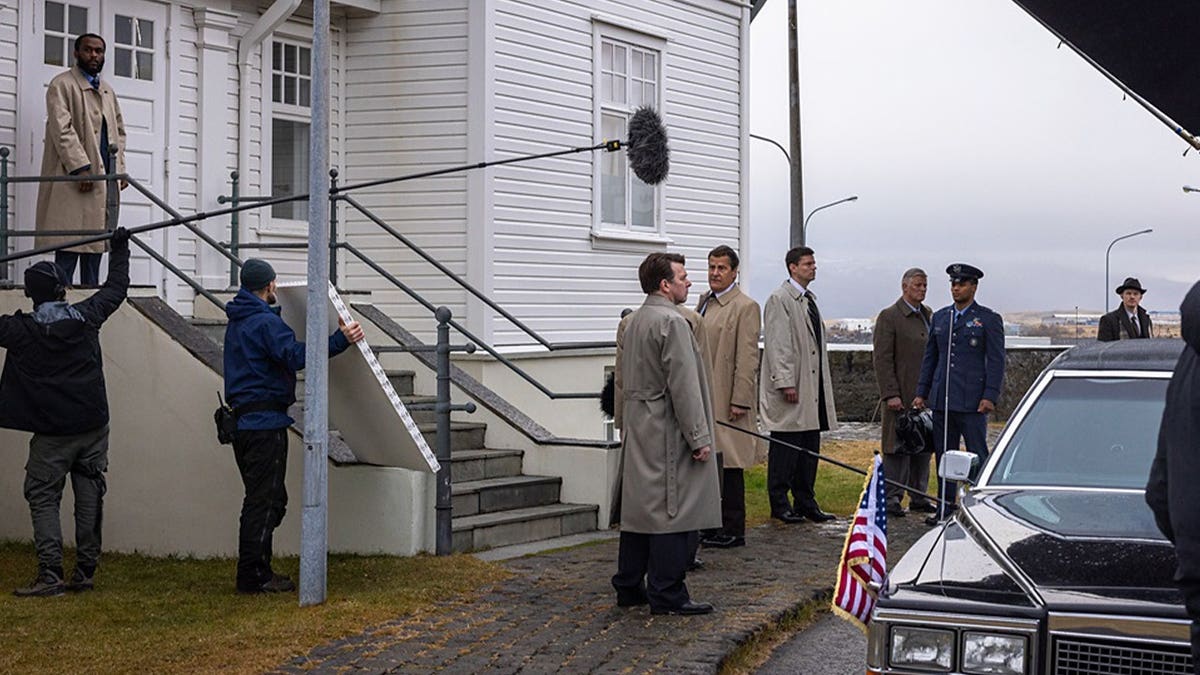
Director Michael Gunn says Reagan and Gorbachev’s willingness to keep talking offers a lesson for leaders confronting conflicts today. («The Brink of War» / Angel Studios)
«For the first time on the highest level, we and the Soviets came close to an agreement on real reductions of both strategic and intermediate-range weapons,» President Reagan said after his meeting with Gorbachev in Iceland. «We were in sight of an historic agreement on completely eliminating the threat of offensive ballistic missiles by 1996. I can help remembering being told just a few years ago. Radical arms reduction was an impossible dream, but now it’s on the agenda for both sides.»
Gunn believes the Reagan and Gorbachev’s discussions should be an inspiration for ending today’s conflicts.
«I think the lesson for today is that we have to continue dialog,» Gunn said. «As tough as it gets, I want people to walk out of the theater with hope that if we engage, if we’re strong, if we are seeking peace in a genuine way and we find a genuine partner that we can make a better safer world even today.»
«The Brink of War» debuts in theaters Aug. 14.
media, reagan, foreign affairs, geopolitics, russia
INTERNACIONAL
Por la sequía extrema, Rumania dinamita el río Danubio para desviar agua hacia una planta nuclear
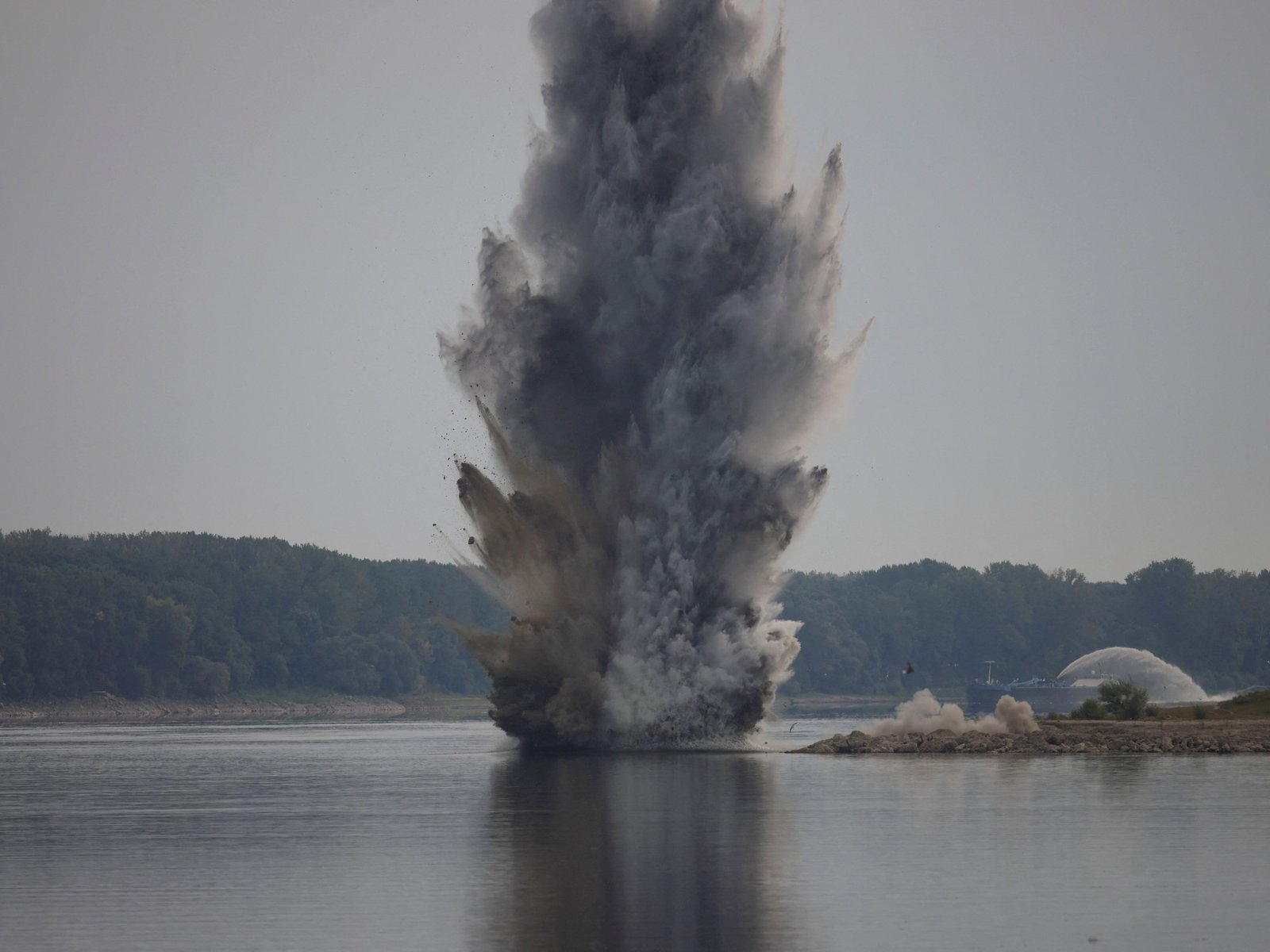
El Ejército de Rumania llevó a cabo este lunes una explosión controlada y submarina de una roca para redirigir un mayor caudal del Danubio hacia la central nuclear de Cernavoda, con el objetivo de evitar tener que desconectar su segundo reactor.
«Cada día adicional de funcionamiento de la central de Cernavoda supone una ganancia», declaró a la prensa el ministro de Defensa rumano, Radu Miruta, al anunciar el éxito de la inusual operación, después de haber fracasado un primer intento el domingo.
Situada en el sureste de Rumanía, la planta de Cernavoda, la única nuclear del país, requiere el agua del Danubio para la refrigeración del ciclo térmico.
El dramático descenso del nivel del río debido a una prolongada sequía y a una mayor evaporación causada por las elevadas temperaturas obligó a las autoridades a desconectar el martes pasado uno de sus dos reactores.
Ante la perspectiva de que la situación no mejore en los próximos días, se temía que fuera necesario desconectar también la segunda unidad, con lo cual la central quedaría completamente inoperativa.
Normalmente, con una potencia instalada de 706 MW en cada uno de los dos reactores, la planta, de fabricación canadiense y en funcionamiento desde hace casi tres décadas, genera un 20 % de la electricidad que consume el país, de 19 millones de habitantes.
Debido a la caída en la producción energética, el Gobierno declaró el viernes el Estado de Alerta Nacional hasta el 31 de agosto y anunció planes para aumentar la electricidad importada, principalmente desde Ucrania.
Ahora se espera que al menos la segunda unidad pueda seguir en funcionamiento después de que la Armada rumana consiguiera desviar temporalmente agua desde un canal adyacente hacia la zona de captación de Cernavoda usando 180 kilogramos de explosivos para dinamitar una roca.
El Ejecutivo había aprobado el viernes una partida presupuestaria extraordinaria, de unos 1,3 millones de euros, para llevar a cabo esas obras hidráulicas.
El caudal del Danubio se ha desplomado hasta situarse, a la entrada en Rumanía, entre los 1.550 y 1.600 metros cúbicos por segundo, casi tres veces menos que la media habitual en esta época (entre 3.900 y 4.700 metros cúbicos/s).
Por otro lado, los responsables de unas 80 empresas nacionales han sido convocados este lunes por el Ministerio de Energía para estudiar cómo pueden contribuir a aliviar la crisis energética.
Tras la reunión, el Gobierno anunció que los fabricantes de autos Dacia y Ford accedieron voluntariamente a parar su producción hasta el próximo día 19.
Según el portal informativo Antena 3, actualmente se estaría evaluando la posibilidad de que otras compañías puedan concentrar sus actividades en las horas de menor demanda o incluso reducir su producción en las próximas semanas.
Además, varias ciudades han comenzado a aplicar medidas de ahorro energético, como apagar parte del alumbrado público.
Los meteorólogos pronostican una nueva ola de calor extremo hasta el próximo viernes, con temperaturas de hasta 41 grados en el noreste del país.
El bajo caudal del Danubio también golpea a Hungría, que prevé desconectar en las próximas horas el último reactor aún operativo de su única planta nuclear, según anticipó este lunes el primer ministro, Péter Magyar.
El mandatario ya había anunciado durante el fin de semana que la central de Paks, que suministra la mitad de la energía que consume el país, estaba en una situación compleja ante la caída del nivel del agua a un mínimo histórico de 1,38 metro por debajo de lo normal, lo que impide la refrigeración de los reactores.
«Seguramente este lunes, y quizá mañana como máximo, podrá mantenerse operativa esta turbina que produce 240 megavatios de energía», frente a los 2.000 habituales de la planta, afirmó.
El jefe del Gobierno añadió que «es difícil predecir la altura del Danubio» y que no ve que sea posible que aumente tanto como para mantener funcionando la central.
Esta sería la primera vez que se desconecta la planta nuclear de Paks, que comenzó a funcionar hace 44 años.
INTERNACIONAL
Unearthed video exposes El-Sayed’s opinion on driver’s licenses for illegal immigrants
NEWYou can now listen to Fox News articles!
Abdul El-Sayed, a Democratic candidate for U.S. Senate in Michigan, once proposed allowing undocumented immigrants to secure driver’s licenses, making the case that not doing so would be discriminatory.
«We’ve got to make sure that in this state we are not discriminating against documentation status. Right now, if you’re undocumented, you don’t get access to a driver’s license. You’re stuck,» El-Sayed said in a 2018 campaign interview.
At the time, El-Sayed was running for governor.
Eight years later, as he looks to join the U.S. Senate, the resurfaced clip sheds light on El-Sayed’s past thinking about how local governments should interact with illegal aliens and raises questions about whether granting them state identification would in some ways legitimize their presence in the U.S.
SOCIALIST-BACKED MICHIGAN SENATE HOPEFUL CALLS AMERICAN POLITICS A ‘DISEASE’ AFTER PROFESSING LOVE FOR US
Michigan Democratic candidate for Senate Abdul El-Sayed speaks at The People V. The Powerful rally at the Detroit Opera House on July 18, 2026 in Detroit, Michigan. (Sarah Rice/Getty Images)
Hans von Spakovsky, an elections expert for Advancing American Freedom, explained that a license can act as a doorway to a range of government benefits.
«Because America does not have a national ID card like the Europeans and other nations, state driver’s licenses are a stand-in for that ID card. Issuing driver’s licenses to aliens will help them in all the instances where a license is needed, from opening bank accounts to all types of other transactions,» Spakovsky said.
Spakovsky noted that I-9 forms, paperwork for employment eligibility, regularly require little else than a license.
«The key to getting aliens to self-deport would be to ensure that they cannot rent apartments, open bank accounts and take all of the other steps necessary to live and work in the U.S.,» Spakovsky said.
«Providing them driver’s licenses is a huge step in allowing them to easily live and work in the United States,» he added.
NEW MAINE LAW LIMITS POLICE COOPERATION WITH FEDERAL IMMIGRATION OFFICIALS
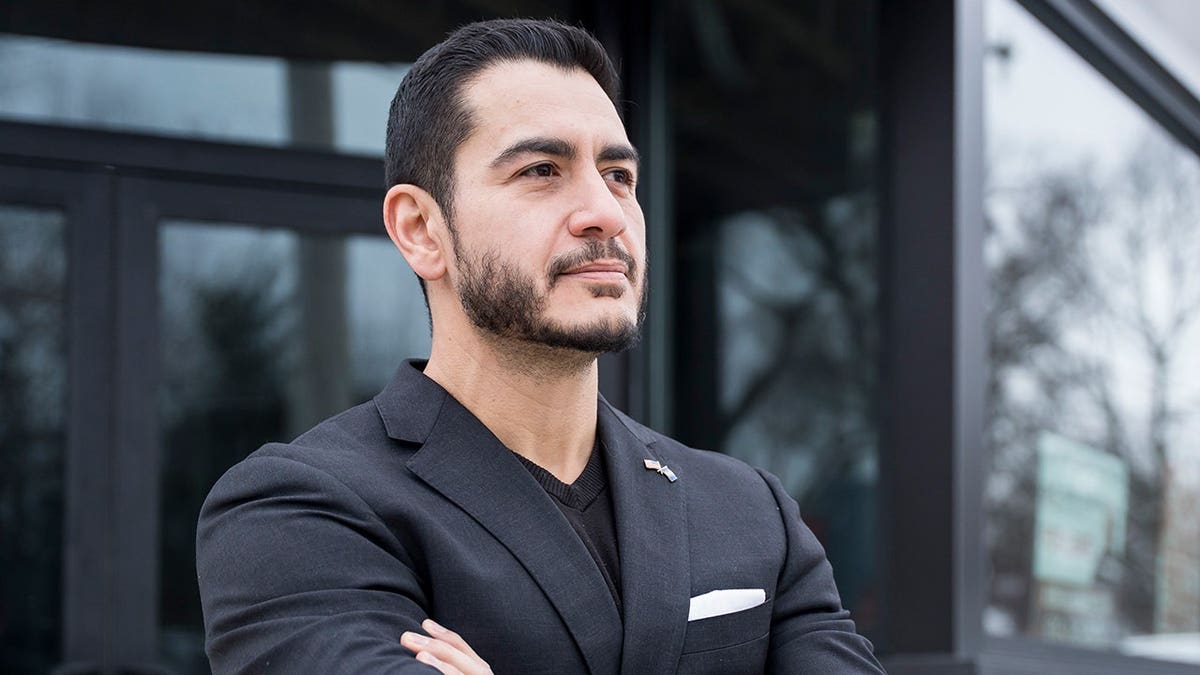
Michigan U.S. Senate candidate Abdul El-Sayed poses for a portrait in Grand Rapids, Michigan, on Saturday, Feb. 21, 2026. (Evan Cobb for The Washington Post via Getty Images)
In the 2018 clip, El-Sayed seemed concerned that illegal aliens would be ineligible for some of those advantages.
«You don’t get access to a lot of the basic things that the state offers everybody else, and I think that’s ridiculous and so we’ve got to stop discriminating that way,» El-Sayed said.
Although El-Sayed has rejected labels like «progressive» or «far-left,» he has advocated for a more government-first approach in many key areas like affordability, infrastructure and public services.
He’s advocated for Medicare for all, opposes corporate tax carve-outs, and he supports tuition-free access to higher education. When asked about promises to increase government provisions by candidates like Zohran Mamdani, El-Sayed said he believes that Democrats will trend in that direction.
«You’re seeing that kind of resonance here in Michigan for sure. And I’m not surprised that you’re seeing that in New York, too. Government ought to be available to set an equal playing field for everybody and to offer those basic things that everybody needs and deserves,» El-Sayed told Fox News Digital in an interview.
SHOCKING PERCENTAGE OF DEMOCRATS IDENTIFY AS ‘DEMOCRATIC SOCIALISTS’ ACCORDING TO NEW POLL: ‘TOXIC POLICIES’
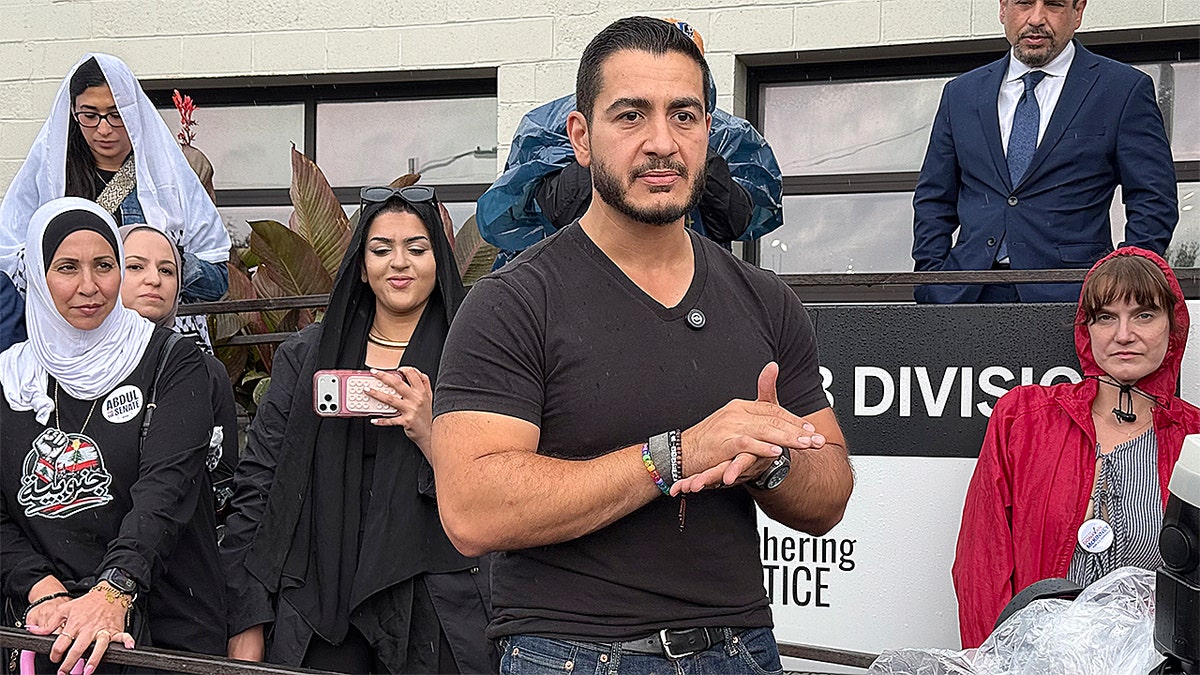
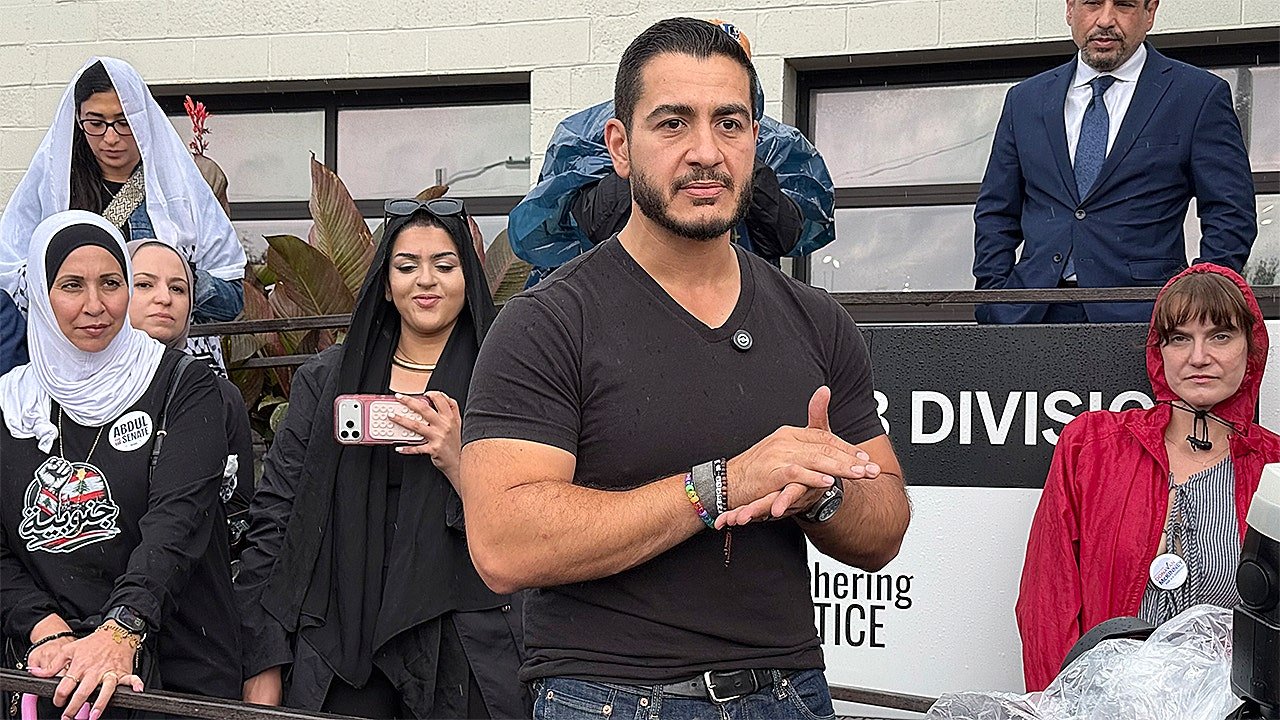
Abdul El-Sayed, a Democratic Senate candidate in Michigan, at a campaign event in Detroit, Michigan on August 2, 2026 ( )
El-Sayed’s campaign did not immediately respond to a request for comment on how far government should go in providing some of those same services to non-residents. His campaign also did not address whether providing licenses for undocumented immigrants would be a tacit approval of their presence in the country.
El-Sayed faces off against Rep. Haley Stevens on Tuesday evening in the state’s primaries. Whoever secures the party’s nomination will advance to the Nov. 3 general election.
illegal immigrants, immigrant rights, politics, michigan

Javier Milei, en la encrucijada entre el voto moroso y el voto “terrorista”

‘The Brink of War’ tells story of Reagan-Gorbachev nuclear discussions

El uno por uno de las federaciones que alzaron la voz en contra o a favor de la propuesta de Gianni Infantino de privatizar los torneos FIFA

Kicillof reunió a sus legisladores: apoyo a proyectos propios y expectativa por las reelecciones indefinidas

El enemigo imaginario que justifica un DNU absurdo

El horóscopo de hoy: martes 4 de agosto

“Vamos a acelerar con todo”: el objetivo del Gobierno por las reformas y la agenda electoral de cara al 2027

Reelecciones indefinidas: el oficialismo bonaerense niega que busque ampliar la Legislatura como parte de una reforma política para beneficiar a los intendentes

“Casta”, “parásito” y “sea democrático”: fuerte respuesta de Victoria Villarruel a Diego Santilli

¡Chau Luck Ra! La salida de soltera de La Joaqui, muy bien acompañada, a días de su separación
-
 POLITICA2 días ago
“Vamos a acelerar con todo”: el objetivo del Gobierno por las reformas y la agenda electoral de cara al 2027
-
 POLITICA1 día ago
Reelecciones indefinidas: el oficialismo bonaerense niega que busque ampliar la Legislatura como parte de una reforma política para beneficiar a los intendentes
-
 CHIMENTOS2 días ago
¡Chau Luck Ra! La salida de soltera de La Joaqui, muy bien acompañada, a días de su separación