INTERNACIONAL
Elecciones en Colombia: el inédito pedido de una diputada para suspender a Gustavo Petro de su cargo agita la campaña




INTERNACIONAL
Giro en Oriente Medio: Estados Unidos y Arabia Saudita firmaron un acuerdo que permite al reino tener un programa nuclear
Las consecuencias
El enriquecimiento podría abrir la puerta a la producción de armas
Legisladores dudan sobre dar capacidad de enriquecimiento
INTERNACIONAL
‘Revenge of the normies’: Halo veteran-turned-candidate pitches outsider revolt in Nevada swing district
NEWYou can now listen to Fox News articles!
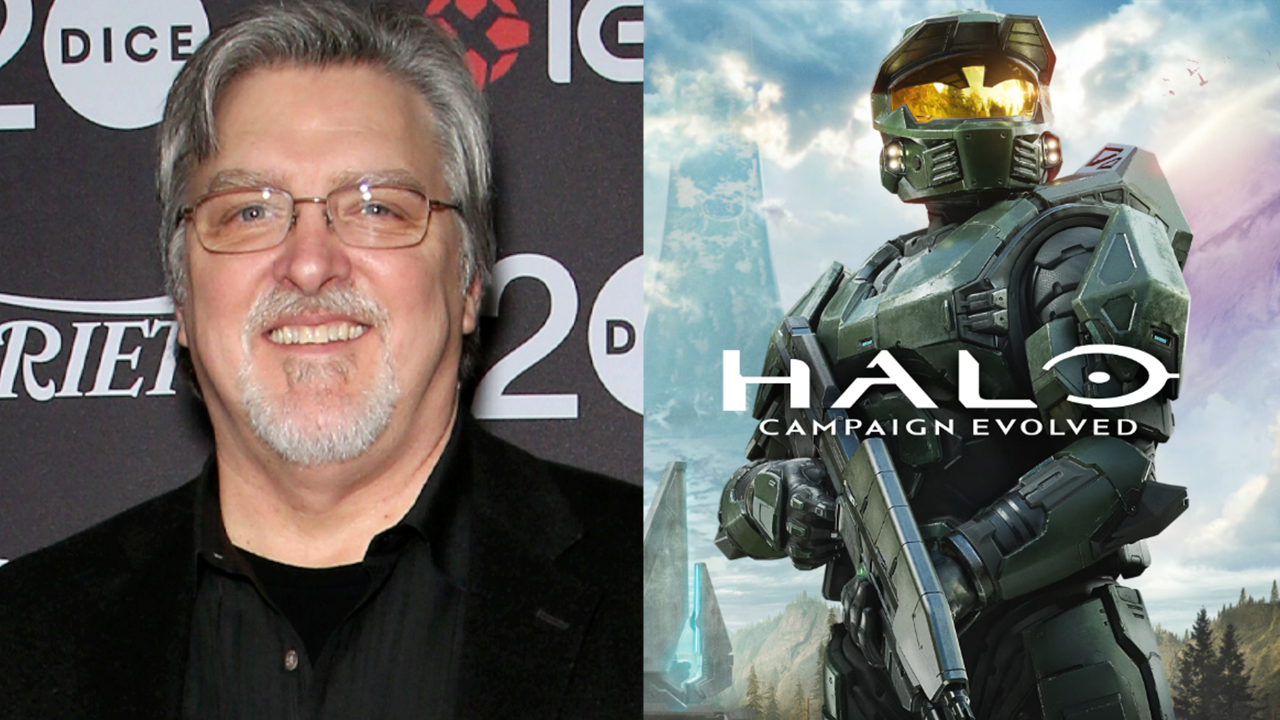
Marty O’Donnell spent decades creating some of the most iconic music in video game history. Now, the Halo composer is devoting his creative energies to an entirely different type of project: a conservative upset in one of America’s most competitive swing districts.
Speaking with Fox News Digital at Freedom Fest in Las Vegas, the Nevada Republican candidate explained how he plans to bring his real-world business experience and innovation to a Washington perennially clogged with career politicians.
GAMING-WORLD VETERAN WHO RIPPED ‘WOKE’ CULTURE SCORES TRUMP-BACKED BATTLEGROUND PRIMARY WIN
Composer Marty O’Donnell, known for his work on the original Halo games, is shown alongside artwork for Halo: Campaign Evolved. (Playstation )
«How did being a composer prepare me to run for Congress? Well, frankly, I don’t think it does. But I don’t think anything prepares anybody to run for Congress. What I’m tired of…people who have their entire career in politics. They have never made anything, they don’t really know anything, and we don’t need more people like that.
«I’ve had an entire career creating stuff, shipping stuff, working with other teams, leading teams, making businesses, making deals. That’s what I think prepares me for Congress.»
O’Donnell puts basic kitchen-table economics at the foundation of his outsider bid for Nevada’s third district:
«I really believe that it’s time to get back to a place where one good job is enough…enough to raise a family, buy a home, get your kids a good education, take a vacation. That is the way I grew up. That’s the America I grew up in. And there’s no reason why that shouldn’t be able to come back.»
He has a fighting shot, but in a district long represented by 4-term Democrat Susie Lee, he needs to hone his appeal to political independents:
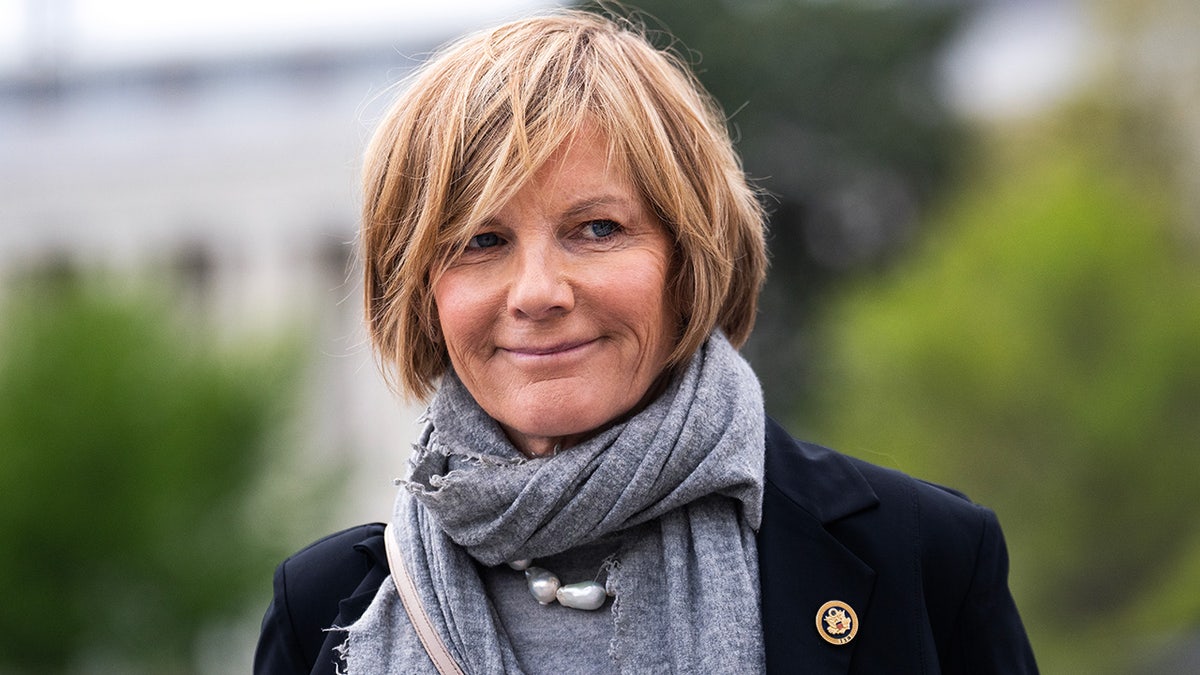
Rep. Susie Lee, D-Nev., arrives at the U.S. Capitol before the House passed the budget resolution on Thursday, April 10, 2025. (Tom Williams/CQ-Roll Call, Inc via Getty Images)
«The independent part of Nevada, and especially the district I’m in, CD3, is huge.
«The left has gone so far left that the only thing that we need to be able to present to the people who are in the middle is that we believe in common sense solutions. We believe in common sense. Not nonsense.
‘HALO’ VIDEO GAME MUSIC COMPOSER AIMS TO REARRANGE WASHINGTON
«You know, transing your kids, boys in girls’ sports, having open borders, the ever-growing federal government and fraud, that all has to stop and I think people are ready for that, and I think the independents are ready for that.»
With a business background and a common sense approach, O’Donnell argues that his mainstream appeal will carry him through in the Las Vegas suburbs.
«Well Las Vegas is a town that has grown up being all about hospitality and casinos and hotels and entertainment, but it’s also becoming a high-tech place.
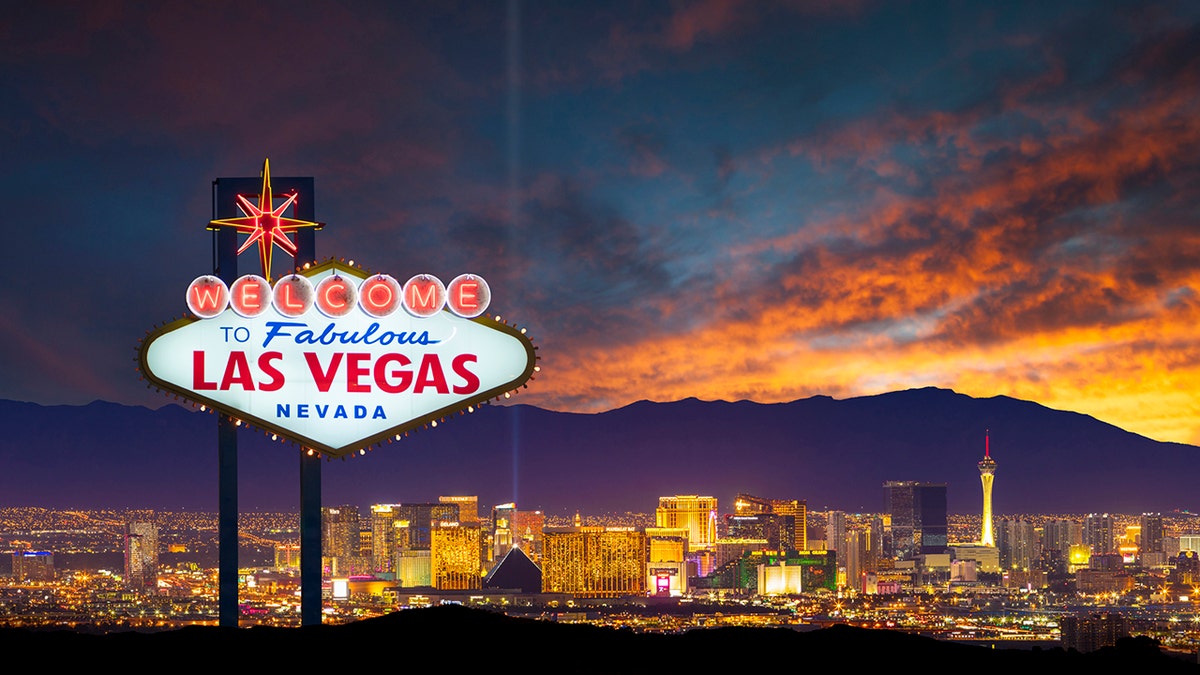
Las Vegas also ranked high on the list of the most fun cities in America. (iStock)
«I think the business community here, especially in the district I’m from, which is on the northwest side of Las Vegas, is ready to just explode. Summerlin area, there are all sorts of business opportunities there. And it’s unique because it’s a diverse community. We have a huge Asian population, Hispanic, people who have retired, people who work in hospitality and are part of unions.
«But these people are, are family people and family people are what I consider to be normal people and I think this midterm could be the revenge of the normies. I think normal people are going to come out and say they’ve had enough with the crazies.»
O’Donnell strongly supports Donald Trump’s foreign policy and is not adverse to military action to topple the longstanding communist regime in Havana:
«I am absolutely ready for Cuba to have the same fate that Venezuela had. The people of Cuba have been suppressed almost my entire lifetime. It’s time for Cuba to be free again. The people of Cuba deserve to be free. Fidel Castro died a long time ago.
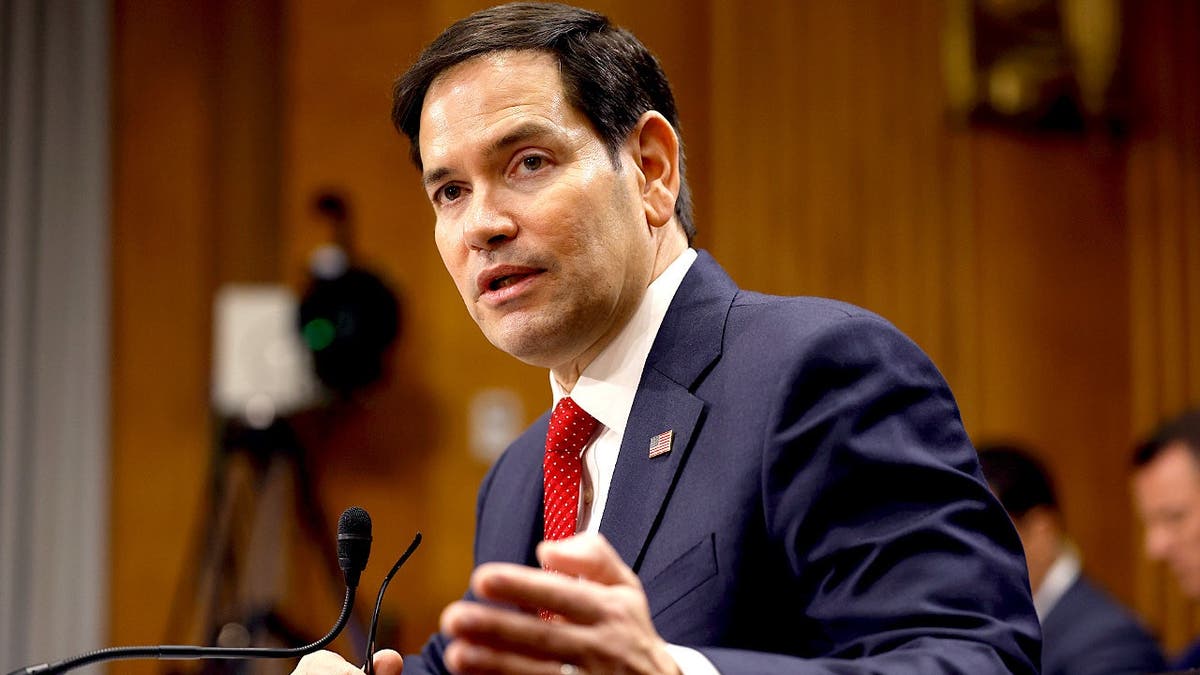
U.S. President-elect Donald Trump’s nominee for Secretary of State, Sen. Marco Rubio (R-FL) testifies during his Senate Foreign Relations confirmation hearing at Dirksen Senate Office Building on Jan. 15, 2025 in Washington, D.C. (Kevin Dietsch/Getty Images)
«There are so many smart, successful people from Cuba, especially in Florida, Marco being one of them, of course. And it’s time. We don’t necessarily need to do a military intervention, but if that’s what needs to happen, I would be all for it because, I think the administration knows what needs to happen in Cuba, and I’m looking forward to a free Cuba over the next year.»
Finally, O’Donnell pledges to hold the line on spending and not fall victim to the establishment GOP drift to big government spending:
CLICK HERE TO DOWNLOAD THE FOX NEWS APP
«My plan is to take the ring of power and throw it into the fires of Mount Doom. That’s a little shout-out to my nerd friends. Listen, the government is too big. There was a point where President Clinton said ‘the era of big government is over.’ Obviously, he didn’t mean it, but it appeals to people still to this day.
«There’s so much fraud, there’s so much waste in big government. How is it not time for the government to balance its budget, to cut… 10 percent, at least, of every program it has and go after all the fraud and waste that is just rampant? We cannot continue to spend like drunken sailors. We can’t continue to increase the budgets and tax the people. It’s just unacceptable.»
politics, nevada, midterm elections, republicans
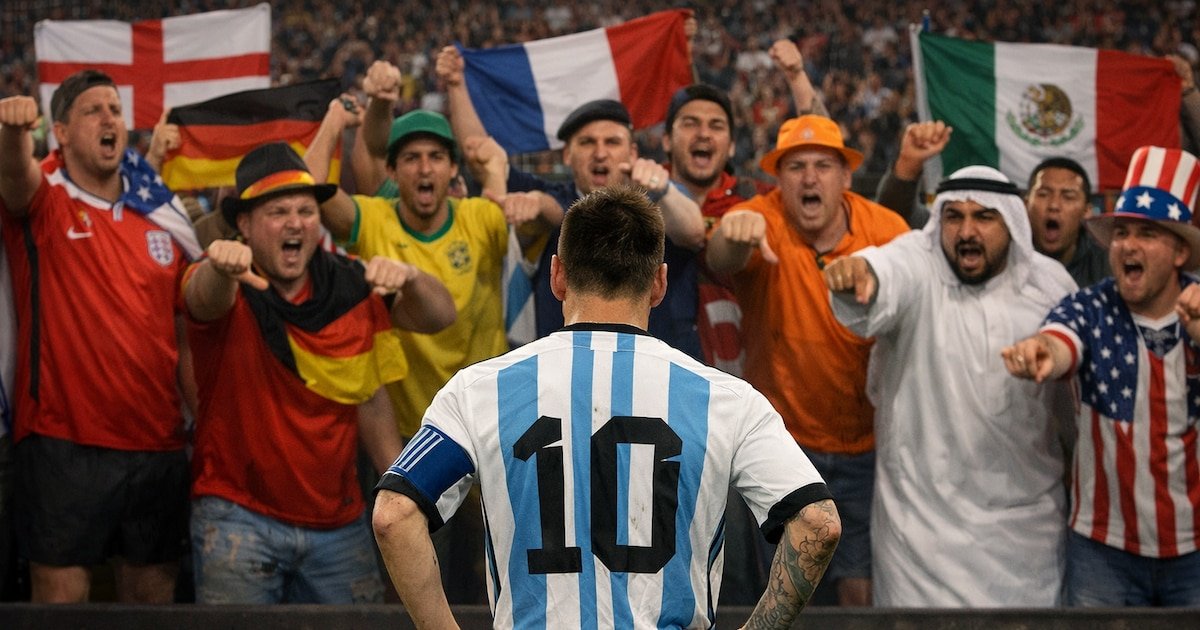
Cuando los primeros en felicitar al ganador de un mundial de fútbol son el Presidente de Irán Masoud Pezeshkian, el Presidente de Turquía Recep Tayyip Erdogan, los hutíes del Yemen y la organización terrorista Hamas, entonces esto no va de fútbol. Si además, las felicitaciones son especialmente eufóricas, no por quien ha ganado, sino por quien ha perdido, entonces esto no va de fútbol. Si, además, el jefe del parlamento iraní, Mohammad Bagher Ghalibaf, país que destruye todos los derechos fundamentales de su pueblo, tiene la desvergüenza de asegurar que el éxito de España “ha traído la felicidad a todas las naciones libres del mundo que se oponen a los Estados Unidos e Israel”, decididamente esto no va de fútbol. Y desde luego, no tiene nada que ver con el fútbol ni el odio desatado a la selección argentina, ni los bulos y maldades contra Messi, ni las aberrantes acusaciones de racismo, ni la argentinidad convertida en el saco de boxeo del wokismo más obtuso. Detrás de esta campaña nauseabunda e infecta contra Argentina el fútbol no existe, solo es la excusa para vehicular pensamientos muy oscuros. Lo cual no saca razón al éxito de la selección española, que ganó con méritos el título, pero como queda claro, esto no va de fútbol.
¿Una conjura? ¿Un complot? ¿O sencillamente la suma de prejuicios, dogmas ideológicos, fobias políticas y popurri geopolítico? O dicho de otra manera, lo que une a Zohran Mamdani con Irene Montero, Javier Bardem y Samuel L. Jackson, o directamente las autoridades de Hamas. No todos se mueven por las mismas obsesiones o los mismos intereses, pero todos convergen en el mismo objetivo: convertir Argentina en el villano perfecto, el chivo expiatorio de los males que quieren erradicar. No les une lo que defienden, sino lo que detestan, y todo lo que detestan lo representa la Argentina actual: desde el fortalecimiento de la democracia liberal, hasta la defensa de los valores judeocristianos. Es contra esos valores, contra los que se revuelve la izquierda woke internacional, que no perdona a la Argentina de Milei el liderar el proceso regenerador de América Latina, enfrentarse a la locura bolivariana, acercarse a Estados Unidos y tener excelentes relaciones con Israel. Esta Argentina desacomplejada y exitosa rompe los esquemas ideológicos del wokismo, una derivada del postcomunismo que, en su desprecio profundo por las democracias liberales, se encuentra con el orientalismo antioccidental: de Yanis Varoufakis a Mamdani, de Irán a Turquía, de Bardem a Jackson.
En este sentido, es reveladora la frase de Varoufakis, fundador de la Internacional Progresista, que aseguró que el domingo había triunfado “el multiculturalismo saludable, que logró sobrevivir a la feroz comercialización y los trucos empresariales”. Difícil sostener mayor empanada ideológica, y más cuando lo pronuncia un señor que cuando fue ministro de finanzas de Grecia dejó el país en los huesos. Como si la sociedad argentina no fuera un extraordinario y saludable crisol de identidades, culturas y orígenes. De hecho, la mayoría de los ataques contra la selección son de tal desvergüenza que no aguantan ni un minuto de reflexión. La acusación de “racismo” del actor Samuel L. Jackson contra un país que abolió la esclavitud en 1853, él que vive en un país con una grave situación de racismo, es de traca. O los ataques de la prensa egipcia en la misma dirección, a pesar de que la minoría cristiana (un 15% de la población) sufre una discriminación secular. O la locura antiargentina en México, que prefería defender a España, el país que acusa de colonizador, que a Argentina, que se libró de los colonizadores. Si añadimos el ataque de histeria que una bandera de Israel en la grada argentina le produjo a Irene Montero, o la verborrea clásica de Bardem, tenemos el espectáculo completo. Un espectáculo que siempre funciona de igual manera: utilizar los peores estigmas, el racismo, el supremacismo, la discriminación, los privilegios como arma arrojadiza contra aquello que considera políticamente condenable. Y la selección argentina se ha convertido en el símbolo que concentra todas sus fobias: Milei, Israel, Estados Unidos, democracia liberal, sociedad judeo cristiana… Lo peor para el wokismo.
Y lo peor, también, para los países y grupos violentos que detestan la democracia y que trabajan coordinados con las izquierdas woke en sus ataques mediáticos a Israel. Y, por supuesto, una victoria de Argentina era, para todos estos, una victoria israelí. De ahí las campañas furibundamente antiargentinas en redes, los bulos sobre Messi, todo ello responde a ese fenómeno global que empieza en Teherán, pasa por Estambul y puede acabar en una pintada en el metro de Madrid con la frase “Messi sionista”. Por supuesto, en el caso de España ayuda, y mucho, la actitud anti israelí del propio Pedro Sánchez, convertido en un gran vivero de antisemitismo.
Sea como sea, era fútbol, pero no ha sido fútbol, sino política e ideología. Sucia, deleznable, injusta, pero muy eficaz en los tiempos de la viralización. Lo peor es que han intentado convertir a la selección argentina, una selección que ama al fútbol como ninguna, nutrida de gentes de todos los barrios y condiciones, con un aporte extraordinario a la historia del fútbol mundial, la han intentado convertir en el símbolo de todo lo que odian. Es el wokismo, es la izquierda caviar, es la geopolítica que mueve sus tentáculos, es el poder viral de los enemigos de la democracia.
No puedo acabar este artículo sin hacer un sentido homenaje a Lionel Messi, cuya grandeza humana trasciende su grandeza deportiva. Diga lo que diga el ruido, éste ha sido su Mundial, grabado para siempre con esfuerzo, sudor y lágrimas en la historia del fútbol. Gracias Messi por todo. Gracias por tanto.
X: @RaholaOficial
Web:
Instagram: pilar_rahola/
lionel messi,selección argentina,fútbol,aficionados,controversia,mundial

Pikmin Bloom desvela sus planes para agosto de 2026, centrados en las cañas de Indias – Nintenderos

El Gobierno evalúa los pasos legales para frenar la ejecución del fallo de la Justicia de EE.UU. por la expropiación de Aerolíneas

Giro en Oriente Medio: Estados Unidos y Arabia Saudita firmaron un acuerdo que permite al reino tener un programa nuclear

El rotundo cambio físico de Gastón Edul en la previa a su pelea contra el periodista amigo de Cristiano Ronaldo en la Velada 6

Norte de Salta: el brote de dengue que saturó los hospitales y que el Gobierno prefiere silenciar

La economía cayó por segundo mes consecutivo, pero se mantuvo por encima del año pasado

Sin la Copa y sin Messi en el avión, vuelve Tapia y deberá enfrentar tres frentes de tormenta tras la pausa del Mundial

Escándalo Mundial: Las presiones secretas, la amenaza de la FIFA por Malvinas y la verdad detrás del partido contra España

Samuel L. Jackson llamó a Argentina “el país más racista del mundo”: la contundente respuesta que le dejó Bárbara Lombardo

Le ganan a la inflación: los senadores pasarán a cobrar $12 millones brutos a partir de agosto

 POLITICA3 días ago
Sin la Copa y sin Messi en el avión, vuelve Tapia y deberá enfrentar tres frentes de tormenta tras la pausa del Mundial
- DEPORTE1 día ago
Escándalo Mundial: Las presiones secretas, la amenaza de la FIFA por Malvinas y la verdad detrás del partido contra España
- CHIMENTOS2 días ago
Samuel L. Jackson llamó a Argentina “el país más racista del mundo”: la contundente respuesta que le dejó Bárbara Lombardo