INTERNACIONAL
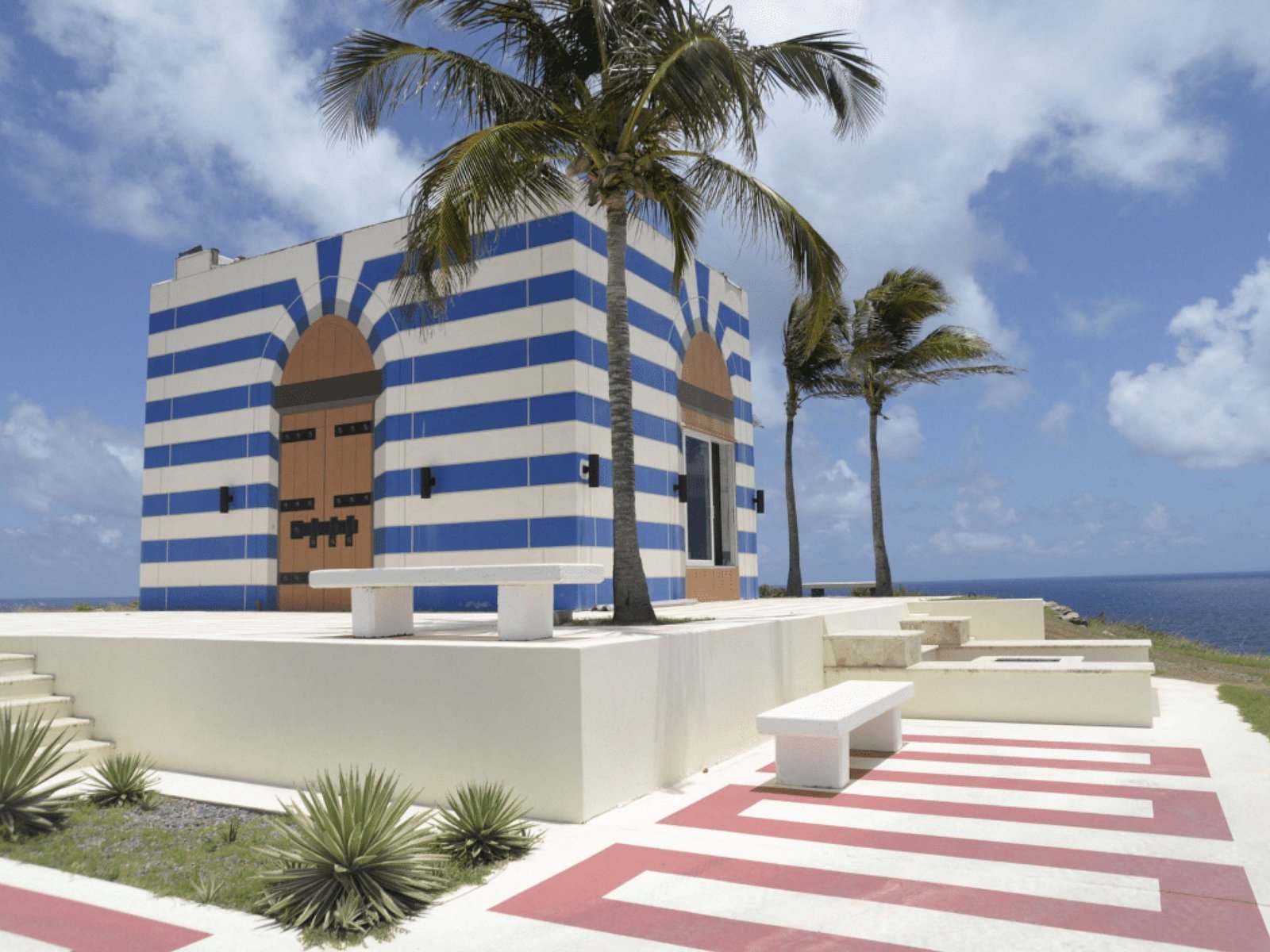
Epstein tenía su propia «mezquita» y obtuvo objetos del lugar más sagrado del Islam para adornala




INTERNACIONAL
El gobierno de Trump le pidió a la Justicia de Estados Unidos darle inmunidad a Delcy Rodríguez por reconocerla como presidenta de Venezuela
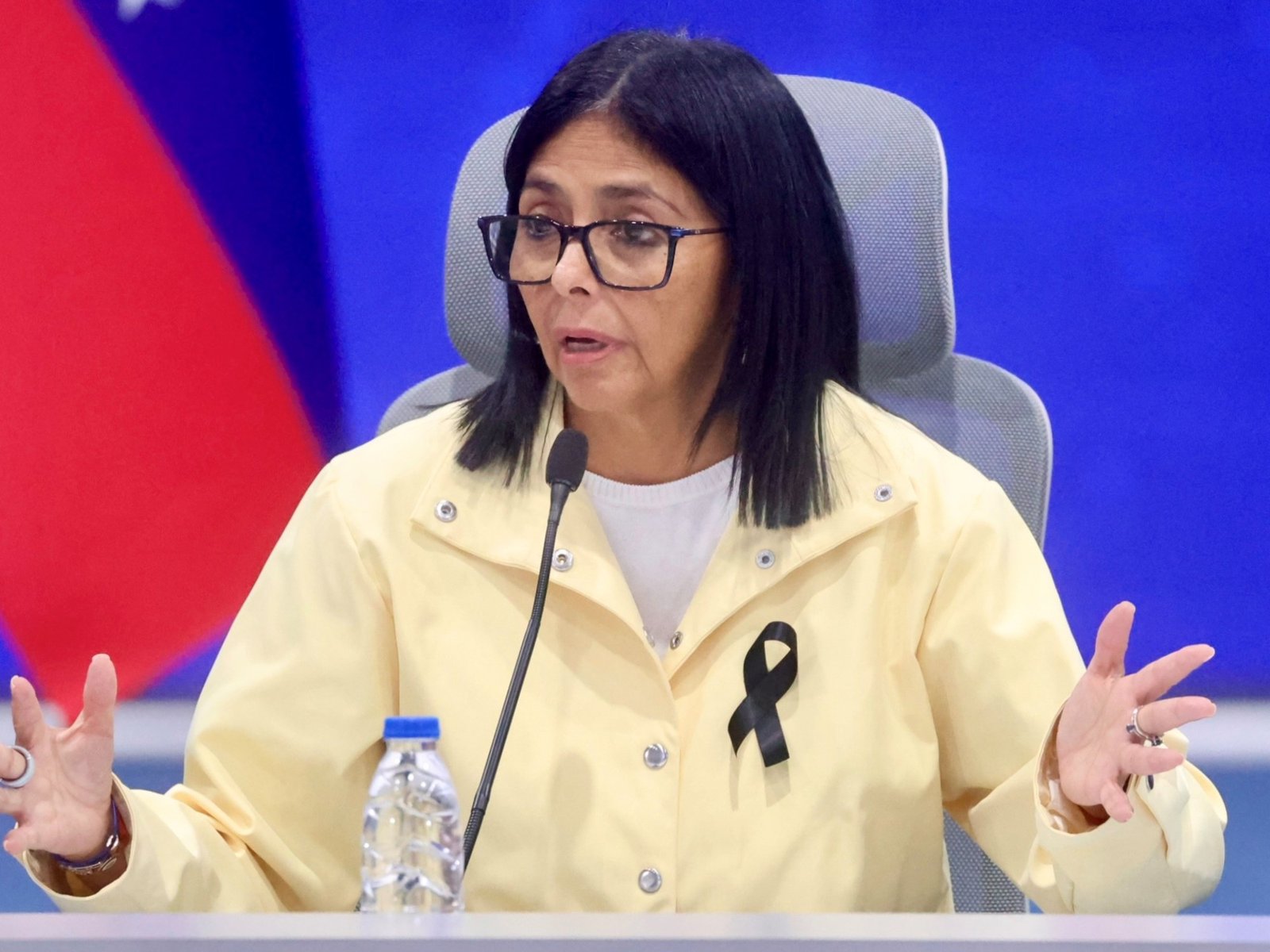
La administración de Donald Trump pidió al Departamento de Justicia de Estados Unidos que garantice la inmunidad judicial de la presidenta interina de Venezuela, Delcy Rodríguez, en la demanda civil abierta contra ella en Florida.
Así lo solicitó el asesor jurídico del Departamento de Estado, Reed Rubinstein, en una carta enviada el pasado 11 de julio al fiscal general adjunto de Estados Unidos, Brett Shumate.
En la carta, el Departamento de Estado recuerda que desde el pasado 5 de marzo reconoce oficialmente a Rodríguez como jefa de Estado de Venezuela tras asumir el poder de forma interina después de la captura del presidente Nicolás Maduro -a quien Estados Unidos no reconoce como presidente de Venezuela desde 2019- por fuerzas estadounidenses el 3 de enero.
«La presidenta Rodríguez, como jefa de Estado en funciones de un Estado extranjero, goza de inmunidad mientras permanezca en el cargo frente a la jurisdicción del Tribunal de Distrito de los Estados Unidos en este caso», considera la Administración de Trump.
«En consecuencia, el Departamento de Estado solicita que el Departamento de Justicia presente cuanto antes ante el tribunal distrital una sugerencia de inmunidad, informándole de lo anterior a la mayor brevedad», apunta el documento.
Rodríguez enfrenta una demanda civil ante un tribunal del Distrito Sur de Florida, en Miami, por presuntos secuestros, torturas y actos terroristas vinculados al chavismo.
El pasado 15 de julio, tras la carta enviada por el Departamento de Estado, el juez ordenó una indemnización de US$314 millones en este caso, aunque Delcy Rodríguez fue excluida del fallo, que sí afecta a Maduro y a otros funcionarios chavistas.
El Gobierno de Trump pidió en la carta a la fiscalía que tome nota de «la especial importancia» que tiene para Estados Unidos que el caso contra Rodríguez sea desestimado, dadas «las significativas implicaciones de política exterior que tendría una actuación de ese tipo».
La carta revela que la Embajada de Venezuela en Estados Unidos ha pedido al Departamento de Estado que certifique la inmunidad de Rodríguez en este caso.
Desde la captura de Maduro, el Gobierno de Trump ha estrechado relaciones con el Gobierno interino de Rodríguez, quien fuera vicepresidenta de Maduro, mientras la líder opositora María Corina Machado insiste en su intención de regresar a Venezuela para impulsar una transición democrática en el país.
La semana pasada, un juez del Distrito Sur de Florida le ordenó a Maduro y otros dirigentes chavistas –Diosdado Cabello, Vladimir Padrino, Alex Saab y Tarek William Saab, entre otros- pagar US$314 millones por una demanda que presentaron más de 10 estadounidenses. El juez, Darrin Gayles, excluyó a Delcy Rodríguez y a su hermano, Jorge Rodríguez, presidente de la Asamblea Nacional.
Los demandantes incluyen a Jerrel Kenemore, Jason Saad y Edgar Marval, quienes en 2023 formaron parte de un intercambio de prisioneros durante el mandato del demócrata Joe Biden (2021-2025) que resultó en la liberación de Alex Saab, detenido desde mayo pasado otra vez en este país.
Los demandantes, incluyendo secuestrados en Venezuela y dos menores de edad, habían presentado la demanda en agosto de 2025, pero la reactivaron en enero con una nueva moción tras la captura de Maduro, ahora preso en Nueva York, donde afronta cargos de narcoterrorismo.
El recurso acusa a los líderes del chavismo de violar la Ley Federal Antiterrorismo (ATA, en inglés), la Ley Antiterrorismo de Florida y la Ley de Organizaciones Corruptas e Influenciadas por el Crimen Organizado (RICO).
El fallo del juez argumentó que Maduro «históricamente ha secuestrado y detenido arbitrariamente a ciudadanos estadounidenses para canjearlos por la liberación de criminales venezolanos recluidos en los Estados Unidos».
También acusó al expresidente venezolano de «narcoterrorismo» con el aparente «objetivo de intimidar o coaccionar a la población civil» estadounidense.
Este recurso civil es paralelo al proceso penal que afronta Maduro por narcotráfico en Nueva York, donde también está detenida su esposa Cilia Flores.
INTERNACIONAL
EXCLUSIVE: Nick Shirley fires back at Minnesota critics: ‘Numbers don’t lie, and convictions don’t lie’
NEWYou can now listen to Fox News articles!
Nick Shirley never planned to become one of the nation’s best known independent journalists, making videos that would dominate the national conversation and be retweeted by vice presidents and CEOs.
Yet in the wake of his Minnesota fraud investigation, Shirley has exploded onto the national scene as a one-man journalism machine.
Recently, he sat down with Fox News Digital at Freedom Fest in Las Vegas to discuss his unconventional rise, his reporting philosophy, and the stories the mainstream media is still ignoring.
NICK SHIRLEY EXPLAINS FRAUD ‘ENTREPRENEURSHIP’ HE SAYS IS RUNNING RAMPANT IN CA
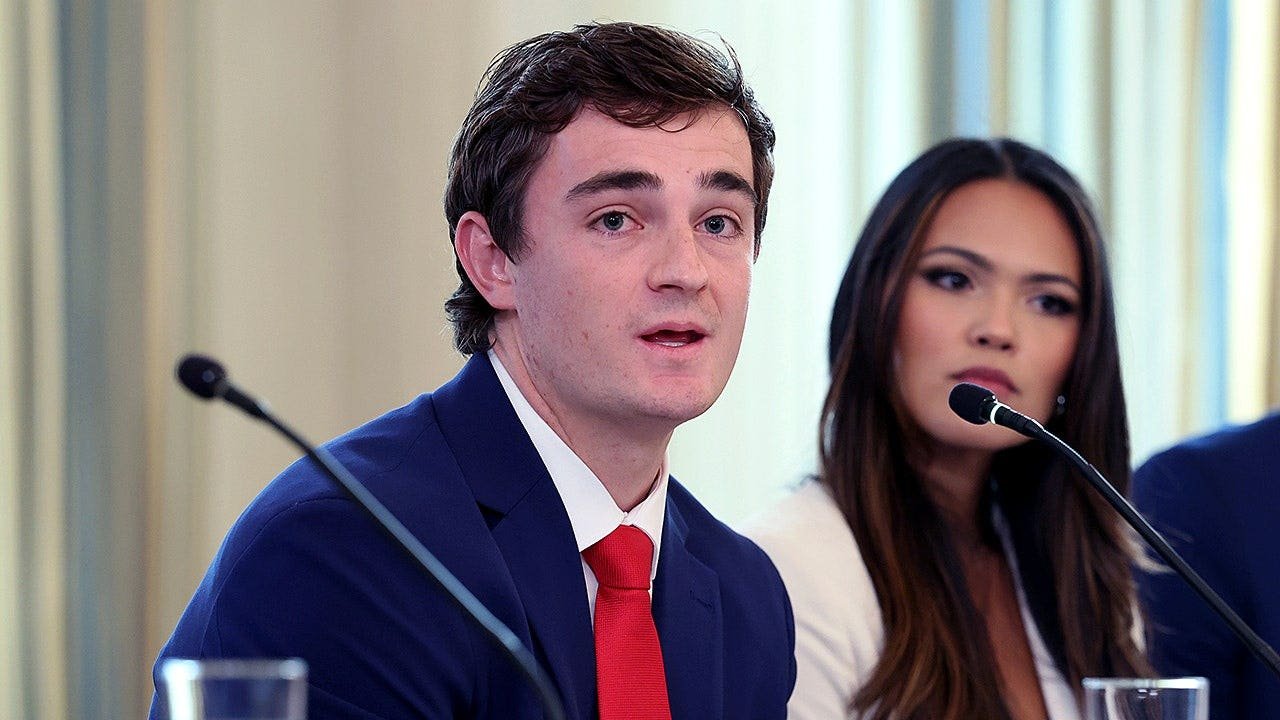
Independent journalist Nick Shirley speaks during a roundtable discussion in the State Dining Room of the White House in Washington, D.C. (Anna Moneymaker/Getty Images, File)
«Well, when I was younger, I’d make vlog pranks, and then I started to get a little bit older and wanted to see what was happening in the world. And it turned into journalism,» Shirley said about his start in reporting. «I didn’t know it was journalism at the time. I thought I was just making YouTube videos on more interesting topics.
«And now I’m one of the biggest and most well-known journalists in America, in the world, actually.»
Shirley conceded that his particular style is hard to define.
«I think that’s a good mix, like an…independent YouTube journalist, like it’s journalism with a bit of documentary style as well, so it’s kind of different than what anyone has ever done before as far as this new realm of YouTube journalism,» he said.
Shirley said he realized that he had an explosive story as the Minnesota fraud video «Feeding Our Future» scandal cracked nine-digit views on X.
YOUTUBER TO TESTIFY BEFORE CONGRESS ON MINNESOTA’S MASSIVE $9B FRAUD NETWORK INVESTIGATION
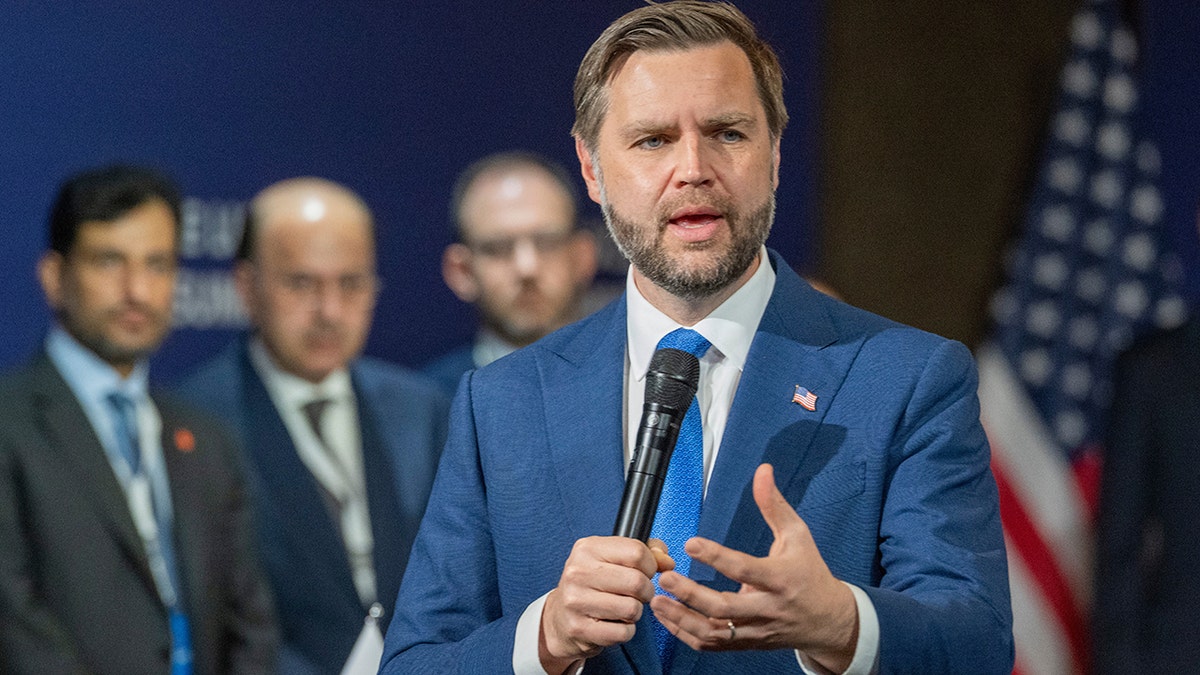
NIck Shirley’s brand of independent reporting has caught the eye of Vice President JD Vance, among other luminaries. (Urs Flueeler, Pool Photo via AP, File)
«When I saw it hit 100 million views, I had never seen a video get to 100 million views on X before. And then it became shared by some of the biggest voices in the world as well,» said Shirley, who boasts 1.7 million followers on the platform, and nearly 2 million subscribers on YouTube.
Among them were Vice President J.D. Vance, Elon Musk and FBI Director Kash Patel.
Shirley said he believes in zeroing in his investigation on primary sources when he is devoting time and resources to new stories.
«I take all the information that’s public from the government and I go straight to the source,» he said.
Despite the massive success Shirley has seen, he still comes across stories that do not get the exposure he feels is warranted.
«On a national level, I think the fentanyl crisis in the United States is really bad,» Shirley said. «I’ve done a few videos on that, but people seem to not want to stop the fentanyl crisis from happening.»
OWNER OF DAYCARE IN VIRAL NICK SHIRLEY VIDEO CHARGED IN $4.6M FRAUD SCHEME, PROSECUTORS SAY
Unsurprisingly, from time to time, Shirley said his journalistic work takes him to the limits of his comfort zone.
«In the favelas of Brazil, I thought I was going to die. That was a little scary,» he said. «In Kenya and Philadelphia as well, that was pretty dangerous.»
Shirley cited his Spanish language skills as a motivating factor in his coverage of the Biden administration border crisis, which he witnessed firsthand.
«I had heard about what was happening. I was living in Chile at the time. And I started to see what was happening with Venezuelan migrants coming into Chile,» Shirley said. «When I came back to the United States, I started looking into what was going on at the southern border.
«And since I could speak Spanish, I started to reveal what was actually happening. And people didn’t know that children were being smuggled. 17-year-old girls were coming over all by themselves. 12-year-old girls were all coming over all by themselves. And I kind of started to showcase what was happening from the border all the way to the shelters in New York City.»
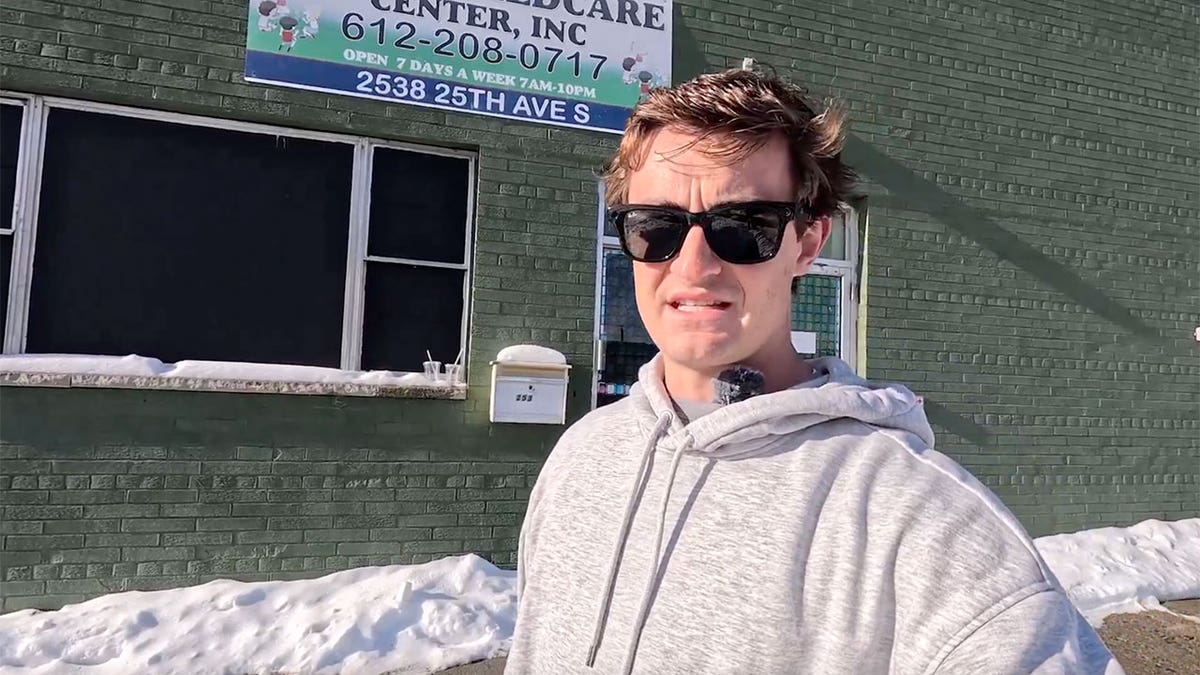
Nick Shirley upended the news cycle last month with a 42-minute video investigating Minnesota daycare centers that appeared inactive despite receiving millions of dollars in government funding. (Nick Shirley)
Shirley did a two-year mission with the LDS Church, and credits his faith as a motivation for his work.
«Well, I think our faith invites us to look for the truth and expose evil,» he said. «Like, the scriptures, the Bible, everything, it’s a bunch of strong men exposing what’s happening as well, and I think that’s kind of lost.»
CLICK HERE TO DOWNLOAD THE FOX NEWS APP
Shirley said the recent guilty plea of Fahima Egeh Mahamud — the woman tied to Minnesota’s massive «Feeding Our Future» scandal and daycare fraud scheme — as evidence of the veracity of his work, as the mainstream media and Democratic establishment have worked hard to discredit his investigations.
«Well, numbers don’t lie, and convictions don’t lie either,» he said. «The largest daycare in Minnesota, government funded, just pleaded guilty today.»
minnesota fraud exposed, minnesota, politics, fox news media, us, crime world
INTERNACIONAL
La cadena hotelera española Meliá anunció que cesará toda su actividad en Cuba y culpó al bloqueo de Trump a la isla
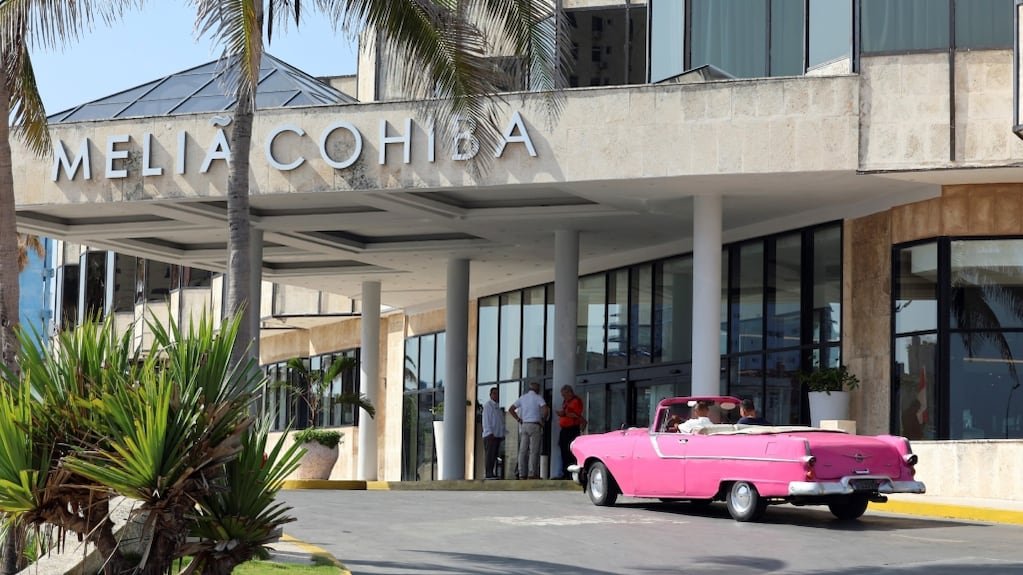
La cadena hotelera española Meliá, con 34 hoteles en Cuba, cesará el viernes próximo toda su actividad en la isla ante las “notables dificultades” operativas, legales y económico-financieras en el país a causa del bloqueo petrolero de Estados Unidos.
Meliá comunicó este martes a la Comisión Nacional del Mercado de Valores (CNMV) que su filial en Portugal, Ilha Bela Gestao e Turismo, a través de la que opera en Cuba en régimen de gestión, tomó la decisión de concluir a partir del viernes 24 de julio la prestación de servicios en todos los establecimientos en la isla.
Esta decisión es consecuencia de las “notables dificultades de carácter operativo, legal, económico y financiero que, persistentemente, han venido y vienen afectando” a Cuba, tras el embargo decretado por el presidente de Estados Unidos, Donald Trump, que imposibilitan “de hecho y de derecho” una “mínima estabilidad operativa”, señaló la compañía.
Meliá es una de las mayores hoteleras en Cuba y la principal de las cadenas extranjeras.
La isla enfrenta apagones interminables y la paralización de sus industrias y el transporte a causa del bloqueo petrolero impuesto por Trump después de la captura de Nicolás Maduro en enero en Venezuela, hasta entonces principal socio ideológico y económico de La Habana.
En 2025 la caída del turismo fue brutal. El desplome llegó al 25%. Solo llegaron 1,8 millones de turistas.
Qué implica la salida de Meliá de Cuba
El cese de actividad se extiende al uso de marcas autorizadas, a la actividad de recepción de turistas y a la cadena de suministro local vinculada al abastecimiento de los establecimientos.
En su comunicado, Meliá explica que está evaluando los impactos financieros de esta decisión, incluyendo la eventual revisión del valor en libros asociado a la operatividad en Cuba, que concretará cuando publique las cuentas del primer semestre.
La cadena hotelera Meliá se va de Cuba (Foto: EFE)
La filial portuguesa trabaja para garantizar una transición ordenada para que la salida tenga el menor impacto posible en colaboradores, proveedores y clientes, señaló la cadena hotelera.
El 7 de mayo pasado, cuando presentó los resultados del primer trimestre del año, Meliá comunicó que había cerrado el 50% de su capacidad operativa en Cuba como consecuencia del bloqueo comercial de Estados Unidos.
Leé también: Estados Unidos prepara nuevos aranceles a las importaciones de unos 60 países
Según explicó entonces, tenía en cartera 34 hoteles (algunos de ellos ya cerrados por esas fechas, aunque no precisó la cifra exacta), con 14.053 habitaciones y tenía otros dos en proyecto, que en principio tenía previsto abrir este año.
Fuentes de Meliá indicaron que el portfolio total estuvo operativo una media del 60% de los días del trimestre, que se vio comprometido “de forma significativa” tras la intervención de Estados Unidos en la región a principio de año.
Esa intervención generó una “dificultad sobrevenida” para la obtención de combustible, lo que, junto al estricto bloqueo comercial, afectó con fuerza al mercado turístico.
La hotelera reportó una ocupación en sus establecimientos en Cuba del 34,1%, 6,5 puntos por debajo del primer trimestre del año pasado y muy por debajo de la media de su cartera (58,8%, con un alza de 1,7 puntos).
El ingreso por habitación disponible, que da una idea de la rentabilidad de la operativa al tener en cuenta la ocupación, se situó en la isla en 34,4 euros, el 8,6 % menos que un año antes, frente a una media de 84 euros en el conjunto de sus hoteles.
La principal hotelera extranjera en Cuba
Meliá es una de las mayores hoteleras en Cuba y la principal de las extranjeras, con un portfolio de 34 hoteles, aunque ya había cerrado casi la mitad en el primer trimestre del año, por la crítica situación que se vive en la isla tras el embargo petrolero anunciado por Trump.
El 3 de junio anunció el cese de la gestión y uso de la marca en 15 hoteles en Cuba y este martes comunicó el fin de la gestión de los hoteles restantes a partir del viernes 24 de julio.
No obstante, la compañía española no es propietaria de los hoteles, que son de titularidad estatal a través de grupos como Gaesa (ligada al Ejército cubano), Cubanacan o el propio Ministerio de Turismo, y únicamente gestiona los establecimientos.
Este sistema supone que la cadena aporta, además de la marca, sus sistemas de reservas, sus medios de comercialización y los procedimientos operativos, y cobra una tarifa por la gestión y un bonus en función de los resultados.
Normalmente el personal directivo es de la compañía española, en tanto que el resto de los trabajadores dependen de las operadoras públicas cubanas, con lo que la salida de Cuba apenas tiene impacto en el empleo, según fuentes de la compañía.
(Con información de EFE)
cuba, España, Turismo

Con eje en Seguridad, el PRO relanza su proyecto de reforma del Código Penal: cuáles son los principales cambios que impulsan

Nazarena Vélez recordó el día que rechazó a Luis Miguel: “El chabón me encantaba, pero no iba a funcionar”

Las ventas físicas de videojuegos siguen fuertes en España y generan 873 millones de euros – Nintenderos

La profunda carta de la esposa del Dibu Martínez después de que el arquero puso su futuro en duda en la selección argentina: “Es momento de sanar”

El gobierno de Trump le pidió a la Justicia de Estados Unidos darle inmunidad a Delcy Rodríguez por reconocerla como presidenta de Venezuela

Un grupo argentino se quedó con el 91% de la petrolera canadiense Crown Point y acelera su expansión en tres cuencas del país

Sin la Copa y sin Messi en el avión, vuelve Tapia y deberá enfrentar tres frentes de tormenta tras la pausa del Mundial

Estados Unidos cambia una regla histórica del jugo de naranja vigente desde 1963 y afecta a toda la industria

Un diseño que pasó a la historia: quién fue el creador del trofeo de la Copa del Mundo

Antes de la clasificación, Franco Colapinto afrontará la última práctica libre del GP de Bélgica: hora, TV y todo lo que hay que saber

 POLITICA2 días ago
Sin la Copa y sin Messi en el avión, vuelve Tapia y deberá enfrentar tres frentes de tormenta tras la pausa del Mundial
- DEPORTE3 días ago
La tabla de títulos de los campeones de la Copa del Mundo y el listado de las selecciones más ganadoras de la historia
- POLITICA1 día ago
Le ganan a la inflación: los senadores pasarán a cobrar $12 millones brutos a partir de agosto