INTERNACIONAL
Global famine fears rise as Hormuz crisis threatens ‘eight-year,’ Suez-scale disruption

NEWYou can now listen to Fox News articles!
Analysts warn global famine fears are rising as food prices climb and fragile supply chains are strained during the Strait of Hormuz crisis, raising the risk of a prolonged, Suez-scale, eight-year disruption.
As the conflict entered Day 62, the U.S. maintained its naval blockade of traffic entering and exiting Iranian ports, while Iran continued to effectively close the Strait.
«Best case, there is an agreement between the U.S. and Iran within the next few weeks, and the Strait reopens,» Lars Jensen, CEO and partner at Vespucci Maritime, told Fox News Digital.
«And it has to be a deal where there is trust that Iran is sufficiently satisfied with the deal such that they do not suddenly close the strait again.
AIRLINES MAY CUT FLIGHT SCHEDULES AS IRAN TENSIONS DRIVE UP FUEL COSTS, EXPERTS WARN
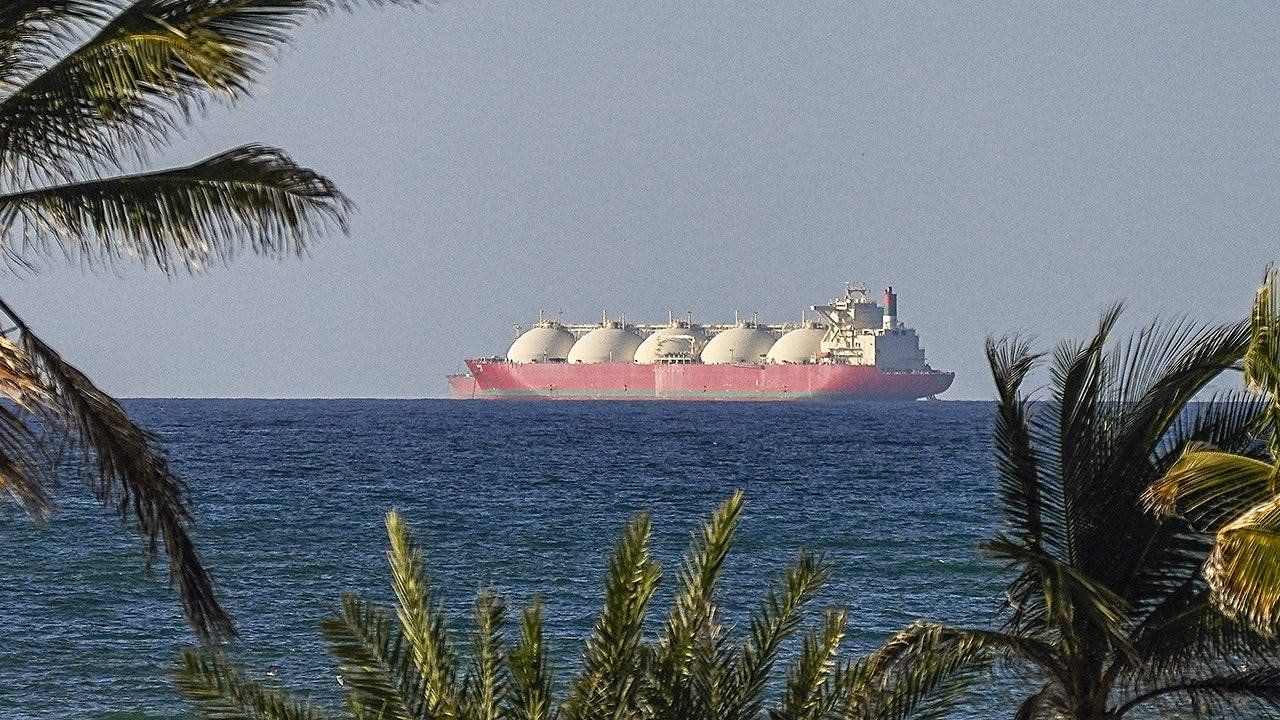
A cargo ship sails in the Persian Gulf toward the Strait of Hormuz April 22, 2026. (AP Photo)
«Even in that case, it will still take months for the supply chains to revert back to normality.»
President Donald Trump announced April 21 he would delay renewed strikes on Iran until it presents a proposal for long-term peace, effectively extending a 14-day ceasefire indefinitely.
Trump said Washington’s blockade of Iranian ports has been effective, urging Tehran to «just give up» as tensions escalate over the waterway.
«Worst case, we can look at the eight-year closure of the Suez Canal from 1967 to 1975,» Jensen said.
ISRAELI OFFICIALS REPORTEDLY WARN IRAN’S BALLISTIC MISSILES COULD TRIGGER SOLO MILITARY ACTION AGAINST TEHRAN
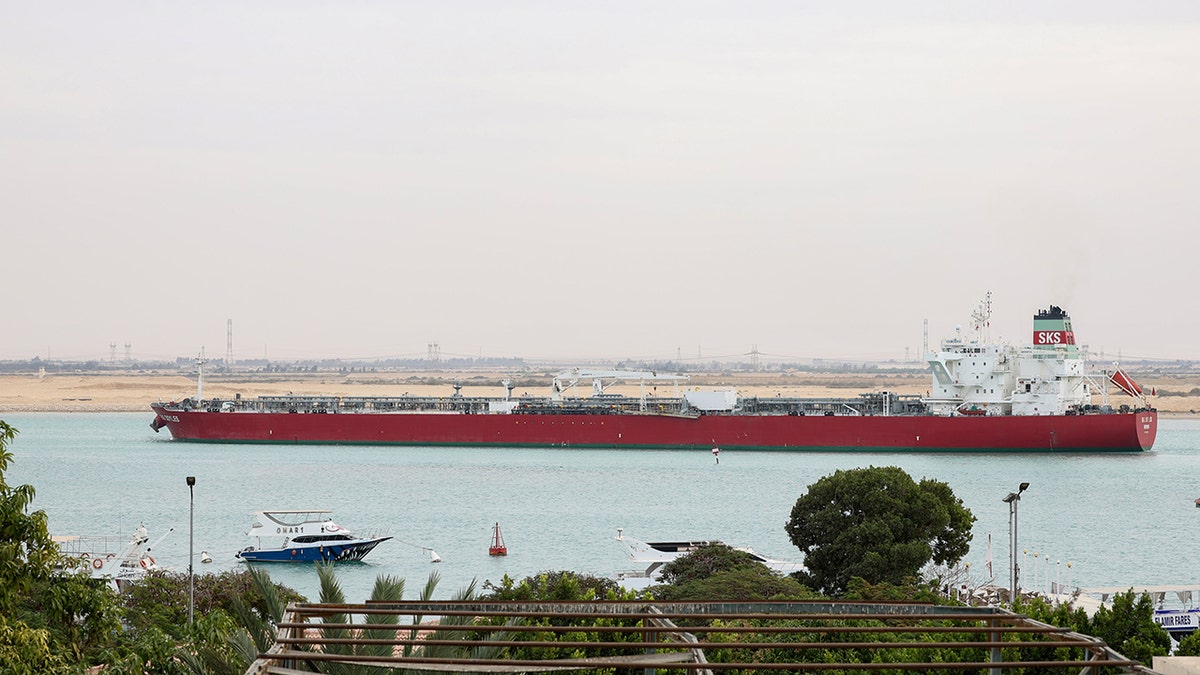
The SKS Doyles crude oil tanker moves along the Suez Canal towards Ismailia in Suez, Egypt, on Dec. 21, 2023, amid a sharp decline in tanker traffic through the Red Sea due to attacks disrupting global trade routes. (Stringer/Bloomberg)
«Despite its importance to the global economy, it proved impossible to reopen the canal for those eight years,» he said.
The Suez Canal, shut from 1967 to 1975 after the Arab-Israeli conflict, has faced recurring disruption, including Red Sea attacks since 2023, driving up insurance costs, creating a «shadow blockade» and curbing traffic.
For Hormuz, Jensen says fertilizer, which is central to agricultural production, is the most critical factor, and any sustained disruption could quickly ripple through global food systems.
«Fertilizer is the most important element. Thirty percent of the world’s seaborne fertilizer comes from the Persian Gulf,» Jensen said. «Fertilizer prices are already rising fast,» he warned.
IRAN FIRES LIVE MISSILES INTO STRAIT OF HORMUZ AS TRUMP ENVOYS ARRIVE FOR NUCLEAR TALKS
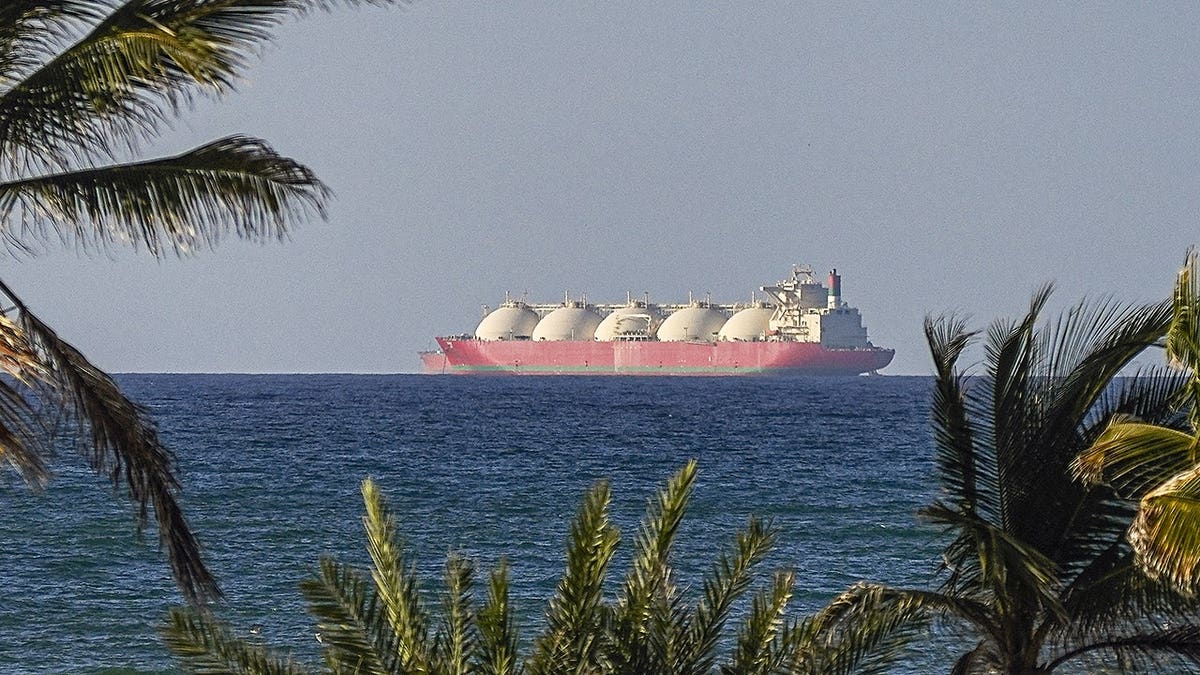
A ship is seen passing through the Strait of Hormuz during a two-week temporary ceasefire between the United States and Iran on April 8, 2026. (Shady Alassar/Anadolu/Getty Images)
«In wealthy countries, it means more expensive food come harvest season, and, in poor countries, it means that farmers right now cannot afford fertilizer,» Jensen added.
«This will lead to the harvest being lower later in the season, leading to rapid increases in food prices in very poor countries. And such a situation increases the risk of famine and conflict.»
Diplomatic efforts remained fragile between the U.S. and Iran as of Thursday, with limited signs of progress.
CLICK HERE TO DOWNLOAD THE FOX NEWS APP
According to reports, a giant banner hangs on a building in Tehran’s central Enqelab Square declaring, «The Strait of Hormuz will remain closed; the entire Persian Gulf is our hunting ground.»
«Cargo vessels are not going through for the simple reason that commercial companies do not want to see their seafarers potentially killed,» Jensen added.
conflicts, middle east, war with iran, iran, trade













INTERNACIONAL
Canada reportedly scraps joint bridge celebration with US after Trump renews tariff threat
NEWYou can now listen to Fox News articles!
Canada on Tuesday called off a joint celebration with the United States to mark the opening of the Gordie Howe International Bridge, following renewed tariff threats from President Donald Trump.
The bridge — which connects Detroit and Windsor, Ontario — was named after legendary Canadian hockey player Gordie Howe who played for the Detroit Red Wings, symbolizing the longstanding relationship between the two countries.
Trump on Monday announced plans to impose a 50% tariff on certain Canadian imports, citing what officials called trade discrimination against American companies in the dairy, auto and alcohol industries. The White House said Canada’s policies gave foreign competitors an unfair advantage.
«In light of trade action threatened by the United States earlier this week, it would be inappropriate to proceed with a celebratory event between the two countries,» Jenna Ghassabeh, a spokesperson for Canadian Infrastructure Minister Gregor Robertson, told Reuters in a statement.
TRUMP SAYS HE WILL BLOCK US-CANADA BRIDGE UNLESS CANADA NEGOTIATES ON TRADE
President Donald Trump in February threatened to prevent the opening of the Gordie Howe International Bridge unless Canada negotiates with the U.S. over tariffs. (Getty Images)
The bridge was scheduled to open to traffic next Monday, and American and Canadian officials were expected to attend a ribbon-cutting ceremony on Friday, Windsor Mayor Drew Dilkens previously told local media, according to Reuters.
Ghassabeh confirmed to Reuters that the bridge will still open next week, but the celebration will be held only «among Canadians.»
CANADIAN PM CARNEY FIRES BACK AT TRUMP OVER CLAIM THAT ‘CANADA LIVES BECAUSE OF THE UNITED STATES’
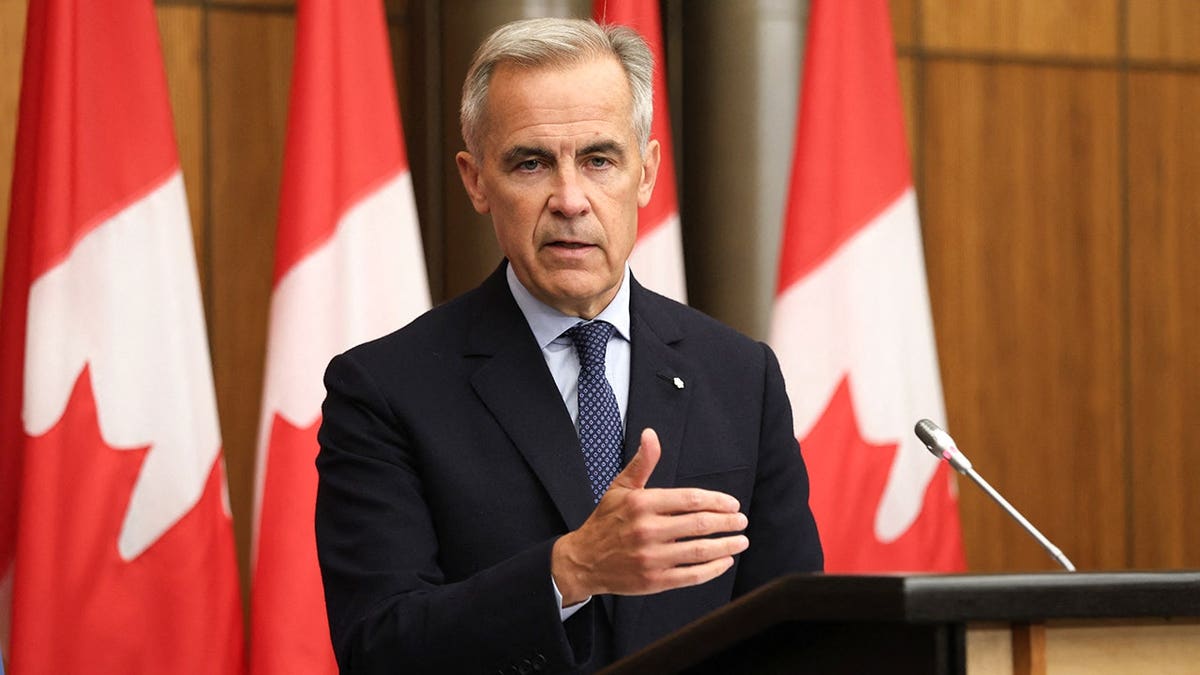
Canadian Prime Minister Mark Carney speaks during a press conference at the National Press Theatre in Ottawa, Ontario, Canada on July 30, 2025. (DAVE CHAN/AFP via Getty Images)
The multibillion-bridge project has faced multiple setbacks amid strained relations between the United States and Canada.
In February, Trump threatened to block the project after accusing Canada of unfair trade practices and criticizing its relationship with China. He cited Ontario’s removal of U.S. alcohol products from its liquor store shelves as an example of what he described as unfair treatment.
The bridge opening was later cleared to proceed after the U.S. and Canada reached a deal on how tolls would be charged to drivers earlier this month.
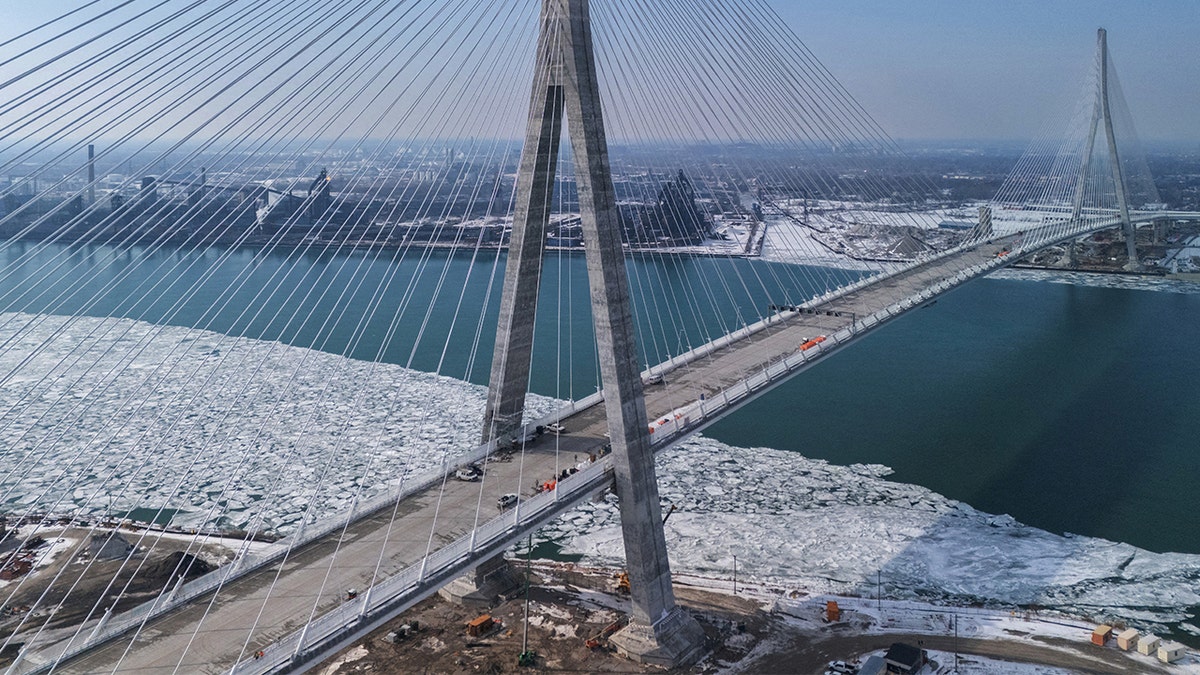
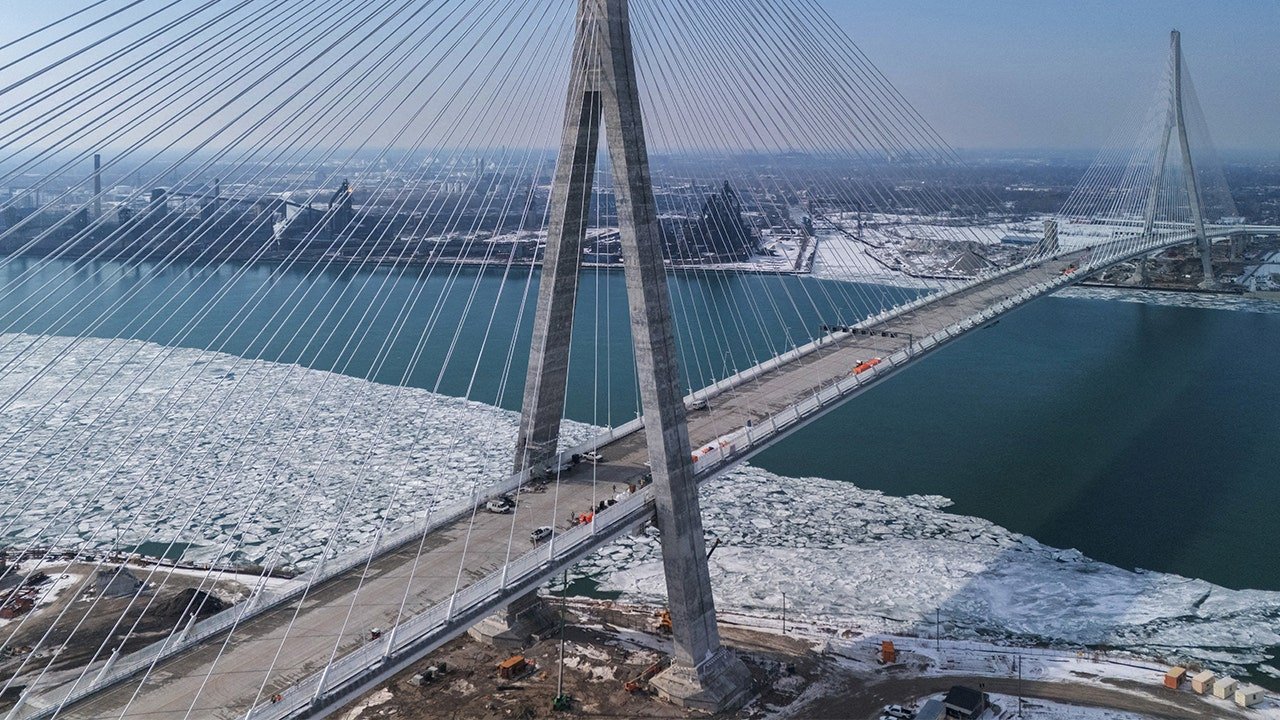
The Gordie Howe International Bridge, under construction to link Detroit, Michigan, with Windsor, Ontario, as seen in a drone image taken from Windsor, Ontario, Canada, February 10, 2026. (REUTERS/Dax Melmer/File Photo)
CLICK HERE TO DOWNLOAD THE FOX NEWS APP
The new bridge is expected to ease traffic on the privately owned Ambassador Bridge, the largest commercial border crossing between the two countries, which also connects Detroit and Windsor.
The port of entry handled $126 billion in trade carried by commercial trucks in 2023, Reuters reported.
canada, foreign policy, infrastructure across america
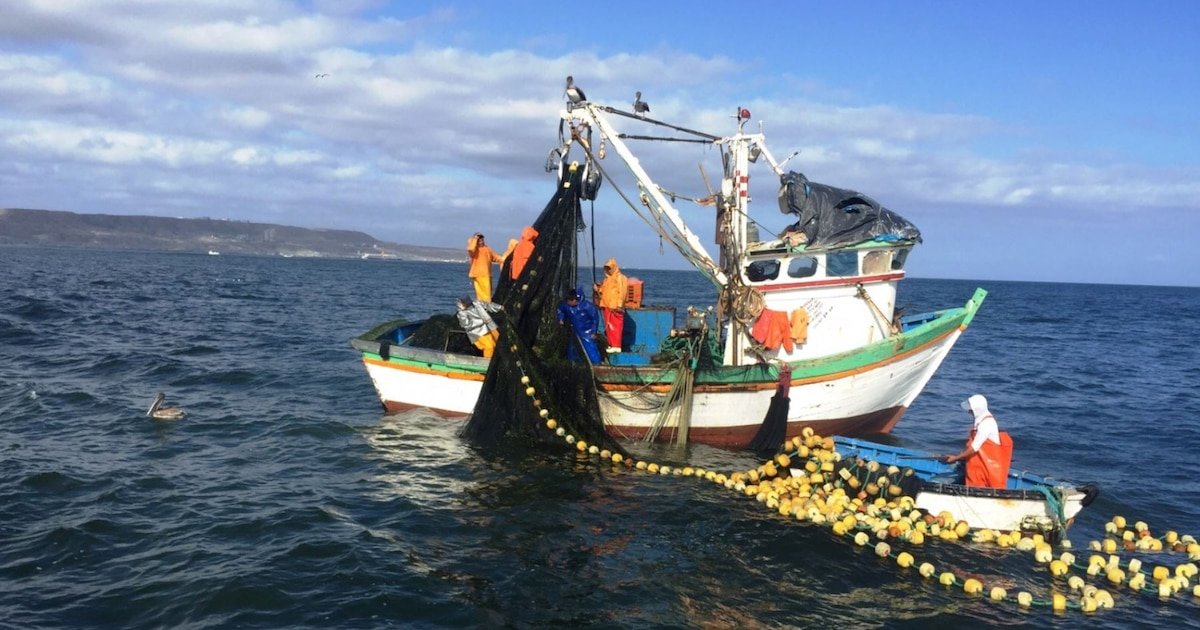
Panamá, país que ejerce actualmente la presidencia pro tempore de la Comisión de Pesca en Pequeña Escala, Artesanal y Acuicultura para América Latina y el Caribe, ha establecido un sistema robusto de áreas marinas protegidas que cubre más del 54% de su Zona Económica Exclusiva.
Este porcentaje supera significativamente la meta global de proteger al menos el 30% de las áreas marinas para 2030, sostiene la Organización de las Naciones Unidas para la Agricultura y la Alimentación (FAO)
Sumado a esto, la acuicultura es el segundo rubro de mayor exportación, con un 13.4% de camarones congelados; superado únicamente por el banano, representando el 17.5% del total.
Adicionalmente, es importante recordar que el promedio del consumo per cápita anual de productos del mar en Panamá es de 23.3 kilogramos, en comparación con América Latina y el Caribe, en donde el promedio es 9.8 kg por año.
Panamá se sumó recientemente a la iniciativa global “Mesopelagic Zone Conservation Challenge” un compromiso internacional para la protección de la llamada “zona crepuscular” del océano, que se extiende entre los 200 y 1.000 metros de profundidad.

Esta región resulta esencial para la biodiversidad marina y el equilibrio climático, ya que alberga hasta el 90% de la biomasa de peces del océano y cumple un papel clave en el secuestro de carbono.
El liderazgo de Panamá en la Comisión de Pesca en Pequeña Escala, Artesanal y Acuicultura para América Latina y el Caribe, permite articular acciones regionales orientadas a la sostenibilidad y la defensa de los intereses de las comunidades pesqueras.
El sistema de áreas marinas protegidas se extiende sobre más de la mitad de su Zona Económica Exclusiva, lo que representa una de las coberturas más amplias en la región. Las medidas incluyen restricciones a la pesca industrial, regulación de actividades extractivas y promoción de prácticas sustentables en la pesca artesanal y la acuicultura.
La presencia de especies como atún, pez espada, calamares y diversas variedades de pequeños peces pelágicos subraya la importancia económica y ecológica de estos espacios.
El impacto de la protección de la “zona crepuscular” se refleja tanto en la salud de los ecosistemas como en la economía local. La migración diaria de millones de animales mesopelágicos contribuye al transporte de carbono hacia las profundidades marinas, un mecanismo natural que ayuda a mitigar el cambio climático.

Estudios citados por Ethical Marketing News indican que estas especies transfieren entre dos y seis gigatoneladas de carbono al año a las capas profundas del océano.
La política pesquera panameña, alineada con los principios de la Comisión de Pesca en Pequeña Escala, busca equilibrar la conservación ambiental con el desarrollo de la pesca artesanal y la acuicultura.
El fortalecimiento de las áreas protegidas ha generado nuevas oportunidades para la investigación científica, el turismo sostenible y la valorización de las prácticas tradicionales de las comunidades costeras.
Según cifras de la FAO, se estima que la pesca en pequeña escala, tanto marina como continental, sustenta directamente a 110 millones de personas en todo el mundo y benefician a cerca de 500 millones si se incluye a sus familias.
Las mujeres representan alrededor del 40% de las personas que participan en las pesquerías en pequeña escala, pero enfrentan barreras para acceder a los recursos y a la toma de decisiones.

Las proyecciones de la FAO indican que para suplir la demanda de alimentos acuáticos al 2050, será necesario aumentar la producción en un 22% a nivel global. En la región, para mantener la tasa de consumo de alimentos acuáticos actual, se requerirá de incrementar su oferta un 13%.
pez espada
NEWYou can now listen to Fox News articles!
A sweeping border security bill aimed at permanently codifying several of President Donald Trump’s executive actions is headed to the House floor after clearing a key committee on Tuesday.
The House Judiciary Committee advanced the Permanent Trump Secure Border Act along party lines during an hours-long markup Tuesday over the fierce objections of Democratic lawmakers.
The legislation, authored by Rep. Chip Roy, R-Texas, would criminalize visa overstays and increase penalties for unlawful entry, would effectively end «catch and release» policies by requiring most illegal migrants to be detained or returned while their cases are pending and tighten asylum eligibility and humanitarian parole, among other provisions.
The measure would also bolster Customs and Border Protection (CBP) by directing the Department of Homeland Security to modernize border facilities, expand staffing and workforce planning and deploy more surveillance technology, including drones, radar systems, biometric screening and DNA collection.
‘AMERICA FIRST’ IMMIGRATION OVERHAUL BILL WOULD CODIFY TRUMP’S CAMPAIGN PROMISES ONCE AND FOR ALL
Rep. Chip Roy, R-Texas, walks up the House steps for a vote in the U.S. Capitol April 16, 2026. (Bill Clark/CQ-Roll Call, Inc. via Getty Images)
House conservatives for months have pressed GOP leaders to permanently codify Trump’s border agenda as illegal border crossings have fallen to historic lows during his second term. Republicans argue that without congressional action, many of the policies could be reversed by a future president.
«We want to make sure that if you ever, God forbid, get another Joe Biden-type president who’s just going to open the border, that makes it much tougher for him to do what he did,» House Judiciary Committee Chairman Jim Jordan, R-Ohio, told Fox News Digital.
Democrats opposed the measure, arguing any border security legislation must also address reforms to Immigration and Customs Enforcement (ICE) and expand pathways for legal immigration.
«We’ve been urging the majority to set aside the demonization of immigrants to pass comprehensive, commonsense immigration reform on a bipartisan basis,» House Judiciary Committee ranking member Jamie Raskin, D-Md., said during debate.
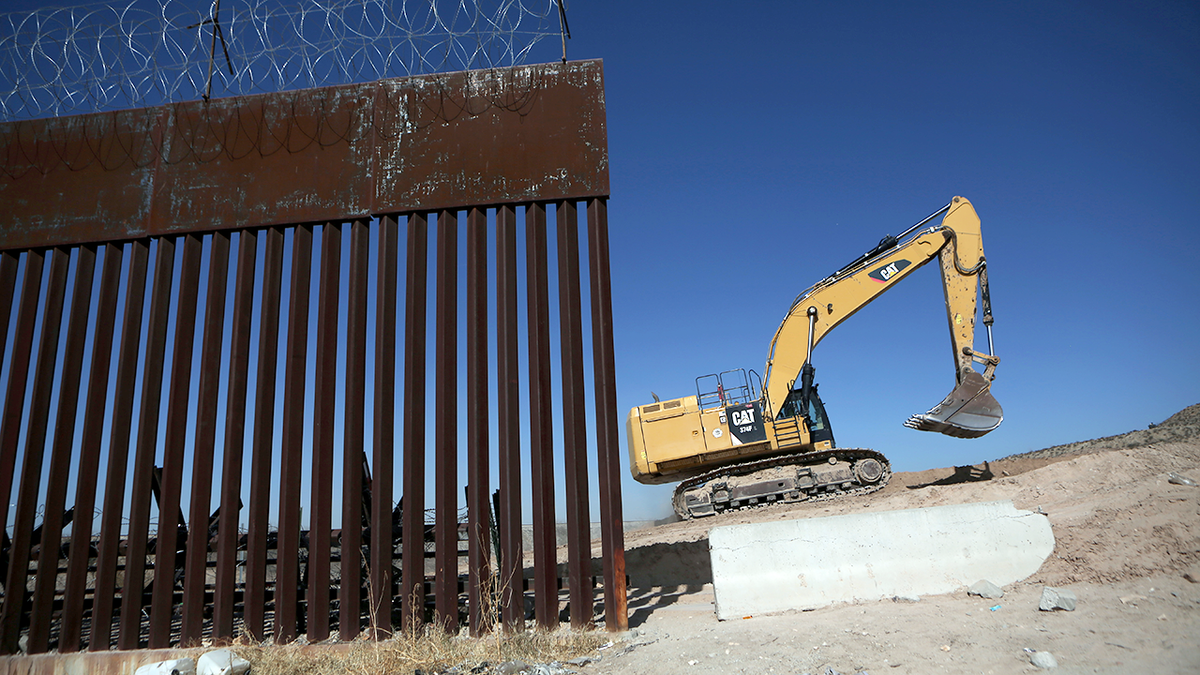
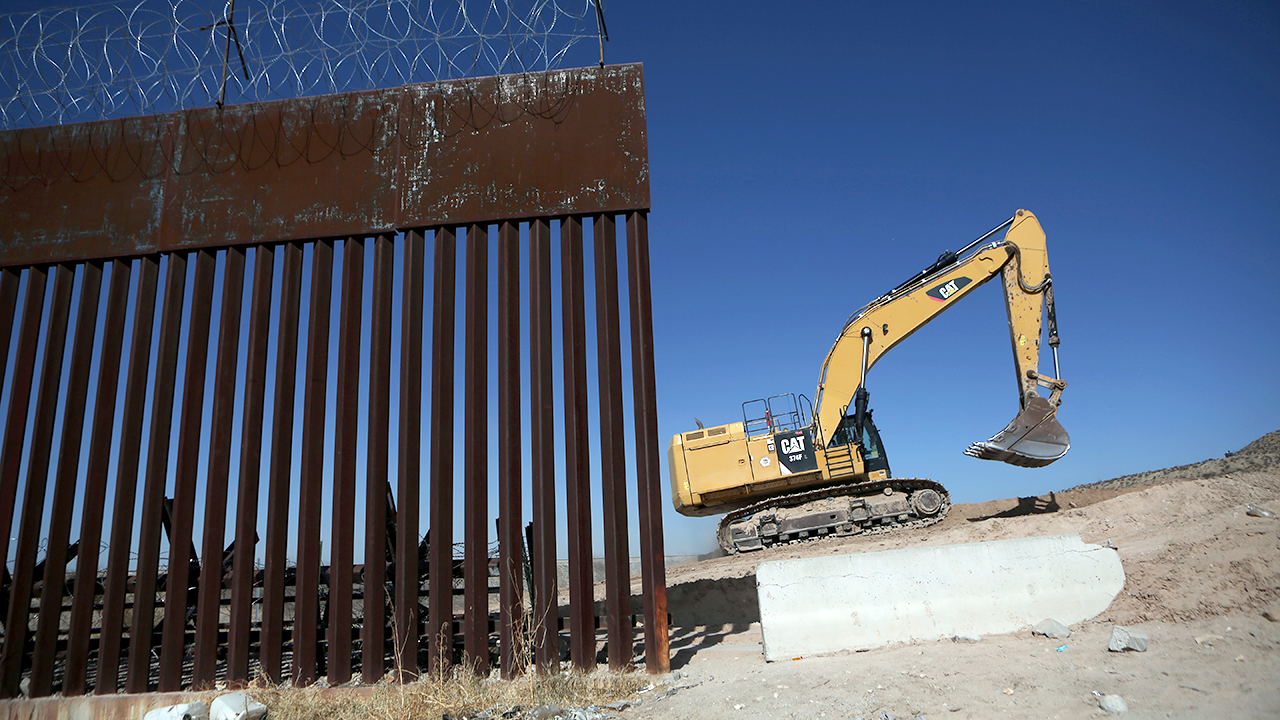
A construction vehicle builds the border wall near Sunland Park, N.M. in 2026. (Christian Torres/Getty Images)
INSIDE UNDERGROUND EL PASO STORM DRAIN SYSTEM BORDER PATROL SAYS CARTELS EXPLOIT TO SMUGGLE ILLEGAL MIGRANTS
Tuesday’s vote comes after House conservatives kept the floor frozen for several weeks in June and July in protest of GOP leaders failing to move border security legislation.
«We need to deliver on codifying border security, deal with the birthright citizenship issue,» Roy told reporters earlier in July.
«These are all issues people that I represent care about intently and that we’ve talked about doing, and we need to deliver,» he said.
Despite clearing committee, the legislation could face resistance on the House floor from some moderate Republicans seeking temporary legal protections for agricultural workers.
The measure closely mirrors H.R. 2, House Republicans’ border security bill passed during the Biden administration, but omits a nationwide E-Verify mandate that has long divided Republicans.
Some GOP lawmakers are also advocating for a floor vote curtailing birthright citizenship after the Supreme Court rejected the Trump administration’s attempts to limit the practice.

Rep. Jim Jordan, R-Ohio, said the Permanent Trump Secure Border Act is necessary to prevent a future president from undoing Trump’s executive orders. (Tom Williams/CQ-Roll Call, Inc. via Getty Images)
CLICK HERE TO DOWNLOAD THE FOX NEWS APP
In the House, Rep. Andy Ogles, R-Tenn., has also unveiled legislation, the Anchors Away Act, that would restrict birthright citizenship to babies with at least one parent with certain legal status and grant the federal government authority to deny entry to pregnant foreigners.
«I refuse to let these anchor babies colonize our country,» Ogles previously told Fox News Digital.
border security, politics, homeland security, illegal immigrants, republicans

Bullrich y Villarruel buscaron bajar la tensión tras el cruce por la Ley de Tierras y organizar las próximas sesiones del Senado

Canada reportedly scraps joint bridge celebration with US after Trump renews tariff threat

San Lorenzo se mueve para cerrar un defensor central en el mercado de pases

Tras el robo a sus hijos en Milán, Wanda Nara se mostró desnuda, se reencontró con sus dos hijas y entregó a los tres varones

Panamá mantiene un sistema robusto de áreas marinas protegidas

Jornada financiera: las acciones argentinas operaron en alza, pero también subió el riesgo país

Sin la Copa y sin Messi en el avión, vuelve Tapia y deberá enfrentar tres frentes de tormenta tras la pausa del Mundial

Estados Unidos cambia una regla histórica del jugo de naranja vigente desde 1963 y afecta a toda la industria

Un diseño que pasó a la historia: quién fue el creador del trofeo de la Copa del Mundo

Antes de la clasificación, Franco Colapinto afrontará la última práctica libre del GP de Bélgica: hora, TV y todo lo que hay que saber

 POLITICA2 días ago
Sin la Copa y sin Messi en el avión, vuelve Tapia y deberá enfrentar tres frentes de tormenta tras la pausa del Mundial
- DEPORTE3 días ago
La tabla de títulos de los campeones de la Copa del Mundo y el listado de las selecciones más ganadoras de la historia
- POLITICA1 día ago
Le ganan a la inflación: los senadores pasarán a cobrar $12 millones brutos a partir de agosto