INTERNACIONAL
Estados Unidos e Irán intercambian nuevos ataques en medio de la tensión por el estrecho de Ormuz

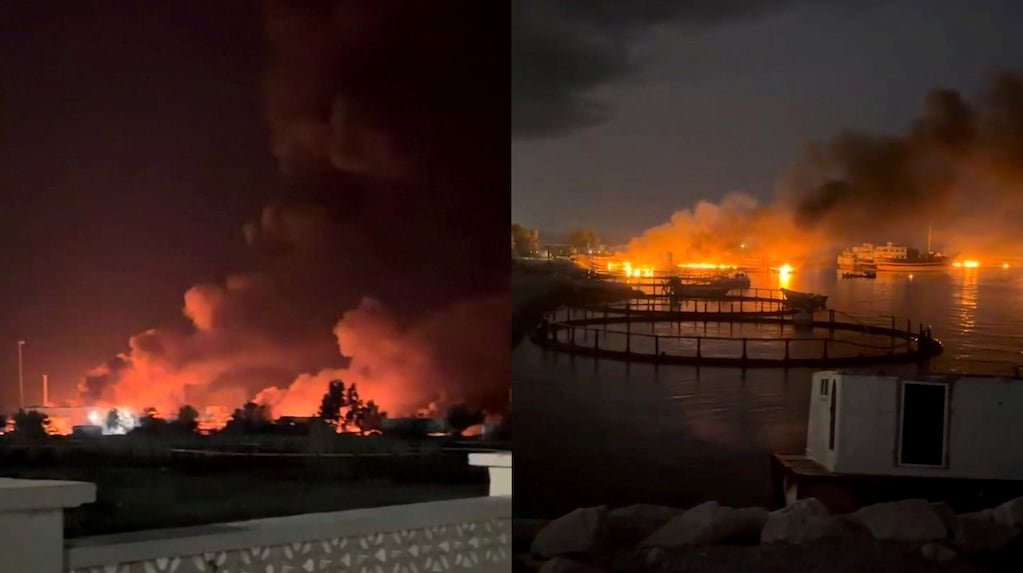
Estados Unidos e Irán volvieron a intercambiar ataques este jueves, por segundo día consecutivo, en medio de la disputa por el control de la navegación en el estrecho de Ormuz.
Washington bombardeó objetivos militares iraníes para defender la libre circulación de buques, mientras que Teherán reivindicó ataques contra bases estadounidenses en el Golfo, informó la agencia AFP,
La escalada amenaza una vía marítima clave por la que, antes de la guerra, transitaba el 20% del petróleo y del gas natural licuado consumidos a nivel mundial.
Estados Unidos bombardeó objetivos iraníes y Trump advirtió que la respuesta puede ser “mucho peor”
Las fuerzas estadounidenses aseguraron que los últimos bombardeos estuvieron dirigidos contra la capacidad de Irán de amenazar la libre navegación en el estrecho de Ormuz, después de los recientes ataques contra buques comerciales en esa zona estratégica.
Según Washington, los ataques alcanzaron unos 90 objetivos militares iraníes, entre ellos sistemas de defensa aérea, depósitos de misiles y drones. La agencia oficial iraní IRNA informó que hubo tres muertos y varios heridos en las afueras de Ahvaz, en el suroeste de Irán.
Donald Trump advirtió que la respuesta de Estados Unidos será “mucho peor” si Irán vuelve a atacar barcos cerca del estrecho de Ormuz. (Foto: REUTERS/Jonathan Ernst).
El presidente Donald Trump dio por terminada la tregua tras el primer intercambio de ataques del miércoles, aunque horas después dejó abierta la posibilidad de continuar las conversaciones. En su plataforma Truth Social, advirtió: “Esto es en represalia por el bombardeo de barcos de ayer por parte de Irán. Si vuelve a ocurrir, será mucho peor”.
Trump también afirmó que la parte iraní lo llamó porque quería alcanzar un acuerdo, aunque no dio detalles de esa comunicación. Luego cuestionó la posibilidad de un entendimiento al sostener que los iraníes están “un poco locos”.

Personas participan del cortejo fúnebre del fallecido líder supremo de Irán, ayatolá Alí Jamenei, durante su entierro en Mashhad, Irán. (Foto: REUTERS/Mohammed Salem).
Irán reivindicó ataques contra bases de EEUU y exige controlar el paso por Ormuz
Los Guardianes de la Revolución, la fuerza de élite iraní, aseguraron haber atacado bases estadounidenses en Baréin y Kuwait como respuesta a las acciones de Washington. El ejército regular iraní también afirmó haber golpeado objetivos en Kuwait, Catar y Baréin, tres aliados de Estados Unidos en el Golfo.
Según medios estatales iraníes, las fuerzas de Teherán alcanzaron un sistema Patriot de interceptación de misiles en Kuwait, un sistema de alerta temprana en Catar y tanques de combustible en Baréin, mediante el uso de drones militares kamikaze.
La prensa iraní reportó además que los bombardeos estadounidenses alcanzaron un puente ferroviario en el noreste del país. De acuerdo con la televisión pública, los ataques obligaron a suspender el servicio ferroviario entre Teherán y Mashhad, donde estaba previsto el entierro del antiguo líder supremo Alí Jamenei, asesinado el 28 de febrero, el primer día de la ofensiva israeloestadounidense.
La tensión crece porque Irán insiste en imponer condiciones para la navegación en Ormuz. El jefe negociador iraní, Mohamad Baqer Qalibaf, afirmó que el estrecho solo abrirá plenamente bajo “disposiciones iraníes”.
Desde el inicio de la guerra, Teherán exige controlar el paso y cobrar un peaje, bajo amenaza de atacar a los barcos que se desvíen de la ruta autorizada. Estados Unidos, en cambio, reclama libre tránsito, sin peajes ni impuestos.
Leé también: EE.UU. lanzó una nueva oleada de ataques contra Irán y crece la tensión en el estrecho de Ormuz
En las últimas horas, el secretario general de la ONU, António Guterres, pidió “tomar medidas inmediatas para desescalar” la situación y reanudar el diálogo. La vía diplomática, sin embargo, sigue bajo presión: Omán, que actuó como mediador entre Washington y Teherán, condenó los ataques contra Baréin, Kuwait y los barcos, aunque evitó responsabilizar directamente a Irán.
Mientras tanto, el impacto comercial ya se siente en la región. Según el jefe de la Organización Marítima Internacional, Arsenio Domínguez, casi 6.000 marinos permanecen varados en la zona.
Estados Unidos, Irán, Medio Oriente, bombardeos












NEWYou can now listen to Fox News articles!
FIRST ON FOX: A Virginia county is under fire for a new policy providing taxpayer funds in the form of grants to families of illegal immigrants whose breadwinner was detained or deported by ICE.
Arlington County, which sits just across the Potomac River from Washington, D.C., is not new to policies critics say interfere with DHS operations, as it previously caused outrage when the chair of the Arlington County board publicly suggested residents call police to report ICE sightings in January.
«If you look at the alien harboring statute – do you do anything to encourage or induce people to either come illegally or that are illegally here to stay, that could be arguably a violation of the alien harboring statute?» former acting ICE Director Jonathan Fahey told Fox News Digital in a Wednesday interview.
DOJ THREATENS TO CUT BILLIONS IN WELFARE FUNDING FROM STATES FOR FAILING TO REPORT ILLEGAL MIGRANTS
Arlington County Board of Supervisors, from left, Julius D. «JD» Spain Sr., Susan Cunningham, Takis Karantonis, Board Chair Matt de Ferranti and Vice Chair Maureen Coffey. (Arlington County)
«By giving money to people… the reasonable inference is that these people are also illegal, the money enables them to stay in the country illegally, because they lost their breadwinner,» Fahey said.
He said Arlington County Manager Mark Schwartz’s comments to ARLNow that many of the affected families are «unbanked» – or lack access to financial institutions which statutorily require identification to open deposit accounts – is itself a tell.
TAXPAYER-FUNDED HOUSING FOR ILLEGAL IMMIGRANTS IN GOP’S CROSSHAIRS: ‘IT’S GOT TO STOP’
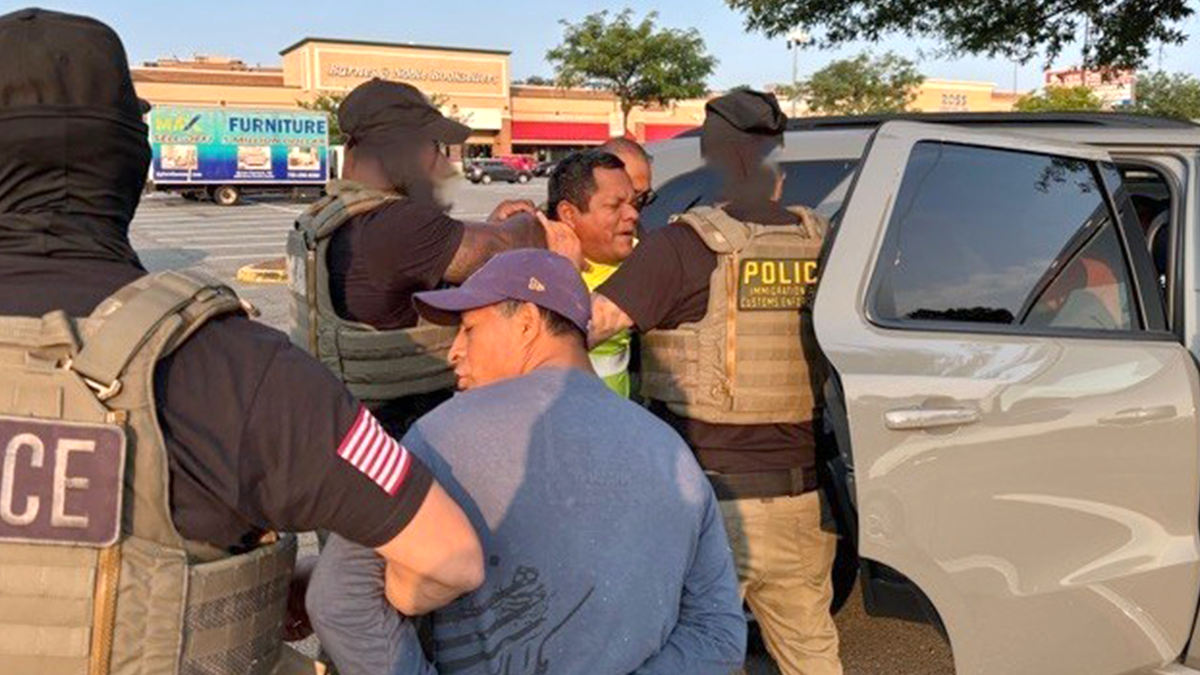
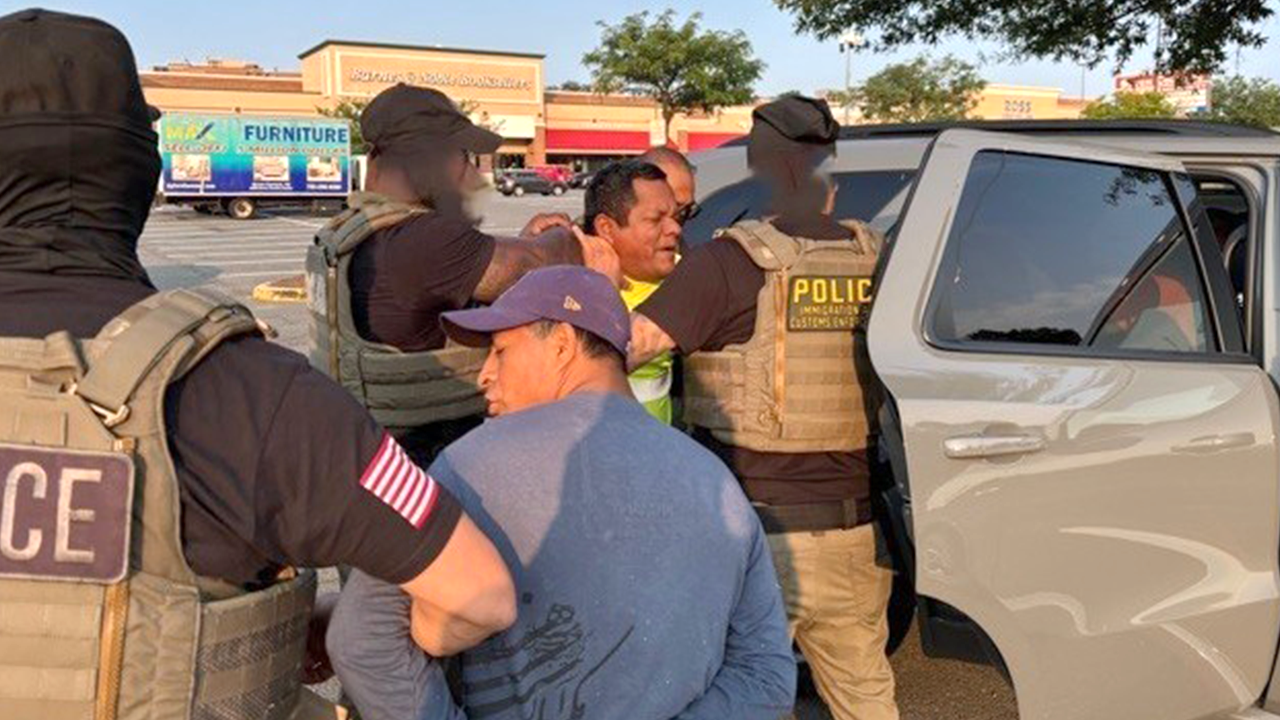
Illegal immigrants are arrested by ICE officers in the D.C. area. (Courtesy of the Department of Homeland Security)
«That shows the county knows the money is going to be going to people that are illegally here and it will help them stay. So that’s where I think the alien harboring statute comes into play,» he said, adding the county shows «reckless disregard» for the fact their policies accommodate people in the country illegally.
Arlington will start by setting aside $50,000 to be distributed through «social safety-net» ministry ArlingtonThrive in increments of up to $2,000 per affected family to cover basic needs and utilities, according to reports.
The plan – which passed 4-0 with one board member absent – reportedly formed after a major ICE operation in Maryland and Virginia netted 1,328 illegal immigrant arrests, including the case of a man who ran from agents when confronted near the U.S. Air Force Memorial.
Five regional federal Democrats sounded off afterward, endorsing an ensuing Arlington County Police investigation into the encounter between ICE and Jose Mejia Hernandez, who was reportedly tased and suffered a brain bleed.
Fox News Digital reached out to Arlington County officials, including Chairman Matt de Ferranti, a Democrat from Rock Spring.
«We are valuing the families of those that have been displaced and removed,» he told local press.
In January, de Ferranti warned Arlingtonians that county law prohibits its «public safety professionals» from «interfering with enforcement of federal immigration law,» but that his suggestion to call 911 to report ICE sightings helps officials know agents are present and pivot to «pursu[ing] Arlington County’s law enforcement mission: preventing violence in our community.»
DOJ ACCUSES MARYLAND OF ‘ACTIVE AND DELIBERATE EFFORT’ TO PREVENT DEPORTATIONS OF ILLEGAL IMMIGRANTS: LAWSUIT
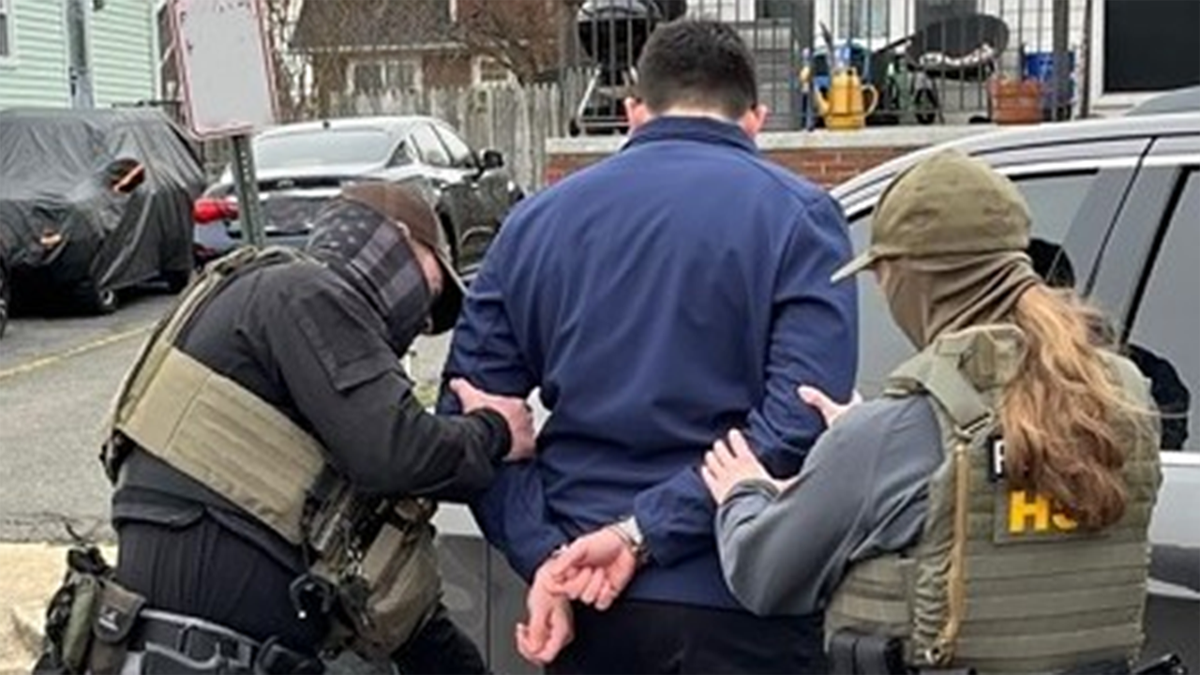
Federal immigration authorities make an arrest in Arlington, Va., in February. (ICE)
Reckless disregard and inducement are both subsections of the law Fahey referenced – 8 U.S.C. 1324.
Leadership at the Department of Homeland Security was similarly critical of Arlington’s move.
«You can’t make this up,» an agency spokesperson told Fox News Digital.
«Sanctuary politicians are taking Americans’ hard-earned tax dollars to reward illegal aliens who break the law. This insanity shows once again who they put first.»
Fahey said counties cannot make their own immigration laws, and with Arlington in particular, their alleged «inducement» doesn’t just affect their county, as creating safe harbor for illegal immigrants can have ripple effects in adjacent areas like the District of Columbia, cities of Falls Church and Alexandria and Fairfax County.
«A person could go on and commit another crime somewhere outside of Arlington… you can’t have localities and states carving out their own immigration laws or saying immigration laws can’t be enforced [here].»
SIGN UP TO GET THE POLITICS NEWSLETTER
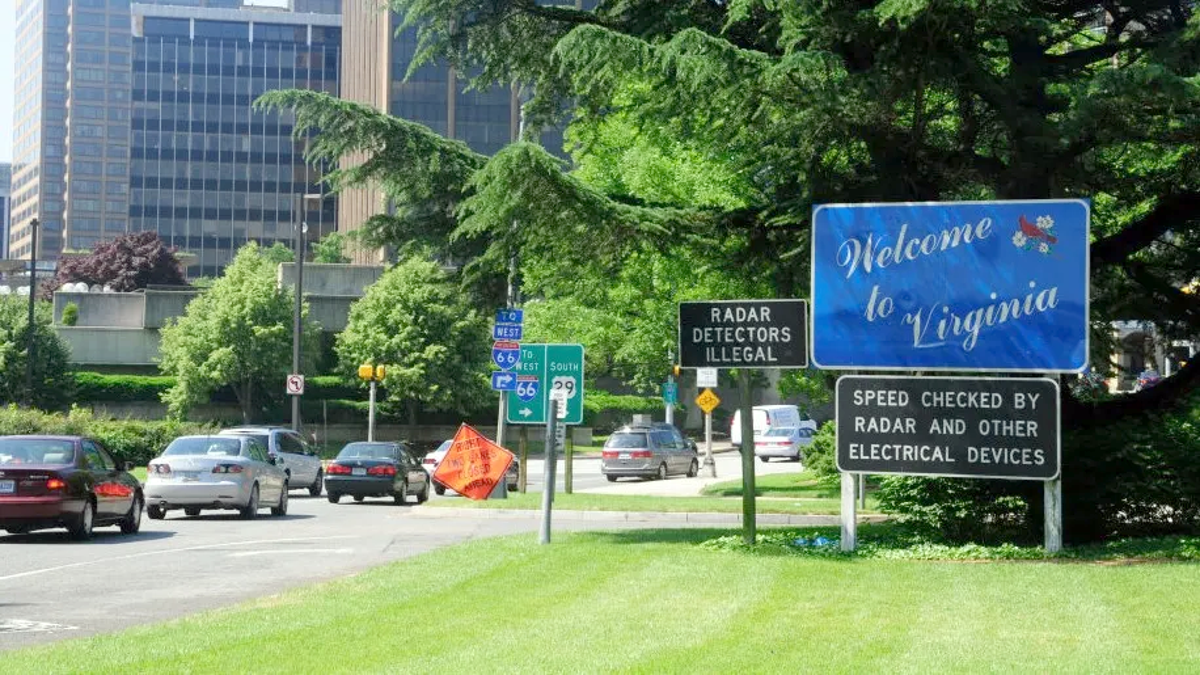
A welcome sign is posted near the Key Bridge in Rosslyn, Arlington County, Virginia. (Universal Images Group/Getty Images)
Arguments against mass deportation on the grounds of family separation are similarly flawed, the former director said, pointing to the fact that when an American citizen is arrested or jailed, they are also physically «separated» from their family.
«Latest dispatch from the People’s Republic of Arlington,» read a critical posting on X.
illegal immigrants, homeland security, immigration, washington dc, politics, sanctuary cities, state and local, virginia, abigail spanberger
INTERNACIONAL
Israel’s E1 plan explained: The Jerusalem-area corridor sparking international backlash

NEWYou can now listen to Fox News articles!
Israel’s move to advance construction in the strategically significant E1 area between Ma’ale Adumim on the West Bank and Jerusalem has triggered growing backlash, with Britain announcing sanctions and 11 other countries threatening or considering trade restrictions on Jewish communities in the disputed area.
The Netanyahu government last month announced tenders for the first 1,400 of roughly 3,400 housing units in E1, a 4.6-square-mile area that would expand the built-up connection between Ma’ale Adumim, a city of about 40,000 people in the Judean Desert, and the Israeli capital.
European governments have strongly opposed the move, with Britain’s left-wing ruling party announcing sanctions on Tuesday.
BRITAIN’S DRAMATIC CRACKDOWN ON ISRAELI SETTLEMENTS SPARKS FIERCE RESPONSE AS US BLOWBACK LOOMS
Israel recently announced new building for land in the area of E1. (The Jerusalem Center for Security and Foreign Affairs.)
The U.K.’s Foreign Secretary, Ed Miliband, announced a ban on products from Judea and Samaria, saying the government in London «believes the unlawfulness of the occupation should be reflected in the economic relationship we choose to have with the occupied territories.»
The foreign ministers of 11 additional countries—Canada, Denmark, Finland, France, Iceland, Ireland, Norway, Poland, Portugal, Spain and Sweden—said Tuesday in a joint statement that they intend to impose or are actively considering trade restrictions on goods from Jewish communities in Judea and Samaria.
Doron Spielman, international spokesman for Prime Minister Benjamin Netanyahu’s Office, told Fox News Digital that the E1 project has been underway for years and is located in Area C of the West Bank, which, according to the Oslo Accords, is under full Israeli security and civilian control.
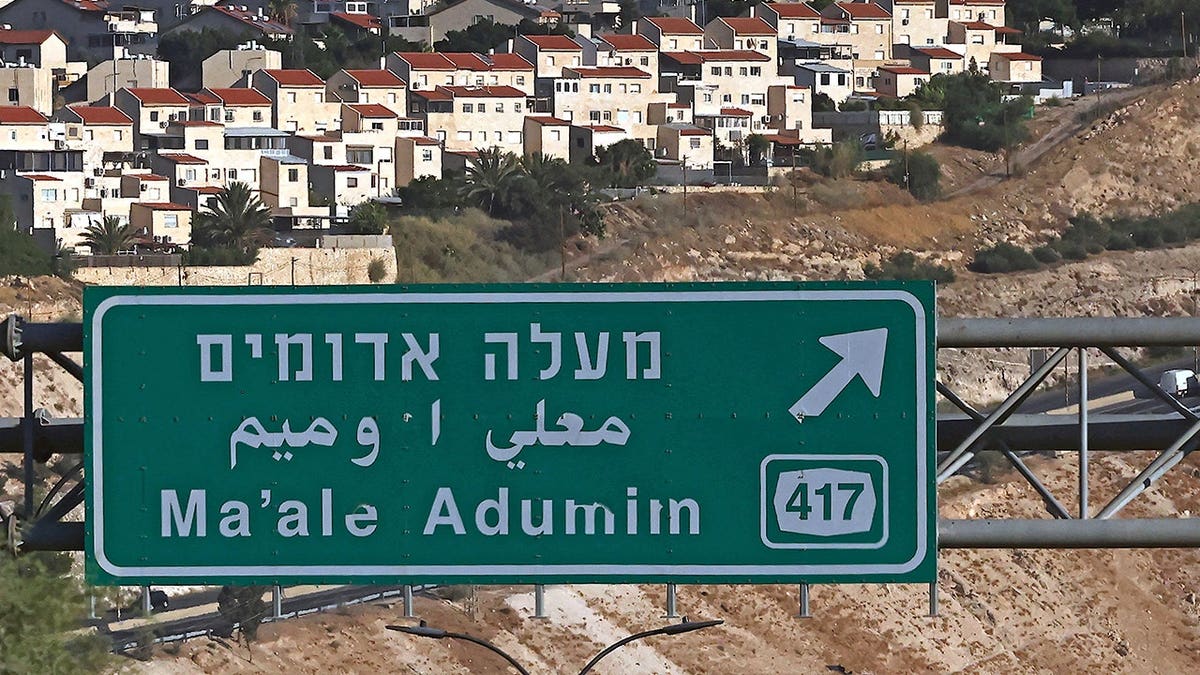
This photograph was taken from the E1 corridor, an area on the West Bank, shows vehicles driving along the highway near the Israeli settlement of Ma’ale Adumim, on September 8, 2026. (Ahmad Gharabli / AFP via Getty Images)
«The Israeli government believes E1 is the natural extension of the area of Ma’ale Adumim, which is an area where Jews live freely within three miles of our biblical capital, Jerusalem. I don’t understand why the world is so focused on a hilltop in the middle of Judea, which is the biblical national homeland of the Jewish people,» he said.
Spielman stressed that «at no point in time, in any agreement that Israel ever made, was E1 ever slated to become part of a Palestinian state.»
«E1 doesn’t affect Palestinian freedom of movement; that’s a myth. … Palestinian propaganda is trying to create an international issue about something that is very basic regarding Jews living in their homeland,» he added.
HOLY LAND BATTLE: SOLOMON’S POOLS BECOME FLASHPOINT IN FIGHT OVER ISRAEL’S BIBLICAL HERITAGE

Old City, Jerusalem view. (Planet One Images/UCG/Universal Images Group via Getty Images)
While not explicitly commenting on E1, a State Department spokesperson told Fox News Digital that, as President Donald Trump has made clear, the United States does not support the annexation of the West Bank.
«Such actions could be counterproductive to the President’s Comprehensive Plan to End the Conflict in Gaza and undermine our broader efforts to achieve regional peace and stability,» the spokesperson said.
Ashraf al-Ajrami, a former Palestinian Authority minister of Prisoners Affairs, told Fox News Digital that there is no scenario in which the Palestinian Authority would agree to construction in E1.
«The whole international community refutes this plan because they understand the objective of it. It’s not a plan that helps settlers to grow; it’s a plan to destroy the hope of having a two-state solution. It is the opposite of the Palestinian national rights of self-determination and statehood,» he said.
«The Israeli government has ignored all the ultimatums from the European Union and even the objections from the American administration up to this point. They will start to build the units merely to divide the Palestinian territories in the West Bank and cut the contiguity between East Jerusalem and our villages in the area,» he added.
Former Israeli Ambassador to the United States Michael Oren told Fox News Digital that the E1 project is controversial because the U.S. and other governments that support a two-state solution believe construction there would divide the West Bank and prevent the creation of a Palestinian state.
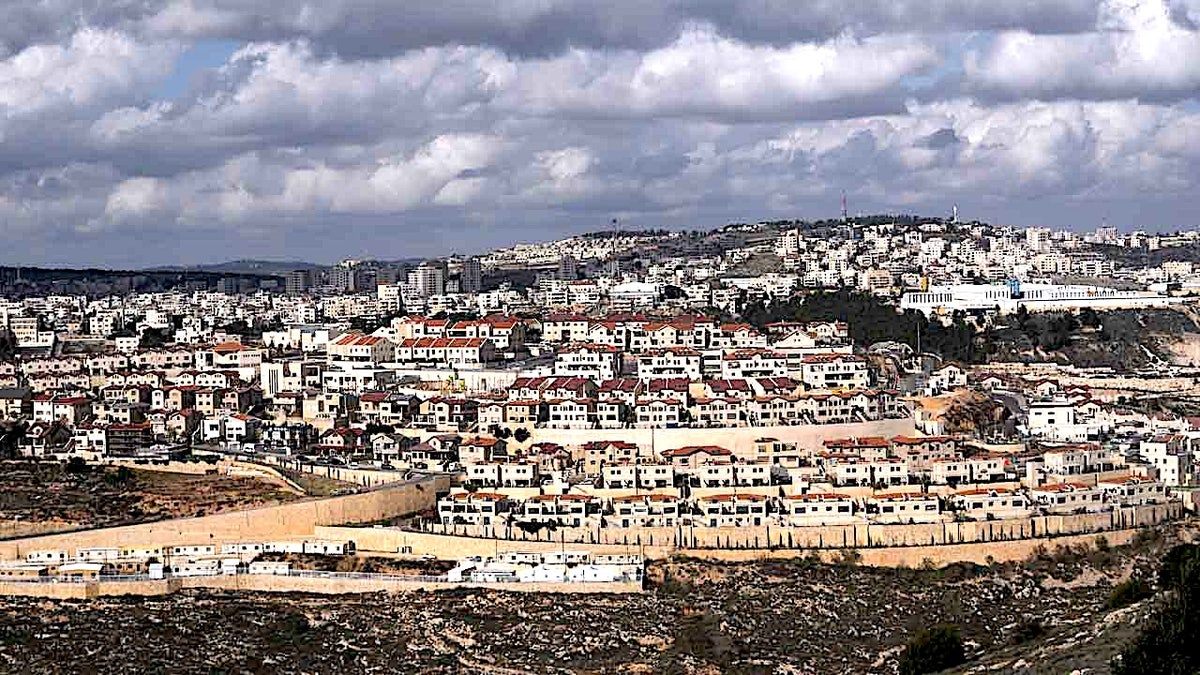
The West Bank, also known as Judea and Samaria is home to some 500,000 Israelis. (Mahmoud Illean/AP)
«The Oslo Accords do not prohibit Israeli settlement construction, nor do they stipulate that the accords’ outcome must be a two-state solution,» he said.
«Therefore, this is not a violation of the Oslo Accords. It may violate the spirit of the accords, but there have been many thousands of violations of their spirit. The Second Intifada was a violation of the spirit of the Oslo Accords,» he added, referring to the Palestinian terror campaign against Israel from 2000 to 2005, which was marked by suicide bombings targeting civilians.
EXCLUSIVE: ISRAEL SEIZES VAST IRAN TERROR AXIS ARSENAL WITH SURPRISING FOREIGN ORIGINS
Naomi Kahn, international director of Regavim, an NGO dedicated to protecting Israel’s national lands, resources and the rule of law, told Fox News Digital that the Palestinian Authority made the plan controversial 30 years ago when it approached the U.S. administration at the time.
«The Rabin government had actually announced plans to develop the Ma’ale Adumim area, and the PA claimed that if Israel built in E1, it would spell the end of any possibility of a Palestinian state,» she said.
While that claim is false in physical terms, Kahn said, it has carried political significance because the PA has made E1 a battleground and involved international actors from the outset.
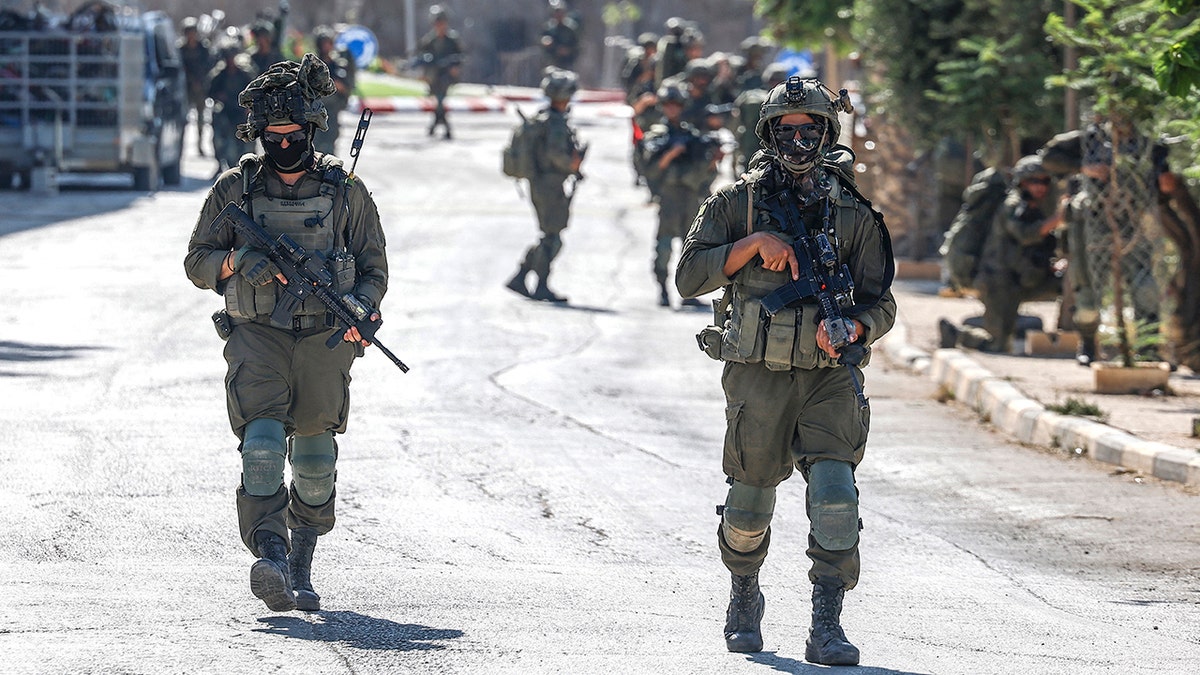
Israeli soldiers patrol a street as they are deployed during an operation in the village of Qusra, south of Nablus, in the Israeli-occupied West Bank, on Aug. 13, 2026. Israeli forces on August 13 moved against rogue settlers laying siege to Palestinians amid unusually strong US criticism, even as Israel inaugurated an emblematic settlement elsewhere in the West Bank. Settlers at Qusra near Nablus since August 9 have blockaded Palestinian homes, including one owned by a U.S. citizen, with residents saying they have been cut off from food and other supplies. (Zain Jaafar/AFP via Getty Images)
«E1 has been at the heart of efforts to essentially globalize the push to remove the State of Israel from all of Judea and Samaria,» she said.
Kahn noted that some of the countries pushing for sanctions against Israel have spent the past 20 years actively financing and supporting illegal Arab construction in E1, while Palestinian Authority outposts have increasingly mushroomed throughout Judea and Samaria.
She said Regavim first went to court about 16 years ago over the illegal construction of these outposts and has since won six times.
«Still, nothing has happened,» said Kahn, whose organization was recently among four Israeli civil society organizations sanctioned by the European Union over allegations that they support «settler violence» and undermine prospects for a Palestinian state.
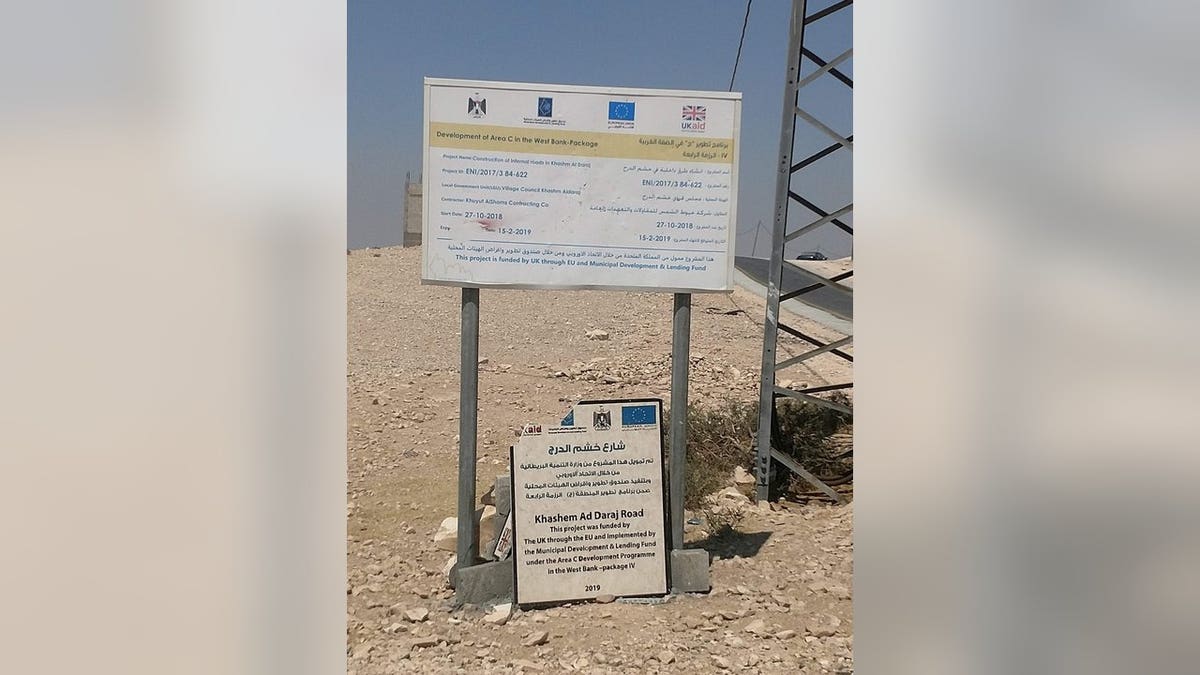
European Union-sponsored structures in Area C on the West Bank, also known as Judea and Samaria. (Regavim.)
Dan Diker, president of the Jerusalem Center for Security and Foreign Affairs, told Fox News Digital that E1 is a critical security corridor that would help protect Jerusalem from Palestinian terrorism and encroachment into areas under Israeli security and administrative control under the Oslo Accords.
Diker said Israel is wary of another invasion following Oct. 7, this time from Palestinian Arab towns, cities and villages across Judea and Samaria.
He claimed, «There are tens of thousands of machine guns, other weapons and ammunition smuggled into Palestinian villages, towns and cities, and there is deep concern that, particularly in communities in the E1 area, they could cut off the road between Jerusalem and Ma’ale Adumim, creating another existential threat,» he said.
For the international community, Diker said, the political disagreement over E1 is rooted in the period when Israel and the Palestinian Authority were expected to negotiate the final status of a peace agreement.
«Since then, we’ve had the terror war of 2000, followed by four terror wars waged by Hamas, culminating in Oct. 7. The geopolitical and security reality has completely shifted, but the international community’s mindset has not. For them, it’s a political issue; for us, it’s an existential one,» he added.
israel, middle east, sanctions, anti semitism, trade
INTERNACIONAL
Brasil: a menos de un mes de las elecciones, una inédita crisis en la Corte Suprema irrumpió en la campaña presidencial

Un juez de la corte suprema de Brasil reintegró este miércoles al director de la Policía Federal, suspendido el martes por un colega, en medio de una crisis inédita desatada en el máximo tribunal a menos de un mes de las elecciones presidenciales del 4 de octubre.
Desatado por una investigación sobre un enorme esquema de fraude, el pulso en la corte toca de lleno la campaña para octubre, cuando el presidente de izquierda Luiz Inácio Lula da Silva buscará la reelección ante el derechista Flávio Bolsonaro.
Lula pidió este miércoles transparencia para acabar con filtraciones que dijo buscan un impacto electoral.
Los jueces enfrentados fueron ambos ministros de Justicia, uno de Lula y otro de Jair Bolsonaro, padre del postulante presidencial.
¿Qué está pasando en la corte?
El magistrado Flávio Dino ordenó que el jefe policial Andrei Rodrigues vuelva a sus funciones contra una decisión de su colega André Mendonça, quien lo suspendió luego de acusar a la Policía Federal (PF) de haberlo espiado ilegalmente.
Rodrigues volvió este miércoles a trabajar en la sede policial en Brasilia, dijo la asesoría de prensa de la institución.
Tras la decisión de Dino, el presidente de la corte suspendió este miércoles el plenario que los jueces celebran semanalmente, una medida infrecuente según dijo una fuente del tribunal.
La crisis en la corte estalló la semana pasada con la publicación de un informe policial que reveló mensajes del banquero Daniel Vorcaro a un número atribuido a otro juez del máximo tribunal, Alexandre de Moraes.
Vorcaro pedía ayuda para eludir una investigación que poco después llevó a su arresto en noviembre, por sospechas de un multimillonario desfalco financiero que resultaría en la liquidación de su banco Master.
Cruce de acusaciones
El juez Moraes condujo el juicio que el año pasado llevó a la cárcel al expresidente de extrema derecha Jair Bolsonaro (2019-2022), padre de Flávio, por un intento de golpe de Estado en 2022.
Los mensajes de Vorcaro se divulgaron por orden de Mendonça, exministro de Justicia de Bolsonaro y designado en la corte por el exmandatario.
A partir de entonces se sucedieron decisiones hostiles entre los jueces.
Leé también: Un estudiante quedó atrapado en un derrumbe en India, logró mandarle un video de 10 segundos a un amigo y fue rescatado
En base a informes secretos de inteligencia policial, Moraes denunció a su colega por abuso de autoridad al apuntar en su contra.
Mendonça acusó el martes a la Policía Federal de espionaje ilegal y ordenó la suspensión preventiva de su director general.
Pero apenas un día más tarde, Flavio Dino, exministro de Justicia de Lula, ordenó que el presidente restituya a Rodrigues en sus funciones.
En su decisión, el juez adujo que la “medida inédita en la historia de la corporación” de Mendonça puede “paralizar investigaciones y los trabajos policiales” en casos bajo su órbita.
La orden de Dino corre en paralelo a un recurso de la Procuraduría General de la Unión para que el presidente de la corte, Edson Fachin, reincorpore definitivamente a Rodrigues.
“Filtraciones selectivas”
Lula pidió en X levantar el secreto de sumario de “las investigaciones de todos los involucrados en el caso Master, sea quien fuere”, para terminar con “filtraciones selectivas que impactan la disputa electoral”.
Tras respaldar la suspensión de Rodrigues, Flávio Bolsonaro dijo en un acto de campaña en Juiz de Fora (sureste) que Dino “dio un plumazo (…) intentando interferir en un proceso judicial” y que Lula “quiere ganar” fuera de las urnas.
El bolsonarismo también se vio sacudido por el caso Master.
Leé también: Fuerte advertencia del primer ministro británico tras el reclamo de Milei por las Malvinas: “Vamos a ser implacables”
La policía investiga giros millonarios solicitados por Flávio Bolsonaro a Vorcaro que, según el candidato derechista, se usarían para pagar una película biográfica sobre su padre.
El caso Master es un expediente “tóxico”, dijo una fuente del tribunal supremo, ya que la policía presume que el banquero “puso dinero en varios lugares para luego cobrarse favores”.
Unas tres mil entidades empresariales brasileñas divulgaron este miércoles un manifiesto a la nación en el que alertaron sobre una “crisis institucional de extrema gravedad” cuyo “epicentro” es la corte.
“Si la legitimidad (de los jueces) es cuestionada, todo lo demás se vuelve incierto: la seguridad jurídica, la confianza en las instituciones y la misma paz social”, señalaron.
(Con información de AFP)
Brasil

Endeudamiento y discapacidad: cómo fue la sesión en la que el oficialismo y la oposición acordaron el calendario de debate legislativo

Joaquín Morales Solá defendió el rol del periodismo: “Las redes sociales y la inteligencia artificial no tienen compromiso con la verdad”

‘Alien harboring’ accusations fly as DC-area county spends taxpayer funds to blunt ICE

Israel’s E1 plan explained: The Jerusalem-area corridor sparking international backlash

El femicida Pablo Laurta fue trasladado a un penal de Córdoba y seguirá preso otros 100 días por el crimen del remisero

Oscar Ahumada, exfutbolista de River Plate, se alejó de La Libertad Avanza por sus diferencias con Pareja

1000 días de Milei: los logros, las crisis que lo marcaron y los déficits de su gestión

Martín Menem dijo que Milei será el primer no peronista en ser reelecto y llamó a invertir más

Franco Colapinto largará en el puesto 7 con su Alpine el Gran Premio de Italia de la Fórmula 1: hora, TV y todo lo que hay que saber

Multas millonarias, arrestos y trabajo comunitario: cómo se prepara una provincia para enfrentar el Súper Niño

 SOCIEDAD2 días ago
Femicidio brutal en Merlo: un jubilado de 64 discutió con su esposa y la asesinó a puñaladas
- POLITICA2 días ago
El gobierno de Kicillof retendrá un 2% en los premios de las apuestas online
- DEPORTE2 días ago
El rotundo cambio de Julián Álvarez en una foto presentación del Atlético de Madrid tras quedarse en el club