INTERNACIONAL
Estados Unidos: la Fed mantiene las tasas de interés sin cambios, pero cuatro funcionarios discrepan

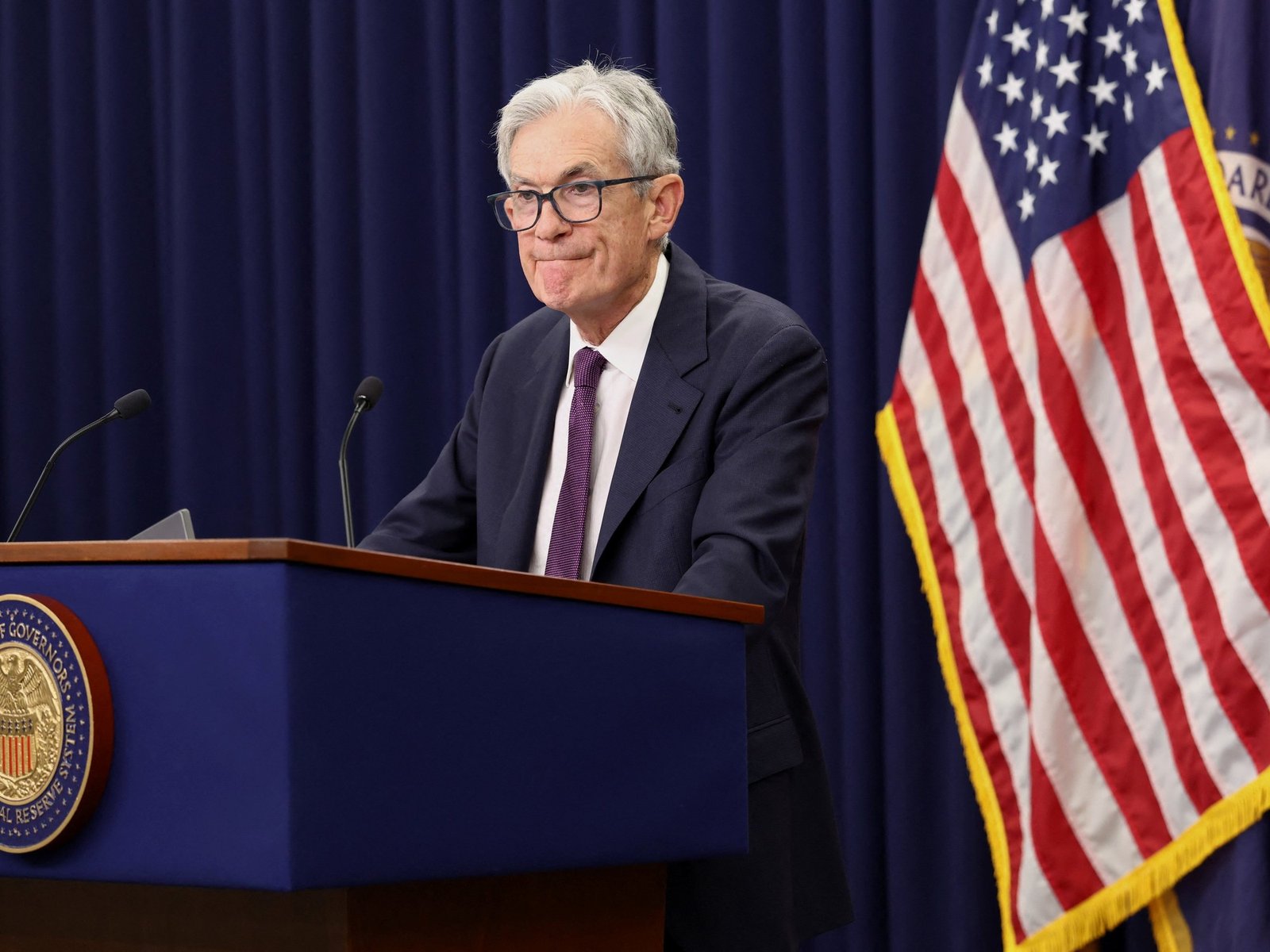
La Reserva Federal dejó este miércoles sin cambios su tasa de interés de referencia por tercera reunión consecutiva, pero señaló que aún podría recortar las tasas en los próximos meses, decisiones que atrajeron la mayor cantidad de disensos desde octubre de 1992.
Poco después del anuncio, presidente del banco central estadounidense, Jerome Powell, anunció que planea permanecer en la junta de la institución después de que su mandato termine el próximo mes “por un período de tiempo indeterminado”. Citó como motivo para quedarse las recientes acciones legales emprendidas por el gobierno de Trump contra la Fed.
El banco central mantuvo su tasa de corto plazo en 3,6% y conservó en su comunicado un lenguaje que sugiere que el próximo movimiento sería una reducción. Tres funcionarios discreparon a favor de eliminar la referencia a un recorte futuro, mientras que un cuarto, Stephen Miran, discrepó a favor de un recorte inmediato de tasas.
Los disensos subrayan el nivel de división en el comité de 12 miembros que fija las tasas, antes de la salida del presidente Jerome Powell, cuyo mandato termina el 15 de mayo. Horas antes el miércoles, una comisión del Senado había aprobado mandar al pleno de esa instancia la votación sobre si Kevin Warsh debe ser el próximo director de la institución.
“Los acontecimientos en Oriente Medio están contribuyendo a un alto nivel de incertidumbre sobre las perspectivas económicas”, señaló la institución en un comunicado tras su reunión de dos días. “La inflación está elevada, en parte reflejando el reciente aumento de los precios mundiales de la energía”.
Warsh ha prometido un “cambio de régimen” en el banco central y podría introducir cambios radicales en sus modelos económicos, sus estrategias de comunicación y su balance, pero probablemente le resulte más difícil implementar los recortes de tasas que busca el presidente Donald Trump con una inflación por encima de 3%, superior al objetivo de 2% de la Fed.
Los tres funcionarios que discreparon contra la posibilidad de reducir las tasas en el futuro fueron Beth Hammack, presidenta del Banco de la Reserva Federal de Cleveland; Neel Kashkari, presidente de la Fed de Minneapolis y Lorie Logan, presidenta de la Fed de Dallas. Miran fue nombrado para la junta de la Fed en Washington por Trump el pasado septiembre. Históricamente, los presidentes de los bancos regionales de la Fed han sido más propensos a discrepar, mientras que los gobernadores con sede en Washington suelen respaldar al director de la institución.
Los disensos podrían renovar la tensión entre la administración Trump y los dirigentes bancarios a quienes funcionarios de la Casa Blanca han criticado previamente.
Es probable que esta fue la última reunión de Powell como director del banco. En unas horas ofrecerá una conferencia de prensa y ahí podría decir si permanecerá en la junta de gobernadores incluso después de que su mandato como presidente termine el 15 de mayo. Powell cumple un mandato separado como gobernador que se extiende hasta enero de 2028. Los presidentes normalmente dejan la junta cuando terminan sus mandatos de liderazgo, pero Powell ha señalado que podría permanecer. Sería el primer presidente en hacerlo desde 1948.
Si Powell, quien ha hecho de proteger la independencia de la Fed una parte clave de su legado, elige quedarse, le impediría a Trump elegir a su reemplazo y llenar otro puesto en la junta de siete miembros. Tres de los siete gobernadores actuales son designados por Trump.
Al mismo tiempo, podría empeorar las tensiones con la administración Trump y crearía lo que algunos analistas denominan un escenario de “dos papas”, con un presidente y un expresidente ambos en la junta. En ese caso, las divisiones entre los responsables podrían aumentar, si algunos decidieran seguir el liderazgo de Powell en lugar del de Warsh.
La turbulencia en la Reserva Federal llega mientras la economía sigue bajo circunstancias difíciles, poniendo al banco central en una situación difícil. La inflación ha saltado a 3,3%, un máximo de dos años, mientras la guerra hace subir los precios de la gasolina. Eso le dificulta al banco central reducir las tasas. La Fed normalmente deja las tasas sin cambios, o incluso las eleva, si la inflación está empeorando.
Al mismo tiempo, la contratación se ha frenado casi totalmente, dejando a quienes no tienen empleo frustrados por la dificultad de encontrar nuevos trabajos. Por lo general, la Fed recorta las tasas cuando el mercado laboral es débil, para impulsar el gasto y el empleo.
Pero los despidos también siguen siendo bajos, mientras empleadores parecen estar siguiendo una estrategia de “ni contratamos ni despedimos». Muchos funcionarios de la Fed han sugerido que mientras el desempleo esté bajo, el banco central no necesita recortar las tasas para impulsar el gasto y la contratación. El desempleo bajó a 4,3% en marzo, desde 4,4%.


NEWYou can now listen to Fox News articles!
Artificial intelligence is fundamentally transforming the global economy at breakneck speed, but Diogo Costa argues that the real threat to prosperity isn’t technological disruption; it’s the return of bad economic ideas.
As the president of FEE (the Foundation for Economic Education), America’s oldest free-market think tank, Costa is concerned that the affordability crisis is providing the perfect opportunity to tempt the next generation with the ideas of socialism, and argues that economic education is the antidote.
Recently, he sat down with Fox News Digital at Freedom Fest in Las Vegas for a discussion about the intellectual defense of free markets, the intersection of freedom and technology, and how his upbringing in Brazil brings a unique perspective to today’s economic policy debates.
GEN Z IS WORKING HARD, BUT THE ECONOMY IS PUTTING THE AMERICAN DREAM OUT OF REACH FOR MANY
«The biggest challenge today is the different ways that ‘anti-economics’ keeps reappearing. And this time, it’s reappearing through a new kind of socialism. So through the 20th century, we had different flavors of socialism, labor union socialism, environmental socialism, anti-globalization socialism. Now we see this cost-of-living socialism, affordability crisis socialism.»
While young people are aware that they are better off in a market economy, Costa argues, they still want heavy-handed intervention if they perceive it benefits them.
«Young people, they want to live in a market economy. They don’t want to move to Venezuela or Cuba, but they want price controls in everything. They want to freeze the rent, they want free rides in buses, they want to make sure that groceries are either run by the government or price controlled somehow. And this is not just a phenomenon in New York City or California. This is something that’s happening globally.
«And this is the new kind of ‘anti-economics.’ So, Leonard Read [founder of FEE] understood that economics is always one generation away from turning prosperity into poverty. The good ideas need to keep being recycled, they need to be reframed, and this is a challenge that we have right now, the rise of this Gen Z affordability socialism.»
He further argues that while the technology produced by vibrant market economies has incredible potential, the ideological foundation of capitalism is under attack like never before:
«We’re in a golden age for technology, not necessarily for the ideas behind it…the ideas behind the market economy are not as well understood. And when you talk about AI, people are thinking all the jobs are going to be gone. Humanity is on the verge of extinction.
«So there is a lot of pessimism at the same time that you have these wonderful technologies. So the ideas that help us explain and help us work with technology are what’s missing.»
Costa’s studies of the Austrian school of economics lead to separating the economic power of the free-market from its cultural power:

March 2, 2012: Traders crowd on the floor of the New York Stock Exchange. (AP)
«Joseph Schumpeter, the Austrian economist, said that capitalism would be economically powerful and at the same time culturally weak because you have companies that will be doing amazing things, but capitalism makes things more abstract…and at some point people stop seeing exactly how they are part of this amazing complexity.
DEMOCRATS LURE ‘POLITICALLY HOMELESS’ GEN Z TOWARD SOCIALISM — A COUNTERATTACK IS TAKING SHAPE
«That’s why with FEE we sometimes go back to a pencil. We just ask people ‘do you understand how a pencil is made?’ Because if you see the complexity, the network, the amazing, marvelous market system around… Just building a single pencil, you start to understand how you are part of the complexity and you benefit from it.»
Costa’s own experience growing up in Brazil during the economically chaotic 1990s was pivotal in shaping his outlook on policy and the need for economic education.
«I grew up in a country that had hyperinflation. When I was 10 years old, 11 years old, yearly inflation was above 1000%, 1200%, 1300%. That meant the prices were changing literally every day. And it’s hard to understand how if you live in a society that is that economically chaotic all your life is designed around those problems.
«So as a child, when I was going to the grocery store because my mom gave me a $1,000 bill to buy a bag of chips, I had to think, ‘Oh, I need to get there before the price tagger starts changing the prices’.»
«My parents had to turn a bedroom in our house into a pantry because when they got their paychecks the first thing they did was go to the grocery store and buy everything you can…So your life starts to be designed around these big issues. And this is something that some people take for granted.»
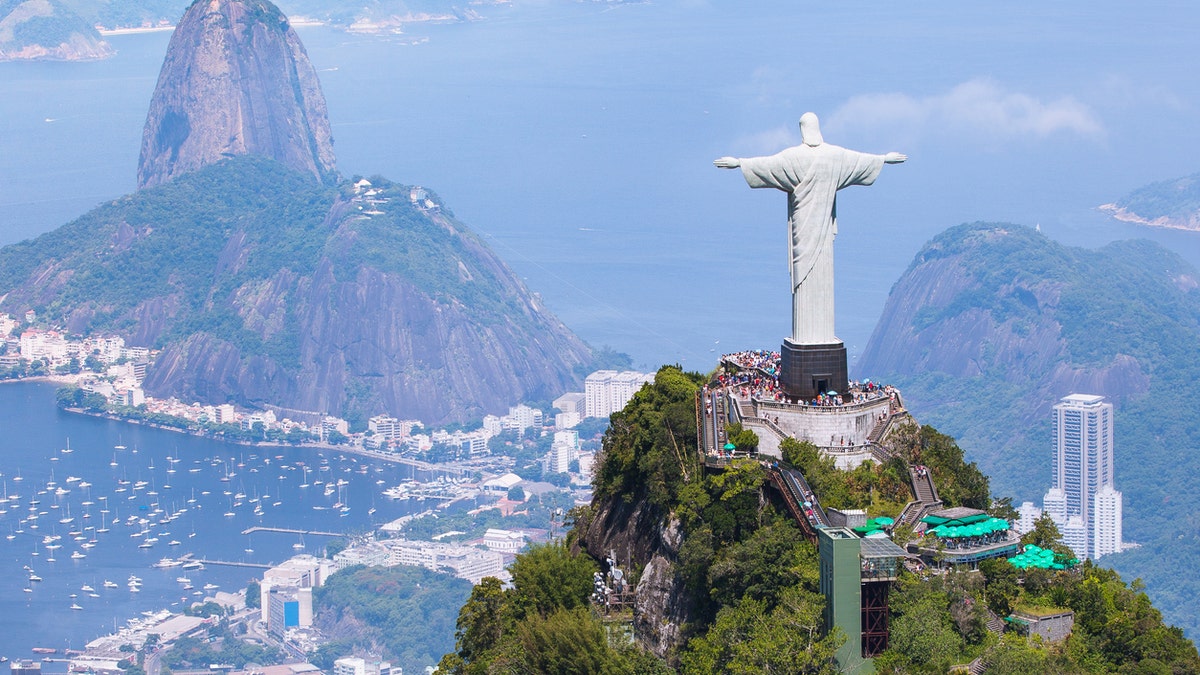
Rio de Janeiro, Brazil – December 28, 2013: Aerial view from a helicopter of Rio de Janeiro with the Corcovado mountain and the statue of Christ the Redeemer with Sugarloaf mountain in the background. (iStock)
But it was not only hyperinflation that opened Costa’s eyes about economic education; he also first hand the effects of a fundamentally protectionist economic system:
«It’s the same thing with protectionism…as a young boy in the early 90s, I wanted video games. Brazil had strict protectionism. So I could buy these dupe video games, but I couldn’t get the real deal. And this was something that people now take for granted, but this was how the Brazilian economy was being shaped.
CLICK HERE TO DOWNLOAD THE FOX NEWS APP
«And Milton Friedman has this saying that he thinks that we never actually learn economics as humanity, we learn as individuals, we learn maybe as generations, but now that we don’t live under hyperinflation people forget what that’s like, now that we don’t live under hyperprotectionism people forget what it’s like. So it’s very easy to drift towards inflation, to drift towards protectionism, to drift towards anti-economics and economics needs to be re-taught every generation.»
economic policy, economical rights, politics, education
INTERNACIONAL
Keiko Fujimori asumió la presidencia del Perú con el desafío prioritario de lograr gobernabilidad y combatir la inseguridad
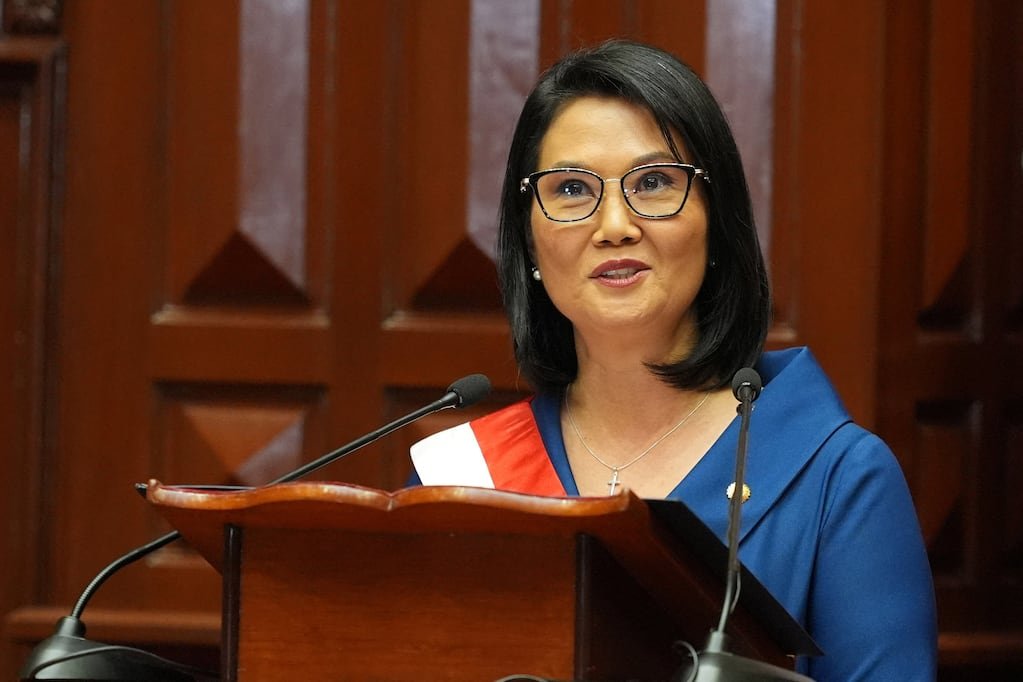
Keiko Fujimori juró este martes como la novena presidenta del Perú en la última década. Se trata de la primera mujer que asume la presidencia por voto popular en el país.
Lo hizo en una ceremonia celebrada en el Congreso peruano, a la que asistió Javier Milei, entre otros presidentes latinoamericanos. Allí precisamente es dónde se jugará el futuro de su gestión.
“Juro que cumpliré y haré cumplir la Constitución política y las leyes de Perú. Velaré por la integridad física y moral de todos los peruanos, en especial de quienes han sido históricamente postergados. Trabajaré por un país seguro, próspero y unido”, afirmó.
La dirigente derechista, hija del expresidente devenido en dictador Alberto Fujimori, asumió en su cuarto intento de llegar al poder y 36 años después de la asunción de su padre, el 28 de julio de 1990.
Keiko Fujimori, de 51 años, tendrá ahora el enorme desafío de lograr gobernabilidad en un país que tuvo ocho presidentes en los últimos 10 años y combatir la creciente violencia ciudadana.
“Desde que su papá salió del gobierno (en el año 2000), es la presidenta con mayor poder” en el Perú, resumió a TN el analista peruano David Rivera.
Cuáles son los principales desafíos del nuevo gobierno
Keiko Fujimori, hederera del viejo y cuestionado “fujimorismo”, tiene por delante cinco años de gobierno, en un país donde los presidentes duran poco más de un año en promedio.
En la última década ocho mandatarios fueron derrocados por el Congreso, en un régimen de inestabilidad política que genera una gran descreimiento ciudadano en las instituciones y en especial en los partidos políticos.
Así llegó Keiko Fujimori al Congreso antes de su toma de posesión en Lima, Perú, este martes. (Foto: Miguel Paredes/AP)
Pero Keiko Fujimori tendrá algo a favor. Llega al poder con una fuerte influencia en el Congreso, que pasa desde ahora a ser bicameral.
“Estamos pasando a un sistema bicameral. Ella tiene la mayoria en el Senado. Además, se ha encargado de capturar en los últmos años los órganos de justicia, como el Tribunal Constitucional, la Junta Nacional de Justicia y el Ministerio Público, y ahora tiene el poder ejecutivo”, dijo Rivera.
Para Rivera, el único punto débil que tendrá el nuevo gobierno estará en la Cámara de Diputados, donde la oposición tendrá mayoría.
“Ese es el único mecanismo de negociacion que tendrá la oposición para tratar de contener al gobierno”, indicó el analista.
Pero más allá de esto, Keiko Fujimori tendrá una ventaja política que no tuvieron ninguno de los presidentes que llegaron tras la renuncia de su padre, a pesar de que su victoria en el balotaje sobre el izquierdista Roberto Sánchez fue de menos de 50.000 votos.
Leé también: Un sismo de magnitud 7,1 sacudió a Japón: hay heridos, edificios colapsados y alerta de tsunami
¿Cuál es esa ventaja? Cuenta con los números suficientes en el Parlamento para frenar cualquier intento de destitución.
“Definitivamente Keiko Fujimori asume el gobierno con mayor poder que cuaquier presidente en la ultima década. No hay ningun posibilidad de que se ejerza contra ella la figura de la vacancia”, dijo a TN el analista Fernando Tuesta.
Además, afirmó: “Asume el poder sin las limitaciones que tuvieron sus antecesores. Tiene todo a su favor y el apoyo del empresariado y las Fuerzas Armadas. Empieza un quinquenio con cambios a nivel de las instituciones y de los poderes del Estado”.
Inseguridad y economía
Además de la gobernabilidad, el mayor desafío del nuevo gobierno será el de combatir la inseguridad ciudadana, considerada la mayor preocupación de los peruanos ante el creciente poder del crimen organizado y su estela de violencia, extorsión y amenazas.
Solo en el transporte público, las extorsiones a choferes causaron 152 asesinatos en Lima y en la vecina provincia del Callao entre agosto de 2024 y mayo de 2026.
La nueva presidenta prometió “mano dura” para “ordenar el Perú”. Entre sus planes figuran la construcción de al menos cinco cárceles, una de ellas de máxima seguridad, al estilo de su par salvadoreño, Nayib Bukele.
En su discurso de asunción, Fujimori anunció que los militares recuperarán el control del “orden interno” en las zonas asediadas por bandas criminales, el narcotráfico y la minería ilegal.
“Durante los estados de emergencia, las Fuerzas Armadas asumirán temporalmente el liderazgo de las operaciones de seguridad y del control del orden interno”, indicó.
También en el orden económico, Fujimori deberá poner énfasis en ordenar las cuentas fiscales ante un elevado y creciente gasto público y atraer inversiones extranjeras, a pesar de la estabilidad macroeconómica que goza el país.
Pero además deberá afrontar el peligro del fenómeno de El Niño que amenaza elevar las temperaturas del mar con sus secuelas de lluvias e inundaciones en las áreas costeras. Los expertos advierten que este fenómeno meteorológico tendrá efectos nunca vistos a fin de año.
Perú, Keiko Fujimori
INTERNACIONAL
Japan mall rebuilt after deadly 2016 earthquake destroyed in major temblor weeks after ‘fresh start’ reopening

NEWYou can now listen to Fox News articles!
A shopping mall in southern Japan that had just reopened after years of reconstruction following a devastating 2016 earthquake was destroyed Tuesday after a powerful earthquake struck the region and was followed by a massive explosion, leaving dozens of workers unaccounted for.
The Aeon Mall in Kumamoto Prefecture celebrated its grand reopening on June 13 after years of rebuilding meant to mark the region’s recovery from the 2016 disaster.
Just weeks later, a magnitude 6.8 earthquake struck near Kumamoto, according to FOX Weather, citing the U.S. Geological Survey. Japan’s Meteorological Agency measured the same quake at magnitude 7.1 using its own seismic scale.
EARTHQUAKE SHAKES PERU’S ANDES REGION, KILLING AT LEAST 5, DISPLACING HUNDREDS
An aerial view shows a collapsed chimney at Nippon Paper Industries’ Yatsushiro Mill after an earthquake with a preliminary magnitude of 7.1 struck Japan’s southern Kumamoto prefecture, in Yatsushiro, Kumamoto Prefecture, Japan, July 28, 2026. (yodo/via REUTERS ATTENTION EDITORS – THIS IMAGE HAS BEEN SUPPLIED BY A THIRD PARTY. MANDATORY CREDIT. JAPAN OUT. NO COMMERCIAL OR EDITORIAL SALES IN JAPAN. TPX IMAGES OF THE DAY)
About 200 shoppers were safely evacuated after the earthquake, officials said. Roughly an hour later, a powerful explosion ripped through the building, blowing off exterior walls and exposing its steel framework. NHK reported that about 20 to 30 mall employees remained unaccounted for, while police said rescuers could not immediately enter because of the risk of aftershocks.
The mall had become one of the most visible symbols of Kumamoto’s recovery after the magnitude 7.3 earthquake that devastated the region in April 2016. Aeon said the redevelopment included seismic reinforcements and other safety improvements designed to make the complex more resilient.
Witnesses reported smelling gas before the explosion, according to Reuters. An Aeon spokesperson said employees immediately helped evacuate visitors after the quake, while prefectural officials confirmed about 200 people were guided safely outside before the blast.
EXCLUSIVE: FRANKLIN GRAHAM VISITS EMERGENCY HOSPITAL TREATING VENEZUELA EARTHQUAKE VICTIMS
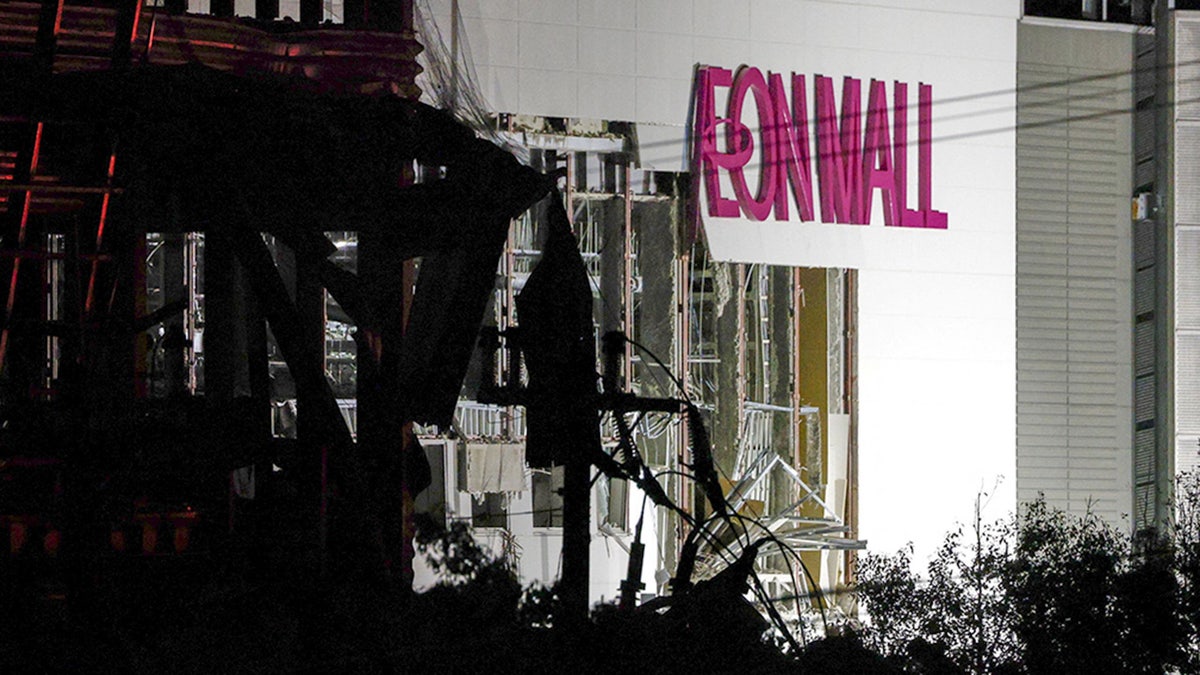
The damaged Aeon Mall shopping centre, where, according to local media, an explosion occurred after an earthquake with a preliminary magnitude of 7.1 struck Japan’s southern Kumamoto prefecture, in Kashima Town, Kumamoto Prefecture, Japan, July 28, 2026. (Kyodo/via REUTERS ATTENTION EDITORS – THIS IMAGE HAS BEEN SUPPLIED BY A THIRD PARTY. MANDATORY CREDIT. JAPAN OUT. NO COMMERCIAL OR EDITORIAL SALES IN JAPAN.)
According to FOX Weather, the earthquake struck just before 4:30 p.m. local time about 9 miles north of Kumamoto at a depth of roughly 6 miles. Japan’s Meteorological Agency briefly issued and later lifted a tsunami advisory for parts of Kyushu. NHK reported at least 50 people were injured, while Japan’s Fire and Disaster Management Agency said the quake sparked at least eight fires. Kumamoto Airport also temporarily closed.
Reuters reported the mall welcomed more than 8 million visitors annually after Taiwan Semiconductor Manufacturing Co. opened a factory nearby in 2024.
The complex housed about 200 stores, a movie theater and parking for roughly 5,000 vehicles. It also became known locally after a supermarket inside sold 10-yen onigiri to help survivors following the 2016 earthquake.
CLICK HERE TO DOWNLOAD THE FOX NEWS APP
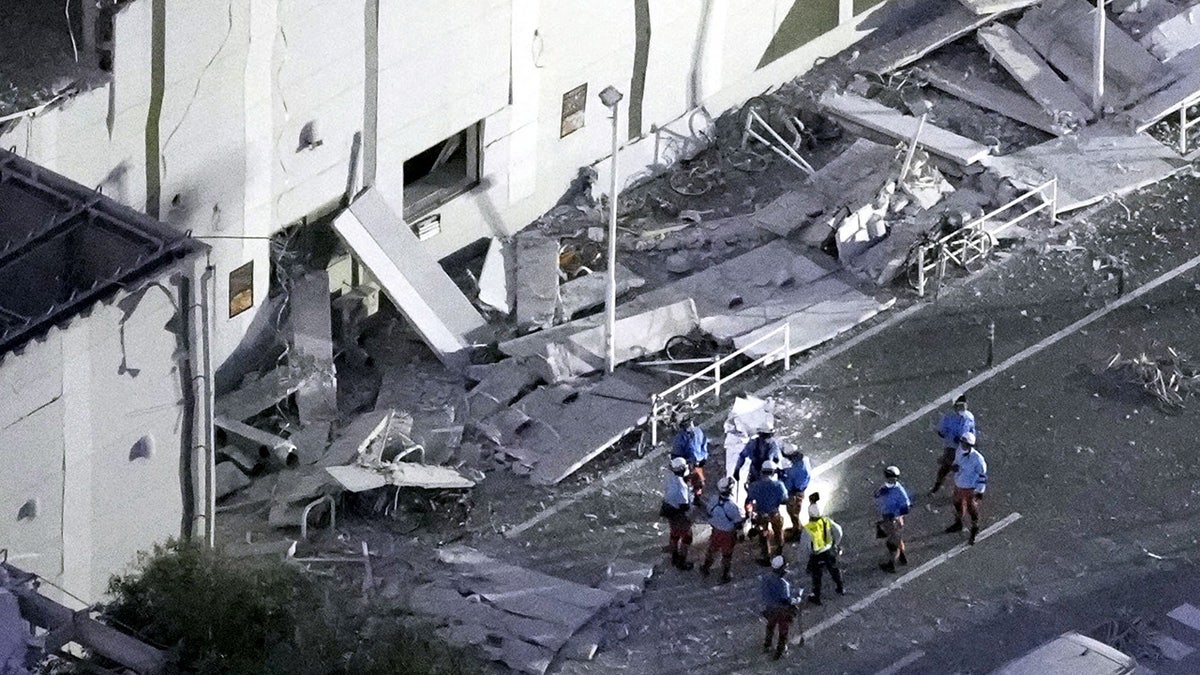
An aerial view shows rescue workers conducting a search and rescue operation at the damaged Aeon Mall shopping centre, where, according to local media, an explosion occurred after an earthquake with a preliminary magnitude of 7.1 struck Japan’s southern Kumamoto prefecture, in Kashima Town, Kumamoto Prefecture, Japan, July 28, 2026. (Credit: Japan Out via Reuters)
When the mall reopened in June, Aeon described the project as a «‘re-start’ initiative» marking both the shopping center’s 21st anniversary and the region’s recovery from the 2016 earthquake.
As night fell Tuesday, rescue operations remained on hold because of continuing aftershocks as families awaited word on the employees still believed to be inside.
natural disasters, world, japan, disasters, earthquakes

Tras el anuncio de Jaldo en Tucumán, más gobernadores piensan en desdoblar las elecciones en sus provincias

El BCRA cortó la racha de compra y en el mercado vuelan rumores de maniobras para frenar al dólar

A corazón abierto, Benjamín Vicuña contó la charla más dolorosa que tuvo con su hijo Bautista, de 18 años: «Me dijo cosas que tienen que ver con su niñez y…»

“Cerebro de microbio” y “Kukacruel”: el cruce en redes entre Lilia Lemoine y Victoria Villarruel por el sueldo de los senadores

Tigre se enfrenta con Nacional de Uruguay por un lugar en los octavos de la Copa Sudamericana

La aprobación del Gobierno cayó en julio según distintas encuestas, en sintonía con el índice de la universidad Di Tella

Convivencia pacífica o tensión administrada: el PRO define cómo pararse frente al gobierno de Milei rumbo a 2027

Crisis entre Milei y Lula: la trama política, personal y geopolítica detrás del mayor choque diplomático entre Argentina y Brasil

Cuentapropismo emocional en lo profundo del conurbano

San Isidro: la ballena que quedó varada en un banco de arena murió pese al operativo de rescate

 POLITICA1 día ago
Crisis entre Milei y Lula: la trama política, personal y geopolítica detrás del mayor choque diplomático entre Argentina y Brasil
- POLITICA3 días ago
Cuentapropismo emocional en lo profundo del conurbano
- SOCIEDAD2 días ago
San Isidro: la ballena que quedó varada en un banco de arena murió pese al operativo de rescate