INTERNACIONAL
Estados Unidos «tiene la capacidad de atrapar a Raúl Castro» como hizo con Maduro: ¿Lo hará?

Desde que Raúl Castro fue acusado por fiscales federales de Estados Unidos por asesinato y conspiración, muchos se preguntan si el líder revolucionario podría correr la misma suerte que el venezolano Nicolás Maduro.
“Esperamos que se presente aquí por voluntad propia o de otra manera”, dijo el secretario de Justicia, Todd Blanche.
Castro, de 94 años, era ministro de Defensa de su fallecido hermano y expresidente Fidel Castro cuando en 1996 exiliados residentes en Florida comenzaron a realizar incursiones a la isla. Desde ese cargo ordenó el derribo de dos aeronaves que según Cuba violaban su espacio aéreo y que de acuerdo con Blanche estaban tripuladas por civiles desarmados en misiones humanitarias.
“Estados Unidos ciertamente posee la capacidad militar para capturar a Raúl Castro tal como capturaron a Maduro, aunque probablemente resultaría más costoso”, dijo a The Associated Press William LeoGrande, politólogo de la American University en Washington.
La madrugada del 3 de enero en una sorpresiva operación militares estadounidenses detuvieron en Caracas a Maduro y a su esposa y los trasladaron a Nueva York. Ambos habían sido acusados antes por fiscales de esa ciudad de cargos de narcotráfico.
Tras la captura de Maduro —un cercano aliado de Cuba—, Donald Trump impuso un cerco energético a la isla que agudizó la crisis de una economía agobiada por décadas de sanciones de Estados Unidos.
Para LeoGrande, el objetivo de la acusación contra Castro «es dar un paso más en la escalada de la campaña de presión que Trump y (el secretario de Estado Marco) Rubio han estado librando contra Cuba”.
Castro tomó la presidencia interina de la isla tras la enfermedad de su hermano Fidel en 2008 y hasta 2018 cumplió dos mandatos propios. En 2014 encabezó un histórico acercamiento con Estados Unidos bajo el gobierno de Barack Obama.
Como ministro y presidente sus actividades siempre transcurrieron en la mayor discreción. Nada de agendas, actos protocolares o reuniones públicas.
Poco se conoce de su vida privada, salvo que se casó con la guerrillera Vilma Espín con quien tuvo cuatro hijos en la década de 1960.
Reside oficialmente al oeste de La Habana y desde que se retiró se ha dedicado a recibir a invitados especiales, siempre vestido con un uniforme militar verde olivo.
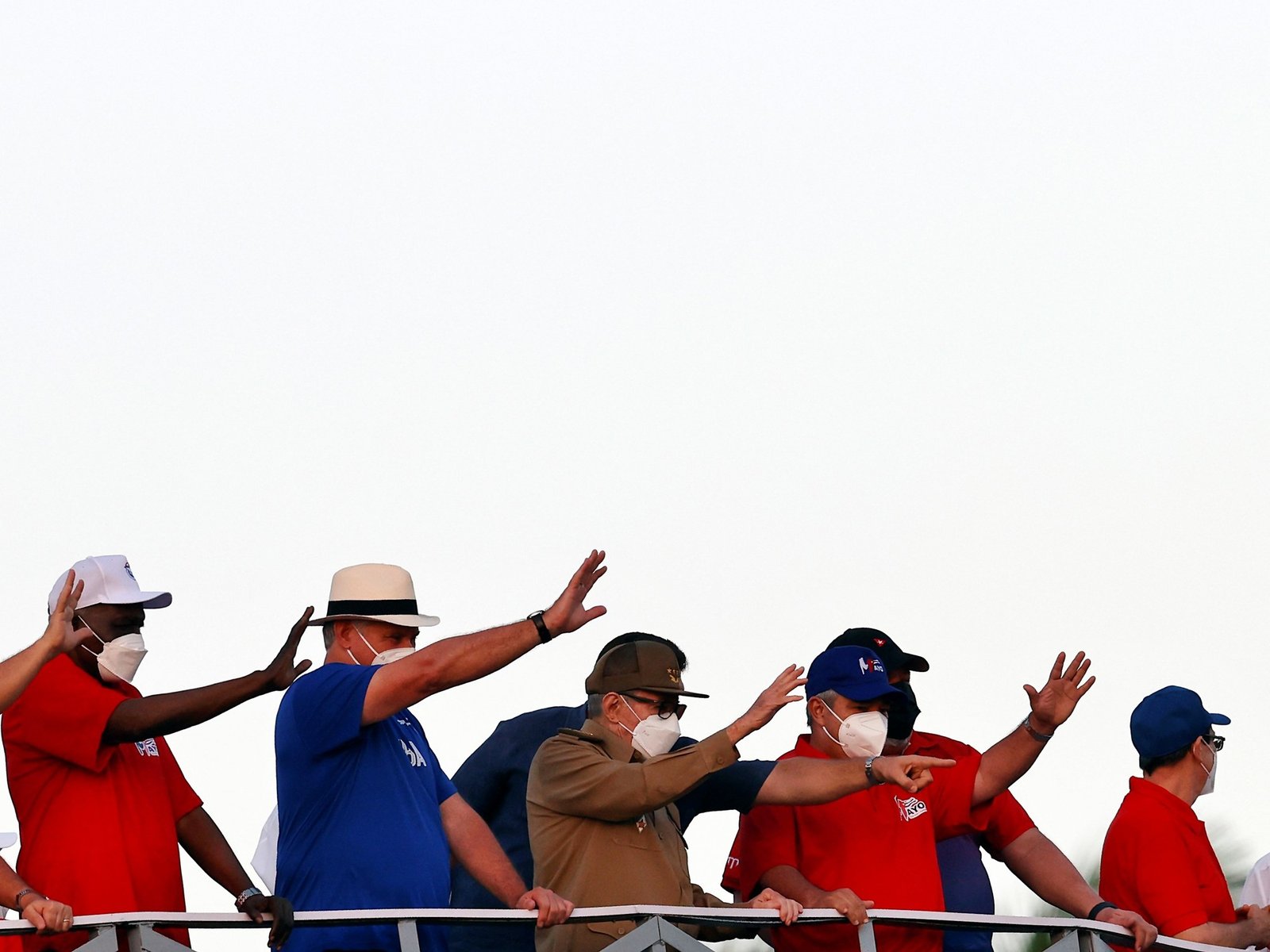
La última vez que se lo vio en público fue el 1 de mayo rodeado de decenas de miles de personas que asistían a una manifestación por el Día del Trabajador en el malecón de La Habana.
Castro se mantuvo erguido bajo el sol incluso cuando algunas personas se desmayaron antes de que comenzara el evento. Detrás de él estaba su equipo de seguridad liderado por su nieto Raúl Guillermo Rodríguez Castro, conocido como “El Cangrejo”.
Rodríguez Castro es hijo de su primogénita Debora y del fallecido general Luis Alberto Rodríguez López-Calleja, quien fue su mano derecha y dirigió GAESA, un poderoso emporio militar empresarial también sancionado por Estados Unidos.
“El Cangrejo” ha participado en conversaciones recientes entre dirigentes cubanos y estadounidenses, incluida una de la semana pasada con el director de la CIA, John Ratcliffe.
No está claro de inmediato qué pasará con Castro tras los cargos impuestos por Estados Unidos.
El gobierno cubano condenó rápidamente la acusación mientras se prepara para celebrar este viernes un mitin público en su honor convocado por la Unión de Jóvenes Comunistas.
Los expertos concuerdan en que aunque no ocupa un cargo formal, Castro es un hombre respetado por el gobierno de Miguel Díaz-Canel y por el gobernante Partido Comunista.
“Aún conserva influencia y la cúpula dirigente solicita su opinión sobre las decisiones importantes, pero no dirige el gobierno en el día a día», dijo LeoGrande.
Sin embargo, aclaró el analista, si fuera capturado en una operación militar estadounidense «eso no alteraría el funcionamiento del gobierno, a diferencia de lo que ocurrió en Venezuela”.
Castro no es ajeno a la cárcel. En junio de 1953 fue arrestado en Cuba tras ser acusado de rebelión armada. Fue condenado a 13 años de prisión y liberado en mayo de 1955 tras una amnistía. Posteriormente partió a México y ayudó a organizar la revolución.

INTERNACIONAL
“Sobrevivir 90 minutos bajo la guillotina”: Los salvadoreños Iván Barton y David Morán, galardonados tras el Mundial 2026

El arbitraje salvadoreño volvió a escribir una página de oro en la historia del fútbol internacional. En un acto de reconocimiento encabezado por el presidente de la Federación Salvadoreña de Fútbol (Fesfut), Yamil Bukele, los colegiados Iván Barton y David Morán compartieron sus vivencias, aprendizajes y el costado más humano de su destacada labor en la Copa del Mundo 2026, donde alcanzaron la histórica instancia de semifinales.
Infobae estuvo presente en el auditorio de la federación durante la cobertura de esta emotiva ceremonia, donde además se anunció un incentivo económico de 2.500 dólares para cada uno de los réferis.
Más allá de los reconocimientos monetarios y los récords estadísticos, las declaraciones recogidas por este medio dejaron al descubierto la enorme carga emocional, la presión extrema y los dolorosos sacrificios personales que exige mantenerse en la cima del arbitraje de alto rendimiento.

Uno de los momentos más desgarradores y de mayor sensibilidad durante la conferencia ocurrió cuando el árbitro asistente David Morán tomó la palabra. Frente a los medios de comunicación e invitados especiales, Morán relató el que, sin duda alguna, fue el desafío más complejo de toda su vida profesional y personal. Mientras un país entero celebraba cada una de sus apariciones en las canchas mundialistas, el colegiado atravesaba por un duelo desgarrador en absoluto silencio.
Justo en los días previos a encarar su segundo compromiso del torneo, Morán recibió la trágica noticia del fallecimiento de su suegro, una persona a quien consideraba como un pilar fundamental en su vida. Lejos de su patria y sin la posibilidad inmediata de abrazar a los suyos en un instante tan devastador, el asistente salvadoreño tuvo que sobreponerse al dolor para vestir la vestimenta oficial y salir a rendir al máximo nivel exigido por FIFA.
“Luego salir a la cancha con el corazón destrozado, pero sabiendo la responsabilidad que llevamos, quiero dedicar sin duda este triunfo a mi familia, que son el principal soporte para poder alcanzar lo que se ha alcanzado”, confesó Morán visiblemente conmovido.
A pesar de que los reglamentos del organismo internacional le permitían solicitar un vuelo de retorno de emergencia para acompañar a su familia, Morán decidió permanecer en la concentración. Iván Barton no dudó en alabar la fortaleza mental de su compañero de equipo durante la sesión de preguntas recogida por Infobae, revelando que no sabían qué pasaría con la terna si él decidía marcharse, pero que el profesionalismo de Morán salvaguardó el trabajo de años.
El árbitro asistente salvadoreño, David Morán, comparte su emoción y gratitud por el inmenso apoyo recibido de la afición tras su participación mundialista. Escucha sus sentidas palabras sobre lo que significó sentir el calor del pueblo.
Por su parte, el árbitro principal Iván Barton abordó la complejidad de la profesión arbitral y la gigantesca responsabilidad de portar el acrónimo de El Salvador (SLV) ante los ojos del mundo entero. Barton, quien inició su intervención bromeando sobre los nervios que sentía en el podio asegurando que eran mayores a los experimentados antes de pitar la semifinal mundialista, profundizó en cómo lidian los jueces con la abrumadora presión mediática y la constante exigencia del público.
Para el réferi central, dirigir al más alto nivel equivale a convivir constantemente con el riesgo de caer en el descrédito ante la primera falla, en una metáfora tan clara como contundente sobre la vulnerabilidad del árbitro en el terreno de juego.
“Un árbitro, cada vez que entramos a cada partido, yo siempre he dicho que hago una analogía. Es como que si vamos y ponemos nuestra cabeza justo con la guillotina arriba. Aquí está mi cabeza y tengo que sobrevivir 90 minutos o lo que dure, sabiendo que en cualquier momento esa guillotina puede caer.

¿Qué tan fuerte voy a ser para resistir y no morir ahí? Mientras existan las ganas, esa pasión de seguir ejerciendo esta linda profesión, vamos a seguir dando lo mejor para seguir estando en la élite”, reflexiono Barton ante los micrófonos.
El réferi salvadoreño también recordó con mucha nostalgia el momento exacto en el que les comunicaron la designación para dirigir la semifinal. Confesó que tanto él como Morán daban por sentado que ese partido le correspondería a una terna europea y que él ya se encontraba revisando su itinerario de vuelo de regreso a San Salvador.
“Cuando hubo una pausa que tomaron el documento para leer las designaciones, yo saqué mi teléfono y dije: ‘Bueno, mi vuelo ha sido para mañana, así que yo voy mañana’. Y cuando escucho mi nombre, realmente creo que es el momento más dulce. Cuando se dijo mi apellido para la semifinal, sobre todo por el calibre de juego que significaba”, relató.
Respecto a las críticas y declaraciones despectivas emitidas por figuras internacionales durante el desarrollo del torneo como las del entrenador francés Didier Deschamps, Barton se mostró imperturbable y maduro frente a las cámaras de Infobae:
“Él tiene derecho a tener su opinión, pero a nosotros no nos designan basados en la opinión de un técnico, a nosotros no nos designan basados en la opinión de una red social. Lo digo con mucho respeto, porque al final en las redes sociales cada quien va a tener su opinión, pero al final del día lo que a nosotros nos interesa es cumplir técnicamente. Te respeto que digas que soy malo, más no que soy deshonesto”, sentenció enfáticamente.

La actuación de la dupla Barton-Morán no solo llena de orgullo a la afición salvadoreña, sino que los posiciona de manera indiscutible como la terna arbitral centroamericana con mayor recorrido, partidos dirigidos y trascendencia en toda la historia de las Copas del Mundo.
De cara al futuro, ambos colegiados coincidieron ante las preguntas de la prensa en que la única fórmula para sostenerse en la élite es mantener la humildad, el trabajo diario en los entrenamientos y la plena disposición de volcar todo ese aprendizaje internacional en la profesionalización de la liga local y las nuevas generaciones de réferis en El Salvador.
iván barton,david morán,arbitros salvadoreños en el mundial,mundial 2026,fesfut
NEWYou can now listen to Fox News articles!
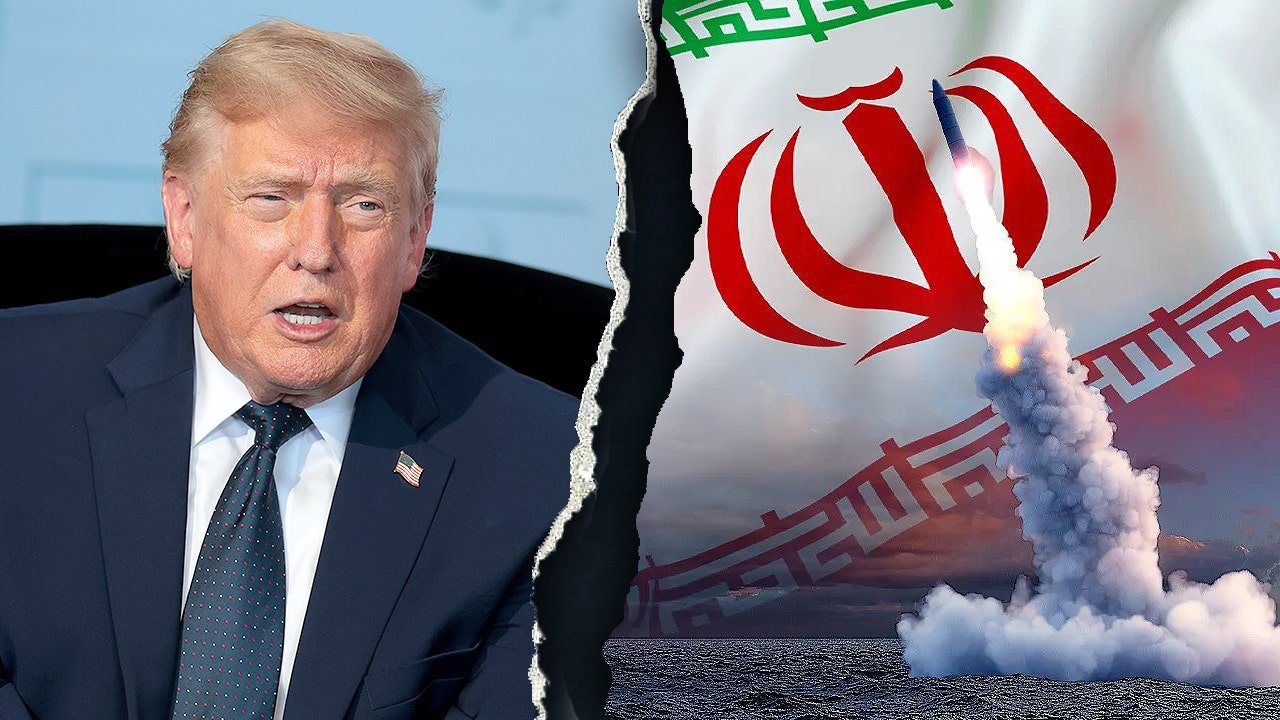
Disapproval of President Donald Trump’s handling of Iran hit a record high in July, as a majority of voters oppose U.S. military action, and nearly two thirds think the conflict will last at least a year.
The latest Fox News survey finds 56% oppose U.S. military action against Iran, including 40% who «strongly» oppose. More Democrats oppose the war (84%) than Republicans support it (76%).
FOX NEWS POLL: A CLOSE SENATE CONTEST IS BREWING IN IOWA
Voters increasingly expect a long-term commitment. Today, 64% think the war will last a year or more, up 13 percentage points since May. Expectations vary sharply depending on attitudes toward the Iran war. Among supporters, 56% think it will be over in weeks or months, while 80% of opponents expect it to last at least a year.
FOX NEWS POLL: VOTERS WANT MAJOR CHANGE AMID ECONOMIC AND POLITICAL DISCONTENT
There is also doubt the conflict will produce an agreement. About half think the U.S. will not reach a deal with Iran, while the rest split between expecting a good deal (27%) and a bad one (25%).
Roughly half of Democrats, Republicans, and independents predict there will be no agreement with the Islamic Republic. Among those anticipating a deal, Democrats are 20 points more likely to expect a bad one, while Republicans are 27 points more likely to expect a good one.
Just 34% of voters approve of Trump’s handling of Iran, while 66% disapprove, his worst marks to date.
Trump’s overall standing remains steady, but underwater. Thirty-nine percent approve of his job performance, unchanged for the past three months. Sixty-one percent disapprove, tying a previous high. That includes 49% who «strongly» disapprove, matching a record high.
For historical context, Trump’s best rating, 49% approve and 49% disapprove, came in April 2020. His current 39% approval is close to former President Joe Biden’s 40% (July 2022) and former President Barack Obama’s 42% (July 2014), during the summer of a midterm election year.
Trump continues to receive some of his strongest support from MAGA Republicans (97% approve) and conservatives (72%). But compared to June, his approval has declined to a near record low among rural voters (down 7 points to 44%) and an all-time low among White voters (down 3 points to 41%).
Yet the largest change comes among non-MAGA Republicans. Their support has fallen 13 points since last month to 51% approval, after hitting 70% at the beginning of Trump’s second term.
Trump’s ratings are also underwater on the economy (33% approve, 67% disapprove) and inflation (27-73%).
Republicans lose advantage on immigration
Voters are now divided over which party can better handle immigration: 50% say the Democrats and 49% the Republicans, a meaningful shift since April, when the GOP held an 8-point advantage. Women and voters under age 45 prefer the Democrats on immigration, while men and those ages 45 and older favor the Republicans.
«During the Biden administration years, immigration attitudes were often defined by border security considerations,» says Republican pollster Daron Shaw, who works on the Fox News Poll with Democratic counterpart Chris Anderson. «Today, immigration enforcement and ICE often dominate, eroding the GOP’s edge on the issue.»
Immigration remains Trump’s best performing issue in the survey, but his rating is still negative: 42% approve, while 57% disapprove.
Views of Immigration and Customs Enforcement (ICE) follow a similar pattern. ICE approval stands at 41%, unchanged since early this year but down from 49% last September.
Majorities of Democrats (90%) and independents (68%) disapprove of ICE, while most Republicans approve (79%). Fully 78% of Democrats, and 50% of independents «strongly» disapprove, compared with 53% of Republicans who «strongly» approve.
Few voters support allowing all illegal immigrants to remain in the U.S. Just 7% take that position, including 11% of Democrats, 5% of independents, and 2% of Republicans.
Instead, 62% favor deporting those who have been charged with crimes while allowing others to stay and eventually qualify for citizenship. That position draws majority support from every demographic group except Republicans (39%), conservatives (41%), and White evangelical Christians (48%).
Thirty-one percent favor deporting all illegal immigrants, with support highest among MAGA Republicans at 68%.
When asked about their concerns about illegal immigration, voters are most worried about the strain on government services (39%). Smaller shares cite crime (19%), job losses for U.S. citizens (14%), changes to the country’s culture (13%), and terrorism (10%).
Overburdened government programs rank as the top concern across demographic groups. College graduates, those living in high income households, suburban voters and independents are among those most likely to cite it.
The immigration findings also reveal a consistent divide within the Republican Party. ICE approval is 91% among MAGA Republicans compared with 59% among other Republicans, one of the widest gaps in the survey.
A similar split appears in ratings of Trump’s handling of immigration, with 91% of MAGA Republicans approving compared with 63% of other Republicans. MAGA Republicans are also nearly 30 points more likely to favor deporting all illegal immigrants (68% vs. 41%).
Conducted July 17–20, 2026, under the direction of Beacon Research (D) and Shaw & Company Research (R), this Fox News survey includes interviews with a sample of 1,003 registered voters randomly selected from a national voter file. Respondents spoke with live interviewers on landlines (70) and cellphones (681) or completed the survey online after receiving a text (252). Results based on the full sample have a margin of sampling error of ±3 percentage points. The survey includes an oversample of 200 voters aged 18–29, bringing the sample size for that subgroup to 350 (±5). Sampling error for results among subgroups is higher. In addition to sampling errors, question wording and order can influence results. Weights are generally applied to age, race, education, and area variables to ensure the demographics are representative of the registered voter population. Sources for developing weight targets include the most recent American Community Survey, Fox News Voter Analysis, and voter file data.
Fox News’ Victoria Balara contributed to this report.
fox news poll, republicans, democratic party, war with iran, donald trump, immigration, politics
INTERNACIONAL
Cárceles al borde del colapso en Gran Bretaña: polémica por la liberación anticipada de miles de presos

Milei quiere que los medicamentos se vendan en todos lados y encendió alarmas entre farmacias

Mientras espera la vuelta de Macri, el PRO ya activó contactos con LLA: cómo sería la estrategia electoral en la Provincia

Los entrenadores coinciden: “A partir de los 60, la fuerza y la masa muscular mejoran si subís y bajás escaleras todos los días y hacés sesiones de 30 minutos con ejercicios como sentadillas o remo”

Oficial: Modric se queda un año más en el Milan

La sutil indirecta de Ekaterina Ojeda a la China Suárez por su relación con Mauro Icardi

Río Negro: Alberto Weretilneck anunció un proyecto para eximir de Ingresos Brutos a los turistas extranjeros

Escándalo Mundial: Las presiones secretas, la amenaza de la FIFA por Malvinas y la verdad detrás del partido contra España

Sin la Copa y sin Messi en el avión, vuelve Tapia y deberá enfrentar tres frentes de tormenta tras la pausa del Mundial

Samuel L. Jackson llamó a Argentina “el país más racista del mundo”: la contundente respuesta que le dejó Bárbara Lombardo

Le ganan a la inflación: los senadores pasarán a cobrar $12 millones brutos a partir de agosto

 DEPORTE2 días ago
Escándalo Mundial: Las presiones secretas, la amenaza de la FIFA por Malvinas y la verdad detrás del partido contra España
- CHIMENTOS3 días ago
Samuel L. Jackson llamó a Argentina “el país más racista del mundo”: la contundente respuesta que le dejó Bárbara Lombardo
- POLITICA21 horas ago
Jorge Berredo, general retirado de las FFAA, asumió como Secretario de Seguridad en San Isidro