INTERNACIONAL
Estas son las marcas que se ganaron el corazón de los colombianos, según el Brand Love Index 2026

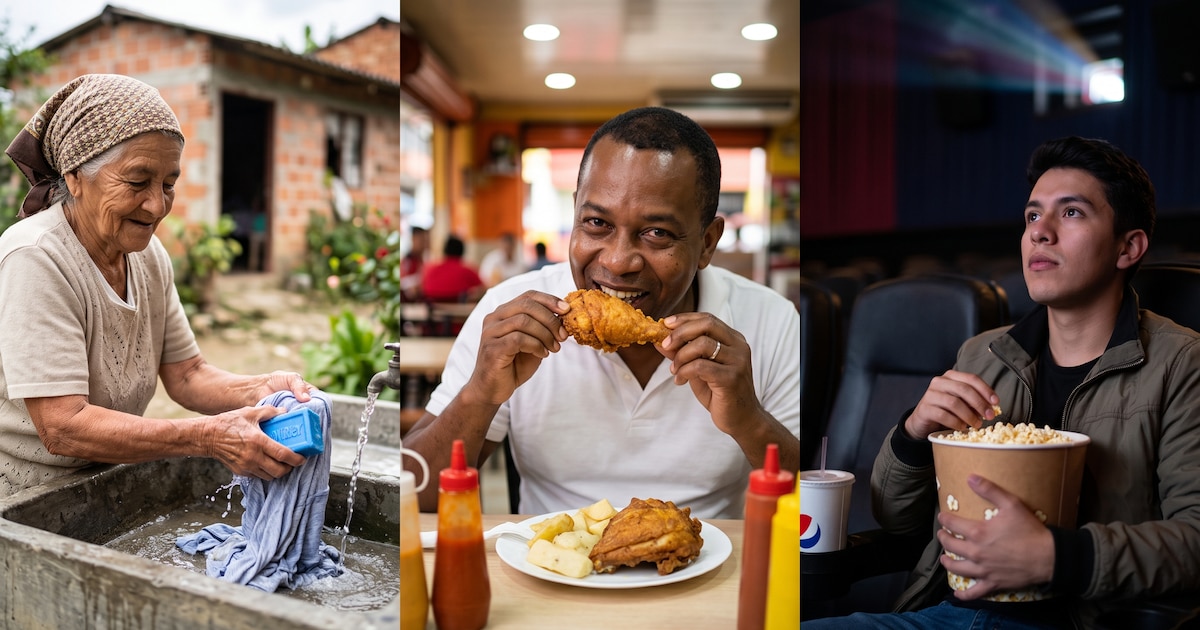
Si alguien le pidiera mencionar una marca de alimentos, una de tecnología, un restaurante o incluso una de maletas, probablemente tendría una respuesta casi inmediata.
Pero hay una diferencia entre recordar una marca, elegirla y sentir que forma parte de su vida. Ese vínculo, mucho más difícil de construir, es el que busca medir el Brand Love Index 2026. El estudio de Cluster Research identificó 23 marcas que lograron los niveles más altos de conexión emocional con los consumidores colombianos.
Estas son las 23 marcas del Brand Love Index
La lista reúne a Alpina, Arroz Diana, Natura, Coca-Cola, Águila, Haceb, Ramo, Crepes & Waffles, Nequi, Nubank, Seguros Sura, Frisby, Totto, Jabón Rey, D1, Kalley, Chocolatina Jumbo, Samsung, Cine Colombia, Arturo Calle, Mercado Libre, Juan Valdez y Colsubsidio.

El estudio no establece un primero, segundo o tercer lugar. Las 23 marcas superaron el umbral de 80 puntos definido por la investigación para identificar los niveles más altos de conexión emocional.
El resultado también muestra un cambio frente a la primera edición del estudio, publicada en 2025 con un listado de 20 marcas. Para 2026, el grupo aumentó a 23, con tres nuevas incorporaciones. Para Cluster Research, este crecimiento refleja que más compañías consiguen construir relaciones emocionales estables con sus consumidores.
Un modelo que busca medir más que la recordación
El Brand Love Index no parte únicamente de qué marcas recuerda un consumidor o cuáles prefiere frente a sus competidoras. El índice retoma investigaciones académicas desarrolladas durante más de una década alrededor del concepto de Brand Love, entre ellas el trabajo de Richard Bagozzi, profesor de la Universidad de Míchigan y coautor del modelo. Cluster Research adaptó este marco teórico al contexto latinoamericano para desarrollar la metodología aplicada en Colombia.

“El Brand Love Index no nació para hacer un ranking de marcas queridas. Nació para comprender científicamente cómo una marca pasa de ser elegida a convertirse en parte significativa de la vida de una persona”, afirmó Elsa María González, CEO de Cluster Research, en declaraciones recogidas por Revista P&M.
La premisa ayuda a entender por qué aparecen en la lista marcas de sectores tan distintos. El estudio busca identificar qué tan profunda es la relación que una persona construye con una compañía, más allá de la compra.
Así se midió el Brand Love Index 2026
La investigación se apoyó en 2.400 encuestas realizadas en las principales ciudades de Colombia, mediante una combinación de medición presencial y online, junto con más de cien exploraciones cualitativas. La metodología aplica ecuaciones estructurales, un método estadístico que permite analizar de manera simultánea las variables que intervienen en la construcción del vínculo entre una persona y una marca.
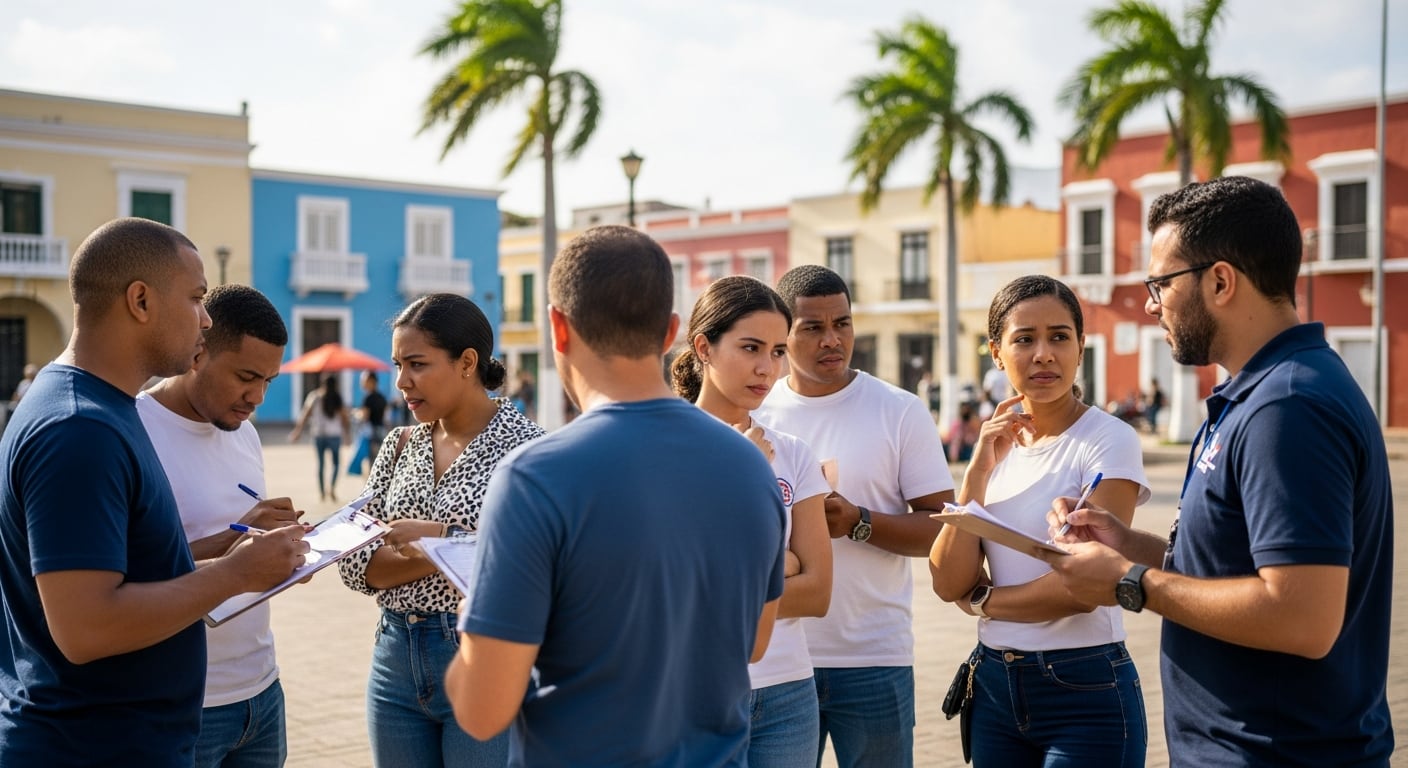
El modelo se desarrolla en tres etapas. La primera evalúa si una marca es mentalmente disponible, pertinente y preferida frente a sus competidoras. La segunda incorpora dimensiones como deseo, emoción, autoidentidad, presencia en la vida cotidiana, valor social, humanización y apego. La tercera observa las señales que puede generar ese vínculo, lealtad, recomendación, defensa de la marca y disposición a pagar un precio mayor.
El resultado se sintetiza en el indicador Top of Self, que busca identificar el momento en que una marca deja de ser únicamente una elección funcional y adquiere un significado personal para el consumidor.
La confianza aparece como uno de los factores clave
El estudio también incluyó un diagnóstico sobre las categorías que generan mayor decepción entre los consumidores colombianos, especialmente aquellas con altos niveles de interacción, fricción o dependencia del servicio.
En paralelo, los resultados muestran una diferencia significativa en materia de confianza. Menos del 30% de los consumidores confía en las marcas de manera general. Entre las compañías que alcanzan los niveles más altos de vínculo emocional, esa proporción supera el 80%.
El contraste permite entender por qué el reconocimiento no es suficiente para construir una relación sólida. Según la lógica del Brand Love Index, el vínculo se fortalece cuando el consumidor incorpora la marca a su rutina y le atribuye un significado que va más allá de la función del producto o servicio que ofrece.
Entre los hallazgos generales, el estudio también señala la capacidad de categorías como alimentos y bebidas para generar conexiones asociadas con rituales familiares y experiencias compartidas, mientras que la tecnología y algunos servicios también muestran capacidad para construir vínculos relevantes.
Colombia,consumo,marcas,Jabón Rey,pollo frito,cine











INTERNACIONAL
La cifra de muertos por los terremotos en Venezuela podría superar ampliamente el conteo oficial
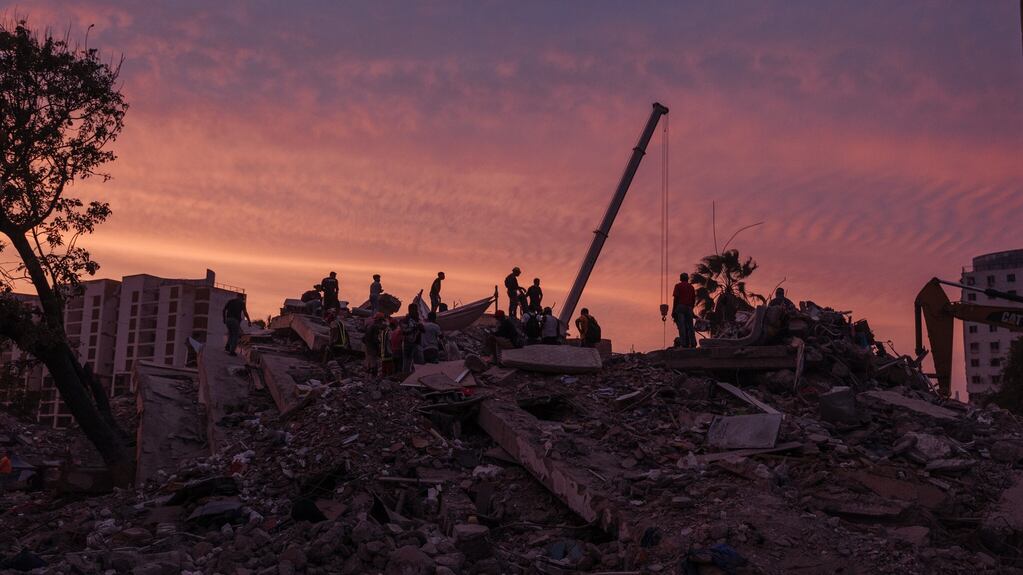
El gobierno de Venezuela dice que 6509 personas murieron en los terremotos consecutivos en junio. Pero las proyecciones de diversas fuentes, entre ellas un análisis de The New York Times de edificios residenciales y el Servicio Geológico de Estados Unidos (USGS, por su sigla en inglés), sugieren que es probable que se trate de un subregistro considerable.
El USGS ha usado durante años la seriedad de los sismos, datos históricos y la distribución de la población para intentar calcular las muertes después de un terremoto. La información suele ser más precisa en incidentes con un mayor número de víctimas, como este, dijo David Wald, un sismólogo en el USGS.
Para los terremotos de Venezuela, la estimación promedio del USGS es que murieron 53.000 personas, lo que significa que hay un 50 por ciento de probabilidad de que la cifra real sea superior a esa, y un 50 por ciento de probabilidad de que sea inferior.
El USGS también dice que hay aproximadamente un 81 por ciento de probabilidad de que la cifra real de muertes sea superior a 10.000.
Un obstáculo para calcular una cifra confiable de muertes en Venezuela es la ausencia de un censo oficial actualizado del gobierno.
Para abordar ese problema, el USGS utiliza un modelo llamado LandScan para “envejecer” el censo más reciente. El modelo, desarrollado en el Laboratorio Nacional Oak Ridge, también utiliza cifras independientes de la Organización de Naciones Unidas para perfeccionar las proyecciones. LandScan utiliza decenas de otras variables, como el uso del suelo, los caminos y la proximidad a las áreas urbanas para calcular dónde es probable que estén las personas cuando la tierra tiembla.
El gobierno venezolano no respondió a los mensajes en los que se detallaban nuestros hallazgos y se le solicitaban comentarios.
Terremoto
INTERNACIONAL
Dr Oz takes Americans behind the doors of ‘clubhouse for crooks’ as feds hunt Medicare fraud
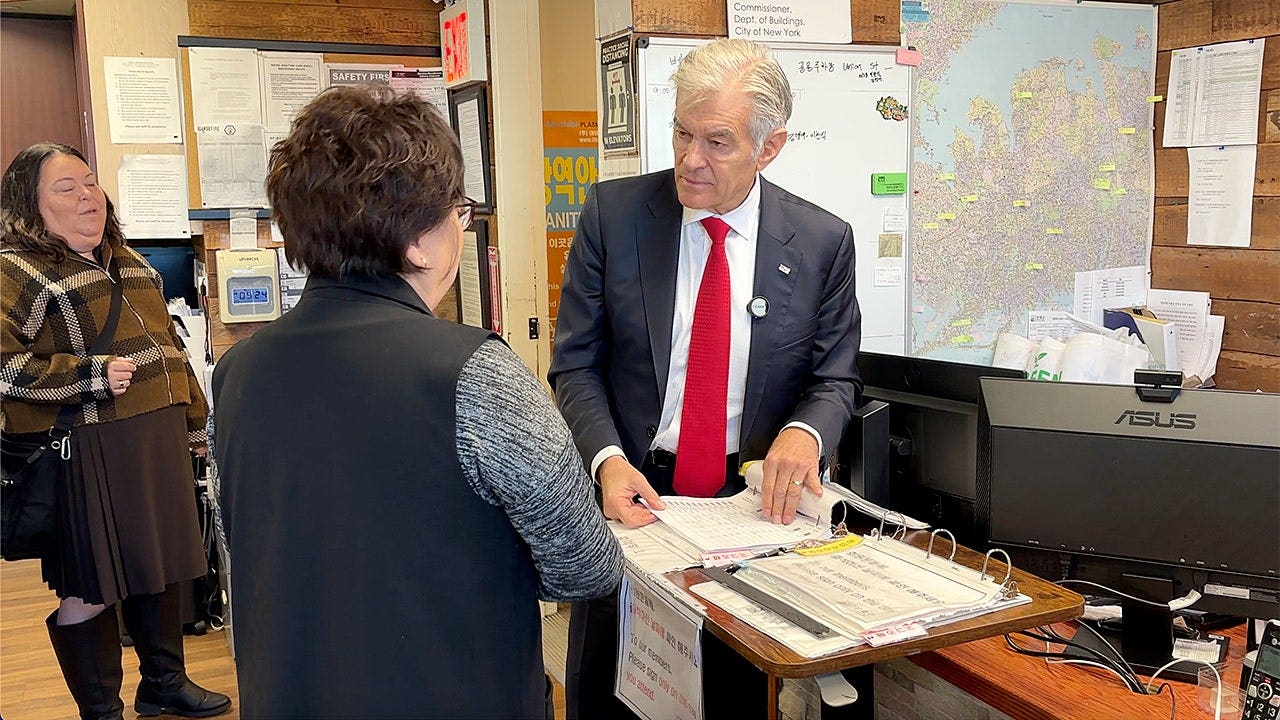
FIRST ON FOX: Centers for Medicare & Medicaid Services Administrator Dr. Mehmet Oz is taking Americans inside the Trump administration’s war on healthcare fraud in a new documentary highlighting massive Medicare schemes, suspected hospice scams and allegations of organized crime involvement.
The 27-minute film, «War on Fraud,» first obtained by Digital, follows Oz across the country as he spotlights alleged fraud schemes targeting taxpayer-funded health care programs and details the administration’s efforts to crack down on those responsible.
«All these programs come back to one basic issue: Fraudsters and criminals don’t give a s— about you. They want your money, and they will walk all over your health, sacrifice your life and betray society’s trust to get your hard-earned money,» said Oz in the video.
The documentary follows Oz across the country as he investigates suspected fraud involving Medicare, Medicaid, hospice care and other programs, with appearances from HHS Secretary Robert F. Kennedy Jr. and CMS Deputy Administrator Kim Brandt.
DR OZ SAYS 800 HOSPICE PROVIDERS SUSPENDED IN CALIFORNIA OVER ALLEGED $1B MEDICARE FRAUD SCHEME
Digital accompanied Oz Tuesday as he confronted workers at New York City senior day care centers suspected of questionable Medicaid billing practices during a sweeping federal fraud investigation.
More than 80 New York City providers received warning letters from CMS over questionable billing practices as part of a broader operation involving the FBI, HHS-OIG, NYPD and other agencies.
«FBI New York, along with multiple other law enforcement agencies are conducting law enforcement activity in the area of Queens, Staten Island, Brooklyn and other locations around New York City in connection with ongoing federal investigations,» an FBI spokesperson said of the crackdown.
ON THE STREETS WITH DR OZ AS SURPRISE FRAUD CRACKDOWN SENDS DAYCARE DIRECTORS SCRAMBLING
Oz flagged what he described as a series of irregularities, including low attendance despite high Medicaid billing, questionable wheelchair transportation charges, seniors entering without signing in, inconsistent attendance claims and sign-in sheets containing future-dated entries.
The crackdown comes as CMS is pulling back the curtain on its broader war on fraud, releasing a new documentary that takes viewers inside the agency’s efforts to track down schemes siphoning taxpayer dollars from America’s healthcare programs.
In one segment of the film, Oz highlights hospice care as a hotbed for potential fraud, pointing to the Los Angeles area, where he says roughly 2,000 hospice providers operate, a concentration he argues has raised serious concerns about fraudulent billing.
FBI ADDS 2 FUGITIVES TO ‘MOST WANTED FRAUDSTERS’ LIST AMID HISTORIC $6.5B HEALTHCARE TAKEDOWN: PATEL
Oz claims in the documentary that Russian organized crime groups are involved in some suspected hospice fraud operations, alleging that unsuspecting patients are being enrolled in hospice care under false pretenses.
He claims the schemes involve falsely declaring patients terminally ill and misleading them into enrolling in hospice care, potentially limiting their access to treatment for conditions classified as terminal while allowing fraudulent operators to bill Medicare for services under false pretenses.
Minnesota has become a major focus of the Trump administration’s broader crackdown on government benefits fraud following a series of high-profile scandals involving taxpayer-funded programs.
VANCE-LED TASK FORCE CUTS OFF $1.4B FROM HOME HEALTH, HOSPICE PROVIDERS SUSPECTED OF FRAUD
Oz said Minnesota’s $250 million «Feeding Our Future» scandal helped intensify the administration’s focus on large-scale fraud, pointing to a case that erupted into the national spotlight in 2022 and has since produced a wave of federal convictions.
The White House Task Force on Fraud, led by Vice President JD Vance, has joined Oz in a media blitz highlighting alleged scams as the administration ramps up its crackdown on corruption in taxpayer-funded programs.
The documentary highlights one of the largest alleged Medicare fraud schemes in U.S. history, involving $3.7 billion in fraudulent billing claims tied to medical equipment companies operating in Delray Beach, Florida, according to federal prosecutors.
Federal prosecutors allege the scheme involved billing for medical equipment patients never requested or needed, and the accused ringleader fled the U.S. before being captured in Turkey and returned to South Florida to face federal charges.
FBI BRINGS BACK FUGITIVE ACCUSED IN $3.7B MEDICARE FRAUD SCHEME AFTER CAPTURE IN TURKEY
The documentary also shows Oz during an earlier visit to Flushing, Queens, where he describes a cluster of businesses — including a social adult daycare center, pharmacy and medical center — as a «clubhouse for crooks,» alleging the businesses are part of a fraudulent billing operation.
Oz says they recruit seniors, get them in, game the system and they use their ID numbers to charge everybody, «which means they are charging you.»
The documentary will be released Wednesday at 4 P.M. ET on Oz’s X account.
minnesota fraud exposed, mehmet mz, health care healthy living, new york city
NEWYou can now listen to Fox News articles!
Pope Leo XIV will need no further treatment for lung cancer after final tests confirmed the disease was localized, his doctors said Wednesday.
Dr. Luigi Carbone and Professor Stefano Margaritora announced the findings just over a week after surgeons removed a tumor from the pontiff’s right lung.
«The final histopathology and molecular testing reports on the tissue removed during the Holy Father’s surgery were issued today,» the doctors said in a statement.
POPE LEO WELCOMED BACK AS HE DELIVERS ANGELUS PRAYER DAYS AFTER LUNG CANCER SURGERY
«The results confirmed that the tumor was a lung adenocarcinoma and that the disease was localized. A subsequent oncological assessment has confirmed that no further treatment is necessary.»
Pope Leo underwent surgery Oct. 13 at Rome’s Gemelli Hospital. The operation lasted about 90 minutes, with the pope spending approximately three hours in the operating room, according to the Holy See.
«The doctors said it was successful and there were no complications,» the Holy See press office said after the procedure.
The pontiff awoke normally and returned to his hospital room following a brief observation period, Vatican News reported.
RECOVERING FROM LUNG SURGERY, POPE LEO URGES PUTIN TO AGREE TO CEASEFIRE IN RUSSIAN-HELD UKRAINE CITY
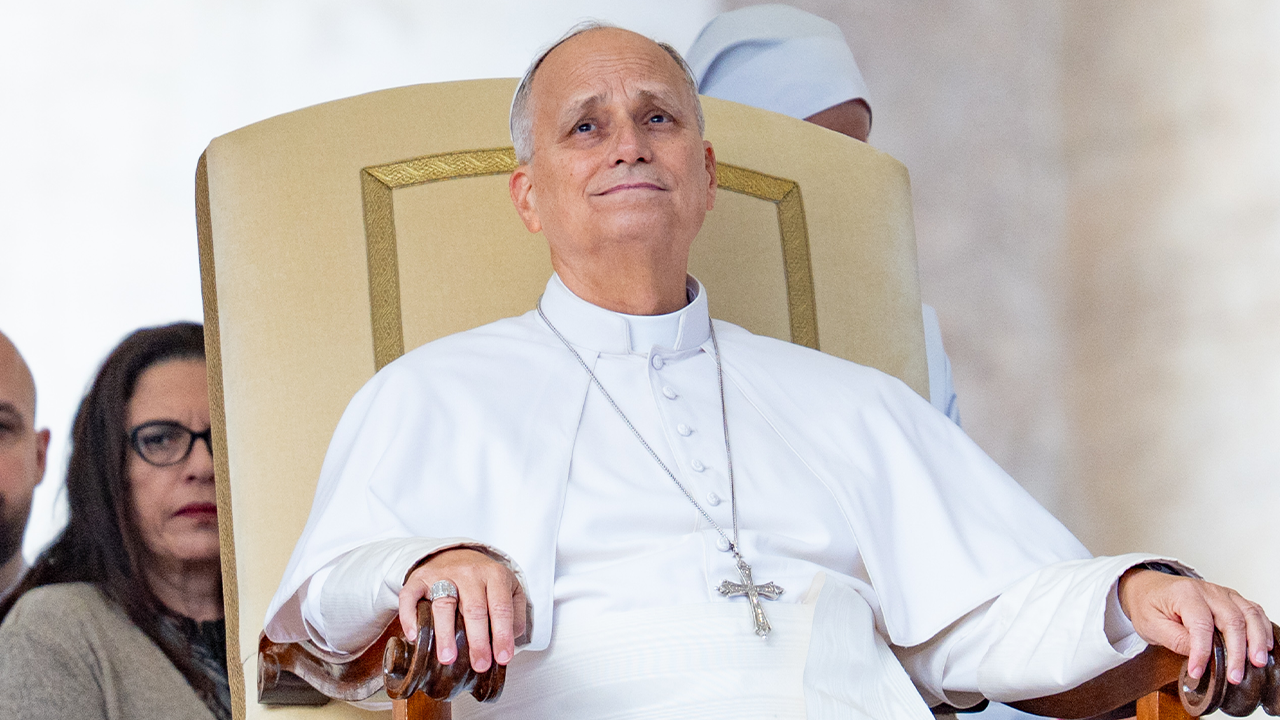
Pope Leo XIV addresses the crowd during the weekly general audience at St Peter’s Square in Vatican City, on October 21, 2026. (Massimo Valicchia/NurPhoto via Getty Images)
He was discharged Saturday after blood tests and a chest X-ray confirmed he was well enough to return to the Vatican. Thousands of supporters gathered outside the hospital, shouting «Papa!» as he departed.
Before leaving, Leo visited the children’s oncology ward, where young patients had sent him letters during his hospital stay.
POPE LEO’S LUNG TUMOR RAISES QUESTIONS ABOUT CANCER RISK FOR NONSMOKERS

Pope Leo reacts while sitting in a car as he leaves Gemelli Hospital following his lung surgery and cancer diagnosis, in Rome, Italy, October 17, 2026. (Remo Casilli/Reuters)
«Pope Leo, our prayers are for you,» a girl named Eleonora wrote in a letter released by Vatican News.
«May God, the Most Holy Virgin, and the guardian angels always protect you,» she added.
Eleonora’s mother told the pope her daughter was now healthy, according to the Vatican.
«Faith moves mountains,» Eleonora wrote. «God has heard our prayers.»
Fox News Digital’s Robert McGreevy contributed to this report.
pope leo xiv, health, cancer, world

Myriam Bregman y Luis Petri tuvieron un tenso cruce por el islam que involucró a Martín Menem

La escena más viral de la Champions League: ganaron su partido y se fueron sin bañarse del estadio por un peculiar motivo

Cuánto cuesta ir a ver a Boca en la final de la Copa Sudamericana

Salud mental: senadores del PJ díscolo firmaron un dictamen de minoría y permiten que el tema llegue al recinto

Primeras exploraciones con la lesión de Dembélé: estará de baja unas tres semanas

Senado: consiguió dictamen el proyecto y los cambios a la ley de salud mental quedaron un paso más cerca del recinto

El Gobierno pone en marcha un nuevo plan de retiros voluntarios y busca que haya 20.000 empleados menos en el Estado

Alerta roja en Sudamérica por el Súper Niño: cambio climático, inundaciones extremas y el hallazgo de microplásticos y metales en el granizo

“Feliz día a la mejor mamá del mundo”: el doble gesto del Chato Prada con Lourdes Sánchez y la reacción de ella

De cara al debate por el endeudamiento familiar, el Gobierno sostiene un discurso duro y considera que funciona para la imagen de Milei

 POLITICA2 días ago
El Gobierno pone en marcha un nuevo plan de retiros voluntarios y busca que haya 20.000 empleados menos en el Estado
- CLIMA2 días ago
Alerta roja en Sudamérica por el Súper Niño: cambio climático, inundaciones extremas y el hallazgo de microplásticos y metales en el granizo
- POLITICA2 días ago
El Gobierno reconoció que “está bajo análisis” la postura argentina en el Comité de Descolonización de la ONU