INTERNACIONAL
GOP gubernatorial hopeful blasted by critics for ‘lying’ on stage about illegal immigrant hires

NEWYou can now listen to Fox News articles!
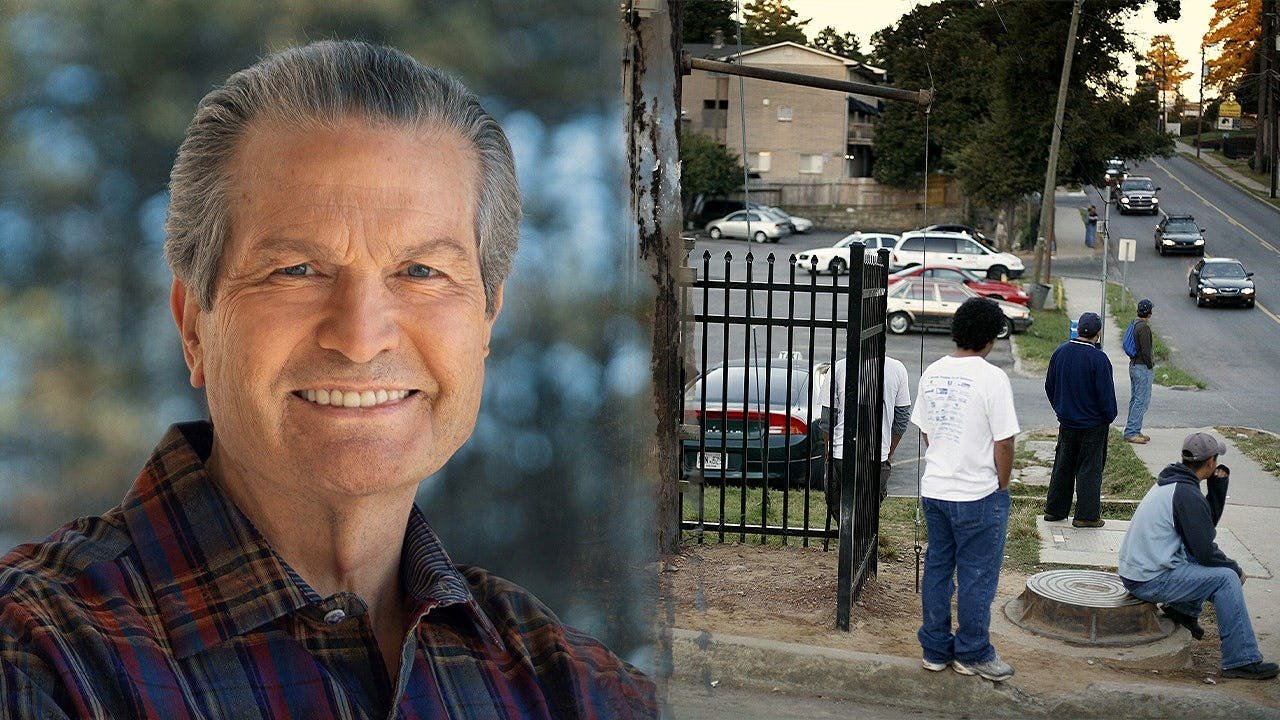
Rick Jackson, a Republican gubernatorial hopeful in Georgia, is facing heat from critics calling him a «fraud» and claiming he lied during a debate earlier this week when the candidate struggled to answer whether he has illegal aliens working for him.
«I don’t know,» Jackson replied when his fellow Republican frontrunner in the race, Lt. Gov. Burt Jones, asked him point-blank whether he has any illegal aliens working for him.
Jackson explained he was not directly involved in the hiring process in question, but he also said on the debate stage that anyone making hires for him «obey[ed] the laws,» including verifying employment eligibility using the appropriate federal «verification» measures despite saying the opposite during a sworn deposition.
After his contradictory remarks on the debate stage Monday night, Jackson’s critics leaped at the opportunity to call him out, pointing to his sworn remarks from a worker’s compensation case, during which Jackson admitted that new hires were not vetted using mandatory federal I-9 forms meant to ensure employees are eligible to work.
FLORIDA GOV DESANTIS TANGLES WITH REPORTER OVER ILLEGAL IMMIGRATION, TELLS HER ‘YOU SEEM TO HAVE NO SYMPATHY’
Republican candidate for governor in Georgia, Rick Jackson, has been embroiled in controversy over whether he has been hiring illegal immigrants to do landscaping at his mansion. (Rick Jackson for Governor/Charles Ommanney via Getty Images)
«Rick Jackson is lying to someone. Either he lied in his deposition under oath or he lied to Georgians on the debate stage,» said political strategist Phil Vangelakos after the debate. «It’s pretty clear that he knows he’s employed illegal immigrants.»
«Richie Rick Jackson is a fraud that will say what he needs to in order to win and is pretending to be a Trump Conservative, when in fact, he is a Bush moderate,» said Georgia Tea Party activist Debbie Dooley, who is unrelated to the football coach turned Republican candidate for Georgia governor, Derek Dooley. «He campaigns against illegals, yet he hires them.»
The criticism against Jackson stems from a worker’s compensation lawsuit Jackson found himself embroiled in, which included documents and records indicating he was paying at least one landscaper at his mansion who is undocumented, possibly more. The story was first reported by The New York Post ahead of Monday night’s debate.
The suit was filed against Jackson Investment Group, LLC, and JIG Real Estate, LLC, which is owned by the former firm. Jackson is publicly listed as the CEO of both companies as well.
SCOOP: TRUMP ALLY TO LAUNCH KEY BATTLEGROUND STATE CAMPAIGN IN BID TO FLIP DEMOCRAT-HELD SENATE SEAT
According to the case’s filings, Jackson «maintained a long-standing workforce of multiple laborers performing landscaping and property maintenance work for decades, including individuals without work authorization who nonetheless performed continuous employment for the employer.»
Jackson was deposed as part of the case, during which Jackson indicated he was unaware that his hires were undocumented immigrants. However, according to the deposition, Jackson was aware that his new hires were not being vetted using mandatory I-9 verification forms.
«No,» Jackson replied when asked in the deposition if he does any employment verification through the I-9 system.
In other parts of the deposition, Jackson echoed what he said Monday night, that he was not directly involved with the hiring of workers and only engaged with the landscaping superintendent.
DEMOCRATS VYING FOR NYC MAYOR SPAR OVER DEFUNDING POLICE, COMBATING ICE
«I know that sounds confusing,» Jackson explained in his deposition. «But most of our — if we have other employees, we usually hire them through JIG or another entity. I’m talking about if JIG has employees, we hire them through another entity. I’m not sure that we have any direct employees, from a payroll standpoint, out of JIG Real Estate.»

Rick Jackson, Republican candidate for governor of Georgia, speaks at a campaign event. (Rick Jackson Campaign)
Greg Bluestein, a reporter with the Atlanta Journal-Constitution, pointed out Wednesday that it «didn’t take long» after Monday night’s debate for one of Jackson’s leading opponents in the GOP primary battle, which will culminate with a May 19 primary election, to attack Jackson over the inconsistency of his statements.
«No I-9’s, no background checks for decades,» says a narrator in an attack ad from the Jones campaign. The ad then cuts to Jones asking Jackson on the debate stage whether he has any illegal immigrants working for him, to which Jackson responds, «I don’t know.»
TRUMP FRONT-AND-CENTER AS NATION’S BIGGEST CITY HOLDS PRIMARY ELECTION FOR MAYOR
«He knew,» the narrator chimes in. «He’s not just hiring illegal immigrants, he’s lying to Georgians.»
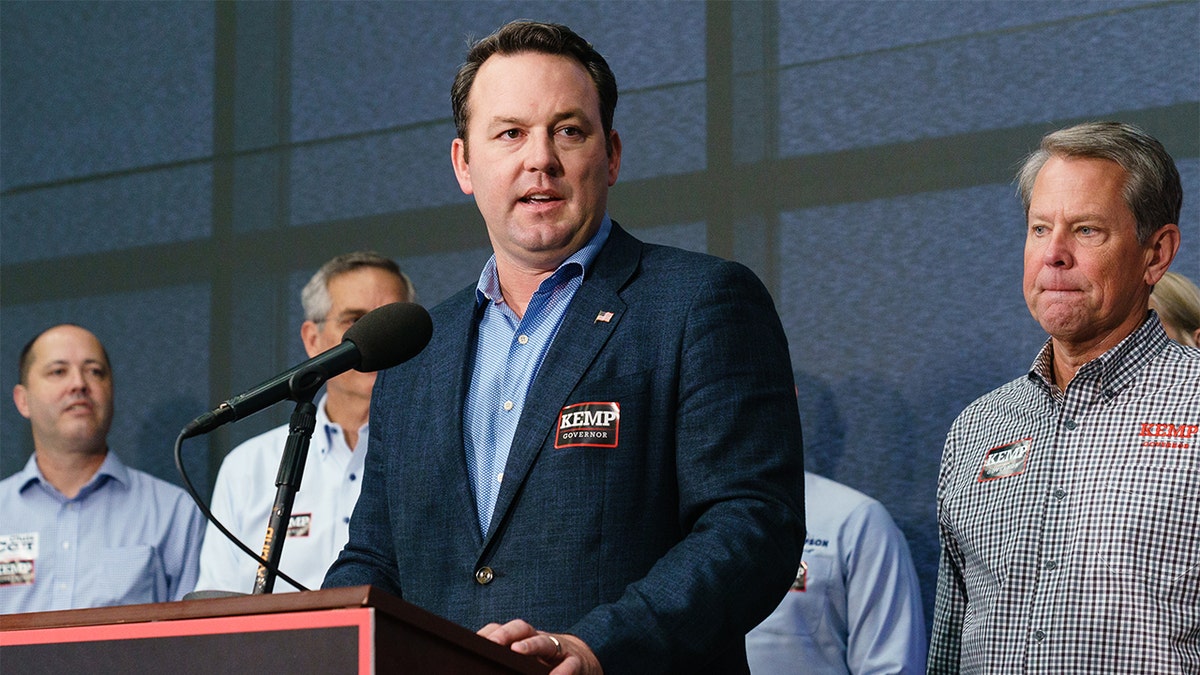
Burt Jones, then-Republican candidate for lieutenant governor, speaks as Republican Gov. Brian Kemp listens at a press conference in Atlanta, Ga., on Nov. 7, 2022. (Elijah Nouvelage/Getty Images)
When asked for a response to the backlash, Jackson’s team said that the takeaway from the debate «is the universal agreement that Burt Jones has used his office corruptly to enrich himself and attack his political opponents.» The campaign spokesperson also alleged that much of the criticism targeting Jackson stems from people part of the Jones campaign.
«It’s like a corrupt politician to attack Rick over someone hired by his landscaper,» the spokesperson added. «In the debate exchange, Rick talked about hiring thousands of people per year, a reference that could only be about Jackson Healthcare, which has used E-Verify since 2012. Rick would never knowingly hire someone in the country illegally and, as governor, he’ll make Georgia No. 1 in criminal illegal deportations.»
CLICK HERE TO DOWNLOAD THE FOX NEWS APP
The primary election on May 19 will also include GOP front runners Attorney General Chris Carr, Secretary of State Brad Raffensperger, and former college football coach Dooley.
brian kemp, governors, illegal immigrants, republicans, campaigning












INTERNACIONAL
Top Trump official touts how DC makeover is proof America is rejecting ‘decline by choice’
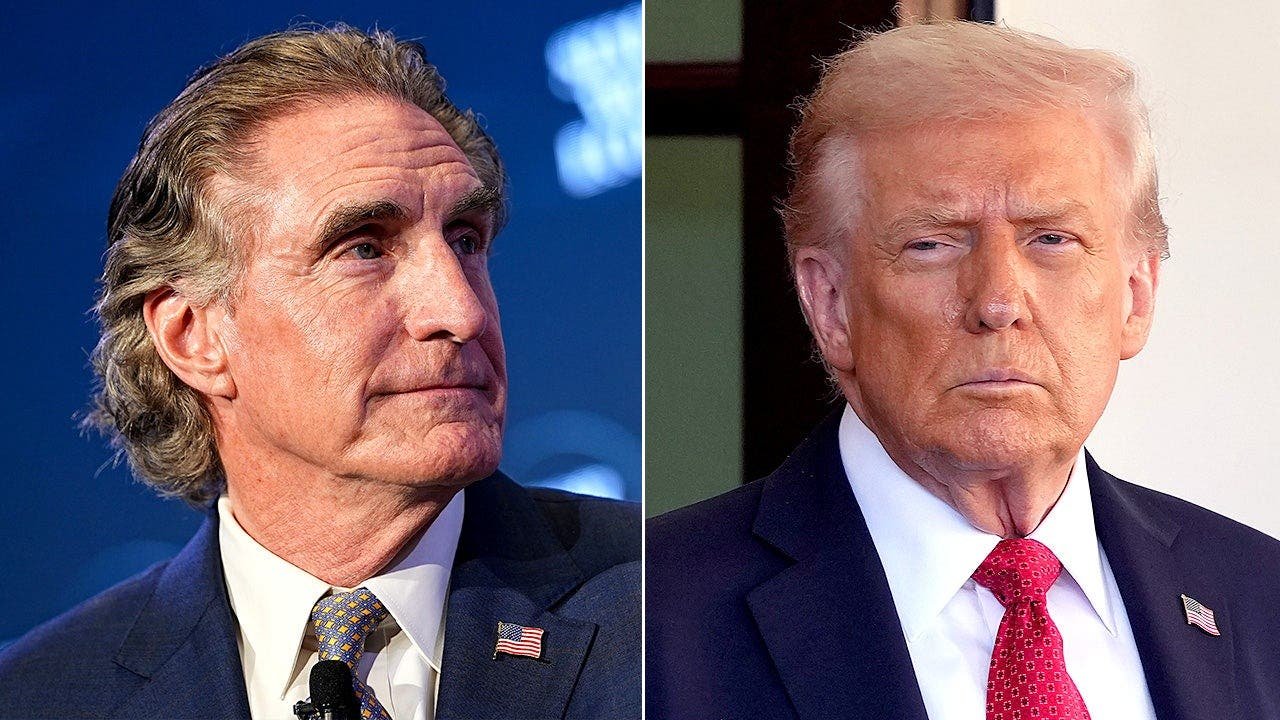
Doug Burgum highlights American innovation at Great American State Fair
Interior Secretary Doug Burgum joins ‘Fox & Friends’ live from the Great American State Fair in Washington. He emphasizes America’s legacy of innovation and entrepreneurship, discussing the impact of AI and free markets. Burgum also addresses recent vandalism at the Lincoln Memorial Reflecting Pool on June 22 and the upcoming July 4th opening of the Teddy Roosevelt Presidential Library.
NEWYou can now listen to Fox News articles!
Interior Secretary Doug Burgum is defending President Donald Trump’s many initiatives to address infrastructure in Washington, D.C., calling it a visible reminder that the country needs to actively press back against decline.
«Nations don’t crumble by fate — they decline by choice,» Burgum told Fox News Digital.
«From rehabilitating and installing historic memorials, statues, and fountains to removing hundreds of instances of graffiti and cleaning up crime on our streets, this administration is proving that American greatness is built through action,» he continued.
Burgum’s reasoning, which came ahead of the United States’ 250th Independence Day anniversary, addresses criticisms of the administration that have surfaced in recent weeks, casting doubt on whether Trump’s many renovation and construction initiatives in Washington, D.C. have been worth their price tag.
WHITE HOUSE SEIZES ON DELAYED OBAMA PRESIDENTIAL CENTER OPENING TO CROWN TRUMP ‘BUILDER-IN-CHIEF’
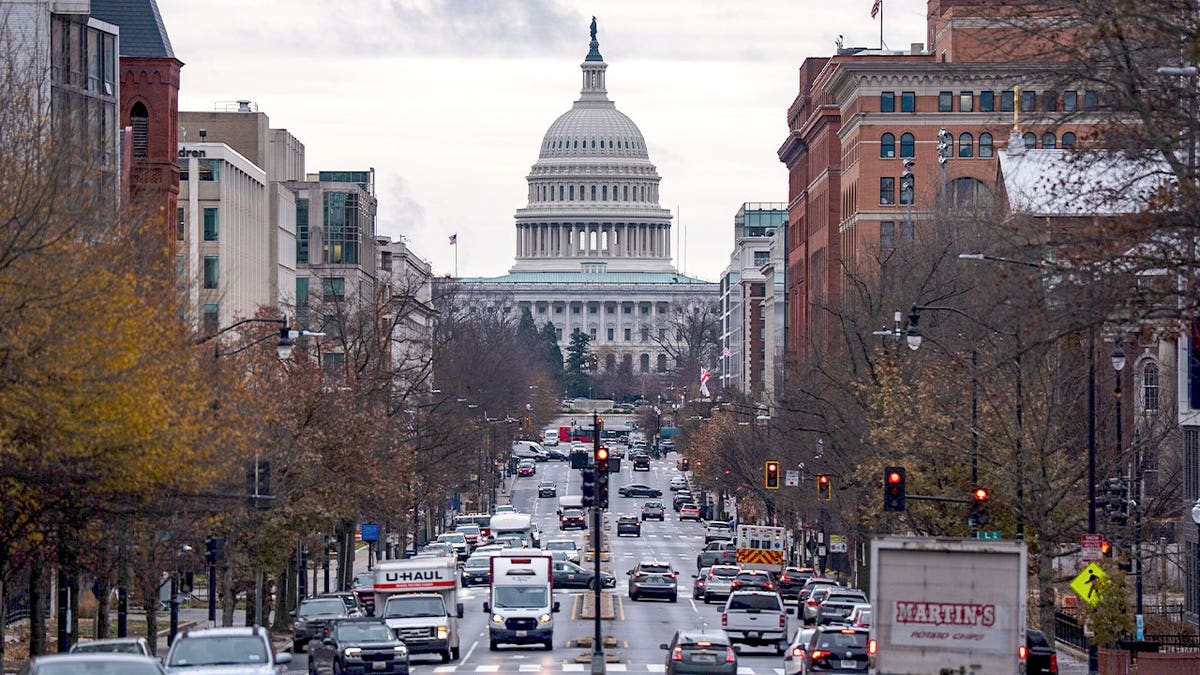
The US Capitol past traffic on North Capitol street in Washington, D.C., on Tuesday, Dec. 23, 2025. (Kent Nishimura/Bloomberg via Getty Images)
As part of the 250th celebration, Trump has spent $14.7 million to restore the Lincoln Memorial’s reflecting pool, allocated $250 million to restore the Kennedy Center and is on track to spend over $400 million on the construction of a ballroom at the White House.
Trump, in a Truth Social update about the reflecting pool, framed the efforts as part of a larger effort.
«We’ve cleaned, renovated and beautified over 45 monuments and memorials, 28 statues and 22 fountains in Washington, D.C. Things are really looking good in our nation’s capital. Add to that the fact that when I became president, crime was rampant. And now Washington, D.C. is one of the safest cities anywhere in the United States,» Trump wrote.
REPUBLICANS QUESTION TRUMP’S ‘PRIVATELY FUNDED’ BALLROOM AFTER REPORT POINTS TO TAXPAYER BURDEN
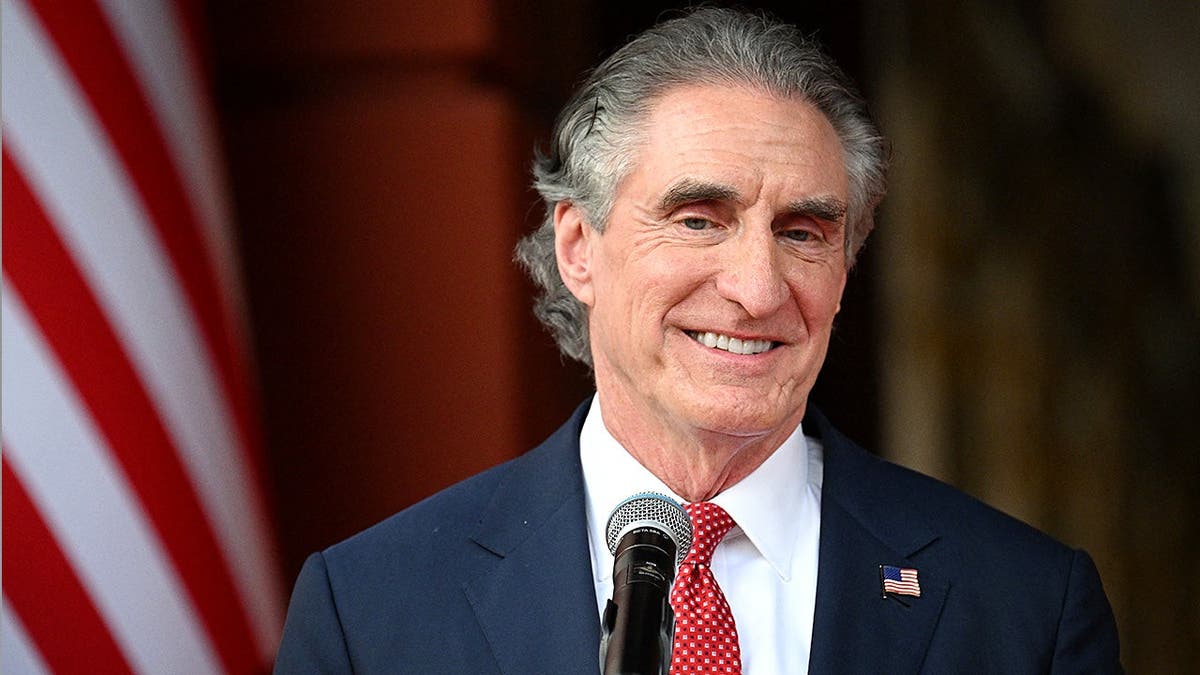
Interior Secretary Doug Burgum reacted during a meeting with Venezuela’s interim President Delcy Rodríguez at the Miraflores Presidential Palace on March 4, 2026, in Caracas, Venezuela. (Federico Parra/AFP via Getty Images)
The Department of the Interior, which has overseen many of the improvements, further updated its accomplishments ahead of July 4.
The city has removed 510 instances of graffiti, removed 154 homeless encampments, applied 212 tons of repair materials to roads and parkways, restored 280,000 square feet of roadway paving, rehabilitated 1,301 benches and fixed 1,913 lights.
Burgum said the repairs were emblematic of the administration’s aggressive posture towards addressing problems that had gone ignored in the past. In addition to these major improvements, DOI has restored and cleaned dozens of monuments and statues around DC.
DOI also recently helped transform Meridian Hill Park, which got high praise on social media by DC residents, into a desirable place to visit with a restored fountain that had been under construction for years with very little movement. They also cleaned and restored some of the statues in the park, including the Joan of Arc statue and the James Buchanan Memorial.
FIRST ON FOX: TRUMP ADMIN TRANSFORMS DC HOTSPOT ONCE ROCKED BY GEORGE FLOYD PROTESTS IN SYMBOLIC REVERSAL
Washington DC city workers dismantle tents and remove personal belongings during a sweep of a homeless encampment in the Foggy Bottom neighborhood in Washington, DC, on August 14, 2025. (JIM WATSON/AFP via Getty Images)
CLICK HERE TO DOWNLOAD THE FOX NEWS APP
«While others accept decline, President Trump and the Department of the Interior are restoring the heart of our nation’s capital,» Burgum said. «The Golden Age of America isn’t just a slogan, it’s being rebuilt, one landmark, one street and one victory at a time.»
donald trump, washington dc, infrastructure across america, politics

INTERNACIONAL
Immigrant business owner who built the American Dream says birth tourism is a ‘slap in the face’
NEWYou can now listen to Fox News articles!
A legal immigrant from Trinidad who became a U.S. citizen after nearly a decade-long process told Fox News Digital that birth tourism and illegal immigration are a «slap in the face» to those who came to America the right way.
Kris Ramsingh, a Virginia business owner who immigrated in 2006 and became a citizen in 2015, said his own experience becoming an American shaped his support for President Donald Trump’s immigration policies.
«When you see that people come across the border, whether it’s [to] have a baby for an anchor, or come across to border and get free healthcare, [or] free school, it’s really a slap in the face to the people who have worked really hard to come into this country the legal way,» he told Fox News Digital in an interview Thursday.
Unlike those who enter the country illegally, Ramsingh said he was required to satisfy a series of federal immigration requirements before becoming a U.S. citizen.
‘WEAPONS OF MASS REPRODUCTION’: WATCHDOG UNVEILS ACTION PLAN TO CURB BIRTH TOURISM AFTER SUPREME COURT RULING
The Mill Mountain Star dots the Roanoke skyline in Virginia. (Jeff Greenberg/Getty Images)
As part of the legal immigration process, federal authorities required Ramsingh to provide proof of certain vaccines, personal documentation, a criminal background check and proof of a bank account to demonstrate he would not become a ward of the state.
«America doesn’t owe us anything,» Ramsingh said of legal immigrants like himself. «Our government here doesn’t owe us anything. We have the privilege of coming into this country where it’s a holiday visa or for school.»
Ramsingh said the week of Independence Day also marks the anniversary of his and his wife’s arrival in the U.S. in 2006 with just $300 and a few suitcases.
«I have lived in Roanoke all of those 20 years since,» he said from his Dominion Custom Upholstery business not too far from the city’s famed Mill Mountain Star.
WORLD CUP SOCCER FANS ARE DISCOVERING AMERICA’S GREATNESS. IT’S TIME AMERICANS DID, TOO
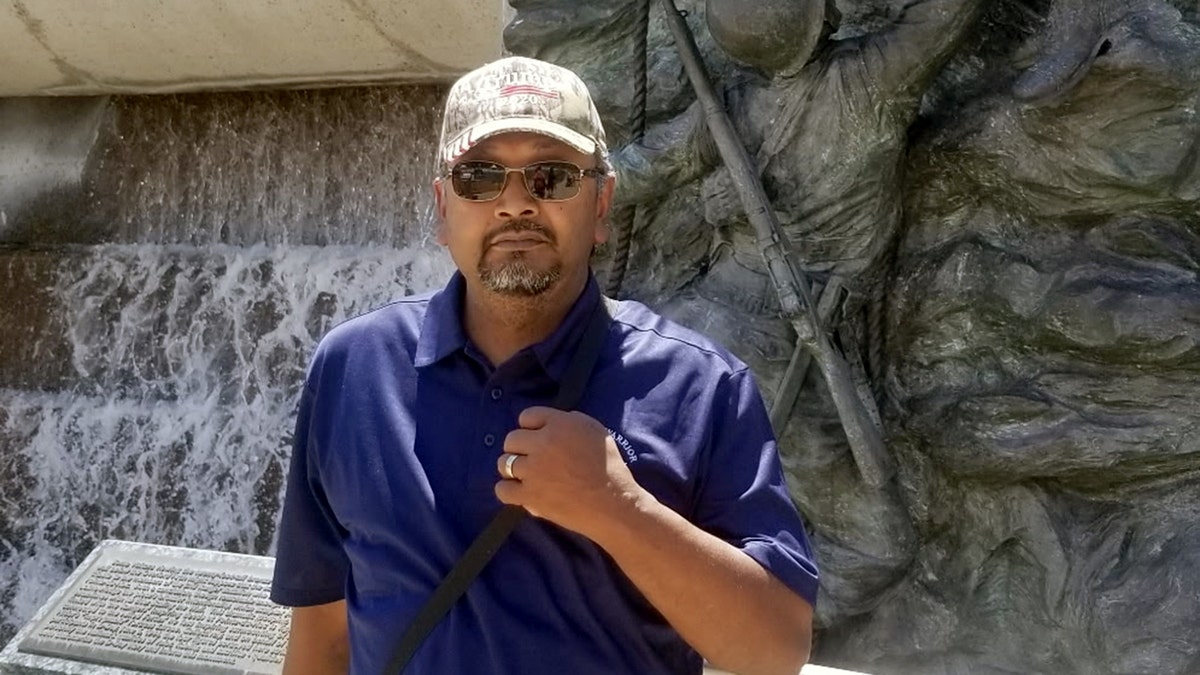
Kris Ramsingh visits the National D-Day Memorial in Bedford, Va. (Courtesy: Kris Ramsingh)
As Americans prepare to celebrate Independence Day, Ramsingh said he feels a special sense of pride in the American flag.
He recounted living in his home country in 1990 when Muslim insurgents carried out a coup and shot Prime Minister ANR Robinson while taking officials hostage.
«When we saw the red, white, and blue [of American] soldiers coming into the country, we knew we were safe. We knew at that point that America had our back. And America has had a lot of countries’ back over the years,» he said, commenting that — having experienced such a situation firsthand — he is troubled by other countries that demand America’s assistance but go back to resenting the U.S. after they’ve been helped.
Ramsingh said that experience shaped his appreciation for the United States and its role around the world.
After immigrating to the United States, Ramsingh founded Dominion Custom Upholstery 13 years ago and later launched another company focused on boatworks and interior repairs.
He also recently founded Dominion Project International, a missionary organization through which he travels to India, Africa and the Caribbean to share the Gospel while providing potable water and medical supplies to people in need.
«The American Dream is that you can try something — you can work hard and try and if it doesn’t work out you can you can pick up and try again,» he added.
«The flag represents peace [and] hope as we’re getting ready to celebrate Saturday, the Fourth of July, and it means so much to me — it means freedom.»
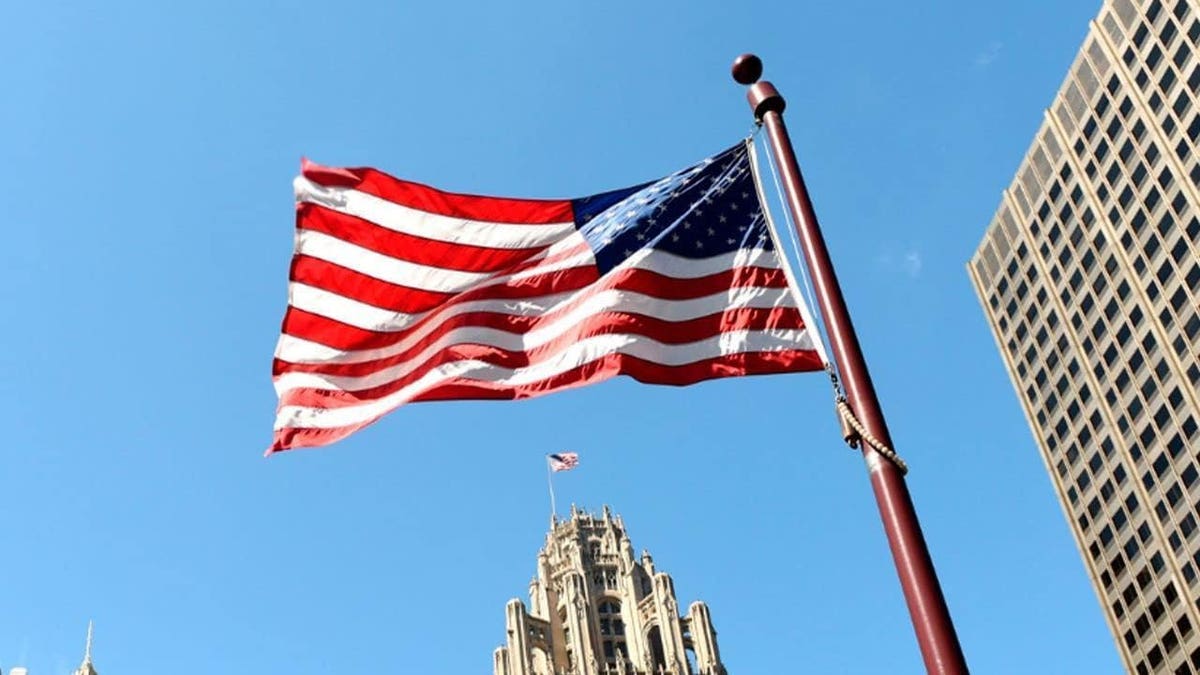
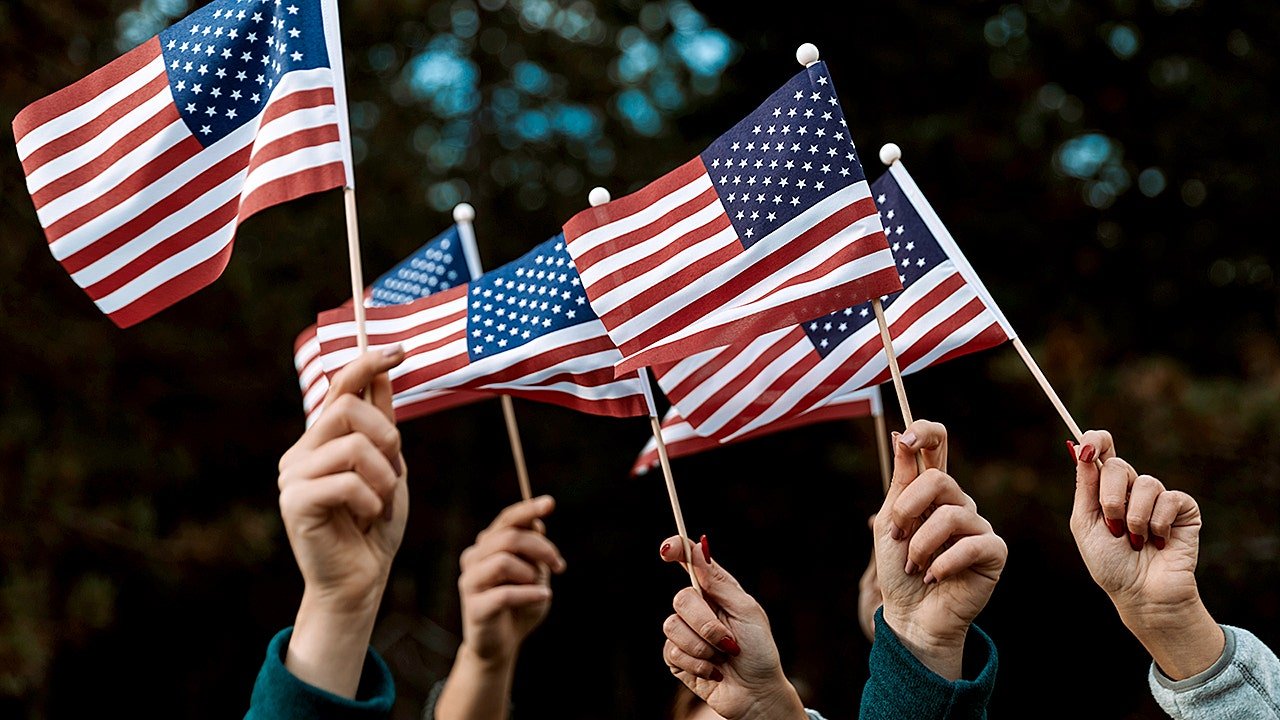
The center of every Fourth of July party is the American flag. (Amazon)
Since becoming a U.S. citizen, Ramsingh said he feels a special sense of security and pride whenever he returns from missionary trips abroad.
«There’s a sense of ‘I’m back on U.S. soil; I’m home,’» he said, whether landing in Washington, D.C., Miami or New York.
«That feeling is so great and it really bothers me to see Americans and foreigners coming into this country and saying that they hate America,» he said.
«I think if you hated that much, you should just leave — there is no need for you to be here.»
Asked about critics’ claims that Trump is anti-immigrant, Ramsingh rejected that characterization.
«He’s not anti-immigrant. Republicans are not anti-immigrant — we just want them to go through the process of doing it legally; coming in legally.»
«During the Biden administration. When he opened that border — we’re anti-invasion, we are not anti-immigrant. That was an invasion.»
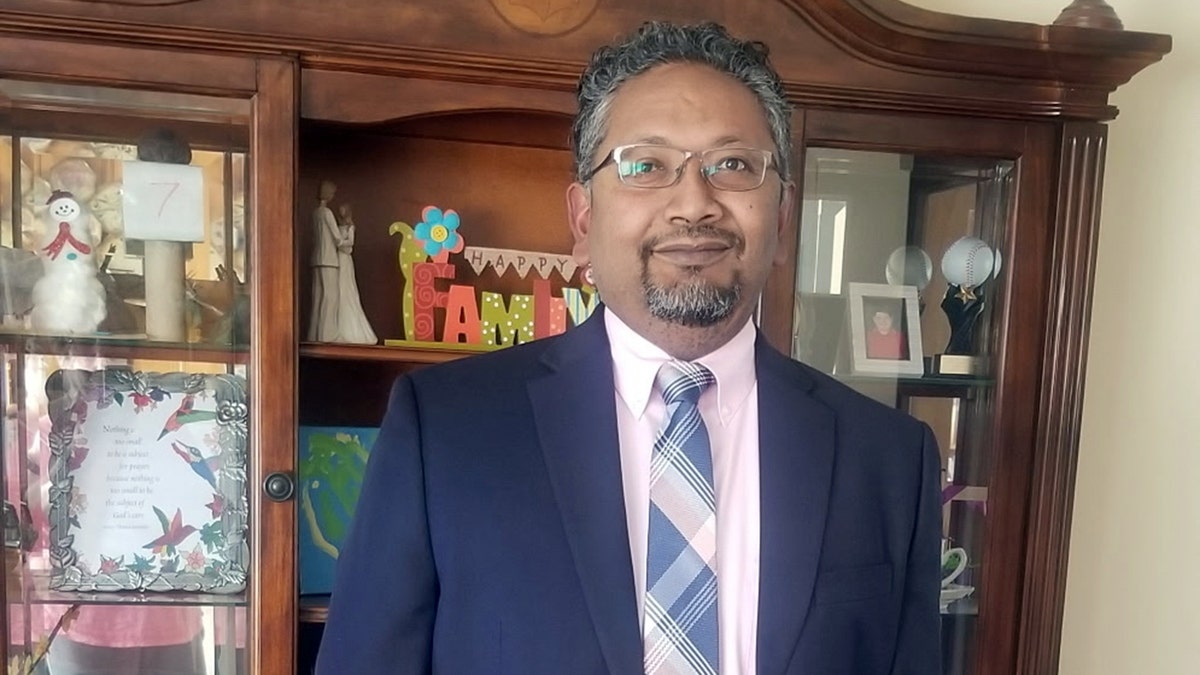
Kris Ramsingh is seen at his Roanoke, Va., home. (Courtesy: Kris Ramsingh)
Ramsingh acknowledged that some of the personal stories surrounding deportations are difficult to watch, but said those situations stem from years of lax enforcement of U.S. immigration laws.
SIGN UP TO GET THE POLITICS NEWSLETTER

The Trump administration reaffirmed that all illegal immigrants are eligible for deportations as they focus on arresting violent criminals first. (Raquel Natalicchio/Houston Chronicle via Getty Images)
«I came from a third-world country. My missions are in third-world countries. I see how these people live. I understand why they want to come to America. I understand the ‘why’,» he said.
CLICK HERE TO DOWNLOAD THE FOX NEWS APP
«I would say Trump is not against immigration. He just wants to see it done right. And again, Donald Trump and our government doesn’t owe immigrants anything. We have the privilege of being here. It’s a privilege. It’s not a right.»
Fox News Digital’s Hannah Brennan and Kiera McDonald contributed to this report.
america 250, politics, patriotism, immigration, illegal immigrants

Top Trump official touts how DC makeover is proof America is rejecting ‘decline by choice’

El Gobierno definió su agenda legislativa, pero por ahora no tiene los votos y deberá negociar

Con la sorpresiva actuación de Cabo Verde y su arquero Vozinha como foco, la ola de memes que generó la clasificación de Argentina

Es oficial: diez empresas van por los activos de una marca histórica de lácteos y dulce de leche

Nueva era para Milei: nace un Gobierno abrazado al sistema con Karina como “El Jefe” de casi todo

Susana Giménez celebró el gol de Messi en Miami y cerró el festejo a su manera: “¡Por favoooor!”

En medio de su separación, Magui Bravi contó por primera vez su traumático embarazo: «El parto fue de emergencia y…»

Con la incorporación de Santilli al Gabinete, el Gobierno relanza su estrategia para las elecciones 2027

¿Se recupera el mercado de los autos?: qué muestran los números de las cinco marcas que más 0 km venden en el país

Construir los cimientos de la Inteligencia Artificial: los desafíos de la infraestructura del futuro

 CHIMENTOS2 días ago
En medio de su separación, Magui Bravi contó por primera vez su traumático embarazo: «El parto fue de emergencia y…»
- ECONOMIA2 días ago
¿Se recupera el mercado de los autos?: qué muestran los números de las cinco marcas que más 0 km venden en el país
- ECONOMIA2 días ago
Construir los cimientos de la Inteligencia Artificial: los desafíos de la infraestructura del futuro