INTERNACIONAL
House punts Trump spy powers extension after conservatives block deal, forcing end-of-month showdown

NEWYou can now listen to Fox News articles!
President Donald Trump’s push to extend the government’s controversial warrantless surveillance powers suffered a minor setback early Friday morning after a group of conservative lawmakers rejected a compromise deal that would have extended the program for five years while incorporating some minor reforms intended to appease GOP privacy hawks.
Shortly before 2 a.m. Friday, the House of Representatives approved a two-week extension of Section 702 of the Foreign Intelligence Surveillance Act (FISA), giving lawmakers until April 30 to reach a deal.
House Speaker Mike Johnson, R-La., voiced confidence that his conference can come to an agreement by the end of the month.
«We were very close tonight. There’s some nuances with the language and some questions that need to be answered and we’ll get it done. The extension allows us the time to do that,» he said.
JOHNSON FACES GOP REVOLT OVER WARRANTLESS SURVEILLANCE POWERS AHEAD OF KEY VOTE
President Donald Trump answers questions from reporters after signing an executive order in the Oval Office of the White House Tuesday, March 31, 2026, in Washington. (AP Photo/Alex Brandon)
The short-term FISA extension came together after House GOP leadership was forced to scrap an initial 18-month extension of the program due to opposition from conservatives, who want more privacy guardrails added to the program.
GOP privacy hawks also shot down a compromise agreement that would have extended the surveillance law until 2031 while adding more stringent criminal penalties for violations of FISA searches.
The Section 702 authority allows the government to spy on foreign nationals abroad even when those communications involve Americans. Both conservatives and progressives have pushed for a requirement that would force officials to obtain a warrant before reviewing Americans’ data.
House GOP leadership had been racing this week to renew the surveillance law before the April 20 deadline. When their desired approach ran into conservative opposition on the House floor, they settled for a two-week extension.
The Senate could pass the short-term extension by unanimous consent as early as Friday.
«What we’re trying to do is thread the needle of ensuring that we have this essential tool to keep Americans safe but also safeguard constitutional rights and making sure that the abuses of FISA in the past are no longer possible,» Johnson said early Friday morning.
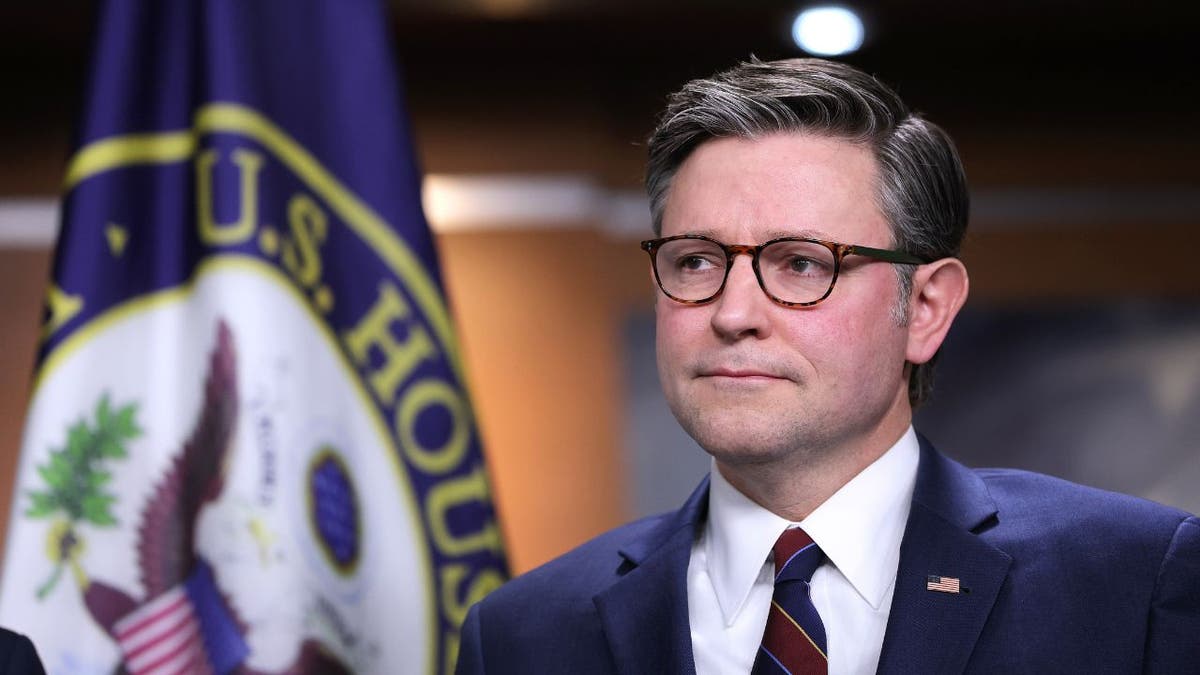
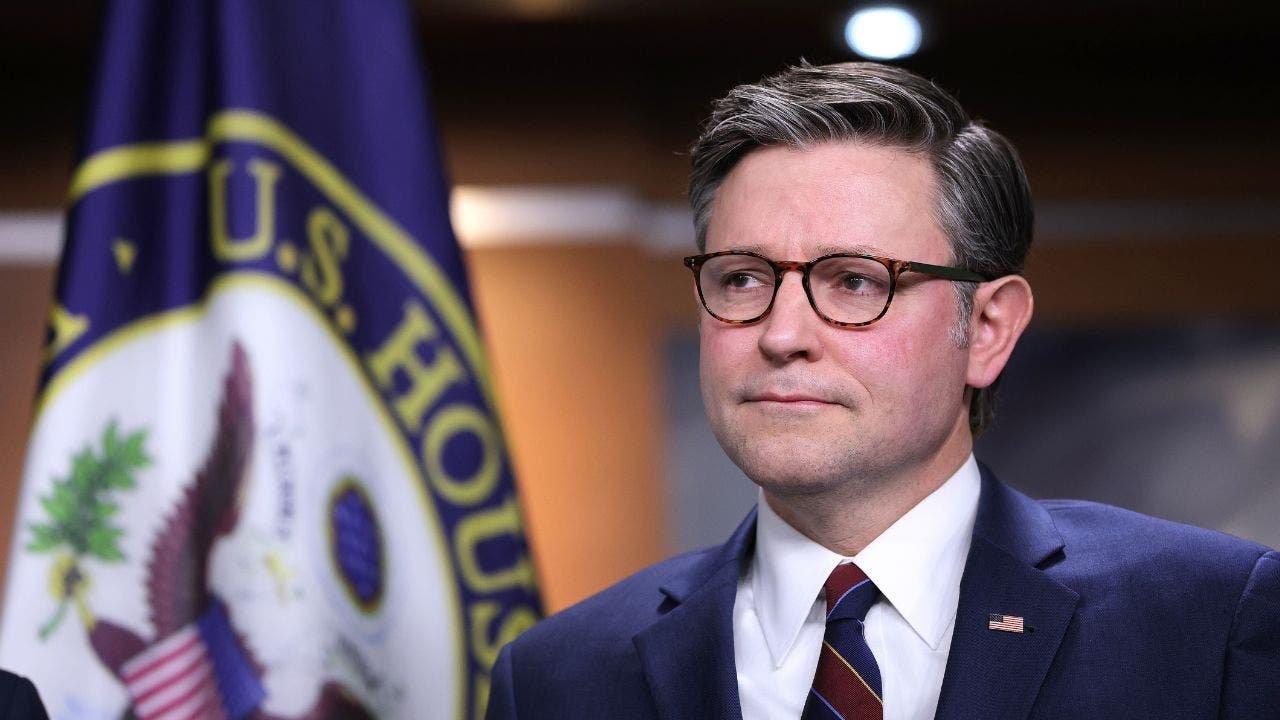
House Speaker Mike Johnson attends a news conference following a House Republican Conference meeting at the U.S. Capitol on Jan. 13, 2026, in Washington, D.C. (Kevin Dietsch/Getty Images)
The speaker could spare just two GOP defections during the test votes assuming all members are present and voting. Though many Democrats were supportive of a clean FISA reauthorization bill, Johnson could not count on their support during the procedural votes because they typically vote along party lines.
The Trump administration has argued the spying authority must be renewed to prevent potential terrorist attacks on the homeland and that it would be reckless to let the program lapse amid conflict with Iran.
«There’s a lot at stake,» CIA Director John Ratcliffe told Fox News during a visit to Capitol Hill in an effort to sell GOP holdouts on a clean extension.
Joint Chiefs of Staff Chairman Gen. Dan Caine sent a letter, obtained by Fox News Digital, to Capitol Hill offices touting the surveillance tool’s importance for national security. Trump also publicly urged Republicans to «UNIFY» behind his desired approach of a clean extension on Truth Social.
ODNI SENDS CRIMINAL REFERRALS TO DOJ FOR EX-IG, WHISTLEBLOWER TIED TO TRUMP IMPEACHMENT
House GOP leadership’s and the Trump administration’s lobbying for a clean FISA extension absent reforms proved to be a tough sell among some conservatives. Despite the high-profile pressure campaign, GOP privacy hawks remained insistent on including a warrant requirement, which they argued would better protect Americans’ data.
«We understand and agree with the president that we need 702 authority to go after bad guys abroad,» Rep. Chip Roy, R-Texas, told reporters. «We’re fighting for greater protections, whether it’s this administration or future administrations to ensure citizens have protections.»
«The folks who are saying we want these reforms within FISA, we mean what we say, and that’s not something that we’re going to sidestep,» Rep. Lauren Boebert, R-Colo., said Thursday.
«We’re always threatened … that something very bad is going to happen, people will die if we don’t reauthorize 702,» Boebert continued. «But many men and women, thousands have died for the Fourth Amendment, and I’m going to continue to stand up and protect that Fourth Amendment right for all American citizens.»
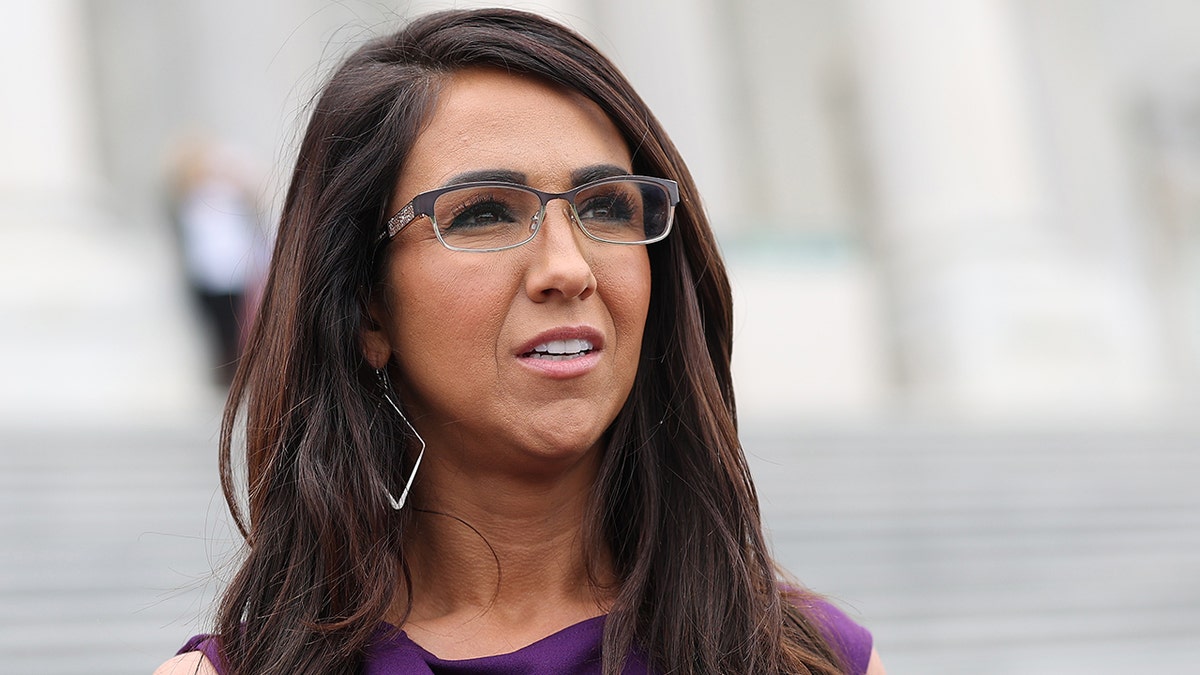
Rep. Lauren Boebert, R-Colo., speaks with reporters as she leaves the U.S. Capitol for the weekend on May 17, 2024, in Washington, D.C. (Kevin Dietsch/Getty Images)
Democrats also slammed the compromise deal early Friday morning for being drafted at the eleventh hour and argued the warrant requirement included in the since-rejected FISA deal is effectively toothless.
«This simply says they may seek a warrant. They don’t have to. They may seek a warrant,» Rep. Jamie Raskin, D-Md., said, referring to the FBI. «In other words, this provision is meaningless. It just returns us to exactly where we were.»
Despite a swath of GOP holdouts, fewer Republicans opposed a clean extension of the 702 program than during previous legislative fights over the spying law.
CLICK HERE TO DOWNLOAD THE FOX NEWS APP
Rep. Jim Jordan, R-Ohio, a FISA skeptic, backed a straight reauthorization, citing more than five dozen reforms that Congress made to the program in 2024.
«2026 is not 2024 and a short-term clean extension of the 702 part of FISA law is an acceptable outcome for the situation that we find ourselves in,» Jordan said Tuesday.
House GOP leadership argued that failure is not an option in preventing a reauthorization lapse for the FISA program.
«This is an essential tool for national security,» Johnson told Fox News on Wednesday. «We cannot allow it to expire, and we won’t.»
Fox News’ Kelly Phares contributed to this report.
house of representatives politics, congress, mike johnson, white house, counter terrorism, privacy










INTERNACIONAL
Agotados, con hambre y sin esperanza, miles de migrantes vuelven a Marruecos tras el fallido ingreso a Ceuta


INTERNACIONAL
Reporter’s Notebook: Why Fauci’s 111 Fifth Amendment pleas could end up before the courts
GOP calls for Fauci contempt charges after wild COVID hearing
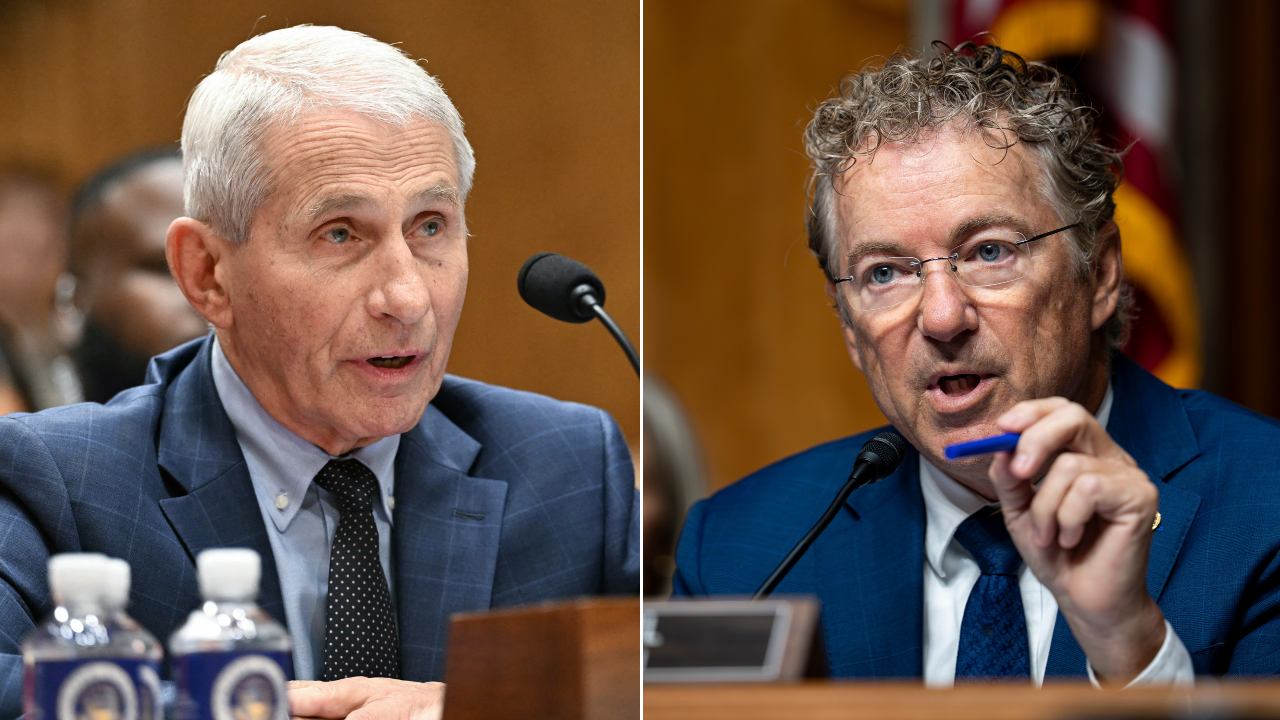
Dr. Anthony Fauci faces potential contempt charges and criminal referral from Senate Republicans after his contentious testimony. He invoked the Fifth Amendment over 100 times during questioning about the COVID-19 pandemic response. Senators Rand Paul and James Lankford, along with legal expert Jonathan Turley, discuss the legal hurdles and public frustration surrounding Fauci’s actions.
NEWYou can now listen to Fox News articles!
Silence is golden.
But actions speak louder than words.
That’s the solution which Senate Homeland Security and Governmental Affairs Committee Chairman Rand Paul, R-Ky., is engineering for the reticence of Dr. Anthony Fauci. The head of the National Institute of Allergy and Infectious Diseases for 38 years, Fauci invoked the Fifth Amendment a staggering 111 times when appearing under subpoena before Paul’s panel this week.
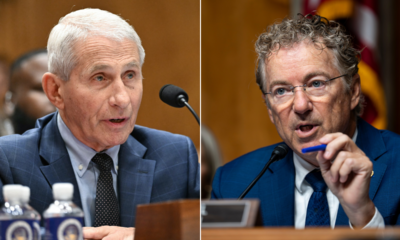
Anthony Fauci declined to testify in a Senate committee hearing on his role in the U.S. response to COVID-19, invoking his Fifth Amendment rights. (Left (Alex WROBLEWSKI / AFP via Getty Images), Right (Al Drago/Bloomberg via Getty Images))
RAND PAUL SEEKS CONTEMPT CHARGES AFTER FAUCI INVOKES FIFTH AMENDMENT MORE THAN 100 TIMES
The only words Fauci spoke were his invocation of the Fifth Amendment on the advice of his attorney. But the action promised by Paul is contempt of Congress.
«There will be repercussions to your refusal to testify today,» warned Paul after Fauci invoked the Fifth. «The Committee will have to consider after this hearing what appropriate action should be taken against you for the failure to testify after being directed to do so. It’s against the law to obstruct an investigation of Congress.»
But it’s not as though Fauci was completely mum during the entire hearing. He offered an opening statement before leaning on the Fifth Amendment as a shield for the next three hours.
«The only conclusion I can reach is that the sole reason he is calling me before this committee is to get me to say something, anything, that could vindicate his repeated public pledges that I end up, in his words, quote, ‘behind bars,’ unquote,» Fauci said. «Any reasonable person who has followed his unhinged obsession with me would readily come to the same conclusion.»
And then Fauci fell mute. He ignored questions about his diary, inquiries about what ignited the pandemic, even interrogatives about the mundane.
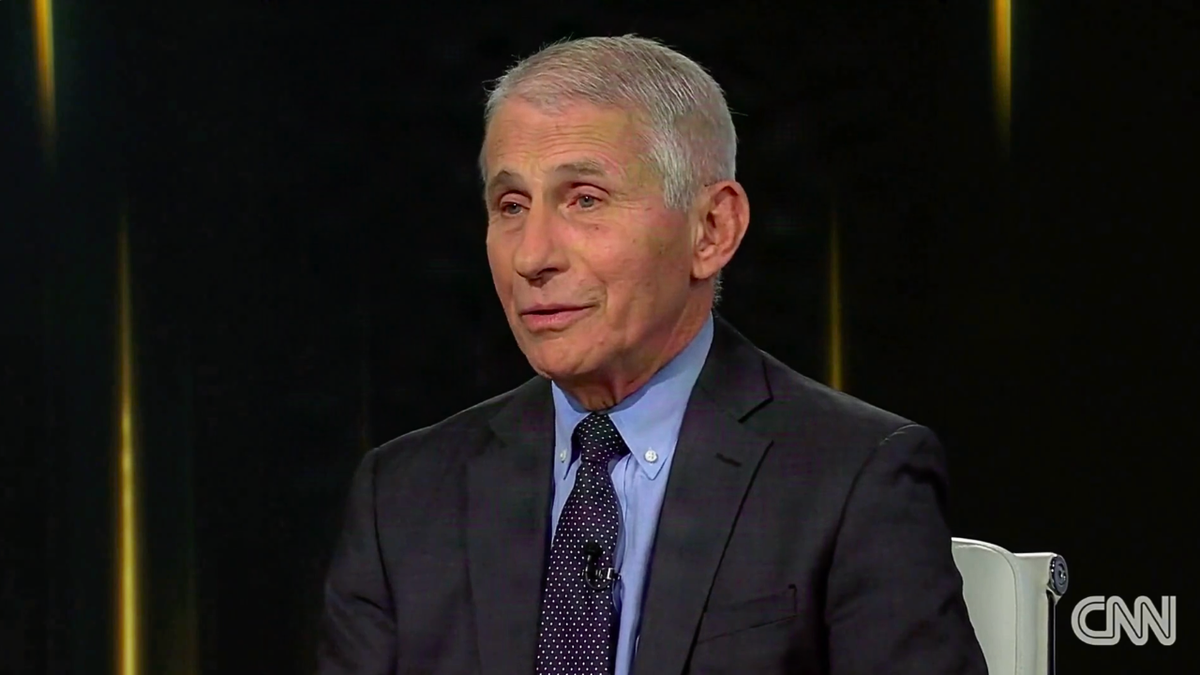
Fauci said Rand Paul, who recently released more than 1,000 pages of his personal diary entries, has an «obvious obsession» with pushing for his prosecution. (CNN)
TOP 5 MOMENTS FROM FAUCI’S HEARING: PAUL BOOTS LAWYER, MORENO ERUPTS AS CONTEMPT VOTE LOOMS
«What day of the week is it today?» asked Sen. Josh Hawley, R-Mo.
Hawley wasn’t done.
«What color tie are you’re wearing?» Hawley continued. «What is the color of the carpeting?»
From a legal standpoint, there is logic behind Hawley’s banal inquiries. These are carefully designed questions which a good prosecutor might ask a witness to trip them up.
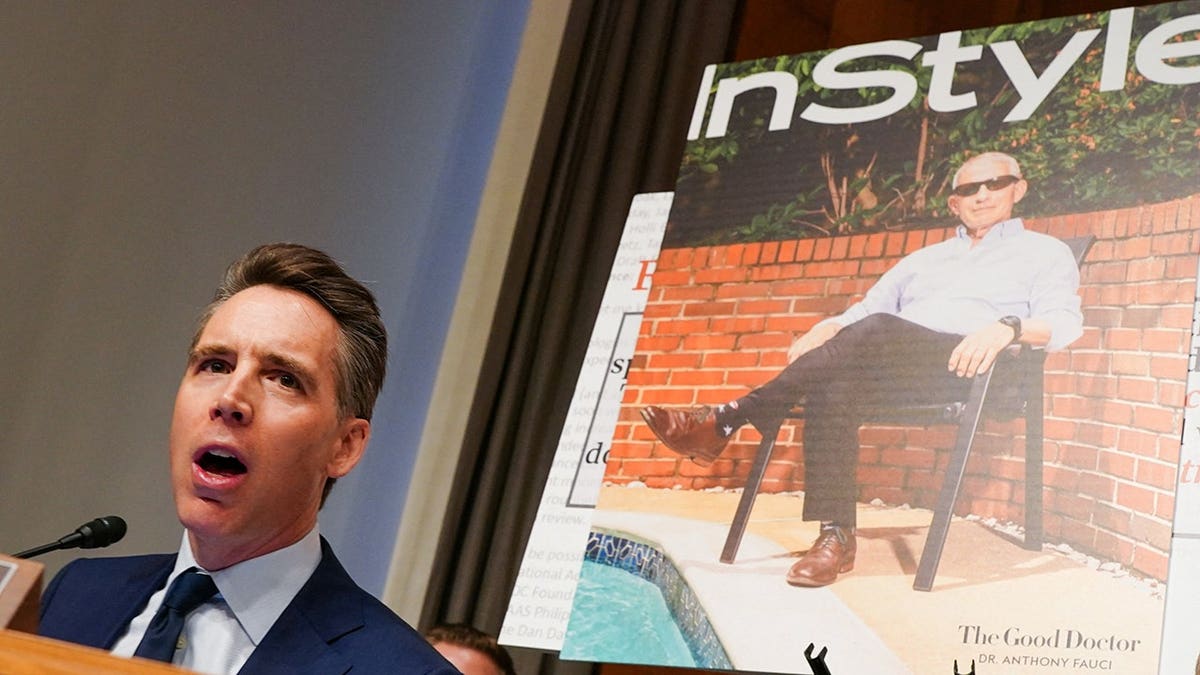
Sen. Josh Hawley, R-Mo., speaks in front of a board with an image of Anthony Fauci, the former Director of the National Institute of Allergy and Infectious Diseases and medical advisor to several U.S. presidents, as Fauci (not pictured) attends a U.S. Senate Homeland Security and Governmental Affairs Committee on Capitol Hill in Washington, D.C., U.S., July 29, 2026. Anthony Fauci declined to answer questions, invoking his Fifth Amendment right against self-incrimination. (REUTERS/Nathan Howard)
To wit: If Fauci had already invoked the Fifth Amendment, why is he suddenly answering questions about the calendar, his tie or carpeting? If Fauci replied «Wednesday,» «blue» or «green» as answers to Hawley’s queries, Paul could have asserted that the Fifth Amendment shield no longer applied. Thus, the committee, or the courts, should compel Fauci to respond to any question.
By the same token, Republicans argued that Fauci should have been able to answer such trite questions from Hawley because they had nothing to do with the proceedings. It’s kind of a «we win, you lose» proposition for the GOP.
Yet Fauci never deviated from the script, invoking the Fifth Amendment 111 times.
CAN FAUCI HIDE BEHIND THE FIFTH? GAME-CHANGING BIDEN PARDON MAY NOT PROVIDE COMPLETE COVER, EXPERTS SAY
By the way, Fauci’s repetitive legal recitation of the Fifth is not a Senate record. In 1958, mob boss Vito Genovese appeared before a Senate panel investigating organized crime. Genovese established the mark, invoking the Fifth a stupefying 150 times.
Republicans don’t think that Fauci had any right to invoke the Fifth even once, considering his pardon from former President Joe Biden. On one hand, they asserted he should be free to testify. Democrats took issue with that.
«I’m not surprised that he pled the Fifth because the objective is to put him in jeopardy of criminal prosecution,» said Sen. Richard Blumenthal, D-Conn. «So the more prudent course was to claim the Fifth Amendment.»
Hawley saw it differently, citing the 1896 Supreme Court case Brown v. Walker.
In the late 19th Century, the Supreme Court granted auditor Theodore Brown immunity to testify in a railway rate-fixing case. But Brown still refused to testify. However, the High Court ruled that Brown had to speak. Writing for the majority, Justice Henry Billings Brown (no relation), who also wrote the opinion in Plessy v. Ferguson, declared the following:
«If it be once conceded that the fact that his testimony may tend to bring the witness into disrepute, though not to incriminate him, does not entitle him to the privilege of silence, it necessarily follows that, if it also tends to incriminate, but at the same time operates as a pardon for the offense, the fact that the disgrace remains no more entitles him to immunity in this case than in the other.»
Translation: What you have to say may be embarrassing. But if you enjoy the privilege of immunity, you still have to cough up the goods, despite the Fifth Amendment.
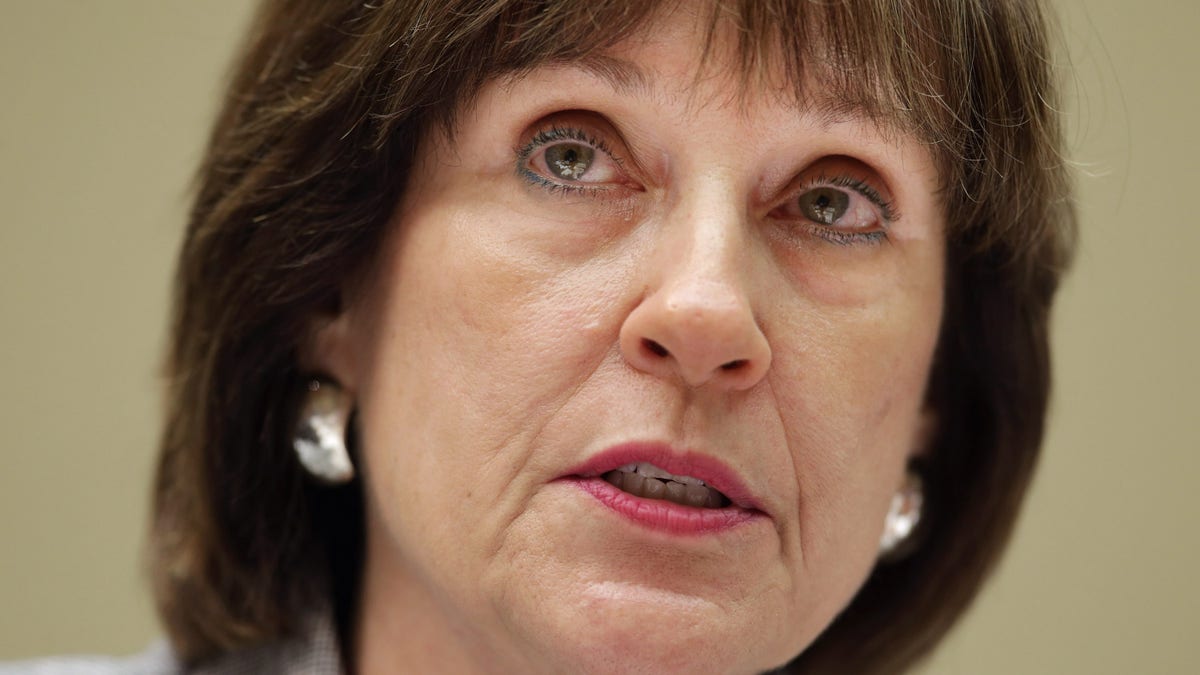
Lois Lerner, who headed the IRS division that oversaw tax-exempt groups, apologized for the targeting scandal and eventually resigned. (Chip Somodevilla/Getty Images)
How Fauci conducted himself in the hearing runs parallel to former IRS official Lois Lerner’s conduct in 2014. Republicans believed that Lerner blocked groups affiliated with the Tea Party from tax-exempt status or targeted them for scrutiny. At a 2014 House Oversight Committee hearing, Lerner delivered an opening statement. She then invoked the Fifth.
The full House later voted to hold Lerner in contempt of Congress for not answering questions and referred her to the Justice Department for prosecution. The DOJ, then operating under the administration of former President Barack Obama, did not take action against Lerner.
Whether or not DOJ prosecutes contempt of Congress often comes down to which party on Capitol Hill is doing the referring, and which party controls the Justice Department.
For instance, the Republican House referred former Attorney General Eric Holder to the DOJ for contempt of Congress in 2012. But it was Holder who ran the Justice Department. So that was a dead letter.
The Democratic House referred White House Counsel Harriet Miers to the DOJ in 2008. But the administration of former President George W. Bush was simply not going to prosecute its own lead attorney at 1600 Pennsylvania Ave.
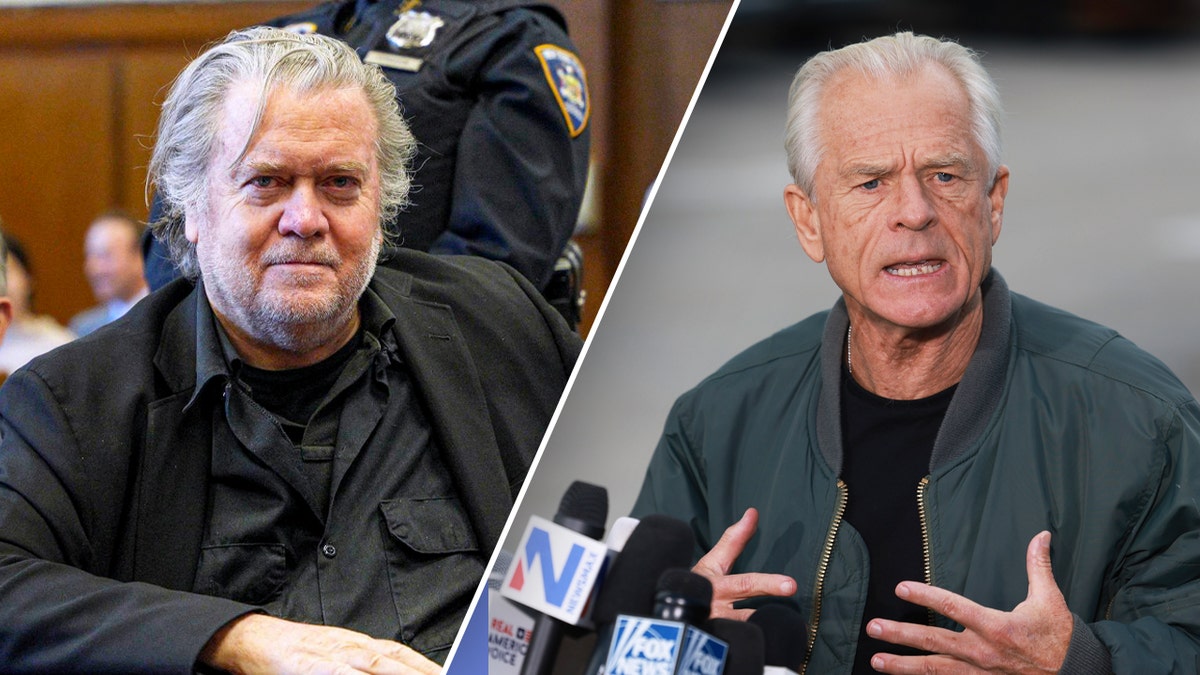
Former White House chief strategist Steve Bannon, left, and former Trump adviser Peter Navarro. (Getty Images)
The Democratic House held Trump administration figures Steve Bannon and Peter Navarro in contempt of Congress for failing to appear before the committee investigating the Jan. 6 riot. Naturally, the Biden Justice Department prosecuted that duo.
So could Fauci face prosecution from the Trump Justice Department after a referral from the Republican-led Senate?
The Lerner case bears further study. The Obama DOJ declined to prosecute Lerner because she asserted her Fifth Amendment rights — but after her opening statement. Fauci did the same. Would the Trump administration perceive Fauci’s protocol at the hearing through a similar lens?
Paul will ask his committee to prep a resolution holding Fauci in contempt of Congress in the coming days. But the full Senate must approve such a measure before sending it to the DOJ for possible prosecution.
It’s easier to adopt a contempt of Congress resolution in the House because it only requires a simple majority. The same is true in the Senate. But it must also clear a filibuster, which needs 60 votes. That’s why contempt of Congress citations are more prevalent in the House than the Senate.
But Paul believes he has a workaround.
«I plan on sending it directly with the legal brief supporting the argument to the Department of Justice,» Paul told Fox News.
It’s then up to DOJ to prosecute Fauci or not.
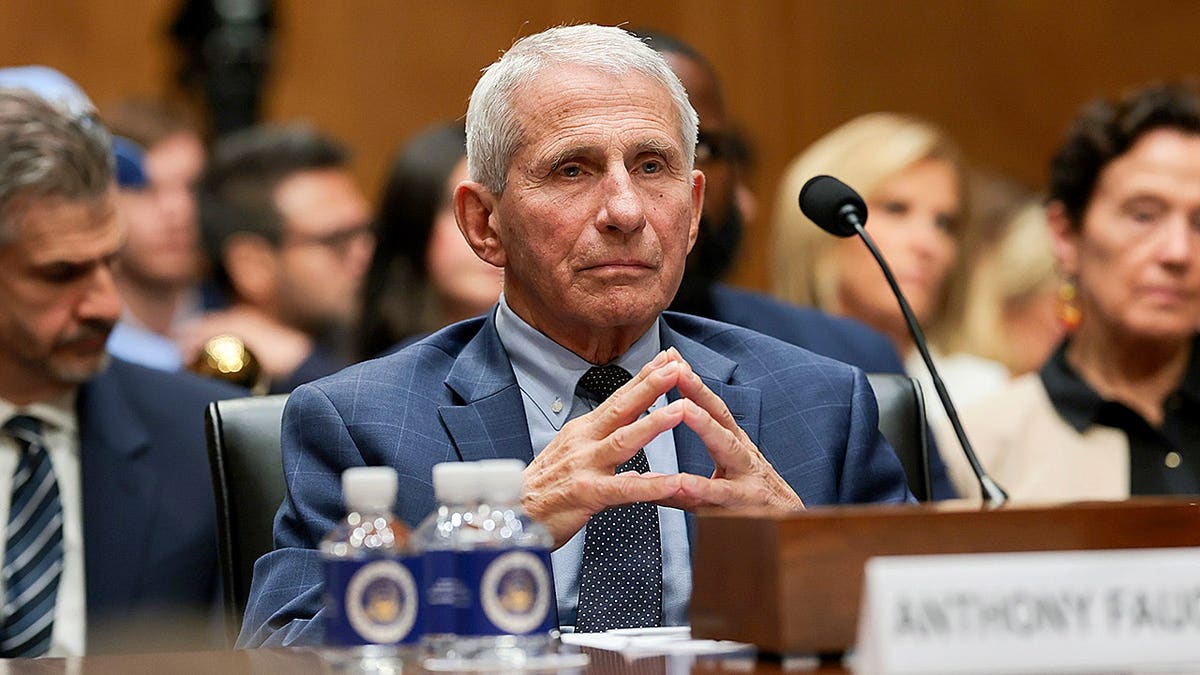
Former NIH Director Anthony Fauci listens during a Senate Homeland Security and Governmental Affairs Committee hearing on July 29, 2026, in Washington, D.C. Fauci declined to answer questions, asserting his Fifth Amendment right. (Anna Moneymaker/Getty Images)
However, in his same appearance on Fox, Paul said he had «sent a criminal referral on Anthony Fauci twice under Biden and twice under Trump.»
President Donald Trump’s DOJ hasn’t prosecuted Fauci before. But would prosecutors see it differently after Fauci’s performance at the hearing?
That brings us back to Lerner.
She invoked the Fifth Amendment and the DOJ did not prosecute. That establishes a precedent. Would the Trump DOJ follow that model? Or are we in for what could be a lengthy, perhaps seminal court battle about whether Fauci was in the right to invoke the Fifth Amendment? That may trigger a legal fight over his pardon from Biden — and perhaps what the High Court ruled in Brown v. Walker.
We’ll know when or if the DOJ takes action. In the case of Fauci, silence may be golden. But in this instance, it may be up to the courts to determine if it’s legal.
anthony fauci, congress, politics, rand paul, hearings
INTERNACIONAL
España refuerza su frontera con Marruecos tras la crisis migratoria en Ceuta que dejó al menos 67 muertos

La ciudad de Ceuta, enclave español en el norte de África, atravesó horas críticas luego de que casi 60.000 migrantes cruzaran la frontera desde Marruecos en apenas unos días, lo que desató una crisis diplomática y llevó al Gobierno español a reforzar la frontera con nuevas vallas.
El viernes por la noche, el Gobierno aseguró que “la práctica totalidad” de los migrantes ya había regresado a Marruecos, estimando en 48.000 las personas que volvieron en los últimos días. Sin embargo, la crisis dejó al menos 67 muertos en el intento de llegar al enclave, según datos del Gobierno local.
“En menos de 48 horas, la situación en Ceuta ya no tiene nada que ver y la normalidad se está alcanzando”, declaró el ministro del Interior, Fernando Grande-Marlaska, durante una rueda de prensa en la ciudad autónoma de Ceuta. Más de 60.000 migrantes llegaron a Ceuta en los últimos días. (Foto: REUTERS/Jon Nazca).
Este sábado, la ciudad amaneció cubierta de niebla y con grupos de jóvenes que seguían intentando regresar a Marruecos, bajo la atenta mirada de militares y agentes de la Guardia Civil. Los efectivos españoles no dudaron en empujar a quienes avanzaban lentamente, en medio de un clima de tensión.
La llegada masiva de migrantes, en su mayoría hombres jóvenes y adolescentes en busca de un futuro mejor, se produjo tanto a nado como saltando las vallas fronterizas.
El Ministerio del Interior anunció la instalación de una nueva barrera neumática en el espigón que delimita la frontera, una de las dos terrestres entre África y la Unión Europea (la otra es Melilla).
Europa endureció controles y creció la tensión política
El impacto de la crisis se sintió en toda la Unión Europea, con duras críticas de partidos de derecha y extrema derecha. En Italia, el Gobierno de Giorgia Meloni anunció la suspensión del tratado de libre circulación de la UE para ciudadanos no europeos que lleguen desde España, aunque aclaró que la medida no afecta a los españoles.

Más de 48.000 migrantes ya volvieron a Marruecos. (Foto: REUTERS/Fabian Bimmer).
Francia, por su parte, multiplicó por cinco la presencia de policías y gendarmes en la frontera con España. El ministro de Asuntos Exteriores español, José Manuel Albares, denunció la “confusión interesada” y recordó que no se puede cruzar de Ceuta a la Europa continental sin pasar por controles policiales.
En medio de la polémica, Pedro Sánchez defendió una política migratoria abierta y pidió a sus socios europeos evitar divisiones, aunque reconoció que Ceuta fue escenario de una “violación y ataque a la integridad territorial de España”.
El drama de los migrantes y el recuerdo de crisis anteriores
Muchos de los migrantes que llegaron a Ceuta buscaban una oportunidad para trabajar y mejorar su vida. “Todos sabemos que en África no hay muchas oportunidades. Así que esperamos ir a Europa para poder trabajar y ganarnos la vida”, contó Souleil Boyan, un joven senegalés de 19 años que llevaba cinco meses en Marruecos antes de cruzar.
Soufian, un marroquí de 42 años que entró nadando en Ceuta, afrmó: “¿Invasión? No. Eso es mentira. Toda la gente [de Marruecos] quiere subir, quiere un futuro bien, que no hay en Marruecos. Yo ahora mismo estaba trabajando de guardia de seguridad, 12 horas. ¿Y cuánto me pagan al día? 10 euros”, explicó. España devolvió a la mayoría de los migrantes a Marruecos. (Foto: REUTERS/Jon Nazca).
La situación superó a la crisis de mayo de 2021, cuando más de 10.000 personas cruzaron la frontera en dos días, tras una flexibilización de los controles por parte de Rabat en medio de una disputa diplomática con España.
A qué se debe la crisis migratoria
Pedro Sánchez dijo que las “mafias que trafican con seres humanos” habían hecho una “lectura interesada” de una sentencia del Tribunal Supremo español del 8 de julio, que dictaminó que las llamadas “devoluciones en caliente” (devolver de forma inmediata a un migrante que cruza irregularmente la frontera sin abrirle un procedimiento administrativo de expulsión) no se aplican en el caso de las llegadas por mar.
Según la sentencia, esta “devolución exprés” solo puede aplicarse a las personas que rebasen “los elementos de contención fronterizos establecidos, como las vallas”, pero no a quienes lo hagan por mar, como hicieron en los últimos días muchas de las personas que llegaron a Ceuta.
Los analistas también apuntan que las crisis migratorias recurrentes y el supuesto laxismo de las fuerzas de seguridad marroquíes para “abrir las puertas” serían un arma de presión diplomática, ya que Marruecos reivindica su soberanía sobre Ceuta y Melilla desde su independencia en 1956.
España denunció una actitud “egoísta” de algunos países de la UE y
En una carta, Sánchez denunció el sábado la actitud “egoísta” de algunos países de la Unión Europea ante la crisis migratoria y reclamó una reunión por videoconferencia de los ministros del Interior de los Veintisiete.
“Una actitud así —motivada por prejuicios, informaciones falsas, ignorancia o intereses políticos— no solo es contraria al derecho europeo, al derecho humanitario y a los principios de solidaridad que nos unen, sino que también va en contra de los intereses a largo plazo de Europa”, escribió.
España, migrantes

La Joaqui, a pocos días de anunciar su separación de Luck Ra: “Nunca más en la vida le creo nada a un hombre”

El Gobierno fiscalizará el paro docente con agencias territoriales y aplicará sanciones si no se cumple el servicio mínimo

Cuánto subió la tasa del préstamo del FMI desde 2022 y qué falta para poder acceder al cargo mínimo

Francia cambia su escudo para dar paso a la nueva era

Agotados, con hambre y sin esperanza, miles de migrantes vuelven a Marruecos tras el fallido ingreso a Ceuta

“Lo estamos monitoreando”: por la crisis en Ceuta, el Gobierno no descarta realizar más cambios en la política migratoria

El BCRA cortó la racha de compra y en el mercado vuelan rumores de maniobras para frenar al dólar

World-famous Catholic shrine torched, ‘Devil in a skirt’ scrawled on Virgin Mary statue

La aprobación del Gobierno cayó en julio según distintas encuestas, en sintonía con el índice de la universidad Di Tella

Cuánto cuesta vivir solo en Argentina y qué sueldo necesita un joven para independizarse

 INTERNACIONAL3 días ago
Trump admin invokes 30-year dormant terror court as it seeks to deport Afghan woman tied to Election Day plot
- INTERNACIONAL2 días ago
Dem senator swipes credit for bill he opposed amid heated reelection bid: ‘Disturbing pattern’
- ECONOMIA3 días ago
Le pedimos a ChatGPT, Gemini y Claude que dijeran en qué acciones argentinas invertir y así nos fue