INTERNACIONAL
Irán y EE.UU. preparan una nueva ronda de diálogo: negocian una moratoria en el enriquecimiento de uranio


Estados Unidos e Irán se preparan para mantener una nueva ronda de negociaciones, posiblemente el fin de semana otra vez en Pakistán, para acercar posiciones sobre los plazos de una eventual moratoria del enriquecimiento de uranio iraní y el futuro del estrecho de Ormuz.
El presidente estadounidense, Donald Trump, dijo que el diálogo se retomaría “en los próximos días” en Islamabad, la capital paquistaní.
“Deberían quedarse allí, de verdad, porque algo podría suceder en los próximos dos días y estamos más inclinados a ir allá“, dijo en una entrevista telefónica con un periodista del New York Post.
El gobierno paquistaní envió a ambas partes una propuesta formal en un intento por llegar a un acuerdo que ponga fin a la guerra en medio de un frágil alto el fuego que incluye un doble bloqueo estadounidense e iraní al estratégico estrecho de Ormuz, por donde pasaba el 20% del petróleo del mundo.
El punto clave hoy es el enriquecimiento de uranio iraní. Washington exige una moratoria de 20 años, entre otros puntos, mientras que Teherán acepta un plazo menor de tres a cinco años, segun varios medios estadounidenses como Axios, The New York Times y The Washington Post.
“Es difícil predecir qué consideraría aceptable cada parte. Sin embargo, creo que podría haber margen para un compromiso entre la congelación de cinco años propuesta por Irán y los 20 años de Trump”, dijo a TN el analista egipcio Mehran Kamrava, profesor de ciencias políticas de la Universidad de Georgetown, en Qatar.
Hay optimismo en Islamabad
El gobierno de Pakistán, el principal mediador en el conflicto, se muestra optimista sobre la posibilidad de volver a sentar a ambas delegaciones en una mesa de diálogo, después del fracaso de la primera ronda celebrada el fin de semana pasado.
“Las cosas se están moviendo positivamente y existe la posibilidad de que las delegaciones mantengan una segunda ronda de conversaciones a finales de la semana o principios de la siguiente”, dijo una fuente diplomática citada por EFE.
Irán desafió el bloqueo de EE.UU. al estrecho de Ormuz. : “El enemigo quedará atrapado en un vórtice mortal”. (Foto: Reuters)
El principal punto que aleja hoy a ambas delegaciones de un acuerdo es la cuestión nuclear. Pero las posiciones no son insalvables, según estiman analistas.
De hecho, la postura de la Casa Blanca no es inflexible. Los negociaciadores no exigen una prohibición total del enriquecimiento de uranio por parte de Irán, sino una moratoria de 20 años de toda actividad nuclear, con varios condicionamientos no detallados.
“Esto permitiría a los iraníes alegar que no renunciaron definitivamente a su derecho, en virtud del Tratado de No Proliferación Nuclear, a producir su propio combustible nuclear”, escribió The New York Times.
El gobierno de los ayatollah dijo que estaban dispuestos a aceptar una moratoria de hasta cinco años.
En la práctica, no es una propuesta muy diferente a la que Irán puso sobre la mesa de negociaciones en Ginebra en febrero pasado, pocos días antes de que estallara la guerra.
Leé también: “Pensé que tenía coraje”: Trump ahora cruzó a Giorgia Meloni por su defensa al papa León XIV
“Un gran desafío para el gobierno de Trump es que, para el régimen iraní, su programa de enriquecimiento nuclear ha sido fundamental para su causa durante muchos años. Forma parte de su identidad, es motivo de orgullo nacional y se ha esgrimido como una de las razones por las que la población debe soportar privaciones económicas”, dijo Christine Wormuth, directora de la Iniciativa contra la Amenaza Nuclear, citada por The Washington Post.
Irán sostiene que su capacidad nuclear apunta a fines civiles y pacíficos (como el caso de la Argentina), pero en los últimos años enriqueció uranio hasta niveles cercanos a los necesarios para la fabricación de armas nucleares.
Trump sostiene que Irán posee unos 450 kilos de uranio altamente enriquecido al 60% y exige su entrega. Según expertos, se necesita enriquecerlo hasta el 90% para construir armas atómicas. Irán se negó a desprenderse de este material, pero ofreció diluirlo para que no pueda utilizarse con fines nucleares. Pero este proceso puede revertirse.
De concretarse un acuerdo, no sería la primera vez que se pacte una moratoria. El acuerdo de 2015 firmado por Barack Obama preveía una prohibición de 15 años. Este pacto permitía a Irán enriquecer uranio hasta un 3,67% en cantidades limitadas para fines médicos y de investigación. Pero había un dato clave: en 2030 desaparecerían todas las restricciones. Trump rompió el pacto tras asumir su primera presidencia tras tildarlo de “horrible”.
Otros puntos claves en las negociaciones
El enriquecimiento de uranio no es el único punto que separa a ambas delegaciones.
También se deberá llegar a un acuerdo sobre el restablecimiento del libre tránsito por el estrecho de Ormuz, hoy virtualmente cerrado por Irán y también bloqueado por Trump.
Esta situación generó una crisis internacional que tuvo profundas consecuencias en el comercio mundial y en el alza del precio del barril de petróleo y de otros insumos. Irán exige el pago de un “peaje” sobre el paso marítimo, algo rechazado de plano por Washington y sus aliados occidentales.
Pero además, Trump exige el cese del apoyo iraní a sus grupos proxy como el Hezbollah libanés, el Hamas palestino o los hutíes de Yemen.
En contraste, Irán pide recuperar fondos bloqueados por las sanciones internacionales que ascienden a alrededor de 6000 millones de dólares producto de sus ventas petroleras. El dinero está retenido en Qatar.
“Existe un diálogo continuo entre Estados Unidos e Irán y se están realizando avances para intentar llegar a un acuerdo”, dijo un funcionario estadounidense citado por el sitio Axios.
En tanto, fuentes diplomáticas de países mediadores, como Pakistán, Egipto y Turquía, creen posible que el alto el fuego se extienda de 45 a 60 días para dar tiempo a ambas partes a limar un acuerdo que ponga un final a la guerra.
Irán, Donald Trump











INTERNACIONAL
Inside the behemoth Smithsonian museum network drawing fire from the Trump administration
Trump orders warning signs outside Smithsonian over ‘woke’ exhibits
President Donald Trump orders warning signs outside the Smithsonian, alleging politicized exhibits that emphasize activism over history. The institution faces scrutiny for promoting racial reparations and for a 2020 infographic criticizing ‘white culture.’ A congressional hearing further ignited debate over the museum’s ‘woke’ displays and their historical accuracy, highlighting the growing tension.
NEWYou can now listen to Fox News articles!
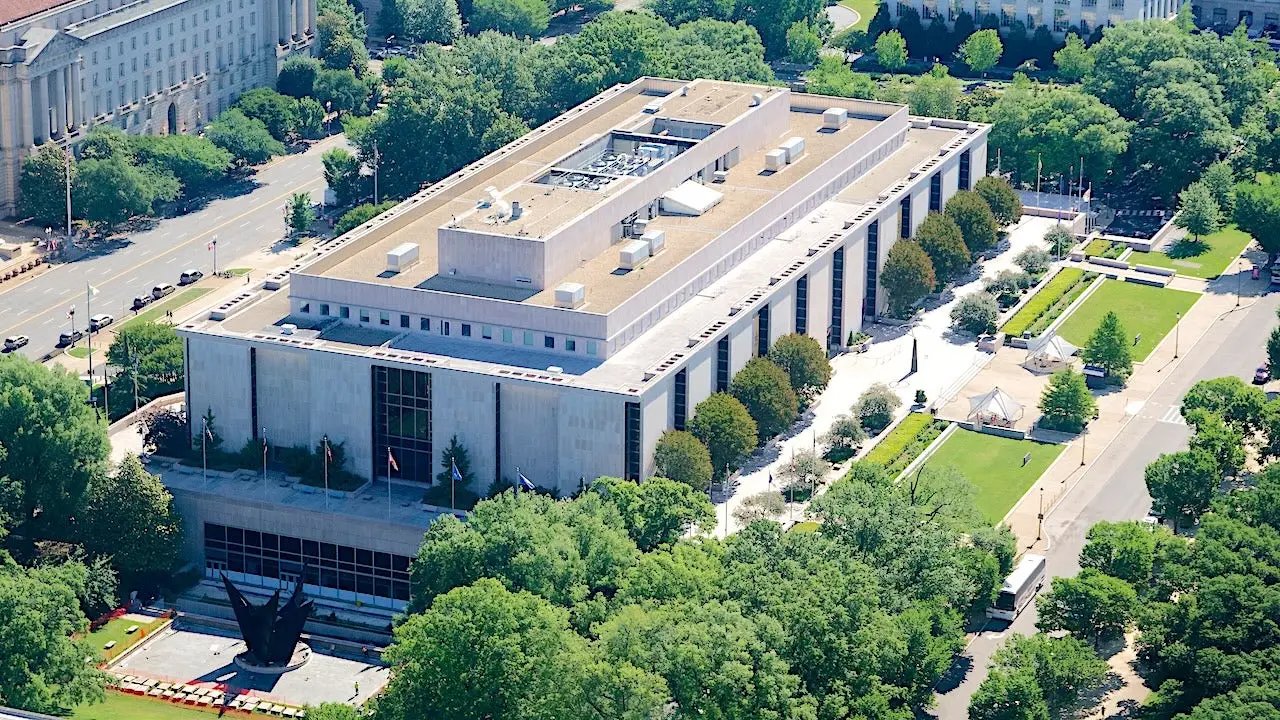
The Smithsonian Institution, whose museums in Washington, D.C. have come under fire from conservatives and President Donald Trump over what they describe as increasingly left-wing messaging, is the world’s largest museum complex, comprising a sprawling network that spans the country and influences millions of people each year.
Founded in 1846 with funds from the will of British scientist James Smithson, who never visited the United States but left his fortune to establish an institution «for the increase and diffusion of knowledge,» the Smithsonian steadily grew from a single museum into the world’s largest museum, education and research complex.
Today, the Smithsonian owns or leases nearly 700 facilities across eight states, Washington, D.C., and Panama, encompassing roughly 13.6 million square feet of museums, laboratories, archives, warehouses, research stations and support facilities.
The organization now houses more than 157 million artifacts and specimens, operates 21 museums along with the National Zoo and 14 education and research centers, maintains 21 libraries, and partners with more than 200 affiliate museums and cultural institutions nationwide.
TRUMP ORDERS SIGNS OUTSIDE SMITHSONIAN MUSEUM AMID ROW OVER ITS DEPICTION OF AMERICAN HISTORY
The Smithsonian’s National Museum of American History is being called out for being ‘ideologically captured’ and presenting woke revisionist history on the weekend of America’s 250th birthday. (Kevin Carter)
Visitors see only a fraction of the Smithsonian’s overall collection. Roughly 99% of the Smithsonian’s more than 157 million artifacts and specimens are kept in storage facilities, laboratories and archives, where they are preserved and studied by researchers.
The Smithsonian as a whole welcomes over 30 million in-person visitors each year, while its educational resources and digital platforms reach millions more. The institution operates on an annual budget of more than $1 billion.
The Smithsonian isn’t just a museum operator, it’s effectively a national education and research institution that has a vast reach across school campuses nationwide as it helps shape the educational experience of the nation’s students.
GOP LAWMAKER DEMANDS ANSWERS AFTER SMITHSONIAN CHIEF URGED MOVING BEYOND ‘AMERICA FIRST MENTALITY’
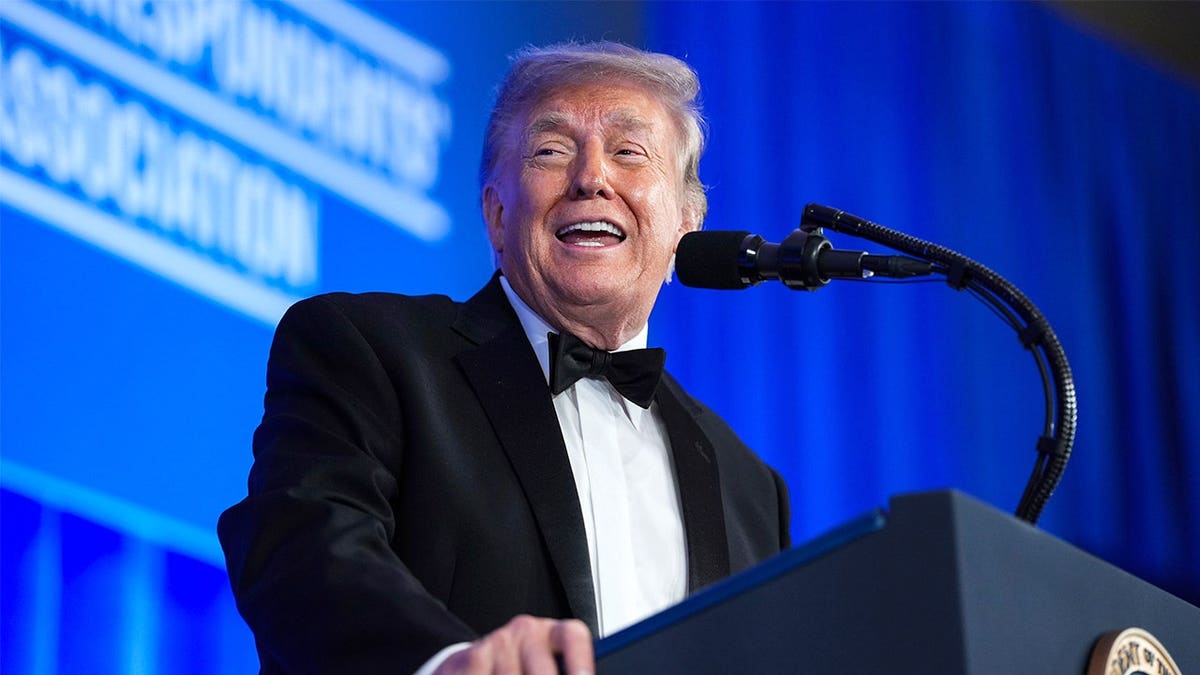
President Donald Trump speaks during the re-scheduled White House Correspondents Dinner in the Presidential Ballroom at the Waldorf Astoria on July 24, 2026 in Washington, DC. (Eric Lee/Getty Images)
Through initiatives like the Smithsonian Learning Lab and Smithsonian Science Education Center, the institution provides millions of free lesson plans, classroom activities, virtual field trips and other educational resources used by teachers and students nationwide. It also offers professional development for educators and educational programming that extends well beyond its museums.
On college campuses, the Smithsonian is actively involved in partnering with schools across the country on internships, fellowships, research collaborations and joint academic programs which put the organization in touch with thousands of undergraduate, graduate and postdoctoral students each year.
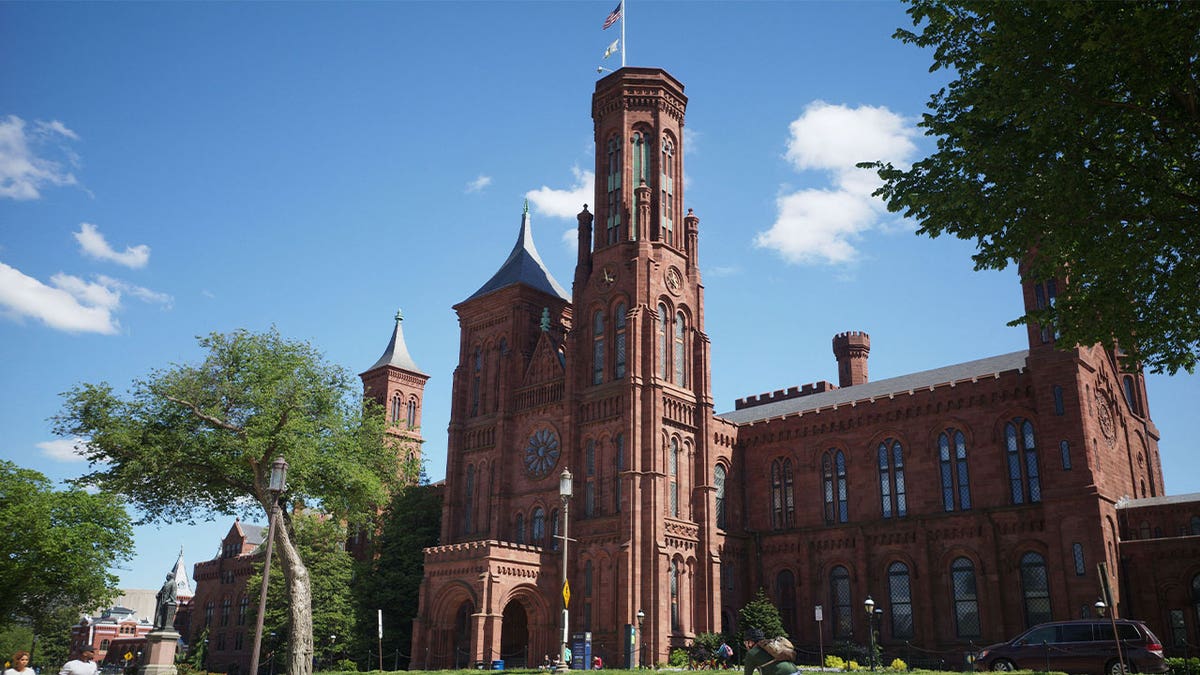
People walk on the National Mall near the Smithsonian Castle in Washington, D.C., on May 10, 2021. President Donald Trump has ordered signs installed outside the Smithsonian’s National Museum of American History directing visitors to a White House report criticizing the museum’s portrayal of American history. (MANDEL NGAN/AFP via Getty Images)
Earlier this month, the White House released a sweeping report warning about an alleged infiltration of leftist politics inside the Smithsonian, a report an expert told Fox News Digital is an example of the «long march through the institutions» that socialist and communist activists have been pushing in the United States for decades.
«That shift from history to activism is clearly documented in this report. Anthea Hartig, NMAH’s director since 2019, has explicitly stated that she sees history as a ‘prime tool of social justice’ and one of her roles as connecting ‘research and scholarship to activism and advocacy,’» the White House report stated.
Last week, President Trump ordered his administration to install signs outside the Smithsonian’s National Museum of American History directing visitors to what the White House describes as «accurate» information about the nation’s past, guaranteeing that the controversy over the Smithsonian’s cultural influence will remain a topic of conversation for months to come.
science education, museums exhibits, trending news, education, politics, smithsonian
INTERNACIONAL
La últimas palabras que Ana Frank escribió en su diario íntimo el 1 de agosto de 1994: después fue secuestrada y asesinada por los nazis
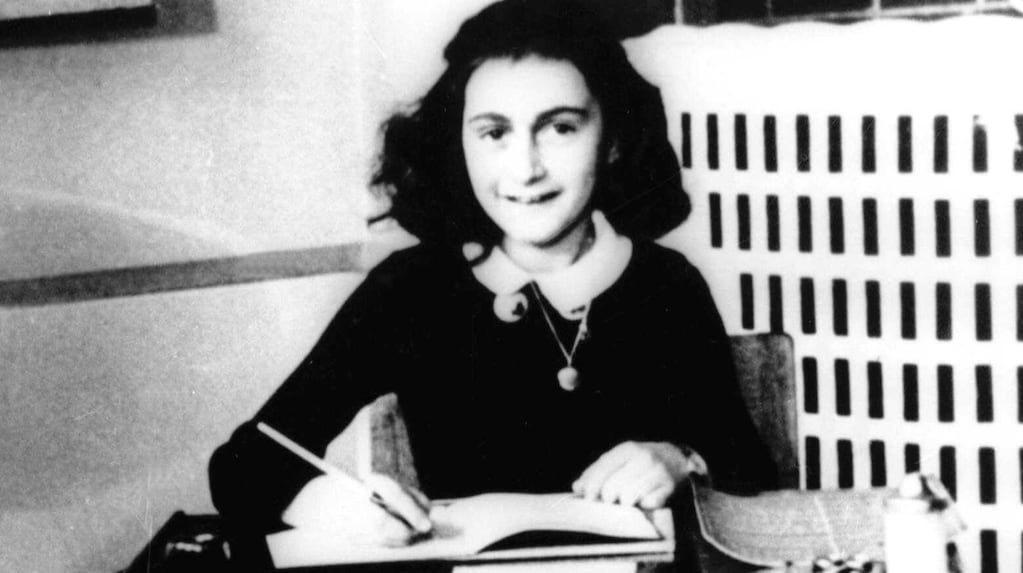
Sin saber que sería la última vez, la muchacha de 15 años abrió el cuaderno de tapas rojas y blancas, biseladas con beige y escribió la entrada de ese día, martes 1 de agosto de 1944, hace 82 años. Era un mensaje, confidencial, íntimo, entrañable dirigido a Kitty. Pero Kitty era nadie, era su amiga secreta, la de su imaginación, la que conocía su vida como ninguna otra persona, sólo que no era una persona física: era un refugio. Después, Anna Frank firmó el texto previo con un cariñoso: “Tuya”.
No podía saberlo, pero era su testamento: tres días después ella y su familia fueron capturados por los nazis que ocupaban Holanda, y enviados a aquella fábrica de muerte que era el campo de exterminio de Auschwitz. Sólo Otto Frank, el padre de Anna, sobrevivió, rescató el diario de su hija y lo dejó como legado de aquel horror. Anna murió de tifus en el campo de Bergen-Belsen, en una fecha no precisada, tal vez en marzo de 1945, cuando ya la Segunda Guerra llegaba a su fin.
“(…) ¿Verdad que nadie conoce el lado bonito de Ana, y que por eso a muchos no les caigo bien?”, quiere saber Anna y le pregunta, se pregunta, a su amiga invisible. Esa última entrada de su diario es un fiel reflejo de su personalidad, de sus ansias de vivir: llevaba ya dos años escondida junto a su familia y a otras personas, ocho en total, en un refugio construido en la parte trasera de la pequeña empresa de Otto Frank, en el 263 de Prinsengracht, en uno de los viejos barrios de Amsterdam.
Era un escondite conocido como “La casa de atrás”: tres plantas unidas al edificio principal, dos habitaciones y baño en la primera planta, cincuenta metros cuadrados, una habitación grande y otra más chica en el piso superior, y una buhardilla en lo alto, a la que se accedía por una escalera de mano. A esa “Casa de atrás” se entraba por una puerta disimulada detrás de una estantería llena de libros que se alzaba en las oficinas de la empresa.
Allí vivió Anna entre sus 13 y 15 años. Y allí anotó los hechos más importantes de su vida breve. Aún hoy, leer esas páginas revela su crecimiento, su aprendizaje sentimental, su adiós a la infancia, su entrada a la adolescencia, sus dudas y certezas, la fe en Dios, en la naturaleza humana, en la amistad, el amor, la esperanza y en el misterio de la muerte.
¿Quién fue esa muchacha que hoy rondaría los 97 años y, tal vez, hubiera cumplido su sueño de ser escritora? Annelies Marie Frank nació el 12 de junio de 1929 en Frankfurt am Main, Hesse, en una familia de judíos alemanes. Su padre, que había combatido como teniente en la Primera Guerra Mundial, era un pequeño comerciante, dueño de una empresa, Opekta, que elaboraba materia prima para dulces y mermeladas. Su mujer, Edith, cuidaba la educación de sus dos hijas: Margot, la mayor y Anna, tres años menor. Dos meses después de la llegada de Adolf Hitler al poder en enero de 1933, ya en plena vigencia las leyes raciales implantadas por los nazis, unas elecciones municipales en Frankfurt dieron una amplia victoria al nacionalsocialismo y desataron entonces las primeras grandes manifestaciones antisemitas en la región.
Otto Frank creyó entonces que era vital huir de Alemania: montó en Ámsterdam una filial de Opekta y la familia completa se trasladó a Holanda: según las flamantes leyes alemanas, esa emigración les hizo perder la ciudadanía. Anna tenía 10 años cuando estalló la Segunda Guerra, en septiembre de 1939. El nazismo había dejado de lado sus caretas y disfraces y se mostraba como lo que era: un régimen de terror que proclamaba la superioridad racial aria, impulsaba la expansión alemana hacia el Este y pretendía dominar Europa primero y el resto del mundo después. Ana Frank fue una nena judía víctima del holocausto. (Foto: AP)
El 10 de mayo de 1940, los nazis invadieron y ocuparon Holanda. La reina Guillermina huyó a Londres y los judíos holandeses supieron que estaban destinados al exterminio, sobre todo después de enero de 1942, cuando los nazis decidieron eliminar a la totalidad de judíos de Europa: 11 millones de personas. En poco tiempo, los judíos de Holanda perdieron sus derechos, fueron apartados de la vida social, de las instituciones públicas y de los cargos oficiales; luego los obligaron a andar por la calle y por la vida con una estrella de David prendida a sus ropas.
En junio, a punto de cumplir los 13 años, Anna pidió un regalo: un diario en el que pudiera anotar sus intenciones, sus fantasías, tal vez las ideas para sus cuentos de futura escritora. No era cualquier diario; había visto el de sus sueños en una librería de Ámsterdam y había quedado cautivada: tapas duras, a cuadros rojos y blancos con un toque oblicuo de beige, que se cerraba con una correa de cuero que terminaba en un broche metálico que calzaba justo en una cerradura atornillada a la tapa: una belleza.
Cuando Otto lo puso en sus manos, Anna supo que, en medio de la desazón y el desconcierto que le provocaba la guerra, esas páginas serían sus amarras para permanecer a flote, tal vez viva. Empezó a escribir el mismo día. Menos de un mes después de aquel cumpleaños dichoso, su hermana, Margot, recibió una citación de los nazis de la “Unidad central para la emigración judía en Ámsterdam”, que ordenaba la deportación de la muchacha de 16 años a un campo de trabajo. Entonces Otto tomó dos decisiones que, pensó, salvarían a su familia: cedió la dirección de su empresa a dos colaboradores arios y armó “La casa de atrás”. Si alguien preguntaba por ellos, los Frank habían dejado Ámsterdam. Cómo fue que a esa familia se unieron luego otras cuatro personas, es parte de otra historia. Pero en ese pequeño reducto pasaron dos años escondidos, sin salir a la calle, sin hacer ruidos que pudiesen ser detectados desde el exterior, sobre todo por las noches, cuando se suponía que la empresa estaba cerrada; los Frank no podían usar el depósito del baño a esas horas, ni vivir con las luces encendidas.

Foto del pasaporte de Ana Frank. (Foto: AFP)
En ocasiones, cuando Opekta cerraba sus puertas y el último de los empleados se marchaba a casa, los refugiados podían cenar en la casa principal con las dos personas que eran sus protectores y conocían el secreto de la “Casa de atrás”. Eran Miep Gies, una de las directoras administrativas de la empresa que conocía a Otto Frank desde 1943, Víctor Kugler, otro de los empleados de confianza de Frank y directivo de la empresa; y Johannes Kleiman, también directivo: los tres arriesgaron sus vidas durante dos años mientras proveían de ropa y comida a los “escondidos”.
En esas raras noches de relajación, escuchaban la BBC de Londres y sabían en parte cómo marchaba la guerra. Pero también sabían por voz de sus amigos de las deportaciones de judíos a los campos de concentración. Anna anotaba todo en su diario, incluido su disgusto por tener que compartir su habitación con un dentista refugiado, Fritz Pfeffer, a quien veía como un invasor de su intimidad.
Sumario, Ana Frank, Segunda Guerra Mundial, Auschwitz
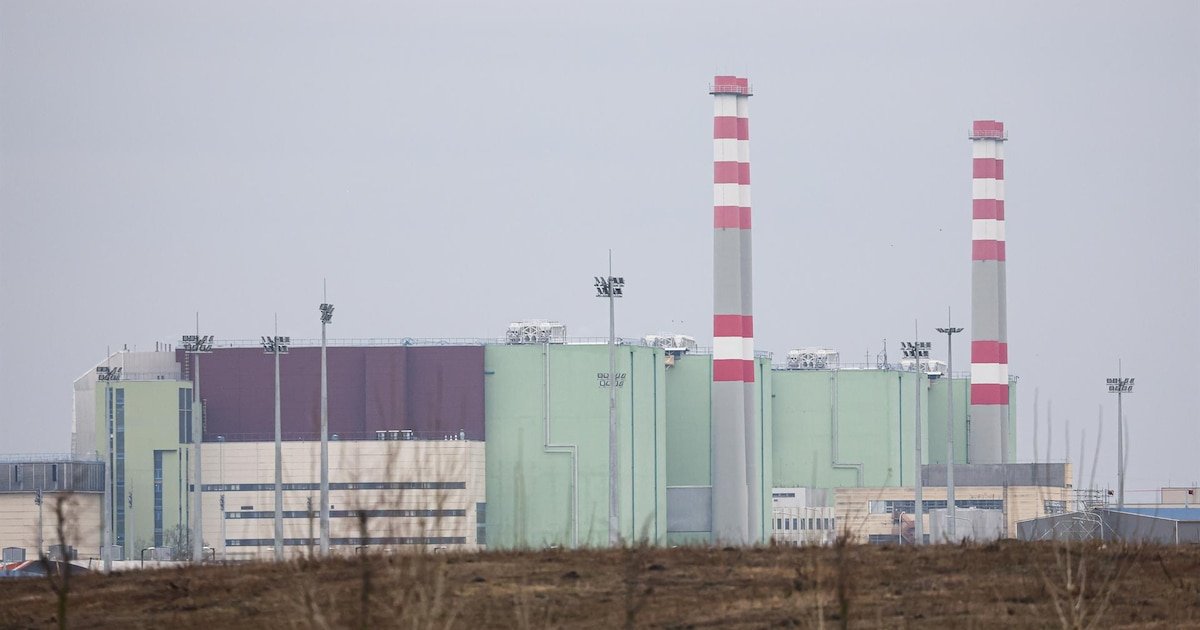
La central nuclear de Paks, la única de Hungría, paralizó el sábado sus operaciones tras una súbita caída de la producción provocada por el descenso del caudal del río Danubio a mínimos históricos, a su vez causada por la ola de calor en Europa. El anuncio lo realizó el primer ministro del país, Peter Magyar, quien convocó un grupo de trabajo para abordar un apagón sin precedentes en la historia de la planta, que durante la última década llegó a generar la mitad de la energía eléctrica nacional.
“Parada en Paks. El nivel del agua del Danubio ha bajado todavía más. La producción actual es solo de 480 megavatios, en comparación con los 2.000 megavatios normales. Pronto habrá importantes anuncios sobre las decisiones adoptadas por el grupo de trabajo de Defensa”, comunicó Magyar a través de redes sociales.
Este domingo, el jefe de Gobierno húngaro comunicó que una de las dos últimas unidades generadoras de la central fue paralizada a la 1:30 de la madrugada. “Como resultado, la producción de la planta caerá a solo 240 megavatios, y mañana (lunes) será completamente paralizada por primera vez en 44 años”, detalló.
El Danubio es fundamental para la refrigeración de los reactores en la planta nuclear.
Magyar informó que la situación es “crítica”, dado que Hungría recurre a todas las centrales eléctricas disponibles, incluidas algunas que requerían reparación para operar a pleno rendimiento. “En los últimos días, hemos pedido a los mayores consumidores industriales de energía que reduzcan voluntariamente su consumo. Un número significativo de las empresas contactadas han accedido a reorganizar su producción y reducir la demanda de energía durante el período pico de la tarde”, señaló el primer ministro.

Cerca de las 18.00 del sábado, Magyar anunció la reanudación de la actividad en la planta eléctrica de Dunamenti, que aportó un refuerzo de 360 megavatios al sistema.
A su vez, el primer ministro anunció que a partir del lunes se suspenderá el tráfico ferroviario de mercancías en las franjas horarias más críticas, entre las 17.00 y las 22.00, con el objetivo de “reducir la demanda energética del sistema ferroviario durante la tarde y liberar reservas adicionales”.
El Gobierno ordenó también el teletrabajo durante los tres primeros días de la próxima semana en todos los puestos de la administración pública donde sea posible mantener las tareas a distancia. “Pedimos a las empresas y a los empleadores que, en los próximos días, ofrezcan la posibilidad de trabajar desde casa a todos los empleados cuyo trabajo pueda realizarse de forma remota, y que reduzcan al mínimo posible el consumo energético de los edificios de oficinas”, indicó Magyar.
Además, se apagarán las luces decorativas y todas las luces no esenciales en instituciones estatales, y se espera que los gobiernos locales apliquen las medidas de ahorro energético más estrictas posibles.

Ante este panorama, Eslovaquia ofreció su ayuda al Gobierno de Hungría ante la escasez de suministro provocada por la paralización de la central nuclear. El primer ministro eslovaco, Robert Fico, aseguró que sigue de cerca la crisis energética generada por la detención de la planta húngara.
“Expresamos nuestra solidaridad con nuestro país vecino, así como nuestra disposición a ayudar. La posibilidad de un cierre total de la central nuclear debido a la escasez de agua del Danubio para la refrigeración de los reactores amenaza a Hungría con una crisis energética sin precedentes”, advirtió Fico.
El jefe de Gobierno eslovaco examinó opciones de suministro eléctrico de emergencia para Hungría junto a la viceprimera ministra y ministra de Economía, Denisa Sakova, y el presidente del Consejo de Administración de las Centrales Eléctricas Eslovacas, Branislav Strycek. Fico informó además que las centrales nucleares eslovacas de Bohunice y Mochovce operan con normalidad, aunque el descenso del caudal del Danubio también empieza a sentirse en el país.
(Con información de Europa Press)
Business,Corporate Events,Europe

Inside the behemoth Smithsonian museum network drawing fire from the Trump administration

Monotributo: cuotas, escalas y recategorización

Soledad Silverya reveló detalles del duro diagnóstico de salud que recibió: «Es un horror. Me estoy tratando, ya me sacaron todo»

La Argentina pos-Mundial quedó en un clima de discusión agravada en redes

Infantino planea vender parte del Mundial a fondos vinculados al entorno de Trump

La últimas palabras que Ana Frank escribió en su diario íntimo el 1 de agosto de 1994: después fue secuestrada y asesinada por los nazis

Trump admin invokes 30-year dormant terror court as it seeks to deport Afghan woman tied to Election Day plot

Creció la oferta de frutas importadas en las verdulerías: cuáles son las que más llegan y por qué

Antisemitic violence reaches deadliest level since 1994, new global report finds

“Casta”, “parásito” y “sea democrático”: fuerte respuesta de Victoria Villarruel a Diego Santilli

 POLITICA1 día ago
“Casta”, “parásito” y “sea democrático”: fuerte respuesta de Victoria Villarruel a Diego Santilli
- INTERNACIONAL3 días ago
Dem senator swipes credit for bill he opposed amid heated reelection bid: ‘Disturbing pattern’
- ECONOMIA3 días ago
Cuánto cobran los trabajadores de la construcción de UOCRA en julio 2026