INTERNACIONAL
Israel evalúa un cese de hostilidades en el sur del Líbano tras semanas de enfrentamientos con Hezbollah


El gabinete de seguridad de Israel se reunió este miércoles para evaluar la posibilidad de una tregua en el frente libanés, en medio de la ofensiva intensificada contra el grupo terrorista Hezbollah y las gestiones diplomáticas de Estados Unidos para impulsar un acuerdo, según reportaron Reuters, Times of Israel, The Guardian y Jerusalem Post.
El primer ministro Benjamin Netanyahu ratificó la continuidad de las operaciones militares en el sur del Líbano y la determinación de Israel para restringir cualquier presencia de Hezbollah entre la frontera y el río Litani.
Fuentes diplomáticas libanesas y funcionarios israelíes confirmaron a Reuters y The Jerusalem Post que la administración de Donald Trump ha estado presionando a Israel para que acepte una tregua temporal en Líbano, con el objetivo de crear espacio para negociaciones de paz.
El gabinete israelí finalizó la reunión sin tomar una decisión definitiva sobre el cese al fuego. Algunas fuentes dentro del gobierno de Netanyahu abogan por una mayor escalada, mientras que otros sectores, respaldados por Estados Unidos, consideran que una pausa táctica podría facilitar la salida diplomática al conflicto y reforzar la posición de Israel ante futuros acuerdos.

En paralelo, fuentes de Hezbollah y del gobierno libanés dijeron a Reuters que las gestiones para una tregua están en marcha, aunque se desconoce la fecha de inicio o la duración que tendría el cese de hostilidades.
Los funcionarios libaneses indicaron que el tiempo de la tregua podría estar vinculado a la vigencia del alto el fuego entre Estados Unidos e Irán, cuya extensión se negocia por separado.
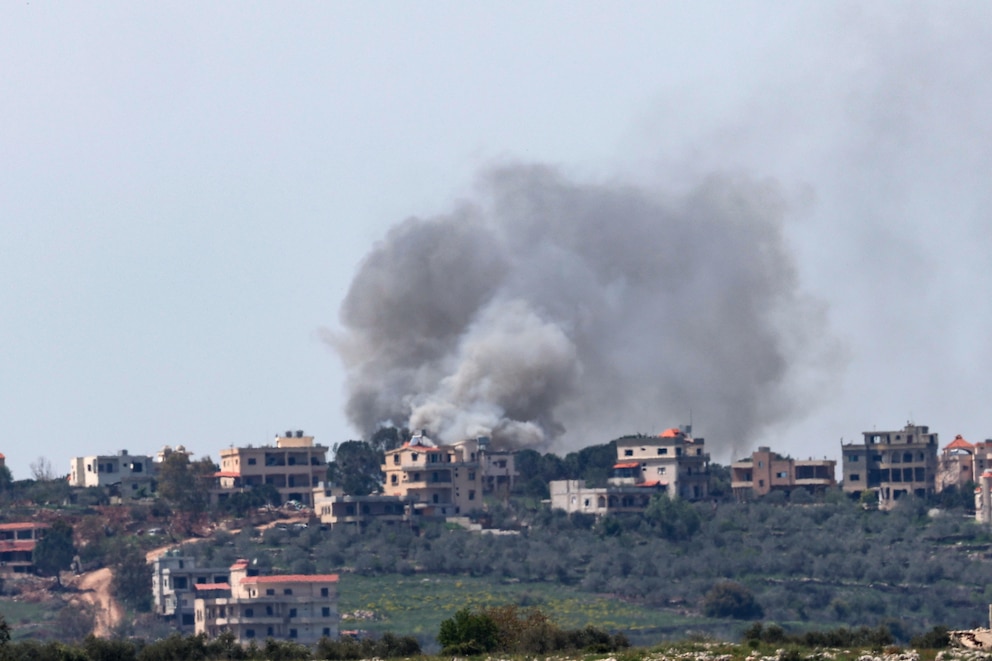
Mientras tanto, el premier israelí aseguró en un mensaje grabado que las fuerzas israelíes continúan “golpeando a Hezbollah” y avanzan para “superar” la resistencia en la ciudad clave de Bint Jbeil, uno de los bastiones del grupo chiita en el sur.
Netanyahu afirmó que su instrucción a las Fuerzas de Defensa de Israel es mantener y reforzar la “zona de seguridad” hasta el río Litani, a 30 kilómetros de la frontera, y evitar cualquier presencia de Hezbollah en ese sector.
“He ordenado que toda el área del sur del Líbano hasta el Litani se convierta en una zona prohibida para operativos de Hezbollah”, declaró el jefe del Estado Mayor, teniente general Eyal Zamir, durante una visita a las tropas desplegadas en territorio libanés.
Mientras tanto, en Washington, representantes de Israel y Líbano mantuvieron el martes un encuentro inédito de alto nivel, el primero entre ambos gobiernos en más de cuatro décadas. Netanyahu celebró las conversaciones y señaló: “Estas negociaciones no ocurrían desde hace más de 40 años. Suceden ahora porque somos muy fuertes y los países vienen a nosotros, no solo Líbano”.
Desde la Casa Blanca niegan haber exigido formalmente un cese al fuego, aunque reconocen que darían la bienvenida al fin de las hostilidades como parte de un eventual acuerdo de paz entre Israel y Líbano.
“Esto no es algo que hayamos pedido, ni es parte de las negociaciones de paz con Irán, pero el presidente daría la bienvenida al fin de las hostilidades en Líbano si es parte de un acuerdo”, indicó un alto funcionario estadounidense citado por Times of Israel.
La situación sobre el terreno sigue siendo volátil. El ejército israelí confirmó que cinco soldados resultaron heridos este miércoles durante un ataque con cohetes de Hezbollah en el sur del Líbano.
Hezbollah, por su parte, confirmó el lanzamiento de 40 cohetes hacia el norte de Israel durante la mañana, en respuesta a las incursiones y el avance israelí en el sur del país. El grupo también ha condenado públicamente la decisión del gobierno libanés de iniciar contactos con Israel y ha advertido sobre el riesgo de una mayor fractura interna en Líbano si se continúa con el proceso de negociación.
Irán, que respalda militar y financieramente a Hezbollah, ha exigido que la situación en Líbano forme parte de cualquier acuerdo más amplio para frenar la guerra en Medio Oriente. Washington, por su parte, rechaza que las negociaciones con Irán y Líbano estén formalmente conectadas, aunque reconoce el efecto dominó de los frentes abiertos en la región.
El Ministerio de Salud de Líbano informó que los ataques israelíes han causado al menos 2.100 muertes, más de 7.000 heridos y 1,2 millones de desplazados desde el inicio de la ofensiva. Por su parte, Israel reportó la muerte de 13 militares en Líbano y dos civiles por ataques de Hezbollah.
(Con información de Reuters)
Middle East,Military Conflicts










INTERNACIONAL
“Atrapados en el infierno”: el drama de la población iraní en medio de la nueva escalada con Estados Unidos
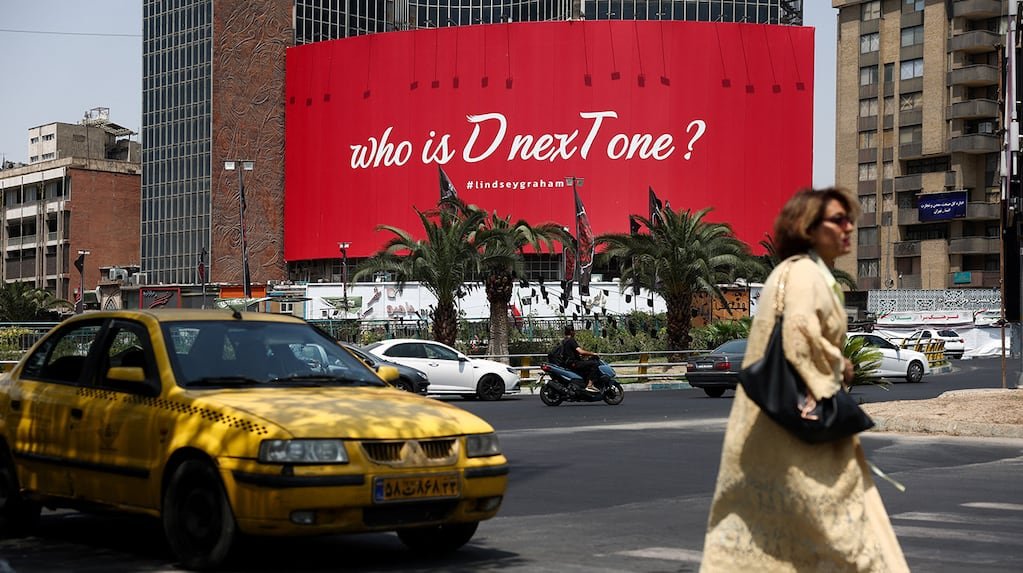
Un ritmo de guerra terriblemente familiar ha regresado para los iraníes: autopistas bombardeadas y una moneda en caída libre, publicaciones amenazantes del presidente Donald Trump en las redes sociales y una retórica incendiaria por parte de los gobernantes clericales de Irán.
Sin embargo, cuando Behnam, un músico desempleado en Teherán, llama a su familia o amigos para ver cómo están, nunca comienza hablando de la guerra. “La primera pregunta que nos hacemos unos a otros es: ¿Ya comiste?”.
Al igual que todos los iraníes entrevistados para este artículo, Behnam, de 38 años, pidió que no se usara su apellido por temor a represalias del gobierno de Irán. “Sinceramente, ha llegado a un punto en el que solo pensamos en sobrevivir”, dijo.
Atrás quedaron las charlas motivacionales de los familiares sobre encontrar trabajo, dijo, a medida que el desempleo se sigue disparando. Muchos iraníes han archivado sus planes de reparar edificios o reconstruir vidas devastadas por la guerra. Planear para el futuro parece un lujo absurdo cuando los amigos empobrecidos solo pueden permitirse comprar arroz por tazas y cuando Estados Unidos e Irán intercambian ataques contra sitios militares, puertos y plantas desalinizadoras de agua en toda la región.
Durante más de un año, los iraníes han estado atrapados en un ciclo constante de ataques aéreos, represiones de seguridad interna y devastación económica. Un breve alto al fuego alcanzado el mes pasado con Estados Unidos trajo un leve respiro ante la caída de las bombas, aunque no frente al desplome de la economía.
El desmoronamiento del acuerdo en las últimas semanas volvió a sumir al país en la guerra. Muchos iraníes se han quedado con la sensación de que sus vidas están en pausa o ya no les pertenecen.
“Ya no tengo control sobre mi vida”, dijo Behnam. “Nuestro destino está en manos de quienes no piensan en la gente común”.
Leé también: Medio Oriente entra en una nueva etapa marcada por el avance de los nacionalismos
Este ciclo de crisis ha plagado a los iraníes desde la guerra de 12 días de Estados Unidos e Israel que golpeó al país en junio del año pasado. A raíz de ello, el gobierno impuso un apagón de internet nacional que duró meses, citando preocupaciones de seguridad nacional. Eso hizo que la tambaleante economía cayera en picada.
Luego, una crisis monetaria en diciembre desató protestas antigubernamentales que se convirtieron en un movimiento en todo el país. Estas fueron aplastadas en enero durante una represión más feroz que cualquier otra que Irán hubiera experimentado en décadas, que dejó miles de muertos y al país amargamente dividido.
Semanas después, Trump y el primer ministro de Israel, Benjamin Netanyahu, anunciaron su guerra contra Irán y la describieron como una oportunidad única histórica para derrocar a los gobernantes autoritarios del país. Aviones de combate estadounidenses e israelíes bombardearon Irán, destruyeron infraestructura y mataron al líder supremo y a miles de civiles. Pero el régimen teocrático del país se mantuvo intacto, envalentonado por su supervivencia.
Asal, una comerciante de 20 años en una ciudad cercana a Teherán, estuvo entre los miles que participaron en las protestas de enero. Al romper a llorar mientras describía el arresto y la tortura que, según dijo, ella y sus amigos experimentaron, Asal dijo que alguna vez tuvo la esperanza de que la intervención de Estados Unidos e Israel ayudara a derrocar al régimen.
“Trump nos dijo que quería salvarnos, pero no era cierto”, dijo. “Lo que sea que pase en el futuro ya no me importa”. El humo se eleva tras una explosión en un lugar desconocido, durante lo que, según el Mando Central de EE.UU. (CENTCOM), son ataques contra objetivos militares iraníes, en esta captura de pantalla tomada de un video difundido el 23 de julio de 2026. (Foto: REUTERS)
Según algunos iraníes, a su malestar se sumaba el hecho de presenciar cómo sus seres queridos intentaban superar las adversidades económicas solo para ver sus pequeñas victorias aplastadas por la siguiente crisis.
Farzad, un diseñador web en Teherán, dijo que, en la recesión tras la guerra de 12 días, una amiga de la familia había empezado a vender encurtidos y mermelada casera a través de Instagram para complementar su pensión, que ya no era suficiente. Su otrora próspero negocio colapsó durante el apagón de internet, el cual el gobierno impuso durante la represión de enero y los primeros meses de la guerra.
Algunos iraníes dijeron en entrevistas que los precios se habían vuelto tan altos que estaban prescindiendo de la atención médica, o comprando vitaminas para reemplazar las frutas y verduras en su dieta porque eran más baratas.
“Deja de lado las estadísticas”, dijo Farzad. Cuando se trata de medir la crisis económica, dijo: “la conocemos con nuestros propios cuerpos, con nuestra experiencia vivida”.
Incluso cuando los bombardeos disminuyeron esta primavera, los iraníes se enfrentaron a nuevas humillaciones. Su gobierno continuó con la represión contra la oposición, lo que incluyó una ola de ejecuciones de los manifestantes de enero e incautaciones de propiedades de los disidentes. El mes pasado, unos ciberataques cerraron tres de los principales bancos de Irán, según las autoridades. Millones de iraníes perdieron repentinamente el acceso al poco dinero que tenían.
Para cuando se había resuelto el caos bancario, el país estaba de nuevo en guerra.
Los partidarios del gobierno de Irán argumentan que el país no tiene más remedio que seguir la lucha.
“Todo tiene un precio”, dijo Hossein, quien dirige un negocio en línea desde la ciudad portuaria de Bandar Abbas, la cual ha experimentado un intenso bombardeo estadounidense en la última semana. “Enfrentarnos a Estados Unidos y preservar nuestra independencia es mucho más valioso que convertirse en otro país de la región que simplemente dice que sí a todo lo que Estados Unidos quiere”.
Gran parte de los nuevos enfrentamientos se han concentrado en el sur de Irán. Farideh, de 51 años, ha quedado consternada por los bombardeos estadounidenses que han destrozado vías férreas y derribado puentes en su región, lo que ha dejado a algunos residentes varados durante días.
En la provincia sureña de Hormozgán, los ataques aéreos dejaron fuera de servicio redes eléctricas y una planta desalinizadora de agua, según Hamid Saed Panah, director de la compañía local de distribución de electricidad, y Ahmad Nafisi, vicegobernador de la provincia. Estados Unidos no ha comentado sobre estas afirmaciones.
Algunos residentes del sur dijeron que se habían quedado sin agua corriente y sufrían cortes de electricidad de horas de duración mientras tenían que soportar temperaturas que frecuentemente superan los 48 grados Celsius.
“Ha sido una experiencia extremadamente amarga y estresante, llena de desesperanza sobre el futuro”, dijo Farideh. Le costaba imaginar qué sería de la educación de sus hijos y con qué perspectivas profesionales se quedarían. “Desafortunadamente, nosotros, el pueblo, pagamos el precio de los errores y la terquedad de los gobiernos”.
Los leales a la república islámica acampan todas las noches en las calles de la mayoría de las ciudades, exigiendo que el gobierno continúe con la guerra en lugar de la paz y destrozando los nervios de aquellos iraníes desesperados por que la crisis termine.
“Las cosas se han puesto tan mal que todo el mundo ha perdido la cabeza por completo”, dijo Mohsen, dueño de un negocio en la ciudad central de Isfahán. “Estamos atrapados en el infierno y no hay salvación para nosotros”.
*Por Erika Solomon es la jefa del buró del Times para Irán e Irak. Sanam Mahoozi y Shirin Hakim colaboraron con reportería.
The New York Times, Irán, Estados Unidos
INTERNACIONAL
Biden judge blocking Ethiopian deportations despite SCOTUS ruling clashed with ICE before
NEWYou can now listen to Fox News articles!
A Biden-appointed federal judge on Friday became the second jurist in Massachusetts to block the Trump administration’s effort to end Temporary Protected Status for migrant groups, fueling a growing clash over whether lower courts are ignoring a recent Supreme Court ruling that narrowed their authority over such decisions.
U.S. District Judge Brian Murphy of the District of Massachusetts issued an administrative stay in African Communities Together v. Mullin, temporarily preserving TPS protections for Ethiopian nationals while the court considers whether plaintiffs may pursue constitutional claims in light of the Supreme Court’s June ruling. In a 6-3 decision in Mullin v. Doe, the Supreme Court significantly narrowed lower courts’ authority to block DHS decisions designating or terminating TPS.
Murphy’s ruling drew a swift response from DHS General Counsel James Percival, who accused him of «mutiny» against the Supreme Court and revived criticism of the judge’s May 2025 order halting a deportation flight to South Sudan. DHS blamed Murphy for leaving ICE officers stranded at a U.S. military base in Djibouti, where officials said they faced malaria exposure and the threat of rocket attacks from terrorist groups in neighboring Yemen.
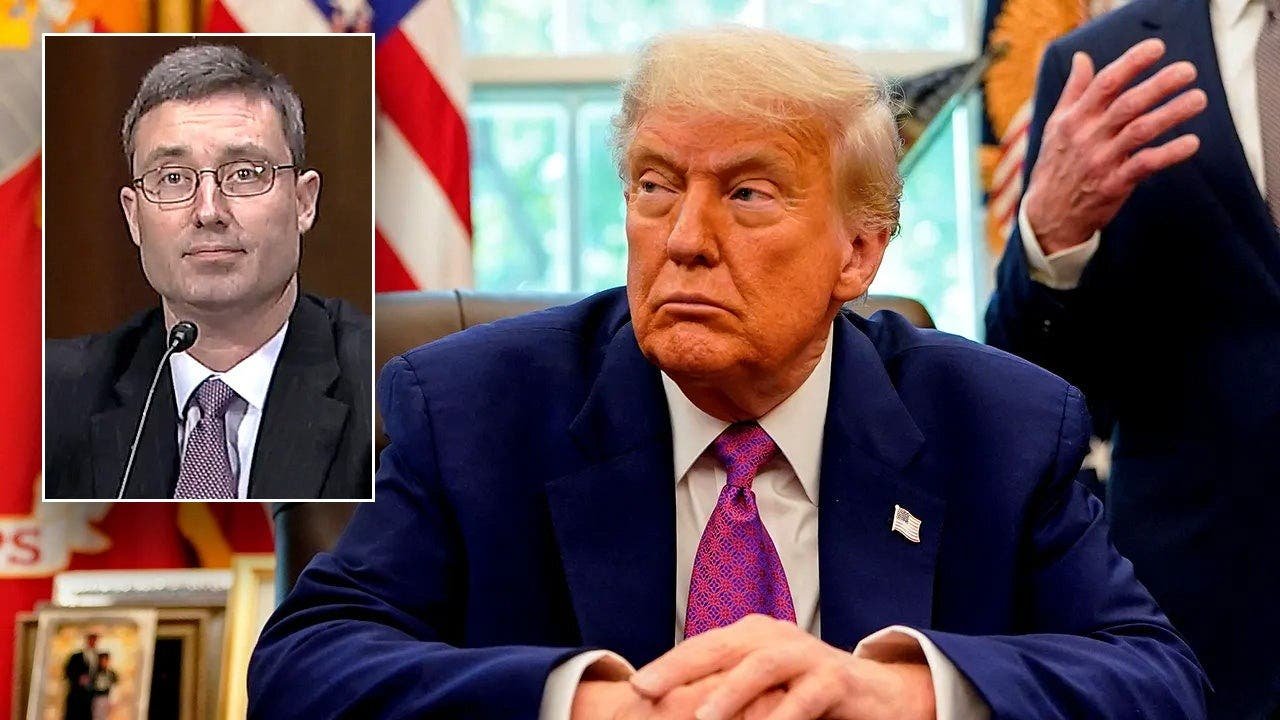
U.S. District Judge Brian Murphy has temporarily blocked key Trump administration decisions to terminate Temporary Protected Status (TPS) (United States Senate Committee on the Judiciary/ REUTERS/Nathan Howard)
SUPREME COURT’S LATEST IMMIGRATION RULING WILL CAUSE AMERICANS TO ‘DIE AND SUFFER’ ATTORNEY WARNS
«Remember when that district judge rerouted a plane with child rapists headed for South Sudan? The judge made ICE land in Djibouti to face Malaria and terrorist rocket attacks from Yemen,» Percival wrote on X. «Fun fact: it was the very same Judge Brian Murphy who entered a lawless TPS order today!»
Murphy’s Friday order comes amid a months-long legal fight over the Trump administration’s effort to end Ethiopia’s TPS designation.
The litigation began after then-Department of Homeland Security Secretary Kristi Noem determined in December 2025 that conditions in Ethiopia no longer justified Temporary Protected Status and announced the designation would terminate. Under the department’s notice, Ethiopia’s TPS designation was set to expire after a 60-day wind-down period, with protections ending on Feb. 13, 2026, before Judge Brian Murphy intervened.
SUPREME COURT WEIGHS TRUMP EFFORT TO TERMINATE TEMPORARY PROTECTIONS FOR HAITIAN, SYRIAN MIGRANTS

U.S. President Donald Trump takes questions from the media during a bilateral meeting with President of Lebanon Joseph Aoun in the Oval Office of the White House on July 21, 2026 in Washington, DC. U.S. District Court Judge Patti Saris attends the opening ceremony for the Justice Stephen G. Breyer Community Learning Center on Courts and the Constitution at the federal courthouse in Boston, Massachusetts, U.S., March 25, 2025. (Kevin Dietsch/Getty Images; Brian Snyder/Reuters)
Earlier this year, Murphy sided with the challengers, granting their motion to postpone DHS’s termination of Ethiopia’s TPS designation after finding they were likely to succeed on claims that the department failed to follow the procedures Congress established for ending TPS.
But litigation was upended on June 25 after the Supreme Court ruled in Mullin v. Doe that lower courts generally cannot hear Administrative Procedure Act challenges to DHS decisions designating or terminating TPS. Since the Administrative Procedure Act formed the legal backbone of the plaintiffs’ challenge, the Trump administration argued Murphy’s injunction had been undermined and should be lifted.
However, the Supreme Court left open whether constitutional claims could still proceed, leading the plaintiffs to revise their complaint to focus on those arguments.
BLUE STATE LEADERS ERUPT AFTER SUPREME COURT’S DECISION ENDING TPS PROTECTIONS FOR HAITIANS, SYRIANS
Murphy’s ruling comes just hours after another judge in the District of Massachusetts, Senior U.S. District Judge Patti Saris, temporarily halted the Trump administration’s effort to terminate TPS for South Sudan. Saris issued an administrative stay preserving protections while she considers whether plaintiffs may amend their lawsuit following the Supreme Court’s ruling. Like the Ethiopia case, the South Sudan challenge was brought by African Communities Together along with individual TPS holders.
Saris said her order was simply meant to temporarily maintain the status quo while the court considers the case and was «not a ruling on the merits.»
A U.S. Department Of Homeland Security and U.S. Customs and Border Protection sign is displayed at the U.S. Customs and Border Protection Headquarters on May 18, 2025 in Washington, DC. (Kevin Carter/Getty Images)
The tandem rulings have led to calls for the Trump administration to ignore the lower courts’ ruling.
«These Democrat operatives in robes do not have the power to do this,» Mike Davis, a conservative legal activist and founder of the Article III Project, wrote on X. «The Supreme Court just made that crystal clear. So it’s time to ignore these clearly lawless orders.»
«These puny little district court judges have been overruled so many times by the supreme court, especially on immigration, I think it’s time for the president to take his constitutional oath seriously, and ignore them,» Ann Coulter, a conservative political commentator wrote on X.
Murphy has repeatedly clashed with the Supreme Court over the Trump administration’s immigration policies, with the justices twice siding with the administration in its challenge to his orders restricting deportations of illegal aliens to countries that are not their homelands.
CLICK HERE TO DOWNLOAD THE FOX NEWS APP
The Biden administration first granted Ethiopians Temporary Protected Status in 2022, declaring that war and a worsening humanitarian crisis had made it unsafe to return them to their home country. Then-DHS Secretary Alejandro Mayorkas pointed to ongoing armed conflict, widespread violence, human rights abuses, food insecurity, among the many reason as the basis for the designation. The protections took effect on Dec. 12, 2022, and were later extended through Dec. 12, 2025. DHS estimated approximately 26,700 Ethiopian nationals living in the United States could qualify for TPS.
Fox News Digital reached out to African Communities Together for comment.
judiciary, supreme court, kristi noem, federal courts, homeland security
INTERNACIONAL
República Dominicana estrena su medallero en los Juegos Centroamericanos y del Caribe 2026 con plata en remo

La delegación de República Dominicana inauguró su medallero en los XXV Juegos Centroamericanos y del Caribe Santo Domingo 2026 al conquistar la medalla de plata en la prueba masculina de doble par de remos cortos ligero, gracias a la actuación de Carlos Rodríguez e Ignacio Vásquez.
La cita deportiva regional celebró su primera jornada de competencias oficiales en el Centro de Remo y Canotaje de la Presa de Rincón, en la provincia Monseñor Nouel, municipio Bonao. De acuerdo con el Comité Olímpico del país caribeño, la dupla dominicana finalizó en la segunda posición, solo superada por el bote venezolano integrado por José Guipe y César Amaris, que se quedó con el oro.
El bronce fue para México, representado por Rafael Mejía y Roberto Ahumada. La actuación de Rodríguez y Vásquez permitió a la delegación anfitriona subir por primera vez al podio y abrir oficialmente su cuenta de medallas en la justa regional, lo que fue destacado como un paso simbólico para el país caribeño.
La plata obtenida en el remo representa no solo un logro deportivo para República Dominicana, sino también un estímulo para el resto de la delegación anfitriona, llamada a protagonizar más actuaciones destacadas en las próximas jornadas del evento regional.

La ceremonia de apertura, realizada la noche de ayer, 24 de julio, dejó imágenes imborrables para el deporte dominicano. Uno de los momentos más emotivos se produjo cuando Félix Sánchez, doble campeón olímpico y referente del atletismo nacional, recibió la antorcha de los Juegos Centroamericanos y del Caribe Santo Domingo 2026.
El exatleta fue ovacionado por los presentes mientras portaba el símbolo de la competencia continental, y no pudo contener las lágrimas de alegría al recorrer parte del trayecto oficial del fuego deportivo.
Las imágenes del histórico deportista dominicano, visiblemente conmovido, circularon ampliamente en plataformas digitales y generaron muestras de respaldo de parte del público y las glorias del atletismo nacional. La emoción de Sánchez resumió el entusiasmo que despierta la organización del evento en territorio dominicano y la importancia de la cita para la identidad deportiva del país.
La organización de los Juegos Centroamericanos y del Caribe Santo Domingo 2026 implementó un amplio operativo de seguridad para garantizar el normal desarrollo de las competiciones y la tranquilidad de atletas, delegaciones y espectadores.
Más de 500 policías han sido desplegados en las distintas sedes, según confirmó la propia organización y entidad policial. Además, las autoridades locales indicaron que la presencia policial cubre tanto los escenarios deportivos como las áreas de alojamiento, transporte y espacios públicos vinculados al evento.
Esta medida busca evitar incidentes y asegurar que la cita regional se desarrolle en un ambiente seguro, con protocolos diseñados para responder a eventuales emergencias y situaciones imprevistas. La seguridad se ha convertido en uno de los ejes prioritarios para los organizadores, que esperan una afluencia constante de público durante los días de competencia.
La cita multideportiva reúne a delegaciones de más de 20 países, con la expectativa de jornadas de alto nivel competitivo y momentos de gran significado para atletas y aficionados. El operativo de seguridad y la organización de los escenarios deportivos forman parte de los factores que buscan consolidar a la capital dominicana como un referente para eventos regionales de esta magnitud.
La medalla de plata obtenida por República Dominicana marca el inicio de la participación nacional en los XXV Juegos Centroamericanos y del Caribe Santo Domingo 2026, en una jornada en la que el deporte, la emoción y la seguridad se convirtieron en protagonistas.

Intentaron robar en la casa de Daniel Scioli en Villa La Ñata: hay dos detenidos y uno es un excustodio

Luisana Lopilato y Michael Bublé celebraron los 7 años de su hija Vida: “Verte crecer es un regalo hermoso”

En lo que va del año, el gobierno reabsorbió casi 85% de los pesos que emitió para comprar dólares

El director de Alpine Steve Nielsen habló sobre el rendimiento de Franco Colapinto y realizó una profunda autocrítica

“Atrapados en el infierno”: el drama de la población iraní en medio de la nueva escalada con Estados Unidos

Canales para ver el Lanús vs. San Lorenzo por el Torneo Clausura

Escándalo Mundial: Las presiones secretas, la amenaza de la FIFA por Malvinas y la verdad detrás del partido contra España

Jorge Berredo, general retirado de las FFAA, asumió como Secretario de Seguridad en San Isidro

Sin la anestesia mundialista, aflora la crisis del conurbano y Milei necesita reconectar con lo popular
Marc Stanley destacó el potencial de Vaca Muerta para “estabilizar la economía” y evitó hablar de política interna

 POLITICA3 días ago
Jorge Berredo, general retirado de las FFAA, asumió como Secretario de Seguridad en San Isidro
- POLITICA2 días ago
Sin la anestesia mundialista, aflora la crisis del conurbano y Milei necesita reconectar con lo popular
- POLITICA2 días ago
Marc Stanley destacó el potencial de Vaca Muerta para “estabilizar la economía” y evitó hablar de política interna