INTERNACIONAL
Khamenei body in cold storage as feared Basij mobilizes ahead of historic Iran funeral

NEWYou can now listen to Fox News articles!
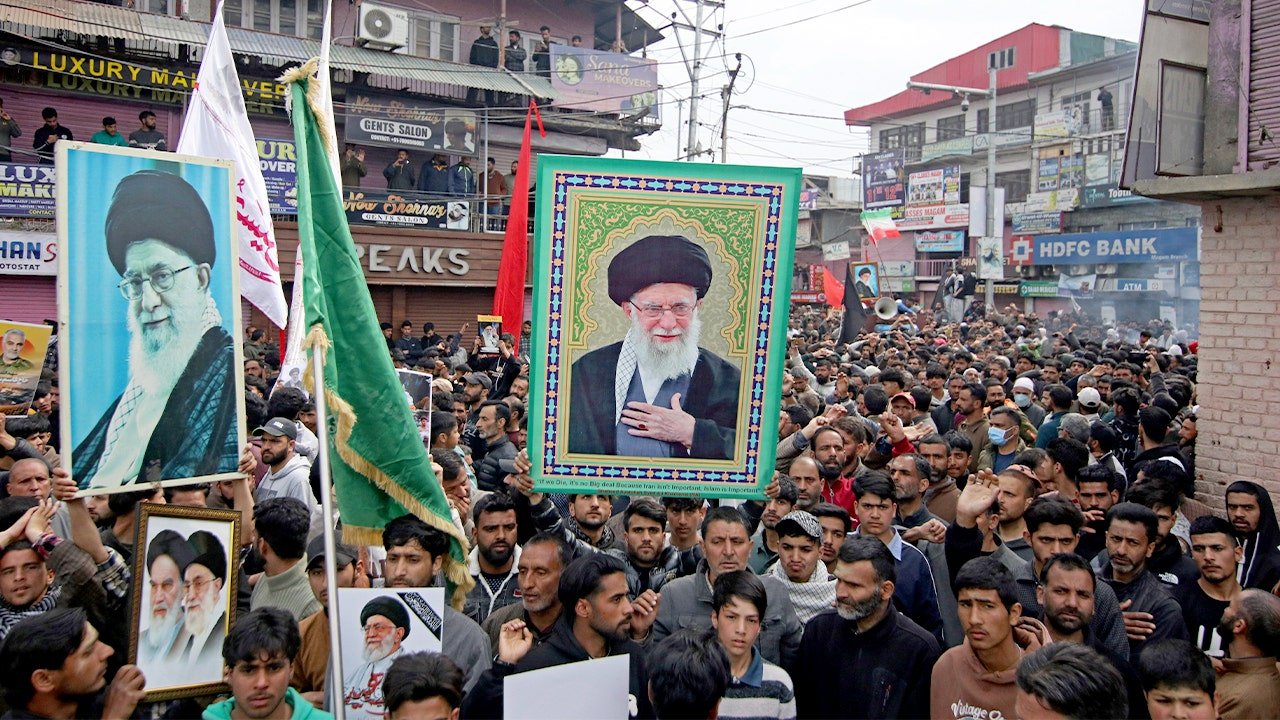
Tehran is preparing for the July 9 burial of Supreme Leader Ali Khamenei, more than four months after his death, as authorities mobilize the Basij militia and mount a massive security operation ahead of what is expected to be a «historic» turnout.
The lengthy delay to the funeral has raised questions about how Khamenei’s remains have been preserved, as Islamic tradition, anaylsts say, generally calls for prompt burial and discourages chemical embalming.
«The mechanism is almost certainly refrigerated cold storage, not embalming, as Islam bars chemical embalming,» counterterrorism expert Dr. Mohammed Omar told Fox News Digital.
MOJTABA KHAMENEI USING ‘BIN LADEN TEMPLATE’ TO SURVIVE, LEARNED FROM ABBOTTABAD: ANALYST
Iran’s Supreme Leader Ali Khamenei speaks in Tehran, Iran, on Jan 3. (Iranian Leader Press Office/Anadolu via Getty Images)
«Shia law allows delayed burial and preservation by cold in exceptional cases, and a clerical exemption for a Supreme Leader is easy to get,» he added.
«Iran’s forensic morgues already hold bodies for months, so four months in freezing is not exotic. That is what ‘religious and legal standards’ cover,» Mohammed said.
Operation Epic Fury began on Feb. 28 with a targeted U.S. strike that killed Khamenei at his compound in Tehran. He had ruled the Islamic Republic for 36 years.
«There may not be much of a body to present. Khamenei was killed by a bunker-penetration strike, and others killed with him were recovered weeks later and identified by DNA,» Mohammed explained.
«A regime holding an intact body does not cancel the farewell, shift the burial site repeatedly, and confirm that he can be buried only days out.
«It reads less like reverence and more like remains they could preserve but not display,» he said.
WAVE OF ATTACKS ON IRAN’S IRGC RAISES QUESTIONS ABOUT RENEWED KURDISH INSURGENCY
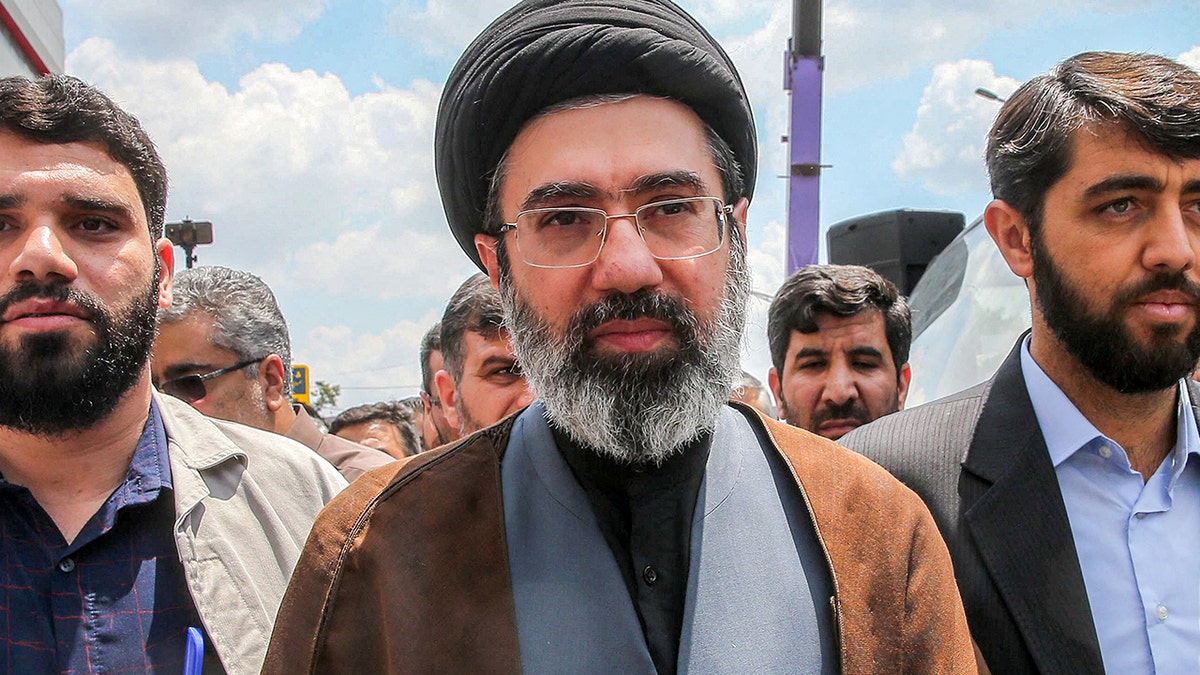
In this picture obtained from Iran’s ISNA news agency, Mojtaba Khamenei (C), son of Iran’s supreme leader Ayatollah Ali Khamenei, walks along a street in Tehran on May 31, 2019. (Hamid FOROUTAN / ISNA / AFP via Getty Images)
With that, Iranian authorities are portraying the funeral as both a farewell to the leader and a show of strength under the slogan «We Must Avenge.»
According to Iranian state media, Yaqoub Soleimani, deputy for cultural and educational affairs at the Martyrs Foundation and one of the funeral’s organizers, said Wednesday the ceremony would be conducted «with full grandeur.»
Soleimani said a turnout of 1 million people would make the event «a historical occasion» and «a national epic in the memory of the Islamic Republic of Iran.»
The schedule starts with public viewings Saturday and Sunday in Tehran. A funeral procession is scheduled for July 6, where local authorities estimate 15 million to 20 million people could attend.
Another procession is planned the following day in Qom, one of Shiite Islam’s holiest cities.
«The numbers the regime is putting out — up to 20 million mourners in Tehran, 35 million nationwide, more than 90 countries represented, 14,000 journalists credentialed — are not logistics,» Mohammed, of the George Washington Program on Extremism, said.
«They are the message. Tehran is spending everything it has to project continuity and strength because after the war both are in question.»
IRAN’S UNPRECEDENTED ‘WHOLE-REGIME’ DELEGATION AT US DEAL TALKS SIGNALS ONE GOAL: EXPERT
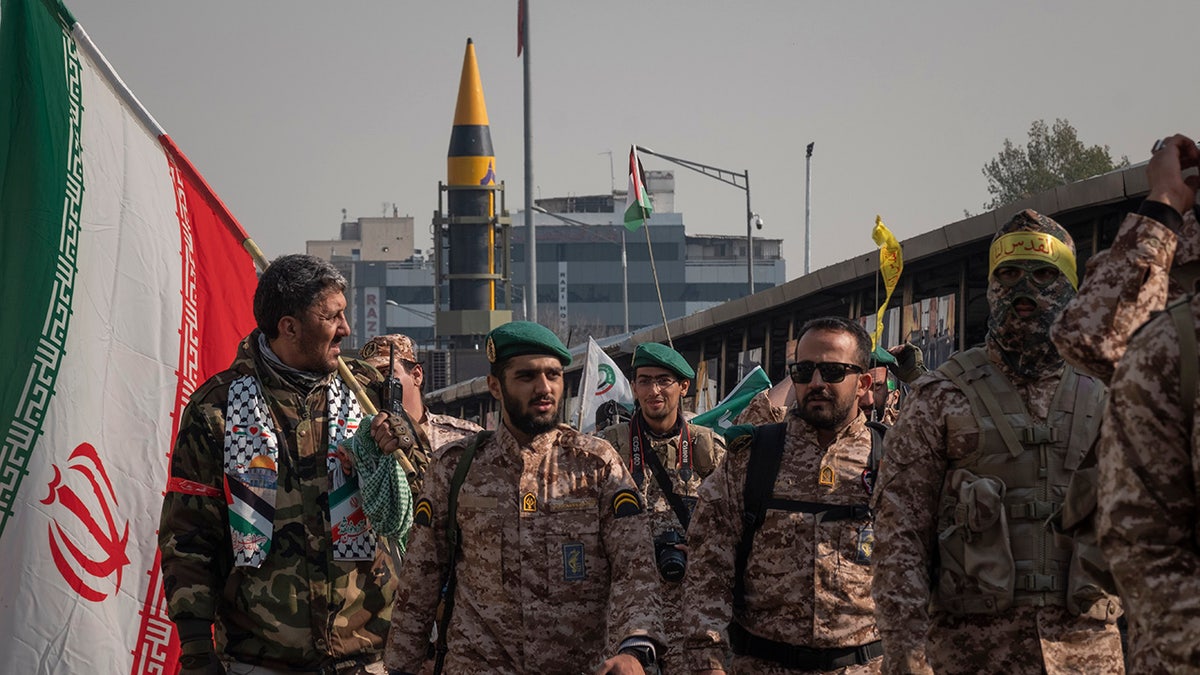
Islamic Revolutionary Guard Corps (IRGC) military personnel are walking along Enghelab (Revolution) Avenue as an Iranian Kheibar Surface-to-Surface missile is being unveiled during the Ela Beit Al-Moghaddas (Al-Aqsa Mosque) military rally in Tehran, Iran, on November 24, 2023. The IRGC is unveiling two new missiles during the rally. (Morteza Nikoubazl/NurPhoto via Getty Images)
According to Iran International, Tehran is also preparing a massive security operation for the funeral.
«The Basij and the IRGC running this is the story, not a detail,» Mohammed said.
«The Basij is coordinating logistics — highways turned into parking, each Tehran district assigned a province, five public holidays declared — and the Guard has crowd control.
«This is a mobilization dressed as a funeral. The same apparatus organizing the grief this week is the apparatus that put down the January protests and denied funerals to the families of the people it killed then. American readers should hold those two facts next to each other,» he added.
While senior Iraqi officials will attend the funeral, representation from other major powers will be limited.
Although Iranian President Masoud Pezeshkian personally invited Indian Prime Minister Narendra Modi, India will instead send a lower-level official delegation.
Reports on June 30 also confirmed that Georgian President Mikheil Kavelashvili will attend the ceremony.
«No major power is sending its top leader,» Mohammed said.
CLICK HERE TO DOWNLOAD THE FOX NEWS APP
«For a regime that claims to lead a front stretching from Beirut to Sanaa, a regional turnout at its founder-successor’s funeral is the isolation showing through the pageantry.
«For Washington, it is a useful readout: the war left Tehran’s axis smaller and more regional than the regime advertises,» he added.
war with iran, iran, foreign policy







NEWYou can now listen to Fox News articles!
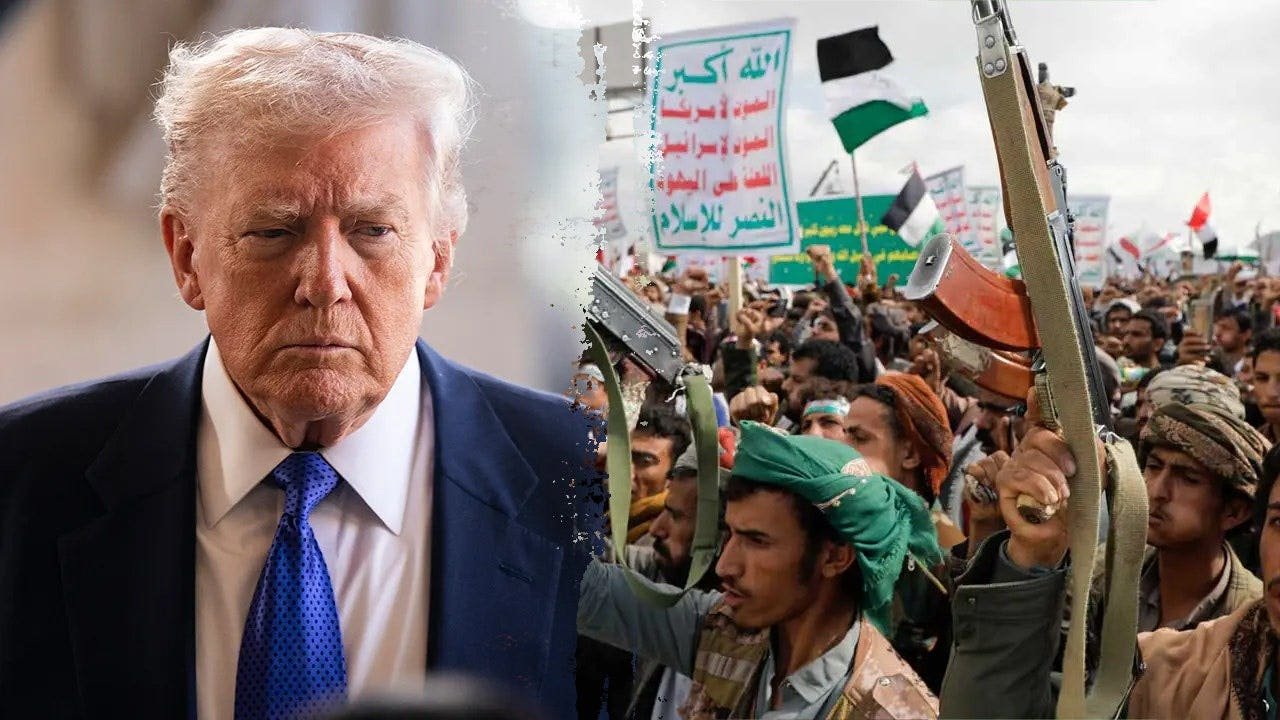
President Donald Trump said Tuesday the U.S. would «take care of things» if Yemen’s Iran-backed Houthis follow through on threats to impose a naval blockade against Saudi Arabia, as his administration reportedly backed Riyadh’s renewed military campaign against the group.
His comments came after the Houthis announced a naval blockade against Saudi Arabia Monday, only days after Saudi forces struck Sanaa International Airport and after Iran reportedly instructed the group to prepare to close the Bab el-Mandeb Strait if the U.S. attacks Iranian power infrastructure.
TRUMP THREATENS TO EXPAND STRIKES ON IRAN, SAYS POWER PLANTS ARE NEXT TO GO: ‘HIT THEM HARD’
«So far, it hasn’t happened, might happen, but we take care of things,» Trump said in the Oval Office. «If something like that happens, we take care of it.»
President Donald Trump announced «major combat operations» in Iran, marking a significant escalation in tensions between Washington and Tehran. (Al Drago/Getty Images)
Saudi forces targeted Sanaa International Airport on Monday after an Iranian Mahan Air flight carrying Houthi officials back from Iran was forced to divert, according to Axios. A U.S. official told the outlet the aircraft was believed to be carrying weapons, missile components and Iranian military personnel intended for the Houthis.
Trump’s warning comes as the administration has expanded military operations against Iran while the Houthis threaten to disrupt shipping in the Red Sea. The developments have fueled concerns that Washington could become increasingly involved in efforts to secure one of the world’s most important maritime trade corridors while simultaneously confronting Tehran in the Persian Gulf.
The prospect of simultaneous disruption at the Strait of Hormuz and the Bab el-Mandeb has become one of the biggest concerns for global shipping markets: together, the routes normally carry roughly one-third of global seaborne oil trade and serve as critical arteries for energy shipments between the Middle East, Europe and Asia, according to U.S. Energy Information Administration data.
The Houthis already have shown they can disrupt one of the world’s busiest shipping corridors. Since late 2023, the group has carried out more than 190 attacks on commercial shipping, forcing major carriers to abandon the Red Sea route in favor of the far longer trip around Africa.
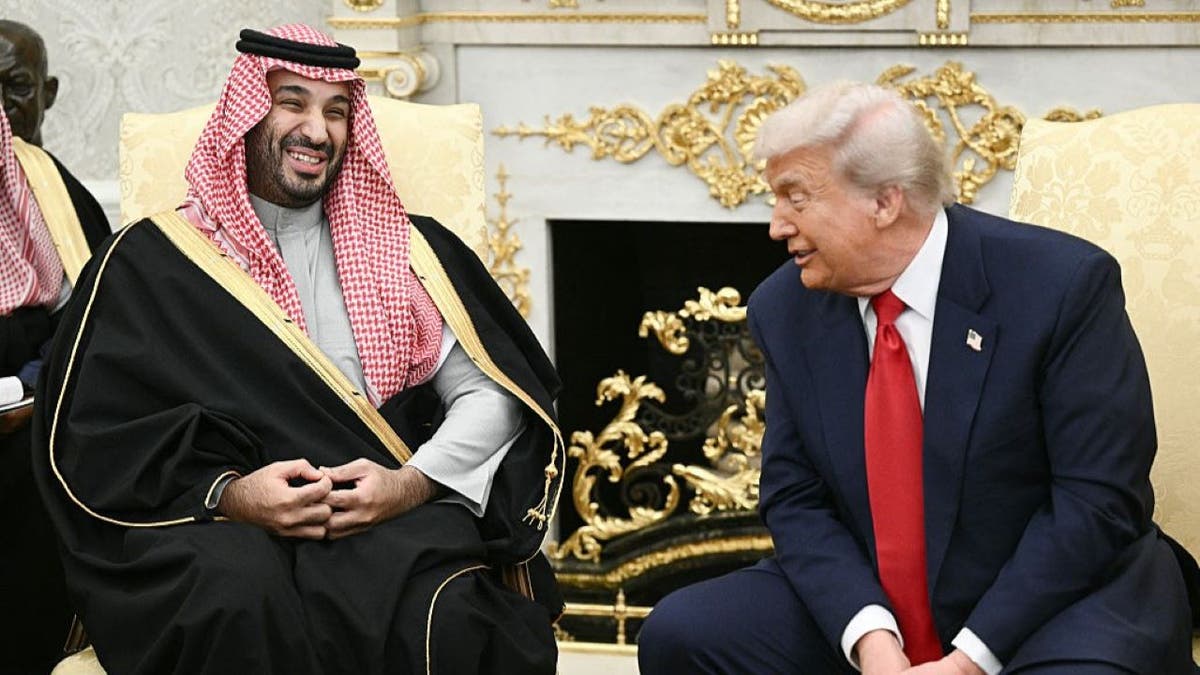
US President Donald Trump meets with Crown Prince and Prime Minister of the Kingdom of Saudi Arabia Mohammed bin Salman in the Oval Office of the White House in Washington, DC on November 18, 2025. Saudi Crown Prince Mohammed bin Salman arrived at the White House to fanfare and a jet flyover Tuesday, in his first visit to the United States since the 2018 murder of journalist Jamal Khashoggi. (Brendan Smialowski/AFP via Getty Images)
Saudi Crown Prince Mohammed bin Salman sought Trump’s approval before launching the latest strikes against the Houthis — and that approval was granted, according to the Axios report.
The White House could not be reached for comment. The Pentagon and U.S. Central Command declined to comment.
For years, the Houthis have evolved into one of Iran’s most effective regional partners, allowing Iran to pressure global commerce while avoiding a direct military confrontation with the United States or its allies. The group has repeatedly launched missiles and drones at commercial vessels transiting the Red Sea, disrupting international shipping and forcing vessels to reroute around southern Africa.
IRAN-BACKED TERROR PROXY HOUTHIS THREATEN FRESH ATTACKS AFTER YEMEN AIRPORT STRIKE
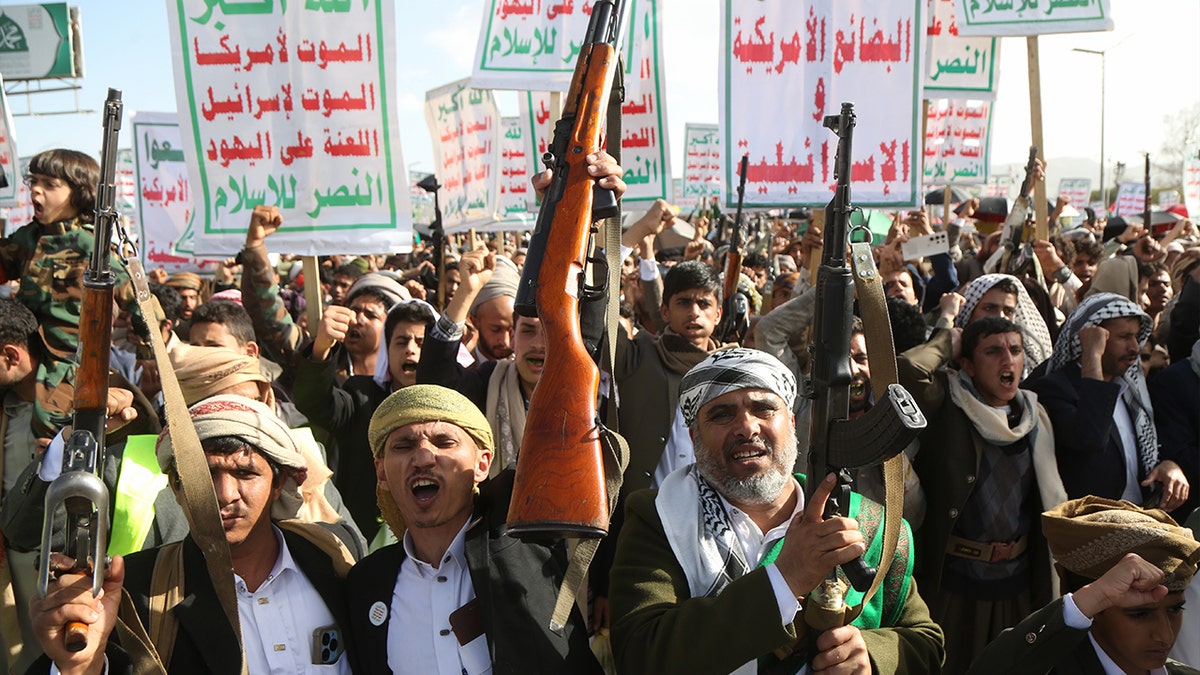
Yemen’s Iran-backed armed Houthi group has warned they will move to shutter the Bab Al-Mandeb Strait through missile-drone attacks if Gulf nations join the US-Israel war on Iran. (Mohammed Hamoud/Getty Images)
Although direct fighting between Saudi Arabia and the Houthis largely subsided following a U.N.-brokered truce in 2022, the group continued expanding its missile, drone and maritime capabilities with Iranian support. This week’s exchange of Saudi airstrikes and Houthi missile attacks marked the most significant cross-border escalation between the two sides in roughly four years.
Bridget Toomey, a research analyst at the Foundation for Defense of Democracies, said the latest escalation was driven by Saudi concerns that Iran and the Houthis were attempting to establish a dangerous new status quo by opening a direct air link between Tehran and Houthi-controlled Sanaa.
She said such flights would create an easier route for Iran to move weapons, drones and Islamic Revolutionary Guard Corps advisers into Yemen, posing a threat not only to Saudi Arabia but also to broader U.S. and international security interests.
TRUMP WON’T RULE OUT KHARG ISLAND TAKEOVER: WHAT A US ASSAULT COULD LOOK LIKE
«A direct air connection between Tehran and Sanaa would be a serious threat, not just to the international community, but also to Saudi Arabia,» Toomey told Fox News Digital.
Rather than signaling a return to the yearslong Saudi-led intervention in Yemen, Toomey described Riyadh’s response as «a measured escalation» intended to demonstrate it would not allow such an air bridge to become normalized.
That objective appeared to shape one of Saudi Arabia’s most consequential strikes this week.
The Bab el-Mandeb Strait, which connects the Red Sea with the Gulf of Aden, is one of the world’s busiest maritime choke points. Nearly 15% of global seaborne trade passes through the corridor each year, making it a critical route for commercial shipping and energy supplies moving between Asia and Europe.
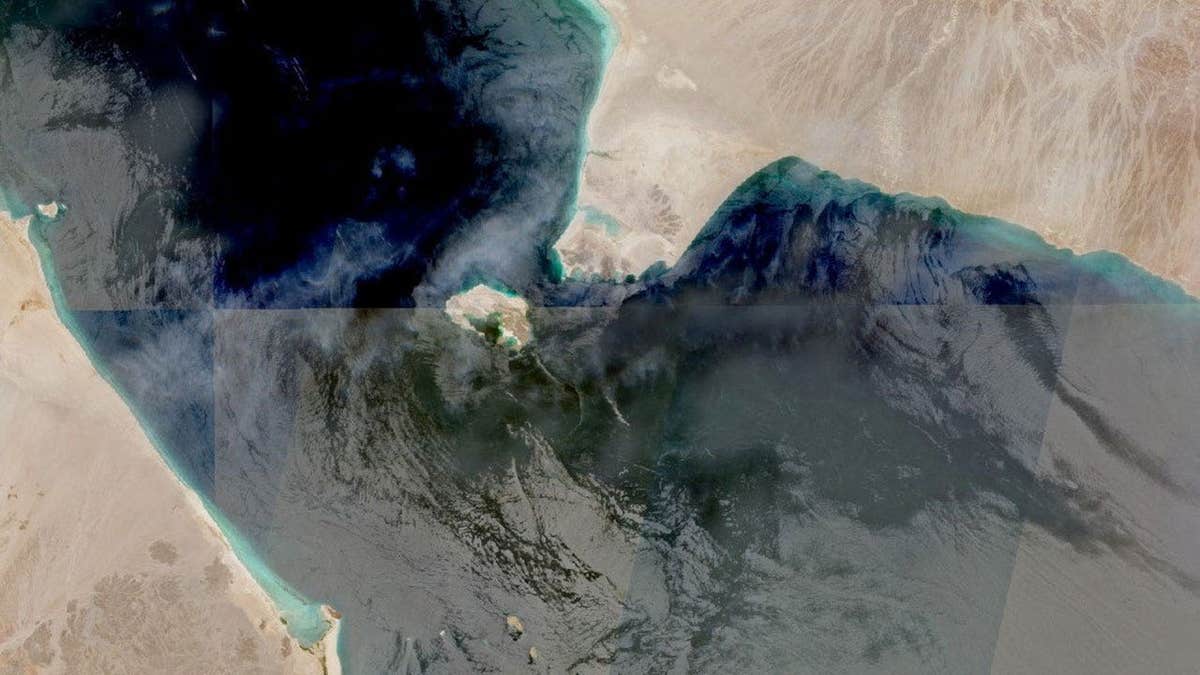
A satellite imagery shows Bab el Mandeb Strait, a key shipping waterway and the gateway to the Red Sea, as Iran threatens using Yemen’s Houthi allies to shut the Bab el-Mandeb gateway to the Red Sea, in this handout picture dated July 12, 2026. (Nasa Worldview/Handout via Reuters)
The latest threat comes as commercial shipping through the Strait of Hormuz has also faced disruption amid escalating tensions between the United States and Iran. While the two waterways are separated by hundreds of miles, together they form the principal maritime corridor linking the Persian Gulf with Europe. Serious disruption to both would place additional pressure on global energy exports, increase shipping costs and deepen supply chain disruptions.
Toomey said the Houthis occupy a unique position within Iran’s regional network because of where they are located.
«They’re crucial to Iran’s broader ability to expand the conflict,» she said. «Iraqi militias or Hezbollah don’t sit on a maritime choke point.»
Still, she cautioned against viewing the Houthis simply as an extension of Tehran, noting that Iran’s command and control over the group has historically been less direct than its relationships with some of its other proxy organizations.
Gregg Roman, executive director of the Middle East Forum, said Trump’s backing of the Saudi operation and his latest warning to the Houthis point to an administration willing to support regional allies while confronting Iranian-backed groups that threaten maritime commerce.
«The Iranians are trying to project power. The president is supportive of any effort to limit that projection,» Roman told Fox News Digital.
Roman said the airport strike reinforced Saudi Arabia’s long-running effort to prevent Iran from establishing a direct supply corridor into Houthi-controlled Yemen.
CLICK HERE TO DOWNLOAD THE FOX NEWS APP
«We’re certainly not going to allow you to have any shipments to reinforce the Houthis,» he said.
If the campaign continues with Washington’s backing, it would place one of Iran’s most strategically valuable regional partners under renewed military pressure while increasing the cost of Tehran’s broader effort to project power across the Middle East.
saudi arabia, donald trump, war with iran, geopolitics, middle east foreign policy
NEWYou can now listen to Fox News articles!
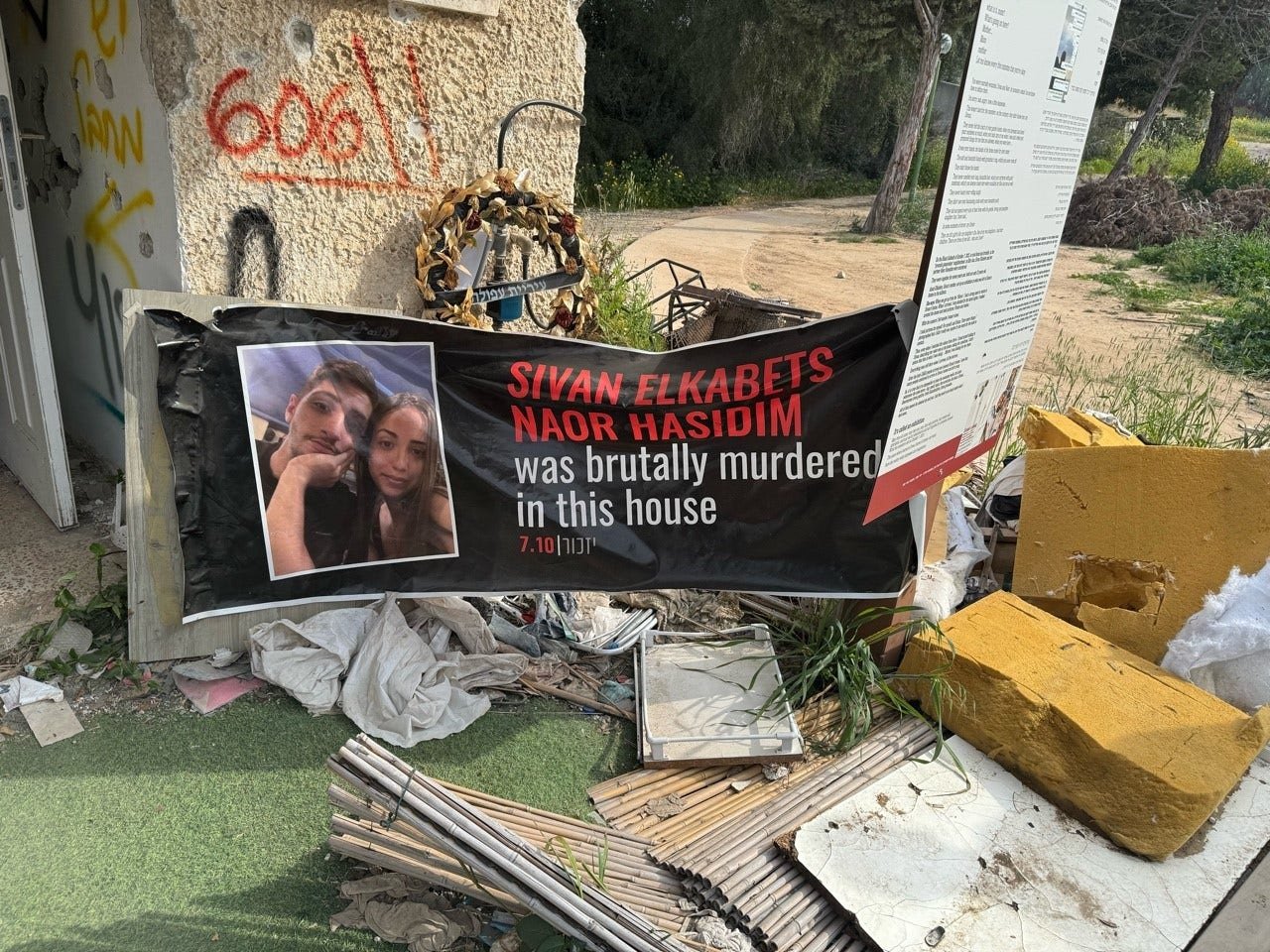
The «Return to October» exhibition offers an immersive reconstruction of the Hamas-led Oct. 7, 2023, massacre, combining video with declassified Israel Defense Forces intelligence and planning materials recovered in the Gaza Strip that reveal how the Palestinian terrorist group planned and carried out its cross-border assault.
The 600-square-meter exhibition, assembled by the Israel Intelligence Heritage & Commemoration Center (IICC), a nonprofit dedicated to commemorating fallen members of Israel’s intelligence community.
The exhibition features vehicles used in the attack, a film on the abduction of Israeli hostages, a mock Hamas tunnel, and excerpts from the Israel Defense Forces’ 47-minute compilation of raw footage from the assault.
INSIDE ISRAEL’S MISSION TO TRAIN CIVILIANS TO STOP THE NEXT OCT 7-LIKE TERROR ATTACK
A Hamas kidnapping kit from the Oct. 7 attack containing handcuffs, electric shock devices and syringes intended to inject hostages who resisted was displayed at the ‘Return to October’ exhibition in Israel. (Amelie Botbol for Fox News Digital)
«The main conclusion of this exhibition is that Hamas prepared this terror invasion over a long period in a highly organized and professional manner. It gathered extensive intelligence over many years, and visitors can see examples of that intelligence-gathering effort throughout the exhibition,» Yossi Kuperwasser, head of the Institute for the Research of the Methodology of Intelligence at the Israel Intelligence Heritage & Commemoration Center, told Fox News Digital.
Kuperwasser said the exhibition’s most significant feature is its collection of documents seized by the IDF in Gaza that Hamas sought to keep hidden. Among them are materials indicating that Hezbollah chose not to fully join the Oct. 7 attack out of concern that Israel would respond with a major offensive. The documents also shed light on the relationship between Hamas and Iran, including the extent of Tehran’s involvement.
«The most important lesson is that Israel’s enemies are constantly planning large-scale terrorist attacks. They seek to wipe us off the map, and if you become complacent and assume they are not preparing such attacks, you are mistaken,» he said.
ISRAEL’S MILITARY ELIMINATES HAMAS TERRORIST WHO HELPED ABDUCT AMERICAN-ISRAELI HOSTAGE, 3 OTHERS
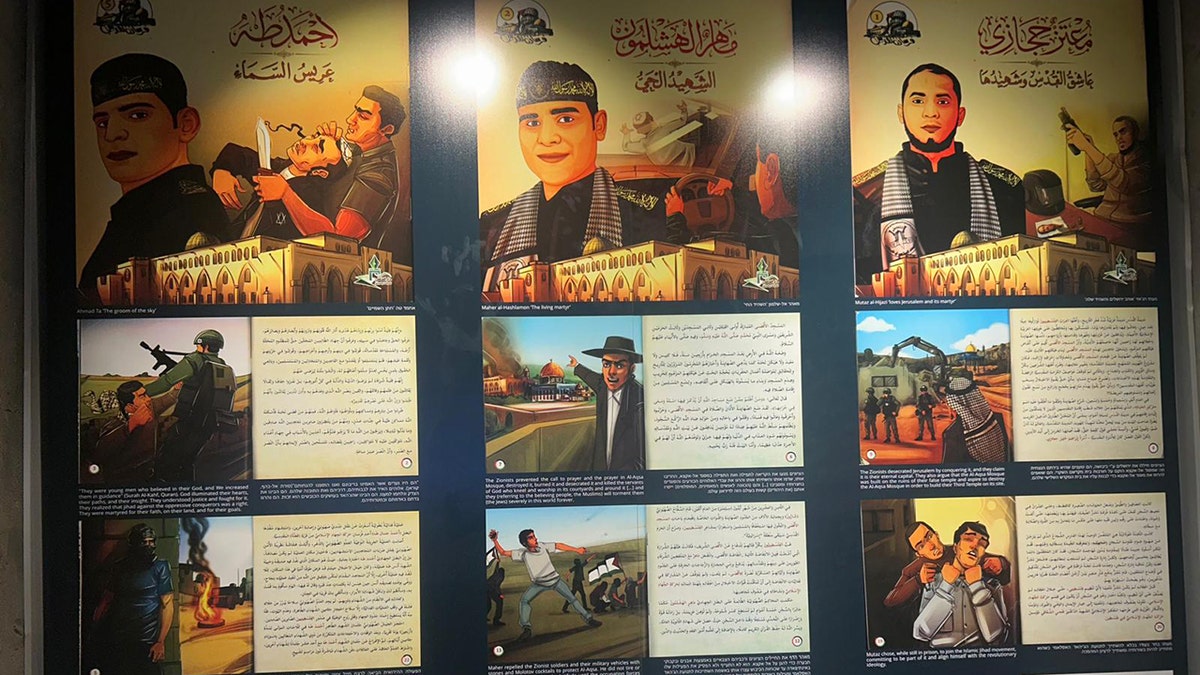
Anti-Israel and antisemitic Hamas incitement material was displayed at the ‘Return to October’ exhibition in Israel. (Amelie Botbol for Fox News Digital)
The exhibition’s first room features a map marking 114 points where terrorists breached the border into Israel on Oct. 7. Red circles identify the communities that were attacked, while a dotted red line traces where the attackers were ultimately stopped. According to the exhibition, about 4,300 Hamas, Palestinian Islamic Jihad and other terrorist operatives entered Israel at the start of the assault, followed by another 1,500 to 1,700 Gazans described as «uninvolved civilians.»
Displayed in the room are Egyptian, North Korean, Russian, Chinese and Iranian-made weapons, alongside arms supplied to Hamas by Hezbollah.
The tour guide Eyal, whose last name could not be disclosed, displayed a kidnapping kit containing handcuffs, electric shock devices and syringes intended to sedate hostages, alongside what he described as a «spiritual kit» containing a miniature Quran and a fatwa, or religious ruling, calling for the killing of Israelis.
TRUMP ADMINISTRATION PROBES UNRWA OVER ALLEGED EMPLOYMENT OF 1,500 TERRORISTS
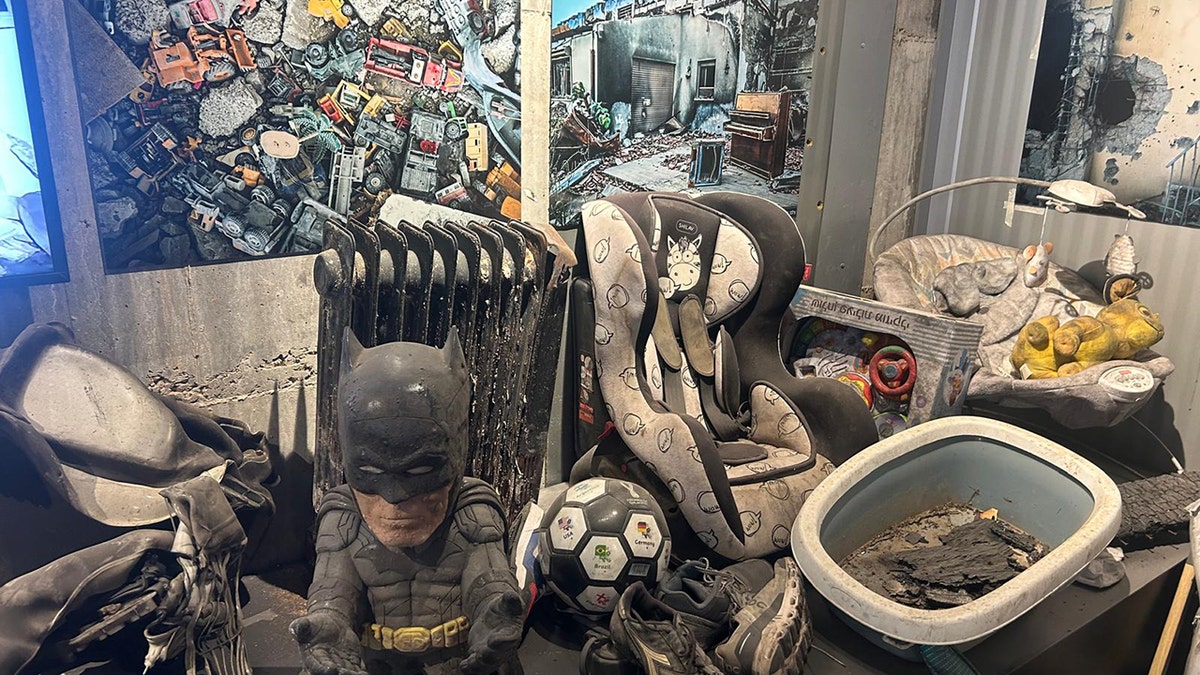
Personal belongings recovered from Israeli homes burned by Hamas terrorists during the Oct. 7, 2023, attack are displayed at the ‘Return to October’ exhibition in Israel. (Amelie Botbol for Fox News Digital)
Another display features military gear belonging to former Hamas leader Yahya Sinwar, as well as a handwritten document recovered by the IDF from the European Hospital in Gaza.
«Here, he instructs Hamas terrorists to attack the Zionists, burn villages, kill and kidnap people, humiliate soldiers, and document everything using GoPro cameras for social media,» Eyal said.
The document also states that Sinwar hoped Iran, the Houthis, Hezbollah, Arabs in Judea and Samaria, and Arab citizens of Israel would join the assault.
Also on display are aerial photographs that Hamas used to map Kibbutz Be’eri, identifying individual homes, the armory and the security chief’s residence; an operational plan dated Oct. 6 that was shared only with Hamas commanders to prevent leaks; and a booklet translating Arabic phrases into Hebrew.
The exhibition also highlights Hamas education and incitement. Shelves display books recovered from Gaza, including copies of Mein Kampf found in schools, while photographs show children posing with weapons after attending Hamas summer camps.
«It begins in childhood,» Eyal told Fox News Digital.
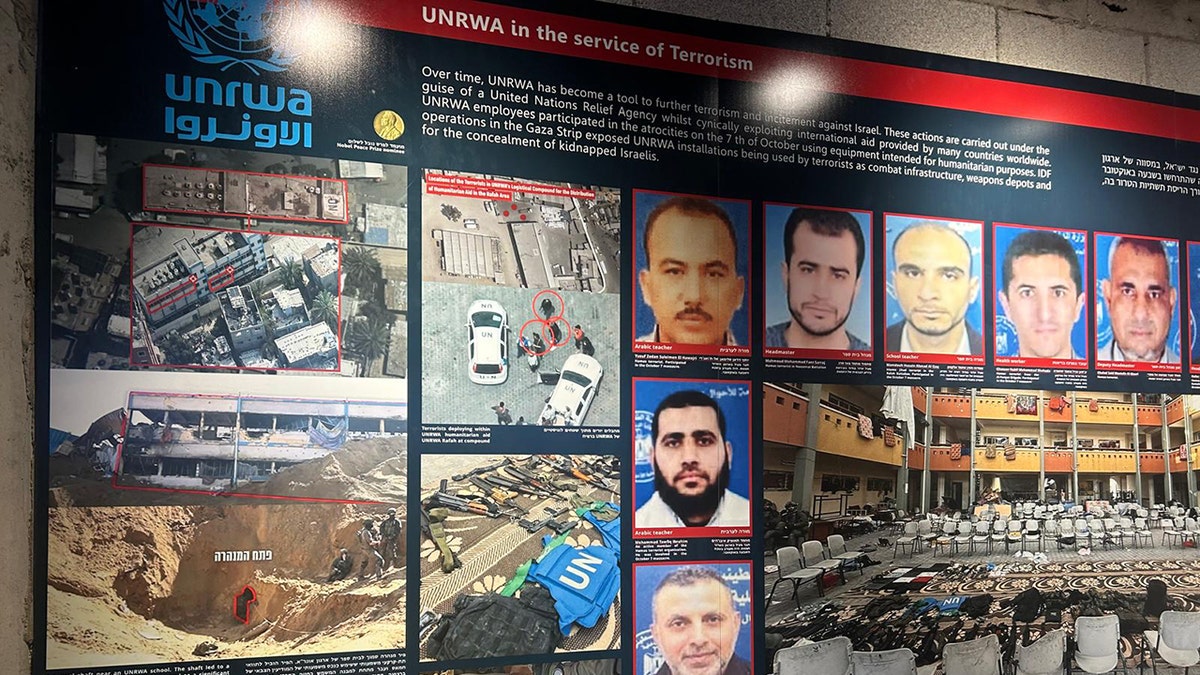
Displays featuring what organizers say are UNRWA facilities and personnel involved in terrorist activities were shown at the ‘Return to October’ exhibition in Israel. (Amelie Botbol for Fox News Digital)
Another room focuses on Hamas’s exploitation of journalists and UNRWA for terrorist purposes, featuring displays that organizers say show 60% of reporters killed in Gaza were Hamas members or affiliated with the organization, a photograph of a UNRWA school allegedly used as a combat headquarters, and a map of Israel labeling towns and cities with Arabic names.
A garage-like room displays a white Toyota pickup truck and motorcycles used in the terror assault.
«We found that 153 pickup trucks and 350 motorcycles entered Israel that day. Many of these Toyotas were imported into Gaza through Ashdod Port in Israel,» Eyal said.
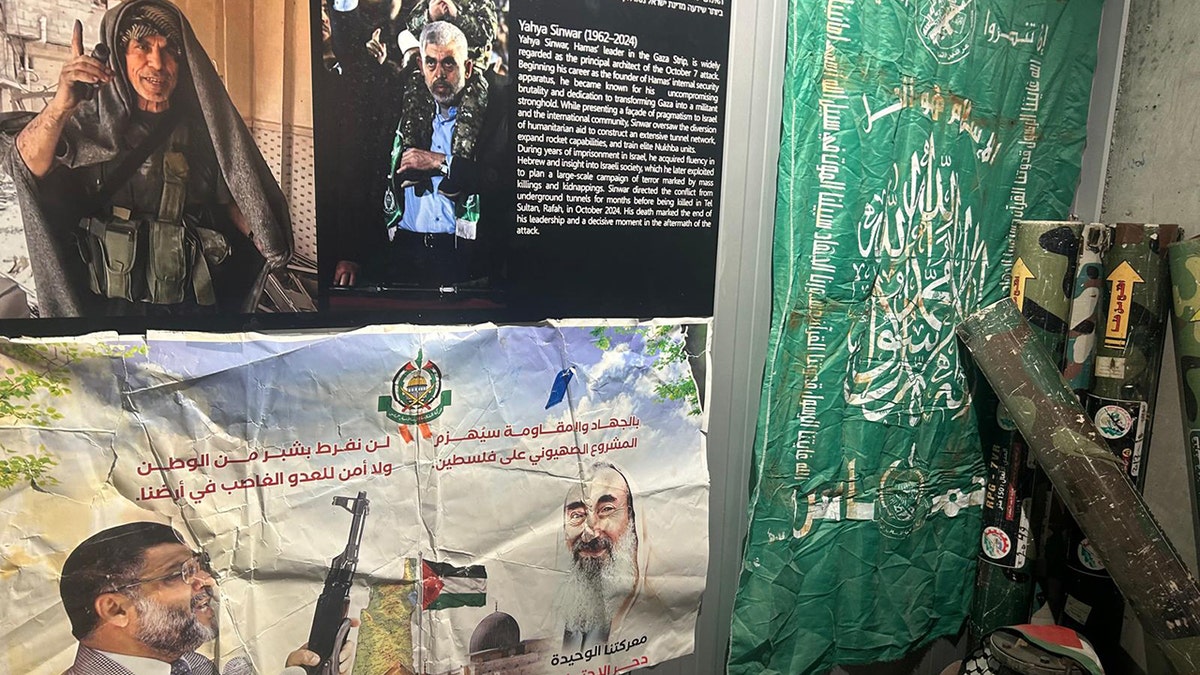
Military equipment displayed at the exhibition that organizers say belonged to former Hamas leader Yahya Sinwar was shown at the ‘Return to October’ exhibition in Israel. (Amelie Botbol for Fox News Digital.)
Another room shows excerpts from the IDF’s 47-minute compilation of raw footage from the attacks. Many journalists chose not to watch because of the graphic content, while some who remained in the room left in tears.
Toward the end, a corridor displays the names and photographs, in alphabetical order, of the 1,224 people killed during the attacks, including soldiers, police officers, civilians, Jews, Arabs, Christians, and Druze.
CLICK HERE TO DOWNLOAD THE FOX NEWS APP
«When we fail in our mission, this is the situation we arrive at,» Eyal said.
The final room features footage of Israeli hostages reuniting with their families and concludes with an optimistic painting depicting a flourishing southern Israel.
anti semitism, iran, war with iran, terrorism, israel

El cese del máximo general de Ucrania marca el fin de una era

Con nuevos dueños, La Suipachense reactivó empleos, relanza productos y apunta a exportar

Cuti Romero, con un pie afuera del Tottenham mientras dos gigantes de Europa lo tienen en la mira

El Gobierno traspasa a Santa Fe el manejo de una ruta nacional estratégica

Trump warns Houthis after shipping blockade threat: ‘We take care of things’

Tensión en el Puente Pueyrredón: manifestantes quemaron neumáticos y estan frente a frente con la policía

Sin la Copa y sin Messi en el avión, vuelve Tapia y deberá enfrentar tres frentes de tormenta tras la pausa del Mundial

Le ganan a la inflación: los senadores pasarán a cobrar $12 millones brutos a partir de agosto

Escándalo Mundial: Las presiones secretas, la amenaza de la FIFA por Malvinas y la verdad detrás del partido contra España

Samuel L. Jackson llamó a Argentina “el país más racista del mundo”: la contundente respuesta que le dejó Bárbara Lombardo

 POLITICA2 días ago
Sin la Copa y sin Messi en el avión, vuelve Tapia y deberá enfrentar tres frentes de tormenta tras la pausa del Mundial
- POLITICA2 días ago
Le ganan a la inflación: los senadores pasarán a cobrar $12 millones brutos a partir de agosto
- DEPORTE12 horas ago
Escándalo Mundial: Las presiones secretas, la amenaza de la FIFA por Malvinas y la verdad detrás del partido contra España