INTERNACIONAL
La guerra con Ucrania: la escasez de naftas pone a Vladimir Putin ante una inédita crisis interna


La escasez de combustible es un nuevo desafío político para el presidente Vladimir Putin ya que la implacable campaña de drones ucranianos contra las refinerías de petróleo de Rusia ha hecho que la guerra se convierta en un asunto de interés para la mayoría de los rusos de a pie.
Las colas en las estaciones de servicio son cada vez más largas, al igual que la frustración y la incertidumbre, ya que varios meses de ataques ucranianos han incendiado refinerías de petróleo y han interrumpido el suministro para los automovilistas en todo el vasto país.
Kiev ha logrado golpear e incendiar refinerías en lugares tan lejanos como Tiumén, a 1930 kilómetros de distancia en Siberia, y en la región de Moscú destruyó la principal planta, el punto de inflexión de la crisis actual. Según The Wall Street Journal, Sergey Vakulenko, exjefe de estrategia de Gazprom Neft, estima que el 28% de la capacidad de refinación de Rusia estaba inactiva.
Algo similar dijo a la agencia Associated Press Chris Wwafer, director ejecutivo de la consultora Macro-Advisory Ltd. “Un tercio de la capacidad de refinación de petróleo de Rusia está fuera de servicio”, aclarando que las refinerías no confirman públicamente el alcance de los daños.
Pero, pese a ese silencio, lo cierto es que, por primera vez en décadas, Rusia planea comenzar a importar gas, declaró el martes el portavoz del Kremlin, Dmitry Peskov. El domingo pasado, Putin admitió que estaba considerando prohibir también la exportación de diésel.
En muchas regiones se ha implementado el racionamiento de combustible, con largas filas de autos que se extienden durante horas a lo largo de las carreteras. Videos en redes sociales muestran a conductores atónitos ante las largas filas o maldiciendo por los surtidores vacíos y el aumento de los precios. El alcalde de la ciudad siberiana de Irkutsk incluso ordenó la instalación de baños portátiles para quienes esperaban en la fila.
La crisis del combustible, sin precedentes para una nación que es uno de los mayores productores de energía del mundo, ha hecho que la invasión a gran escala de Ucrania por parte de Moscú sea más palpable para los ciudadanos rusos de a pie que pocos otros acontecimientos en la guerra, que ya lleva cinco años de duración.
Esto provocó una inusual admisión por parte de Putin , quien reconoció que “persisten los problemas tanto para los automovilistas como para las empresas” y que “todavía hay colas en las gasolineras y no siempre es fácil encontrar el tipo de gasolina adecuado”. Insistió en que la escasez “no es crítica” y es “temporal”. Pero esas palabras no parecen tranquilizar a los automovilistas que hacen colas, según se aprecia en videos difundidos fuera de los canales estatales de difusión. “En la televisión dicen una cosa, y en la realidad es otra. … Hay colas por todas partes”, comentó un conductor, negándose a revelar su nombre completo por motivos de seguridad.
El presidente ucraniano, Volodimir Zelenski se hizo eco el lunes de ese sentimiento, escribiendo en Telegram que “Putin puede seguir afirmando en TV que supuestamente tiene todo bajo control”.
Pero los rusos pueden ver que la guerra “ha llegado al punto en que incluso un estado petrolero, una gasolinera, como se solía llamar a Rusia, ahora se enfrenta a la escasez de gas”, dijo el líder de Kiev.
Según un recuento de AP, Ucrania ha denunciado más de 50 ataques contra refinerías de petróleo, depósitos, terminales y otras infraestructuras energéticas en Rusia y la península de Crimea, anexionada ilegalmente, desde marzo. La cantidad de petróleo crudo que Rusia procesó para convertirlo en combustible en junio disminuyó un 25% con respecto al año anterior, hasta los 3,95 millones de barriles diarios, el nivel más bajo en más de dos décadas, según Gary Peach, analista de mercados petroleros de Energy Intelligence.
“Los cortes son extraordinarios”, comentó el experto.
Kiev describe los ataques como una campaña para presionar a Moscú a fin de que ponga fin a la guerra, socavando la logística militar y las líneas de suministro, al tiempo que lleva la guerra ante los ojos de la población rusa. Ucrania intenta además aislar Crimea, anexionada a Ucrania ilegalmente en 2014, con varios bombardeos que la han dejado sin naftas.

INTERNACIONAL
After Democrats’ shake-up, Collins faces toss-up against Platner replacement in must-win Senate race
NEWYou can now listen to Fox News articles!
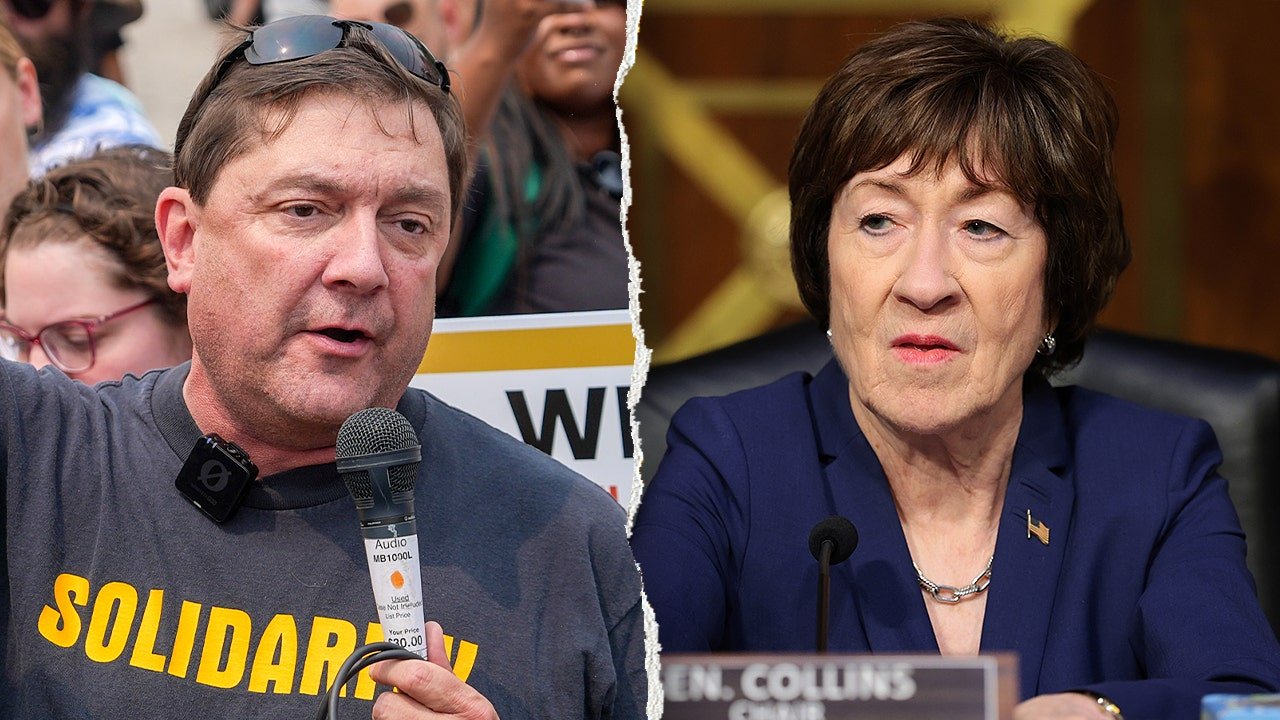
The first Fox News Power Rankings of the 2026 midterm elections and a new poll both indicate an extremely close contest between longtime Republican Sen. Susan Collins of Maine and Troy Jackson, the candidate set to replace ex-nominee Graham Platner as the Democratic challenger, in what’s expected to be a premiere Senate battleground.
The Fox News Power Rankings, which gauge the competitiveness of elections using data, reporting, and analysis, ranks the showdown in Maine as a toss-up. The midterm ballot box battle is one of roughly a dozen Senate contests that will determine if the Democrats win back the chamber or if Republicans hold onto their slim majority.
Meanwhile, a Pine Tree Poll conducted over the past seven days by the University of New Hampshire Survey Center indicates Jackson with a slight three-point edge over Collins among likely general election voters in Maine.
WHO’S UP AND WHO’S DOWN: CHECK OUT THE FOX NEWS POWER RANKINGS ON THE MIDTERM ELECTIONS
Former Maine Senate President Troy Jackson, who ran unsuccessfully for the 2026 Maine gubernatorial nomination, is on a glide path to replace ex-candidate Graham Platner as the Democratic Party’s Senate nominee. (Sophie Park / Bloomberg via Getty Images)
Jackson, a former Maine Senate president, is on a glide path to replace Platner at Saturday’s Maine Democratic Party nominating convention in Bangor, after winning the vast majority of the 500 voting delegates chosen this past weekend by Democrats in the state’s 16 counties. And most of Jackson’s top rivals for the nomination backed him after dropping out of the race on Sunday.
While the delegates on Jackson’s slate are not required to support him at the convention in Bangor, Maine, he is now considered all but certain to secure the nomination.
A fifth-generation logger and a one-time conservative Republican who became a Democrat over two decades ago, Jackson came in third place last month in Maine’s Democratic gubernatorial primary.
Platner dropped out earlier this month, amid calls from top Democrats in Maine and across the country to immediately exit the race following an explosive report containing an allegation of rape from a woman he previously dated. Platner denied the report but stepped aside.
FIVE THINGS TO KNOW ABOUT TROY JACKSON, WHO’S ABOUT TO REPLACE GRAHAM PLATNER AS THE DEMOCRATS’ SENATE NOMINEE

Then-Democratic Senate candidate Graham Platner and Troy Jackson stand together during a «Fighting Oligarchy» tour stop at the Collins Center for the Arts on the University of Maine campus in Orono, Maine, on May 24, 2026. (Joe Raedle/Getty Images)
Jackson, who had campaigned alongside Platner during the primary, quickly made the case that he was the best equipped candidate to grab the mantle of the progressive and populist movement that had backed Platner.
Along with Platner, Jackson had the support of progressive champion Sen. Bernie Sanders of Vermont as he ran for governor, and he is currently backed by Our Revolution, the group born in 2016 out of Sanders’ first presidential campaign.
Jackson, similar to Platner, is running on a platform aimed at working-class voters. He backs raising taxes on billionaires, the universal healthcare system known as «Medicare-for-all,» abolishing U.S. Immigration and Customs Enforcement, and he opposes military aid to Israel at a time that Democrats are increasingly divided on support for America’s longtime Middle East ally.
Collins, as she runs for a sixth six-year term in the Senate, is facing a rough political climate for Republicans, amid GOP President Donald Trump’s underwater approval ratings, persistent inflation and what polls indicate is an unpopular war with Iran.
DEMOCRACY ’26: STAY UP TO DATE WITH THE FOX NEWS ELECTION HUB
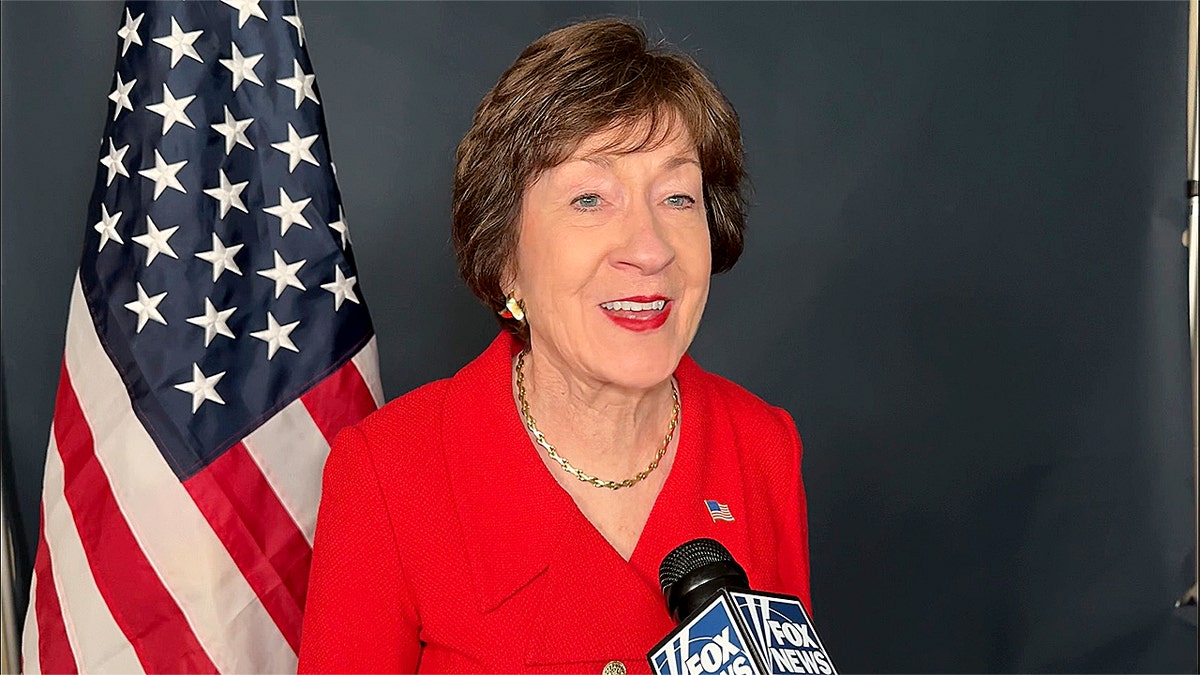
Republican Sen. Susan Collins of Maine stands for an interview with Fox News Digital, on Feb. 10, 2026 in Washington D.C. (Paul Steinhauser/Fox News)
The senator, known as a moderate Republican who at times has voted against Trump, last month received bipartisan praise after reaching a milestone by casting her 10,000th consecutive Senate vote.
But Democrats are taking aim at Collins over her comments that she didn’t regret her 2018 vote to confirm Supreme Court Justice Brett Kavanaugh, despite his crucial vote four years later to overturn the landmark Roe v. Wade abortion ruling.
And following the fatal shooting in Maine earlier this month involving Immigration and Customs Enforcement (ICE) agents, Democrats heavily criticized the Senate Appropriations Committee chair for her support for ICE funding.
But Collins has a history of defeating the Democrats’ efforts to oust her from the Senate.
Six years ago, she trailed Democratic challenger Sara Gideon, the then-Maine House speaker, but the senator ended up winning re-election by nearly 9 points.
SIGN UP TO GET THE POLITICS NEWSLETTER
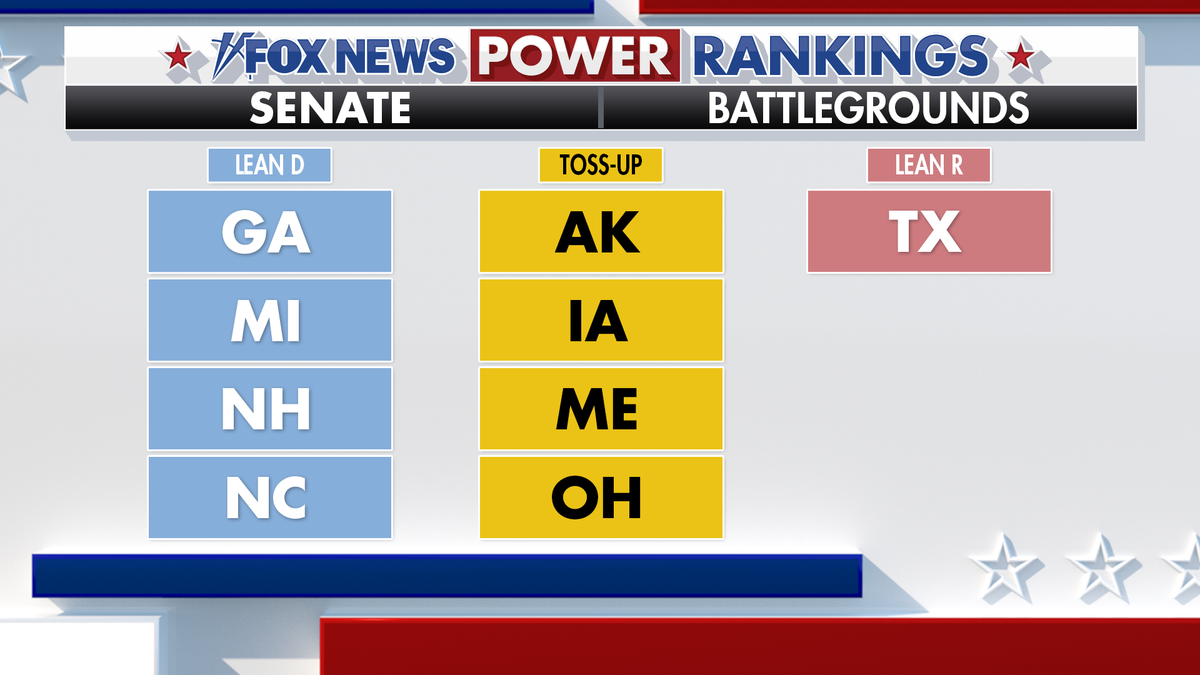
Fox News released its first Power Rankings of the 2026 midterm elections on July 21, 2026. (Fox News)
Republicans currently hold a 53-47 majority in the U.S. Senate. That means Democrats would need a net gain of four seats in the midterms to retake the majority, which they lost in the 2024 elections.
CLICK HERE TO DOWNLOAD THE FOX NEWS APP
The Senate race in Maine, along with battles for Republican-controlled Senate seats in Alaska, Iowa, and Ohio, are ranked as toss-ups in the Fox News Power Rankings.
graham platner, power rankings, midterm elections, maine, senate elections, republicans, democrats elections
INTERNACIONAL
Nacieron cuatrillizas idénticas en Australia, un caso natural considerado único en el mundo
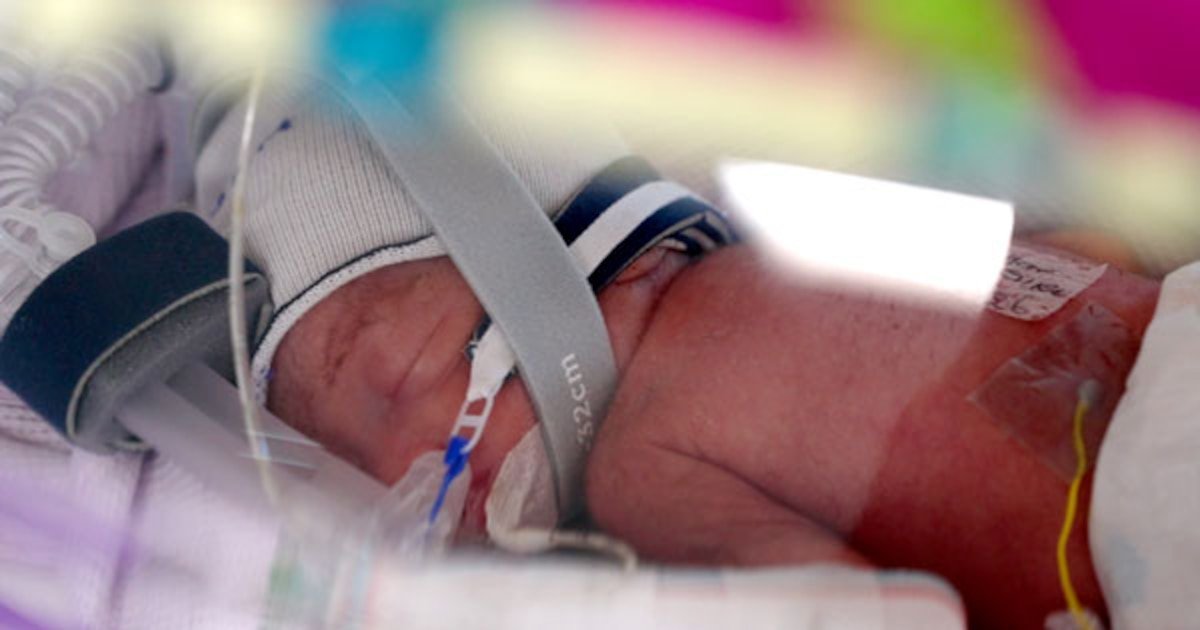
En un hospital de Brisbane, Austral el nacimiento de cuatro niñas idénticas sorprendió al personal médico y a una familia que jamás imaginó recibir una noticia tan poco habitual.
Jenitar Na’amoana, una madre australiana de 34 años, dio a luz a cuatrillizas idénticas concebidas de forma natural, una situación que ocurre, según especialistas, en apenas uno de cada 15 millones de embarazos. El parto se realizó en el Hospital Real de Brisbane y de la Mujer y marcó un hito en la medicina australiana, tanto por su rareza como por el desafío que implicó para todos los involucrados.
La historia comenzó como cualquier control de rutina, pero el asombro se apoderó de los médicos cuando descubrieron que la gestación incluía cuatro bebés. La familia Na’amoana, que ya tenía cuatro hijos de entre uno y diez años, recibió el diagnóstico con “enorme sorpresa”, según relató la propia Jenitar.
A partir de la semana 25 de embarazo, la paciente quedó internada para un monitoreo constante, ya que el caso fue catalogado como de riesgo extremadamente alto. “Siempre dijimos que si lográbamos que llegara a las 28 semanas, estaríamos haciendo un buen trabajo”, explicó la doctora Alexa Bendall, obstetra y especialista en medicina materno-fetal, a Metro North Health, la red pública que gestiona hospitales y servicios médicos en el norte de Brisbane.
Finalmente, las niñas nacieron el 14 de julio, por cesárea, cuando la gestación alcanzaba las 28 semanas y cuatro días.

No solo la cantidad de bebés sorprendió al equipo médico, sino el hecho de que fueran monocigóticas: las cuatro niñas se originaron a partir de un solo óvulo fecundado que se dividió en cuatro embriones y compartieron la misma placenta.
Esto es “algo inaudito”, en palabras de la doctora Bendall, quien acompañó a Jenitar desde el inicio del embarazo. La probabilidad de que se presente un embarazo de cuatrillizas idénticas concebidas de forma natural es de una en 15 millones de casos.
En términos simples, un embarazo monocigótico ocurre cuando un solo óvulo se divide varias veces tras la fecundación, dando lugar a bebés genéticamente idénticos. La situación de que sean cuatro y compartan la misma placenta añade un nivel de rareza extraordinario.
Las recién nacidas recibieron los nombres de Emily, Harriet, Catherine y Alexa. Este último, en homenaje a la médica que lideró el seguimiento del embarazo y el parto, un gesto que la profesional calificó como “un hermoso homenaje”.

La llegada de las cuatrillizas elevó a ocho el número de hijos de la familia Na’amoana. El propio hospital destacó que la madre “ha evitado todas las complicaciones y riesgos tanto para ella como para sus bebés”, algo que los especialistas consideran casi milagroso dadas las condiciones del caso.
Cuidar a cuatro recién nacidas al mismo tiempo requiere no solo de un esfuerzo físico y emocional, sino también de recursos materiales. Ante esta nueva realidad, Jenitar Na’amoana inició una campaña de recaudación de fondos con el objetivo de adquirir una furgoneta de al menos diez asientos. En el mensaje de la campaña, la madre expresó: “Nuestros cuatro preciosos milagros han llegado sanos y salvos, y aunque nuestros corazones rebosan de gratitud, la realidad de cuidar a cuatro recién nacidas a la vez nos ha traído desafíos que nunca hubiéramos imaginado”. La iniciativa ya recaudó más de US$25.000.
Tras el nacimiento, las niñas permanecen en la unidad de cuidados intensivos neonatales del Hospital Real de Brisbane y de la Mujer. Allí, el equipo médico monitorea su evolución hasta que alcancen el desarrollo necesario para recibir el alta. “El hecho de que hayamos tenido cuatro bebés preciosas y sanas nacidas a las 28 semanas y cuatro días es increíble y estamos muy contentos de formar parte de ello”, expresó la doctora Bendall.
Los nacimientos de cuatrillizos de forma natural son extremadamente poco frecuentes, con una probabilidad de aproximadamente una entre 700.000. Que, además, sean idénticos y compartan la misma placenta constituye una rareza aún mayor. El caso australiano no solo sorprendió a la familia Na’amoana, sino que se convirtió en referencia para la medicina global.
“Cada día que nuestros bebés milagro crecen fuertes es otra oración respondida”, compartió Jenitar Na’amoana en sus redes sociales junto a imágenes de las pequeñas. Su testimonio simboliza la combinación de ciencia y esperanza ante un fenómeno estadísticamente improbable.
Iran’s ‘CRITICAL’ oil blockade: Red Sea CHAOS, crude PRICE SHOCK
Dagen McDowell highlights how Iran’s financial support of terror proxies, including the Houthis in Yemen, has led to a maritime embargo against Saudi Arabia. This significant escalation in the Middle East jeopardizes critical oil shipping lanes in the Red Sea, causing global investors to remain on high alert due to potential economic repercussions.
NEWYou can now listen to Fox News articles!
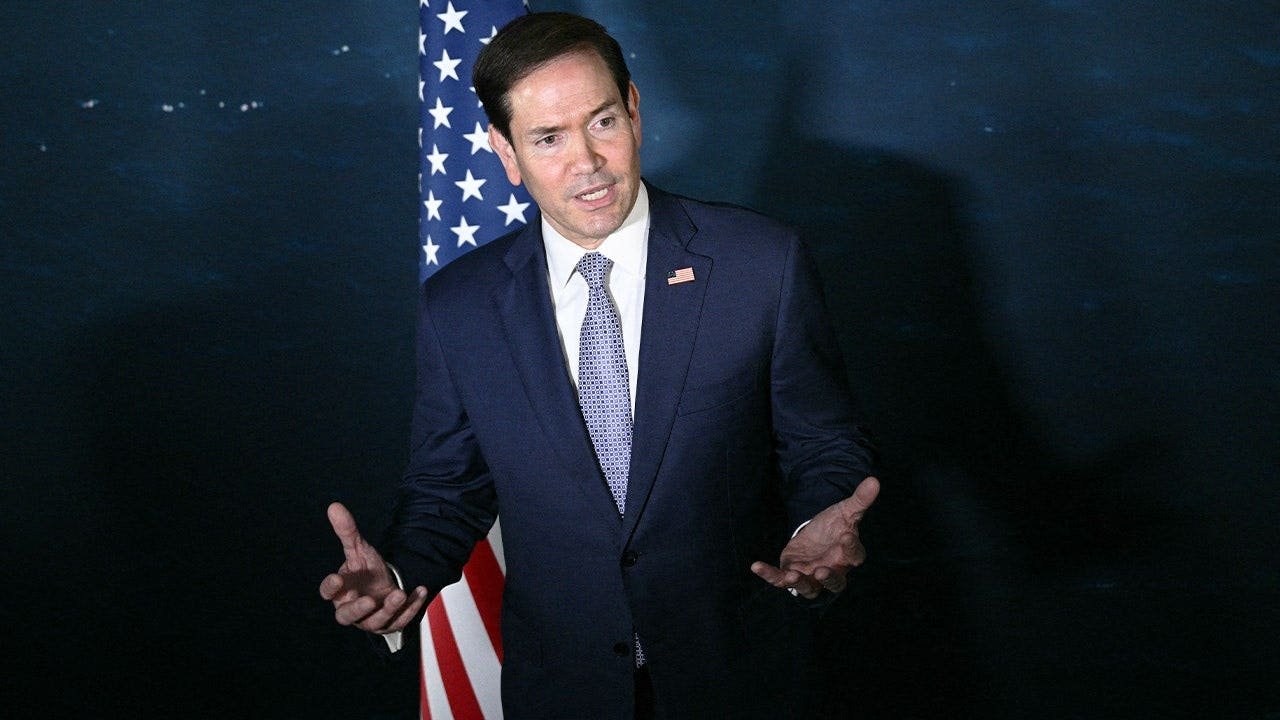
Secretary of State Marco Rubio accused Iran on Wednesday of flying members of its Islamic Revolutionary Guard Corps into Yemen, saying Tehran’s actions helped ignite a renewed confrontation between Saudi Arabia and the Iran-backed Houthi rebels.
«They decided to send direct flights from Tehran into Yemen, carrying IRGC elements and others into the country,» Rubio told reporters. «And the Saudis responded to it.»
Rubio did not identify the flights, specify how many IRGC personnel were allegedly transported or provide evidence supporting the allegation.
RUBIO SAYS US REMAINS OPEN TO IRAN TALKS BUT WARNS THERE ‘WILL BE CONSEQUENCES’
U.S. Secretary of State Marco Rubio speaks during a press conference on the sidelines of the Association of Southeast Asian Nations (ASEAN) Foreign Ministers’ Meeting in Pasay, Metro Manila on July 22, 2026. (Brendan SMIALOWSKI / POOL / AFP via Getty Images)
He made the remarks while attending an annual gathering of Association of Southeast Asian Nations foreign ministers in Manila, Philippines, where the U.S.-Iran conflict and threats to international shipping were among the central security concerns.
The Houthis have declared a blockade targeting Saudi-linked vessels in the Bab el-Mandeb Strait, threatening to widen the conflict and disrupt another critical global trade route.
The rebels say they are targeting ships connected to Saudi Arabia or traveling to and from the kingdom’s Red Sea ports in retaliation for Saudi restrictions on Yemen and a recent attack on the airport in the Houthi-controlled capital of Sanaa.
IRAN-BACKED TERROR PROXY HOUTHIS THREATEN FRESH ATTACKS AFTER YEMEN AIRPORT STRIKE
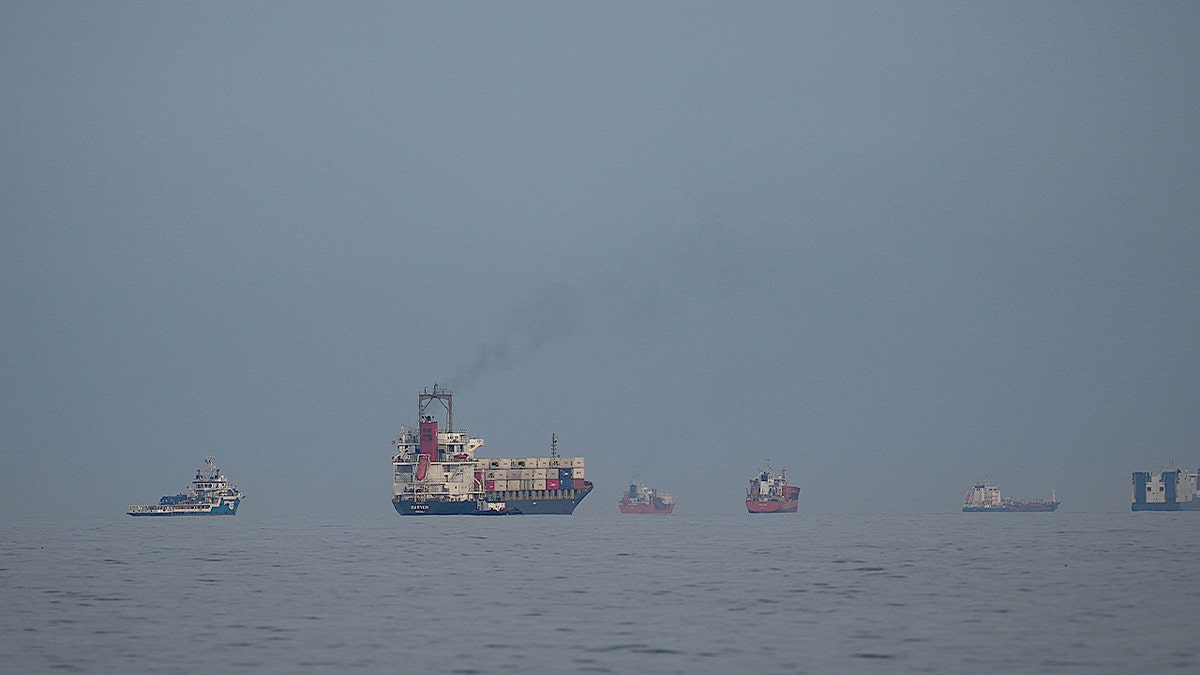
Oil tankers and cargo ships line up in the Strait of Hormuz as seen from Khor Fakkan, United Arab Emirates, Wednesday, March 11, 2026. (AP Photo/Altaf Qadri)
The Houthis blamed Saudi Arabia for the airport attack, which they said was intended to stop a flight carrying Houthi leaders home from Iran. Rubio disputed that account and alleged that Tehran was using direct flights to transport IRGC personnel and others into Yemen.
The Houthis later launched missiles and drones at Saudi Arabia’s Abha International Airport, marking one of the most serious confrontations between the two sides in years.
Rubio said U.S. officials had spoken repeatedly with Saudi officials during the past week about the Houthi threat.
IRAN CALLS ON HOUTHIS TO PREPARE TO CUT OFF RED SEA GATEWAY — CAN THE TERROR GROUP DO IT?
«Anything that restricts shipping through the Red Sea would be problematic for the same reasons that the Strait of Hormuz is problematic,» Rubio said. «So we’re watching that closely.»
Saudi Arabia’s military has vowed to keep Bab el-Mandeb open and respond firmly to Houthi threats against commercial vessels using the waterway.
The narrow strait connects the Red Sea to the Gulf of Aden and serves as a major shipping corridor linking Europe and Asia through the Suez Canal. Around 12% of global trade and roughly one-quarter of worldwide container traffic normally pass through the route.
Its importance has grown as the U.S.-Iran conflict has sharply curtailed shipping through the Strait of Hormuz. Saudi Arabia has increasingly relied on Red Sea export routes to transport oil to international markets.
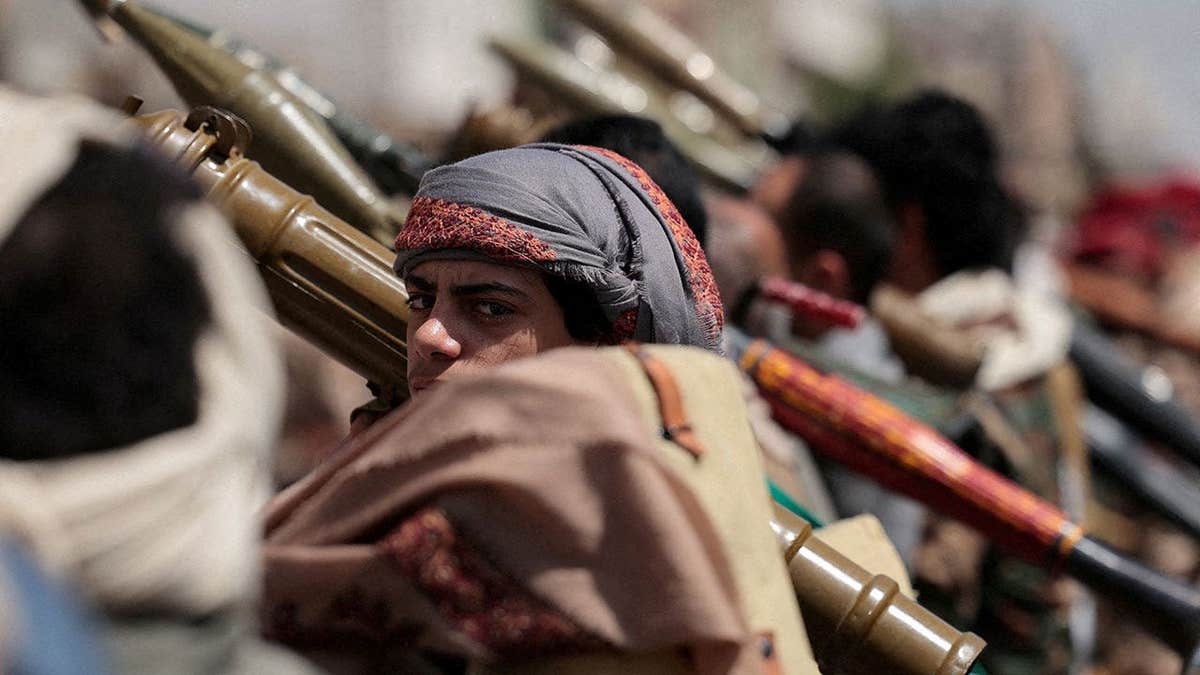
A Houthi follower looks on, during a pro-Iran demonstration, as the U.S.-Israel conflict with Iran continues, in Sanaa, Yemen April 6, 2026. (Khaled Abdullah/Reuters)
The Houthi-run SABA news agency claimed six vessels had altered course after receiving warnings from the group, a claim that could not be independently verified.
The Houthis say the blockade is limited to Saudi-linked shipping. During their earlier campaign connected to the war in Gaza, however, the rebels attacked more than 100 vessels, including ships with little or no apparent connection to Israel.
President Donald Trump said Tuesday that the latest Houthi threat had not materialized.
«So far, it hasn’t happened,» Trump told reporters. «I think that if there is something like that, we’ll just have to take care of business.»
Rubio’s accusation came as the U.S. military carried out an 11th consecutive night of strikes against targets in Iran. U.S. Central Command said the latest targets included aircraft hangars and drone storage sites.
Speaking to Southeast Asian leaders, Rubio also warned that allowing Iran to control the Strait of Hormuz, collect tolls and attack ships that refused to comply would set a dangerous precedent for international waterways around the world.
«If we create a precedent in the Middle East where a nation state can decide that they are going to control an international waterway, charge a toll and, if you don’t pay them, blow up your ships, we have created a very dangerous precedent which will repeat itself in other parts of the world, including in this region,» Rubio said.
CLICK HERE TO DOWNLOAD THE FOX NEWS APP
Rubio said Iran’s support for the Houthis reflects a broader pattern of backing armed groups across the Middle East.
«The Houthis, Hezbollah, the militias in Iraq, Hamas — this is what Iran spends its money on,» Rubio said. «It’s not on its people. It’s on supporting terrorist organizations and destabilizing actors in the region.»
war with iran, marco rubio, iran, saudi arabia, world

Vandalizaron un mural de Ferran Torres, el verdugo de Argentina en la final del Mundial

El Gobierno evalúa que los extranjeros paguen un arancel por salud y educación tras las críticas por el Mundial de fútbol

A cuánto llegaría la pobreza en CABA si se incluyera el costo del alquiler en las mediciones

Femicidio en Córdoba: qué reveló la autopsia de la mujer asesinada por su ex pareja

Chiqui Tapia y otros dirigentes de la AFA fueron citados a declarar por la Justicia de EE.UU. la próxima semana

After Democrats’ shake-up, Collins faces toss-up against Platner replacement in must-win Senate race

Sin la Copa y sin Messi en el avión, vuelve Tapia y deberá enfrentar tres frentes de tormenta tras la pausa del Mundial

Le ganan a la inflación: los senadores pasarán a cobrar $12 millones brutos a partir de agosto

Escándalo Mundial: Las presiones secretas, la amenaza de la FIFA por Malvinas y la verdad detrás del partido contra España

Samuel L. Jackson llamó a Argentina “el país más racista del mundo”: la contundente respuesta que le dejó Bárbara Lombardo

 POLITICA2 días ago
Sin la Copa y sin Messi en el avión, vuelve Tapia y deberá enfrentar tres frentes de tormenta tras la pausa del Mundial
- POLITICA2 días ago
Le ganan a la inflación: los senadores pasarán a cobrar $12 millones brutos a partir de agosto
- DEPORTE15 horas ago
Escándalo Mundial: Las presiones secretas, la amenaza de la FIFA por Malvinas y la verdad detrás del partido contra España