INTERNACIONAL
La vida de Juan Gerardi inicia en Ciudad de Guatemala y se abre camino en la Iglesia

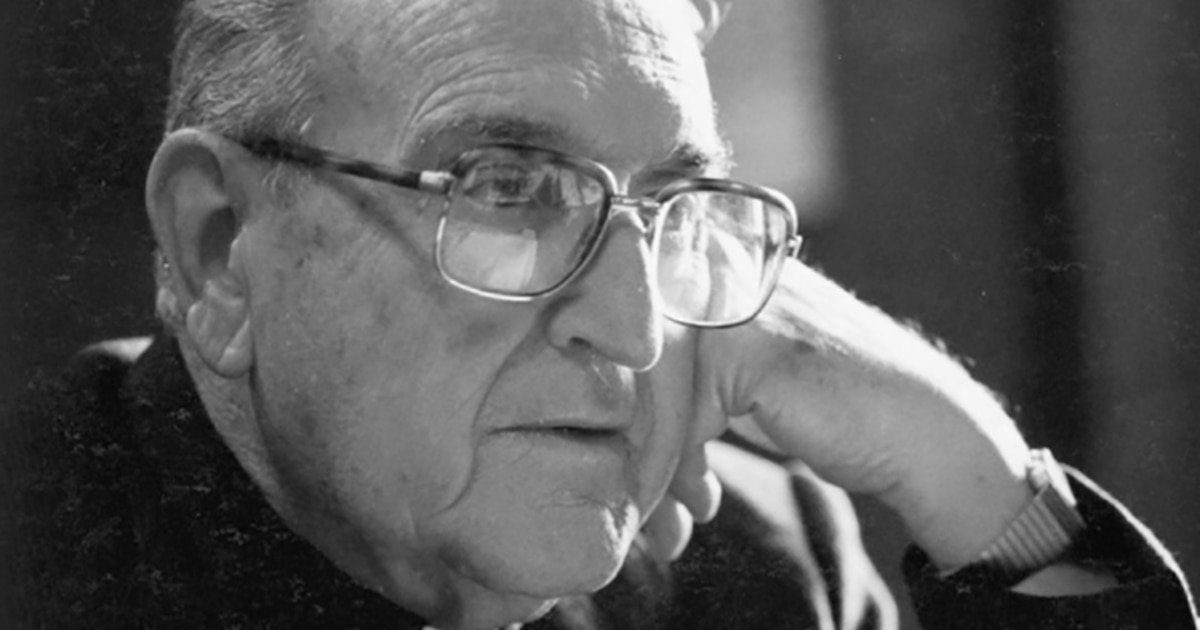
El 27 de diciembre de 1922, Juan Gerardi nació en Ciudad de Guatemala. Tras completar sus estudios en humanidades y filosofía en el Seminario Conciliar, viajó a Estados Unidos para formarse en Teología en el Notre Dame Seminary de Nueva Orleans. Fue ordenado sacerdote el 21 de diciembre de 1946 en la Catedral Metropolitana de la ciudad de Guatemala.
Tras ejercer como párroco y capellán en diferentes localidades del país, el 9 de mayo de 1967, el Papa Pablo VI lo designó Obispo de la Diócesis de La Verapaz, con consagración realizada el 30 de julio de ese año. Su lema episcopal fue: “Constituido al servicio de Dios a favor de todos”. Tomó posesión de la diócesis el 11 de agosto de 1967 y, en septiembre de 1974, fue electo como tercer Obispo de la Diócesis de Santa Cruz del Quiché.
A partir de 1972, la Conferencia Episcopal de Guatemala (CEG) lo seleccionó como Presidente por dos periodos consecutivos (1972–1974 y 1974–1976), y más tarde repitió el cargo entre 1980 y 1982. Debido a su exilio, dejó el puesto en ese último periodo. En 1974, la CEG lo nombró delegado al Sínodo de los Obispos en Roma, reunión centrada en la evangelización.
La familia de Gerardi estuvo compuesta por Don Manuel Benito Gerardi, Doña Laura Conedera Polanco de Gerardi y tres hermanos: Francisco, María Teresa y María del Carmen.
Realizó su educación inicial en el Asilo Santa María de la ciudad de Guatemala, dirigido por las Hijas de la Caridad de San Vicente de Paúl. Ejerció distintos cargos pastorales, incluyendo el de párroco en Mataquescuintla (1948–1951), Tecpán (1951–1955), Patzicía, Chimaltenango (1954–1955), San Pedro Sacatepéquez (1955–1956) y Palencia (1956–1959). Desarrolló funciones en la Curia hasta 1967, donde fue Capellán, Consiliario de Cursillos de Cristiandad y Párroco de Candelaria.

En Guatemala, Juan Gerardi, obispo y defensor de los derechos humanos, desempeñó un papel clave en la transición de la Iglesia local durante el periodo posterior a las dictaduras liberales, apostando por una Iglesia comprometida con los más pobres y con la reconciliación nacional.
Su trayectoria se caracteriza por un enfoque persistente en la denuncia de las violaciones a los derechos humanos y en la promoción de la justicia social, un compromiso que definió las últimas décadas de la historia guatemalteca y que, al día de hoy, continúa marcando la memoria colectiva.
La Oficina de Derechos Humanos del Arzobispado, fundada en 1989 bajo la coordinación de Gerardi, se convirtió en un referente en la defensa de las víctimas de la violencia en Guatemala. Este organismo impulsó durante varios años denuncias internacionales ante la Comisión de Derechos Humanos de las Naciones Unidas en Ginebra, Suiza.
Cada viaje representaba un acto de confrontación ante sectores reacios dentro del propio país, enfrentando críticas y amenazas persistentes, según lo documentado en el análisis histórico.
La participación de Gerardi en la III ª Conferencia General del Episcopado Latinoamericano, realizada en Puebla de los Ángeles, México, entre el 28 de enero y el 13 de febrero de 1979, consolidó su adhesión a la “opción preferencial por los pobres”, promovida entonces como principio fundamental de la Iglesia latinoamericana.
Este compromiso, asumido no por razones ideológicas, sino por convicción evangélica, definió su accionar pastoral en regiones emblemáticas como La Verapaz y El Quiché, y orientó su intervención en procesos críticos como la firma de los Acuerdos de Esquipulas II en agosto de 1987 y la posterior conformación de la Comisión Nacional de Reconciliación.
Gerardi tuvo un rol destacado en la elaboración de documentos clave de la Conferencia Episcopal de Guatemala (CEG), centrados en la defensa de la justicia y en la construcción de la paz.
Fue protagonista en la búsqueda de una gran comunidad de pueblos reconciliados, siempre desde su identidad como hombre de Iglesia y lejos de toda ambigüedad política.
A pesar de las acusaciones de que su activismo lo acercaba a la política, los registros muestran que nunca transigió con la corrupción ni con los poderes partidarios.

Los testimonios recogidos describen a Gerardi como un “pastor bueno y fiel”, que buscó superar divisiones y promover el entendimiento entre comunidades fragmentadas por la violencia.
Se destacó por su capacidad de escucha, una actitud poco común en contextos marcados por la urgencia de imponer opiniones. A diferencia de los intelectuales dedicados a la investigación, su diligencia residía en la atención permanente al otro y en el discernimiento práctico en situaciones complejas.
La figura de Gerardi se asienta también en su perfil intelectual: poseía una biblioteca diversa y bien provista, donde la Teología, la filosofía, la historia y la doctrina social de la Iglesia ocupaban un lugar central. Solía subrayar pasajes y hacer anotaciones intensas, señalando así las ideas y expresiones que más lo interpelaban desde el estudio y la praxis.
Su vida estuvo marcada por un ministerio cargado de dificultades y aprendizaje a través del dolor, especialmente durante los años como obispo en El Quiché y en el exilio.
A pesar de las adversidades, consolidó una profunda riqueza interior, forjada “a golpes de realidades duras y complejas”. Mantener el equilibrio interior se volvió una característica suya: la serenidad informaba el tono de sus afirmaciones y transmitía objetividad, aunque esa misma calma provocara impaciencia o incomprensión en su entorno.
El ámbito más delicado de su legado fue la defensa incondicional del derecho a la vida como “supremo don de Dios”, junto con los derechos sociales y económicos, principios por los que reclamaba justicia para los sectores vulnerables. La fuerza de su mensaje reside en la coherencia entre palabra y acción, una convicción evocada en una de sus intervenciones más citadas: “Si el pobre está fuera de nuestra vida, entonces quizás, Jesús está fuera de nuestra vida”.
La intervención directa de Gerardi en las negociaciones de paz posteriores a los Acuerdos de Esquipulas II, junto con su presencia en la Comisión Nacional de Reconciliación bajo la presidencia de Rodolfo Quezada, lo situó en el centro de los debates sobre el futuro político y social de Guatemala.
Su rol consistió tanto en la gestión de encuentros como en la redacción de textos fundamentales que guiaron el posicionamiento de la Iglesia frente a los retos de la transición democrática.
Estos antecedentes, menos visibles que las acciones de denuncia pública, permiten reconstruir su influencia sostenida en la reconstrucción del tejido social guatemalteco durante las últimas décadas del siglo XX.
En el plano personal, mantuvo relaciones de diálogo permanente sin sectarismos ni preferencias, guardando en su corazón tanto convicciones como dudas y aprendiendo de los golpes de la realidad.
Su serenidad y sentido de la justicia, junto a su adhesión al valor del otro y al respeto de la libertad, sostuvieron la proyección de su figura más allá de la frontera eclesiástica, haciendo de Juan Gerardi un referente ético y espiritual en la historia contemporánea de Guatemala.
Juan José Gerardi,Papa Juan Pablo II,Guatemala,Vaticano,Iglesia,catolicismo,obispo,Papa,clero,aniversario








INTERNACIONAL
La OTAN inaugura en Ankara una cumbre para exhibir el aumento del gasto militar y contener las críticas de Donald Trump
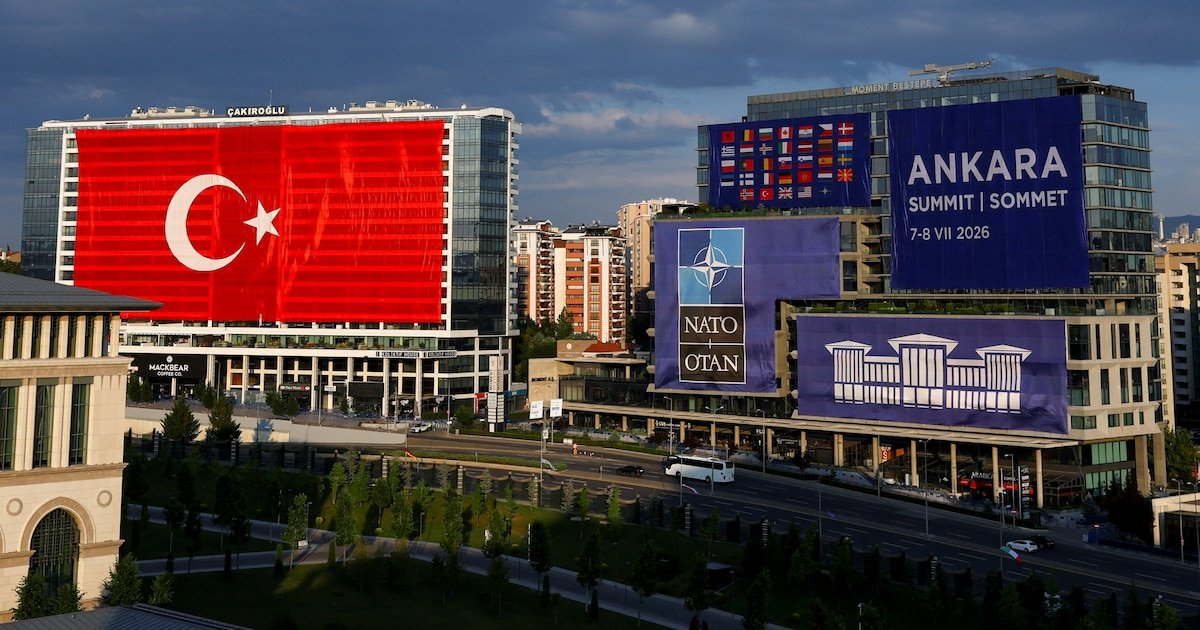
La OTAN abrirá este martes una cumbre de dos días en Ankara con la intención de exhibir el incremento del gasto en defensa de sus miembros y contener las críticas del presidente de Estados Unidos, Donald Trump, quien cuestionó a los aliados europeos por su respuesta durante la guerra contra Irán y volvió a reclamar un mayor compromiso con la seguridad colectiva.
La reunión, que se desarrollará en el palacio presidencial de la capital turca, tendrá lugar un año después de que los países de la Alianza Atlántica asumieran el compromiso de elevar el gasto en defensa hasta el 5% del Producto Interno Bruto (PBI), una meta impulsada por Trump durante las negociaciones con los socios europeos.
El secretario general de la OTAN, Mark Rutte, sostuvo que los países europeos cumplieron con los compromisos asumidos y reforzaron sus presupuestos militares, además de asumir una mayor responsabilidad en la defensa del continente frente a Rusia.
“Apenas un año después, ya vemos un avance transformador”, declaró Rutte ante periodistas en Ankara, en la víspera del inicio de la cumbre.
Trump viajó desde Washington acompañado por el secretario de Estado, Marco Rubio, y el secretario de Defensa, Pete Hegseth, para participar de un encuentro que buscará mostrar cohesión dentro de la alianza pese a las diferencias surgidas durante las últimas semanas.

Como parte de las actividades previas a la cumbre, varios gobernantes presentarán este martes acuerdos para la compra de armamento por miles de millones de dólares con el objetivo de demostrar que avanzan en el incremento del gasto militar comprometido por la OTAN.
Sin embargo, el mandatario estadounidense expresó su malestar por la postura de varios aliados europeos durante el conflicto con Irán. Trump criticó que algunos países impidieran a las fuerzas estadounidenses utilizar sus bases militares para las operaciones contra territorio iraní.
“Es ridículo que Estados Unidos continúe por este sendero unilateral cuando la relación es recíproca. ¡Ellos no nos apoyaron!”, publicó Trump en su plataforma Truth Social al referirse a la falta de respaldo europeo durante la guerra en Medio Oriente.
Las capitales europeas buscarán evitar que esas diferencias deriven en una nueva crisis dentro de la OTAN y afecten la credibilidad de la organización.
Fuentes diplomáticas citadas por AFP consideran que la buena relación entre Trump y el presidente de Turquía, Recep Tayyip Erdogan, puede contribuir a reducir las tensiones durante el encuentro.
Al mismo tiempo, algunos aliados comenzaron a estudiar medidas para reforzar su presencia en Medio Oriente. Francia y el Reino Unido plantearon la posibilidad de impulsar una misión naval destinada a colaborar en la seguridad del estrecho de Ormuz y acercaron unidades navales a la región para responder ante una eventual escalada.

No obstante, los gobiernos europeos mantienen cautela debido a la fragilidad de la tregua entre Estados Unidos e Irán y esperan conocer la evolución de la situación antes de decidir un eventual despliegue militar.
Más allá de ese escenario, varios gobiernos europeos reconocen que Washington pretende reducir progresivamente su participación directa en la defensa convencional del continente.
Estados Unidos comunicó a sus aliados que espera una mayor participación europea en las tareas de defensa y anunció recientemente una reducción de los recursos que pone a disposición de los comandantes de la OTAN.
Frente a ese escenario, los países europeos intentarán demostrar durante la cumbre que cuentan con capacidad para asumir mayores responsabilidades sin romper el vínculo estratégico con Washington.
Rutte sostuvo que el proceso refleja una transformación profunda dentro de la alianza. “Todo esto es evidencia de un verdadero cambio de mentalidad”, afirmó el secretario general.
El dirigente añadió: “Esta es la OTAN 3.0. Una Europa más fuerte en una OTAN más fuerte”.

La guerra en Ucrania ocupará otro lugar central en la agenda de la reunión. Los gobiernos europeos asumieron gran parte del respaldo militar a Kiev después de la invasión rusa y buscarán mantener ese apoyo durante los próximos años.
El presidente ucraniano, Volodimir Zelensky, participará en la cumbre con el objetivo de conseguir un compromiso europeo para sostener un flujo de al menos 80.000 millones de dólares anuales en ayuda militar durante 2026 y 2027.
Además, Zelensky mantendrá una reunión con Trump en Ankara, donde intentará convencer al mandatario estadounidense de mantener la presión sobre Moscú para reactivar las negociaciones de paz.
Antes de viajar a Turquía, el presidente ucraniano reclamó nuevas medidas para reforzar la protección de su país tras un ataque ruso que dejó cerca de 30 muertos el lunes. “Decisiones fuertes”, pidió Zelensky a los miembros de la alianza para fortalecer la defensa aérea ucraniana.
Diplomacy / Foreign Policy,Europe,Middle East
INTERNACIONAL
Democrats’ civil war heads to Michigan where progressives face biggest test yet in high-stakes Senate showdown
NEWYou can now listen to Fox News articles!
The high-stakes fight between the left-wing and the center-left establishment for the future of the Democratic Party is moving to a much larger stage.
After victories by far-left and socialist candidates in dark blue congressional districts in New York City and Colorado the past two weeks drew national attention, the spotlight now shifts to battleground Michigan.
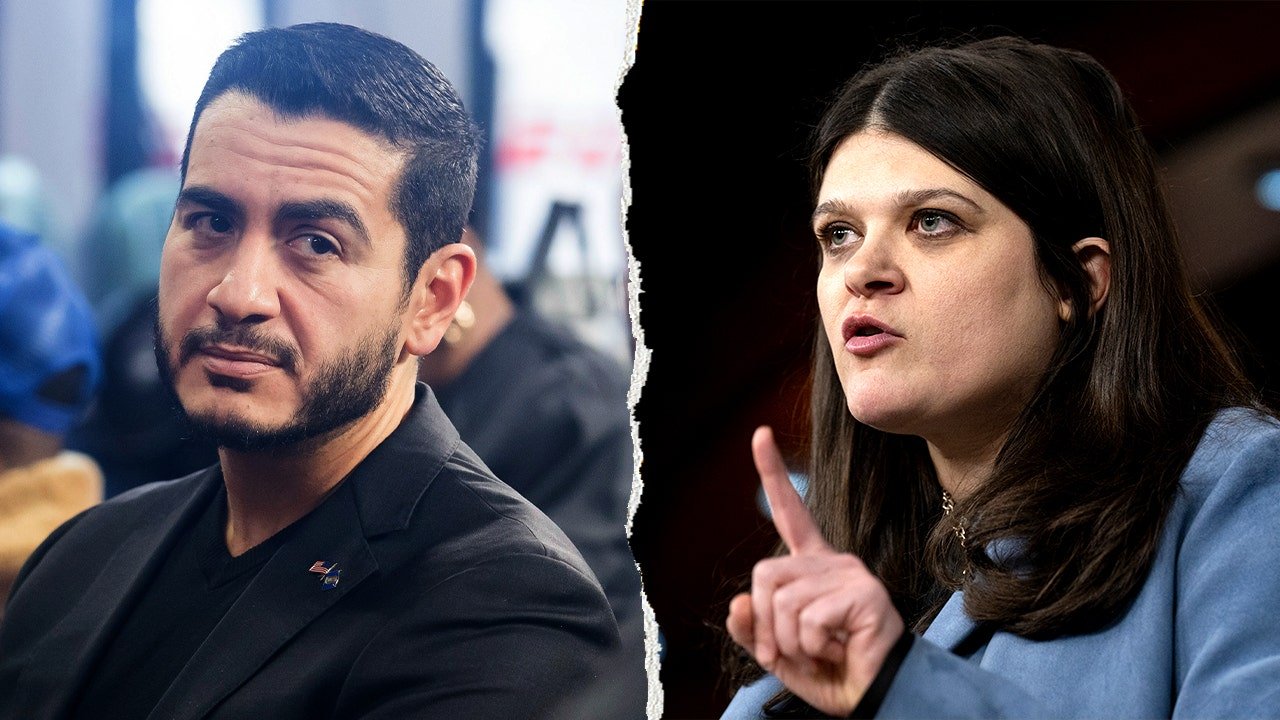
That’s where moderate Rep. Haley Stevens, D-Mich., who is backed by Senate Minority Leader Sen. Chuck Schumer, D-N.Y., and the establishment; and former Wayne County Health Department Director Abdul El-Sayed, a left-wing candidate endorsed by progressive champions Sen. Bernie Sanders, I-Vt.,and Rep. Alexandria Ocasio-Cortez, D-N.Y., are colliding in a crucial Senate showdown.
The winner of the Aug. 4, 2026, Democratic primary will face-off in the midterm elections in November against former Republican Rep. Mike Rogers, who is on a glide path to the GOP nomination. The winner will succeed retiring Michigan Sen. Gary Peters, a Democrat.
CRUCIAL SENATE BATTLE ROCKED AFTER MAJOR PLAYER DROPS OUT OF RACE
Rep. Haley Stevens of Michigan, right, and former Wayne County Health Department Director Abdul El-Sayed are facing off in the August 4, 2026, Democratic Senate primary in the Great Lakes battleground state. ( )
The seat is a top Republican target and is a must-hold for the Democrats as they aim to win back the Senate majority from the GOP, which currently controls the chamber with a slim, but manageable, 53-47 margin. The leading nonpartisan political handicappers at Cook Political Reporter rate the Senate race in Michigan as a toss-up.
Matt Bennett, one of the leaders at the Third Way, a leading center-left Democratic organization, told Fox News the primary in Michigan «is much more significant» than the intra-party ballot box showdowns the past two weeks in «very, very blue districts» in New York City and Denver.
The showdown in Michigan became a two-way race on Sunday, after progressive state Sen. Mallory McMorrow, once the third major Democrat in the primary, suspended her campaign.
«I may be suspending this campaign, but I am not leaving the fight,» McMorrow pledged in a statement Sunday as she ended her Senate bid.
McMorrow, who has seen her national profile expand in recent years and was running as a progressive in an ideological space between El-Sayed and Stevens, suspended her campaign amid faltering poll numbers and fundraising that weren’t keeping pace with her two main rivals.
DEMOCRACY ’26: STAY UP TO DATE WITH THE FOX NEWS ELECTION HUB
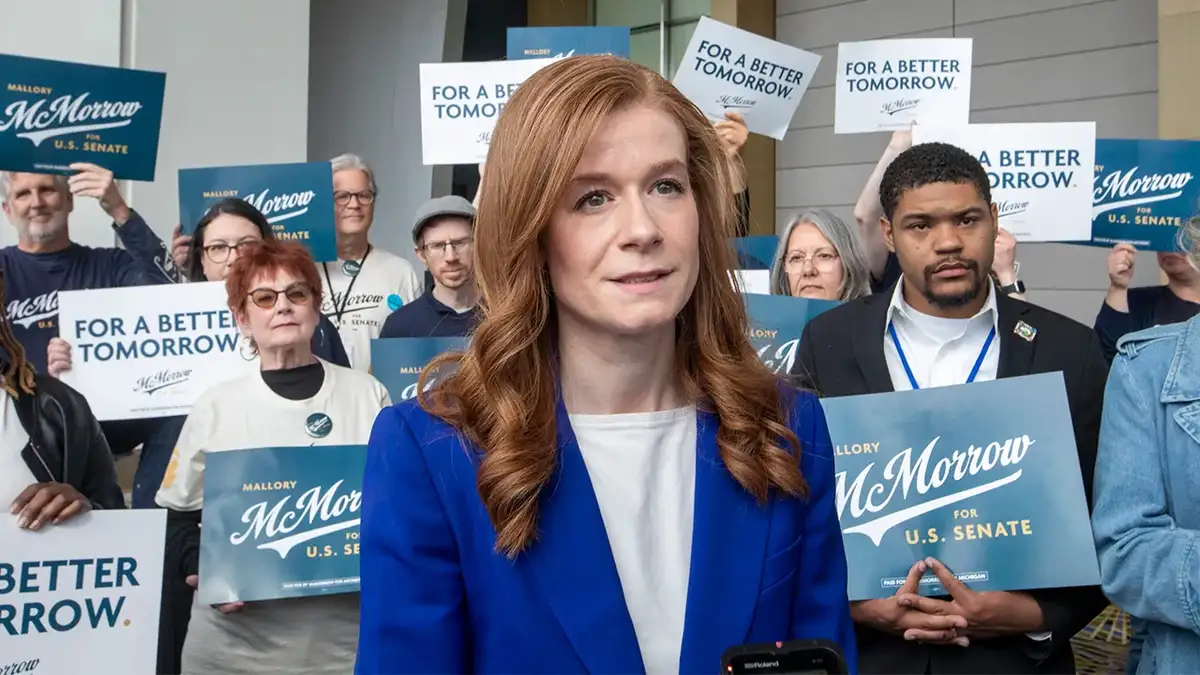
State Sen. Mallory McMorrow campaigns at the Michigan Democratic Nominating Convention in Detroit on April 19, 2026. (Jim West/UCG/Universal Images Group)
McMorrow pledged to fully support whichever Democrat wins the primary and will ultimately face-off with Rogers, who is running for the Senate for a second straight cycle after losing in 2024 to now-Sen. Elissa Slotkin by a razor-thin margin.
Following McMorrow’s announcement, Stevens praised her fellow Democrat by calling her an «important voice» for policies that benefit Michigan families. Stevens then argued that she is the strongest Democratic candidate to win the primary and defeat Rogers in November.
«As we enter the final month of the primary election, I’m excited to continue to make my case to Michiganders why I’m the strongest Democrat to defeat Mike Rogers this November, lower costs, protect manufacturing jobs, and stand up to Trump’s abuses of power,» she added.
As she runs for the nomination, Stevens has been backed by millions in super PAC spending, including big bucks from Israel-aligned groups.
MAMDANI-BACKED SOCIALISTS LOOK TO TAKE NEW YORK PLAYBOOK NATIONWIDE AFTER PRIMARY VICTORIES
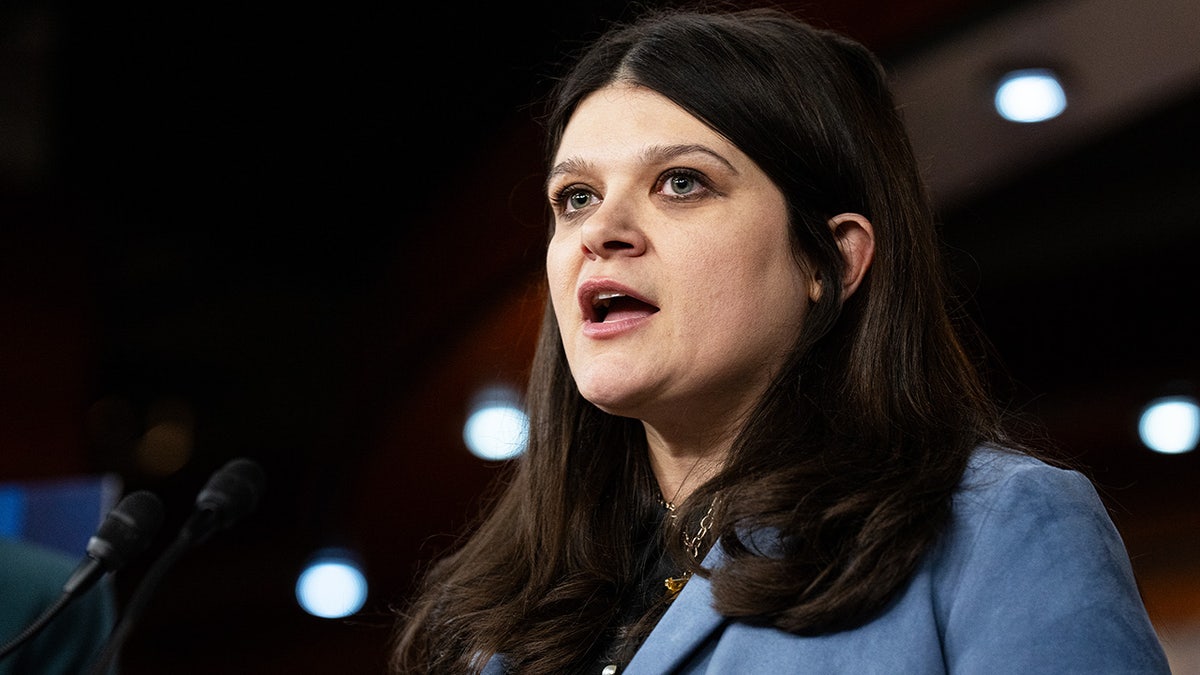
Rep. Haley Stevens, D-Mich., speaks during the House Democrats’ news conference to introduce the Taxpayer Data Protection Act in the Capitol on Thursday, February 6, 2025. (Bill Clark/CQ-Roll Call, Inc via Getty Images)
In his statement, El-Sayed praised McMorrow for having the «courage» to challenge what he described as a rigged political system, accusing Democratic Party insiders of spending millions to influence the primary. While he did not name specific groups, the remarks appeared to reference corporate PACs and establishment party leaders such as Schumer.
He then invited McMorrow’s supporters to join his progressive movement to combat big money in politics and defeat the political establishment.
«Throughout this campaign, Senator McMorrow showed what it looks like to fight back against politics that rigs the system against too many of us. While we have policy disagreements, I never questioned whether Senator McMorrow would fight for a better America for my daughters and hers,» he said.
«The same party insiders she had the courage to challenge have been bullying anyone who opposes their chosen candidate. After spending $30 million to drown Senator McMorrow and me out, they’re now spending even more to attack me. It’s everything we are standing up against.»
«I welcome her supporters to our movement to stand up against money in politics, to put money back in pockets, and pass Medicare for All. We cannot allow the establishment to decide our nominee for us.»
THESE MIDTERM RACES WILL DETERMINE WHETHER REPUBLICANS HOLD THEIR SENATE MAJORITY
El-Sayed, who, if elected, would make history as the nation’s first Muslim senator, is an epidemiologist who unsuccessfully ran for governor as an insurgent candidate in 2018. He has made support for «Medicare-for-all» a major component of his campaign.
The far-left candidate has also called for abolishing Immigration and Customs Enforcement (ICE), and is a vocal critic of Israel amid its war with Hamas — even characterizing Israel’s actions in Gaza as «genocide» against Palestinians.
And El-Sayed, who served as a top surrogate on Sanders’ 2020 presidential campaign, has vowed not to accept PAC donations.
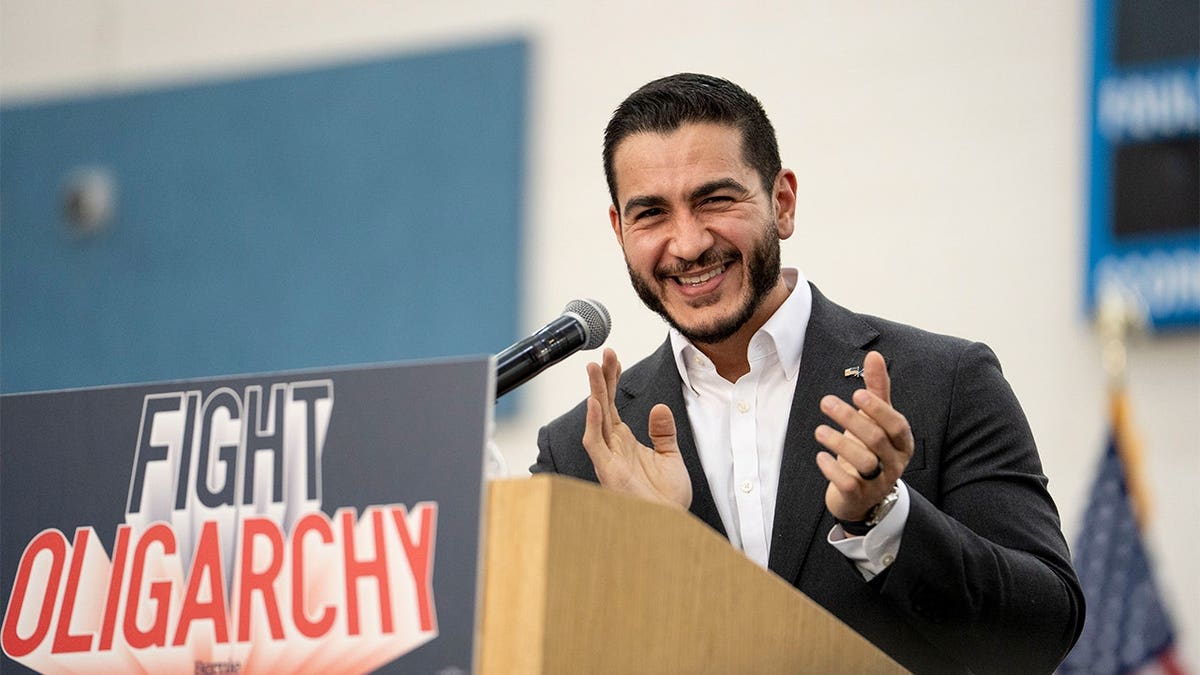
Abdul El-Sayed, speaks before Sen. Bernie Sanders and takes the stage at Mumford High School on May 3, 2026, in Detroit, Michigan. (Sarah Rice/Getty Images)
Schumer and the party establishment view Stevens as more electable than El-Sayed, who has sparked controversy with his past comments. They worry that El-Sayed as the party’s nominee would jeopardize the Democrat-controlled Senate seat by pushing the party too far to the left in a state that President Donald Trump carried two years ago by just over one percentage point.
A victory by El-Sayed over Stevens in next month’s primary would give the far left a major win on a statewide stage, and further boost their momentum in the battle for the Democratic Party’s future.
CLICK HERE TO DOWNLOAD THE FOX NEWS APP
But Bennet warned against placing too much emphasis on the results in Michigan, as he pointed to other factors in the race.
«I don’t think that even if El-Sayed wins, that means the national party is moving dramatically to the left, as the left will insist if that happens,» he told Fox News Digital. «Some of this is idiosyncratic. There’s a huge Arab American population in Michigan. The Israel issue is more resonant there than it is in other places. And candidates matter.»
Fox News’ Hannah Brennan contributed to this story.
democrats elections, michigan, politics, alexandria ocasio cortez, chuck schumer, midterm elections, bernie sanders, republicans
INTERNACIONAL
El presidente de Líbano confirmó visitará la Casa Blanca antes de fin de mes para negociar con Trump un acuerdo con Israel
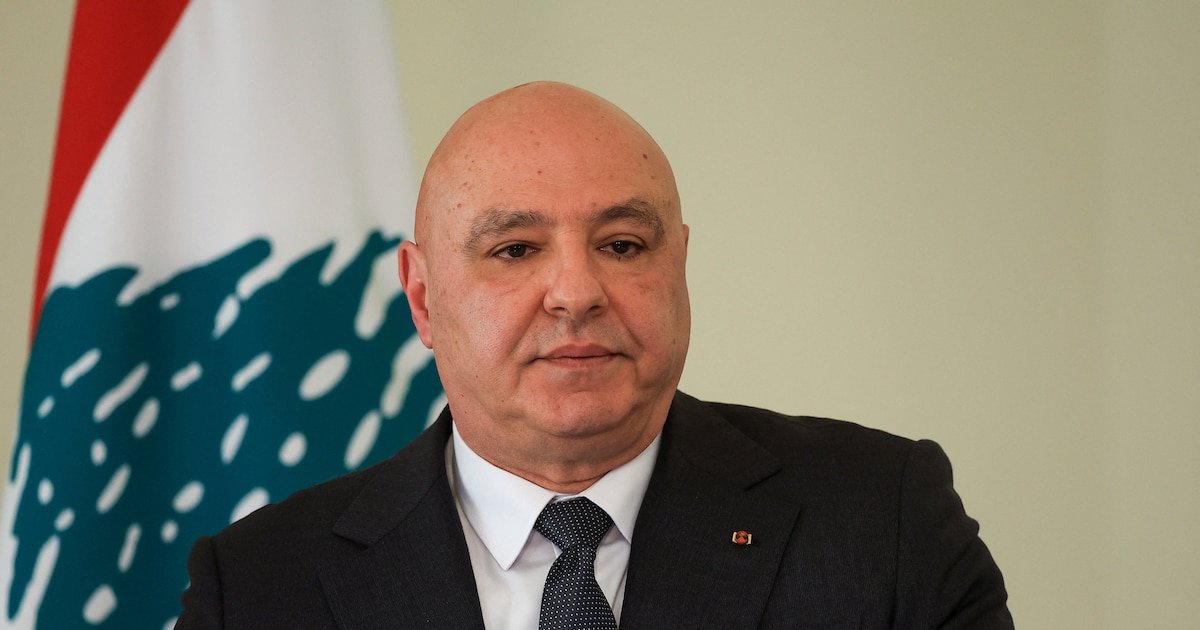
El presidente de Líbano, Joseph Aoun, confirmó que viajará a la Casa Blanca antes de que termine julio para reunirse con el presidente de Estados Unidos, Donald Trump, con el objetivo de avanzar en el acuerdo marco entre Líbano e Israel. El anuncio llegó después de una conversación telefónica de 17 minutos que ambos mandatarios mantuvieron el domingo y que Aoun calificó como “buena”.
En una entrevista con el diario libanés An-Nahar, Aoun sostuvo que el acuerdo marco “no es ideal”, aunque explicó que la aceptación por parte del Gobierno libanés responde a la situación militar en el sur del país y al actual equilibrio de fuerzas, que favorece a Israel.
«Este es un marco, no un acuerdo con Israel… Nadie debe apostar por la división del Ejército libanés y no dejaré que mi pueblo muera“, afirmó el mandatario. También aseguró que el entendimiento “no impedirá que Líbano siga reclamando sus derechos y recupere los territorios ocupados”.
Aoun explicó que la transición de seguridad se desarrollará por etapas y comenzará con un despliegue piloto en Zawtar, en el distrito de Nabatieh. Según detalló, el plan prevé que el Ejército libanés asuma el control exclusivo de determinadas localidades para facilitar retiros graduales de las fuerzas israelíes.
El presidente indicó que este modelo también busca responder a la preocupación por un posible ataque israelí contra la colina de Ali Al-Taher, ubicada cerca de la zona donde comenzará el despliegue.

Además, señaló que funcionarios libaneses solicitaron al secretario de Estado estadounidense, Marco Rubio, que garantice que la colina permanezca bajo control del Ejército libanés y afirmó que el primer ministro israelí, Benjamin Netanyahu, aceptó esa propuesta.
Aoun también defendió la decisión del Gobierno libanés de enviar a un ministro al funeral del fallecido líder supremo de Irán. «Nuestras relaciones diplomáticas con Irán continúan y no están interrumpidas“, expresó.
La visita a Washington se producirá mientras el sur de Líbano continúa afectado por las consecuencias del conflicto con el grupo terrorista Hezbollah. Más de cuatro meses después del inicio de la tregua con Israel, unas 700.000 personas permanecen desplazadas y sin posibilidad de regresar a sus hogares, según informaron el Consejo Noruego para los Refugiados (NRC) y la agencia humanitaria de la ONU.
Las organizaciones señalaron que el último alto el fuego, alcanzado a mediados de abril y prorrogado en varias oportunidades, no permitió restablecer la seguridad ni recuperar las condiciones necesarias para el retorno de la población.
Los ataques israelíes continuaron después del acuerdo de cese del fuego, con bombardeos, incursiones militares y destrucción de viviendas en distintas zonas del sur del país, incluso al sur del río Litani.
El Ministerio de Sanidad de Líbano informó que 4.298 personas murieron desde el 2 de marzo, entre ellas 135 profesionales sanitarios, mientras que más de 12.000 resultaron heridas.
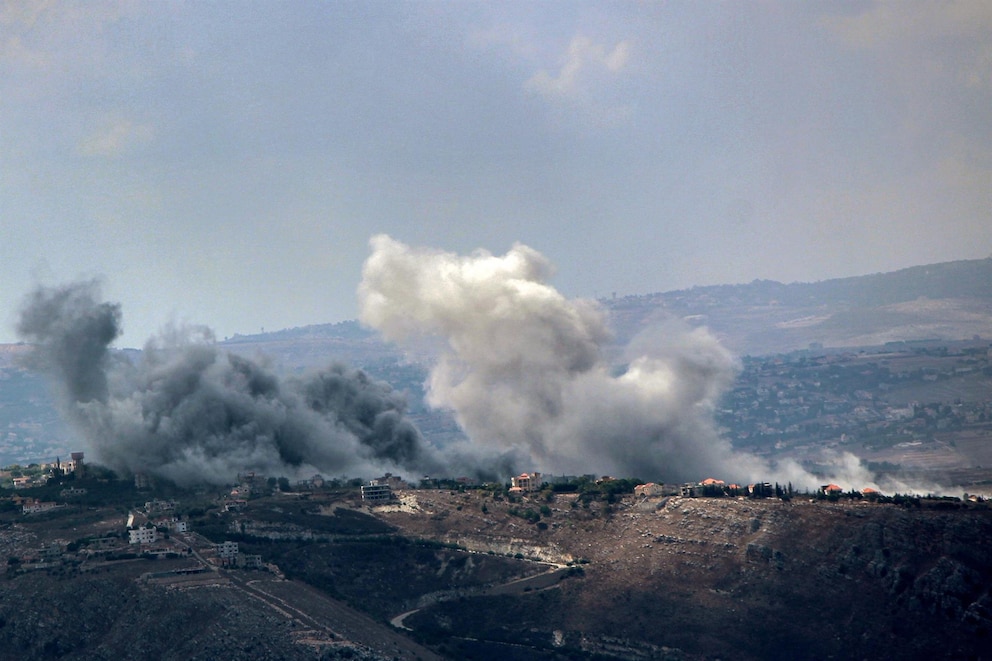
Las áreas ocupadas por el ejército israelí y declaradas como zonas militares impidieron el regreso de miles de residentes. A ello se suman la presencia de munición sin explotar y los escombros que permanecen en numerosas localidades.
El NRC advirtió que «el regreso sigue sin ser un paso sencillo» para los habitantes del sur, quienes afrontan restricciones de acceso, falta de servicios básicos y viviendas destruidas.
La devastación resultó especialmente severa al sur del río Litani. Una evaluación preliminar estimó en 1.380 millones de dólares los daños directos en edificios, sin incluir otras infraestructuras ni el resto del territorio libanés.
La directora del NRC en Líbano, Maureen Philippon, afirmó que “la destrucción de viviendas, carreteras, sistemas de agua, centros sanitarios, escuelas e infraestructuras civiles provocó desplazamientos prolongados, pérdida de medios de vida, interrupción de la educación y un mayor endeudamiento de las familias“.
De acuerdo con la Oficina de las Naciones Unidas para la Coordinación de Asuntos Humanitarios (OCHA), a finales de junio permanecían desplazadas internamente 704.445 personas en todo el país, mientras que más de 523.000 iniciaron un regreso gradual.
El NRC indicó que numerosas familias utilizaron sus últimos ahorros para afrontar alquileres, comprar ropa tras abandonar sus hogares sin pertenencias y cubrir necesidades básicas en medio de la crisis económica que atraviesa Líbano.
Diplomacy / Foreign Policy,Middle East

Selección Argentina vs. Egipto: formaciones, hora y dónde ver por tv

Un castillo completamente aislado, controles fronterizos y un hotel de lujo, parte de la estadía de Fernández en la Cumbre del G-7

José Luis Espert será indagado este martes por presunto lavado de dinero vinculado a Fred Machado

El dato que mira detenidamente Caputo y que anticipa una menor presión para el dólar

La OTAN inaugura en Ankara una cumbre para exhibir el aumento del gasto militar y contener las críticas de Donald Trump

A cinco años de la muerte del Lole Reutemann: por qué logró algo más importante que un título de Fórmula 1

El Salvador, segundo país más dependiente de importaciones alimentarias, según la Mesa por la Soberanía Alimentaria

Javier Milei y sus medidas, EN VIVO: denunciaron al Presidente por los ejercicios militares conjuntos de Argentina y EE.UU.

Guido Rodríguez renovó con Valencia: firmó hasta 2028 y algo más