INTERNACIONAL
Menos visitantes, más amenazas: los museos judíos de Europa enfrentan una nueva realidad

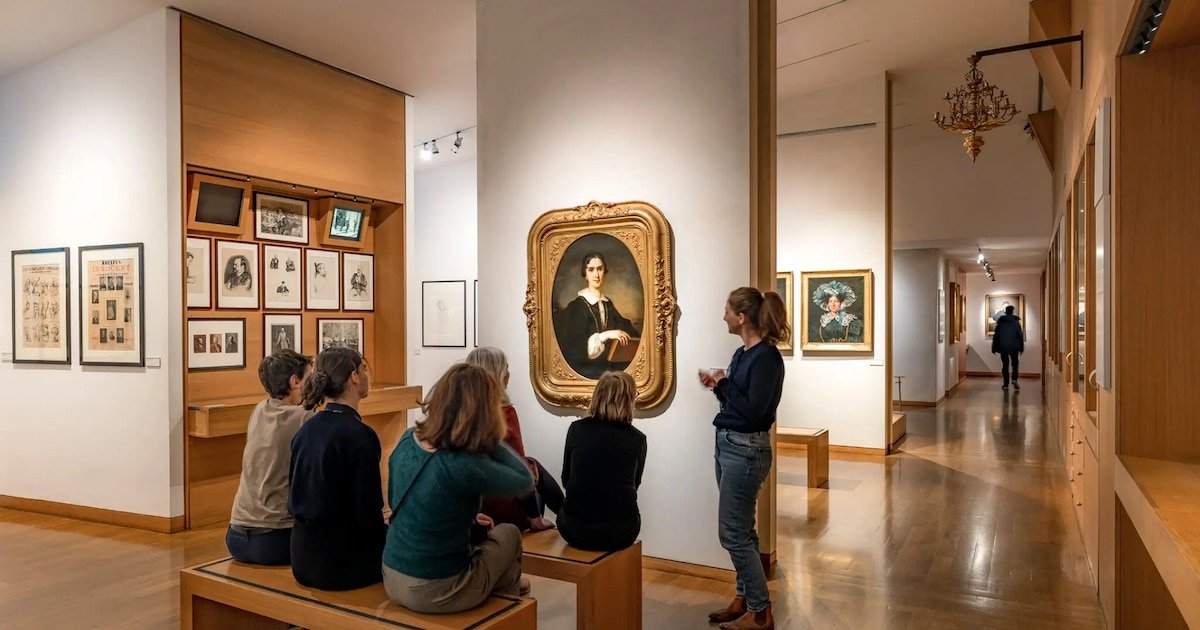
En otoño de 2023, el Museo Judío de Bélgica atraía a multitudes a su exposición de fotografías del retratista de moda Erwin Blumenfeld. Luego llegó el 7 de octubre.
La afluencia de visitantes al museo disminuyó drásticamente en los días posteriores al ataque liderado por Hamás contra Israel y al posterior bombardeo israelí de la Franja de Gaza.
Barbara Cuglietta, directora del museo, afirmó que el edificio pronto quedó tan vacío como durante la pandemia de Covid-19. Los grupos escolares dejaron de visitarlo y el público dejó de acudir.
“No me gusta usar la palabra boicot, pero fue como un aislamiento”, dijo recientemente por teléfono. Al año siguiente, la afluencia al museo se desplomó a 9.000 visitantes.
En toda Europa, muchos museos judíos han experimentado una disminución en el número de visitantes, una disminución en la afluencia de público y un aumento en las amenazas a la seguridad desde el otoño de 2023, según un informe reciente de la Asociación de Museos Judíos Europeos, una red sin fines de lucro con sede en Ámsterdam que agrupa a 55 instituciones. Los miembros de la asociación también denunciaron acoso en línea, vandalismo y actos de agresión contra el personal.
Según Mirjam Wenzel, presidenta de la asociación, la raíz del problema reside en que mucha gente parece percibir los museos judíos de Europa como vinculados de alguna manera a Israel, cuando en realidad se financian en gran medida con fondos públicos procedentes de los gobiernos locales, la venta de entradas y los patrocinios, y suelen centrarse en la historia de los judíos en el continente.
“Nos atacan como instituciones israelíes y nos identifican con el Estado de Israel”, dijo Wenzel.

En entrevistas, diez directores de museos judíos de toda Europa afirmaron que sus instituciones habían sufrido un fuerte impacto tras los atentados del 7 de octubre. Muchos coincidieron en que la percepción de una asociación con Israel estaba perjudicando a sus instituciones. Sin embargo, existían diversas opiniones sobre cómo, o si, los museos judíos debían responder. Algunos consideraban que no era su responsabilidad involucrarse en los acontecimientos de Oriente Medio, mientras que otros opinaban que sus museos podían ser foros útiles para la educación y el debate sobre la actualidad.
Los directores de museos en Ámsterdam, Bruselas, Copenhague, Fráncfort y Viena afirmaron estar lidiando con una disminución en el número de visitantes. Sin embargo, no todos los museos han experimentado la misma caída. Los directores de instituciones similares en Berlín, París y Praga indicaron que su afluencia de público se ha mantenido estable o incluso ha aumentado desde el 7 de octubre de 2023.
Paul Salmona, director del Museo de Arte e Historia del Judaísmo, en el barrio parisino de Le Marais, afirmó que la afluencia de visitantes a su museo aumentó ligeramente el año pasado y que el número de socios se encuentra ahora en su nivel más alto desde su inauguración en 1998. Señaló que la población judía de Francia es la tercera más grande del mundo, después de Estados Unidos e Israel, y expresó su deseo de que su programación refleje la diversidad de opiniones entre los judíos franceses, incluso sobre Israel.
Salmona afirmó que el auditorio del museo, con capacidad para 200 personas, solía estar lleno cuando se celebraban mesas redondas sobre la historia de Israel y la política contemporánea, en las que a menudo participan artistas y pensadores israelíes y palestinos que critican a Israel o que están a favor de un acuerdo de paz.
“Por supuesto, estamos en el centro de París, en un barrio judío tradicionalmente mixto, donde los judíos han vivido desde el siglo XVIII”, dijo. “En las afueras de París la situación podría ser diferente”.
La situación también es diferente en lugares con poblaciones judías más pequeñas. Dinamarca, por ejemplo, tiene una comunidad judía de aproximadamente 2.500 personas, según Janus Moller Jensen, director del Museo Judío Danés en Copenhague.
Inmediatamente después del 7 de octubre de 2023, “el museo recibió un enorme apoyo”, dijo, pero “poco después del ataque se transformó en un sentimiento muy antisemita, cuando no directamente en ataques antisemitas”. En 2024, la asistencia al museo cayó un 37 por ciento, y en 2025 disminuyó un 32 por ciento con respecto a los niveles de 2023.
«La gente optó por no venir porque sentía que su visita sería un apoyo a Israel, y asociaban toda la vida judía con Israel», dijo. «Intentamos explicarles que somos un museo de cultura financiado por el Estado que abarca 400 años de vida judía en Dinamarca. Establecen una conexión entre nosotros e Israel que no existe».
Wenzel, quien también dirige el Museo Judío de Frankfurt, afirmó que esta idea errónea resultaba frustrante, dado el enfoque específico de su institución en la vida judía de la ciudad. «Somos una institución financiada por los contribuyentes alemanes», declaró. «No somos una institución que tome postura sobre cuestiones políticas».
Al igual que la mayoría de los directores de museos entrevistados, Wenzel describió una sensación de peligro ante el aumento de incidentes antisemitas en lugares judíos de todo el mundo. En el último año, se han producido ataques de gran repercusión contra sinagogas y escuelas judías en ciudades como Ámsterdam, Lieja (Bélgica), Londres y Manchester (Inglaterra).
Según declaró, su institución presentó 33 denuncias penales ante la policía en 2025. «Había esvásticas en nuestras instalaciones y en nuestras exposiciones», añadió Wenzel. «Hemos recibido varias llamadas con preguntas como “¿Por qué no los han gaseado?” y cartas con extrañas amenazas».

Estas amenazas han llevado a los museos judíos a reforzar sus medidas de seguridad y han convertido a muchos de ellos en lugares de trabajo muy estresantes. La mayoría de los directores de museos entrevistados afirmaron que sus instituciones habían sido objeto de ataques de odio, tanto presenciales como en línea.
En el verano de 2024, por ejemplo, un empleado del Museo Judío Danés olvidó cambiarse la camiseta de trabajo, que llevaba el logotipo del museo; un grupo de adolescentes lo agredió verbalmente de camino a casa, según Jensen, el director del museo.
“La gente está experimentando estrés, se siente agotada y está buscando otros trabajos”, dijo Jensen.
Emile Schrijver, director del Museo Judío de Ámsterdam, declaró que la afluencia de público había descendido de unos 104.000 visitantes en 2023 a 86.000 en 2024 y a 65.000 en 2025. Añadió que el museo pudo compensar la disminución en la venta de entradas con una subvención de un millón de dólares del gobierno neerlandés, pero que la pérdida de visitantes estaba afectando la moral del personal.
“¿Cómo se mantiene motivado al personal si los comisarios están creando exposiciones para menos visitantes y en circunstancias más difíciles?”, preguntó Schrijver.
En el Museo Judío de Bélgica, el ataque del 7 de octubre trajo a la memoria dolorosos recuerdos de otra tragedia ocurrida casi una década antes. En 2014, el museo fue escenario de un atentado terrorista cuando un hombre armado abrió fuego en su interior, matando a cuatro personas, entre ellas un voluntario del museo.
Un año después del ataque del 7 de octubre, el museo cerró sus puertas para una restauración y renovación multimillonaria, con el fin de modernizar su edificio histórico. Sin embargo, la construcción, organizada por el gobierno local, se encuentra paralizada.
Luego vino el vandalismo. Un día de marzo de 2025, Cuglietta, la directora, llegó al museo y encontró las palabras “Maricas por Palestina» garabateadas a lo largo de unos 12 metros en la fachada del edificio.
Cuglietta afirmó que esto solo la impulsó a reabrir el museo y retomar su misión de apoyar la vida judía en Bélgica. Planea hacerlo en la primavera de 2027.
“Sentimos la misma urgencia por reabrir y decir la verdad”, afirmó. “No nos van a cerrar. No nos van a cancelar”.
Fuente: The New York Times

INTERNACIONAL
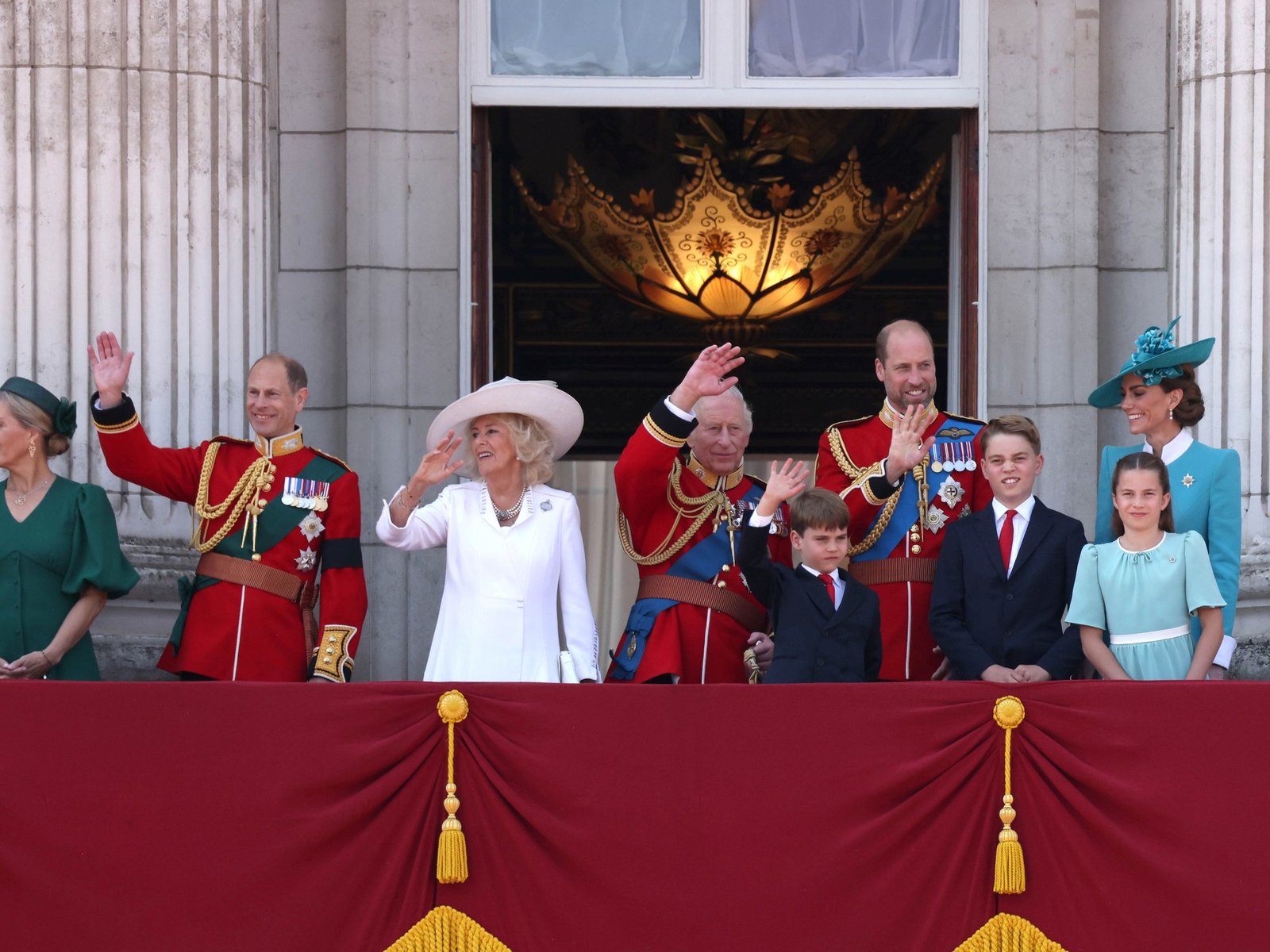
Guerra en Medio Oriente: Irán amenazó a la Familia Real británica y podría atacar una base militar en Reino Unido
¿El B-1 hizo otra escala?
Respuesta del gobierno británico
Primera vez
La advertencia de los Guardianes de la Revolución
¿Custodia para Harry?
INTERNACIONAL
Trump orders signs outside Smithsonian museum amid row over its depiction of American history
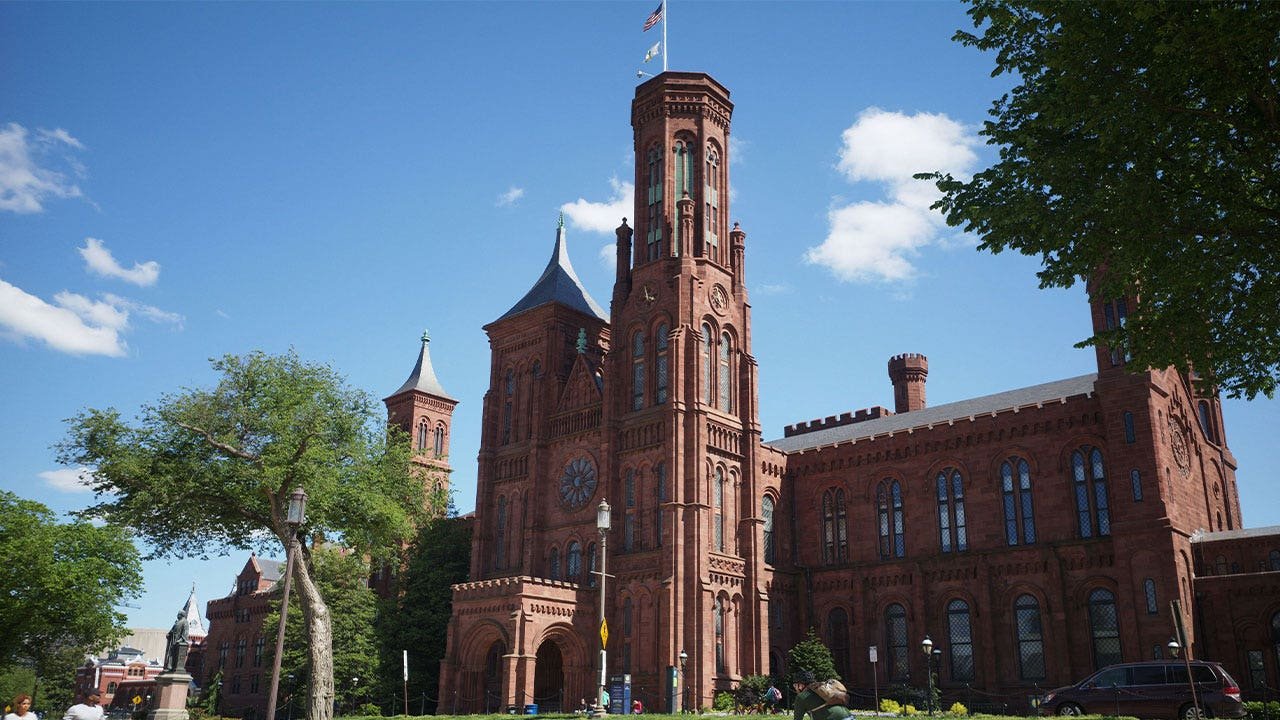
House to hold hearing on Smithsonian Museum’s alleged attempts to rewrite American history
Fox News’ Alex Hogan reports on a House Oversight Committee hearing regarding claims that the Smithsonian Institution’s exhibits are politically biased and attempt to rewrite American history. A White House report alleges the National Museum of American History disparages the nation’s past, prompting congressional scrutiny over its governance and stewardship of federal funds.
NEWYou can now listen to Fox News articles!
President Donald Trump on Friday ordered his administration to install signs outside the Smithsonian’s National Museum of American History directing visitors to what the White House describes as «accurate» information about the nation’s past.
The executive order instructs the National Park Service, which maintains the sidewalks outside the museum, to place signs informing visitors about a White House report released July 4 that criticized the Smithsonian’s portrayal of American history. Trump also directed the creation of a temporary exhibit intended to correct what his administration considers inaccurate historical information.
TRUMP WHITE HOUSE CALLS OUT SMITHSONIAN FOR PUSHING ‘ONE-SIDED, DIVISIVE POLITICAL NARRATIVES’
The move follows a report from Trump’s Domestic Policy Council that accused the Smithsonian and the National Museum of American History of failing to present history «in a way that is inspiring, unifying, and worthy of our great republic.»
President Donald Trump holds up an executive order after signing it during an indoor inauguration parade at Capital One Arena on Jan. 20, 2025 in Washington, DC. (Anna Moneymaker/Getty Images)
Because the Smithsonian operates independently of the executive branch, Trump cannot directly remove museum leadership or unilaterally change exhibits. Instead, the order targets federal property outside the museum that falls under National Park Service jurisdiction.
National Museum of American History Director Anthea M. Hartig defended the museum during congressional testimony this week.
«As we continue to fact check the report, we unwaveringly attest that it does not fairly or accurately characterize the full body of work at the museum,» Hartig told lawmakers. «There is always room for improvement. But I also know the beauty and the inspiration and the expertise that lies in our collections, our exhibits, and our programming.»
MED SCHOOL DEANS COME UP EMPTY IN TENSE HEARING WHEN ASKED POINT BLANK IF MEN CAN HAVE BABIES: ‘RIDICULOUS’
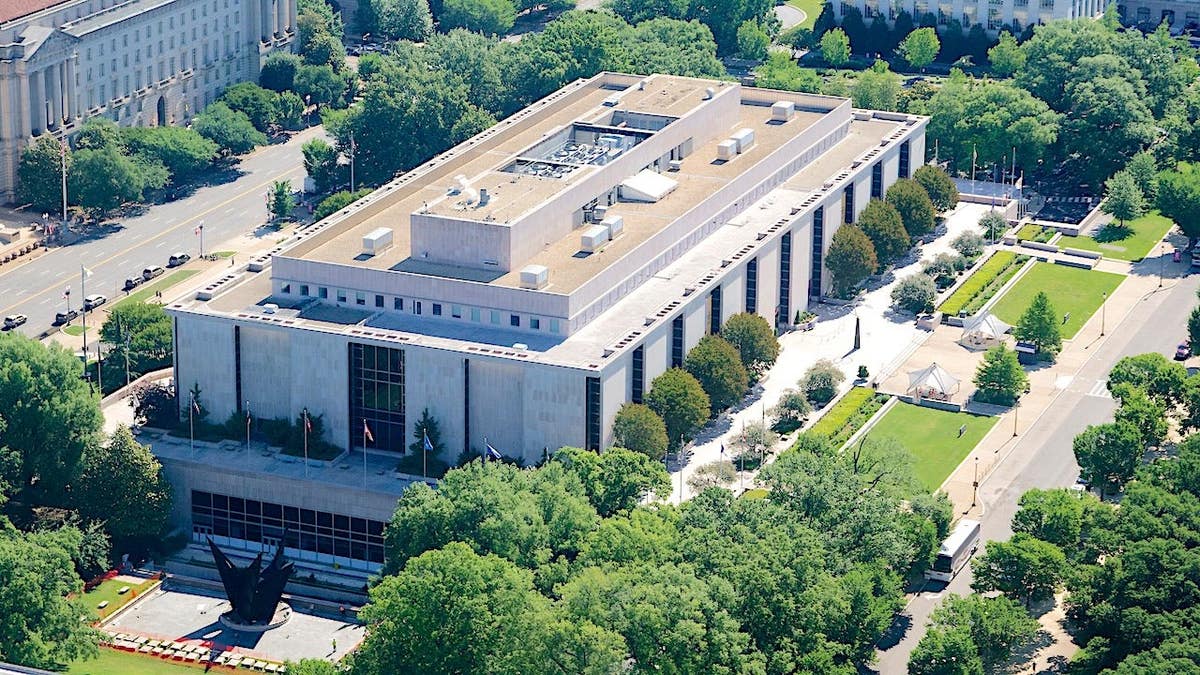
The Smithsonian’s National Museum of American History is being called out for being ‘ideologically captured’ and presenting woke revisionist history on the weekend of America’s 250th birthday. (Kevin Carter)
Friday’s order builds on Trump’s broader effort to reshape the Smithsonian’s exhibits.
In March, Trump signed an executive order directing the Smithsonian’s Board of Regents to eliminate what the administration described as «improper, divisive or anti-American ideology» from the institution’s museums.
The White House later criticized the National Museum of American History’s «Entertainment Nation» exhibit, arguing displays about American pop culture framed the nation’s history through an ideological lens rather than celebrating its achievements. White House official Lindsey Halligan previously told Fox News Digital that «American taxpayers should not be funding institutions that undermine our country or promote one-sided, divisive political narratives.»
OBAMA JUDGE RULES ON EFFORT TO BLOCK AMERICA 250 EVENTS AT WH AND LINCOLN MEMORIAL
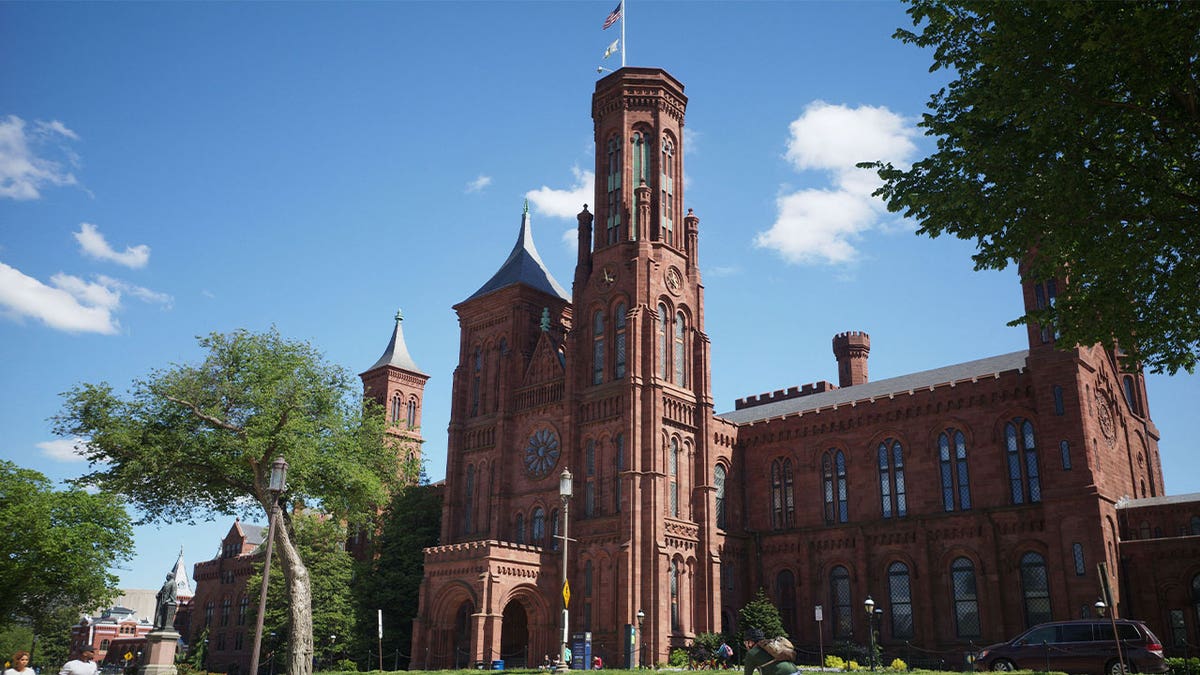
People walk on the National Mall near the Smithsonian Castle in Washington, D.C., on May 10, 2021. President Donald Trump has ordered signs installed outside the Smithsonian’s National Museum of American History directing visitors to a White House report criticizing the museum’s portrayal of American history. (MANDEL NGAN/AFP via Getty Images)
CLICK HERE TO DOWNLOAD THE FOX NEWS APP
At the time, the Smithsonian said it was conducting a review of museum content and remained committed to «continuous and rigorous scholarship and research and unbiased presentation of facts and history.»
The Smithsonian is overseen by a Board of Regents that includes Vice President JD Vance, Chief Justice John Roberts, members of Congress and citizen regents. The institution receives roughly two-thirds of its approximately $1 billion annual budget through federal appropriations.
Fox News Digital’s Jasmine Baehr contributed to this report.
donald trump, politics, museums exhibits, white house, washington dc
INTERNACIONAL
Destituyeron al fiscal general de la Corte Penal Internacional tras una denuncia de agresión sexual
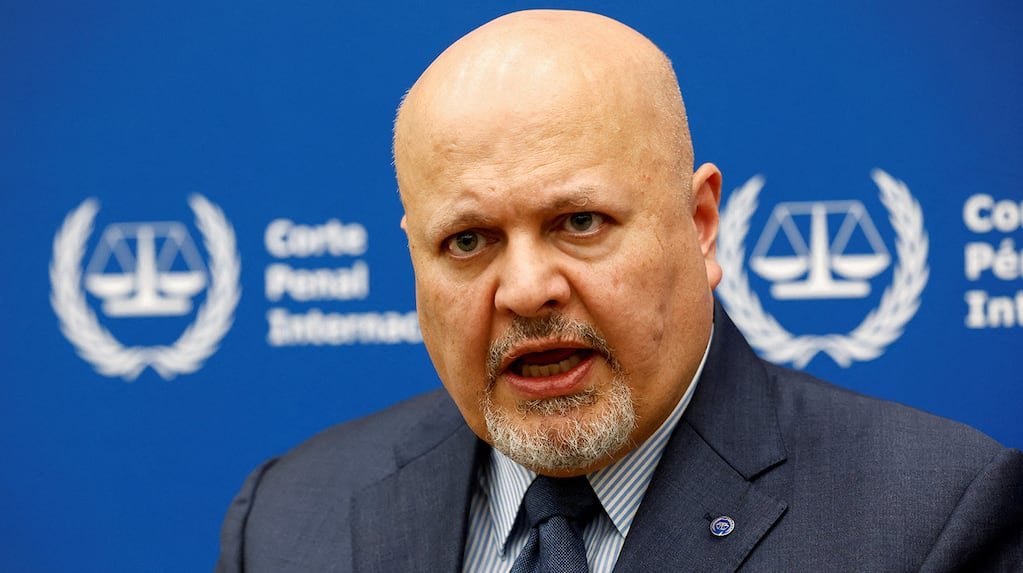
La Asamblea de los Estados Partes de la Corte Penal Internacional (CPI) decidió este viernes destituir al fiscal general Karim Khan, acusado de agresión sexual por una integrante de su equipo de trabajo, en una votación secreta realizada durante una reunión extraordinaria celebrada en la sede de las Naciones Unidas en Nueva York.
Según confirmaron fuentes diplomáticas a la agencia de noticias AFP, 82 de los 125 Estados miembros de la CPI votaron a favor de remover al jurista británico de 56 años, superando ampliamente el mínimo de 63 votos requerido para aprobar la medida.
Khan rechaza las acusaciones y anunció que impugnará la decisión por las vías legales disponibles.
“El señor Khan impugnará la legalidad y la justicia de la decisión mediante todos los mecanismos legales disponibles”, escribió en la red social X su abogado, Tayab Ali. El letrado reiteró que su cliente niega los hechos que se le atribuyen.
Khan había dejado sus funciones en mayo de 2025 para concentrarse en su defensa, luego de que se abriera una investigación por una denuncia presentada por una compañera de trabajo. El mes pasado, además, fue suspendido por la Mesa de la Asamblea de los Estados Partes, un órgano directivo de la CPI integrado por 21 miembros que convocó la reunión en la que finalmente se resolvió su destitución.
La denunciante, identificada públicamente como Sarah, una abogada de origen malasio, brindó recientemente una entrevista a CNN en la que relató detalles de los presuntos hechos. La mujer aseguró haber sido víctima de una “escalada de intentos” de agresión y afirmó que la relación jerárquica con Khan impedía cualquier posibilidad de consentimiento.
“Es imposible que exista consentimiento cuando hay un desequilibrio de poder de tal magnitud. Lo que mucha gente no entiende es que el señor Khan no era sólo mi jefe, sino el jefe de todo el mundo”, declaró.
Leé también: La administración Trump aseguró que la Corte Penal Internacional representa “una amenaza intolerable” contra los Estados Unidos
Antes de la votación, la defensa del fiscal había pedido a los Estados miembros que se abstuvieran de avanzar con la destitución. En una carta abierta difundida esta semana, sus abogados sostuvieron que los procedimientos seguidos no habían garantizado adecuadamente su derecho a la defensa y cuestionaron los informes que sustentan la investigación, cuyos detalles aún no fueron divulgados públicamente. El fiscal jefe de la Corte Penal Internacional (CPI), Karim Khan, y la fiscal general de Ucrania, Iryna Venediktova, investigaron una fosa común en la localidad de Bucha, en las afueras de Kiev, el 13 de abril de 2022. (Foto: REUTERS/Volodymyr Petrov/Archivo)
El equipo legal también advirtió que una eventual remoción podría afectar la independencia de futuros fiscales de la Corte. “La independencia conlleva un precio y la maquinaria de la Corte puede volverse contra sus propios responsables cuando dicha independencia se torna incómoda”, señalaron.
La figura de Khan había cobrado relevancia internacional en los últimos años por investigaciones de alto perfil. Entre ellas, el pedido de órdenes de arresto contra el primer ministro israelí, Benjamin Netanyahu, y el entonces ministro de Defensa Yoav Gallant por presuntos crímenes vinculados a la guerra en Gaza. También impulsó acciones judiciales contra dirigentes de Hamas. Como respuesta a esas iniciativas, Estados Unidos le impuso sanciones económicas y restricciones de ingreso al país.
La destitución generó reacciones inmediatas. El ministro de Asuntos Exteriores de Israel, Gideon Sa’ar, celebró en X la salida de Khan y la calificó como un relevo “largamente esperado”. Además, acusó al exfiscal de haber promovido órdenes de arresto “escandalosas” contra funcionarios israelíes para desviar la atención de las denuncias en su contra.
Por su parte, Stephen Rapp, exembajador estadounidense especializado en crímenes de guerra, había afirmado antes de la votación que existían pruebas suficientes para justificar la remoción. A su juicio, no actuar habría perjudicado seriamente la credibilidad de la Corte y la habría dejado más expuesta a cuestionamientos externos.
(Con información de AFP)
Corte Penal Internacional, agresión sexual

Caputo tras la mejora de Moody’s: qué implica y qué falta para que repunte la actividad

Darío Barassi contó cuál es la pregunta que más le hacen las señoras mayores en la calle

Fentanilo mortal: dictaron secreto de sumario en la causa e investigan a los organismos de control

Tras dejar San Lorenzo, Gustavo Alvarez dirigirá a un equipo que está en octavos de la Copa Libertadores

El apretón de manos de Milei con “la casta sindical” (parte II)

Guerra en Medio Oriente: Irán amenazó a la Familia Real británica y podría atacar una base militar en Reino Unido

Escándalo Mundial: Las presiones secretas, la amenaza de la FIFA por Malvinas y la verdad detrás del partido contra España

Jorge Berredo, general retirado de las FFAA, asumió como Secretario de Seguridad en San Isidro

Sin la anestesia mundialista, aflora la crisis del conurbano y Milei necesita reconectar con lo popular

Paro de transporte. El universo de los sindicalistas que pueden frenar los vuelos en el país

 POLITICA2 días ago
Jorge Berredo, general retirado de las FFAA, asumió como Secretario de Seguridad en San Isidro
- POLITICA2 días ago
Sin la anestesia mundialista, aflora la crisis del conurbano y Milei necesita reconectar con lo popular
- POLITICA2 días ago
Marc Stanley destacó el potencial de Vaca Muerta para “estabilizar la economía” y evitó hablar de política interna