INTERNACIONAL
Murió Craig Venter, el científico que ayudó a descifrar el genoma humano y creó vida en un laboratorio

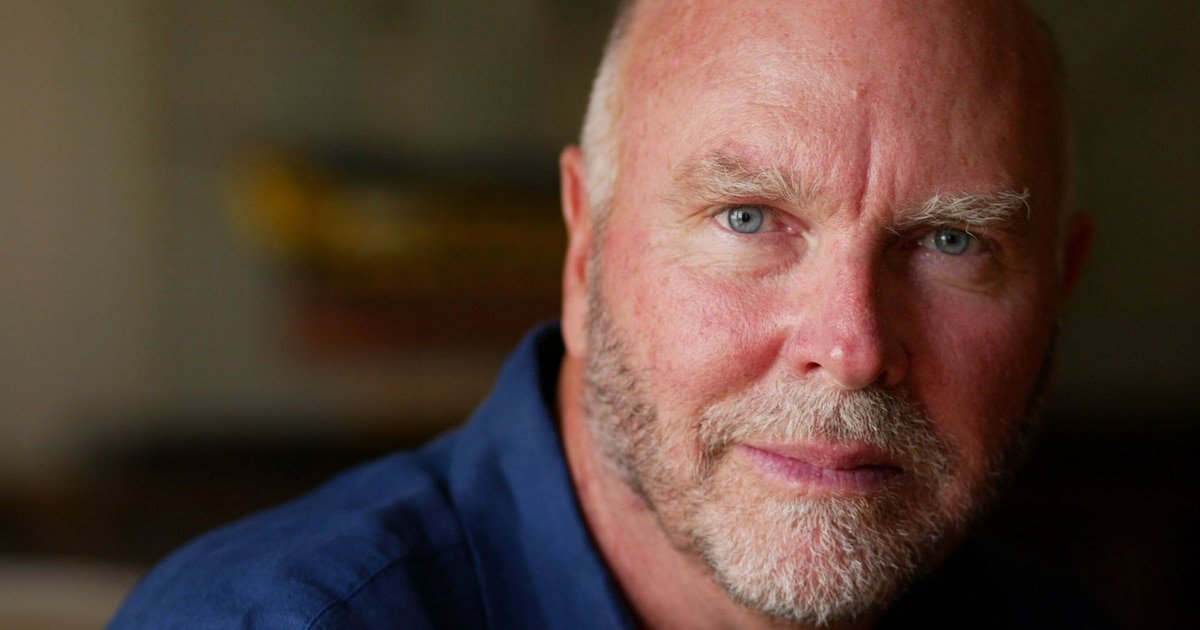
En mayo de 1998, Craig Venter anunció que su empresa terminaría de descifrar el genoma humano, el conjunto completo de información genética que contiene el ADN de la especie, antes que el proyecto oficial financiado por los Estados Unidos, Reino Unido, Francia, Alemania, Japón y China.
La comunidad científica quedó en shock. Ese era Venter. El científico y empresario, que murió ayer en San Diego, California, a los 79 años, “tras una breve hospitalización por efectos secundarios inesperados derivados del tratamiento de un cáncer diagnosticado recientemente”, según el comunicado oficial de su instituto de investigación.
Venter fue científico, empresario e imposible de ignorar. Quienes lo apreciaban decían que nunca filtraba sus pensamientos. Quienes no, lo llamaban egómano y hombre superficial.

Había nacido el 14 de octubre de 1946 en Salt Lake City, Utah, y creció en un suburbio obrero al sur de San Francisco, en una casa junto a las vías del tren.
En la escuela secundaria se destacó en los talleres prácticos, no en las aulas. Tras graduarse, se enroló en la Marina durante la Guerra de Vietnam y fue destinado al hospital de Da Nang durante la ofensiva del Tet.
“La guerra de Vietnam cambió totalmente mi vida. La vida era tan barata allí. De ahí viene mi sentido de urgencia”, diría años después.
Tras dos estancias en el calabozo por desobedecer órdenes, estudió en la Universidad de California en San Diego y terminó la carrera de grado y el doctorado en apenas seis años.
En 1984 fue contratado por los Institutos Nacionales de Salud (NIH) de los Estados Unidos, donde desarrolló el método EST para identificar genes de forma más rápida y barata que el Proyecto Genoma Humano que acababa de arrancar.

La polémica fue inmediata: el NIH intentó patentar fragmentos de genes cuya función aún se desconocía, lo que desató un debate internacional.
El director del proyecto, James Watson, se opuso y renunció. Venter dejó el NIH, fundó su propio instituto sin fines de lucro, el TIGR, y en 1998 lanzó la empresa privada Celera Genomics con un objetivo claro: ganarle la carrera al mundo.
Su estrategia estaba basada en el método llamado “shotgun”: cortar el ADN en miles de fragmentos pequeños, leerlos por separado y armar el rompecabezas.
El investigador Lluís Montoliu, del Centro Nacional de Biotecnología (CNB-CSIC) de España, matizó que aquella batalla fue, en realidad, algo distinto: “No existió tal batalla y fue más una colaboración que una competición”, dijo hoy a Science Media Center España.

Celera necesitaba el mapa físico del proyecto público para saber dónde colocar sus millones de fragmentos, y el proyecto público necesitaba esos fragmentos para completar el genoma.
“Ambos proyectos se necesitaban”, explicó Montoliu. El resultado fue una publicación doble: el 15 de febrero de 2001, el consorcio público publicó el genoma en la revista Nature; un día después, Celera publicó el suyo en la revista Science.
Un detalle lo dice todo sobre quién era Venter: su propio ADN fue la principal fuente entre las cinco personas usadas para construir el genoma de Celera.

Venter nunca supo quedarse quieto. En 2010, su equipo construyó desde cero el genoma completo de una bacteria, lo fabricó con componentes químicos a partir de un archivo de computadora, lo introdujo en una célula y logró que esa célula viviera y se reprodujera.
“Un médico puede salvar cientos de vidas en toda su carrera. Un investigador puede salvar al mundo entero”, sostenía Venter.
La bacteria, llamada Mycoplasma mycoides JCVI-syn1.0, fue la primera forma de vida controlada por un genoma diseñado digitalmente.
El campo que abrió ese experimento se llama “biología sintética”, con aplicaciones hoy en medicina, energía y alimentación.
A través de la expedición Sorcerer II, Venter y su equipo recorrieron los océanos del planeta para analizar el ADN de millones de microorganismos.

El resultado fue el descubrimiento de millones de genes desconocidos y una comprensión más profunda de la vida microscópica que sostiene los ecosistemas marinos.
Apenas tres meses antes de morir, en enero pasado, Venter lanzó su última apuesta: Diploid Genomics, Inc., una empresa que combina inteligencia artificial, secuenciación genómica e imágenes médicas para hacer los diagnósticos de enfermedades complejas más precisos y personalizados.
El doctor Montoliu lo describió como “uno de los científicos más influyentes, vehementes, agresivos y ambiciosos” de su época.
Añadió que merece ser recordado “no por sus frecuentes posicionamientos personalistas, sino por sus aportes”: haber demostrado que los seres humanos son la primera especie capaz de leer e interpretar su propio genoma.

En diálogo con Infobae, el doctor Lino Barañao, ex investigador en biotecnología del Conicet y la Facultad de Ciencias Exactas y Naturales de la Universidad de Buenos Aires y actual vicerrector de la Universidad Maimónides, recordó al científico y empresario: “Conocí a Craig Venter cuando viajamos en una misión con Marcelo Criscuolo y Marcelo Argüelles, de Biosidus, para hablar sobre el proyecto de secuenciación de la bacteria antártica. Ese proyecto, llamado Genoma Blanco, se concretó en 2008 y fue la primera secuencia de un organismo local argentino en publicarse, algo que se presentó incluso en Casa de Gobierno. Fue un hito y, de alguna forma, el puntapié inicial al desarrollo de la genómica en Argentina”.
Barañao añadió: “Venter era un personaje fuera de serie. Tenía una foto de él mitad con guardapolvo y mitad con traje de empresario, y eso resumía bastante bien lo que era. Contribuyó a instalar la figura del científico empresario y a demostrar que ambos roles no eran incompatibles. Para él, la única manera de que los descubrimientos científicos llegaran a la población y tuvieran impacto real era a través de ese puente entre el laboratorio y el mercado”.

La participación en la carrera por el genoma humano en la década de 1990 “aceleró los tiempos y tuvo un efecto mediático enorme. Sin esa competencia entre lo público y lo privado, difícilmente la opinión pública habría prestado tanta atención. En ese sentido fue positivo”.
Aclaró que la decodificación del genoma “no fue el negocio que Venter esperaba. ”Recién ahora empiezan a comercializarse productos basados en genes específicos. Pero Venter tuvo esa visión y dejó una contribución real: cambiar el estereotipo del científico como alguien ajeno al mundo de los negocios”.
venter genome

INTERNACIONAL
Hamas taps ‘ultimate institutional survivor’ as terror chief, sending message to Israel: expert
Gazans react to the killings of Hamas terror leaders
Ex-political prisoner and activists says people are frustrated with Hamas leadership after Israel’s killing of senior commanders, as many residents say civilians — not Hamas leaders — have paid the price of the war (Credit: Jusoor News)
NEWYou can now listen to Fox News articles!
An old hand very familiar to Israel has emerged as the new political leader of Hamas following a secret insider election that took months to unfold, and one regional expert said the development signals the terrorist group will not be charting a new course.
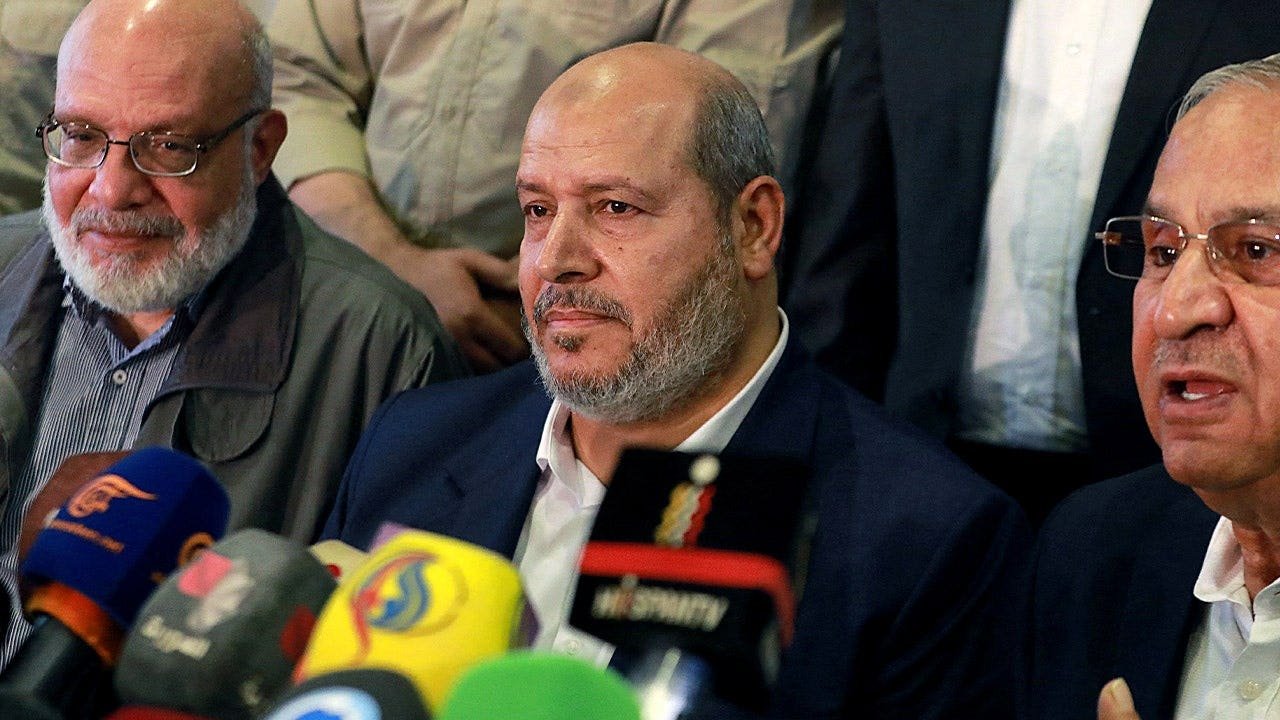
Khalil al-Hayya, who has been a key negotiator for Hamas and who has survived multiple alleged assassination attempts, will now lead the group’s political bureau. But Middle East Institute Senior Fellow Jaser AbuMousa told Fox News Digital his election is not exactly a passing of the torch.
«Expect more of the same, deliberately,» AbuMousa said. «Al-Hayya is Hamas’s chief negotiator and its ultimate institutional survivor, so you’ll see continued engagement at the negotiating table, ceasefire talks, prisoner exchanges, but do not mistake that for moderation.»
HAMAS SAYS IT WILL DISSOLVE GAZA GOVERNMENT, BUT ISRAEL WARNS GROUP STILL SEEKS HEZBOLLAH-STYLE CONTROL
Al-Hayya, Hamas’ longtime chief negotiator in indirect ceasefire and hostage talks with Israel, will now lead its political bureau. (Louai Beshara/AFP via Getty Images)
«Al-Hayya’s victory is best understood as an act of institutional self-preservation: a battered organization reaching for the most familiar hand available,» AbuMousa warned. «He is an experienced operator, and his elevation signals that Hamas, after the destruction of Gaza and the losses since Oct. 7, 2023, has prioritized organizational cohesion, armed continuity, and the preservation of its Iranian relationship over a genuine political reassessment.»
Several members of al-Hayya’s family, including four sons and other relatives, have also been killed in Israeli operations, according to reports.
In September 2025, Israel reportedly sought to kill al-Hayya in Qatar, striking a building where the Hamas delegation was staying.
«This is the paradox of Hamas leadership right now: the top job is essentially a death sentence, which is part of why the chair sat empty for nearly two years after Sinwar was killed,» the expert said.
ISRAEL’S MILITARY ELIMINATES HAMAS TERRORIST WHO HELPED ABDUCT AMERICAN-ISRAELI HOSTAGE, 3 OTHERS
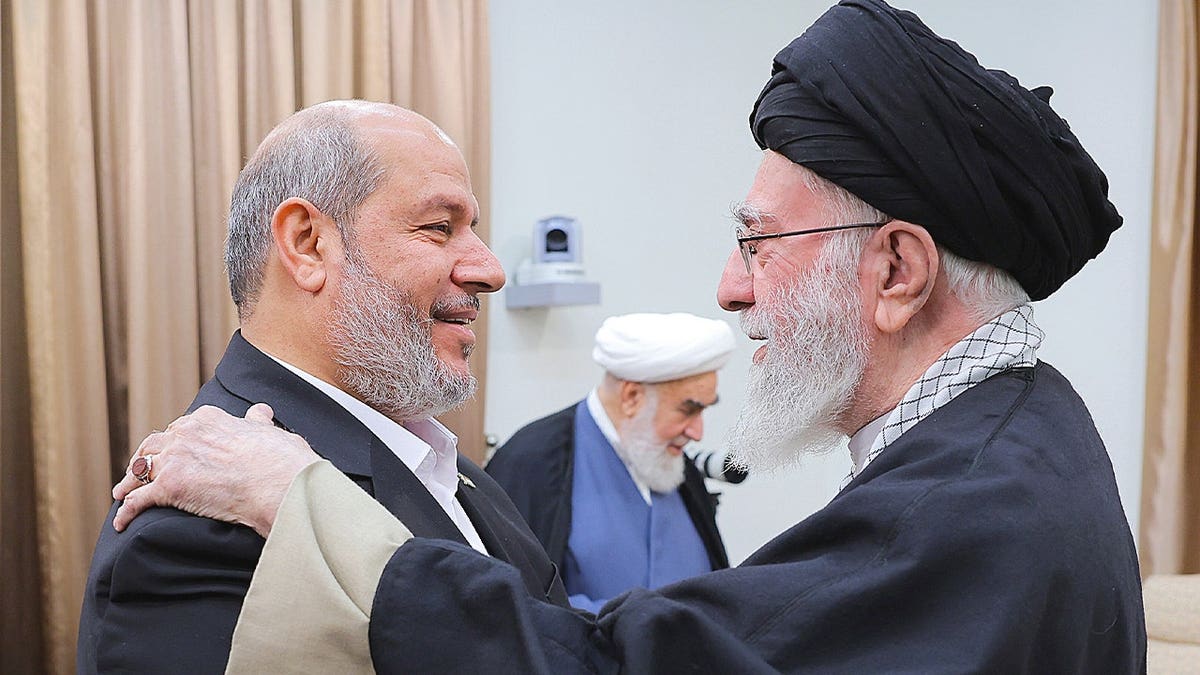
Analysts say Al-Hayya’s elevation signals that Hamas, after the destruction of Gaza and the losses since Oct. 7, 2023, has prioritized organizational cohesion, armed continuity, and the preservation of its Iranian relationship. (Iranian Leader Press Office / Handout/Anadolu via Getty Images)
«Al-Hayya himself also survived the Israeli strike in Doha last September. For an ordinary executive, that would be disqualifying,» he noted. «Inside Hamas it’s the opposite — surviving assassination is a credential.»
«Expect him to lead the way his predecessors did: rarely in public, moving between Doha and mediating capitals, communicating through statements and negotiators rather than appearances, with the real command decentralized so no single strike decapitates the movement,» AbuMousa continued. «An organization that rewards who has suffered most, rather than who has led best, has no real mechanism to correct course after a catastrophe like this one. That’s what should make anyone nervous.»
«Al-Hayya lost his four sons, which is a real and profound loss for any father. But two things can be true at once,» he noted. «His personal grief is genuine, and inside Hamas that sacrifice also functions as political capital that lifts him above criticism.»
IDF CLAIMS TO HAVE TAKEN OUT HAMAS COMMANDER WHO PARTICIPATED IN OCT 7
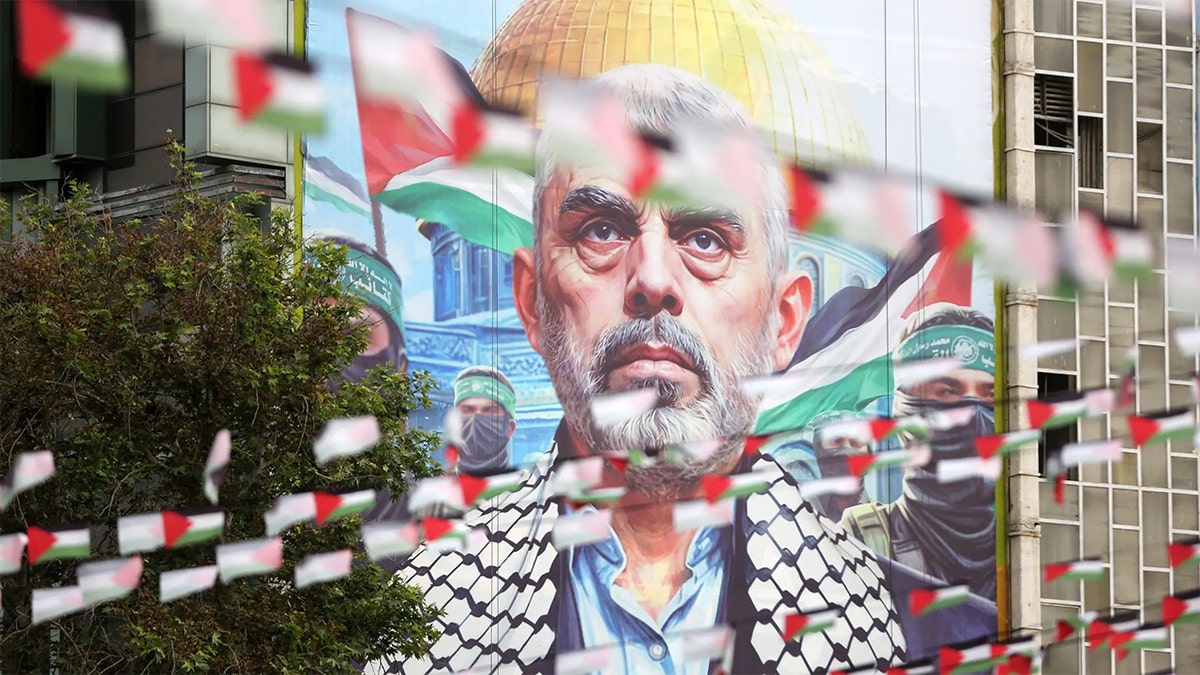
Al-Hayya replaced Yahya Sinwar, who was killed by Israeli forces in late 2024. (Fatemeh Bahrami/Anadolu via Getty Images)
While Al-Hayya replaced Yahya Sinwar, who was killed by Israeli forces in October 2024, his rise to power followed a secret election that stretched over months.
«After the near-total destruction of Gaza and staggering losses since Oct. 7, Hamas had a moment to reassess, and it chose continuity instead,» AbuMousa said. «It elevated a loyal survivor tied to Iran and the military wing rather than someone offering a different path.»
«The real story,» according to AbuMousa, «is that Hamas decided its safest bet was to remain exactly what it was: armed, aligned with Tehran, and unwilling to reckon with where its own decisions led Gaza.»
He also cautioned against viewing the leadership vote as a mandate from Gazans.
CLICK HERE TO DOWNLOAD THE FOX NEWS APP
«This was a closed vote by a leadership council, not an election by the roughly 2 million Gazans whose lives Hamas claims to represent and who haven’t voted since 2006. Many of them blame Hamas for exposing them to this catastrophe,» he said.
«And watch the likely governance model: not a return to running Gaza openly, but a Hezbollah-style arrangement where Hamas sheds visible responsibility while keeping its weapons, its security structures, and a veto over any political deal,» he added.
middle east, israel, hamas, terrorism, conflicts
INTERNACIONAL
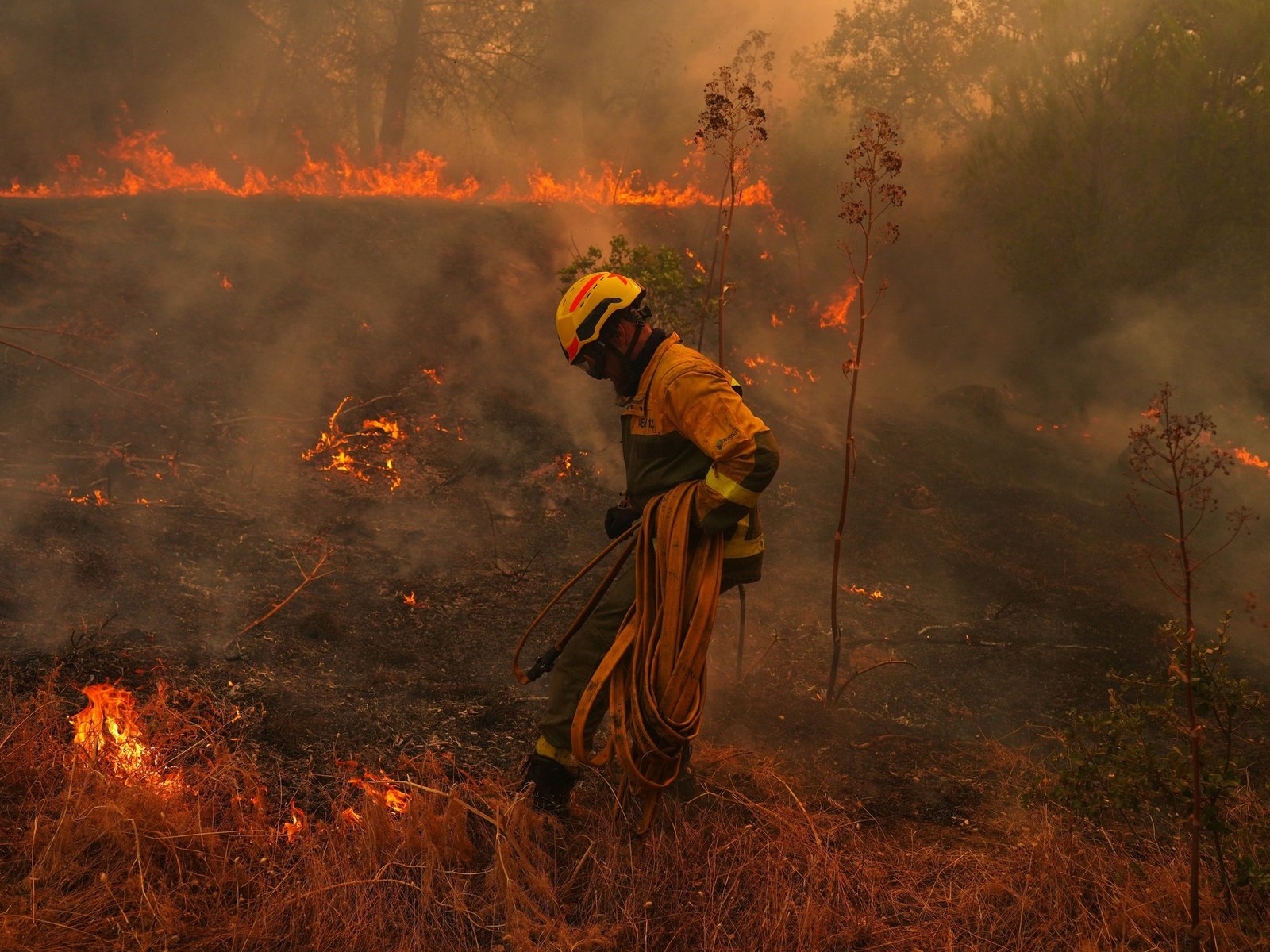
España enfrenta el mayor incendio forestal de su historia reciente: hay más de cien mil evacuados


INTERNACIONAL
Inside Fauci’s private diary: What he wrote about Trump, TV personalities and celebrities
NEWYou can now listen to Fox News articles!
Newly released diary entries by Dr. Anthony Fauci offer an unfiltered look at what the nation’s top infectious disease expert really thought of the politicians, television personalities and celebrities who filled his orbit during the COVID-19 pandemic.
Released by Senate Homeland Security Committee Chairman Rand Paul, R-Ky., the diaries chronicle Fauci’s day-to-day role during the COVID-19 pandemic through meetings, phone calls and personal observations. The release comes days before Fauci is scheduled to testify before the Senate Homeland Security and Governmental Affairs Committee after being subpoenaed by Paul.
The entries feature everyone from President Donald Trump to Julia Roberts, Steph Curry, Larry Ellison and Hunter Biden, offering an unusually personal look at the people who crossed Fauci’s path during the COVID-19 pandemic.
Early entries portray a warm working relationship between Fauci and Trump. Fauci wrote that Trump repeatedly directed questions to him during White House meetings, called him «the smartest person in the world,» told him, «We are counting on you,» and later appeared «enamored» with him as Fauci’s national profile grew.
FAUCI’S NEWLY RELEASED COVID DIARIES REVEAL BIZARRE FIXATION ON FAME AS PANDEMIC DEATHS MOUNTED
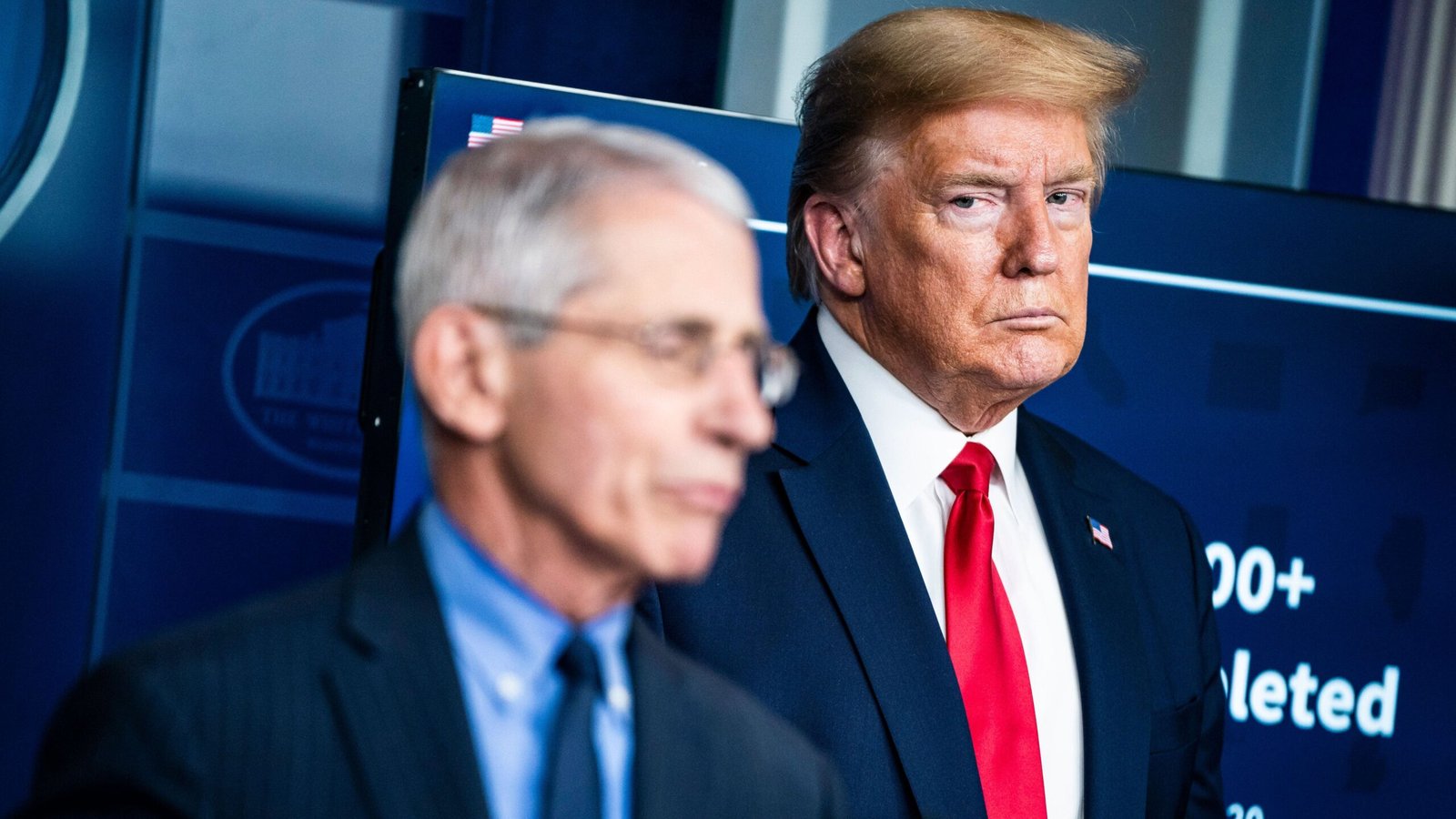
President Donald Trump and Dr. Anthony Fauci are seen during a White House Coronavirus Task Force briefing. Fauci’s newly released diary portrays an initially warm working relationship that later deteriorated as the pandemic unfolded. (Jabin Botsford/The Washington Post via Getty Images)
Fauci’s relationship with White House chief of staff Mark Meadows deteriorated throughout the pandemic. Fauci wrote that Meadows threatened to keep him off television, repeatedly pushed him to soften his public messaging and, in one entry, recounted Meadows «screaming» over his public comments.
Fauci, however, repeatedly described then-White House communications director Alyssa Farah as an ally during internal battles over media appearances. In one May 2020 entry, he wrote that Farah admitted White House staff had been «holding me back,» said the situation had «gotten out of hand» and promised to begin clearing his television requests again.
Not everyone in the administration’s communications operation earned Fauci’s praise. In a July 2, 2020 entry, Fauci called then-HHS Assistant Secretary for Public Affairs Michael Caputo «a con man who is completely full of sh–,» writing that Caputo publicly claimed to support his television appearances while privately blocking them.
Television journalists also became recurring figures in Fauci’s diary. CNN anchor Jake Tapper appears repeatedly, with Fauci documenting phone calls, text exchanges and dinners at the Tappers’ Washington home.
LEGACY MEDIA IGNORES MASSIVE ANTHONY FAUCI DOCUMENT RELEASE ALLEGING HE MISLED CONGRESS ON COVID ORIGINS
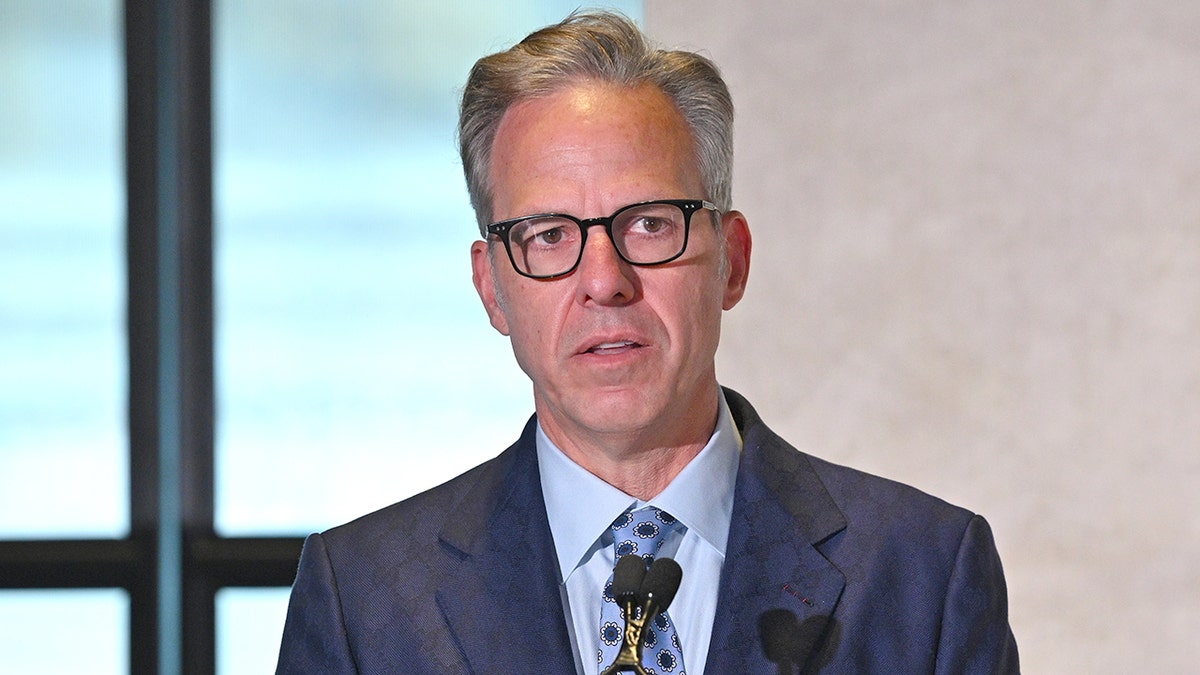
CNN anchor Jake Tapper appears repeatedly in Dr. Anthony Fauci’s newly released COVID-19 diary, which documents phone calls, text exchanges and dinners at Tapper’s Washington home. (Bryan Bedder/Variety/Getty Images)
Fauci wrote that Tapper privately checked to make sure a CNN interview hadn’t caused problems with the White House. When The Atlantic’s Peter Nicholas suggested Fauci had been «humiliated» over a canceled Tapper interview, Fauci fired back in his diary: «F— you, Peter.»
After Fauci’s heated exchange with Ohio Rep. Jim Jordan, Fauci wrote that CNN’s Dana Bash texted him, telling him he was «a better man» and relaying that fellow CNN anchor Wolf Blitzer had joked no one would have blamed Fauci if he had told Jordan to «go f— yourself.»
The following day, Fauci wrote that Bash texted him again, this time pointing him to a Vanity Fair headline mocking Jordan’s performance at the hearing.
The diary also features colorful asides about billionaire Oracle co-founder Larry Ellison, whom Fauci described as «a bit of a loose cannon» while discussing White House efforts to use Oracle technology during the pandemic.
CLICK HERE TO DOWNLOAD THE FOX NEWS APP
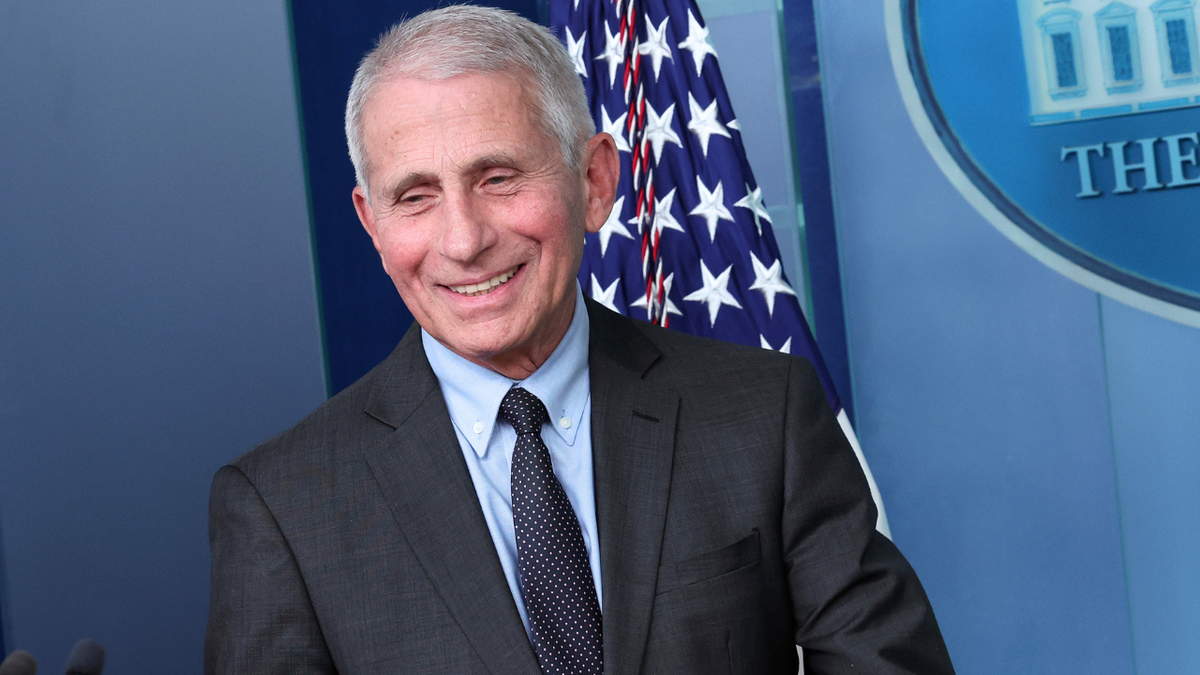
Fauci served as chief medical adviser to President Donald Trump during the COVID-19 pandemic before later continuing in the role under President Joe Biden. (Win McNamee/Getty Images)
Beyond politicians and White House aides, Fauci’s diary reads at times like a Hollywood guest list. Actress Julia Roberts hosted Fauci on Instagram Live, sent him flowers and later presented him with an award, while Vogue editor Anna Wintour, comedian Trevor Noah, NBA star Steph Curry, actors Sean Penn and Matt Damon, and rapper Lil Wayne also make appearances as Fauci documented his growing celebrity during the pandemic.
The diary closes with another unexpected cameo. At the 2022 Kennedy Center Honors, Fauci wrote that he hugged Hunter Biden, who joked the internet «would explode» if someone photographed them together because they were both «being attacked by the far right GOP.»
anthony fauci, white house, donald trump, politics, fox news media, coronavirus

El recuerdo de Nicolás Cabré con su hermano Diulio en su infancia: “Yo baldeaba el patio antes de jugar con él”

El municipio de Pergamino pide un resarcimiento en la causa Cuadernos para financiar obras en la Ruta 188

Boom exportador: cuáles son los 10 productos que más vende la Argentina al exterior y qué sector lidera el ranking

Video: Calleri la metió ante Flamengo en el Maracaná
Diego Santilli, sobre Lula y las quejas de Brasil: “Que no se rasguen las vestiduras, vinieron acá a hacer campaña”

Misiones: ofrecía dólares para la venta y terminó detenido por el robo de una caja fuerte

Jorge Berredo, general retirado de las FFAA, asumió como Secretario de Seguridad en San Isidro

Sin la anestesia mundialista, aflora la crisis del conurbano y Milei necesita reconectar con lo popular

Senado: Bullrich y Sturzenegger cierran filas para tratar de avanzar con la extranjerización de tierras
Marc Stanley destacó el potencial de Vaca Muerta para “estabilizar la economía” y evitó hablar de política interna

 ECONOMIA2 días ago
Vocero de Milei dijo que un dólar a $1.800 es «posible» y la City alerta por fin de la paz cambiaria
- ECONOMIA3 días ago
Polémica por el proyecto que busca desregular los planes de ahorro de autos 0 km: qué podría cambiar
- INTERNACIONAL3 días ago
Panorama internacional: Brasil, una batalla electoral no solo de los brasileños