INTERNACIONAL
NATO’s eastern flank races to rearm as Trump pressure exposes Western Europe’s defense gap

NEWYou can now listen to Fox News articles!
This is part six of a series examining the challenges confronting the NATO alliance.
As President Donald Trump presses NATO allies to shoulder more of Europe’s defense burden, countries closest to Russia are moving fastest — while some of Western Europe’s biggest economies face growing pressure to catch up.
Retired Rear Adm. Mark Montgomery, senior director at the Foundation for Defense of Democracies and former deputy director for strategy, policy and plans at U.S. European Command, said the shift is already visible across the alliance.
«Europe is clearly stepping up, but they’re stepping up by geographic variation,» Montgomery told Fox News Digital.
«If you ask me who’s doing the most, the Eastern Europeans are clearly.»
RUSSIAN DRONES TEST NATO’S ARTICLE 5 DEFENSE GUARANTEE AHEAD OF FRIDAY SANCTIONS DEADLINE
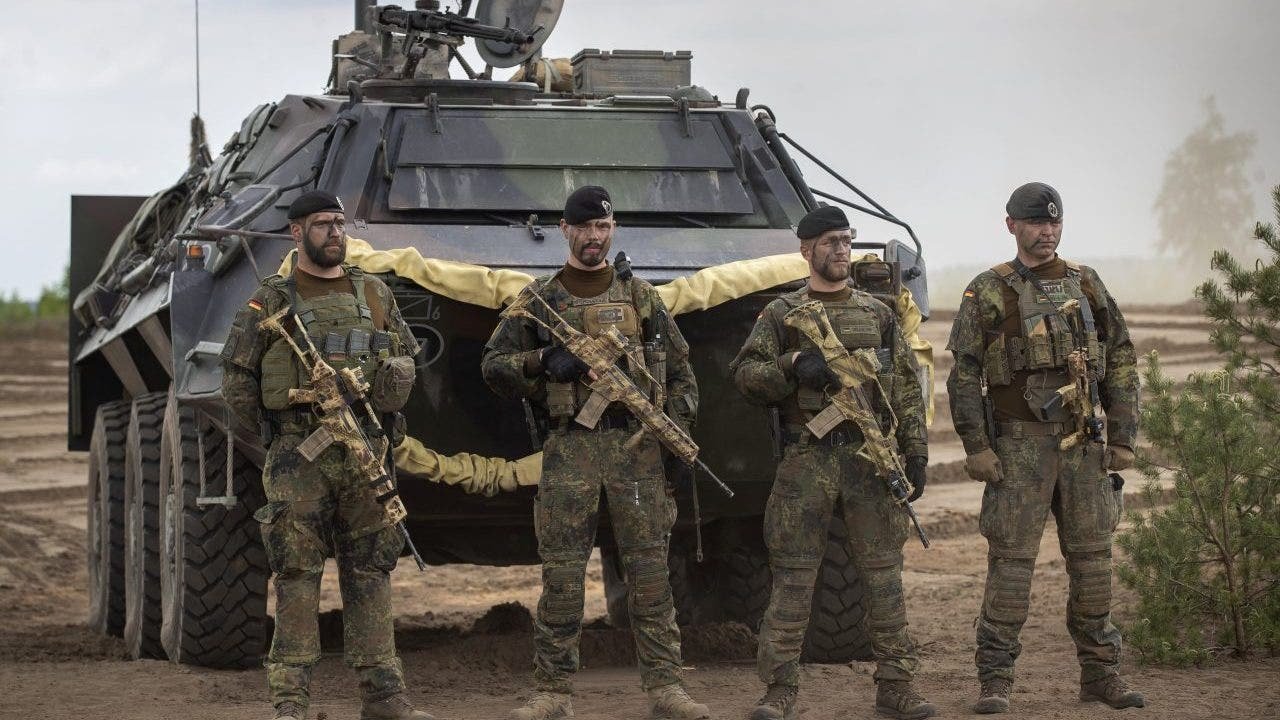
As President Donald Trump presses NATO allies to shoulder more of Europe’s defense burden, countries closest to Russia are moving fastest. (Burak Akbulut/Anadolu via Getty Images)
Montgomery pointed to the Baltic states, Poland, Romania and Bulgaria as countries moving aggressively to strengthen deterrence against Russia.
His assessment comes as NATO allies work toward a new defense spending benchmark agreed at the 2025 summit in The Hague, which calls on members to invest 5% of GDP in defense and security-related spending by 2035, including 3.5% for core defense requirements and 1.5% for defense-related infrastructure and security investments.
John Deni, a research professor at the U.S. Army War College, said the trend shouldn’t be surprising.
«Given the threat of Russia, allies in the East are acquiring capabilities more quickly, and they’re spending even more than allies in the West,» Deni told Fox News Digital. «This shouldn’t surprise us because they’re the ones closest to the threat.»
Deni noted that many eastern allies are rapidly purchasing equipment already available on the market rather than waiting years for domestic defense programs to mature.
UK, GERMAN DEFENSE OFFICIALS DEFEND MILITARY BUILDUP UNDER RUSSIAN THREATS
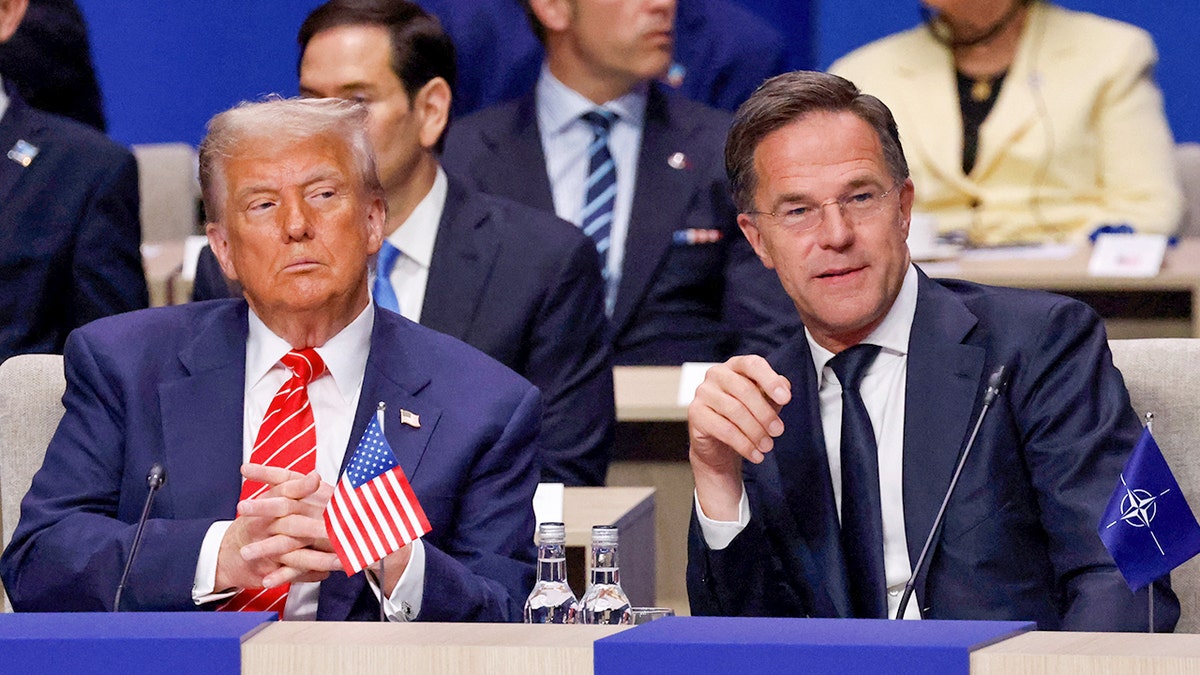
President Donald Trump and NATO Secretary-General Mark Rutte attend the start of a NATO leaders summit in The Hague, Netherlands, June 25, 2025. (Ludovic Marin/Pool via Reuters)
The transformation is visible across NATO’s eastern and northern flanks. Poland has become one of the alliance’s largest military spenders, Romania is increasing defense investments, and Finland and Sweden have added advanced military capabilities to NATO following their accession.
Secretary of State Marco Rubio praised Finland and Sweden Thursday at the Senate Foreign Relations Committee hearing, using them as examples of allies strengthening the alliance.
«Sweden and Finland have actually contributed because they brought their own defense industry, their own advanced technology,» Rubio said. «They have been great partners.»
Romanian Foreign Minister Oana-Silvia Ţoiu echoed that message in an interview with Fox News Digital following an emergency U.N. Security Council session convened after a Russian drone strike injured civilians in the Romanian city of Galați.
«We do agree with President Trump on the need to increase budgets,» Ţoiu said.
Ţoiu said Romania raised defense spending to 2% of GDP during Trump’s previous term and plans to allocate «an average of 3.4 percent» next year through military procurement and strategic infrastructure investments.
POLAND SEEKS ANSWERS AFTER PENTAGON SCRAPS PLANNED US ARMORED BRIGADE ROTATION

«Europe is clearly stepping up, but they’re stepping up by geographic variation,» Retired Rear Adm. Mark Montgomery told Fox News Digital. (Omar Sobhani/Reuters)
«We have launched initiatives that are directed at the eastern flank because it is increasingly more clear that that needs to be protected,» she said.
She argued that Romania’s role extends beyond national defense.
«We need better deterrence, better defense capabilities there in order to ensure our responsibility in protecting not just the Romanian border, which is the longest border to the war, but also it is in the same time a European border and the border of the Allied territory,» Ţoiu said.
For frontline states, the urgency is driven by geography as much as politics. Romania shares a border with Ukraine and repeatedly has dealt with Russian drones entering its airspace. Poland has become one of NATO’s top military spenders, while the Baltic states are racing toward defense expenditures approaching 5% of GDP.
Montgomery said the eastern flank’s urgency contrasts sharply with the pace in much of Western Europe.
Among the continent’s five largest economies, and despite a slight decrease in military spending in 2025, the U.K. remains the largest investor relative to GDP, with 2.4%, trailed by Germany (2.3%), Spain (2.1%), France (2%) and Italy (1.9%), according to the Stockholm International Peace Research Institute (SIPRI).
WHY NATO’S DEFENSE SPENDING IMBALANCE LASTED FOR DECADES
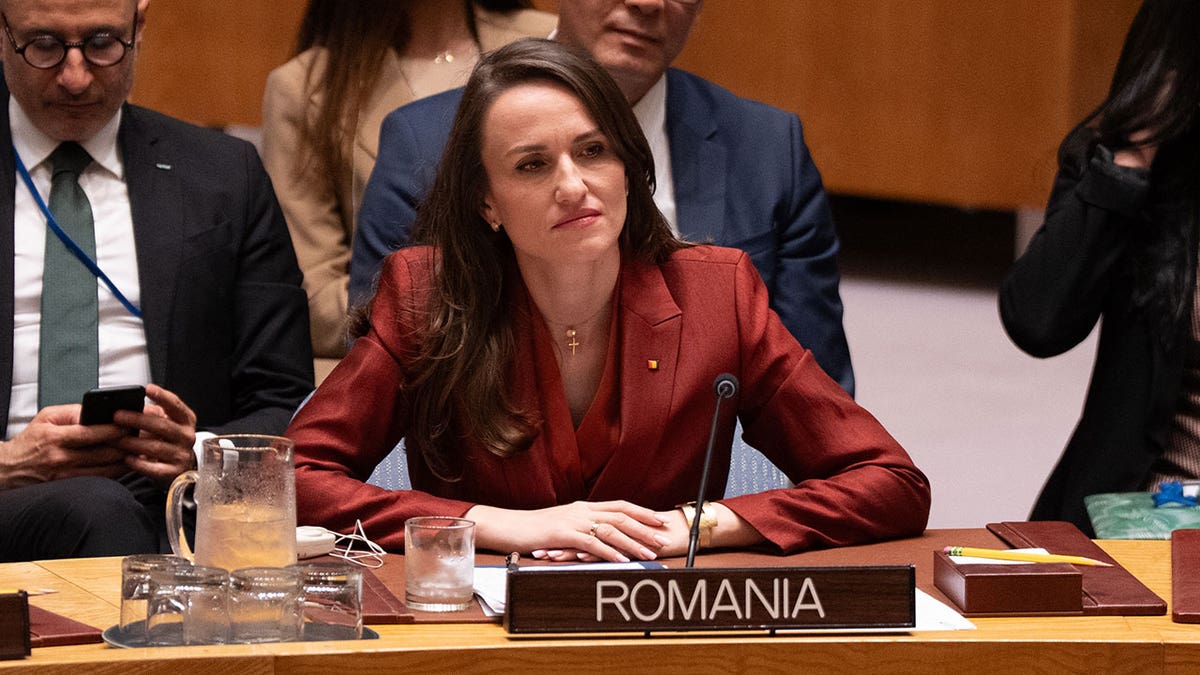
Oana-Silvia Toiu, Romania’s minister for foreign affairs, speaks during an emergency Security Council meeting at the United Nations headquarters in New York on June 1, 2026, after a Russian military drone entered Romanian airspace and exploded, injuring civilians. (Lev Radin/Sipa USA)
«The Germans are the one country, I think, with a large economy that is starting to make the right kind of investments.»
Germany, he argued, could become the backbone of Europe’s future defense industrial base.
«Germany developing a large, impressive defense industrial base is good for NATO, it’s good for Western security, and it’s even good for our primes,» Montgomery said.
German Chancellor Friedrich Merz has embraced higher defense spending and backed NATO’s new spending goals, positioning Berlin as a potential hub for Europe’s future defense industrial base as allies seek to reduce long-term dependence on the United States.
But despite rising defense budgets, experts warn Europe remains heavily dependent on American military capabilities.
Barak Seener, a senior fellow at the Henry Jackson Society, said Europe still relies on the United States for many of the systems required to fight a modern war.
NATO CHIEF WARNS EUROPE CAN’T DEFEND ITSELF WITHOUT US AS TENSIONS RISE OVER GREENLAND
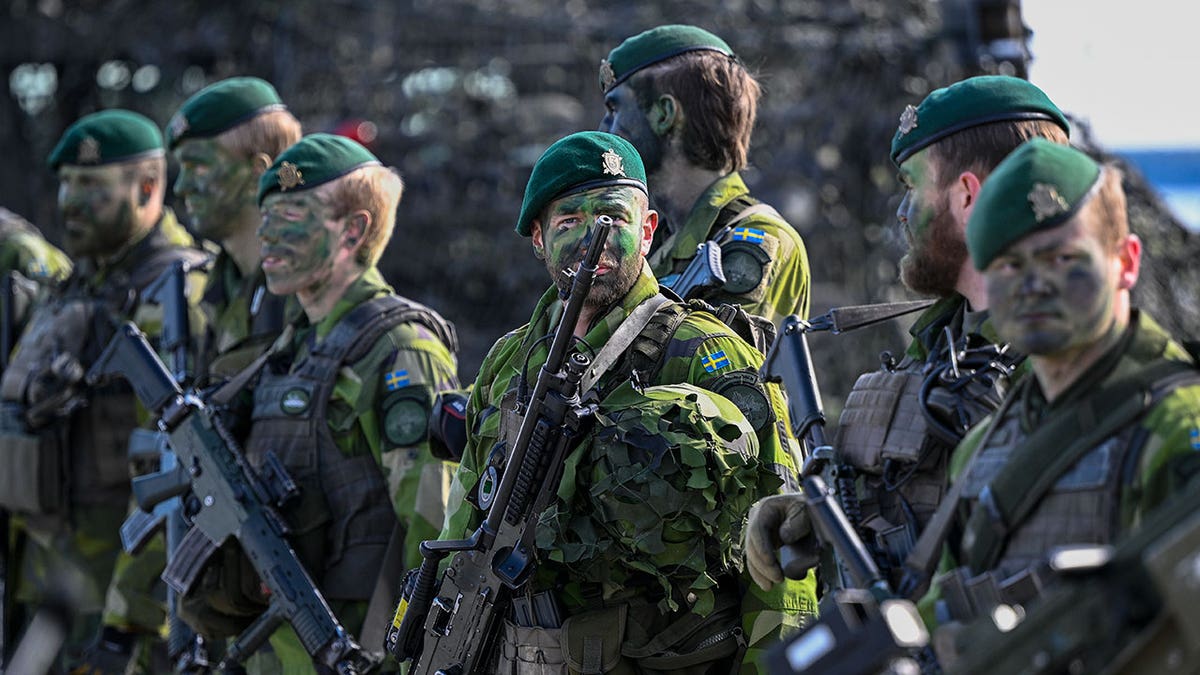
Despite rising defense budgets, experts warn Europe remains heavily dependent on American military capabilities. (Anders Wiklund/TT News Agency via AP, File)
«Europe is heavily dependent on NATO for its strategic airlift and sea lift, its air-to-air refueling, its cyber capabilities, its space assets, its intelligence, surveillance and reconnaissance,» Seener said.
Without those capabilities, he warned, European forces would struggle to maintain situational awareness during a major conflict.
Montgomery said Europe faces three major challenges: expanding military capacity, rebuilding its defense industrial base and developing high-end support capabilities that have long been provided by the United States.
PENTAGON CUTS BRIGADE COMBAT TEAMS IN EUROPE AS TRUMP PRESSURES NATO ON SPENDING
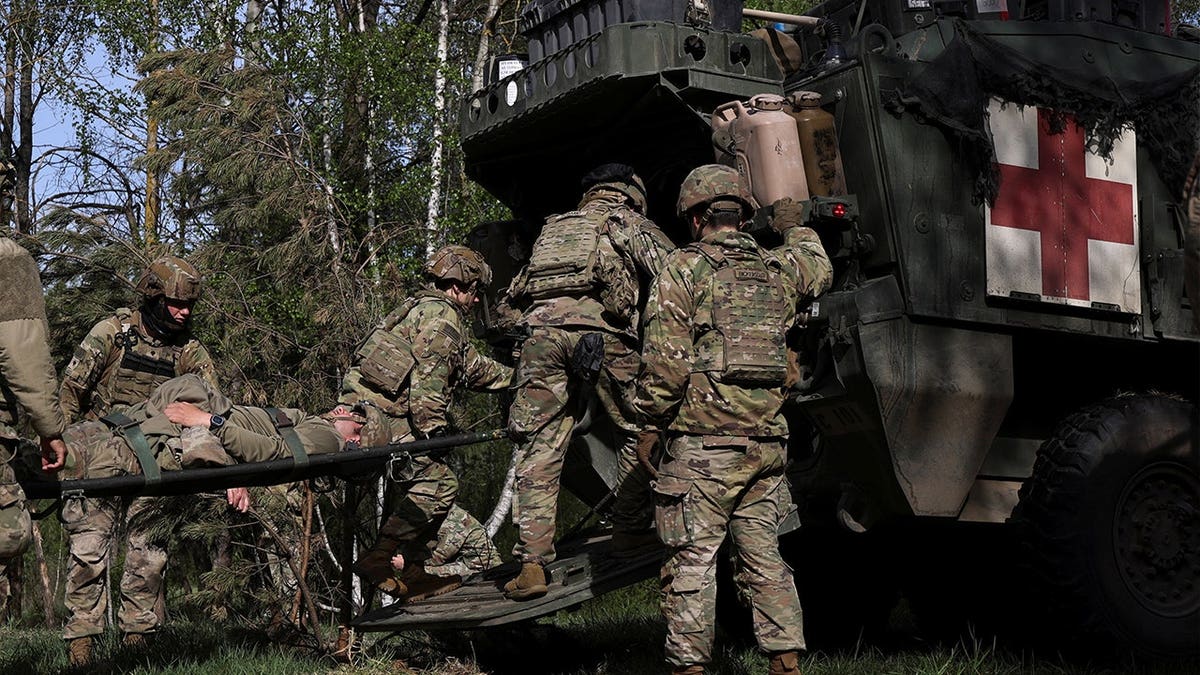
Retired Rear Adm. Mark Montgomery pointed to the Baltic states, Poland, Romania and Bulgaria as countries moving aggressively to strengthen deterrence against Russia. (Kuba Stezycki/Reuters)
«When you are freeloading for 30 years, you create enormous deficits in terms of people, equipment, technology and know-how,» he said.
«The primary forces to defend Europe should be European,» he said. «The United States should provide additional forces that allow maneuver and offensive operations.»
Montgomery also criticized reported Pentagon deliberations over delaying long-range strike deployments to Germany and reconsidering future Tomahawk missile sales, arguing the systems are critical for deterring Russia.
«The goal here is not to fight Russia in the Baltics or in Poland. The idea here is we want to deter Russia from even trying to attack.»
Looking ahead, Montgomery remains optimistic about NATO’s future.
Montgomery predicted Europe will continue increasing defense spending and expanding its defense industrial base, while the alliance benefits from steadier transatlantic relations.
«I think you’ll have a U.S. president that probably doesn’t provoke the Europeans as much. You’ll have Europe that’s investing more,» he said.
CLICK HERE TO DOWNLOAD THE FOX NEWS APP
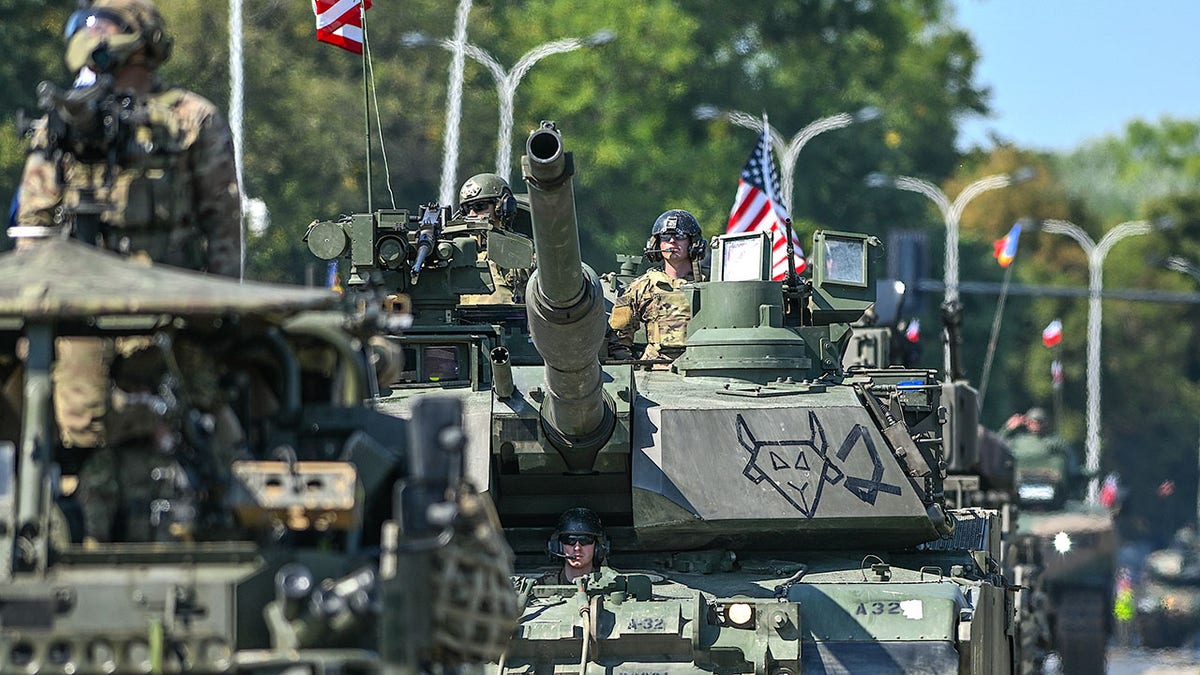
U.S. Army M1 Abrams tanks take part in the Armed Forces Day parade in Warsaw, Poland, Aug. 15, 2025. (Artur Widak/NurPhoto)
He also predicted NATO Secretary-General Mark Rutte would be remembered for helping hold the alliance together through a period of significant change.
«I think five years from now, NATO will be stronger,» he said. «And I hope we have Ukraine in there.»
nato, ukraine, europe, spending, russia











INTERNACIONAL
Un militar retirado irrumpe en la política de Italia y complica los planes de Giorgia Meloni


INTERNACIONAL
Khanna demands answers from CCP-linked company accused of undercutting US manufacturers
NEWYou can now listen to Fox News articles!
FIRST ON FOX – Rep. Ro Khanna, D-Calif., sent a letter to the Chinese Communist Party (CCP)-linked Fuyao Glass Industry Group Co., one of the world’s leading automotive glass manufacturers with U.S. headquarters in Ohio, demanding information on the company’s operations and finances amid allegations of labor violations.
The letter, first obtained by Fox News Digital, asks for extensive documentation of Fuyao’s business operations in the U.S., its labor practices, its ties to the CCP and more.
Khanna, the top Democrat on the House Select Committee on the Strategic Competition Between the U.S. and the Chinese Communist Party, cited allegations that Fuyao has been violating U.S. labor laws by, among other things, importing foreign workers to undercut American labor.
«They have serious allegations against them of suppressing prices because they’re being subsidized by the Chinese Communist Party, allegedly, of bringing people into this country who are undocumented and violating our immigration laws, and then exploiting those workers and having them work long hours with little pay,» Khanna told Fox News Digital.
CHINA IS BUILDING A MASSIVE SHIP THAT SHOULD SCARE AMERICANS ABOUT THE FUTURE
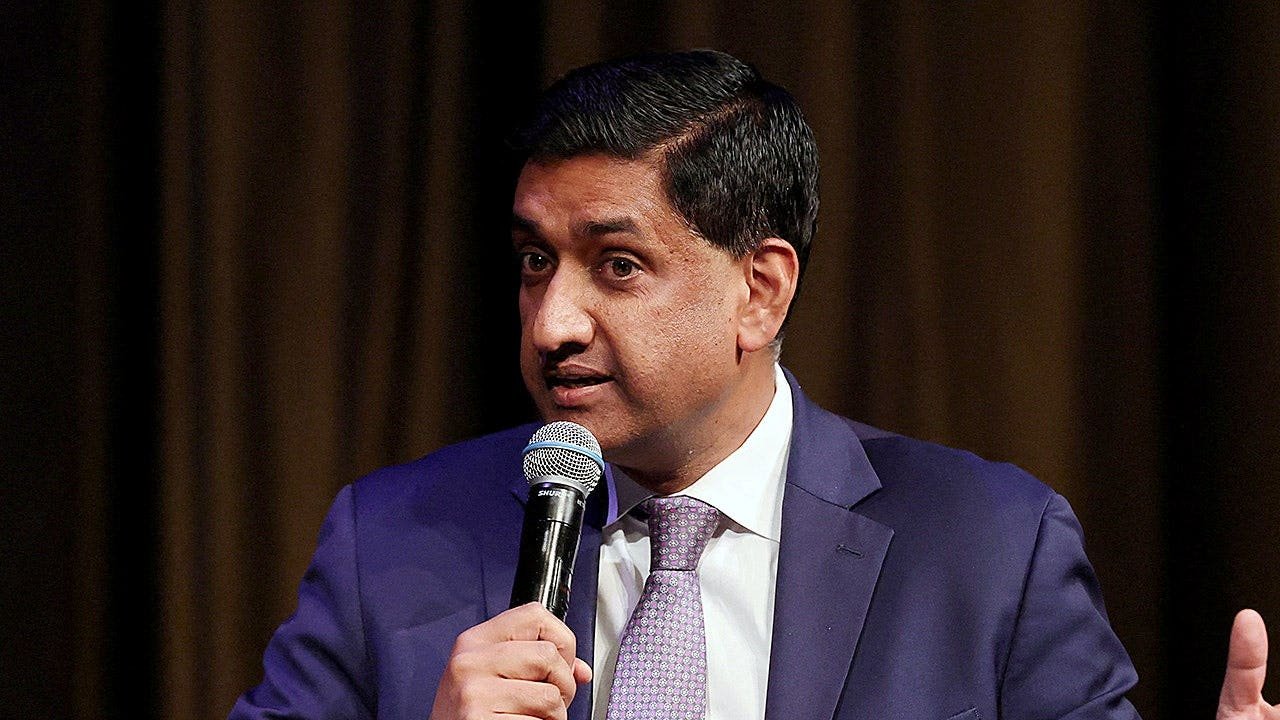
Rep. Ro Khanna speaks during the National Action Network National Convention in New York City on April 8, 2026. (Brendan McDermid/Reuters)
A 2024 federal raid on Fuyao’s Ohio properties resulted in a civil asset forfeiture of $126 million that included the seizure of luxury goods, vehicles, and 12 commercial and residential properties, including what the U.S. Department of Justice (DOJ) described as «boarding houses» to accommodate migrant workers.
«It is alleged that many of the workers were illegally smuggled into the United States, primarily through Mexico, and encouraged to travel to the Dayton area to be employed by one of the target entities and serve as a workforce at the various factories. Most of the workers are of Chinese or Hispanic nationality. Workers allegedly lived at ‘family style hotels’ (boarding houses) owned by the target entities and were driven to and from work in transportation provided by the target entities,» the DOJ said in a press release.
CHILL COMING FROM TRUMP’S SUMMIT WITH XI IS PROOF OF A NEW COLD WAR WITH CHINA
Among the many pieces of information Khanna requested from Fuyao was data on whether the company was being subsidized by the CCP, allowing them to undercut U.S. competitors, who he argued were being negatively affected by Fuyao’s practices.
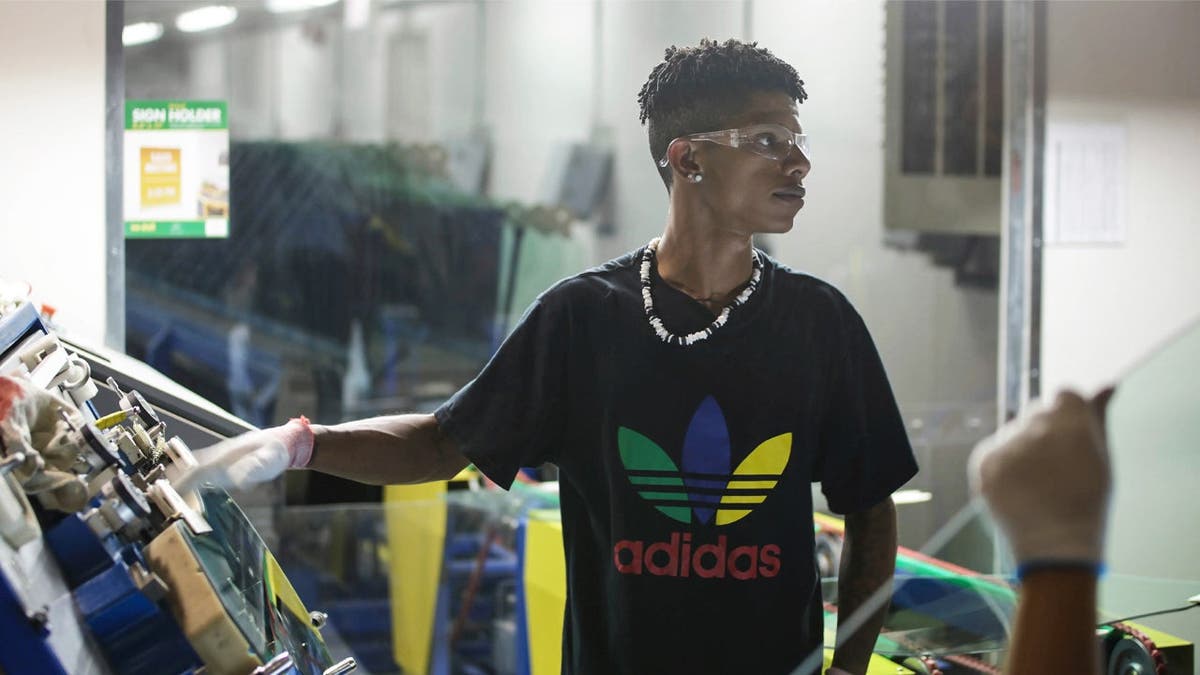
This image released by Netflix shows Zach Ray at work at the Fuyao Glass America factory in Dayton, Ohio, in a scene from the Oscar-nominated documentary «American Factory.» (Netflix via AP)
«They are hurting. American glass manufacturers, one of them that we met on our Heartland tour in Western Pennsylvania. And they are putting American workers out of business,» Khanna told Fox News Digital. «And at the same time, they are exploiting our laws. Now we have requested the findings from the Justice Department that undertook an investigation. And they still have not released the findings. And so I am going to take on myself, with the China Committee, to investigate Fuyao.»
In the 2025 press release, the DOJ said a criminal investigation into Fuyao is ongoing.
Khanna also asked the company to reveal the degree to which the CCP is involved in the company’s operation.
«We need to understand a lot more. I want to understand whether they’re getting subsidies from the CCP. I want to understand whether any CCP government official is on their board or on their executive team,» he said. «I want to understand if they’re providing reports to the CCP, I want to understand if the CCP is helping them to lower prices where they can undercut American competition. And I certainly want to know if the CCP is helping them smuggle in people who are undocumented. So these are unanswered questions that we need to answer.»
Like all Chinese companies, Fuyao is required to have a CCP representative in their company ranks. The company’s vice president, He Shimeng, is also a CCP secretary, according to the Made In China Journal.
HOUSE REPUBLICANS MOVE TO MAKE TRUMP’S BORDER POLICIES PERMANENT
When asked if the U.S.’s southern border’s porousness under former President Joe Biden relative to the border under President Donald Trump’s administration contributed to Fuyao’s ability to import foreign workers, Khanna said that a strong border is necessary. Notably, migrant encounters at the southern border are at a 50-year low under the second Trump administration, according to the Pew Research Center.
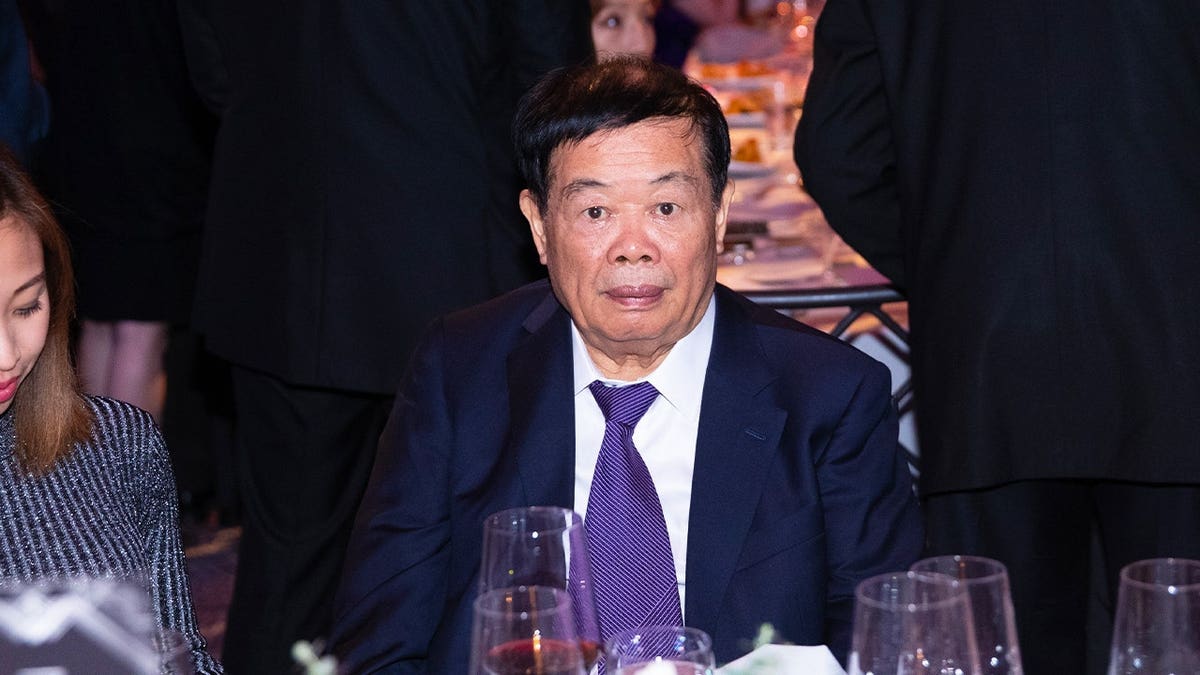
Cao Dewang, chairman of Fuyao Glass Group, attends the annual black-tie dinner hosted by the National Committee on U.S.-China Relations at the Ziegfeld Ballroom on Oct. 24, 2023, in New York City. (Liao Pan/China News Service/VCG via Getty Images)
«I’ve said that we need border security, and I’ve also been candid that we allow too many people to come in without the proper vetting in 2024,» Khanna told Fox News Digital.
«I disagree with the ICE raids that are taking place very strongly, but I believe we need a secure border,» he said, adding, «as an American, we should be outraged that you have a Chinese-funded company that is undercutting American jobs, potentially exploiting workers, and potentially breaking our immigration laws. So with that. That is wrong. And so I am going to make sure that we stand up for American workers and for our laws.»
Fuyao was the subject of the 2019 Netflix documentary «American Factory,» which captured the company’s takeover of a former General Motors plant in Moraine, Ohio, a suburb of Dayton. One of the film’s major themes was Fuyao’s million-dollar effort to crush the area’s local unions.
«Once the focus begins to shift… to the fight over an upcoming vote on unionization — with [Fuyao founder] Cao [Dewang] paying ‘consultants’ over a million dollars to lecture workers at length on the horrors of unions and then telling them that ‘you have a voice’ — the film begins to toughen considerably as it shows how corporate manipulation works,» Roger Ebert critic Peter Sobczynski wrote in 2019.
The alleged union-busting is a major focus of Khanna’s inquiry.
«What is Fuyao’s reasoning for its opposition to unionization efforts at facilities in the United States?» Khanna’s letter asked.
Side view of a white colored Ford F-150 pickup truck. (Smith Collection/Gado/Getty Images)
«Has Fuyao retaliated against any whistleblower (without regard to whether the subject matter of the whistleblower allegation related to collective bargaining), including but not limited to through actions impacting employment, hours, pay, employment records, or other workplace decisions?» Khanna also queried.
In addition to requesting the comprehensive information packet from Fuyao, Khanna is also requesting an onsite visit to the company’s flagship Ohio plant before Nov. 1, «so I can go in and see for myself who the workers are,» he told Fox News Digital.
«Are they undocumented? Are they being exploited, what the pricing is?» he asked.
«What we have heard is they’ve engaged in anti-union activity,» Khanna told Fox News Digital. «What we’ve heard is that they are working their employees long hours well beyond the 40-hour work week. What we heard is, that they’re not paying overtime. What we’re heard is wage theft, that they’re not paying their workers an appropriate wage. So all of this is exploitive. And of course, if these are undocumented workers in certain cases, they’re most vulnerable. They’re totally dependent on Fuyao for their staying in America and their living.»
Fuyao is one of the largest automotive glass manufacturers and suppliers in the world. The company claims to have 35% of global market share in the automotive glass trade, a number corroborated by trade publications like Bamboo Works, which pegs the number even higher at 40%. Fuyao supplies glass to global and U.S. automakers such as BMW, Volkswagen, General Motors and Ford.
Khanna said that if Fuyao did not comply with his request for information, he would be willing to subpoena the information from them as ranking member of his committee.
«We can subpoena them, if not, and I fully expect to have this as a priority when I become chair, if we win the election, but we wanna do this in a bipartisan way,» he said. «They need to allow us onto the site and they need to provide this information.»
He explained that he has a good relationship with committee Chairman Rep. John Moolenaar, R-Mich., and said other colleagues across the aisle have supported his efforts.
«I fully anticipate it will be bipartisan. I have a very good relationship with John Moolenaar, our chair. We share a commitment to an American industrial policy. We understand that there needs to be more investment in our communities, and we share a concern about Chinese companies coming into the auto industry or Chinese companies coming in. If they’re not playing fair, I don’t want Ohio to be taken over by Chinese companies that are violating our trade laws and our labor laws and our immigration laws,» he said.
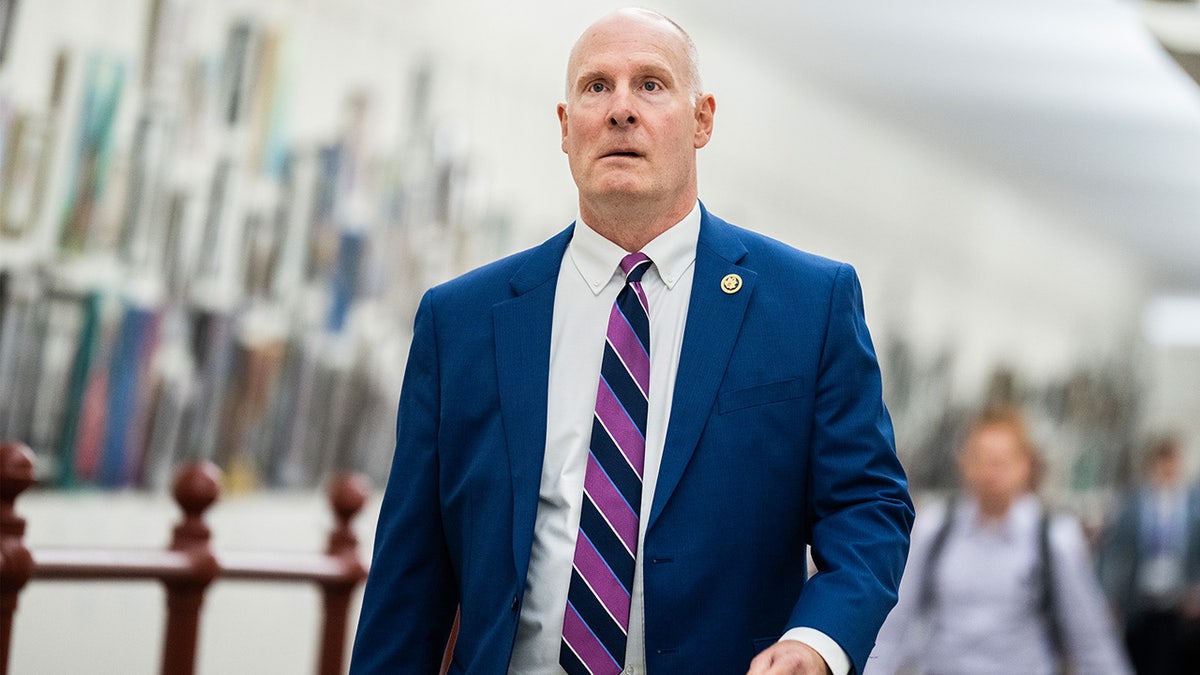
Rep. John Moolenaar, R-Mich., in the Cannon Tunnel on April 30, 2024. (Tom Williams/CQ-Roll Call, Inc via Getty Images)
Khanna conceded that Trump was one of the first to raise the issue of China’s unbalanced relationship with the U.S., but still criticized the president’s overall policy on China, giving it a «C» when asked to grade it.
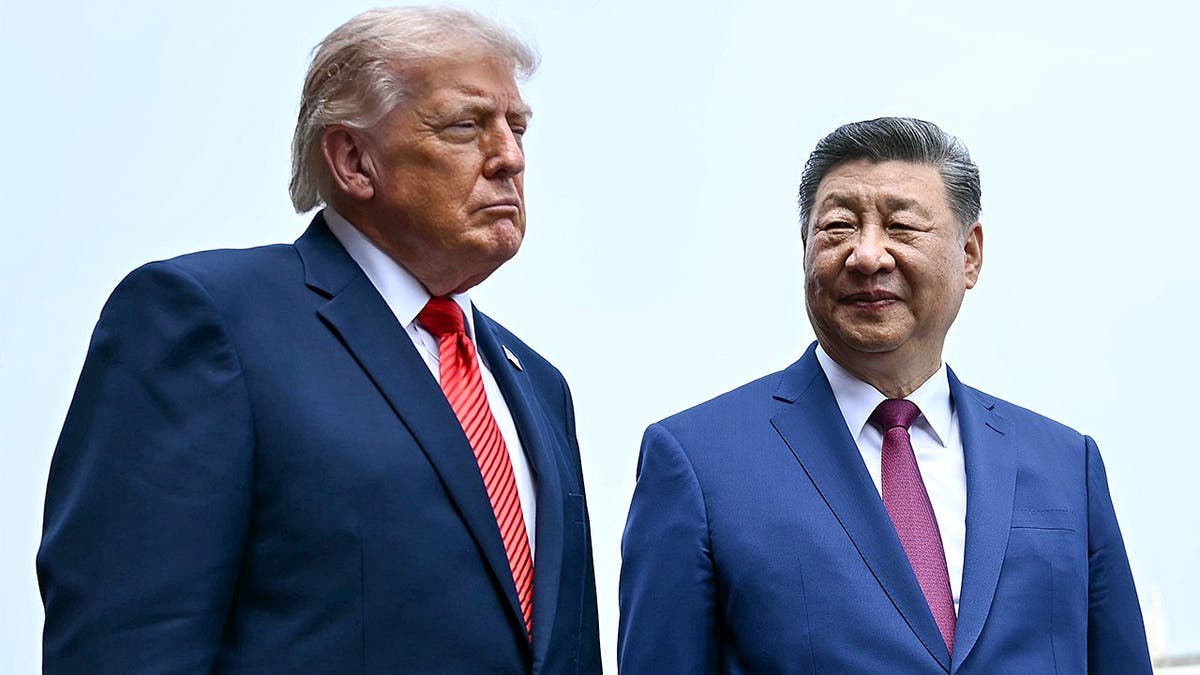
Chinese President Xi Jinping and President Donald Trump visit the Temple of Heaven on May 14, 2026, in Beijing, China, during a high-level summit between the two leaders. (Brendan Smialowski – Pool/Getty Images)
CLICK HERE TO DOWNLOAD THE FOX NEWS APP
«I’d give it a ‘C’ because I think he was the first to sound the alarm on China, eating our lunch and taking our jobs. And he was right to sound the alarm. And so I give him credit for sounding the alarm, but he hasn’t followed through. Why are we begging them for foreign investment? Why aren’t we having an industrial investment bank for our people here? Why aren’t we investing in our industry and ships and steel and robotics here? And in building up our manufacturing base? And then why aren’t we going after companies like Fuyao, where they’re clearly violating the law?» Khanna said.
Fox News Digital contacted Moolenaar, Fuyao and the DOJ for comment.
china, labor unions, politics, socialism, xi jinping, news, illegal immigrants, immigration
INTERNACIONAL
Recuperaron ADN de un tenedor plástico y acusaron a una mujer de haber apuñalado 100 veces a su mejor amiga hace 14 años
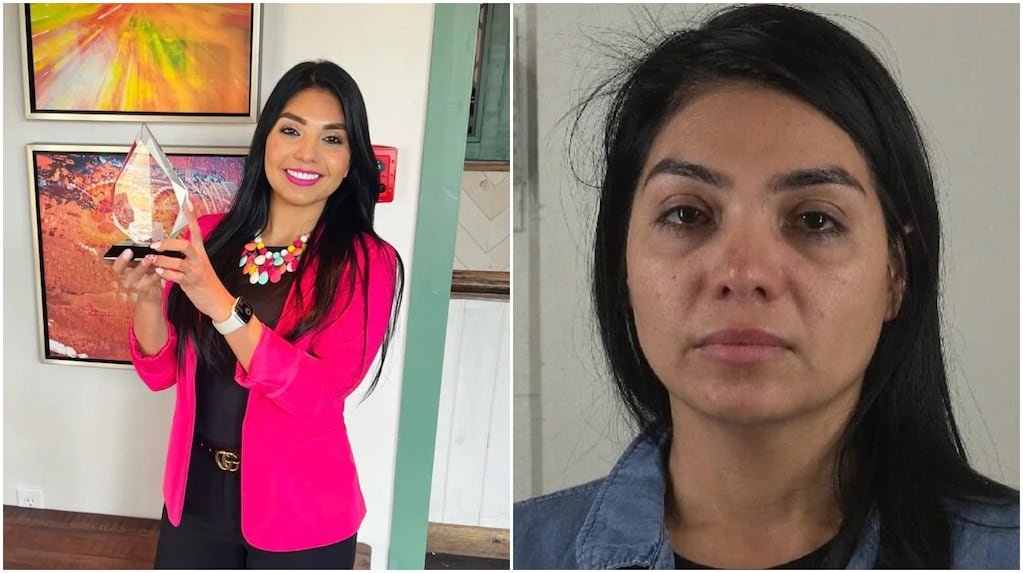
Una mujer de Texas fue detenida por el asesinato en 2012 de una mujer que fue apuñalada aproximadamente 100 veces en su departamento de la ciudad de Arlington.
La investigación, que se mantuvo abierta durante 14 años, dio un giro clave cuando los detectives recurrieron a la genealogía genética y a un análisis de ADN extraído de un residuo para identificar a la presunta autora.
El crimen ocurrió el 20 de enero de 2012, cuando Irasema Chávez, de 32 años, fue encontrada muerta en su departamento de Aspenwood Apartments, en South Collins Street. La víctima presentaba cerca de 100 heridas de arma blanca. No había señales de ingreso forzado, lo que llevó a los investigadores a sospechar que conocía a su atacante. Irasema Chávez fue apuñalada unas 100 veces por su amiga (Foto: Arlington Police Department).
Durante años, la causa avanzó sin sospechosos claros. El ADN hallado en una manchita de sangre encontrada en la escena del crimen no coincidía con ninguna persona registrada en las bases de datos, y los testigos aportaron pocos datos.
La investigación se estancó hasta que, en 2016, la policía recurrió a Parabon NanoLabs para obtener un perfil genético a partir de la sangre encontrada en el lugar. Con ese material, la empresa elaboró una predicción del aspecto físico del posible agresor.
El aporte de la genealogía genética y el trabajo conjunto con el FBI
En noviembre de 2024, la unidad de homicidios de Arlington pidió colaboración al FBI de Dallas para aplicar técnicas de genealogía genética en el caso. El programa de IGG (Investigative Genetic Genealogy) del FBI aceptó intervenir. El perfil de la sospechosa que había elaborado un laboratorio especializado en genética. (Foto: gentileza CBS).
El avance decisivo llegó en abril de 2026, cuando el trabajo de IGG permitió a los detectives obtener una pista concreta. Aunque la policía no detalló la naturaleza exacta de la evidencia, fue suficiente para solicitar una orden de arresto contra Mayra Velásquez, de 42 años, quien «había sido amiga íntima de la víctima» y vivía a pocos kilómetros del lugar del crimen, según indicó la policía en un comunicado.
El ADN de la basura, la clave para cerrar el caso
En mayo de 2026, los investigadores recolectaron una muestra de ADN de Velásquez a partir de un tenedor plástico recuperado por agentes en la basura. El análisis en laboratorio confirmó que el perfil genético coincidía con la gota de sangre hallada en el dormitorio de Chávez, específicamente sobre el soporte del televisor. Chávez fue asesinada en su casa y una cámara solo había registrado la llegada de una persona sin poder identificarla. (Foto: gentileza The New York Post).
Según la policía, es habitual que en ataques con arma blanca el agresor se lesione accidentalmente, lo que explicaría la presencia de sangre de Velásquez en la escena.
Tras una conferencia de prensa, las autoridades informaron que la acusada permanece detenida en la cárcel del condado de Tarrant, imputada por homicidio.
Un caso que marcó a la comunidad y el avance de la ciencia forense
El motivo detrás del brutal ataque aún no fue esclarecido. Velásquez, que en el pasado trabajó como agente inmobiliaria y más recientemente como vendedora en una empresa de limusinas, sorprendió a quienes la conocían con la noticia de su detención.
La detective Tracey Dixon, encargada de casos sin resolver del Departamento de Policía de Arlingtonanunció que compartió la noticia del arresto de Velásquez con la familia de Chávez.
“Estaban muy agradecidos. Fue muy emotivo”, dijo durante una conferencia de prensa, según WFAA. “Todos los que se ven involucrados en un caso como este sienten esa euforia cuando se resuelve, y sienten el dolor de la familia. Es la razón por la que hacemos este trabajo”, agregó.
“Estoy sumamente orgulloso del trabajo que realizaron nuestros oficiales e investigadores forenses en este caso. Demostraron tenacidad y dedicación, y nunca se rindieron”, declaró el jefe de policía de Arlington, Al Jones, según ABC News .
Añadió que, en el último año y medio se solucionaron unos 14 casos sin resolver gracias a las nuevas tecnologías de ADN.
Joe Rothrock, agente especial a cargo de la oficina del FBI en Dallas, elogió la genealogía genética forense como “una de las herramientas más valiosas con las que cuentan las fuerzas del orden en la actualidad”. Desde 2018, el FBI la ha utilizado para resolver más de 250 casos en 30 estados, afirmó.
Estados Unidos
Crisis de 2001. De la protesta a la tragedia, imágenes de 48 horas que marcaron a fuego a la Argentina

Un militar retirado irrumpe en la política de Italia y complica los planes de Giorgia Meloni

La Libertad Avanza celebra el Día de la Unidad

Tamara Báez mostró su nuevo cambio de look tras el anuncio de su embarazo: “Lo necesitaba”

El disgusto de Luis de la Fuente ante la actitud de Argentina tras perder la final: «Es inadmisible, no se puede permitir»

Hackear al Estado. Así operan las ciberbandas que secuestran bases de datos y exigen rescate

Escándalo Mundial: Las presiones secretas, la amenaza de la FIFA por Malvinas y la verdad detrás del partido contra España

Sin la Copa y sin Messi en el avión, vuelve Tapia y deberá enfrentar tres frentes de tormenta tras la pausa del Mundial

Samuel L. Jackson llamó a Argentina “el país más racista del mundo”: la contundente respuesta que le dejó Bárbara Lombardo

Le ganan a la inflación: los senadores pasarán a cobrar $12 millones brutos a partir de agosto

 DEPORTE2 días ago
Escándalo Mundial: Las presiones secretas, la amenaza de la FIFA por Malvinas y la verdad detrás del partido contra España
- CHIMENTOS3 días ago
Samuel L. Jackson llamó a Argentina “el país más racista del mundo”: la contundente respuesta que le dejó Bárbara Lombardo
- POLITICA3 días ago
Le ganan a la inflación: los senadores pasarán a cobrar $12 millones brutos a partir de agosto