INTERNACIONAL
Nayib Bukele: el presidente que ha cambiado la forma de gobernar en El Salvador


Nayib Bukele transformó el sistema político de El Salvador con una fórmula que combina el combate frontal contra las pandillas, una comunicación digital centrada en su figura y una concentración de poder que despierta cuestionamientos dentro y fuera del país.
El presidente salvadoreño llegó al poder en 2019 como una alternativa a la Alianza Republicana Nacionalista (ARENA) y al Frente Farabundo Martí para la Liberación Nacional (FMLN), los dos partidos que dominaron la política nacional desde el final de la guerra civil.
Cinco años después, obtuvo la reelección con el 84.65% de los votos, según consignó el Tribunal Supremo Electoral (TSE) en aquel momento, y ha consolidado a Nuevas Ideas como fuerza dominante.
Bukele nació el 24 de julio de 1981 en San Salvador, en una familia de origen palestino. Su padre, Armando Bukele Kattán, fue ingeniero químico y empresario; su madre, Olga Marina Ortez, es católica.
Antes de ingresar en la política, trabajó en el sector publicitario y fundó una empresa del rubro a los 18 años. Esa experiencia contribuyó a definir uno de los rasgos más visibles de su carrera: el manejo de marcas, mensajes breves y redes sociales.

Su primer cargo electivo llegó en 2012, cuando fue elegido alcalde de Nuevo Cuscatlán bajo la bandera del FMLN, según consta en diferentes medios nacionales.
Tres años más tarde asumió la alcaldía de San Salvador, desde donde amplió su proyección nacional con una imagen de dirigente joven, alejado de las estructuras tradicionales y activo en plataformas digitales.
La relación con el FMLN se deterioró con rapidez. El partido lo expulsó el 10 de octubre de 2017, de acuerdo con datos publicados por medios digitales e impresos en el país, en medio de disputas con la dirigencia.
Bukele convirtió ese conflicto en el punto de partida de su proyecto propio: el 25 de octubre anunció la creación de Nuevas Ideas, movimiento que más tarde obtuvo reconocimiento legal como partido político.
En las elecciones de 2019 compitió bajo la bandera de la Gran Alianza por la Unidad Nacional (GANA), debido a que Nuevas Ideas todavía no podía postularlo. Bukele ganó en primera vuelta con el 53.10% de los votos y asumió el 1 de junio de ese año. Su victoria puso fin a tres décadas de alternancia entre ARENA y el FMLN.

La principal fuente de legitimidad del gobierno de Bukele ha sido su política contra las pandillas. El Ejecutivo articuló esa estrategia a través del Plan Control Territorial, mismo que comprende el despliegue de policías y militares, reformas penales y un régimen de excepción vigente desde marzo de 2022.
El Gobierno sostiene que estas medidas han permitido reducir de manera drástica los homicidios y recuperar zonas que habían permanecido bajo control de las maras. La percepción de mayor seguridad aparece de forma reiterada como el principal motivo de respaldo al presidente en los sondeos de opinión.
La construcción del Centro de Confinamiento del Terrorismo (CECOT) se convirtió en uno de los símbolos de esa política. La prisión fue diseñada para alojar a cientos de presuntos integrantes de pandillas y proyectó internacionalmente la imagen de un Estado dispuesto a aplicar un esquema de encarcelamiento masivo.

El modelo, sin embargo, ha recibido críticas de organizaciones de derechos humanos, académicos y organismos internacionales. Las objeciones se concentran en las detenciones masivas, las dificultades para ejercer la defensa, la ampliación de los plazos de detención y las denuncias sobre arrestos de personas sin vínculos comprobados con estructuras criminales.
El poder político quedó concentrado en torno a su figura
Durante su administración, Bukele ha sido cuestionado por decisiones relacionadas con la reducción de los contrapesos institucionales. En 2021, la Asamblea Legislativa dominada por Nuevas Ideas destituyó a magistrados de la Sala de lo Constitucional de la Corte Suprema de Justicia (CSJ) y al fiscal general.
Sus críticos consideran que esas medidas, junto con la continuidad del régimen de excepción y el control oficialista de la Asamblea, han debilitado la independencia de poderes. Sus seguidores, en cambio, defienden que las reformas han permitido destrabar un sistema que identifican con la corrupción y la ineficacia de los gobiernos anteriores.

La reelección de 2024 profundizó ese debate. Bukele obtuvo un segundo mandato tras una interpretación constitucional que habilitó su candidatura, pese a que la reelección inmediata había sido históricamente un tema sensible en El Salvador. El presidente inició su actual período el 1 de junio de 2024, con mandato previsto hasta 2029; disposición que cambió tras las últimas reformas electorales, en las cuales se adelantaron los comicios a 2027.
La imagen digital amplificó su liderazgo
La figura de Nayib Bukele está estrechamente asociada al uso directo de redes sociales. Desde esas plataformas anuncia decisiones, responde a opositores, divulga operativos de seguridad y construye una narrativa de ruptura con la política tradicional.
En su perfil de X se definió como “Philosopher King” y, frente a las acusaciones de autoritarismo, llegó a presentarse como el “dictador más cool del mundo”. La ironía es parte de estrategia para neutralizar las críticas y reforzar su imagen de dirigente desafiante ante organismos internacionales, opositores y medios.

Diferentes encuestas han mostrado niveles de aprobación que han oscilaron entre el 80% y el 94% entre 2019 y 2026. La mejora en seguridad explica gran parte de ese respaldo, aunque los estudios también registran inquietudes por la economía, el costo de vida y la percepción de que el Gobierno favorece a los sectores de mayores ingresos.
el salvador,nayib bukele












INTERNACIONAL
Food delivery favorite forced to fork over millions after DOJ alleged discrimination against American workers

FIRST ON FOX: Popular grocery delivery company Instacart has reached a multimillion-dollar settlement with the Department of Justice (DOJ) after it was accused of discriminating against American workers.
The DOJ’s Civil Rights Division says it has reached a $5 million settlement with Maplebear Inc., which operates the delivery service used by Americans to get groceries sent to their front doors. The resolution addresses allegations that the company purposefully discriminated against U.S. and American workers based on country of origin, which the DOJ says violates the Immigration and Nationality Act (INA) and Title VII of the Civil Rights Act of 1964 (Title VII).
The company, according to the Justice Department, was abusing the Permanent Labor Certification (PERM) process by placing undue burdens on American applicants by requiring them to physically mail applications to the company, deviating from Instacart’s standard electronic application process. The scheme occurred from December 2023 through February 2026.
TRUMP ADMINISTRATION PROPOSES ENDING 60-DAY GRACE PERIOD AFTER JOB LOSS FOR H-1B, OTHER VISA HOLDERS
«This significant resolution marks the 15th settlement agreement the Civil Rights Division has reached under my leadership to protect U.S. workers,» Assistant Attorney General Harmeet K. Dhillon said. «Our record demonstrates that the Justice Department is holding companies who prefer workers with temporary employment visas accountable. We will not stop fighting for U.S. workers until there is a fair playing field.»
The settlement was secured in conjunction with the U.S. Equal Employment Opportunity Commission (EEOC).
Instacart will be required, under the settlement, to set up a $4 million fund to compensate applicants who may have been wronged, and another $1 million in civil penalties.
The PERM program allows employers to sponsor temporary visa workers for permanent residence in the United States. However, companies using the PERM program are required to make a «good-faith» effort to hire American workers before resorting to foreigners.
STARBUCKS RESOLVES FLORIDA DEI LAWSUIT WITH BLOCKBUSTER AGREEMENT
Companies cannot create «additional burdens for U.S. and American workers; publishing job advertisements that disfavor, limit, specify, or otherwise discriminate against U.S. and American workers; or use processes that limit, segregate, or classify applicants in any way that tends to deprive U.S. and American applicants of employment opportunities,» according to the DOJ.
The settlement is the 15th of its kind since President Donald Trump began his second term in office in January 2025 and is part of a broader effort to ensure American workers aren’t illegally discriminated against.
The EEOC has dubbed the mission «Project Firewall.»
«Today’s settlement makes clear that when employers erect unlawful barriers that harm American workers, the EEOC will act decisively,» said Andrea Lucas, the chair of the EEOC. «The EEOC is committed to holding companies accountable when they deny equal work opportunities to U.S. workers by preferring temporary visa holders for jobs. Discrimination against workers based on their American national origin has no place in our economy.»
«We’re proud to be a U.S.-based grocery technology platform, employing thousands of American workers and serving millions of customers, retailers, shoppers and brands. We encourage qualified U.S. jobseekers to apply to join our team,» an Instacart spokesperson told Digital.
«Hiring and investing in American workers across our U.S. business is our priority, and we actively promote every role across many channels to ensure qualified U.S. candidates are always first in line for opportunities. While we maintain that our practices complied with all applicable laws and regulations, we’re pleased to have resolved this matter so we can keep our full focus on delivering on our mission for customers, shoppers, retailers and brands.»
politics, justice department, immigration, companies, dei, food
INTERNACIONAL
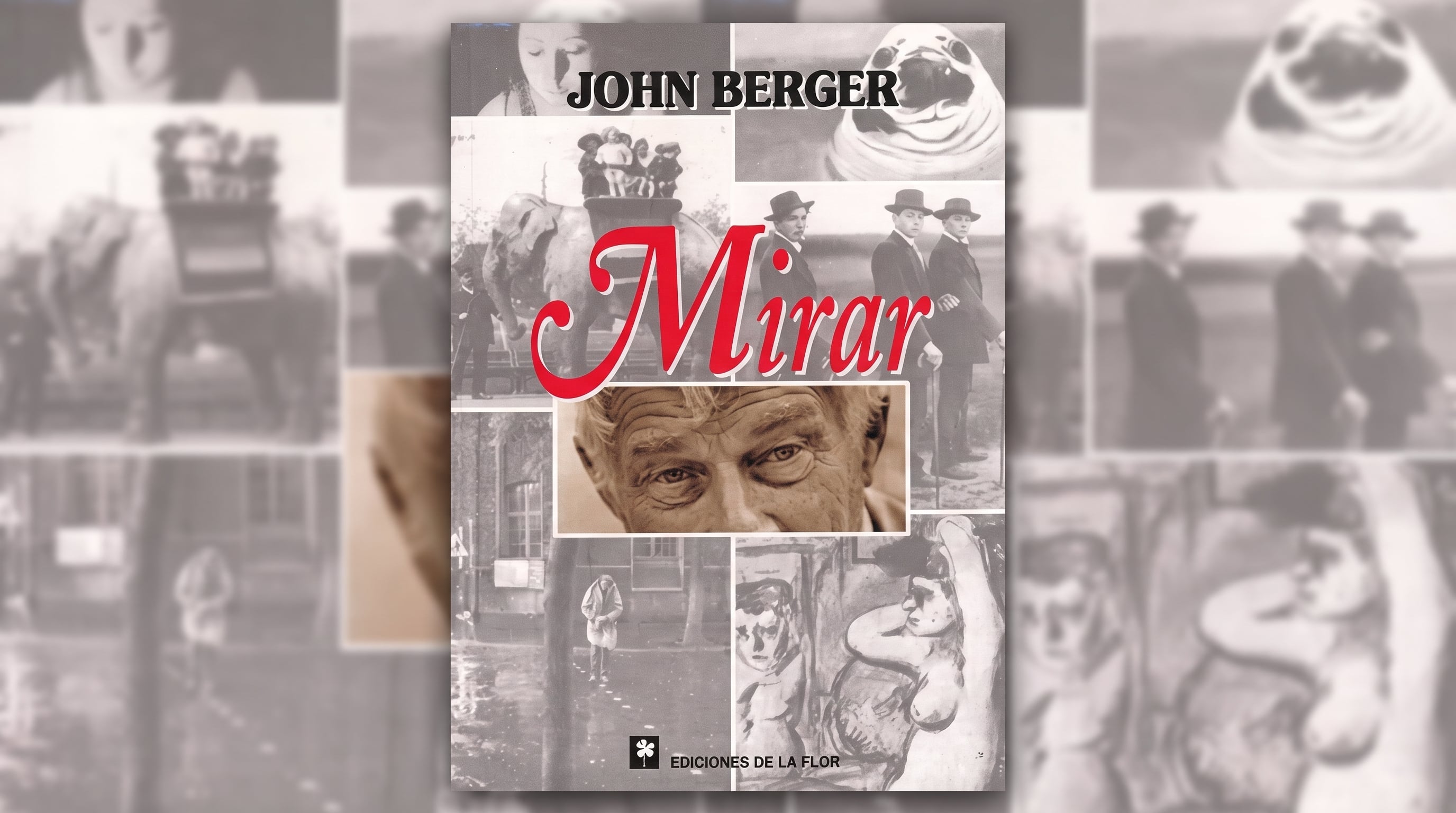
John Berger, el hombre que nos enseñó a prestar atención antes de que las pantallas se robaran la memoria

Como crítico, es decir, como alguien cuyo trabajo consiste en prestar atención a las cosas, y como lector de crítica, lo que significa alguien que presta atención a las maneras en que se presta atención, últimamente me han obsesionado las obras de John Berger.
Berger, un crítico de arte, novelista y polemista político británico que murió en 2017, dedicó gran parte de su vida como escritor a la teoría y la práctica de mirar: pinturas, animales, el mundo natural. No se trataba simplemente de una preocupación estética. “No se puede hablar de estética”, escribió, “sin hablar del principio de esperanza y de la existencia del mal”. Para él, la atención era una cuestión de vida o muerte o, al menos, de sus equivalentes culturales: recordar y olvidar.
Uno de mis ensayos favoritos de Berger, publicado por primera vez en 1973, se titula Between Two Colmars (“Entre dos Colmars”). Relata su experiencia de ir a ver un retablo renacentista cerca de esa ciudad catedralicia alsaciana en 1963, y de nuevo 10 años después.
Nunca he estado en Colmar, y no hay ninguna imagen del retablo, pintado por el maestro alemán Matthias Grünewald, en la edición de About Looking (“Sobre mirar”) que estoy consultando. Por supuesto, podría buscar en internet —algo que no habría podido hacer cuando apareció por primera vez el texto ni cuando lo leí por primera vez una década más tarde aproximadamente— para ver de qué hablaba Berger. Pero no creo haberlo hecho nunca porque, aunque describe el retablo con cuidadoso detalle —«Fue pintado sobre paneles de madera con bisagras. Cuando estos estaban cerrados, quienes estaban ante el altar veían la Crucifixión, flanqueada por san Antonio y san Sebastián. Cuando los paneles se abrían, veían un Concierto de ángeles y una Virgen con el Niño, flanqueados por una Anunciación y una Resurrección»—, lo que más me importa son sus experiencias al contemplarlo.
Un artefacto de la Europa de principios del siglo XVI —una época experimentada por muchos, según Berger, como “un tiempo de condenación”— que representa escenas de la historia bíblica le parece brutal y desesperanzador cuando lo ve por primera vez en 1963, y esperanzador y compasivo cuando vuelve a contemplarlo. Esas impresiones son las imágenes especulares de su propio estado de ánimo al comienzo y al final de un período que empezó con optimismo personal y político y terminó en desorientación y derrota. La esperanza de los primeros años sesenta le dio la seguridad para abrazar la tristeza, mientras que la desolación de los años setenta lo dejó necesitado de consuelo. Una sola obra de arte respondía a ambas necesidades. “En un período de expectativa revolucionaria”, concluye Berger, “vi una obra de arte que había sobrevivido como evidencia de la desesperación del pasado; en un período que debe ser soportado, veo la misma obra ofreciendo milagrosamente un estrecho paso a través de la desesperación”.
Esa frase me parece lo bastante conmovedora como para que quizá nunca necesite ver el retablo por mí mismo. La idea de que el arte puede ofrecer una medida de esperanza en los malos tiempos es hoy en día un lugar común y puede deslizarse fácilmente hacia el sentimentalismo y el escapismo. Pero para Berger, el arte ofrece no tanto un refugio como una forma de vivir en la historia, de comprender la complejidad del pasado y la relación cambiante del individuo con él. El retablo, anclado en los hechos de su propia época —guerras de religión, rápidos cambios tecnológicos, peste y paranoia—, atraviesa los siglos como recordatorio del tipo de significado que solo el arte puede proporcionar.
Del mismo modo, Between Two Colmars puede recordar a un lector del siglo XXI la urgencia y complejidad de mirar el arte. Ahora mismo, estamos en medio de una crisis de atención, atrapados individual y colectivamente en un desplazamiento infinito de interrupción y distracción. Berger vio venir esta crisis y previó sus consecuencias. En 1978, al escribir sobre la fotografía y su impacto en el mundo moderno, sostuvo que el predominio de las imágenes “crea un presente eterno de expectativa inmediata: la memoria deja de ser necesaria o deseable. Con la pérdida de la memoria, también se nos pierden las continuidades del significado y el juicio”. Ese diagnóstico parece aún más verdadero hoy, a medida que las funciones de recordar, juzgar e interpretar se delegan cada vez más de las mentes y comunidades humanas al éter de las fuentes de redes sociales y la inteligencia artificial. Corremos el peligro de olvidar cómo mirar.
El centenario de Berger llegará el 5 de noviembre. Casi 10 años después de su muerte, su presencia todavía se siente en algunos rincones de la cultura. Su libro más conocido, Ways of Seeing (“Modos de ver”), ha sido un elemento básico de las clases de historia del arte y una presencia habitual en las estanterías de jóvenes de mentalidad crítica durante más de medio siglo. New York Review Books ha reeditado de forma constante su ficción y su crítica, incluida, a principios de este otoño, la colección de 1980 About Looking, que incluye el ensayo que acabo de citar. Acaba de publicarse una nueva biografía, de Tom Overton, la segunda en una década.

En internet, además de encontrar su serie de cuatro partes de la BBC Ways of Seeing, se puede ver en streaming The Seasons in Quincy, un documental meditativo de 2015 en el que Berger participa en una conversación pública con Ben Lerner, pela manzanas con Tilda Swinton y da lecciones de motocicleta a la hija de ella, Honor Swinton Byrne. Berger aparece en la película como una figura élfica y abuelesca, con una melena de rizos plateados y penetrantes ojos azules, carismático de una manera que parece un poco anticuada.
Suscríbase al boletín The Ethicist, solo para suscriptores de Times. Consejos sobre las situaciones más difíciles de la vida y los dilemas morales, del filósofo Kwame Anthony Appiah. Recíbalo en su bandeja de entrada.
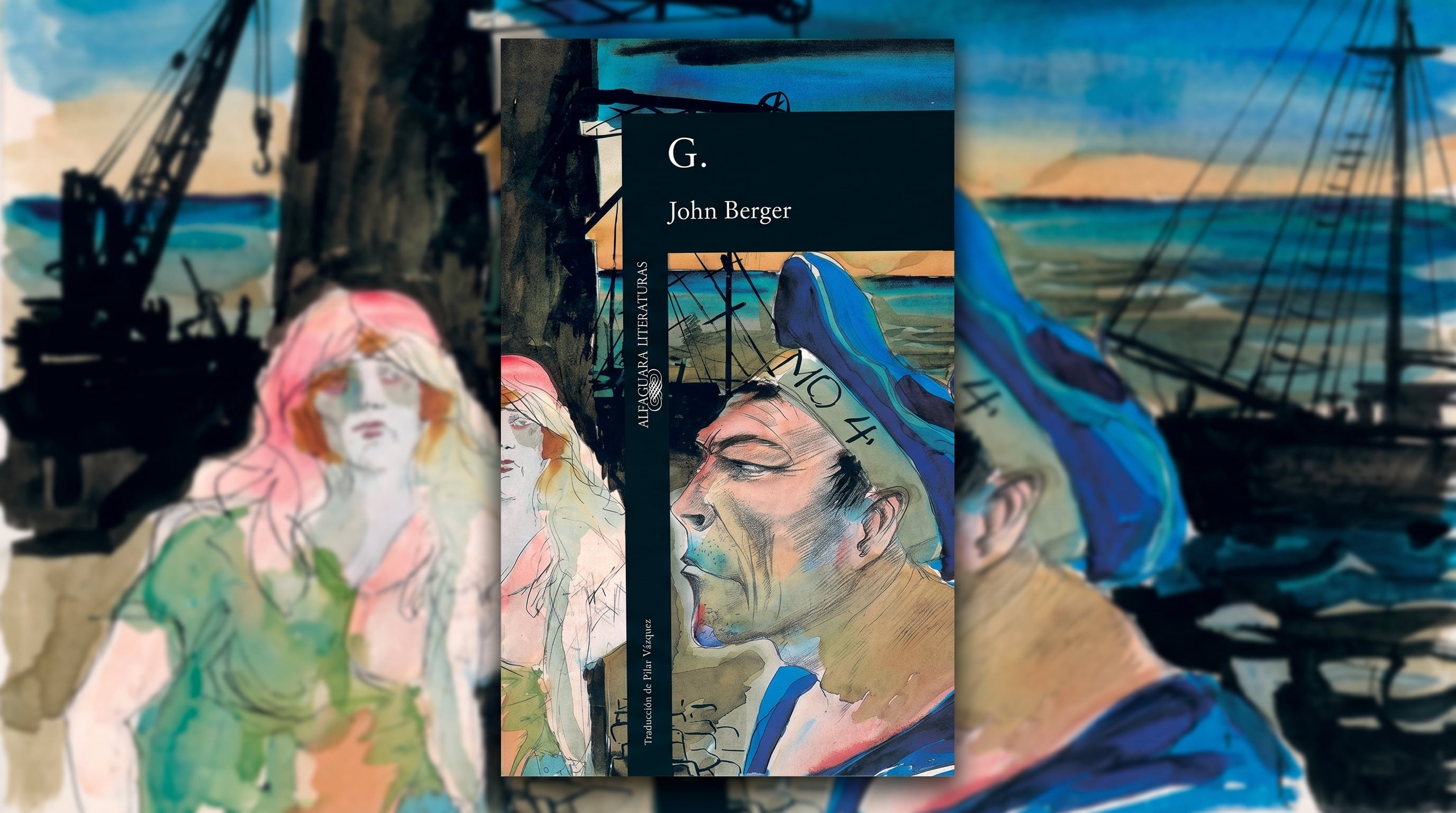
Su personalidad en la página no es tan juguetona, pero es igual de magnética. A Berger le gustaba pensar en sí mismo como un narrador. Su cuarta novela, G. —una picaresca terrenal y experimental que con frecuencia se lee como Tristram Shandy pasado por Thomas Pynchon— ganó el Premio Booker en 1972. Dedicó gran parte de las décadas de 1970 y 1980 a trabajar arduamente en Into Their Labors, una amplia trilogía de novelas sobre la historia y el destino del campesinado europeo. Otros de sus libros son híbridos —documentales, polémicos, líricos, personales— que exploran la historia, la ecología y la injusticia política y económica.
Pero son sus ensayos sobre arte y artistas los que más me importan ahora. Al leerlos, a menudo se siente que uno está a su lado en el museo o incluso mirando a través de sus ojos una pintura o una escultura. Se presta atención a su atención.
Berger se formó como pintor antes de pasarse a la crítica. Para él, la atención no era un estado pasivo e individual, sino una acción. No solo vemos lo que está frente a nuestros ojos. Lo interpretamos, buscando patrones, significados y asociaciones. La manera en que lo hacemos depende de dónde estamos, con quién estamos y cómo nos vemos a nosotros mismos.
Esto, en abstracto, era el argumento de Ways of Seeing, tanto del libro como de la emisión.
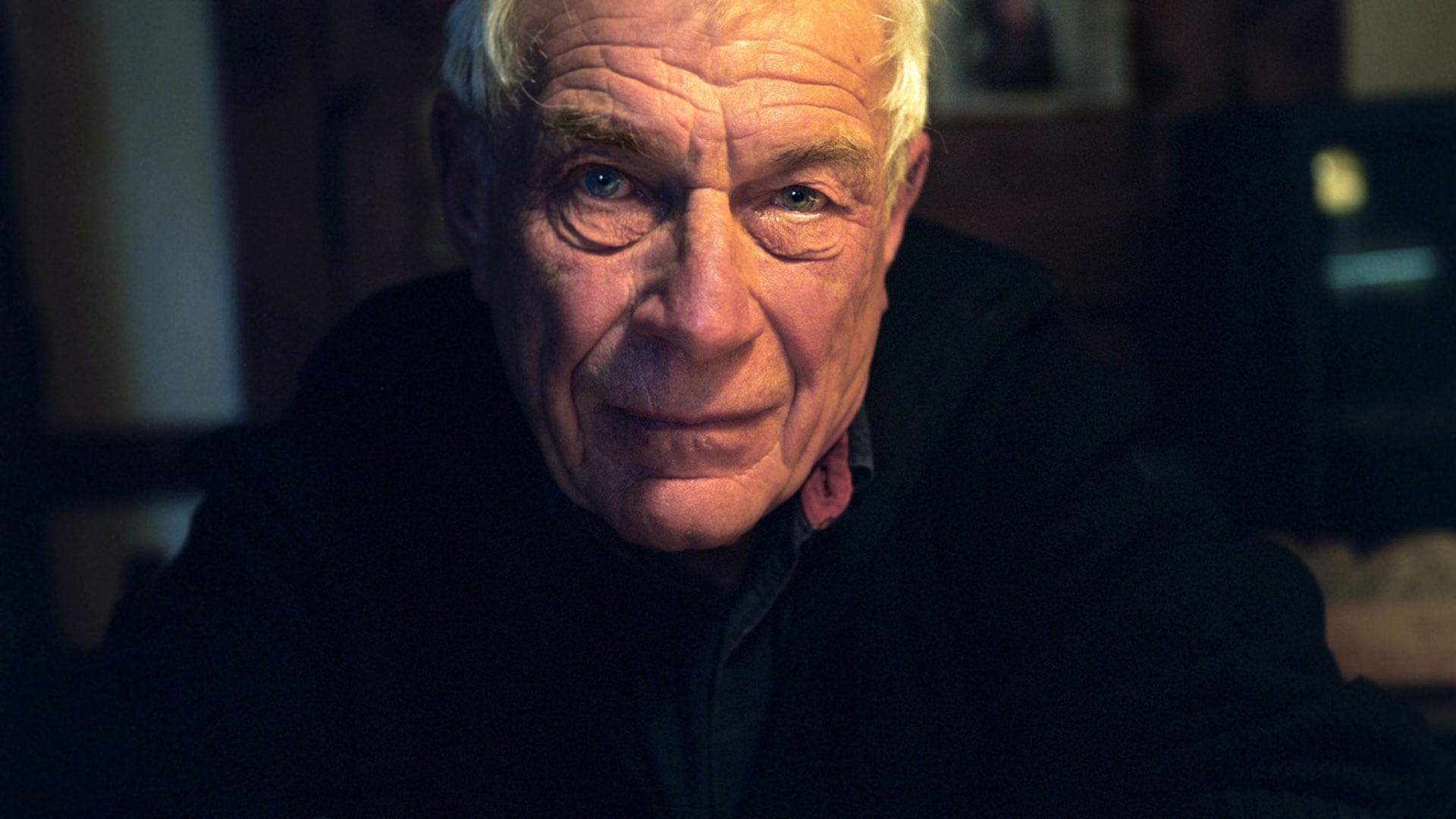
La melena de rizos de Berger era castaña en aquellos días, y sus ojos no eran menos vivaces. Hablando con un acento educado pero no refinado, y con tendencia a pronunciar las erres como ues, zigzaguea por la historia del arte, centrándose no en obras maestras y movimientos, sino en —el título lo resume.
Con la manera entusiasta y democrática de un joven profesor moderno —Berger nunca ocupó un puesto académico de tiempo completo—, comienza señalando cómo cambian las obras de arte cuando se reproducen en postales, mercancías y pantallas de televisión. No era una observación enteramente original. Berger reconocía la influencia del ensayo La obra de arte en la época de su reproducción mecánica, del crítico judeoalemán Walter Benjamin, anterior a la guerra, que se convertiría en un elemento básico de los programas de estudios culturales en las décadas posteriores, en parte gracias a la influencia de Ways of Seeing.
El segundo episodio, en el que participaba un panel de críticas y escritoras feministas, hizo lo mismo por la idea de la “mirada masculina”. (En el resumen de Berger: “Los hombres miran a las mujeres. Las mujeres se contemplan a sí mismas siendo miradas”). Una entrega posterior proponía un vínculo entre la popularidad de la pintura al óleo en la Europa moderna temprana y el auge del capitalismo. (“Las pinturas al óleo a menudo representan cosas”, dice. “Cosas que en realidad se pueden comprar. Hacer que pinten una cosa y ponerla en un lienzo no es muy diferente de comprarla y ponerla en tu casa. Si compras una pintura, también compras la apariencia de la cosa que representa”).
Ways of Seeing popularizó un enfoque del arte —y de la cultura en términos más generales— que desde entonces se ha vuelto ubicuo. En lugar de centrarse en los logros de artistas individuales o en las tradiciones que los conectan, este enfoque insiste en el contexto: las fuerzas sociales que dan forma a los artistas y las escuelas; las relaciones entre arte, dinero y poder; las maneras en que crear y apreciar están mediados por la historia, la ideología y las instituciones.
A estas alturas, varias generaciones de lectores han experimentado la sacudida de nueva conciencia que recibieron los primeros espectadores de Ways of Seeing. La noción de que el arte está socialmente inserto es una idea tan convencional que puede resultar difícil imaginar cuál habría podido ser la visión alternativa. Y existe una versión fácil y desmitificadora del argumento, una que promete un tipo sencillo de dominio: la capacidad de ver a través del arte en lugar de verlo, una sustitución de la experiencia estética por la suficiencia de quien cree saberlo todo. Se han escrito resmas de crítica que exponen la complicidad de innumerables artistas y obras de arte con el colonialismo, el capitalismo, el patriarcado y cualquier otro sistema de dominación. Berger nunca deja de ser consciente de esas conexiones —y no vacila en juzgar los fracasos políticos y morales de los artistas—, pero siempre pone en primer lugar la experiencia de crear y contemplar el arte.
Para él, el acto de mirar —el del artista y el del espectador— conlleva impulsos humanos primordiales de curiosidad, placer y asombro. Aunque el arte no existe en el vacío, tampoco es reducible a la política, el comercio ni ninguna otra cosa. Una pintura al óleo puede ser un objeto, una mercancía en el mercado, pero nunca es solo eso. También es la expresión de la subjetividad del pintor, la obra de manos que se extienden a través del tiempo y la geografía para encontrar ojos receptivos. Y para comunicar una posibilidad utópica: “El arte”, escribió, “supone que la belleza no es una excepción —no existe a pesar de—, sino que es la base de un orden”.
Aunque el mundo de las mercancías está regido por la equivalencia, parte del atractivo de una pintura reside en su singularidad. Un Caravaggio no es lo mismo que un Courbet. No se puede cambiar a Picasso por Francis Bacon. Lo que eso significa es que el arte —incluso el arte realizado anónimamente o consumido en masa— es personal. Alguien lo hizo. Alguien lo ve.
Este idealismo —a menudo descrito, por él y por otros, como humanismo— es lo que separa a Berger de la corriente posmodernista del pensamiento crítico que Ways of Seeing anticipa en otros aspectos. También es lo que da a su crítica de arte fuerza moral y relevancia política.
Como muchos otros intelectuales británicos de su origen y generación, Berger, hijo de la clase media londinense con alguna ascendencia judía, se inclinó hacia la izquierda durante y después de la Segunda Guerra Mundial. Nunca se afilió al Partido Comunista Británico; su marxismo le proporcionaba menos un cuerpo de doctrina que un conjunto de estímulos e intuiciones. Tenía una inclinación a favor del realismo y desconfiaba de la abstracción; encontraba huellas de la lucha de clases en cada rincón de la historia del arte; examinaba las vidas de los pintores en busca de pistas sobre las implicaciones sociales de su obra. Cuando ganó el Premio Booker en 1972, fue noticia —y se ganó enemigos— al donar la mitad del dinero del premio a los Panteras Negras británicos, para llamar la atención sobre el papel de los patrocinadores del premio en el colonialismo y el comercio de esclavos.
Pero en la segunda mitad de su carrera, los principios izquierdistas de Berger —su odio a la desigualdad, su reverencia por el trabajo, su convicción de que era posible una alternativa más humana al capitalismo— fueron filtrándose cada vez más a través de una sensibilidad teñida de conservadurismo. Se volvió escéptico de la modernidad y agudamente consciente de los costos del progreso tecnológico, que trae consigo desposesión, alienación y amnesia, junto con eficiencia, velocidad y conveniencia. Aunque seguiría involucrado en una gama conocida de causas izquierdistas hasta el final de su vida, su centro de gravedad cambió radicalmente en las décadas de 1970 y 1980 debido a su creciente vínculo con la vida rural.
Mientras trabajaba en un proyecto documental sobre trabajadores migrantes con el fotógrafo suizo Jean Mohr, Berger descubrió que la mayoría de las personas a las que entrevistaba habían sido pequeños agricultores o trabajadores agrícolas desarraigados de tierras en las que sus familias habían vivido durante generaciones. Se dio cuenta de que no tenía forma de comprender ese trasfondo, aunque era compartido por —según su estimación— cientos de millones de personas en todo el mundo.
Había pasado tiempo antes en el campo francés, pero a mediados de la década de 1970 se trasladó permanentemente a Alta Saboya, en los Alpes franceses, y se instaló en Quincy, una remota aldea, haciendo su vida entre los campesinos de allí.

Muchos escritores se mudan al campo en busca de refugio o respiro del torbellino de la vida literaria metropolitana. La ruralización de Berger fue un proyecto más serio y sostenido. Después de mudarse a Quincy, dedicaría gran parte de su energía creativa y crítica a ser testigo e intentar explicar, a sí mismo y a sus lectores, los contornos de un modo de existencia que estaba desapareciendo, y a comprender por qué importaba esa desaparición. Llegó a creer que una parte esencial de la experiencia humana estaba desapareciendo de la memoria.
Si se retrocede lo suficiente en el árbol genealógico, es probable que se encuentren personas que puedan clasificarse como campesinos. La agricultura a pequeña escala, complementada por la industria doméstica, la artesanía, la caza y la recolección, ha organizado gran parte de la vida humana durante la mayor parte de nuestra historia como especie. A partir de sus vecinos de Quincy, Berger extrapoló las dimensiones intelectuales, estéticas y espirituales del mundo campesino: su comprensión distintiva de las relaciones de una persona con los animales, la familia, la naturaleza y los muertos.
En la medida en que el punto de vista de Berger es contradictorio —una perspectiva que vincula el deseo de un futuro mejor con un apego obstinado al pasado—, se resume en la figura del campesino, un tipo humano que es a la vez ubicuo y casi invisible durante gran parte de la historia registrada de la humanidad. “Muy pocos campesinos se convierten en artistas”, señaló. “No es una cuestión de talento, sino de oportunidad y tiempo libre”. Como resultado, “el alma del campesino es tan desconocida o desconocida para la mayoría de las personas urbanas como lo son su resistencia física y las condiciones materiales de su trabajo”.
En la literatura y el arte europeos que Berger conocía mejor, las personas que trabajan la tierra, si están presentes, tienden a ser objeto de burla, compasión o idealización sentimental, todas ellas formas de condescendencia. No se trata solo de prejuicio metropolitano o elitismo burgués. El realista francés del siglo XIX Jean-François Millet era para Berger un artista “único”: “Ningún otro pintor europeo había tratado el trabajo rural como el tema central de su arte”. Sin embargo, fue un fracaso “porque el lenguaje de la pintura al óleo tradicional no podía acoger el tema que él aportaba”. Esto se debe a que la pintura de paisajes y el retrato rural se basan en el distanciamiento observacional. En esta tradición, Millet no encontró “ninguna fórmula para representar la física cercanía, dura y paciente, del trabajo de un campesino sobre, en lugar de frente a, la tierra”.
Los propios ensayos de Berger, que abordan la cuestión de la experiencia campesina de manera más abstracta y oblicua, quizá se acerquen más a captar su importancia. Al explorar la pregunta “¿Por qué mirar a los animales?” —en un ensayo del mismo título recopilado en About Looking—, Berger se concentra en un aspecto esencial de la conexión humana con otras especies al observar que “un campesino le toma cariño a su cerdo y se alegra de salar y conservar su carne. Lo significativo, y tan difícil de entender para el extraño urbano, es que las dos afirmaciones de esa frase están conectadas por un y y no por un pero”.
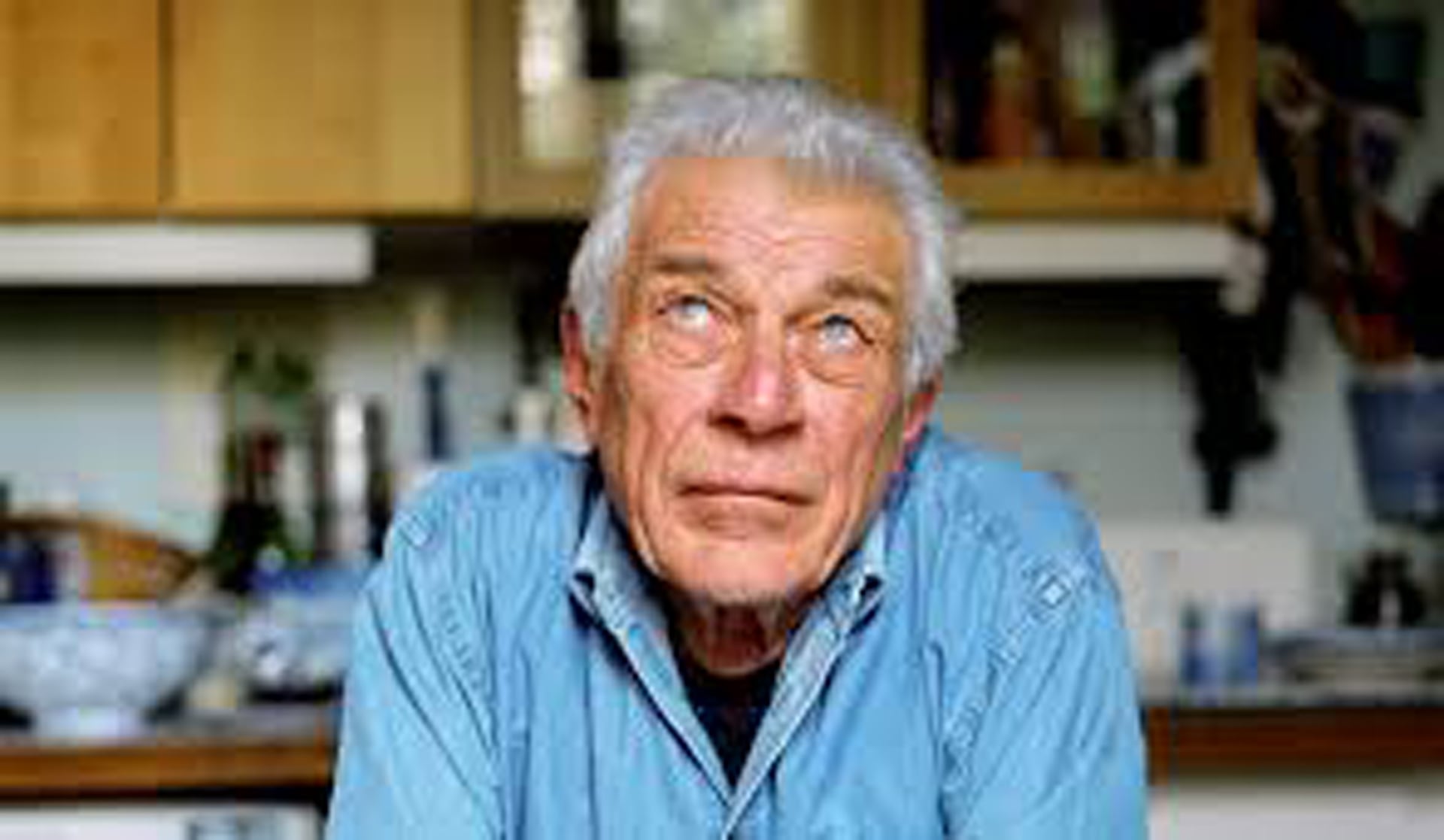
Berger tenía una veta romántica, pero no sentimentalizaba la vida en la tierra ni pintaba una imagen nostálgica de una existencia definida por el trabajo agotador, las dificultades frecuentes y una vulnerabilidad particular a los desastres naturales y económicos. La pregunta que planteó —a los migrantes y a las personas rurales desplazadas que encontró en Europa, África y Oriente Medio, y a la civilización moderna en su conjunto— fue: ¿Qué ocurre cuando se interrumpe esa continuidad, cuando se pierde ese sentido del lugar, del hogar, de los animales como fuente de compañía, trabajo y alimento?
La respuesta remite a su crítica. La supervivencia del campesino depende de la atención: al clima; a las costumbres y tradiciones; a una multitud de consideraciones prácticas que también son elecciones estéticas y éticas. ¿Cómo se siembra un campo? ¿Cómo se construye una silla? ¿Cómo se cría a un hijo? ¿Cómo se llora a los muertos?
El conocimiento que proporciona respuestas a esas preguntas se adquiere prestando atención, de una manera que no es cualitativamente distinta de la que un pintor aporta a un paisaje o un crítico a una pintura.
Eso es lo que corremos el riesgo de perder. O lo que, podría decir Berger, nos están robando, sobre todo las tecnologías que nos ofrecen novedades interminables y parecen satisfacer deseos que ni siquiera sabíamos que teníamos. La pérdida es una clausura de la memoria, del conocimiento de que existimos en la historia. No es abstracta: la rabia que define gran parte de la política moderna, en el mundo desarrollado y en el Sur global, tanto en la derecha como en la izquierda, puede entenderse como una reacción a la sensación de que algo que antes teníamos ha desaparecido. El duelo se manifiesta como agravio.
El arte —y la crítica de arte, en ese sentido— sugieren una alternativa frágil y condicional. Como dijo Berger: “Vivimos en un mundo de sufrimiento en el que el mal es desenfrenado, un mundo cuyos acontecimientos no confirman nuestro Ser, un mundo al que hay que resistirse. Es en esta situación cuando el momento estético ofrece esperanza”.
Fuente: The new York Times
John Berger,Mirar,Ediciones de la Flor,portada de libro
INTERNACIONAL
El canciller iraní aseguró que mantiene conversaciones ininterrumpidas con EEUU a través de intermediarios para poner fin a la guerra

El ministro de Exteriores de Irán, Abbas Araghchi, aseguró este miércoles que las autoridades de Teherán y representantes de la Casa Blanca mantienen conversaciones ininterrumpidas para poner fin a la guerra en Medio Oriente a través de intermediarios, entre ellos Pakistán y Qatar.
“Nuestras negociaciones con la parte estadounidense, a través de países intermediarios como Pakistán y Qatar, continúan sin interrupción”, declaró Araqchí en una entrevista con la cadena iraquí Al-Akhbariya, citada por la agencia estatal IRNA.
Las conversaciones incluyen el plan de siete días que Irán presentó en septiembre para reabrir el estrecho de Ormuz. La propuesta exige levantar el bloqueo naval y las sanciones contra el petróleo iraní, cesar los combates en todos los frentes y liberar los fondos de Teherán congelados en el exterior. Araghchi indicó que la vía marítima debía quedar abierto por completo el sexto día del período previsto en ese plan. “Los estadounidenses nos informaron que están de acuerdo con estas condiciones, pero desean añadir algunas cláusulas más”, señaló.
Sin embargo, el canciller no detalló cuáles son las nuevas condiciones planteadas por Washington, aunque sostuvo que Irán aceptará discutir otros asuntos una vez que las partes cumplan los términos del acuerdo inicial. “En la etapa final de las negociaciones, se podrá debatir cualquier cuestión o problema que plantee cualquiera de las partes y alcanzar un acuerdo definitivo”, manifestó.
El jefe del Ejército de Pakistán, el mariscal de campo Asim Munir, llegó el martes a Teherán con el objetivo de impulsar las conversaciones de paz entre ambos países. Islamabad actúa como uno de los principales canales de mediación desde el inicio de la guerra, el 28 de febrero. La visita ocurrió después de que el portavoz de la Cancillería iraní, Esmail Baghaei, considerara el martes que la respuesta estadounidense al plan iraní resultó “insuficiente e incompleta”.

Irán y Estados Unidos mantienen el enfrentamiento por el control del estrecho de Ormuz. Las fuerzas iraníes continúan sus ataques contra buques que intentan cruzar esa ruta marítima, mientras Washington busca preservar la navegación de petroleros en ese corredor marítimo.
Dentro de Irán, el régimen continúa con el foco puesto en reemplazar a las autoridades castrenses eliminadas por EEUU e Israel en los ataques de febrero. El Parlamento de Irán aprobó el domingo el nombramiento de Mehrdad Ajlaqi como nuevo ministro de Defensa, en reemplazo de Aziz Nasirzadeh, muerto en los bombardeos del primer día de la guerra.
Ajlaqi recibió el respaldo de 237 diputados, frente a 15 votos en contra, en una sesión virtual con 277 legisladores presentes sobre un total de 290, informó la agencia oficial IRNA. El nuevo funcionario, experto en la industria iraní de misiles y sancionado por Naciones Unidas, la Unión Europea y Estados Unidos, asumirá la cartera que dirigía de forma interina el general de brigada Mayid Ibn Al Reza.
Tras la votación, Ajlaqi afirmó que Irán tomó medidas frente a la eventual utilización de la bomba estadounidense GBU-43/B, conocida como “la madre de todas las bombas”, luego de los recientes comentarios del presidente Donald Trump contra las instalaciones nucleares iraníes.
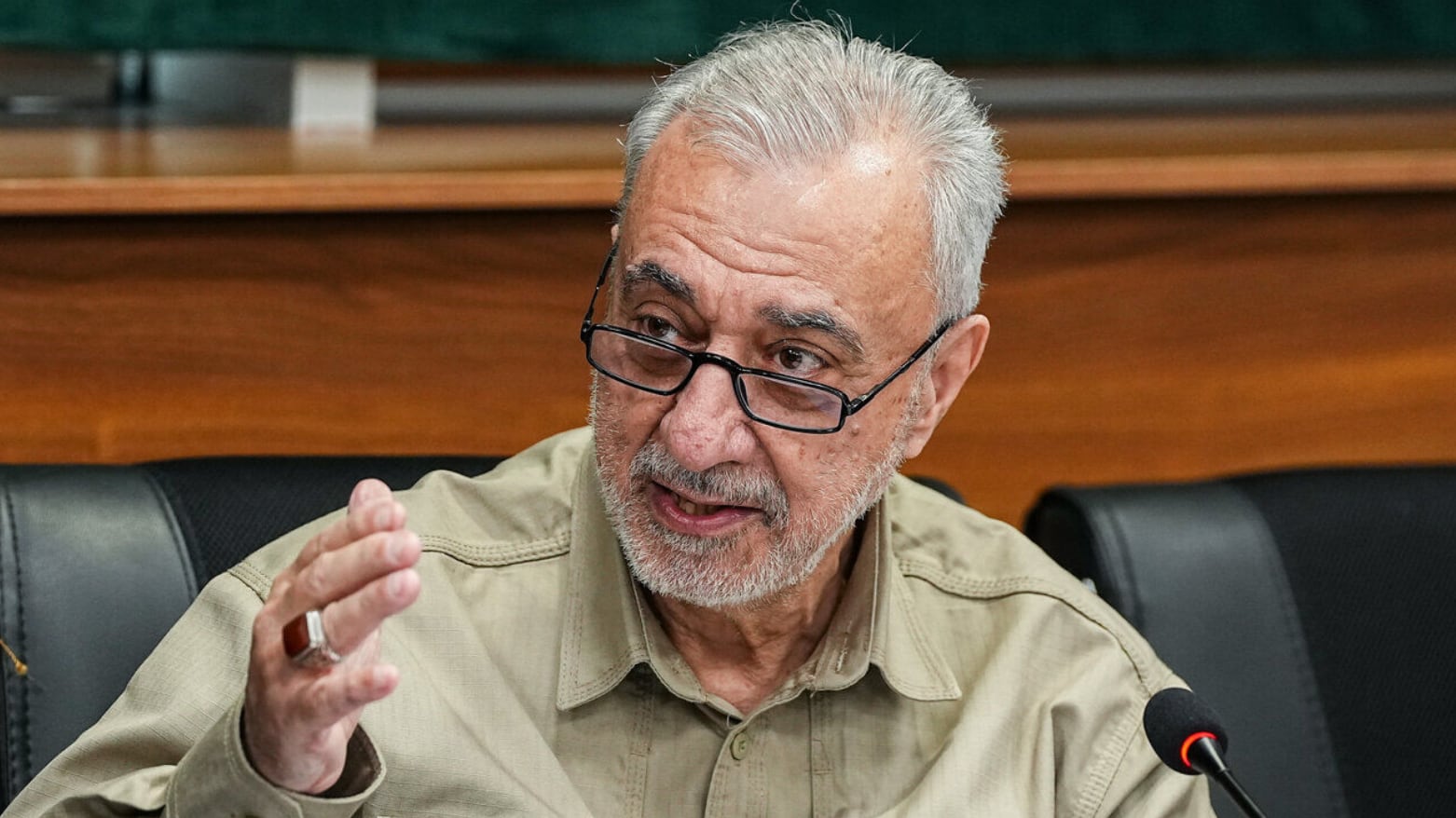
“Trump debería preocuparse por sacar a sus tropas de nuestra región sanas y salvas”, manifestó Ajlaqi. El ministro añadió que “si lanza una sola bomba, tendrá que ver cuántos de sus soldados deberá sacar de la región en posición horizontal”, en una referencia a posibles bajas entre las tropas estadounidenses.
Ajlaqi nació en 1959 en Rasht y desarrolló gran parte de su trayectoria en la industria de defensa iraní, sobre todo en los sectores misilístico y aeroespacial. A diferencia de otros ministros de Defensa del país, su carrera no procede de los mandos militares. Desde 2014, Ajlaqi ocupó la dirección de la Organización de Industrias Aeroespaciales del Ministerio de Defensa.
El nuevo funcionario del régimen dirigió el Grupo Industrial Shahid Bakeri, dependiente del Ministerio de Defensa y dedicado al desarrollo y fabricación de misiles balísticos. El Consejo de Seguridad de las Naciones Unidas lo sancionó en 2007, mediante la resolución 1747, por su papel en el programa de misiles de Irán. La Unión Europea también lo incluyó en su lista de sanciones ese año y Estados Unidos adoptó una medida similar en 2008.
(Con información de EFE)
International,Relations,Diplomacy / Foreign Policy,North America

El Braga explota por Pau Víctor y lanza un durísimo mensaje al VAR: ‘Qué vergüenza, basta ya de amateurismo’

El gol de Paredes que le dio a Boca el pasaje a la final de la Sudamericana: la emoción del volante y el festejo loco de Arruabarrena

Quién es la jueza argentina que integra el organismo que resolverá el reclamo por el petróleo de Malvinas

Food delivery favorite forced to fork over millions after DOJ alleged discrimination against American workers

Inti Bonomo, especialista en Ciencias Ambientales, sobre la evolución del Súper Niño: “Va a seguir creciendo y el pico va a ser en diciembre”

Ricardo Darín habló de su nieto y confesó qué es lo más fuerte de convertirse en abuelo: «Me emociona muchísimo»

Alerta roja en Sudamérica por el Súper Niño: cambio climático, inundaciones extremas y el hallazgo de microplásticos y metales en el granizo

El Gobierno pone en marcha un nuevo plan de retiros voluntarios y busca que haya 20.000 empleados menos en el Estado

“Feliz día a la mejor mamá del mundo”: el doble gesto del Chato Prada con Lourdes Sánchez y la reacción de ella

De cara al debate por el endeudamiento familiar, el Gobierno sostiene un discurso duro y considera que funciona para la imagen de Milei

 CLIMA2 días ago
Alerta roja en Sudamérica por el Súper Niño: cambio climático, inundaciones extremas y el hallazgo de microplásticos y metales en el granizo
- POLITICA2 días ago
El Gobierno pone en marcha un nuevo plan de retiros voluntarios y busca que haya 20.000 empleados menos en el Estado
- CHIMENTOS3 días ago
“Feliz día a la mejor mamá del mundo”: el doble gesto del Chato Prada con Lourdes Sánchez y la reacción de ella