
INTERNACIONAL
Obama-appointed judge blocks Trump’s election order as SAVE America Act fight intensifies

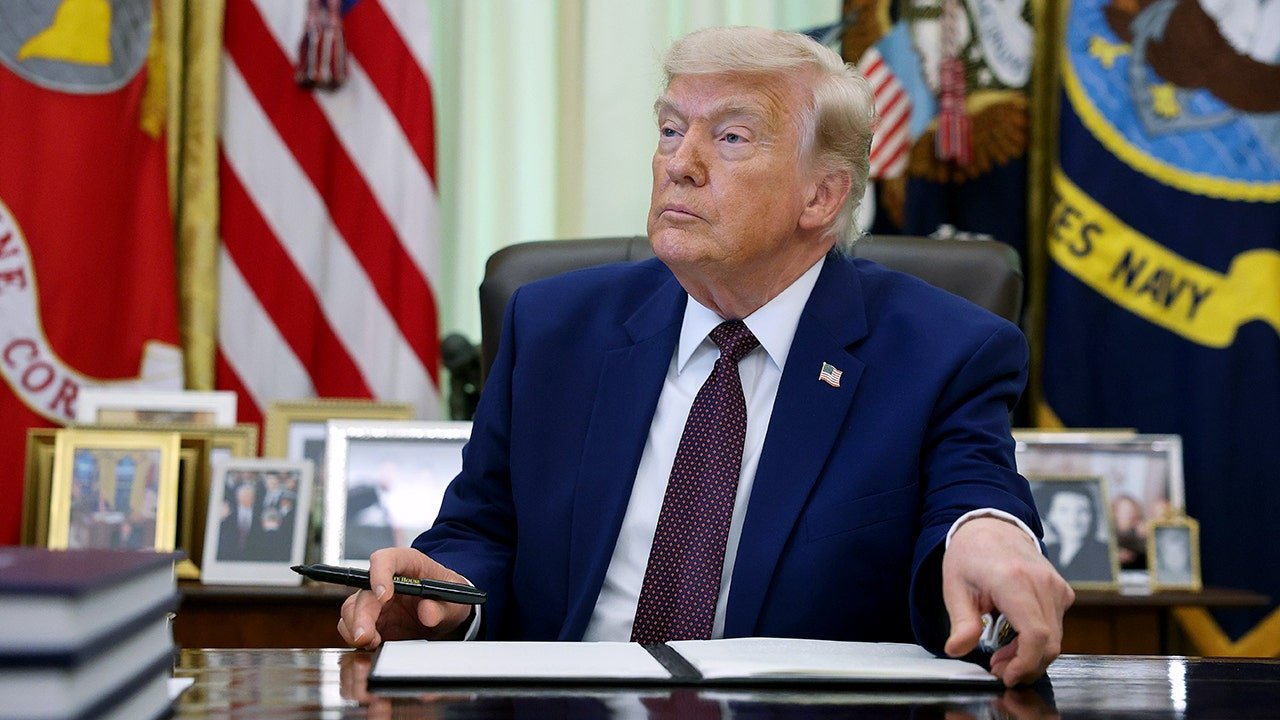
Federal judge blocks Trump’s voter verification database
Fox News host Laura Ingraham and Ohio Congressman Jim Jordan discuss a federal judge’s decision blocking President Donald Trump’s voter verification database. Jordan criticizes the ruling, arguing it impedes election integrity by allowing non-citizens on voter rolls and goes against common sense. The segment highlights ongoing concerns about election security and judicial activism, particularly regarding voter ID laws.
NEWYou can now listen to Fox News articles!
An Obama-appointed judge blocked President Donald Trump’s effort to curb noncitizens from registering to vote or voting in federal elections.
«President Trump is committed to ensuring that Americans have full confidence in the administration of our elections. The President’s executive order lawfully protects our elections, and we are confident that we will ultimately prevail in its implementation,» White House spokesperson Abigail Jackson told Fox News Digital.
The lawsuit centers on President Trump’s March executive order, Executive Order (EO) 14248, which directed the creation of a federal voter registration list and imposed new restrictions on eligibility for voting by mail as part of the administration’s broader effort to combat voter fraud.
U.S. District Judge Indira Talwani ruled Thursday that the president does not have the power to set election rules because only Congress and the states have that authority. Talwani has served on the U.S. District Court for the District of Massachusetts since 2014, after then-President Barack Obama appointed her to the bench.
‘ROGUE’ OBAMA JUDGE’S SMACKDOWN OF TRUMP ELECTION RULES PROVOKES OMINOUS WARNING FROM WHITE HOUSE DEPUTY
«President Trump has also urged Congress to pass the SAVE America Act and other legislative proposals that would establish a uniform standard of photo ID for voting, prohibit no-excuse mail-in voting, and end the practice of ballot harvesting to secure our elections for generations to come.» (Kevin Dietsch/Getty Images)
The lawsuit also comes after Trump recently threatened to withhold support for the bipartisan 21st Century Housing Act in an effort to pressure Congress to pass the Safeguard American Voter Eligibility (SAVE) Act.
«President Trump has also urged Congress to pass the SAVE America Act and other legislative proposals that would establish a uniform standard of photo ID for voting, prohibit no-excuse mail-in voting, and end the practice of ballot harvesting to secure our elections for generations to come,» Jackson added.
Trump’s EO ordered a federal voting registration list and directed the U.S. Postal Service to deliver mail-in ballots only to individuals on said list.
TRUMP VOWS BLOCK ON SIGNING NEW LAWS UNTIL SAVE AMERICA ACT PASSES SENATE
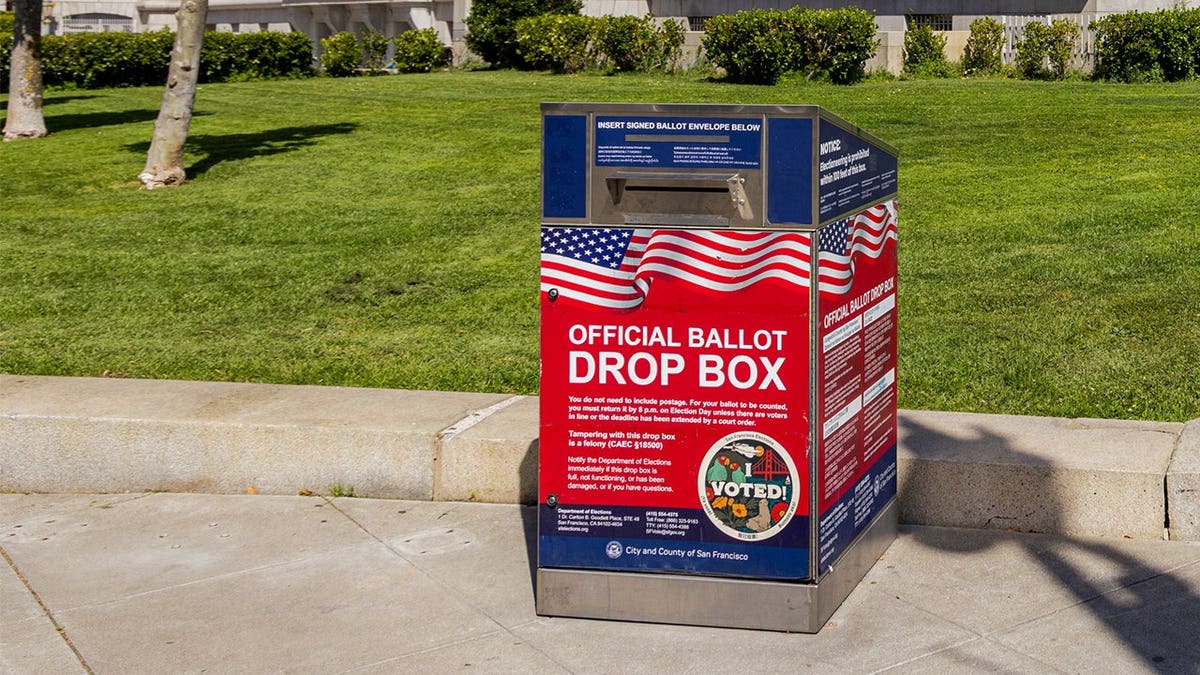
An official ballot drop box is set up outside City Hall in San Francisco, California, during early voting for the California primary election on May 26, 2026. (Jason Henry/Bloomberg via Getty Images)
Talwani’s ruling prevents the administration from enforcing those provisions ahead of the Nov. 3 midterm elections.
The lawsuits were brought by a coalition of states led by California Attorney General Rob Bonta, joined by 22 other states and the District of Columbia as well as voting rights organizations.
The decision found that Trump exceeded his authority by trying to change election rules through executive action, writing that the Constitution gives that power to Congress and the states, not the White House.
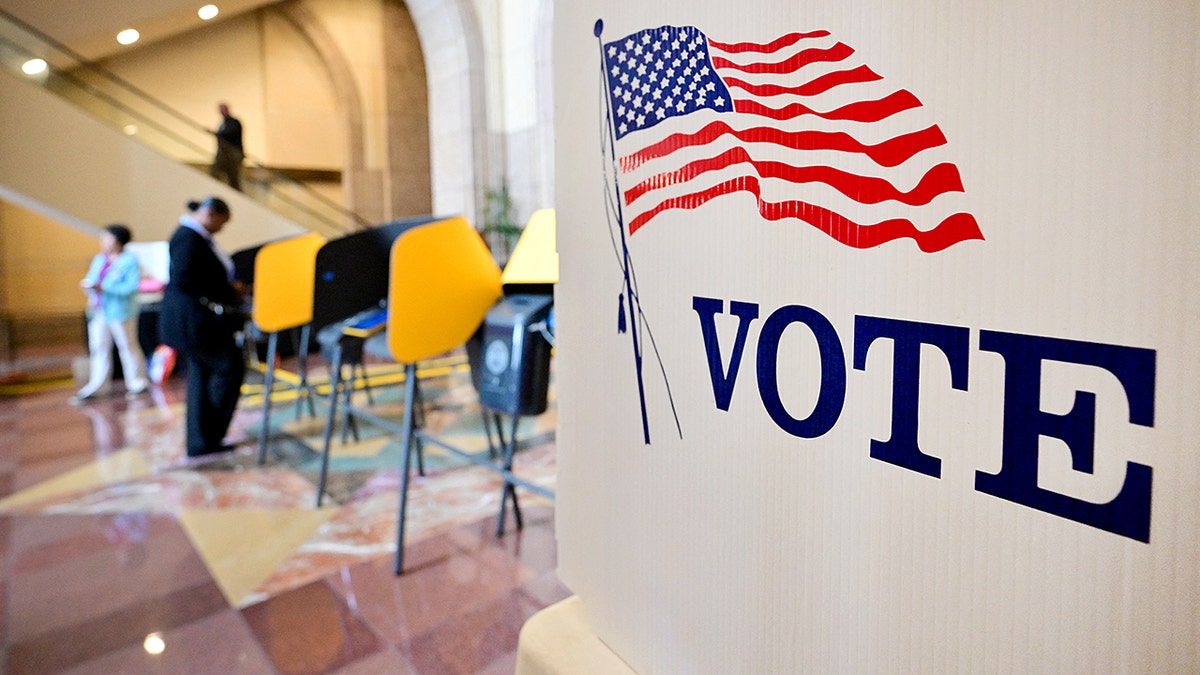
Voting booths are set up in California for the election process. (Adam Gray/Bloomberg via Getty Images)
CLICK HERE TO DOWNLOAD THE FOX NEWS APP
The ruling follows a decision Tuesday that struck down parts of President Donald Trump’s March election integrity executive order titled, «Preserving and Protecting the Integrity of American Elections.»
Obama-appointed U.S. District Judge Denise J. Casper found that the order went beyond enforcing existing law and instead attempted to create or change election rules on its own.
The decision blocks the administration from requiring documentary proof of citizenship for federal voter registration, changing voting rules for military and overseas voters, or withholding election funding from states that reject certain election rules, including counting ballots received after Election Day.
Trump abruptly canceled the signing of the 21st Century ROAD to Housing Act on Wednesday and issued an ultimatum demanding passage of the SAVE Act.
The Safeguard American Voter Eligibility (SAVE) Act includes Trump’s long-sought voter ID and citizenship verification requirements ahead of the midterm elections.
Fox News Digital’s Elaine Mallon contributed to this report.
federal courts, donald trump, midterm elections, federal judges, elections state and local, voter fraud concerns, politics








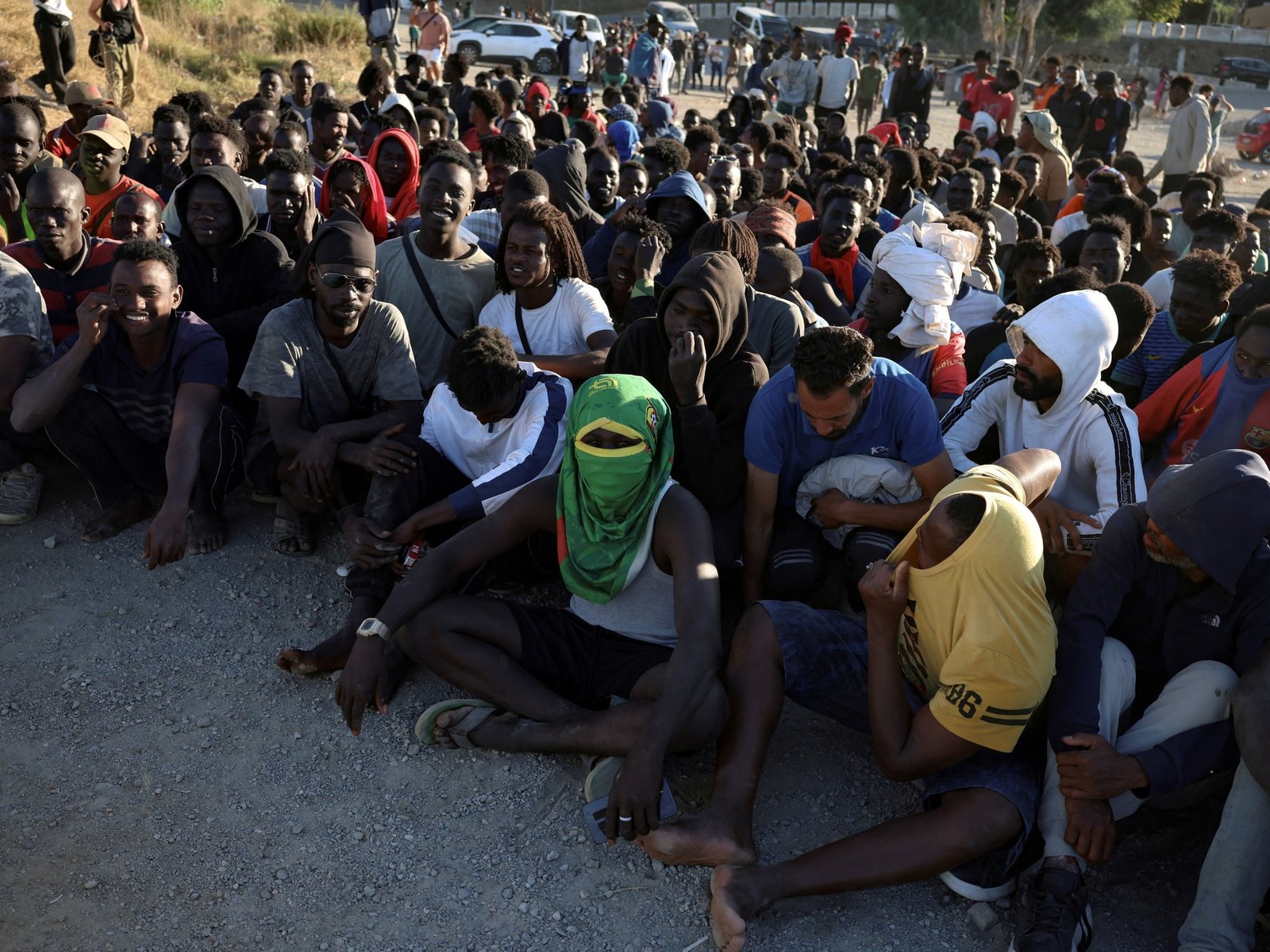
Las fuerzas de seguridad de España analizan los numerosos mensajes que circulan en los últimos días en las redes sociales marroquíes en los que se llama a una nueva entrada masiva en Ceuta para el próximo 15 de agosto, después de la catastrófica llegada de inmigrantes de la semana pasada que dejó un saldo de al menos 141 muertos.
Redes sociales como Facebook, Instagram o TikTok se volvieron a llenar de mensajes con lemas como «15/08» o «al-hajma» (la ofensiva, la embestida). La fronteriza Fnideq (Castillejos) aparece como punto de partida.
«Nos vemos allí todos», convocan los mensajes que reproducen dibujos con la bandera de España, relojes de arena y olas o nadadores. A la par, también se replicaban memes y videos que mostraban cómo miles de migrantes entraban por los controles fronterizos.
Según indicaron a la agencia EFE fuentes policiales, las fuerzas de seguridad españolas siguen desde hace días ese fenómeno y estudian los mensajes que toman con mucha precaución.
Y es así porque, de hecho, la procedencia de esos mensajes podría traspasar las fronteras de España y de Marruecos. Es decir, no descartan que el origen esté en otros países y que, incluso, el número de seguidores o ‘likes’ esté manipulado.
Pese a ello, el dispositivo policial desplegado en Ceuta se va a mantener en los próximos días, dijeron las fuentes, que se inclinaron más por otro episodio de desinformación que por una posibilidad real de que se produzca ese intento de entrada.
El delegado del Gobierno en Ceuta, Miguel Ángel Pérez, ya confirmó, por su parte, que el Ejecutivo sigue de cerca los mensajes en redes sociales que llaman a un nuevo intento de entrada el próximo día 15 y aseguró que ya se trabaja para estar preparados ante esa posibilidad.
Hace unos días, el diario El País de España había recopilado al menos cinco grupos de Facebook y WhatsApp, que reunían unos 400 mil miembros, en los que se intercambiaban mensajes con consejos para cruzar, tipos de balsas pateras, riesgos en el mar y pedidos de familiares para encontrar a quienes siguen desaparecidos.
“Nos vemos allí el día 15. Estad a la hora”, “yo subo desde Marrakech hasta el norte para vivir ese día”, decían algunos mensajes en grupos.
Este jueves, coincidiendo con ese repunte de publicaciones, el ministro de Asuntos Exteriores de España, José Manuel Albares, pidió a los usuarios de redes sociales que «no se dejen engañar por información falsa».
En un mensaje en X, el ministro insistió en que «entrar irregularmente en Ceuta o Melilla no permite permanecer en España o llegar al continente europeo».
Las redes jugaron un papel fundamental como efecto llamada para la movilización de la semana pasada con mensajes como «la puerta de Ceuta está abierta», «hoy es el día» o «Venid», que llevaron a creer a decenas de miles de personas que el cruce a España estaba abierto y podrían quedarse en territorio español.
También este jueves, la Comisión Europea afirmó que está vigilando estrechamente las redes sociales de cara a esa convocatoria del día 15 y señaló que canales vinculados a Rusia han amplificado la crisis migratoria desde el 30 de julio.
«Mantenemos la atención plena antes, durante y después del 15 de agosto, porque esta es la fecha que se ha mencionado en redes sociales como un posible nuevo intento de cruzar la frontera«, afirmó el portavoz comunitario de Interior, Guillaume Mercier, en una rueda de prensa.
No obstante, la portavoz de la Comisión Arianna Podestà insistió en que «muchos de los informes que circulan no están verificados» y que existe «un panorama poco claro» sobre lo que ocurre actualmente en la zona, por lo que se mantiene un contacto estrecho con las autoridades españolas y marroquíes.
En su intervención este jueves ante una comisión del Parlamento Europeo, el presidente de Ceuta, Juan Jesús Vivas, sostuvo que estos mensajes sobre lo que podría ocurrir el próximo 15 de agosto es «la prueba palmaria de que Ceuta vive angustiada».
INTERNACIONAL
El-Sayed win kicks Democrats’ Midwest ideological battle into high gear — and some Dems fear November fallout
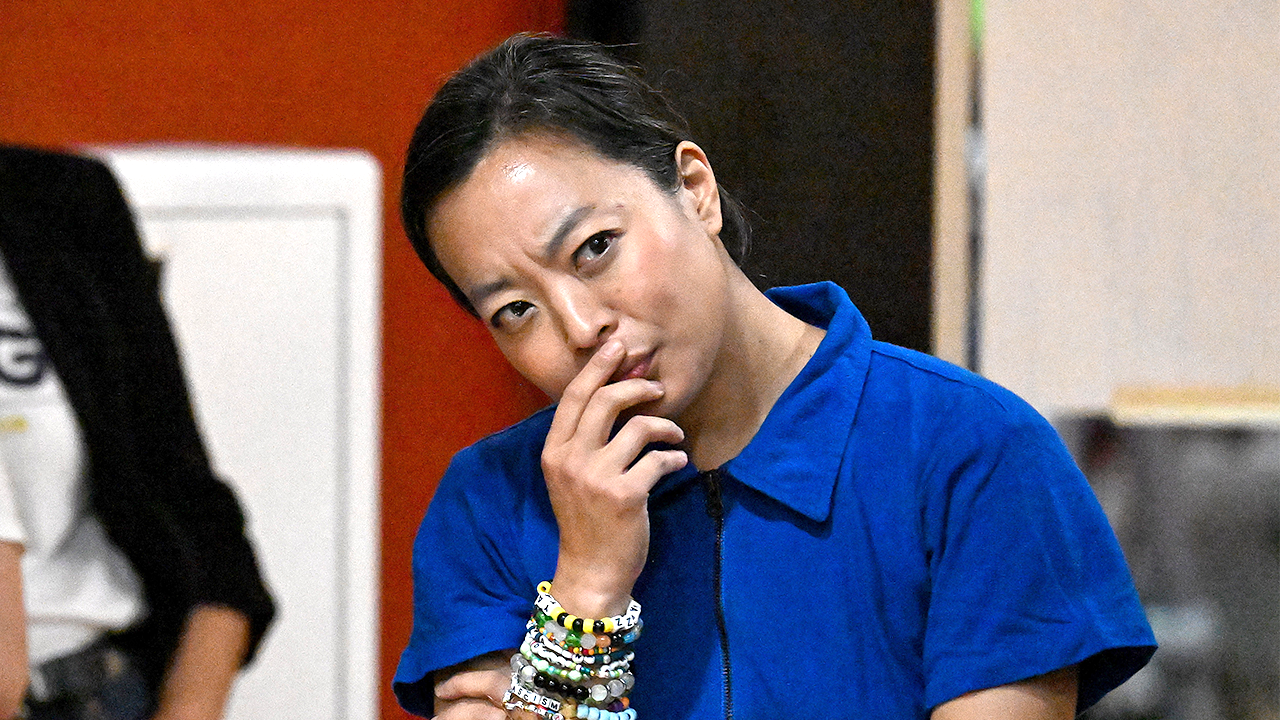
Wisconsin gubernatorial candidate Francesca Hong pressed on past far-left comments
Wisconsin Democratic gubernatorial candidate Francesca Hong defends her past controversial social media posts during an interview with Dana Perino. Hong discusses her support for defunding police, abolishing ICE and her socialist platform. Recent polling shows Hong trailing her Republican opponent Tom Tiffany by three percentage points as campaign finance reports reveal a massive fundraising gap between the candidates.
NEWYou can now listen to Fox News articles!
The battle between the left-wing and the center-left establishment for the ideological future of the Democratic Party is staying put in the Midwest.
After far-left candidate Abdul El-Sayed narrowly edged out more moderate Rep. Haley Stevens this week in battleground Michigan’s high-stakes Democratic Senate primary, the spotlight now shifts to nomination showdowns next week in Wisconsin and Minnesota.
At stake: a top-tier Senate showdown in Minnesota that’s among a dozen races nationwide that will determine if the Democrats can win back control of the chamber from the GOP, and a gubernatorial face-off in crucial swing-state Wisconsin where Republicans are aiming to flip the governor’s mansion.
«Michigan proved that working people are ready for something different, and Wisconsin is next,» Democratic candidate for governor Francesca Hong wrote following El-Sayed’s victory.
EL-SAYED’S VICTORY GIVES DEMOCRATS’ LEFTWARD LURCH MORE LEGS
Abdul El-Sayed, a progressive candidate in the Democratic primary for U.S. Senate in Michigan, speaks during a primary election night event Wednesday, Aug. 5, 2026, at the Majestic Theatre in Detroit. (Julia Demaree Nikhinson/AP Photo)
Hong, a state representative and Democratic Socialists of America (DSA) member, is the polling frontrunner in a Democratic gubernatorial nomination showdown that’s been rocked this summer after two major contenders dropped out and another candidate re-entered the race.
The primary winner will likely face off in the general election with Republican Rep. Tom Tiffany, the overwhelming polling and fundraising frontrunner for the GOP gubernatorial nomination, in the race to succeed Democratic Gov. Tony Evers, who decided against running for a third term.
Hong, a former chef, is backed by top nationally known progressives, including Reps. Ilhan Omar of Minnesota and Ro Khanna of California, a potential 2028 Democratic presidential contender.
She is running on a platform that includes guaranteed paid leave and a one-year moratorium in Wisconsin on building AI data centers. Hong has faced scrutiny over years-old social media posts calling for defunding and abolishing the police. Hong says she no longer supports cutting police budgets or abolishing police departments.
MEET THE FAR LEFT INSURGENTS WAGING WAR ON THE DEMOCRATIC PARTY IN THE 2026 MIDTERMS
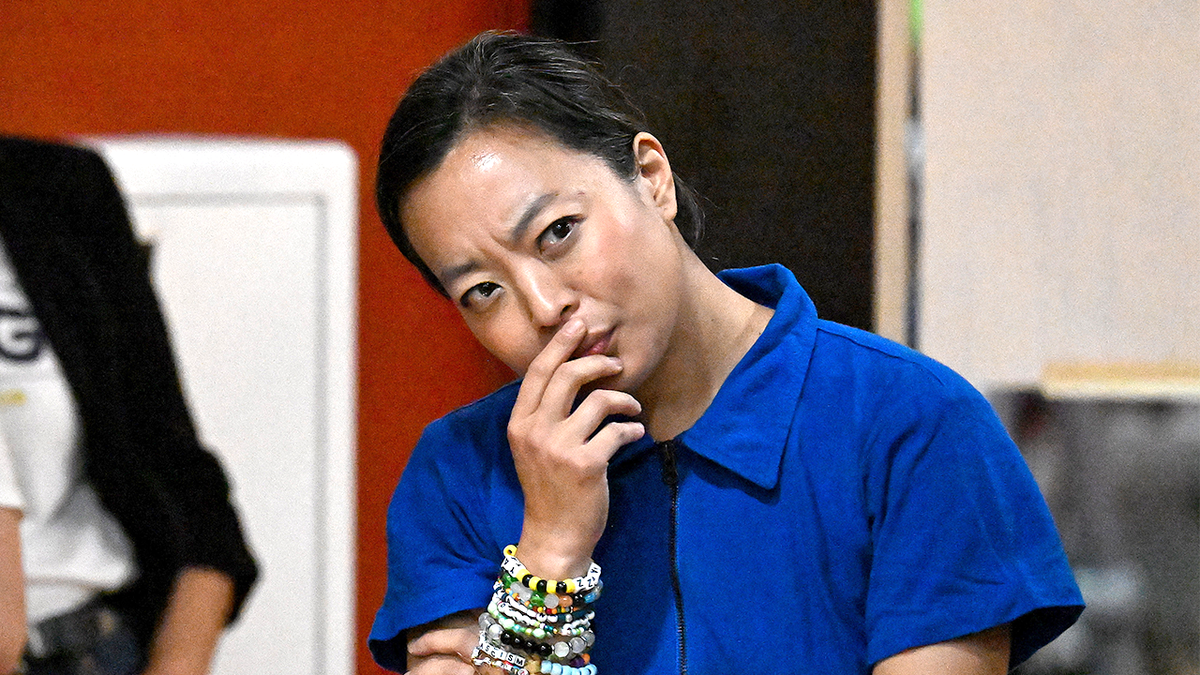
Wisconsin gubernatorial candidate Francesca Hong listens to Rep. Ilhan Omar, D-Minn., speak before being introduced during a campaign rally on Aug. 2, 2026 in Milwaukee. (Joshua Lott/Getty Images)
But Hong’s made national headlines in recent days over a resurfaced 2020 social media post that the country should «cancel Thanksgiving» in order to «stop celebrating colonialism and the original superspreader event that killed Indegenous folx [sic.] and women.» It’s a comment she has since walked back amid backlash, and now says that Thanksgiving is her «favorite holiday.»
There’s a growing number of moderate Democrats who worry that if Hong captures the gubernatorial nomination, as many expect, it will give Tiffany a big boost in his bid to flip the governor’s office.
A Wisconsin-based Democratic strategist who asked to remain anonymous to speak more freely argued with Hong at the top of the ticket, «it will hurt Democrats down ballot, in key congressional and legislative races» in the Midwestern battleground.
In Minnesota, which also holds primaries next Tuesday, the Democratic Party’s civil war is also on display as progressive Lt. Gov. Peggy Flanagan and more moderate Rep. Angie Craig are the top two contenders battling for the party’s nomination. The current senator, Democrat Tina Smith, is retiring at the end of this year.
DEMOCRACY ’26: STAY UP TO DATE WITH THE FOX NEWS ELECTION HUB
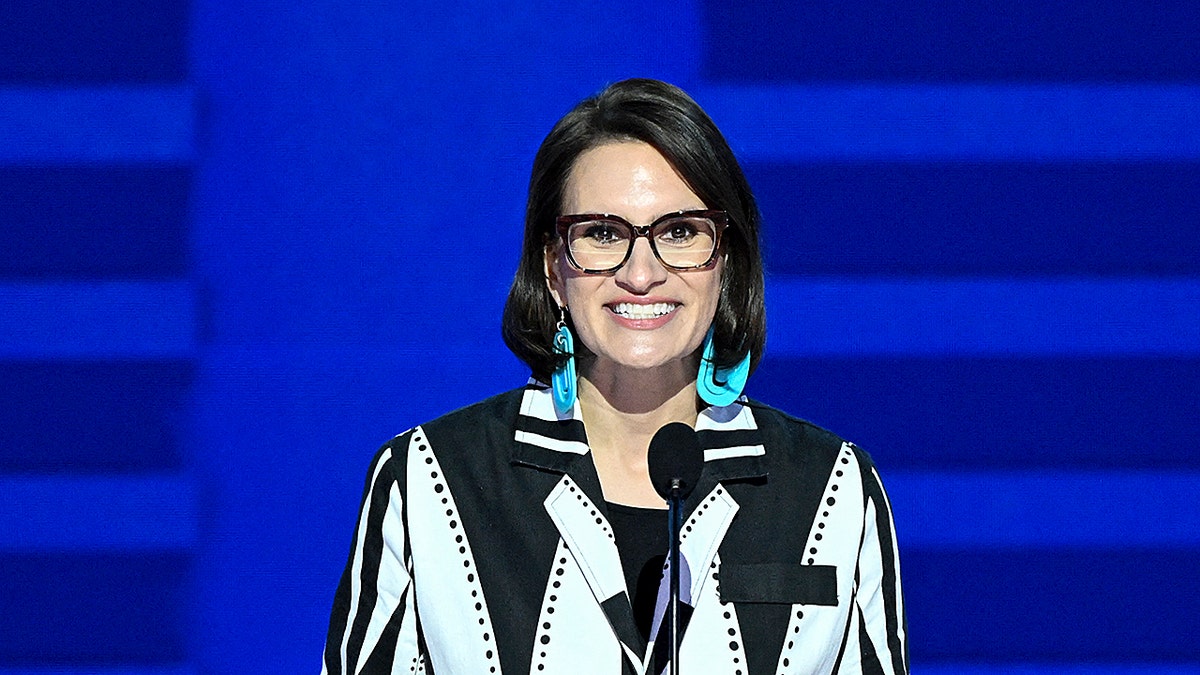
Peggy Flanagan, Minnesota’s lieutenant governor, is one of the top two contenders for the Democratic Senate nomination in the state’s Aug. 11, 2026 primary. (Photo by MANDEL NGAN/AFP via Getty Images)
A primary victory by Flanagan, who is backed by progressive champions Sens. Bernie Sanders of Vermont and Elizabeth Warren of Massachusetts, may boost the GOP hopes of flipping the seat in a blue-leaning but competitive state.
Michigan’s primary came in the wake of left-wing victories in Democratic primaries this spring and earlier this summer in deep blue congressional districts across the country, including in New York City and Denver, and in the extended race for Maine’s Democratic Senate nomination.
More than $80 million was spent on the Michigan Senate primary, making it the most expensive Democratic Senate nomination contest in history. Much of the money came from outside groups supporting Stevens or opposing El-Sayed. The largest spender was United Democracy Project, a political action committee aligned with the American Israel Public Affairs Committee, which is best known by its acronym AIPAC.
Adam Green, co-founder of the Progressive Change Campaign Committee (PCCC), a leading group on the left, referred to El-Sayed’s narrow margin over Stevens and told Fox News Digital that «any win against $60 million dollars of outside spending by AIPAC and corporate interests is a giant win and sets us on a path of proving our case in November to shake up the system.»
El-Sayed’s razor-thin win was accompanied by two other progressive victories.
William Lawrence, a co-founder of the Sunrise Movement climate advocacy group, edged out two more moderate Democrats in Michigan’s 7th Congressional District, a Republican-controlled swing seat that is among roughly two dozen races expected to help determine control of the House.
Lawrence, who was backed by Sanders and El-Sayed as well as several prominent progressive groups, will face Republican Rep. Tom Barrett in the general election.
SIGN UP TO GET THE POLITICS NEWSLETTER
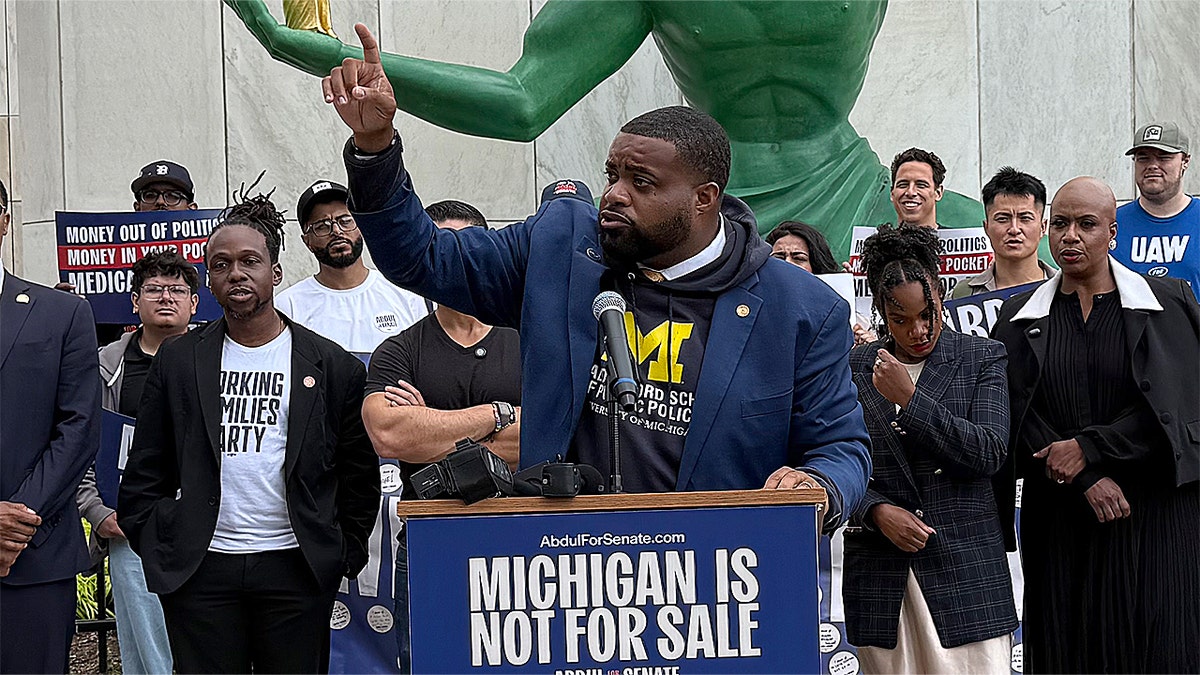
State Rep. Donovan McKinney, a Democratic congressional candidate in Michigan, speaks at a campaign event in Detroit, Michigan on August 2, 2026. (Paul Steinhauser/Fox News )
And in Michigan’s heavily Democratic 13th Congressional District, Rep. Shri Thanedar, who was supported by top House Democratic leaders, was narrowly defeated by state Rep. Donovan McKinney. McKinney was backed by Sanders, El-Sayed and «Squad» members Reps. Ilhan Omar of Minnesota, Ayanna Pressley of Massachusetts and Summer Lee of Pennsylvania.
There was a setback for the far-left: DSA member and former Squad member former Rep. Cori Bush of Missouri was crushed by Democratic Rep. Wesley Bell in their rematch, as she unsuccessfully tried to win back her old seat in Congress representing St. Louis.
But El-Sayed’s victory and the potential wins by the left next week are further fueling the ongoing Republican push to characterize all Democrats on the ballot in the midterms as far left radicals, or as President Donald Trump calls them, «communists.»
ONLY ON FOX DIGITAL: MIKE ROGERS ARGUES ABDUL EL-SAYED IS ‘A SPECIAL SAUCE OF CRAZY’
Vice President JD Vance, in an interview Wednesday on Fox News «The Ingraham Angle,» argued that «the base of the Democratic Party just wants radicals. It wants these DSA types, it wants people who hate even the idea of private property ownership.»
Whether the GOP messaging is effective will be answered on Election Night, in November’s midterms.
state and local primaries, midterm elections, socialism, democrats elections, michigan, wisconsin, minnesota
INTERNACIONAL
US says North Korea missile launch poses no immediate threat, ‘consulting closely’ with allies

NEWYou can now listen to Fox News articles!
U.S. Indo-Pacific Command vowed Thursday that the U.S. «remains committed to the defense of the U.S. homeland and our allies in the region» after North Korea test-fired a ballistic missile.
The launch of the short-range ballistic missile unfolded ahead of large-scale, annual exercises to be conducted by the U.S. and South Korean militaries later this month. South Korea’s Joint Chiefs of Staff said a projectile from North Korea’s eastern Wonsan area was detected around 5 p.m. local time.
«We are aware of the missile launch and are consulting closely with our allies and partners. Based on current assessments, this event does not pose an immediate threat to U.S. personnel or territory, or to our allies,» U.S. Indo-Pacific Command said in a statement.
«The United States remains committed to the defense of the U.S. homeland and our allies in the region,» it added.
RUSSIA DEPLOYS NORTH KOREA MISSILE UNIT TO UKRAINE; MOSCOW-PYONGYANG AXIS DEEPENS: REPORT
North Korea test-fired a short-range ballistic missile on Aug. 5, 2026. The Hwasong-11LA ground-to-ground tactical short-range ballistic missile is seen being test-fired at an undisclosed location on April 19, 2026, according to the Korean Central News Agency. (KCNA/Reuters)
South Korea’s military bolstered its surveillance posture and is closely coordinating with the U.S. and Japan in the wake of the event, according to South Korea’s Joint Chiefs of Staff.
Japanese Defense Minister Shinjiro Koizumi said the missile landed in the waters off North Korea’s east coast and that there were no reports that the weapon reached Japanese territory.
Koizumi added that North Korea’s repeated missile launches pose a threat to Japan and the region and that Tokyo lodged a protest to Pyongyang through their embassies in Beijing. South Korea’s presidential national security council called the North Korean launch «a provocation» that violates U.N. Security Council resolutions and urged the North to stop it.
It was North Korea’s first ballistic missile launch since late June, when it tested a tactical ballistic missile with a «special mission» warhead and other weapons. After watching the testing activities, leader Kim Jong Un said at the time that the military needed to bolster its «deadly and destructive offensive posture.»
CHINA, RUSSIA, IRAN AND NORTH KOREA FORM ‘AXIS OF AGGRESSORS’ THAT COULD OVERWHELM US, BOOK WARNS
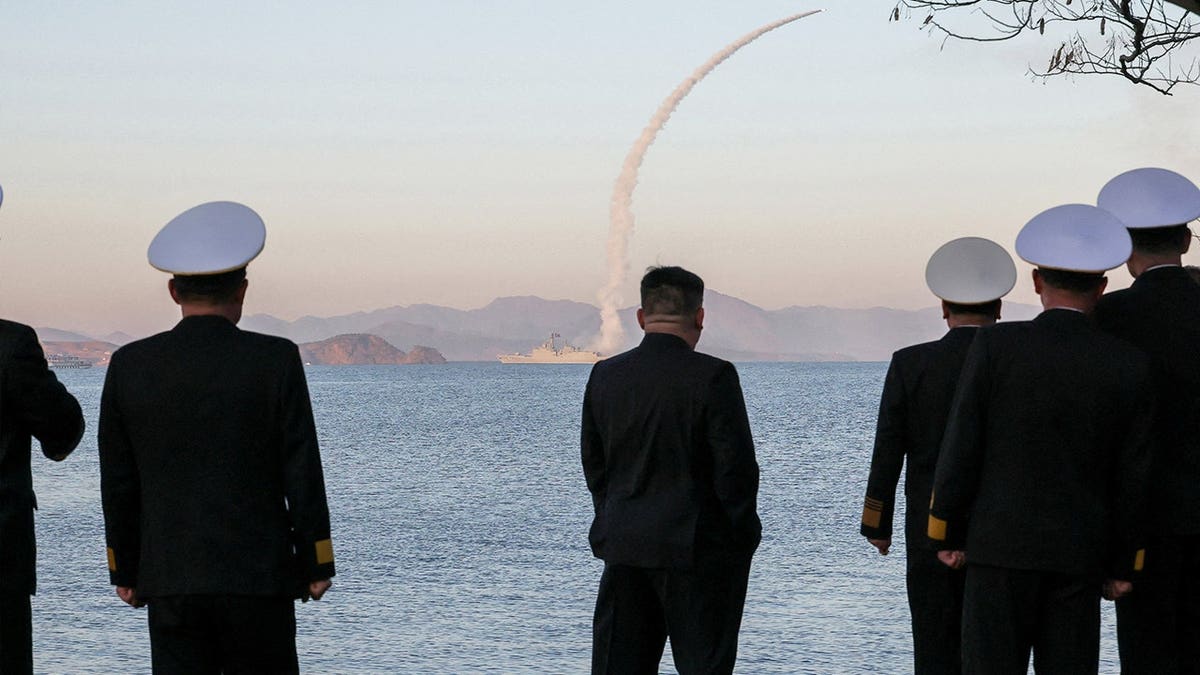
North Korean leader Kim Jong Un observes strategic cruise and anti-warship missiles test-fired from the destroyer Choe Hyon on Sunday, April 12, 2026. (Korean Central News Agency/Reuters)
South Korean and U.S. officials haven’t yet released details about this year’s Ulchi Freedom Shield joint exercise, but the drills are typically held in the latter half of August.
«This annual exercise aims to build understanding between Combined Forces Command, United States Forces Korea, the United Nations Command, and ROK Joint Chiefs of Staff (JCS), ROK government agency, ensuring their ability to fortify the combined defense posture and enhance Alliance response capabilities against a spectrum of security threats,» United States Forces Korea said about the exercises on its website.
«It will feature live, virtual, constructive and field-based training, engaging personnel from the various military services,» it added.

U.S. soldiers from the 2nd Infantry Division participate in a river crossing exercise as part of the Ulchi Freedom Shield exercise on Aug. 27, 2025, in Yeoju-gun, South Korea. The 11-day exercise is a regular joint military exercise between U.S. and South Korean troops to prepare for potential emergencies on the Korean Peninsula. (Getty Images)
U.S. and South Korean officials say the training is defensive in nature, but North Korea says the maneuvers are a practice invasion and often responds with missile tests, according to The Associated Press.
Fox News’ Liz Friden and The Associated Press contributed to this report.
north korea, south korea, military, japan, asia world regions, world

Dos senadores peronistas declararon su fastidio con la pelea entre Axel Kicillof y Máximo Kirchner

Sturzenegger defendió la fallida modificación a la Ley de Tierras: “Era elegir entre el miedo y la prosperidad”

Nos vemos todos el 15

El equipo hexacampeón de Francia en el que brilló Zidane fue vendido por un euro para no desaparecer…

El-Sayed win kicks Democrats’ Midwest ideological battle into high gear — and some Dems fear November fallout

Coty Romero se operó el busto y publicó su primera foto tras salir del quirófano: “Todo bien, gracias a Dios”

Javier Milei cruzó a Victoria Villarruel y elevó la tensión: “Es una opositora, replica los argumentos kirchneristas”

Reelecciones indefinidas: el oficialismo bonaerense niega que busque ampliar la Legislatura como parte de una reforma política para beneficiar a los intendentes

Un muerto y tres heridos al chocar un colectivo de turismo y un auto en Mendoza

Zaira Nara realizó un topless en Formentera y un comentario de un seguidor generó debate: “¿Nunca vestida?»
-
 POLITICA3 días ago
Javier Milei cruzó a Victoria Villarruel y elevó la tensión: “Es una opositora, replica los argumentos kirchneristas”
-
 ECONOMIA1 día ago
Dólar hoy en vivo: a cuánto se negocian todas las cotizaciones minuto a minuto este miércoles 5 de agosto
-

 POLITICA1 día ago
Brasil retira a su embajador en la Argentina: qué consecuencias tiene la medida diplomática