INTERNACIONAL
Obama’s baseball outing with Castro reignites fury after Trump DOJ drops hammer on Cuban leader

NEWYou can now listen to Fox News articles!
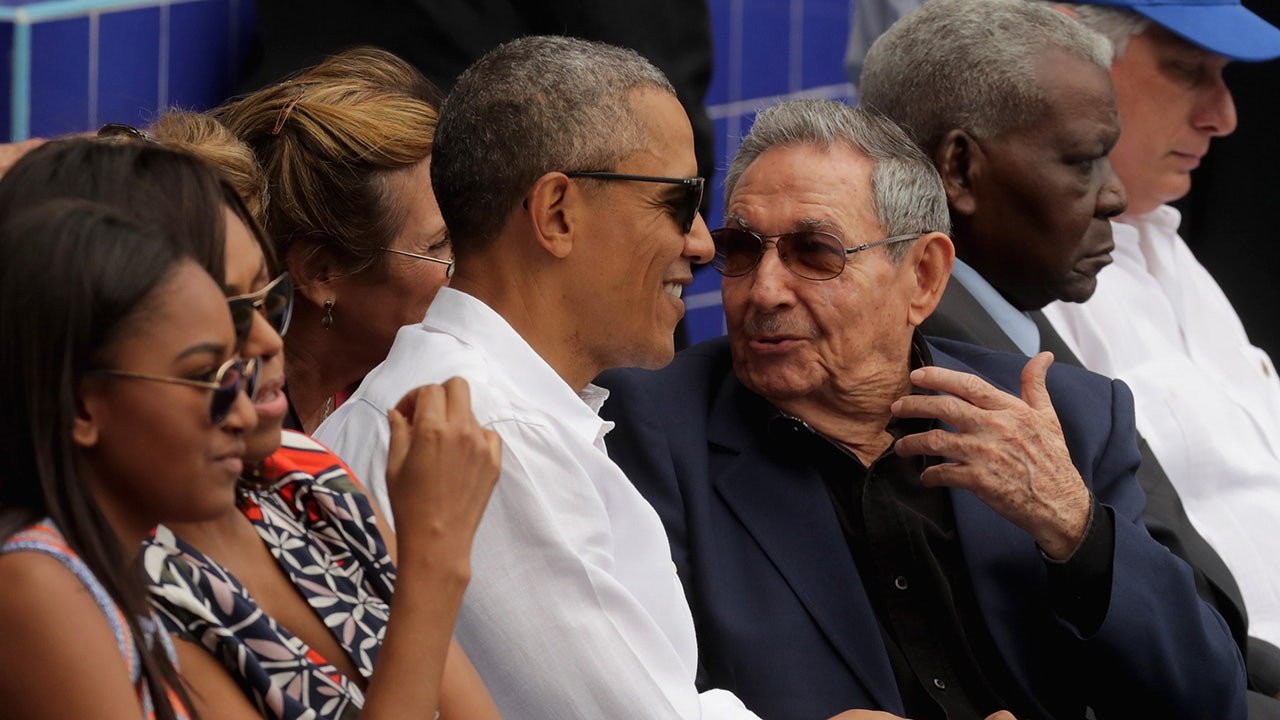
Former Cuban President Raúl Castro was indicted Wednesday in connection with the 1996 shootdown of two civilian aircraft that killed four people — reviving scrutiny of former President Barack Obama’s highly publicized 2016 trip to Havana.
«President Obama’s approach to Cuba was not merely a policy mistake. It was a diplomatic disaster — naive at best, incompetent at worst, and deeply disrespectful to the dissidents, political prisoners and victims who suffered under the Castro regime,» former Miami mayor Francis Suarez, who is Cuban-American, told Fox News Digital.
«Obama treated normalization as enlightened diplomacy. It handed legitimacy to a brutal dictatorship while asking little in return,» said the Fox News contributor. «The administration reopened relations, relaxed restrictions and gave Havana a public-relations victory, yet the Cuban people remained trapped under the same repressive system and the United States gained no meaningful security concessions.»
The Justice Department on Wednesday unsealed a superseding indictment charging Castro and five co-defendants over the deaths of four U.S. nationals aboard two unarmed civilian aircraft operated by the Miami-based exile group. Cuban-American critics said the charges underscore longstanding objections to Obama’s normalization push, which they argue gave legitimacy to the Castro regime.
US MOVING TO INDICT FORMER CUBAN LEADER RAÚL CASTRO: SOURCE
Obama went to Cuba with his family in 2016 for bilateral talks on human rights and economic discussions. (Chip Somodevilla/Getty Images)
Obama traveled to Cuba in 2016 as part of his administration’s push to normalize U.S.-Cuba relations after decades of hostility, arguing that engagement on diplomacy, the economy and human rights would be more effective than isolation. The visit also included Obama and Castro attending a baseball game between the Tampa Bay Rays and the Cuban national team in Havana.
«I have come here to bury the last remnant of the Cold War in the Americas,» Obama said from Havana that year. «I have come here to extend the hand of friendship to the Cuban people.»
Photos of Obama and Castro embracing during the 2016 Havana trip quickly resurfaced online after the indictment, going viral across social media and triggering a wave of criticism from users who blasted the optics of the former president’s relationship with the communist leader.
«While Raoul was harboring American terrorists like Joanne Chesimard and Guillermo Morales. Disgusting,» wrote Fox News contributor Paul Mauro on X.
«Barack Obama in his element with communists and criminals,» wrote General Mike Flynn on X.
OBAMA SETS INTERNET ABLAZE WITH ‘SICK’ REACTION TO THE ‘MOTIVE’ OF WHCD SHOOTER
Republican Texas Sen. Ted Cruz reposted a photo with a cringe emoji.
Castro, 94, is the younger brother of former Cuban leader Fidel Castro. Raul Castro served as Cuba’s president from 2008 to 2018.
Suarez said that Obama’s Cuba policies were not just a human rights failure but a national security failure not understanding the serious threat the regime posed.
DEMOCRATS AND REPUBLICANS CRITICIZE BIDEN ADMIN’S CUBA DETENTE’
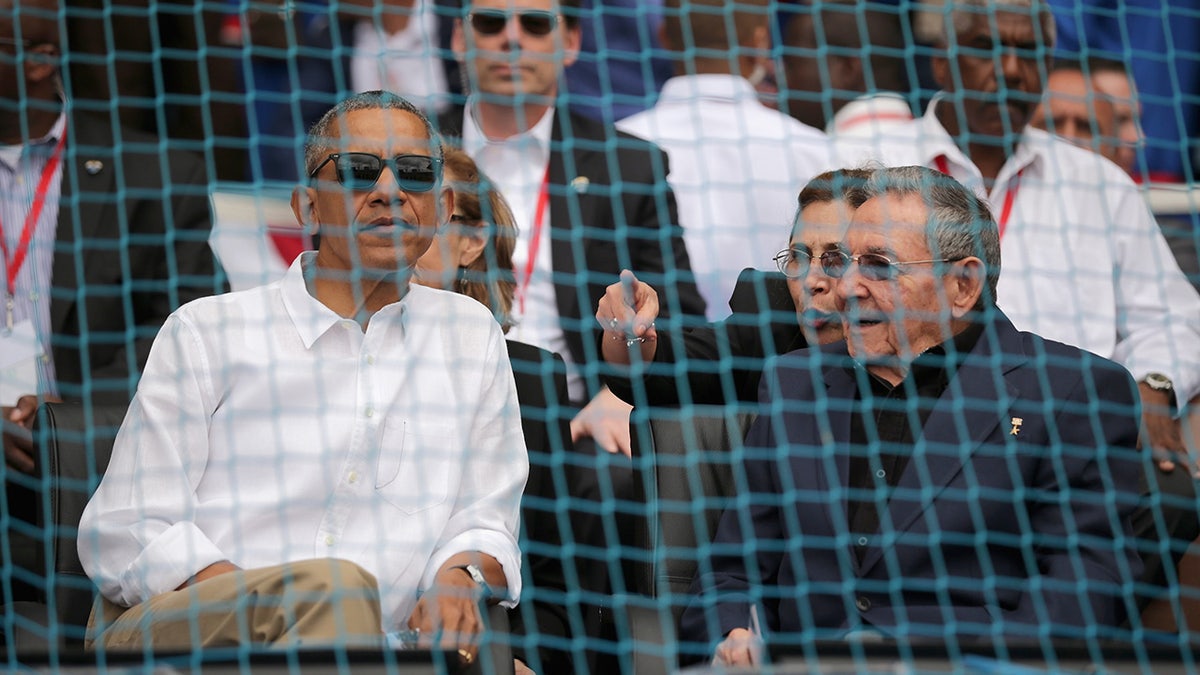
Photos of Obama and Raul Castro at a baseball game in Havana resurface after the DOJ unsealed the Castro indictment. (Chip Somodevilla/Getty Images)
«It did nothing to curtail Cuba’s role as a base for America’s enemies. It did nothing to confront the island’s use as an intelligence and spy platform so close to our shores. It did nothing to reduce the regime’s support for terrorism. It did nothing to confront Cuba’s narco-state behavior or its destabilizing influence throughout the hemisphere,» said Suarez.
RUBIO BLASTS COMMUNIST CUBAN REGIME AS NJ TROOPER’S KILLER REMAINS FREE
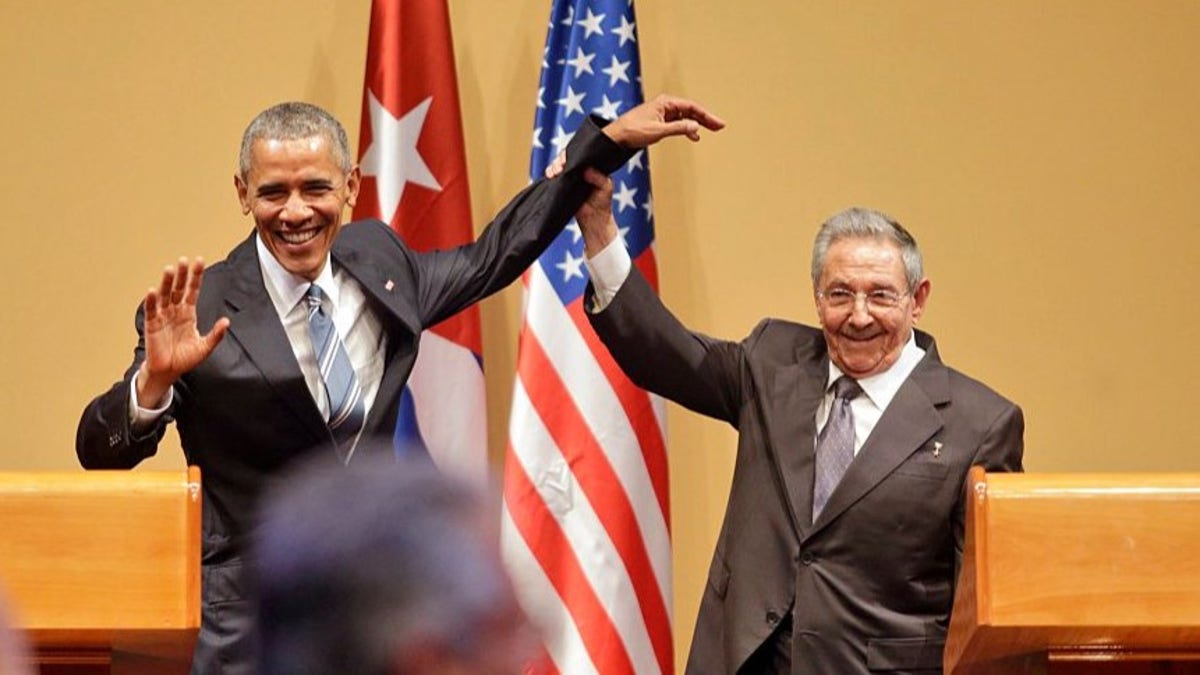
President Barack Obama and Cuban leader Raul Castro stand together during Obama’s visit to Cuba. (Getty Images)
Obama’s trip came two decades after the 1996 incident, which became a major flashpoint in U.S.-Cuba relations, as the Trump administration adopted a more public and hardline approach toward Cuba.
TRUMP DECLARES NATIONAL EMERGENCY OVER CUBA, THREATENS TARIFFS ON NATIONS THAT SUPPLY OIL TO COMMUNIST REGIME
«Raúl Castro and five co-defendants participated in a conspiracy that ended with Cuban military aircraft firing missiles at those planes and killing four Americans,» said acting Attorney General Todd Blanche on Wednesday during the indictment announcement. «Nations and their leaders cannot be permitted to target Americans. Kill them, and not face accountability.»
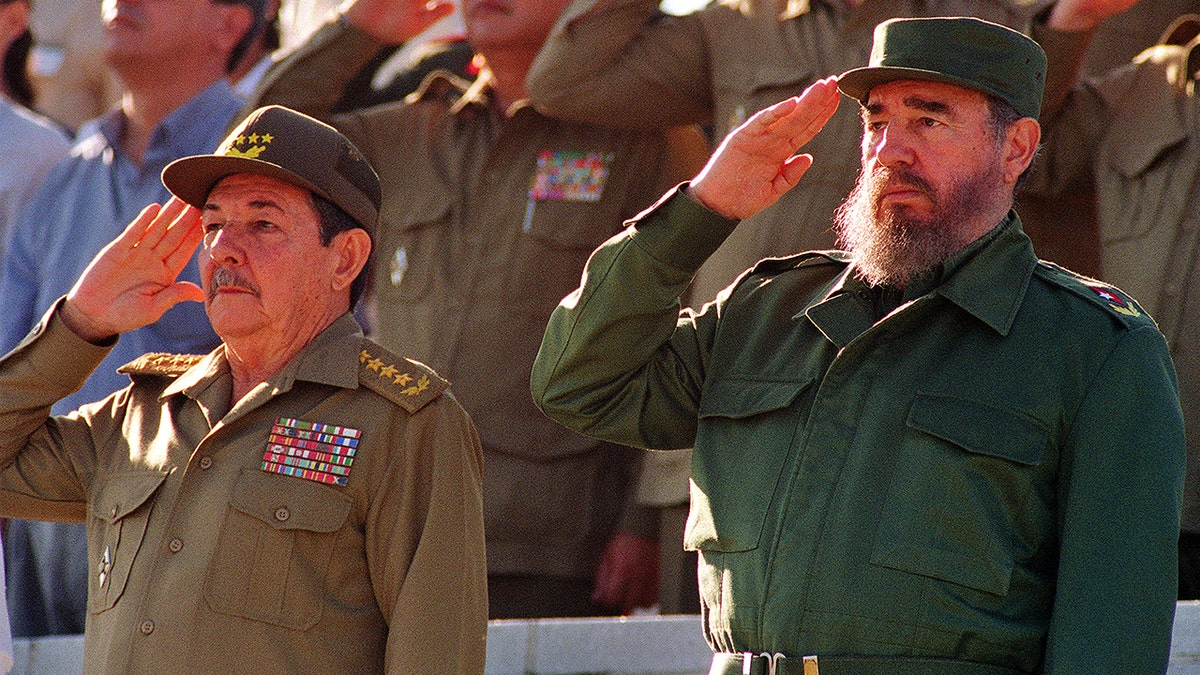
Fidel Castro and his brother Raul Castro attend a parade in Havana, Cuba, on Dec. 2, 1996. (Sven Creutzmann/Mambo Photography/Getty Images)
Following the indictment, Trump said Cuba is «very important.»
«A lot of people have suffered very big, very, very at levels that few people would understand. And I think the Cuban population of Miami, and certainly beyond Miami,» said Trump. «People that came there that were decimated, whose families were ruined, appreciate what the Attorney General just did today, and he’s just doing it now. He’s just watching it. We have Cuba on our mind. Very important.»
Suarez said that for Cuban Americans, Obama cozying up with Castro was disrespectful.
«It is about families torn apart, property confiscated, voices silenced, dissidents beaten, prisoners of conscience abandoned and generations forced to live under fear. To treat the Castro government as a normal partner without first honoring those victims was not diplomacy,» he said.
CLICK HERE TO DOWNLOAD THE FOX NEWS APP
Trump has previously joked the U.S. would be «taking over» Cuba «almost immediately.»
«Cuba’s got problems. We’ll finish one first. I like to finish a job,» he added this month.
Fox News Digital reached out to Obama’s office and the White House for additional comment on the renewed criticisms of the trip.
cuba, michael flynn, barack obama, donald trump, fox news investigates








INTERNACIONAL
Rusia lanzó un nuevo ataque con misiles balísticos contra varias regiones de Ucrania: al menos 13 muertos y más de 25 heridos
Al menos 13 personas murieron y más de 25 resultaron heridas en Ucrania tras una nueva serie de ataques rusos durante la noche del miércoles y la madrugada de este jueves, según confirmaron las autoridades ucranianas. La jornada estuvo marcada por la advertencia previa del presidente Volodimir Zelensky, quien anticipó un posible ataque masivo durante la noche y pidió máxima precaución a la población.
Un misil balístico impactó contra una vivienda en una aldea cercana a Krivói Rog, en el centro del país, donde murieron cuatro adultos y dos niñas de 5 y 12 años. A su vez, ocho personas más resultaron heridas en el mismo incidente, mientras el consejo de defensa de Kryvyi Rig alertó: “El número de muertos podría aumentar”.

En otras regiones, la violencia también dejó un saldo trágico. En Poltava, al este, un ataque con drones contra un almacén provocó la muerte de una persona. La ciudad de Lviv fue blanco de bombardeos que dejaron al menos 15 heridos, de acuerdo con el reporte de las autoridades locales.
El ataque a esta ciudad obligó a Polonia a desplegar aviones de combate para resguardar su espacio aéreo, según informaron sus fuerzas armadas vía X: “Los aviones de combate y un avión de alerta temprana comenzaron a operar, mientras que los sistemas de defensa aérea terrestres y los sistemas de reconocimiento por radar alcanzaron un estado de preparación”.
La administración militar de Kiev confirmó la muerte de una persona y dos heridos tras la ofensiva rusa en la capital. El alcalde, Vitali Klitschko, fue categórico al advertir que “Rusia atacó la capital con armas balísticas” y pidió a la ciudadanía mantenerse en los refugios tras señalar que había incendios en varios distritos de la ciudad: “La amenaza de nuevos ataques persiste. ¡Permanezcan en los refugios!”. Además, otros cinco civiles sufrieron lesiones en un distrito del este de Kiev debido a los bombardeos recientes.

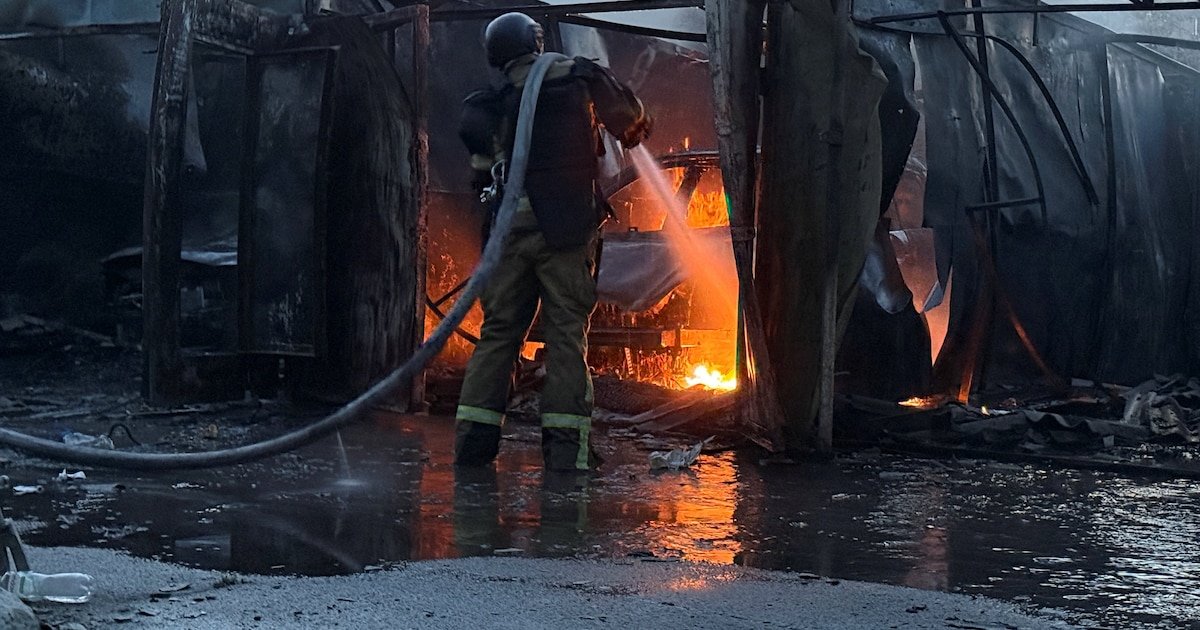
Las imágenes difundidas por el servicio de emergencias de Kiev mostraban a bomberos luchando por controlar incendios en edificios bombardeados y removiendo escombros tras los ataques rusos. Las escenas reflejan la destrucción que dejó la ofensiva nocturna, donde el trabajo de los equipos de rescate fue crucial para encontrar sobrevivientes y atender a los heridos.
Los ataques dejaron una sensación de alarma generalizada en la población ucraniana. El presidente Zelensky, en un mensaje transmitido en X el miércoles por la noche, insistió: “Los rusos prepararon un ataque masivo hace varios días, y hay una alta probabilidad de que el ataque se lleve a cabo esta noche”. En la misma publicación, pidió a los ciudadanos: “Por favor, en todas las regiones de Ucrania, presten atención a las alertas de ataques aéreos de hoy y manténganse a salvo”.

En lo que respecta a la defensa aérea, Zelensky reiteró su llamado a los aliados internacionales para que provean a Kiev los sistemas de misiles que el país necesita con urgencia. El martes, el mandatario ucraniano se reunió en la Casa Blanca con el presidente estadounidense Donald Trump y discutieron la posibilidad de que Ucrania produzca misiles interceptores Patriot.
De acuerdo con datos de la ONU, el mes pasado fue el más letal para la población civil ucraniana desde abril de 2022. El organismo atribuyó este repunte al aumento de los ataques de largo alcance por parte de Moscú contra ciudades y pueblos en todo el país, un giro que ha elevado la preocupación internacional por el número de víctimas civiles.

En respuesta a la ofensiva rusa, Ucrania intensificó sus propios ataques en los últimos meses. El objetivo, según analistas y fuentes oficiales, es presionar al Kremlin para que considere sentarse a negociar, tras casi cuatro años y medio de enfrentamientos.
En el plano militar, Ucrania enfrenta una seria escasez de misiles interceptores Patriot PAC-3, indispensables para derribar los misiles balísticos rusos. Solo estos sistemas de origen estadounidense pueden neutralizar este tipo de amenaza, pero el suministro se ha visto afectado por la guerra entre Estados Unidos, Israel e Irán iniciada en febrero, que ha desviado recursos críticos.
A principios de julio, el presidente estadounidense Donald Trump manifestó su disposición a permitir que Ucrania fabrique misiles tierra-aire, una decisión que cobra especial relevancia ante la creciente necesidad defensiva de Kiev. Zelensky reveló el martes que la reunión con Trump en la Casa Blanca fue “buena” y resaltó: “El presidente estadounidense aceptó que nos dará licencias (Patriot)”.

El aumento de la violencia y la falta de medios defensivos han generado alarma entre los ucranianos, que dependen cada vez más de la cooperación internacional para resistir los bombardeos. Las autoridades insisten en que solo con el refuerzo de sistemas antiaéreos podrán reducir el impacto de los ataques sobre la población civil y la infraestructura esencial.
La combinación de ataques rusos más intensos y la escasez de recursos defensivos refuerza la urgencia de una solución diplomática al conflicto, mientras la población civil sigue pagando el precio más alto.
(Con información de AFP)
War,Europe,Military Conflicts
INTERNACIONAL
Trump admin invokes 30-year dormant terror court as it seeks to deport Afghan woman tied to Election Day plot
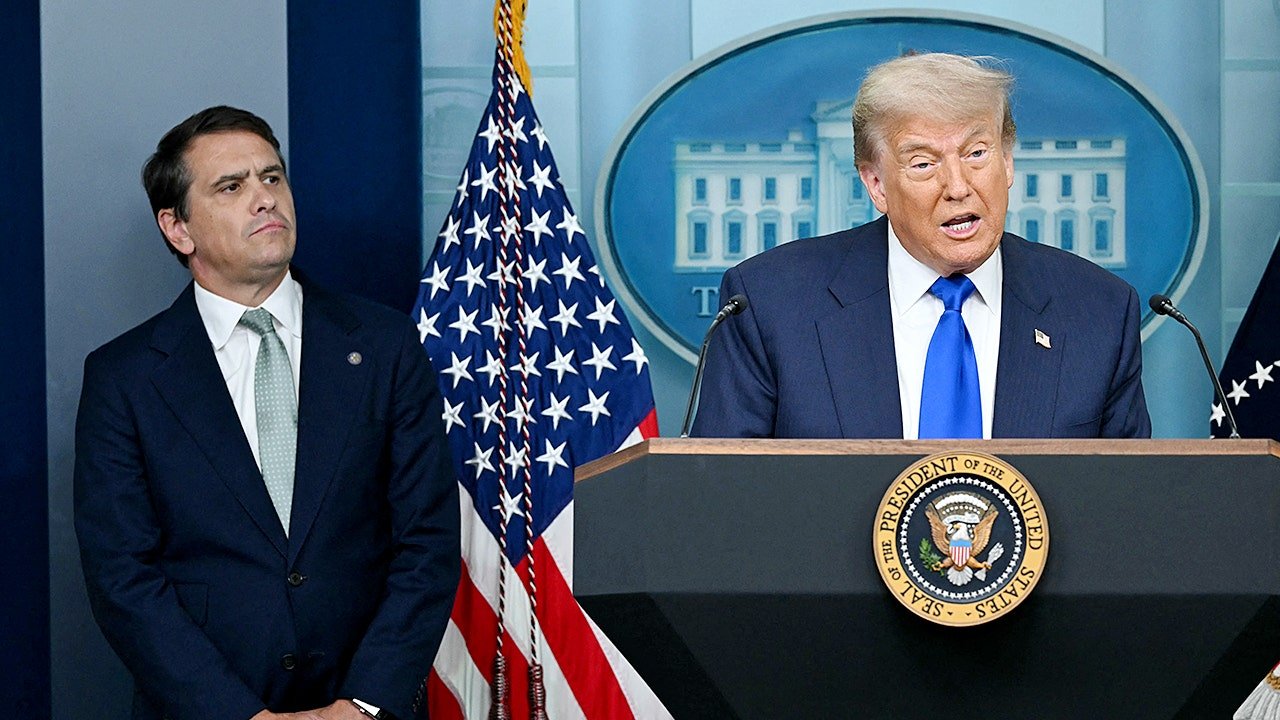
DOJ: Eight charged in terror plot to attack UFC event, government officials
U.S. Attorney Dominick S. Gerace II details the federal charges against eight individuals involved in an alleged terror plot. The conspiracy includes providing material support to terrorists, planning to attack a UFC event and murdering federal officials, potentially including the president and vice president. Penalties range up to life imprisonment.
NEWYou can now listen to Fox News articles!
The Trump administration is seeking to use a specialized federal court for the first time since Congress created it three decades ago in an effort to deport an Afghan woman accused of aiding an Islamic State-inspired terror plot in the U.S., according to court records made public on Wednesday.
Nazira Haji Zada, of Fort Worth, Texas, is the first person facing deportation through the Alien Terrorist Removal Court after her arrest earlier this week.
The court is scheduled to hold an initial hearing on Thursday in Washington, D.C., in the government’s effort to deport Haji Zada.
«The allegations in this case show the matriarch of an ISIS-sympathizing family aiding in a plot to launch a mass casualty attack on American voters on Election Day. The Department’s application in this court makes clear that terrorists have no place in the United States of America,» acting Attorney General Todd Blanche said in a statement.
‘SOMETHING BIG’: FEDS REVEAL HOW RELATIVES OF SUSPECTS IN FOILED WHITE HOUSE UFC PLOT SAW WARNING SIGNS
The Trump administration is seeking to use a specialized federal court for the first time since Congress created it three decades ago in an effort to deport an Afghan woman accused of aiding an Islamic State-inspired terror plot. (ANDREW CABALLERO-REYNOLDS/AFP via Getty Images)
According to an FBI memo dated July 15, authorities «developed information» that Haji Zada supports the Islamic State and had her children pledge their loyalty to the terrorist group.
Haji Zada «supported» a plot by family members to carry out an ISIS-inspired attack in the U.S., according to the memo.
She was identified in court filings as the mother and mother-in-law of two Afghan men who were convicted in Oklahoma in connection with a 2024 Election Day terror plot.
Her son, Abdullah Haji Zada, was sentenced in November to 15 years behind bars. He previously agreed to be deported after his release from prison.
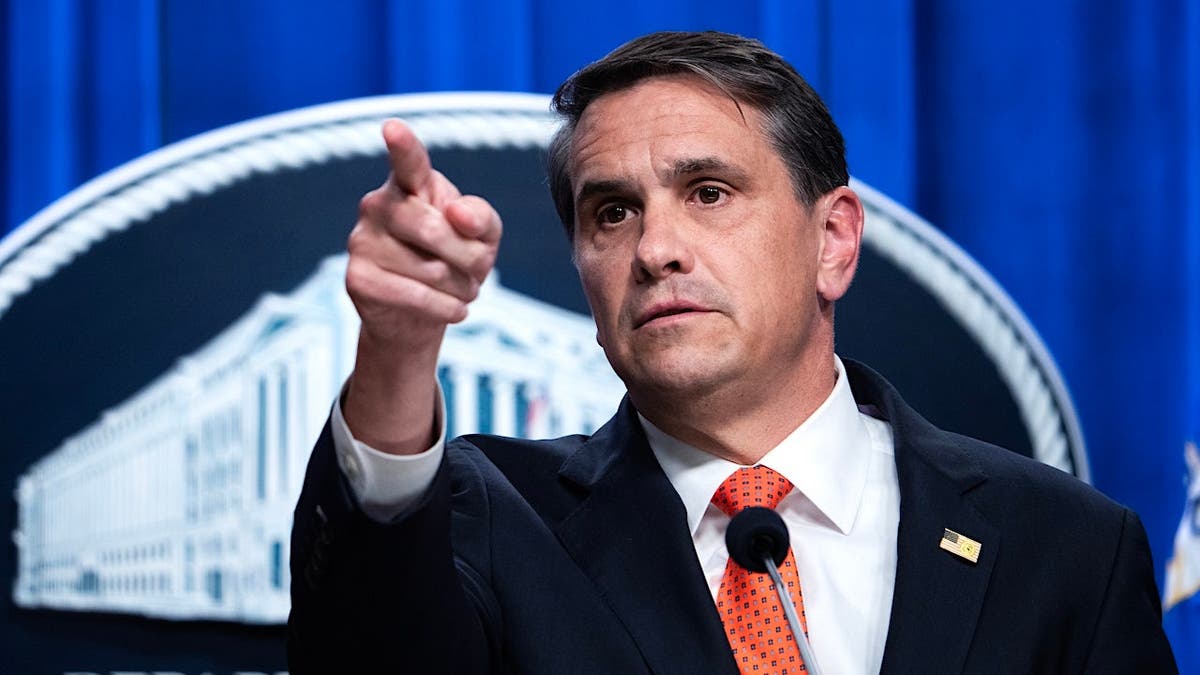
Nazira Haji Zada is the first person facing deportation through the Alien Terrorist Removal Court. (Tom Williams/CQ Roll Call)
Haji Zada’s son-in-law, Nasir Ahmad Tawhedi, who previously worked as a security guard for a U.S. military installation in Afghanistan, pleaded guilty to conspiring and attempting to provide material support to the Islamic State. Prosecutors said he attempted to advance his attack plans by ordering AK-47 rifles, liquidating his family’s assets and purchasing one-way tickets for his wife and child to travel back to Afghanistan.
The Alien Terrorist Removal Court was created in 1996 but never received a petition until this month, when the Justice Department filed an application attempting to deport Haji Zada.
The longtime-dormant court hears government applications seeking the removal of noncitizens alleged to qualify as «alien terrorists» under federal immigration law when the evidence supporting removal includes classified information.
FLORIDA CONGRESSMAN MOVES TO IMPEACH JUDGE WHO ORDERED CONVICTED CUBAN PLANE HIJACKER FREED FROM ICE
The Alien Terrorist Removal Court was created in 1996 but never received a petition until this month. (Getty Images)
CLICK HERE TO DOWNLOAD THE FOX NEWS APP
«Congress created the Alien Terrorist Removal Court three decades ago to remove from the United States alien terrorists who never should have been here in the first place,» Blanche said.
The court is made up of five federal judges from various districts across the country who are appointed by the Supreme Court’s chief justice.
For the time being, the court says all proceedings will take place at the E. Barrett Prettyman U.S. Courthouse in Washington.
The Associated Press contributed to this report.
deportation, afghanistan, terrorism, justice department, politics, isis, donald trump, immigration
INTERNACIONAL
La fiscalía boliviana ordenó la captura de Evo Morales por el bloqueo de carreteras durante las protestas de junio
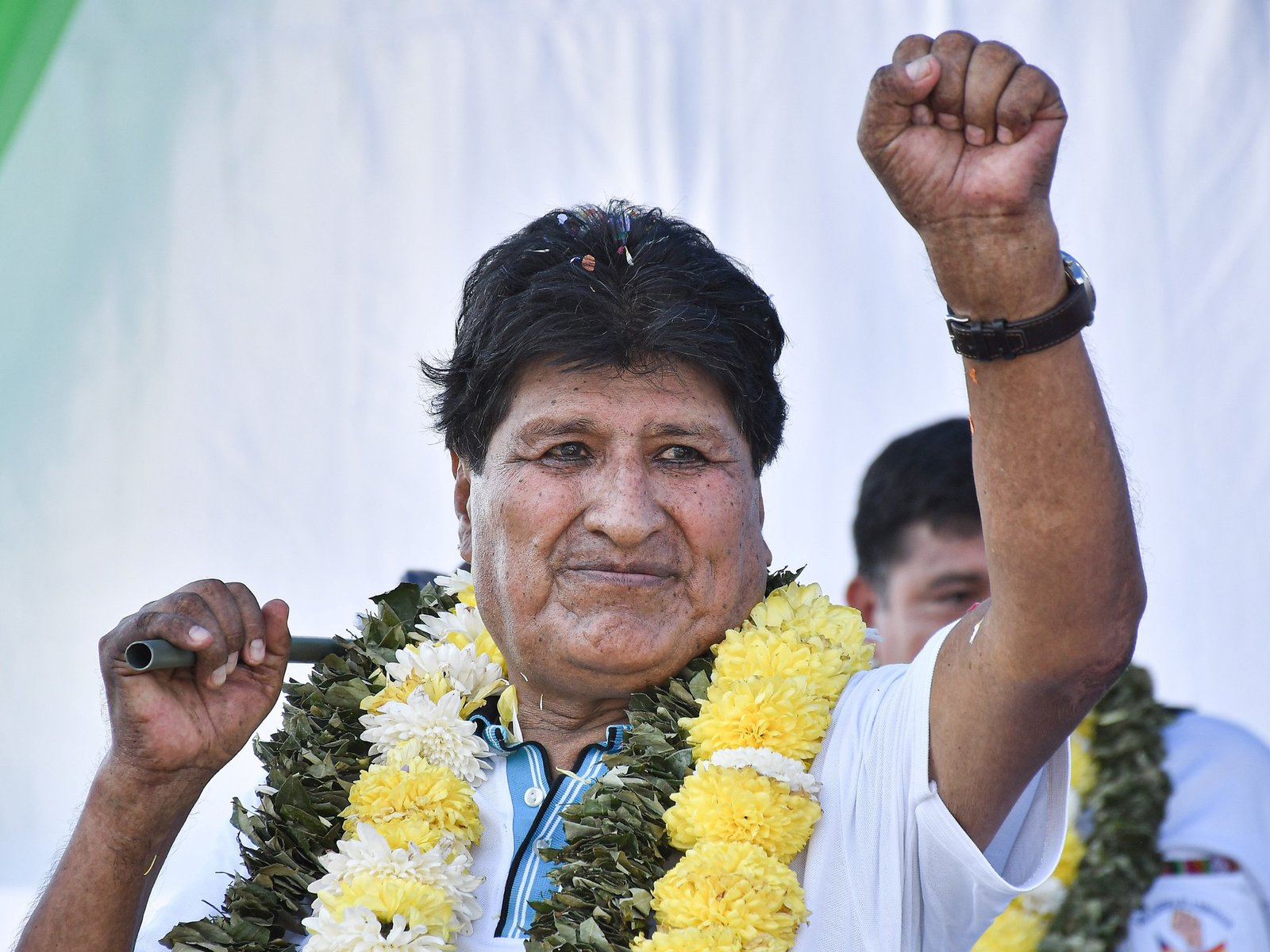
La Fiscalía Departamental de Santa Cruz ordenó este miércoles la captura del expresidente Evo Morales, acusado de terrorismo, alzamiento armado contra la seguridad y soberanía del Estado y otros delitos por su presunta implicación en las protestas y bloqueos de carreteras registrados entre mayo y junio para exigir la renuncia del presidente Rodrigo Paz.
«Hoy el Gobierno emite una nueva orden de aprehensión en mi contra, acusándome de supuestos delitos de terrorismo y alzamiento armado», escribió Morales en X.
El expresidente acusó al gobierno de Paz de querer responsabilizarlo «de las movilizaciones sociales para ocultar el verdadero drama que vive Bolivia: una profunda crisis económica y social, fruto de un modelo que ha abandonado al pueblo y protege la corrupción».
«No nos van a intimidar. Seguiremos luchando junto al pueblo, como lo hemos hecho siempre, con la convicción de que Bolivia merece un camino distinto», agregó.
La orden, dictada por el fiscal Brayan Melgar y confirmada a EFE por una persona cercana al exmandatario, también atribuye a Morales los presuntos delitos de atentado contra la seguridad de los medios de transporte, asociación delictuosa, instigación pública a delinquir y atentado contra la seguridad de los servicios públicos.
Hoy el gobierno emite una nueva orden de aprehensión en mi contra, acusándome de supuestos delitos de terrorismo y alzamiento armado. Buscan responsabilizarnos de las movilizaciones sociales para ocultar el verdadero drama que vive Bolivia: una profunda crisis económica y social,…
— Evo Morales Ayma (@evoespueblo) July 29, 2026
Durante siete semanas, entre mayo y junio, campesinos de La Paz y la Central Obrera Boliviana (COB) impulsaron bloqueos de carreteras, principalmente en el occidente y el centro de Bolivia, con el respaldo de grupos afines a Morales, para exigir la renuncia del presidente Paz como «única demanda».
Los bloqueos provocaron desabastecimiento de alimentos, combustibles y oxígeno medicinal en varias ciudades, dejaron al menos 16 fallecidos, 13 de ellos por la falta de atención médica oportuna debido a los cortes de vías, y ocasionaron pérdidas económicas superiores a US$3.000 millones.
La denuncia fue presentada a principios de julio por los líderes cívicos de Santa Cruz, la región más poblada y el motor económico de Bolivia, a la que posteriormente se sumó el ministro de Gobierno (Interior), Marco Antonio Oviedo.
La acción legal también incluye al máximo dirigente de la COB, Marco Argollo, y el principal líder de los campesinos de La Paz, Vicente Salazar, quien permanece en detención preventiva desde el 6 de julio por otra investigación relacionada con estos mismos hechos.
El expresidente Morales niega haber promovido la renuncia de Paz y sostiene que las movilizaciones buscaban que el Gobierno respondiera a las demandas de los sectores movilizados. No obstante, el 24 de mayo escribió en la red social X que el mandatario tenía solo «dos caminos» ante los conflictos, «militarizar» el país o llamar a elecciones en los próximos 90 días.
Después de lograr acuerdos con sectores como la COB, Paz decretó el 20 de junio el estado de excepción para levantar los bloqueos, tras lo cual la Policía y el Ejército se desplegaron en las carreteras para retirar los obstáculos y restablecer la circulación.
Previo a esta nueva orden de captura, Morales ya tenía dos órdenes vigentes. La primera por una investigación por trata agravada de personas, ya que el exmandatario está acusado por su presunta relación con una menor de edad con la que supuestamente tuvo una hija mientras fue presidente en 2016.
Luego en mayo, un tribunal de la región sureña de Tarija declaró a Morales en rebeldía y dictó una segunda orden de captura porque no se presentó al inicio del juicio por este caso. La Policía sostiene que espera el momento adecuado para ejecutar esa orden.
Morales permanece desde octubre de 2024 en el Trópico de Cochabamba (centro), su bastión político y sindical, custodiado por centenares de sus seguidores para evitar que sea detenido.

En medio de la tensión bilateral, Brasil decidió el regreso de su embajador a la Argentina, pero aún no fijó una fecha

O’Higgins vs. Boca Juniors: formaciones, hora y dónde ver por tv

Caputo pasó la aspiradora de pesos, captó dólares baratos y superó con éxito un test clave

“Que se hagan cargo”: LLA no apoyará la reelección indefinida de intendentes y apunta contra el peronismo

El mayor rival de Diablo ahora es mucho más grande. Prepárate, porque se han añadido decenas de horas de juego y un sinfín de novedades

Rusia lanzó un nuevo ataque con misiles balísticos contra varias regiones de Ucrania: al menos 13 muertos y más de 25 heridos

Crisis entre Milei y Lula: la trama política, personal y geopolítica detrás del mayor choque diplomático entre Argentina y Brasil

San Isidro: la ballena que quedó varada en un banco de arena murió pese al operativo de rescate

Cómo manejar en el hielo y la nieve: técnicas y precauciones para usar el auto en la montaña en vacaciones de invierno

La pelea con Lula y el verdadero desafío que enfrenta Milei

 POLITICA3 días ago
Crisis entre Milei y Lula: la trama política, personal y geopolítica detrás del mayor choque diplomático entre Argentina y Brasil
- ECONOMIA2 días ago
Cómo manejar en el hielo y la nieve: técnicas y precauciones para usar el auto en la montaña en vacaciones de invierno
- POLITICA2 días ago
La pelea con Lula y el verdadero desafío que enfrenta Milei