INTERNACIONAL
Platner drops out of crucial Senate race after bombshell rape allegation torpedoes campaign


Graham Platner drops out of Maine Senate race
Graham Platner announced Wednesday that he is dropping out of the Maine Senate race after an ex-girlfriend accused him of rape. He denied the allegation. (Credit: Graham Platner via X)
NEWYou can now listen to Fox News articles!
Graham Platner, the embattled Democratic Senate nominee in Maine, suspended his campaign on Wednesday amid mounting controversies and growing calls from top Democrats in his home state, in the nation’s capital, and across the country for him to immediately quit the race.
Platner, a populist Democrat backed last September by progressive champion Sen. Bernie Sanders, I-Vt., was challenging longtime Republican Sen. Susan Collins in a high-profile, combustible and expensive race in Maine, which is one of a handful that will determine if the GOP holds onto its slim Senate majority in November’s midterm elections.
«For the movement to continue, it can’t be me. For that reason, we are suspending campaign operations,» Platner said in a video posted to social media.
Platner’s exit from the race comes five days before a crucial deadline, which, if he had missed, would have prevented Maine Democrats from replacing him with a new nominee on the general election ballot.
The suspension of his campaign took place one month after Platner won a landslide victory in Maine’s June 9 Democratic Senate primary, but just two days after an explosive report on Monday afternoon contained an allegation of rape from a woman he previously dated.
SCANDAL-PLAGUED PLATNER CAPTURES DEMOCRATIC SENATE NOMINATION DESPITE MOUNTING CONTROVERSIES
Democratic U.S. Senate candidate Graham Platner speaks at his primary election event in Blue Hill, Maine, on June 9. (CJ Gunther/Getty Images)
Addressing those allegations, a visibly irritated Platner charged, «This is all false. The things that have been claimed did not happen. It is not real.»
And Platner, who has run an outsider, anti-establishment campaign for nearly a year, pointed to the political class and argued, «the brutal political reality is they are going to take everything away from us.»
Platner said that if he continued his bid, he’d lose the ability to raise money and access crucial voter data, essential elements to any campaign.
«Those in power who have the ability to do so are using these allegations as an excuse to take away all the things that we need to run a campaign,» he charged.
Longtime Senate Democratic Leader Chuck Schumer, following Platner’s announcement, said in a post on X, «Democrats are going to defeat Susan Collins, win Maine, and take back the Senate.»
The Marine Corps combat veteran and oyster farmer became the all-but-certain party nominee in the spring, after two-term Gov. Janet Mills, who had been backed by Schumer and the Democratic establishment, suspended her bid after significantly trailing Platner in fundraising and polling.

Two-term Democratic Gov. Janet Mills of Maine ended her 2026 Senate bid in the spring after trailing Graham Platner in public opinion polling and fundraising. (Getty Images)
Platner’s suspension of his campaign comes just before a 5 p.m. deadline on Monday, July 13, set by state law, for candidates to withdraw from the race.
Since Platner dropped out ahead of the deadline, the Maine Democratic Party will be able to replace him on the general election ballot. The party needs to select a new nominee by July 27.
If Platner had exited the race after the deadline, his name could be stricken from the ballot, but Maine Democrats would not be able to replace him with another candidate.
The Maine Democratic Party on Tuesday night, in a stunning announcement, said that party officials were working «around the clock» to determine a replacement process, but claimed that Platner and his team were trying «to put their thumb on the scale of what this process looks like.»
Platner’s team, responding, said they had reached out to the party but denied they were trying to put any «finger on the scale.»
A couple of hours before Platner dropped out, the state party announced it would hold a nominating convention to choose a new Senate nominee, if Platner were to exit the race.
That didn’t appear to sit well with Platner, who in his video said, «What comes next needs to come from the people. Needs to come from the people of Maine. Needs to come from the voters who on June 9….said no to this kind of politics. Voted for a politics that would actually represent them. Vote against the political system. Against the donor class. Against the entrenched forces.»
«I’m not asking for how this process is going to work. I’m not trying to dictate to anyone how it should be or how we get there,» he emphasized. «But I will say this, it needs to be open, transparent, and democratic. It needs to be reflective of the will and the values of the people that built this movement, the people that showed up on June 9. People in DC should stay in DC. Decisions should not be made in backrooms by people in places of political power.»
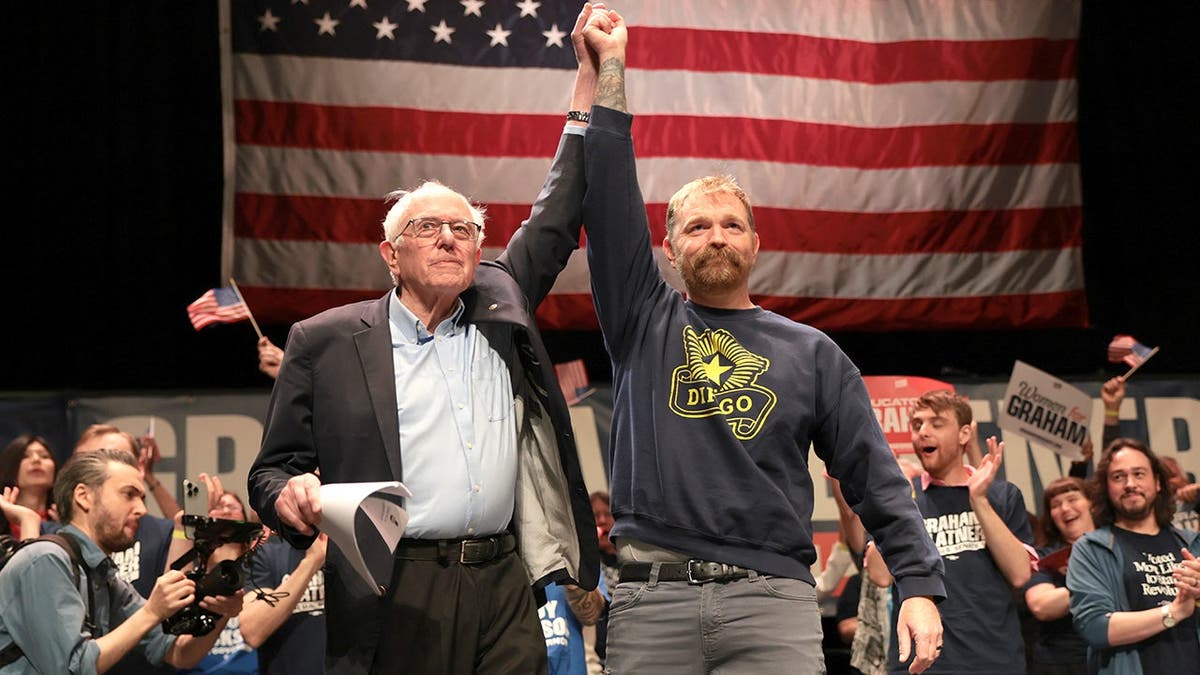
Sen. Bernie Sanders, I-Vt., and Democratic U.S. Senate candidate Graham Platner stood together during a «Fighting Oligarchy» tour stop at the Collins Center for the Arts on the University of Maine campus on May 24, 2026, in Orono, Maine. (Joe Raedle/Getty Images)
The allegation that triggered Platner’s exit from the race came from Maine resident Jenny Racicot, 41, who told CNN’s Jake Tapper that «by dictionary definition» Platner «raped» her.
«I thought, here’s a man who was drunk and who, by dictionary definition, raped me. And he’s blaming drunk women,» Racicot said. «So I just felt like that was a very odd take to have on that. And I also feel like with all of the comments that he made about women, sexual assault, rape, even, um, you know, the comments that he had made that was in The New York Times article about, you know, threatening people with rape, like, why does this person have this issue, like scattered throughout their life, throughout their commentary, like it‘s on their mind?»
Racicot also said over the course of three interviews with Politico that Platner forced her to have sex five years ago against her will, a claim that Platner denied in the Politico story. Additionally, the report says that a man Racicot dated afterward confirmed she had told him about the incident, which was also corroborated by emails between Racicot and her therapist.
«I remember him grabbing my pelvis and being really forceful of me,» Racicot told the outlet about the incident, which allegedly took place while Platner was «almost blackout drunk.» «I remember the specific moment where I thought to myself, like, ‘This is no longer my choice.’»
Racicot alleged that Platner entered her home uninvited and forced her to have unprotected sex despite her telling him to stop multiple times.

Graham Platner, the Democrats’ presumptive Senate nominee in Maine, holds an energy event in Ellsworth on May 11. (Paul Steinhauser/Fox News)
Racicot said in the report that «one of the reasons» she didn’t come forward until now was the «huge moral conflict» she had between her support of Platner’s politics and not supporting him «as a person.»
«I just want the truth out there,» Racicot said. «I just want people to have a whole scope of who he is as a person.»
In a statement to Politico, Platner said, «These allegations are troubling, serious, and false. Any accusation of non-consensual behavior is categorically untrue.»
The Platner campaign also posted a video on X shortly after the Politico story published where Platner again called the allegations «false» and that he was going to «reflect» on the best path forward.
«So, regardless of the inaccuracy of the reporting, but mindful the political reality it will inflict, we are taking the time to reflect on the best path forward for the state that I love, the people that I love, the movement I belong to, and the goal of defeating Susan Collins,» Platner says in the video. «Those were the goals when we launched this campaign, and they remain my goals today.»
Platner was hit with a second explosive allegation of sexual impropriety on Tuesday. In a report published by The Washington Post, Platner was accused of removing condoms during sex with his ex-girlfriend Lyndsey Fifield after she explicitly directed him to wear them.
Fifield, 41, previously accused Platner of physical misconduct during their relationship, saying that he sometimes grabbed her hard enough to leave marks on her body and that one time he twisted her arm around her back, pushed her into a bedroom and held the door shut until she «calmed down.»
In a statement to The Washington Post, the Platner campaign said that Fifield’s latest allegations were «categorically false and politically motivated,» as they pointed to her previous work for the conservative Heritage Foundation.
And in his Wednesday night video, Platner reiterated that he wasn’t suspending his campaign «because of allegations. We’re doing it because of structures that are being taken away from us by those in power.»
One of the party organizations Platner railed against, the Democratic Senatorial Campaign Committee (DSCC), pledged in a statement that it would «work tirelessly to ensure the new Democratic nominee has the infrastructure and resources to immediately turn their focus to the general election, and in November we will defeat Susan Collins and win a Senate majority.»
Meanwhile, Republicans quickly pounced after Platner’s announcement.
«Maine Democrats elected a rapist Nazi to be their nominee for Senate, and regardless of who they anoint next, Susan Collins will be re-elected in November,» National Republican Senatorial Committee Regional Press Secretary Samantha Cantrell charged in a statement.
Alex Latchum, executive director of the Senate GOP-aligned super PAC Senate Leadership Fund, argued that at the 11th hour, the Democrat Establishment has tipped the scales against Maine voters in an attempt to salvage their failing midterm strategy. Regardless of who Washington Democrats install, Senator Susan Collins will win in November.»
Moderate Democratic Sen. John Fetterman of Pennsylvania, a vocal Platner critic, said in an interview Wednesday night on Fox News «Jesse Watters Primetime» that «the trash took itself out tonight.»
Platner was forced onto defense the past couple of months amid multiple controversies that muddied the final days of his primary campaign and overshadowed his victory.
Past inflammatory online comments made on a now-deleted Reddit account came back to haunt him at the same time he was reeling from revelations of a now covered-up tattoo on his chest that resembled a Nazi symbol. Then reports that Platner exchanged sexually explicit messages with several women while married came right before allegations from ex-girlfriends of a history of rape fantasies, heavy drinking and violent episodes.
Platner repeatedly called the allegations of violence untrue.
A day before the primary last month, a former high-level staffer from the Platner campaign wrote in a Washington Post op/ed that Platner «is not someone who would be good for Maine or for the country.»
The mounting controversies grabbed plenty of attention, gave Republicans more ammunition to use against him and triggered some Democrats in the nation’s capital to question whether Platner was damaged goods.
But the allegations didn’t stop him from riding a populist wave to capture the nomination.
DEMOCRACY ’26: STAY UP TO DATE WITH THE FOX NEWS ELECTION HUB

Democratic U.S. Senate candidate Graham Platner and his wife, Amy Gertner, wave to supporters as they arrive at Platner’s primary election event in Blue Hill, Maine, on June 9. (CJ Gunther/Getty Images)
Platner, who had acknowledged his battle with post-traumatic stress disorder (PTSD) from his three tours of duty in the war in Iraq with the Marines and one tour with the Army National Guard in Afghanistan, apologized for his controversial Reddit posts after some of them made headlines last fall soon after he launched his Senate campaign.
And Platner said he got the skull and crossbones tattoo in 2007, while drinking with fellow Marines stationed in Croatia. He said that he covered up the tattoo with a new design after learning last year that it resembled a Nazi symbol.
But allegations from an ex-girlfriend raised questions about Platner’s timeline regarding knowledge of the tattoo.
In his primary night victory speech, Platner emphasized that he was a changed man.
«If you believe, as I do, that we can change our politics and change our country, then you must also believe that people can change,» Platner told the crowd. «And the reason I believe that is because I have lived it. And the reason that I have lived it is because of my wife.»
THE TEN RACES THAT WILL DETERMINE THE SENATE’S MAJORITY
Rumors about Platner potentially dropping out started swirling this past weekend, as multiple events by the candidate were canceled without an official explanation. The Bangor Daily News reported on Monday that one organizer said an event was canceled due to Platner «not feeling well.»
The news of the canceled events led conservative outlets and pundits to speculate whether there was an underlying reason for the cancelations or an impending end to his campaign.
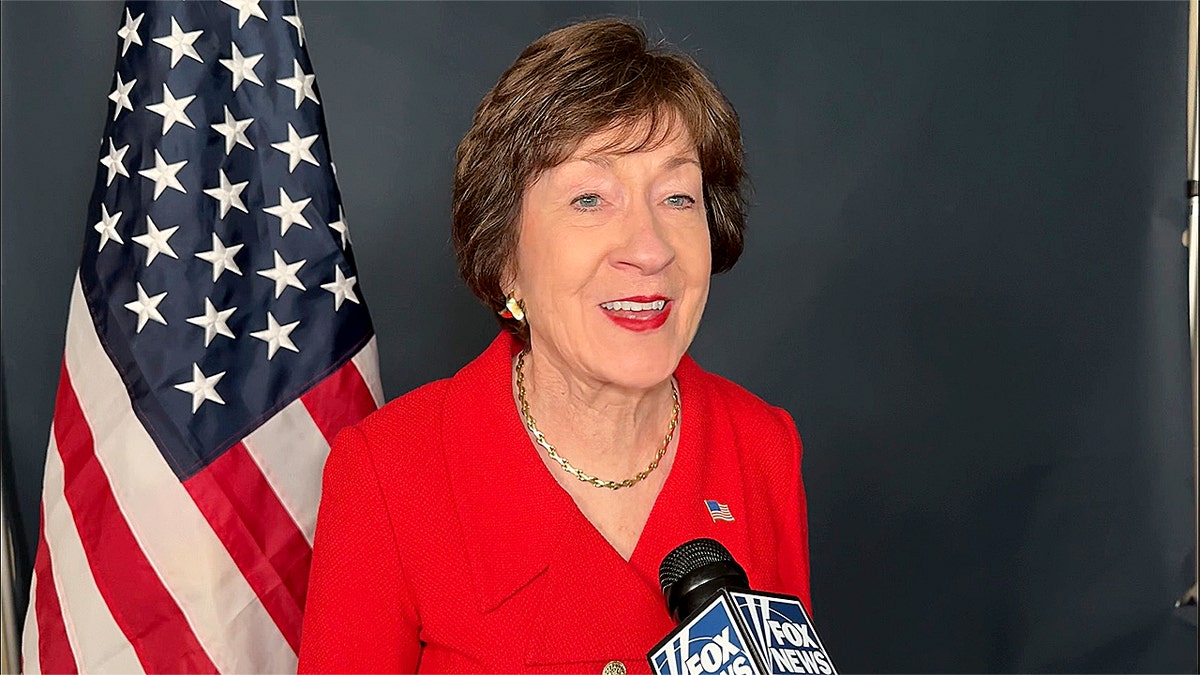
Republican Sen. Susan Collins of Maine stands for an interview with Fox News Digital, Feb. 10, in Washington, D.C. (Paul Steinhauser/Fox News)
Collins said in a statement, «These allegations are appalling. Nevertheless, it is not up to me to choose the Democratic nominee for Senate.»
As Monday afternoon turned into Monday evening, a growing chorus of leading Democrats called on Platner to quit the race.
Schumer called the allegations in the Politico report «incredibly disturbing – violence, abuse and sexual assault are absolutely unacceptable.»
In a statement with Democratic Senatorial Campaign Committee (DSCC) Chair Sen. Kirsten Gillibrand, Schumer emphasized, «Graham Platner needs to immediately withdraw as the Democratic nominee for Senate and allow Maine Democrats the opportunity to choose a new candidate who can defeat Susan Collins. The DSCC will not invest in the Maine Senate race if Platner remains on the ballot.»
Senate Majority PAC, the Schumer-aligned top super PAC backing Senate Democratic incumbents and candidates, said it was «redirecting resources away from the Maine Senate race in light of the latest allegations against Graham Platner.»
The leadership of the Maine Democratic Party, in a statement, said it «is calling Graham Platner to withdraw as the Democratic nominee for the U.S. Senate.»
One of Platner’s top supporters in Congress, Rep. Ro Khanna of California, rescinded his endorsement.
«I’ve been very clear that sexual assault or violence against women is a red line. These allegations are very serious and credible. Graham Platner should drop out from the race. I am withdrawing my endorsement,» Khanna wrote in a social media post.
Khanna, a top progressive leader in the House, told Fox News Digital as he campaigned with Platner in Maine days ahead of the primary that he was «concerned about making it clear that we’re opposed to misogyny, those relationships were toxic and volatile, there’s no excuse for that.»
«I talked to Graham, and he says he was at a very dark period. He had come back from two tours of duty in Iraq as an infantryman seeing violence and death. That doesn’t excuse it,» Khanna said last month.
Also dropping their endorsement on Monday was Democratic Sen. Ruben Gallego of Arizona, who along with Khanna is considered a potential 2028 White House hopeful.
«The allegations against Graham Platner are troubling and deeply serious,» Gallego wrote on X. «I am rescinding my endorsement.»
So did progressive champion Sen. Elizabeth Warren of Massachusetts, who had endorsed and appeared with Platner.
Our Revolution, a progressive political action organization founded by Sanders, announced it was withdrawing its endorsement of Platner.
On Tuesday, Sanders finally put out a statement.
«I have spoken with Graham Platner about the best path forward for Maine. In light of these very serious allegations, I have recommended that he step aside,» the senator wrote.
SIGN UP TO GET THE POLITICS NEWSLETTER
Platner, who launched his bid for U.S. Senate last summer, quickly started drawing large crowds and built a healthy fundraising war chest earlier this year, thanks, in part, to Sanders’ early support and the candidate’s tireless efforts on the trail.
Two polls conducted late last month indicated a close general election contest. A Fox News poll gave Collins a three-point edge, while a New York Times/Siena survey indicated Platner holding a two-point margin.
But beating Collins hasn’t been easy. Six years ago, public opinion polls indicated the senator was headed to defeat, but Collins defied expectations and won re-election by defeating then-Democratic state House Speaker Sara Gideon by nine points.
CLICK HERE TO DOWNLOAD THE FOX NEWS APP
Collins, a moderate Republican who at times votes against President Donald Trump’s agenda, is running for a sixth six-year term in the Senate.
Republicans currently control the chamber 53-47 and flipping the Senate seat in left-leaning Maine is a key part of the Democrats’ path to retake the majority.
Fox News’ Olivia Palombo and Matthew Donnell contributed to this report
graham platner, politics, midterm elections, democrats elections, chuck schumer, maine, senate elections, democratic party












INTERNACIONAL
Elecciones en Brasil: un popular psiquiatra irrumpió en el tramo final de la campaña y desafía a Lula y Bolsonaro
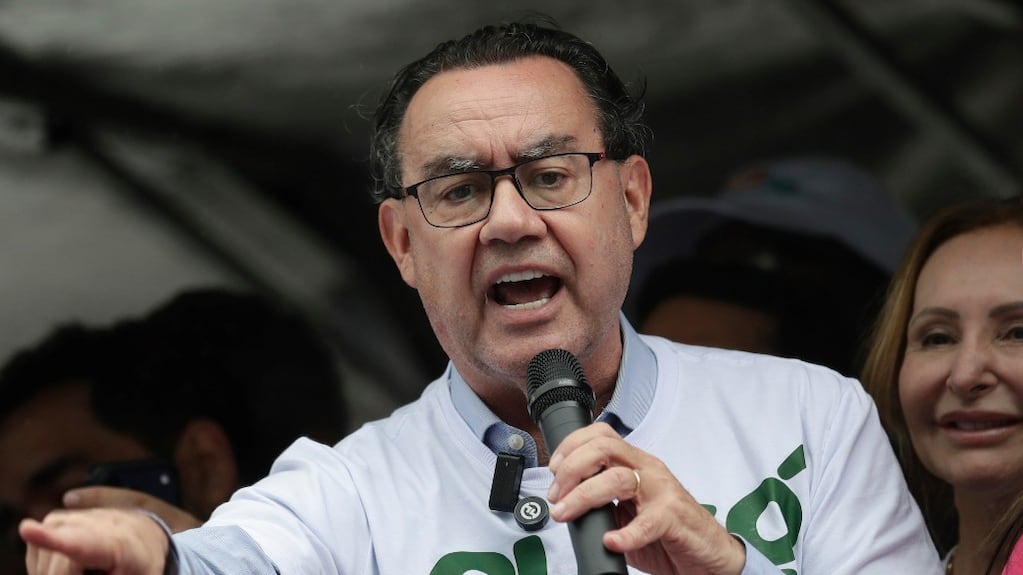
Su irrupción en las encuestas fue sorpresiva. A tres semanas de las cruciales elecciones presidenciales del 4 de octubre, un popular psiquiatra brasileño quiere colarse en el “sprint” final de la campaña y amenaza las candidaturas de Luiz Lula da Silva y de su principal rival, Flávio Bolsonaro.
Augusto Cury tiene 67 años y es autor de varios libros de autoayuda. Se lo conoce en especial por su moderación y su disponibilidad al diálogo, algo que un amplio sector del electorado local agradece entre tanta polarización y discurso de odio.
Es, en síntesis, un candidato de “centro” que busca diferenciarse de los extremos ideológicos que representan los dos amplios favoritos de esta contienda que decidirá el futuro de Brasil.
Augusto Cury, el “outsider” que quiere llegar al balotaje
La última encuesta de la empresa Quaest lo ubica en la tercera posición con el 10% de la intención de voto, aún lejos de Lula que lidera con el 37% y Bolsonaro, que lo sigue con 30%. Pero su inesperado crecimiento en las encuestas y en las redes sociales lo colocan en un lugar expectante.
Para ser electo en primer ronda, se necesita el 50% más uno de los votos. Nadie duda hoy de que habrá un balotaje el 25 de octubre.
La pregunta es si Cury tiene tiempo para desbancar a uno de los dos postulantes de peso y llegar al segundo turno.
“Creo que sí (tiene posibilidades). En un segundo turno, puede vencer a ambos (Lula y Bolsonaro), justamente por ser desconocido ante una situación en la que todos los candidatos conocidos tienen un alto índice de rechazo”, dijo a TN el analista brasileño João Daniel Almeida, de la Pontificia Universidad Católica de Rio de Janeiro (PUC-Rio)
Leé también: Alemania: ¿por qué la izquierda puede ser clave para el acceso de la ultraderecha al poder en una antigua región comunista?
Además, afirmó: “Si él crece, prejudica a ambos, pero creo que más a Flávio en el primer turno y a Lula en el segundo”.
Pero las dudas persisten. El analista Antonio Lavareda, presidente honorario de la Asociación Brasileña de Investigadores Electorales, dijo a TN que Cury “perdió su ´momentum´” para dar el zarpazo y colarse en el balotaje.
“En la semana en que la gran noticia debería ser su despegue (en las encuestas), todos los focos se volcaron a los escándalos” que estallaron en campaña, afirmó.
Hoy en Brasil solo se habla de los casos de corrupción que salpicaron el proceso electoral. En los últimos días se divulgaron documentos de la Policía Federal que vinculan al juez de la Corte Suprema Alexandre de Moraes, protagonista de la condena del expresidente Jair Bolsonaro, con el banquero Daniel Vorcaro, figura central del escándalo financiero de Banco Master.
Este caso salpica tanto a Bolsonaro como a figuras del gobierno de Lula. Vorcaro está detenido por un esquema ilegal vinculado al proceso de liquidación de esa entidad bancaria.
Para Lavareda, los votos de Cury, en un segundo turno, “se dividen un tercio para Lula y dos tercios para Flávio. O sea, en el primer turno le quita más a Flávio y a los otros candidatos de derecha”, indicó.
La encuesta de Quaest ubica a Lula y Bolsonaro empatados en un 41% de intenciones de voto en un eventual balotaje. Pero otro sondeo, realizado por la consultora BTG/Nexus, colocó al postulante derechista por encima de Lula por un punto (46% a 45%).
Quién es Augusto Cury
Cury llamó la atención del electorado por su papel en un debate presidencial de TV el 23 de agosto, al que no asistieron ni Lula ni Bolsonaro.
Con un estilo sereno, dialoguista y directo, el psiquiatra destacó entre el resto de los postulantes que buscaban irrumpir en el tramo final de la campaña.
El candidato del partido Avante era conocido hasta ahora solo por sus libros de autoayuda, como “El maestro del amor”, traducido a varios idiomas. Vendió más de 42 millones de ejemplares en 70 países. Su rostro era conocido en programas de televisión y eventos empresariales. Pero no a nivel popular.
Leé también: Entre la espiritualidad y el boom económico: ¿qué tiene y qué le falta a la India para convertirse en una potencia mundial?
Ahora, su imagen creció en forma exponencial en las redes sociales. Así, ganó 2,2 millones de seguidores en Instagram en los últimos días, según el Instituto Democracia em Xeque. Sus detractores lo acusaron de “comprar” seguidores y de usar “bots”.
Su eslogan es simple y hasta algo ingenuo: “Brasil solo quiere ser feliz”. Pero convence a cada vez más brasileños cansados de las peleas entre izquierda y derecha.
“Quiero acabar con esa pelea. No hay dos barcos, hay uno solo llamado ´Familia brasileña´”, afirmó en uno de sus actos de campaña.
Cury carece de experiencia política. Militó en el Partido Verde hace 15 años, pero su participación se disipó al poco tiempo. Nunca llegó a ocupar un cargo político.
Ahora, su discurso apunta a apoyar a los emprendedores, reducir la burocracia y priorizar la educación emocional en un país partido en dos.
Brasil, Lula Da Silva, Flavio Bolsonaro
INTERNACIONAL
Polo Carrera, el delantero ecuatoriano que jugó 24 años con un solo ojo, se consagró en tres países y atravesó un cáncer de huesos
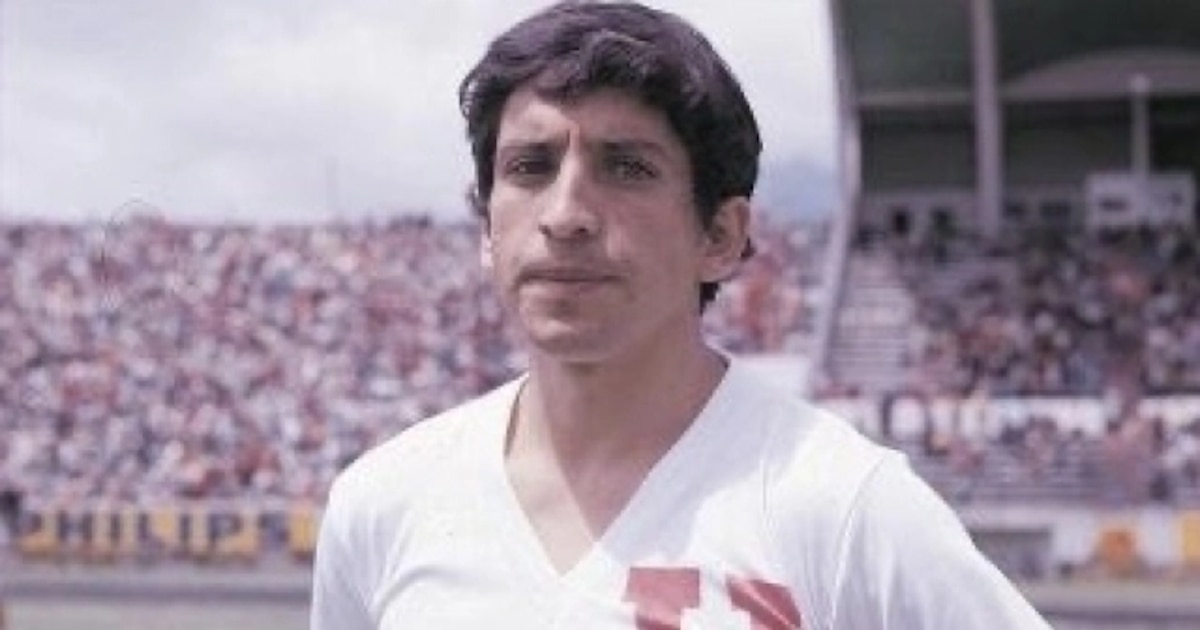
Paúl Fernando Carrera Velasteguí, más conocido como Polo Carrera, nació en Quito el 11 de enero de 1945 y tiene 81 años. Casi nadie en la historia de Liga Deportiva Universitaria de Quito vio tanto fútbol desde tan cerca como él, y sin embargo lo vio, durante toda su carrera, con un solo ojo. Tenía ocho años y estudiaba en la escuela Vicente Rocafuerte de Quito cuando un dardo, lanzado en un juego escolar, le impactó en el ojo derecho. La lesión le dejó una ceguera permanente que ningún especialista logró revertir. Él mismo ha contado que en ese momento pensó que tal vez no volvería a jugar fútbol. No fue así: aprendió a vivir y a jugar con la visión reducida a su ojo izquierdo, y llegó a modificar su ubicación en la cancha para compensar la pérdida de campo visual por el lado derecho.
Durante buena parte de su carrera, ni siquiera sus entrenadores conocían la magnitud de esa limitación. Carrera ha relatado que fue en Uruguay, al tramitar su licencia de conducir, cuando los responsables se sorprendieron al comprobar que veía únicamente con un ojo. Con esa condición debutó como profesional en Liga en 1960: algunas fuentes, incluido el propio Carrera en entrevistas, sitúan ese debut a los 15 años, y se retiró en febrero de 1984, tras enfrentar al Grasshopper de Suiza. Entre un punto y otro pasaron 24 años, aunque no fueron 24 temporadas continuas: hubo salidas, regresos y pasos por media docena de clubes.
Esa itinerancia lo llevó a tres países. En Ecuador vistió las camisetas de Liga de Quito, Deportivo Quito, Barcelona, El Nacional, Universidad Católica y América de Quito. En 1966, con apenas 21 años, se convirtió en uno de los primeros ecuatorianos en jugar en Brasil, cuando el Fluminense de Río de Janeiro lo fichó para una etapa de unos nueve meses. Era, según sus propios recuerdos, prácticamente el único ecuatoriano en su entorno, y tuvo que adaptarse al idioma y a una cultura futbolística que le resultaba ajena. Con Fluminense disputó el Campeonato Guanabara y enfrentó al Santos de Pelé, a quien volvería a cruzarse años más tarde vistiendo otra camiseta. Su paso brasileño, sin embargo, no terminó en título: es una etapa central para entender el alcance internacional de su carrera, pero no un campeonato ganado allí.
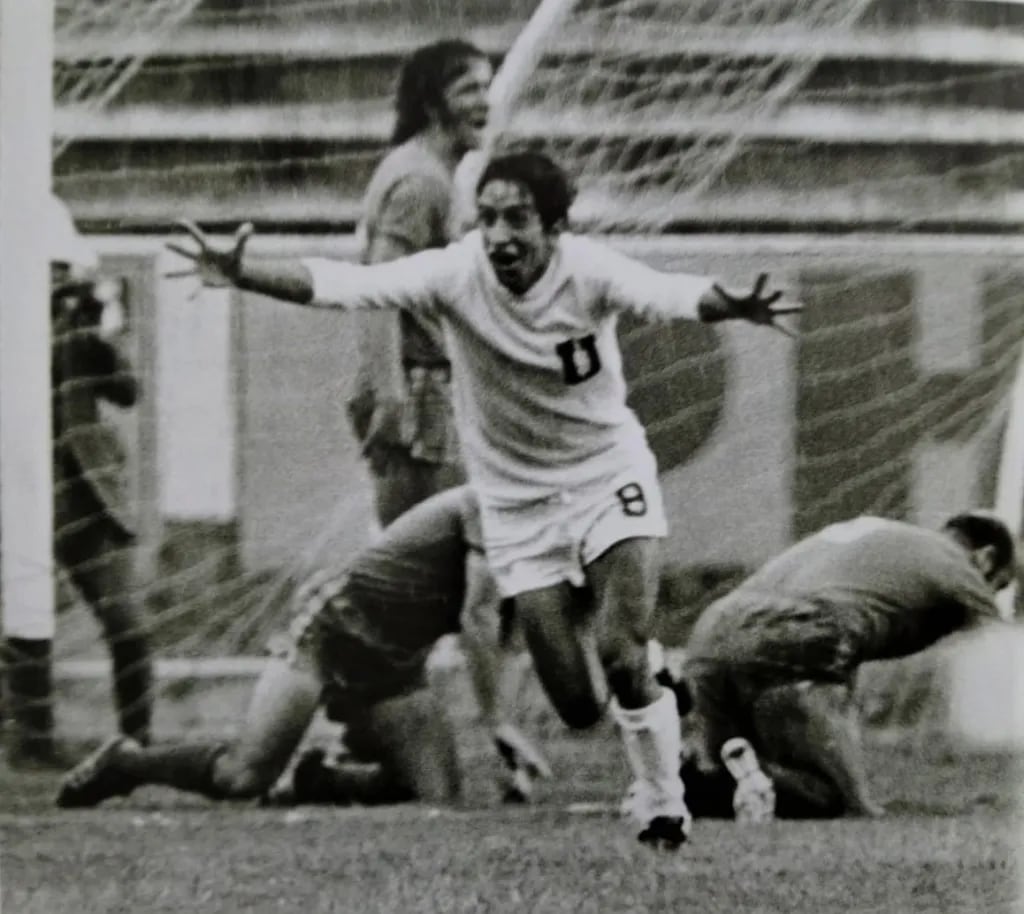
El título fuera de Ecuador llegó en Uruguay. En 1968 Peñarol lo incorporó a un plantel que Carrera describiría después como extraordinario: Alberto Spencer en el ataque, Elías Figueroa en la defensa, Ladislao Mazurkiewicz bajo los tres palos. Ese equipo conquistó el Campeonato Uruguayo ese año, con un gol decisivo de Spencer de cabeza en la victoria sobre Nacional que definió el título. La relación entre los dos ecuatorianos trascendió la cancha: Carrera recordó a Spencer no solo como un gran futbolista, sino como una persona excepcional, y con el tiempo la amistad los llevó incluso a compartir negocios.
De vuelta en Ecuador, la lista de títulos siguió creciendo. Con El Nacional fue campeón del torneo correspondiente a 1973, definido en febrero de 1974. Luego regresó a Liga, justo cuando el club iniciaba una de las etapas más importantes de su historia: en 1975 se coronó campeón nacional con Carrera como una de sus figuras, y esa misma generación llevó a Liga a semifinales de la Copa Libertadores en 1975 y 1976, algo inédito para un equipo ecuatoriano en esa época.
Fue en esa competición donde Carrera dejó la marca que lo definiría por casi veinte años: 12 goles en la Copa Libertadores con la camiseta de Liga, un récord histórico del club que solo caería cuando Patricio Urrutia lo superó, ya en la generación que en 2008 conquistaría el título continental que a Carrera se le había escapado. Ese registro conviene no confundirlo con otro, igual de notable: los 92 goles que anotó con Liga en todas las competiciones a lo largo de sus distintos ciclos en el club, una cifra que lo mantiene como máximo artillero histórico de la institución y que Hernán Barcos, con 91, no logró alcanzar.
Con la selección ecuatoriana, Carrera jugó las eliminatorias rumbo al Mundial de Inglaterra 1966, sin clasificación para Ecuador, y las copas sudamericanas de 1967, 1975 y 1983. Las estadísticas disponibles le atribuyen 20 partidos internacionales y tres goles, aunque las bases modernas varían según los criterios que aplican para considerar un encuentro oficial.

Su historia con los títulos no se cerró cuando colgó los botines. En 1990 asumió como entrenador de Liga, entonces al borde del descenso, y lo condujo al campeonato ecuatoriano, el primero del club en quince años. Carrera pasó así a ser campeón nacional con Liga tanto de jugador, en 1975, como de técnico, en 1990. Después dirigió a Espoli, El Nacional, Aucas, Deportivo Quito y a la selección, y en 1993 logró con Espoli el ascenso a la Serie A.
La historia, además, no terminó en el terreno deportivo. En diciembre de 2025 la Federación Ecuatoriana de Fútbol lo recibió en la Casa de la Selección para su rehabilitación tras una cirugía de rodilla, y en marzo de 2026 relató, en una entrevista concedida en su casa, que desde 2023 había enfrentado un cáncer de huesos en remisión, un infarto y complicaciones posteriores en las rodillas. A los 81 años, el hombre que aprendió a jugar sin visión en un ojo describió esa recuperación como una nueva batalla personal, distinta a las que libró en las canchas de Quito, Montevideo y Río de Janeiro, pero librada con la misma insistencia.
corresponsal:Desde Quito
INTERNACIONAL
Indonesian passenger ship carrying 240 people loses contact in Java Sea, search underway

NEWYou can now listen to Fox News articles!
A passenger ship carrying 240 people vanished from contact in the Java Sea on Sunday local time, triggering an urgent search as Indonesian crews raced to locate the vessel.
The Virgo Transport 8 was traveling from Surabaya, East Java, to Banjarmasin on the island of Borneo when communications with the ship were lost, the Associated Press reported, citing Indonesia’s Banjarmasin Search and Rescue Office.
Authorities said the vessel was last tracked roughly 92 miles from a pier in Banjarmasin, the capital of South Kalimantan province.
MOM LOSES GRIP ON DAUGHTER AS PASSENGER FERRY CAPSIZES WITH 20 PEOPLE STILL MISSING
Authorities are searching for the Virgo Transport 8 after the passenger ship lost contact while traveling from East Java to South Kalimantan. (EyesWideOpen/Getty Images)
Search-and-rescue teams launched an operation after receiving a report that the ship had suffered a communications failure during the voyage, according to the AP.
Officials had not reported any deaths or injuries as of Sunday, and it was not immediately clear what caused the vessel to lose contact or whether weather conditions were affecting the search.
MULTIPLE RESCUED FROM PONTOON BOAT NEAR ALCATRAZ AS SEARCH CONTINUES FOR MISSING PERSONS

The Virgo Transport 8 lost contact while traveling from Surabaya to Banjarmasin, according to officials. (EyesWideOpen/Getty Images)
The Virgo Transport 8 departed Surabaya, Indonesia’s second-largest city, before losing contact while crossing the Java Sea toward South Kalimantan.
The search remains underway.
The Associated Press contributed to this report.
world, asia world regions, missing persons

Elecciones en Brasil: un popular psiquiatra irrumpió en el tramo final de la campaña y desafía a Lula y Bolsonaro

Carlos Casella contó el secreto de su vínculo con Griselda Siciliani: “Tenemos una pasión muy parecida”

La tenista ucraniana Dayana Yastremska mostró las devastadoras imágenes de cómo quedó la vivienda familiar tras el impacto de un misil ruso

El principio del fin: el día que una multitud desafió la cuarentena con un banderazo y sacudió al gobierno de Alberto Fernández

La resistencia contra la IA gana fuerza

Argentina ante la infraestructura del futuro: cuando el mundo necesita energía, minerales y talento

El día que Owen Wilson se emocionó por el abrazo que le dio Lionel Messi tras un partido

Berni se diferenció de Kicillof en la aplicación de la baja de la edad de imputabilidad

Cuánto cuesta comprar una pick up en la Argentina y cuáles son los modelos más baratos en septiembre

La desafiante aventura de Carolina Baldini en moto por Europa: desde Edinburgo a Liverpool en dos ruedas

 ECONOMIA3 días ago
Así es la primera pickup compacta nacional: diseño, cuándo empezará a venderse y el novedoso sistema híbrido que tendrá
- DEPORTE3 días ago
Alarmante frase de Pierre Gasly antes del estreno del circuito de Fórmula 1 en Madrid
- POLITICA2 días ago
“¿Dónde está Kicillof?”: Patricia Bullrich cruzó al gobernador por la inseguridad en la Provincia