INTERNACIONAL
Por qué un láser que se opera solo durante horas entusiasmó a la comunidad científica mundial


Un grupo de investigadores logró operar un sistema láser de alta potencia estable durante más de 8 horas, un desarrollo que podría transformar la manera en que se observan los átomos, según informó el medio especializado Geo. Este resultado promete reducir el tamaño y la complejidad de las instalaciones científicas para estudiar la materia a escala atómica, lo que abre nuevas posibilidades para la investigación en química, física y ciencia de materiales.
El nuevo dispositivo, presentado en la revista científica Physical Review Accelerators and Beams, funcionó de forma continua gracias a la integración de cinco sistemas de estabilización activos, que operan en paralelo y monitorizan de manera continua variables como el foco, la energía transmitida y la duración de cada pulso.
Este sistema, capaz de generar haces de electrones de 100 MeV a 1 Hz (es decir, electrones acelerados a 100 megaelectronvoltios que se emiten a una frecuencia de un pulso por segundo), mantuvo su funcionamiento estable durante 10 horas en condiciones experimentales controladas. Dentro de ese periodo, el láser demostró una autonomía comprobada de 8 horas sin necesidad de intervención humana, un logro que deja atrás las limitaciones previas de estos dispositivos en cuanto a estabilidad y operación continua.

Hasta la fecha, la observación de los movimientos atómicos se apoyaba principalmente en los láseres de electrones libres (FEL, por sus siglas en inglés), herramientas utilizadas para descifrar reacciones químicas, analizar propiedades de materiales y explorar fenómenos físicos fundamentales.
Los FEL tradicionales dependen de grandes aceleradores lineales y dispositivos llamados onduleurs, donde los electrones de alta energía oscilan a través de campos magnéticos alternos. Este principio técnico obliga a construir instalaciones que pueden extenderse por varios kilómetros, lo que dificulta la instalación y operatividad fuera de los mayores centros de investigación, como detalló el medio especializado Interesting Engineering.
En busca de alternativas más compactas, la ciencia ha dirigido sus esfuerzos hacia los aceleradores láser-plasma (LPA, por sus siglas en inglés). Estos emplean plasmas —gases compuestos por partículas cargadas— para generar intensos campos eléctricos que impulsan electrones a velocidades cercanas al 99,99% de la velocidad de la luz. Así, el sistema puede emitir flashes regulares de un pulso por segundo.
No obstante, la principal desventaja de los modelos LPA ha sido su falta de estabilidad, lo que hasta este momento había impedido su utilización como reemplazo efectivo de los aceleradores lineales convencionales en aplicaciones científicas exigentes.
La investigación incorporó, además, un “haz fantasma” de baja potencia —una réplica del haz principal— destinado a identificar fluctuaciones sutiles que el sistema central de control no detectaría por sí solo. Esta estrategia, sumada a los otros mecanismos de estabilización, permitió alcanzar una estabilidad inédita en el funcionamiento de FEL compactos.

En términos científicos, la consecuencia directa de este desarrollo es que, por primera vez, un sistema compacto de láser de 100 teravatios puede operar durante varias horas. De este modo, la tecnología de los FEL se aproxima a laboratorios de tamaño medio y así se reducen las barreras de acceso que imponía su escala hasta ahora.
Sin embargo, los autores del estudio advirtieron que este prototipo aún funciona en niveles de energía modestos. Para que los láseres de electrones libres alcancen todo su potencial en experimentos que exigen potencias superiores, serán necesarias nuevas optimizaciones.
El desarrollo reciente de un acelerador láser-plasma compacto y estable implica que la observación y manipulación de la materia a nivel atómico podría volverse más accesible para la comunidad científica, con impactos futuros en el desarrollo de nuevos materiales, la ingeniería cuántica y las ciencias químicas y físicas. Los autores subrayaron que este avance, aunque prometedor, no representa un punto de llegada definitivo sino un paso intermedio en el desarrollo de esta tecnología.
laser,ciencia,tecnología,luz violeta,investigación,energía,óptica,haz,rayo,física










NEWYou can now listen to Fox News articles!
A Jewish-owned bakery chain in Toronto, Canada, was targeted in two separate incidents on Sunday morning, including one location that was struck by gunfire, authorities said.
No injuries were reported and investigators are working to determine whether the incidents are connected, Toronto Police said.
One store location was struck by gunfire, while a second store sustained damage to a window, police said.
BERLIN PRIDE ATTACK BELIEVED TO BE AN ACT OF ISLAMIC TERROR, SUSPECT ON THE RUN: GERMAN MINISTER
Daytime view of the downtown Toronto skyline from Riverdale Park. Urban cityscape overlooking the financial district on May 25, 2026. (Roberto Machado Noa/LightRocket via Getty Images)
Police said investigators are working to identify those responsible for the acts.
CLICK HERE TO DOWNLOAD THE FOX NEWS APP
The department’s Hate Crime Unit and the Integrated Gun and Gang Task Force are investigating.
This is a developing story; check back for updates.
canada, crime world, police and law enforcement, world, anti semitism
INTERNACIONAL
La producción de miel en Nicaragua podría disminuir un 58.1% en 2026 debido al impacto de El Niño, según proyecciones
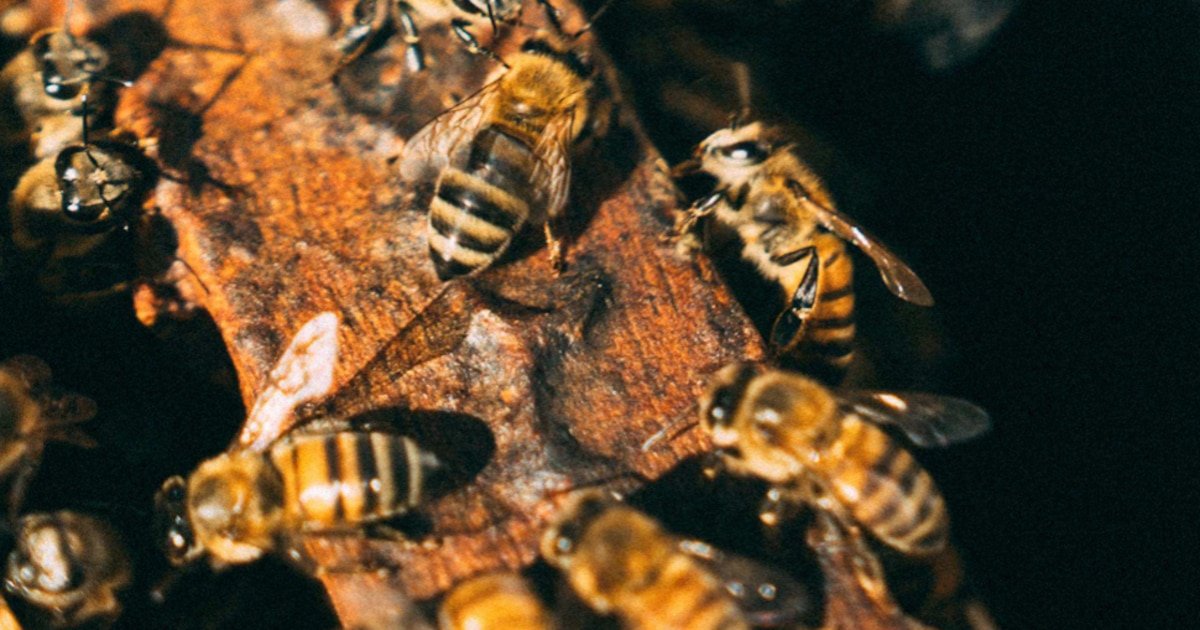
La producción nacional de miel en Nicaragua enfrenta una caída del 58.1% en 2026, según el Plan Nacional de Producción, Consumo y Comercio. El volumen proyectado descendería hasta 668.3 toneladas, afectando a unas 1,000 familias de seis departamentos que dependen de la apicultura.
El impacto se extiende al comercio exterior: las exportaciones de miel alcanzarían solo 400.8 toneladas y generarían USD 1.3 millones, lo que supone una merma de 53.4% respecto al año anterior, tanto en volumen como en ingresos.
De acuerdo con Confidencial.digital, la miel tiene un peso marginal en la economía nacional, pero es fuente de sustento para productores de Managua, León, Chinandega, Matagalpa, Madriz y Boaco.
El principal motivo de este descenso está vinculado a la alteración del ciclo de floración de las plantas, fenómeno que los productores y autoridades asocian a El Niño y al cambio climático. Cuando las plantas florecen fuera de temporada o la floración se interrumpe abruptamente, las abejas se ven obligadas a consumir sus reservas, lo que reduce la disponibilidad de miel tanto para el consumo local como para la exportación.
Durante el ciclo 2024-2025, Nicaragua logró una producción de 1,593.1 toneladas de miel, superando la registrada el año previo. Sin embargo, ese repunte fue temporal frente a la fuerte caída prevista para el ciclo siguiente. La anomalía en la floración y la irregularidad de las lluvias explican este contraste, alterando los hábitos de las abejas y su productividad.

Mientras el precio internacional de la miel se mantuvo en torno a USD 3,300 por tonelada, el volumen exportado disminuyó de forma significativa. En 2025, las ventas externas alcanzaron 859.7 toneladas y generaron USD 2.8 millones; para 2026, la expectativa es vender menos de la mitad.
Como informó Confidencial.digital, la alteración climática llevó a que, en el ciclo reciente, el precio contratado se mantuviera, pero el volumen vendido al exterior cayera de modo abrupto.
Un productor conocido como Pancho, en el norte del país, informó que en el ciclo 2024-2025 recolectó 2,000 litros de miel, lo que le representó 400,000 córdobas (alrededor de USD 11,000) en ingresos brutos. En la temporada siguiente, a pesar de extender la cosecha hasta junio y trasladar las colmenas, solo obtuvo 300 litros.
La movilidad de las colmenas se ha vuelto una herramienta fundamental para enfrentar los cambios en temperatura y lluvias. Los apicultores llevan las colmenas a zonas montañosas en verano y a áreas más cálidas en épocas frías, intentando mantener la productividad de sus abejas.

El apoyo técnico del Instituto de Protección y Sanidad Animal (IPSA) ha permitido capacitar a los productores en el manejo de plagas y en nuevas técnicas de adaptación. Cuando la cosecha es insuficiente, se recomienda alimentar a las abejas con mezclas de miel y azúcar para preservar las colmenas.
En Matagalpa, el apicultor Uriel Jarquín, de Muy Muy, señaló que su producción se redujo en más del 50%. Explicó que al inicio de la temporada hubo lluvias excesivas y, al final, sequía, una combinación que limitó la recolección de néctar por parte de las abejas.
El descenso de la producción amenaza la economía y la seguridad alimentaria de las familias apicultoras. Pancho advirtió sobre el aumento en la migración de abejas hacia zonas con mejores condiciones, un fenómeno que considera inusual.
Si los patrones climáticos adversos se mantienen, los productores prevén dedicar más recursos al café y la ganadería. No obstante, la escasez de agua derivada del clima adverso también limita esas alternativas, agravando las dificultades para las familias rurales nicaragüenses.
INTERNACIONAL
Fauci’s newly released COVID diaries reveal bizarre fixation on fame as pandemic deaths mounted
Rand Paul predicts Fauci will lie in Senate hearing about COVID-19 origins
Senator Rand Paul forecasts Dr. Anthony Fauci’s dishonesty in his upcoming Senate testimony regarding COVID-19 origins. Paul provides evidence of Fauci destroying records and actively funding dangerous gain-of-function research in Wuhan, China. He asserts that Fauci’s support for such risky research, despite the potential for a pandemic, represents ‘the worst public health decision’ made in our lifetime.
NEWYou can now listen to Fox News articles!
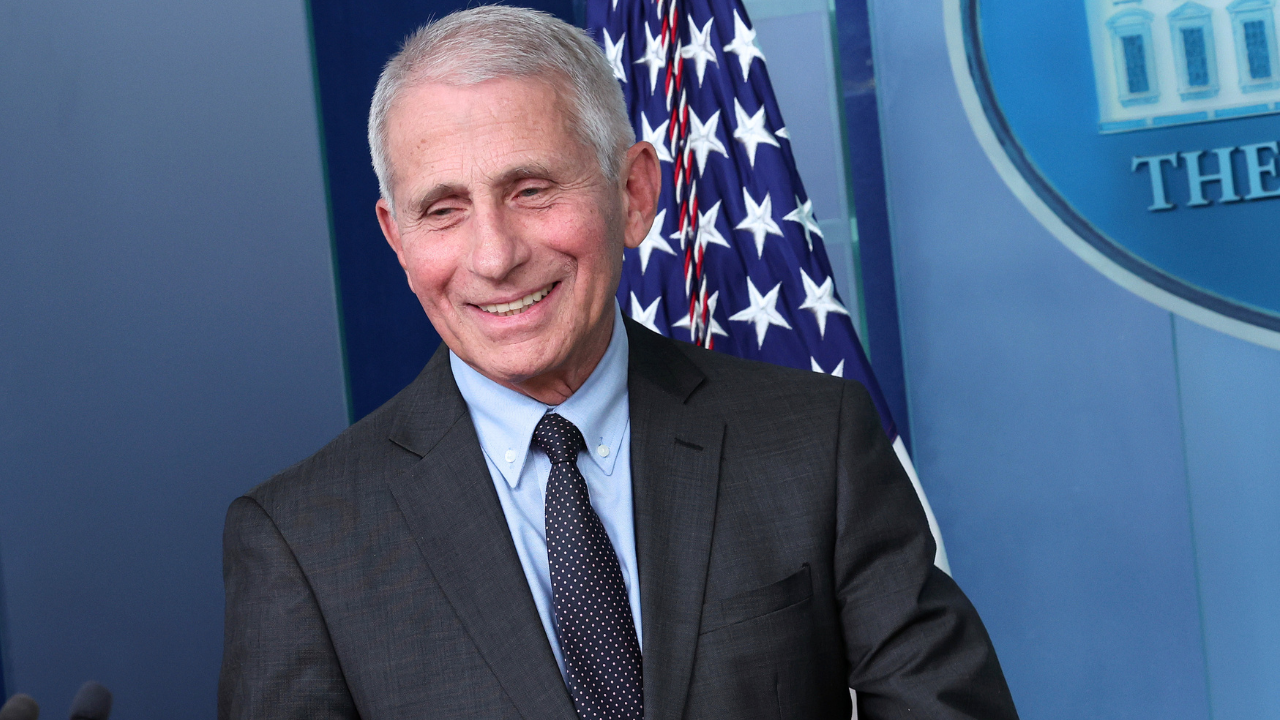
Newly released diary entries reveal that as COVID-19 deaths mounted around the world, former White House COVID advisor Dr. Anthony Fauci became increasingly fixated on his newfound celebrity.
Released by Senate Homeland Security Committee Chairman Rand Paul, R-Ky., the journals chronicle Fauci’s day-to-day role during the COVID-19 crisis through conversations with President Donald Trump, governors and world leaders, media appearances, and his personal observations as the pandemic unfolded.
Paul, a longtime Fauci critic who frequently clashed with Fauci over the federal response and the origins of the virus, made the diaries public as part of the committee’s ongoing oversight investigation. The release comes days before Fauci is scheduled to testify before the Senate Homeland Security and Governmental Affairs Committee after being subpoenaed by Paul.
GABBARD SAYS DECLASSIFIED BIOLAB RECORDS VALIDATE CONCERNS PREVIOUSLY DISMISSED AS MISINFORMATION
Fauci served as chief medical advisor to President Donald Trump during the COVID-19 pandemic before later continuing in the role under President Joe Biden. (Win McNamee/Getty Images)
A surprising recurring theme throughout the diaries is Fauci’s growing awareness of his own public profile during the most intense months of the pandemic, which ultimately claimed more than 7 million officially reported lives worldwide, including roughly 1.2 million in the United States.
On April 7, 2020, after recording the latest pandemic developments, Fauci wrote: «Press still hot and heavy about me. Multiple stories per day directly or indirectly involving me.»
SLACK MESSAGES RELEASED BY RAND PAUL APPEAR TO SHOW AUTHORS OF KEY COVID-19 ORIGIN PAPER HELD PRIVATE DOUBTS
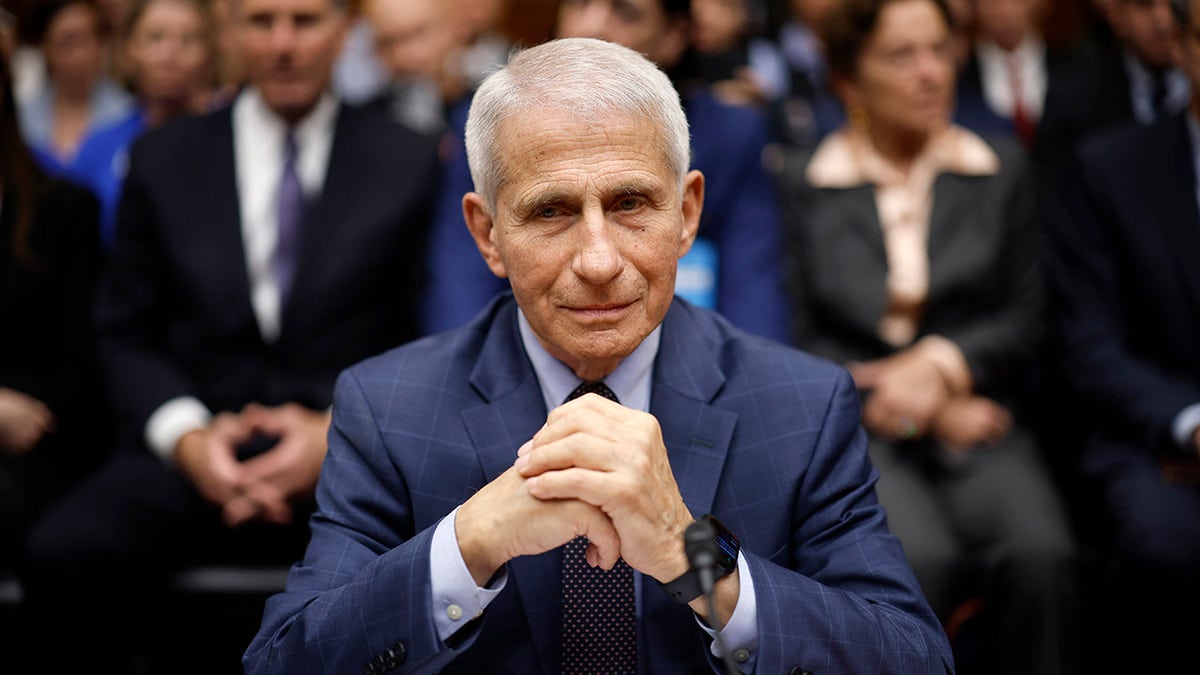
Dr. Anthony Fauci, who led the National Institute of Allergy and Infectious Diseases, became a central figure in the federal government’s response to COVID-19. (Chip Somodevilla/Getty Images)
By May 21, after recording the latest pandemic figures — nearly 98,000 global deaths and more than 27,000 U.S. deaths — and documenting the day’s White House coronavirus task force meetings, Fauci wrote that his «national and international fame is explosive and really unimaginable» and that it was «not hyperbole» to say he was «the most famous and talked about person in the country.»
He added that Trump «seems to be enamored of me even though I am taking the spotlight away from him,» writing that the two were developing «a very unique and interesting relationship.» Fauci also noted that Secret Service agents had become so familiar with him they often waved him through White House security without checking his identification.
As the attention continued to grow, the diary increasingly documented how Fauci’s prominence had expanded beyond public health. A month later, as the United States recorded what Fauci described as a record 40,000 new COVID-19 cases in a single day, he wrote that he had been invited to appear on «Dancing with the Stars.»
LEGACY MEDIA IGNORES MASSIVE ANTHONY FAUCI DOCUMENT RELEASE ALLEGING HE MISLED CONGRESS ON COVID ORIGINS

Dr. Anthony Fauci emerged as a leading public face of the U.S. pandemic response, though his relationship with President Donald Trump grew increasingly strained as the pandemic wore on. (Jabin Botsford/The Washington Post/Getty Images)
The diaries also document Fauci’s growing frustration with the Trump White House. On July 2, 2020, after warning that the country could be entering an «exponential» increase in COVID-19 cases heading into the Fourth of July weekend, Fauci wrote, «POTUS and his people have essentially dropped out and do not even recognize that an outbreak is ongoing.»
He also complained that the White House was denying requests for him to appear on major television programs. Across multiple entries, Fauci criticized White House communications officials for restricting his television appearances, questioned the administration’s public messaging and expressed frustration that media coverage increasingly portrayed him as being at odds with Trump.
ANTHONY FAUCI DELIVERED ONE OF THE WORST FIRST PITCHES IN BASEBALL HISTORY SIX YEARS AGO

Dr. Anthony Fauci throws out the ceremonial first pitch prior to the game between the New York Yankees and the Washington Nationals at Nationals Park on July 23, 2020, in Washington, D.C. (Getty Images)
Fauci also repeatedly defended himself against what he described as the «countless» profiles written about him. He wrote that White House officials were upset because the coverage made it appear he was becoming «a star that outshines» the president.
He also insisted several of the profiles had been written without interviewing him and wrote that he had «no desire to conflict with, embarrass or show up the POTUS,» later deciding to stop participating in profile interviews altogether.
CLICK HERE TO DOWNLOAD THE FOX NEWS APP
Taken together, the entries offer an unusually personal account of Fauci’s role during one of the most consequential public health crises in modern U.S. history, capturing not only the government’s internal deliberations but also his private concerns about the pandemic, his increasingly complicated relationship with the Trump White House and the extraordinary public attention that followed.
anthony fauci, donald trump, white house, politics, coronavirus

Argentina se vuelca por la continuidad de Scaloni

En medio del conflicto diplomático, Milei acusó a Lula de estar detrás de la “campaña antiargentina”

Guillermina Valdés sorprendió con un decálogo de bienestar para encontrar relax y calma: “Consejos de domingo”

Toronto police investigate gunfire, vandalism targeting Jewish-owned bakery chain

Javier Milei acusó a Brasil de financiar la campaña antiargentina

Antes de Estudiantes-Independiente, Atlético Tucumán e Independiente Rivadavia inician su camino en el Torneo Clausura

Jorge Berredo, general retirado de las FFAA, asumió como Secretario de Seguridad en San Isidro

Sin la anestesia mundialista, aflora la crisis del conurbano y Milei necesita reconectar con lo popular

Senado: Bullrich y Sturzenegger cierran filas para tratar de avanzar con la extranjerización de tierras
Marc Stanley destacó el potencial de Vaca Muerta para “estabilizar la economía” y evitó hablar de política interna

 POLITICA3 días ago
Senado: Bullrich y Sturzenegger cierran filas para tratar de avanzar con la extranjerización de tierras
- INTERNACIONAL3 días ago
La mayor estafa ganadera de Uruguay dejó un rojo de USD 272 millones: Justicia confirmó cifras de Conexión Ganadera
- POLITICA3 días ago
Mientras espera la vuelta de Macri, el PRO ya activó contactos con LLA: cómo sería la estrategia electoral en la Provincia