INTERNACIONAL
Portazo de último momento: Buckingham afirma que el príncipe Harry no se alojará en el palacio


INTERNACIONAL
Para bajarle el tono a la crisis, Lula reaccionó con ironía y buscó evitar la pelea directa con Milei: “¿Quién es ese tipo?”
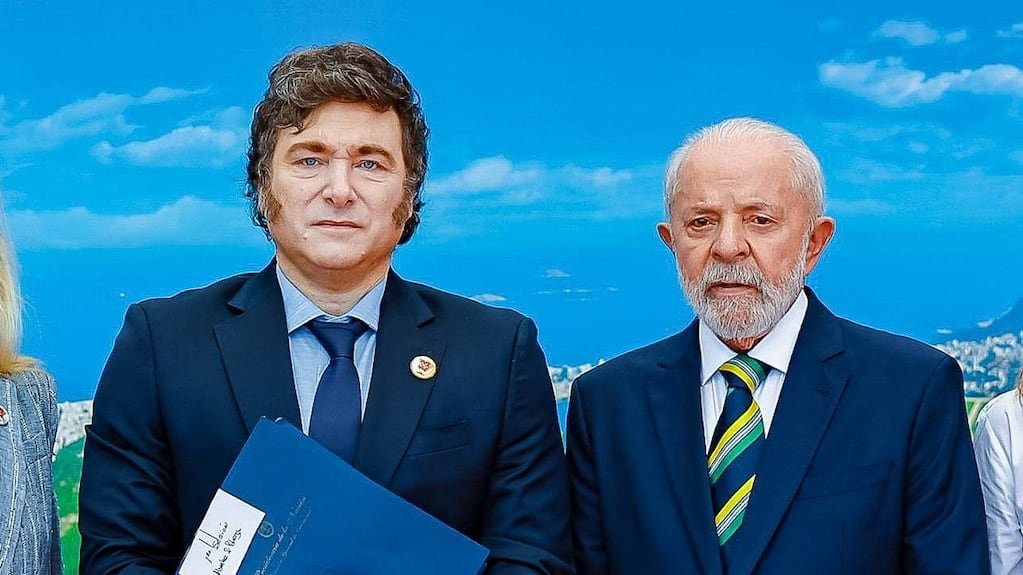
A dos meses y medio de las elecciones presidenciales en las que buscará su reelección, Lula decidió no subirse al ring armado por Javier Milei y dejar que la crisis desatada por las descalificaciones del presidente argentino avance por los carriles diplomáticos.
“¿Quién es ese tipo?“, reaccionó este lunes con ironía cuando periodistas brasileños le preguntaron sobre las declaraciones de Milei.
Más allá de la respuesta formal de la Cancillería y de la peyorativa calificación de “payaso” que le endilgó a Milei el ministro de Economía brasileño, Dario Durigan, el mandatario izquierdista dejó en claro que no piensa responder personalmente a los insultos.
“Sus asesores dicen que él es un peso pesado y que no debería subirse al ring contra un peso pluma como el presidente argentino”, escribió el influyente diario Folha de San Pablo.
En síntesis, Lula prefiere concentrarse en la campaña y en todo caso pelear con Donald Trump y no con su “representante” en América Latina. Lula debe lidiar con los aranceles del 25% que le aplicó el presidente republicano a productos brasileños.
La reación de Lula cuando le preguntaron por Javier Milei (Video: X/@g1)
¿Puede escalar la crisis entre Argentina y Brasil?
No es la primera vez que Milei vocifera este tipo de descalificaciones contra el presidente brasileño.
La diferencia es que ahora lo hizo en el lanzamiento oficial de la candidatura presidencial del senador Flávio Bolsonaro, hijo del expresidente Jair Bolsonaro y principal rival de Lula en las elecciones del 4 de octubre próximo. Y todo esto en tierra brasileña.

Javier Milei y Flavio Bolsonaro en un acto en San Pablo (Foto: REUTERS/Jean Carniel)
Antes de tomar una decisión, Lula se reunió con su canciller, Mauro Vieira, y optó por convocar a consultas al embajador brasileño en Buenos Aires, Julio Bitelli. El diplomático llegó este lunes por la mañana a la capital brasileña, informó el diario Correio Brasiliense, y se encontró con el ministro de Exteriores y con Lula.
Luego, el presidente subió la apuesta y llamó al representante argentino en Brasilia, Daniel Raimondi, para exigirle explicaciones. La reunión se celebró esta tarde en Brasilia y no dejó ningún acercamiento. Para el canciller Vieira, Milei lanzó «una provocación sin precedentes en la historia de más de 200 años de relaciones bilaterales”.
Leé también: El sandinismo adopta el modelo de partido único: ¿por qué Trump apuntó contra Cuba y Venezuela y minimizó a Nicaragua?
La orden que bajó del Palacio del Planalto fue bajar el tono. Sin embargo, algo trastocó la estrategia oficial.
La irrupción del ministro de Economía en la crisis, llamando “payaso” a Milei, echó más nafta al fuego y causó malestar en Brasilia. “Las declaraciones no se ajustaron a la línea previamente acordada entre el Ministerio de Asuntos Exteriores y el Palacio Presidencial», dijeron fuentes de la Cancillería brasileña citadas por el portal G1.
En el Palacio Itamaraty sostienen que Lula no quiere ahondar en medidas más drásticas como el retiro de su embajador. Piensa que el vínculo bilateral se debe sostener más allá de este evidente destrato por el bien de ambos pueblos y de sus históricas relaciones.
“Es posible que, en alguna entrevista o declaración, haga referencia a Milei. Pero no le dará una respuesta oficial”, dijo Folha.
¿Lula cayó en la trampa de Milei?
El analista brasileño Marco Teixeira, de la Fundación Getúlio Vargas, dijo a TN que más allá del silencio de Lula, su gobierno pisó el palito que le puso Milei en la campaña.
“Ya lo había llamado corrupto, pero eso fue durante su campaña electoral. Ahora, como jefe de Estado, hay ciertos protocolos que ha traspasado, especialmente cuando decidió asistir a la convención del Partido Liberal (PL) y participar en la campaña de Flávio Bolsonaro. Se quitó el traje presidencial. Y Brasil cayó en la trampa”, dijo.
Al respecto, afirmó: «La respuesta del Ministro de Hacienda terminó, en cierto modo, agravando la crisis y no debió haberse dado de esa manera».
Desde el gobierno, creen que “Milei lleva tiempo intentando ´provocar a Lula´“ y que la respuesta no debe salirse del ámbito diplomático formal. Quieren responder con altura.
“No sabemos hasta dónde llegará esto, pero creo que la diplomacia lo gestionará, ya que tanto Brasil como Argentina tienen intereses mutuos que pesan mucho más que cualquier tipo de vanidad”, dijo Teixeira.
Pero el analista considera que aún pueden esperarse más dardos desde Buenos Aires contra Lula.
“Milei cruzó la línea. Era algo previsible. Ahora que la campaña electoral en Brasil está a punto de intensificarse, es probable que esto vuelva a ocurrir”, señaló.
Leé también: A un mes del doble terremoto, Venezuela busca salir adelante: cuál fue el impacto social, económico y político de la tragedia
En un artículo de opinión publicado en Folha, el analista y periodista brasileño Hélio Schwartsman opinó que a Milei «no le conviene generar fricciones con uno de sus principales socios comerciales. Brasil absorbe entre el 15% y el 20% del total de las exportaciones del país vecino, mientras que Argentina recibe el 5% de las exportaciones brasileñas».
Según el analista, “es improbable que Lula vaya más allá de medidas simbólicas” contra el gobierno argentino. “Y eso es precisamente con lo que cuenta Milei”.
Sin embargo, no absolvió de culpa al presidente brasileño.
“Lula (…) no está exento de culpa cuando se trata de inmiscuirse en las elecciones de otros países. Después de todo, rompió con la tradición de que los presidentes brasileños no interfieran en las elecciones de naciones amigas y comenzó a apoyar explícitamente a candidatos con los que tenía afinidad ideológica”, indicó.
En forma implícita, el artículo recordó así su visita a Cristina Kirchner en su departamento de Constitución, donde cumple arresto domiciliario en julio de 2025.
Lula Da Silva, Brasil, Javier Milei
NEWYou can now listen to Fox News articles!
President Donald Trump’s pick to run the nation’s intelligence agencies is one step closer to clinching the job, and puts the Senate ever-closer to jump-starting a key counter-terrorism tool in the process.
The Senate advanced Jay Clayton through a key hurdle Monday night to be the next Director of National Intelligence (DNI). It comes after former DNI Tulsi Gabbard’s sudden exit from the position to care for her cancer-stricken husband.
The largely partisan vote to move Clayton, who formerly chaired the Securities and Exchange Commission (SEC) during Trump’s first term, comes after he narrowly squeaked out the Senate Intelligence Committee on a 9 to 8 vote.
TRUMP’S DNI PICK CLEARS KEY HURDLE, REVIVING PATH FOR NATION’S TOP ANTI-TERROR SURVEILLANCE PROGRAM
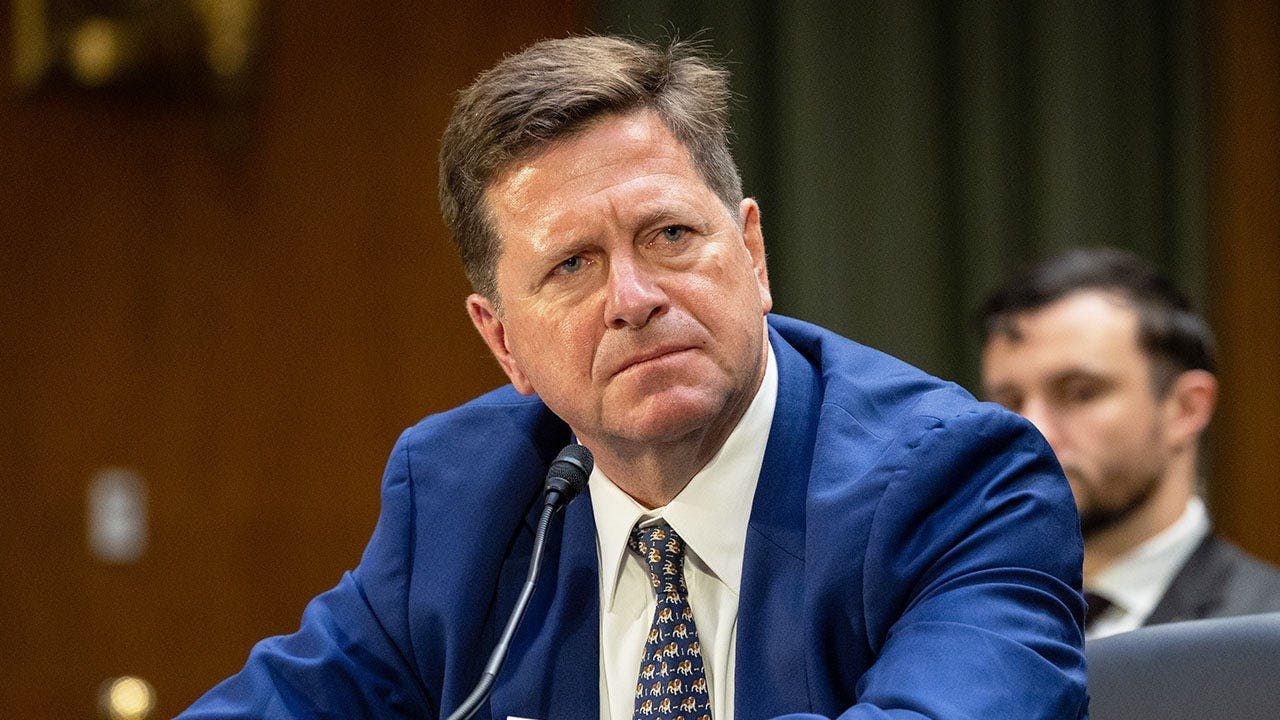
United States attorney for the Southern District of New York Jay Clayton, nominee to be director of national intelligence, testifies during his confirmation hearing with the Senate Intelligence Committee at the Dirksen Senate Office Building in Washington, D.C., on July 15, 2026. (Anadolu via Getty Images)
Senate Majority Leader John Thune, R-S.D., challenged Democrats to support Clayton during the broader, final vote, but expected them to resist as they have with several other Trump nominees through his second term.
«One might think that we’d be seeing some bipartisanship from Democrats on this nominee,» Thune said. «But Democrats are playing the same partisan games with this qualified nominee as they have for so many of President Trump’s picks.»
«It’s a funny thing because Democrats have made no secret of their disdain for the current acting Director of … National intelligence,» he continued. «In fact, Democrats were so worked up over the president’s temporary choice for this position, they allowed our nation’s most important counterterrorism tool to go dark for the first time ever.»
TRUMP CONCESSION BREATHES NEW LIFE INTO STALLED FISA SPY POWERS DEAL
The Senate will now vote on confirmation Tuesday, putting an end cap on an arduous process to replace Gabbard. When she announced her exit from the position, Trump hastily installed Federal Housing Finance Agency (FHFA) Director Bill Pulte to lead the nation’s 18 intelligence agencies in the interim.
That came as the Senate was nearing a vote on a bipartisan deal to keep the nation’s top counter-terrorism tool, Section 702 of the Foreign Intelligence Surveillance Act (FISA), running ahead of its expiration.
But Democrats, who railed against Pulte and accused him of being an unqualified loyalist who would weaponize the intelligence community against the president’s enemies and try to dismantle it, walked away from the deal after Trump torpedoed Clayton’s previously scheduled confirmation hearing.
SPY LAW USED TO STOP TAYLOR SWIFT ATTACK TO LAPSE AS CONGRESS SKIPS TOWN, WORLD CUP NEARS
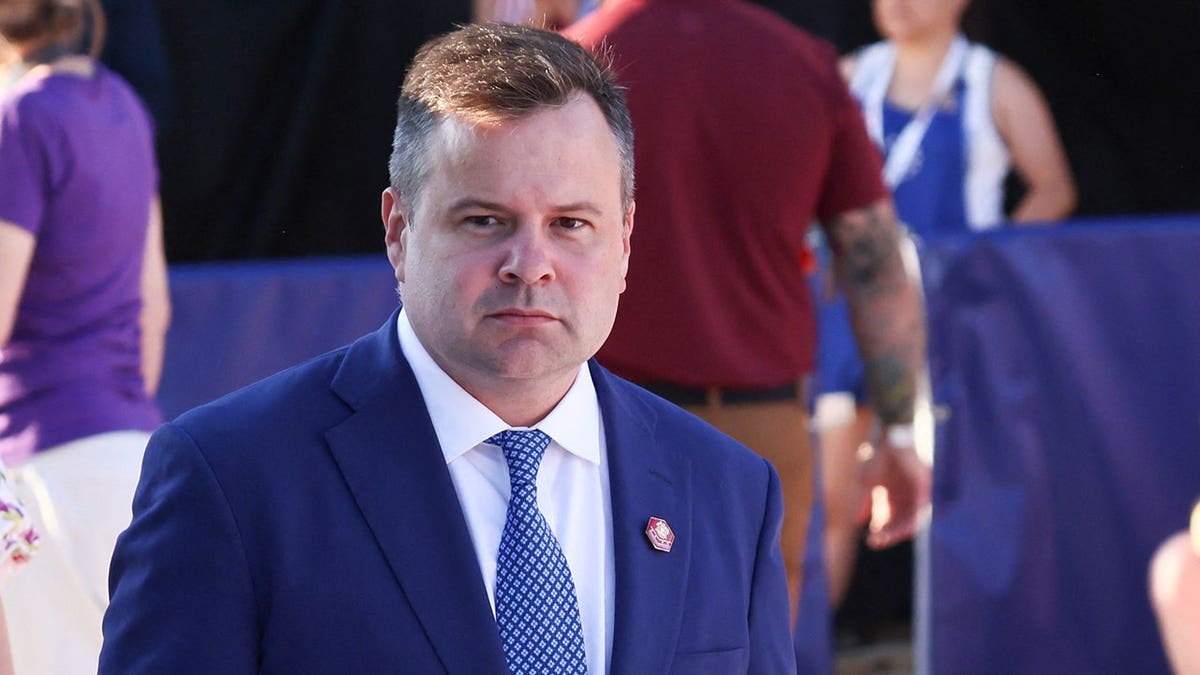
Acting Director of National Intelligence Bill Pulte attends a kick-off celebration for the «Great American State Fair» on the National Mall in Washington, DC, June 24, 2026. (Jemal COUNTESS / AFP via Getty Images)
Less than 24 hours before Clayton’s penultimate test, Pulte announced on X that he had completed his fourth round of layoffs as DNI.
«Since becoming Acting Director of National Intelligence, our team has been smartly, and carefully, reducing the size of ODNI, re-focusing ODNI on national security, the law, and the statute,» Pulte said. «As of this evening, we just finished a 4th round of thoughtful, measured layoffs. Thank you!»
The Section 702 program has since been steadily going dark, with new authorizations caught in a legal void until lawmakers reauthorize the program that has been used to thwart deadly terror attacks, including halting a mass-casualty terror plot at a Taylor Swift show in Vienna, Austria.
CLICK HERE TO DOWNLOAD THE FOX NEWS APP
Last week, only Republicans on the panel voted Clayton out of committee after he failed to satisfy Senate Democrats’ questioning on who won the 2020 election, his knowledge of Gabbard’s raid on the Fulton County, Georgia election offices, and subpoenas against New York Times reporters that his were submitted by him in his role as the top prosecutor in New York’s Southern District.
Those subpoenas were voluntarily withdrawn by the Department of Justice last week, two days after Clayton was confirmed by the panel.
politics, national security, senate elections, tulsi gabbard, donald trump
NEWYou can now listen to Fox News articles!
France’s mission to the United Nations in Geneva launched a verbal attack against the U.S. following a contentious vote to give U.N. High Commissioner for Human Rights Volker Türk another four-year term, accusing Washington of abandoning its role as a global human rights leader.
«The US used to be a beacon of human rights. Not anymore,» the official French mission account posted on X Saturday. «Today, it stands alongside North Korea, Nicaragua, Mali & Russia, isolated. And the world no longer listens to it.»
The mission added the hashtag «#AmericaAlone.»
IRAN SECURES UN ROLE WITH BACKING FROM UK, FRANCE, CANADA, AUSTRALIA AS US STANDS ALONE
High Commissioner for Human Rights Volker Turk speaks at a press conference at the UN Offices in Geneva on Dec. 9, 2022. (Fabrice Coffrini/AFP via Getty Images)
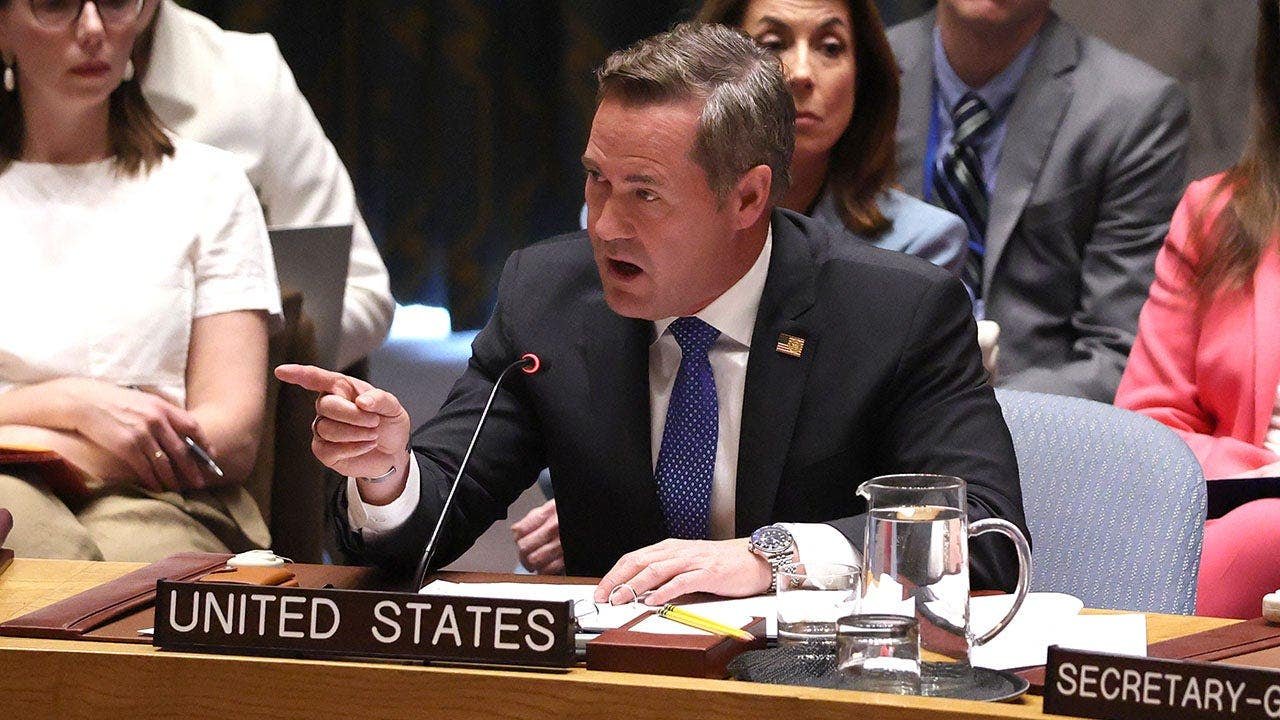
U.S. Ambassador to the U.N. Mike Waltz fired back, accusing France of using the attack to distract from its support for Türk.
«It is disappointing — though not surprising — that this is how France deflects on its shameful vote to coddle some of the worst human rights abusers,» Waltz wrote on X. «France voted for someone who has been lecturing free, sovereign democracies like the United States, the UK, and Israel, while cozying up to the world’s worst oppressors.»
During the vote by Ambassador Jeff Bartos, the U.S. representative for U.N. management and reform, declared that the U.N. human rights system «has been losing credibility for decades.»
TRUMP ADMINISTRATION TOUTS MORE THAN $1B IN UN BUDGET CUTS AS REFORM PUSH GAINS MOMENTUM
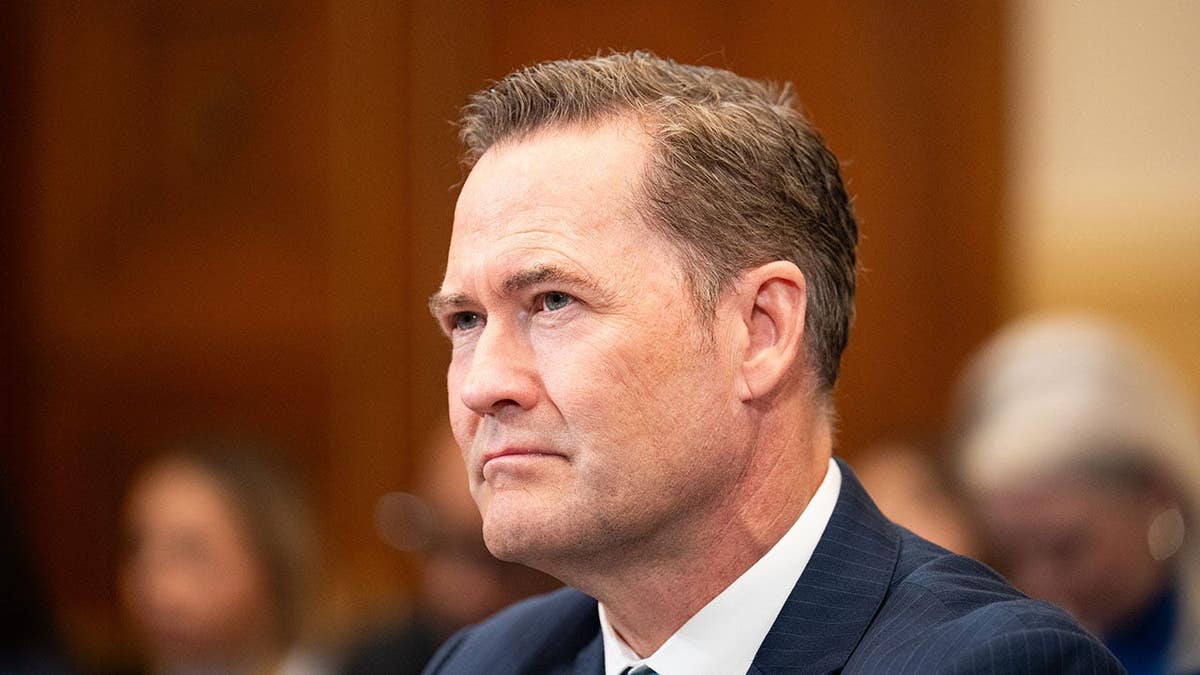
Ambassador Michael Waltz testifies during a House Foreign Affairs hearing on the United Nations in the Rayburn House Office Building on July 22, 2026. (CQ-Roll Call, Inc via Getty Images)
«Mr. Türk has guided it to its deathbed,» Bartos said. «And if you vote to reappoint Volker Türk for a four-year term, it will kick the bucket.»
Bartos accused Türk of disproportionately condemning democracies while failing to respond adequately to abuses committed by authoritarian governments.
He said Türk had criticized the United States, Britain, France, Australia, Italy and, more than any other country, Israel. Bartos also accused Türk of remaining silent for 12 days after the Iranian government allegedly began a new wave of violence against its citizens, while quickly condemning U.S. military action against Iran.
Bartos further criticized Türk’s office for calling on Washington to lift sanctions on Cuba, maintaining what he called a discriminatory database targeting American companies and enabling the U.N.’s «anti-Israel machinery.»
ISRAEL ACCUSES UN OF PLACING IT ON SAME SEXUAL VIOLENCE BLACKLIST AS HAMAS TERRORISTS, SEVERS TIES
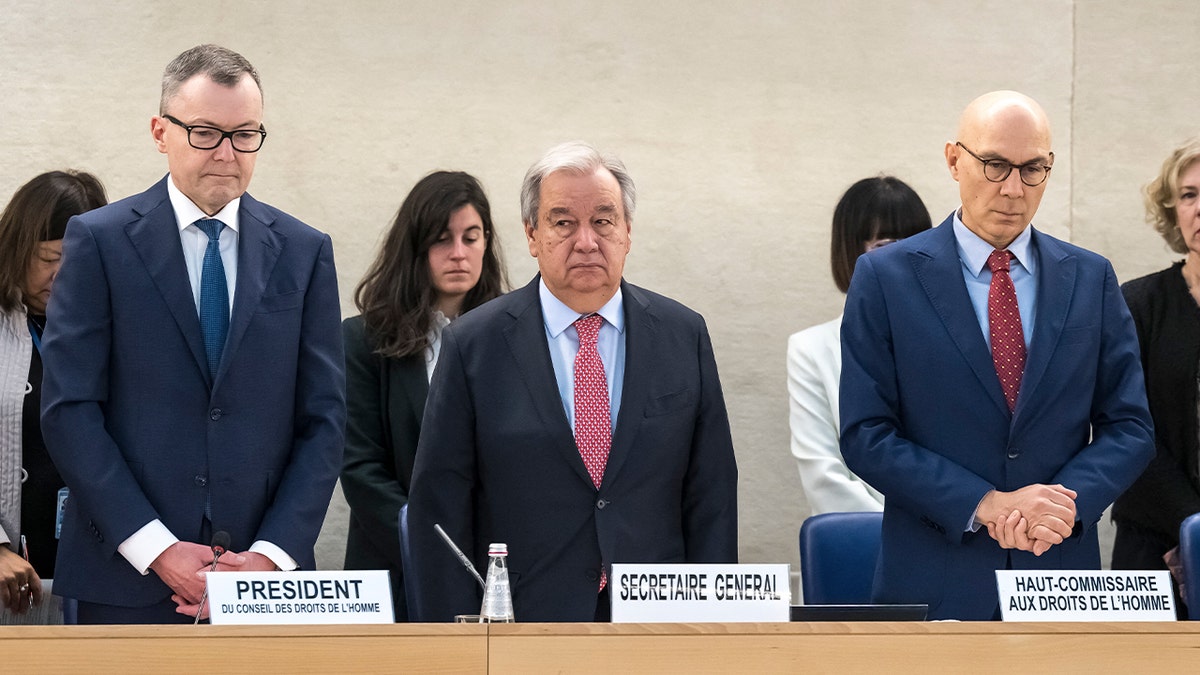
U.N. Human Rights Council President Jurg Lauber, Secretary-General Antonio Guterres and High Commissioner for Human Rights Volker Turk stand for a minute of silence honoring victims of human rights violations, at the opening of the 58th session of the United Nations Human Rights Council in Geneva, on Feb. 24, 2025. (Fabrice Coffrini/AFP via Getty Images)
France’s U.N. Ambassador Jérôme Bonnafont offered a sharply different assessment during the General Assembly debate, saying Türk had demonstrated «rigor and impartiality» during a first term marked by growing attacks on multilateral institutions and the universality of human rights.
«He has been a voice of conscience, confronting states with reality and their responsibilities,» Bonnafont said.
An official familiar with the U.S. position told Fox News Digital on background that American officials were surprised by France’s «brazen» public attack and rejected the suggestion that opposing one U.N. official’s reappointment amounted to opposing human rights.
The official said Washington and other delegations were also caught off guard by the expedited vote because Türk’s current term does not expire until Oct. 11.
The United States sought to postpone consideration for one week to allow additional consultations, but member states rejected the request. The General Assembly then approved Türk’s reappointment by a vote of 144-10, with 13 abstentions, extending his tenure from Oct. 12, 2026, through Oct. 11, 2030.
The assembly also rejected a Russian proposal to extend Türk’s term only through the end of 2026, which would have allowed the next U.N. secretary-general to participate in selecting the human rights chief.
WORLD COURT PROSECUTOR WHO WENT AFTER NETANYAHU FOR WAR CRIMES SUSPENDED OVER SEXUAL MISCONDUCT
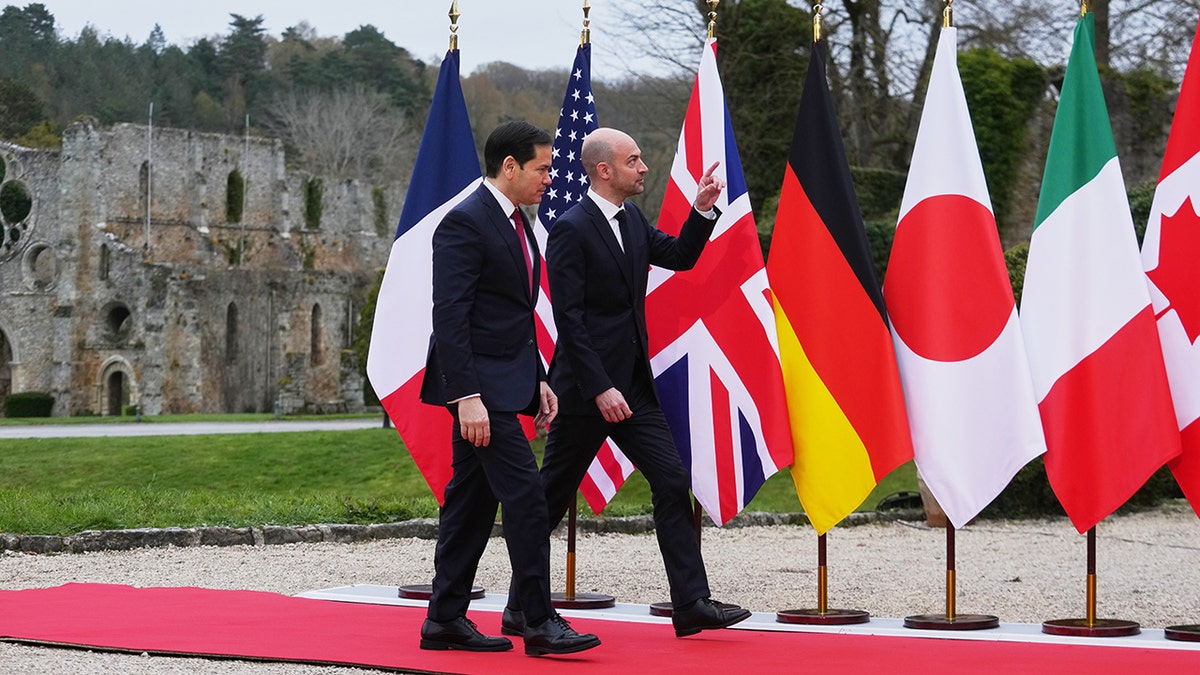
France’s Foreign Affairs Minister Jean-Noel Barrot, right, greets Secretary of State Marco Rubio at the G7 Foreign Ministers’ meeting in Cernay-la-Ville outside Paris, France, Friday, March 27, 2026. (Michel Euler/AP Photo)
France’s post grouped Washington with authoritarian governments that also opposed Türk, but did not address whether those countries voted against his reappointment for the same reasons. The U.S. said its opposition reflected both concerns about Türk’s record and objections to the accelerated process.
UN Watch, a Geneva-based watchdog, published a 2024 analysis of public statements initiated by Türk or his office between Oct. 17, 2022, and Oct. 31, 2024.
The organization concluded that Türk criticized the United States more frequently than China, North Korea, Cuba, Saudi Arabia and Qatar combined. It also said it found no self-initiated criticism during that period concerning abuses by Cuba, North Korea, Algeria, Eritrea, Mauritania, Lebanon or Qatar.
UN Watch’s methodology excluded statements required by the Human Rights Council, comments in mandated reports, broad updates to the council and other remarks that were not initiated at Türk’s discretion. Its findings therefore do not encompass every country reference, report or action by Türk’s office.
UN Watch Executive Director Hillel Neuer called the renewal «rushed and unprecedented» and said it was «unseemly» for French President Emmanuel Macron’s government to attack the United States while celebrating Türk’s reappointment.
Nile Gardiner, director of the Margaret Thatcher Center for Freedom at the Heritage Foundation, responded more bluntly.
«Perhaps show some gratitude instead?» Gardiner wrote on X. «The French owe their very existence as a sovereign nation to The United States.»
CLICK HERE TO DOWNLOAD THE FOX NEWS APP
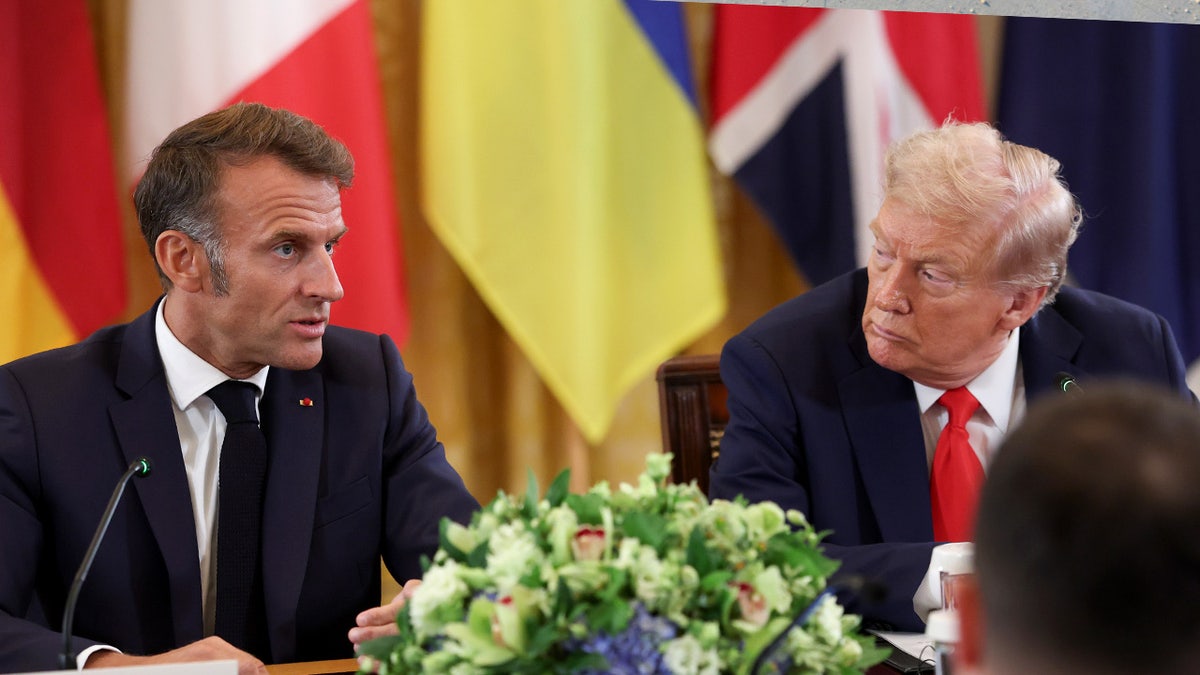
FrenchPresident Emmanuel Macron and President Donald Trump. (Win McNamee/Getty Images)
Türk’s supporters argue that his willingness to criticize powerful democracies is part of his responsibility to apply human rights standards universally. France and the European Union maintained that he had performed his duties objectively and that Secretary-General António Guterres acted within the rules allowing a high commissioner to serve a second four-year term.
Türk is set to become the first U.N. human rights chief to serve two complete four-year terms since the position was established in 1993.
united nations, human rights united nations, france, world, politics

Jaldo fijó por decreto la fecha de las elecciones en Tucumán: serán el 9 de mayo de 2027 con Ficha Limpia

Wanda Nara mostró los videos del robo a su mansión en Italia: las impactantes de sus hijos

Barracas Central vs. Aldosivi: formaciones, hora y dónde ver por tv

Caputo habló sobre la reunión con Georgieva: “Está impresionada con los resultados del programa”

Para bajarle el tono a la crisis, Lula reaccionó con ironía y buscó evitar la pelea directa con Milei: “¿Quién es ese tipo?”

Senate clears way for Trump’s top spy as key anti-terror program remains in limbo

Dem’s stunning ideal standard for immigration detention conditions resurfaces amid Texas senate bid

Vocero de Milei dijo que un dólar a $1.800 es «posible» y la City alerta por fin de la paz cambiaria

Polémica por el proyecto que busca desregular los planes de ahorro de autos 0 km: qué podría cambiar

Osvaldo Jaldo fue sometido a una intervención cardíaca en Buenos Aires y permanece internado

 POLITICA2 días ago
Cuentapropismo emocional en lo profundo del conurbano
- SOCIEDAD1 día ago
San Isidro: la ballena que quedó varada en un banco de arena murió pese al operativo de rescate
- POLITICA13 horas ago
Crisis entre Milei y Lula: la trama política, personal y geopolítica detrás del mayor choque diplomático entre Argentina y Brasil