INTERNACIONAL
Qué leer esta semana: Harwicz, los mitos de la alquimia y la precariedad argentina sin fondo


Hay semanas en que los libros que llegan tienen mucho para decir sobre el presente, parece que nos están mirando. El nombre de Ariana Harwicz circula estos días por una polémica que la excede y que, al mismo tiempo, habla sobre el momento cultural que vivimos. Su cuento De regreso a casa -editado por Infobae en 2024- está disponible gratis y es una buena puerta de entrada a una escritura que descoloca.
También llega un volumen que propone revisar la historia de la alquimia desde adentro, con la mirada de una química que además se interesa por el hermetismo y la filosofía. Más de dos mil años de historia, culturas que se cruzan, personajes inesperados y preguntas que la ciencia moderna no terminó de cerrar.
Y, por último, una reedición que recupera la primera novela de Liliana Escliar, ganadora del Premio Planeta en 2000, con título nuevo y con esa capacidad de los buenos libros de describir algo que pasó hace veinticinco años como si estuviera pasando ahora.
¡Buenas lecturas!
1) De regreso a casa, de Ariana Harwicz

Ariana Harwicz está en el centro de la polémica esta semana —fue retirada del Festival Internacional de Literatura Cultur-Alh de Granada tras la presión de grupos universitarios pro-palestinos por su oposición al boicot cultural a Israel— y es buen momento para leerla. De regreso a casa, un cuento breve disponible gratis en Bajalibros, alcanza para entender por qué su escritura divide.
Un hombre vuelve al hogar que abandonó años atrás. No viene a reconciliarse. Desde un hotel en decadencia observa a su familia como un francotirador, acumula rabia y espera el momento de irrumpir. La premisa suena conocida; lo que hace Harwicz con ella, no.
El personaje nunca termina de definirse. “No se sabe si es un infiel que se fue con otra mujer o un soldado que volvió del frente desfigurado”, dijo la autora a Infobae. Tampoco ella lo sabe del todo. Lo mismo pasaba en Degenerado, donde el protagonista podía ser un criminal o un chivo expiatorio, y el texto no resolvía el dilema. Aquí tampoco.
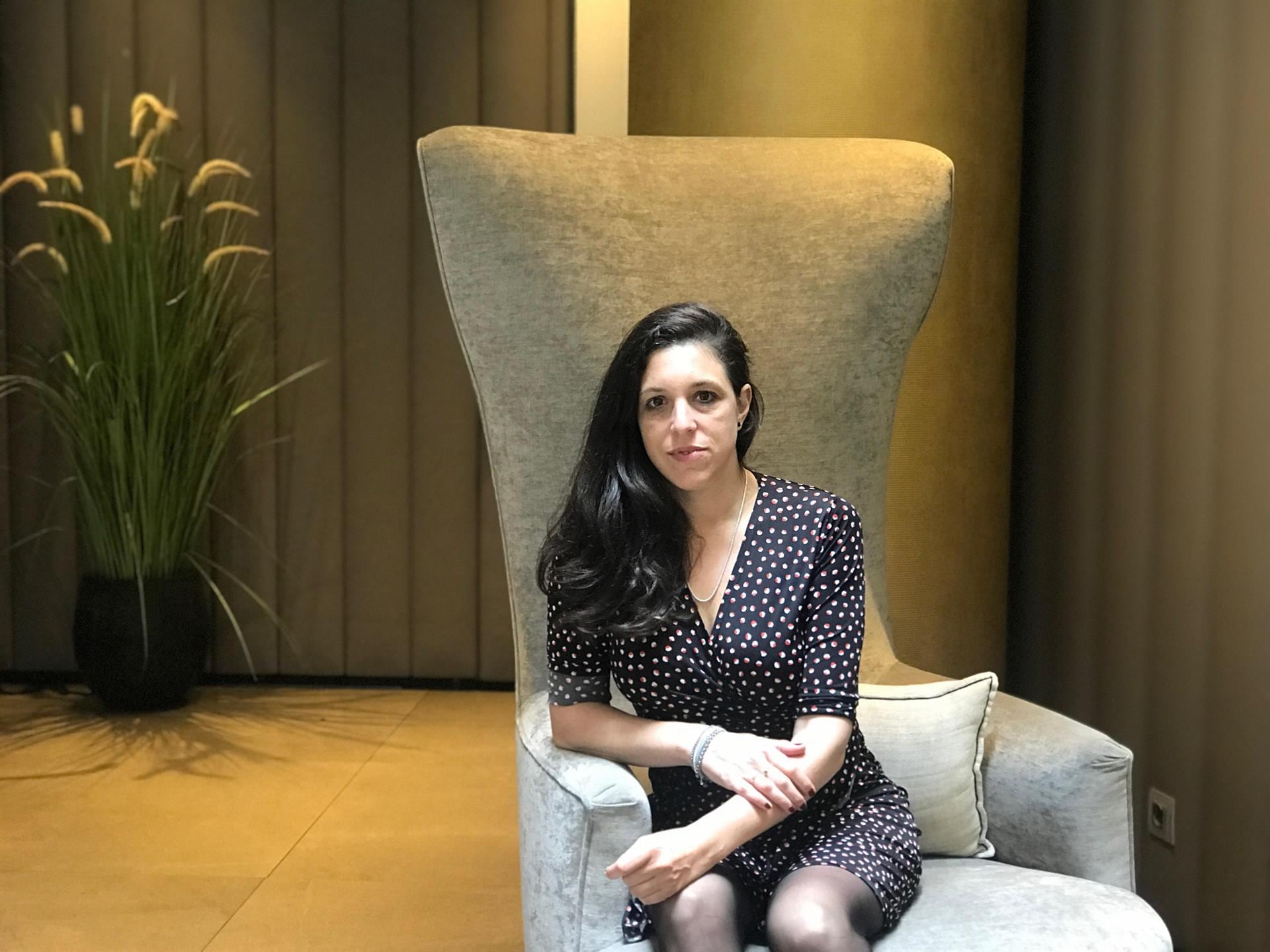
La mirada del protagonista sobre su familia tiene algo del espía de Hitchcock, algo del soldado que apunta desde la trinchera. Un hombre que se siente irrelevante y se inventa un pasado glorioso para soportarlo. La familia siguió adelante sin él; eso, en su lógica, es una deuda pendiente.
Harwicz nació en Buenos Aires en 1977 y vive desde 2007 en el campo en Francia. Matate, amor, su primera novela, fue llevada al cine por Lynne Ramsay, con producción de Martin Scorsese y Jennifer Lawrence como protagonista.
2) Podría morirme ahora, de Liliana Escliar

Sur y después es un sello nuevo —publicó su primer libro en agosto de 2025— fundado por la escritora y directora editorial Flaminia Ocampo, hija de Elvira Orphée y sobrina nieta de Silvina y Victoria Ocampo, junto a las periodistas culturales Silvina Friera y Adriana Lorusso. El nombre juega con la revista Sur, el tango y la coordenada geográfica. Para su segunda temporada eligió recuperar Podría morirme ahora, reedición con título nuevo de La arquitectura de los ángeles, la novela con que Liliana Escliar ganó el Premio Planeta en 2000.
La precariedad, en esta novela, no tiene fondo. Es un barco que nunca termina de hundirse. Ramiro, desocupado crónico, acumula pérdidas con una constancia que roza lo sistemático: la fábrica de champú, el amigo Pipo desaparecido por la dictadura cívico-militar, la familia. A su lado, Manu, astrólogo y homosexual, pierde a su madre y a su joven amante. Ninguno de los dos se hunde del todo. Ninguno de los dos flota.

Lo que sostiene a estos personajes no es la esperanza en el sentido clásico sino algo más tosco: el humor. Escliar usa la carcajada como escudo contra el pesimismo, no para neutralizarlo sino para hacerlo habitable. “La vida es una mierda”, dicen Manu y Ramiro en distintas escenas, con distinto interlocutor, con idéntica convicción. Esa repetición no es un chiste; es una filosofía de supervivencia.
La novela transcurre a fines de los años 90, en el barrio de Caballito, y condensa con precisión el proceso de destrucción del aparato productivo argentino: el cierre de empresas, el desempleo estructural, la invisibilidad social de quienes quedan afuera. Ramiro termina vendiéndose destornilladores en el colectivo 132. Nadie levanta la vista para decirle que no. “Aceptó la precariedad como quien se pone un traje regalado”, escribe Escliar en una frase que no necesita contexto para doler.
El lenguaje también forma parte del retrato. La autora narra con el oído pegado al habla porteña de esa época —“chantapufi”, “fifar”—, palabras que hoy suenan a arqueología y que, sin embargo, describen algo que no pasó. Lo que cambió es el vocabulario; la ferocidad del individualismo, dice Escliar, más bien se acentuó.
Guionista de cine y televisión, autora de Los motivos del Lobo y Tumbas rotas, Escliar recupera con esta reedición una novela que en 2000 capturó algo que todavía no había terminado de ocurrir. El prólogo de Ocampo la define como “un llamado contra la invisibilidad que les adjudicamos a otros porque nos conviene”. Veinticinco años después, la frase no necesita actualización.
3) Eso no estaba en mi libro de historia de la alquimia, de Ángeles Ceregido

Eso no estaba en mi libro de historia de la alquimia, de Ángeles Ceregido, desmonta una imagen demasiado instalada: la del arte hermético como sinónimo de charlatanería medieval y calderos humeantes. El libro recorre más de dos mil años de prácticas, debates y símbolos que entrelazaron el estudio de la materia con preguntas filosóficas, científicas y espirituales.
Ceregido es doctora internacional en Química, pasó por laboratorios de Bélgica y España, y actualmente es directora científica en la industria farmacéutica. A ese perfil técnico suma un interés declarado por el hermetismo, la filosofía y la psicología, combinación que organiza el enfoque del volumen.
El recorrido arranca en el Egipto helenístico y llega hasta el presente. Por el camino aparecen las preguntas que marcaron la historia del Arte Sagrado: qué era la materia prima, si el plomo podía volverse oro, en qué consistía la piedra filosofal y de dónde venía la idea del elixir de larga vida. El texto sitúa esas cuestiones en una cosmovisión donde el conocimiento de la naturaleza incluía, a la vez, una transformación personal.

El tono divulgativo de la colección —Eso no estaba en mi libro de…— define el alcance del libro, de 336 páginas, que apunta a lectores sin formación previa en el tema. Pasan por sus páginas los vínculos del hermetismo con las cortes europeas, con las artes y con la filosofía, y también su relación con figuras mayores de la historia de la ciencia, entre ellas Isaac Newton y Robert Boyle.
Uno de los ejes del libro es la frontera entre alquimia y ciencia moderna. La primera quedó durante mucho tiempo del lado de la superstición, como si la química hubiera barrido con todo. Ceregido cuestiona esa lectura al recuperar el peso de la observación, la experimentación y el intercambio de saberes entre culturas. También rastrea la presencia de ciertos símbolos alquímicos en la psicología del siglo XX, donde Carl Gustav Jung retomó imágenes y operaciones de esa tradición para articular parte de su teoría.
La piedra filosofal y la transmutación aparecen aquí como piezas de un lenguaje histórico y espiritual, con múltiples lecturas posibles, antes que como promesas literales. Laboratorio y oratorio —la práctica y la reflexión— forman parte de la misma búsqueda. Para los alquimistas, la materia era una vía de acceso al orden del universo.
El libro ofrece una entrada accesible a un territorio que marcó la historia del pensamiento antes de que las disciplinas modernas fijaran sus fronteras.
Ariana Harwicz,Ángeles Ceregido,Liliana Escliar,libros











La personalización ganó espacio en la industria automotriz como una forma de ampliar el vínculo entre los vehículos y quienes los usan. Las soluciones modulares, los accesorios funcionales y las configuraciones para distintos entornos permiten que la movilidad responda a rutinas urbanas, actividades al aire libre y preferencias de diseño.
iCAUR llevará esta conversación al International User Summit 2026, que se realizará del 19 al 23 de octubre en Wuhu, China. El encuentro reunirá a usuarios, medios de comunicación y socios estratégicos de más de 40 mercados, con una agenda centrada en diseño automotor, tecnología de nueva energía y posibilidades de adaptación bajo el concepto “Make It Yours”.
La programación incluirá el debut global del V25, que se incorporará a la familia V. La marca presentará este modelo como parte de una estrategia enfocada en vehículos que puedan modificarse de acuerdo con las necesidades, los intereses y las experiencias de sus propietarios.

La familia V incorpora interfaces para accesorios y modificaciones
iCAUR plantea la personalización como una alternativa a la configuración cerrada de fábrica. Bajo ese enfoque, los vehículos pueden incorporar accesorios de carga, soluciones para viajes, componentes funcionales y elementos exteriores que respondan a distintos usos.
El V23 dispone de más de 20 interfaces estandarizadas para modificaciones de fábrica. También incluye un portaequipajes con capacidad de carga estática de hasta 200 kg y kits exteriores intercambiables.
Estas características permiten sumar equipamiento destinado al transporte de objetos, las salidas de fin de semana o las actividades fuera de la ciudad. La disponibilidad de componentes compatibles también abre una discusión sobre instalación, seguridad y funcionalidad de los accesorios.

El V27, por su parte, combina una carrocería de líneas cuadradas con sistemas de nueva energía. El modelo incorpora Golden REEV, un sistema eléctrico de autonomía extendida, tracción inteligente i-AWD y 39 interfaces para integrar más de 1.000 componentes de personalización, según datos de la compañía.
iCAUR sostuvo que estas interfaces facilitan la incorporación de piezas desarrolladas por fabricantes de accesorios, socios tecnológicos y comunidades de propietarios. Las configuraciones pueden orientarse a desplazamientos cotidianos, viajes o actividades al aire libre.
El iCAUR MOD FEST exhibirá vehículos intervenidos por usuarios de varios mercados
El 19 de octubre se realizará el primer iCAUR MOD FEST, una actividad dedicada a vehículos configurados por usuarios de distintas regiones. El programa contempla exposiciones, votaciones presenciales y espacios de intercambio entre propietarios, especialistas, fabricantes de componentes e ingenieros.

Entre las propuestas anunciadas habrá vehículos inspirados en la técnica tradicional del batik de Malasia, paisajes y fauna de Omán, referencias estéticas a la Ruta 66 y configuraciones destinadas a aventuras al aire libre.
El festival también incluirá talleres sobre accesorios y soluciones técnicas. La programación sumará áreas de café, propuestas para asistentes con mascotas y desafíos recreativos vinculados con el uso urbano y exterior de los vehículos.
Las pruebas de conducción mostrarán el desempeño de los modelos en distintos entornos
El summit contará con una exhibición de vehículos, accesorios y mejoras funcionales desarrolladas junto con socios estratégicos. La marca buscará mostrar cómo el diseño modular se integra con aplicaciones prácticas para distintos estilos de vida.

Además, los participantes podrán asistir a un campamento de pruebas de conducción para conocer el desempeño de los modelos de la familia V en diferentes caminos y condiciones de uso.
La cita en Wuhu tendrá lugar a partir del 19 de octubre y concluirá el 23. Allí, iCAUR presentará por primera vez el V25 ante su comunidad internacional y mostrará las configuraciones disponibles para el resto de la gama V.
Vehículos,Eléctricos,iCaur
INTERNACIONAL
Can cooking for terrorists bar asylum? Supreme Court takes up unusual case with broader immigration stakes

A Nigerian man forced to cook thousands of meals for the Unknown Gunmen, a militant group linked to political violence in Nigeria, is at the center of a Supreme Court showdown that could determine how broadly immigration authorities can apply a terrorism-related bar to asylum and how far the Trump administration can go in deporting immigrants accused of supporting terrorism.
The Supreme Court agreed Tuesday to hear the Trump administration’s challenge to a ruling that overturned Nigerian citizen Izuchukwu Ozurumba’s deportation order, setting up a legal battle over whether ordinary services provided to terrorist organizations, including cooking meals, can disqualify immigrants from receiving asylum even when those services are not directly connected to terrorist attacks.
Ozurumba was deported to Nigeria in April 2025 while his appeal was pending.
THE SUPREME COURT IS BACK; THESE FIVE CASES COULD RESHAPE AMERICAN LIFE
At the center of the case is a provision of the Immigration and Nationality Act that bars certain immigrants who provide «material support» to terrorist organizations from receiving asylum. The law lists examples of prohibited assistance, including transportation, communications, housing, money, weapons and training, but it does not explicitly define what constitutes material support.
«The biggest takeaway is that this is a case about who gets to draw the line on a law that affects national security,» Bryce Poole, a senior legal fellow with Advancing American Freedom, told Digital. «Congress wrote a broad rule, and the court interpreted it narrowly.»
The case also comes two years after the Supreme Court overturned Chevron deference, a legal doctrine that required judges to defer to federal agencies’ reasonable interpretations of ambiguous laws. The 2024 ruling gave judges greater authority to decide what those laws mean.
The 4th Circuit, in a 2-1 ruling, overturned Ozurumba’s deportation order and sent the case back to the Board of Immigration Appeals.
Judge James Wynn Jr., an Obama appointee, wrote the majority opinion, joined by Judge Nicole Berner, a Biden appointee. The judges concluded that, although Ozurumba prepared thousands of meals for the group’s leaders, his cooking did not provide resources that could be directly used or readily redirected toward terrorist operations.
Although Ozurumba said he was forced to cook under threat of violence, the 4th Circuit did not decide whether the law contains an exception for assistance provided under duress, an issue the court previously addressed in a 2012 ruling that relied on Chevron deference. Instead, the majority found that his cooking for the terrorist organization did not qualify as «material support» that would bar him from asylum, leaving the separate duress question unresolved.
The Trump administration argued that the 4th Circuit interpreted the law too narrowly, insisting that even ordinary services such as cooking meals can help sustain a terrorist organization and free its members to carry out attacks.
«Because he’s cooking the meals, one of the armed guards doesn’t have to cook the meals and can be an armed guard,» Poole said.
«That’s one guard who doesn’t have to come in off guard duty to cook meals, or that’s one bomb maker who doesn’t have to stop making bombs to go cook meals, because all this stuff is fungible.»
Ozurumba said he initially agreed to work as a chef at a «rural camp,» preparing three meals a day for 15 to 17 leaders. He later learned the camp belonged to the Unknown Gunmen.
An immigration judge determined that the Unknown Gunmen qualified as a «Tier III» terrorist organization under federal immigration law, even though the State Department had not formally designated the group as one.
Ozurumba said armed guards prevented him from leaving. According to court records, he cooked for the group’s leaders for roughly six months, including three months without pay, before escaping during a trip into town to buy groceries.
STATE’S LARGEST MOSQUE LEADER’S DEPORTATION FIGHT TAKES DRAMATIC TURN AS TRUMP ADMIN SCORES MAJOR WIN
Ozurumba said members of the Unknown Gunmen continued threatening and attacking him after his escape, prompting him to flee Nigeria for Venezuela and eventually the United States. He crossed the southern border without valid entry documents in July 2023 during the Biden administration and surrendered to Border Patrol agents.
An immigration judge denied Ozurumba’s asylum request and ordered his deportation, a decision upheld by the Board of Immigration Appeals after finding that his cooking violated the federal material-support rule. The 4th Circuit later rejected that interpretation and sent the case back to the immigration board.
Judge Julius Richardson disagreed with the majority, arguing in his dissent that cooking thousands of meals for terrorist leaders freed them to focus on their organization’s goals and therefore constituted material support.
«Ozurumba did not run a hot dog stand that the Unknown Gunmen happened to stop by once or twice,» Richardson wrote. «Rather, he acted as a private chef, providing three meals a day for over a dozen leaders of a terrorist organization — for months.»
Hans von Spakovsky, a legal expert with Advancing American Freedom, also argued that the majority misinterpreted the law.
SIGN UP TO GET THE POLITICS NEWSLETTER
«The idea that providing over 8,000 meals for the leaders of a terrorist organization and its members is not ‘material’ defies common sense,» von Spakovsky told Digital. «Richardson correctly cites Napoleon’s famous quote that an ‘army marches on its stomach.’
«Other federal appeals courts have all held that providing food and shelter, even if unconnected to a specific terrorist event, constitutes material support within the statute,» von Spakovsky continued. «And doing so under duress, even if true, is not an excuse under the statute to avoid removal.»
Even if the Supreme Court rules in his favor, a victory would not automatically grant him asylum or guarantee his return to the United States. His case would still need to be reconsidered by immigration authorities.
The 4th Circuit previously declined to order the government to bring him back, instead leaving it up to officials to decide whether his presence in the U.S. would be necessary for further proceedings.
federal courts, supreme court oral arguments, deportation, justice department, national security, immigrant rights, refugees
INTERNACIONAL
Houthis emerge as global threat beyond Iran control amid Saudi strikes, former envoy warns

NEWYou can now listen to Fox News articles!
The Houthis are increasingly operating independently of Tehran, posing a «clear and very present danger» on the international stage as the terror group rearms and sharpens its strike capabilities, a former U.S. envoy warned Thursday.
The warning came amid deadly missile and drone attacks on Saudi Arabia in recent days and growing threats to global shipping routes and critical Middle East infrastructure in the run-up.
Turki al-Maliki, spokesperson for the Saudi-led coalition in Yemen, also confirmed Thursday that Houthi attacks on King Khalid International Airport in Riyadh had killed 17 and injured 333 others from Oct. 7-11.
Speaking at a news conference in Riyadh, al-Maliki said the Oct. 10 attack involved 10 drones, missiles and other projectiles.
«King Khalid International Airport has been subjected to 20 attacks since (Oct. 1),» he noted.
Tim Lenderking, who served as U.S. special envoy for Yemen from 2021 to 2025 and was posted to Saudi Arabia from 2013 to 2016, said Saudi officials had warned more than a decade ago that the Houthis would become a major threat, a prediction he says has now materialized.
SAUDI FOREIGN MINISTER WARNS HOUTHI THREAT GOES GLOBAL AS TRUMP HOLDS FIRE
The Houthis are increasingly operating independently of Tehran, posing a «clear and very present danger» on the international stage as the terror group rearms and sharpens its strike capabilities, a former U.S. envoy warned. (Handout from Houthi Media Center via Getty Images)
«The Saudis were very clear to our leaders that they viewed the Houthis as a major threat,» Lenderking said of his time in the kingdom a decade ago.
At the time, he said, the group was «quietly building up their capability, burnishing their narrative of why they sought to lead Yemen as a messianic group, as a group from northern Yemen, with an agenda, with a mission.»
The Houthis had emerged as a religious and political movement in Yemen in the 1990s, but their ties to Iran developed into a military partnership after 2014, when Tehran expanded its assistance and training during Yemen’s civil war.
«The Houthis don’t really need the Iranians anymore,» Lenderking, a former acting assistant secretary for Near Eastern affairs at the U.S. State Department, continued, adding it was still «a very important relationship that «enabled the Houthis to become the powerful force that they are.»
Lenderking, now a distinguished diplomatic fellow at the Middle East Institute (MEI), said, over time, the Houthis had developed their own «homegrown indigenous capability» as they capitalized on any disunity across the Gulf region.
Saturday’s missile and drone attack on King Khalid International Airport in Riyadh raised concerns that President Donald Trump could be drawn into a broader regional conflict as Saudi Arabia seeks U.S. assistance.
Asked whether the U.S. would defend Saudi Arabia against further attacks, Trump said, «You’ll find out soon.»
NEW RISK FOR US CONSUMERS AS IRAN-BACKED ATTACKS THREATEN A SECOND MAJOR OIL CHOKEPOINT

Smoke and flames rise from King Khalid International Airport after Yemen’s Iran-backed Houthis said they attacked the airport in Riyadh, Saudi Arabia, Oct. 8, 2026. (Reuters)
Speaking at an MEI briefing, Lenderking said the Houthis’ sophisticated weapons and targeting capabilities have transformed the group from a regional insurgency into an international security threat.
«They have the capability to hit around the region, including up into the northern reaches of the Red Sea. So, this is a regional problem, and given the fact that the Houthis control the west coast of Yemen,» Lenderking said.
«It’s an international problem now.»
Lenderking cited the precision of the Riyadh airport attack as evidence of the Houthis’ growing capabilities compared with earlier strikes during the Gaza conflict.
«They can hit things better. Now, they are hitting Terminal Four of Riyadh Airport, very specifically. It’s a clear and very present danger,» he said.
The Houthis reportedly launched multiple drones followed by cruise and ballistic missiles that traveled more than 620 miles to Riyadh, prompting an investigation into possible Saudi air defense failures, according to The Associated Press, citing regional officials.
Saudi forces intercepted two more ballistic missiles targeting Riyadh on Monday. On Tuesday, a Houthi strike caused damage to Aramco’s headquarters in Dhahran, sparking a fire that spread across several floors, Reuters reported.
Lenderking said the Houthis have built extensive weapons supply chains, smuggling networks and domestic financing operations that allow them to sustain attacks without relying solely on Tehran.
HOUTHIS ENTER US ‘KILL BOX’ AFTER SEIZING RED SEA ‘CORK,’ FORMER PENTAGON OFFICIAL WARNS

Houthi supporters demonstrate in solidarity with Iran, amid a two-week ceasefire between U.S. and Iran, in Sanaa, Yemen, April 10, 2026. (Khaled Abdullah/Reuters)
«They get a lot of supplies off the open market through the internet, through commercial exchanges. They have a very well entrenched smuggling network, from big boats onto small boats, onto tiny boats, on the pack animals, on people’s backs.
«They are able to move things undetected through government terrain, even through various borders and with a lot of wide open space there. They are constantly moving, building, resupplying, restocking, innovating.»
The group’s self-sufficiency also extends to financing. Lenderking said the Houthis generate revenue through black-market oil sales, taxation and extortion while also forcing families to provide recruits, allowing the group to continue fighting even if Iranian assistance is cut off.
«They have had support from Iran over the years, so they have money in the bank from that,» Lenderking said.
«They relied on sales of black market oil in the past. They extort Yemeni transport companies, businesses. They tax people in areas that they control. They force many families to offer up a son to fight on the front lines.»
The Houthis’ expanding arsenal has raised concerns about potential Chinese involvement in their weapons supply networks.
OIL SQUEEZE TIGHTENS AS IRAN-BACKED ATTACKS CRIPPLE HORMUZ ESCAPE ROUTES

Tim Lenderking, who served as U.S. special envoy for Yemen from 2021 to 2025 and was posted to Saudi Arabia from 2013 to 2016, said Saudi officials had warned more than a decade ago that the Houthis would become a major threat, a prediction he says has now materialized. (Houthi Media Center via Getty Images)
Yemen’s government has accused the rebels of seeking Chinese components for medium-range ballistic missiles, raising concerns about the group’s access to advanced military technology.
«There is a Chinese connection here that’s very detrimental,» Lenderking warned, adding that front companies have helped the group obtain weapons through commercial channels.
Lenderking warned that the Houthis could also target Saudi energy facilities, pipelines and desalination plants, infrastructure critical to the kingdom’s economy and water supply.
«The Houthis have hit pipelines,» he said. «They have diesel plants and other energy infrastructure in their sights.»
Attacks on such facilities could disrupt global energy markets, maritime commerce and regional stability.
The Houthis also control Yemen’s western coastline along the Red Sea, a vital shipping corridor connecting Europe and Asia.
With the rebels now capable of striking targets hundreds of miles away, Lenderking warned that the threat extends far beyond Yemen’s borders.
«One blast at Riyadh Airport is a huge statement,» the expert said.
«That’s why I come back to the fact that this is an international conflict,» he said, adding that «immediate action is required.»
world, foreign policy, national security, middle east foreign policy, middle east, saudi arabia, iran

Senado: el oficialismo logró el apoyo de aliados para avanzar con el tratado de patentes

Martín Menem defendió el DNU 70 tras la sesión fallida en Diputados: “La Argentina no retrocede”

El Banco Central volvió a realizar una fuerte compra de dólares y las reservas superaron los USD 50.000 millones

Nutrida presencia de partidos opositores en una marcha universitaria interrumpida por los gases y la lluvia

Estudiantes vs. Flamengo: los mejores videos de la primera semifinal

Marcha universitaria: la UBA pidió identificar a los responsables de los incidentes y le exigió al Ejecutivo cumplir con la ley de financiamiento

Milei viajará a EE.UU. para reunirse con empresarios y con el hermano de Flávio Bolsonaro antes del balotaje en Brasil

Más de 2.000 islas sin hospitales: así funciona la red de clínicas flotantes de India

La angelita de LAM que reveló la peor infidelidad que sufrió en un matrimonio: «Encontré mensajes con otras mujeres y…»

All Boys vs Godoy Cruz: formaciones, hora y dónde ver por tv

 INTERNACIONAL2 días ago
Más de 2.000 islas sin hospitales: así funciona la red de clínicas flotantes de India
- CHIMENTOS2 días ago
La angelita de LAM que reveló la peor infidelidad que sufrió en un matrimonio: «Encontré mensajes con otras mujeres y…»
- POLITICA1 día ago
Autos chinos en Argentina: el caso de Noruega reaviva las alertas por espionaje y riesgos para la seguridad nacional