
INTERNACIONAL
Raúl Castro makes first public appearance since Trump administration charged him with murder

Raúl Castro indicted for 1996 shoot-down of American pilots
Sen. Ashley Moody, R-Fla., discusses the indictment of former Cuban President Raúl Castro on murder and conspiracy charges tied to the 1996 shoot-down of two civilian aircraft that killed four American pilots on ‘Sunday Night in America.’
NEWYou can now listen to Fox News articles!
Former Cuban leader Raúl Castro made his first public appearance Friday since the Trump administration charged him with murder over the 1996 shoot-down of planes operated by a Cuban exile group.
Castro appeared on state television during an Interior Ministry celebration in Havana, according to Reuters.
The appearance came weeks after the Department of Justice unsealed an indictment accusing Castro of playing a role in the downing of two aircraft operated by the Miami-based exile organization Brothers to the Rescue nearly 30 years ago.
Castro was charged with conspiracy to kill U.S. nationals, destruction of aircraft and four counts of murder.
DOJ, TREASURY INVESTIGATE NONPROFITS AND LEADERS ALLEGEDLY COORDINATING WITH CUBA IN INFLUENCE CAMPAIGN
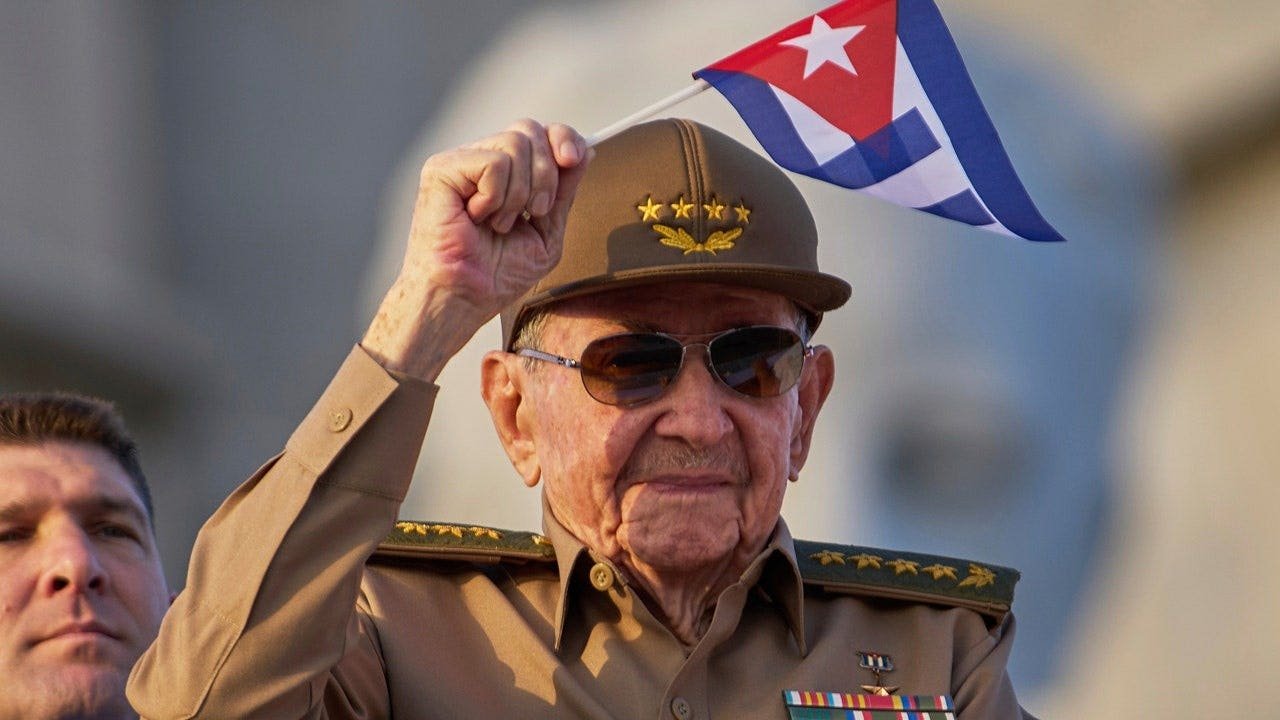
Raul Castro waves a Cuban national flag during a May Day parade at Revolution Square in Havana, May 1, 2025. (AP Photo/Ramon Espinosa)
Castro, who turned 95 on Wednesday, was last seen publicly during May Day celebrations in Havana, days before the indictment was unsealed.
Prior to his May Day appearance, Castro had remained out of public view for months, appearing only at a public ceremony in Cuba’s capital in January honoring 32 Cuban soldiers killed during the U.S. military operation that led to the capture of Venezuelan President Nicolás Maduro.
The indictment centers on a February 1996 incident in which Cuban military aircraft allegedly shot down two unarmed civilian planes operated by Brothers to the Rescue, killing four men: Carlos Costa, Armando Alejandre Jr., Mario de la Peña and Pablo Morales.
OBAMA’S BASEBALL OUTING WITH CASTRO REIGNITES FURY AFTER TRUMP DOJ DROPS HAMMER ON CUBAN LEADER
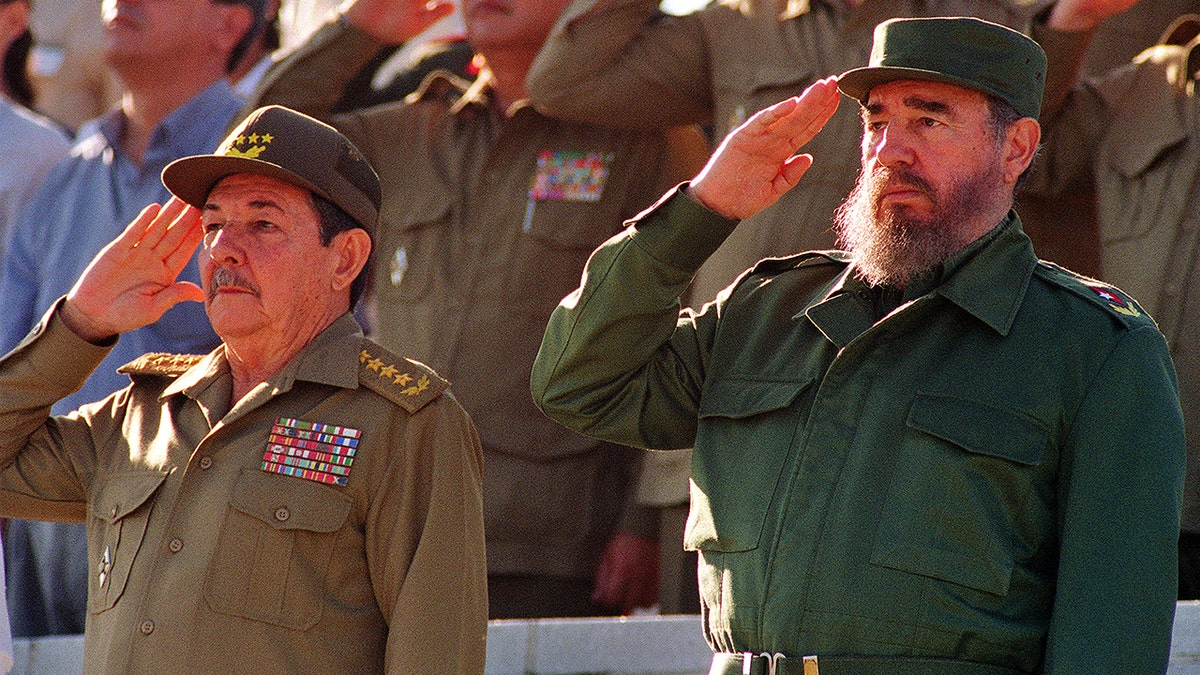
Fidel Castro and his brother Raul Castro attend a parade in Havana, Cuba, on Dec. 2, 1996. (Sven Creutzmann/Mambo Photography/Getty Images)
Prosecutors allege the aircraft were flying outside Cuban territory when they were destroyed.
The indictment came amid rising tensions in the Caribbean and a series of comments from Trump and his surrogates hinting at possible regime change in the island nation.
President Donald Trump previously praised the indictment, saying Cuban Americans whose families suffered under the communist regime had waited decades for accountability.
TRUMP DECLARES NATIONAL EMERGENCY OVER CUBA, THREATENS TARIFFS ON NATIONS THAT SUPPLY OIL TO COMMUNIST REGIME

Former Cuban Vice President Jose Machado and dictator Raul Castro are seen in Cuba. (Yamil Lage/Getty Images)
«We have big news on Cuba, as you know, with the indictment of Castro,» Trump said. «A lot of people have suffered very big, very, very, at levels that few people would understand.»
Trump also suggested tensions with Cuba would not escalate following the indictment.
«There won’t be escalation,» he said. «We won’t have to.»
MADURO’S CAPTURE IS ‘BEGINNING OF THE END’ FOR CUBA’S REGIME, HOUSE INTELLIGENCE CHAIR SAYS
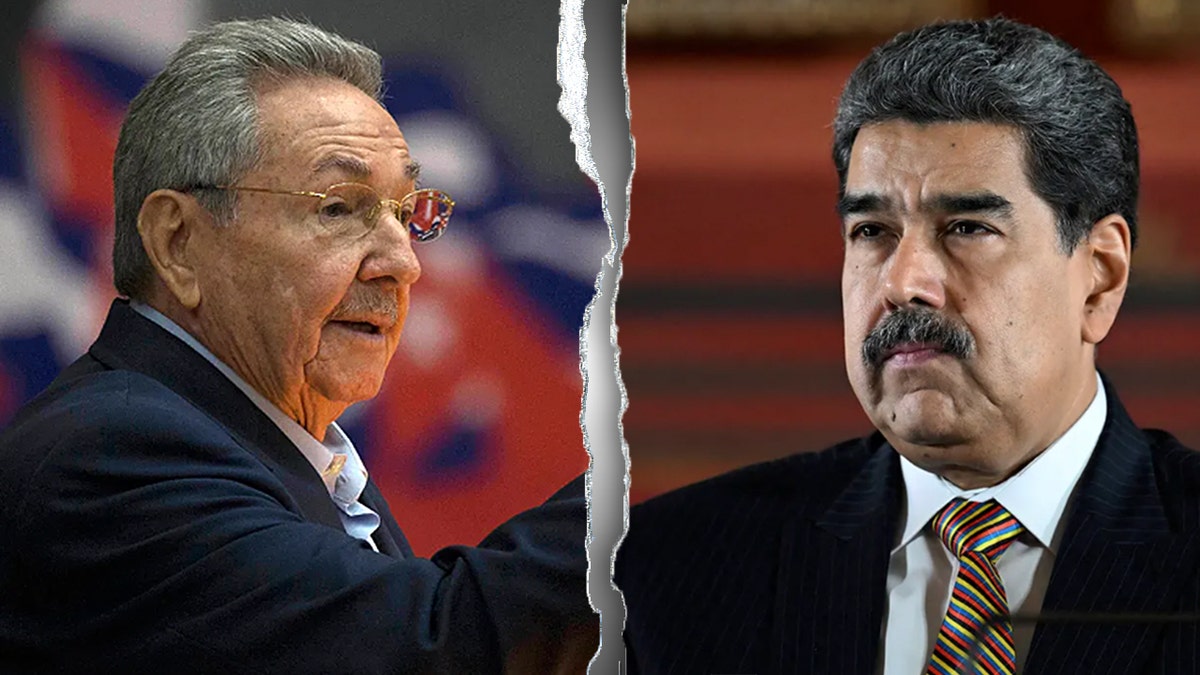
Venezuelan President Nicolás Maduro and former Cuban leader Raul Castro stand together at an event. (Ismael Francisco/Cubadebate/AP:Juan Barreto/AFP via Getty Images)
Still, the decision to indict Castro fueled comparisons to the pressure campaign Trump previously used against Maduro.
«At the very least, it means symbolically that he is now set up just as Nicolás Maduro was,» Christine Balling, a Cuba expert at the Institute of World Politics and former advisor to U.S. Special Operations Command South, previously told Fox News Digital.
The U.S. indicted Maduro on narco-terrorism charges while tightening sanctions on Venezuela’s oil sector, backing opposition efforts to remove him from power and increasing military operations in the Caribbean.
«I don’t think that we are necessarily going to conduct the same operation,» Balling said. «Raúl Castro is 94 years old. It might not be worth the trouble.»
CLICK HERE TO DOWNLOAD THE FOX NEWS APP
Still, Balling argued that the indictment sent «a very straightforward message that we are 100% behind the fall of the Castro regime.»
Fox News Digital’s Robert McGreevy, Greg Wehner and Morgan Phillips, along with Fox News’ David Spunt, Bill Mears and Jake Gibson contributed to this report. Reuters also contributed to this report.
cuba, caribbean, donald trump, nicolas maduro, assassinations murders










INTERNACIONAL
Nuclear experts urge Trump not to let Iran steer talks away from regime’s atomic threat
NEWYou can now listen to Fox News articles!
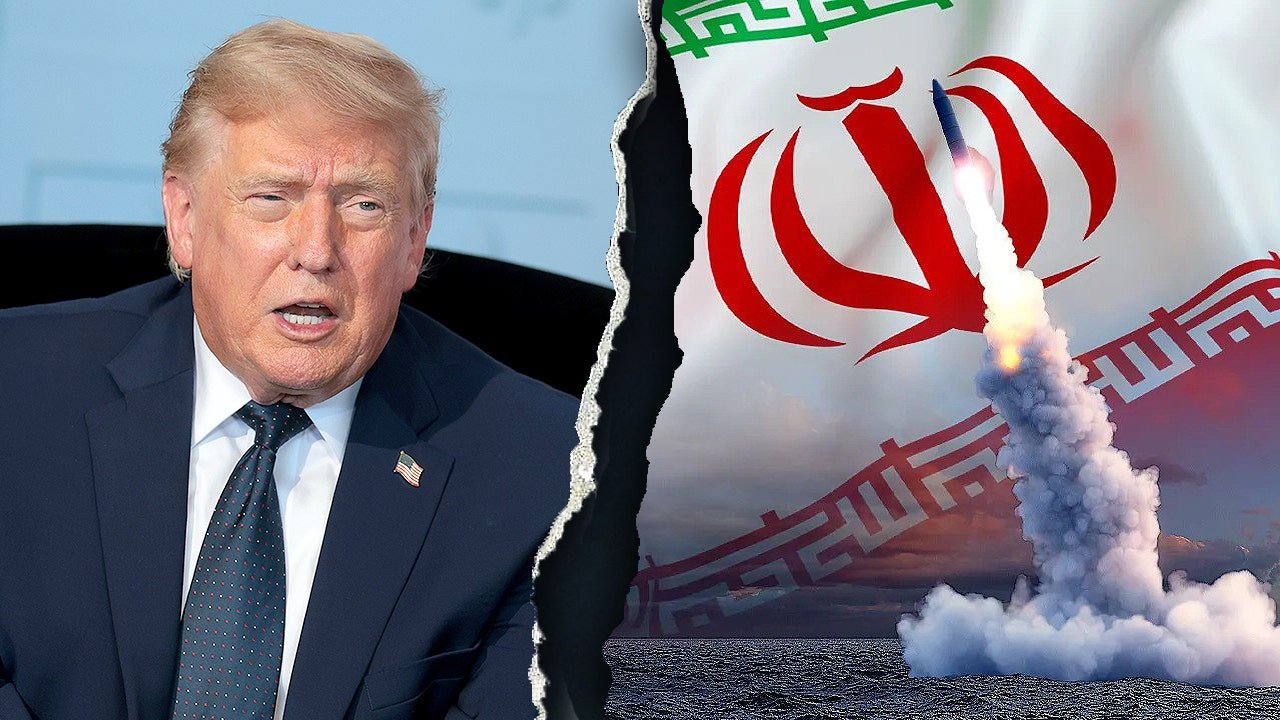
Iran’s top Revolutionary Guard commander declared Wednesday that Tehran would continue working on nuclear weapons as long as the United States and Israel possess them, intensifying concerns that Iran is using negotiations over the Strait of Hormuz to postpone concessions on its nuclear program.
«As long as the United States and Israel possess nuclear weapons, we will continue working on them for our national security,» IRGC commander-in-chief Ahmad Vahidi said, according to a translation of remarks circulating Wednesday. «If they disarm, we will disarm.»
Israeli Prime Minister Benjamin Netanyahu responded by vowing that Israel would continue preventing Iran from obtaining a nuclear weapon, with or without a diplomatic agreement.
WHO IS AHMAD VAHIDI? IRAN’S NEW IRGC CHIEF TIED TO GLOBAL ATTACKS AND ‘DEATH TO AMERICA’ IDEOLOGY
A map shows damage to Iran’s Fordow nuclear site after being struck by the United States in Operation Midnight Hammer on June 22, 2025. (Fox News)
«Today, we heard the commander of the Revolutionary Guards, Vahidi, explicitly declare Iran’s intention to continue developing nuclear weapons — ‘continue,’ as he put it,» Netanyahu said at a ceremony marking the reinterment of Shimon and Rivka Herzl, the grandparents of the founder of modern day Zionism, Theodor Herzl.
«Well, as prime minister of Israel, I too am determined to continue — to continue preventing Iran from possessing nuclear weapons,» he said.
Netanyahu praised President Donald Trump as Israel’s greatest friend in the White House and expressed appreciation for the two countries’ joint efforts against Iran’s nuclear ambitions.
«Israel’s existence is not subject to negotiation,» Netanyahu said. «With an agreement or without an agreement, I am determined — we are all determined — to do whatever is necessary to ensure our security and our future.»
NETANYAHU’S ISRAEL GRAPPLES WITH TRUMP-IRAN DEAL AS DETAILS REMAIN UNCLEAR

President Pezeshkian said Iran would rebuild the nuclear facilities targeted by the U.S. and make them stronger in 2025. (Iranian Presidency/Handout/Anadolu via Getty Images)
The exchange came as nuclear experts urged Trump to keep Iran’s nuclear program at the center of negotiations, warning that Tehran could use the Hormuz crisis to secure sanctions relief and other concessions before addressing its remaining nuclear capabilities.
Trump told «Fox News at Night» Tuesday that military force remained an option if Iran abandoned the talks, while insisting Tehran could not be allowed to obtain a nuclear weapon.
«If they back out again, they’re going to get hit really hard,» Trump told Fox News’ Trace Gallagher. «They know that. They understand that. I have no choice. They can’t have a nuclear weapon. It’s very simple.
«The hard hit is yet to come, and hopefully we won’t have to use it.»
Trump said negotiators held an «all-day negotiation» Tuesday and described the discussions as «very good.» He has said the talks would initially focus on reopening the Strait of Hormuz before turning to Tehran’s nuclear program.
TRUMP WARNS IRAN WILL BE HIT ‘REALLY HARD’ IF NUCLEAR NEGOTIATIONS COLLAPSE AGAIN
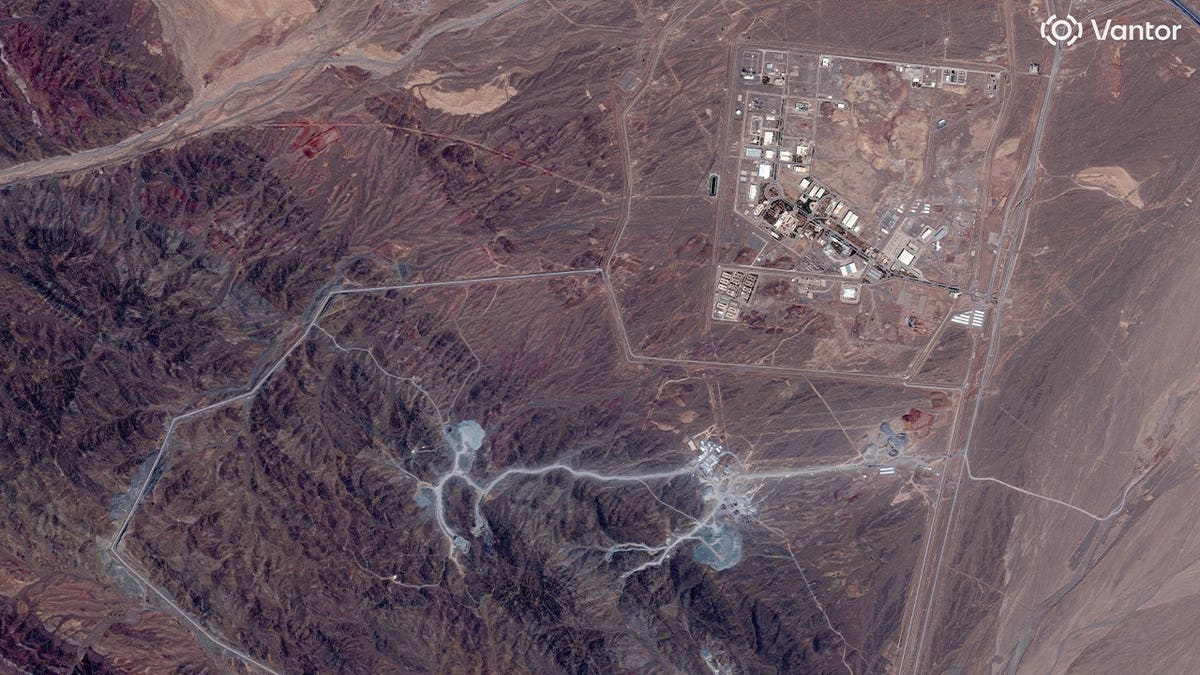
A satellite view of the Natanz nuclear facility and Pickaxe Mountain, near Natanz, Iran, June 30, 2026 (Vantor/Handout via Reuters)
Andrea Stricker, deputy director of the Foundation for Defense of Democracies’ Nonproliferation and Biodefense Program, said that sequence could play directly into Iran’s strategy.
«It is in the Iranians’ interest to steer the negotiations toward the issues that they most care about,» Stricker told Fox News Digital, including securing major U.S. concessions over Hormuz and «maintaining control of that crucial waterway that has proven a lifeline for Tehran to survive this war.»
She said Iran would also seek oil sanctions relief and potentially relief from all U.S. sanctions, before addressing the nuclear file.
«If Tehran is able to structure the talks that way — and I’m concerned that Trump appears to be going along with that approach — there may be little left in terms of leverage to get big concessions from the Iranians on the nuclear file down the line,» Stricker said.
There is evidence that Tehran has sought to sequence the talks in its favor. Axios reported in April that Iran proposed reopening the Strait of Hormuz and ending the war before beginning nuclear negotiations, potentially reducing U.S. leverage over enrichment and Iran’s enriched-uranium stockpile.
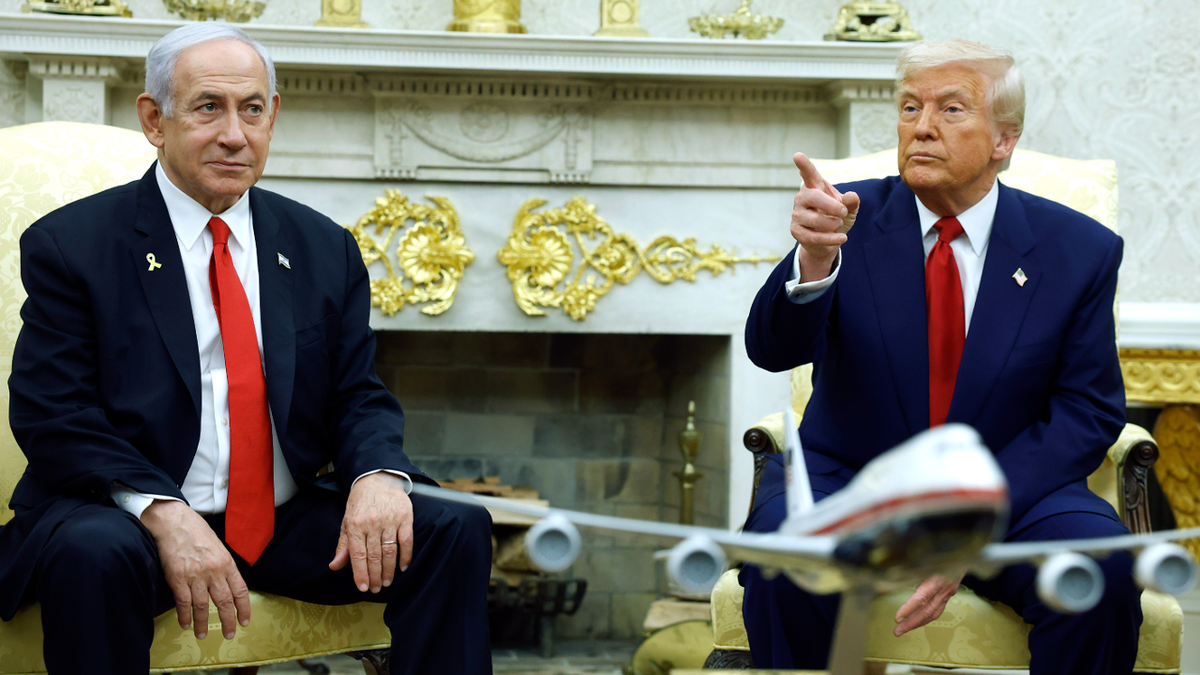
President Donald Trump, right, speaks alongside Israeli Prime Minister Benjamin Netanyahu with a model of Air Force One on the table during a meeting in the Oval Office of the White House April 7, 2025, in Washington, D.C. (Kevin Dietsch/Getty Images)
The Washington Post later reported that Tehran was focused on preserving its leverage over Hormuz rather than engaging deeply on major nuclear restrictions.
Kelsey Davenport, director for nonproliferation policy at the Arms Control Association, agreed Iran is seeking to capitalize on the leverage it gained by disrupting maritime traffic through the Strait of Hormuz.
«The current focus on the Straits of Hormuz is not surprising. Iran is looking to capitalize on leverage gained by disrupting maritime traffic through the waterway and test if Trump is willing to negotiate in good faith,» Davenport told Fox News Digital.
TRUMP WARNS IRAN FIGHTING ISN’T OVER AS HE VOWS US WILL ‘WIN’ AS TALKS FADE
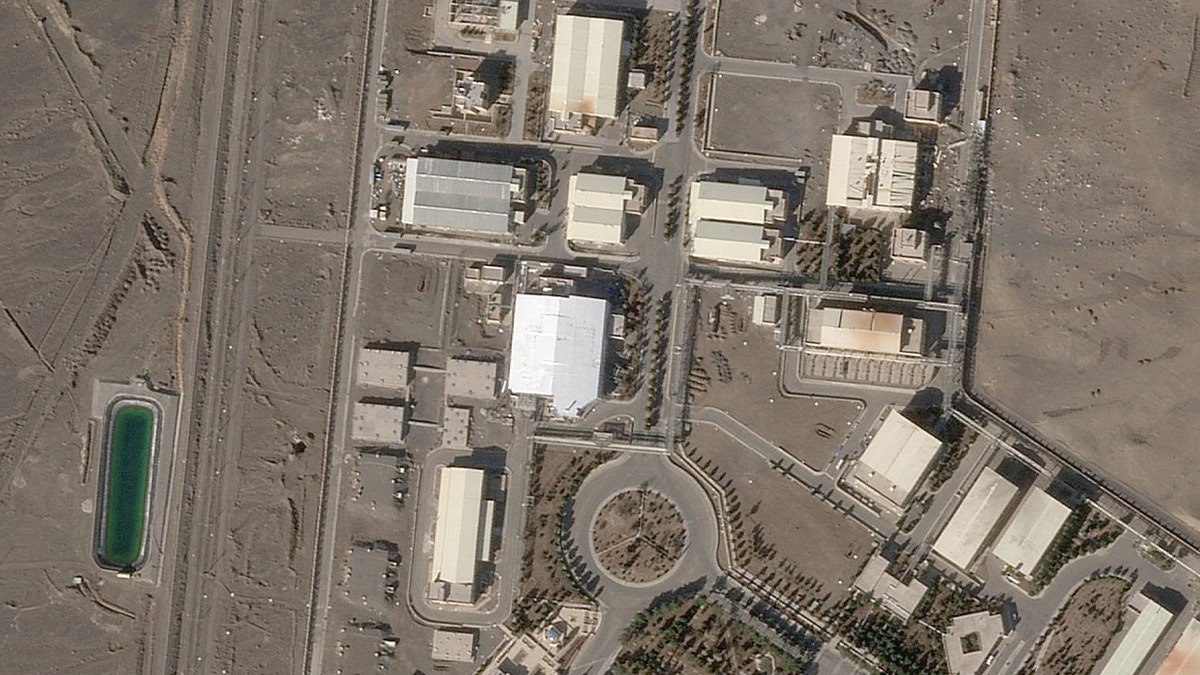
Satellite imagery taken Jan. 30, 2026, shows a new roof over a previously destroyed building at Natanz nuclear site. (2026 Planet Labs PBC/Handout via Reuters)
She said Tehran understands that any durable agreement will ultimately have to address its nuclear program but said, «At the end of this conflict, Iran will still possess the capabilities necessary to build a bomb,» Davenport said, «The relevant knowledge and nuclear expertise cannot be bombed away.
«Tehran retains key materials and technologies necessary to build a bomb,» she added. «If left unchecked, the nuclear program will be a source of instability and renewed conflict, even if Iran does not resume more proliferation-sensitive nuclear activities.»
A proposed agreement between Iran and Oman could give Tehran some control over ships entering the Persian Gulf through the Strait of Hormuz, a senior Iranian source and two regional officials told Reuters Wednesday. One regional source described the arrangement as a concession that had already been made, although the precise meaning of Iranian «control» remained under negotiation.
Iran is also seeking fees from ships traveling through the waterway, according to Reuters, while Washington has opposed both Iranian control and mandatory transit charges.
Stricker said postponing the nuclear issues would allow the regime to preserve its remaining enriched-uranium stockpiles and avoid fully dismantling its nuclear infrastructure.
She said Iran also wants to avoid accounting for its past nuclear weapons-related work or committing to end uranium enrichment and plutonium reprocessing.
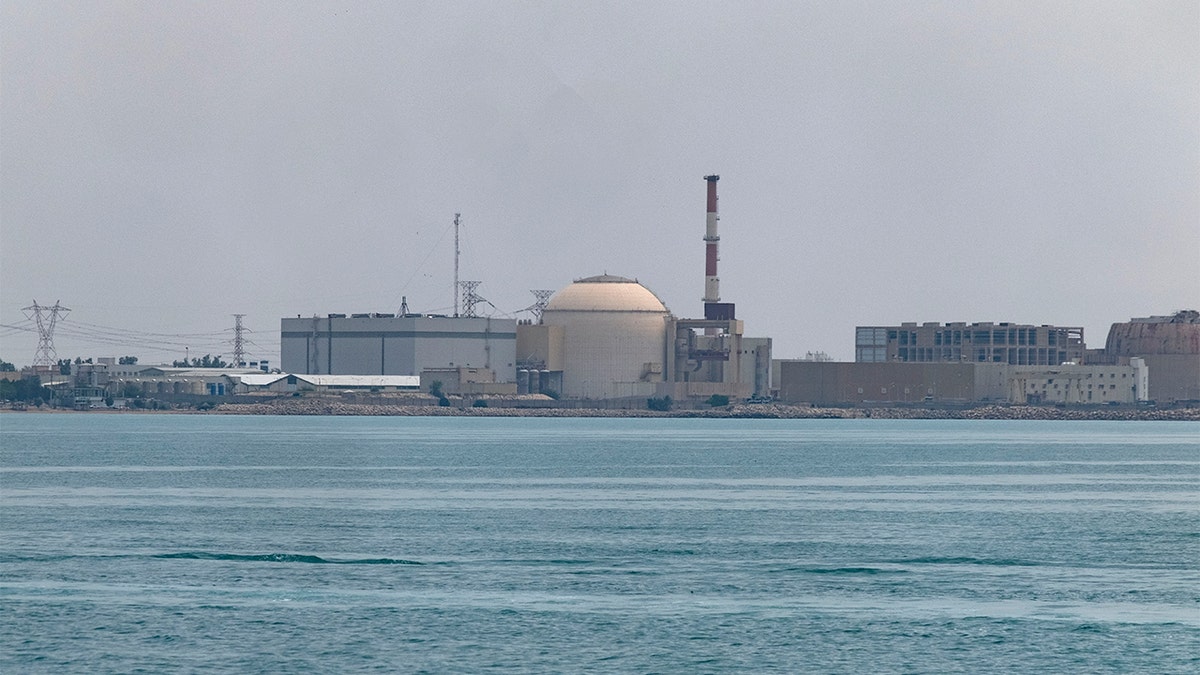
The Bushehr nuclear plant in Iran April 29, 2024 (Morteza Nikoubazl/NurPhoto via Getty Images)
«Leaving them as a last-order issue in the negotiations likely means that we will not see the Iranians make big concessions and make a solid nuclear deal,» Stricker said.
Davenport said the administration should prioritize restoring access for inspectors from the International Atomic Energy Agency before beginning detailed nuclear negotiations.
«The IAEA has not visited key Iranian nuclear sites in more than a year,» she said. «It remains unclear how much of Iran’s nuclear infrastructure remains and where any gaps might be in trying to account for Iran’s nuclear materials.»
She said renewed inspections would give Washington a clearer picture of Iran’s remaining facilities and materials, while helping negotiators design a verification regime capable of addressing any gaps.
Davenport also recommended pairing sanctions relief with specific, verifiable Iranian steps rather than negotiating one sweeping package.
«A series of smaller deals could build confidence in the process,» she said.
Stricker urged the administration to link every concession involving Hormuz, sanctions or the U.S. blockade to a measurable Iranian step on the nuclear file.
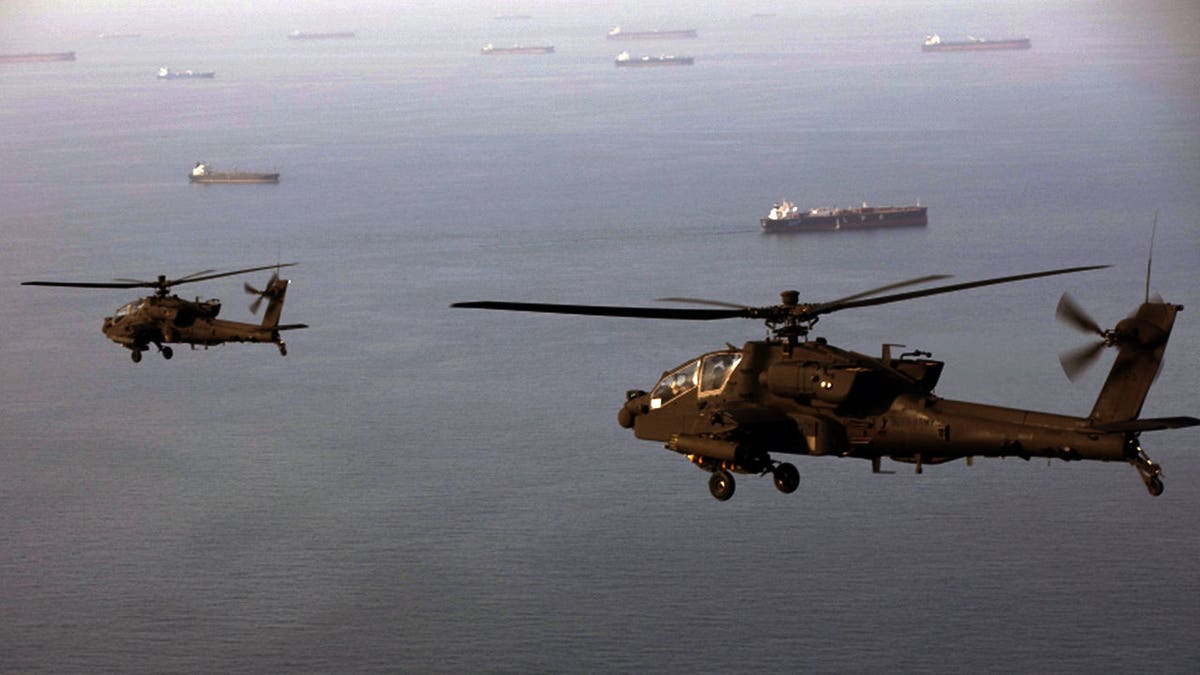
The U.S. military has been enforcing a naval blockade in the Strait of Hormuz, even during the ceasefire. (U.S. Central Command)
«The best approach to ensure a solid deal is to make the nuclear issues just as important as the Strait of Hormuz, removing the blockade and other top Iranian priorities,» she said.
war with iran, national security, nuclear proliferation, iran, benjamin netanyahu, world
INTERNACIONAL
Alertan por un posible desastre ambiental en Omán tras el derrame de petróleo de un buque vinculado a la flota fantasma rusa
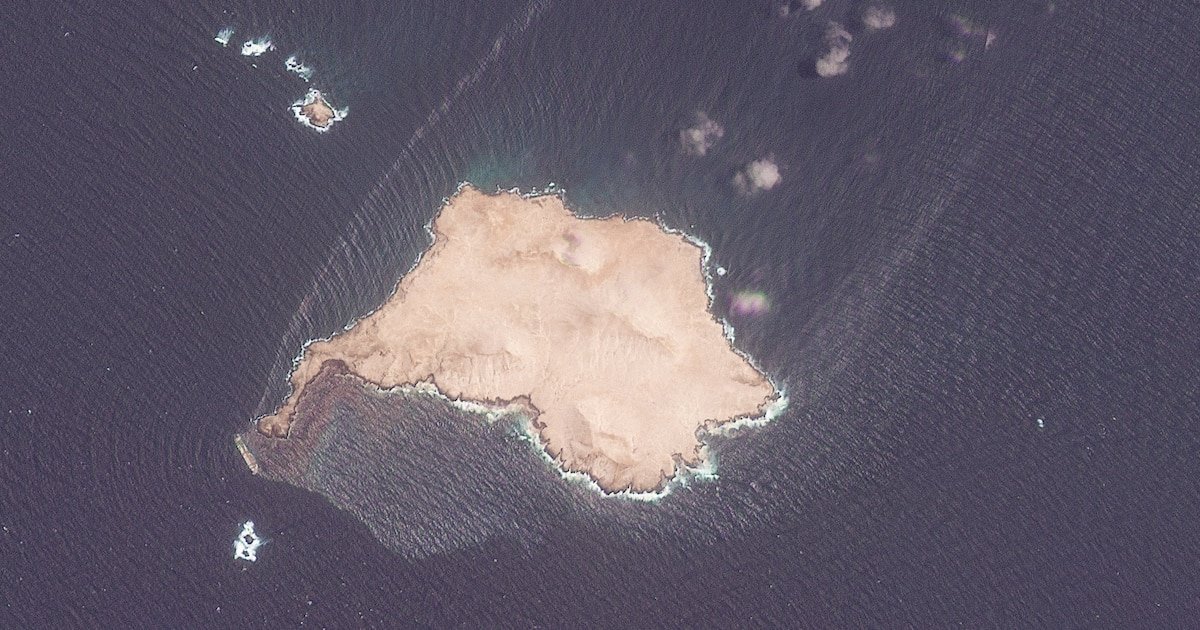
Una fuga de petróleo procedente de un petrolero presuntamente vinculado a la denominada “flota fantasma” de Rusia amenaza una extensa zona marina frente a la costa sur de Omán, cerca de una reserva natural protegida. Organizaciones ambientalistas advirtieron que el derrame se expandió hasta cubrir unos 600 kilómetros cuadrados, mientras expertos alertaron sobre el riesgo de una catástrofe ambiental de mayor magnitud si la embarcación se rompe por completo.
Imágenes satelitales verificadas por AFP muestran una extensa mancha de petróleo que se extiende desde un buque encallado desde hace más de un mes cerca de la isla al-Qibliyyah, integrante del archipiélago de al-Hallaniyat, una zona que Omán declaró reserva marina el año pasado por su elevada biodiversidad.
La embarcación identificada como Caroline Bezengi cargó un millón de barriles de petróleo crudo el 11 de mayo en la terminal rusa de Sheskharis, sobre el mar Negro, según datos de la firma Kpler. El buque todavía transportaba esa carga cuando emitió su última señal de localización un mes después.
La organización Greenpeace sostuvo que la superficie afectada aumentó de unos 20 kilómetros cuadrados el 24 de julio hasta aproximadamente 600 kilómetros cuadrados el 4 de agosto, de acuerdo con el análisis de imágenes satelitales.
“Con el petróleo aparentemente todavía en fuga y el buque encallado en un lugar de difícil acceso, el riesgo de un desastre ambiental aún mayor sigue siendo grave”, declaró a AFP Nina Noelle, integrante de Greenpeace.
La especialista también advirtió que las consecuencias podrían ser “graves y duraderas” para el ecosistema de la región.

El investigador ambiental Wim Zwijnenburg, de la organización neerlandesa PAX, coincidió con la estimación sobre la magnitud del derrame y alertó sobre el escenario más crítico. “Una ruptura completa del buque puede provocar una catástrofe ambiental regional, que afecte tanto la vida de las comunidades pesqueras de Omán como la biodiversidad marina y de las islas”, afirmó.
Zwijnenburg también subrayó la necesidad de una intervención inmediata. “La intervención oportuna y el rescate del petrolero son esenciales para evitar un escenario peor”, sostuvo.
Las advertencias se concentran sobre la reserva marina de las islas al-Hallaniyat, donde habitan especies de alto valor ecológico. Según Greenpeace, la contaminación amenaza arrecifes de coral, praderas marinas y hábitats costeros que sirven de refugio para tortugas marinas en peligro, aves migratorias y mamíferos marinos.
Noelle explicó que las tortugas utilizan las playas de estas islas para anidar y depositar sus huevos, mientras numerosas aves marinas se reproducen en el archipiélago. Además, las aguas cercanas albergan la rara ballena jorobada del mar Arábigo.
La especialista también recordó que incluso los derrames de menor magnitud pueden provocar daños persistentes. “La contaminación por petróleo en las islas Hallaniyat amenaza los arrecifes de coral, las praderas marinas y los hábitats costeros que sostienen tortugas marinas en peligro, aves marinas migratorias y mamíferos marinos”, señaló.
Además, agregó: “Incluso derrames de petróleo relativamente pequeños pueden permanecer durante años en los sedimentos marinos y comprometer la resiliencia ecológica de este ecosistema marino protegido”.

El incidente se produjo lejos del estrecho de Ormuz, una zona que registró numerosos ataques contra petroleros durante la guerra en Medio Oriente. Sin embargo, hasta el momento no existe confirmación sobre el origen de las explosiones que sufrió el buque.
La empresa de seguridad marítima Vanguard Tech informó a AFP que el 6 de junio tres explosiones sacudieron la embarcación e inundaron varios compartimentos, entre ellos la sala de bombas y el compartimiento del sistema de gobierno.
La compañía precisó que tanto el motor principal como el sistema de dirección quedaron fuera de servicio y confirmó que toda la tripulación estaba localizada. No informó la causa de las explosiones ni indicó si el buque sufrió un ataque.
Según sitios especializados de seguimiento marítimo revisados por AFP, el Caroline Bezengi emitió su última transmisión de radio el 11 de junio, cuando navegaba frente a la costa de Yemen. Posteriormente dejó de transmitir su señal del sistema AIS, utilizado para identificar y localizar embarcaciones.
Las imágenes del programa europeo Copernicus sugieren que el barco quedó encallado frente a la isla al-Qibliyyah entre el 18 y el 23 de junio. Su tamaño, forma y color de cubierta coinciden con observaciones satelitales previas del Caroline Bezengi.
En febrero, el Reino Unido sancionó al buque por su presunta participación en el transporte de petróleo ruso. Expertos sostienen que Rusia recurrió a una red de petroleros antiguos, con estructuras societarias opacas, para mantener sus exportaciones de crudo pese a las sanciones occidentales impuestas tras la invasión de Ucrania en 2022.

Para Greenpeace, este caso refleja los riesgos asociados a esa denominada flota fantasma. “Las sanciones están siendo eludidas mediante petroleros antiguos y con mantenimiento deficiente, lo que pone en riesgo las costas y los ecosistemas marinos”, concluyó Noelle.
La Organización Marítima Internacional informó a AFP que “actualmente ofrece asistencia a Omán”, aunque no brindó más detalles sobre las tareas en desarrollo. Las autoridades omaníes no respondieron a la solicitud de comentarios formulada por la agencia.
(Con información de AFP)
Accidents,Business,Disasters,Natural Catastrophes,Corporate Events,Disasters / Accidents,Middle East
INTERNACIONAL
Federal judge acknowledges Supreme Court ruling clearing path for Trump to end Haiti TPS
NEWYou can now listen to Fox News articles!
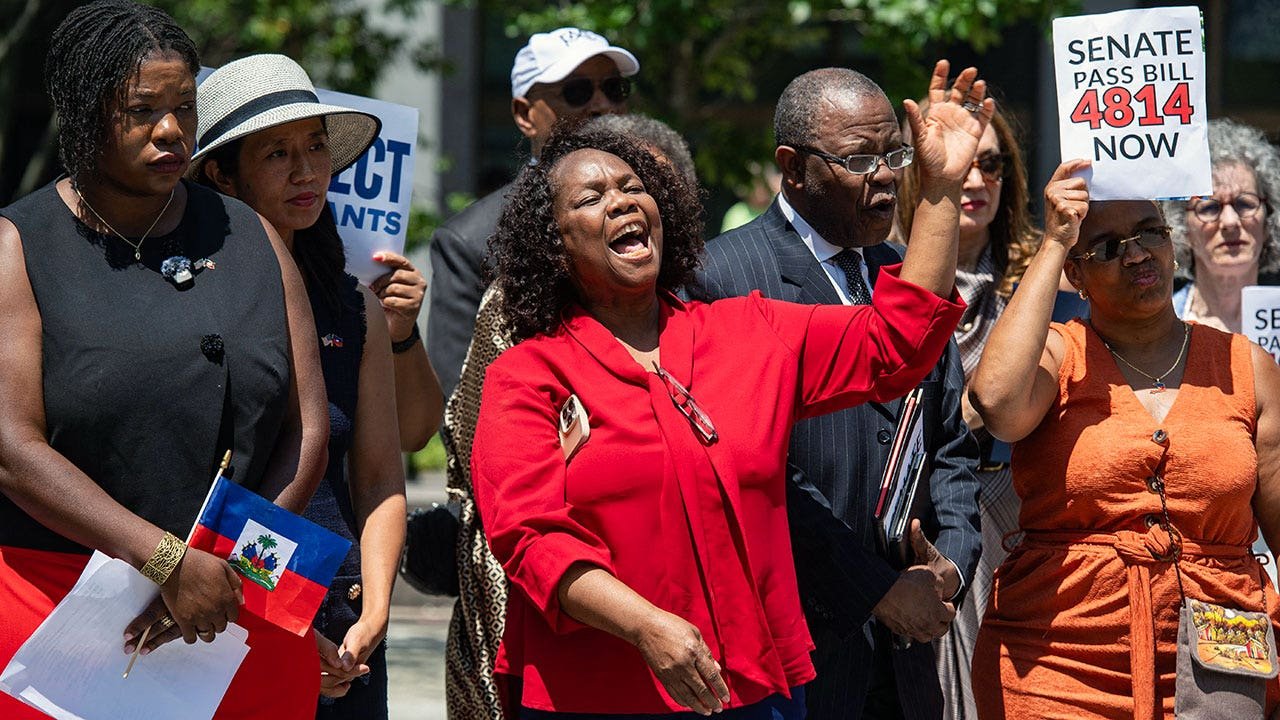
President Donald Trump on Wednesday notched a major immigration victory after a federal judge acknowledged that the court order blocking the administration from ending temporary protected status (TPS) for hundreds of thousands of Haitians is no longer in effect after the Supreme Court’s ruling in Mullin v. Doe.
The ruling marks the culmination of a yearslong legal battle over the Biden administration’s expansion of Haiti’s TPS designation and delivers a significant immigration victory for Trump, who repeatedly campaigned on ending the Biden administration’s expanded TPS protections for Haitians.
The issue became a centerpiece of the 2024 election after Trump and running mate JD Vance blamed the Biden administration’s Haiti TPS policies for the influx of Haitian migrants into Springfield, Ohio, where residents raised concerns about traffic safety, strained public services and cultural clashes.
BLUE STATE LEADERS ERUPT AFTER SUPREME COURT’S DECISION ENDING TPS PROTECTIONS FOR HAITIANS, SYRIANS
A federal judge acknowledged that the court order blocking the Trump administration from ending temporary protected status for hundreds of thousands of Haitians is no longer in effect. (Joseph Prezioso/AFP via Getty Images, File)
The controversy later exploded onto the national stage after Trump referenced residents’ claims that migrants were taking ducks and geese from parks and eating household pets.
The White House did not respond to Fox News Digital’s request for comment by publication time.
U.S. District Judge Ana Reyes wrote Wednesday that her earlier order staying the Department of Homeland Security’s (DHS) termination of Haiti’s TPS designation «is no longer in effect» after the Supreme Court’s decision and the D.C. Circuit’s subsequent mandate.
While the underlying lawsuit will continue, the administration is no longer barred by the injunction from moving forward with ending TPS protections for an estimated 330,000 to 350,000 Haitians living in the U.S.
The remaining litigation centers on whether the administration acted with unconstitutional racial animus in terminating the designation.
LIBERAL COURT STUNS WITH RULING THAT HANDS TRUMP MAJOR IMMIGRATION WIN
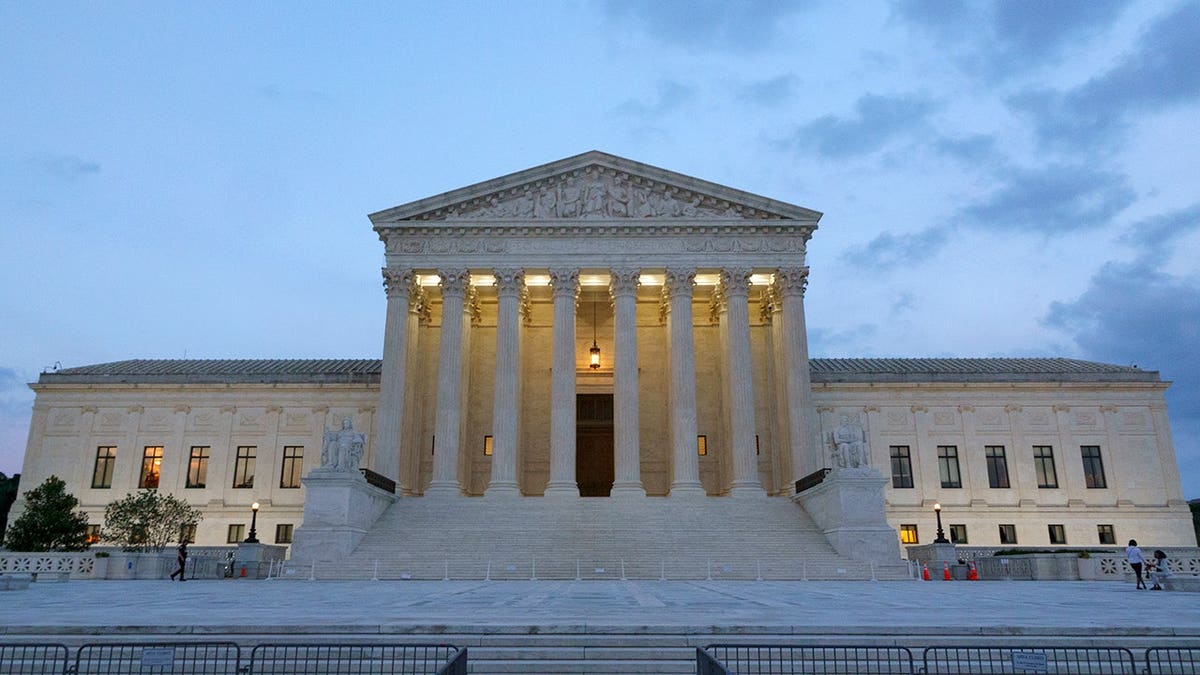
The Supreme Court ruling in Mullin v. Doe ended TPS for Haitian migrants. (Kevin Carter/Getty Images, File)
The Supreme Court ruled in June that the TPS statute bars judicial review of the administration’s non-constitutional decisions to terminate TPS designations and found the plaintiffs’ equal protection challenge was unlikely to succeed. The court reversed the lower courts and remanded the case for further proceedings.
DHS General Counsel James Percival pushed back on reports suggesting Wednesday’s order itself ended Haiti’s TPS designation, arguing the protections effectively expired when the Supreme Court’s mandate was issued July 27 and that Reyes’ order merely acknowledged that legal reality.
«Haiti TPS ended when the Supreme Court mandate issued on July 27,» Percival wrote on X. «I will give Judge Reyes kudos though for taking the L with grace and not doing something bonkers like many of her colleagues.»
Haiti first received TPS after the country’s devastating 2010 earthquake, but the designation remained in place for 16 years through multiple administrations. The Biden administration later expanded and extended protections for hundreds of thousands of Haitians already living in the U.S.
MORE THAN 100 HAITIAN IMMIGRANTS WITH VIOLENT OFFENSE AND SEX CRIME CONVICTIONS DEPORTED: DHS
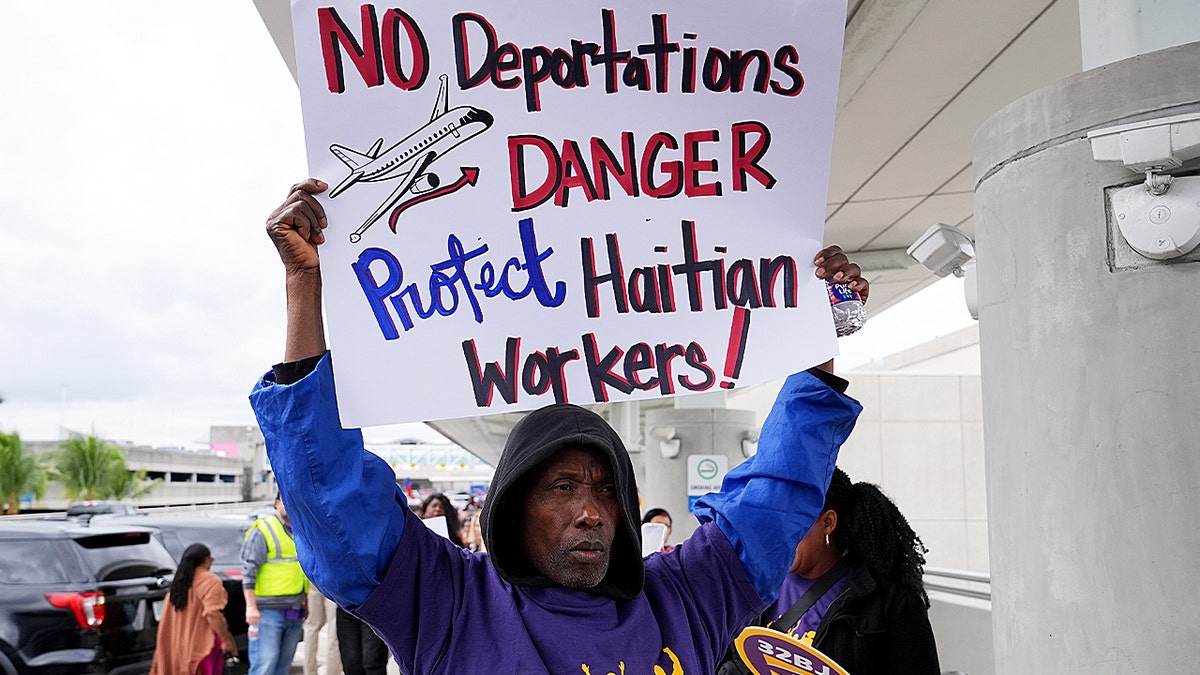
Temporary protected status for Haitian immigrants was lifted late last month. (Lynne Sladky/AP Photo, File)
After reviewing conditions in Haiti, former DHS Secretary Kristi Noem determined the country no longer met the statutory requirements for TPS and announced the administration’s decision to terminate the designation, arguing the humanitarian program had been extended well beyond its intended temporary purpose. The move triggered the legal challenge that ultimately reached the Supreme Court.
After the SCOTUS decision, the DHS announced Haiti’s TPS designation would be terminated, effective July 27, and that employment authorization documents issued under the designation were no longer valid. The department instructed employers to reverify the work authorization of affected employees.
The State Department maintains a Level 4 «Do Not Travel» advisory for Haiti because of widespread gang violence, kidnappings and civil unrest.
Fox News Digital’s Danielle Wallace and Michael Lee contributed to this report.
immigration, donald trump, homeland security, federal judges, federal courts, supreme court, politics

El mapa de cortes por la movilización al Congreso contra la modificación a la "Ley de Tierras"

La contundente decisión de Vinícius Júnior en medio de su proceso de renovación con el Real Madrid

El Gobierno cambió de estrategia para contener el dólar tras el salto de tasas que agitó al mercado

Ley de propiedad privada en el Senado, EN VIVO: se debate el proyecto de Milei, minuto a minuto

Nuclear experts urge Trump not to let Iran steer talks away from regime’s atomic threat

El papa León XIV visitará la Argentina: referentes católicos anticiparon los posibles ejes de su mensaje

“Vamos a acelerar con todo”: el objetivo del Gobierno por las reformas y la agenda electoral de cara al 2027

Javier Milei cruzó a Victoria Villarruel y elevó la tensión: “Es una opositora, replica los argumentos kirchneristas”

Reelecciones indefinidas: el oficialismo bonaerense niega que busque ampliar la Legislatura como parte de una reforma política para beneficiar a los intendentes

¡Chau Luck Ra! La salida de soltera de La Joaqui, muy bien acompañada, a días de su separación
-
 POLITICA2 días ago
Javier Milei cruzó a Victoria Villarruel y elevó la tensión: “Es una opositora, replica los argumentos kirchneristas”
-

 ECONOMIA16 horas ago
Dólar hoy en vivo: a cuánto se negocian todas las cotizaciones minuto a minuto este miércoles 5 de agosto
-

 POLITICA3 días ago
Inédito boicot a un decreto para bajar costos portuarios: el Gobierno envió intimaciones con Prefectura